Why the Cleaver Silhouette Works in a Pocket
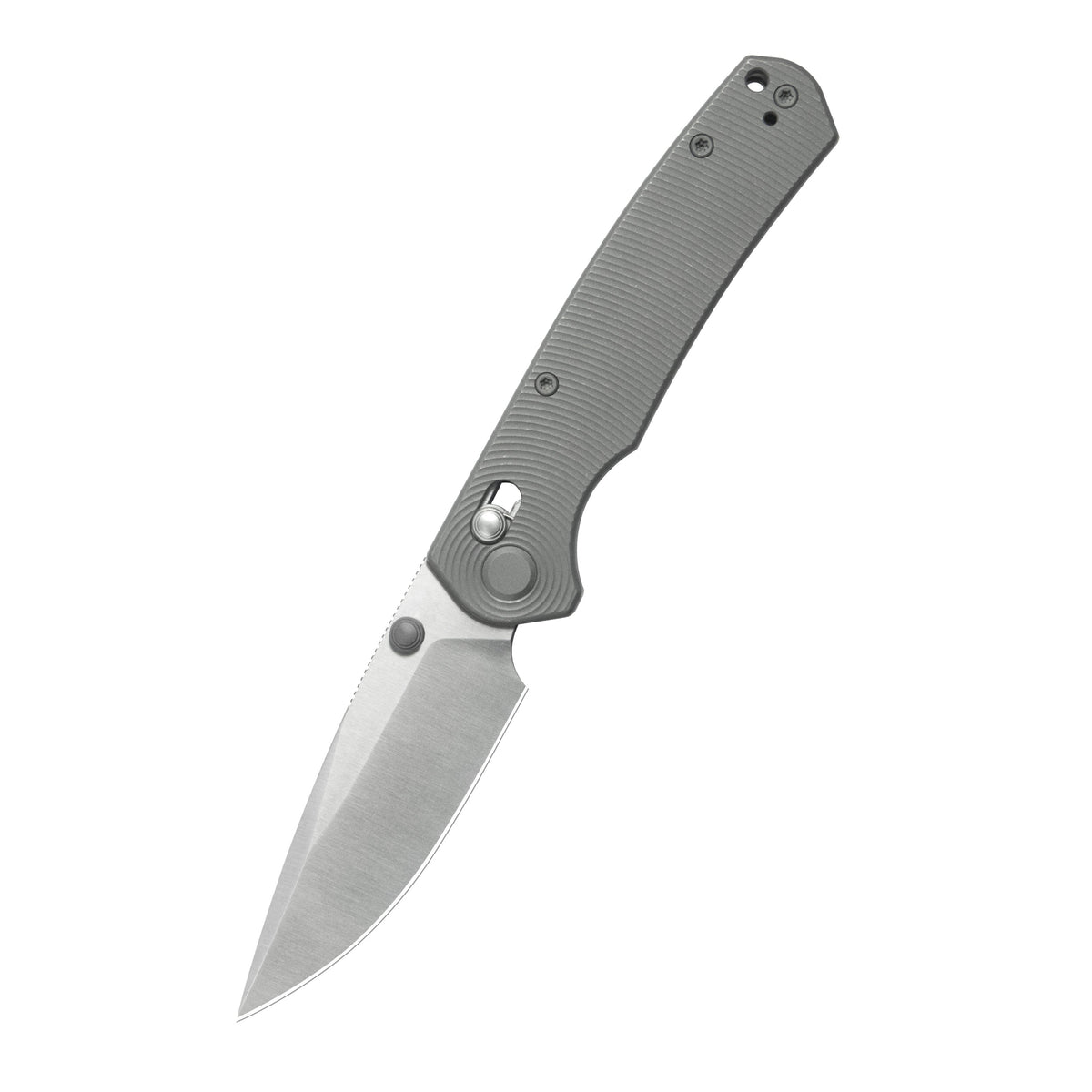
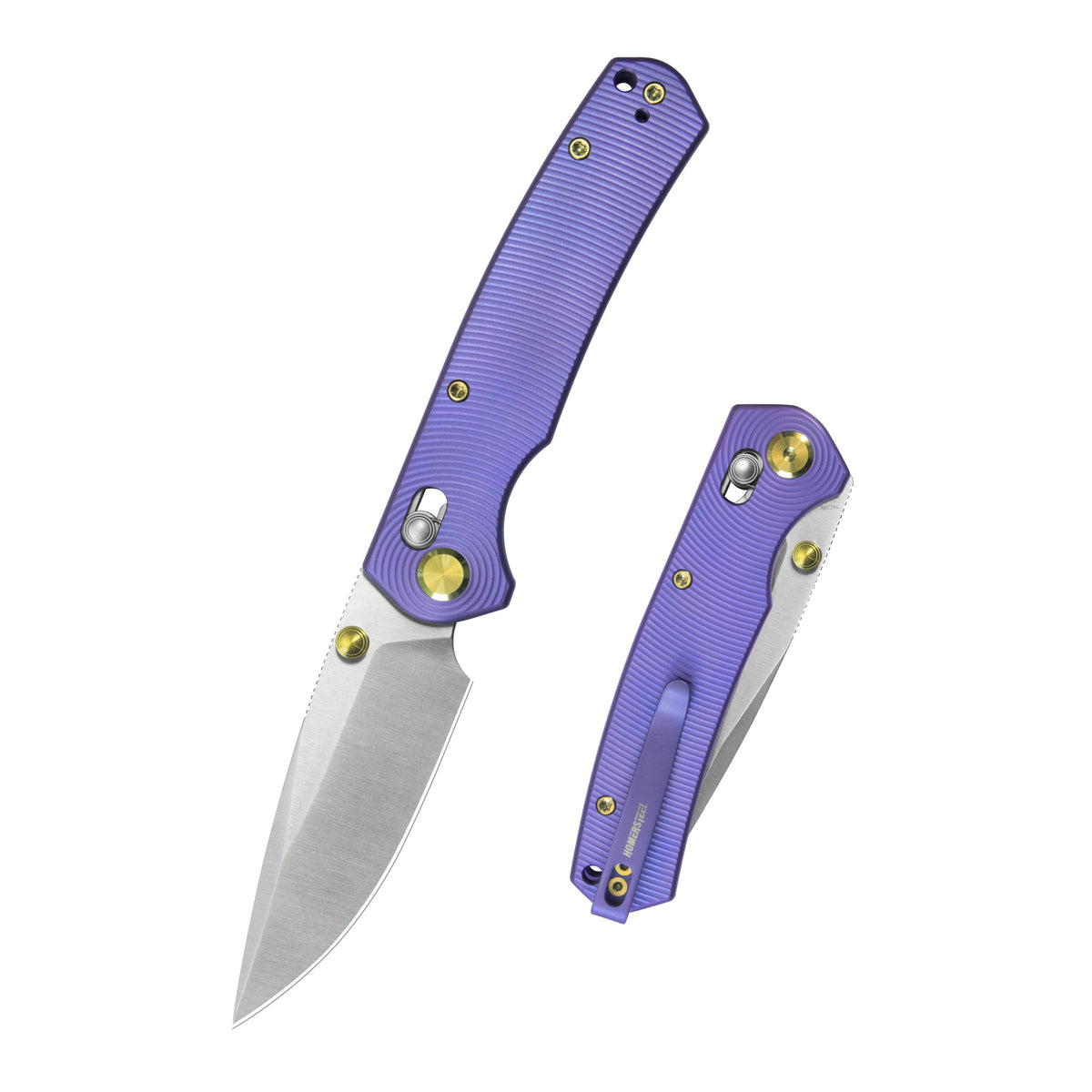
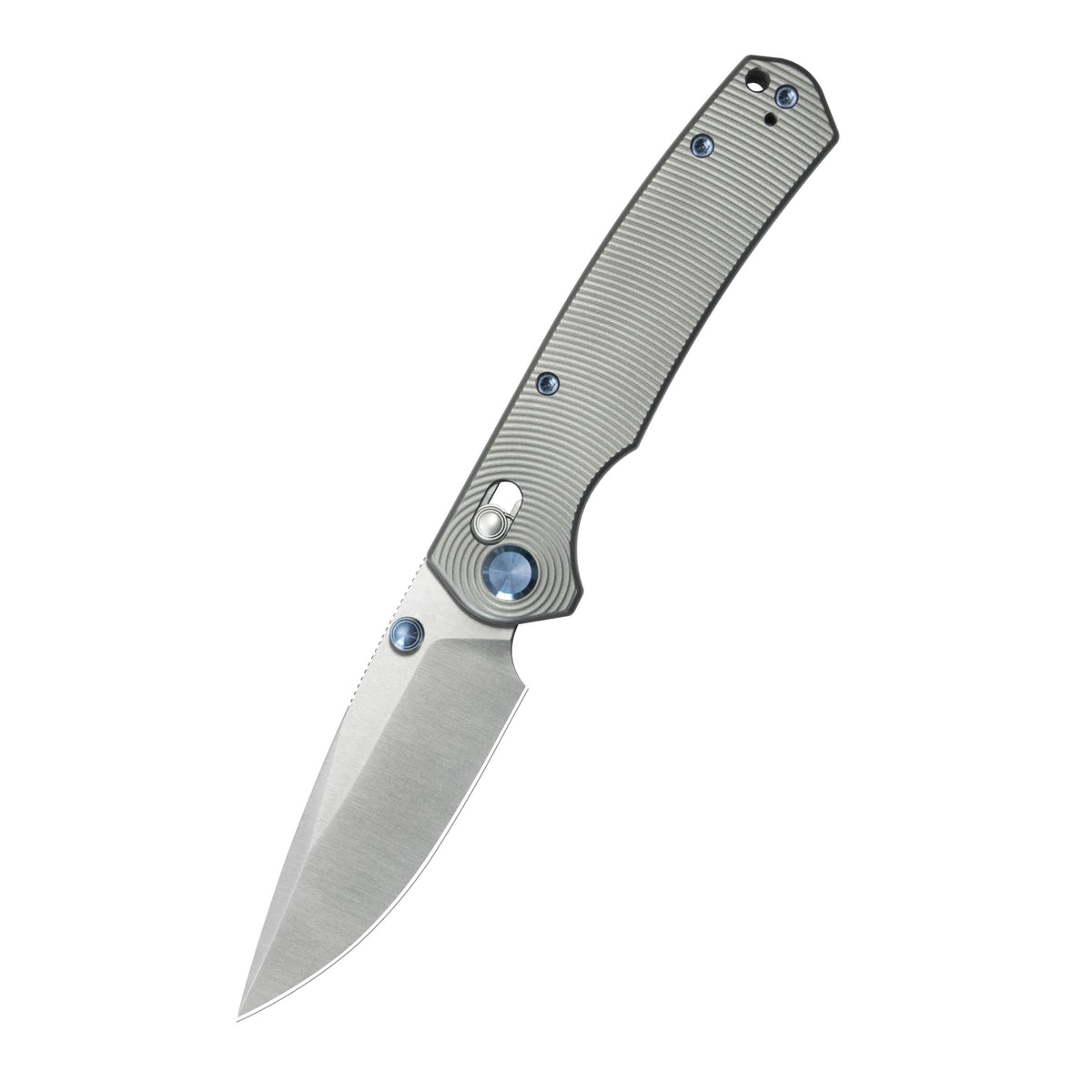
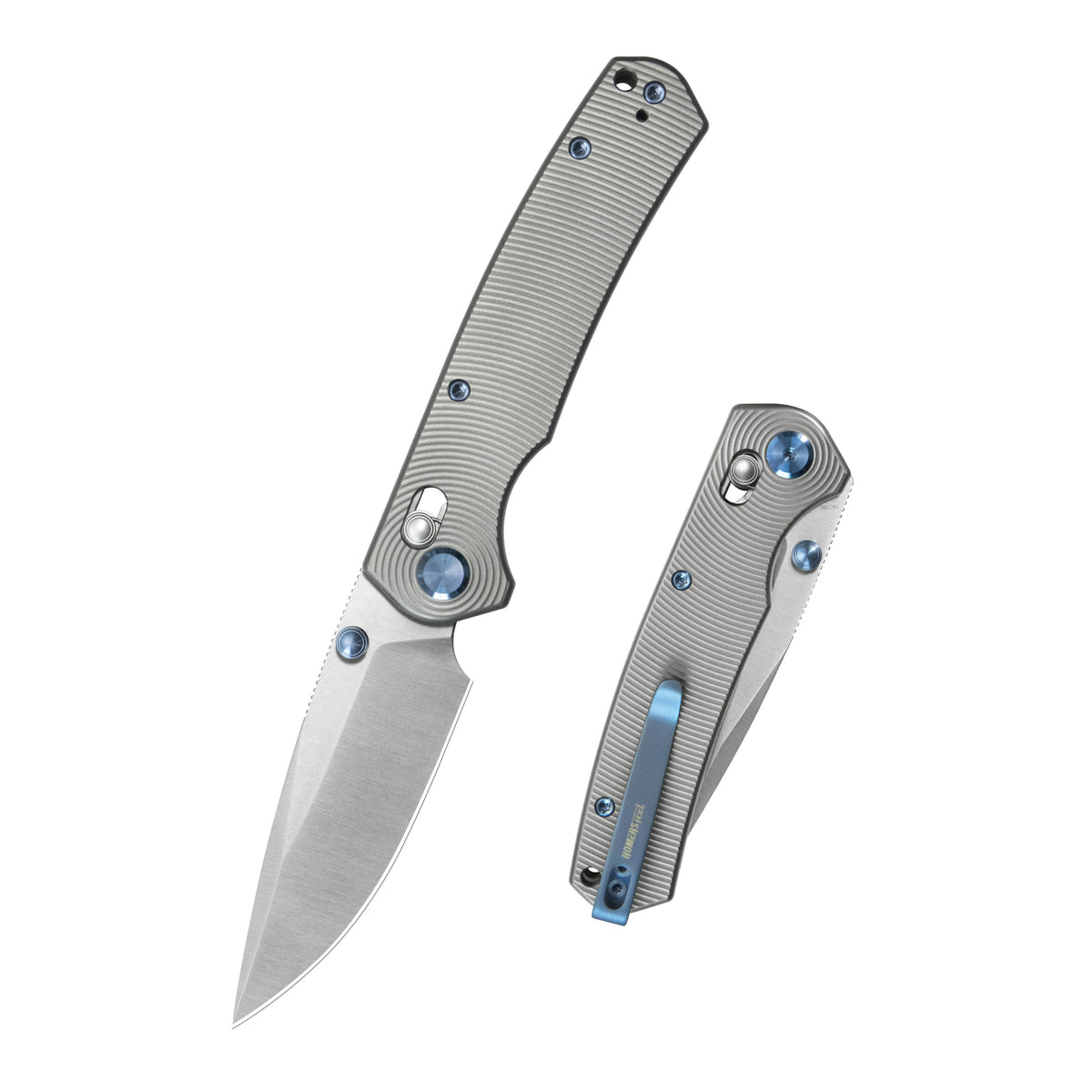
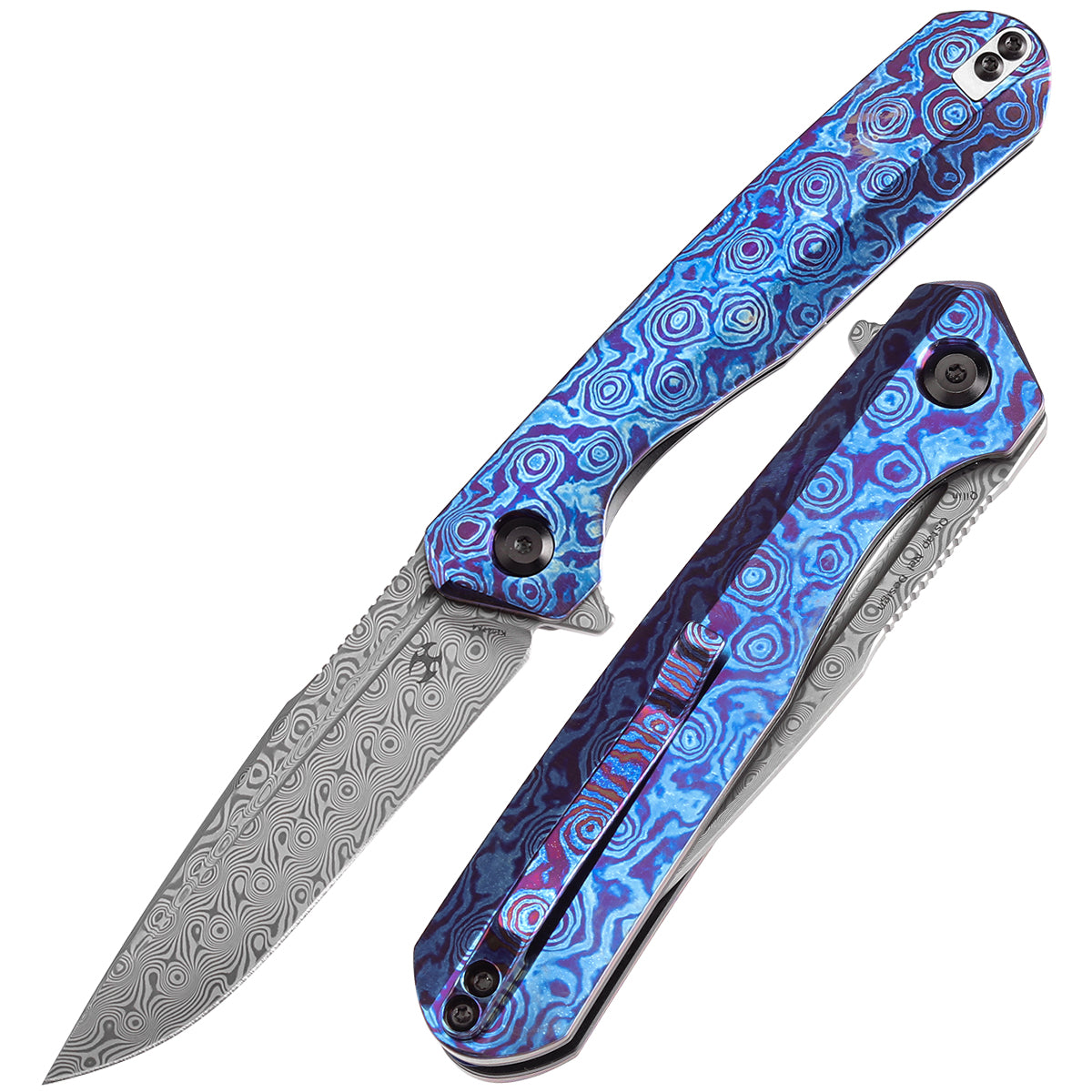
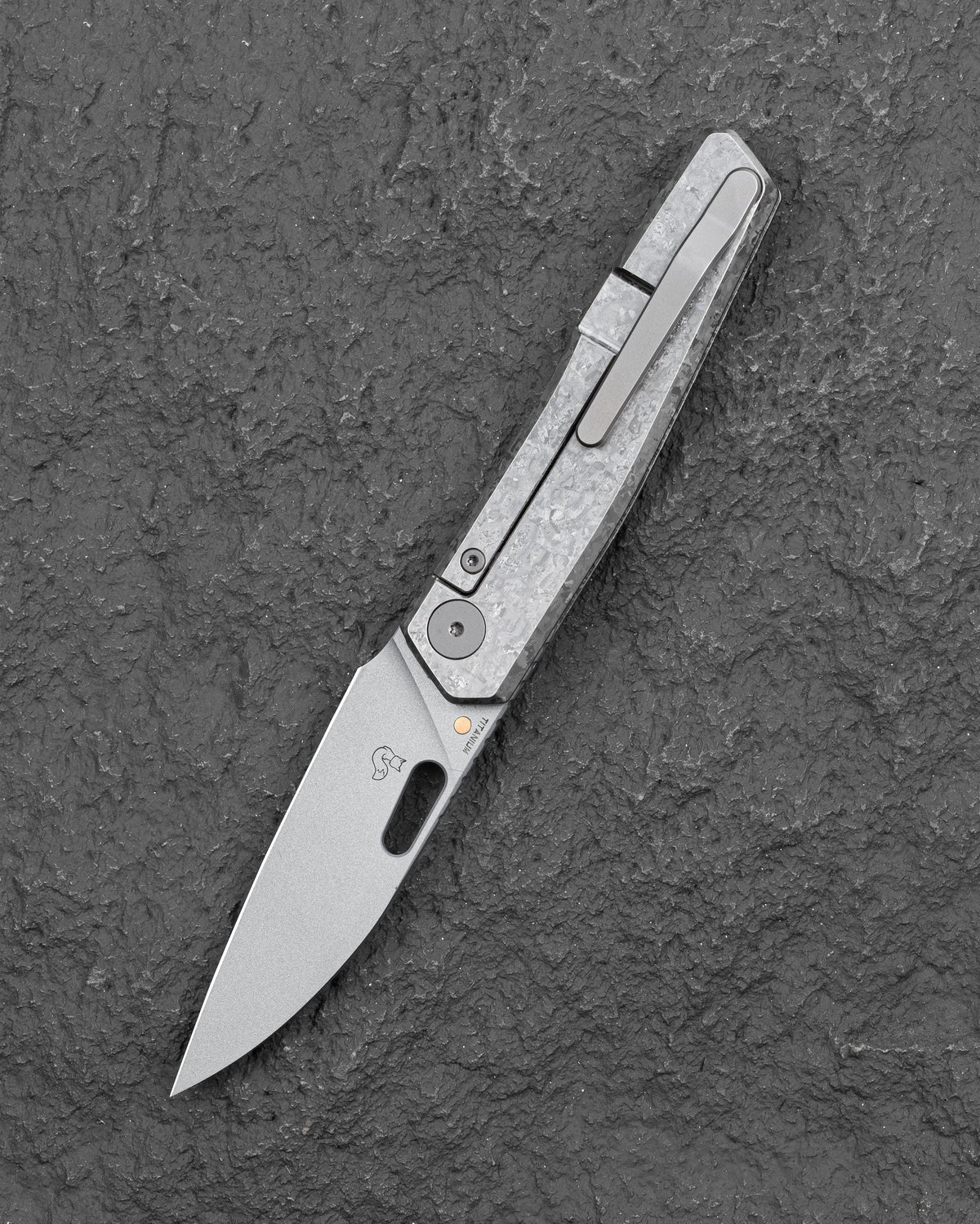
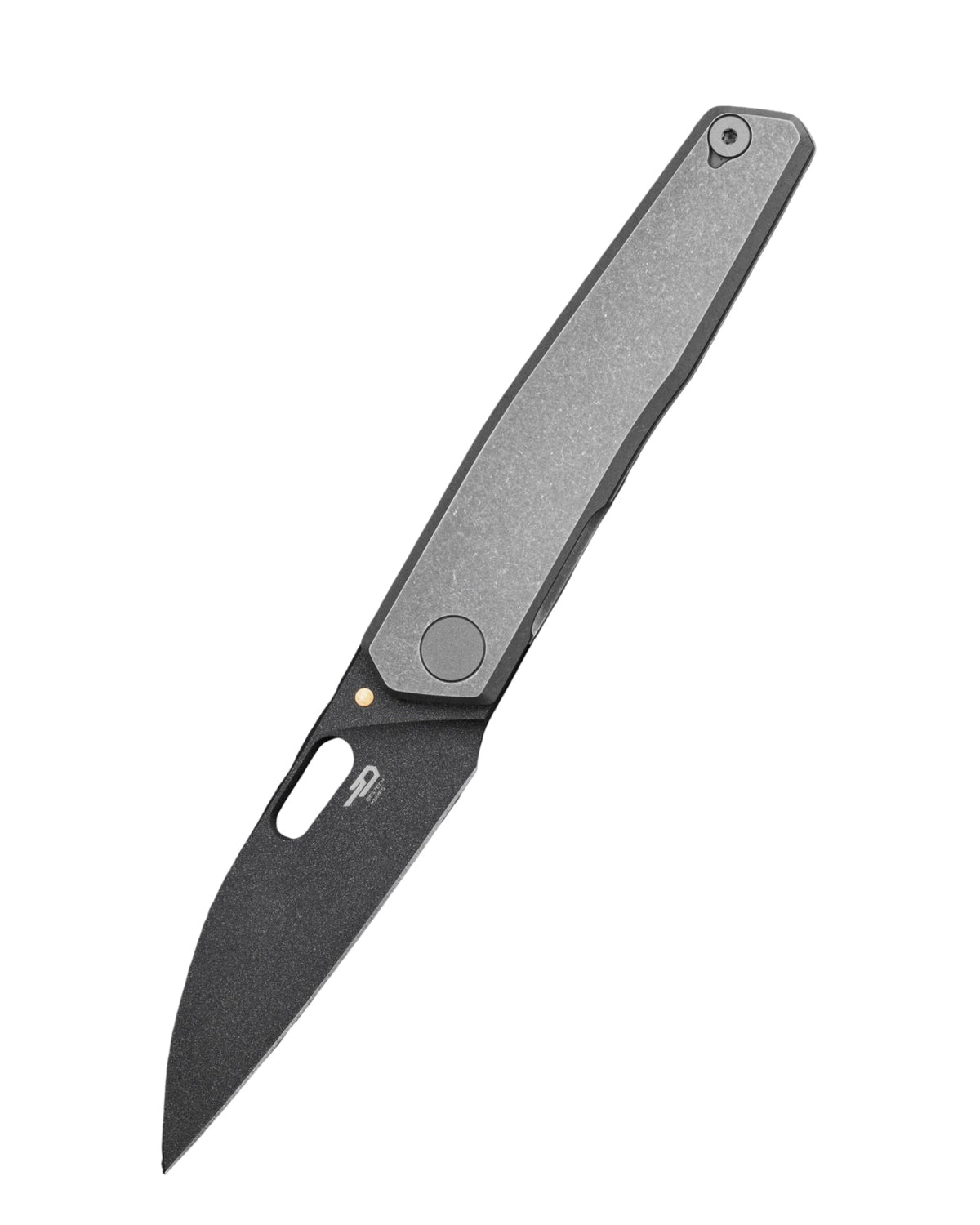
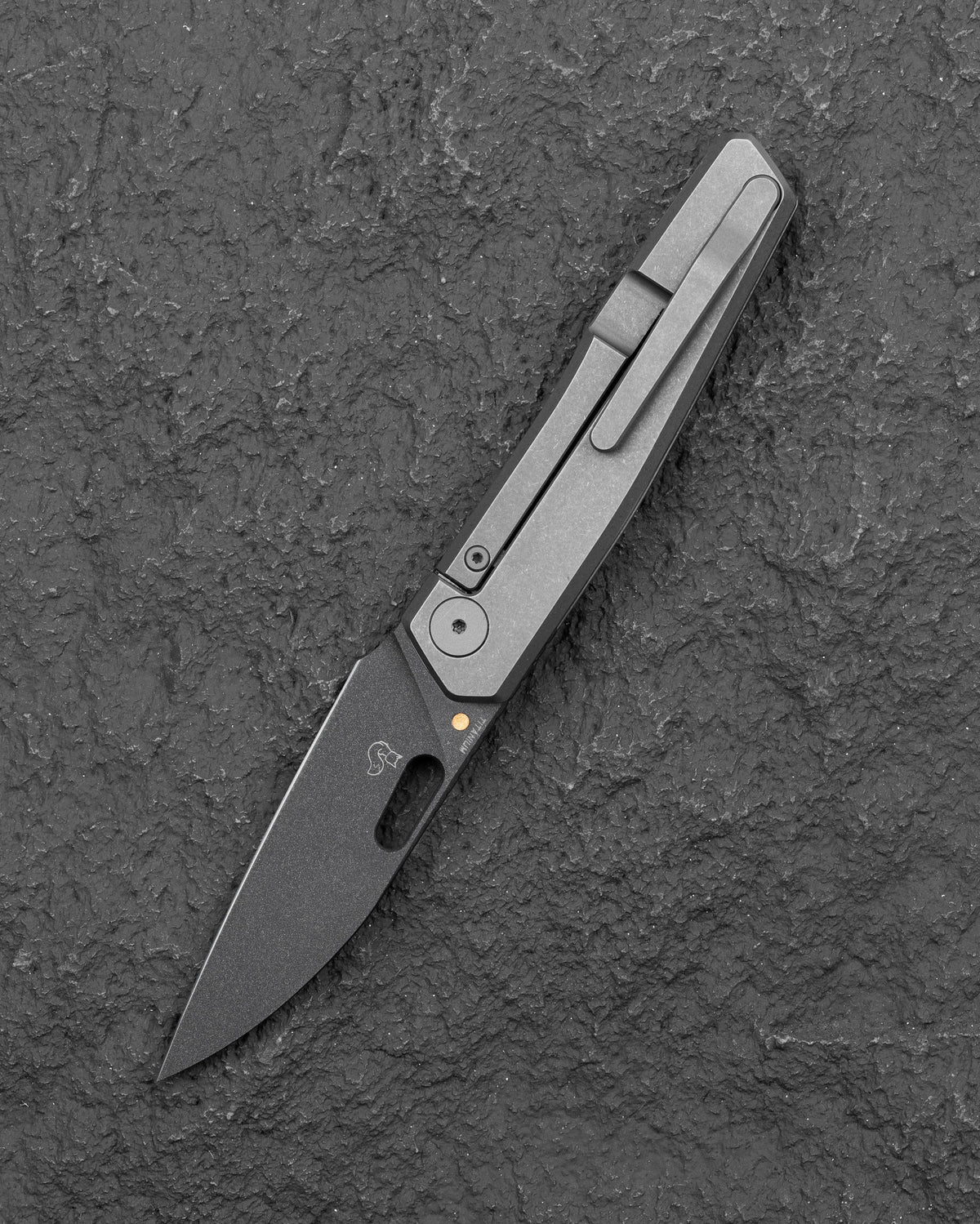
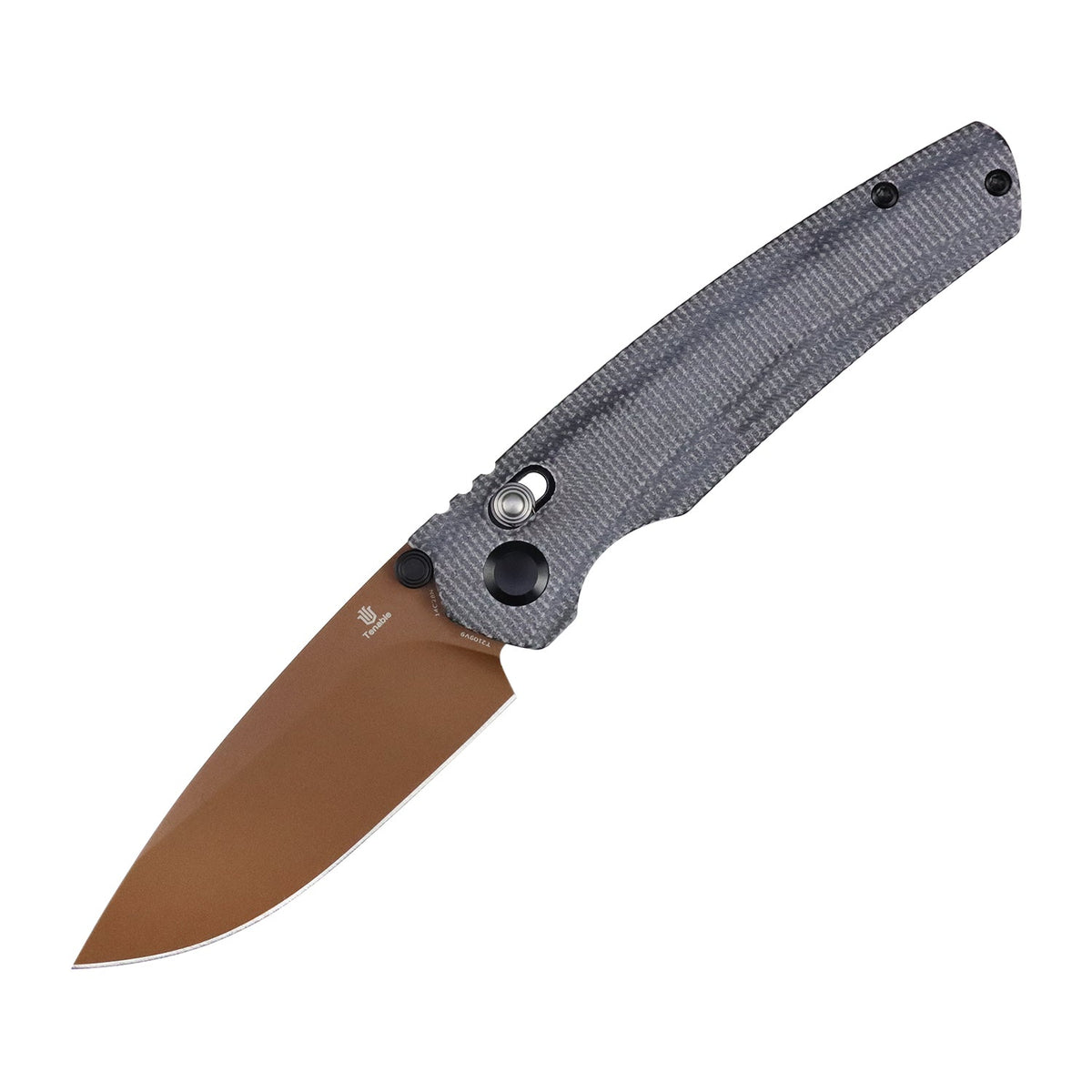
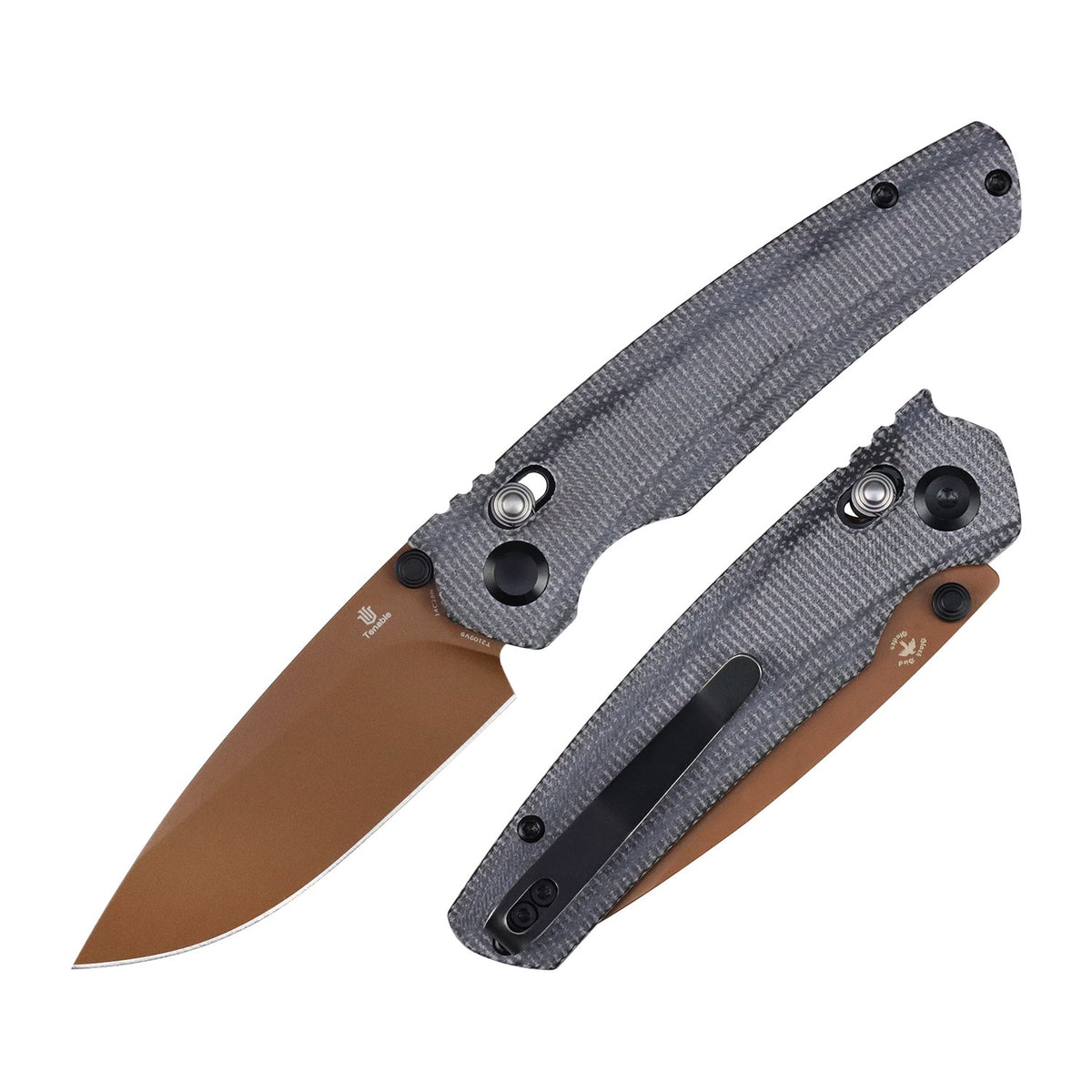
Mini cleavers looked like a novelty trend five years ago, and they turned out to be one of the few fads with a real ergonomic argument underneath. The broad blade gives your thumb a register point for controlled cuts, the squared spine doubles as a scraper for labels and adhesive, and the low tip keeps the profile safe for package duty where a pointed blade snags. The shape turns a pocket knife into something closer to a small kitchen knife, and once users adjust to steering with the flat rather than aiming the tip, most never go back. The Trivisa Dickybird-RG is the current budget entry from the Trivisa catalog at 49.99 dollars, and it is worth understanding why the silhouette earns loyal fans.

What Cleavers Do Better Than Drop Points
Box and package cutting tops the list: the wide blade braces flat against cardboard and slices with the full edge instead of worrying about tip placement. Food prep is second, diced onions scoop off the broad blade directly, and apple slices fall clean. Scraping, spreads, and tape residue removal all benefit from the squared spine. The trade is pierce cutting: a cleaver will not pop a blister pack the way a dagger-adjacent tip will, and envelope slots take slightly more care. For users whose cutting is 80 percent slicing and scraping, that trade barely registers, and the style's popularity in the liner lock segment reflects exactly that usage profile.

Steel and Handle Considerations
Most cleaver folders run working steels, and that is the correct call for the style. The Dickybird uses 14C28N in black PVD, which sharpens in minutes and resists corrosion under food-adjacent use, a pairing that suits a knife that will inevitably cut limes and tape in the same afternoon. Handle choice matters more than usual because the broad blade concentrates leverage in the grip: contoured G10, as on the Dickybird, distributes that force comfortably, while flat slab scales on cheaper cleavers create hot spots during long box sessions. The 14C28N edge also tolerates the dishwasher-adjacent abuse cleaver owners sometimes admit to, though nobody officially recommends it.

Is the Style for You?
If your knife day looks like packages, fruit, tape, and scraping, the cleaver profile will feel like it was designed for your exact routine, because it essentially was. If your cutting centers on piercing and precision tip work, stay with a drop point. The Dickybird-RG at under 50 dollars is the lowest-risk way to test the theory, and the style's presence across 14C28N folders means an upgrade path exists if it sticks. Among the broader folding knife market, cleavers have settled into a permanent niche rather than a passing trend, and the ones that survived the hype, like this one, survived because the ergonomics hold up across every aisle of the EDC catalog.
One habit worth adopting with cleaver-style folders: use the spine scraper deliberately rather than incidentally. Label residue, tape glue, and burnt-on grime come off with a few flat passes, and once you internalize that the squared spine is a tool rather than a design leftover, the style's utility doubles. Another practical point: the broad blade excels at spreading, butter, peanut butter, adhesive, and the flat blade doubles as a scoop for anything chopped. These are not jokes; they are the reasons cleaver-carry converts stay converted. The style rewards users who actually cut things daily and has little to offer anyone whose knife mostly rides to restaurants.