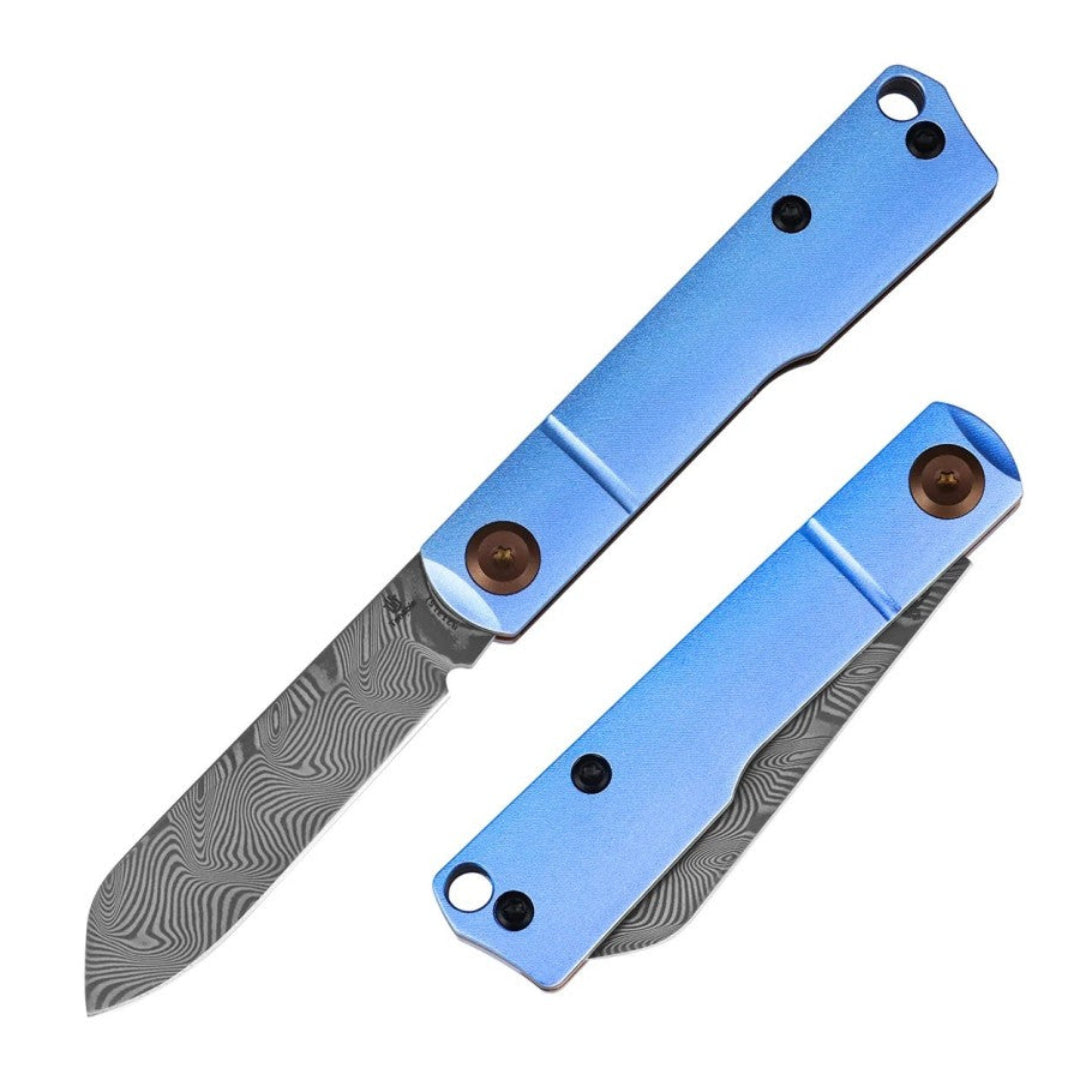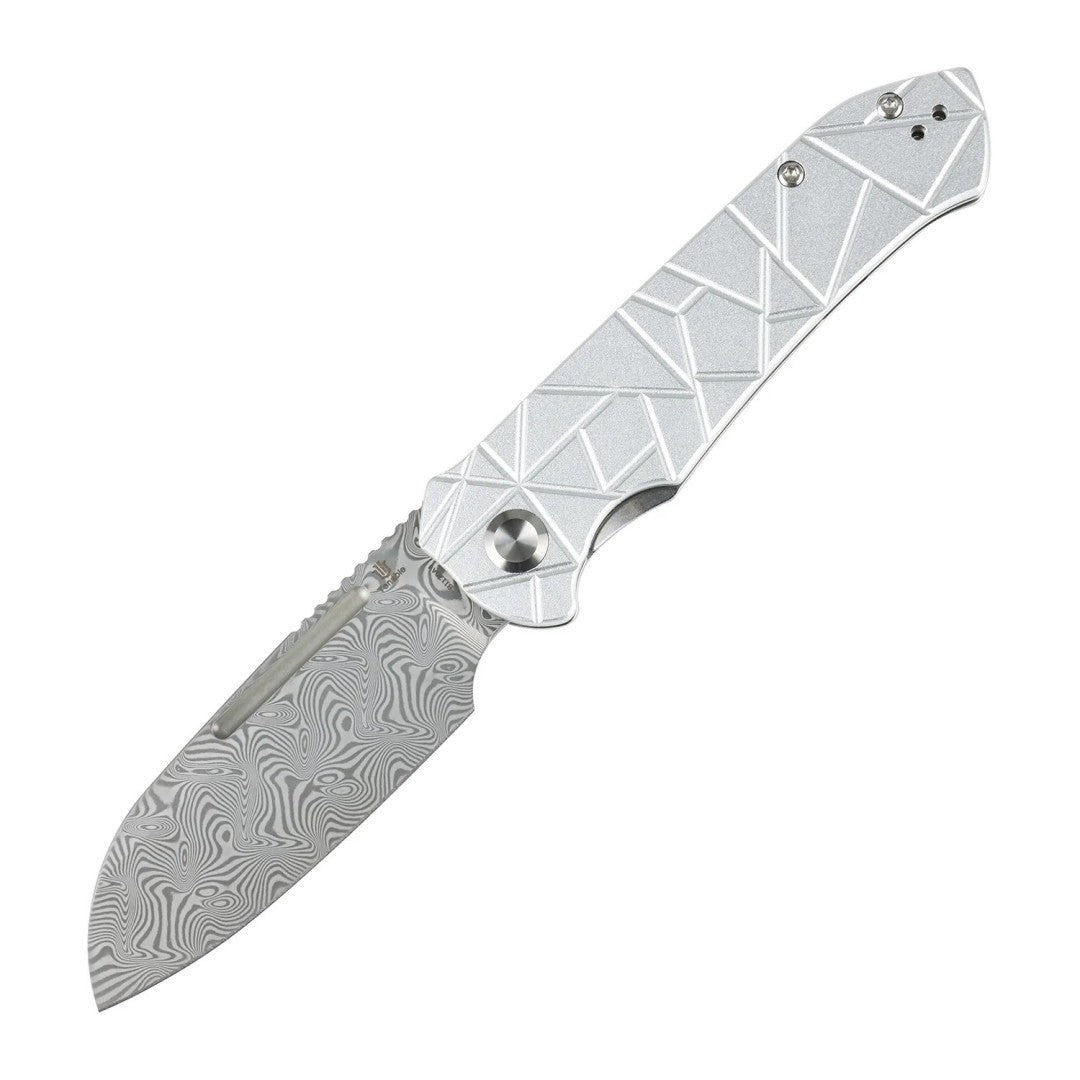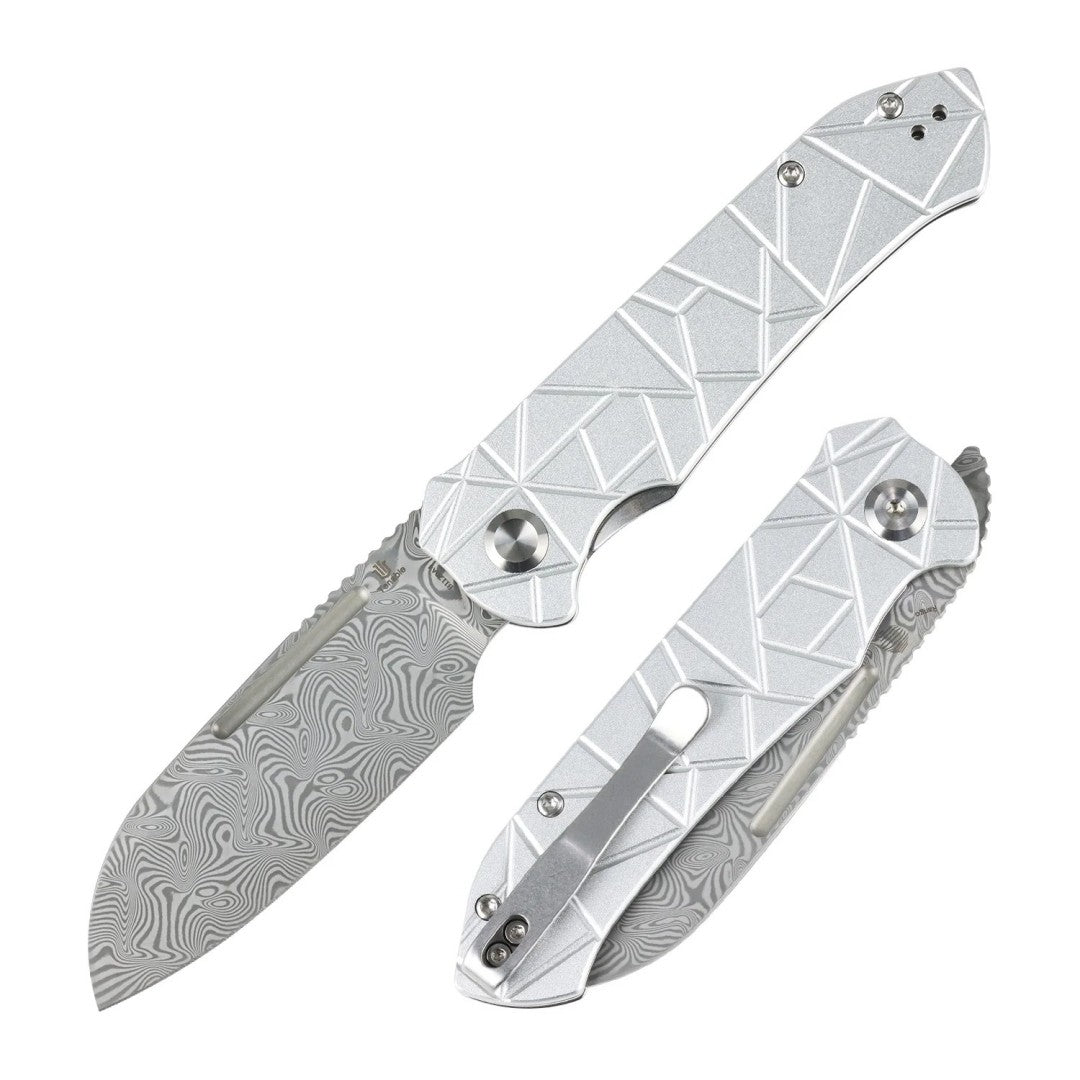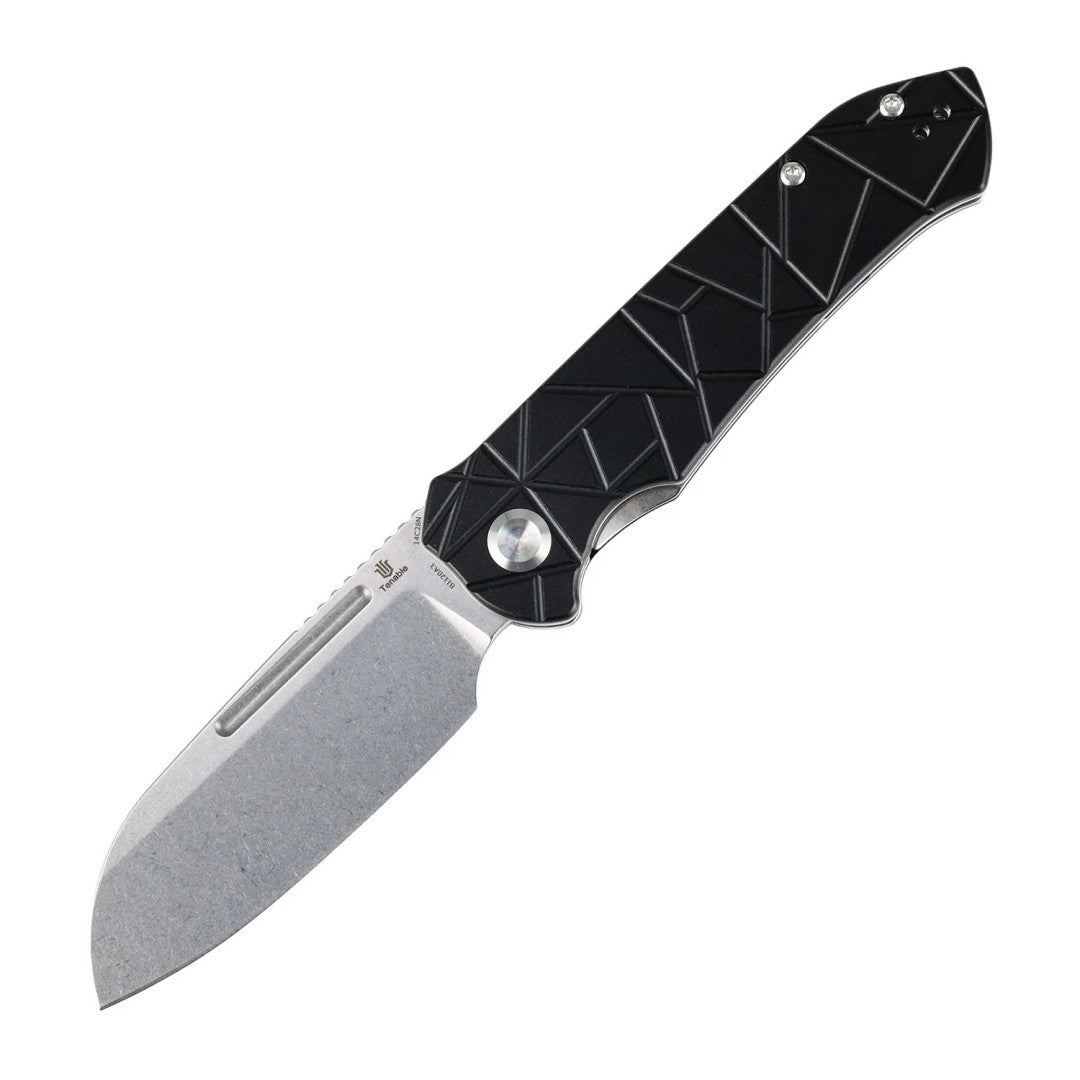
When it comes to choosing the right tool steel for your project, the decision can be crucial. Two popular options in the tool steel industry are CPM-10V and O1. But which one is better suited for your needs? Let's explore the differences between CPM-10V and O1 to help you make an informed decision.
What is CPM-10V?
CPM-10V is a high-speed tool steel known for its exceptional wear resistance and toughness. It contains a high percentage of vanadium, which contributes to its superior performance in cutting and machining applications. With a hardness of around 60-62 HRC, CPM-10V is highly resistant to chipping and deformation under high-stress conditions.
What is O1 Tool Steel?
O1 tool steel, on the other hand, is a traditional oil-hardening tool steel with a good balance of toughness and wear resistance. It is easier to machine and heat treat compared to CPM-10V, making it a popular choice for a wide range of applications. O1 tool steel has a hardness of approximately 60-62 HRC, similar to CPM-10V.
Key Differences
One of the main differences between CPM-10V and O1 tool steel is their composition. CPM-10V contains a higher percentage of vanadium and carbides, which enhances its wear resistance and toughness. On the other hand, O1 tool steel has a simpler composition with lower alloying elements, making it easier to work with in terms of machining and heat treatment.
Another important factor to consider is the cost. CPM-10V is a premium tool steel that comes at a higher price point compared to O1. While the initial investment may be higher, the superior performance and durability of CPM-10V may justify the cost for certain applications.
Which is Better?
The choice between CPM-10V and O1 tool steel ultimately depends on your specific requirements and budget. If you need a tool steel with exceptional wear resistance and toughness for high-stress applications, CPM-10V may be the better choice despite the higher cost. On the other hand, if you are looking for a versatile and cost-effective option with good overall performance, O1 tool steel could be the more suitable option.
Both CPM-10V and O1 tool steel have their own strengths and weaknesses, so it's important to evaluate your needs carefully before making a decision. Consult with a tool steel expert to determine the best option for your project based on factors such as application, machining requirements, and budget constraints.