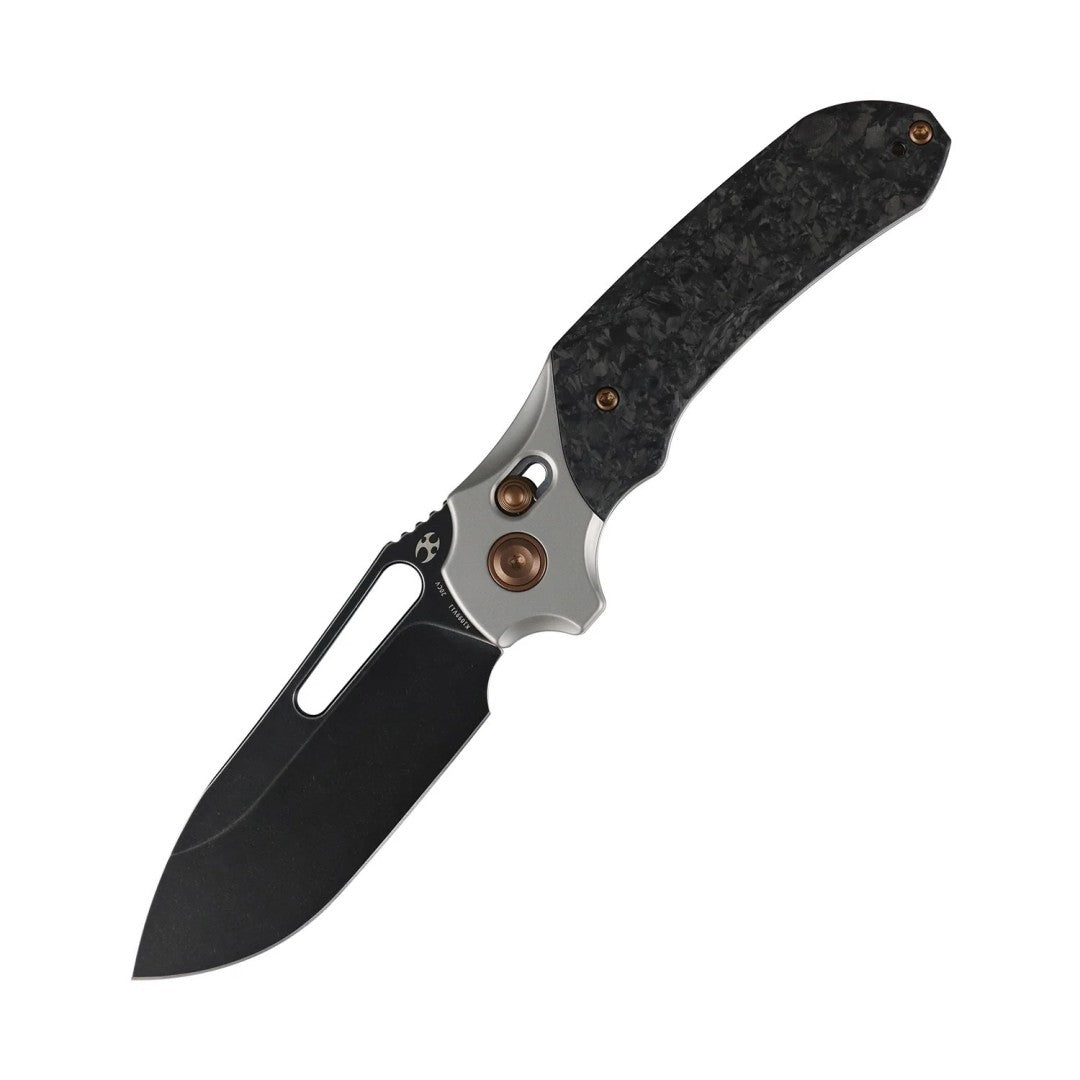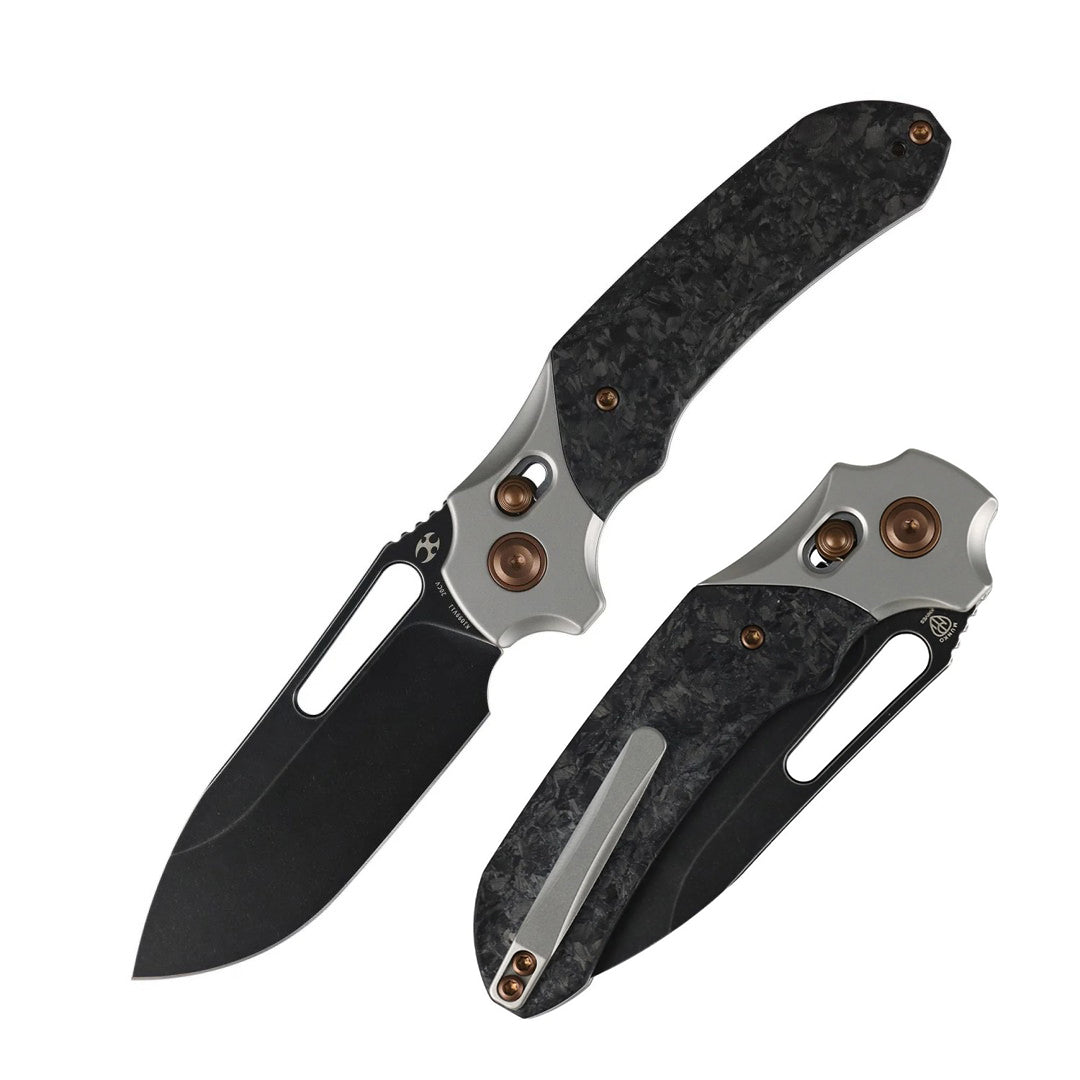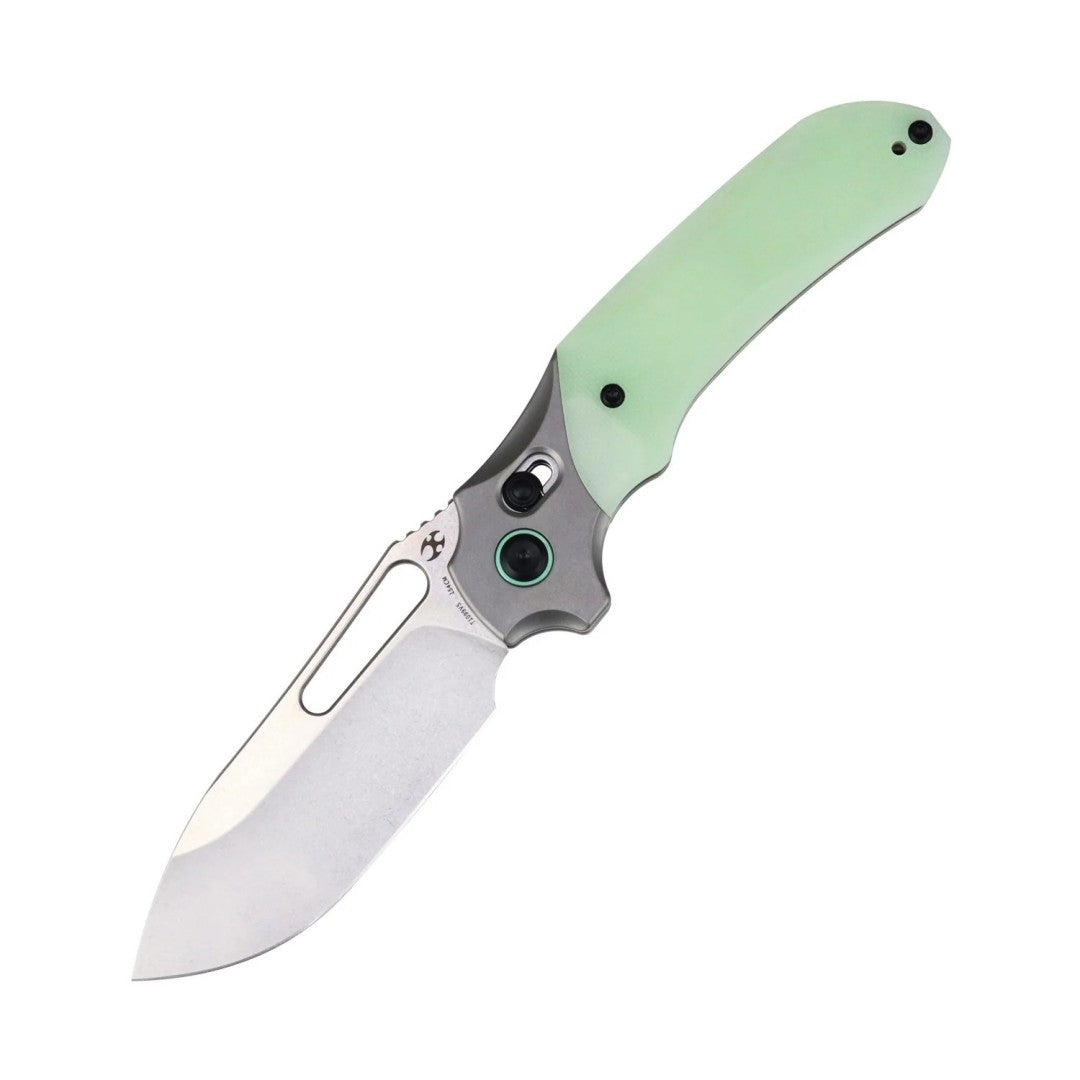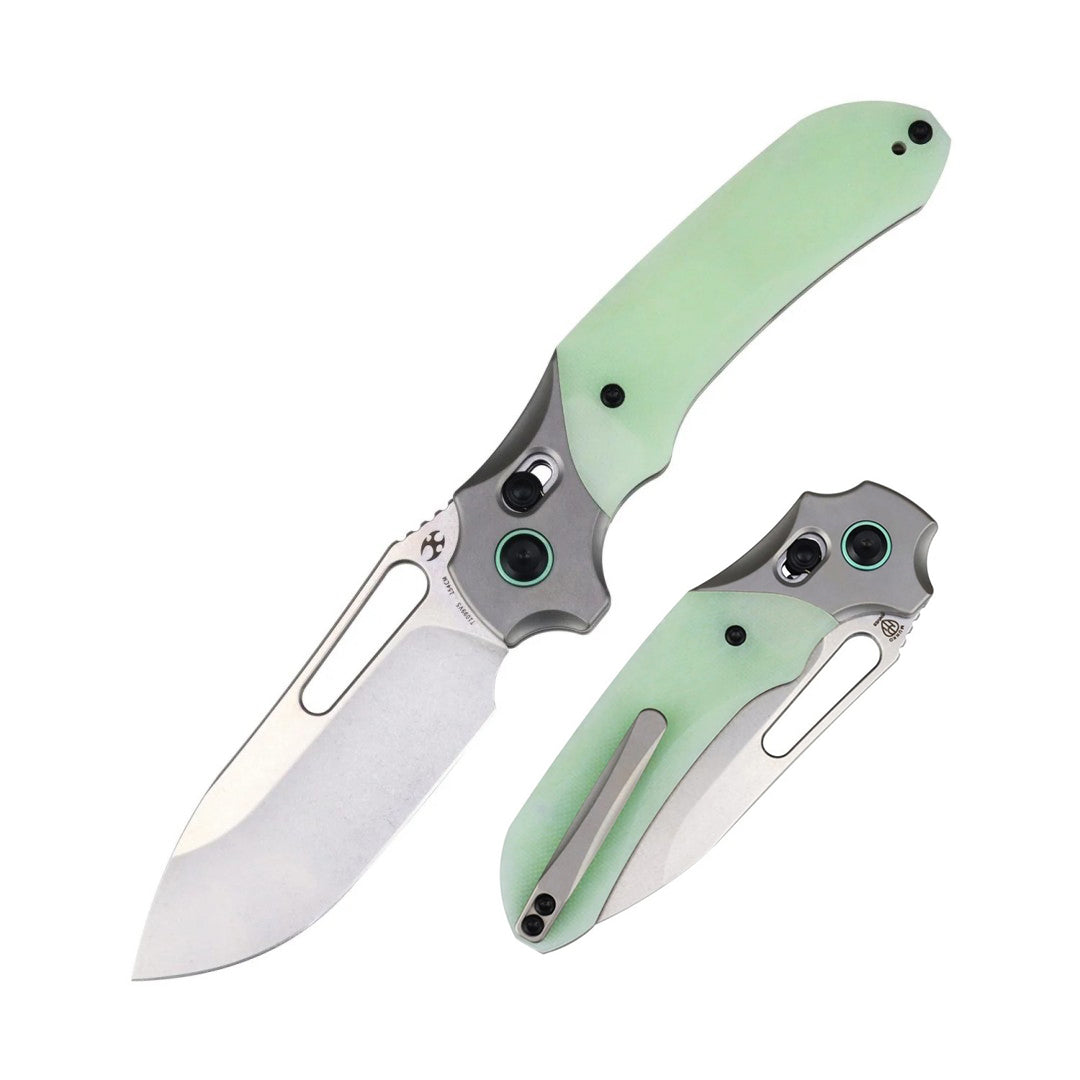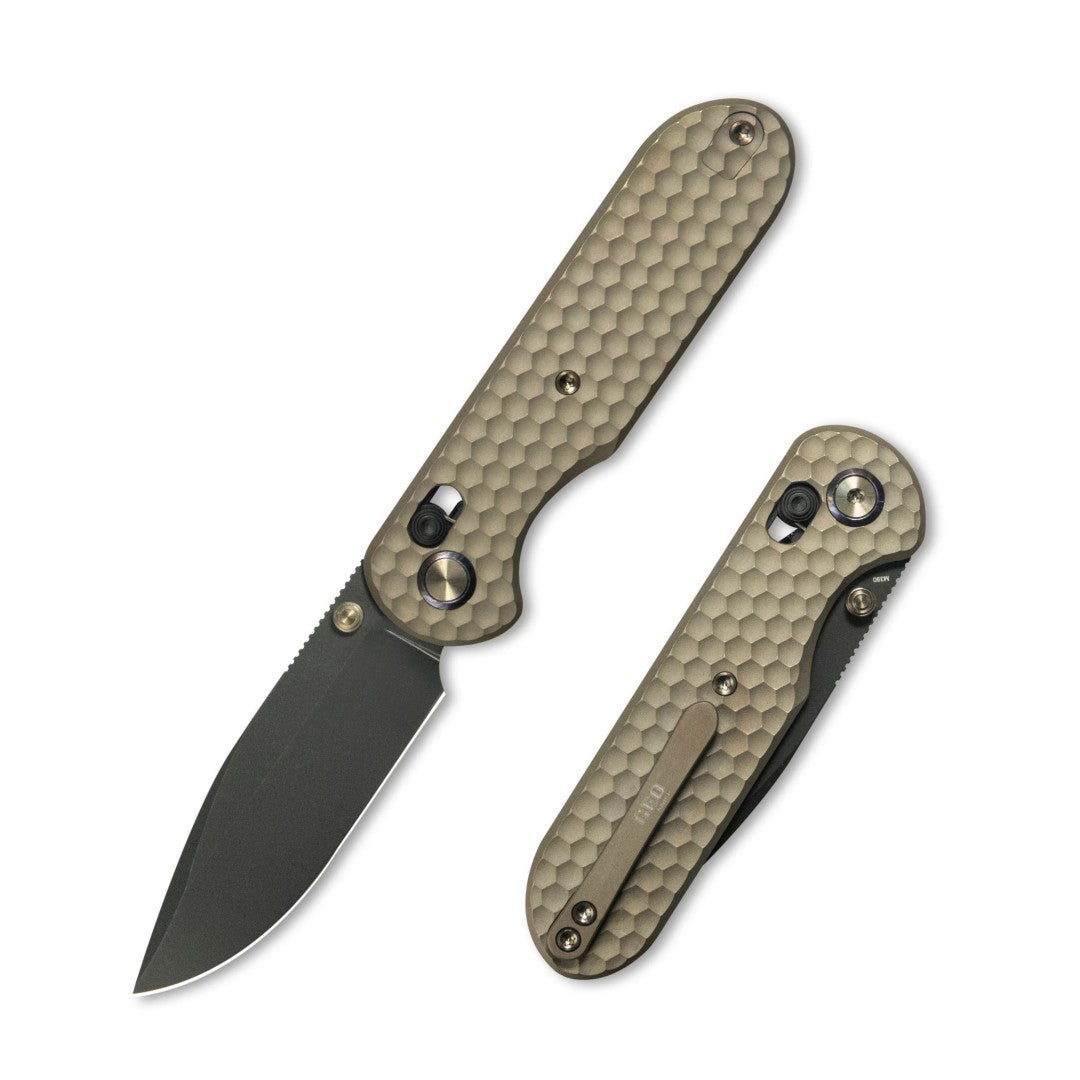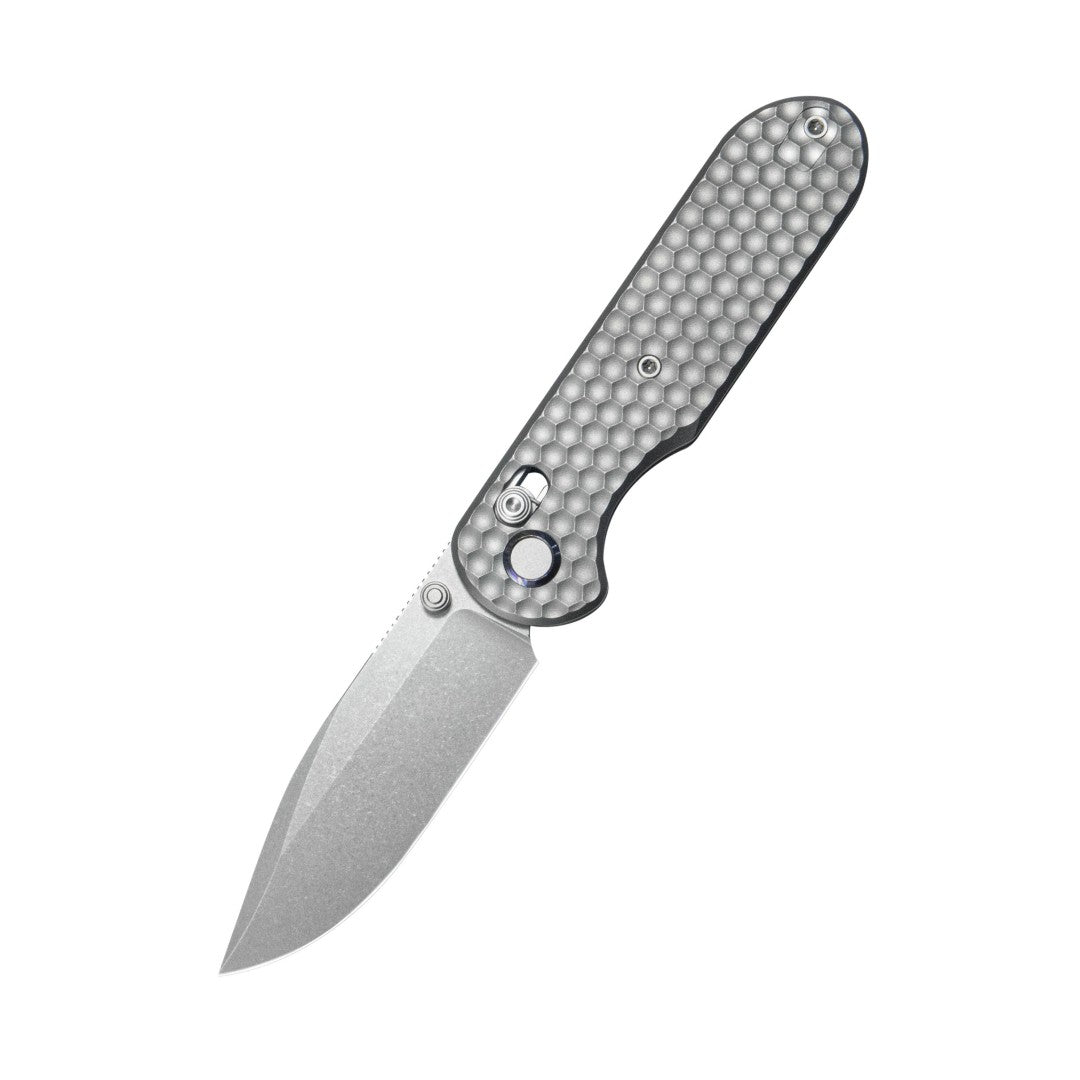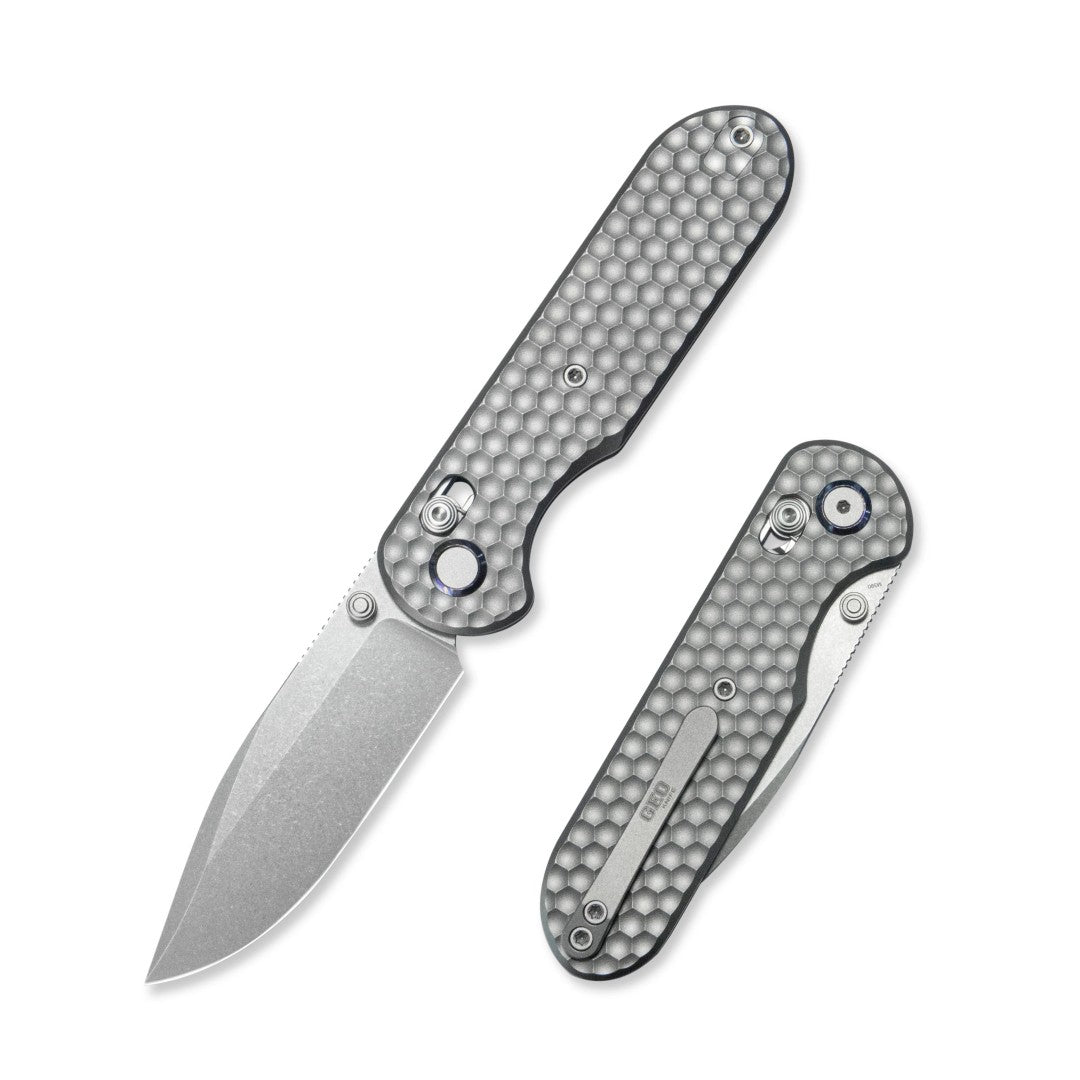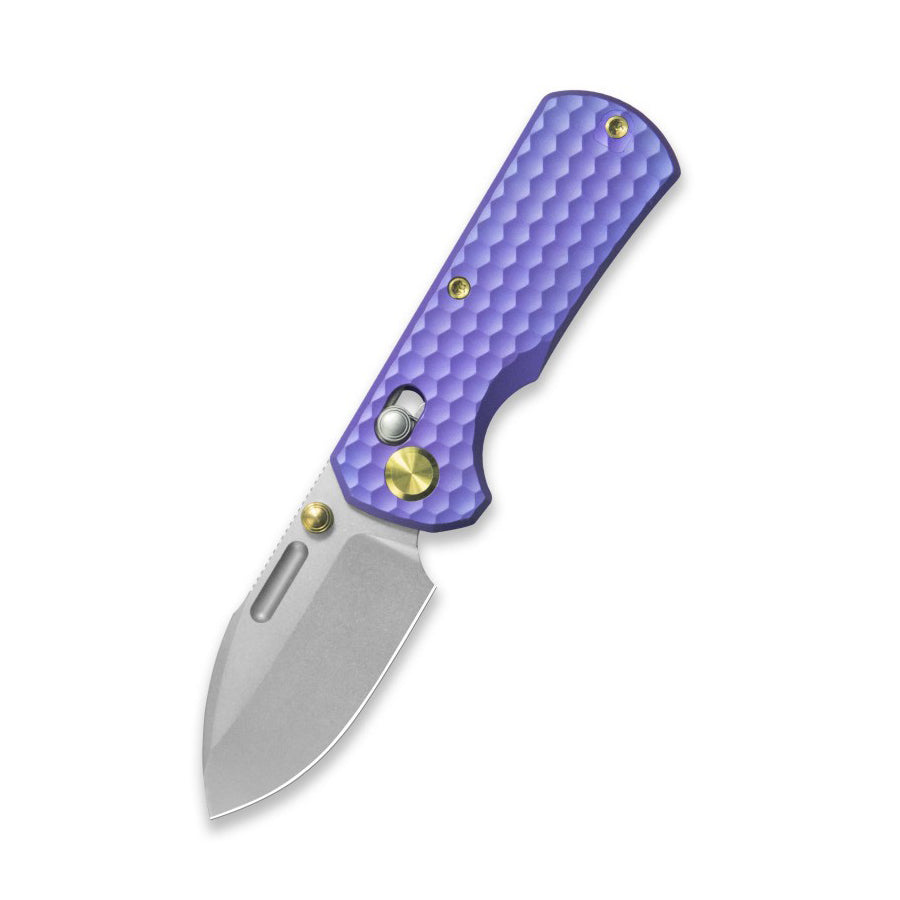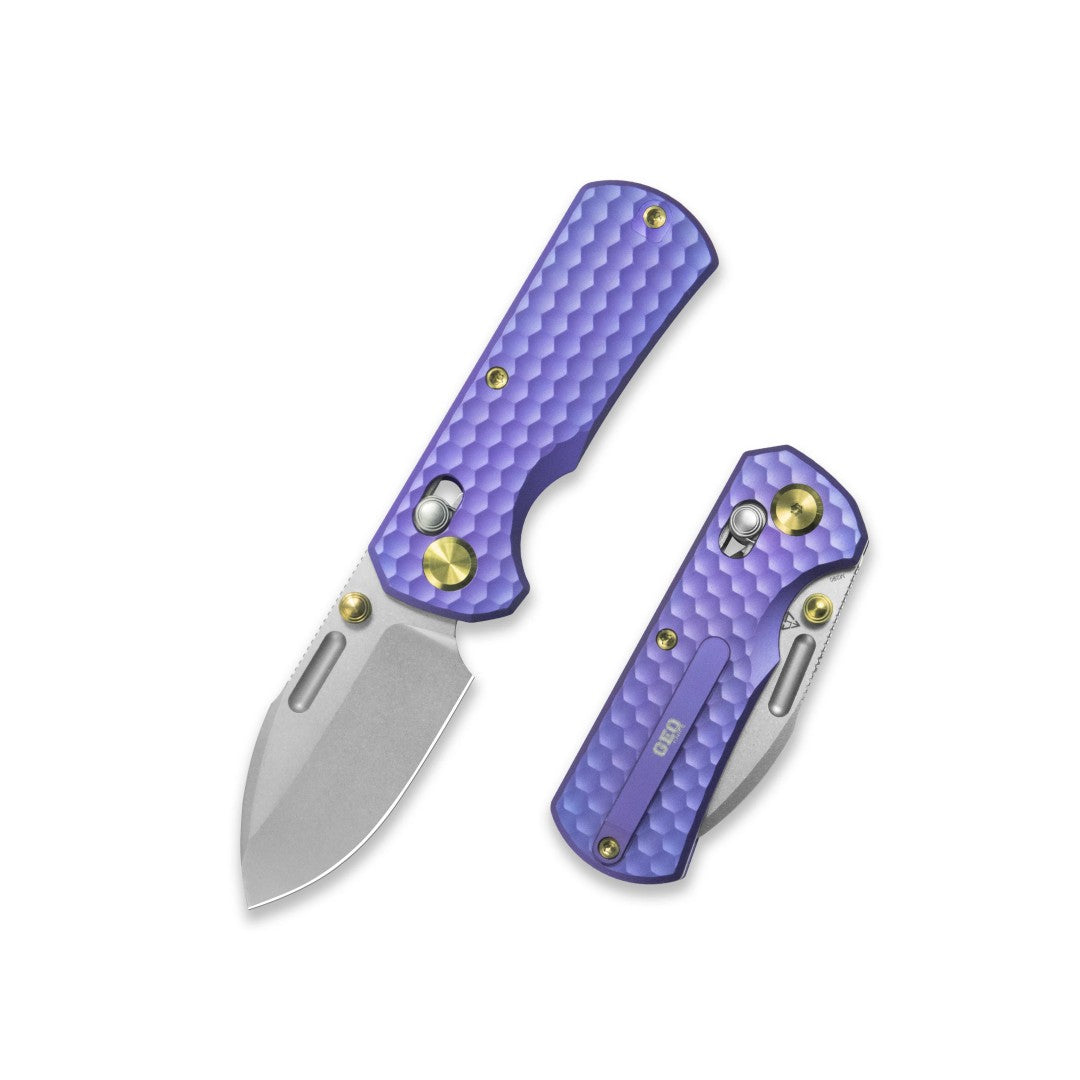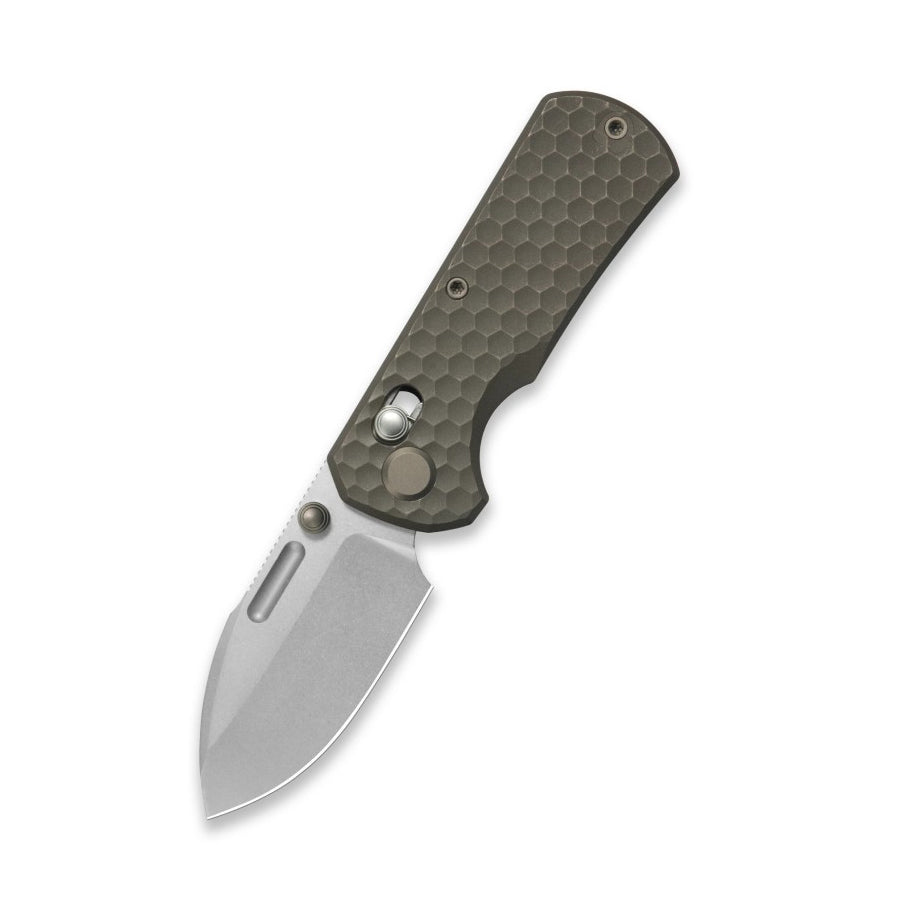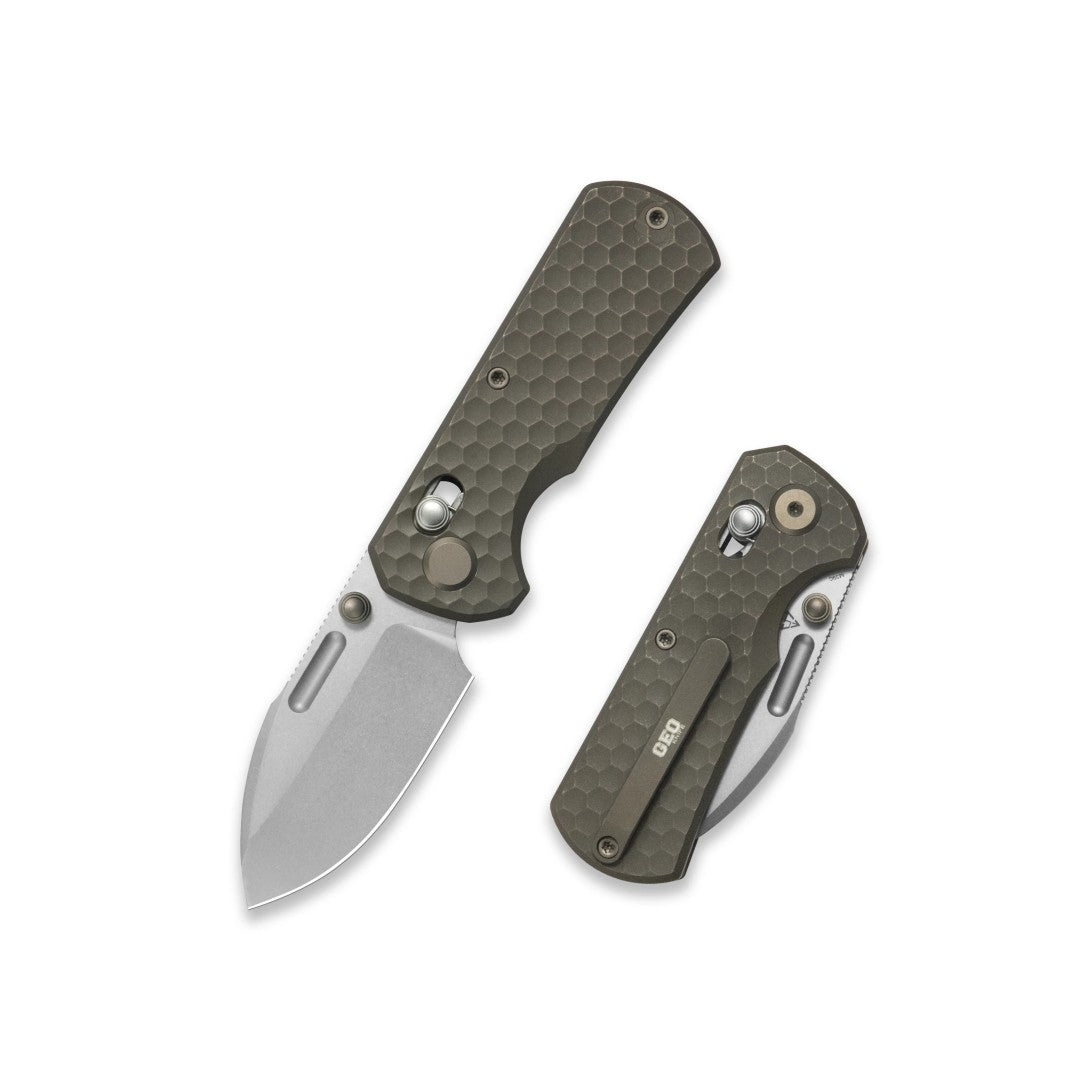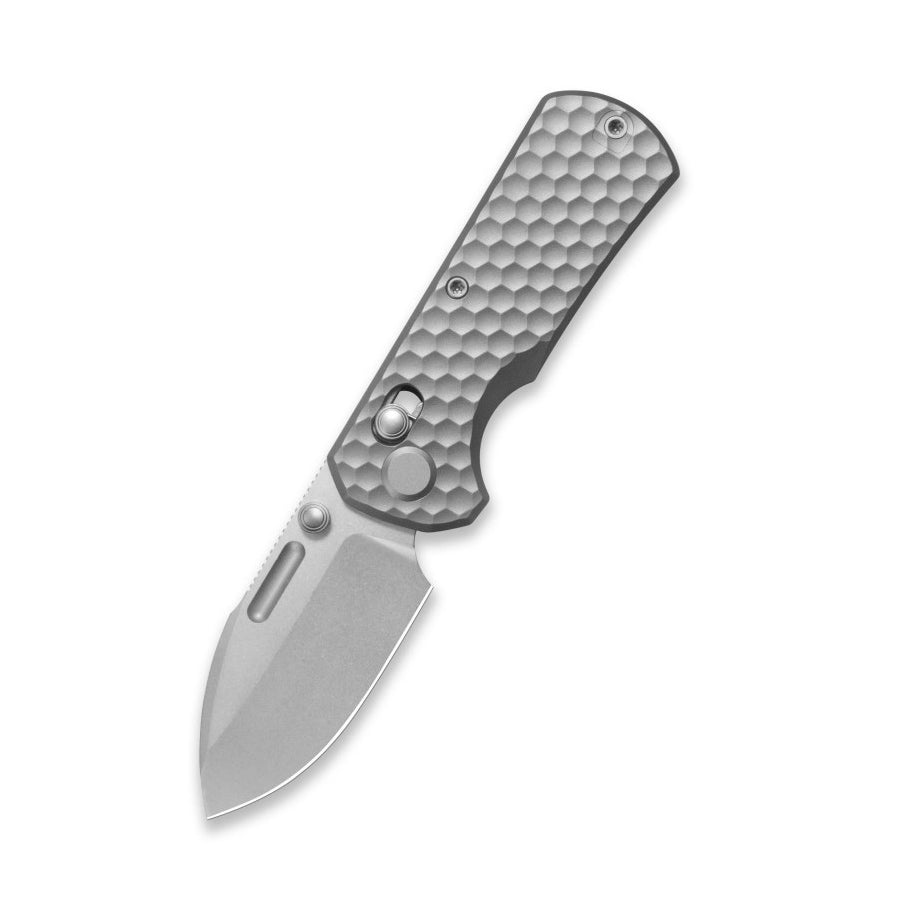

In the world of high-performance blade steels, there are tough steels, there are wear-resistant steels, and then there is CPM-M4. Developed as a high-speed tool steel for industrial cutting applications, CPM-M4 has earned a cult following among knife enthusiasts who demand the absolute best in edge retention and cutting performance. It is not stainless, it is not easy to sharpen, and it is not cheap—but for users who value a blade that simply refuses to dull, CPM-M4 is one of the finest choices on the market.
What Is CPM-M4 Steel?
CPM-M4 is a powder metallurgy, high-speed tool steel manufactured by Crucible Industries using their patented Crucible Particle Metallurgy (CPM) process. It is the powder metallurgy version of the classic AISI M4 high-speed steel, engineered to retain the desirable high-carbon/high-alloy characteristics of M4 while improving toughness, cleanliness, and carbide distribution through particle-metallurgy processing.
Unlike many knife steels that were adapted from other applications, CPM-M4 was originally designed for demanding industrial tooling such as punches, dies, and cutting tools—applications where wear resistance and the ability to maintain a sharp edge under high-speed, high-friction conditions are absolutely critical.
A Brief History: From Industrial Tooling to Knife Legend
The story of CPM-M4 begins with Crucible Industries, an American steel manufacturer renowned for its advanced metallurgy. While M4 steel had existed for decades as a conventionally produced high-speed steel, Crucible recognized that the ingot metallurgy process led to carbide segregation and reduced toughness. By applying their CPM process, they created a version of M4 with superior uniformity, finer carbides, and better overall performance.
The knife community began seeing CPM-M4 appear in limited runs and special editions in the mid-2000s. Benchmade was among the first large-scale producers to use CPM-M4 in folding knives, often treating it to high hardness ranges for superior edge holding. Spyderco followed with several notable sprint runs and exclusives featuring CPM-M4 blades, helping to elevate the steel’s reputation among knife enthusiasts. Today, CPM-M4 remains a trusted material used by Spyderco, Benchmade, Toor Knives, and numerous custom makers.
The Chemistry Behind the Performance
The performance of CPM-M4 comes down to its carefully balanced, high-alloy composition. Here is the typical breakdown:
| Element | Percentage | What It Does |
|---|---|---|
| Carbon (C) | 1.40 – 1.42% | The foundation of hardness and wear resistance; enables extensive carbide formation |
| Chromium (Cr) | 4.00% | Provides some corrosion protection and contributes to hardenability; well below stainless threshold |
| Vanadium (V) | 4.00% | Forms extremely hard vanadium carbides for exceptional wear resistance and grain refinement |
| Molybdenum (Mo) | 5.25% | Enhances toughness, strength, and resistance to high-temperature softening |
| Tungsten (W) | 5.50% | Adds hardness, wear resistance, and high-temperature strength |
| Manganese (Mn) | 0.30% | Improves hardenability and toughness |
| Silicon (Si) | 0.55% | Enhances strength and oxidation resistance |
The high vanadium and tungsten content generates a matrix populated with multiple carbide types—fine, uniformly distributed vanadium carbides (MC-type) and complex alloyed carbides that provide outstanding wear resistance. The combination of molybdenum and tungsten gives CPM-M4 excellent “red hardness”—the ability to maintain hardness even at elevated temperatures, a property that is critical in high-speed machining and also beneficial in hard-use cutting applications.
Key Properties and Performance
Hardness
CPM-M4 is one of the hardest knife steels available. It is heat treatable to 62–66 HRC, with most production knives falling in the 62–65 HRC range and some custom pieces reaching even higher. At these hardness levels, CPM-M4 stands alongside other ultra-hard steels like ZDP-189 and Maxamet.
Edge Retention
Edge retention is the defining characteristic of CPM-M4. In CATRA testing, CPM-M4 scores in the 600–620 range, placing it ahead of MagnaCut, Zwear, S35VN, and Elmax, just behind S30V, and significantly ahead of most other premium stainless steels. Independent testing has confirmed that CPM-M4 consistently ranks among the top performers in edge retention thanks to its high carbon and vanadium content.
In practical terms, this means a CPM-M4 blade will maintain a sharp cutting edge for extended periods even with frequent use. As one knife maker described it, “M4 feels the prickliest” among high-alloy steels, taking a very resilient, long-lasting, and toothy edge.
Wear Resistance
Closely tied to edge retention, CPM-M4 offers exceptional wear resistance that surpasses virtually all other non-stainless tool steels in its class. The fine vanadium carbides provide an extremely abrasion-resistant surface, meaning the blade retains its sharpness even when cutting abrasive materials like cardboard, rope, wood, or synthetic materials. As one source notes, CPM-M4 is “notoriously difficult to work with in its hardened and tempered state—easily wearing down grinding belts—but rewards the effort with unmatched durability and cutting performance”.
Toughness
Despite its extreme hardness, CPM-M4 maintains impressive toughness for a steel in its class. Unlike most steels where increased hardness typically reduces toughness, CPM-M4 defies this trade-off by offering both high hardness and excellent toughness, making it ideal for demanding applications like competition cutting blades. Its toughness is rated approximately 2–3 times that of conventional high-speed steels.
In practice, this means CPM-M4 blades are highly resistant to chipping and fracturing even under heavy use, making them suitable for tasks where edge stability is critical. That said, it is not as tough as dedicated shock-resistant steels like CPM-3V, which is designed for extreme impact resistance.
Corrosion Resistance
CPM-M4 is not a stainless steel. With only 4% chromium—far below the 10.5% threshold required for stainless classification—it has low to moderate corrosion resistance and will rust if neglected. Its corrosion resistance is rated just 2 out of 6 on typical knife steel scales, reflecting its non-stainless nature.
Users must take care to clean and oil CPM-M4 blades to prevent rust and discoloration, particularly in humid or wet environments. Many production knives in CPM-M4 are offered with protective coatings (such as DLC or Cerakote) to mitigate this issue.
Ease of Sharpening
Because of its extreme hardness and wear resistance, CPM-M4 is more difficult to sharpen than softer, less wear-resistant steels. Diamond stones are strongly recommended, and sharpening will take more time and effort than with conventional stainless steels. On standard rating scales, CPM-M4 scores just 2 out of 6 for sharpenability.
That said, many users report that once sharp, CPM-M4 holds its edge for so long that the infrequency of sharpening more than compensates for the extra effort required. As one user noted, “It’s easier to sharpen than most other CPM steels, and it will also take a very very keen edge. It seems to respond well to ceramic and diamond hones and loves a good stropping”.
CPM-M4 vs. Other Knife Steels
CPM-M4 vs. CPM-CruWear
CPM-M4 offers higher hardness and superior edge retention than CruWear, making it the better choice for users who prioritize cutting performance above all else. However, CruWear offers better corrosion resistance (though still not stainless), is easier to sharpen, and has slightly better toughness. CruWear also requires less maintenance. Choose M4 for maximum cutting performance; choose CruWear for a more balanced all-around performer.
CPM-M4 vs. CPM-4V
CPM-M4 offers superior edge retention and wear resistance compared to CPM-4V, making it the preferred steel for competition cutting and applications where maximum cutting performance is required. However, CPM-4V is significantly tougher than M4 and more resistant to chipping under impact. M4 is also slightly more corrosion-resistant than 4V due to its higher chromium content (4% vs. 5%? Wait, M4 has 4% Cr and 4V has 5% Cr? Actually, 4V has about 5% Cr, making it slightly more corrosion-resistant). Both are premium tool steels, but they serve different priorities.
CPM-M4 vs. MagnaCut
MagnaCut is a stainless steel designed to balance toughness, corrosion resistance, and edge retention, while M4 is a non-stainless tool steel that prioritizes wear resistance and cutting performance. M4 offers higher attainable hardness (64-66 HRC vs. 64+ HRC) and superior edge retention, while MagnaCut offers dramatically better corrosion resistance, better toughness, and easier sharpening. Choose M4 for extreme cutting performance in dry environments; choose MagnaCut for a versatile, low-maintenance, rust-resistant steel.
CPM-M4 vs. M390 / 20CV
M390 and 20CV are premium stainless steels offering comparable edge retention to M4 with the significant advantage of corrosion resistance. However, M4 is tougher than M390/20CV, making it more resistant to chipping under impact. For users who need a stainless blade and are willing to accept slightly lower toughness, M390 is an excellent choice. For users who prioritize toughness and are willing to provide maintenance to prevent rust, M4 is superior.
What Is CPM-M4 Steel Best Used For?
Thanks to its exceptional combination of edge retention, wear resistance, and toughness, CPM-M4 is best suited for demanding applications:
-
Competition Cutting Blades – The preferred steel for Bladesports and other cutting competitions, where maximum edge retention and cutting performance are required
-
High-Performance EDC Knives – Spyderco and Benchmade have released numerous sprint runs and limited editions featuring CPM-M4, prized by enthusiasts who want a blade that stays sharp indefinitely
-
Outdoor and Survival Knives – Remains sharp even under intense usage, serving well for hikers, campers, and survivalists who cut wood, rope, and other abrasive materials
-
Tactical Knives – Superior toughness and edge retention enable use in self-defense and combat applications requiring heavy use
-
Kitchen Cutlery – Professional chefs and home cooks use CPM-M4 for knives that hold a fine edge for extended periods without frequent sharpening
-
Industrial Tooling – Punches, dies, cutting tools, milling cutters, and other demanding applications where wear resistance is critical
Pros and Cons of CPM-M4 Steel
Advantages
-
Exceptional edge retention – CATRA scores in the 600–620 range; among the best of any knife steel
-
Outstanding wear resistance – Fine vanadium carbides provide extreme abrasion resistance
-
High attainable hardness – 62–66 HRC, standing alongside the hardest knife steels available
-
Good toughness for a high-hardness steel – Approximately 2–3 times tougher than conventional high-speed steels
-
Excellent red hardness – Maintains performance at elevated temperatures
-
Proven track record – Over two decades of use in premium knives and industrial tooling
Limitations
-
Not stainless – Low corrosion resistance (rated 2/6); requires cleaning, drying, and regular oiling
-
Difficult to sharpen – Rated 2/6 for sharpenability; diamond stones strongly recommended
-
Expensive – One of the most costly blade steels available
-
Limited availability – Mostly found in sprint runs, exclusives, and premium models
-
Not for prying or extreme impact – While tough for its class, it is not as tough as dedicated shock-resistant steels like CPM-3V
Is CPM-M4 Steel Right for You?
CPM-M4 is a specialist steel for serious users who prioritize cutting performance above all else. It is not stainless, it is not easy to sharpen, and it is not cheap. But for users who need a blade that simply will not dull—even after extensive cutting of abrasive materials—CPM-M4 delivers performance that few other steels can match.
Choose CPM-M4 if you:
-
Need the absolute best edge retention and wear resistance available in a knife steel
-
Are willing to invest in diamond stones and learn to sharpen a challenging steel
-
Live in a dry climate or are willing to provide diligent maintenance to prevent rust
-
Appreciate having a blade that stays sharp through weeks or months of regular use
-
Are willing to pay a premium for top-tier cutting performance
Look elsewhere if you:
-
Need a stainless steel for humid or marine environments (choose MagnaCut or LC200N)
-
Are not comfortable with difficult sharpening
-
Require extreme toughness for prying or heavy impact (choose CPM-3V)
-
Want a budget-friendly option
Final Thoughts
CPM-M4 steel represents the pinnacle of what is possible when advanced powder metallurgy meets a proven high-speed tool steel composition. It is not a steel for everyone—it demands maintenance, requires patience during sharpening, and commands a premium price. But for users who understand and accept these trade-offs, CPM-M4 delivers a level of cutting performance that is genuinely difficult to surpass.
Whether you are a competition cutter, an outdoor enthusiast, a professional chef, or simply a knife collector who appreciates having the best, a blade made from CPM-M4 is an investment in performance that will stay sharp long after lesser steels have dulled. It is the edge retention king—and once you have used one, you will understand why.