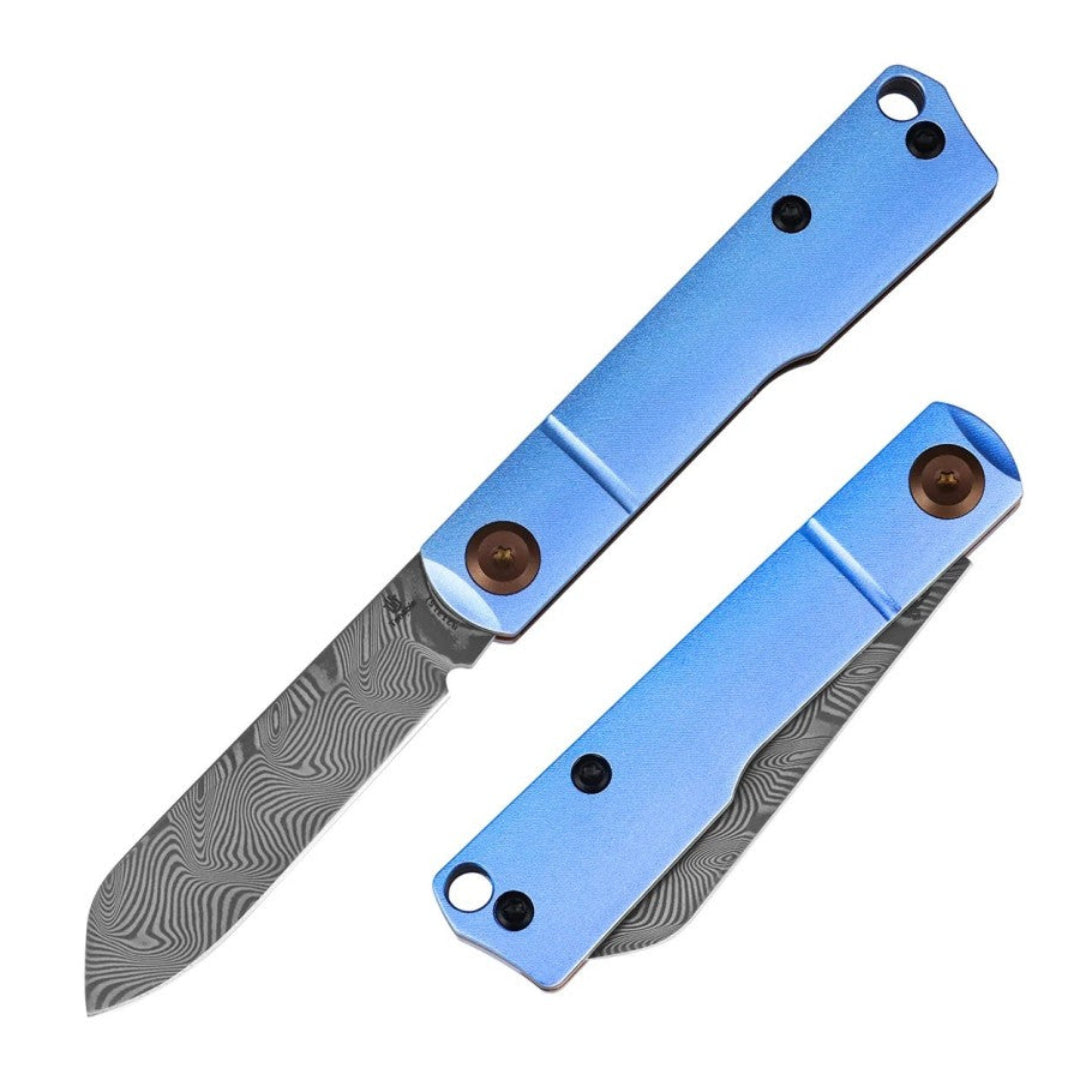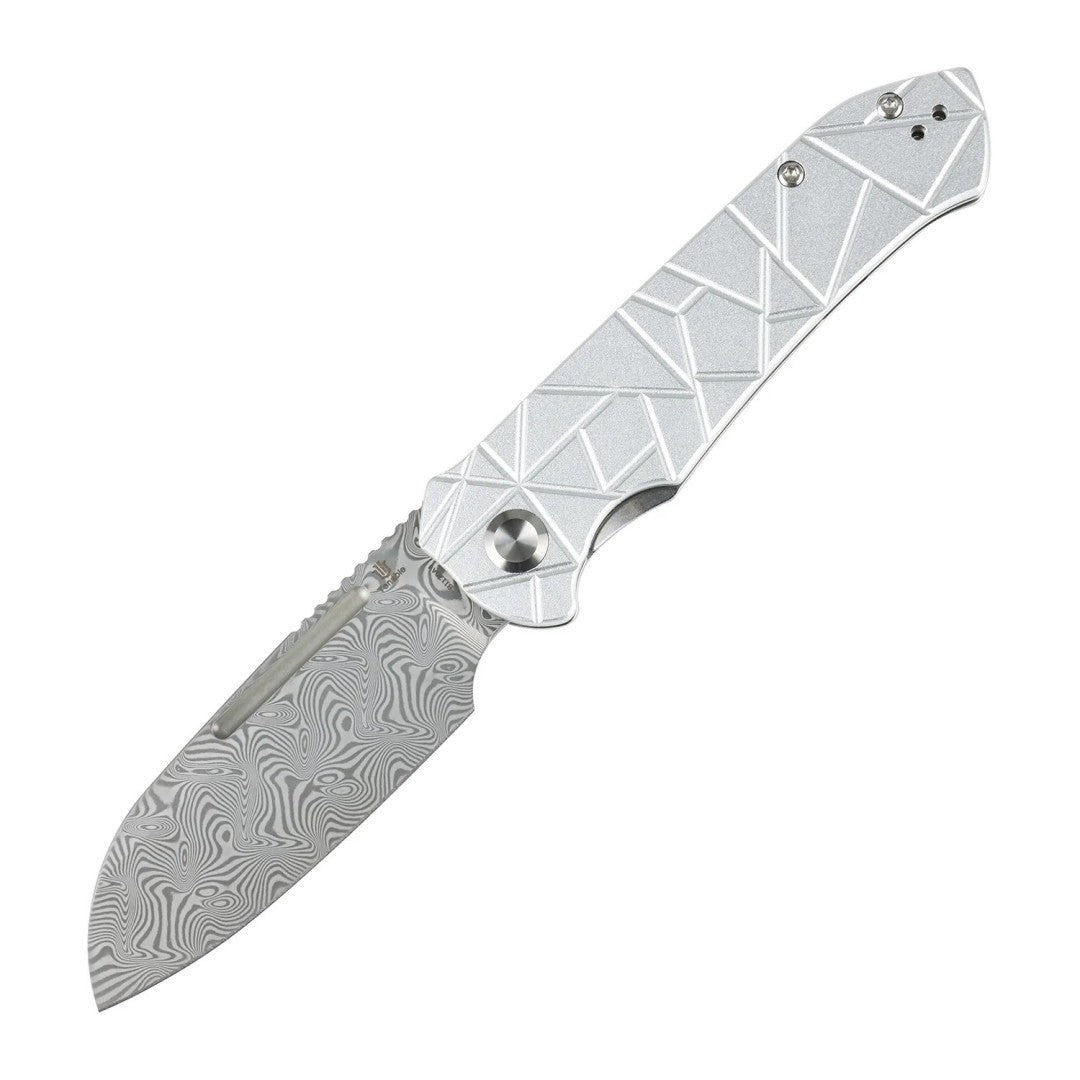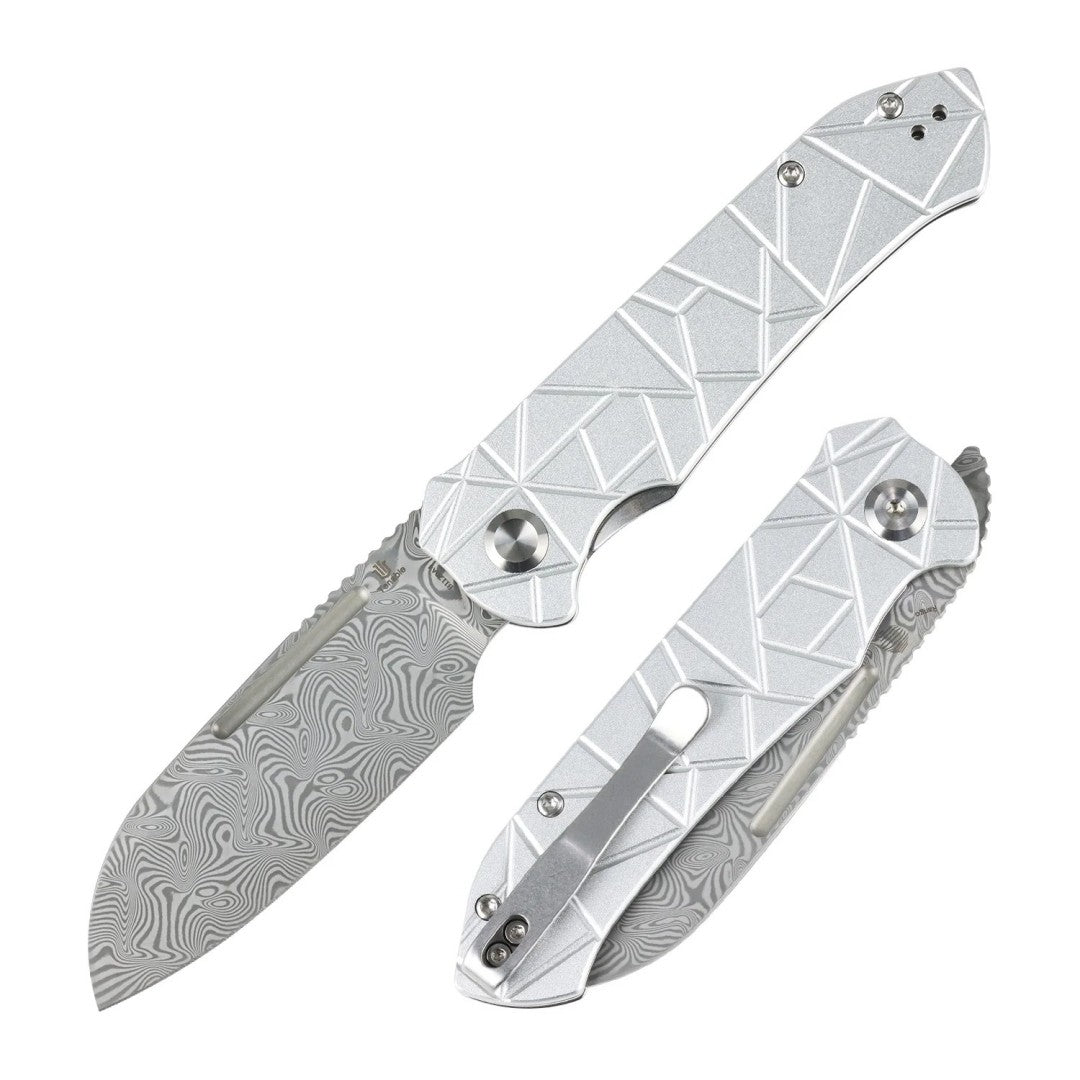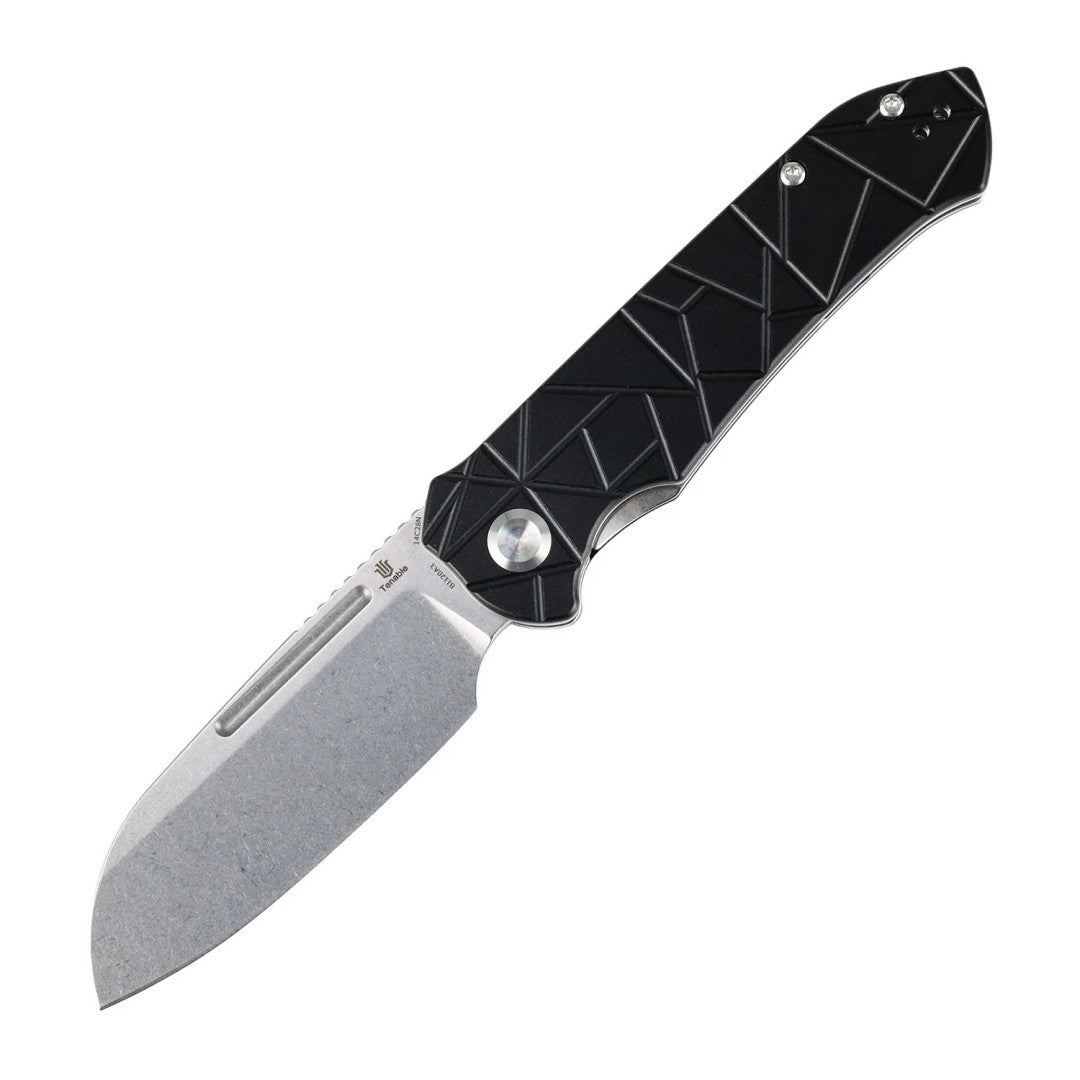
When it comes to premium knife steel, both CPM-S30V and CTS BD1N are exceptional choices that appeal to different priorities. Understanding their strengths helps you choose the right steel for your needs.
CPM-S30V: The Corrosion Resistance Champion
CPM-S30V is a stainless steel known for outstanding corrosion resistance. It contains high levels of chromium and vanadium, making it ideal for environments where moisture and salt exposure are concerns. This steel maintains excellent edge retention while resisting rust and staining, even in challenging conditions.
The trade-off is that CPM-S30V requires more effort to sharpen compared to some alternatives. Its hardness and composition mean you'll need quality sharpening equipment and patience to restore a dull edge. However, once sharpened, it holds that edge impressively well.
CTS BD1N: The Sharpening-Friendly Option
CTS BD1N is engineered for ease of sharpening without sacrificing performance. This steel is notably easier to work with when maintaining your blade, making it popular among users who prefer quick touch-ups and regular maintenance. It still offers solid edge retention and decent corrosion resistance for a stainless steel.
CTS BD1N strikes a practical balance—it's not as corrosion-resistant as CPM-S30V, but it's significantly more user-friendly when it comes to maintenance and sharpening.
Which Is Better?
The answer depends on your priorities. Choose CPM-S30V if you work in wet or corrosive environments and don't mind investing time in sharpening. Choose CTS BD1N if you value convenience and prefer a steel that's easier to maintain between uses.
Both steels represent quality craftsmanship—your choice should reflect how you'll actually use your knife.