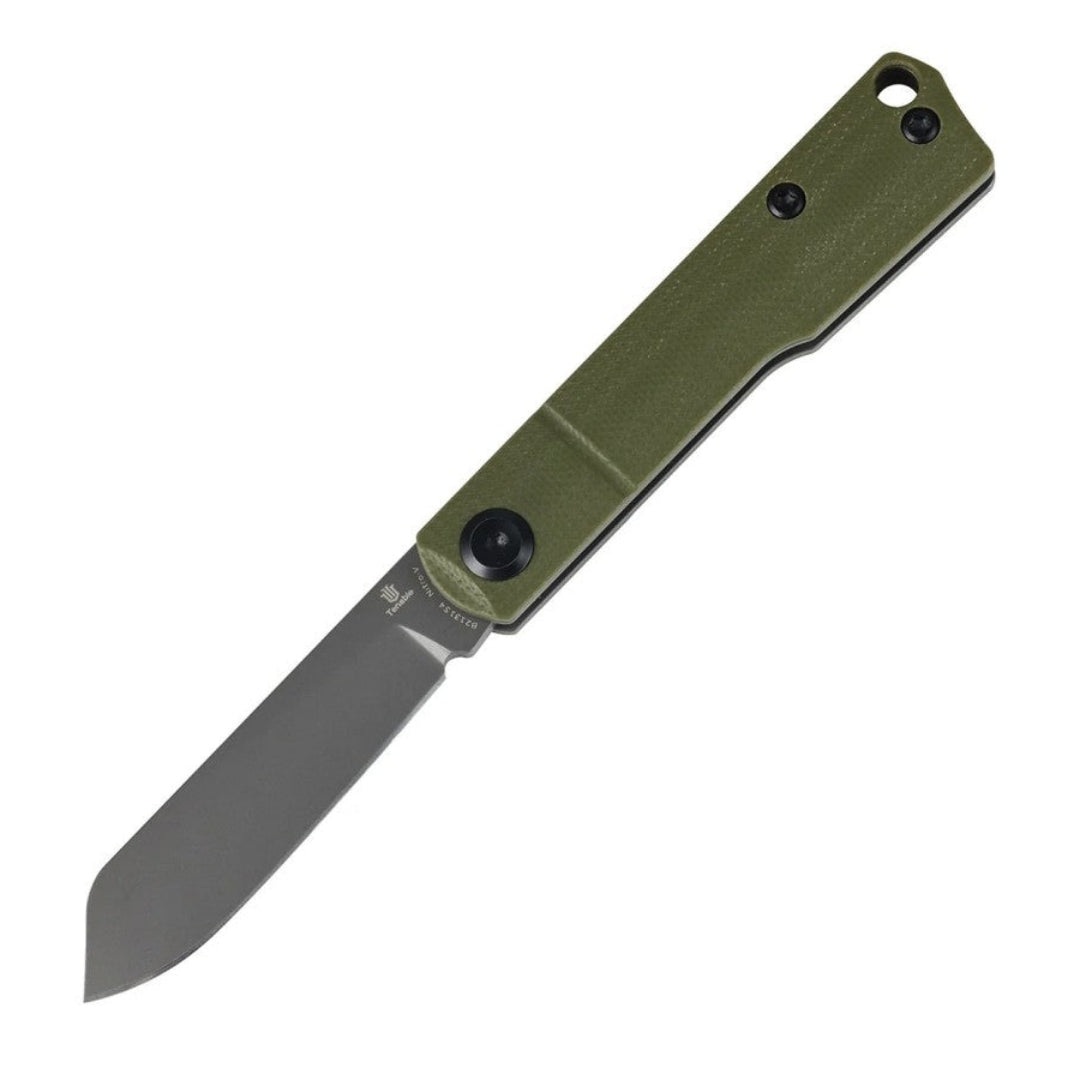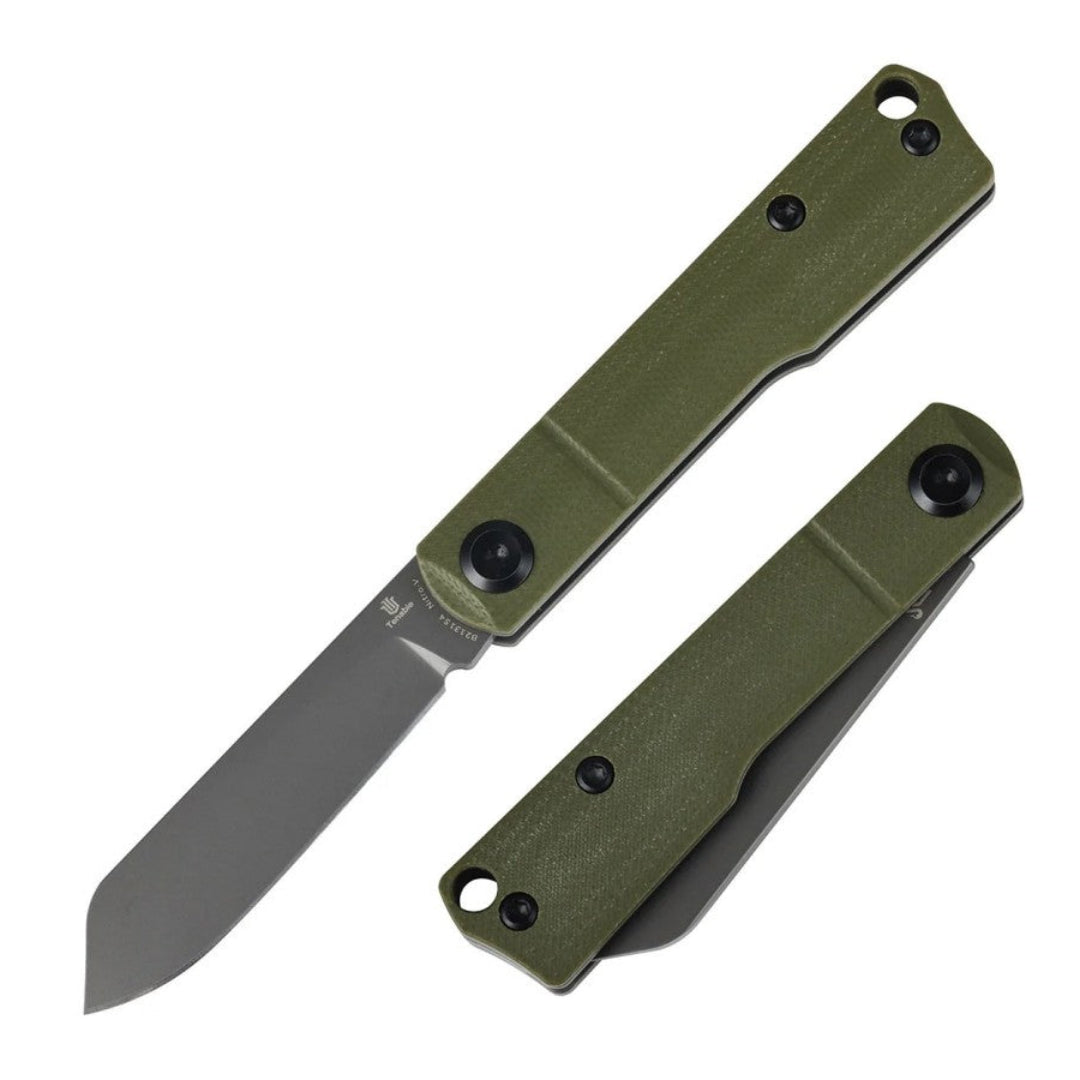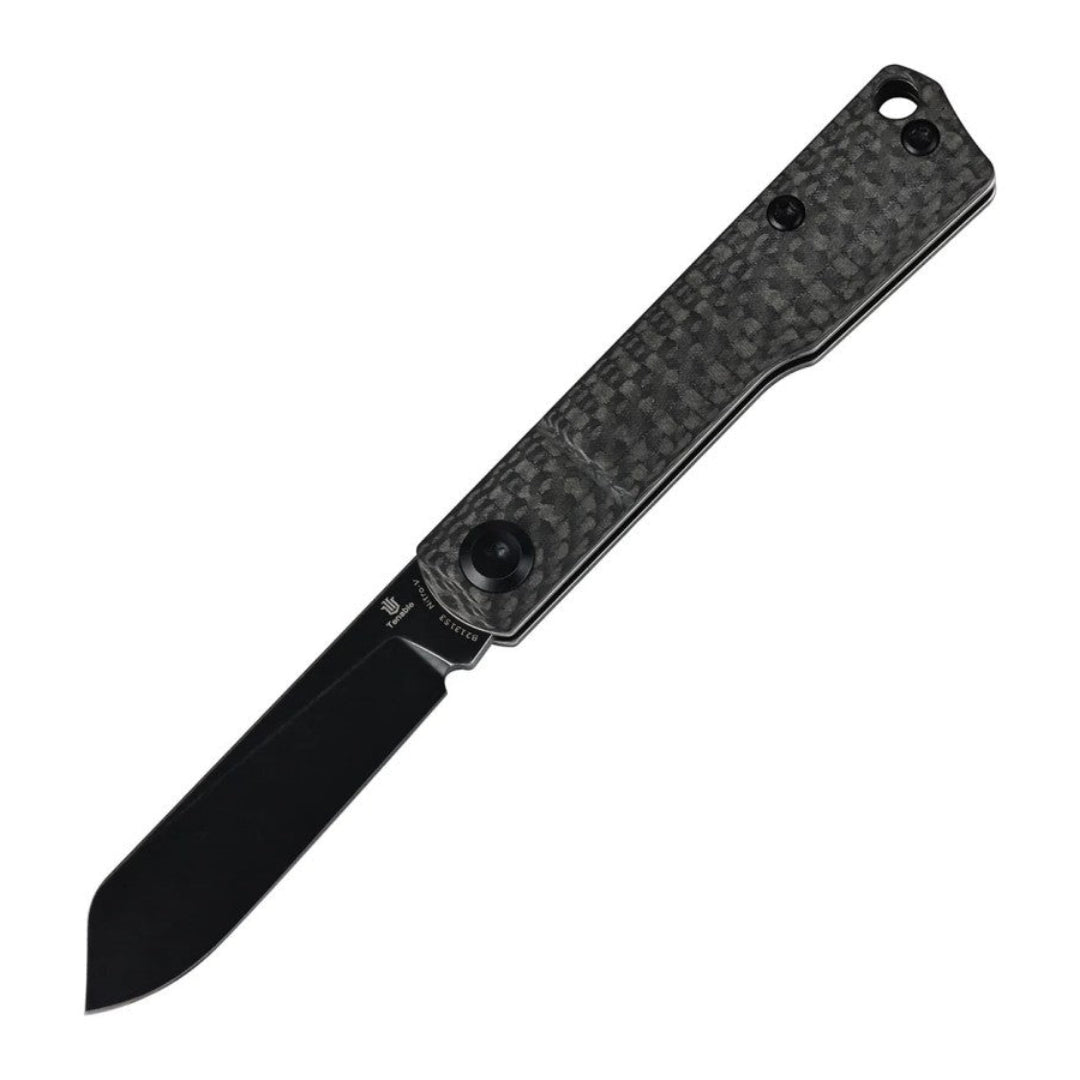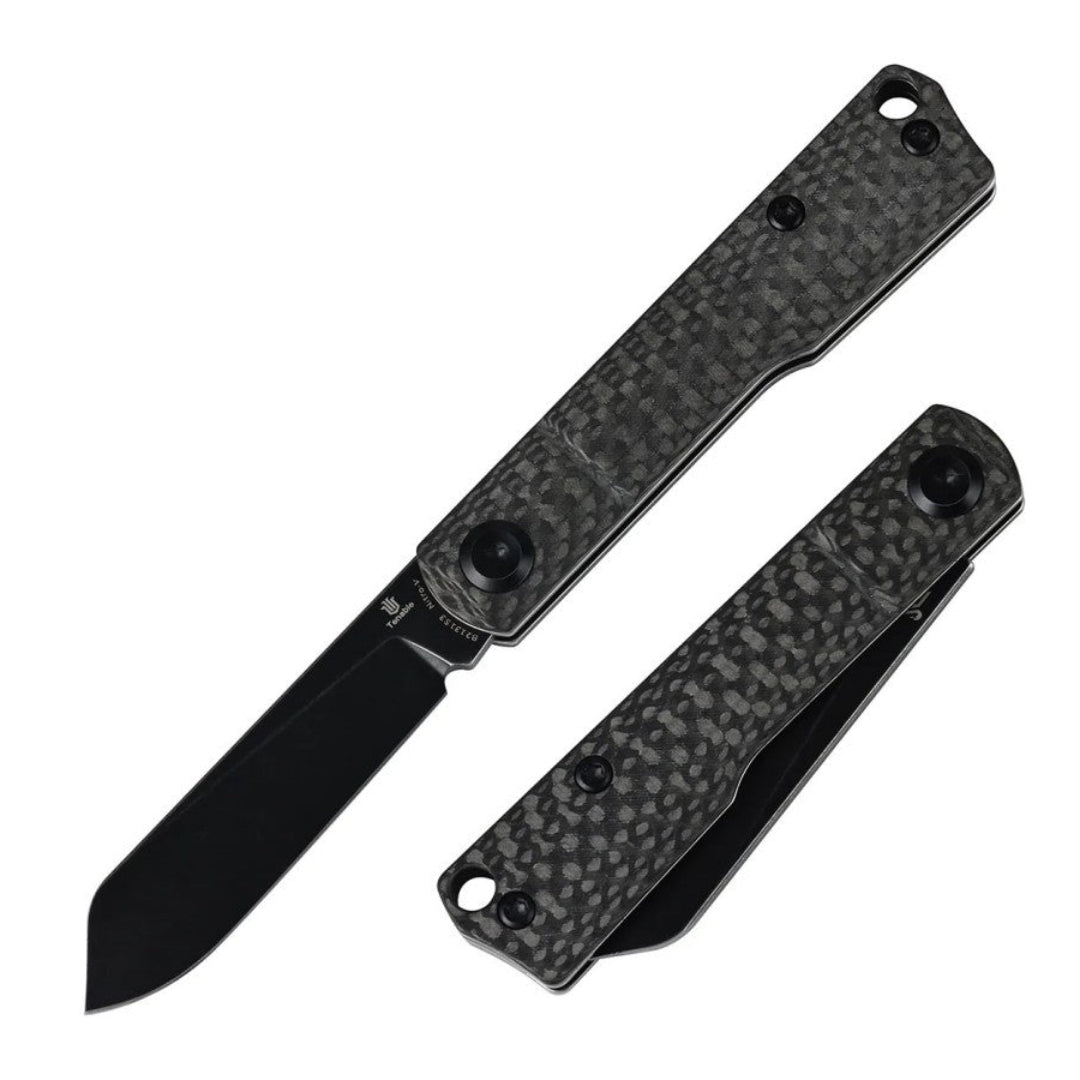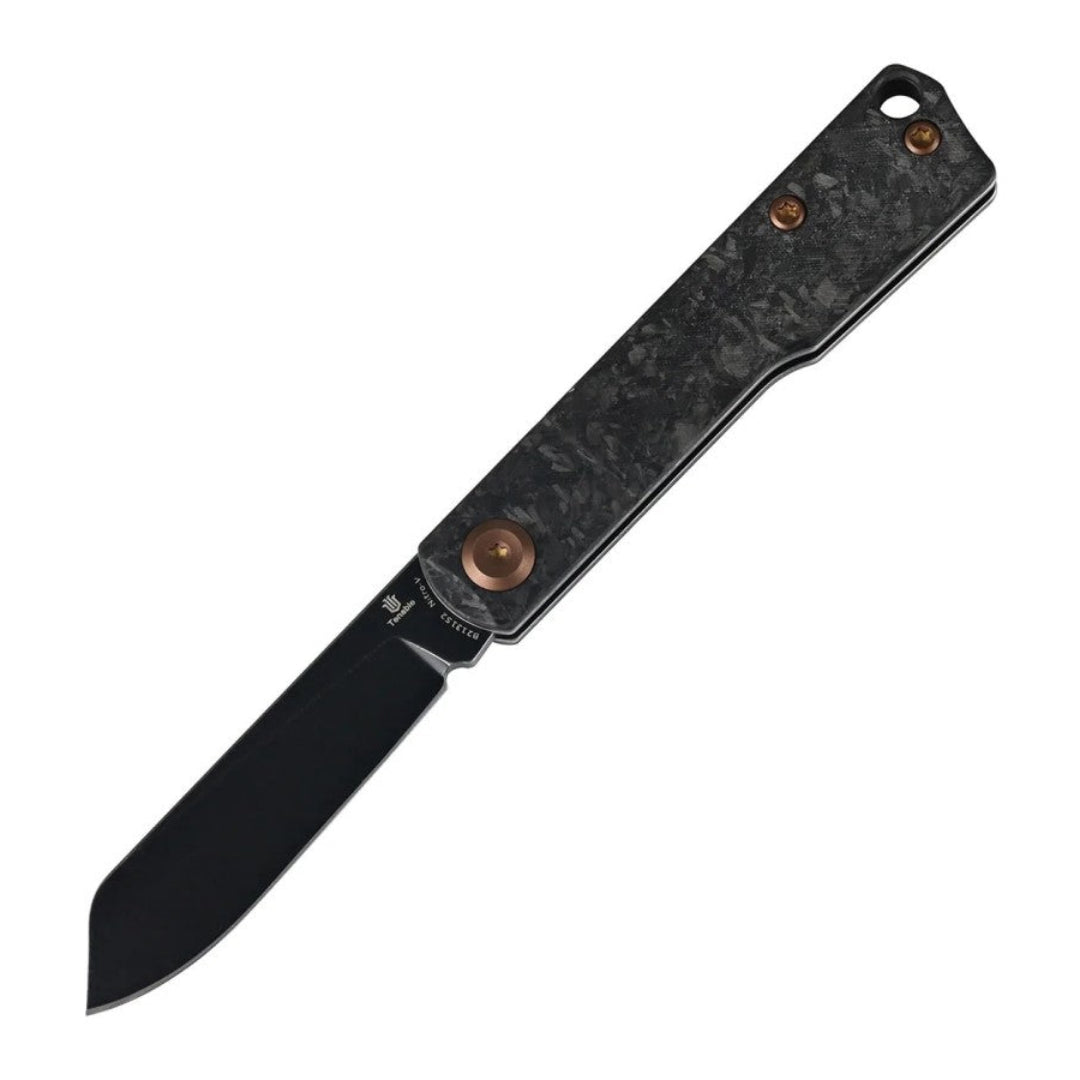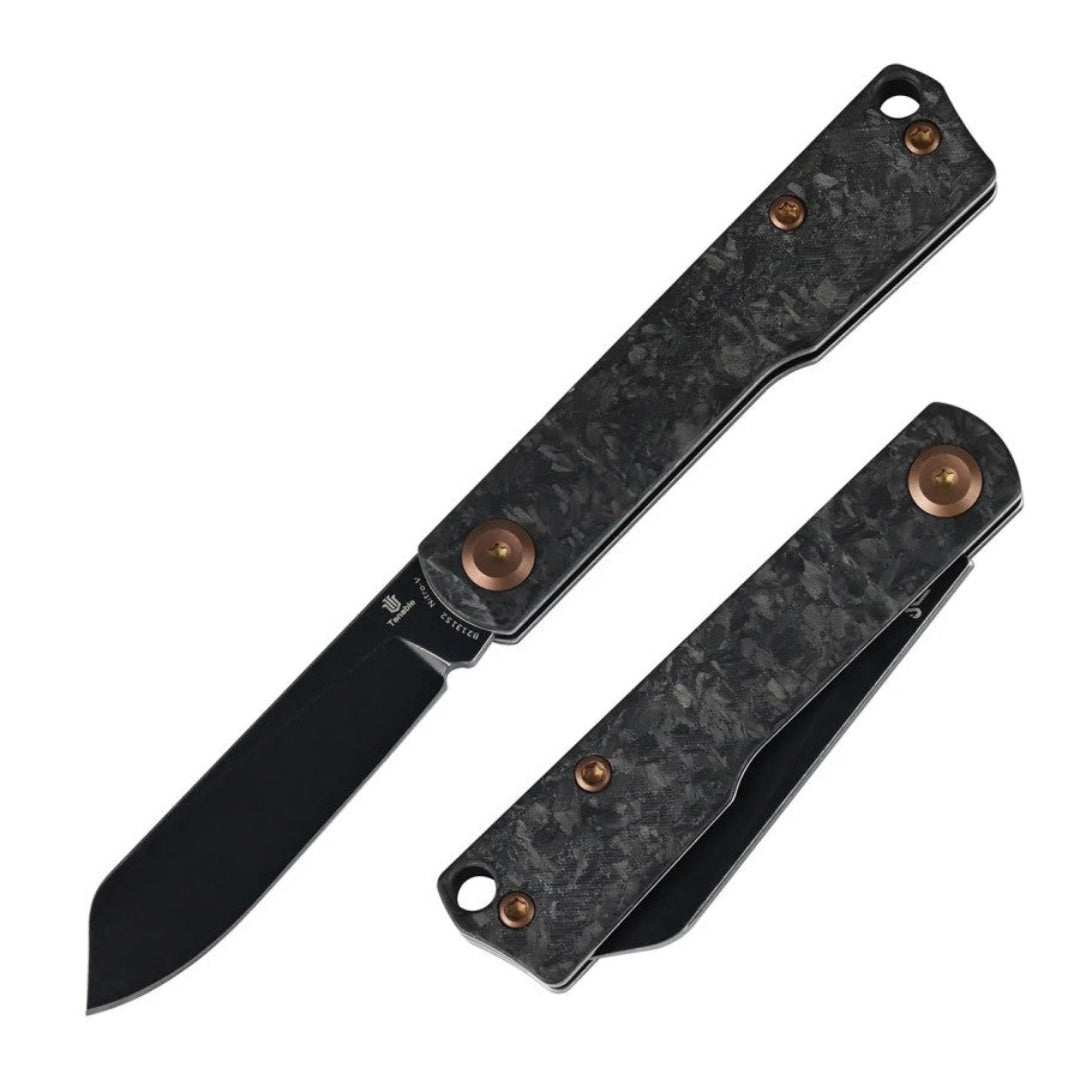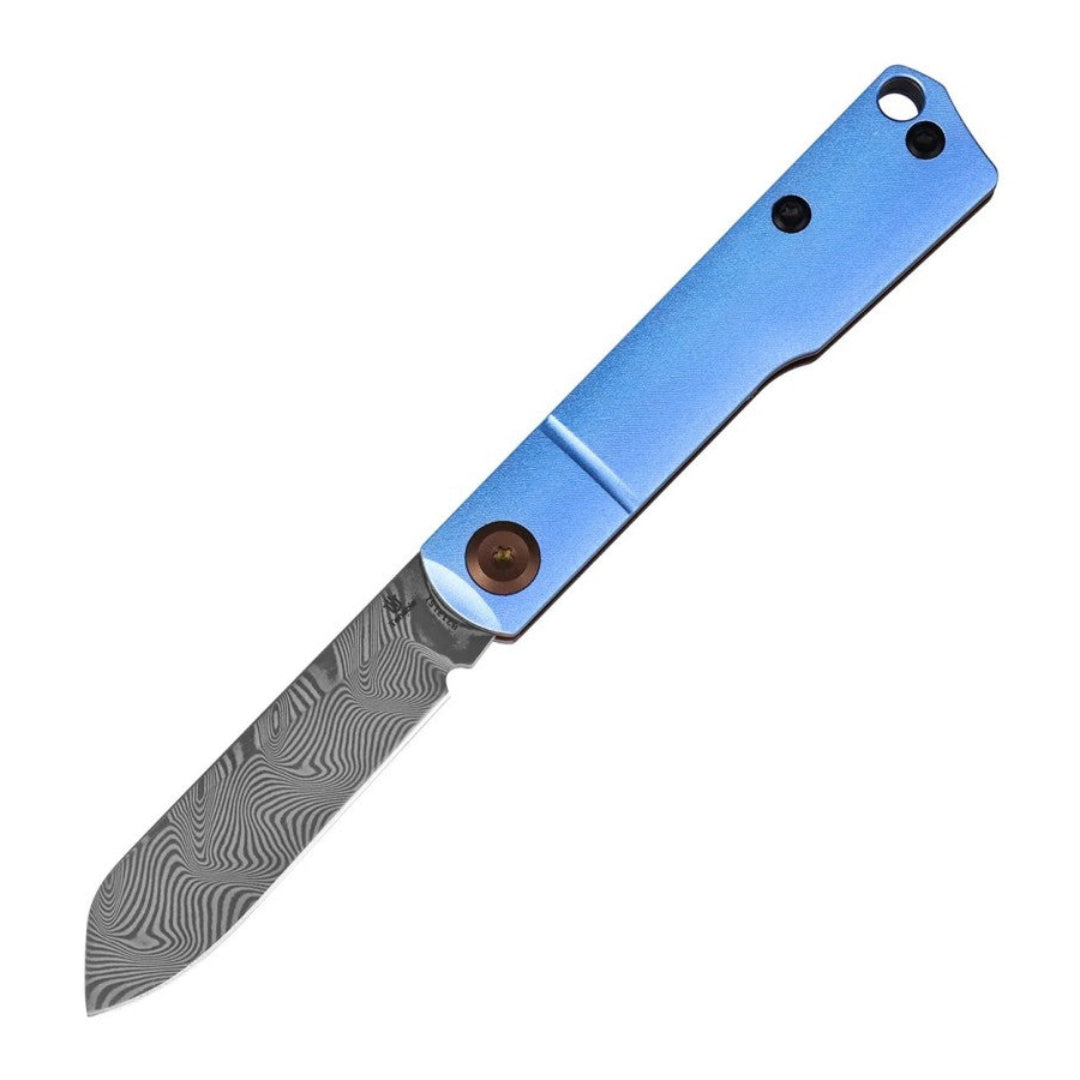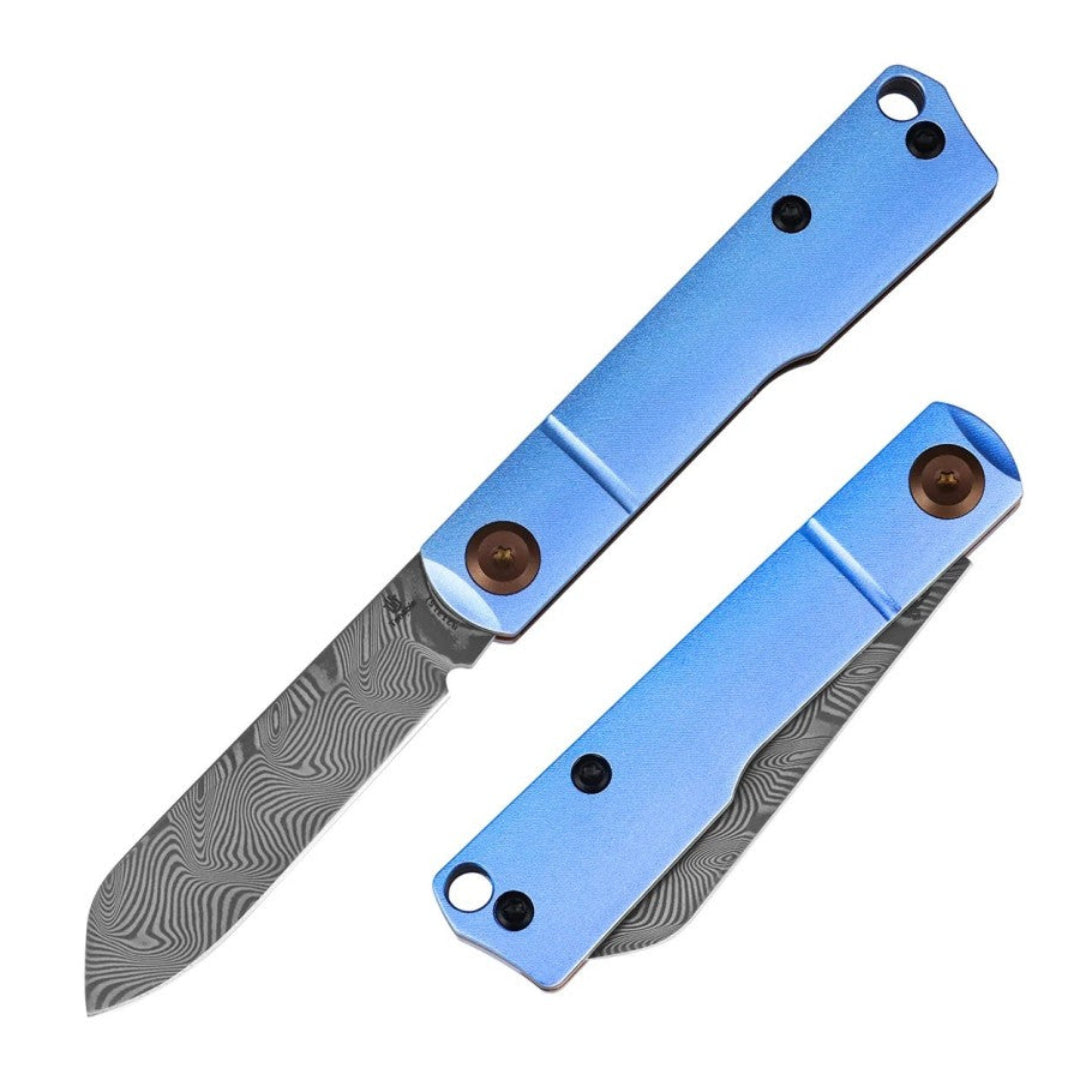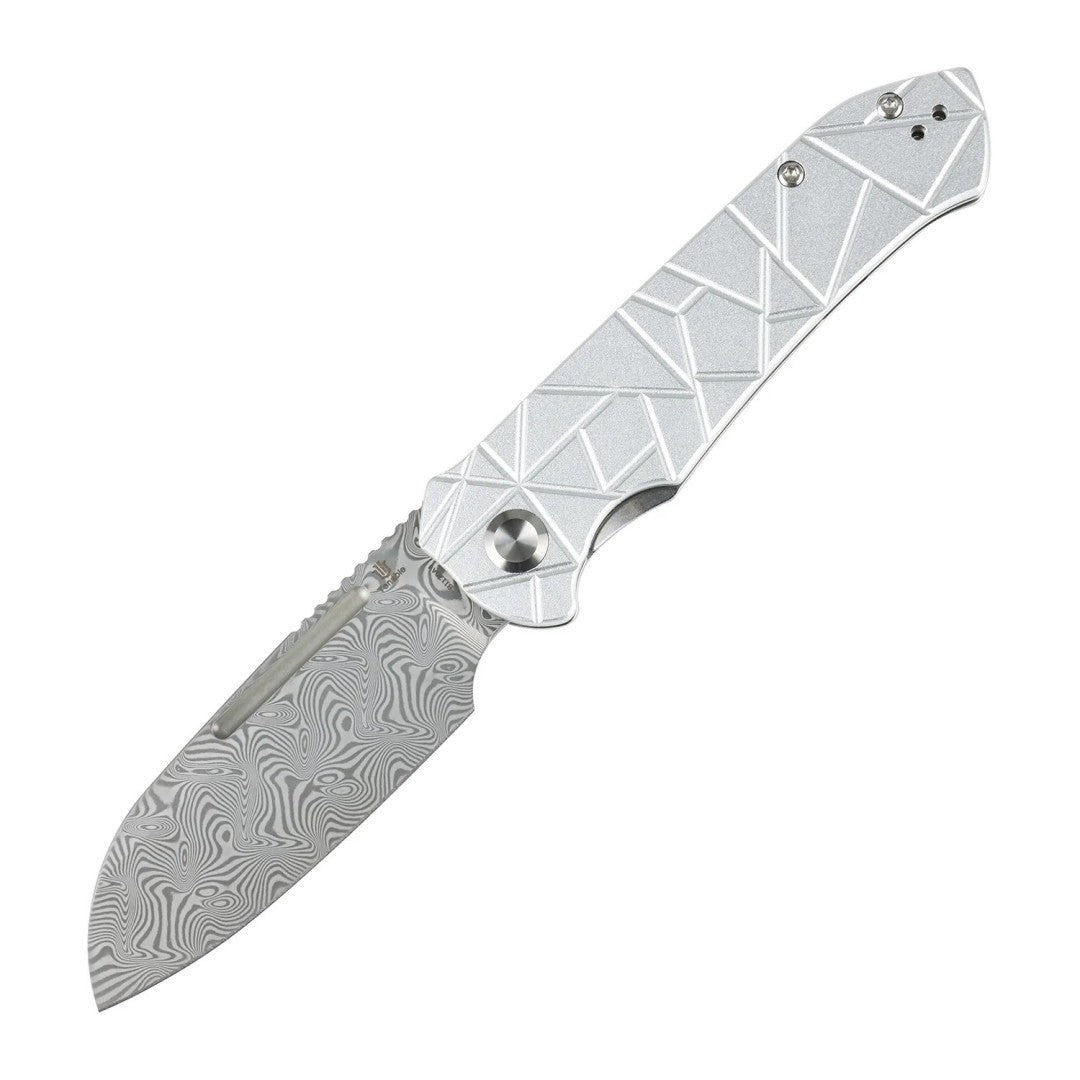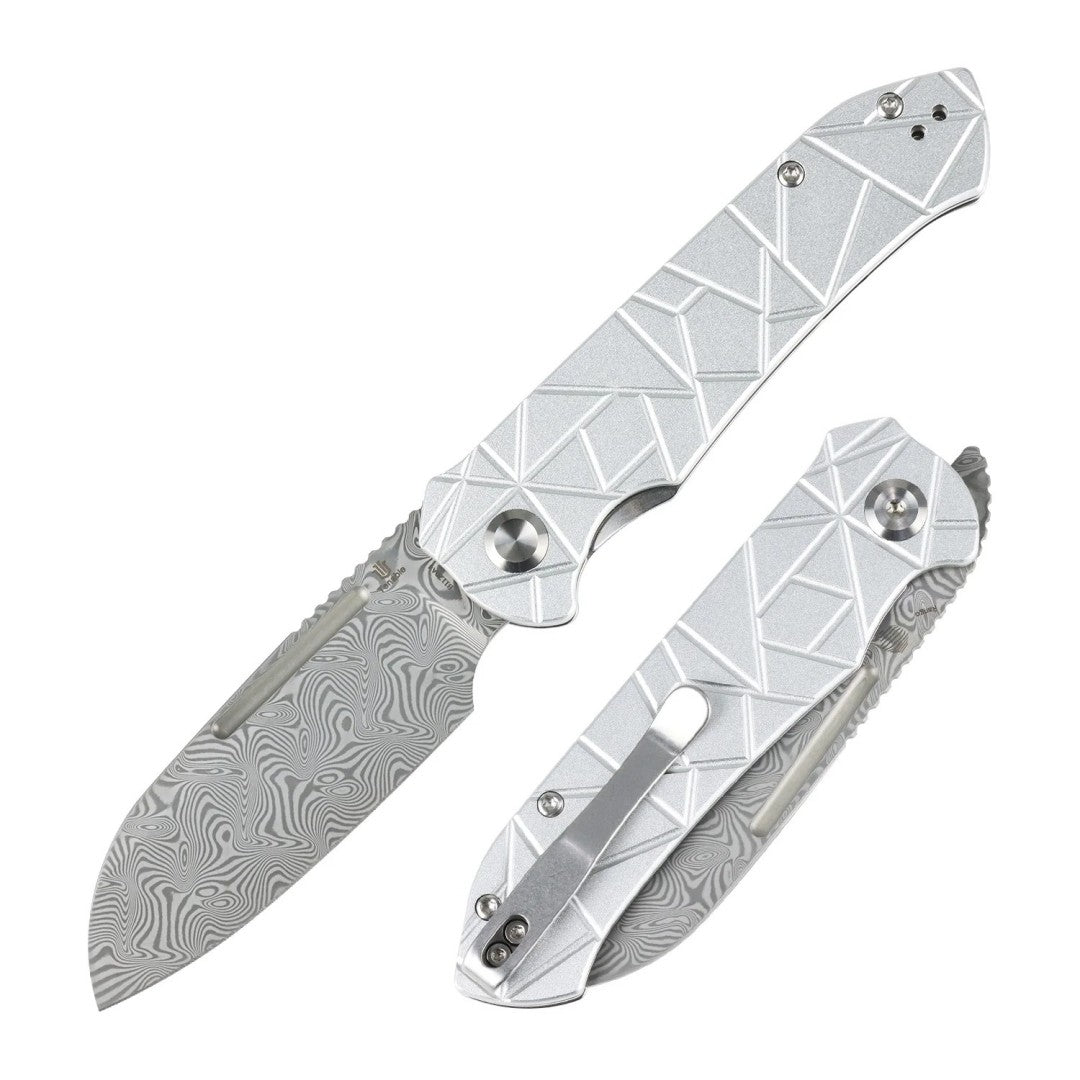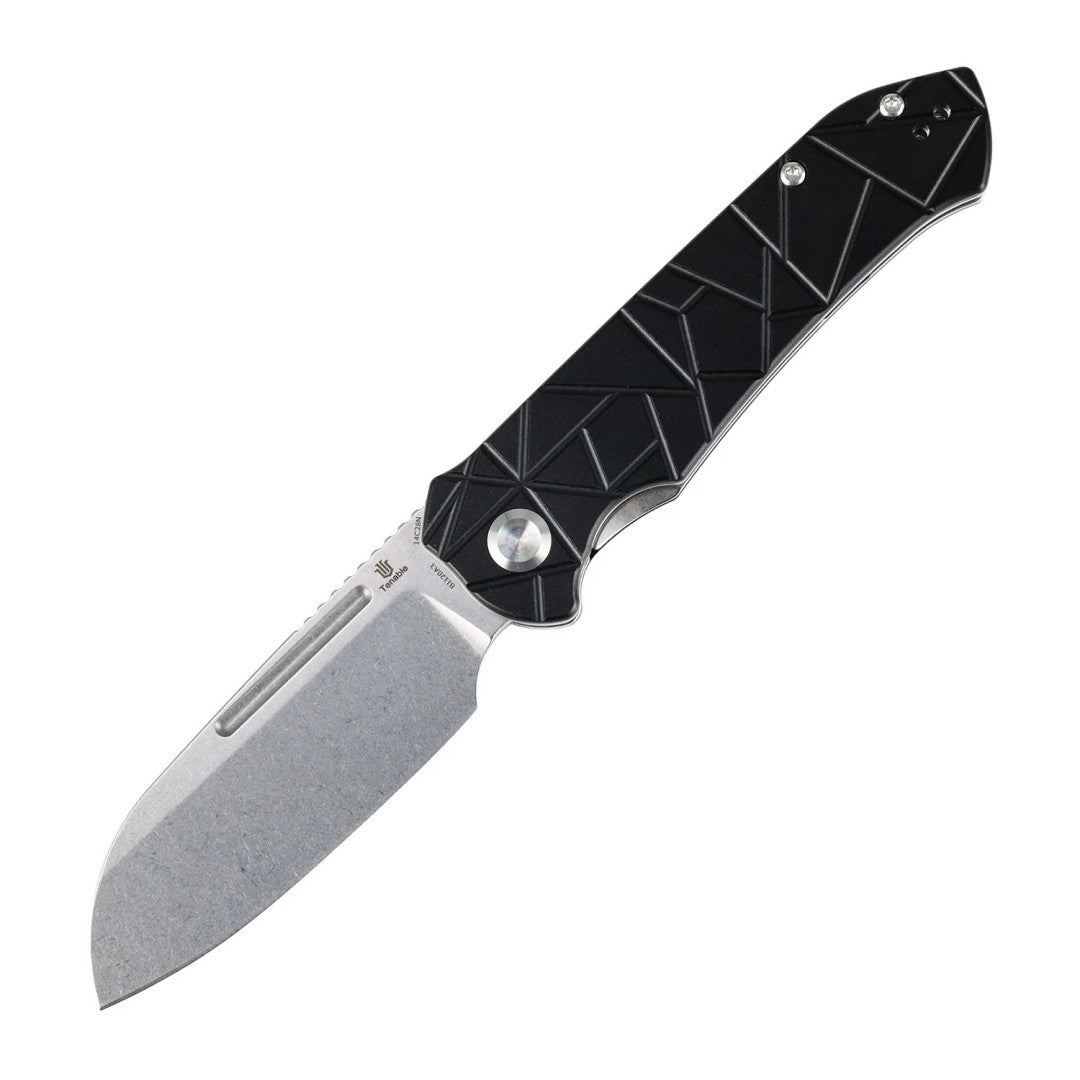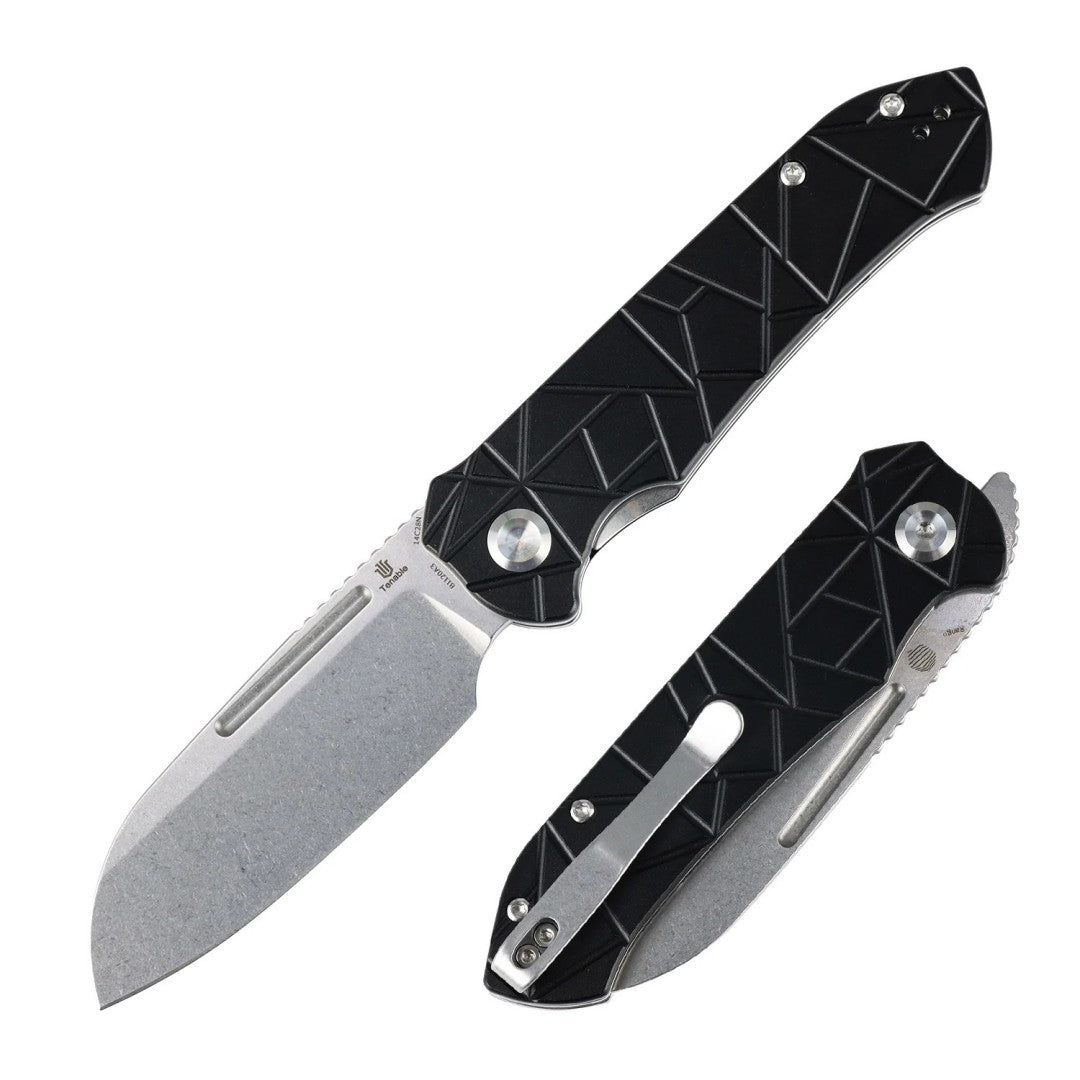
Nagao Higonokami Knives Warikomi SK Steel Handle Length 100mm

In the world of high-end tools and Everyday Carry (EDC), the name "Nagao Kanekoma" carries a weight that transcends modern manufacturing. For over a century, this legendary forge has produced the Higonokami—a knife that has become an icon of Japanese minimalism. But the true secret to its legendary performance doesn't just lie in its shape; it lies in the ancient art of laminate construction.
For the discerning collector or the practical user looking for the ultimate edge, understanding how these blades are forged is essential. This is a journey into the heart of the fire, where steel is layered, bonded, and tempered to perfection.
The Architecture of San Mai: Strength Meets Sharpness
At the core of a premium Nagao blade is a construction technique known as San Mai (literally "three layers"). Unlike a mono-steel blade, which is made from a single piece of alloy, a laminated blade is a "sandwich" of different steels.
-
The Core (Hagane): The center layer is typically made of high-carbon steel, such as Blue Paper Steel (Aogami) or White Paper Steel (Shirogami). This "hard" steel is responsible for the knife's incredible edge retention and sharpness.
-
The Jacket (Jigane): The core is encased between two layers of softer, more ductile iron or stainless steel.
This combination solves the greatest challenge in metallurgy: a blade that is hard enough to stay sharp is usually brittle and prone to snapping, while a tough blade is usually too soft to hold an edge. By laminating them, Nagao creates a tool that is both razor-sharp and remarkably resilient.
Why Laminate Construction Matters for EDC
For those who carry a knife as part of their daily EDC kit, reliability is paramount. A Nagao blade with multi-layered construction offers several functional advantages that modern, mass-produced stainless knives often lack:
1. Ease of Sharpening
Because the outer layers (the jacket) are made of softer material, they ground away easily during sharpening. You only have to "work" a small amount of the hard core steel to achieve a terrifyingly sharp edge. For enthusiasts who enjoy maintaining their own tools, this makes the Nagao a joy to use.
2. Structural Integrity
High-carbon steels are notoriously "stiff." If you were to drop a pure high-carbon blade on a hard surface, it might shatter like glass. The softer laminate layers act as shock absorbers, providing the flexibility needed to withstand the rigors of daily tasks without compromising the blade's "bite."
3. Aesthetic Character
As you use and sharpen a laminated Nagao blade, the "hamon-like" line where the different steels meet becomes visible. Over time, the carbon core will develop a unique patina, telling the story of your specific use. It transforms the knife from a generic item into a personalized piece of history.
The Forging Process: A Century of Tradition
The process begins in Miki, Japan, where blacksmiths at the Nagao forge heat the steel to over 1,000°C. The bonding of the layers isn't done with adhesives or modern welding; it is achieved through forge welding.
Under immense heat and pressure, the molecules of the hard core and the soft jacket fuse together at the atomic level. This is followed by a precise tempering process. The blades are quenched in oil or water—a high-stakes moment where the steel "learns" its final hardness.
The result is a blade that possesses a "toothy" edge, capable of slicing through fibrous materials, wood, and daily packaging with ease. When you hold a Nagao, you are holding a product of the same metallurgical lineage that produced the katana.
Integrating Nagao Blades into Your Professional Toolset
While the Higonokami is a favorite among EDC hobbyists, it is also a formidable professional tool. Its slim profile makes it an ideal "secondary" blade for precision work, such as:
-
Leathercraft: The extreme sharpness allows for clean, burr-free cuts.
-
Woodworking: Perfect for marking lines or detailed whittling.
-
Horticulture: A traditional choice for grafting and pruning due to the clean cellular cut it provides to plants.
Choosing the Right Laminate
When selecting a Nagao blade for your collection at EDCmall, pay attention to the steel type:
-
Blue Paper Steel (Aogami): Contains tungsten and chromium for better wear resistance. Ideal if you want to go longer between sharpening sessions.
-
White Paper Steel (Shirogami): The purest form of carbon steel. It takes arguably the sharpest edge of any steel in the world, though it requires more frequent oiling to prevent rust.
Conclusion: More Than Just a Knife
The multi-layered laminate construction of Nagao blades is a testament to the idea that some things shouldn't be "disrupted" by modern tech. By combining the strengths of different steels, Nagao provides EDC enthusiasts with a tool that is historical, beautiful, and functionally superior.
Whether you are a seasoned collector or looking for your first authentic Japanese folder, the Nagao Higonokami stands as a pinnacle of forged craftsmanship. It is a tool that doesn't just cut—it connects you to a tradition of fire and steel that has survived the test of time.
Discover the power of Japanese laminate steel. Shop our curated selection of Nagao Higonokami knives at EDCmall today and elevate your EDC game.