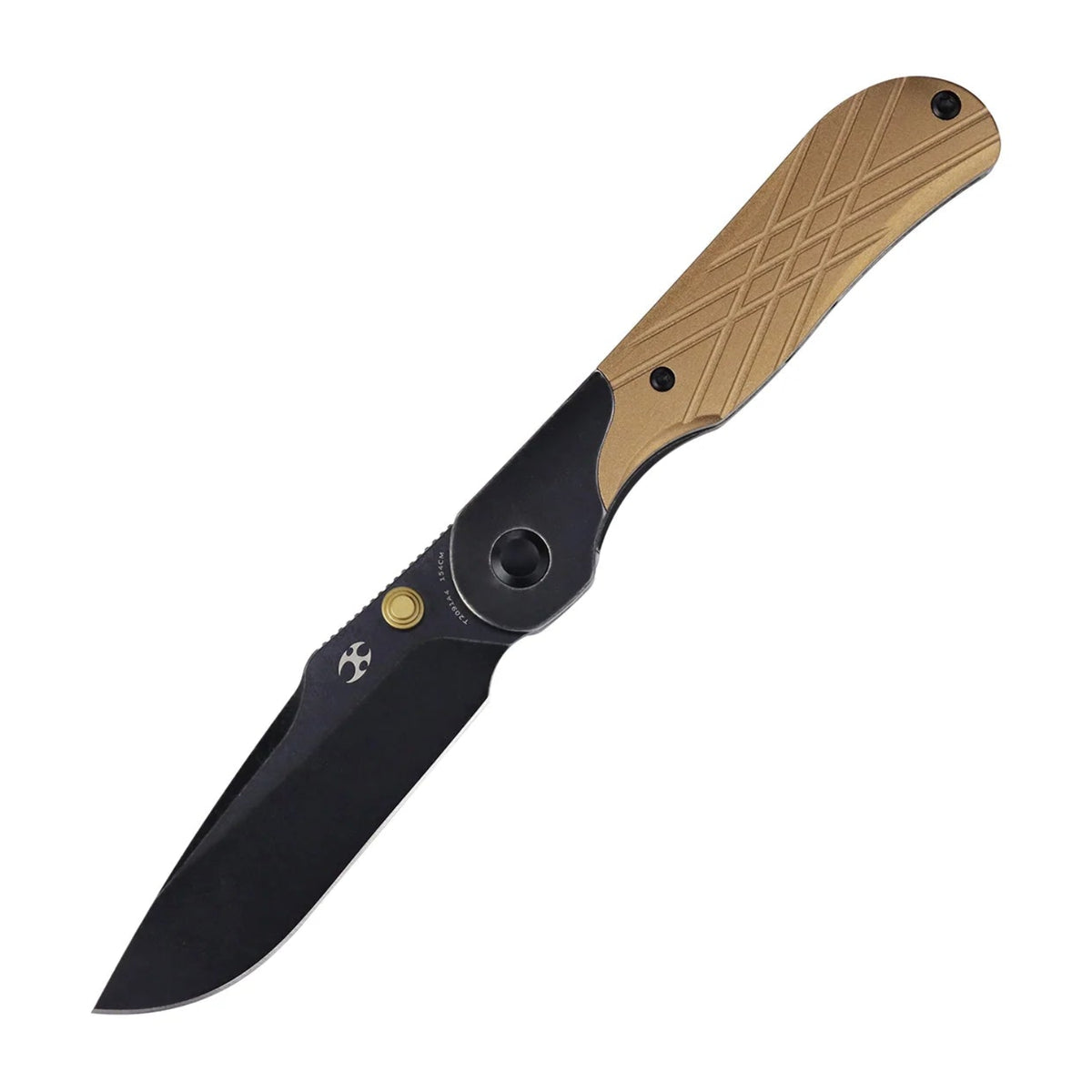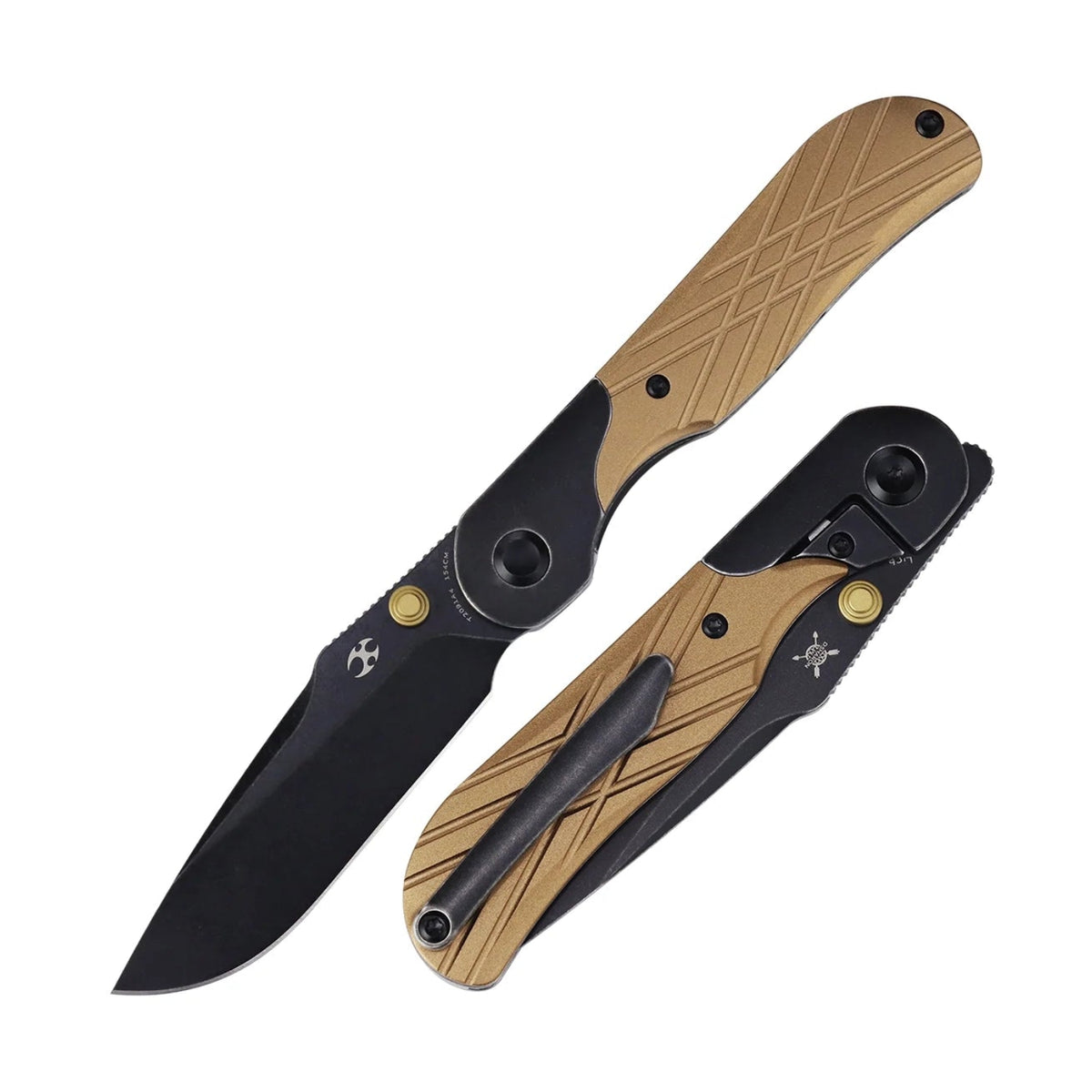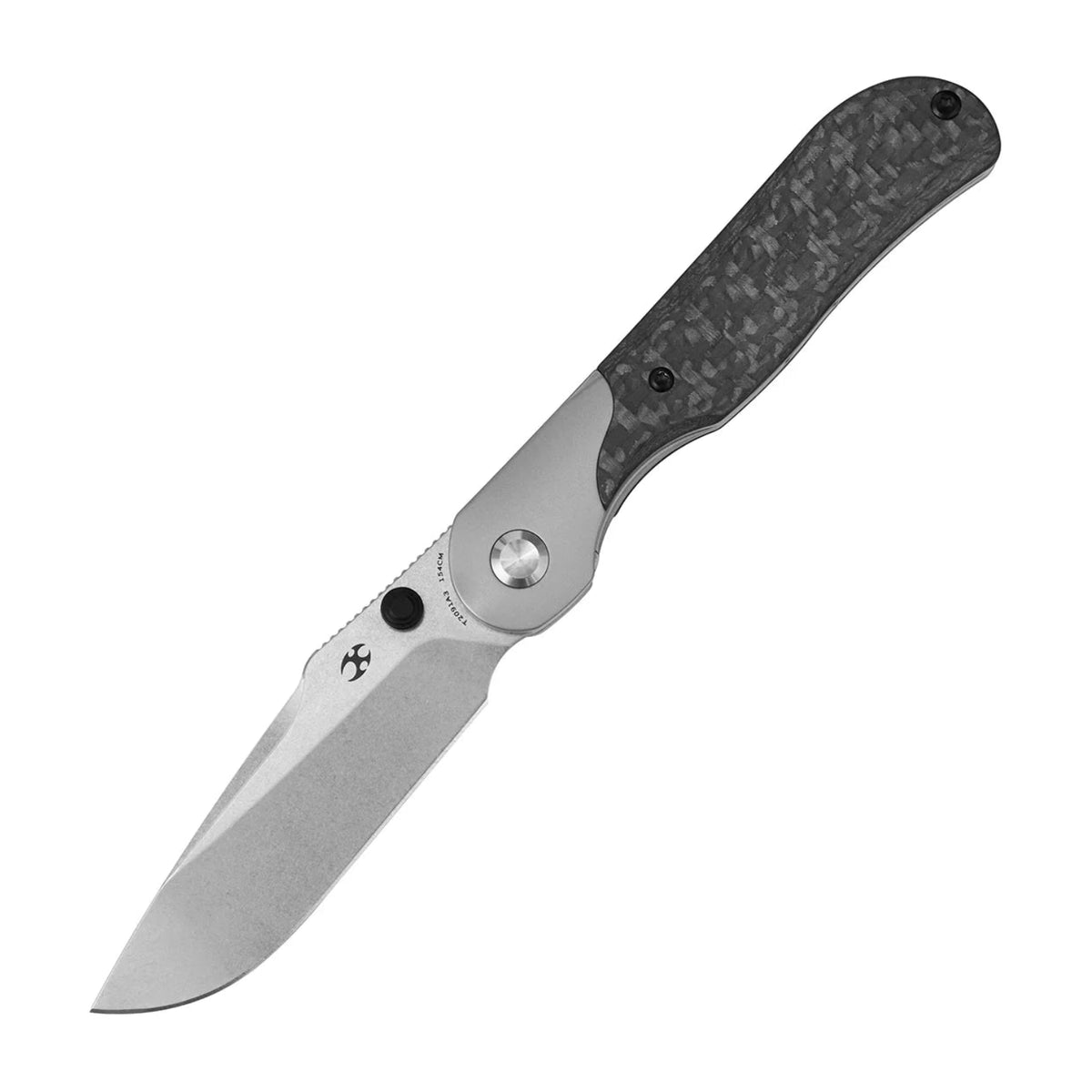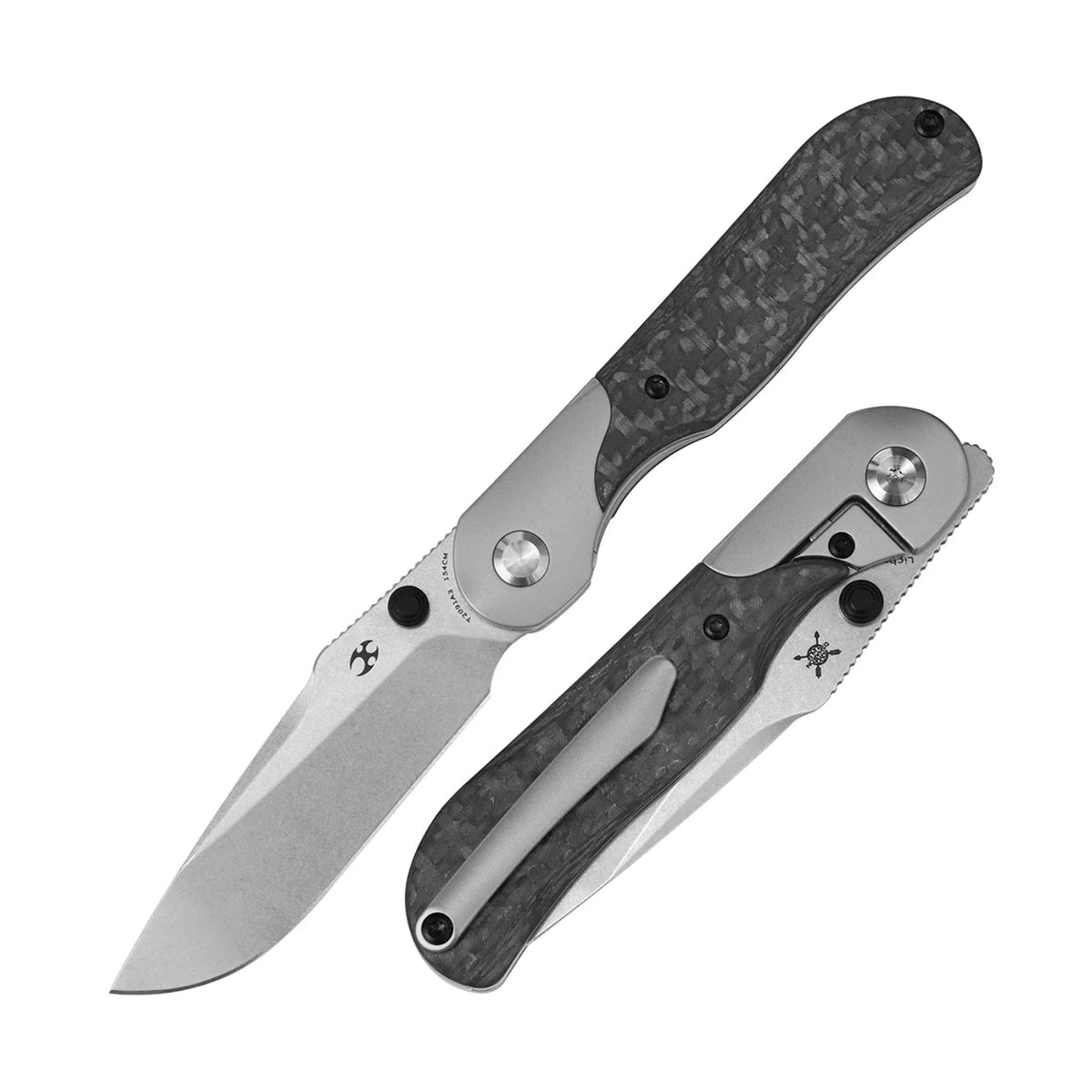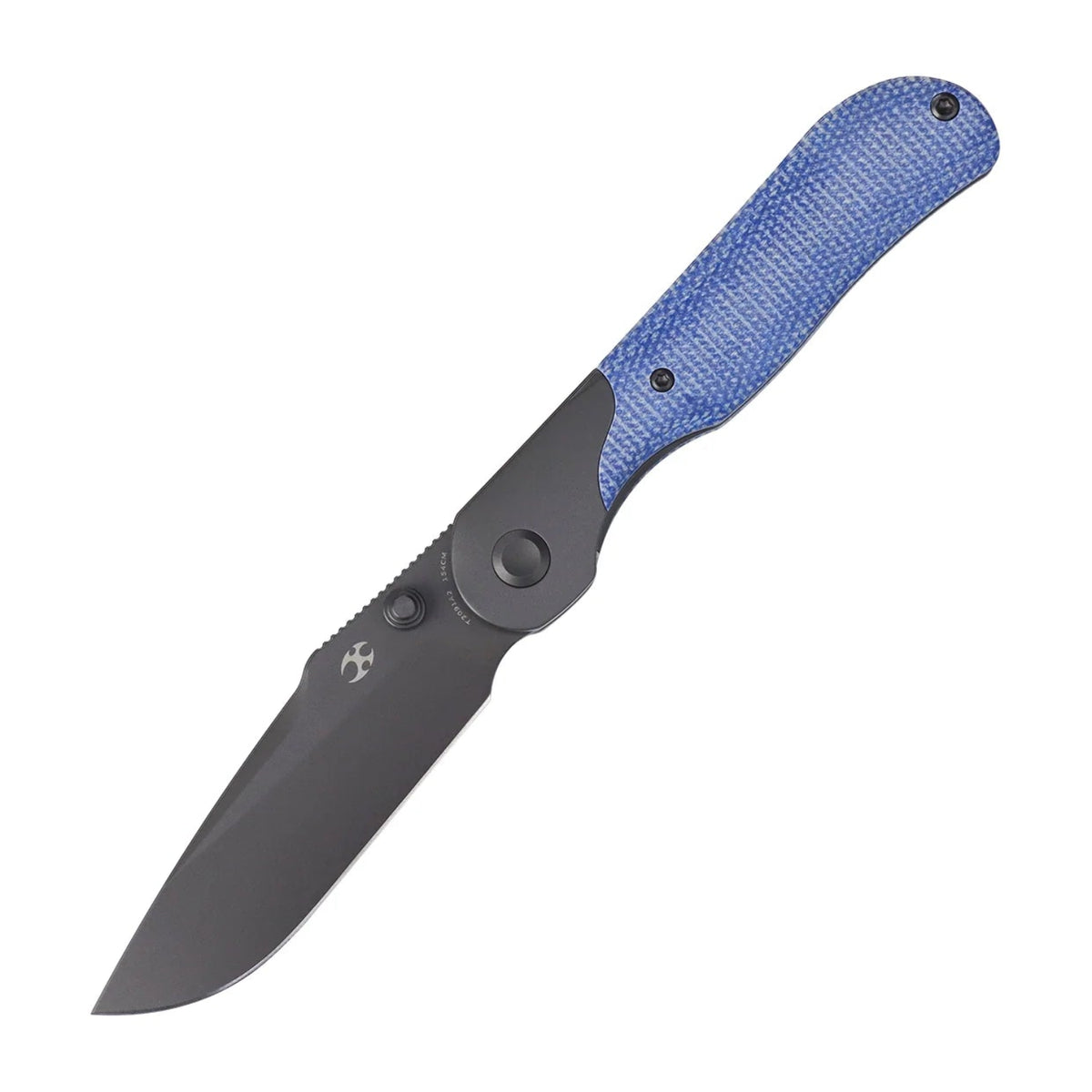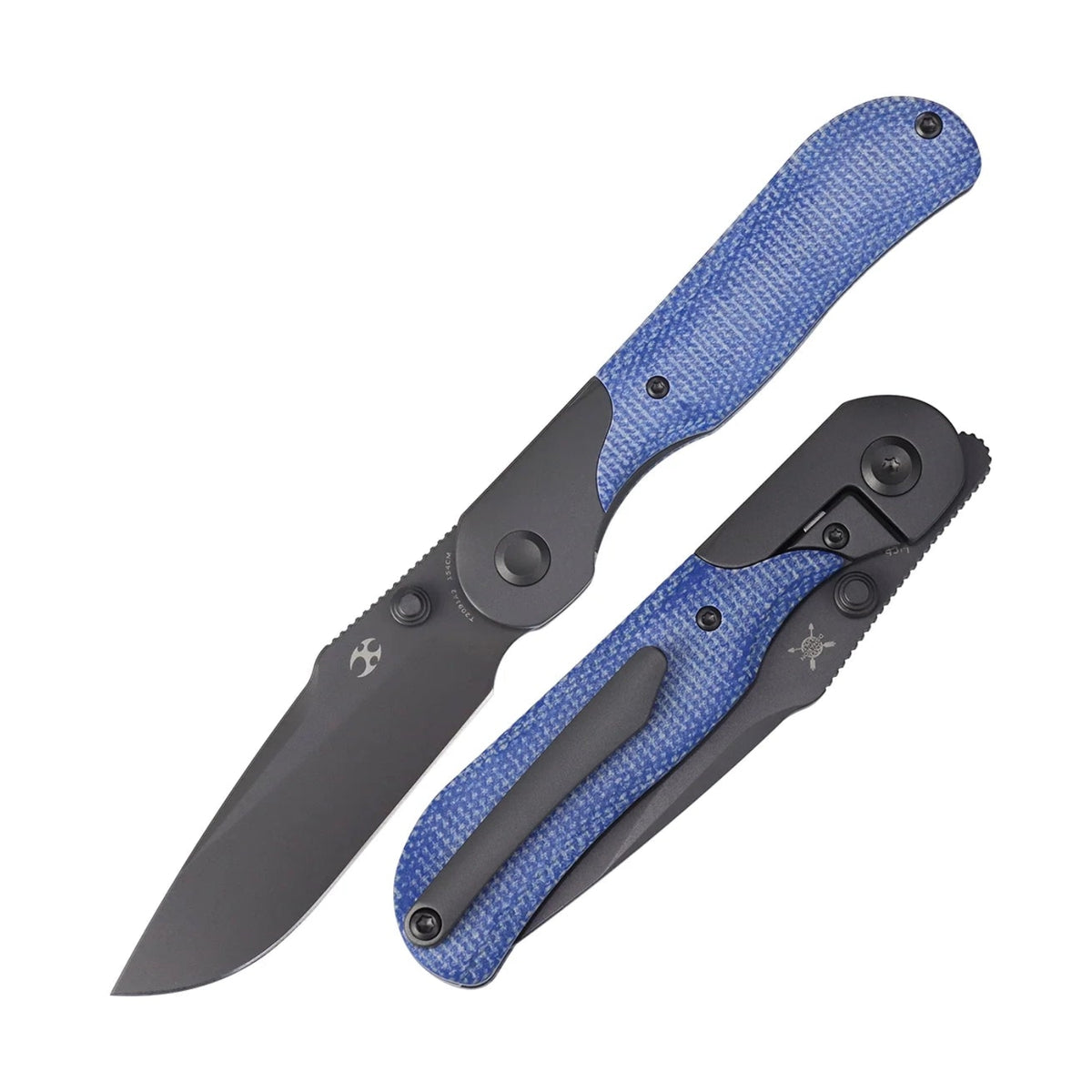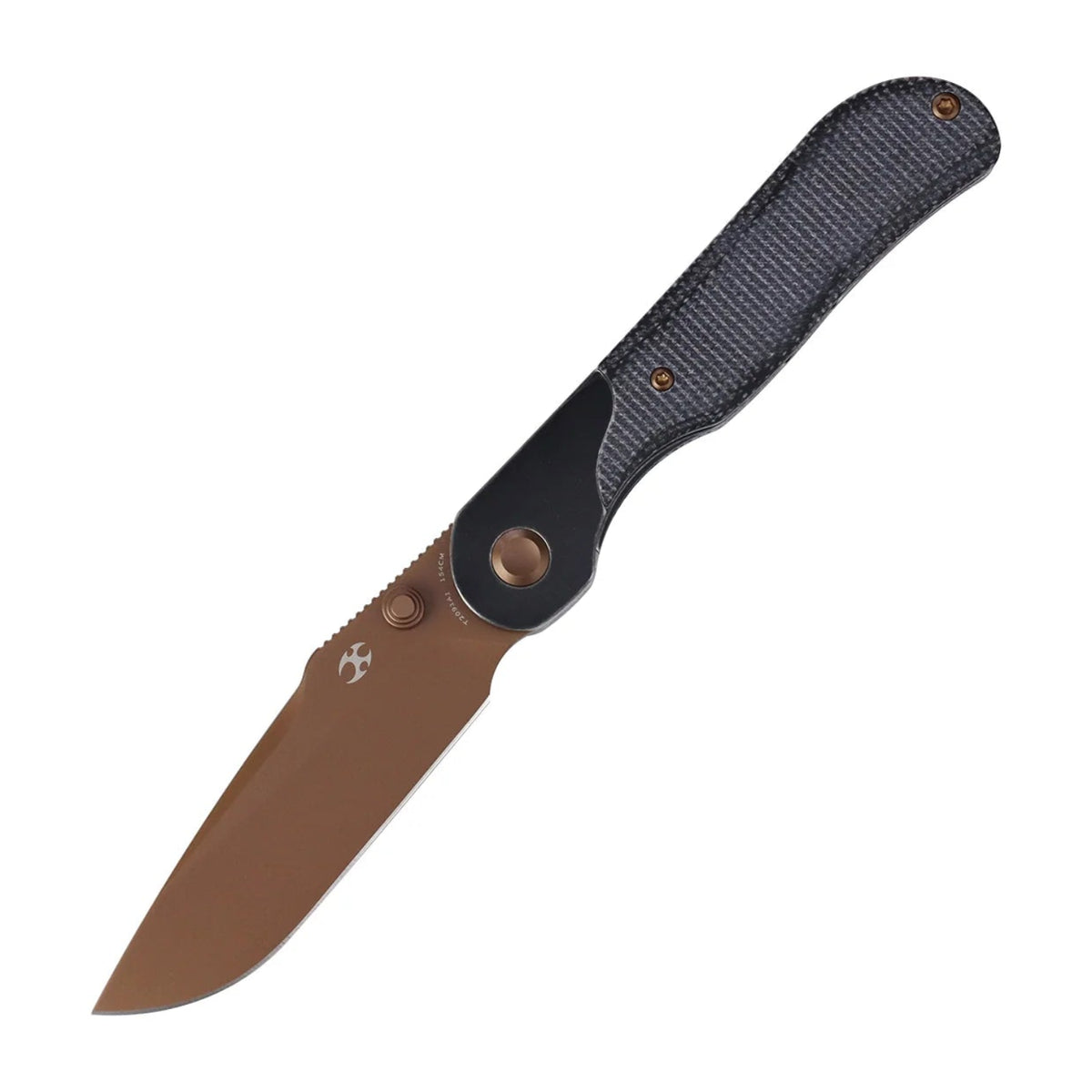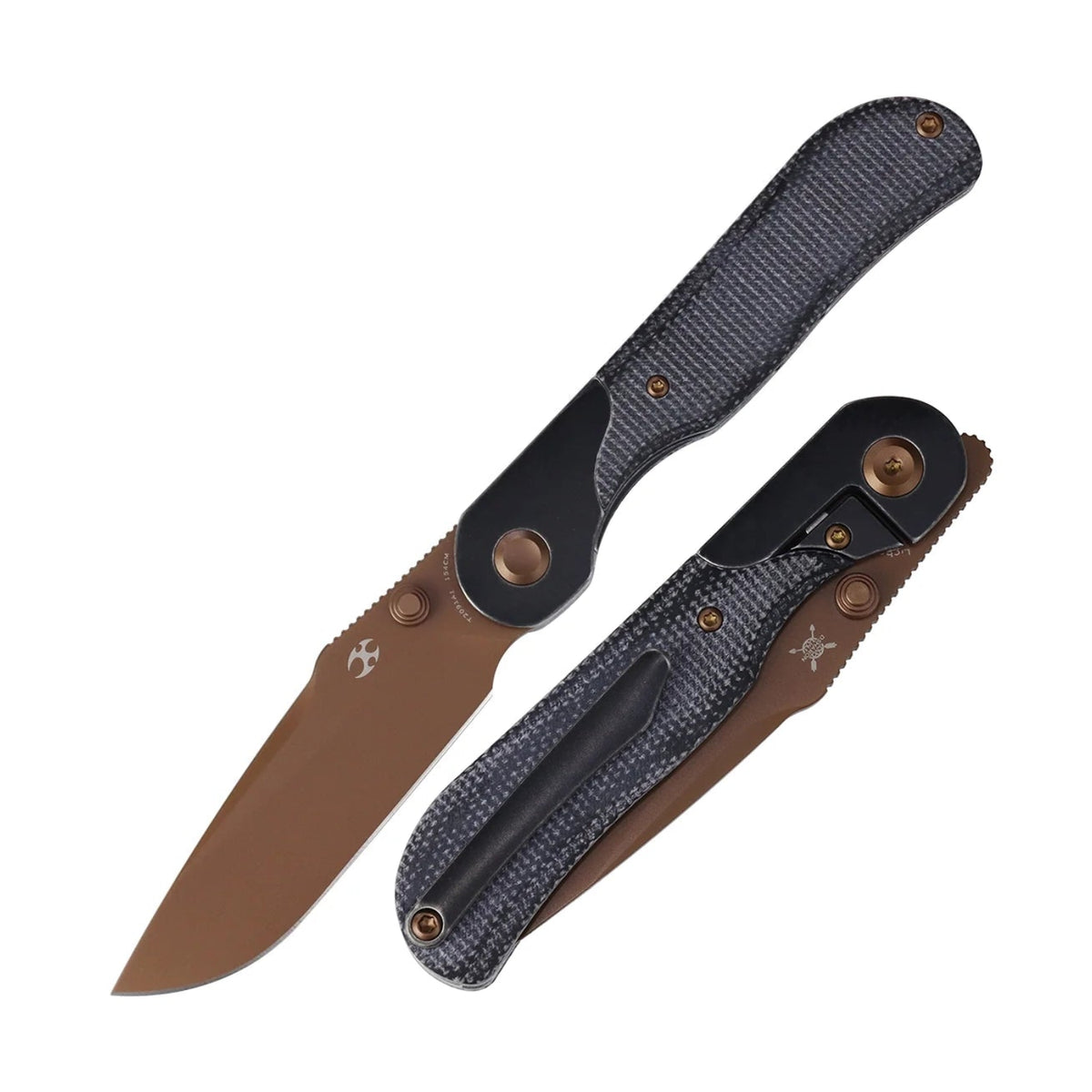

Overview & First Impressions
Granulation is the Etruscan trick of fusing thousands of tiny gold spheres to a surface without visible solder. Nobody has fully reproduced the original technique, and the pieces that survive look like they were grown rather than built. Modern bead makers chase the same visual density with entirely different methods, and 4EDC shows how far machining and hand finishing can carry that idea in titanium.
Materials & Construction
The Etruscans worked near-pure gold with a trace of copper, heated it in charcoal and relied on surface tension to pull the metal into spheres. Titanium cannot be treated that way, so makers machine clusters of domes instead, then anodise or bead blast them to control how light breaks across each one. Both approaches depend on the same thing: consistent sphere size, because irregularity reads as damage rather than texture.

Design & Details
Granulated work is judged at arm's length, not under a loupe. The pattern has to read as a field, with the eye finding rhythm before it finds individual elements. Copies usually fail here: the domes are too large, the spacing too even, and the result looks printed. A good handmade bead keeps a little irregularity so that raking light shows tens of small highlights instead of one flat shine.
Real-World Use
On a knife lanyard, the functional question is whether the bead rotates freely and whether it scuffs the blade finish. Titanium is kind to titanium, less kind to polished steel, so a short cord and a soft spacer help. Weight matters as well: a heavy bead on a light folding knife changes the draw noticeably, and most people either love or hate that immediately. Test before you commit to a collection.

Ownership Notes
Collectors tend to arrive at beads from one of two directions: small metalwork or knives. Either way the useful habit is the same, which is to buy one good example rather than five cheap ones and let it teach you what quality feels like. EdcMall stocks 4EDC pieces next to the rest of its handmade bead range, so comparison is easy rather than theoretical. Anyone who buys lanyard beads seriously stops counting carats and starts counting survivability, because a bead that chips on tile is worth nothing. That instinct is identical to the one behind good EDC knives, and it is why collectors who handle folding knives daily develop strong opinions about surface finish long before they develop opinions about steel.
Who Is This For?
This suits collectors who already understand that a bead is jewellery for a tool, and who want a piece with visible hand work instead of a logo. It also works well for anyone building a first serious lanyard. Skip it if you need a low-profile carry with nothing dangling, or if a slightly irregular surface would bother you more than it delights you.
Final Verdict
Granulation survived twenty-five centuries because density and patience never go out of style. The 4EDC Vegas bead translates that instinct into titanium, where the domes catch light instead of gold leaf. It costs less than a tank of fuel, it will outlive the knife it hangs from, and it turns a plain folder into something you actually notice in your pocket.