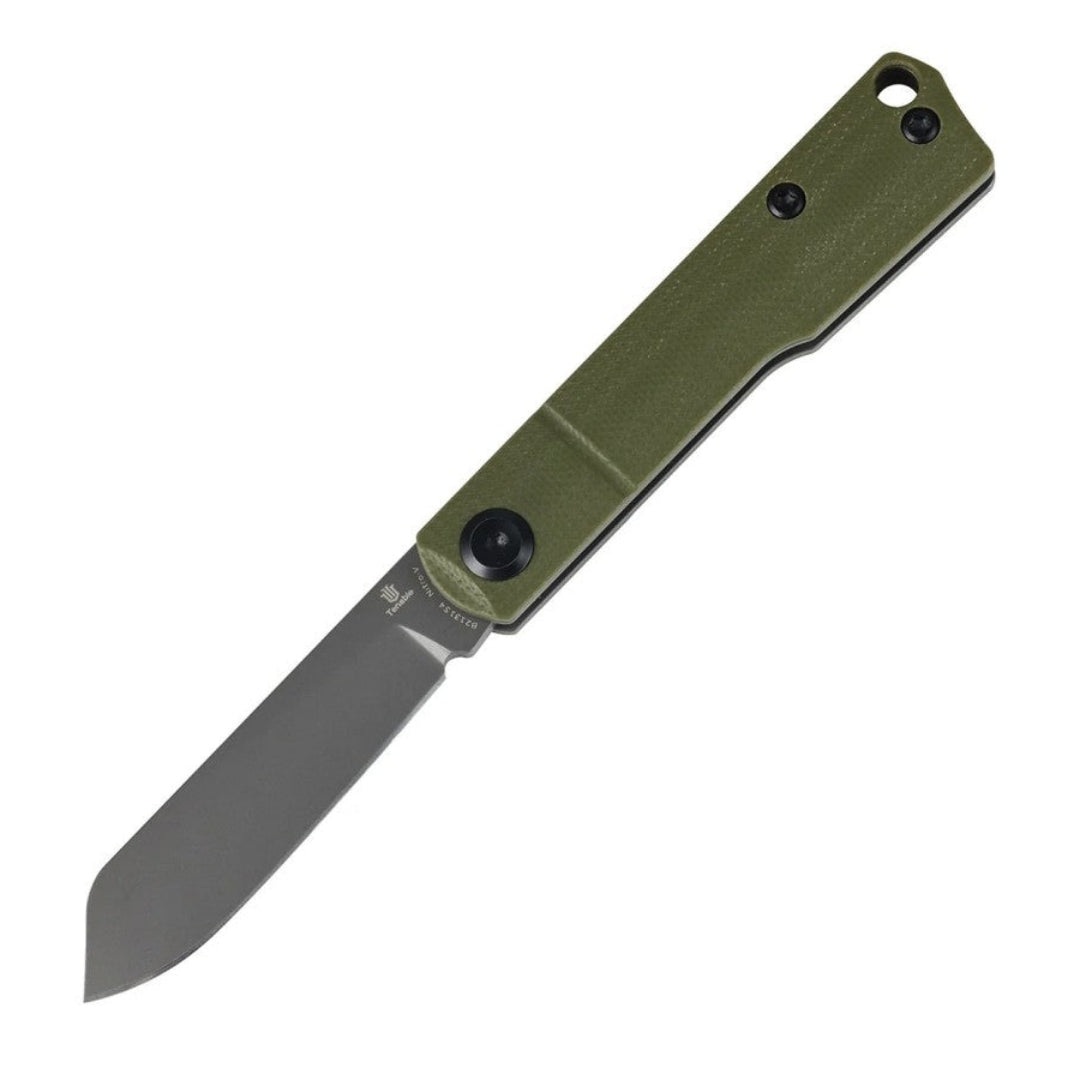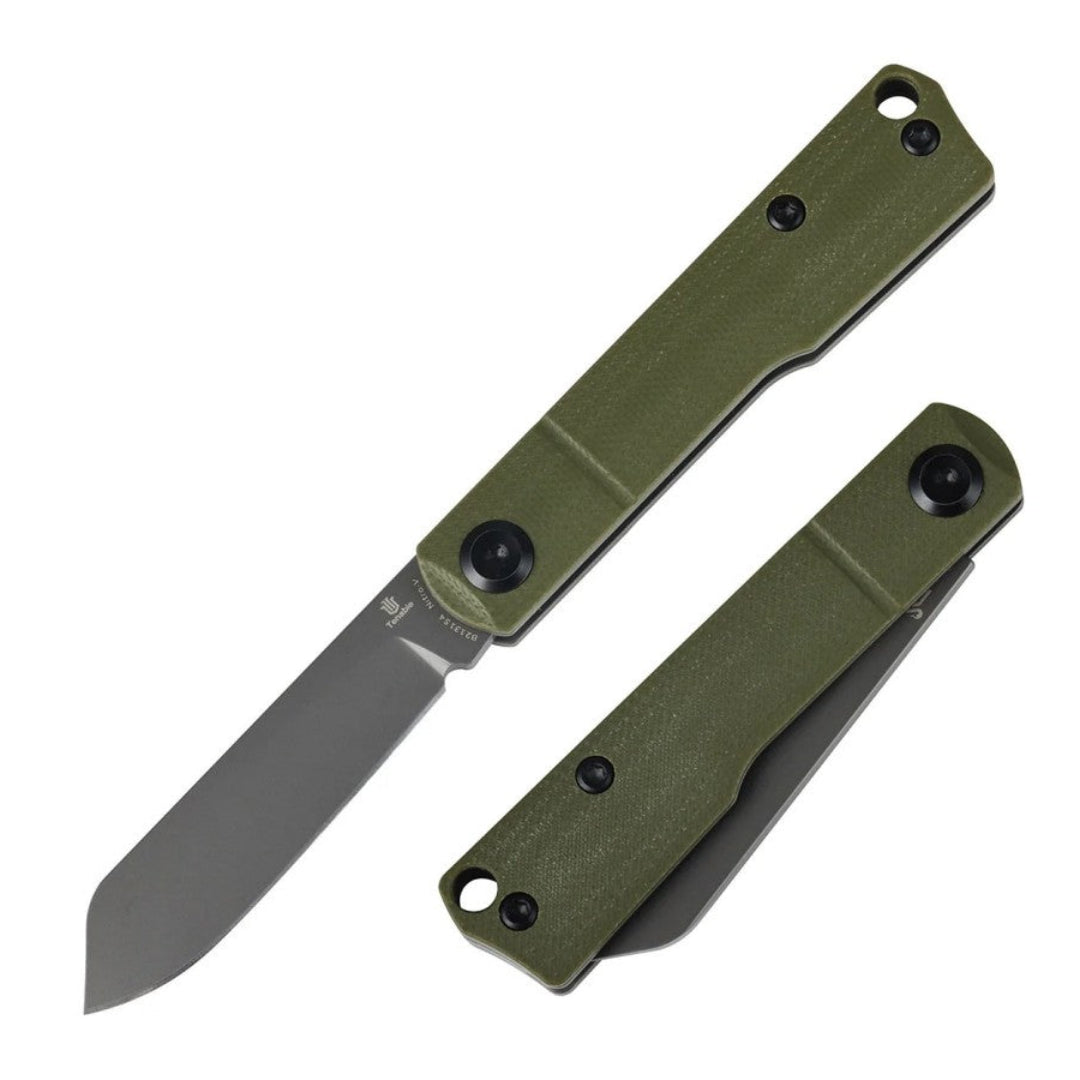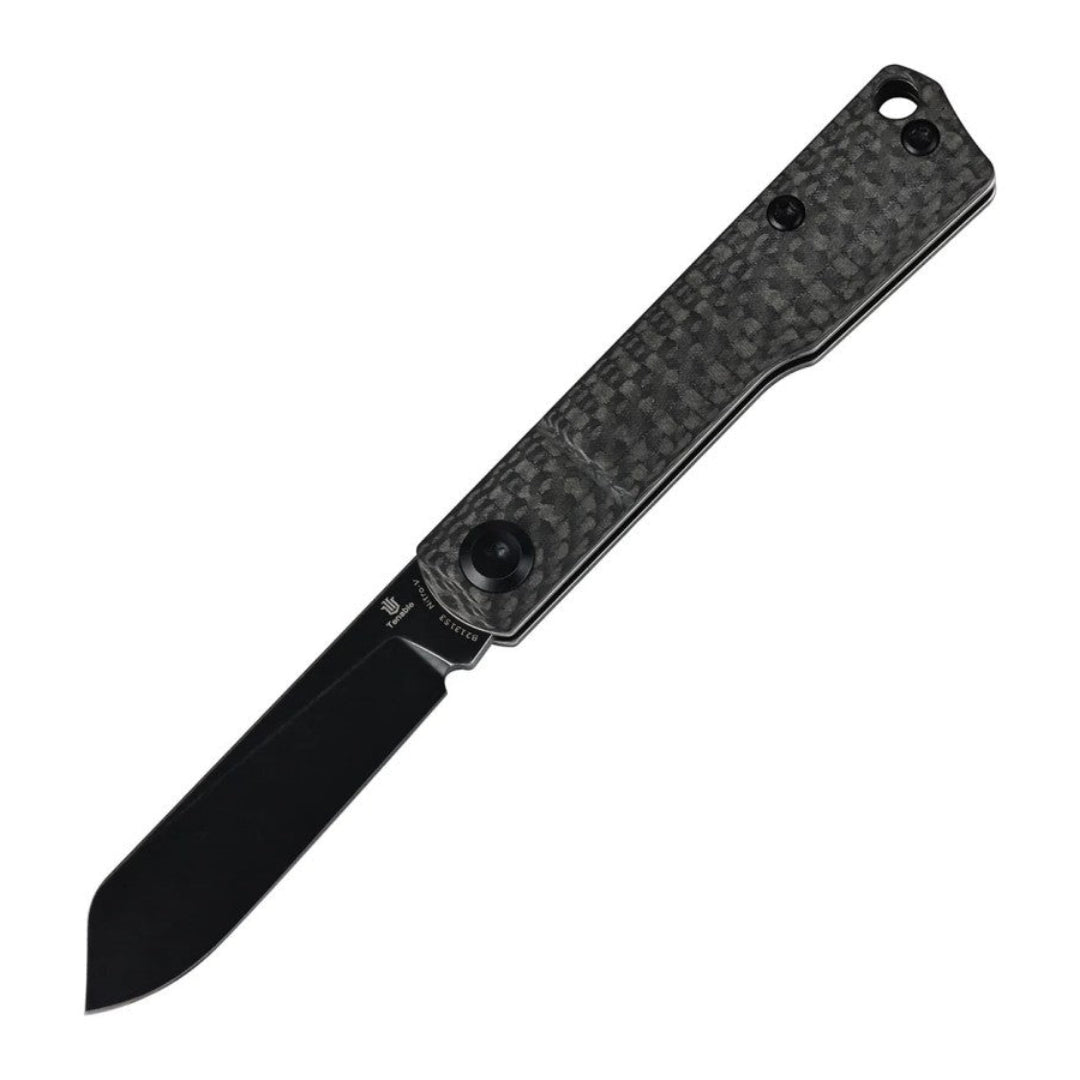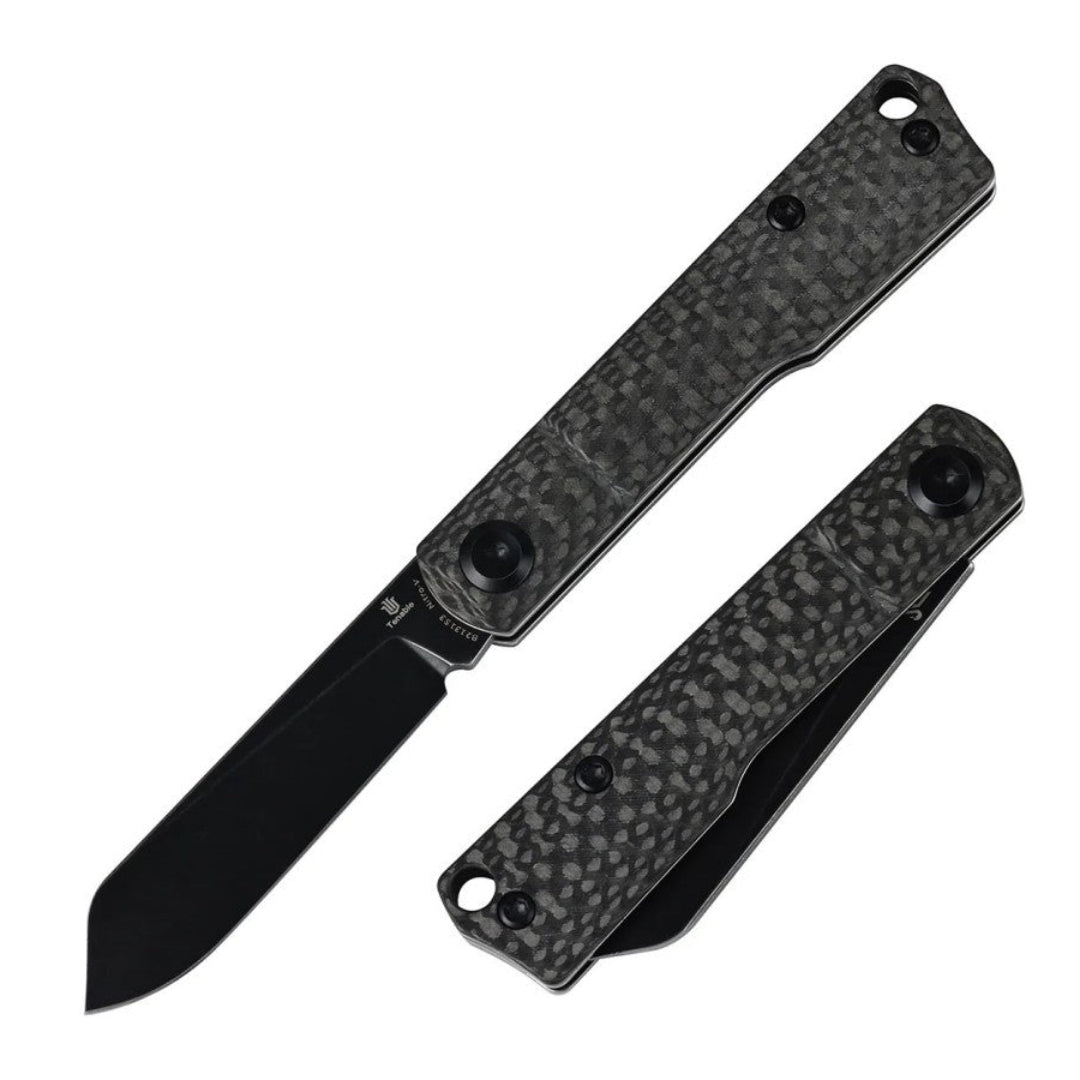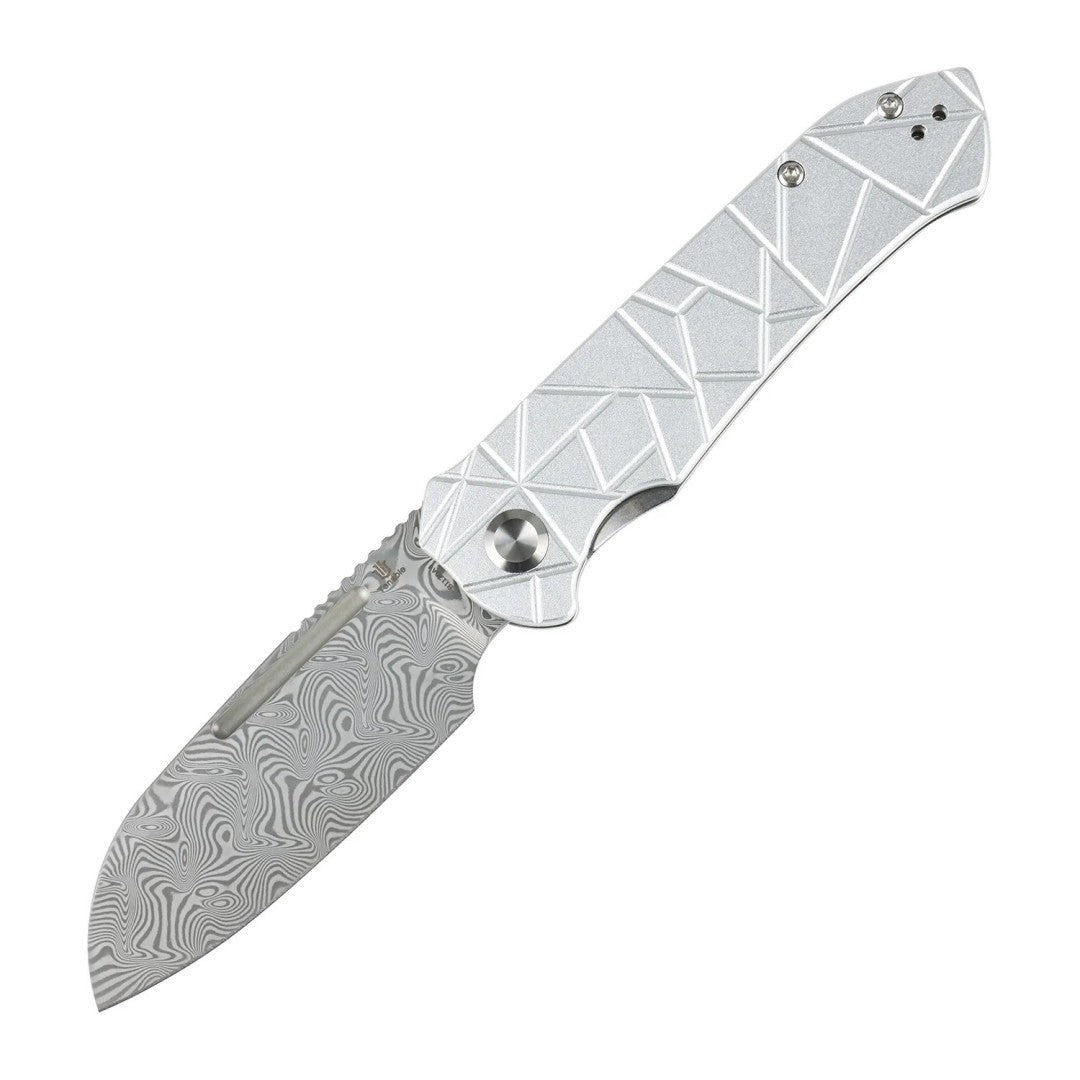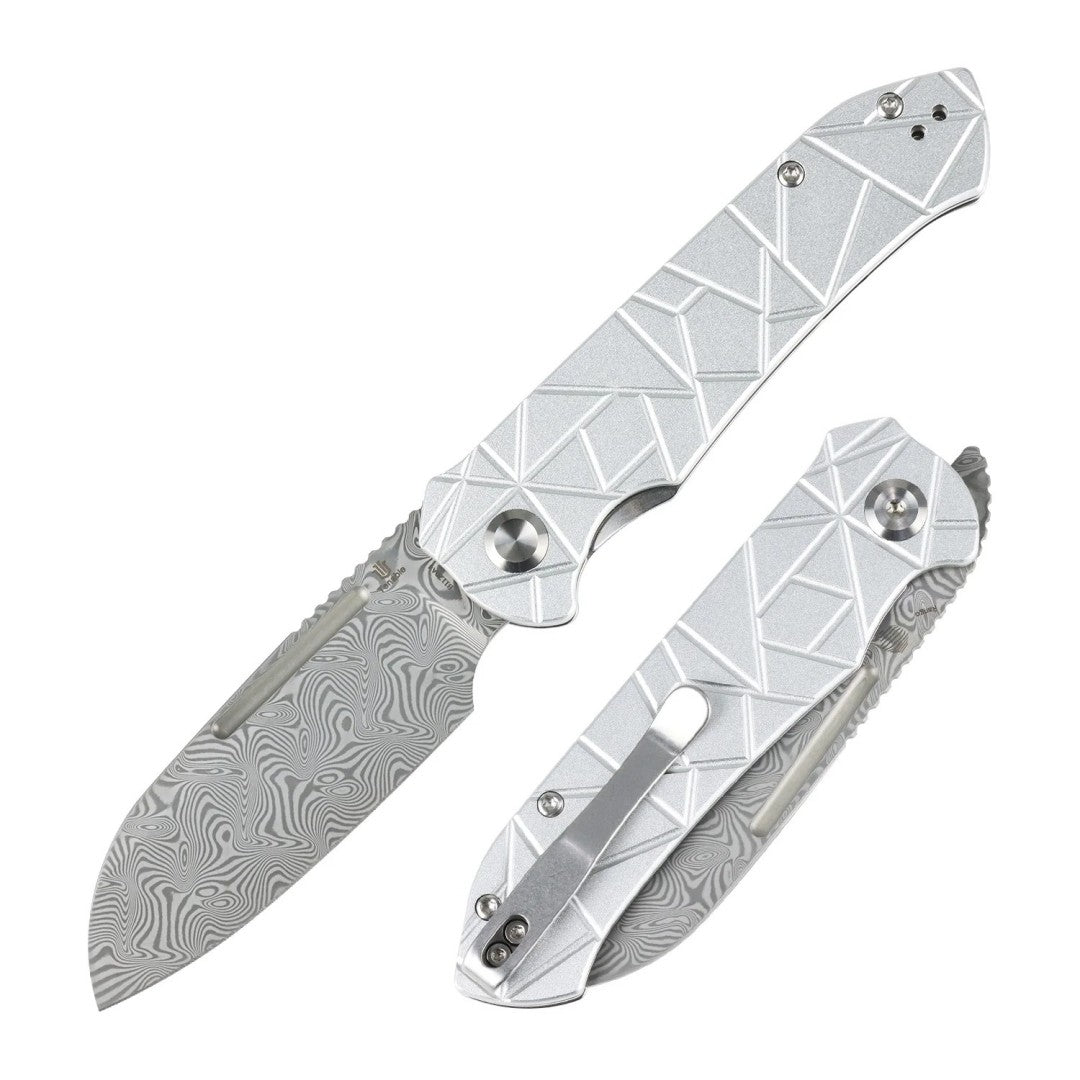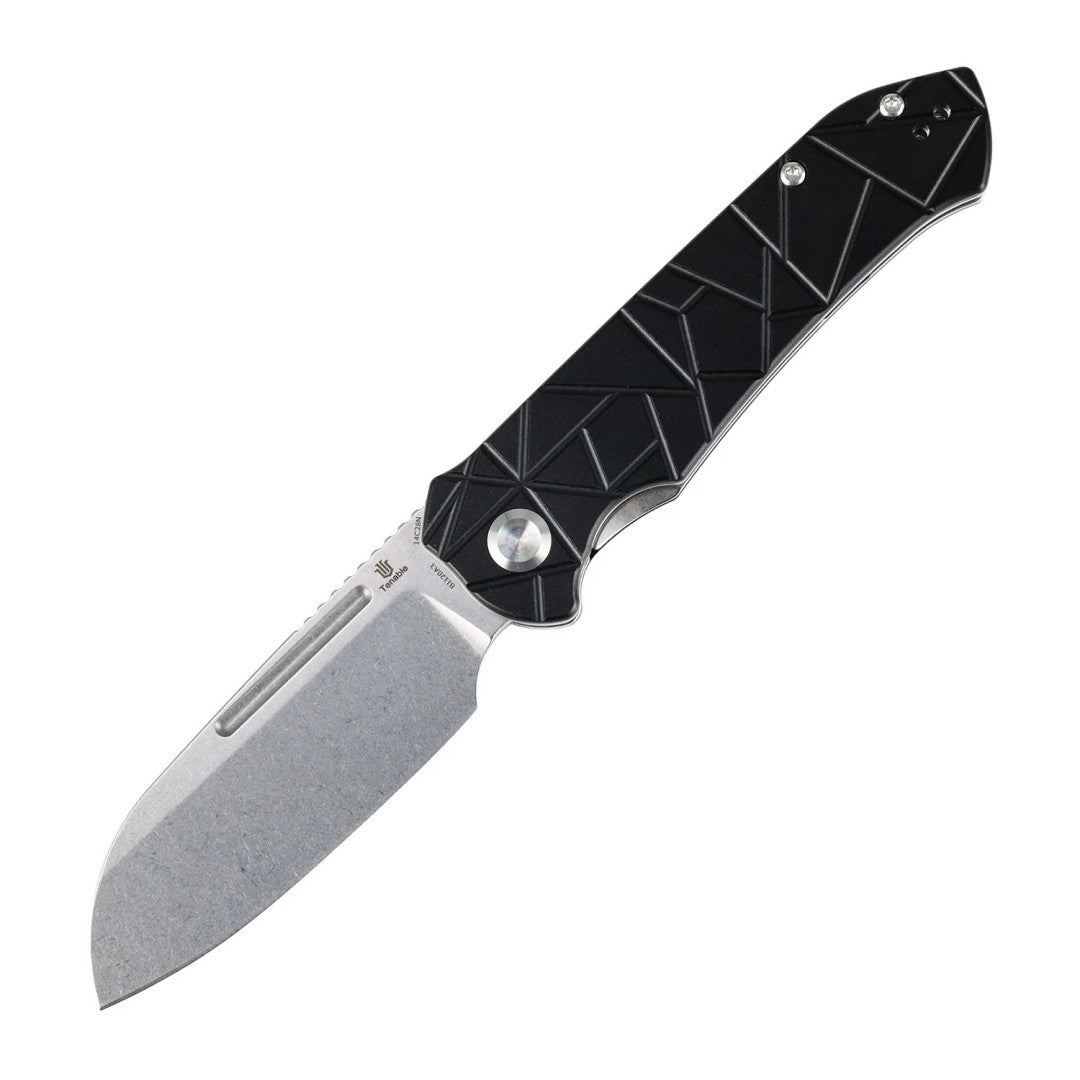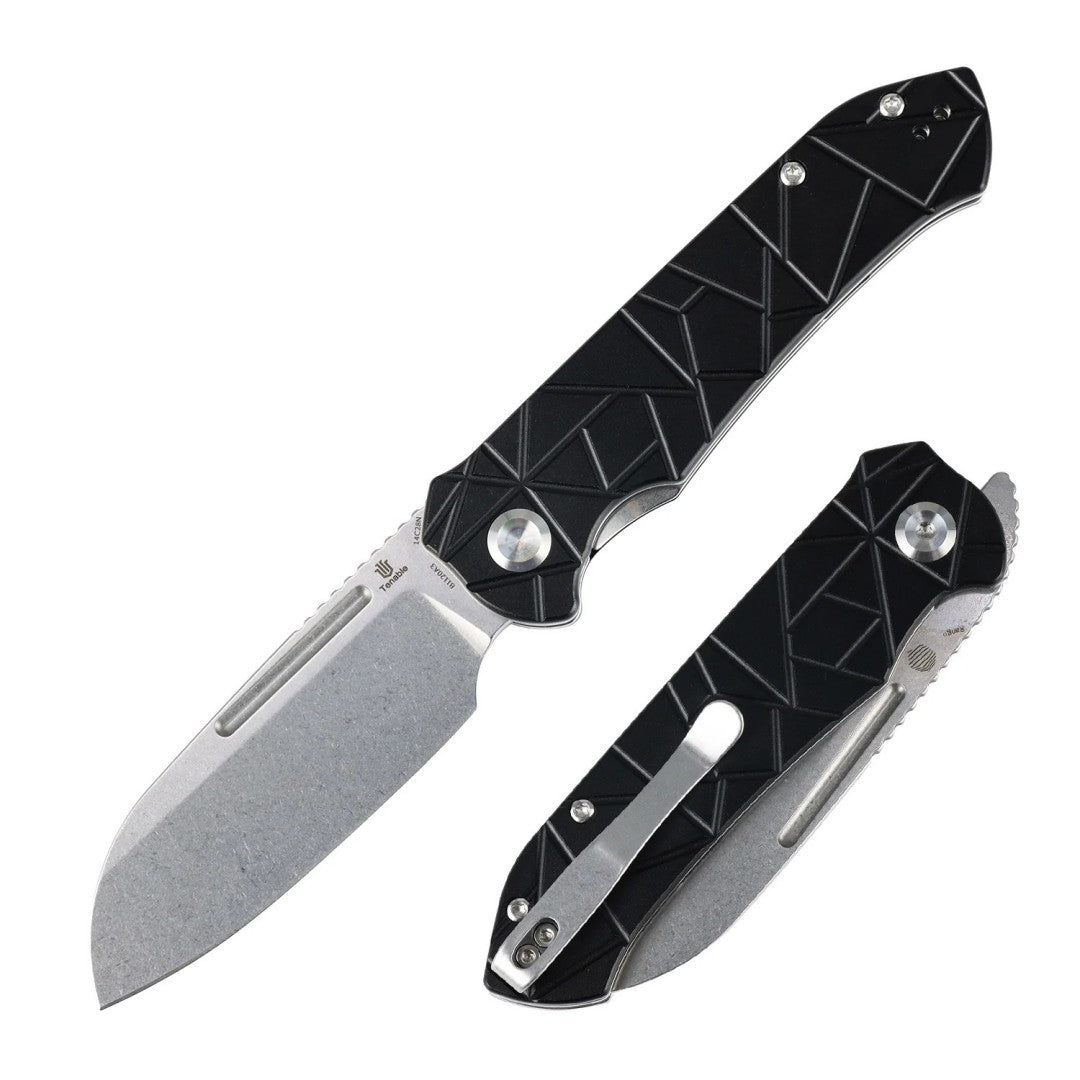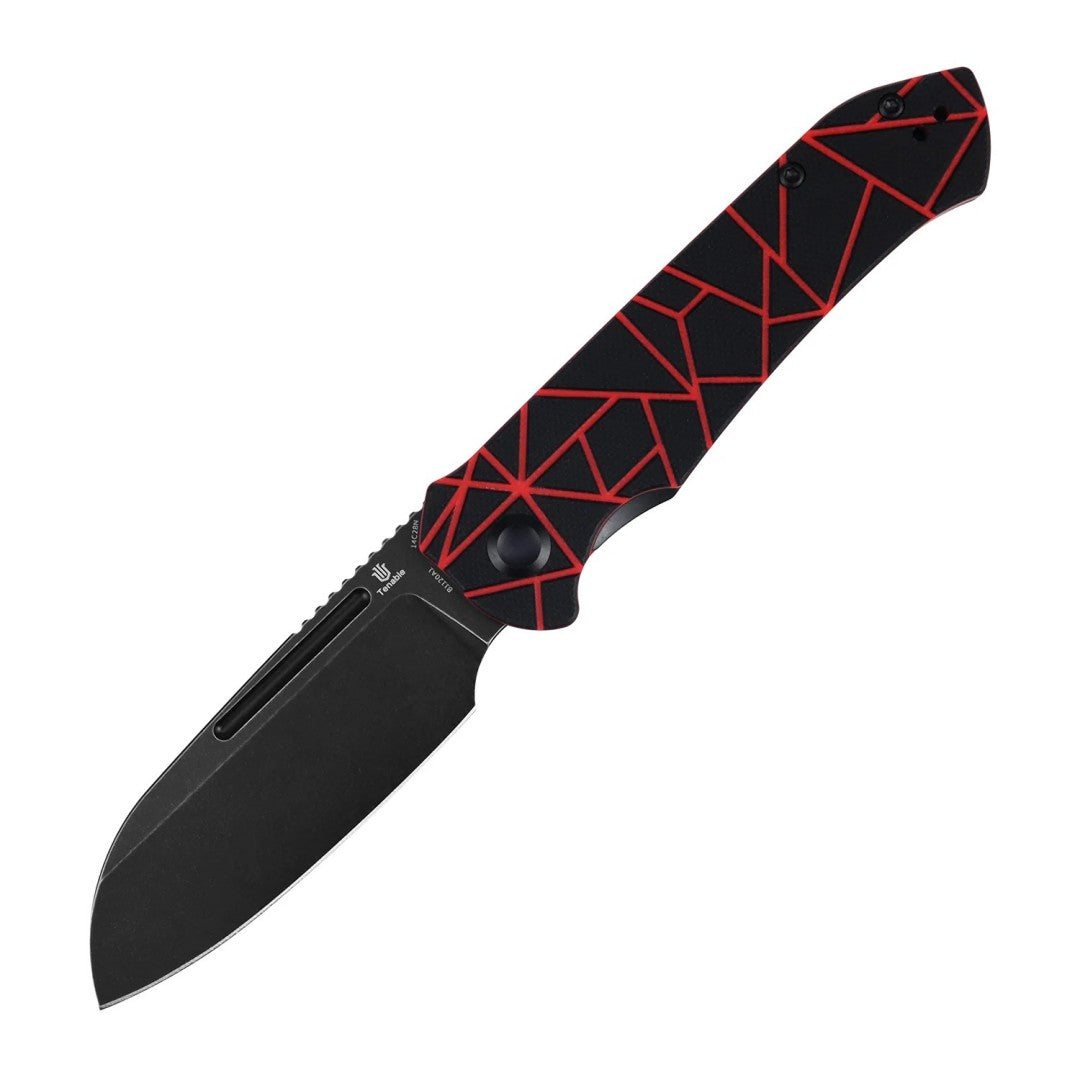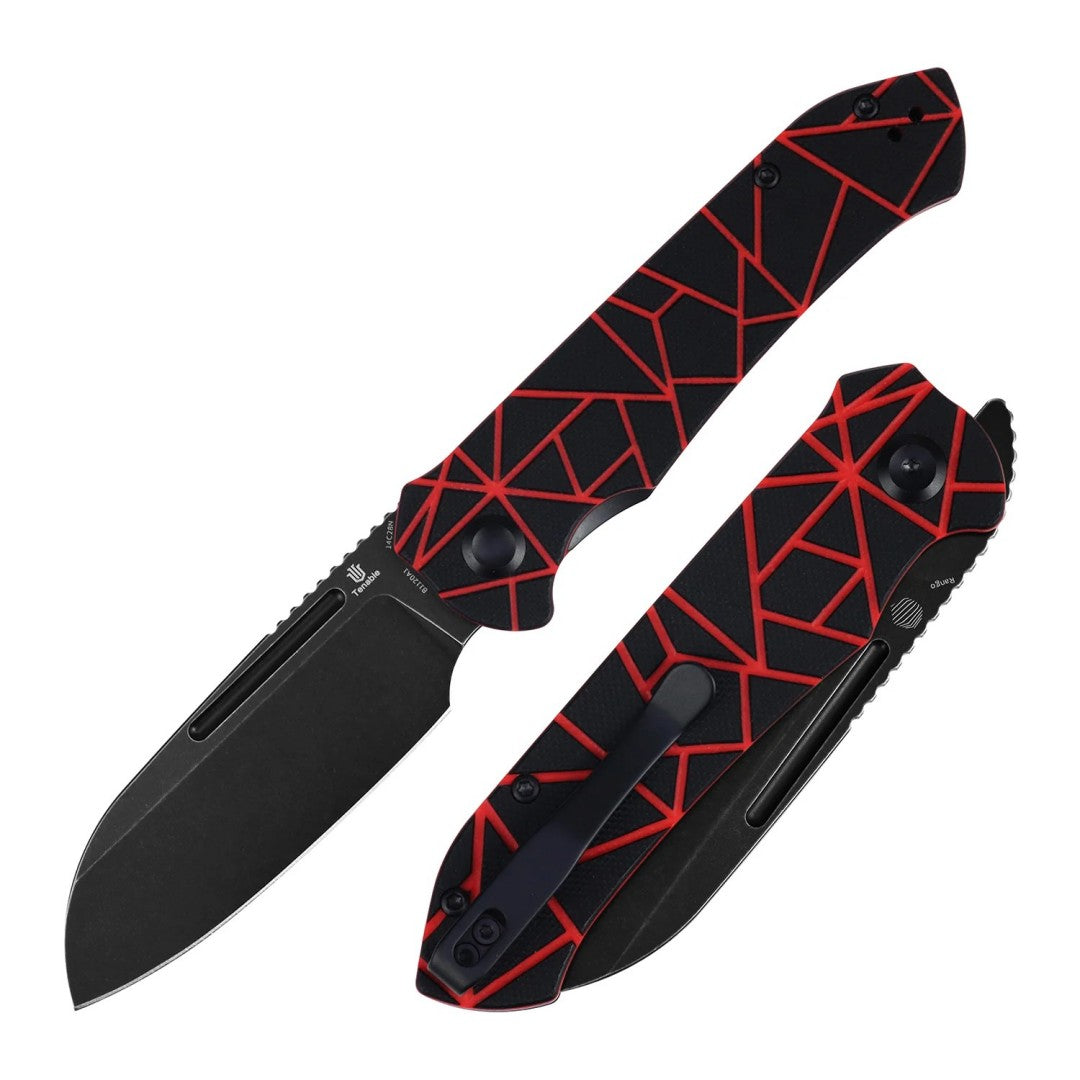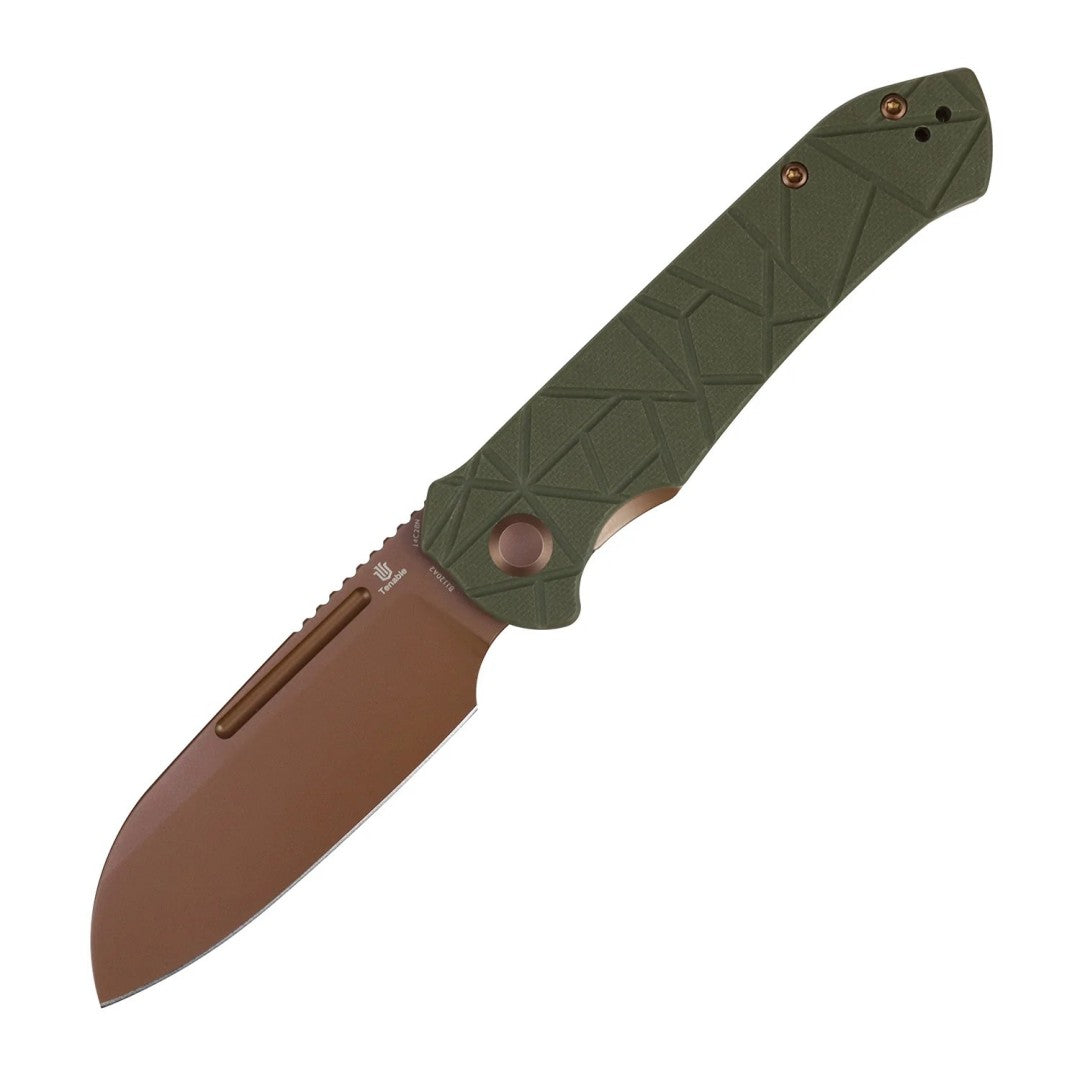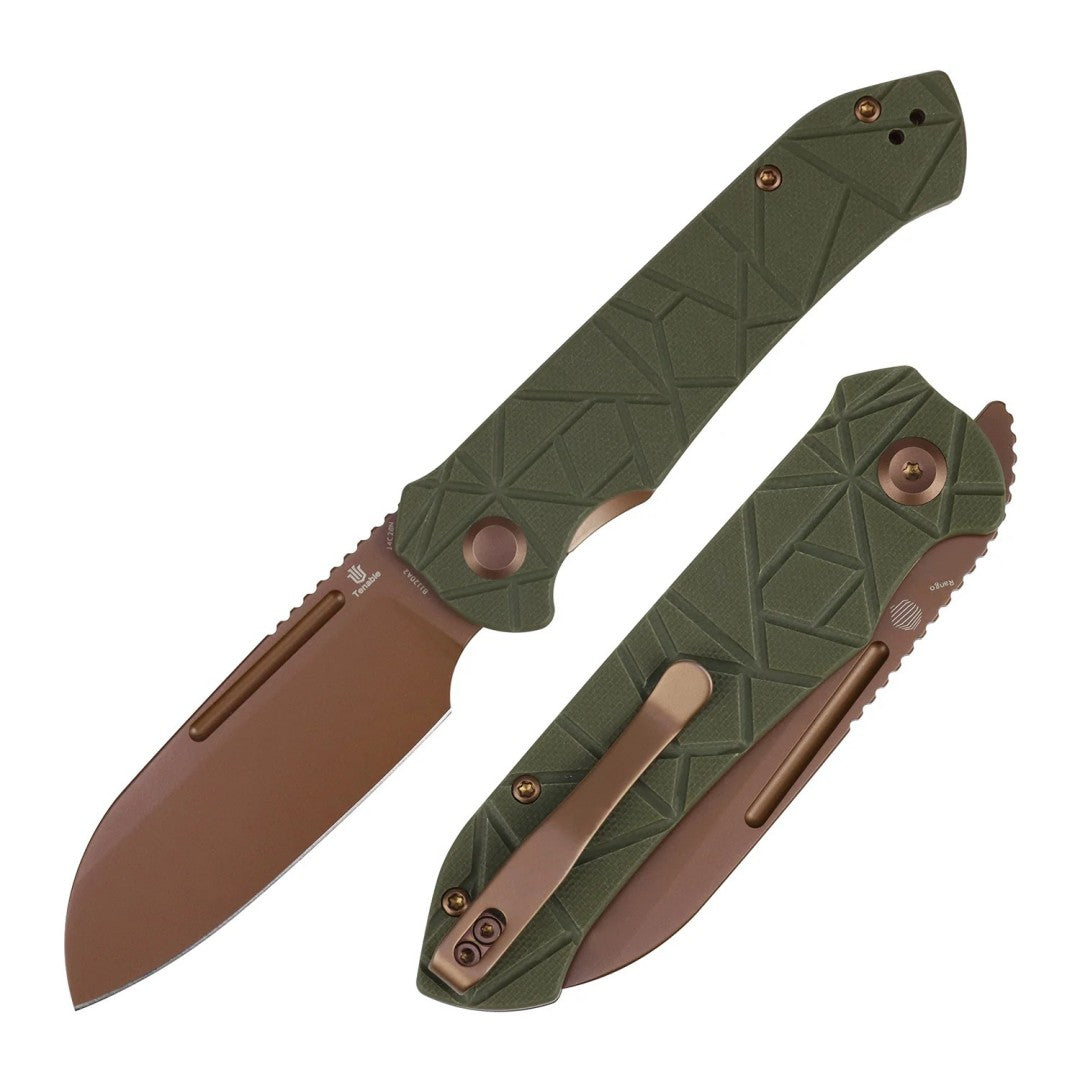
When investing in a high-end pocket knife, the honeymoon phase during the first week of unboxing can be deceptive. A knife that feels sleek and smooth initially might develop blade play, lock slip, or an ugly, scratched-up finish after a few months of hard daily carry. If you have been eyeing James Arnold’s futuristic design, you are likely asking a critical question: Is the Kansept Halide worth it for EDC based on practical long-term performance?
To provide an honest answer, we subjected the Kansept Halide line—including its premium CPM-S35VN powder steel and Damascus steel configurations—to months of continuous real-world use. In this comprehensive review, we evaluate how its materials, mechanics, and ergonomics hold up over time.

The Materials Over Time: Fatcarbon and Premium Steel Resilience
A major reason why the Kansept Halide commands a premium price tag is its top-tier material selection. We paid close attention to how these high-end components handled environmental exposure, drop impacts, and abrasive pocket friction over the long haul.
Exotic Fatcarbon Scale Longevity
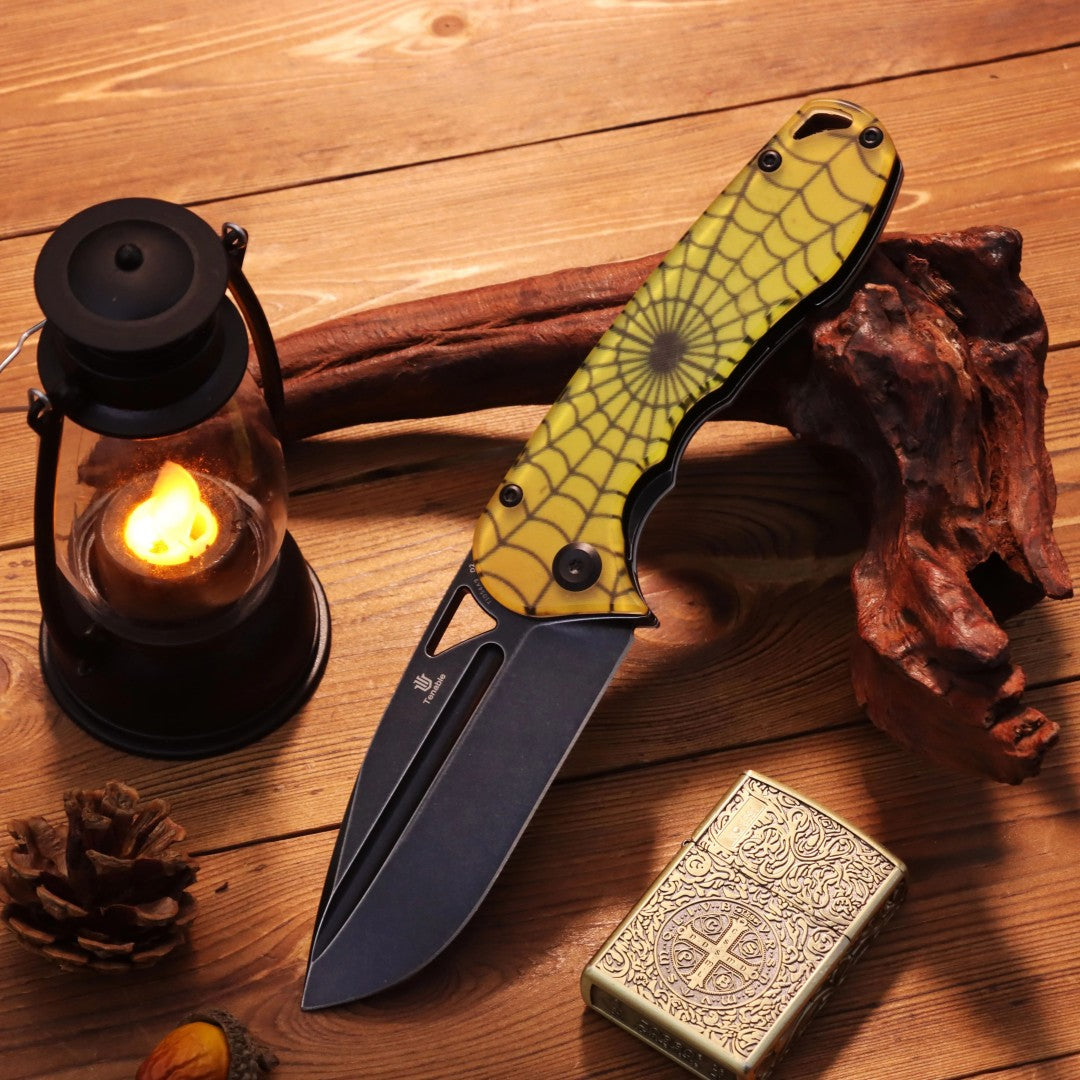
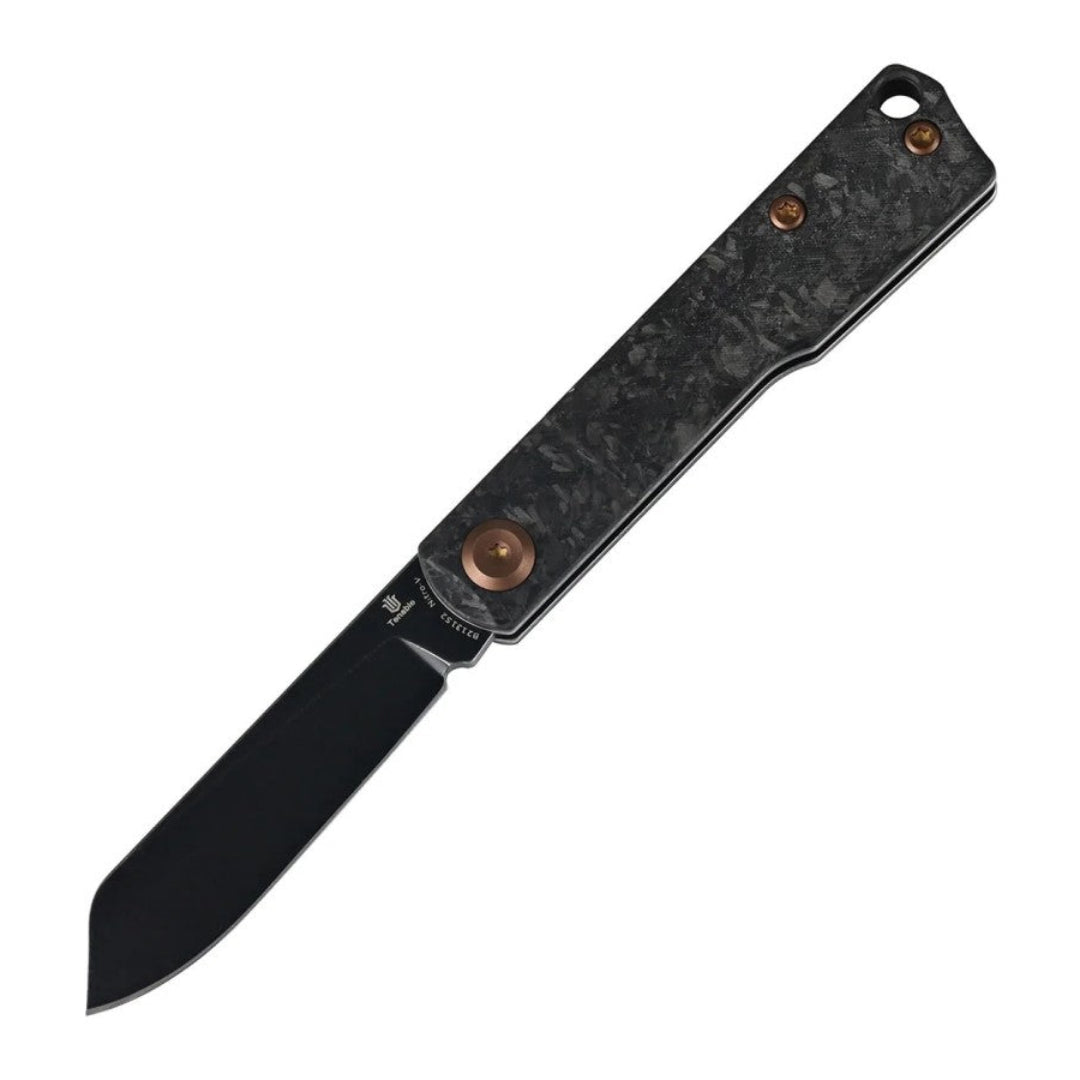
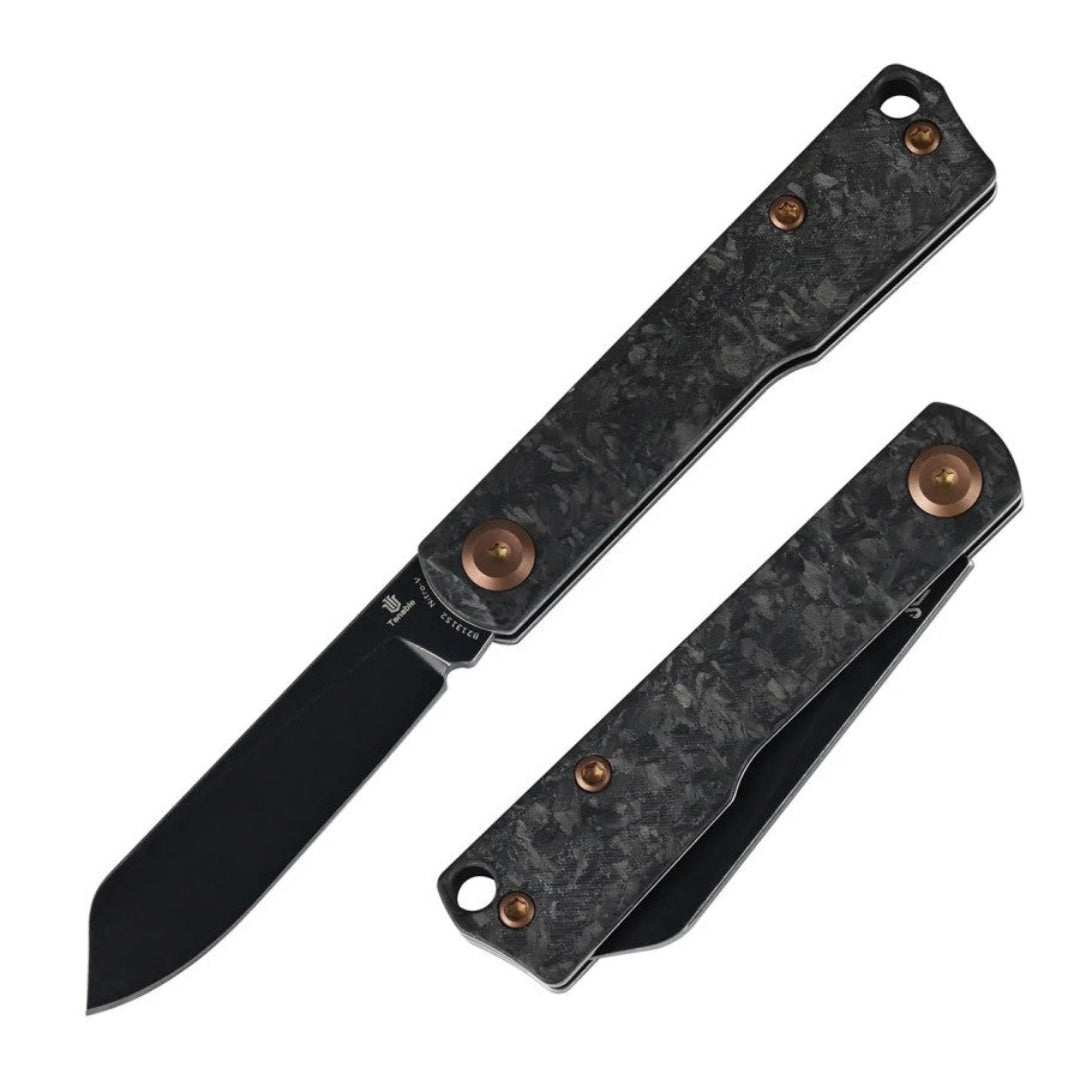
Kansept heavily utilized Fatcarbon composites on models like the Dark Matter Glow (K1136A1), Purple Haze (K1136A3), and MarsValley (K1136A4).
After months of sharing a pocket with metal keys, flashlights, and loose coins, these handles proved to be near-indestructible. Unlike standard anodized aluminum which scratches down to raw silver, or cheap plastic that loses its color, Fatcarbon maintains its rich, multi-layered depth. Even better, the luminescent properties of the Dark Matter Glow model showed zero degradation, charging reliably under sunlight and glowing consistently during late-night use.
Long-Term Edge Maintenance: S35VN vs. Damascus
-
The CPM-S35VN Workhorses: Our long-term testing confirmed that Crucible Industries' CPM-S35VN steel is the ideal match for daily abuse. It went through extensive cardboard breakdown, zip-tie popping, and backyard whittling before requiring real maintenance. When the edge finally lost its hair-shaving sharpness, it didn't chip or roll; instead, it responded beautifully to a quick pass on a leather strop.
-
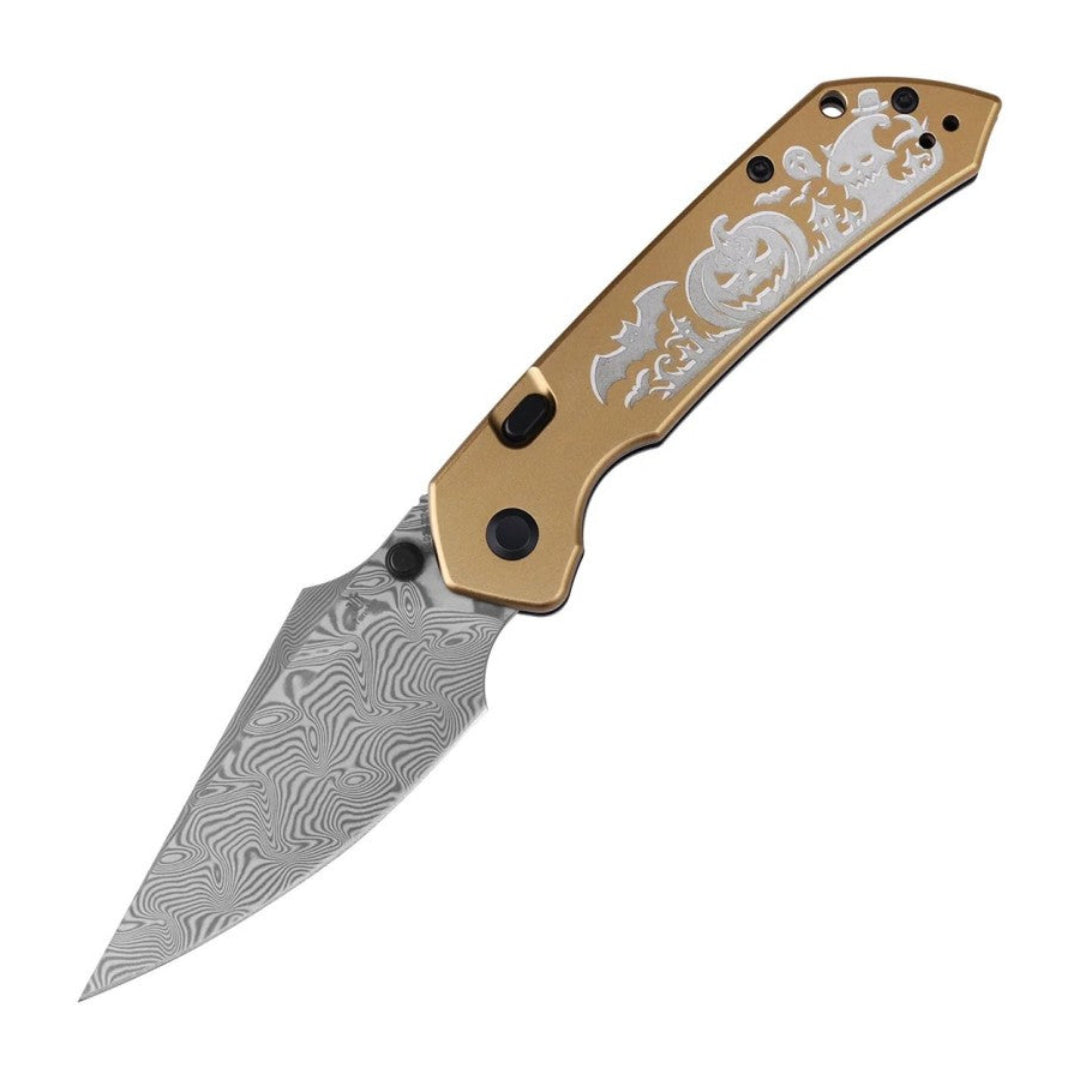
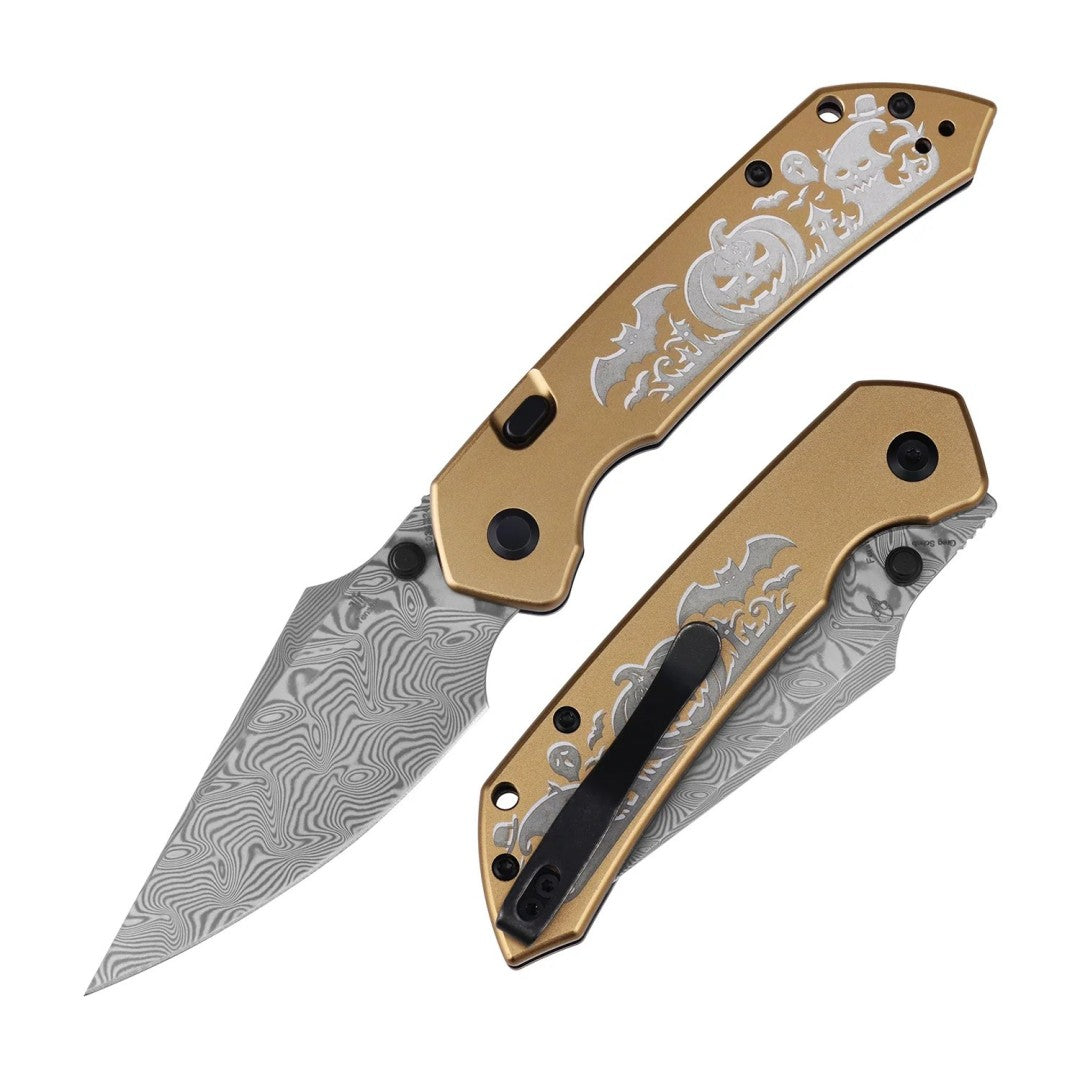
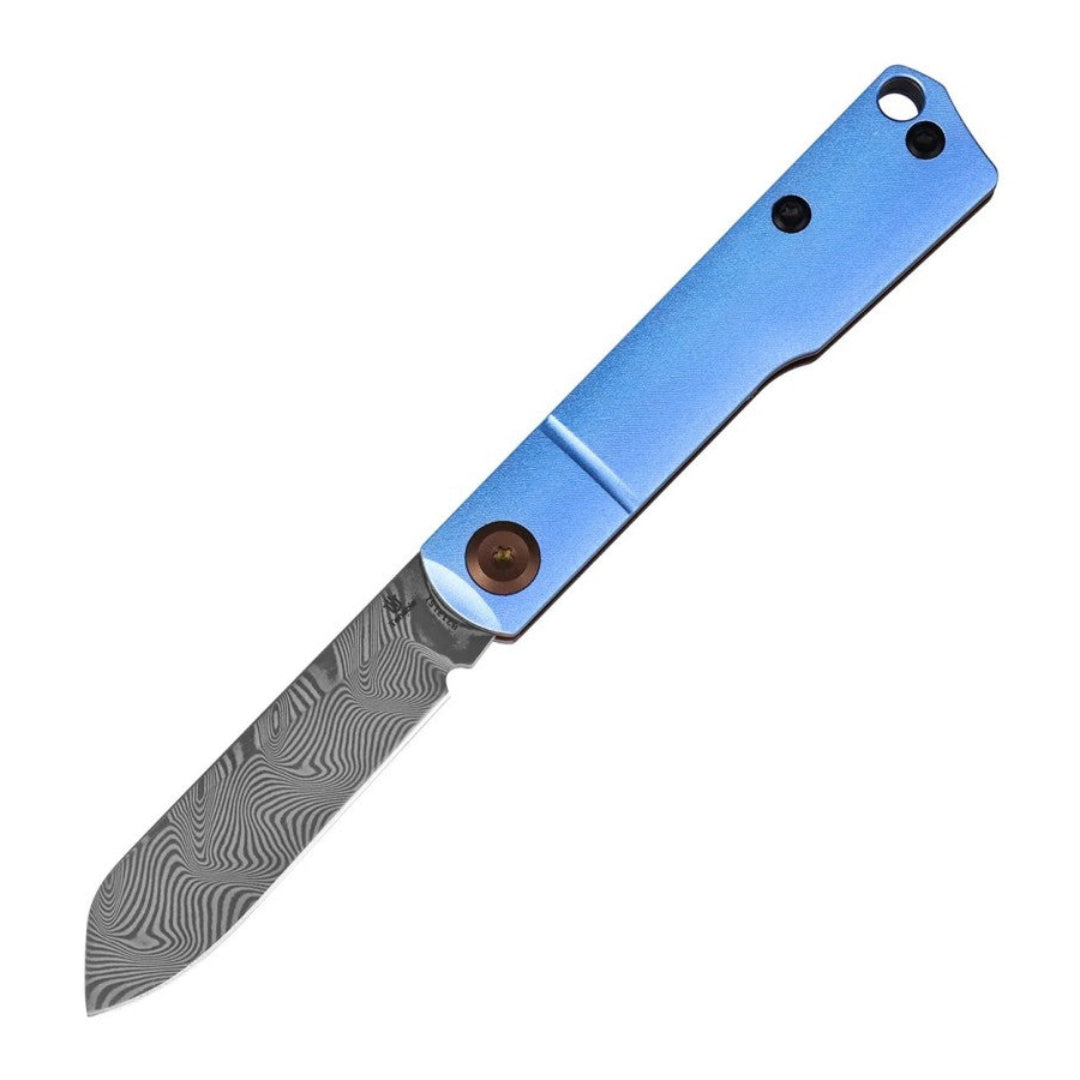
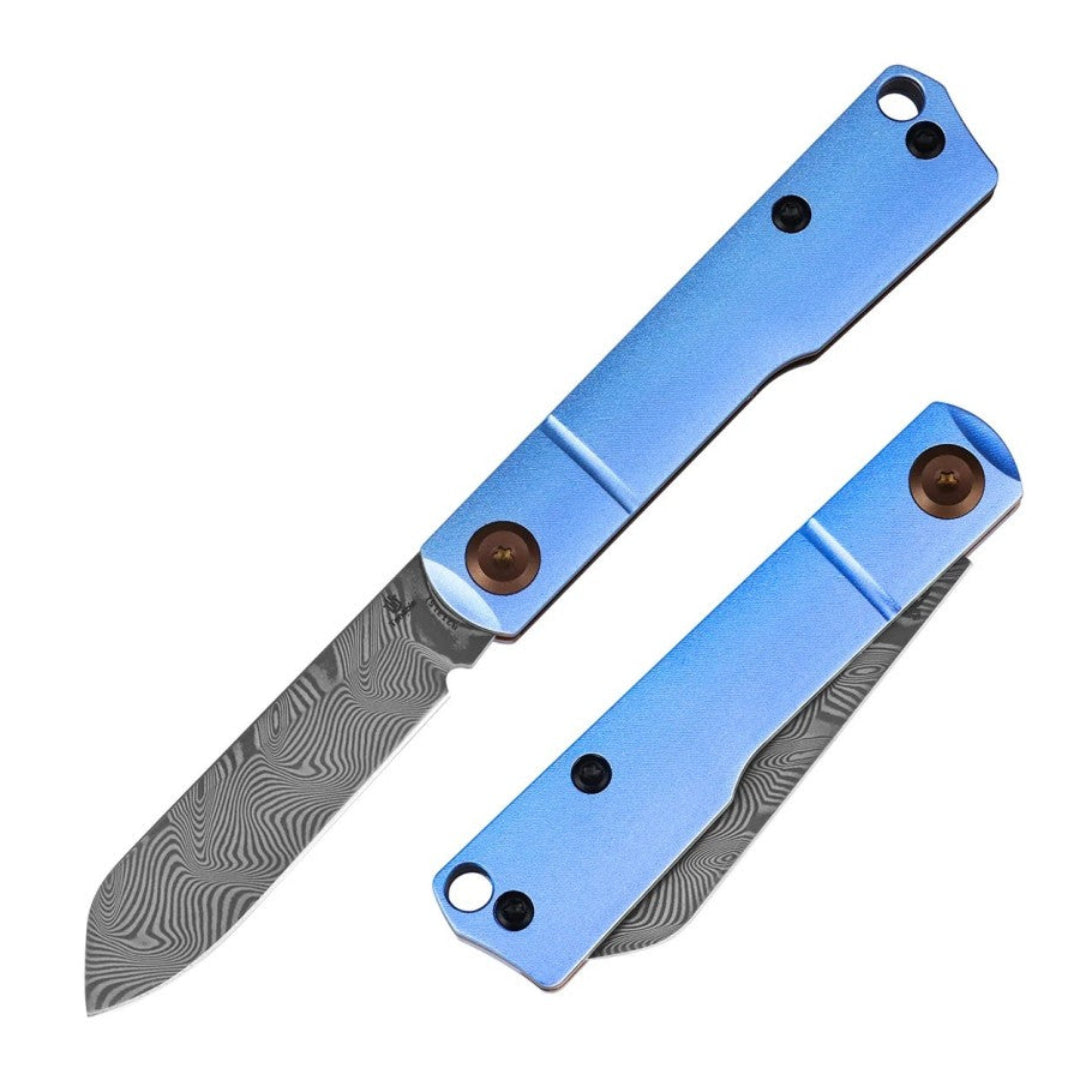
The Damascus Art Pieces: The Damascus steel on the Gecko Camo (K1136A2) and Shred Carbon (K1136A6) models performed admirably for standard light-to-medium cutting. The acid-etched pattern creates microscopic serrations along the apex that bite aggressively into rope and fabric. However, it does require a bit more maintenance—an occasional drop of knife oil is mandatory to keep the etched layers from oxidizing over time.
Mechanical Durability: The Pivot and Lockup After Months of Fidgeting
A premium pocket knife should be as mechanically sound on day 300 as it was on day 1. The Halide utilizes a ceramic ball bearing pivot and an internal stainless steel liner lock.
The Ceramic Bearing Action
Out of the box, the Halide has a snappy, hydraulic deployment action. Over months of obsessive opening and closing, the ceramic bearings actually polished their internal steel tracks. The action didn't slow down; instead, it became even smoother and more fluid. The detent remained crisp, requiring a deliberate pull on the flipper tab to launch the blade.
Liner Lock Wear and Safety
The internal steel lock bar is skeletonized to save weight but maintains incredible rigidity. On day one, lockup engaged at a very early 20%. After months of impact forces from continuous deployment, the lock bar naturally wore into the blade tang, settling perfectly at a rock-solid 25%. There is absolutely zero horizontal blade wobble or vertical rock-lock play. It provides absolute peace of mind during heavy puncturing or hard push-cuts.

Practical Ergonomics: Daily Pocket Discipline
An EDC knife spends 95% of its life riding along in your pocket, making its "pocket discipline" just as important as its cutting performance.
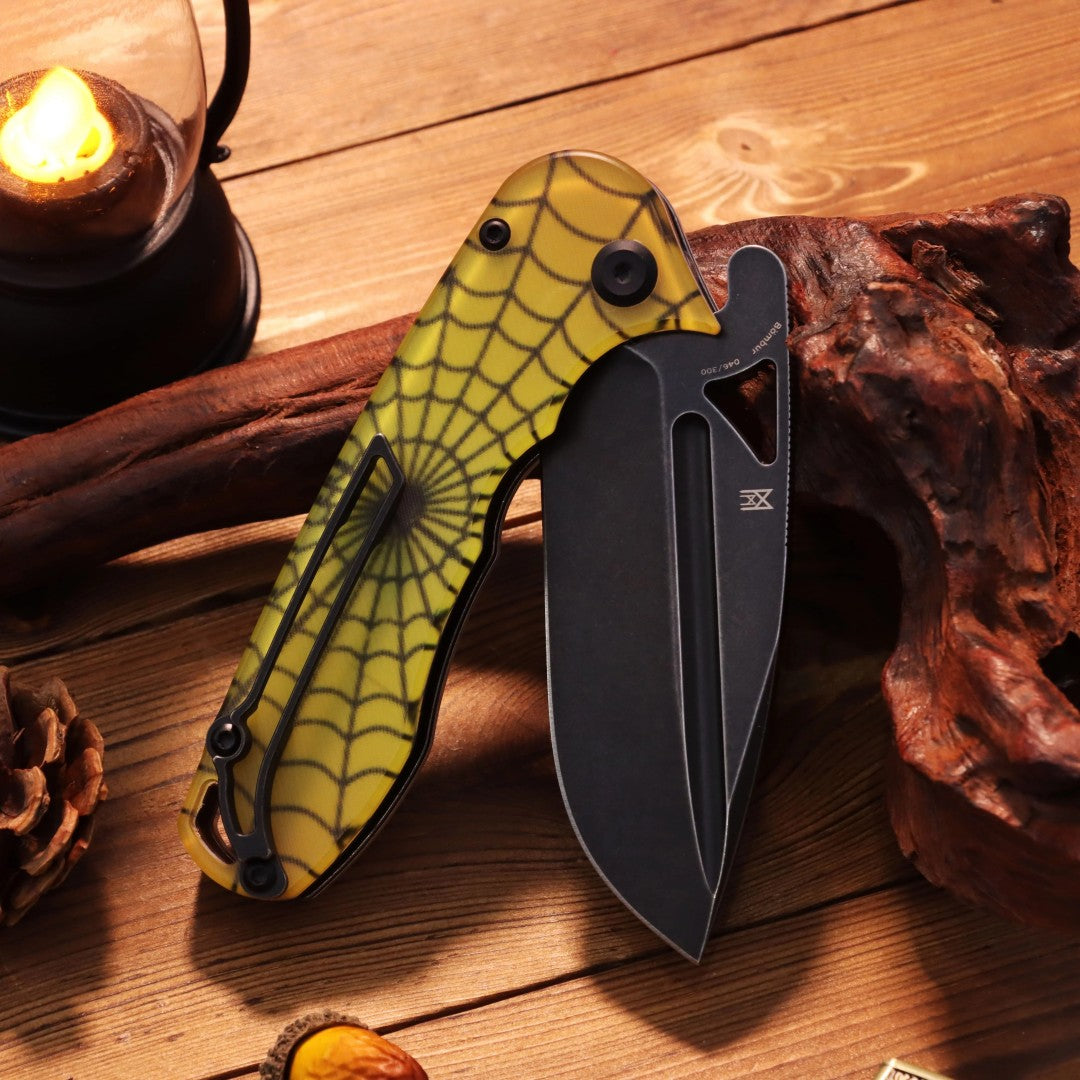
James Arnold's geometric handle profile looks angular and futuristic, but the long-term carrying experience is remarkably comfortable. Because the stainless steel liners are skeletonized and recessed deeply inside the lightweight carbon fiber handle scales, the knife avoids feeling like a heavy brick in your pocket.
The 3D-machined pocket clip features a smooth, untextured surface underneath the tension point. Over months of testing, it slid over thick denim pocket seams effortlessly without tearing up the fabric, yet it maintained enough retention to ensure the knife never accidentally slipped out while running or climbing.
Comprehensive Long-Term Performance Matrix
| Evaluation Category | Initial Impression | Long-Term Reality (6+ Months) | Grade |
| Handle Aesthetics | Beautiful, deep 3D swirls | Impervious to scuffs; retains glossy, smooth texture | A+ |
| Edge Retention (S35VN) | Razor-sharp out of box | Holds a working edge through extensive warehouse tasks | A |
| Pivot Mechanics | Fast, snappy deployment | Becomes buttery-smooth as bearings wear in | A+ |
| Lock Integrity | Early 20% engagement | Settled securely at 25% with zero structural play | A |
| Coating Durability | Clean, premium look | DLC resists scratches; Rose Gold requires frequent wiping | B+ |

The Verdict: Is the Kansept Halide Worth Your Hard-Earned Money?
If you are looking for a basic, disposable tool to beat up on a construction site, there are cheaper options on the market. However, if you are an EDC enthusiast who appreciates premium metallurgy, mechanical perfection, and elite custom design, the Kansept Halide is worth every single penny of its investment.
James Arnold has designed a modern classic, and Kansept has manufactured it to custom-knife standards. The CPM-S35VN variants offer an unbeatable combination of long-term edge retention and structural toughness for daily hard work. Meanwhile, the Damascus steel variants provide timeless artistic prestige for those who want a high-end gentleman's carry.
It is a durable, reliable, and jaw-dropping pocket companion that continues to perform flawlessly long after cheaper knives have worn out, making it an elite addition to your permanent daily rotation.