Why M390 Frightens People and Should Not
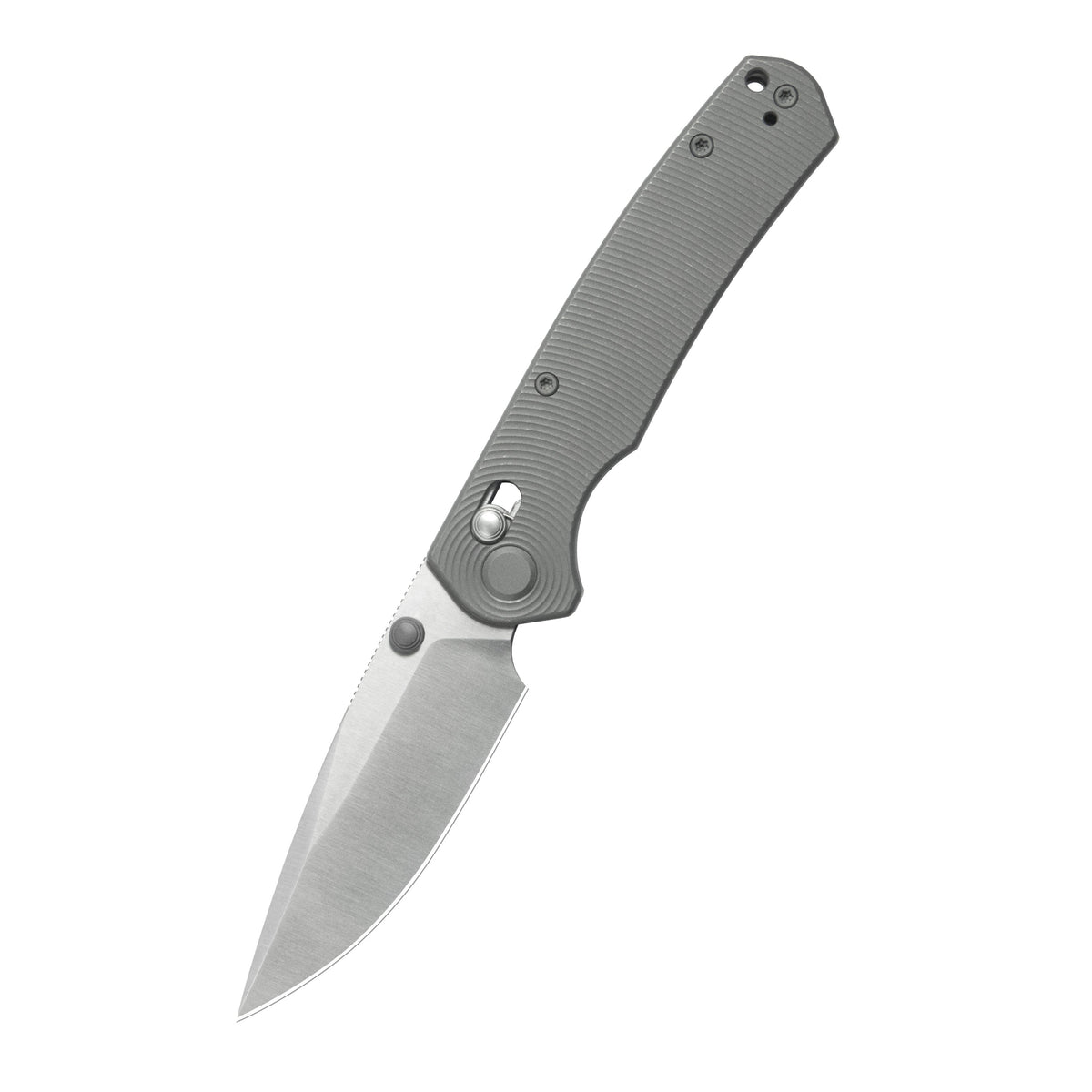
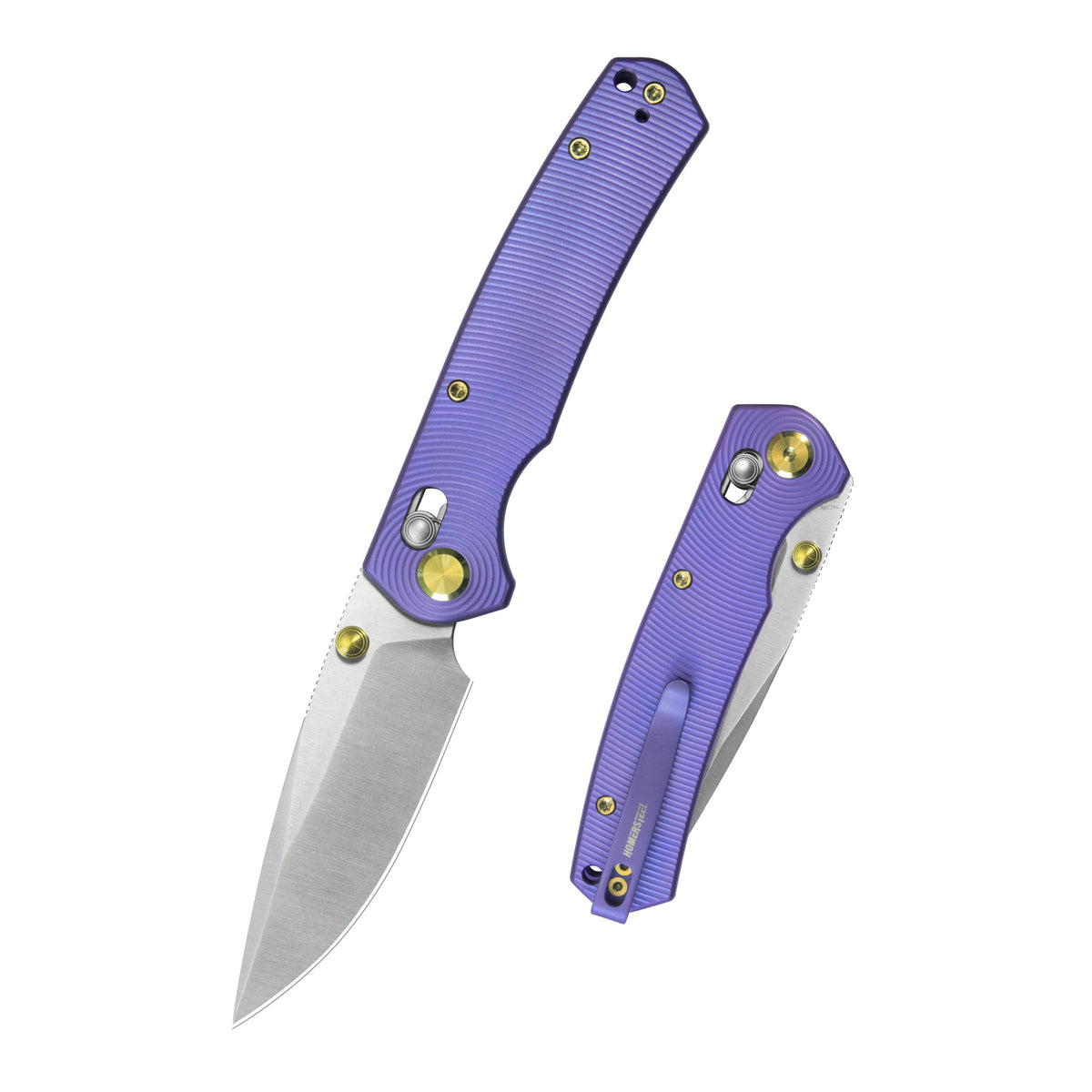
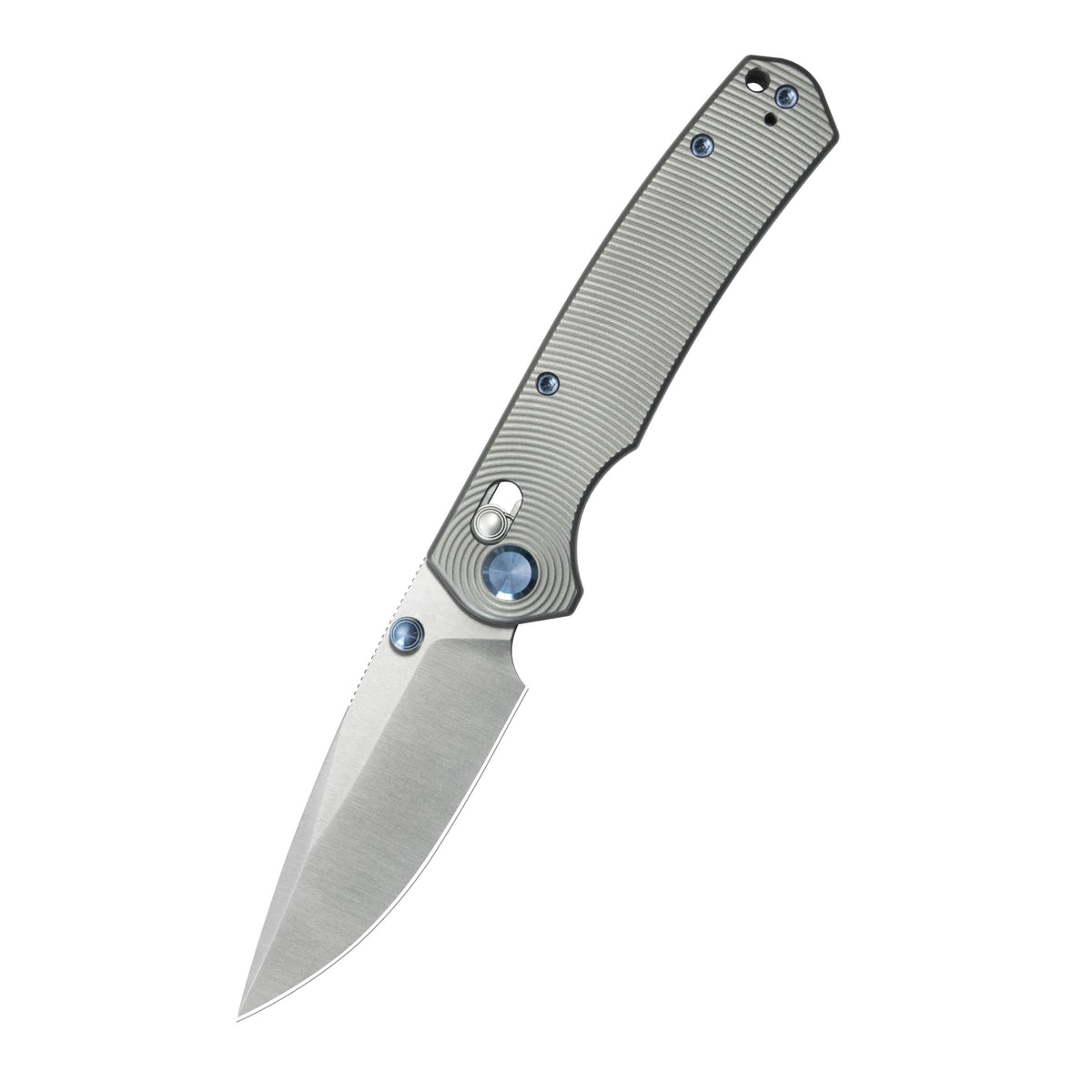
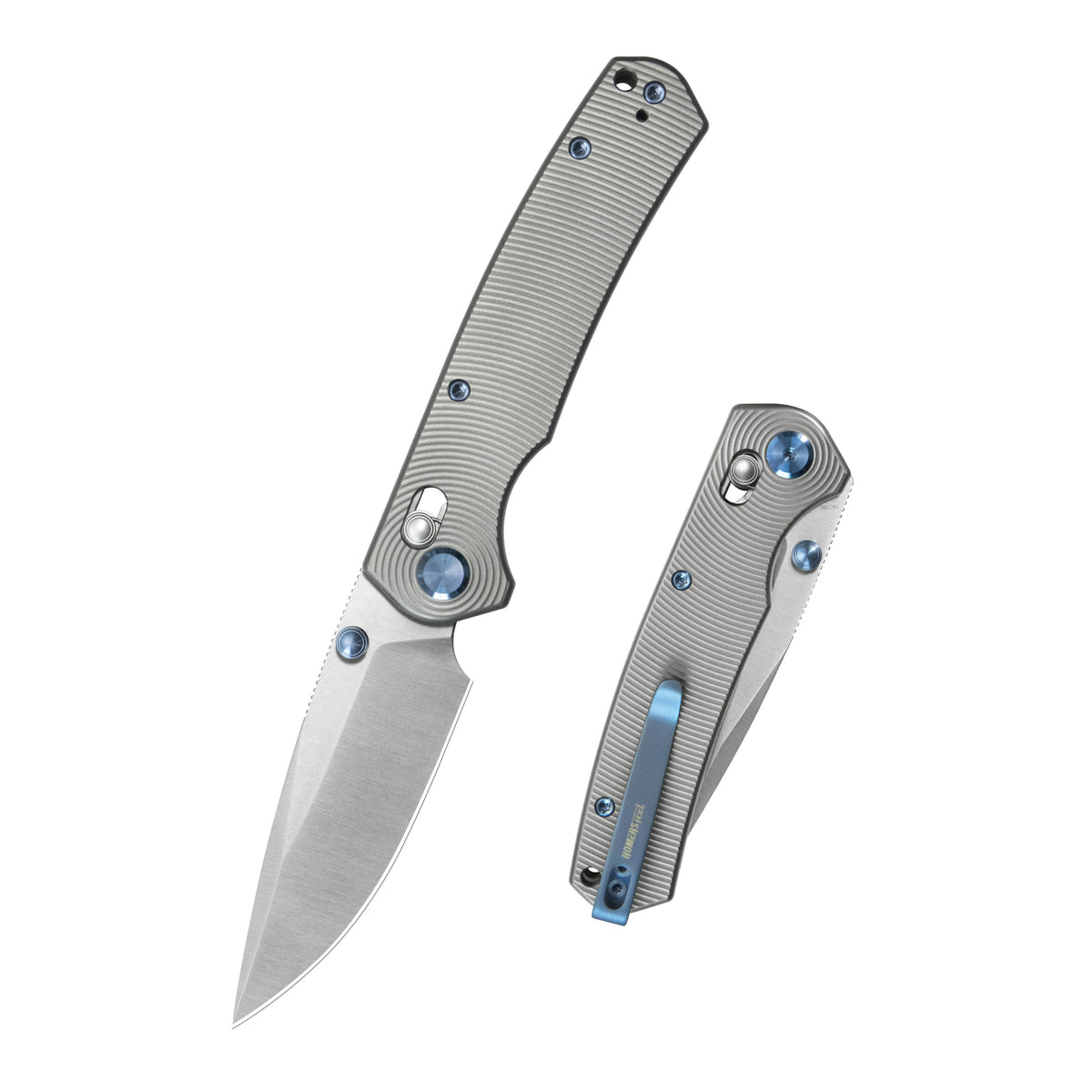
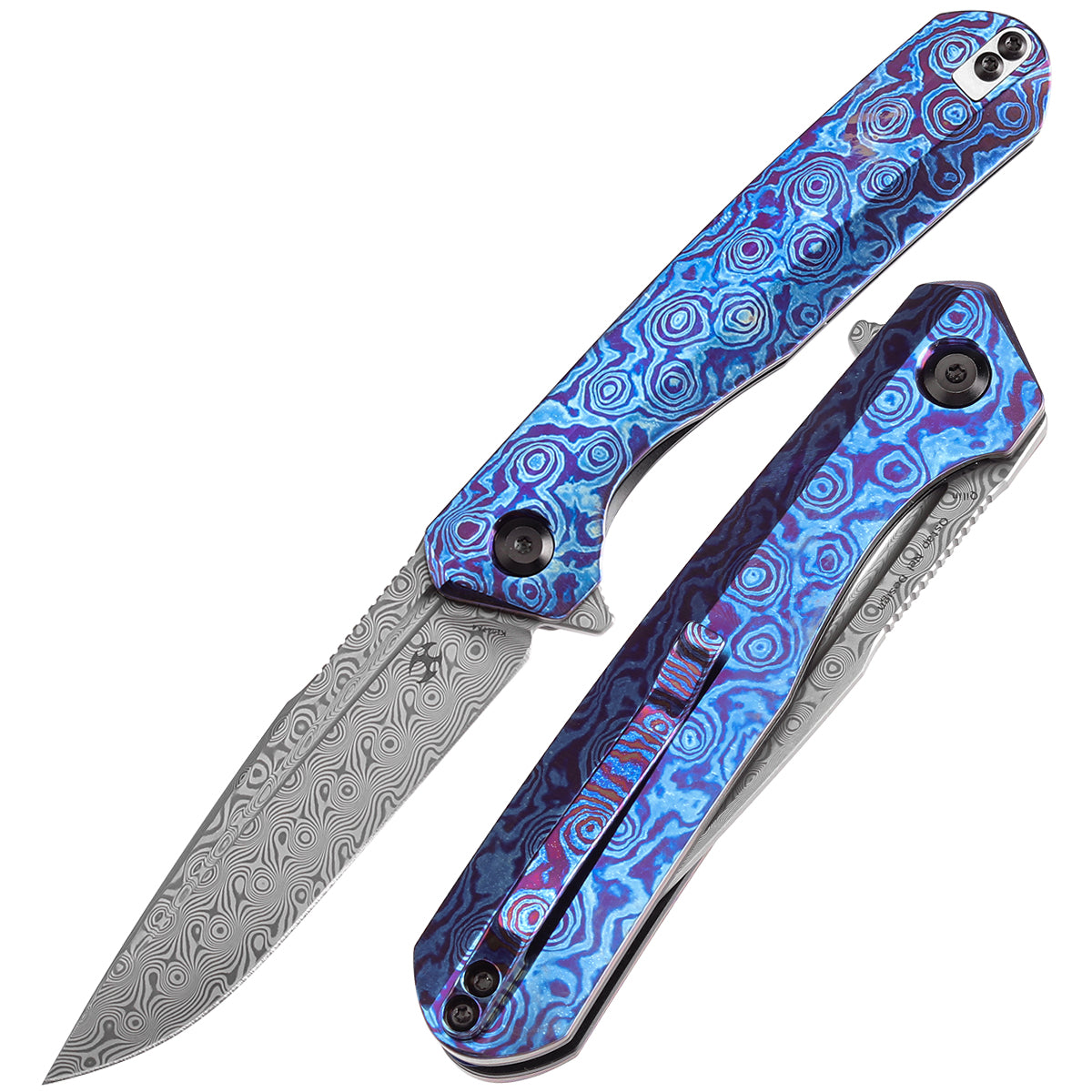
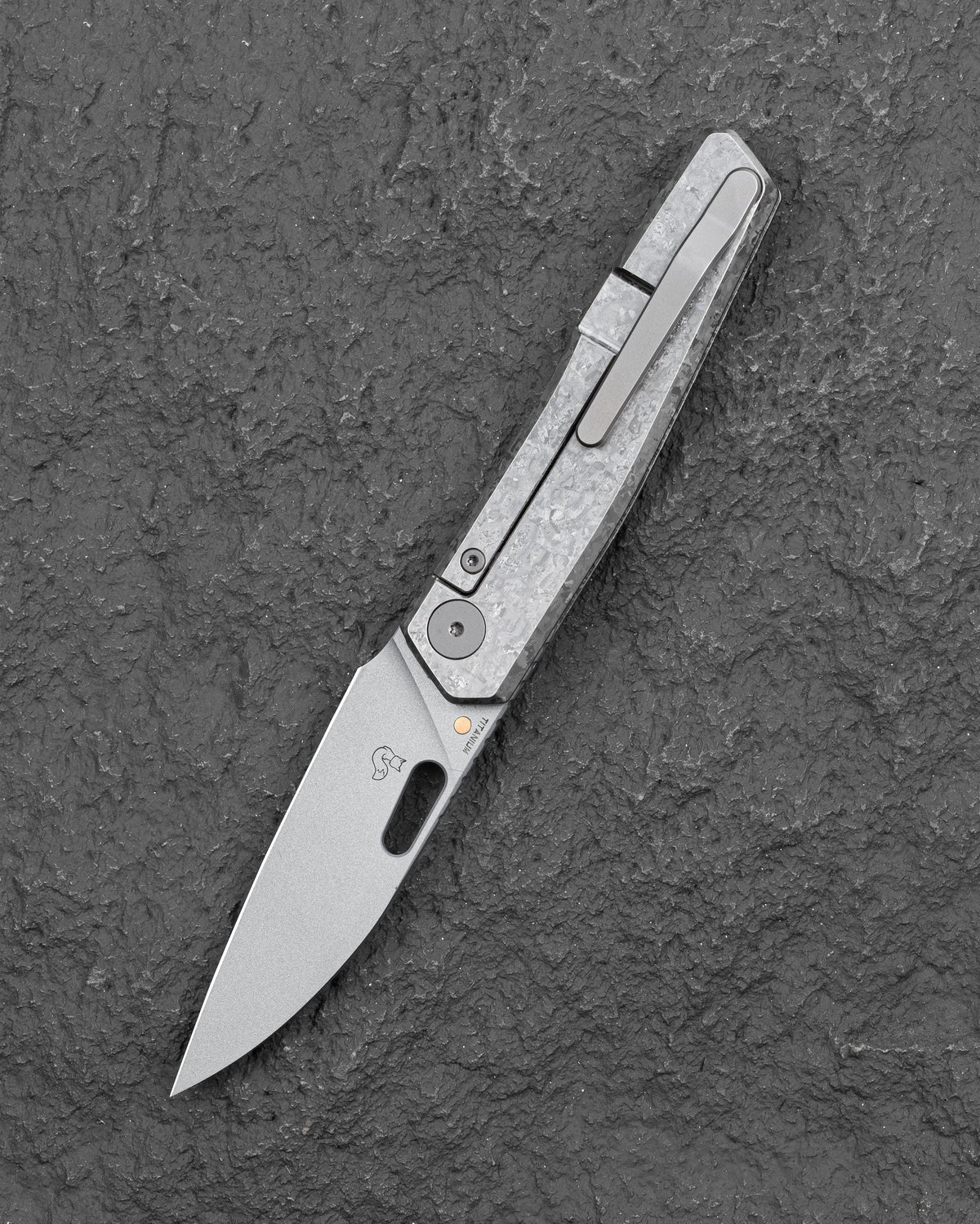
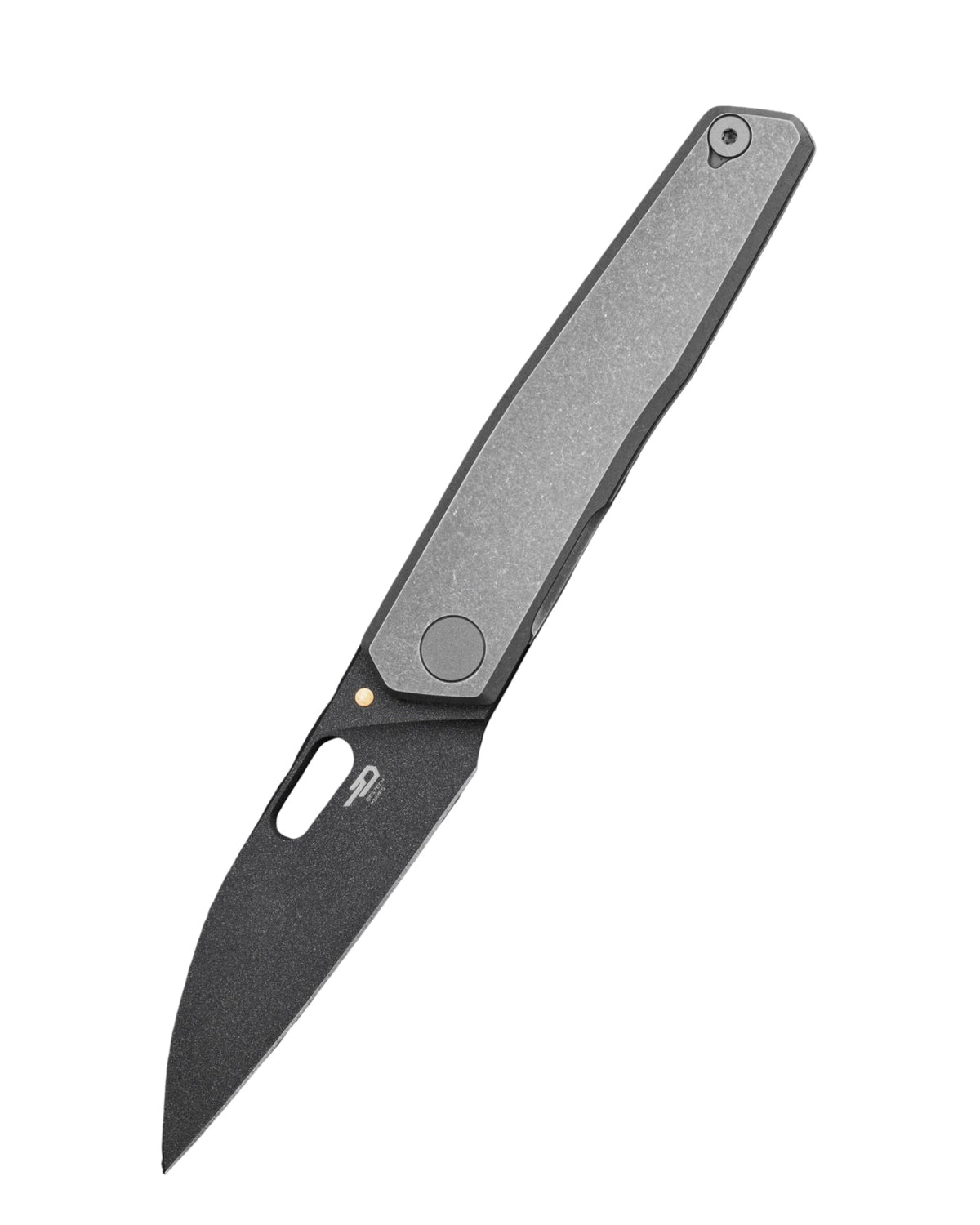
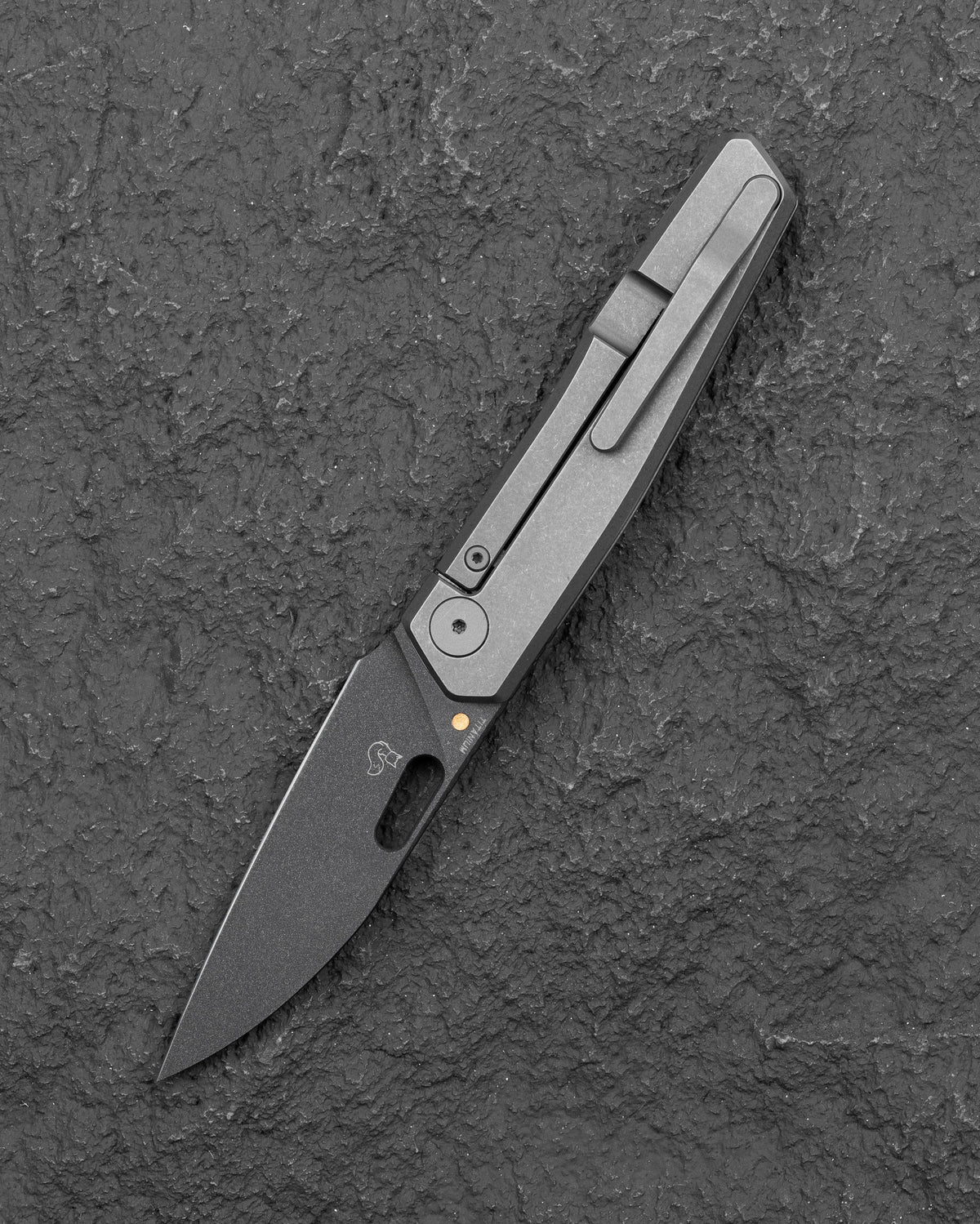
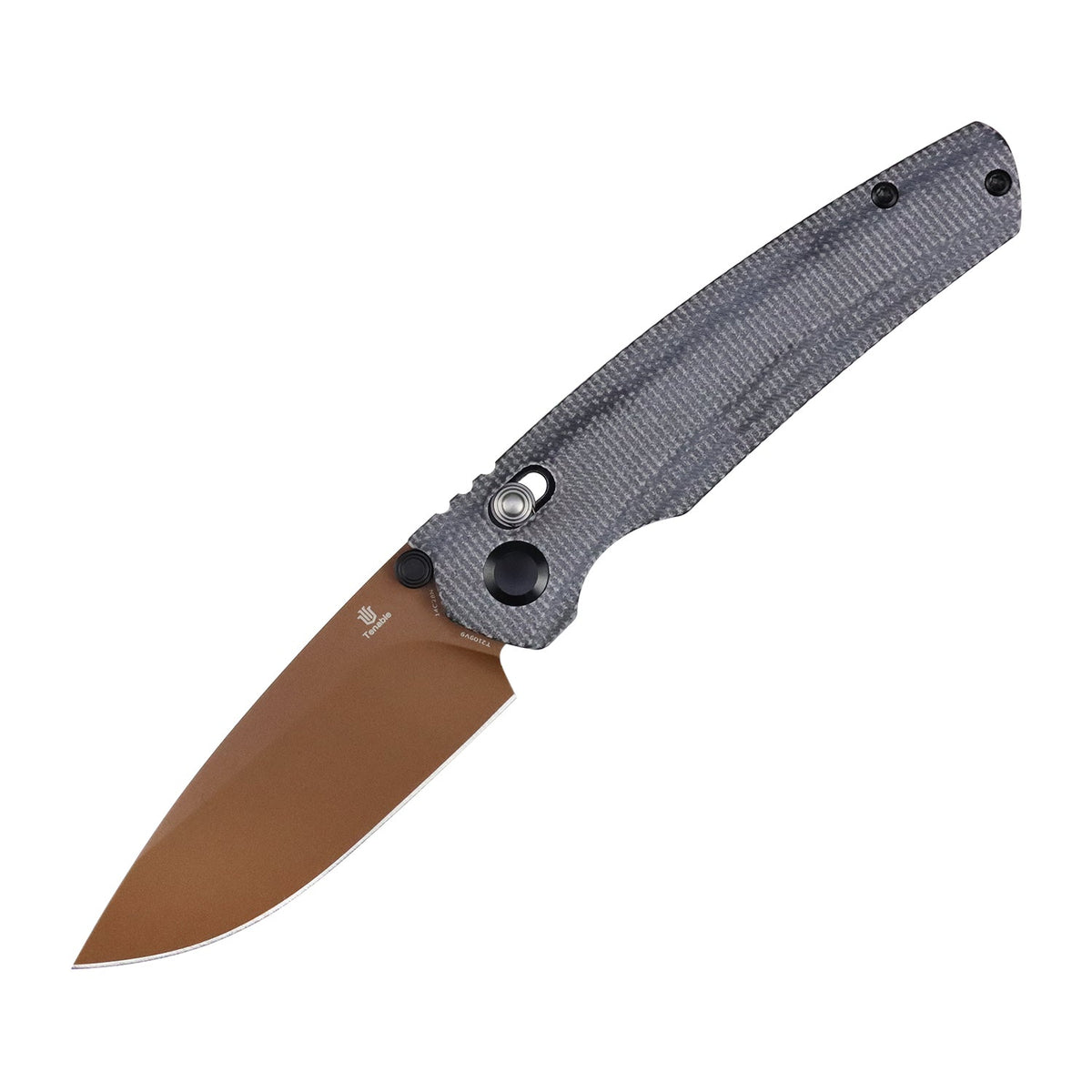
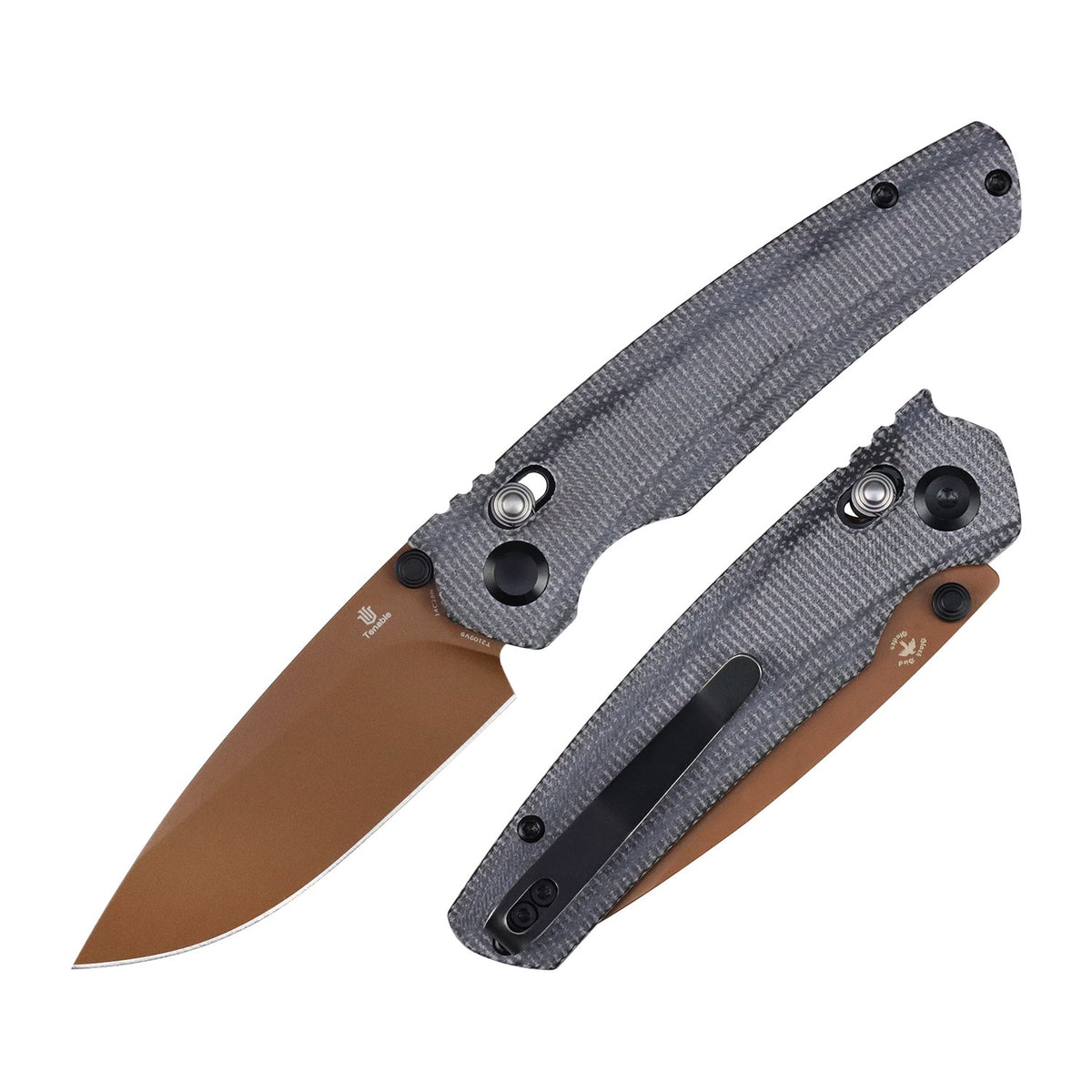
M390 gets labeled difficult to sharpen, and the reputation is half earned, half mythology. The steel's vanadium carbides are harder than common aluminum-oxide abrasive, which is why dull kitchen stones glide uselessly across the edge. That is the entire problem: wrong abrasive, not impossible steel. Give M390 diamond plates or quality waterstones and it sharpens predictably, just slower than 14C28N. The reward for the extra minutes is the steel's famous edge life, which on M390 folders like the Trivisa Firefly and Otter Ultra-S means weeks of daily cutting between sessions.

The Equipment That Actually Matters
Minimum viable kit: a coarse diamond plate, around 300-400 grit, for setting the bevel; a fine stone, 800-1000 grit diamond or a good waterstone, for refinement; and a loaded leather strop with compound for the final polish. Skip the pull-through sharpeners entirely, they chew powder-steel edges into micro-serrated disappointment. Angle matters more than brand: 15-17 degrees per side suits the slicing tasks most M390 folders perform, while 20 degrees buys insurance for harder use. The Trivisa knives' flat grinds make angle-holding straightforward, and a cheap angle guide solves the problem for beginners while muscle memory develops.

The Routine, Step by Step
Start on the coarse plate only when the edge is genuinely dulled or damaged; most maintenance sessions skip straight to the fine stone. Use light pressure, heavy hands heat the thin edge and round the apex. Count strokes per side and keep them equal, alternating rather than doing all one side first. When the fine stone produces a consistent burr that flips cleanly, move to the strop, ten passes per side, then test. A properly sharpened M390 edge pushes through receipt paper without a whisper and drops cleanly through magazine stock. Monthly, a strop-only session keeps the edge functional indefinitely between real sharpenings, and that habit alone extends the steel's performance enormously.

Applying the Same Logic Elsewhere
The same routine serves CPM-20CV almost identically, and works with minor patience adjustments on MagnaCut, which sharpens notably easier than either. ZDP-189, as clad on the Scarab Ultra-SD, wants the same diamond treatment with even lighter pressure given its 65 HRC hardness. The broader point: powder steels reward owners who own the right abrasives, and the thirty-minute investment in a decent plate transforms the ownership experience of every premium folder in the Trivisa catalog and the wider folding knife market.
Storage and maintenance habits beyond the stones: M390 tolerates pocket carry across climates without oil, but long-term storage in damp environments still wants a light coat of mineral oil on the blade. Avoid the dishwasher myth entirely, the heat and detergent attack handle materials long before the steel complains. For owners of multiple powder-steel knives, marking your strop compound preference, green compound works well for M390 and 20CV, saves fumbling between sessions. Finally, resist the urge to test the edge on paper every day; the micro-dulling from repeated edge-on tests is real, and the knife's edge life is best judged by how it cuts actual work, not how it slices display paper.