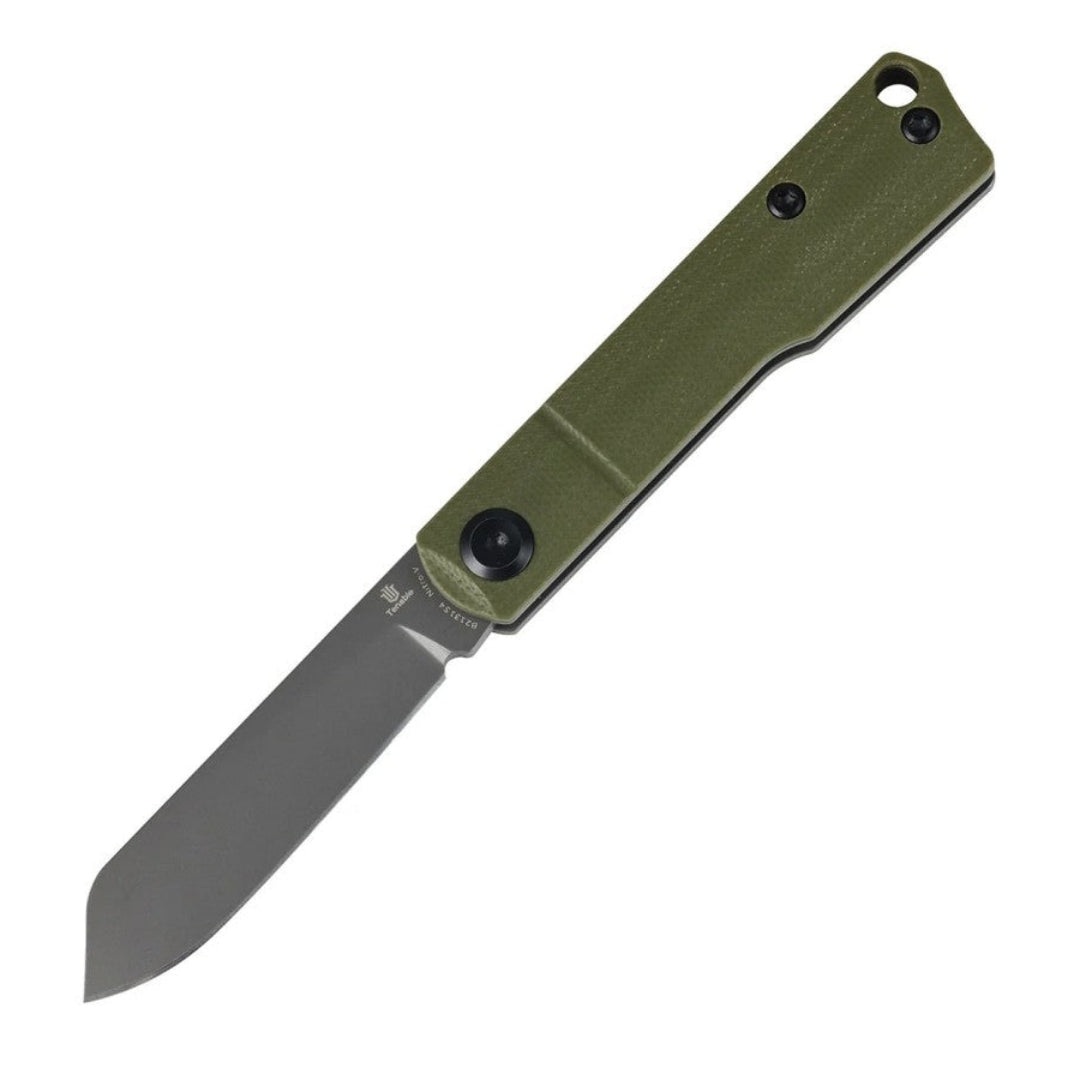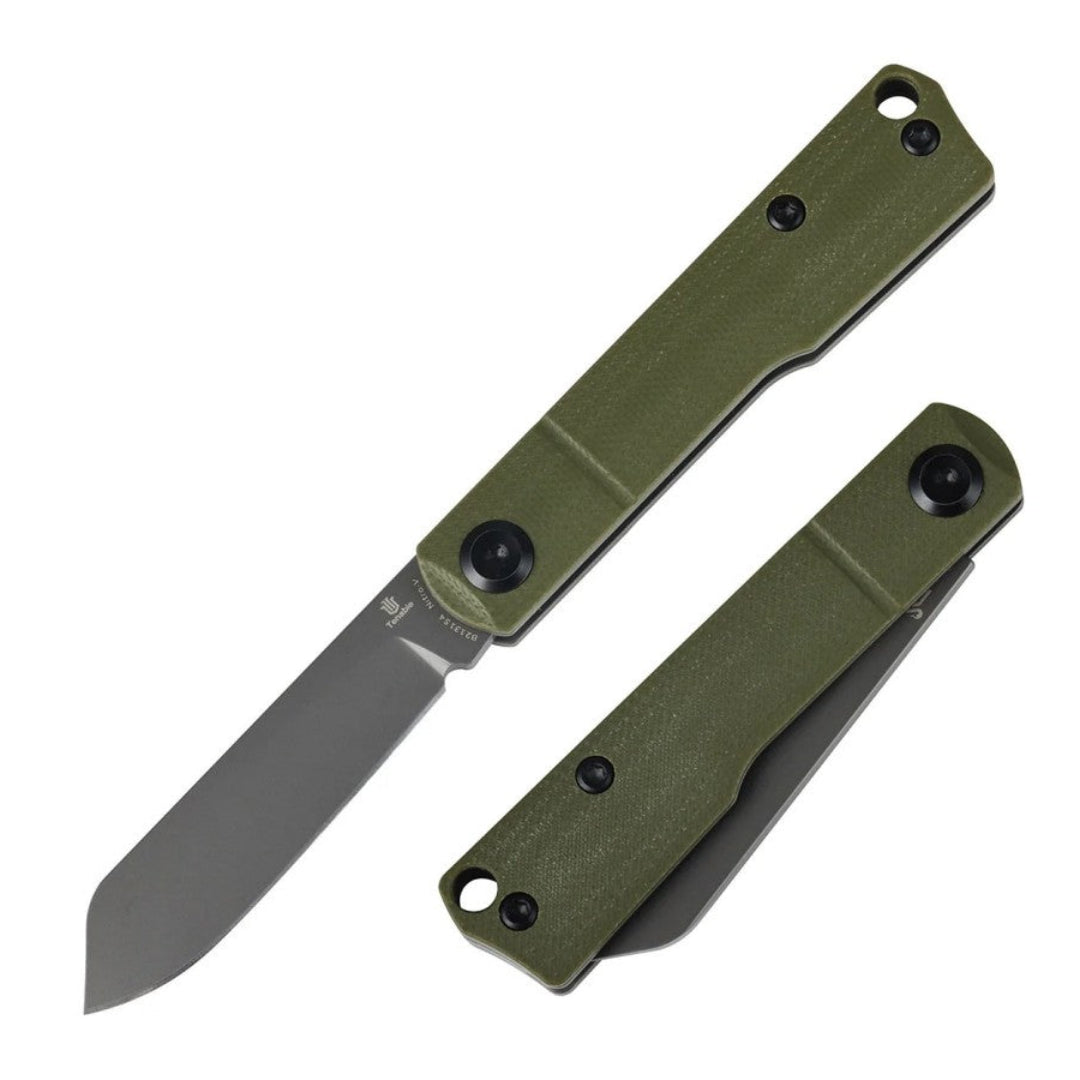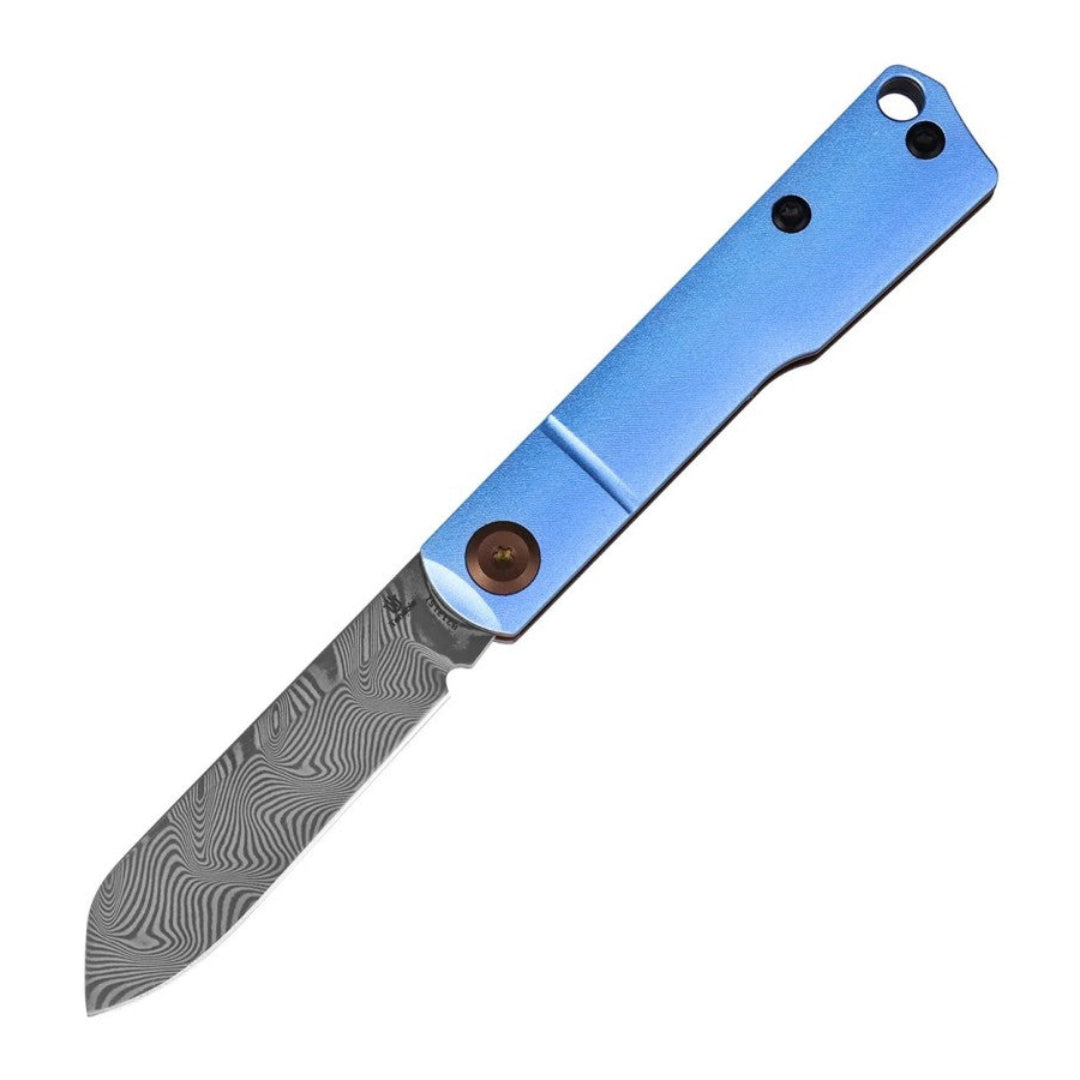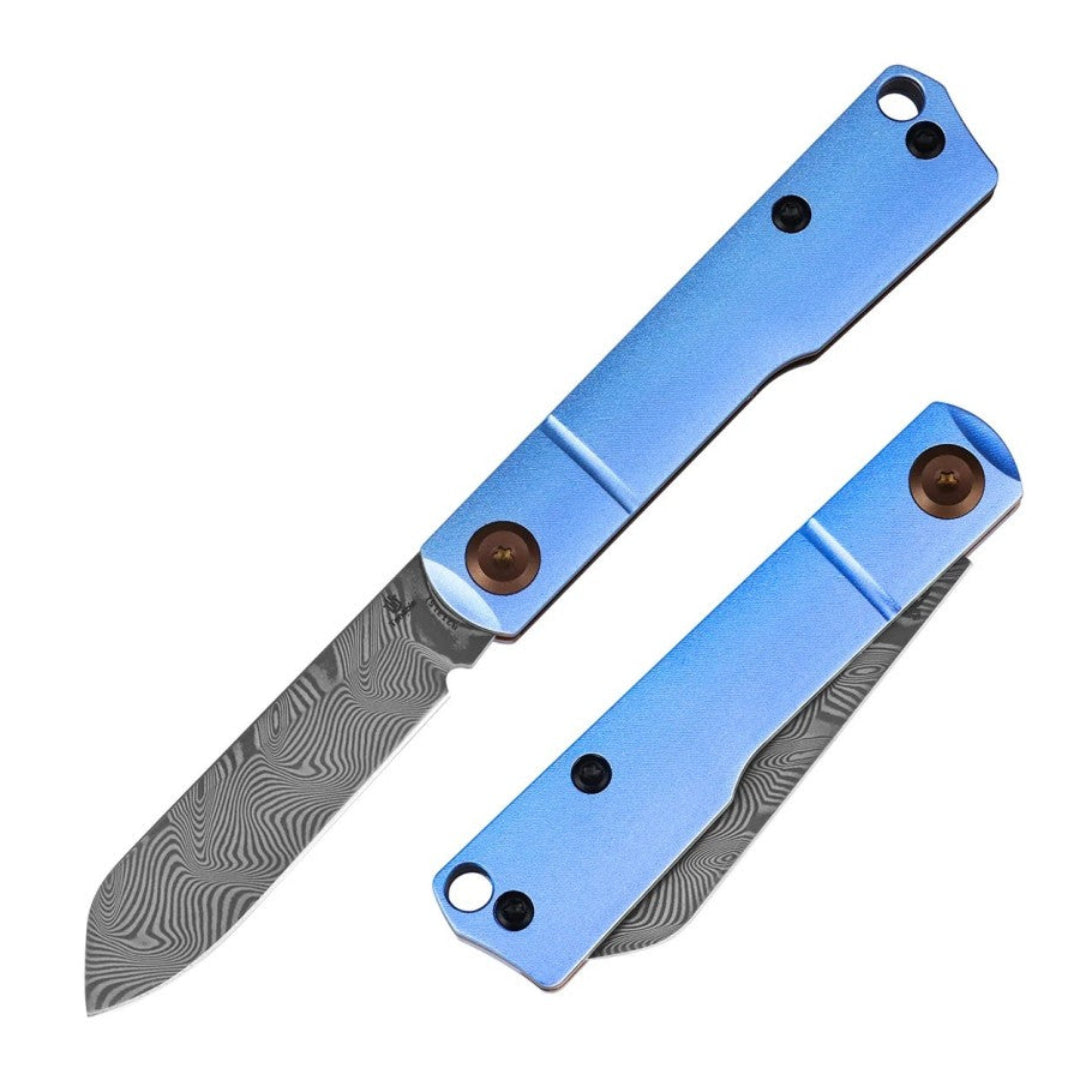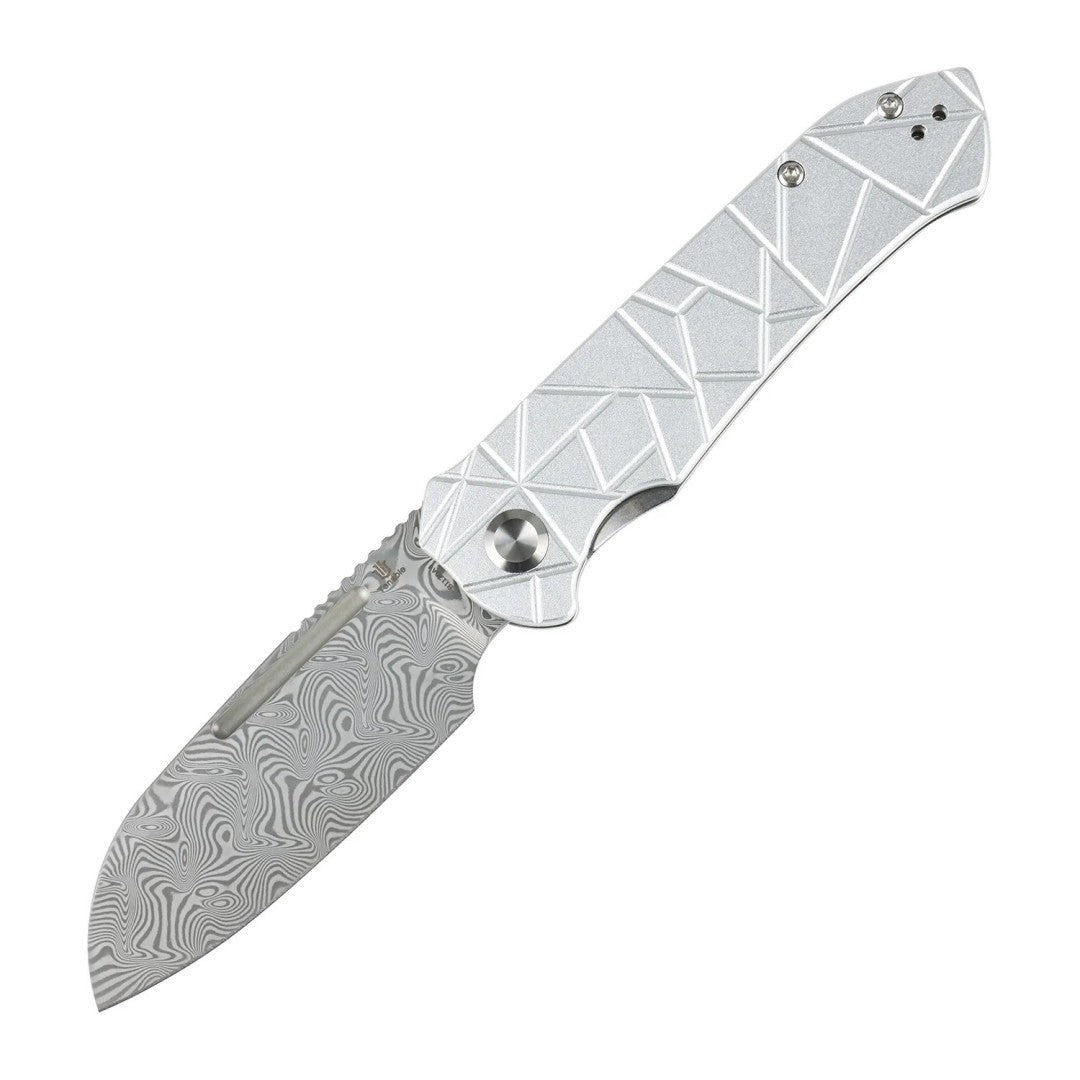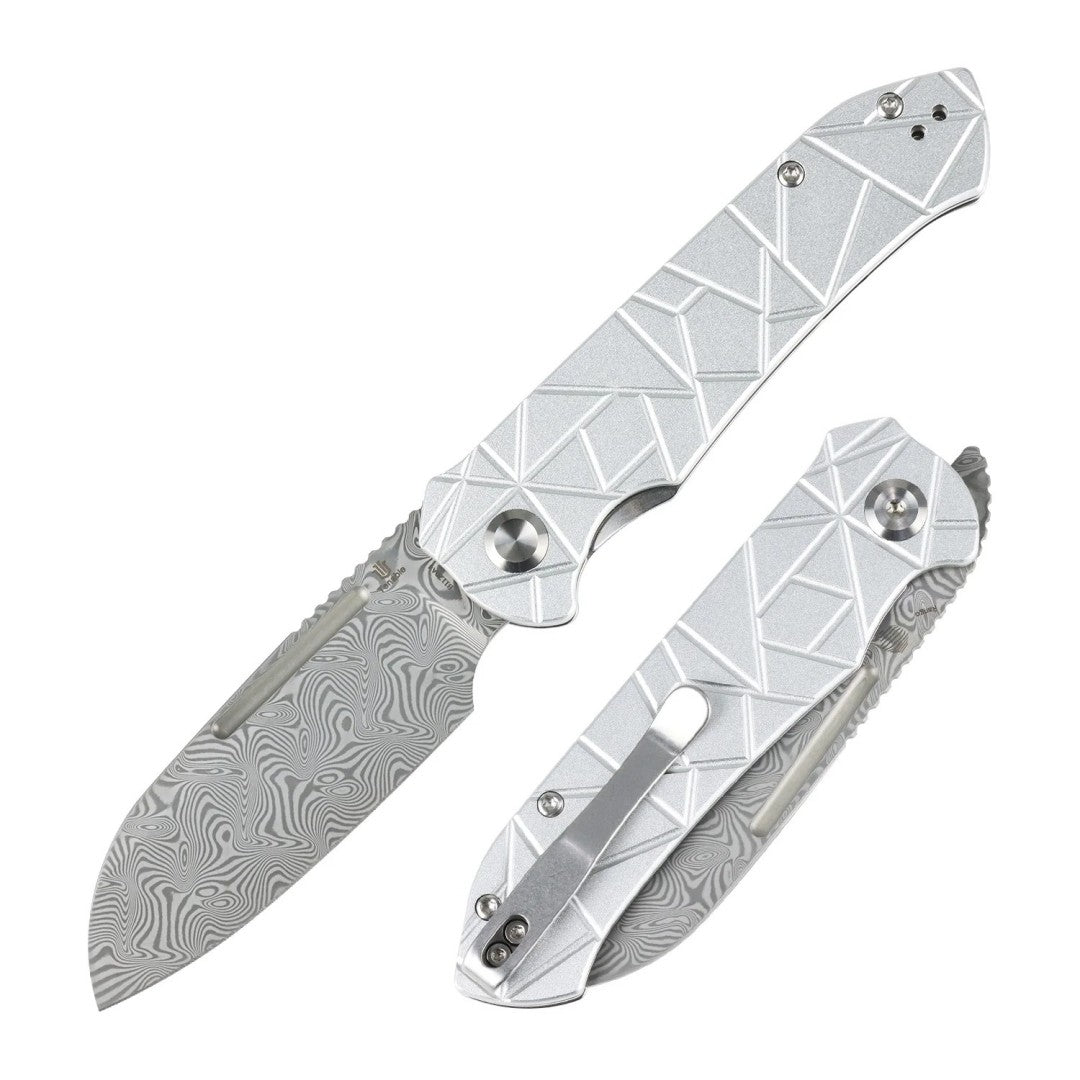

The Higonokami Sada-kanekoma is a legendary Japanese folding knife. To maintain its sharpness and classic brass luster, regular care is essential. Below is a comprehensive maintenance guide:
1. Cleaning and Rust Prevention
- Keep it Dry: Most Higonokami knives are made of high-carbon steel (like Blue Paper or White Paper steel), which rusts easily. Always wipe the blade dry after use.
- Removing Resin: If you use the knife to cut wood, resin may stick to the blade. Use a small amount of alcohol or specialized cleaner to wipe it off.
- Oiling the Blade: Apply a thin layer of Camellia Oil (Tsubaki oil) or food-safe mineral oil to the blade to prevent oxidation, especially if the knife will not be used for a long time.
2. Caring for the Brass Handle
- Patina vs. Polish: The brass handle naturally darkens over time, developing a unique "antique" patina. If you prefer the original bright gold look, you can use a metal polish (like Pikal) or a mixture of lemon juice and baking soda to gently scrub the handle.
- Avoid Salt: Salt from sweat can cause green corrosion (verdigris) on brass. Wipe the handle down after handling.
3. Sharpening Your Knife
- Use Whetstones: To preserve the traditional "V-grind," it is highly recommended to use Japanese waterstones. Start with a medium grit (1000) for general sharpening and finish with a fine grit (3000-6000) for a razor edge.
- The Chikiri (Lever): When sharpening, be careful not to apply too much pressure on the Chikiri (the protruding lever used to hold the blade open), as this is a friction-folder and its structural integrity depends on a proper fit.
4. Adjusting the Blade Tension
- Loose Blade: Since Higonokami knives lack a locking mechanism, they rely on friction. If the blade becomes too loose, you can gently tap the rivet (the pivot pin) with a small hammer on a solid surface to tighten the friction.
- Smooth Operation: If the blade is too stiff, add a single drop of light oil to the pivot area.
5. Storage Tips
- Breathable Environment: Store the knife in a dry, well-ventilated area. Avoid keeping it in a damp leather sheath for long periods, as leather can trap moisture and chemicals that cause rust.
By following these simple steps, your Higonokami Sada-kanekoma will not only last a lifetime but will also age beautifully with character.