
Overview & First Impressions
Paragliding rewards preparation more than any other air sport, because the failure modes are quiet. A riser twisted at packing, a line looped over a cell, a maillon not fully closed: none of these announce themselves until launch. The pre-flight walk-around is where they get caught, and it is often done at dawn, on a slope, with the wing half unfolded and both hands busy. That is exactly when a light and a small blade earn their place.
Materials & Construction
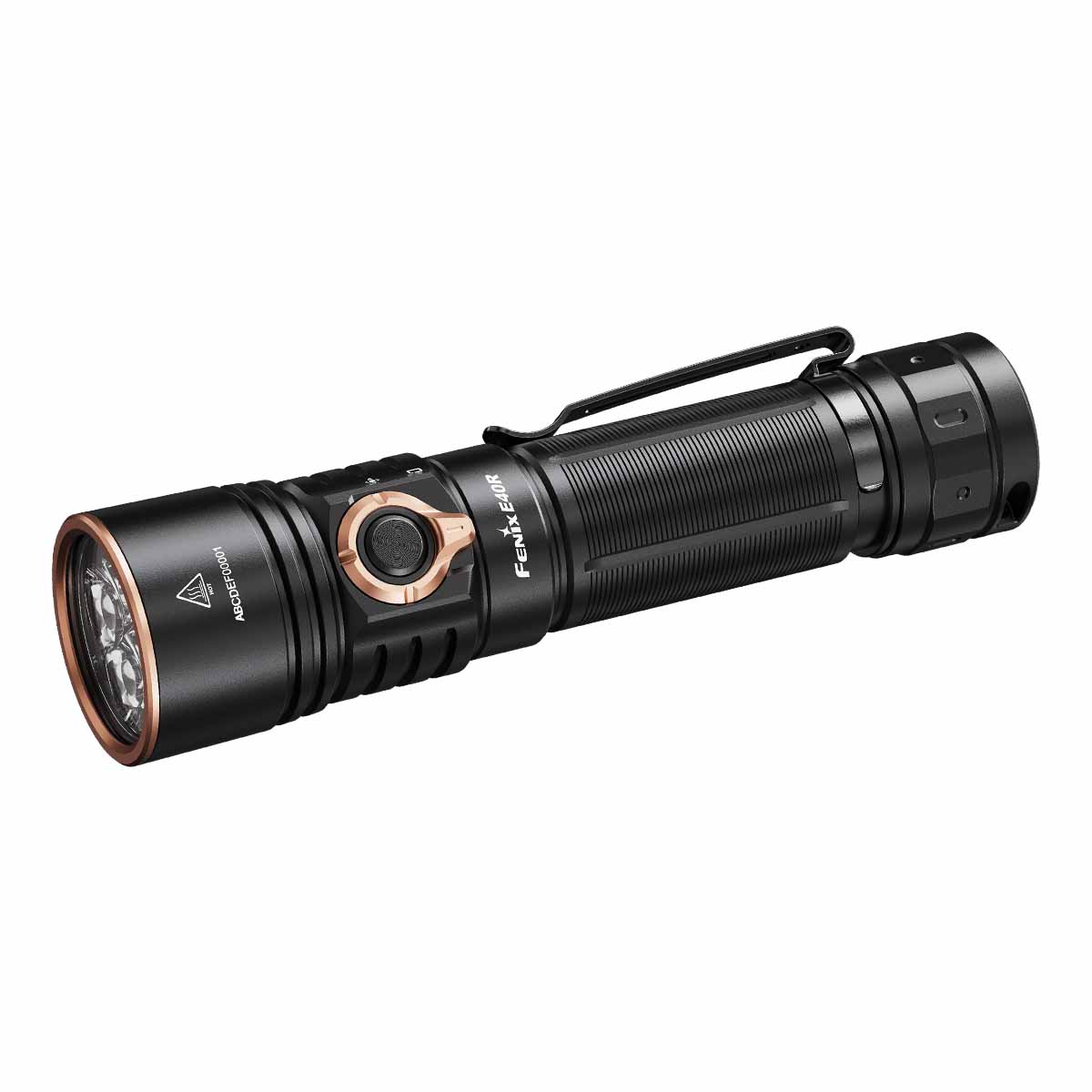
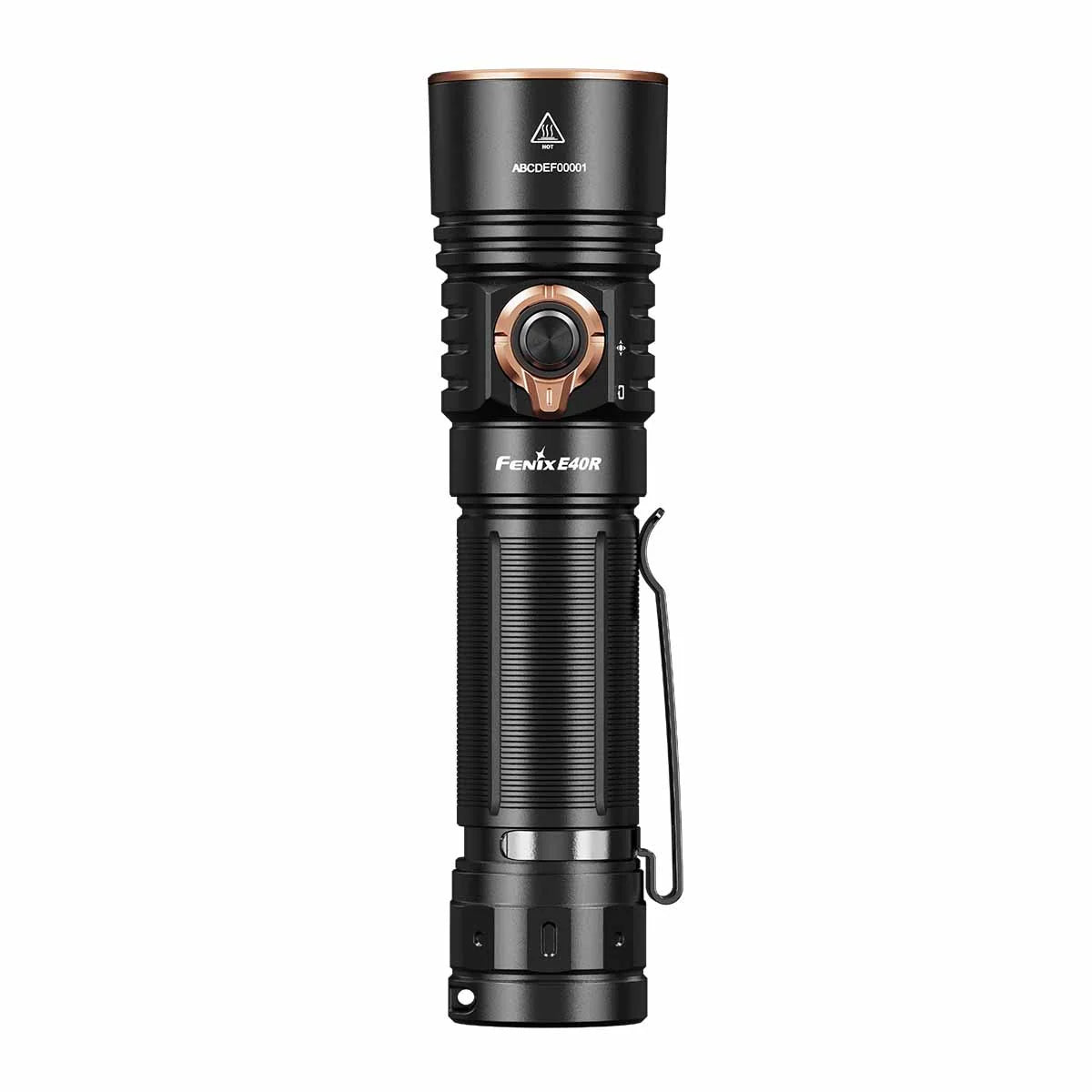
The kit is small by necessity. A compact flashlight with a regulated driver, a spare cell, a length of tape, a knife and a small pouch. Jetbeam flashlights suit this because the bodies are aluminium with real anodising and the switches are designed to work with gloves. Output matters less than beam shape: a wide, even spill shows a line run across fabric far better than a tight hotspot that overexposes one cell.

Design & Details
The RRT01 Raptor uses a magnetic rotary ring instead of a click switch, which is the right interface for cold hands and thin gloves. You set the brightness before you need it and the ring holds that setting, so there is no fumbling for a mode while a wing flaps overhead. The light is compact enough to hold in the mouth, if you are honest about how these checks actually happen, and the body is short enough to sit in a harness pocket without pressing against a hip.
Real-World Use
The pre-flight sequence runs from wing to harness. Walk the leading edge and light each cell from below so thin spots and pinches show. Check every line run for twists and abrasion. Inspect maillons and riser attachments. Then check the harness, the reserve handle and the carabiner gate. A wide beam at low output is better than full power here, because you want to see texture, not create glare on white fabric.

Ownership Notes
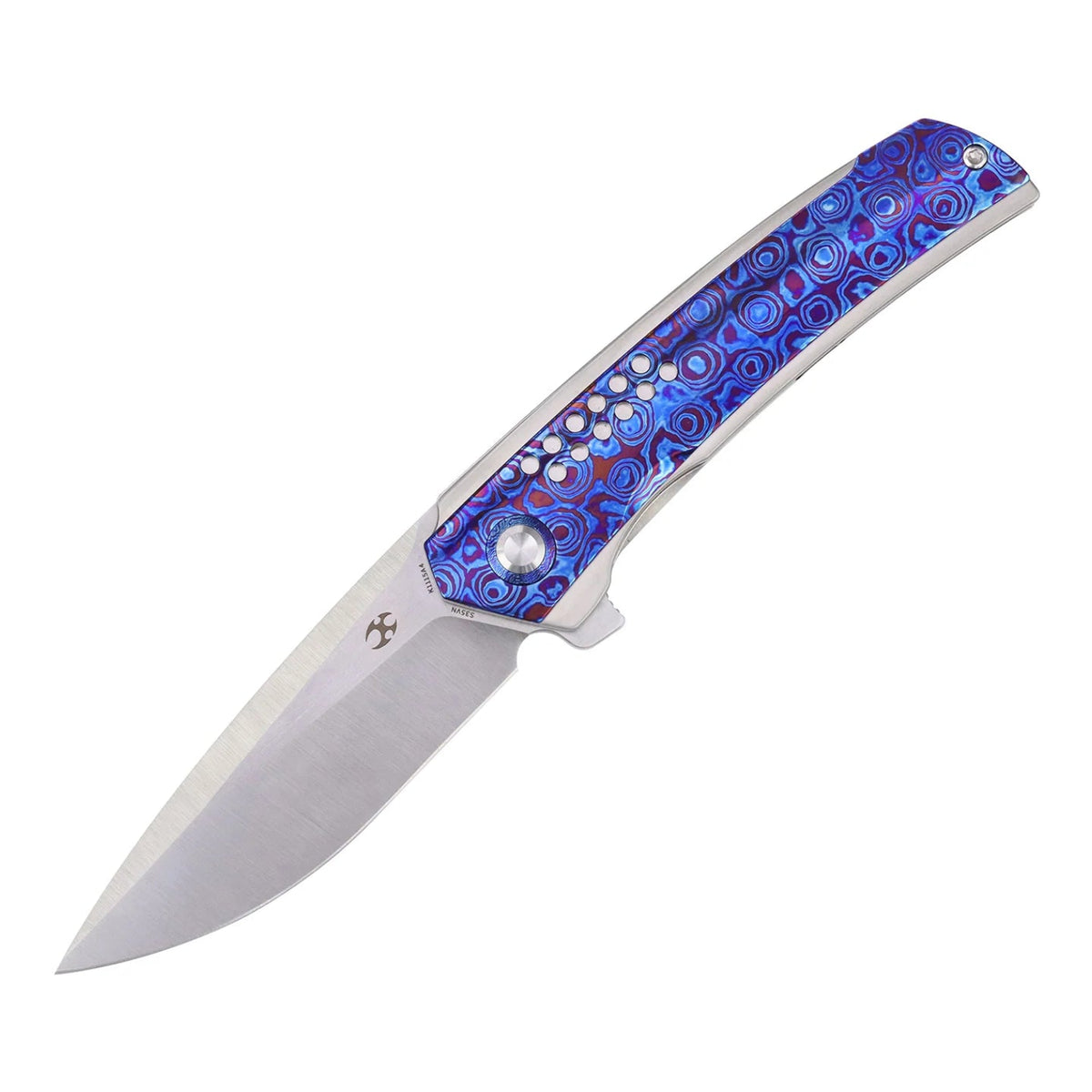
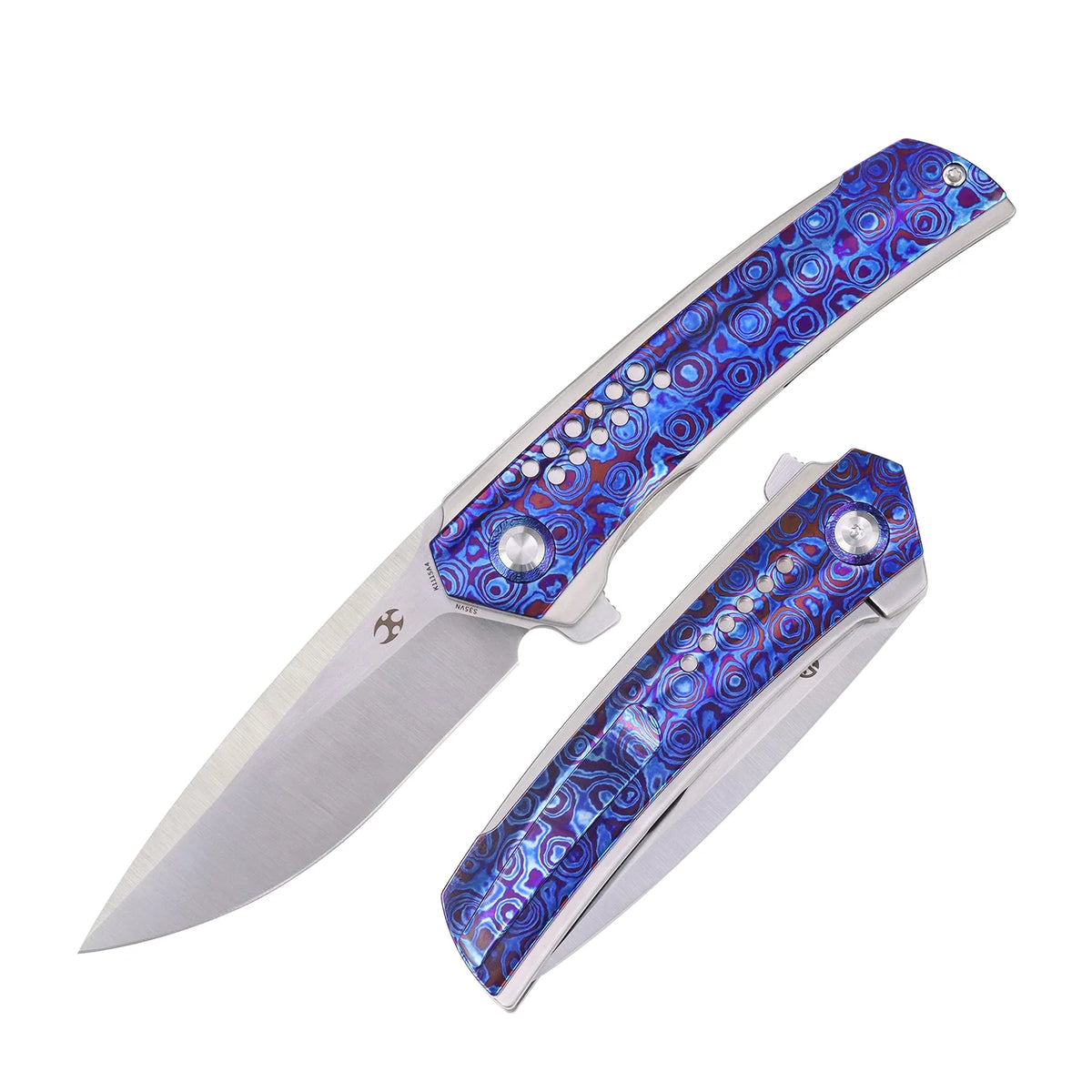
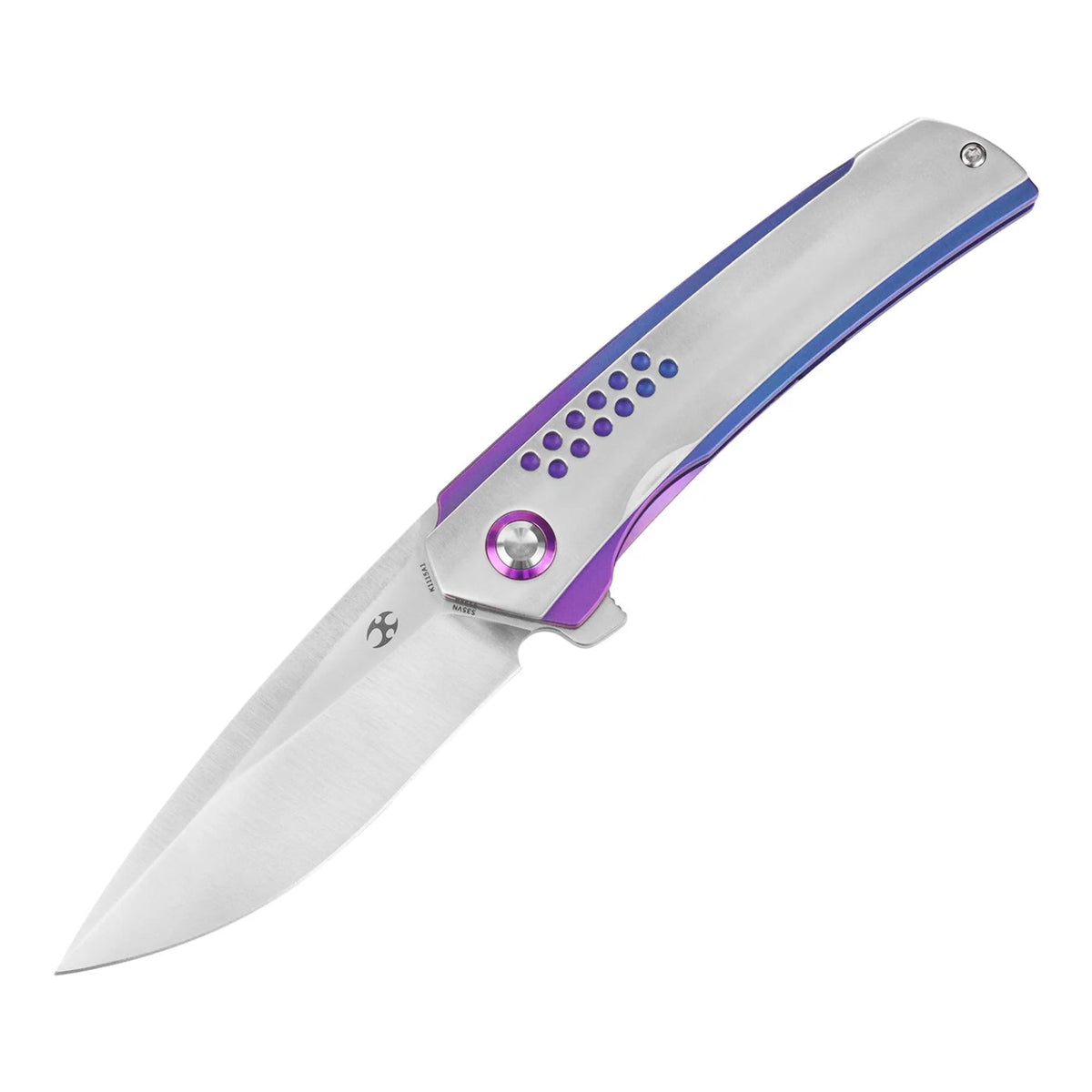
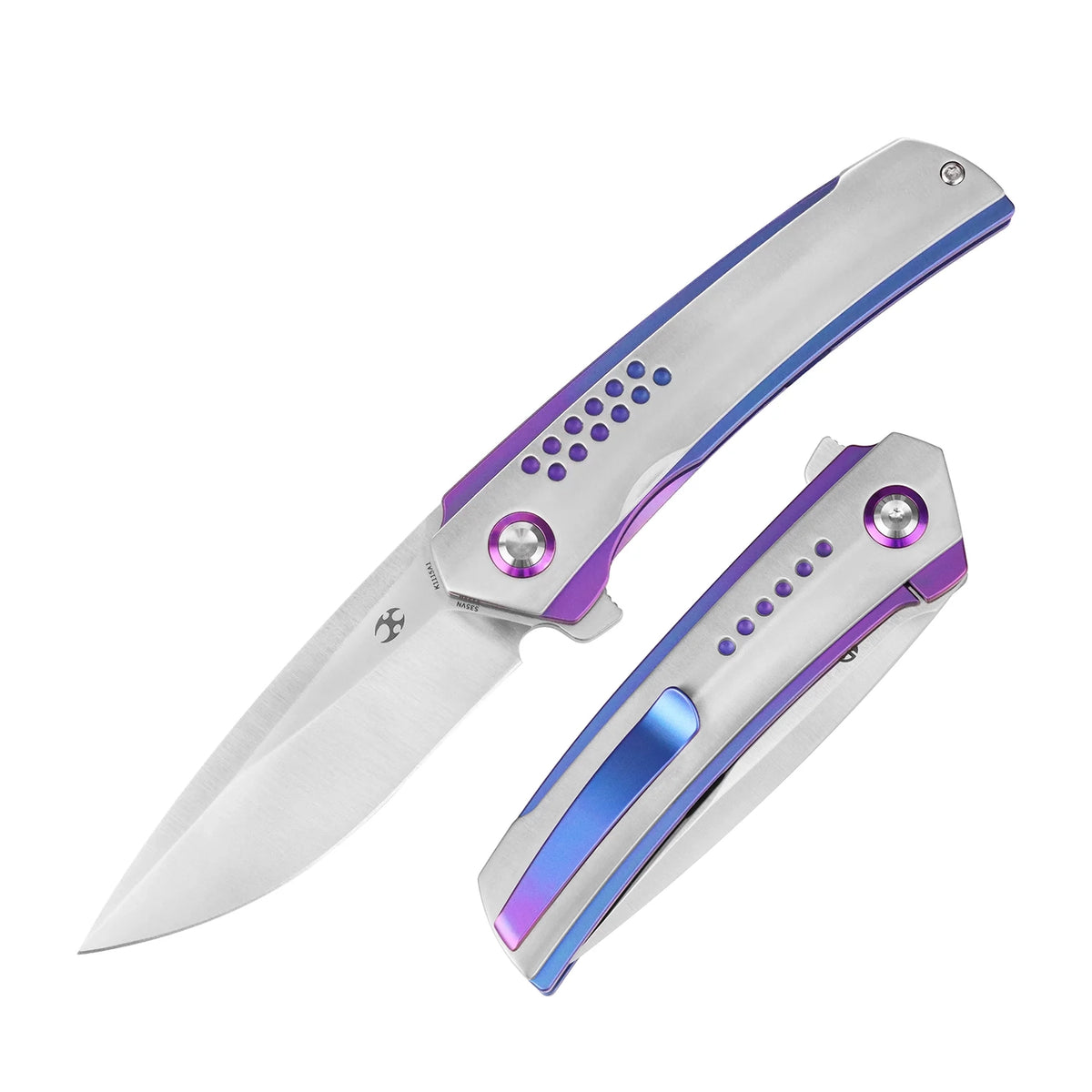
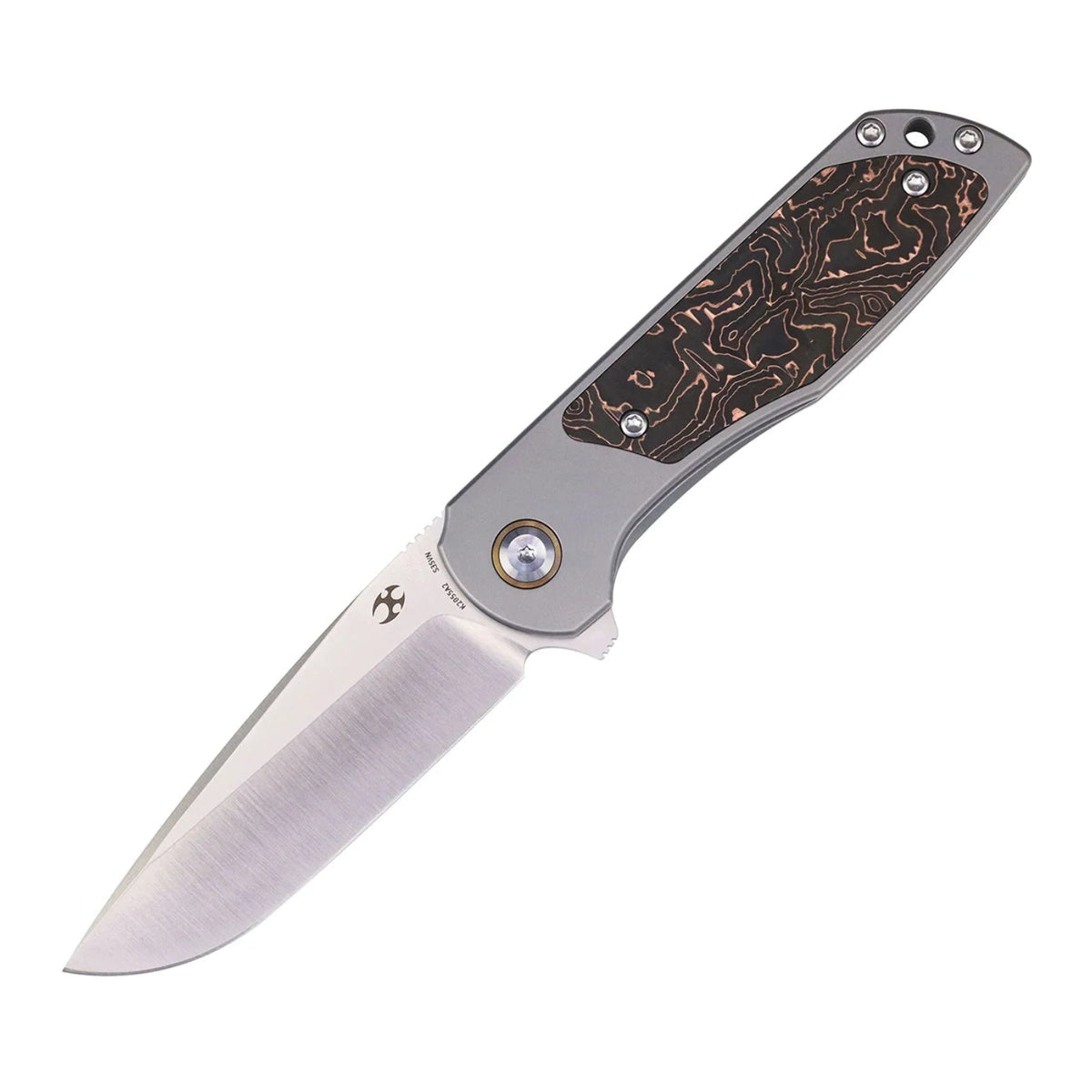
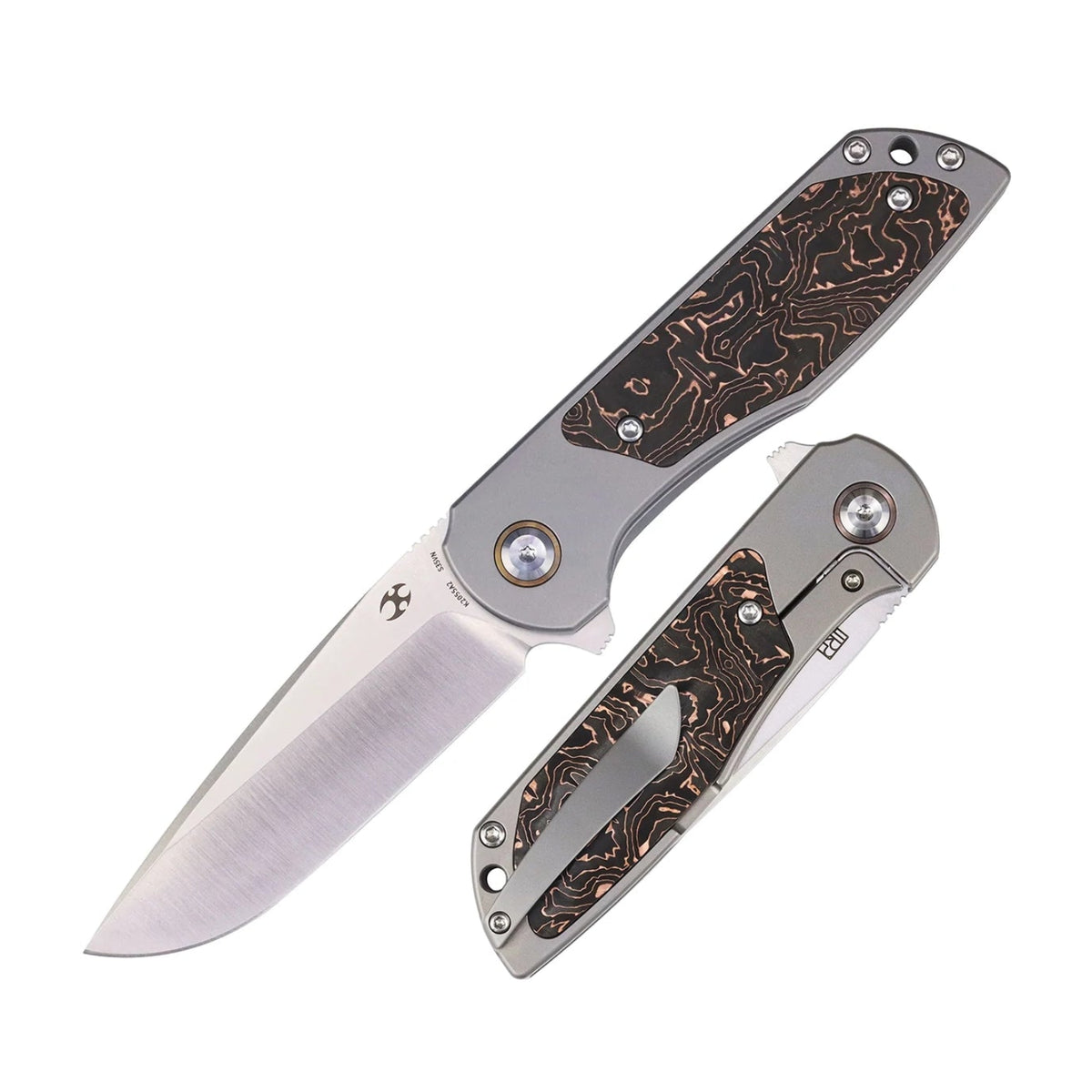
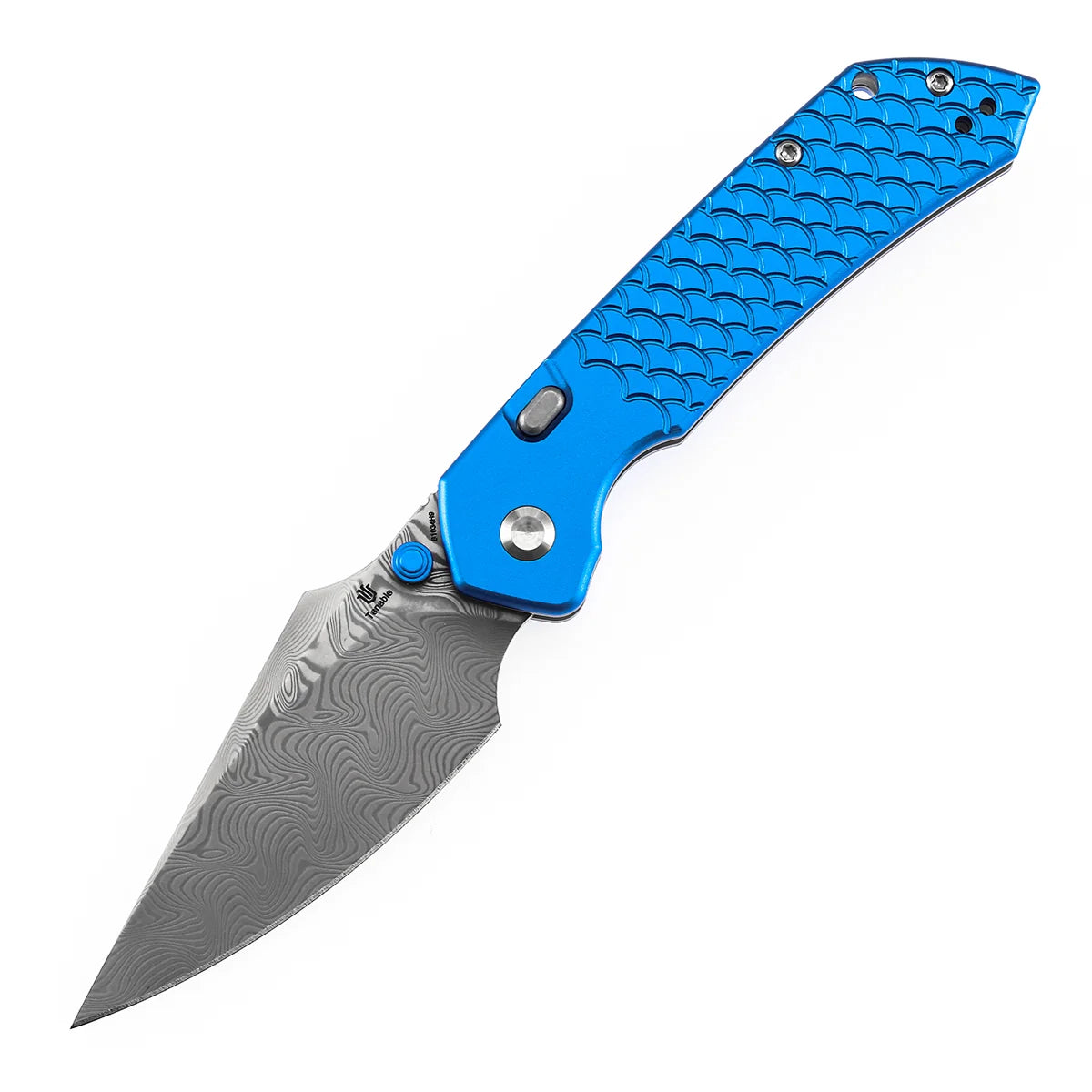
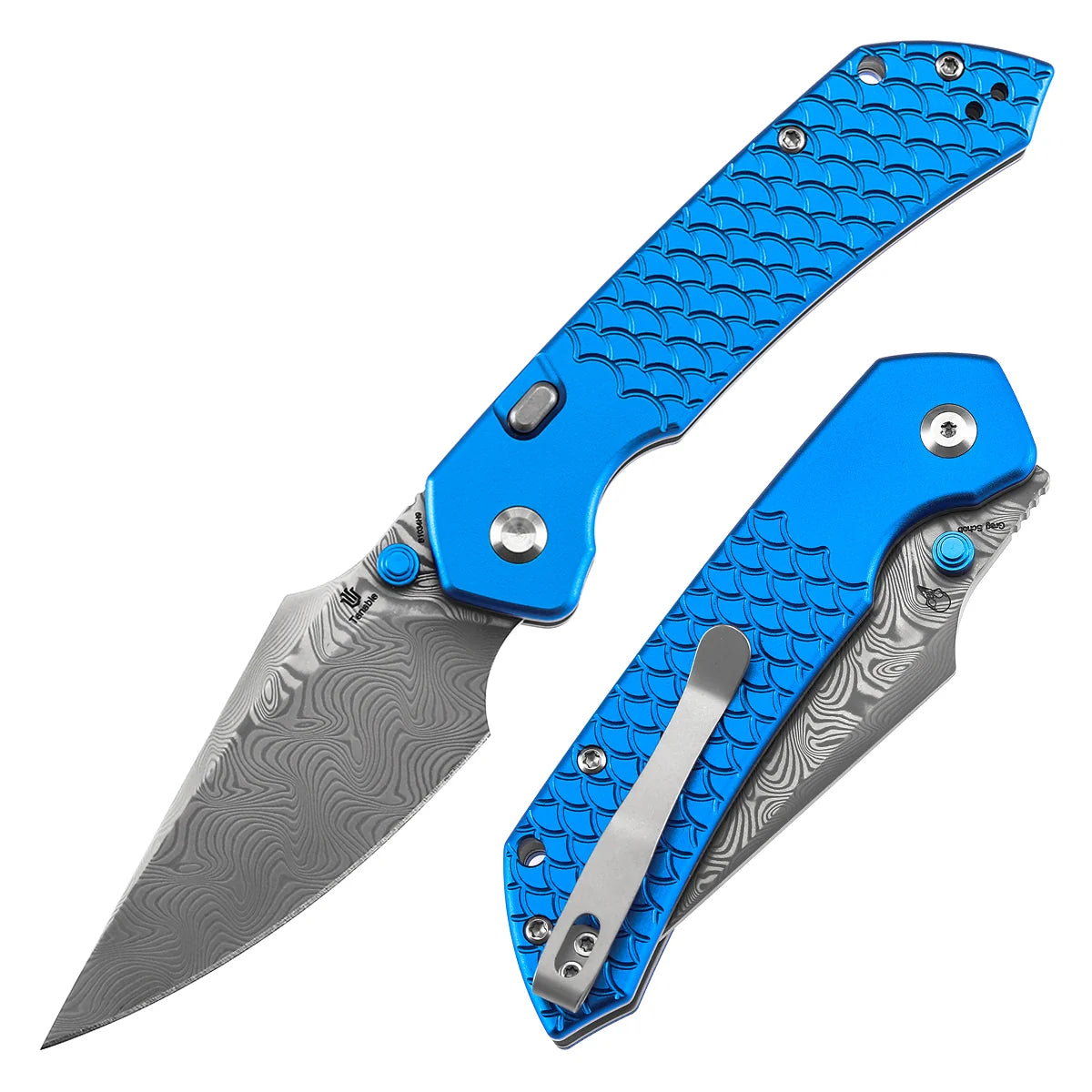
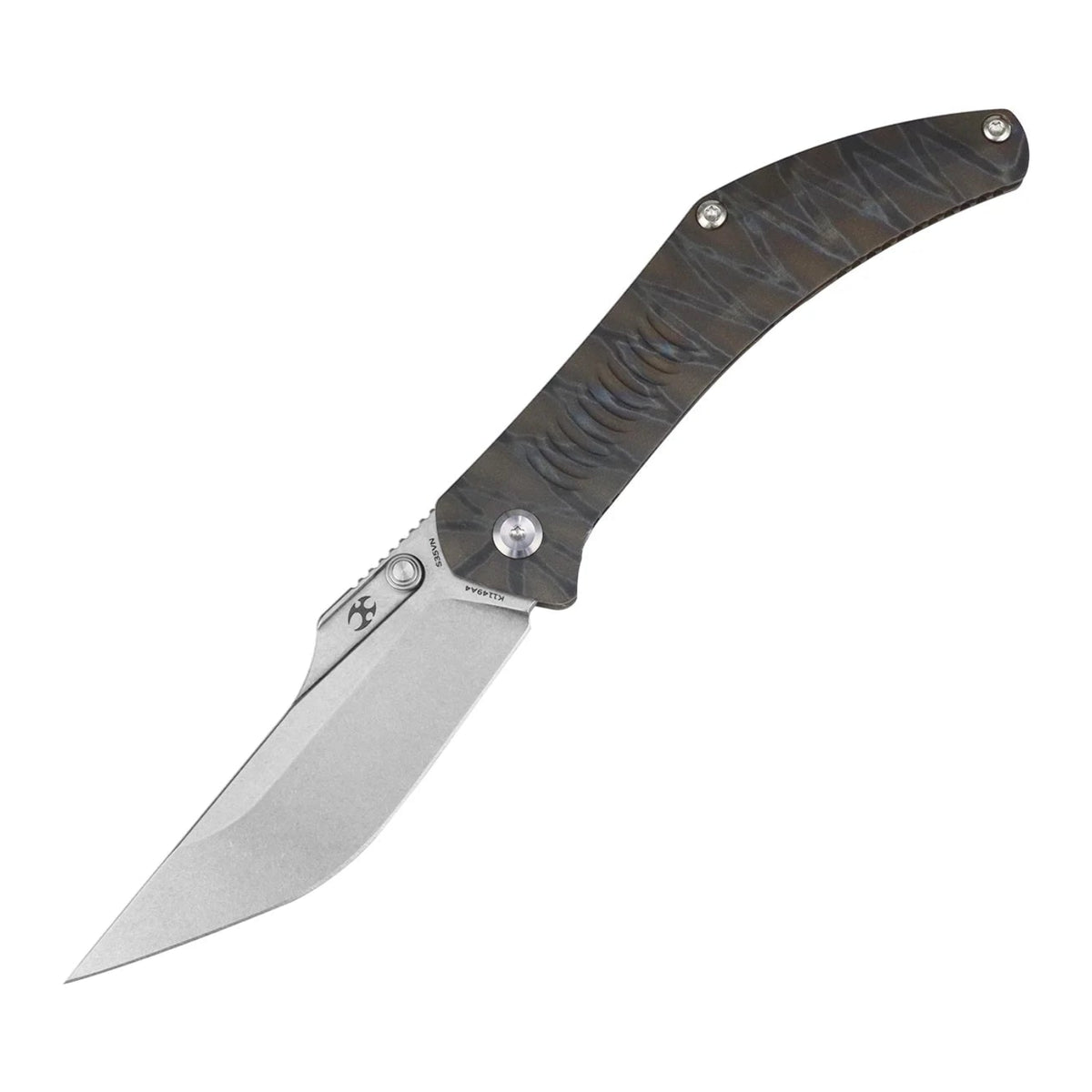
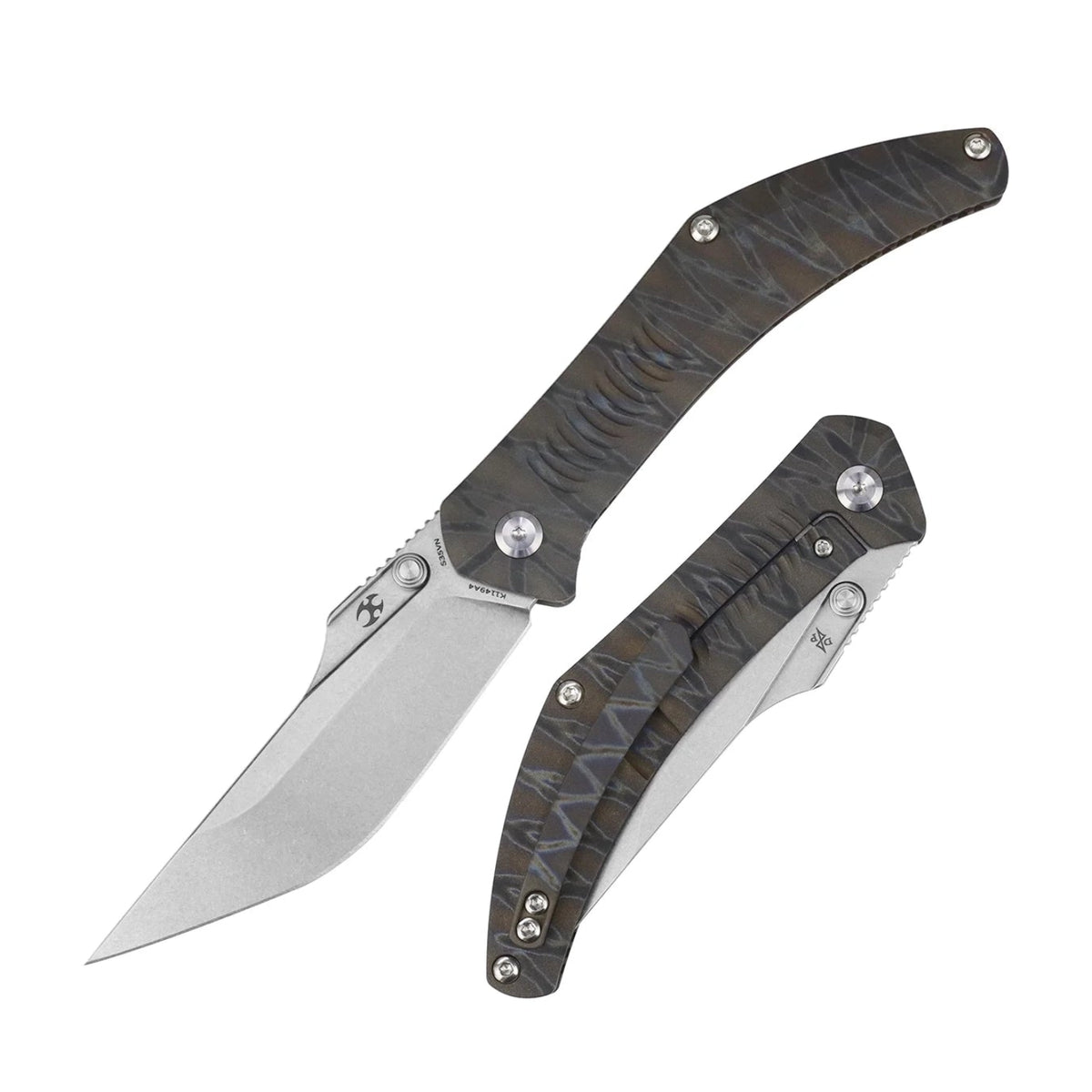
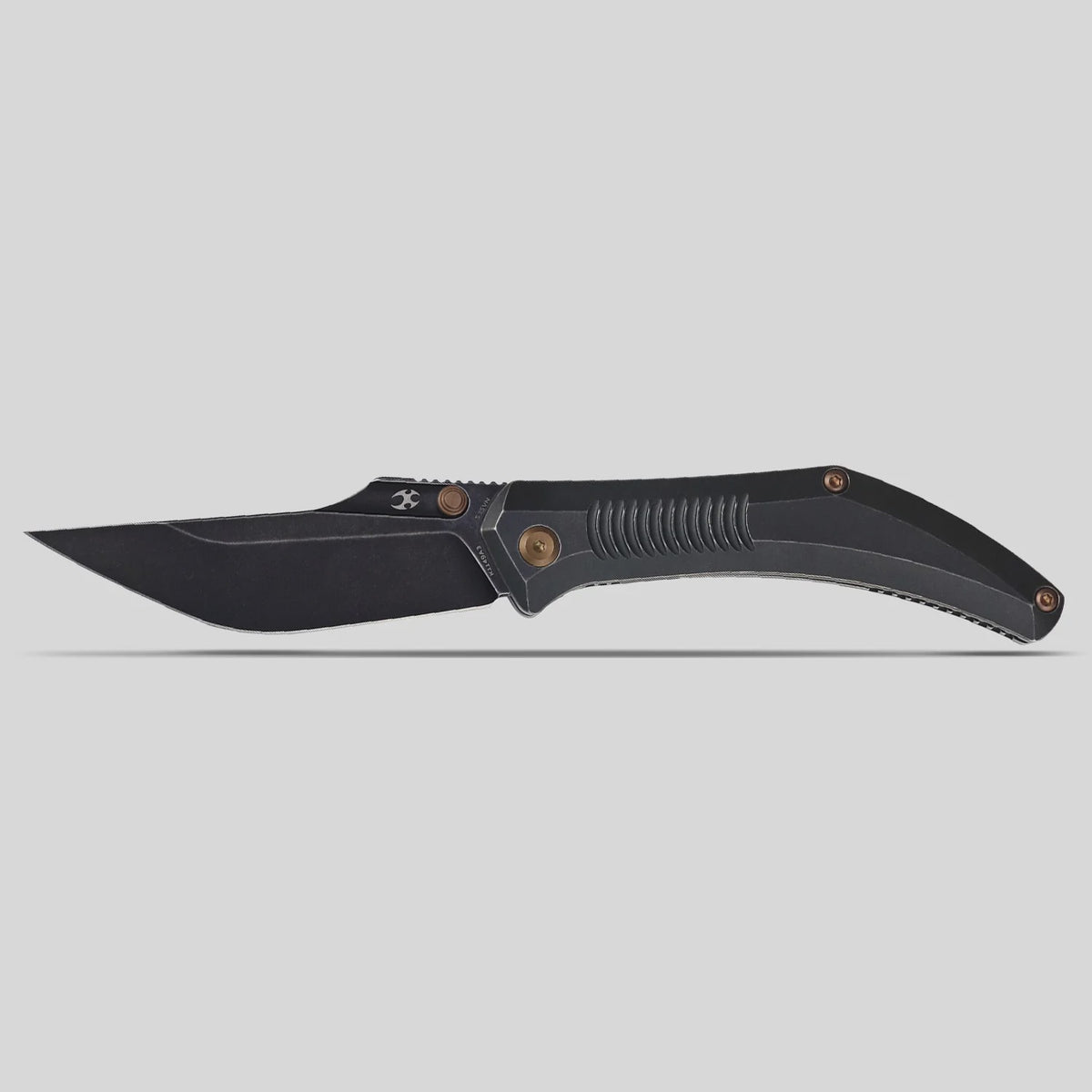
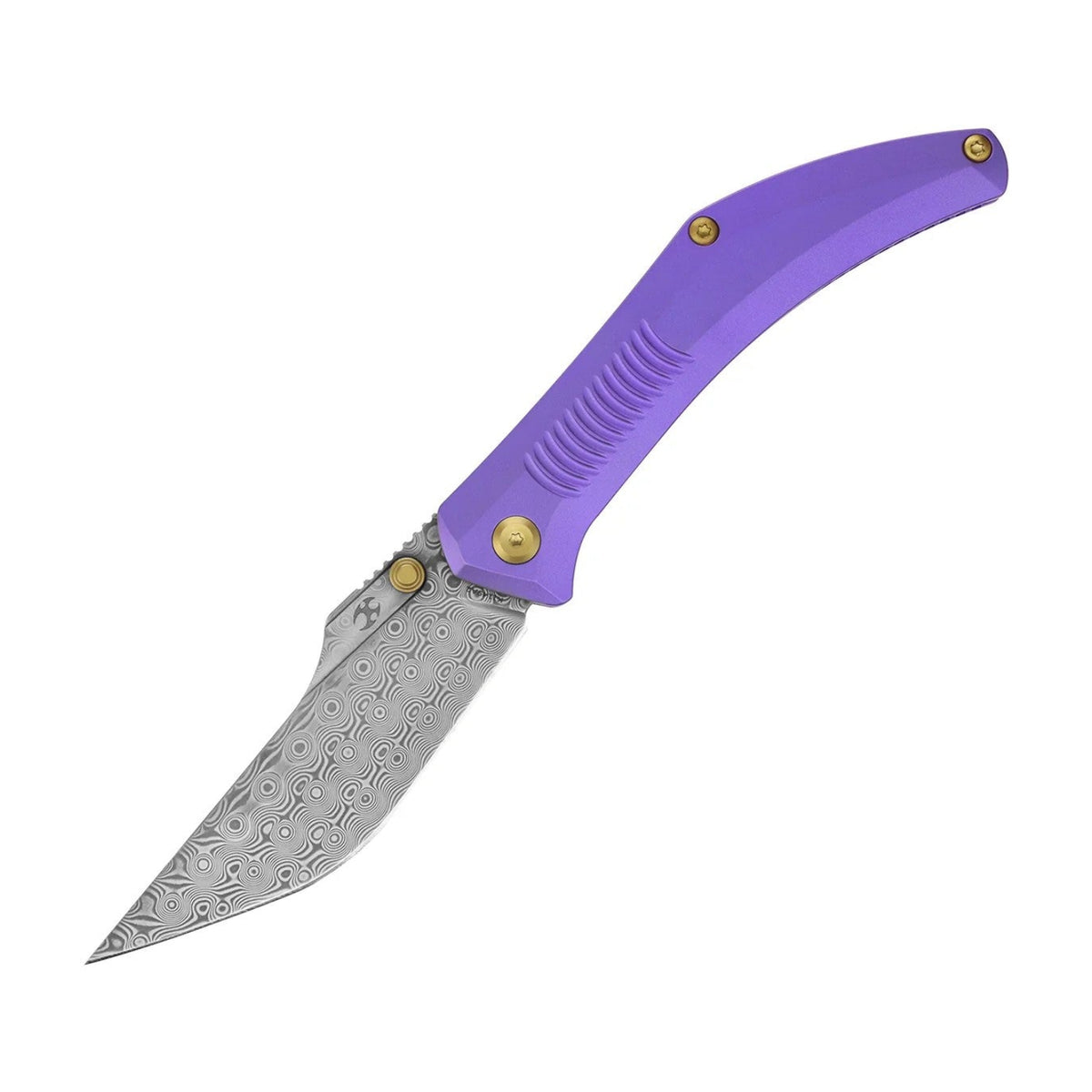
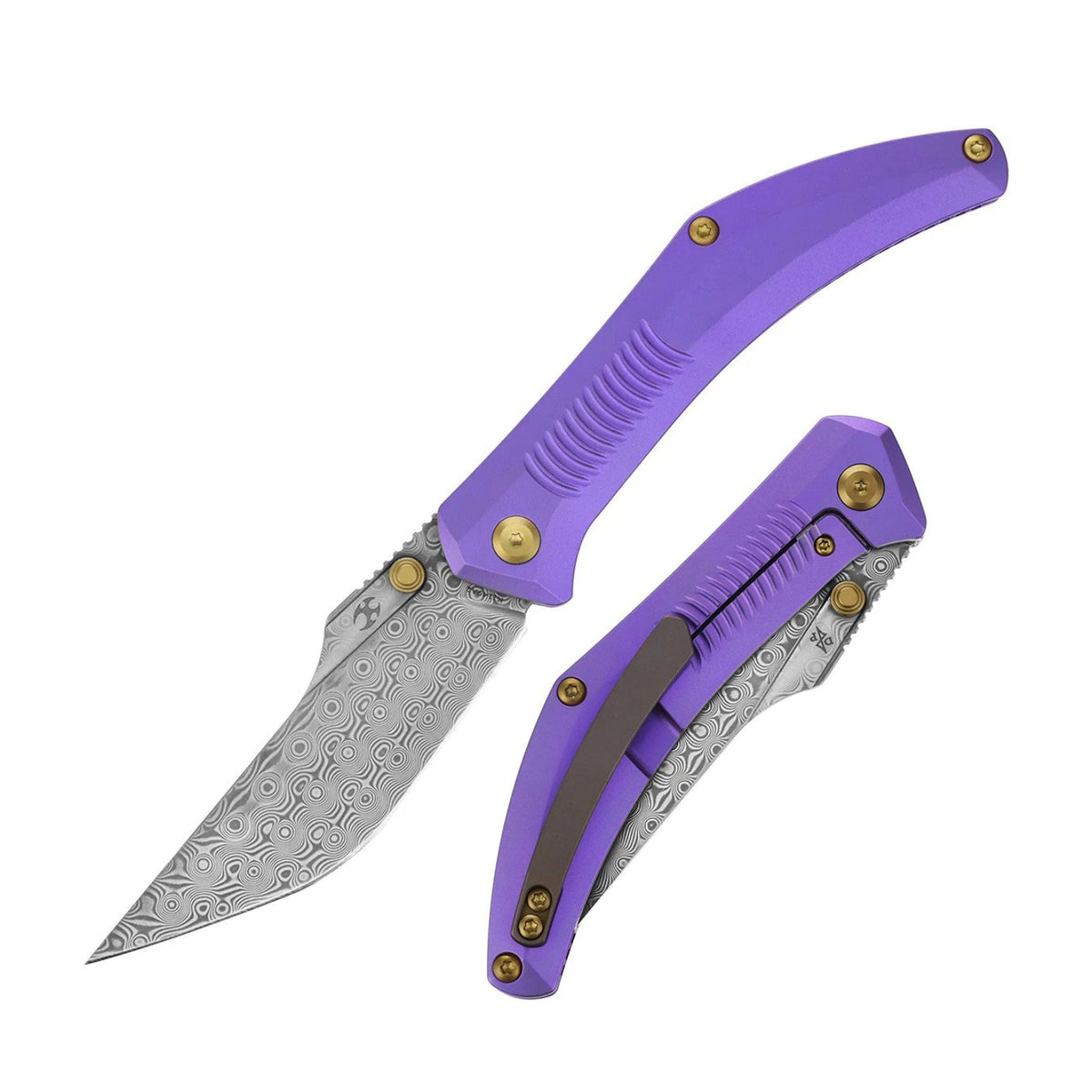
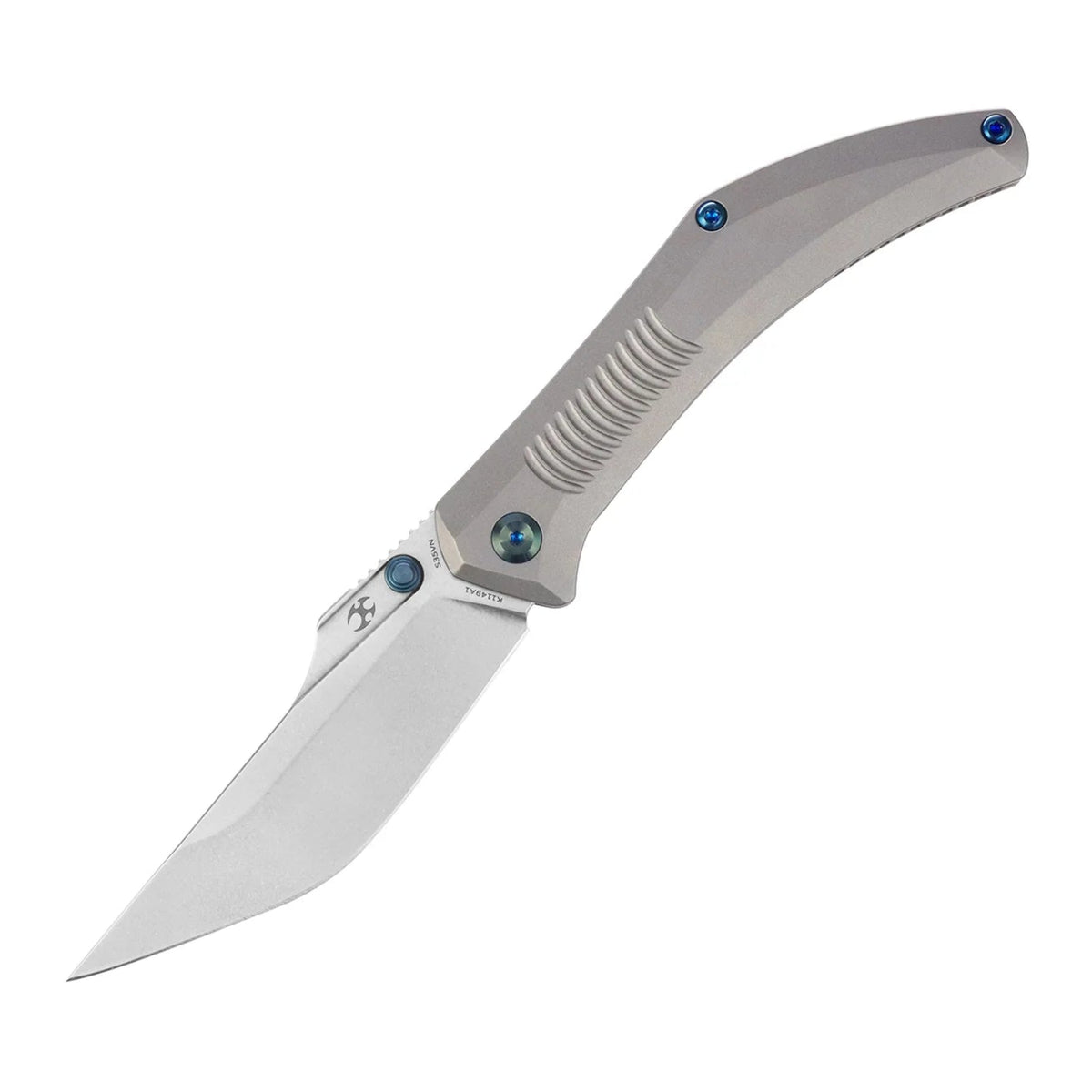
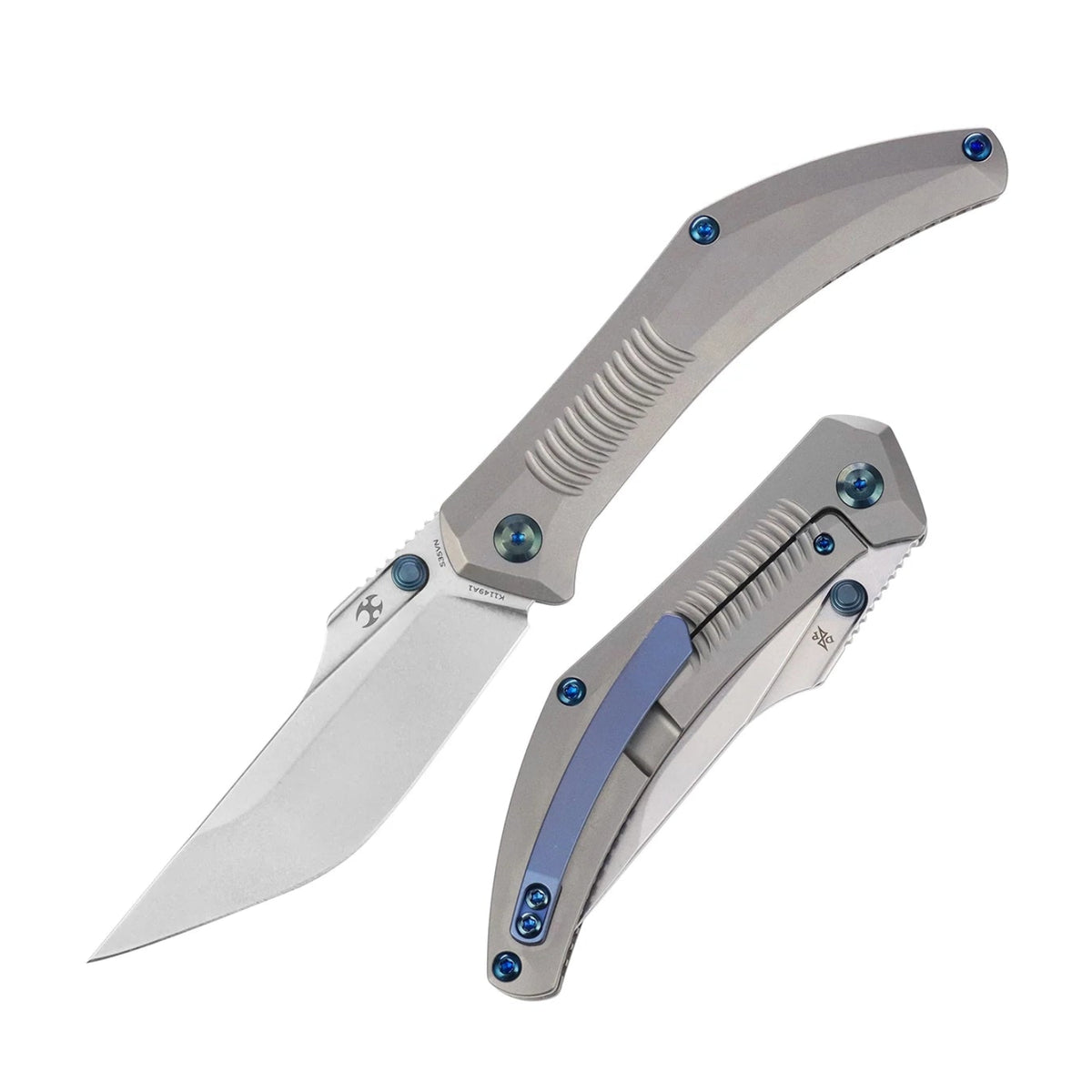
Pilots carry a cutting tool for one reason: a hook knife or a small blade is what frees you from a line under tension, and it has to be accessible on the harness rather than buried in a bag. Klarus flashlights and Nitecore flashlights both appear in pilot kits for the same reason Jetbeam does, which is that they survive being dropped on rock. EdcMall stocks all three brands, so building a kit from one order is realistic. Every pilot kit needs one light that is always charged, and a compact EDC flashlight clipped inside the harness beats a bigger torch left in the car.
Who Is This For?
Buy it if you fly, hike at dawn or work outdoors in the dark and want a light you can set before you need it. It suits paraglider and hang glider pilots, SAR volunteers and anyone who checks gear by hand. Skip it if you want a simple click-on light for a bedside drawer; a rotary interface is a deliberate choice for gloved, low-light use and is more interface than a casual user needs.
Final Verdict
The RRT01 Raptor is a pilot's light rather than a collector's light: a rotary ring that holds a setting, an even beam that reveals fabric texture, and a body that survives being set down on gravel. Paired with a hook knife and a spare cell, it covers the pre-flight job completely. For dawn launches, that is what matters.