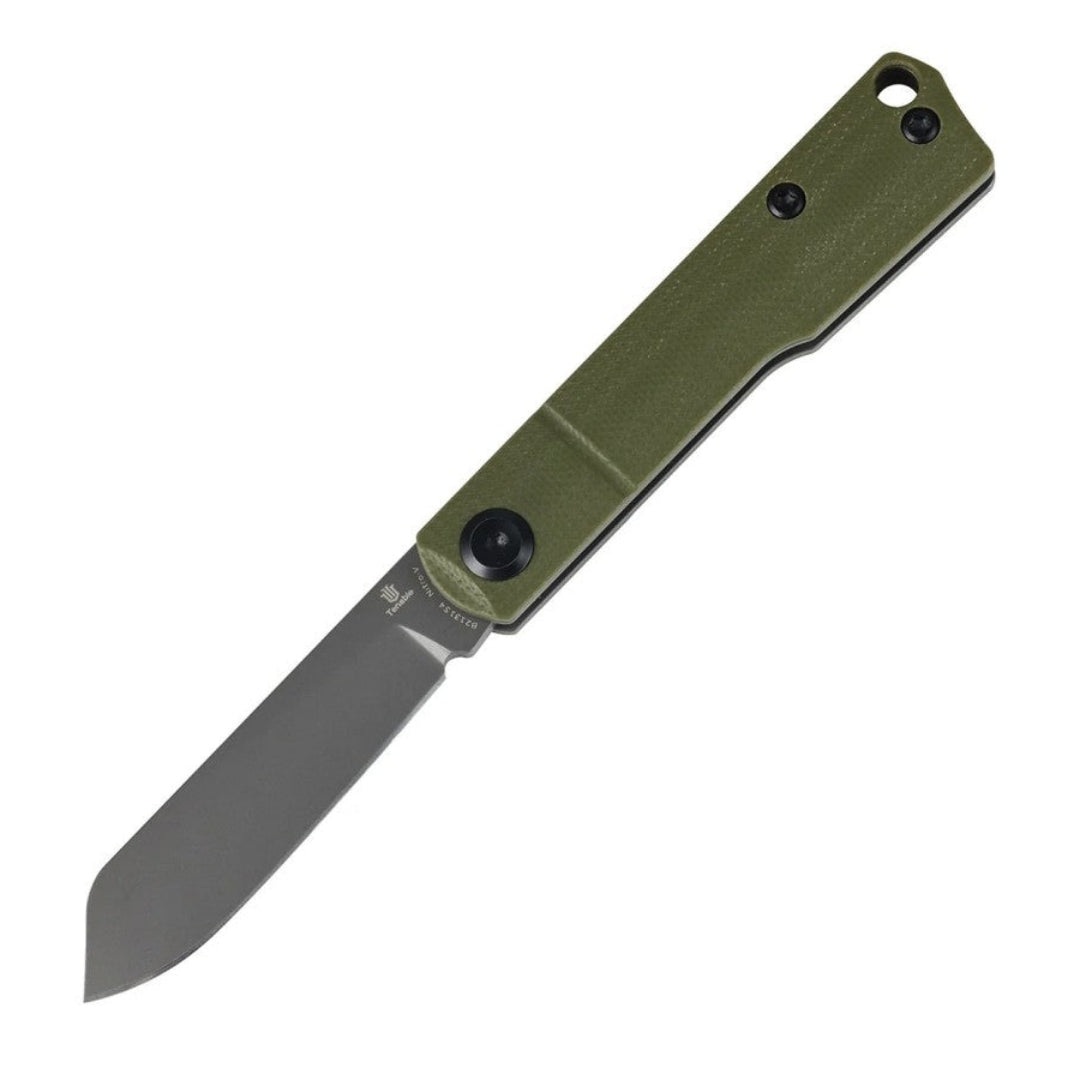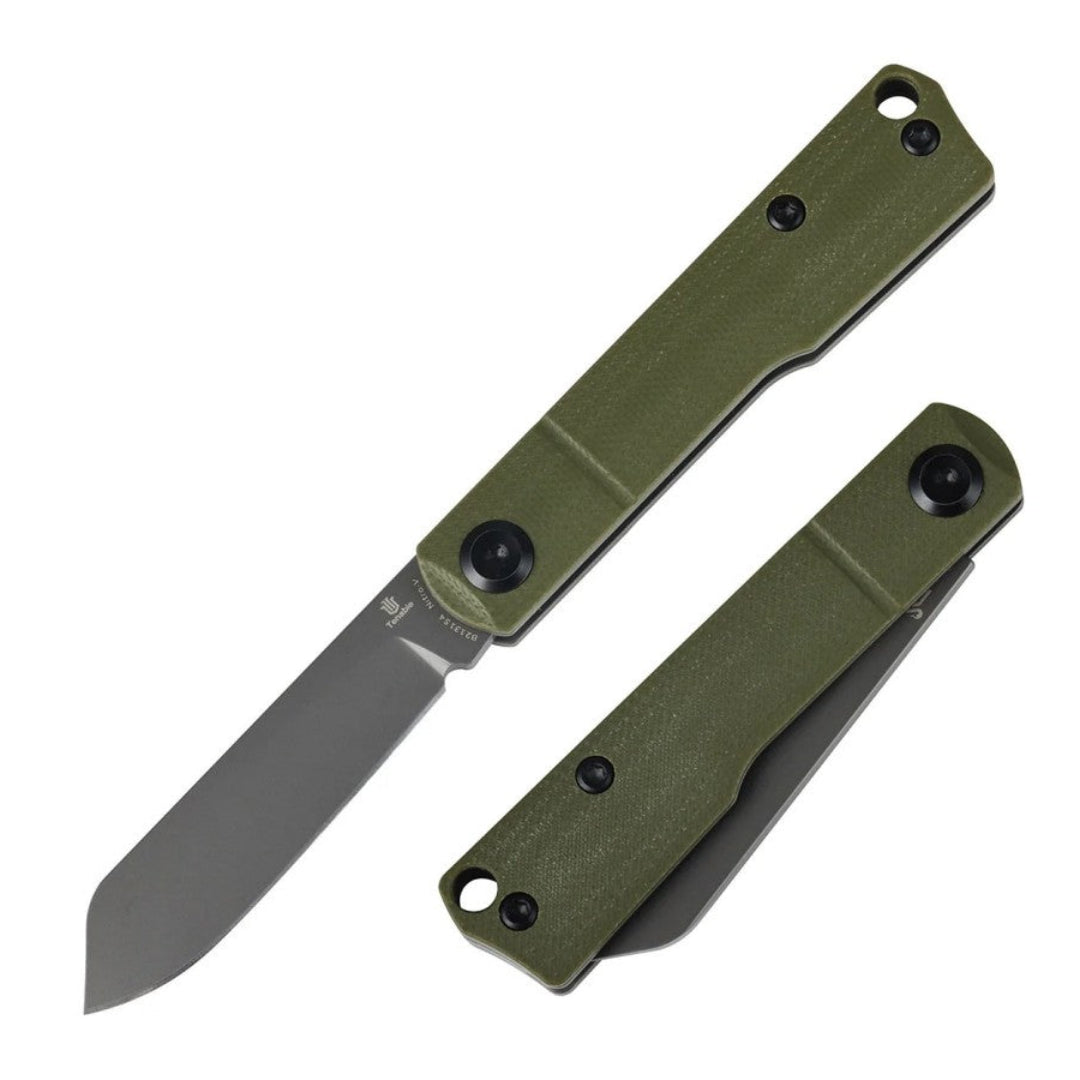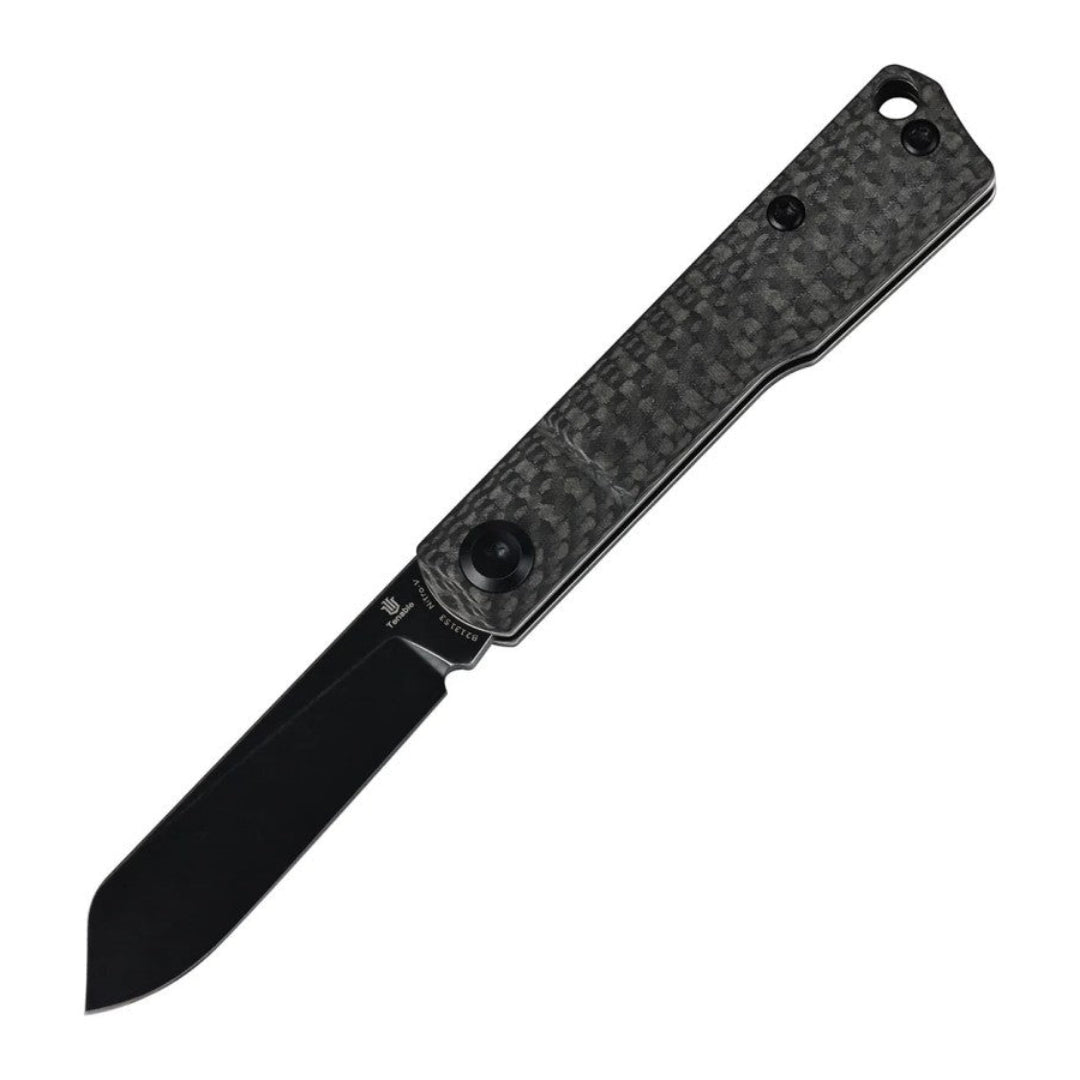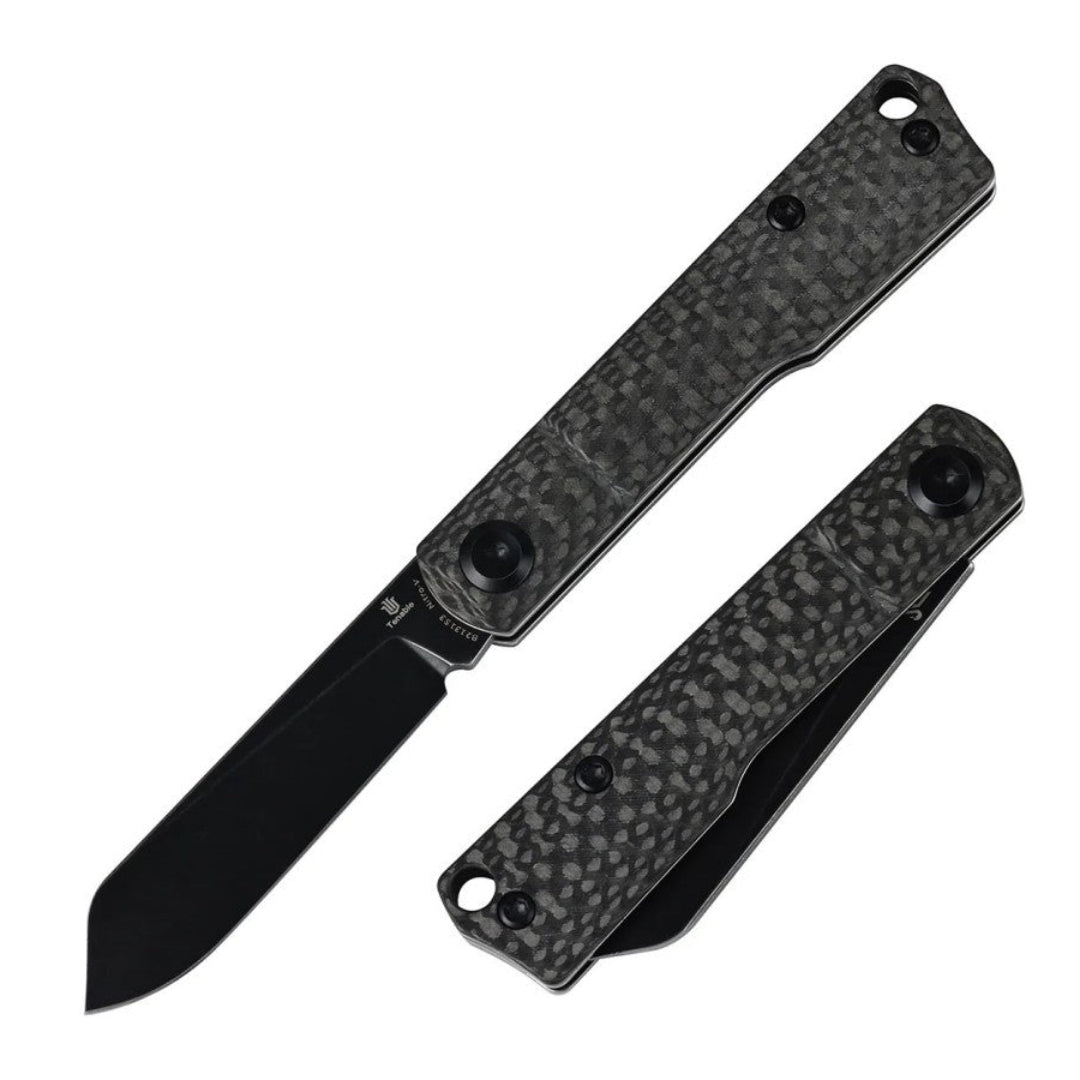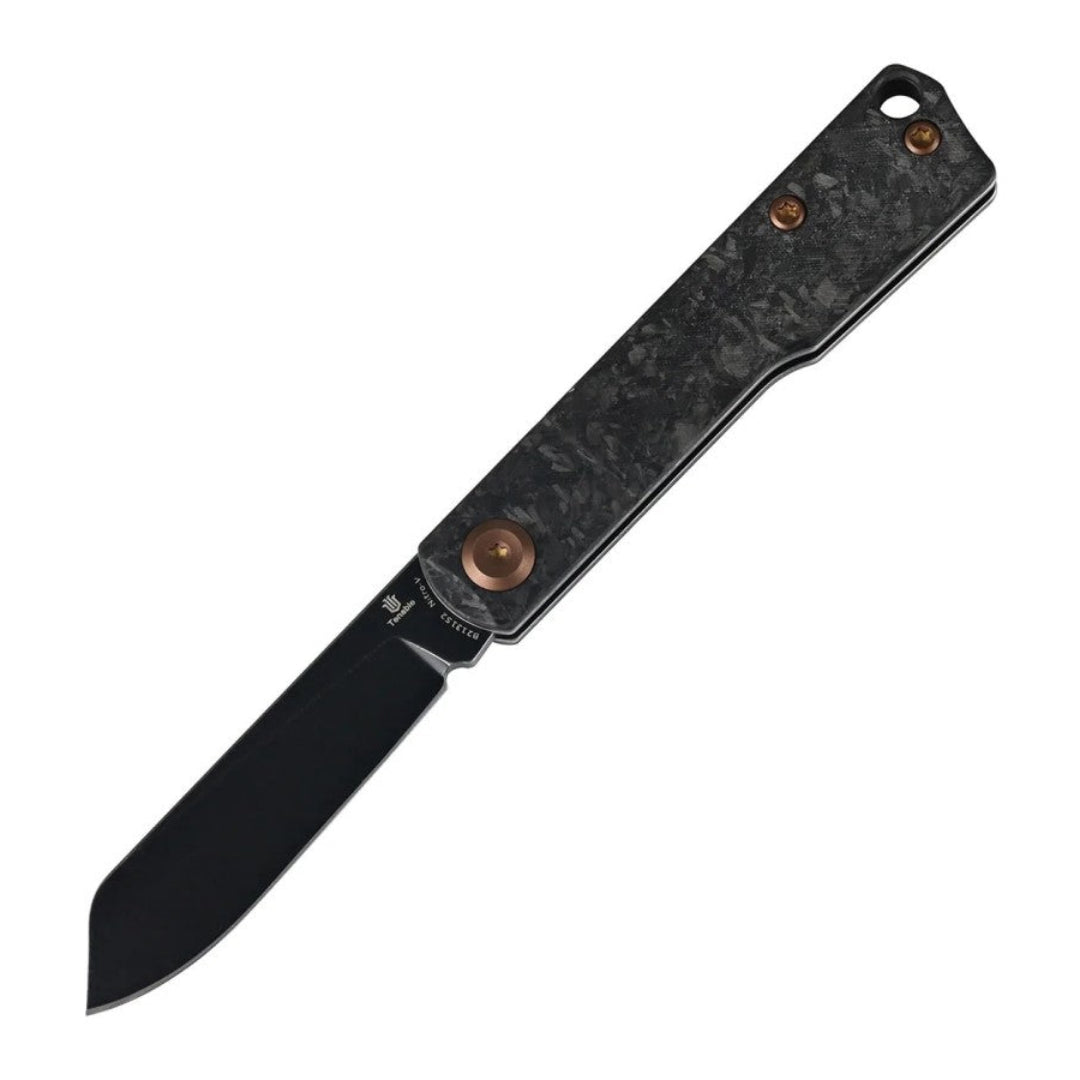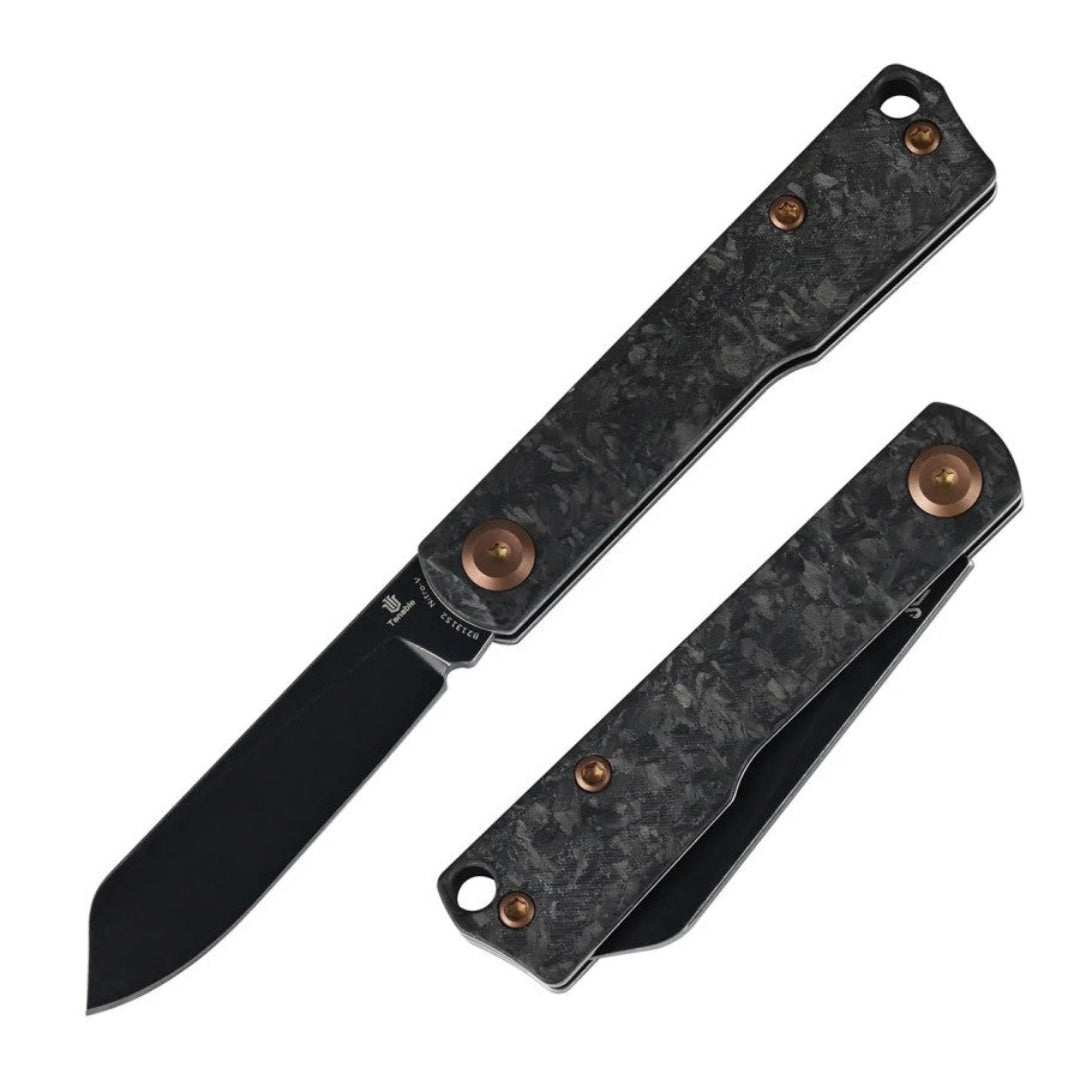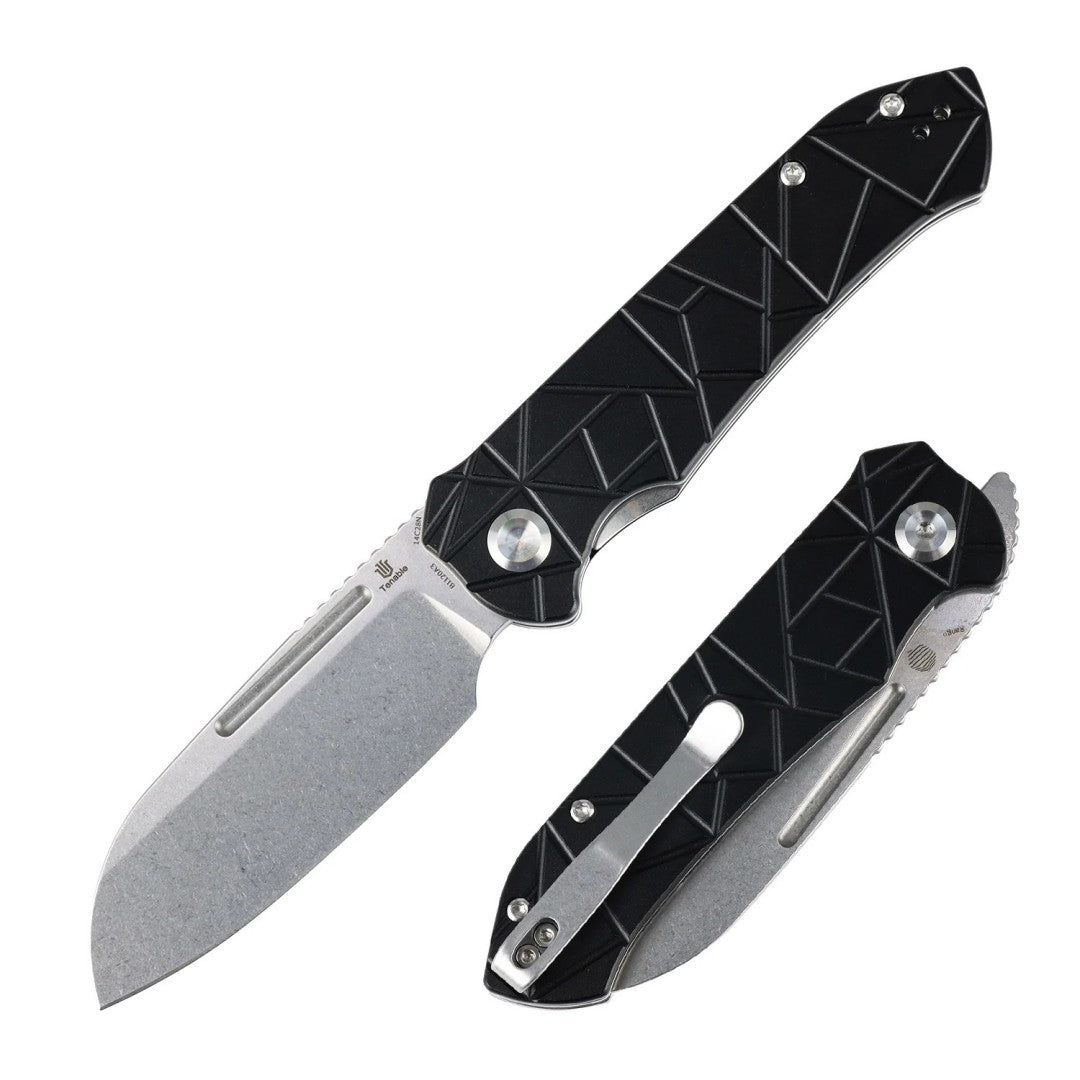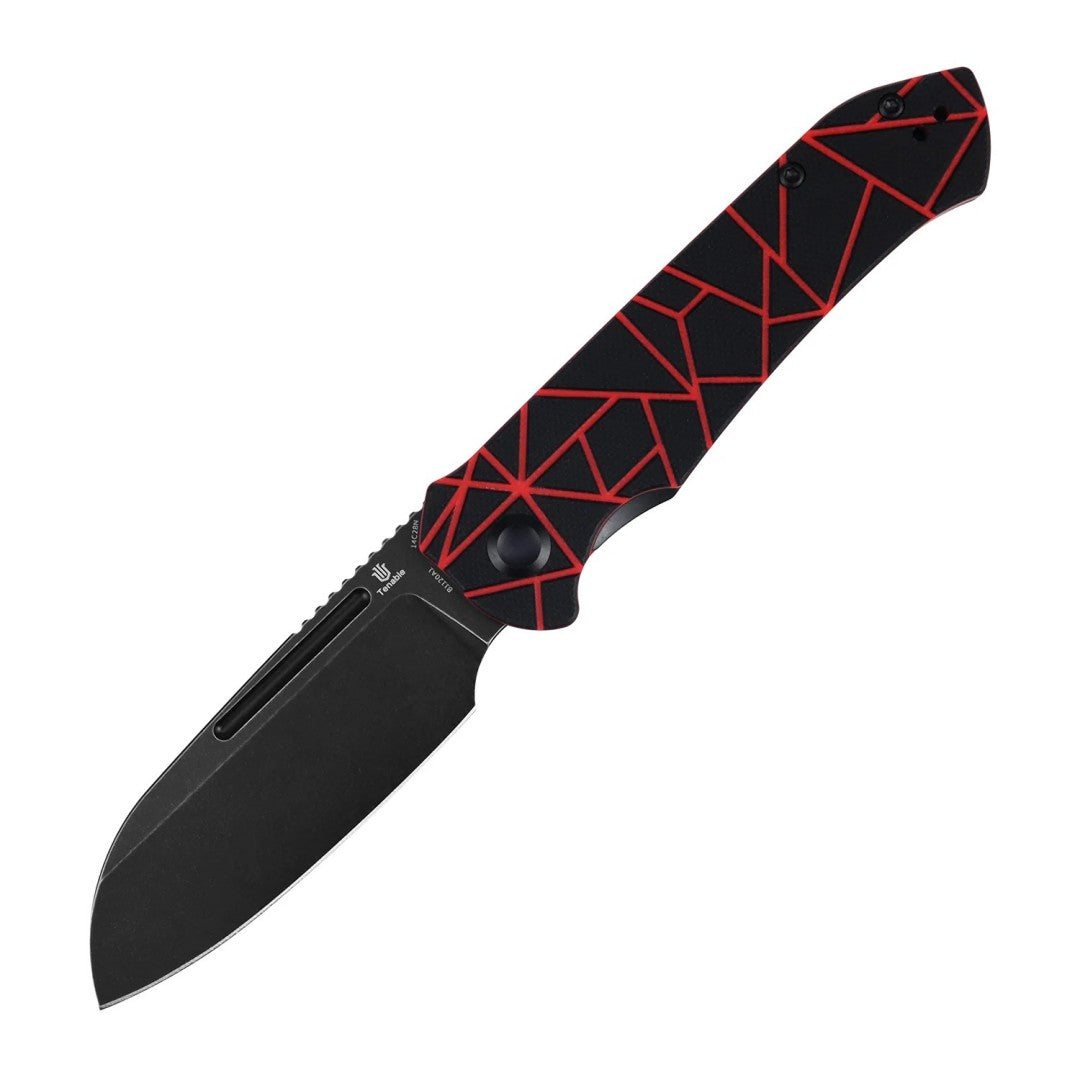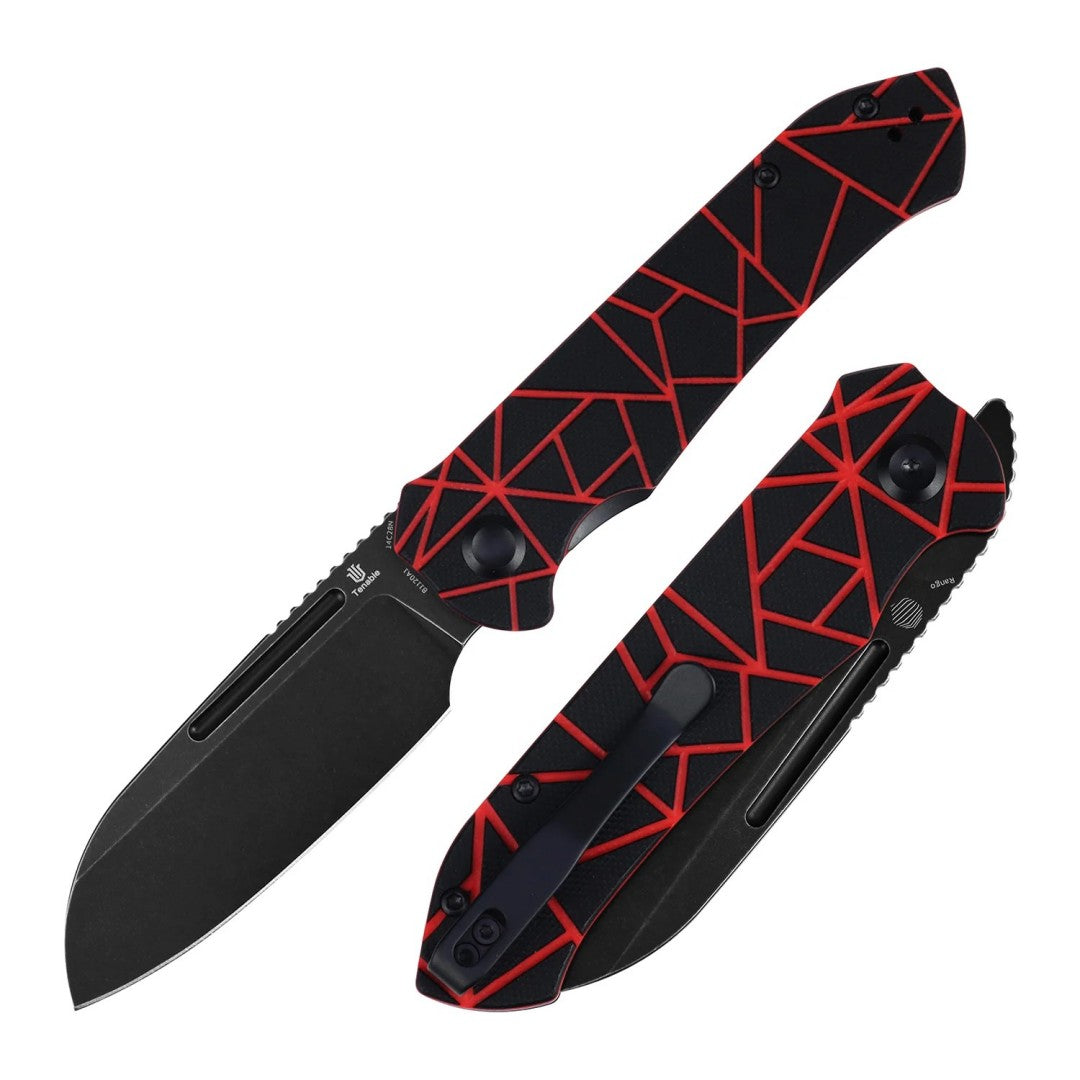
When selecting a premium pocket knife, the blade steel isn't just a technical specification—it’s the soul of the tool. The Tenable Foosa, a minimalist masterpiece designed by Rolf Helbig, has gained a cult following for its sleek slipjoint design and "gentleman’s folder" aesthetic. However, prospective owners often face a pivotal choice: the modern performance of Sandvik 14C28N or the ancient, swirling artistry of Damascus steel.
In this guide, we’ll break down the metallurgy, maintenance, and "pocket presence" of both options to help you decide which Foosa belongs in your everyday carry (EDC) rotation.
The Modern Workhorse: Sandvik 14C28N
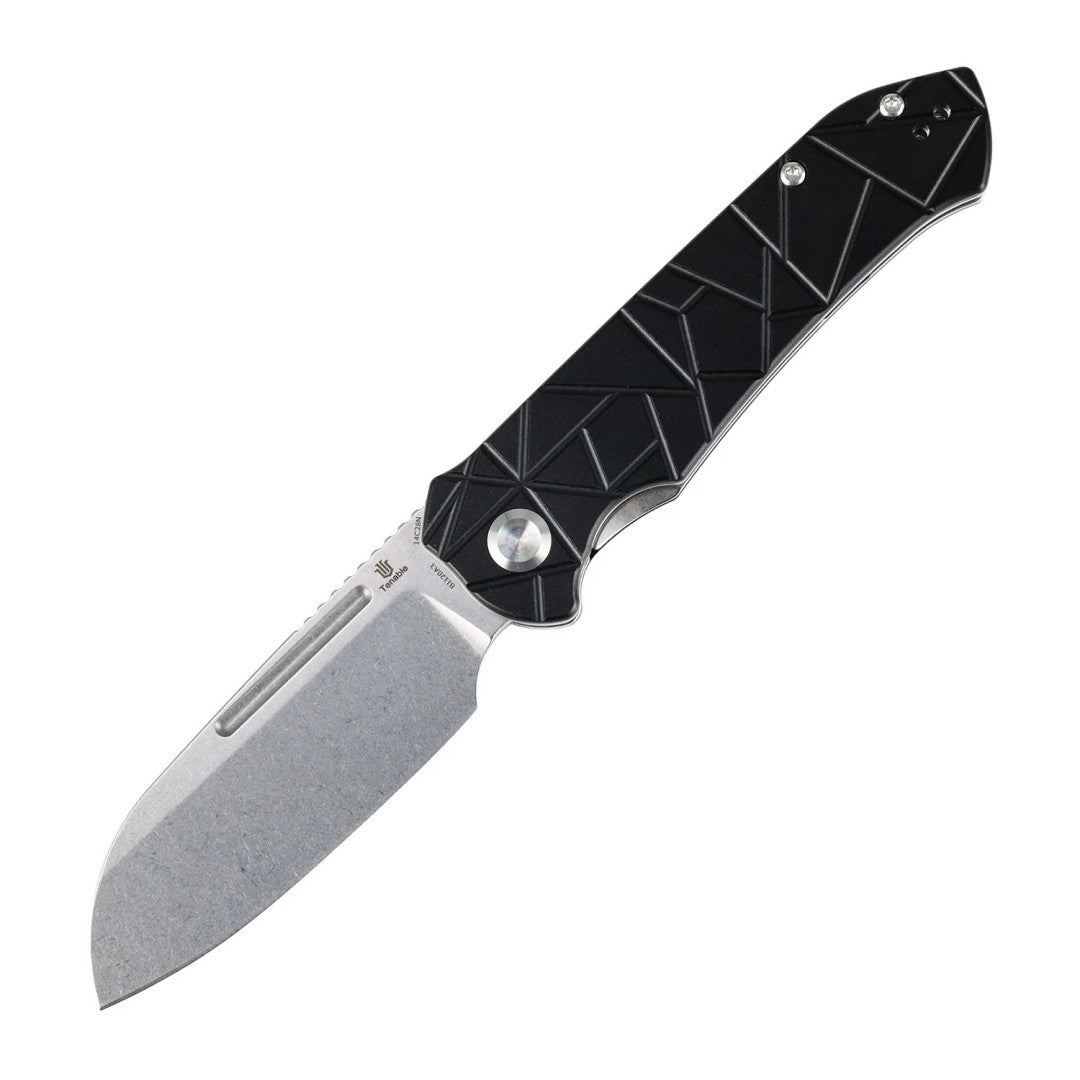
For those who view their knife primarily as a high-utility tool, Sandvik 14C28N is often the gold standard for mid-to-high-range EDC knives. Developed in Sweden, this steel was specifically engineered for professional knife applications, balancing hardness with corrosion resistance.
Why Choose 14C28N?
-
Exceptional Corrosion Resistance: Unlike high-carbon steels, 14C28N is highly resistant to spotting and rust. If you live in a humid climate or frequently use your knife around food or moisture, this is the low-maintenance winner.
-
Ease of Sharpening: While it holds an edge beautifully, it doesn't require a master bladesmith to sharpen. You can achieve a razor-sharp finish with basic sharpening stones or guided systems.
-
Toughness: It is less prone to chipping than ultra-hard "super steels." This makes it ideal for the Tanto blade version of the Foosa, which is often used for piercing and light prying.
The aesthetic of the 14C28N Foosa is clean, industrial, and understated. It screams German engineering and fits perfectly in a modern, tech-focused EDC kit.
The Timeless Art: Damascus Steel
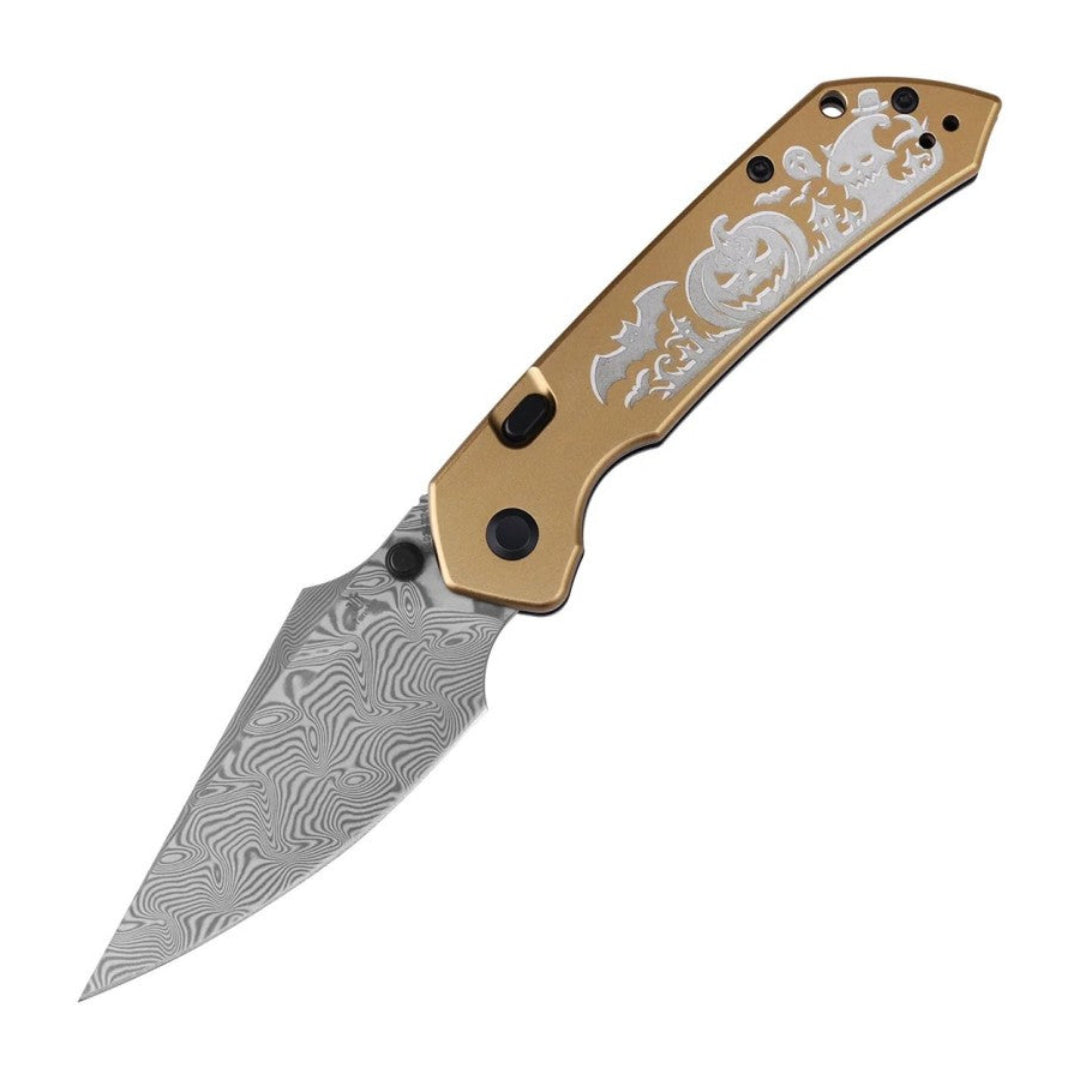
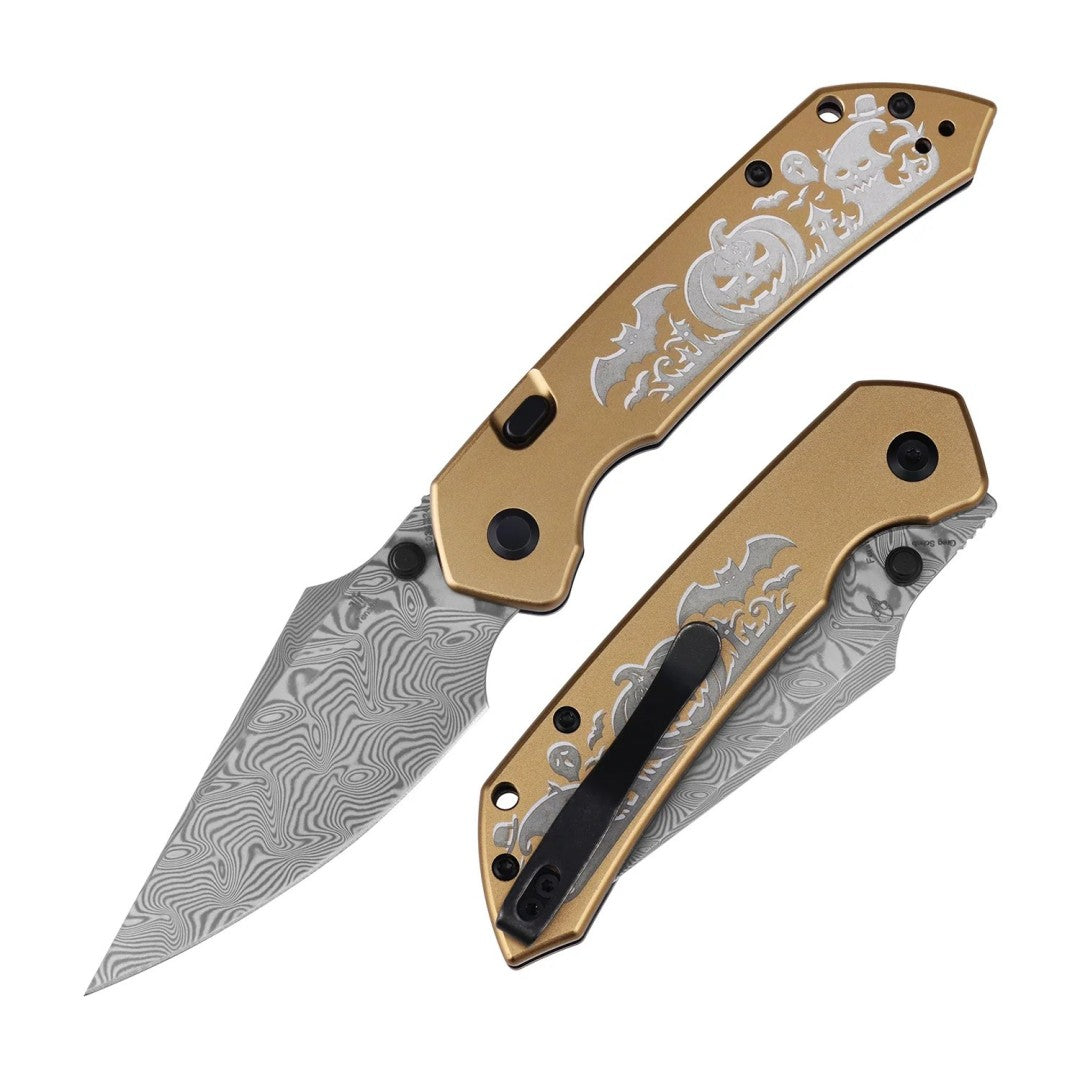
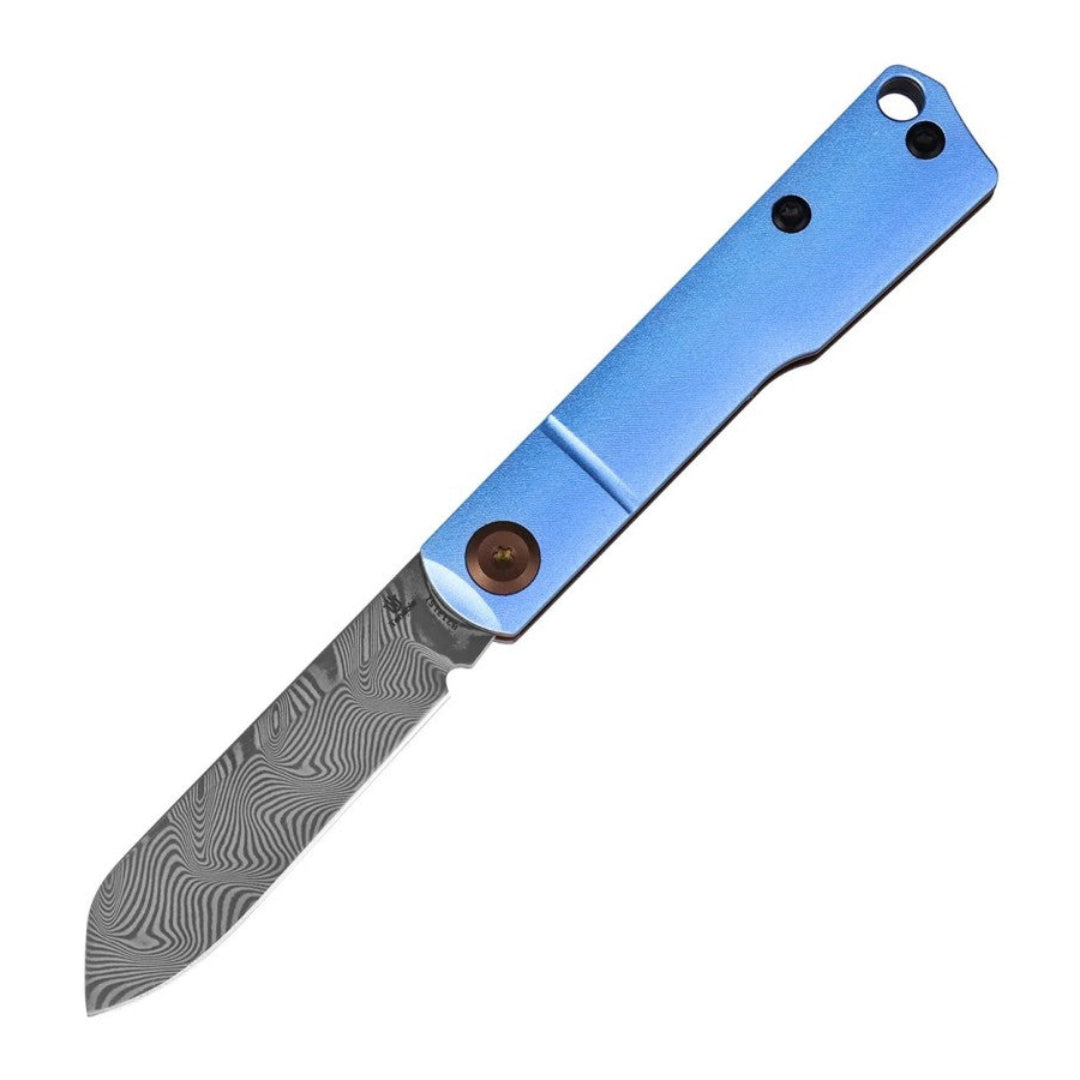
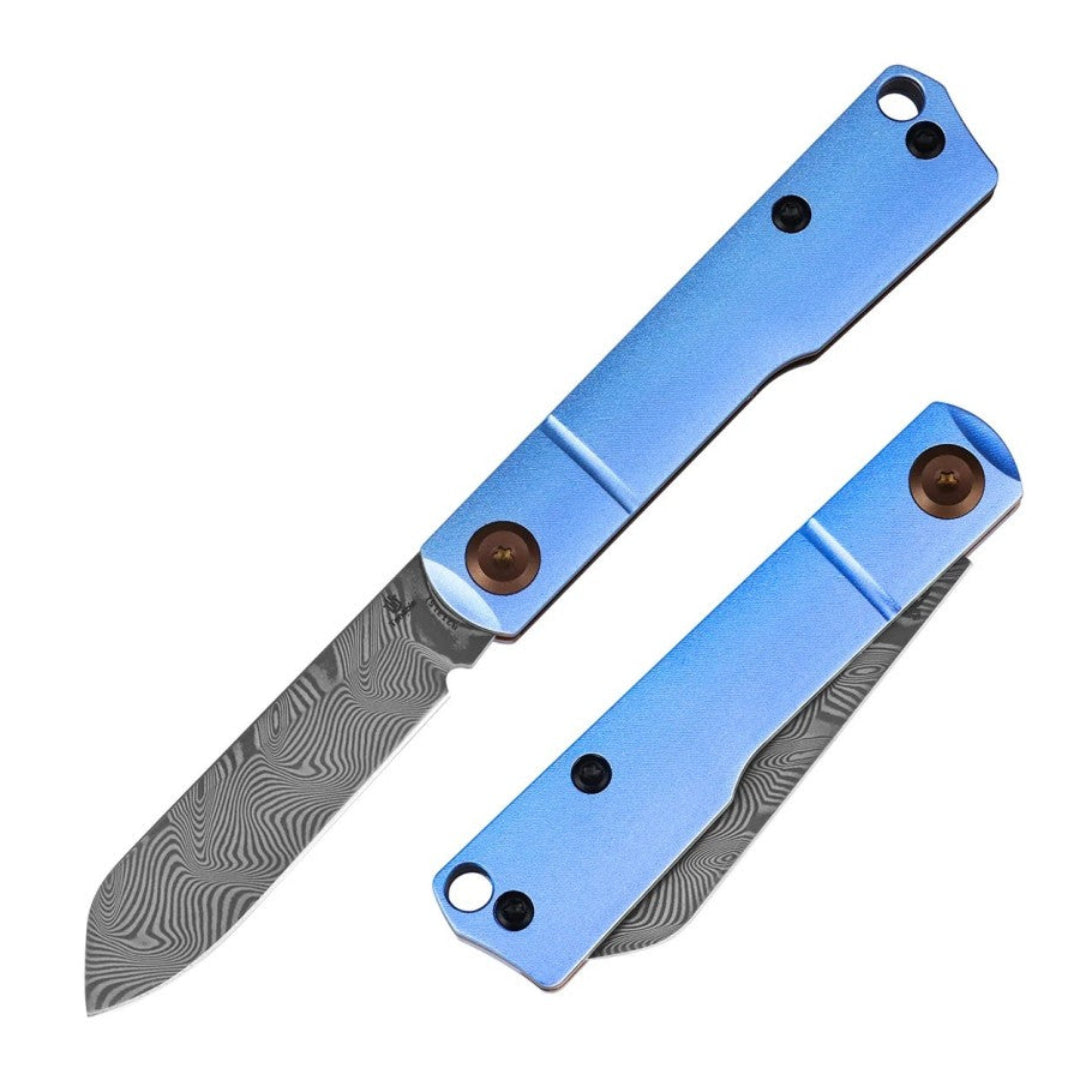
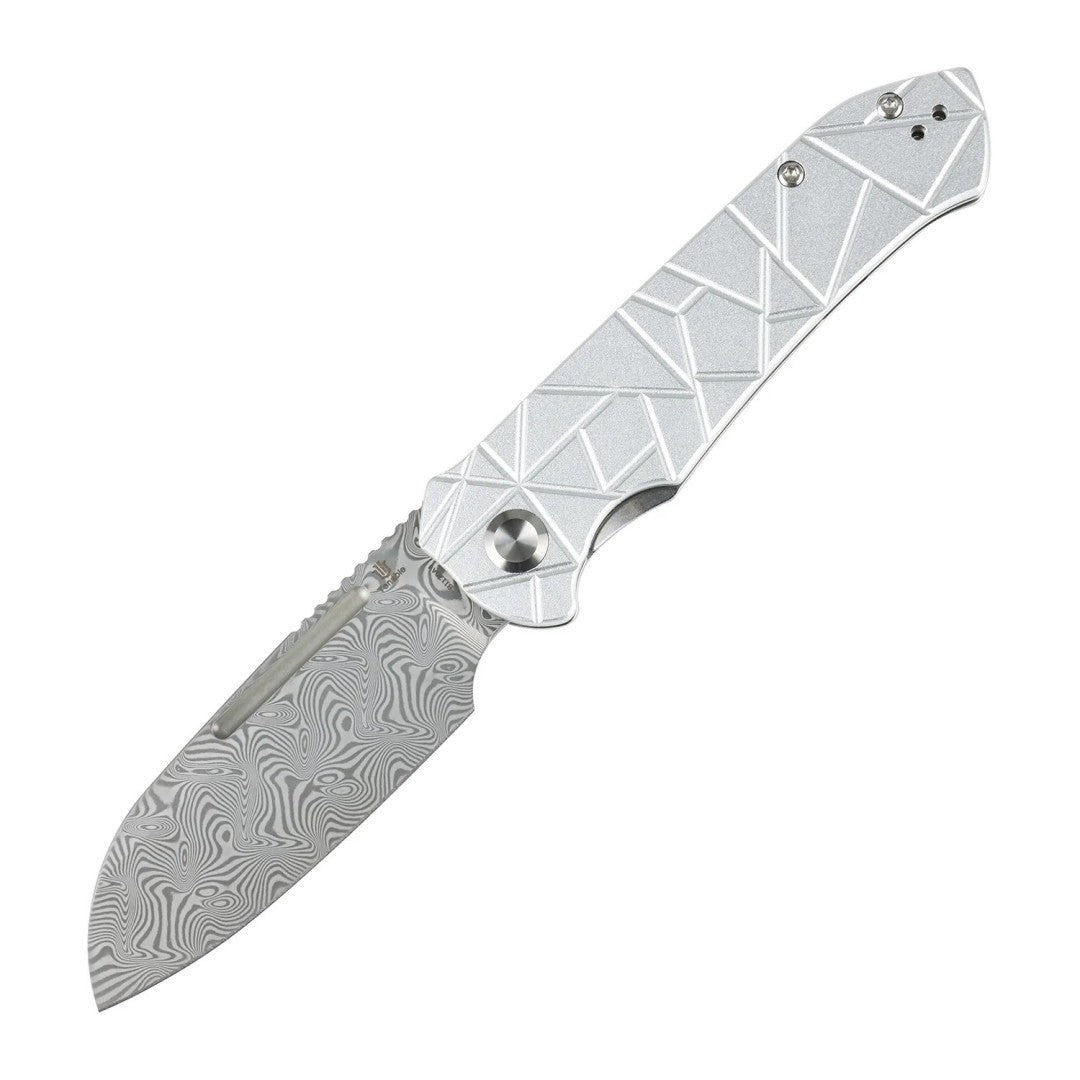
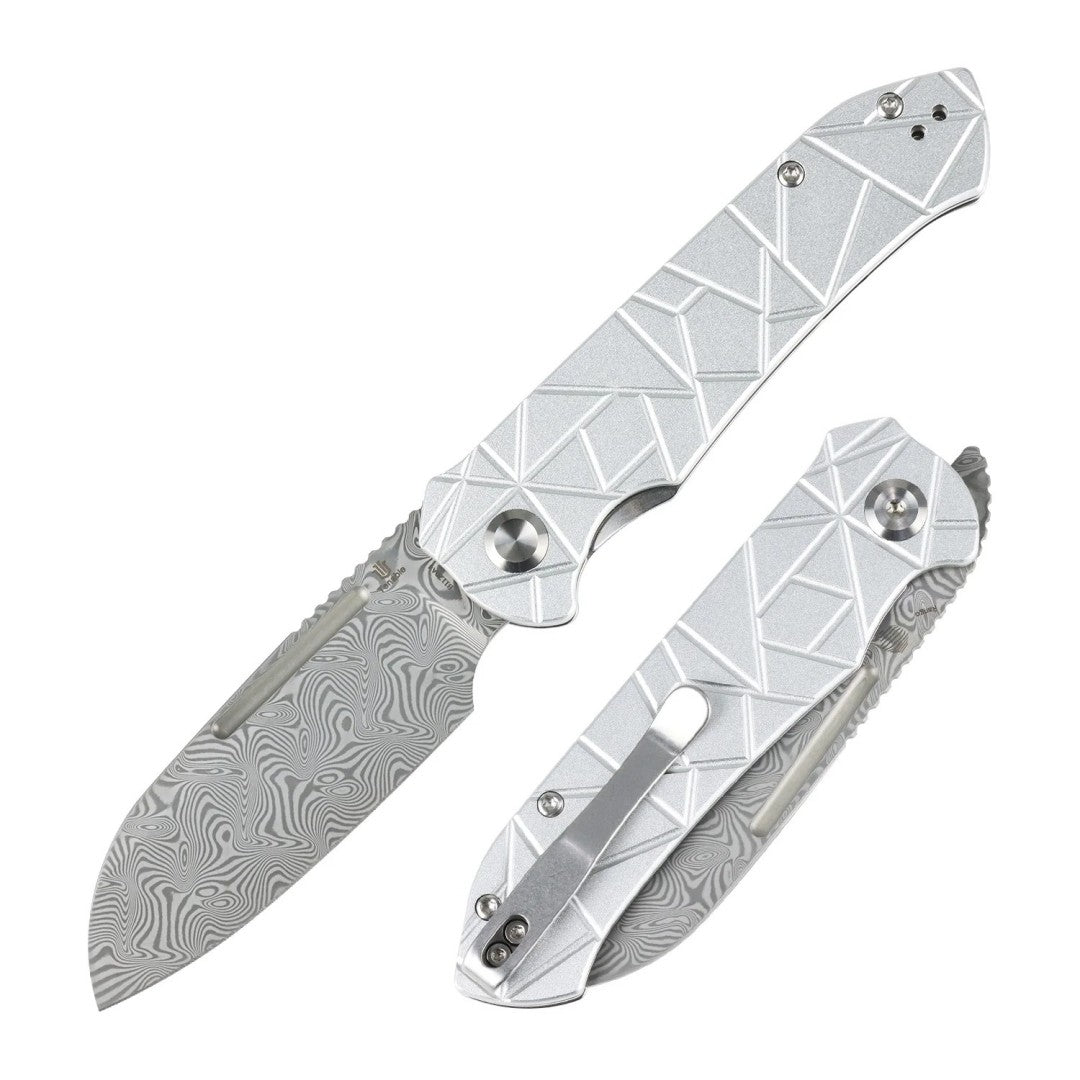
If you believe a knife should be a conversation piece as much as a tool, the Damascus Tenable Foosa is unrivaled. Damascus steel is created by forge-welding different types of steel together, folding and twisting them to create intricate, organic patterns.
Why Choose Damascus?
-
Visual Prestige: No two Damascus blades are identical. The unique wood-grain patterns (often called "Rose" or "Ladder" patterns) give the Foosa a bespoke, custom-knife feel.
-
Heritage and Tradition: Carrying a Damascus blade connects you to centuries of bladesmithing history. It elevates the Foosa from a utility tool to a functional heirloom.
-
Balanced Performance: Modern Damascus used in Tenable products often utilizes high-quality core steels, ensuring that the knife isn't just "all show." It provides respectable edge retention that holds up to daily tasks like opening packages or cutting cordage.
The Damascus Foosa pairs exquisitely with Micarta or Carbon Fiber handles, creating a contrast between high-tech materials and old-world metallurgy. It is the ultimate choice for the "gentleman’s carry."
Technical Comparison: At a Glance
| Feature | Sandvik 14C28N | Damascus Steel |
| Primary Use | Heavy Daily Utility | Collection & Light EDC |
| Maintenance | Very Low | Moderate (Requires Oiling) |
| Edge Retention | High | Balanced |
| Sharpening | Easy | Moderate |
| Visual Style | Minimalist / Satin | Artistic / Patterned |
Performance in the Field: The Slipjoint Factor
Regardless of the steel you choose, the Tenable Foosa remains a non-locking slipjoint. This is a critical design choice by Rolf Helbig. By removing the lock, the Foosa becomes legally carry-friendly in many regions with strict knife laws, such as the UK or parts of Europe.
The "walk and talk"—the mechanical feel and sound of the blade opening and closing—is satisfyingly crisp. The Sandvik version offers a more "sterile" and tactical feel, while the Damascus version feels more like a piece of jewelry that happens to be incredibly sharp.
Maintenance Tips for Your Foosa
To keep your Tenable Foosa in peak condition, your maintenance routine should match your steel:
-
For 14C28N: Simply wipe the blade clean after use. A drop of pivot oil once a month will keep the manual action smooth.
-
For Damascus: Because the pattern is etched to reveal the layers, these blades can be more sensitive to acid and moisture. We recommend a light coat of mineral oil or specialized blade wax to prevent oxidation and keep the pattern "popping."
Conclusion: Which One Is Yours?
Choosing between Sandvik 14C28N and Damascus for your Tenable Foosa boils down to your personal philosophy of carry.
If you want a "zero-fuss" tool that you can abuse during the day and wash off under a tap, the Sandvik 14C28N is the logical, high-performance choice. It represents the pinnacle of modern material science.
However, if you want your EDC to tell a story—if you value the soul of the craft and the uniqueness of the pattern—the Damascus Foosa is an investment you won’t regret. It transforms a simple task like opening a letter into a moment of appreciation for fine art.
Explore the Tenable Foosa Collection
Whether you prefer the Swedish precision of Sandvik or the rhythmic beauty of Damascus, find your perfect match today.