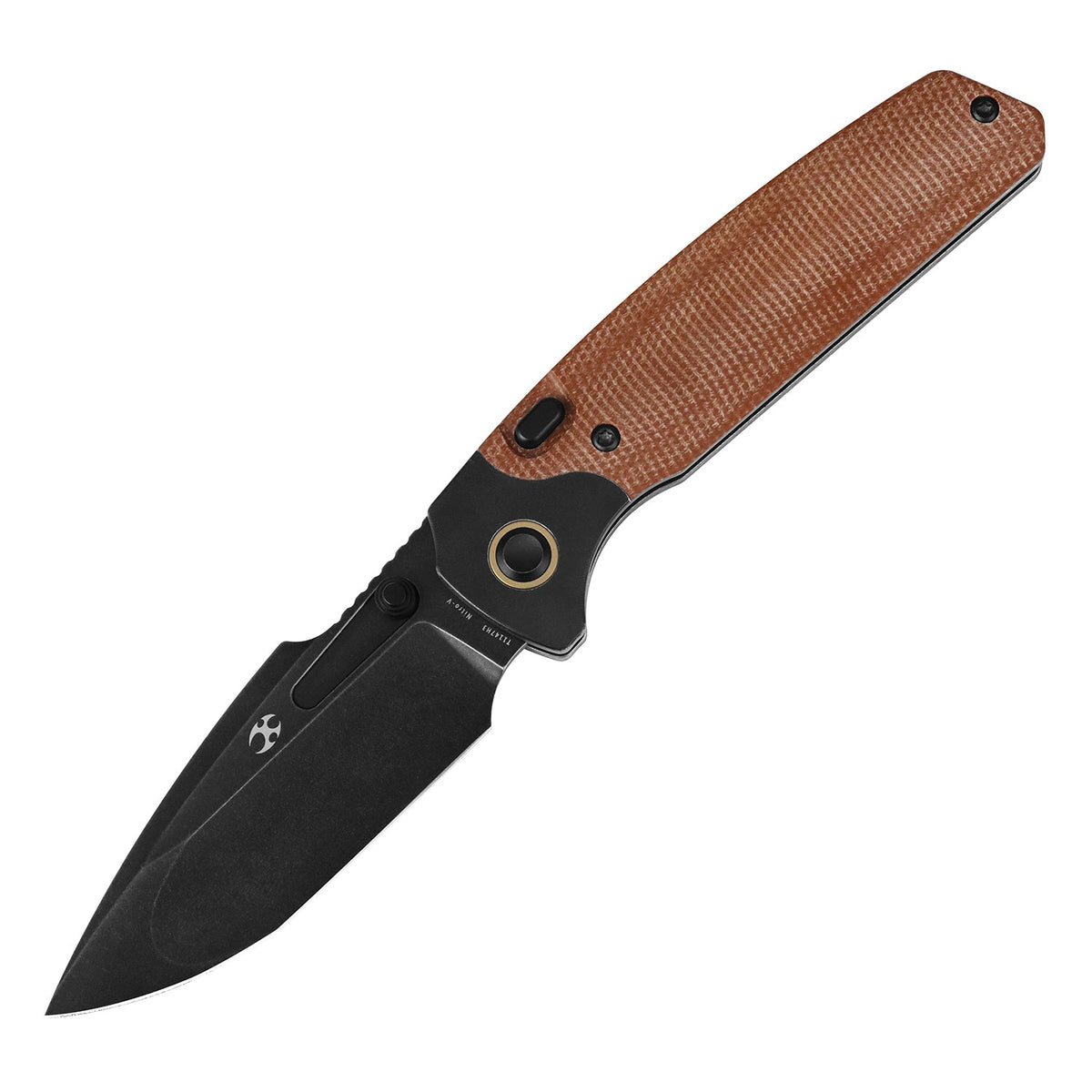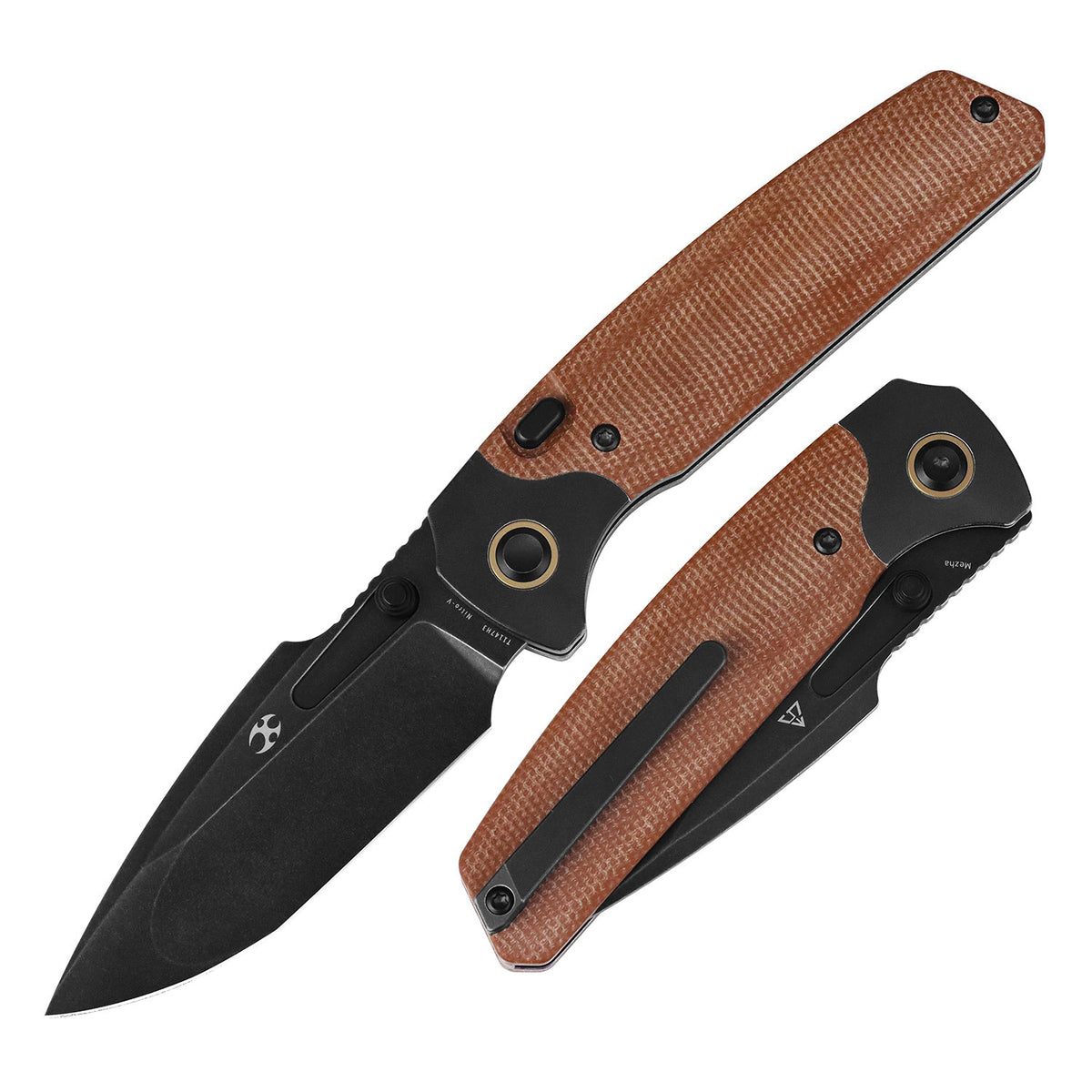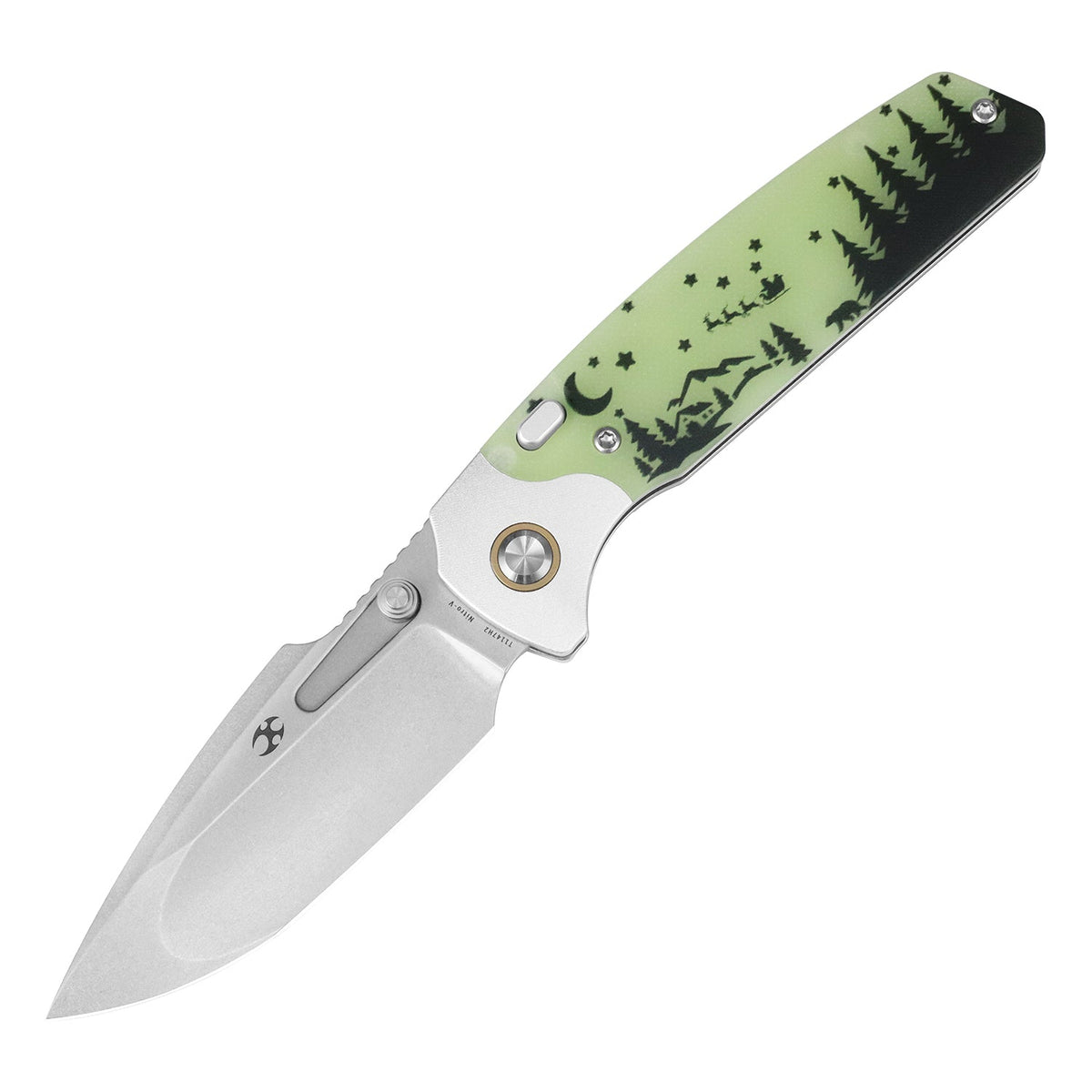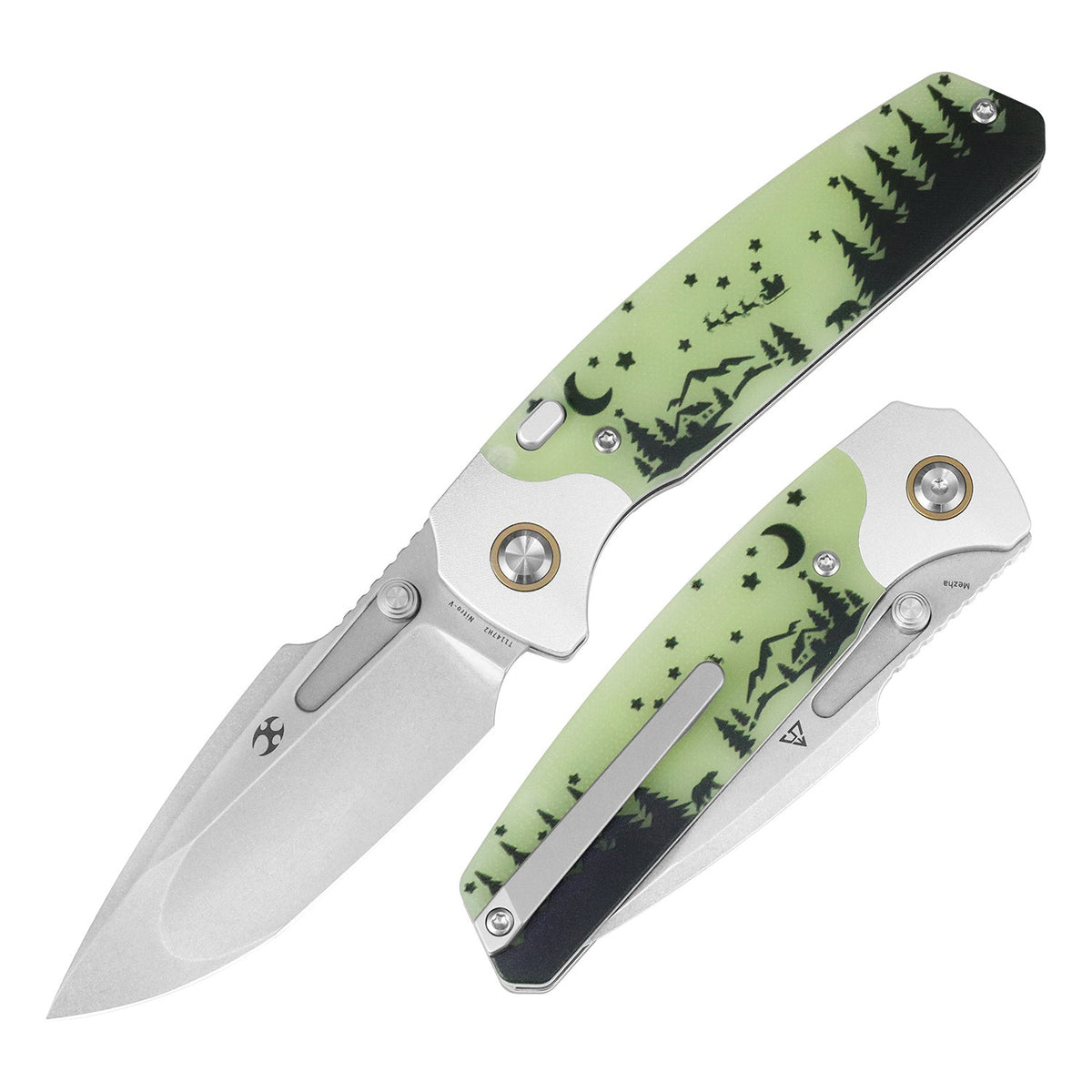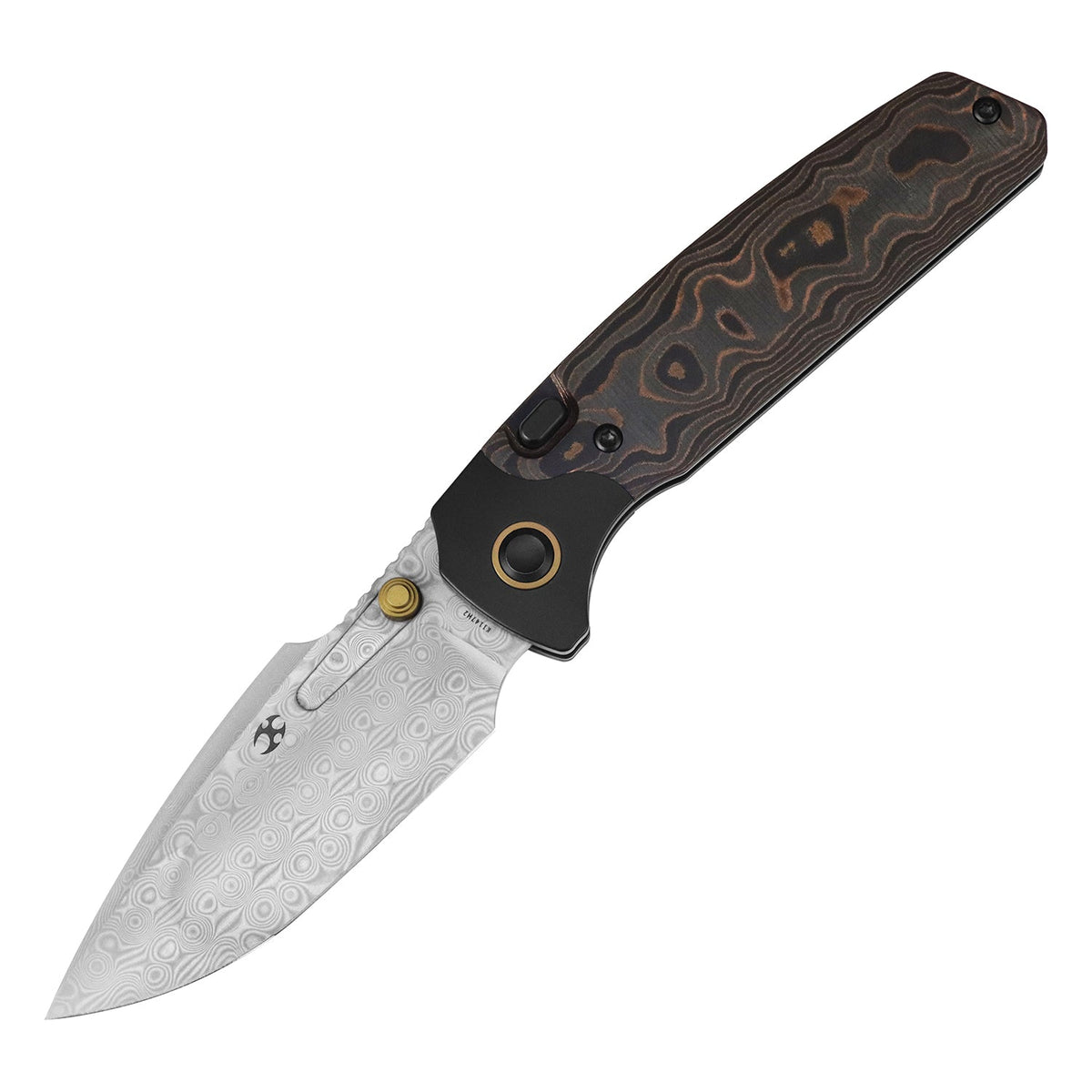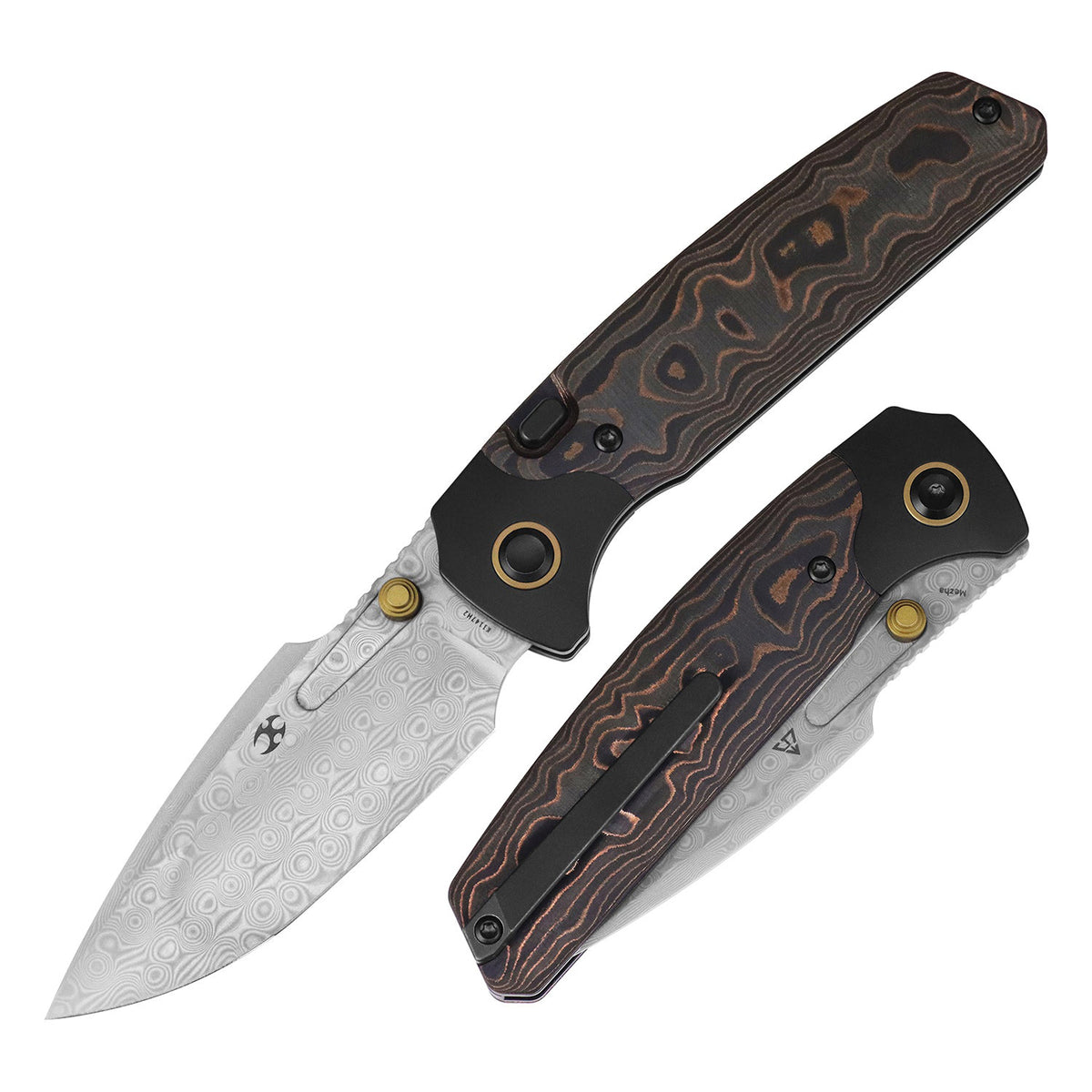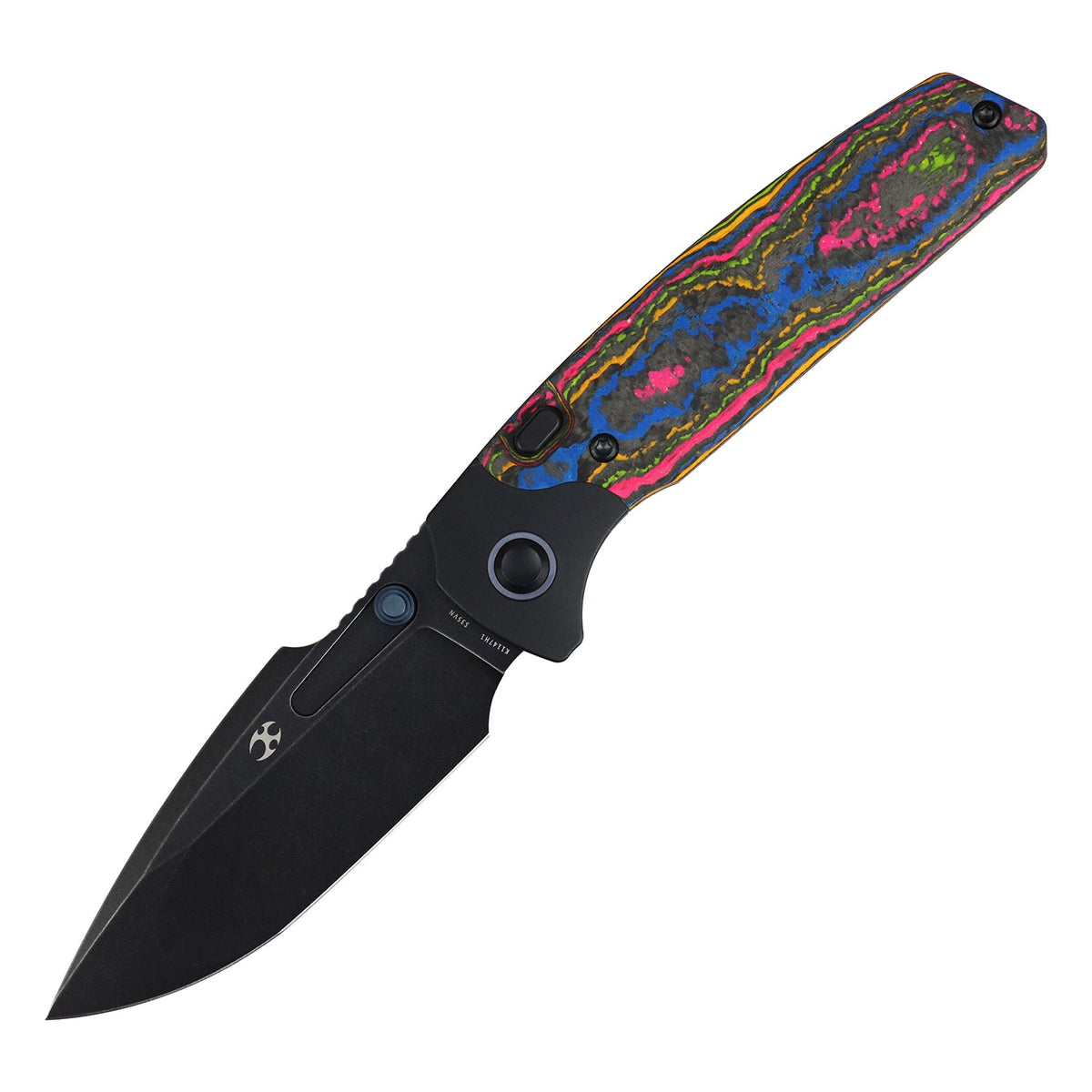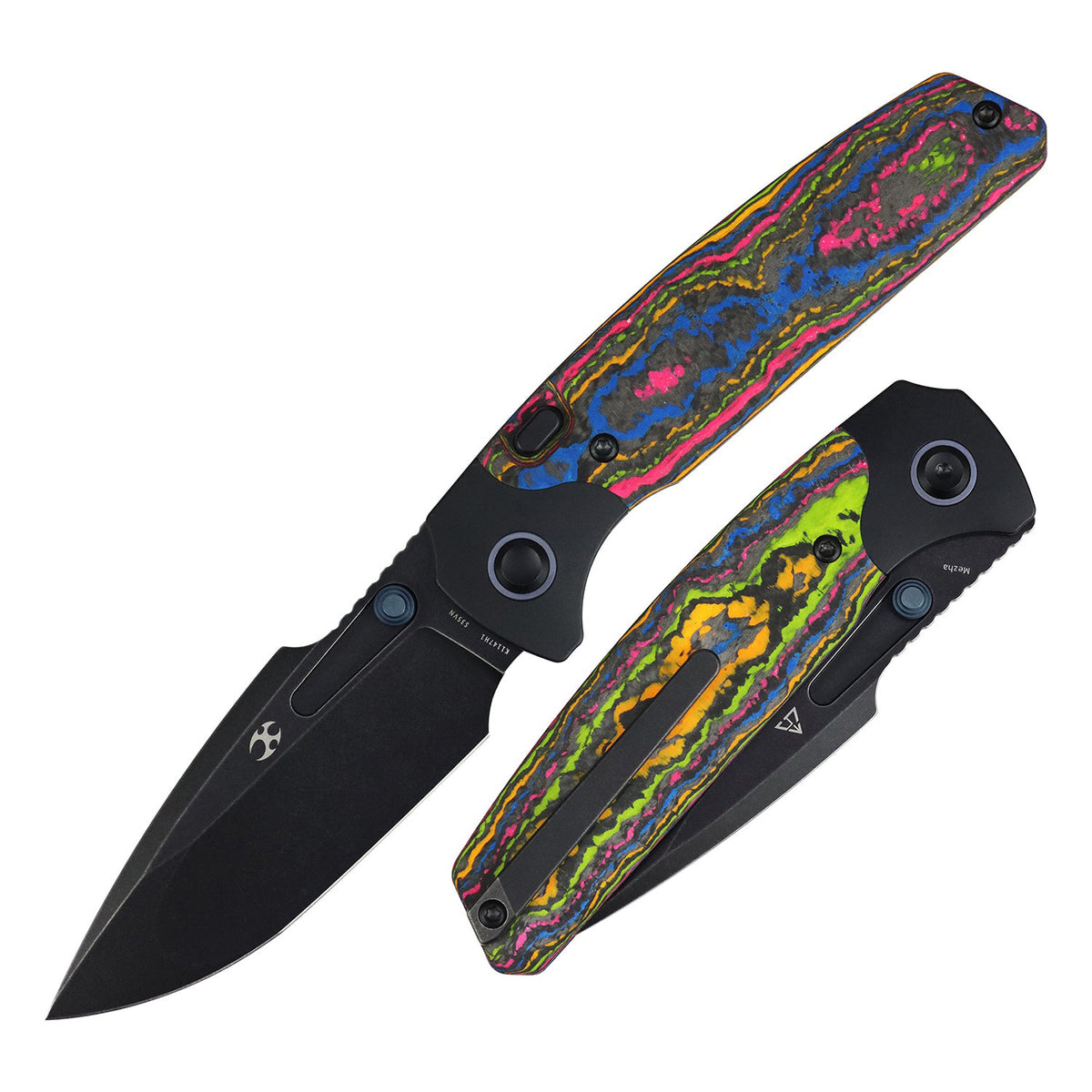

Overview & First Impressions
Natural handle materials are the only part of a pocket knife that can actually fail from neglect. The SK260514-4 pairs a satin 14C28N sheepsfoot blade with dark red jigged bone, brass hardware and a nail nick, and it is a textbook case: gorgeous, dimensionally stable, and prone to drying and shrinking if you treat it like plastic.
Materials & Construction
Bone is calcium and collagen. It absorbs and releases moisture with the room, which is why old knives show gaps at the liners in winter. Antler behaves the same way but is denser near the crown. The 14C28N blade is the opposite problem - highly stain resistant, so people forget it needs care too. Both halves need slightly different habits.

Design & Details
The brass liners and pins are the tell for age: they tarnish before anything else, and if you polish them you will see how the bone sits against metal. Jigged bone is dyed and textured, so a light wax makes the color richer without changing the grip. Avoid silicone-based polishes; they can darken bone unevenly.
Real-World Use
Carry it, cut with it, and wipe the blade with a dry cloth before it goes back in the pocket. The sheepsfoot blade is safe for draw cuts and box work, which is most of what a traditional folder does. The nail nick means two-handed opening, so this is a slow, deliberate knife in the best sense.

Ownership Notes
Twice a year, put a drop of mineral oil on a cloth and work it into the bone, then buff off the excess. Store the knife at moderate humidity, not next to a radiator and not in a sealed safe with silica. If the bone has already shrunk, a knife maker can re-pin it, but prevention is much cheaper than repair. Sao knives use brass pins and liners on the bone models, which tarnish faster than the bone itself and tell you when it is time to clean. Compare it with a modern folding knives handle in G10 and the difference in warmth is immediate on a cold morning. The 14C28N blade touches up quickly on a ceramic rod, which suits a traditional knife used for light work. Replacement units appear at EdcMall regularly, but bone color varies between batches, so buy the one you can see. If the handle ever feels chalky, that is the first sign it wants oil, and a single treatment usually reverses it. Do not oil the pivot at the same time, or the action will feel sluggish for a week while the excess works its way out. Owners of traditional EDC knives already know the routine, which is use it, wipe it, oil it twice a year, and repeat.
Who Is This For?
This is for people who appreciate patina and ritual rather than flick-open convenience. Traditional slip-joint and liner-lock shooters, whittlers, and anyone whose grandfather carried a bone-handled knife will feel at home. It is a poor fit for wet outdoor work.
Final Verdict
A well-made traditional folder with modern steel, and the bone is the reason to own it rather than a G10 version. Give it oil twice a year and it will outlive the trend cycle.