
Overview & First Impressions
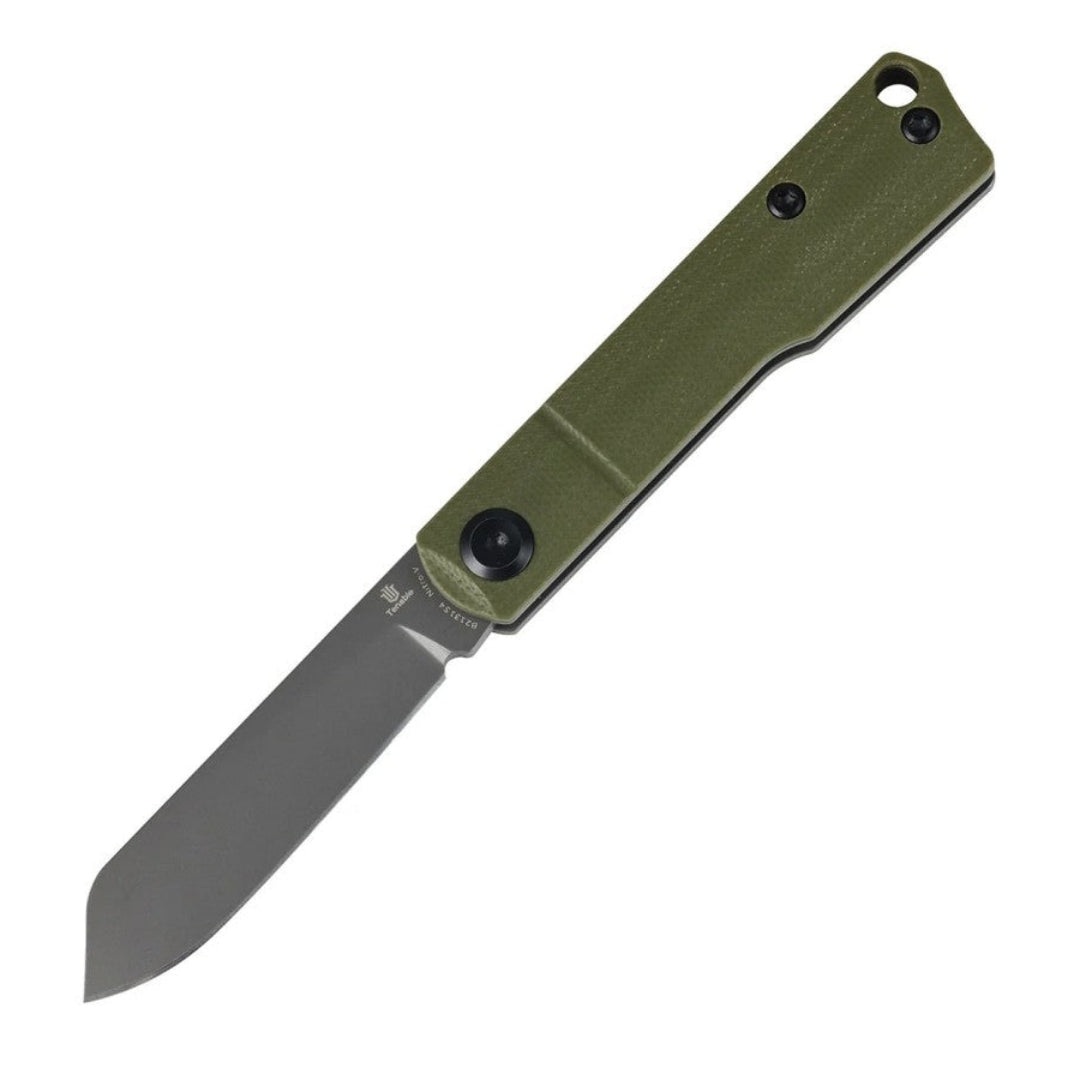
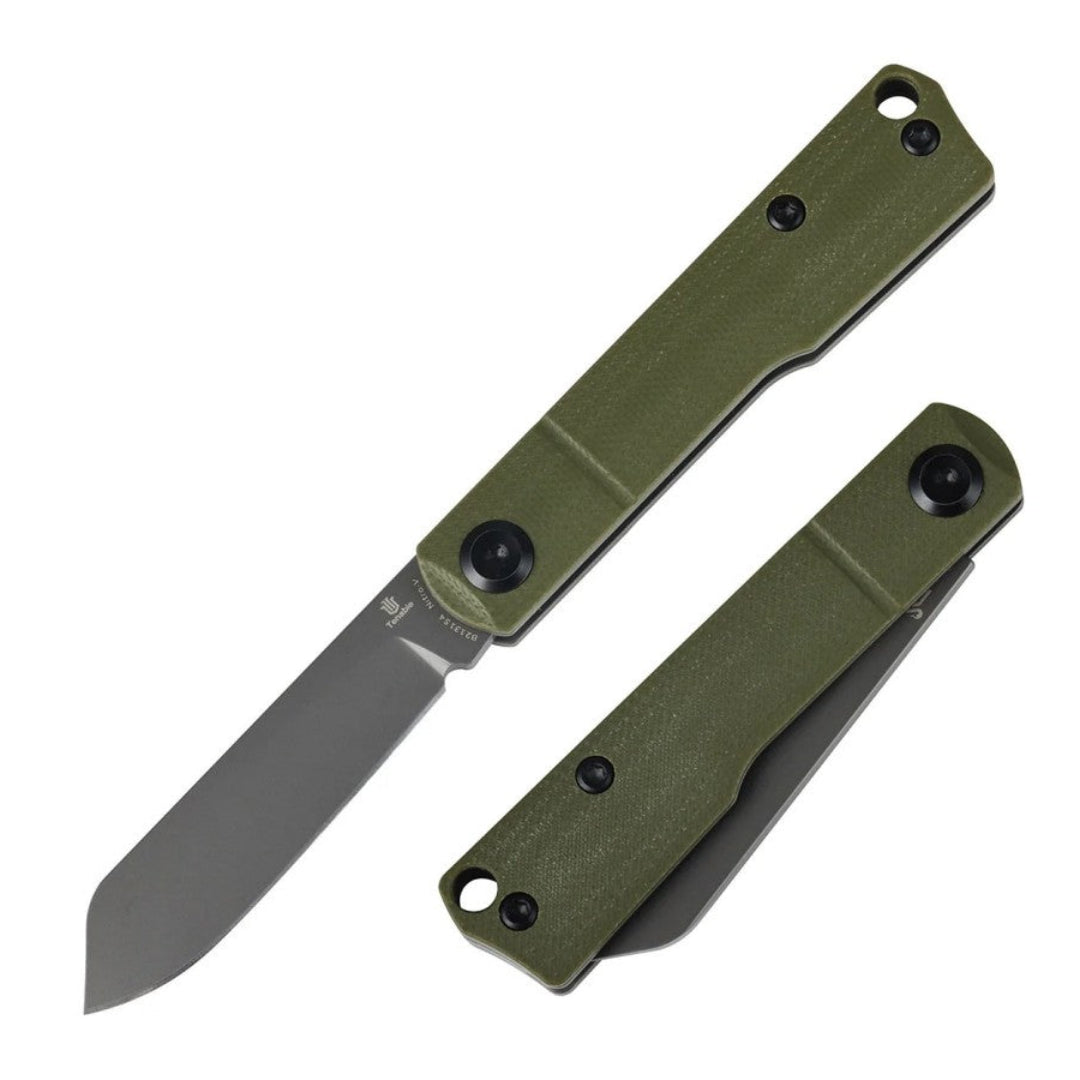
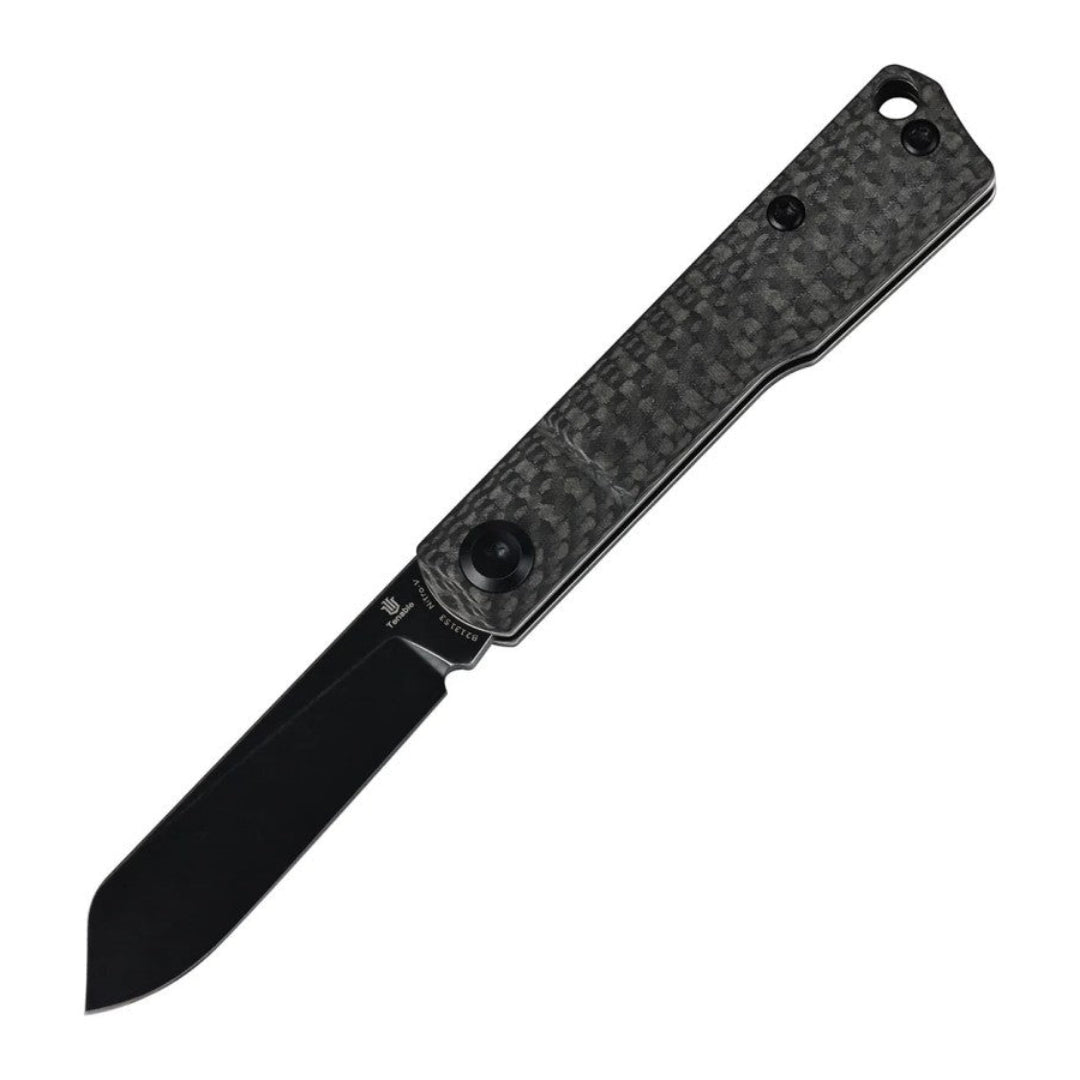
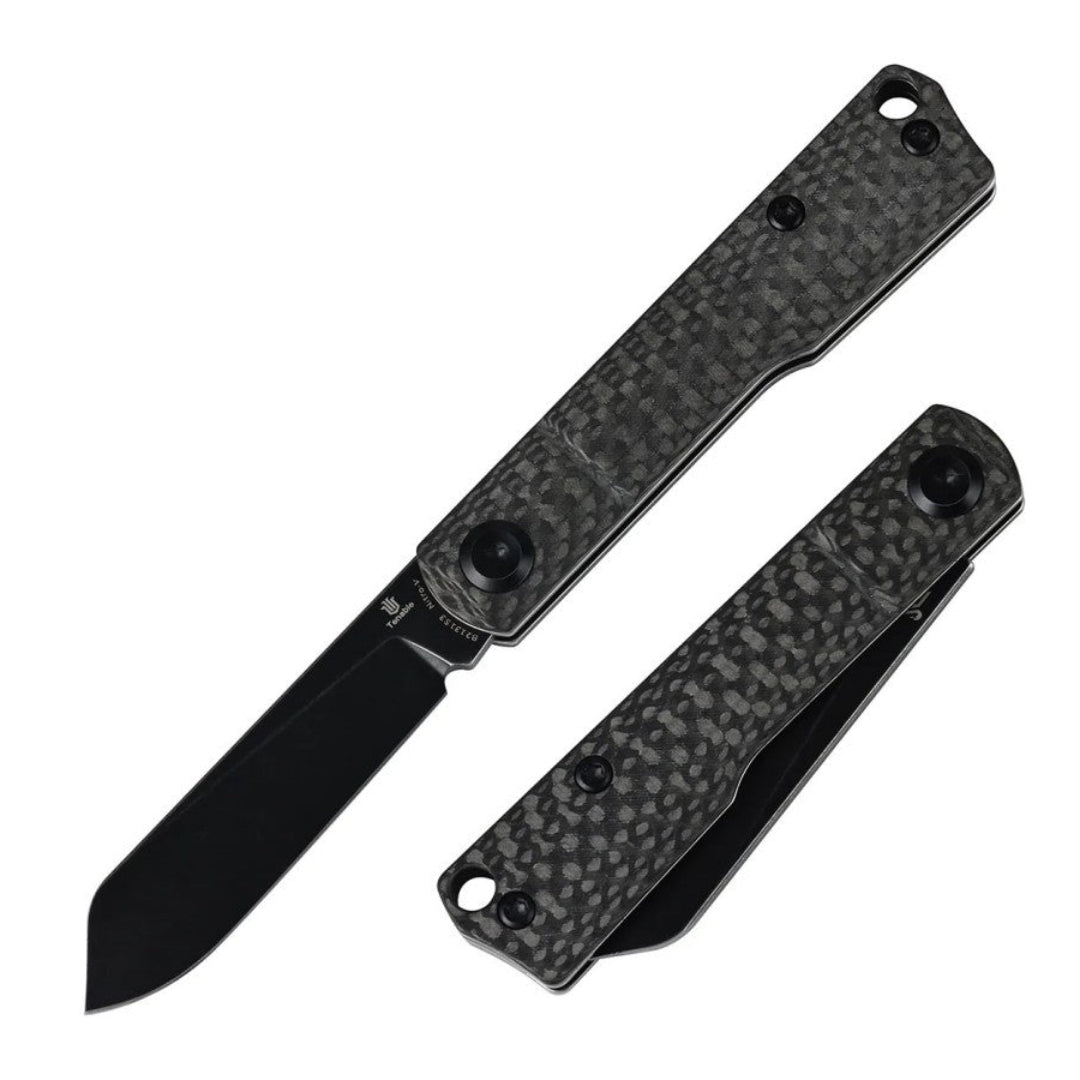
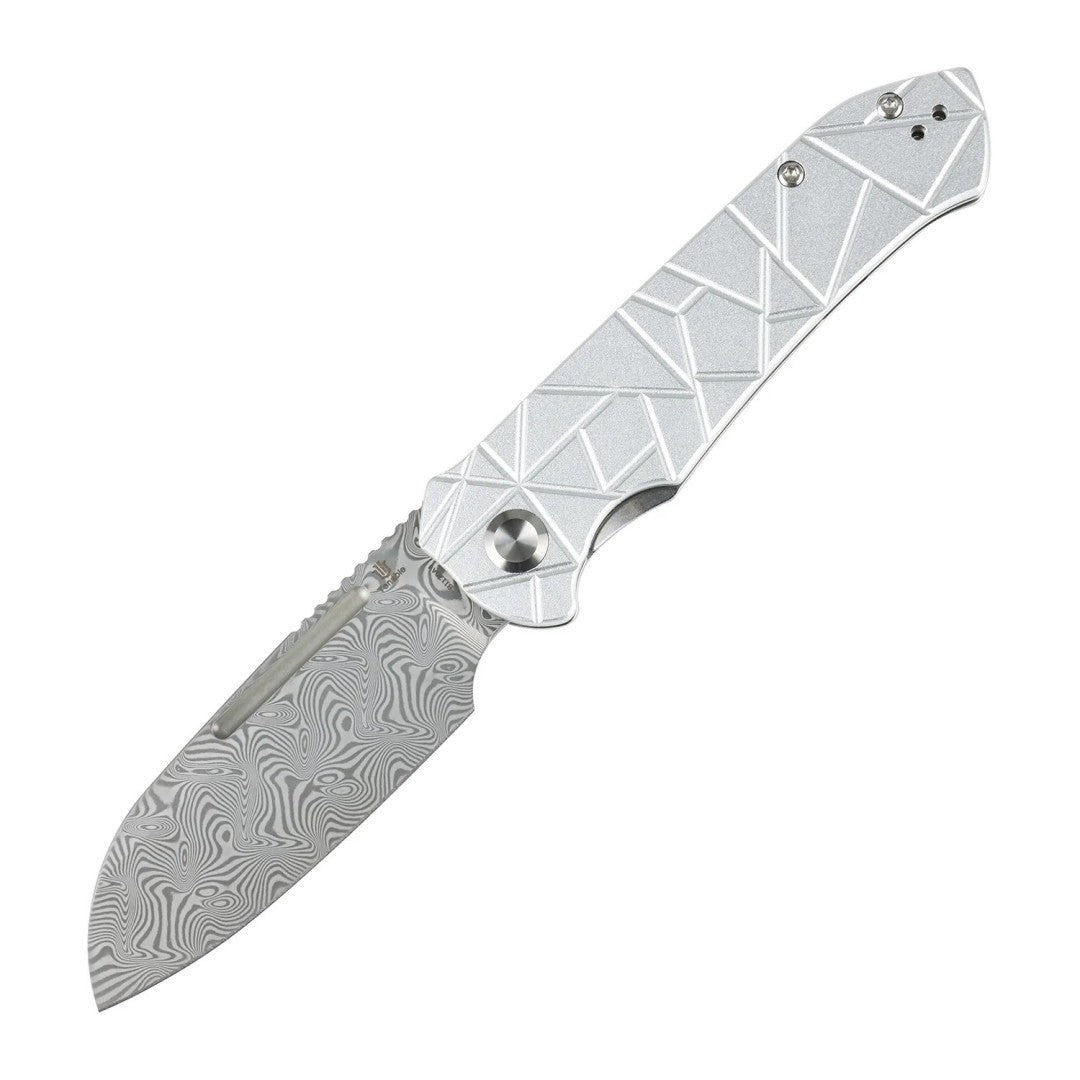
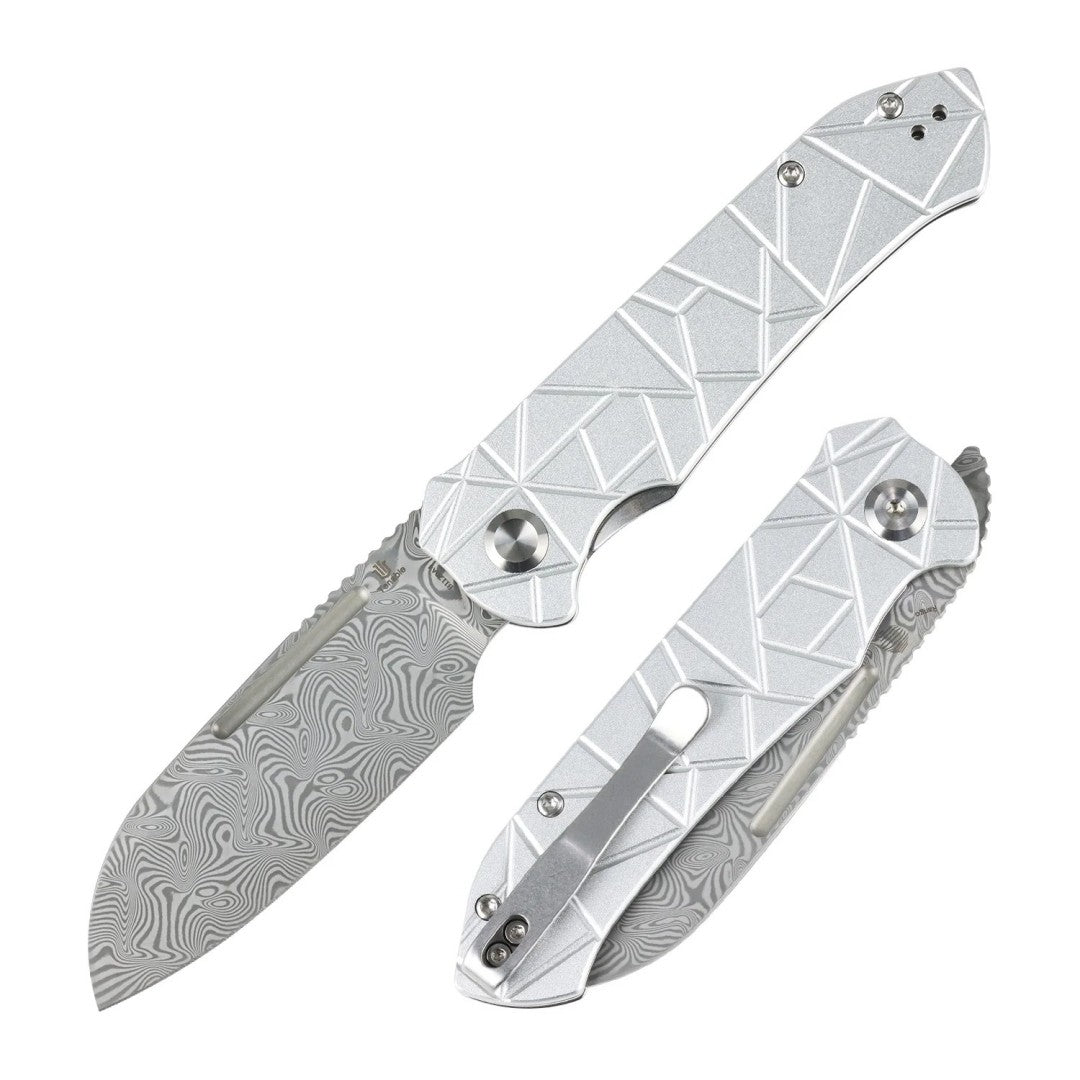
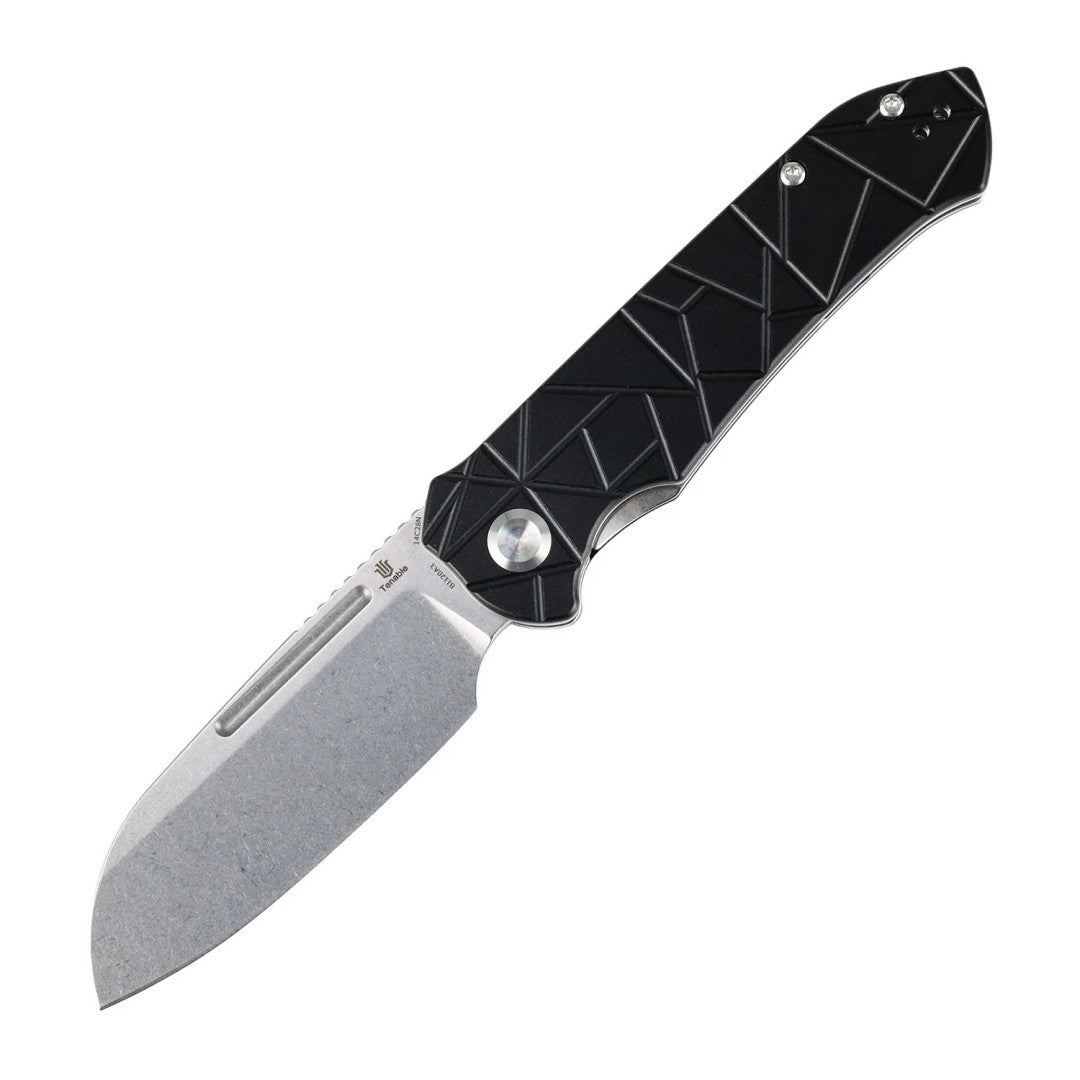
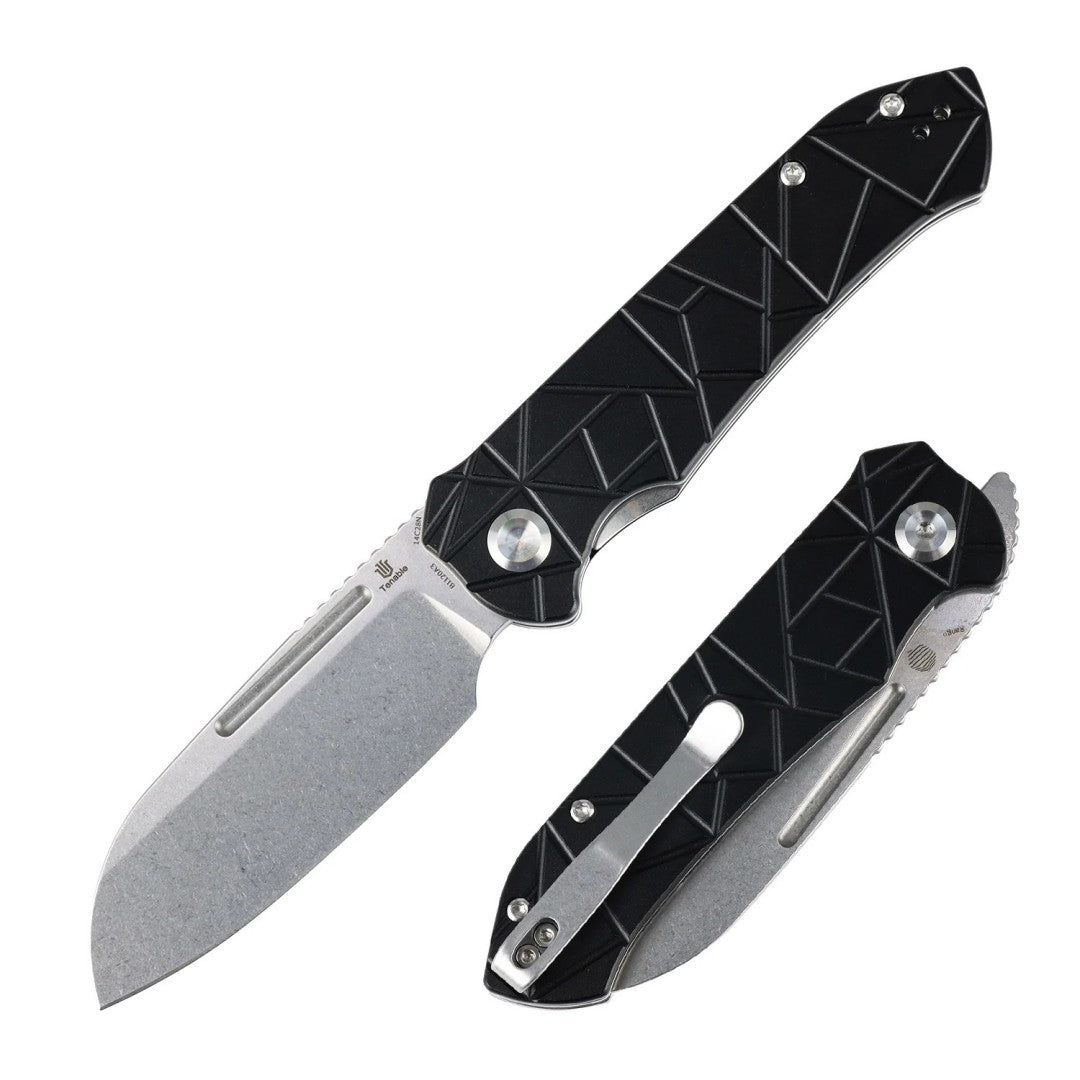
Sao knives moved into out-the-front automatics this season, and two of the new shapes are worth comparing directly. The Fork and the Comb share the same aluminium frame, the same bone patch handle treatment and the same 14C28N blade steel, and they differ mainly in blade geometry. That makes the choice straightforward: pick the profile that suits the work you actually do. As EDC knives both are compact, quick to deploy and more interesting to look at than most production automatics.
Materials & Construction
The blade is 14C28N, a Swedish stainless with fine grain and excellent corrosion resistance, which is a sensible choice for an automatic because the blade spends its life folded inside a handle. The frame is machined aluminium with a bone patch inlay, giving a warm, organic look that offsets the mechanical action. Internals are stainless, and the firing spring is rated for repeated cycling rather than a few hundred actuations. The bone is sealed, so it does not absorb moisture or swell the way untreated natural material can.

Design & Details
Both are out-the-front designs, with a sliding actuator on the spine that fires the blade forward and retracts it. There is a safety to prevent accidental deployment, and the action is firm enough that an inexperienced user will not fire it by mistake. The Fork carries a narrower, more pointed profile that suits piercing and detail work, while the Comb has a broader, more general profile that handles slicing tasks better. Both have a pocket clip and both ride flat in a pocket despite the mechanism inside.
Real-World Use
An OTF automatic is not the right tool for heavy cutting, and neither of these pretends otherwise. Where they excel is one-handed deployment in situations where you cannot use both hands: opening mail, breaking down a carton, cutting tape or cord while holding something else. The Fork is better for fine tasks and for reaching into tight spaces, and the Comb is better for slicing and for general utility. Both retract cleanly, which matters more than most buyers expect from an automatic.

Ownership Notes
Maintenance is straightforward: keep the blade channel clean, avoid dropping the knife on a hard surface, and use a light lubricant sparingly on the mechanism. The 14C28N blade touches up easily on a simple stone, which is a real advantage over harder steels in a knife people actually use. Collectors who already own Sao knives will find the finish consistent with the rest of the range, and anyone building a set of EDC knives will find the OTF mechanism adds genuine variety. Both models are stocked at EdcMall. It is not a replacement for folding knives when a job needs sustained pressure, but for quick cuts the automatic mechanism is genuinely faster.
Who Is This For?
Choose the Fork if you want a slimmer, more focused blade for detail work. Choose the Comb if you want a broader blade for general slicing and daily utility. Neither is the right choice for hard outdoor use or for anyone who wants a locking folding knife for heavy tasks. If you have never owned an OTF automatic and want to understand why people like them, either model is a good and affordable introduction.
Final Verdict
These two Sao automatics are honest, well-made knives at a price that makes trying an OTF realistic. The 14C28N blade is easy to maintain, the bone patch handle gives them character, and the mechanism cycles reliably. The Fork is the better precision tool and the Comb is the better everyday cutter. Pick according to the tasks in front of you, and you will get exactly what the profile promises.