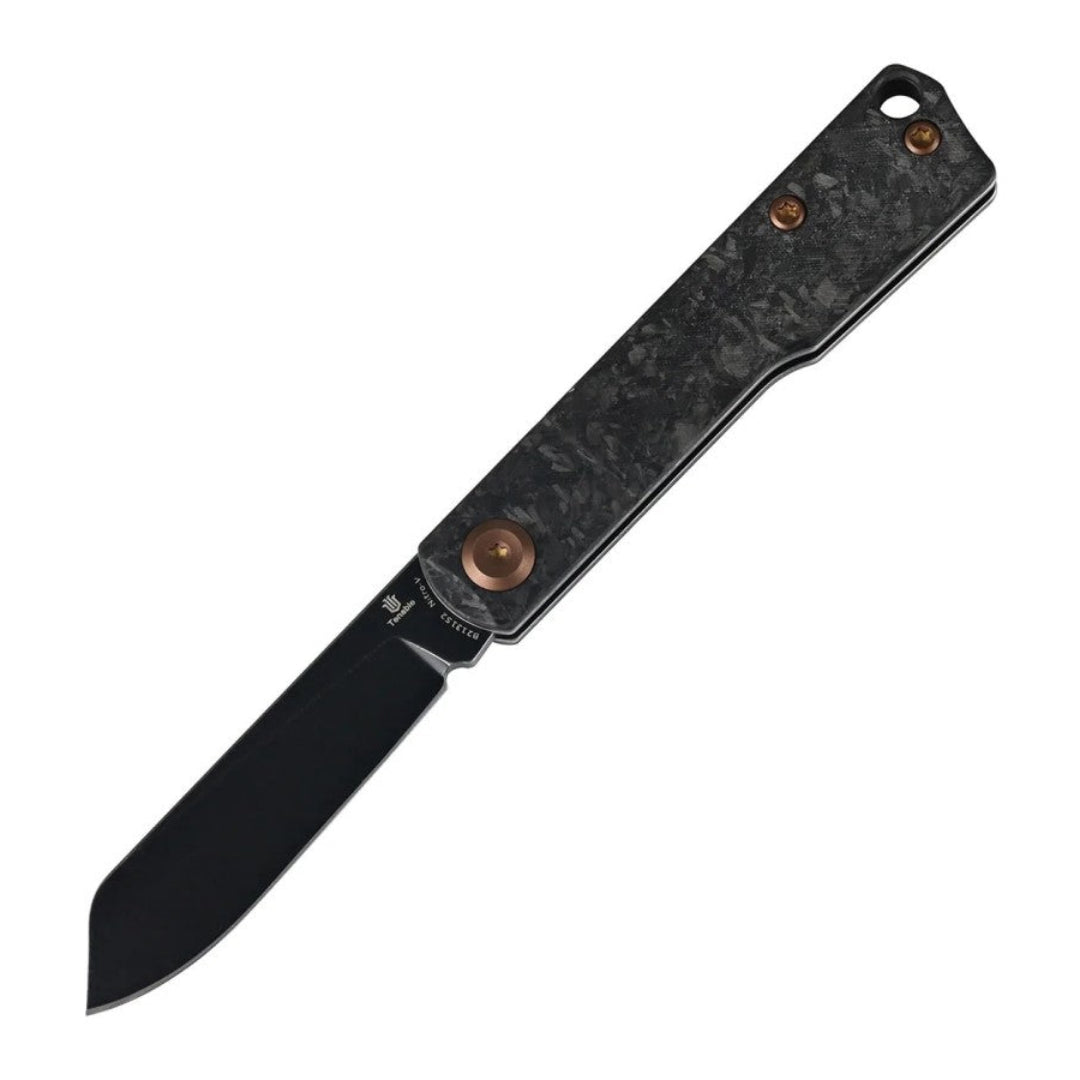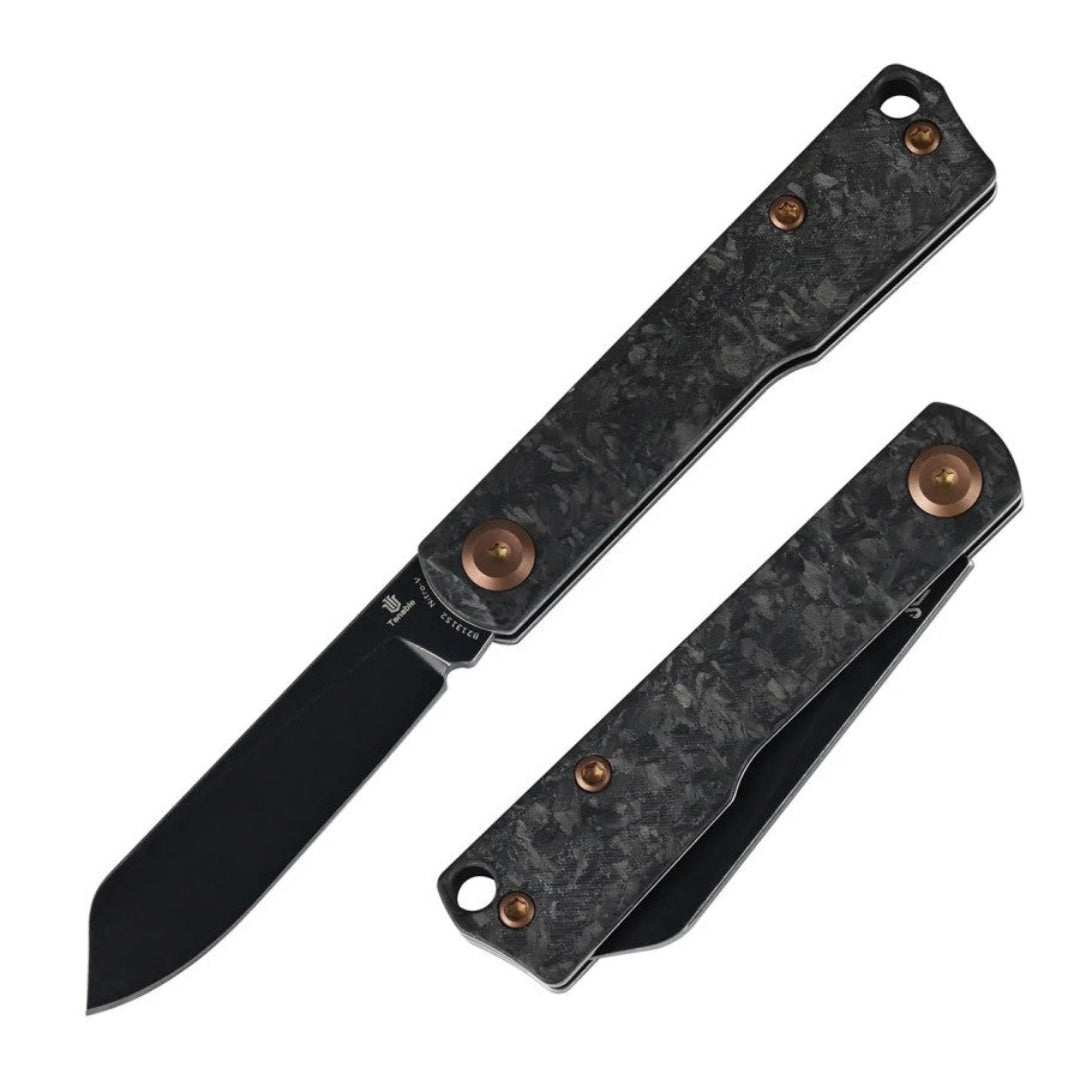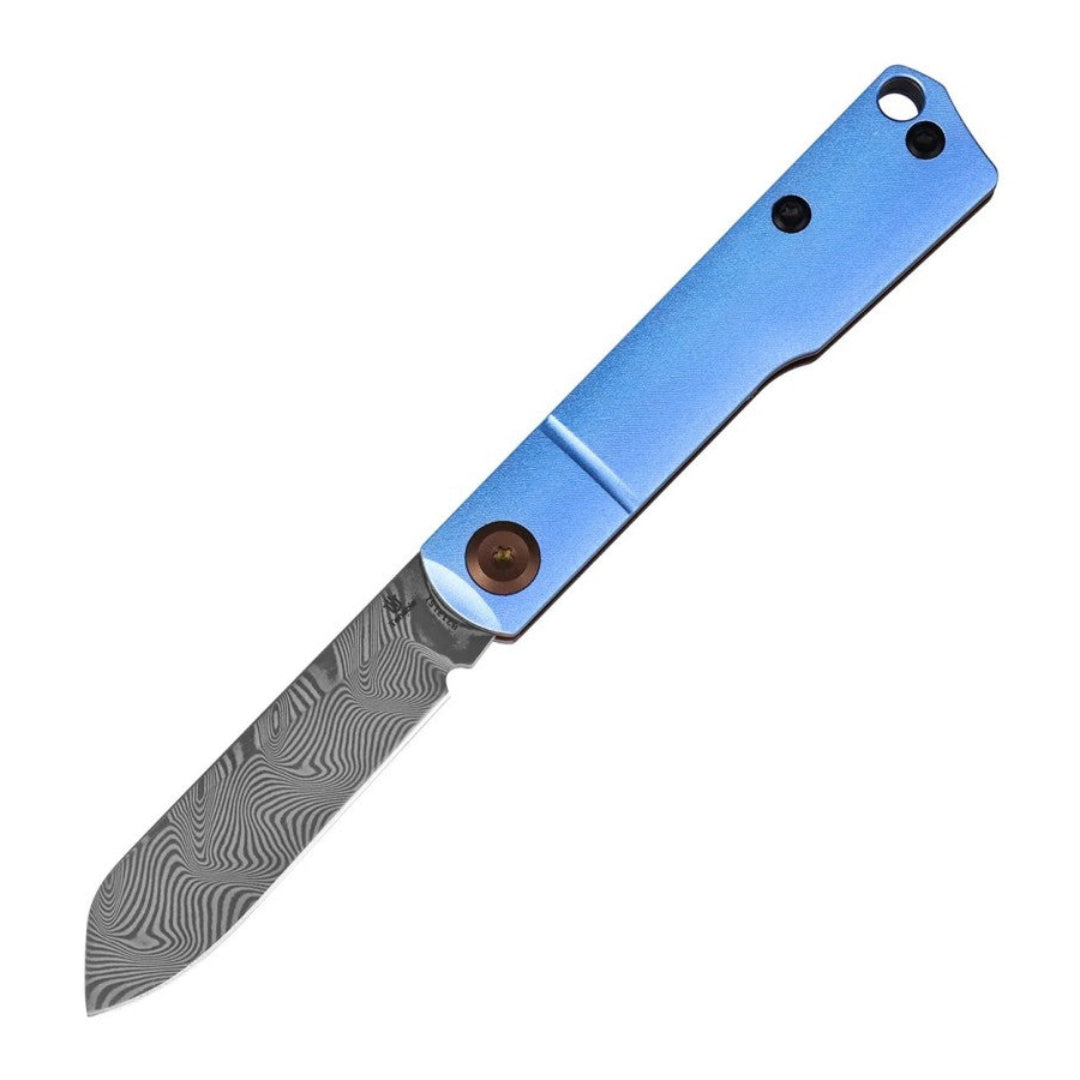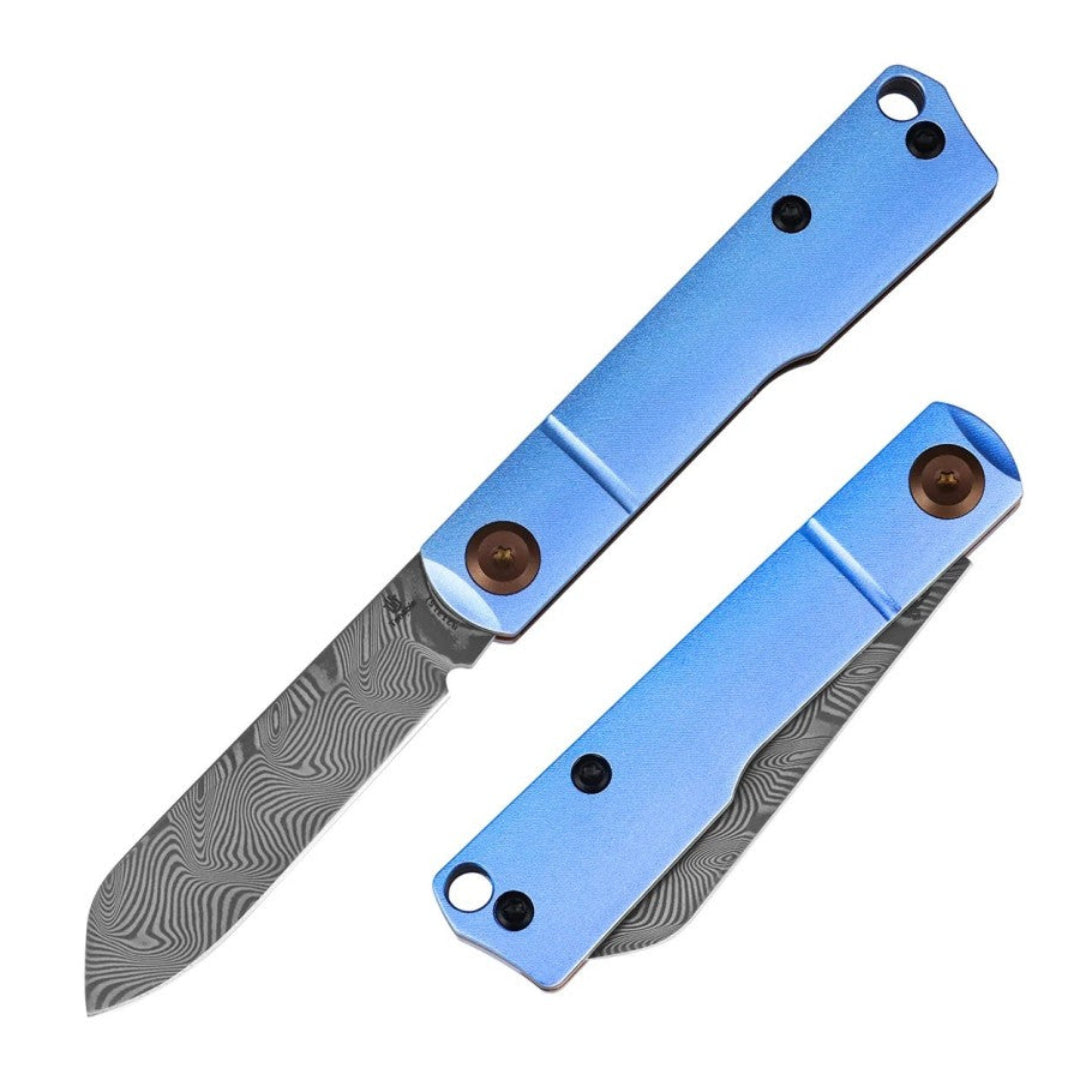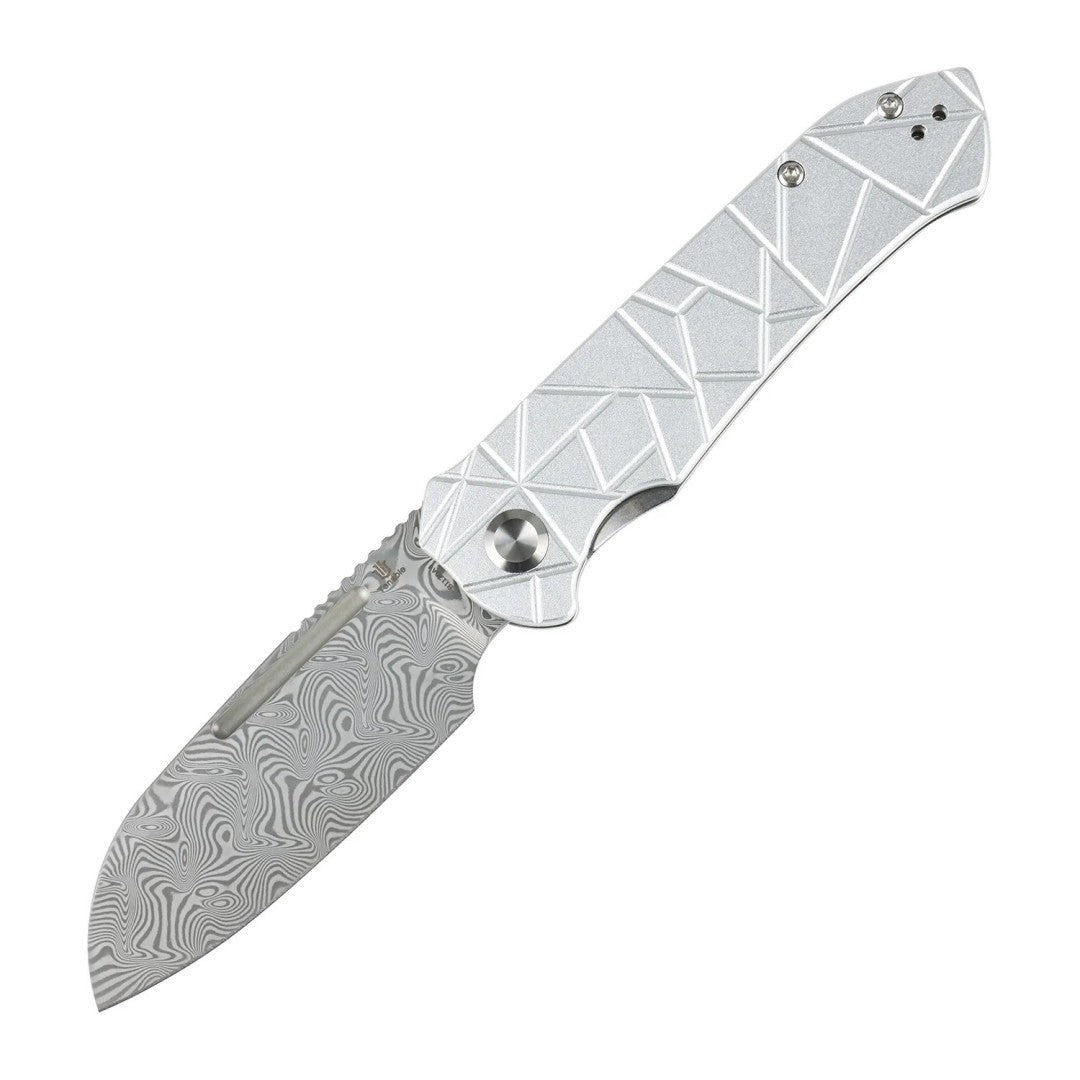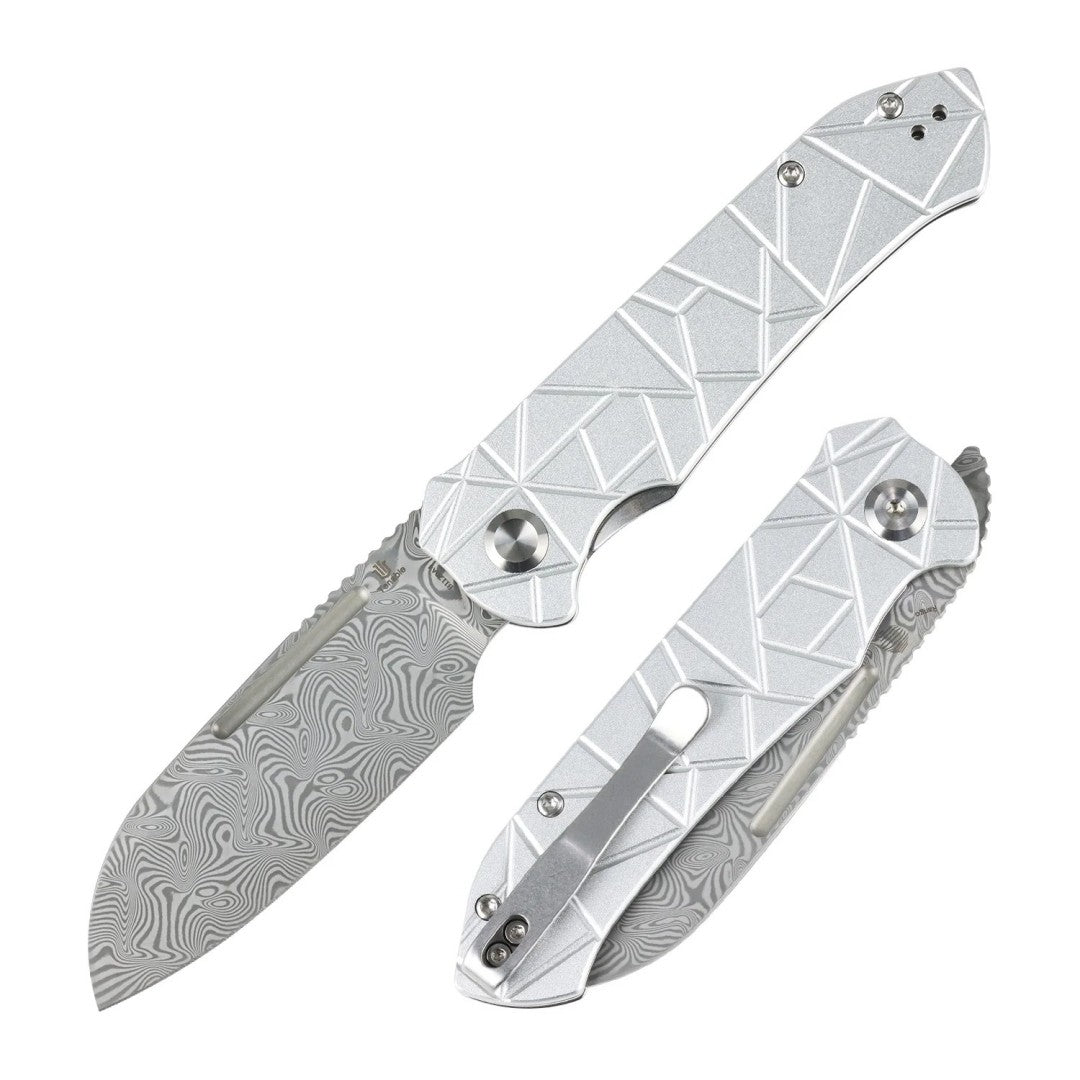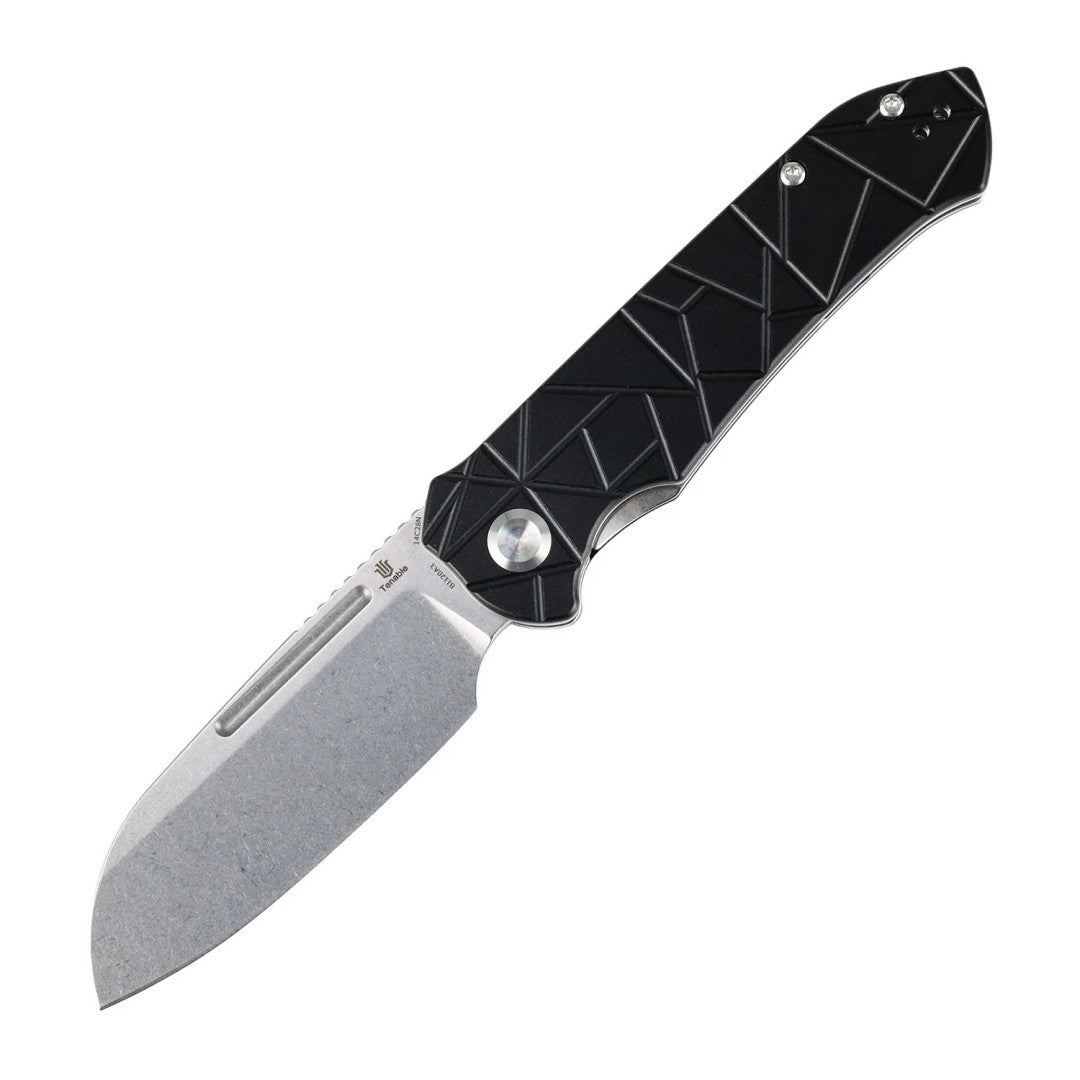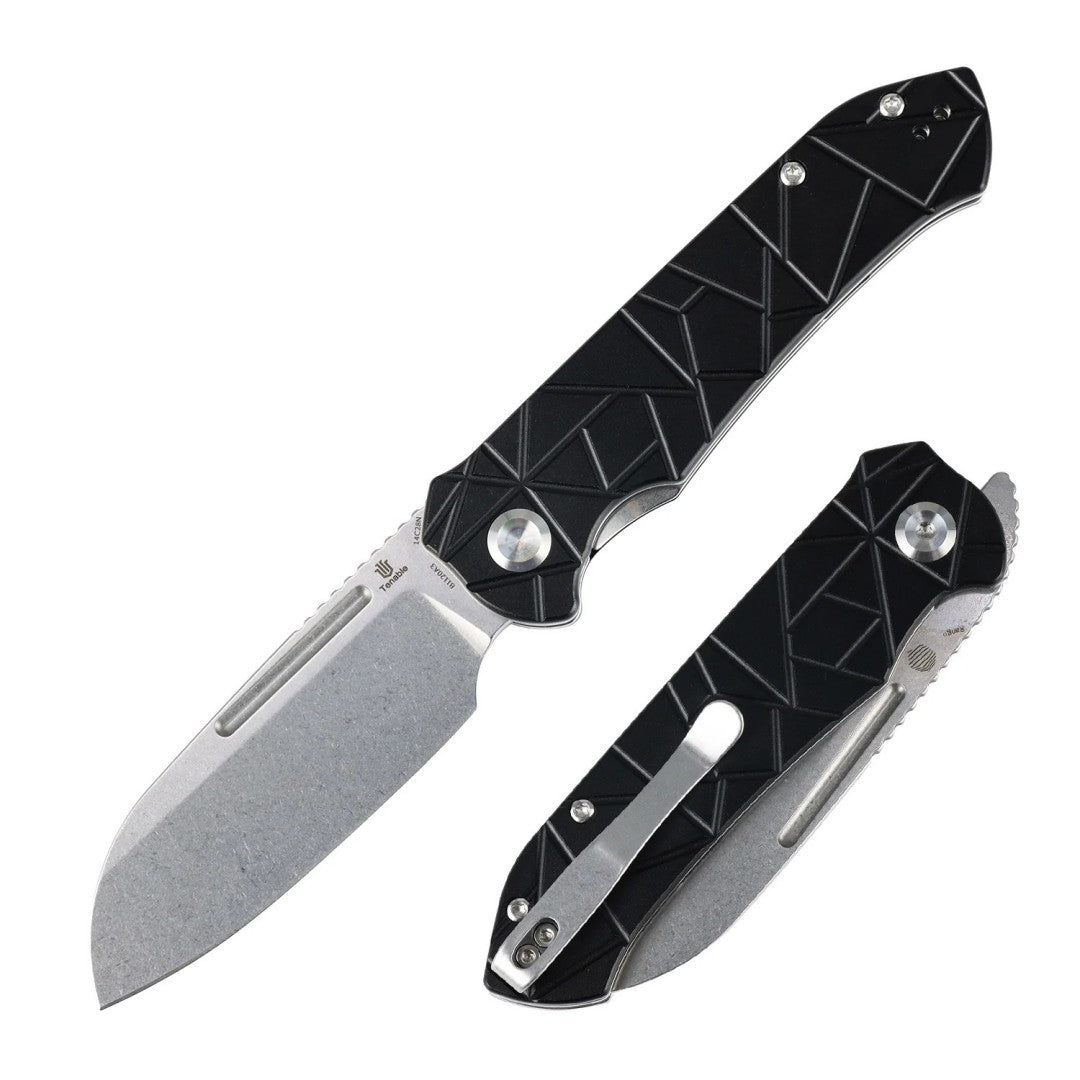

When dealing with a high-end folding knife like the Rockstead RYO H-ZDP (BK), standard knife maintenance routines no longer apply. Operating out of Sakai, Japan, Rockstead treats cutlery manufacturing as an uncompromising discipline of materials science. By driving their chosen steel to extreme physical thresholds, they create tools that hold an edge far longer than standard premium pocket knives, but also demand a highly disciplined preservation routine.
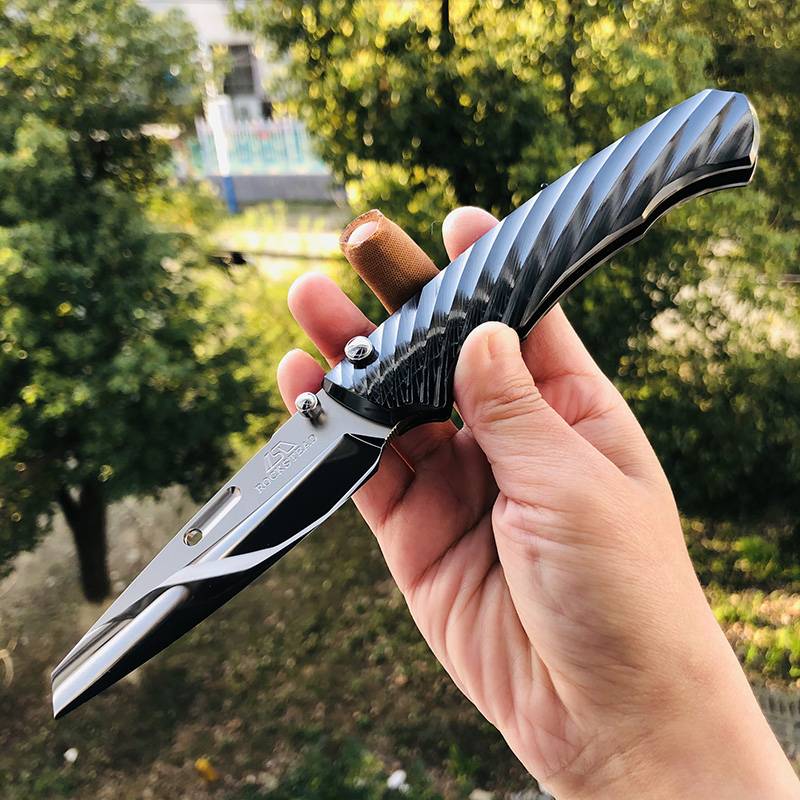
To protect an investment piece of this caliber, owners must understand the specific molecular properties of its blade and the specialized structural maintenance required to keep its mechanisms operating flawlessly.
1. Metallurgical Breakdown: The Hitachi ZDP-189 Core
The exceptional performance of the RYO (BK) stems directly from its core material: ZDP-189, an ultra-premium powder metallurgy stainless steel produced by Hitachi Metals. The chemical blueprint of this alloy contains an extraordinary 3.0% Carbon and 20.0% Chromium. For perspective, common premium steels like S35VN or M390 typically carry between 1.4% and 1.9% Carbon.
This massive concentration of carbon allows Rockstead to heat-treat the core to a monumental 67 Rockwell Hardness (HRC). At this extreme level, the steel develops a highly dense network of hard chromium carbides. When the edge encounters abrasive cutting mediums like cardboard, heavy ropes, or dense canvas, the apex experiences virtually zero microscopic rolling or compression.
To overcome the brittle nature that naturally develops in steels pushed past 65 HRC, Rockstead utilizes a laminated (clad) construction. The ultra-hard ZDP-189 core is sandwiched between two outer layers of a much softer, highly flexible stainless steel. This ensures that the blade's spine absorbs structural shocks and bending stresses, while the unyielding core provides an incredibly stable cutting edge.
2. The Functional Mirror Polish
The RYO (BK) features Rockstead's signature Honzukuri grind—a continuously varying convex edge geometry with no secondary micro-bevel. Master craftsmen hand-polish this convex surface through a sequence of progressive grits until it reaches a distortion-free mirror finish.
Beyond its striking aesthetic appeal, this finish serves an important performance function. Because ZDP-189 ties up a massive amount of its 20% Chromium into chromium carbides, there is less "free chromium" left over to form a passive rust-preventative oxide layer, classifying it as a semi-stainless steel. Rockstead's mirror polish completely seals the steel's surface by flattening out microscopic grind lines and pits where moisture, environmental acids, or sweat could settle and trigger corrosion.
3. Strict Cleaning and Corrosion Maintenance Protocol
Because the ZDP-189 cutting core is exposed at the apex, the knife requires consistent preventative care:
-
Post-Use Wipe: Always wipe the blade down immediately after cutting corrosive or organic materials, such as citrus fruits, raw meats, or sweaty cardboard.
-
Microfiber Only: Use only clean microfiber cloths to remove smudges and fingerprints. Avoid using coarse paper towels or cotton t-shirts, as abrasive dust trapped in those fabrics can create faint micro-scratches on the hand-polished finish.
-
Preventative Oiling: Apply a microscopic layer of high-purity, acid-free oil—such as traditional Japanese Camellia oil (Tsubaki oil) or light mineral oil—to the blade surface prior to storage. This creates a barrier against airborne humidity.
4. Maintaining the Retractable Clip and Internal Track
The "BK" version of the RYO features a 3D-milled titanium handle coated in a deep Black Diamond-Like Carbon (DLC) finish. This coating provides superior wear resistance, but the handle's defining feature—the patented spring-loaded retractable pocket clip system—requires structural attention.
Because the clip mechanisms ride along an internal track to retract completely flush inside the titanium spine when gripped, pocket lint and debris will naturally accumulate inside the channel over time.
-
Never pack the internal track with thick grease, as grease attracts pocket debris and turns into an abrasive paste that can jam the mechanism.
-
Periodically blow out the clip channel using a can of compressed air.
-
For the button lock mechanism, a single drop of ultra-low viscosity synthetic lubricant every few months will preserve its snappy, mechanical lockup.
5. Edge Preservation: The Zero-Stone Rule
Because of the continuous convex Honzukuri profile and the extreme 67 HRC hardness, traditional flat bench stones must never be used at home. Attempting to sharpen a Rockstead on a flat whetstone will instantly flatten out the convex curve, dull the apex, and ruin the hand-polished mirror finish.
Daily edge maintenance should be executed strictly via stropping. Use a flat leather strop loaded with a micro-fine diamond paste (ideally between 0.5 and 1.0 micron). Draw the blade backward across the leather under very light pressure, allowing the strop to gently realign and polish the apex.
When stropping no longer restores the laser edge, owners should utilize Rockstead's official factory sharpening program. By registering your unique serial number, you gain access to the master craftsmen in Sakai, who will re-profile and re-polish the knife back to its terrifying factory sharpness using specialized industrial machinery.