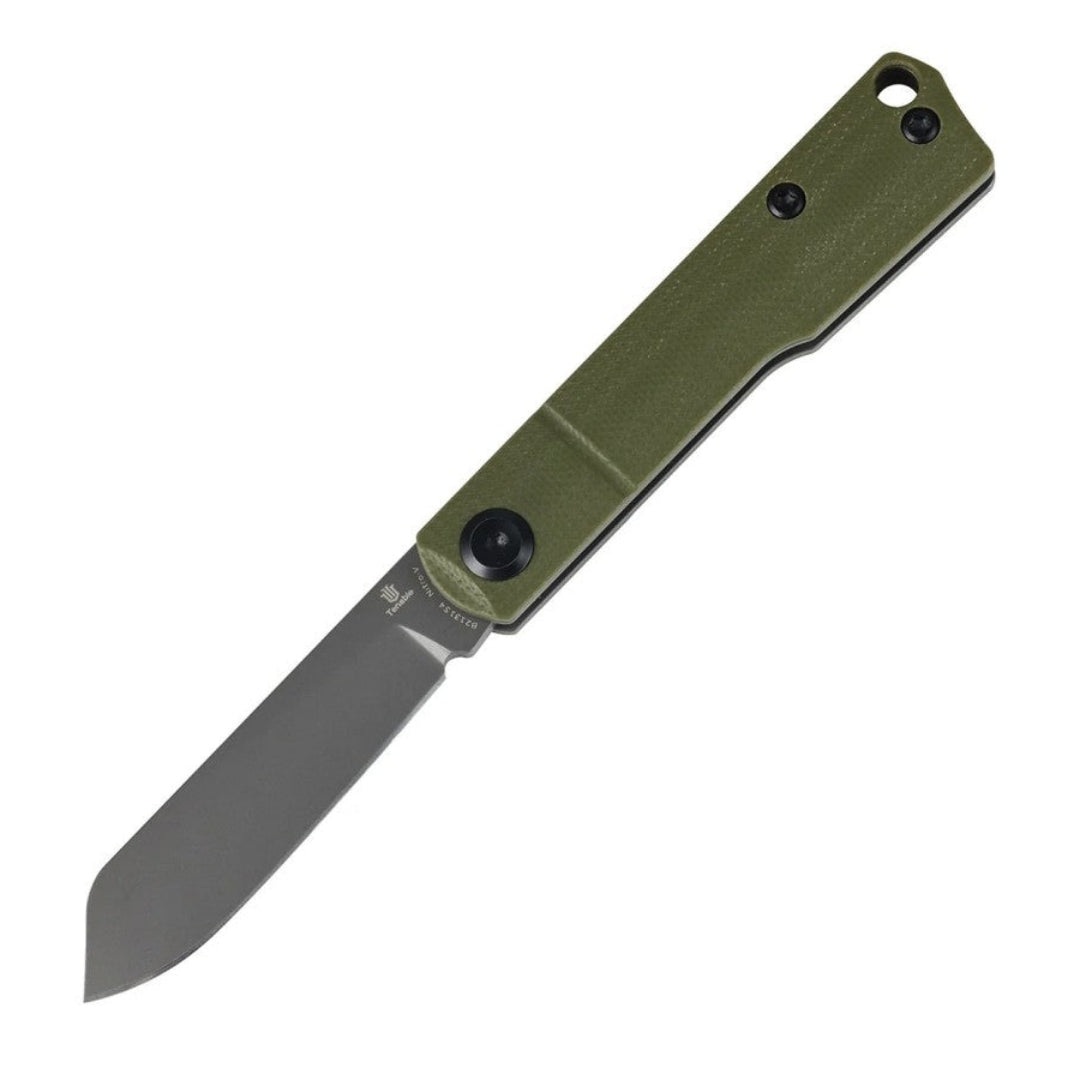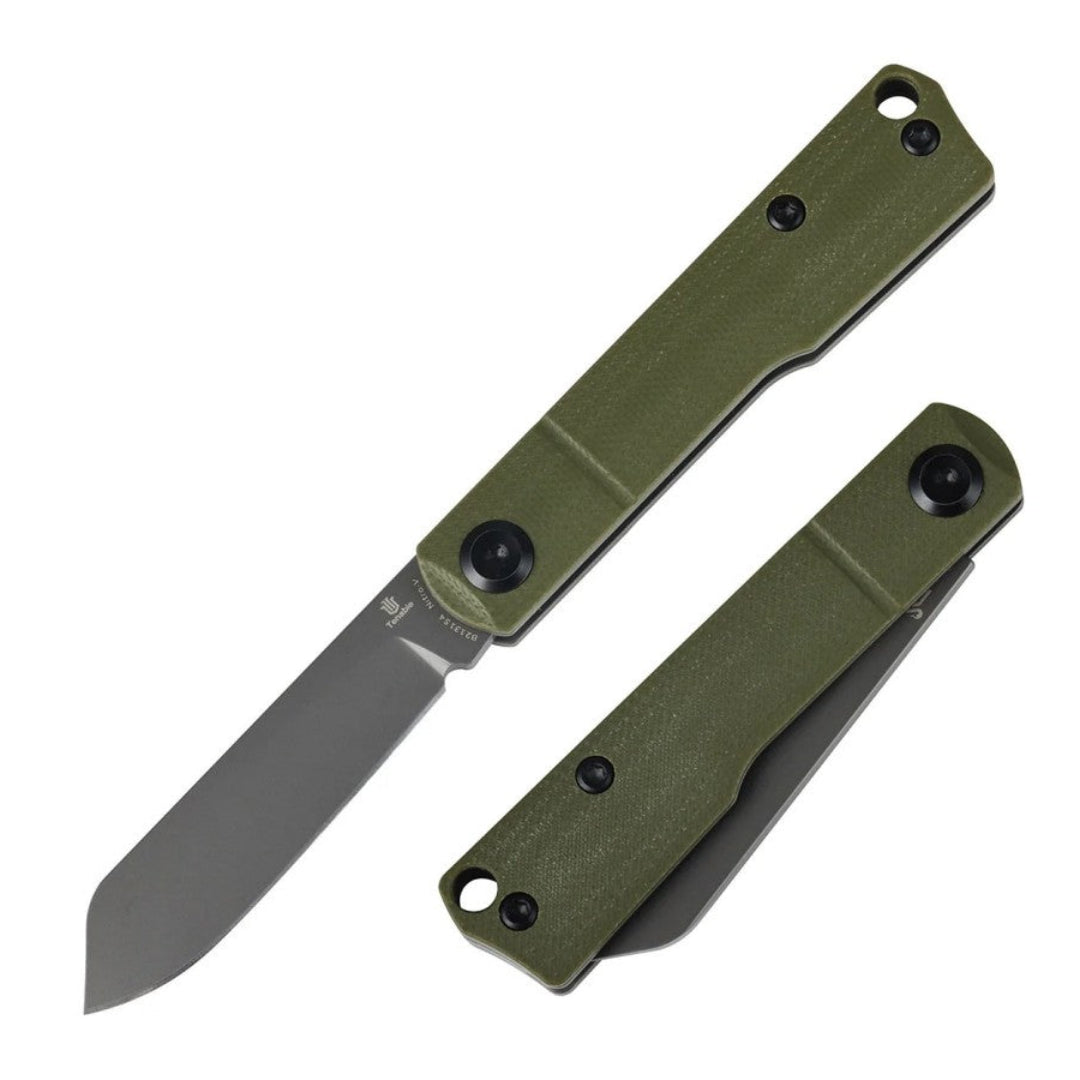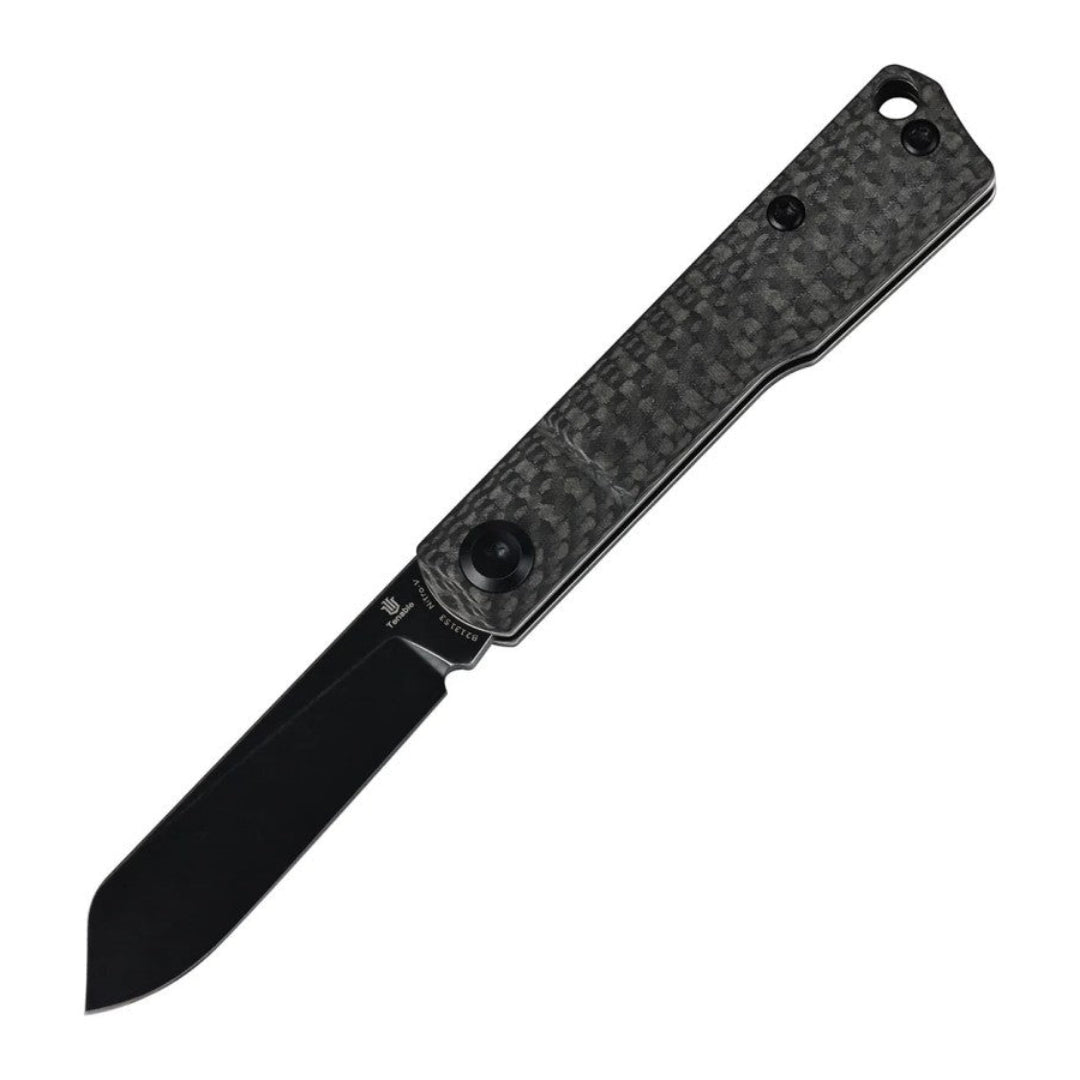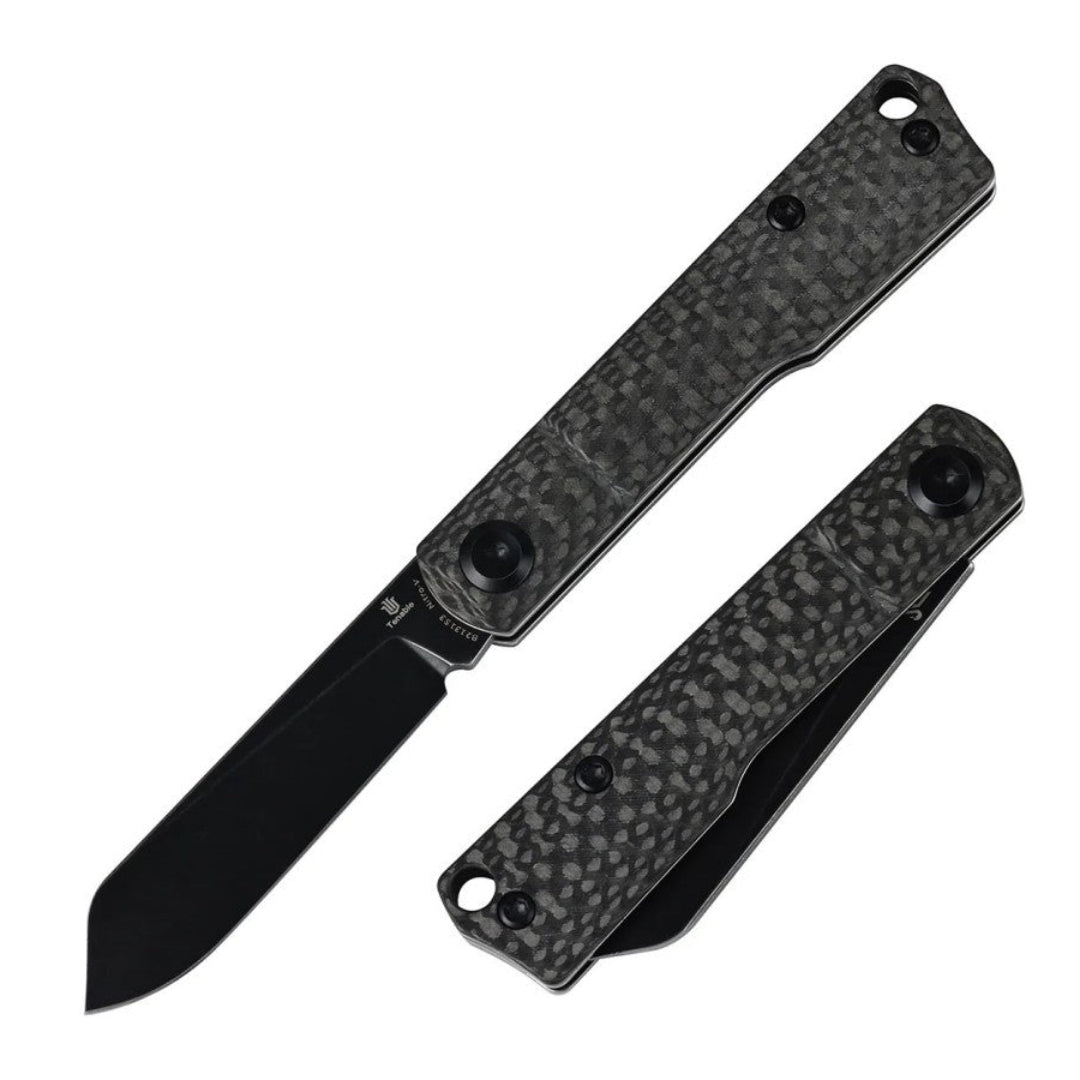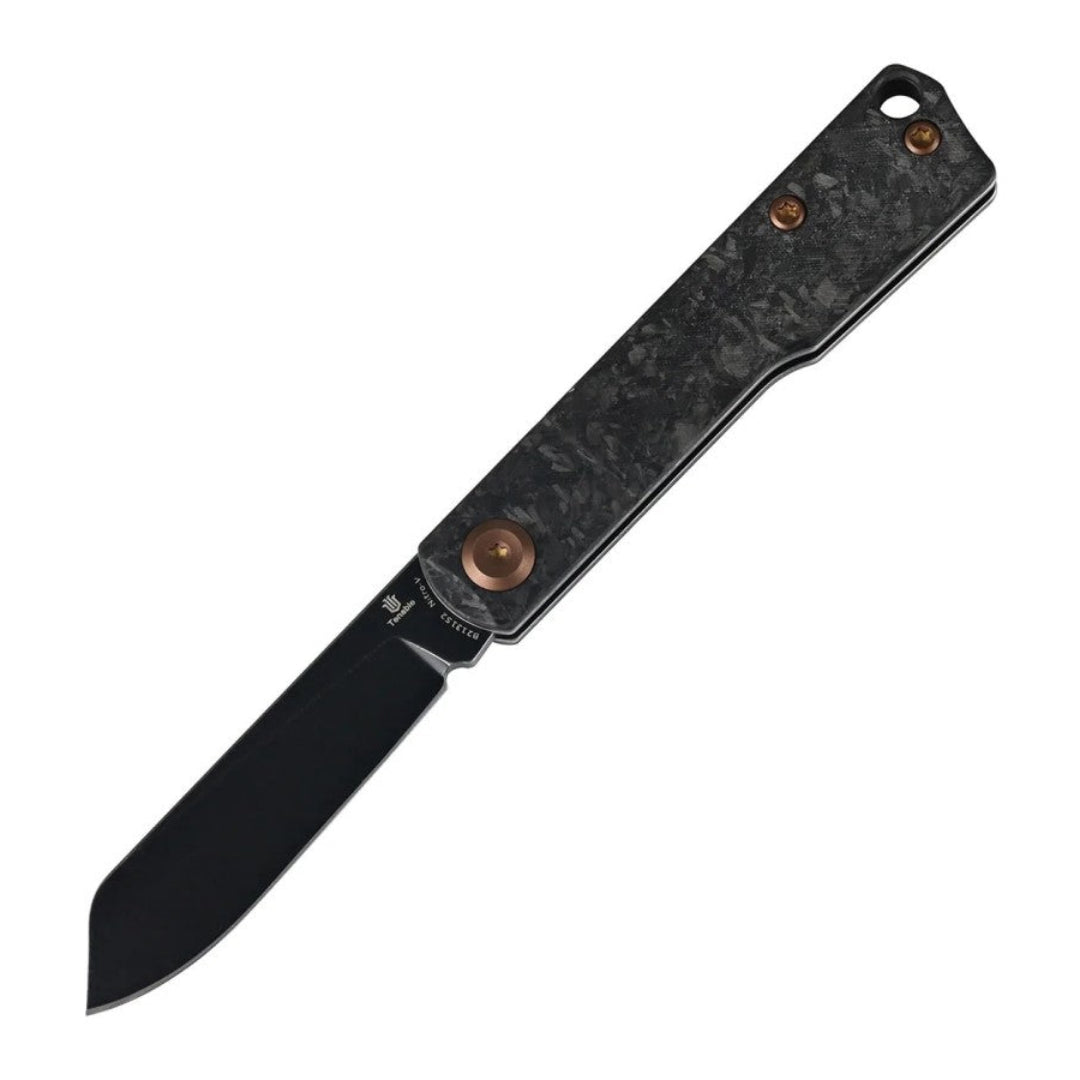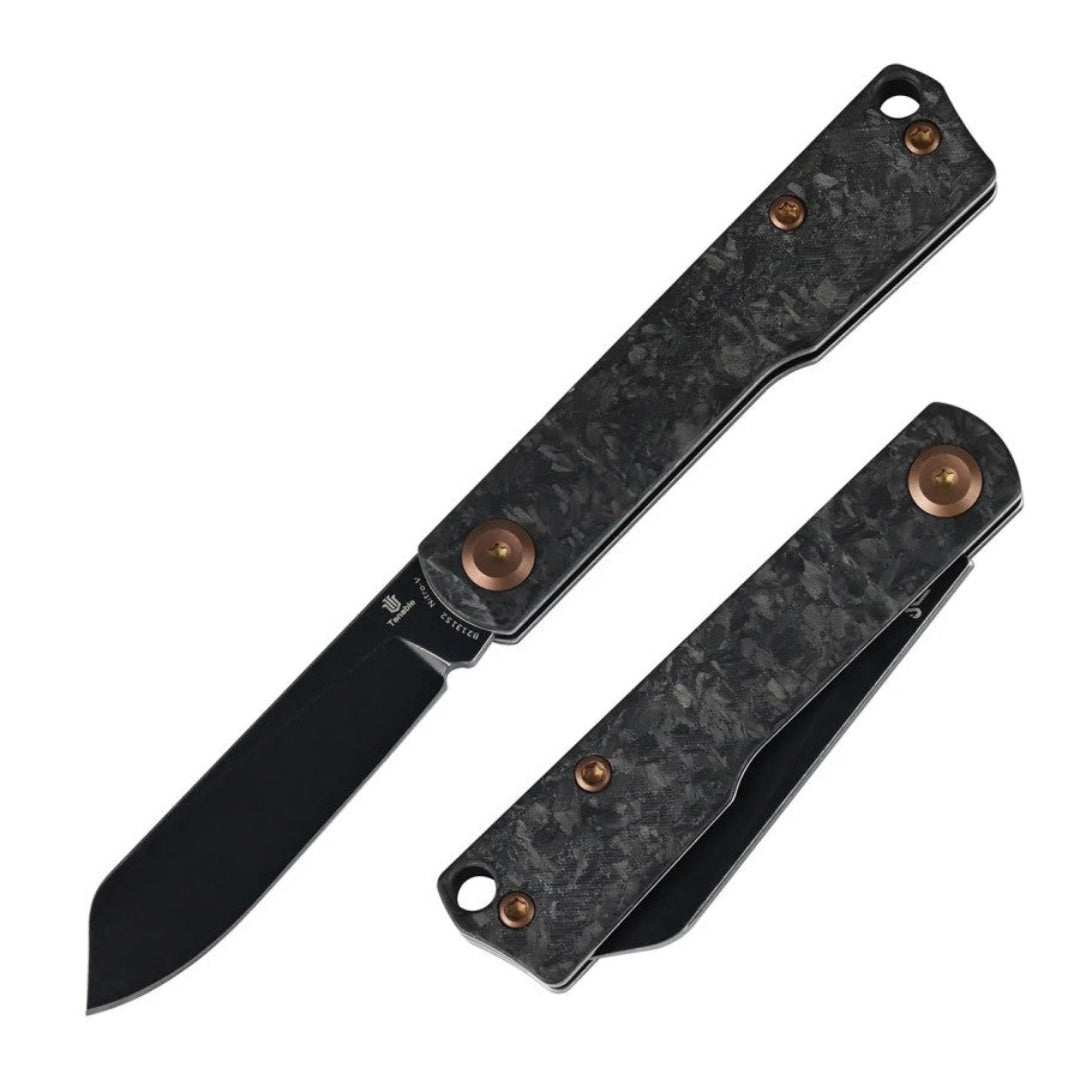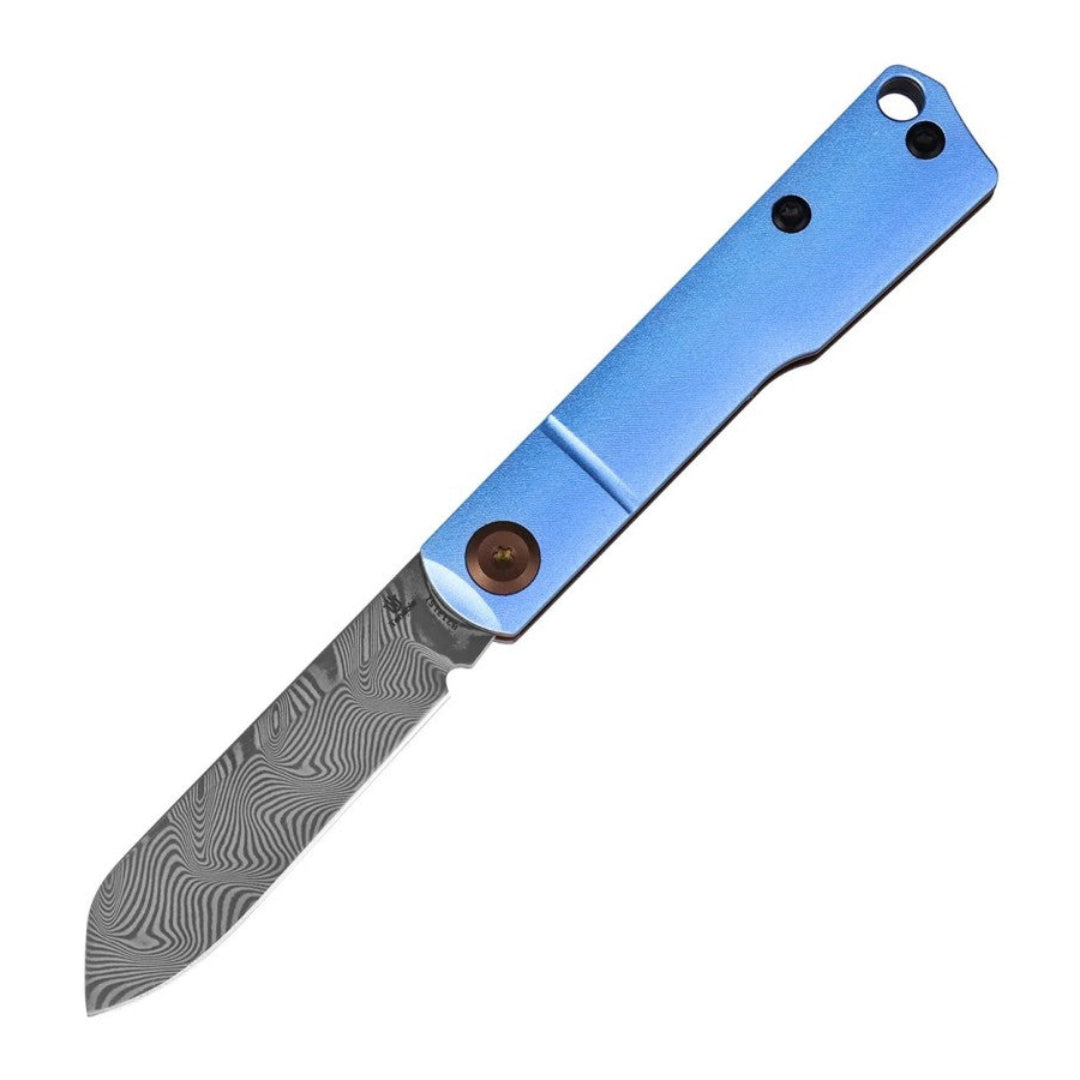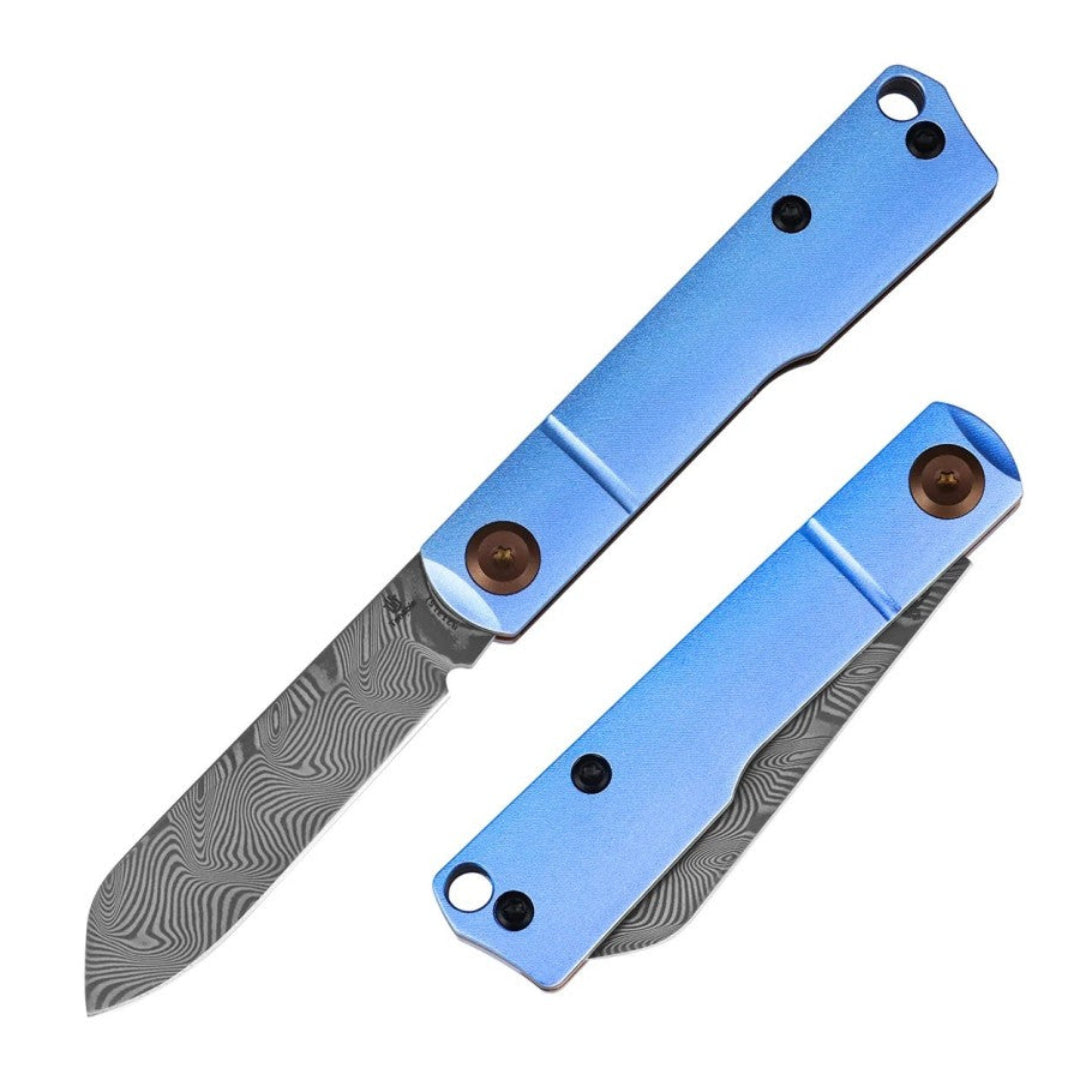
Nagao Higonokami Knives Super Mini 豆 Fodling knives Brass Handle + SK Blade 55mm

In an age of electric sharpeners and disposable plastic blades, the world’s most elite artists, illustrators, and architects are returning to a tool from 19th-century Japan. The Nagao Higonokami is not just a piece of Everyday Carry (EDC) history; it is arguably the finest manual pencil sharpener ever devised.
For a professional creator, a pencil is more than a writing utensil—it is an extension of the hand. Standard sharpeners often dictate the shape of the lead, but the Higonokami puts the artist back in control. In this guide, we explore why this legendary folding knife has become an essential staple in the professional artist’s kit of tools.
The Anatomy of the Perfect Point
Why would an artist choose a hand-forged Japanese blade over a mechanical sharpener? The answer lies in the versatility of the "long point."
Mechanical sharpeners create a uniform, short cone of lead. While convenient, this limits the artist's range. With a Nagao Higonokami, you can expose a full inch of graphite, tapering it to a needle-thin point for detail work or a flat, chisel edge for broad shading.
Because the Higonokami features a laminate construction (typically a hard Blue Paper Steel core sandwiched between softer iron), it achieves a level of "toothy" sharpness that slices through cedar and graphite like butter. This prevents the "shattering" of the lead often caused by the vibration and torque of mechanical crank sharpeners.
Why the Higonokami Stands Out in an Artist’s EDC
For creators who value their EDC gear, the Higonokami offers three distinct advantages that modern stationery tools cannot match:
1. Precision Control with the 'Chikiri'
The signature thumb lever, or Chikiri, is vital for artistic work. By placing your thumb on the lever, you gain absolute control over the blade's angle and pressure. This allows for "shaving" the wood in microscopic increments, ensuring you never remove more material than necessary.
2. The Superiority of Blue Paper Steel
Most Nagao blades utilize Aogami (Blue Paper Steel). This high-carbon steel is prized by Japanese bladesmiths for its edge retention. An artist can sharpen dozens of pencils—from soft 6B graphite to abrasive charcoal and colored wax-based pencils—without the blade losing its "bite."
3. Minimalist Portability
Artists are often on the move, sketching in cafes, parks, or galleries. The Higonokami’s slim, handle-less design (folded metal) allows it to slip into a pencil case or a pocket without adding bulk. It is a professional-grade tool that weighs almost nothing.
How to Sharpen Like a Master
If you are transitioning from a mechanical tool to a Higonokami, follow these professional steps to achieve the perfect point:
-
The Grip: Hold the pencil in your non-dominant hand and the Higonokami in your dominant hand. Place your thumb on the Chikiri to steady the blade.
-
The Stroke: Always push the blade away from your body. Use your non-dominant thumb to gently push the back of the blade, providing extra control.
-
The Wood: Shave away the cedar to expose the desired amount of lead.
-
The Graphite: Once the wood is cleared, use a very light touch to taper the graphite. For a "needle point," rotate the pencil as you shave.
Maintenance: A Tool That Lasts a Lifetime
Unlike plastic sharpeners that are tossed in the trash when the blade dulls, the Higonokami is a lifetime investment. Because it is made of high-carbon steel, it requires minimal but regular care:
-
Wiping: Graphite can be abrasive. Wipe the blade with a soft cloth after use to remove dust.
-
Oiling: If you use a brass or iron-handled model, the oils from your hands will create a beautiful patina. However, a drop of camellia oil on the blade will prevent rust, especially in humid studio environments.
-
Stropping: To keep the edge "scary sharp," a quick pass on a leather strop every few days will maintain the factory edge for months.
Beyond the Pencil: A Multi-Functional Studio Tool
While it excels at sharpening, the Nagao Higonokami is a versatile EDC workhorse in the studio. Artists frequently use it for:
-
Cutting heavy watercolor paper or mat board.
-
Scraping highlights into dry media.
-
Trimming frayed canvas edges.
-
Opening shipments of art supplies.
Finding Your Artist’s Edge at EDCmall
At EDCmall, we understand that for an artist, a tool is an investment in their craft. We source authentic Nagao Higonokami knives directly from the Kanekoma forge in Japan, ensuring that every blade meets the high standards required for professional use.
Whether you prefer the classic gold glow of a Brass handle or the rugged utility of Black Iron, the Higonokami is more than a knife—it is a partner in the creative process. It forces you to slow down, engage with your materials, and take pride in the preparation of your tools.
Elevate your art. Discover the legendary precision of the Nagao Higonokami at EDCmall today and experience the difference that hand-forged steel makes.