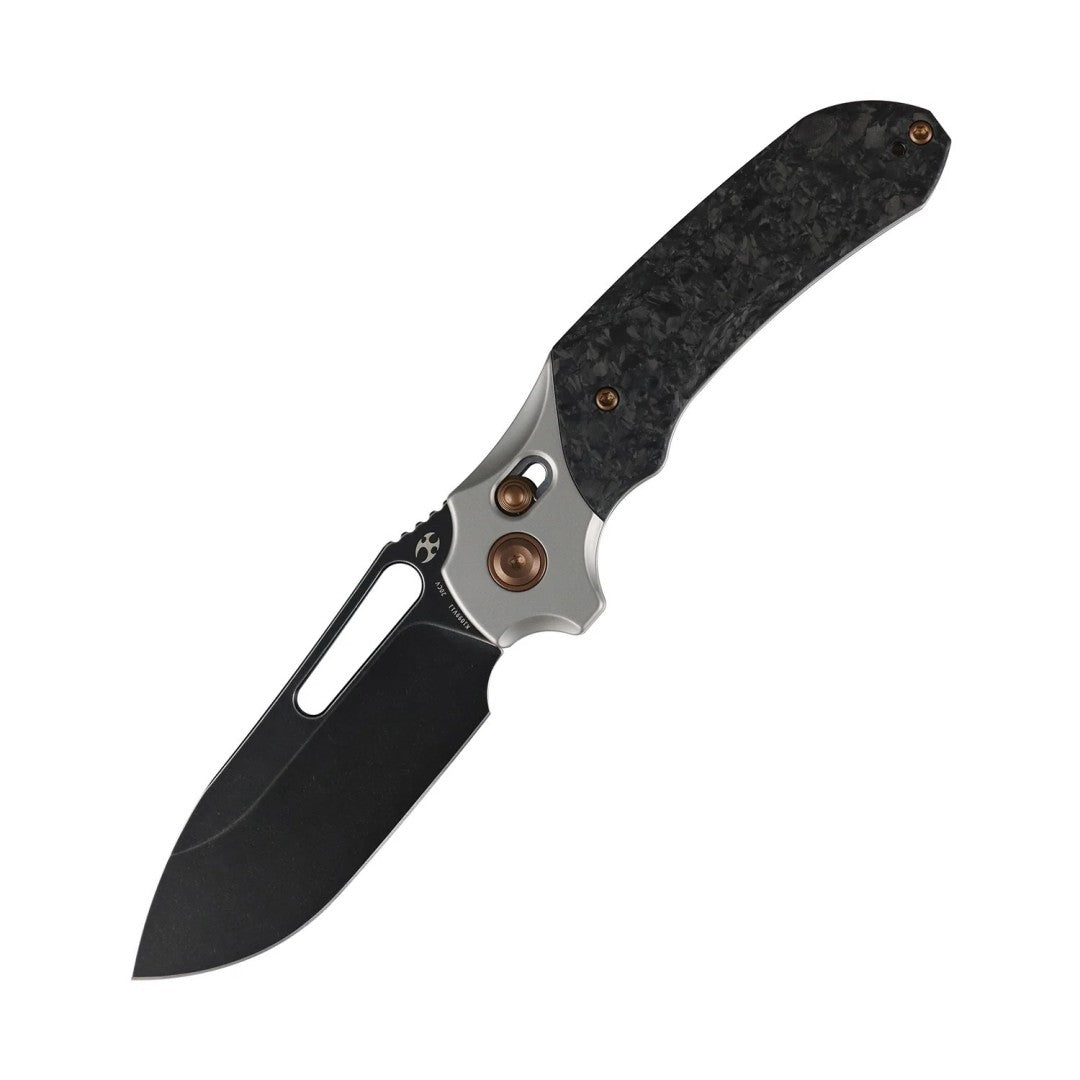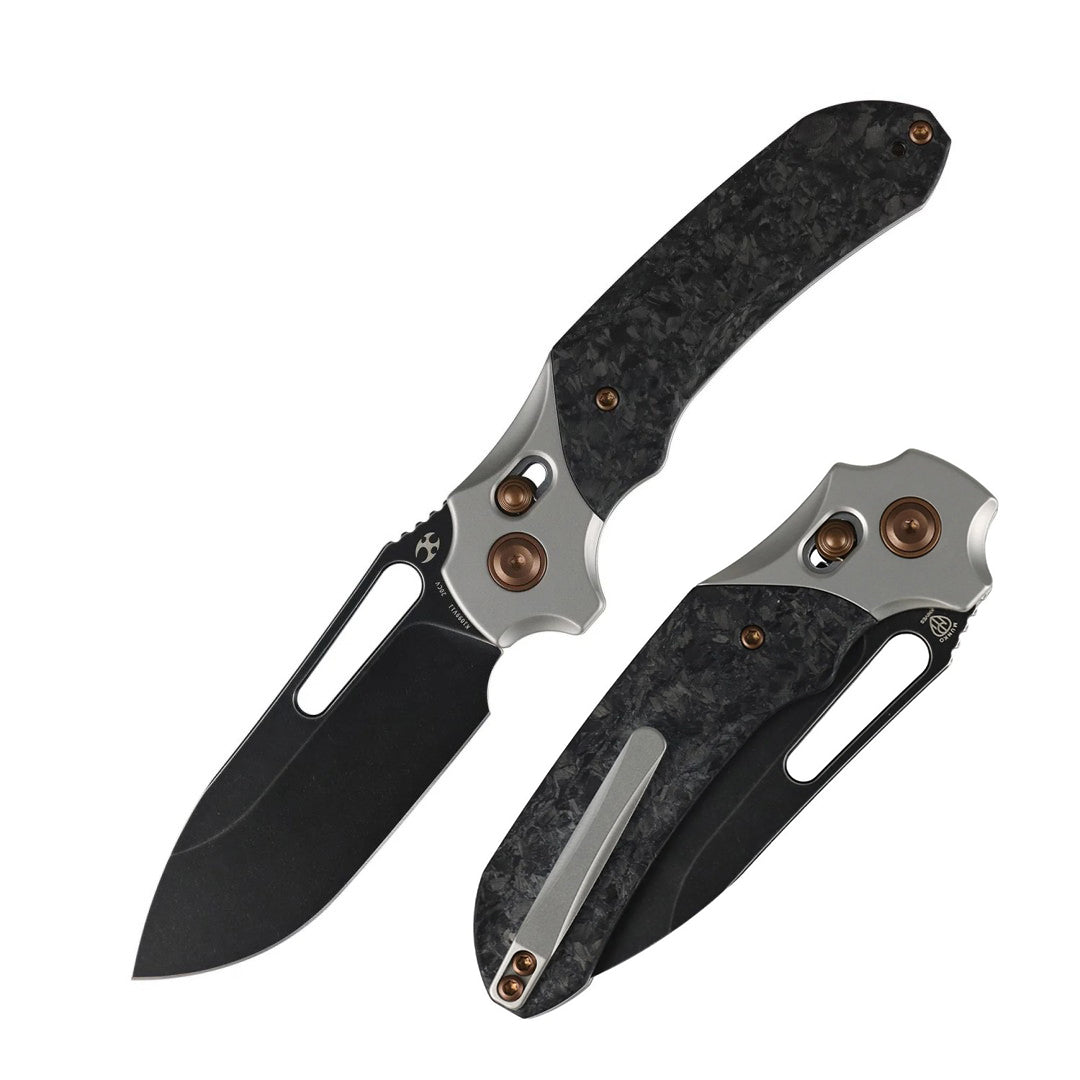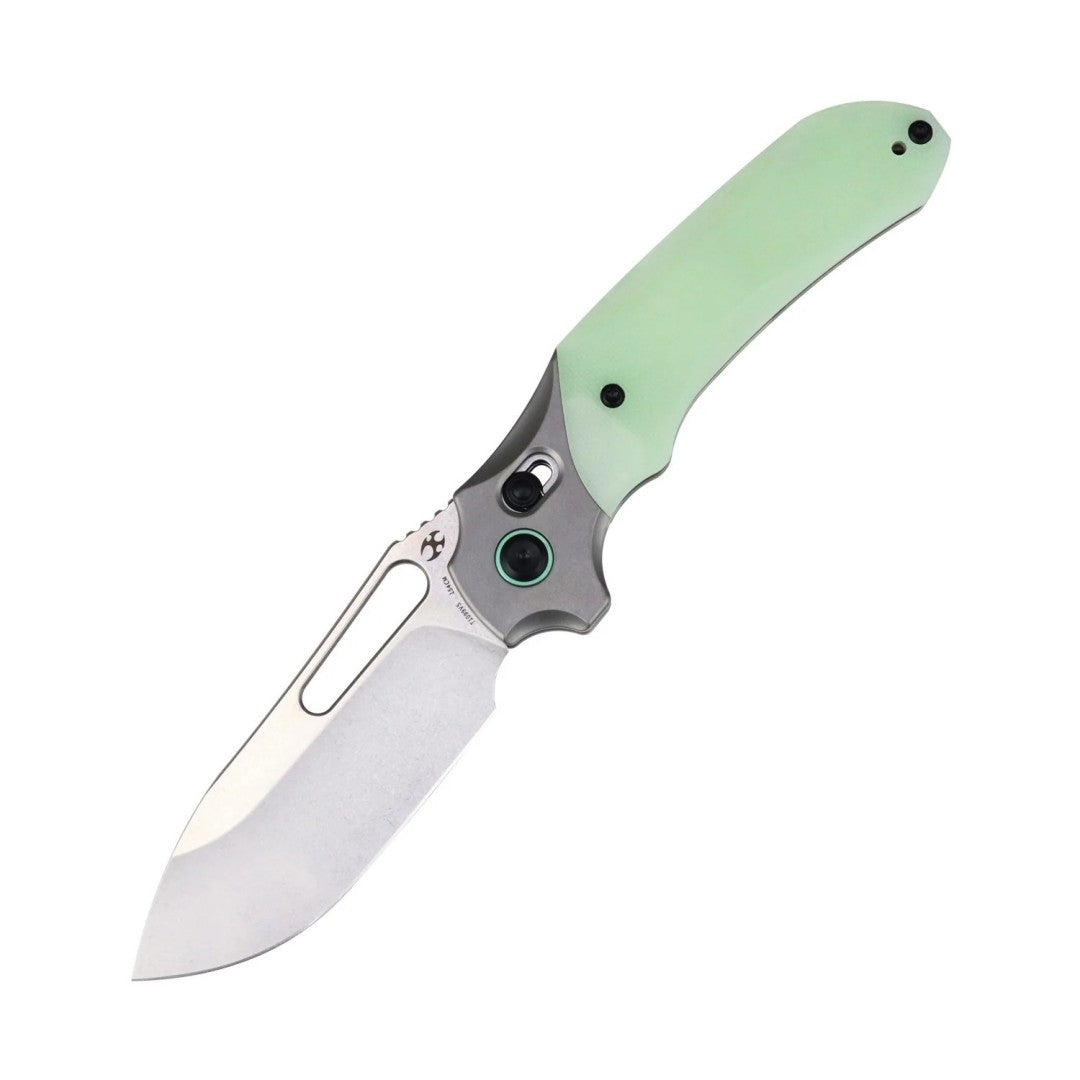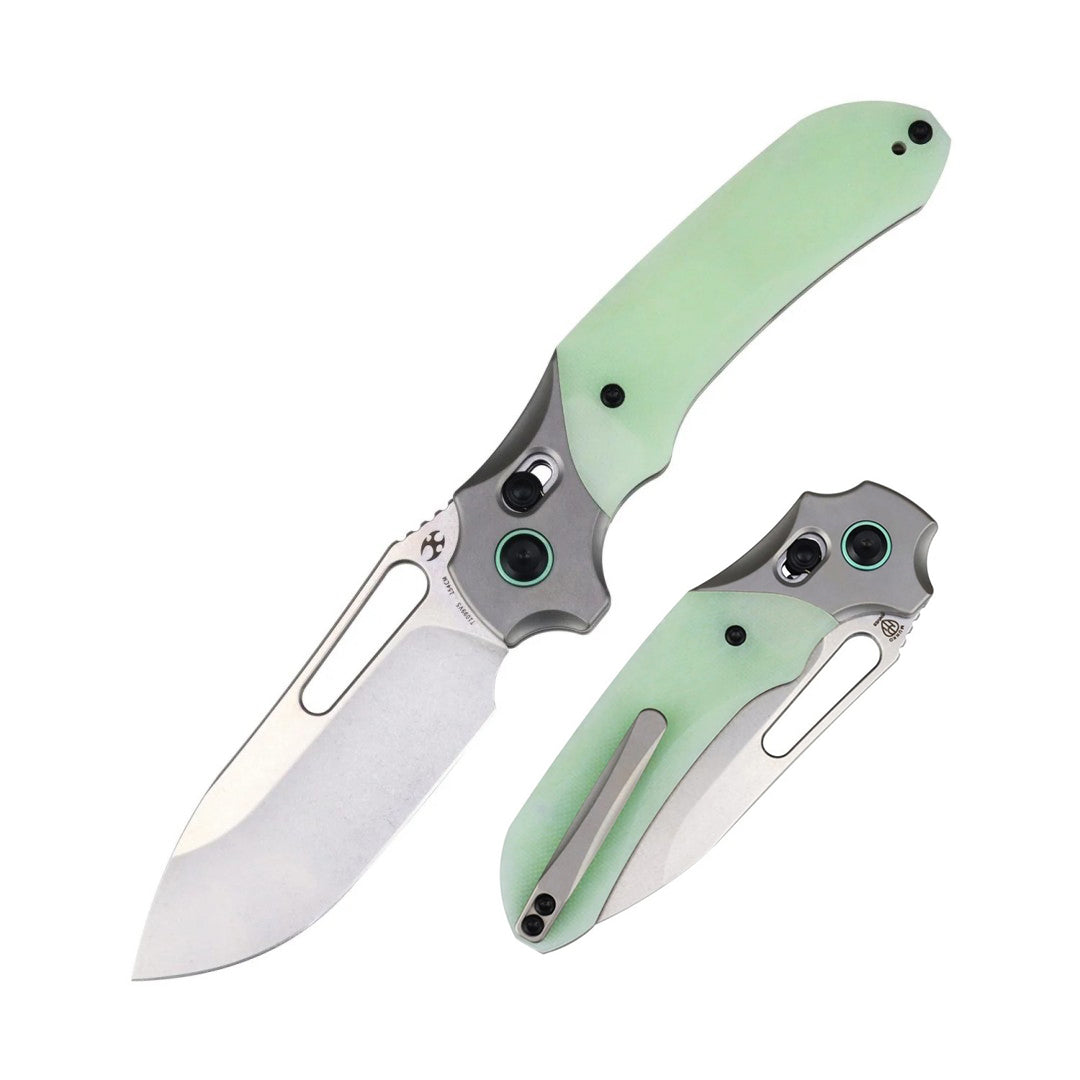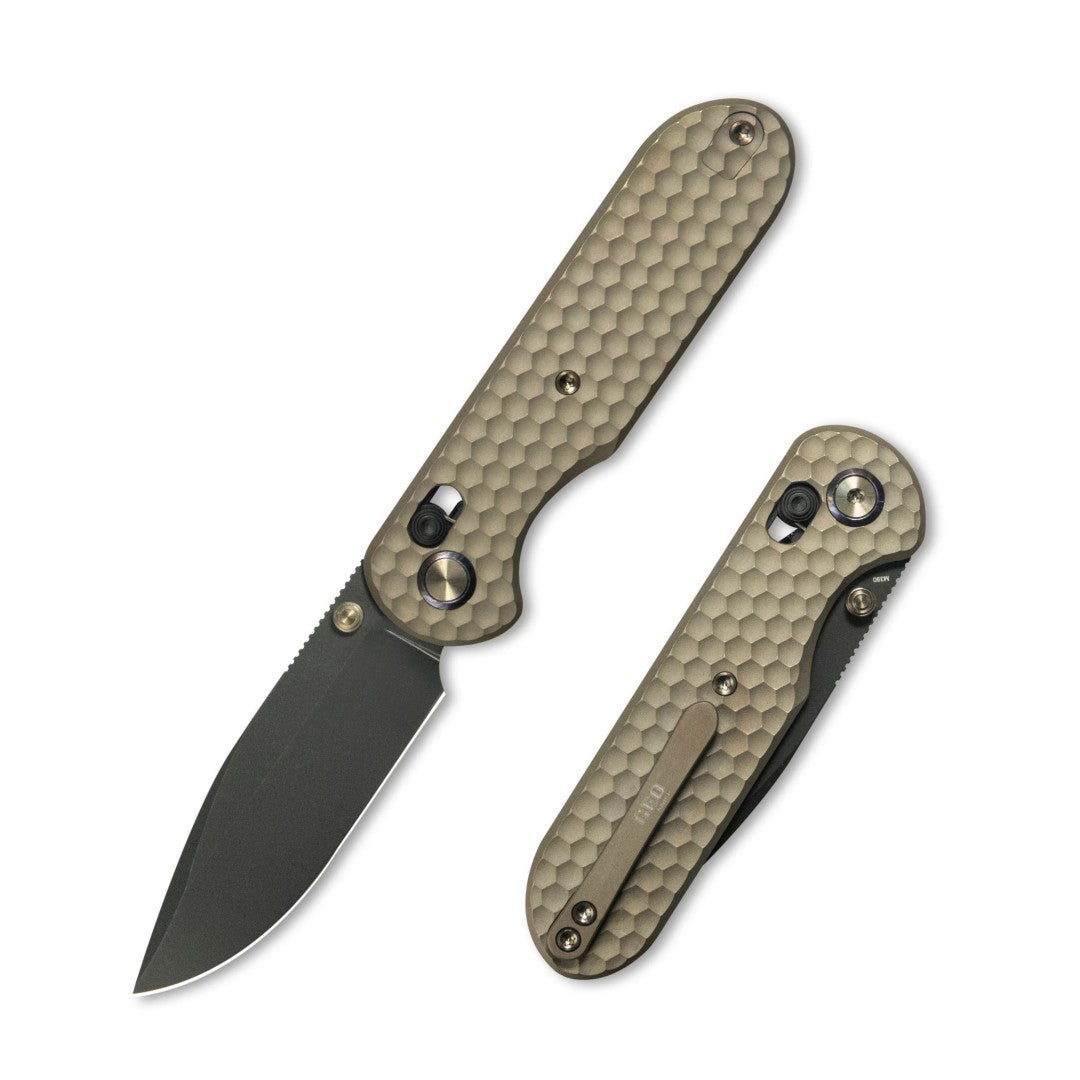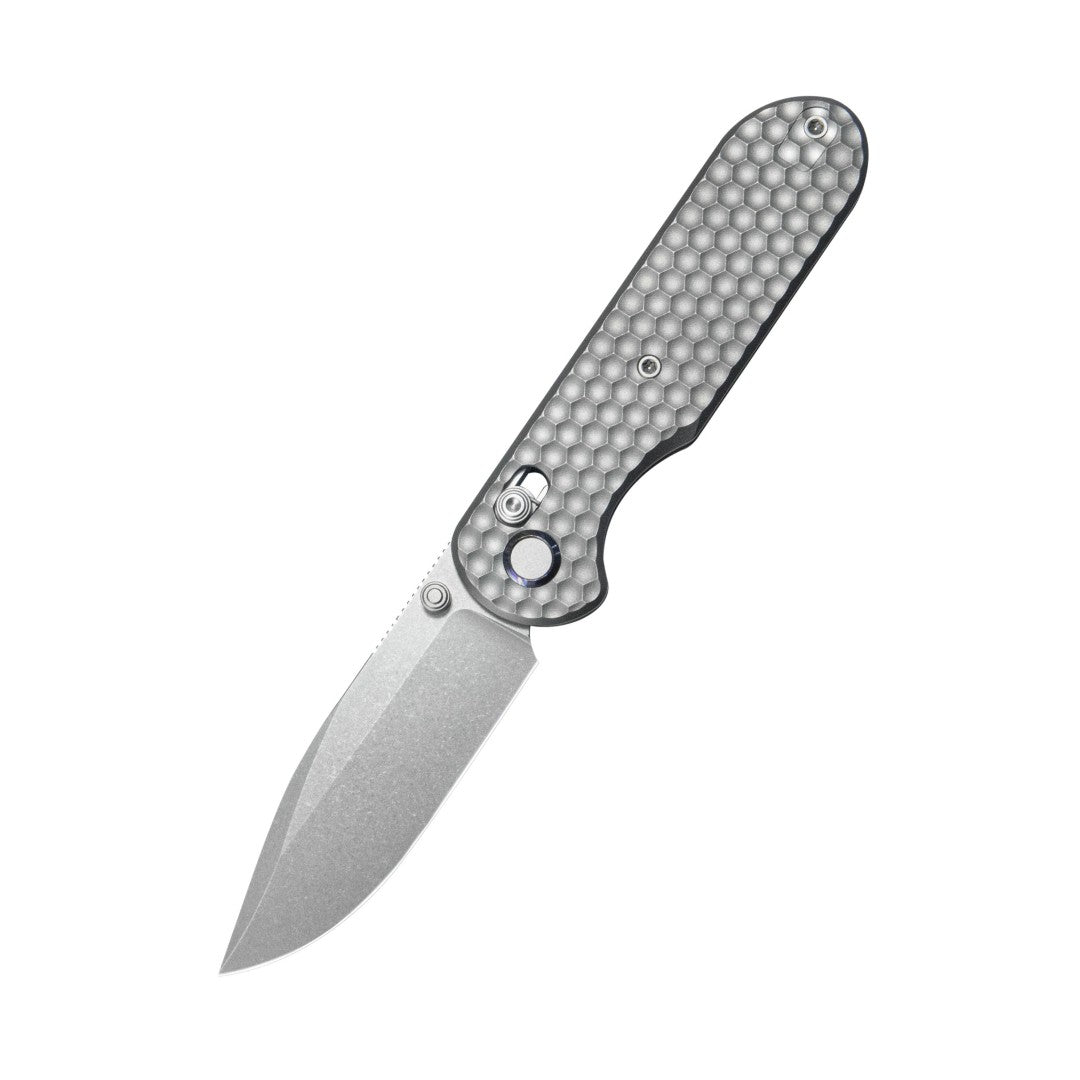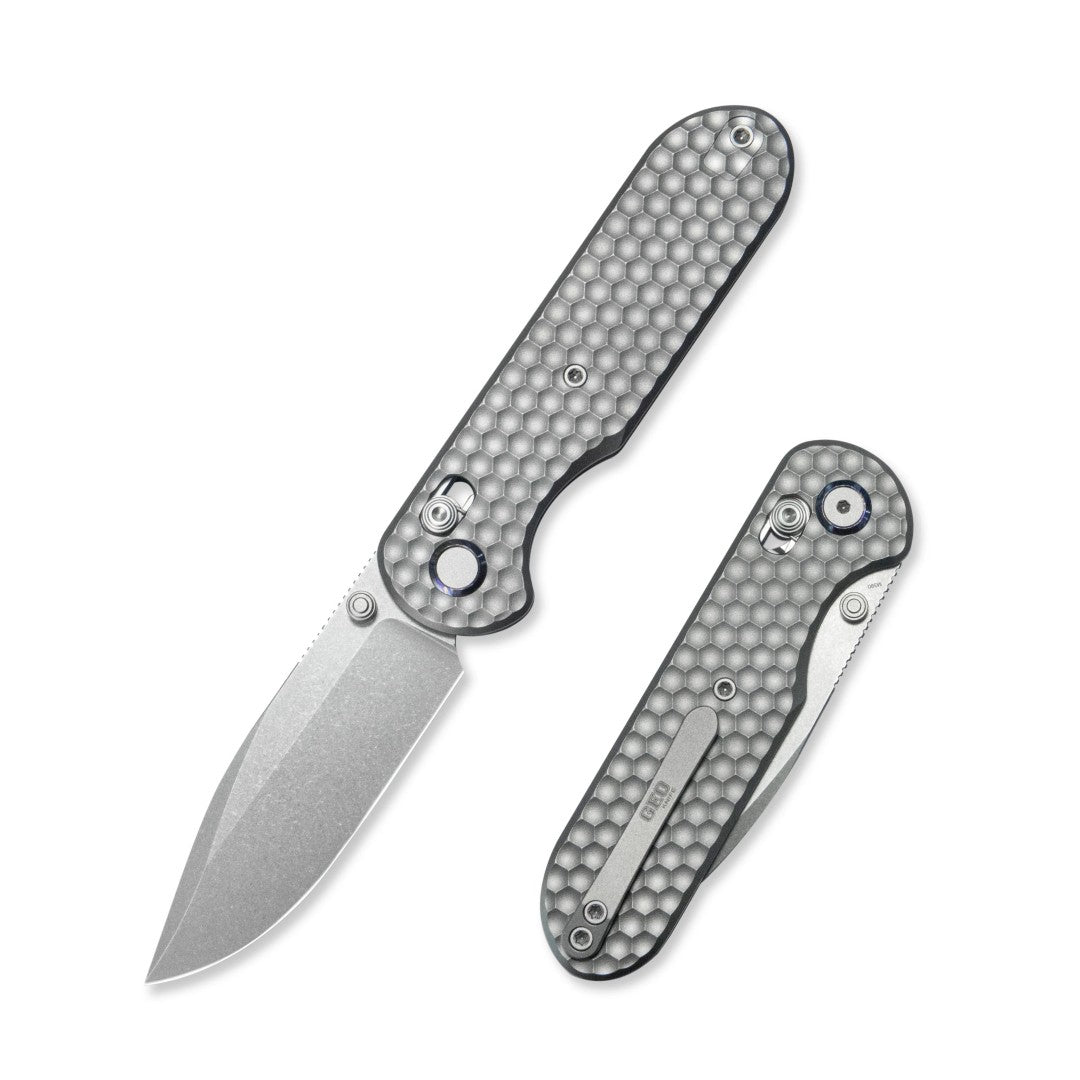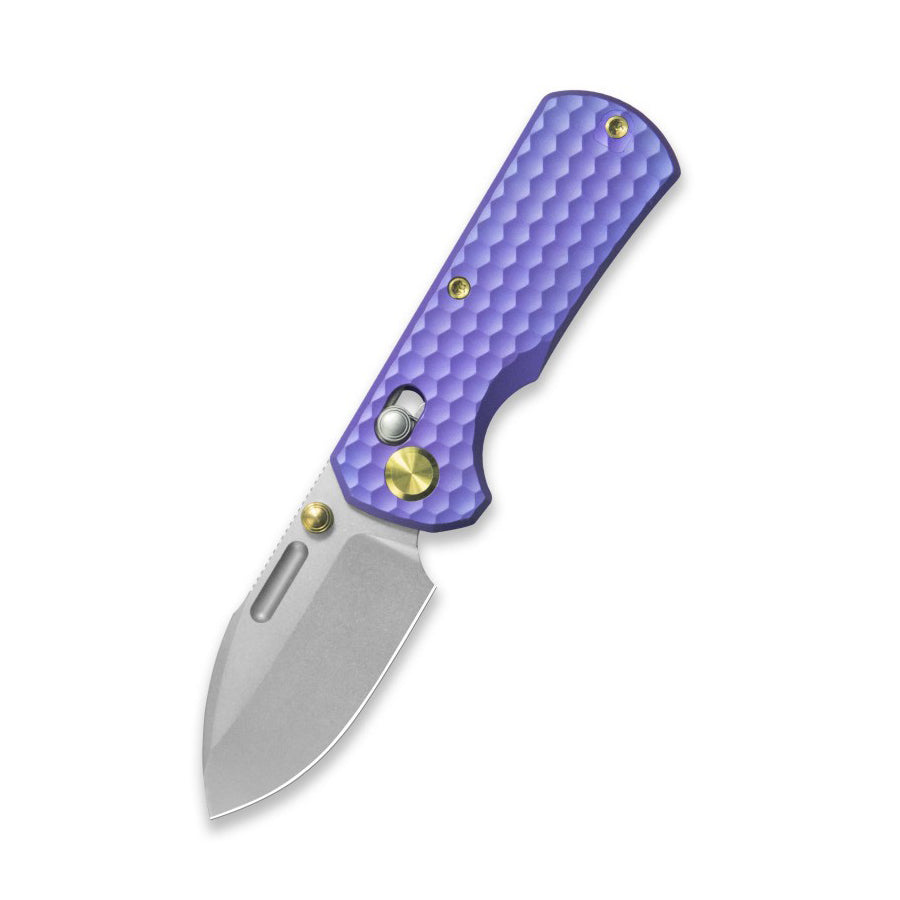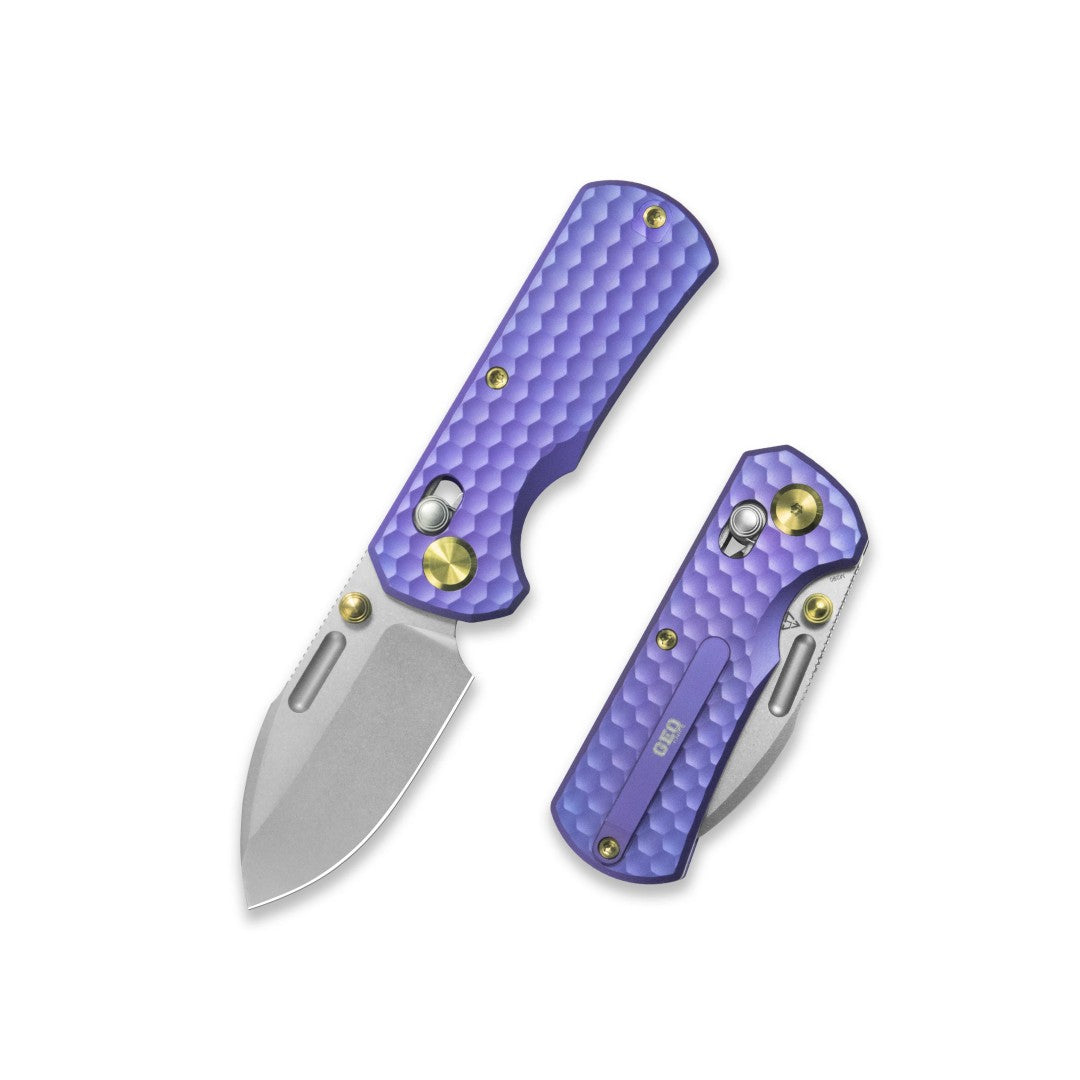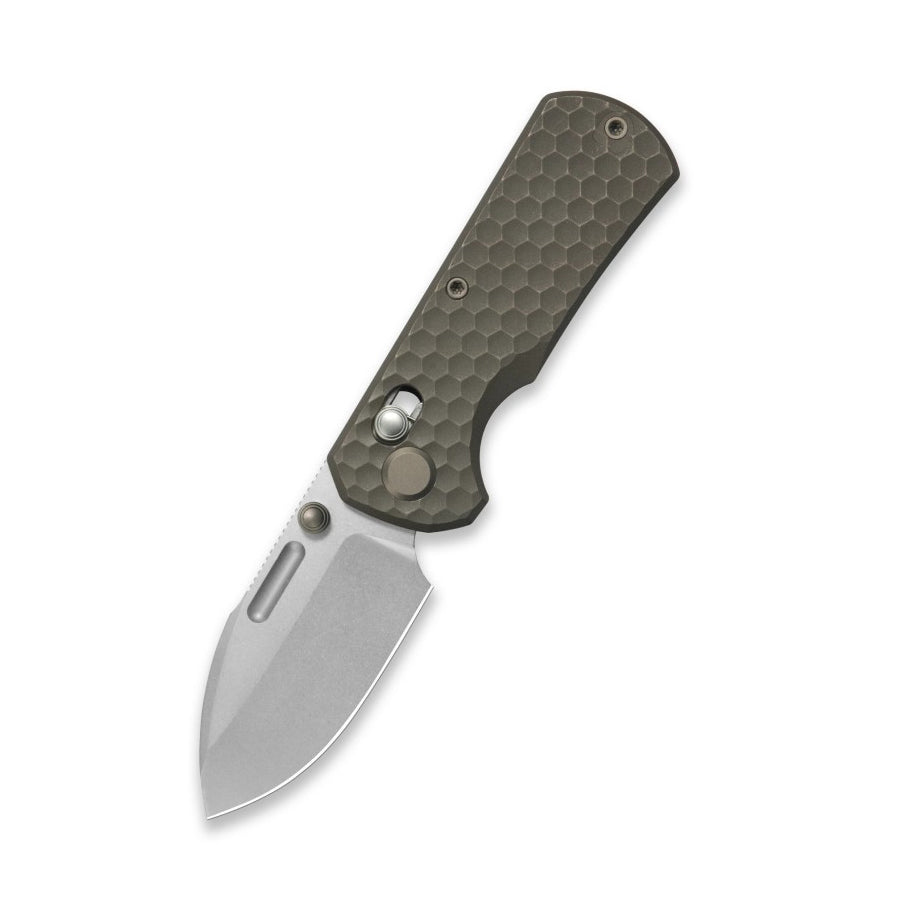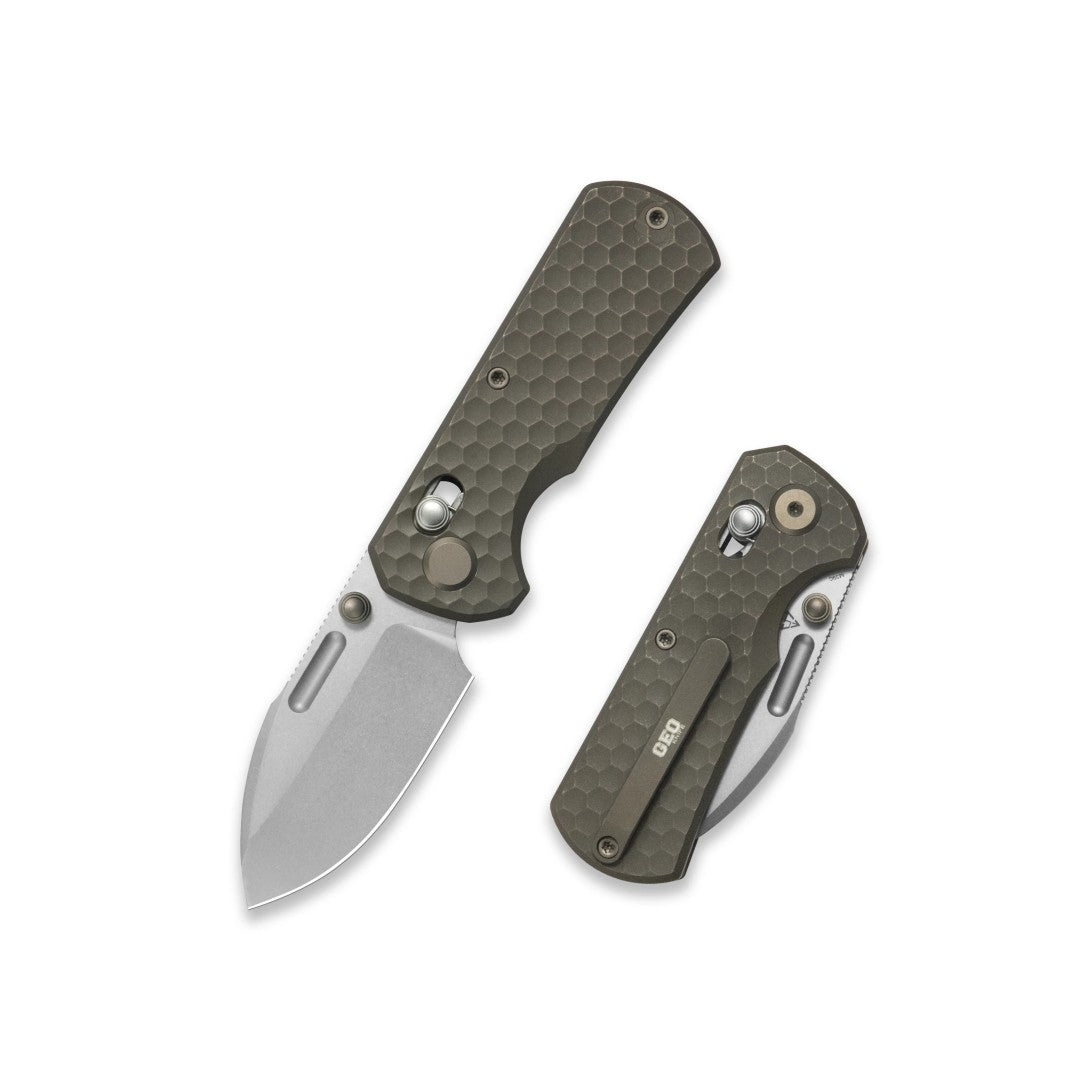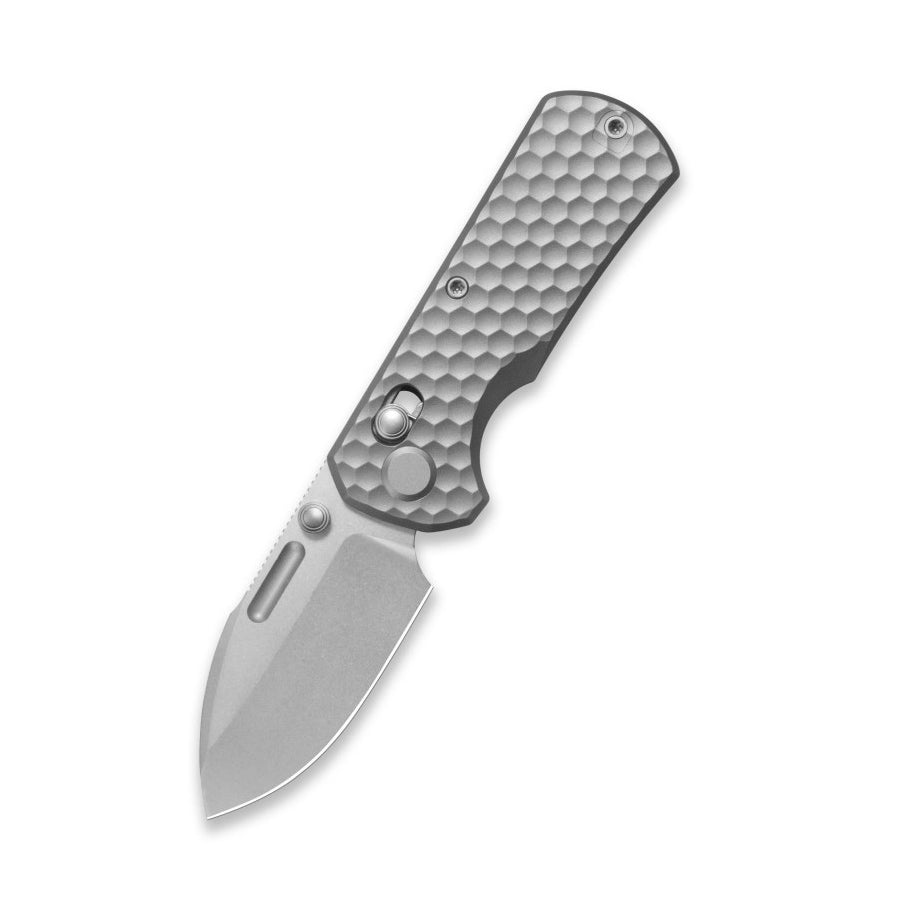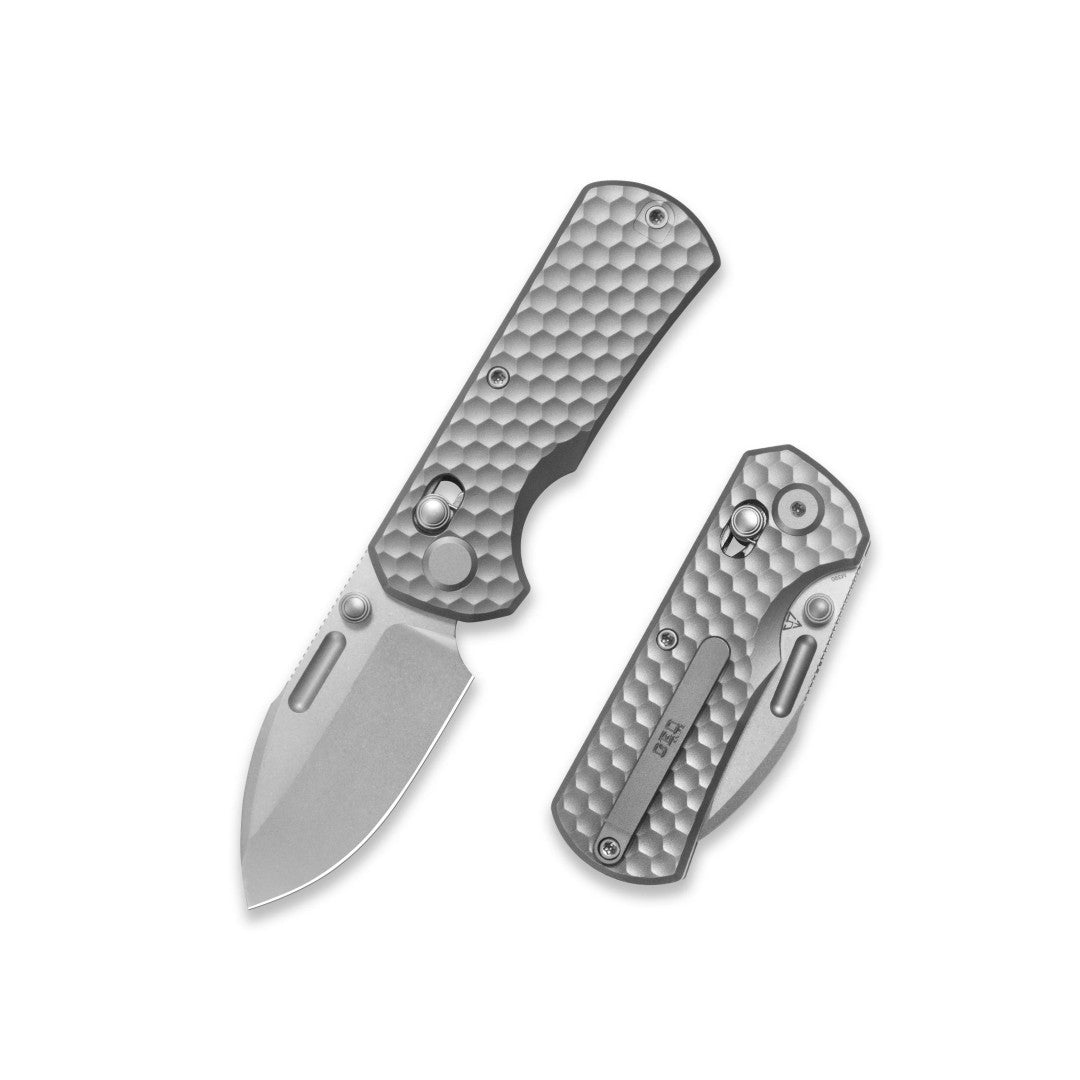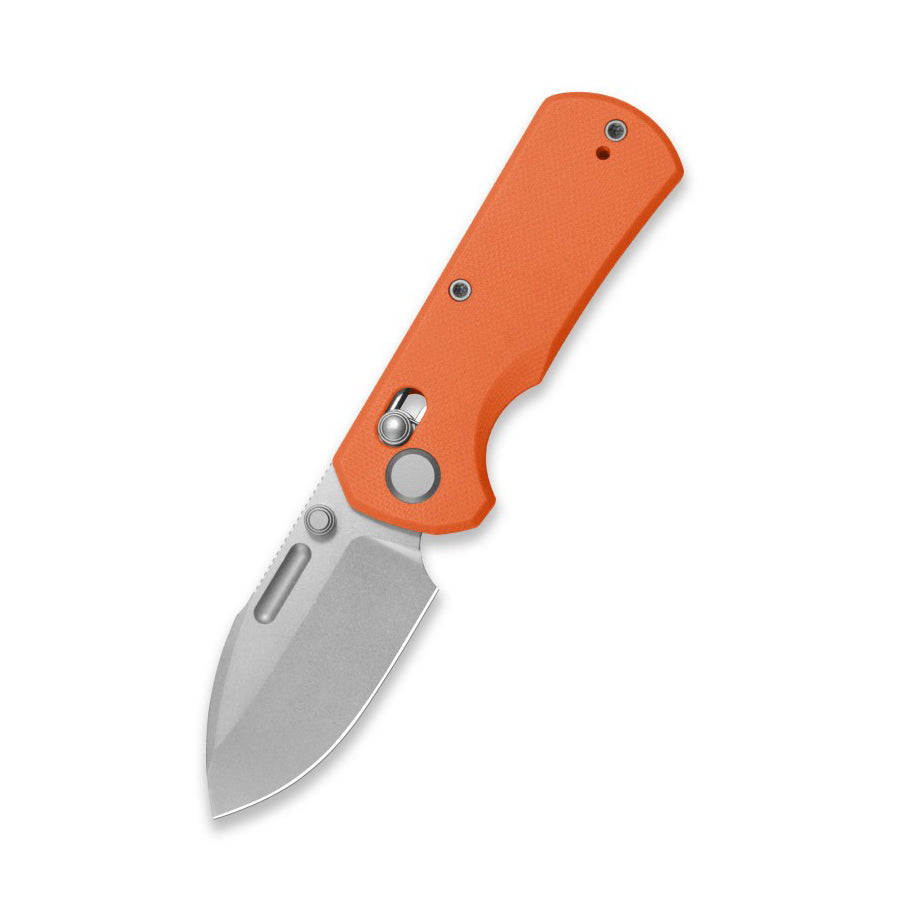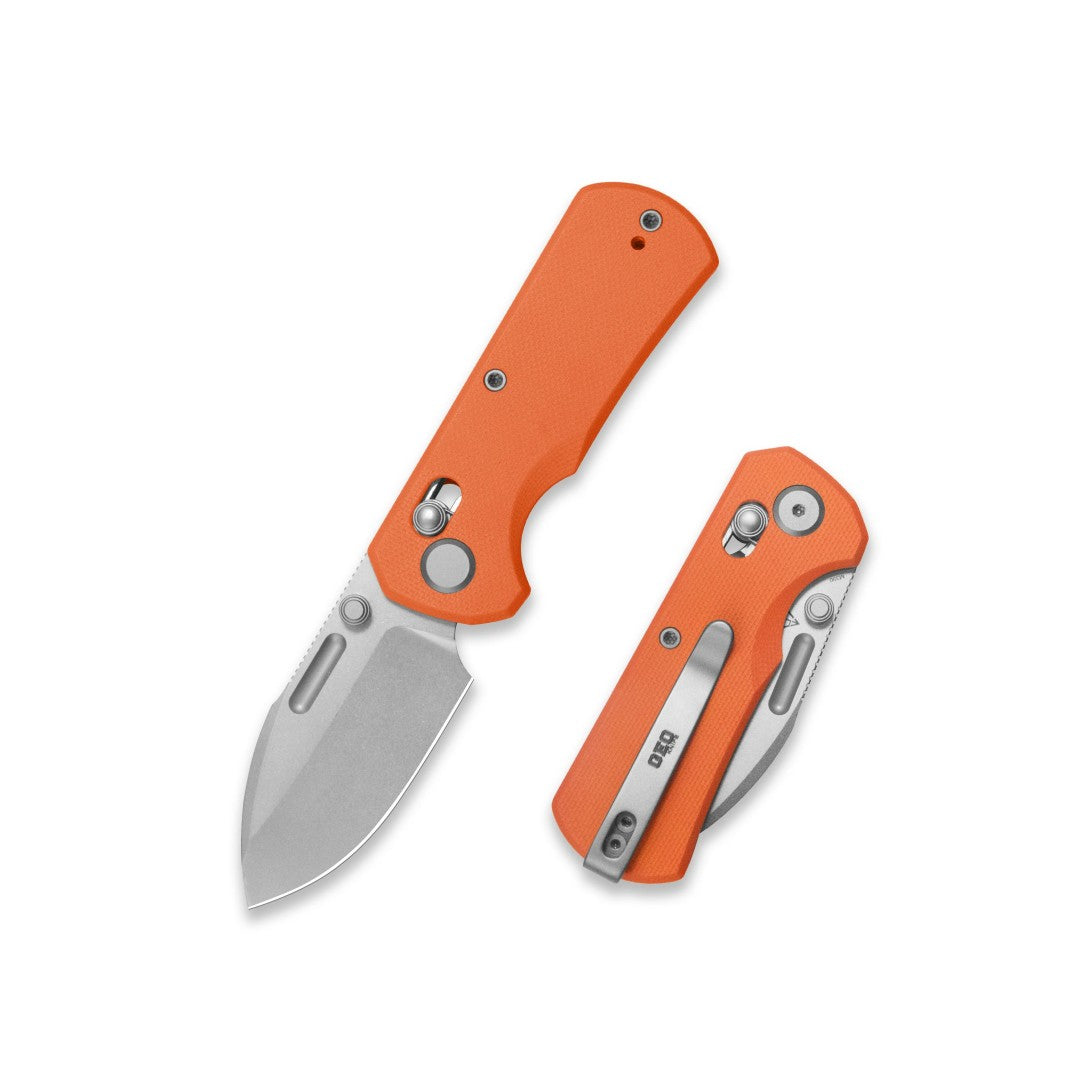
In the world of high-performance knife steels, few names command as much respect as CPM-S90V. Developed by Crucible Industries, this powder metallurgy stainless steel has earned a reputation as one of the most wear-resistant and edge-retaining blade steels available today. Whether you are a knife collector, an everyday carry (EDC) enthusiast, or a professional who demands the very best from your cutting tools, understanding what makes CPM-S90V special is essential. This comprehensive guide will explore everything you need to know about this remarkable steel, from its chemical composition and manufacturing process to its real-world performance and how it compares to other premium steels on the market.
What Is CPM-S90V?
CPM-S90V is a high-performance martensitic stainless steel manufactured using Crucible Industries’ proprietary Crucible Particle Metallurgy (CPM) process. It is widely recognized for its exceptional wear resistance, outstanding edge retention, and substantial corrosion resistance, making it one of the most sought-after steels in the knife industry. Originally introduced in the early 2000s, CPM-S90V was developed as an evolution of its predecessor, CPM-440V (later known as CPM-S60V). While CPM-440V was well-regarded for its high wear resistance, it proved difficult to sharpen and was somewhat prone to chipping. In response, Crucible increased the vanadium content to approximately 9.0% to improve toughness without compromising wear resistance.
The Crucible Particle Metallurgy (CPM) Process
To fully appreciate CPM-S90V, one must understand the manufacturing process behind it. The CPM process, introduced in the 1970s, was a groundbreaking advancement in metallurgy that allows for the creation of steels with uniform microstructures and enhanced properties that traditional manufacturing methods simply cannot achieve. Unlike conventional steelmaking, which can produce uneven carbide distribution and segregation issues, the CPM process involves atomizing molten steel into fine particles that are then consolidated under high pressure and temperature. The result is a finer, more uniform carbide distribution that imparts improved toughness and grindability to high-alloy steels.
Chemical Composition
The exceptional performance of CPM-S90V comes from its carefully balanced chemical composition. According to Crucible Industries’ specifications, the steel contains the following elements:
-
Carbon (C): 2.30% — Provides hardness and wear resistance
-
Chromium (Cr): 14.00% — Delivers corrosion resistance and hardenability
-
Vanadium (V): 9.00% — Forms extremely hard vanadium carbides for wear resistance
-
Molybdenum (Mo): 1.00% — Enhances hardenability and corrosion resistance
-
Tungsten (W): 0.40% — Adds hardness and high-temperature stability
The high vanadium content—approximately three times that of steels like Elmax or S30V—is the defining characteristic of CPM-S90V. This vanadium-rich composition promotes the formation of hard vanadium carbides instead of chromium carbides, significantly increasing the steel’s wear resistance while leaving more free chromium available to provide superior corrosion resistance.
Key Performance Characteristics
Wear Resistance and Edge Retention
Wear resistance is where CPM-S90V truly shines. The steel offers substantial improvements in wear resistance over traditional high-chromium tool steels such as 440C and D2. The high volume of vanadium carbides, which are among the hardest carbides found in knife steels, provides exceptional resistance to abrasive wear and deformation. For users who prioritize edge retention above all else, CPM-S90V is widely considered a leader among premium knife steels. Many users report that blades made from this steel maintain a working edge for extended periods, even under heavy use. As one enthusiast put it, S90V “stays sharp for a decade.”
Corrosion Resistance
With 14% chromium content, CPM-S90V qualifies as a true stainless steel, offering corrosion resistance equal to or better than 440C. The high vanadium content leaves sufficient chromium free in the matrix to provide good corrosion resistance, making S90V well-suited for use in humid or wet environments. However, it should be noted that it does not reach the corrosion resistance levels of more stainless-oriented steels like CPM-154 or S35VN. For most general EDC tasks, the corrosion resistance provided by S90V is more than adequate, though users in marine or extremely wet environments may prefer higher-chromium alternatives.
Hardness
CPM-S90V typically achieves a Rockwell hardness ranging from 58 to 61 HRC, though optimal heat treatments can push it even higher depending on the intended application. With optimal heat treatment, S90V can reach hardness values of approximately 66 HRC, significantly higher than many competing steels. This high hardness contributes directly to the steel’s exceptional wear resistance and edge retention capabilities.
Toughness
Given its extremely high hardness and carbide volume, one might expect CPM-S90V to be brittle. However, the fine grain structure achieved through the CPM process results in better toughness than what could be expected from such a high-carbide volume. While S90V is not as tough as steels like CPM-3V or S30V, it offers reasonable toughness for a steel in its performance class. The Charpy impact value of 27.12 J indicates adequate toughness for most cutting applications, though users should avoid subjecting S90V blades to heavy lateral stress or prying tasks.
Real-World Performance and User Experience
Field testing has consistently validated CPM-S90V’s impressive specifications. In real-world conditions, the steel demonstrates remarkable corrosion resistance, even after repeated exposure to moisture. The combination of a full-flat grind with S90V’s hardness allows for effortless slicing through materials while retaining sharpness even after significant use.
Users consistently praise the steel’s ability to hold an edge for prolonged periods, even under heavy use, making it a go-to material for premium knives aimed at collectors and users demanding the highest performance. However, the very feature that makes S90V so appealing—its extreme wear resistance—also makes it notoriously difficult to sharpen. As one user humorously noted, S90V is “tough to work with, tough to sharpen, tough to rust, tough to dull the blade.”
Sharpening CPM-S90V
Sharpening CPM-S90V requires patience and the right equipment. Due to its high vanadium carbide content, standard aluminum oxide stones will struggle to abrade the steel effectively. Diamond stones or ceramic abrasives are strongly recommended for sharpening and maintaining S90V blades. While the steel is challenging to sharpen, the trade-off is that once properly sharpened, an S90V blade will maintain its edge far longer than most other steels, requiring far fewer sharpening sessions over the life of the knife.
How CPM-S90V Compares to Other Premium Steels
CPM-S90V vs. M390
M390, produced by Bohler-Uddeholm, is often considered the benchmark for premium stainless steels. It offers an excellent balance of corrosion resistance, wear resistance, and edge retention. S90V pushes the limits further in terms of wear resistance and edge retention due to its higher vanadium content, but this comes at the cost of increased sharpening difficulty and slightly lower corrosion resistance compared to M390. M390 is generally easier to sharpen and offers superior corrosion resistance, making it a more well-rounded choice for many users, while S90V is the better choice for those who prioritize absolute edge retention above all else.
CPM-S90V vs. S30V
S30V is a well-respected powder metallurgy stainless steel that offers a balanced combination of toughness, wear resistance, and corrosion resistance. S90V provides significantly better edge retention and wear resistance, but S30V offers better toughness and is considerably easier to sharpen. For larger blades or applications where impact resistance is important, S30V may be the better choice.
CPM-S90V vs. Maxamet
Maxamet is an extreme-performance tool steel that achieves even higher hardness (65-68 HRC) and edge retention than S90V. However, Maxamet has lower toughness, poorer corrosion resistance, and is even more difficult to sharpen. For users who require the absolute maximum edge retention and can accept the trade-offs, Maxamet may be appealing, but for most users seeking a balance of properties, S90V is the more practical choice.
CPM-S90V vs. 20CV
CPM-20CV is essentially the American equivalent of M390, offering a balanced profile of wear resistance, corrosion resistance, and edge retention. S90V offers superior edge retention and wear resistance, while 20CV provides better corrosion resistance due to its higher 20% chromium content and is easier to sharpen.
Best Applications for CPM-S90V
Given its exceptional wear resistance and edge retention, CPM-S90V is best suited for applications where prolonged cutting performance is critical and frequent sharpening is impractical. Ideal applications include:
-
High-end folding knives and EDC blades: The steel’s ability to hold an edge for extended periods makes it perfect for everyday carry knives that see regular use.
-
Hunting and outdoor knives: Field dressing and processing game require a blade that stays sharp through multiple uses.
-
Collector knives: Premium materials and exceptional performance make S90V highly desirable among knife collectors.
-
Specialty cutting tools: Applications requiring maximum wear resistance and edge retention benefit from S90V’s properties.
It should be noted that S90V is not recommended for heavy-duty tasks involving impact or lateral stress, such as chopping or prying, due to its relatively lower toughness.
Popular Knives Featuring CPM-S90V
Several major manufacturers have embraced CPM-S90V for their premium offerings. Spyderco has released numerous Sprint Run and exclusive models featuring S90V, including the Military 2 Carbon Fiber, Native 5, and Manix 2 variants. Benchmade has produced popular models such as the 940-1, Bugout, and Bailout with S90V blades. Other manufacturers like Manly and Jack Wolf have also offered S90V options, demonstrating the steel’s broad appeal across the knife industry.
Pros and Cons Summary
Advantages
-
Exceptional wear resistance and edge retention
-
True stainless steel with good corrosion resistance
-
Holds an edge significantly longer than most competing steels
-
Fine grain structure provides better toughness than expected for its hardness level
-
Uniform carbide distribution ensures consistent performance
Disadvantages
-
Very difficult to sharpen without diamond or ceramic abrasives
-
Higher cost compared to many other premium steels
-
Lower toughness than more balanced steels like S30V or M390
-
May be overkill for casual users who don’t require extreme edge retention
Final Thoughts
CPM-S90V represents the pinnacle of what is possible with modern powder metallurgy stainless steels. Its extreme wear resistance and edge retention capabilities make it a favorite among knife enthusiasts who demand the very best from their cutting tools. While the steel’s difficulty in sharpening and higher cost may deter some users, those who prioritize edge retention above all else will find that CPM-S90V delivers unmatched performance. As one reviewer aptly noted, S90V offers “a great, balanced trifecta of hardness, toughness and corrosion resistance.” Whether you are adding to a collection or seeking a blade that will stay sharp through countless cutting tasks, CPM-S90V is a steel that deserves serious consideration.