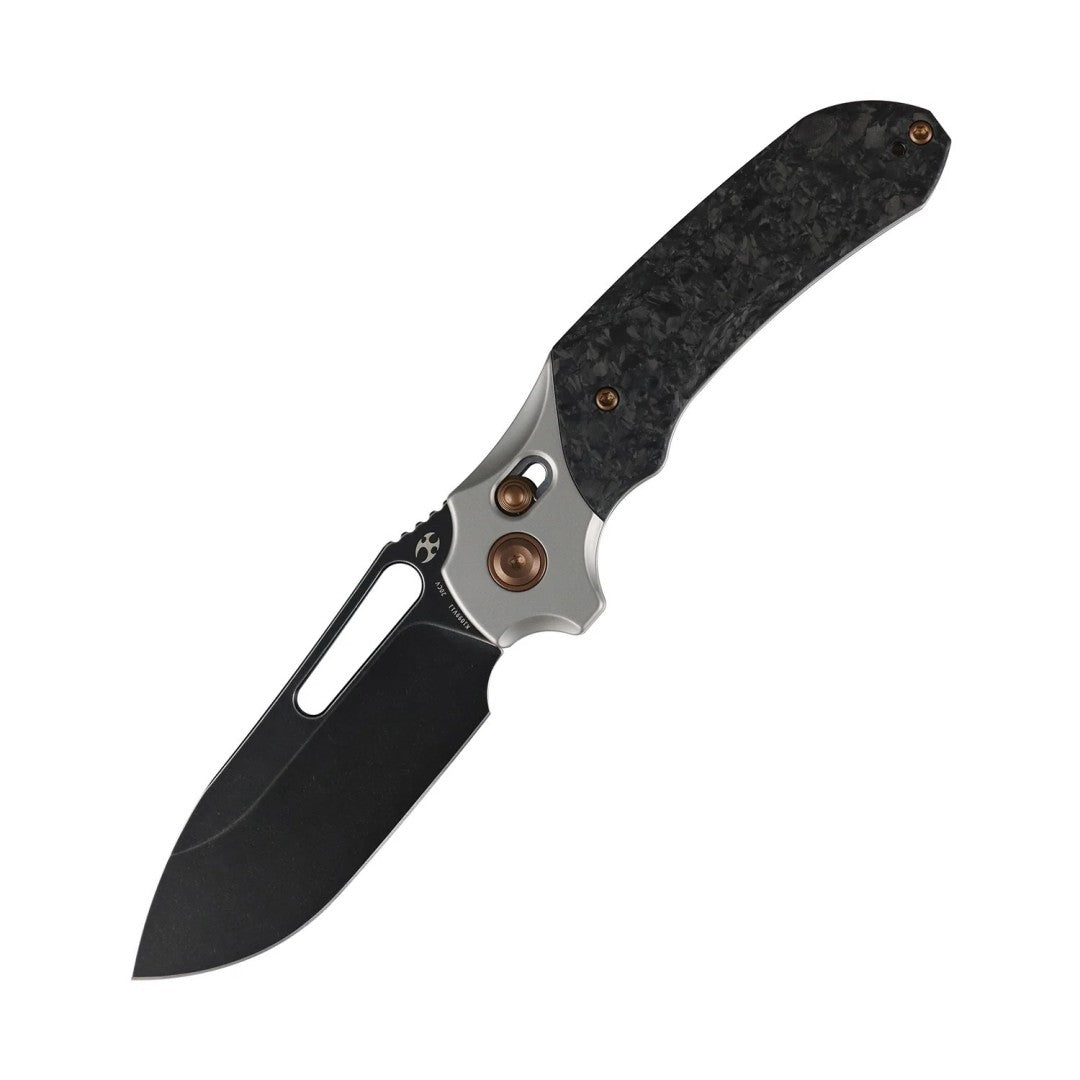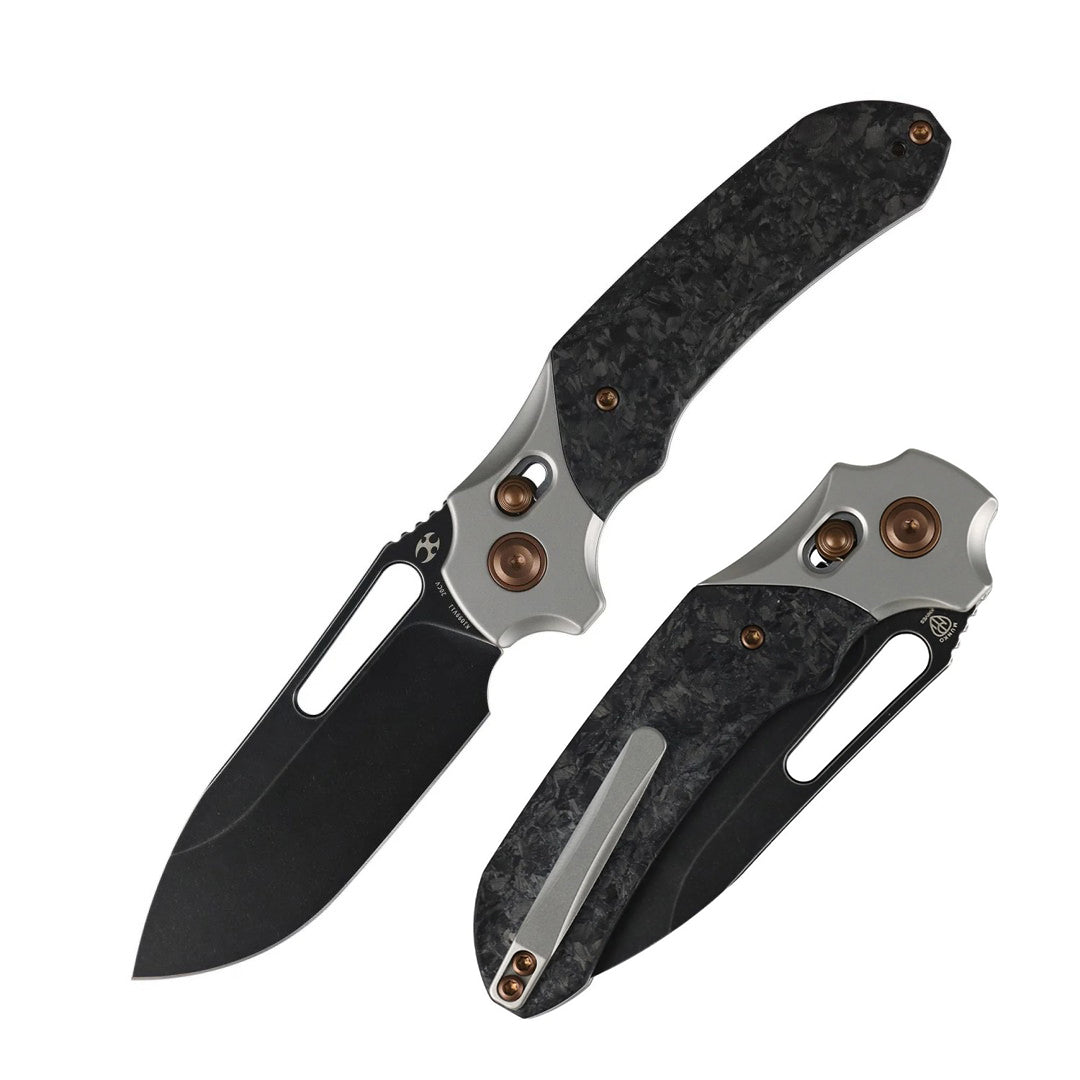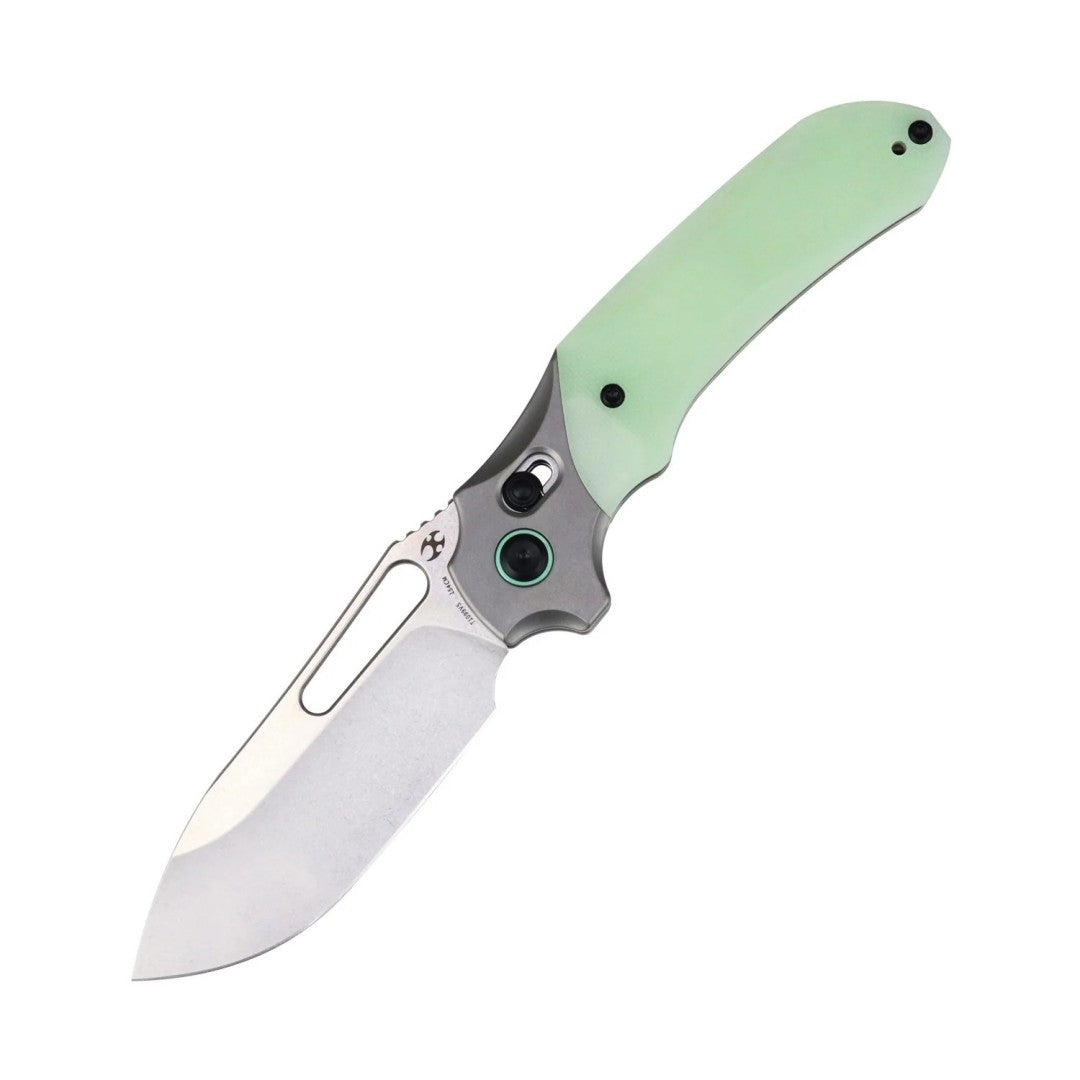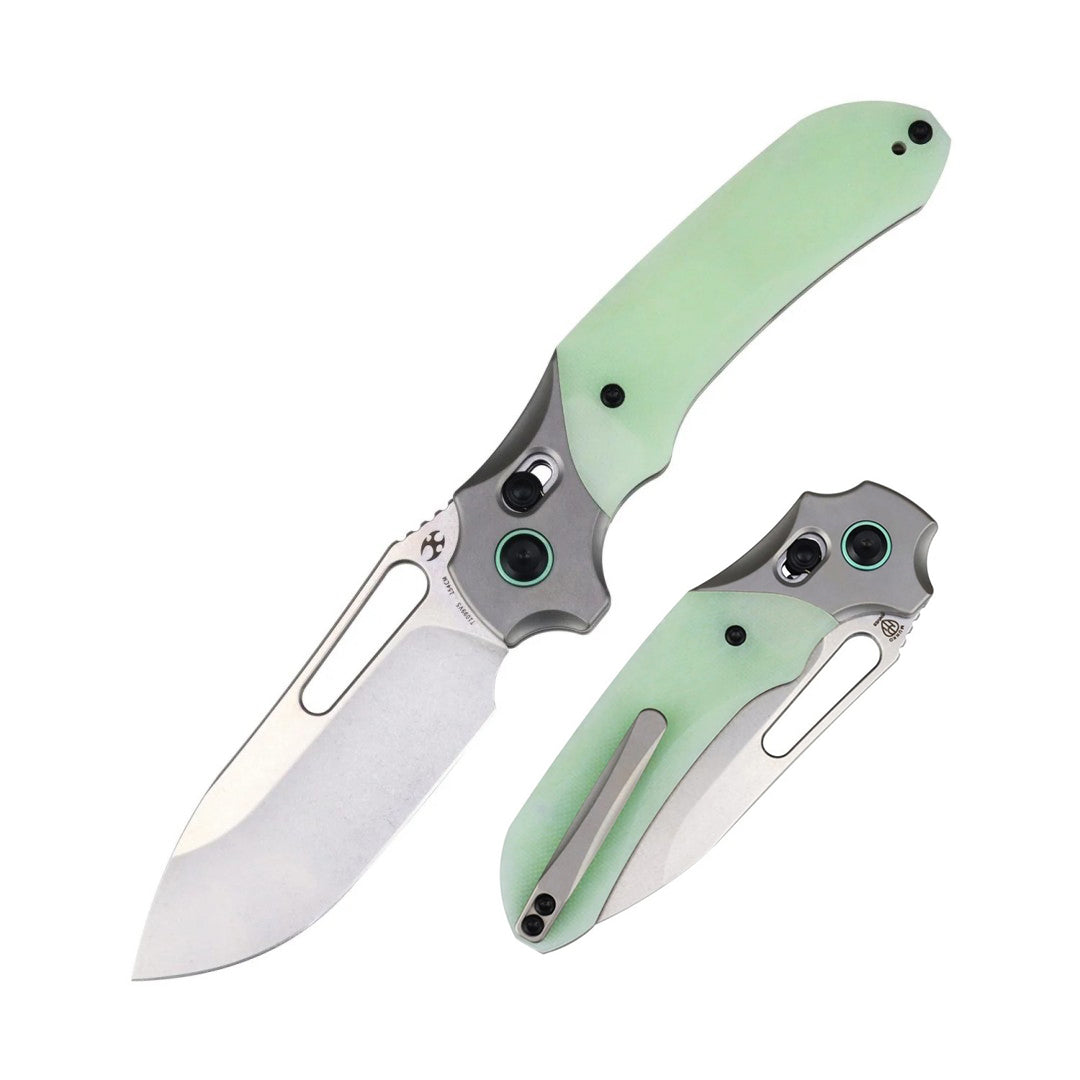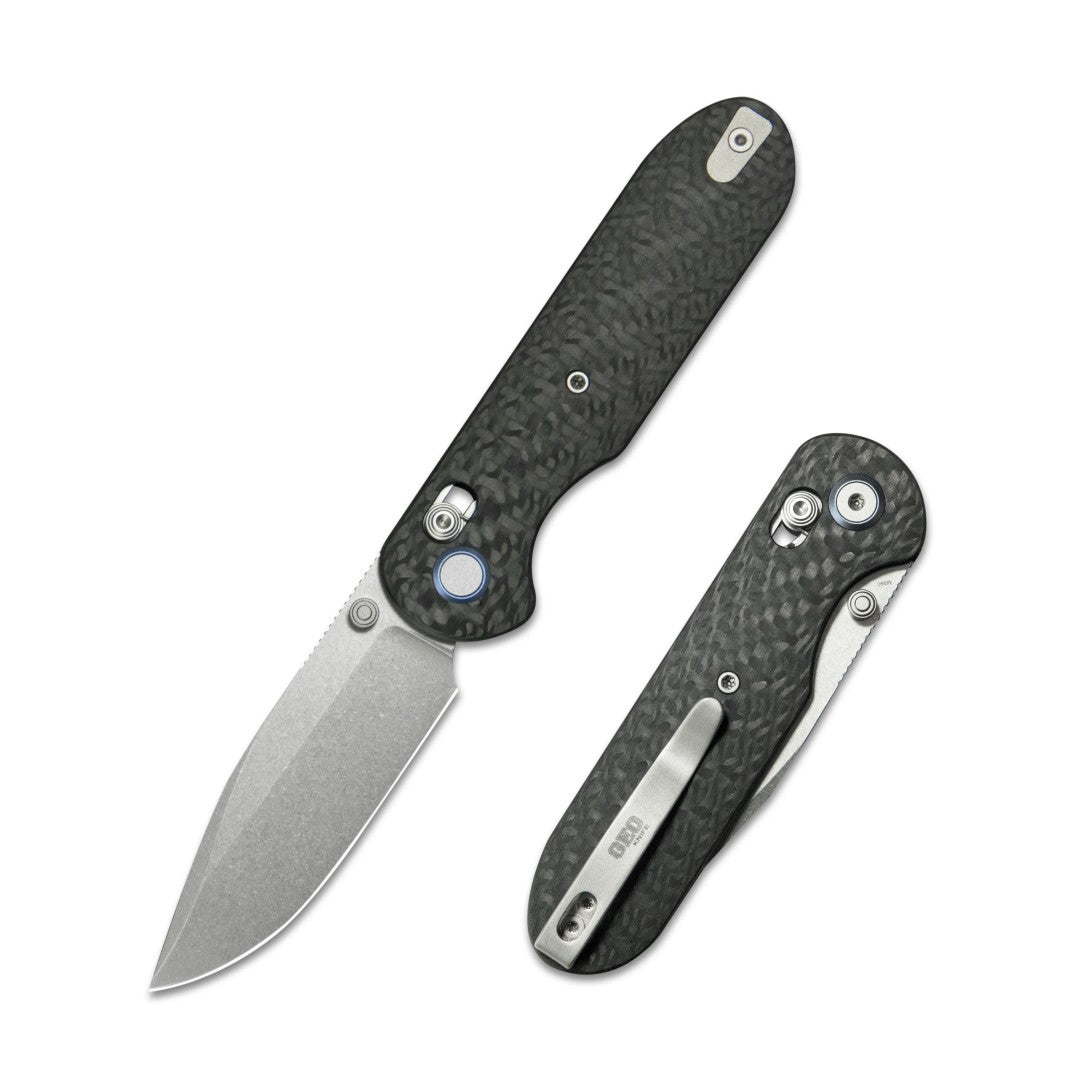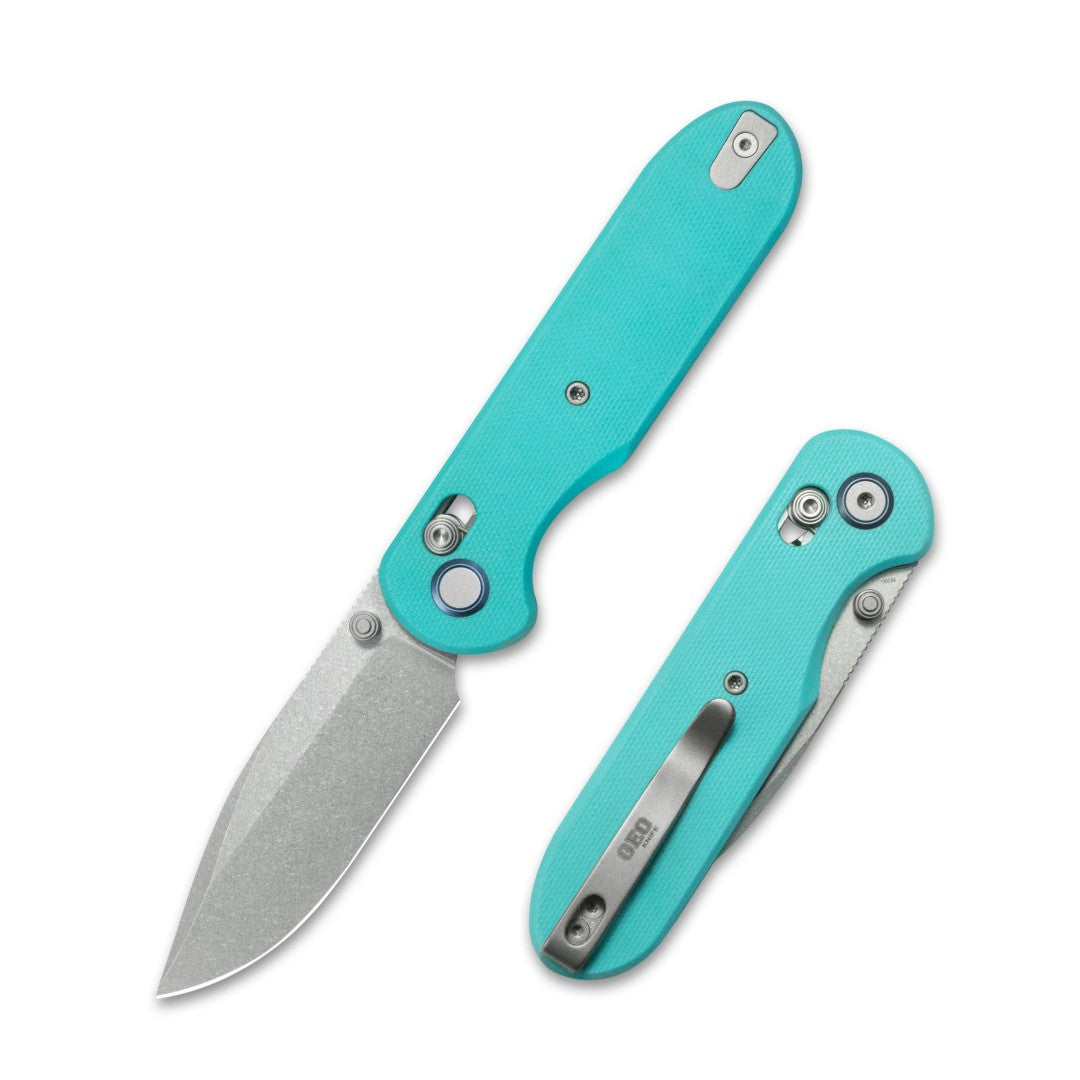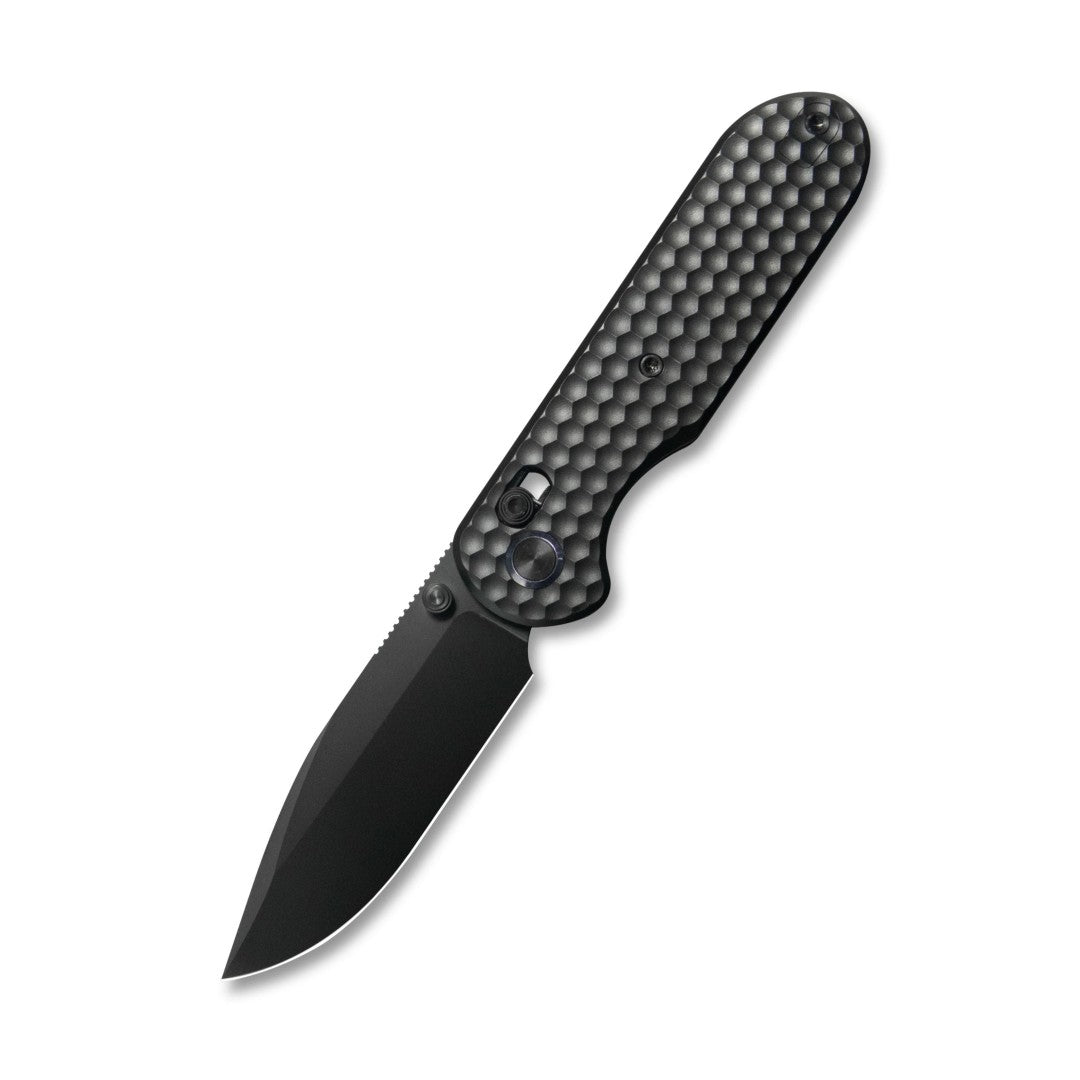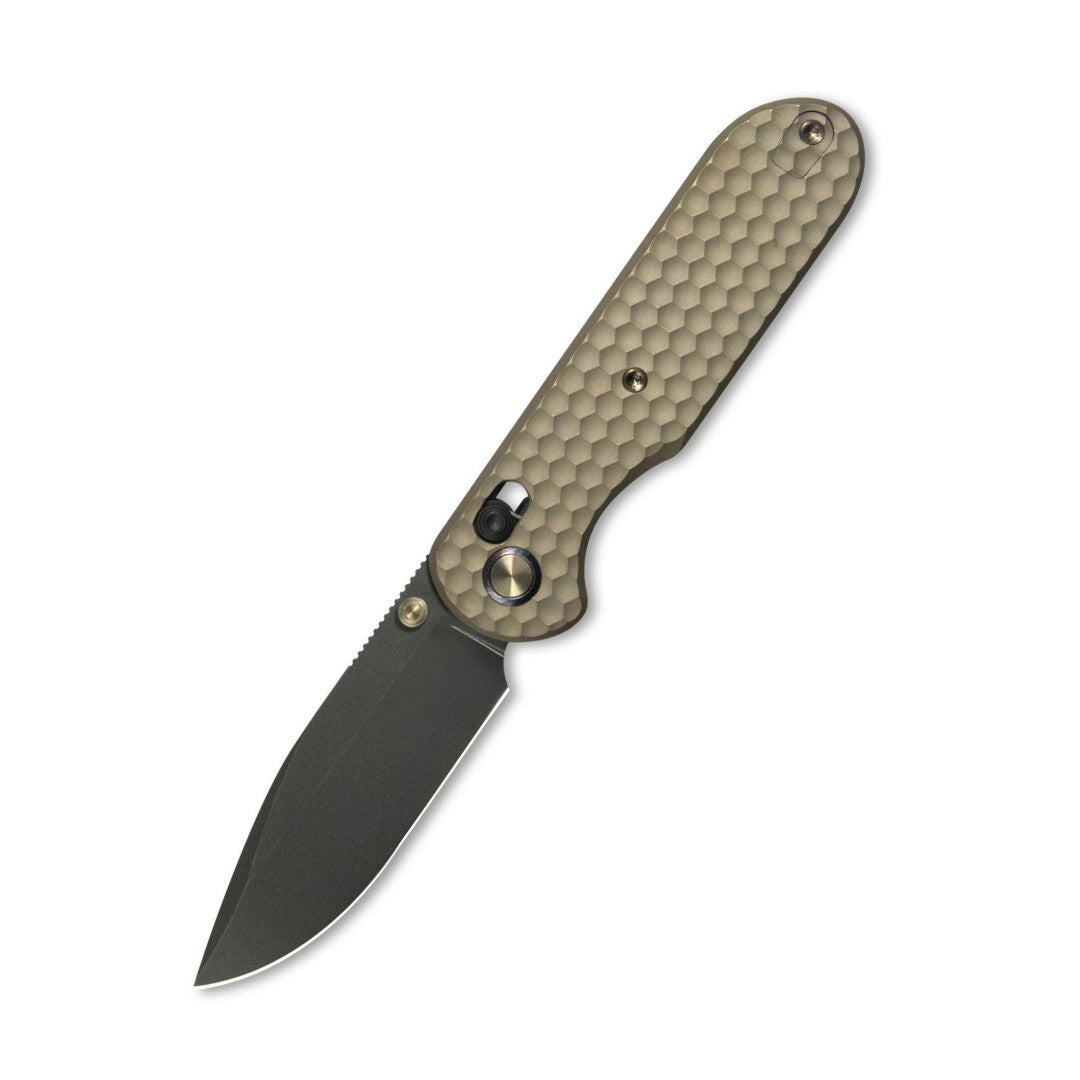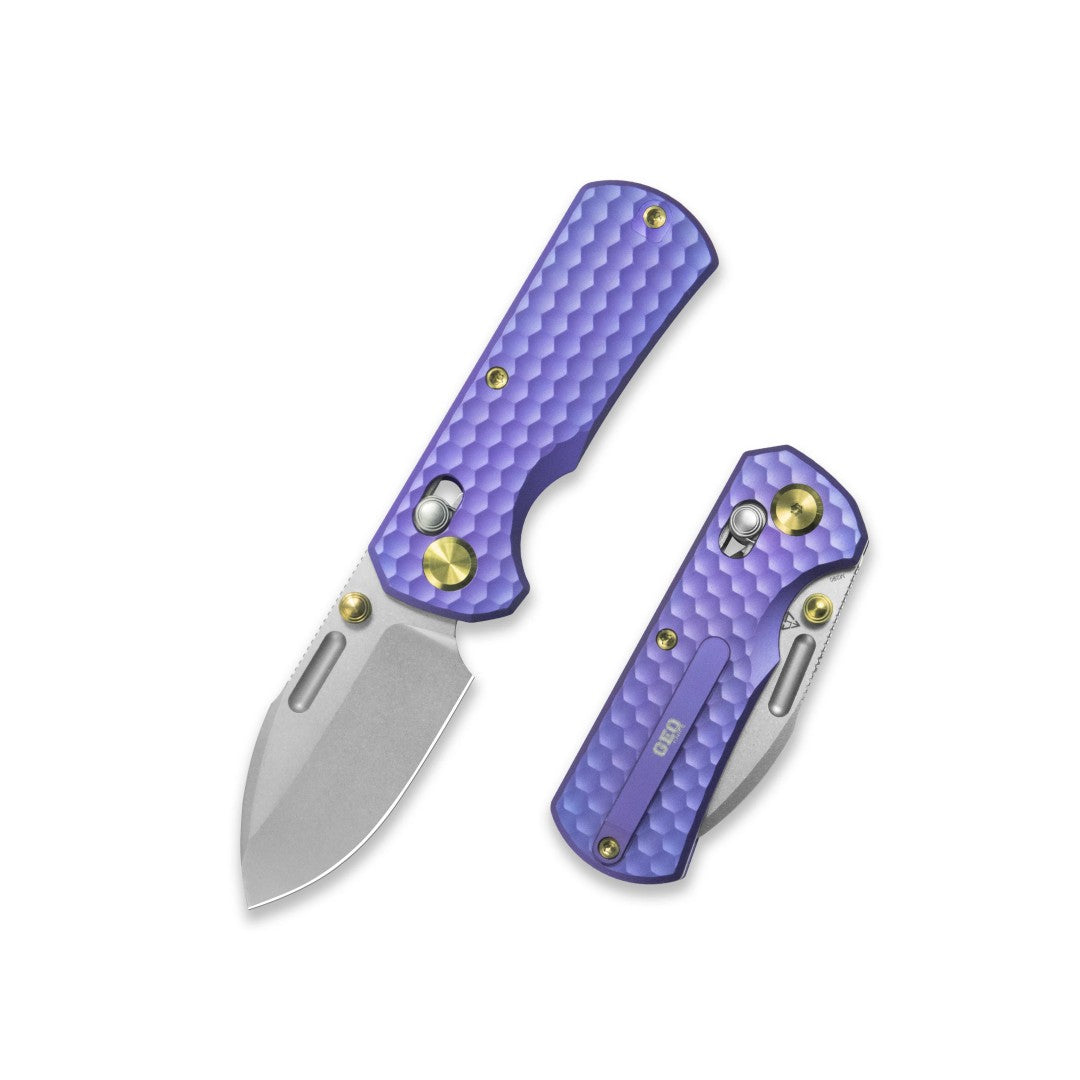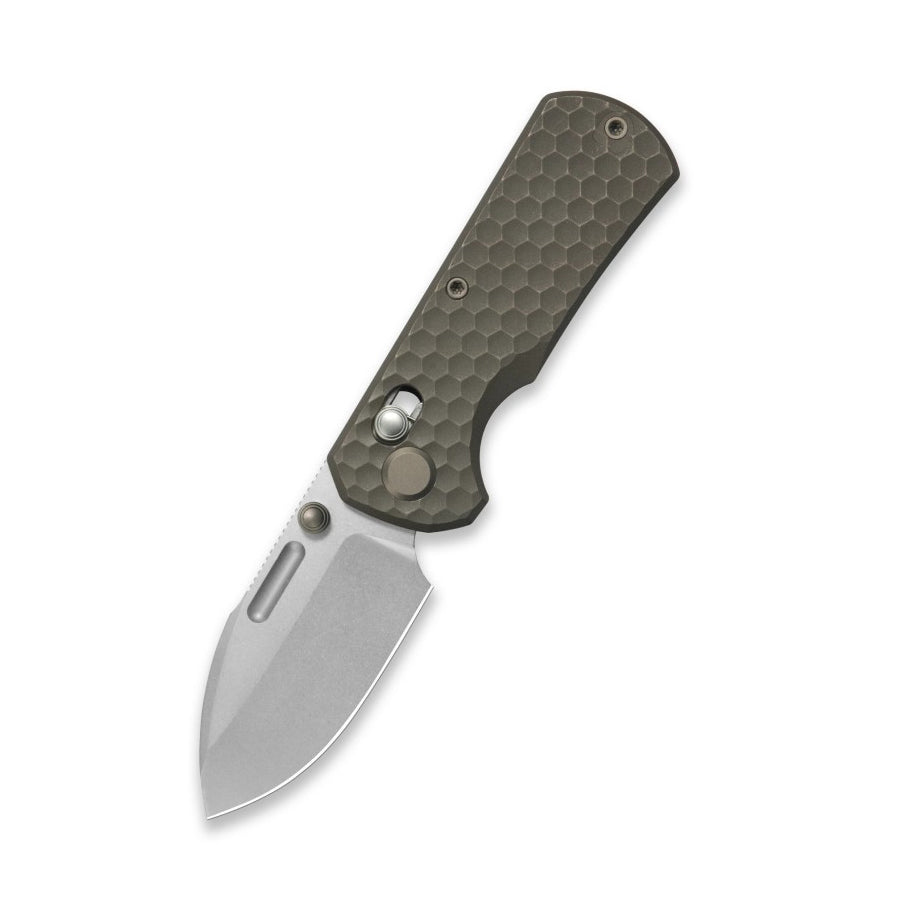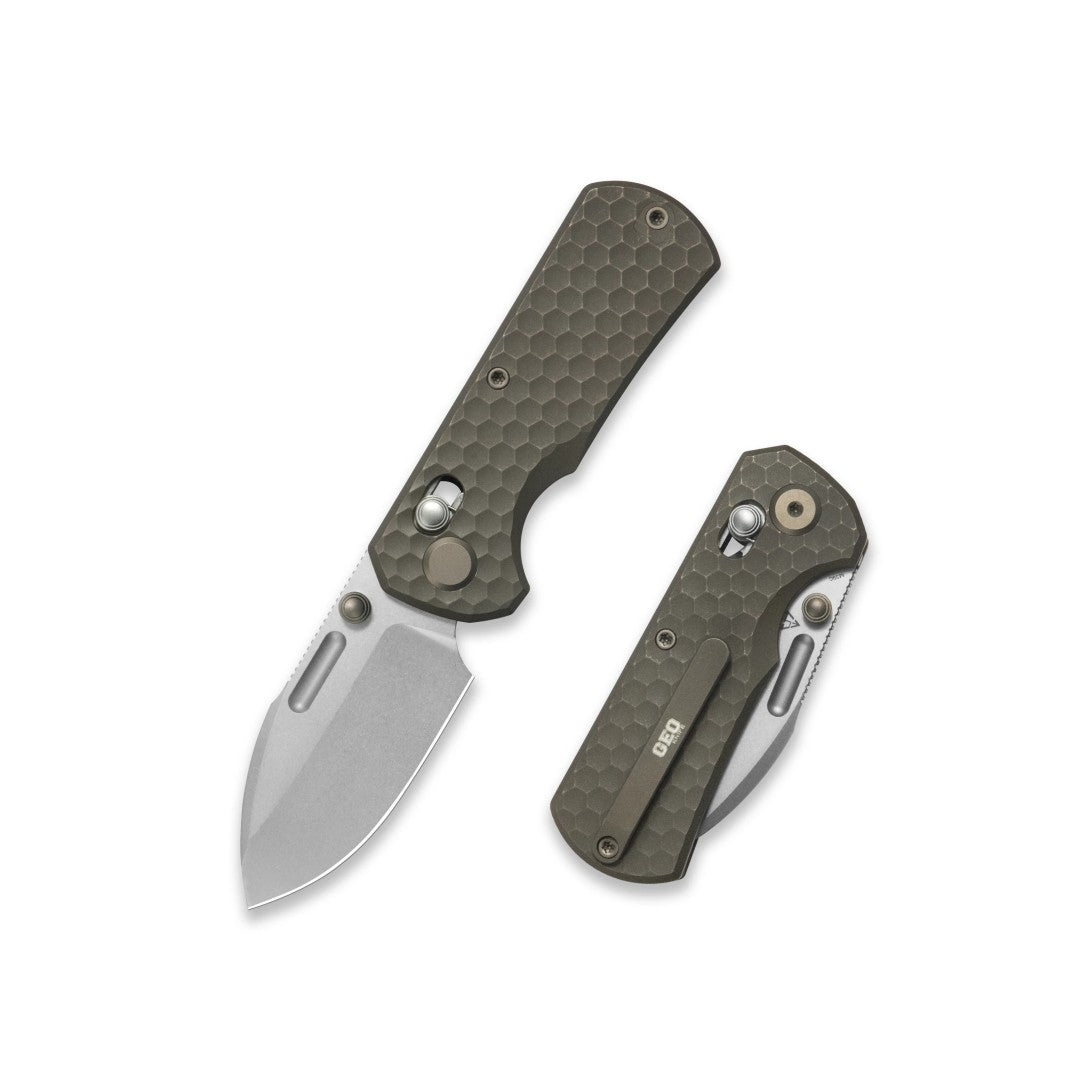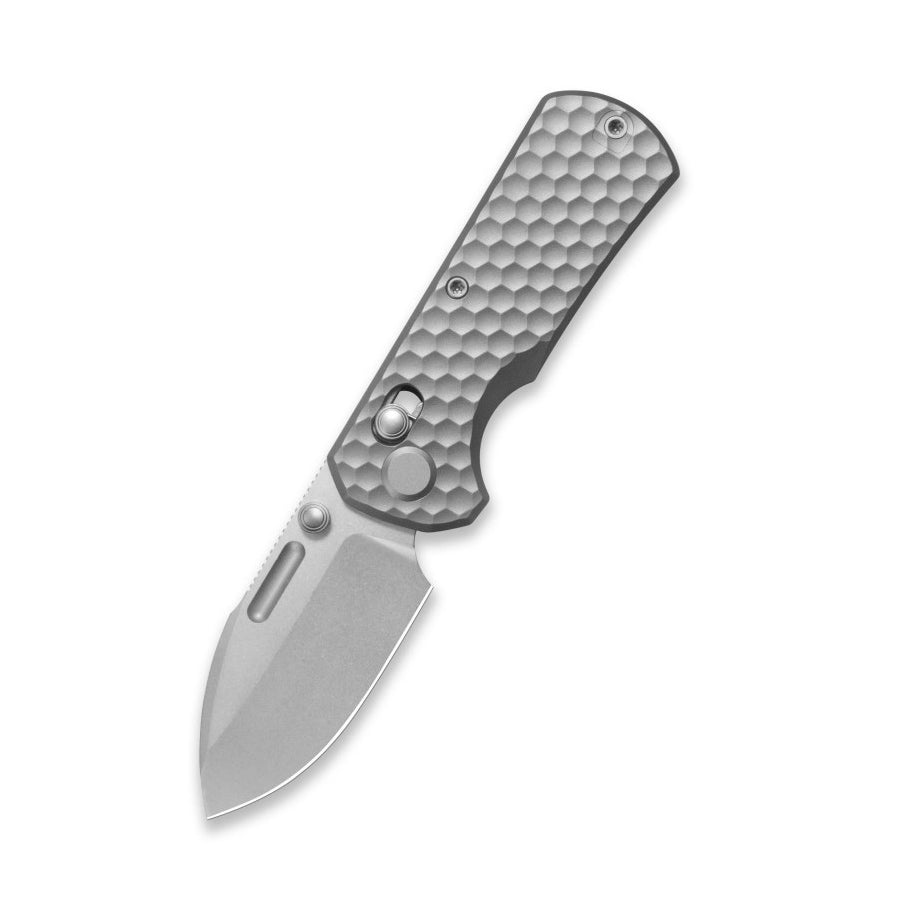

In the crowded world of knife steels, few names command as much respect and recognition as VG-10. Praised by professional chefs, coveted by knife enthusiasts, and trusted by some of the world’s leading cutlery brands, VG-10 has earned its reputation as the gold standard of Japanese stainless steel.
This comprehensive guide covers everything you need to know about VG-10 steel—its history, chemical composition, performance characteristics, strengths and limitations, how it compares to other popular blade steels, and why it remains one of the most beloved choices for high-quality knives.
What Is VG-10 Steel?
VG-10 is a premium, high-carbon stainless steel produced by Takefu Special Steel Co., Ltd. in Japan‘s Fukui Prefecture—a region steeped in centuries of sword-making and cutlery tradition. The name “VG” stands for ”V Gold” (or *V-Kin-10* in Japanese), with “gold” symbolizing the steel’s premium quality and top-tier status within the V Gold series.
Unlike many modern powder-metallurgy steels, VG-10 is a conventionally produced steel, meaning it is manufactured through traditional ingot casting methods. But what sets it apart is its unique alloy composition, which includes a relatively rare addition: cobalt. Originally developed in the 1980s for the Japanese horticulture industry (specifically for precision grafting knives), VG-10 quickly proved its worth and was soon adopted by professional chefs and knife makers worldwide. Today, it is widely considered the benchmark for high-performance Japanese cutlery.
Chemical Composition
VG-10‘s exceptional performance comes from its carefully balanced alloying recipe. Here is the typical chemical composition based on manufacturer data:
| Element | Typical Percentage | Role |
|---|---|---|
| Carbon (C) | 0.95–1.05% | Hardness, edge retention, wear resistance |
| Chromium (Cr) | 14.5–15.5% | Corrosion resistance, stainless properties |
| Cobalt (Co) | 1.3–1.5% | Increases strength, toughness, and high-temperature performance |
| Molybdenum (Mo) | 0.9–1.2% | Enhances strength, hardenability, and pitting resistance |
| Vanadium (V) | 0.1–0.3% | Forms hard carbides for wear resistance and grain refinement |
| Manganese (Mn) | 0.5% | Grain refinement and toughness |
| Silicon (Si) | 0.6% | Strength and deoxidation |
The cobalt content is one of VG-10’s most distinctive features. Cobalt is relatively rare in knife steels, and it serves a unique purpose: it enhances the steel’s strength and toughness while improving its high-temperature performance. This allows VG-10 to be hardened to high levels without becoming excessively brittle.
The 15% chromium content ensures excellent corrosion resistance—well above the 10.5% minimum required for a steel to be classified as stainless. Meanwhile, the 1% carbon and trace vanadium form fine, evenly distributed carbides that contribute to the steel‘s excellent edge retention and wear resistance.
Key Performance Properties
Hardness (HRC)
VG-10 is typically heat-treated to 60–62 HRC, with most production knives falling in the 59–61 HRC range. Some premium manufacturers push it slightly higher through cryogenic treatment—for example, some Japanese kitchen knives undergo subzero treatment at -80°C (-112°F) for up to two hours to achieve optimal hardness.
At this hardness level, VG-10 offers an excellent balance between edge retention and toughness. Harder steels can be more brittle, while softer steels lose their edge quickly. VG-10 hits the sweet spot.
Edge Retention
VG-10 delivers very good edge retention that significantly outperforms conventional stainless steels like 440C. In CATRA testing, Spyderco’s Sal Glesser confirmed that VG-10 consistently demonstrates superior sharpness and abrasion resistance compared to ATS-34 and ATS-55.
In real-world use, a properly heat-treated VG-10 blade holds its edge through extended kitchen prep work, daily cutting tasks, and even heavy cardboard cutting. While it does not match the extreme edge-holding capability of powder-metallurgy super steels like M390 or S30V, it holds its own remarkably well—especially considering its much lower price point.
Toughness
VG-10 offers good toughness for a high-hardness stainless steel. The fine grain structure and cobalt addition allow the steel to resist chipping and cracking under normal use. According to experienced users, VG-10 edges tend to bend rather than chip under excessive force—a highly desirable property that makes the steel more forgiving than many harder, more brittle alloys.
That said, VG-10 is not as tough as simpler carbon steels like 5160 or O1, nor as tough as some powder-metallurgy steels designed specifically for impact resistance. It should not be used for prying or heavy chopping applications.
Corrosion Resistance
With 15% chromium, VG-10 offers excellent corrosion resistance. It is fully stainless and resists rust and staining even in humid kitchen environments and when cutting acidic foods like tomatoes, citrus, and onions. Some tests suggest VG-10 has corrosion resistance equivalent to or better than many other premium stainless steels.
Wear Resistance
VG-10 offers good wear resistance, thanks to the combination of high carbon, vanadium carbides, and molybdenum. The fine carbide structure helps the blade maintain its cutting performance through extended use without developing micro-chips or edge deformation.
VG-10 vs. Other Knife Steels
VG-10 vs. 440C
VG-10 is a clear step above 440C. While 440C is a good, affordable stainless steel (typically 58–59 HRC), VG-10 offers longer edge retention, decreased wear, and increased corrosion resistance due to its higher molybdenum content and the addition of vanadium and cobalt. In real-world testing, VG-10 typically holds an edge three times longer than basic stainless steels.
VG-10 vs. N690
N690 and VG-10 are very similar in composition and performance. Both contain cobalt, both offer excellent corrosion resistance, and both deliver good edge retention. In fact, N690 is often called “Austrian VG-10.” In side-by-side comparisons, the two steels perform almost identically, with the choice often coming down to brand preference or regional availability.
VG-10 vs. S30V
This is a more complex comparison. S30V is a powder-metallurgy steel with higher carbide volume, which gives it superior wear resistance and edge retention over VG-10. However, S30V is more difficult to sharpen and can be more brittle under impact. VG-10 is easier to maintain, easier to sharpen, and generally more forgiving for everyday use. For most users, VG-10 delivers 85–90% of S30V‘s performance at a lower price point.
VG-10 vs. ATS-34 / 154CM
VG-10 offers similar wear resistance to ATS-34 and 154CM but is generally easier to sharpen and has better corrosion resistance. Many knife users report that VG-10 takes a finer, more polished edge than these American stainless steels.
VG-10W
Takefu also produces an enhanced version called VG-10W, which adds 0.4% tungsten to the alloy. Tungsten forms hard, fine carbides that further improve wear resistance and sharpenability. According to manufacturer data, VG-10W offers 25% higher cutting ability and 20% greater durability compared to standard VG-10, while maintaining the same excellent corrosion resistance. VG-10W is a next-generation choice for premium kitchen knives and demanding mechanical cutting applications.
Best Applications for VG-10 Steel
Kitchen Knives
VG-10 is arguably the most popular kitchen knife steel in the world. Professional chefs and home cooks alike prize VG-10 blades for their ability to take a razor-sharp edge, hold it through hours of prep work, and resist rust from acidic foods. Major Japanese brands like Shun, Miyabi, Sakai Takayuki, and Tojiro rely on VG-10 for their flagship knife lines.
Everyday Carry (EDC) Knives
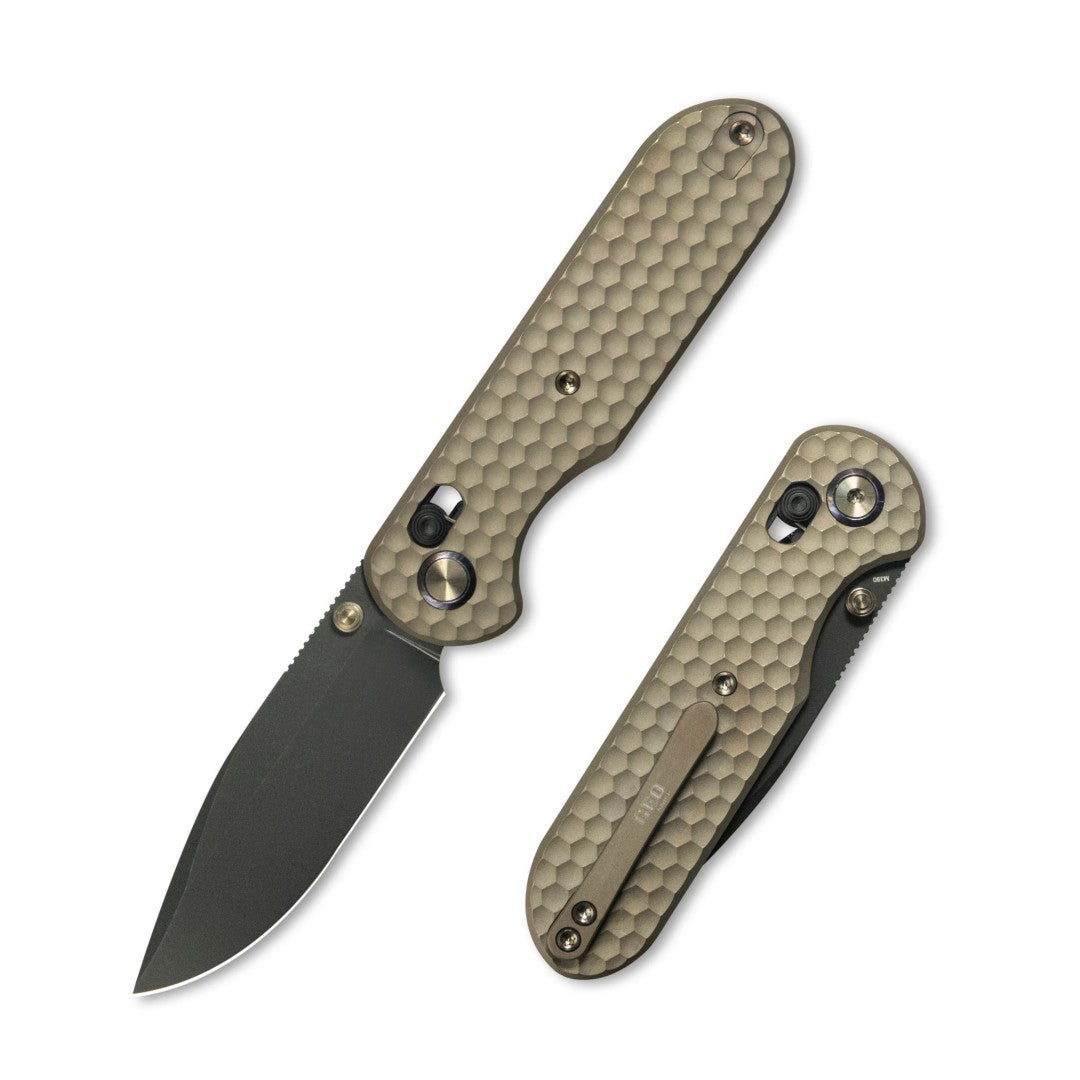
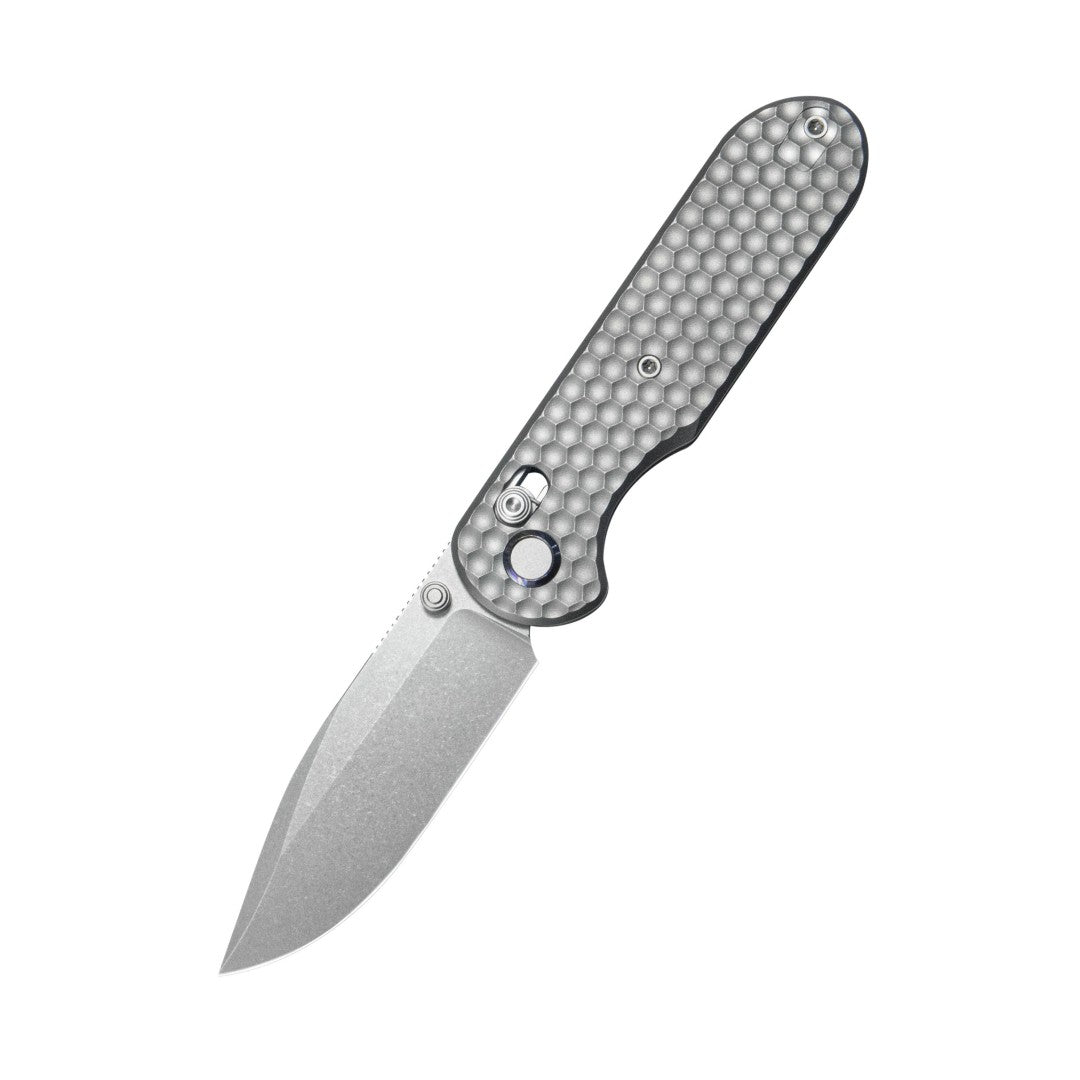
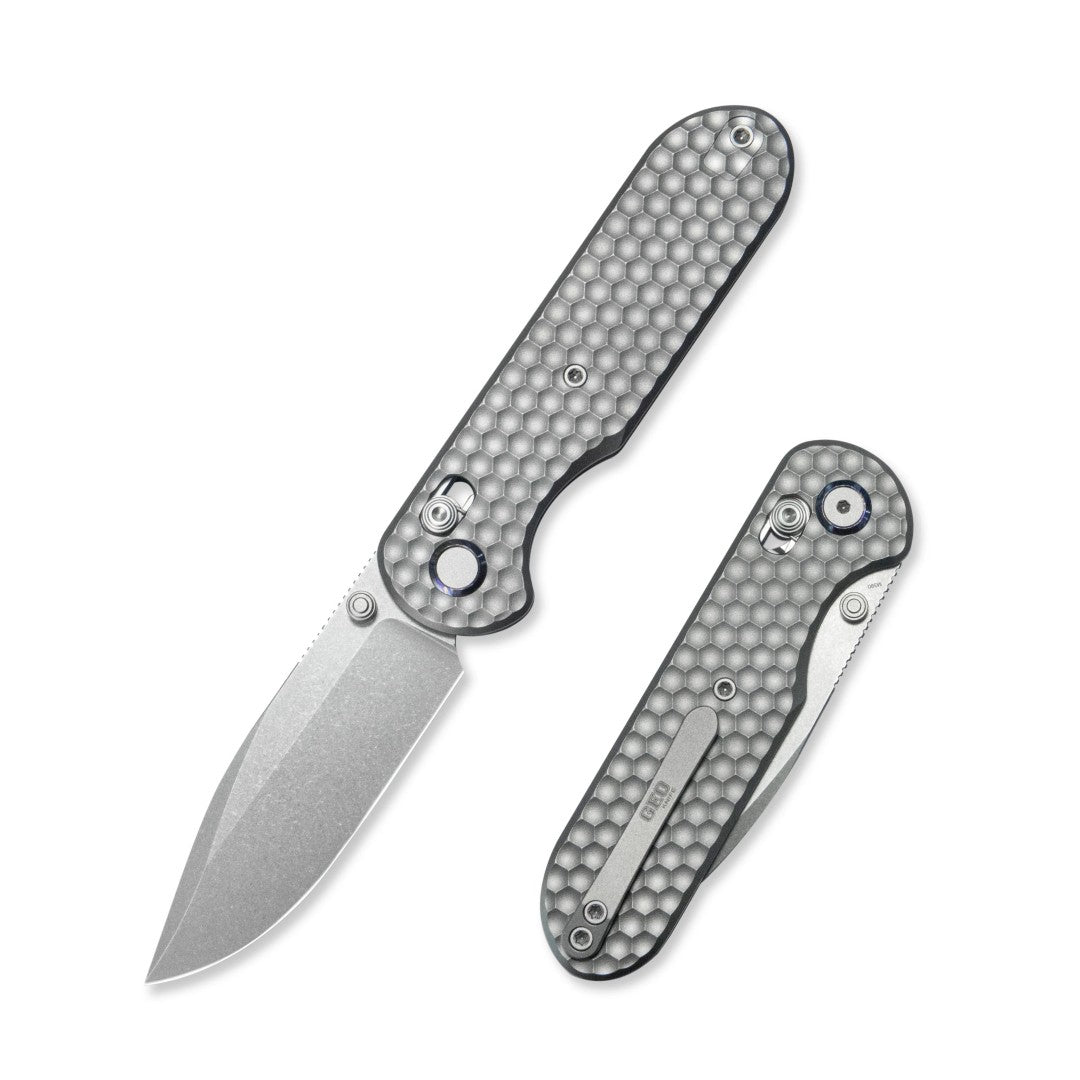
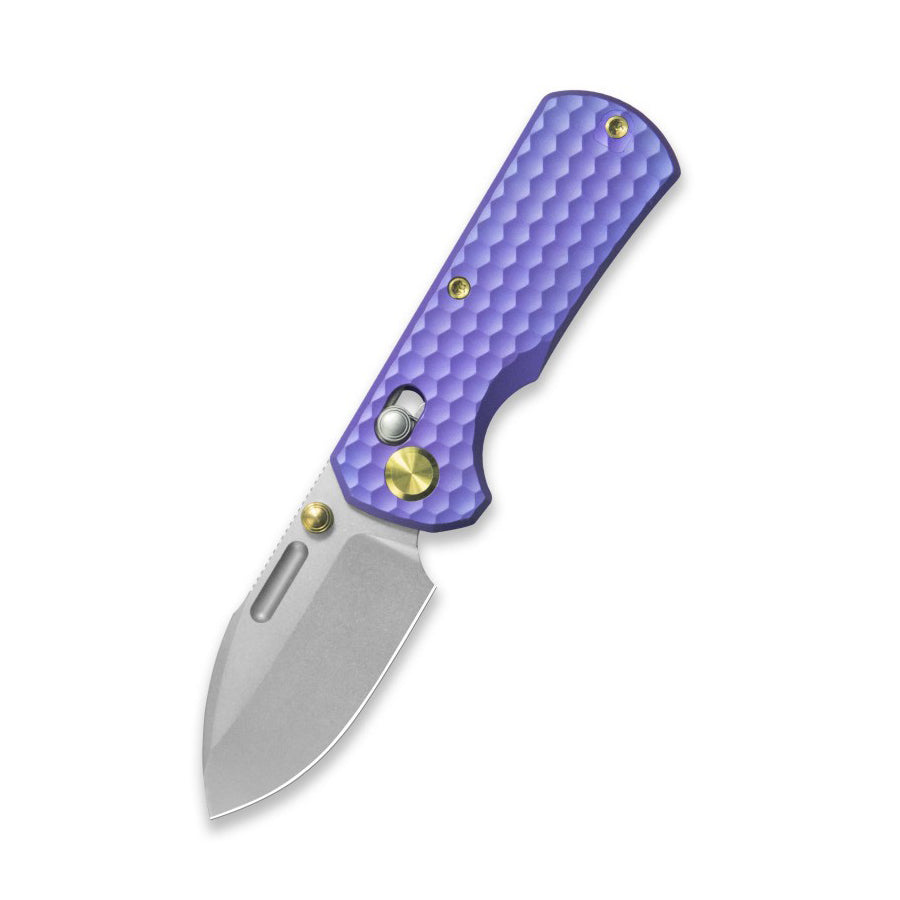
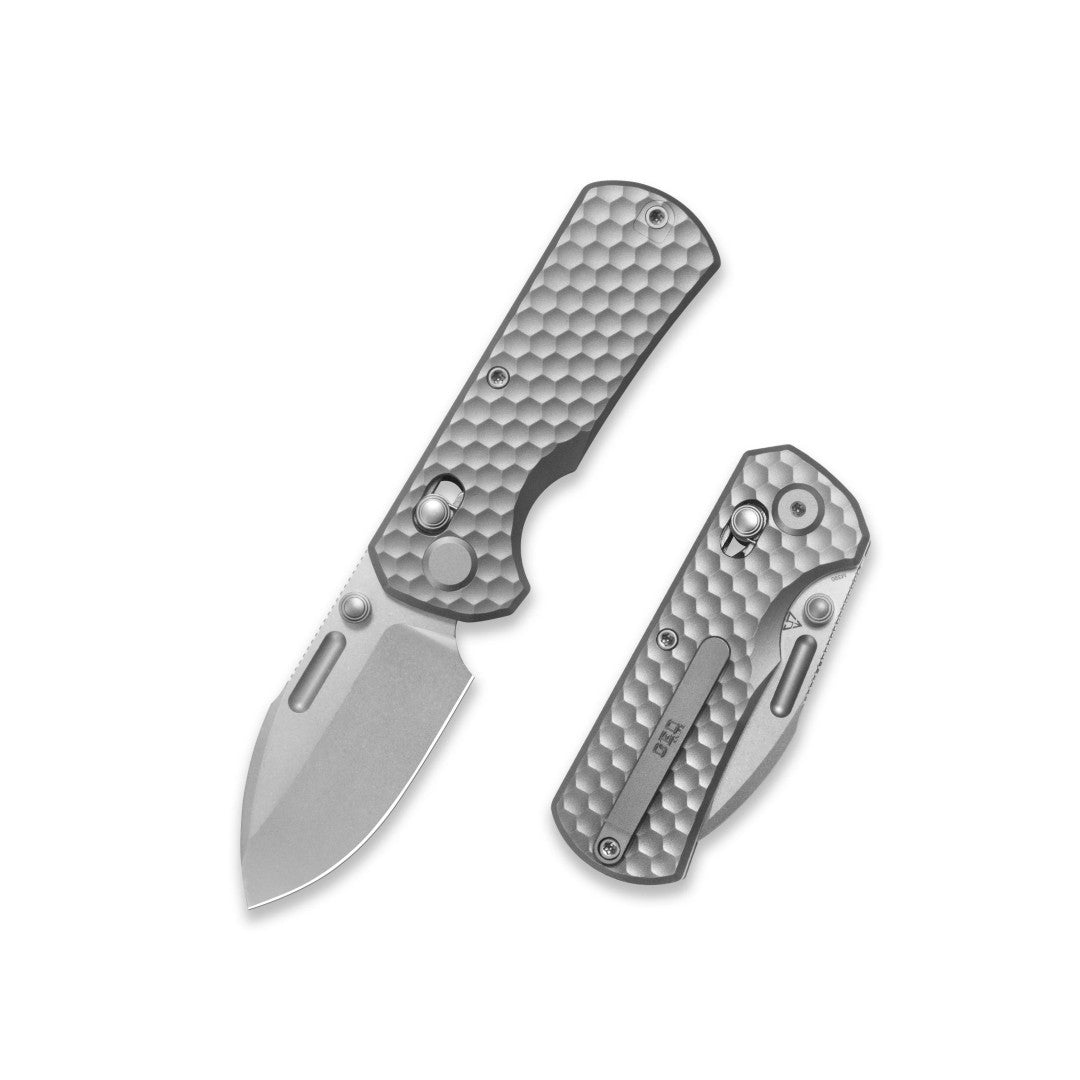
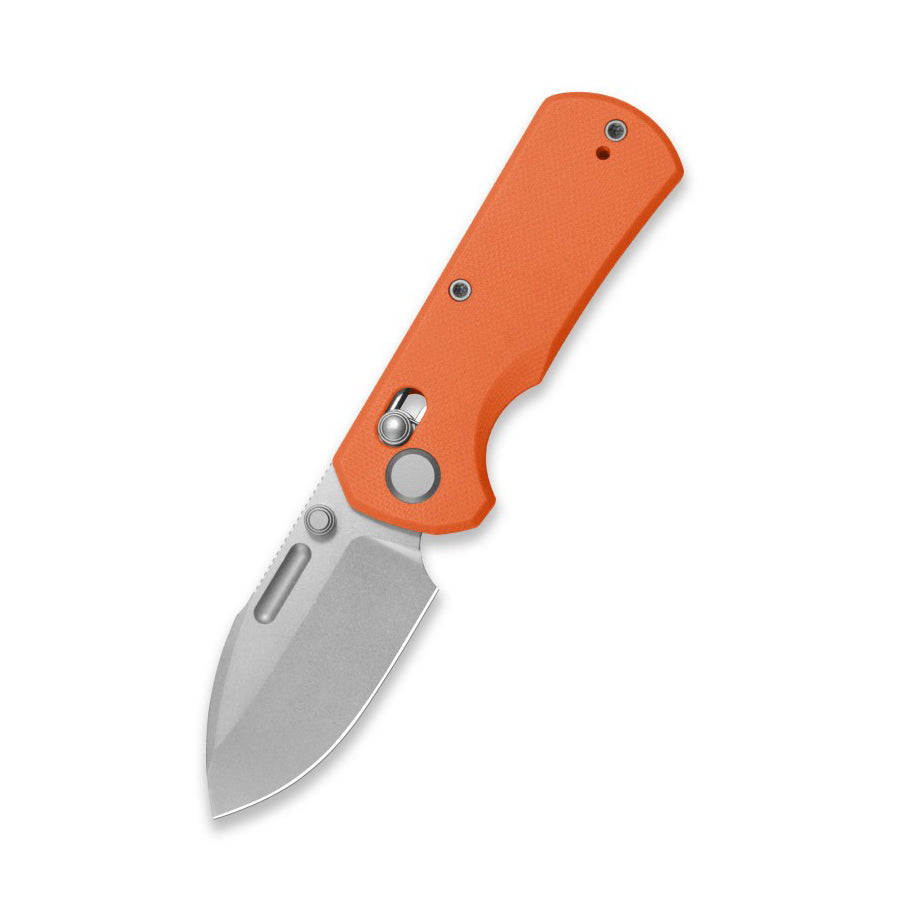
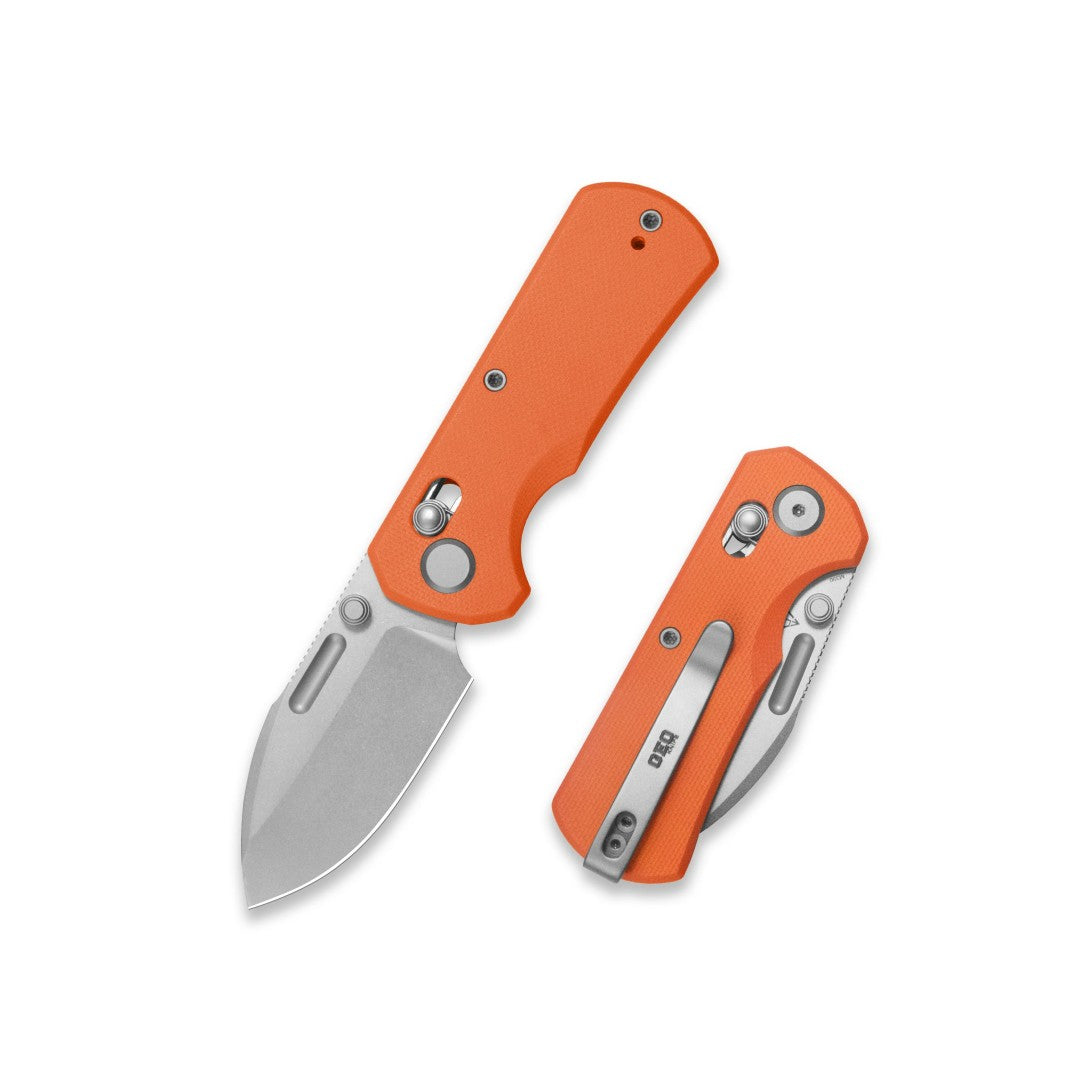
VG-10 is also widely used in high-quality folding knives. Spyderco produces many of their most popular models—including the Delica 4 and Dragonfly 2—with VG-10 blades. The steel‘s balance of edge retention, corrosion resistance, and ease of sharpening makes it an ideal choice for daily carry.
Professional Hair Shears
Beyond knives, VG-10 is used in professional hair shears. The vanadium-rich carbides keep convex edges smooth, while the molybdenum content provides enough toughness for routine salon work.
Outdoor and Hunting Knives
While less common than in kitchen cutlery, VG-10 appears in high-end outdoor and hunting knives. Brands like Fällkniven use laminated VG-10 in many of their fixed-blade knives, where the combination of edge retention and corrosion resistance is highly valued.
How to Care for and Sharpen VG-10 Steel
Maintenance
VG-10 is relatively low-maintenance thanks to its excellent corrosion resistance. However, basic care will extend the life of your blade:
-
Clean and dry after use: While VG-10 resists rust, proper cleaning prevents any potential issues
-
Avoid prolonged contact with acidic foods: While it handles tomatoes and citrus well, extended exposure should be avoided
-
Store in a dry environment: Avoid leaving the blade in a sink or dishwasher
Sharpening VG-10
VG-10 is moderately easy to sharpen for a premium stainless steel. The fine grain structure and well-distributed carbides mean it responds well to conventional sharpening stones—aluminum oxide, ceramic, or water stones all work beautifully.
However, because VG-10 is hard (60–62 HRC), it requires a bit more patience than softer steels. For best results:
-
Use medium-grit stones (800–1500 grit) for regular maintenance
-
Finish with fine-grit stones (3000–6000 grit) for a polished edge
-
A leather strop with fine compound will take the edge to hair-whittling sharpness
-
Avoid overly aggressive grinding, which can overheat the edge and affect hardness
With proper care, a VG-10 blade will provide years of exceptional cutting performance.
Pros and Cons Summary
Pros
-
Excellent edge retention – Holds a sharp edge longer than 440C and many other stainless steels
-
Very good corrosion resistance – 15% chromium provides full stainless performance
-
Good toughness – Edges tend to bend rather than chip under stress
-
Easy to sharpen – Responds well to conventional stones
-
Takes an incredibly keen edge – Fine grain structure allows for acute edge geometries
-
Versatile – Suitable for kitchen, EDC, outdoor, and professional applications
-
Widely available – Used by many major knife brands worldwide
-
Excellent value – Premium performance at a mid-range price point
Cons
-
Not a super steel – Edge retention does not match powder-metallurgy steels like S30V, M390, or Maxamet
-
Can be prone to micro-chipping – If overheated during sharpening or used for prying
-
Not as tough as carbon steels – Less suitable for heavy chopping or impact tasks
-
Requires proper heat treatment – Poorly treated VG-10 will underperform significantly
-
Not as wear-resistant as D2 or S90V – For extremely abrasive cutting tasks, harder steels may be preferred
Frequently Asked Questions
Is VG-10 steel stainless? Yes. With 15% chromium, VG-10 is a true stainless steel with excellent corrosion resistance.
Is VG-10 good for kitchen knives? Absolutely. VG-10 is widely considered one of the best kitchen knife steels available. It takes a razor-sharp edge, holds it through heavy prep work, and resists rust from acidic foods.
How hard is VG-10 steel? VG-10 typically reaches 59–62 HRC, with most production knives falling in the 60–61 HRC range.
Is VG-10 better than 440C? Yes. VG-10 offers longer edge retention, decreased wear, and increased corrosion resistance compared to 440C.
What brands use VG-10 steel? Many reputable knife brands use VG-10, including Shun, Miyabi, Spyderco, Sakai Takayuki, Tojiro, Fällkniven, Kizer, and SOG.
What does VG stand for? VG stands for “V Gold,” indicating the steel‘s premium quality and top-tier status within Takefu’s V Gold series.
Final Verdict
VG-10 steel has earned its “gold standard” reputation for good reason. After more than three decades of service in professional kitchens, EDC pockets, and outdoor adventures, it remains one of the most beloved and trusted blade steels ever produced.
What makes VG-10 so special is not any single property but the balance it achieves. It offers very good edge retention without being impossible to sharpen. It provides excellent corrosion resistance without sacrificing toughness. It delivers premium performance at a price that remains accessible to serious knife users.
Is VG-10 the hardest steel? No. Does it offer the ultimate edge retention of powder-metallurgy super steels? It does not. But for the vast majority of users—whether you are a professional chef prepping for dinner service, an EDC enthusiast opening packages and cutting rope, or a home cook who simply appreciates a truly sharp knife—VG-10 delivers everything you need and nothing you don‘t.
Think of VG-10 as the reliable all-rounder of premium knife steels: it may not win any extreme-performance competitions, but it will handle everything you throw at it—day after day, year after year—and ask for nothing more than basic maintenance in return. That is why VG-10 remains, after all these years, the gold standard.