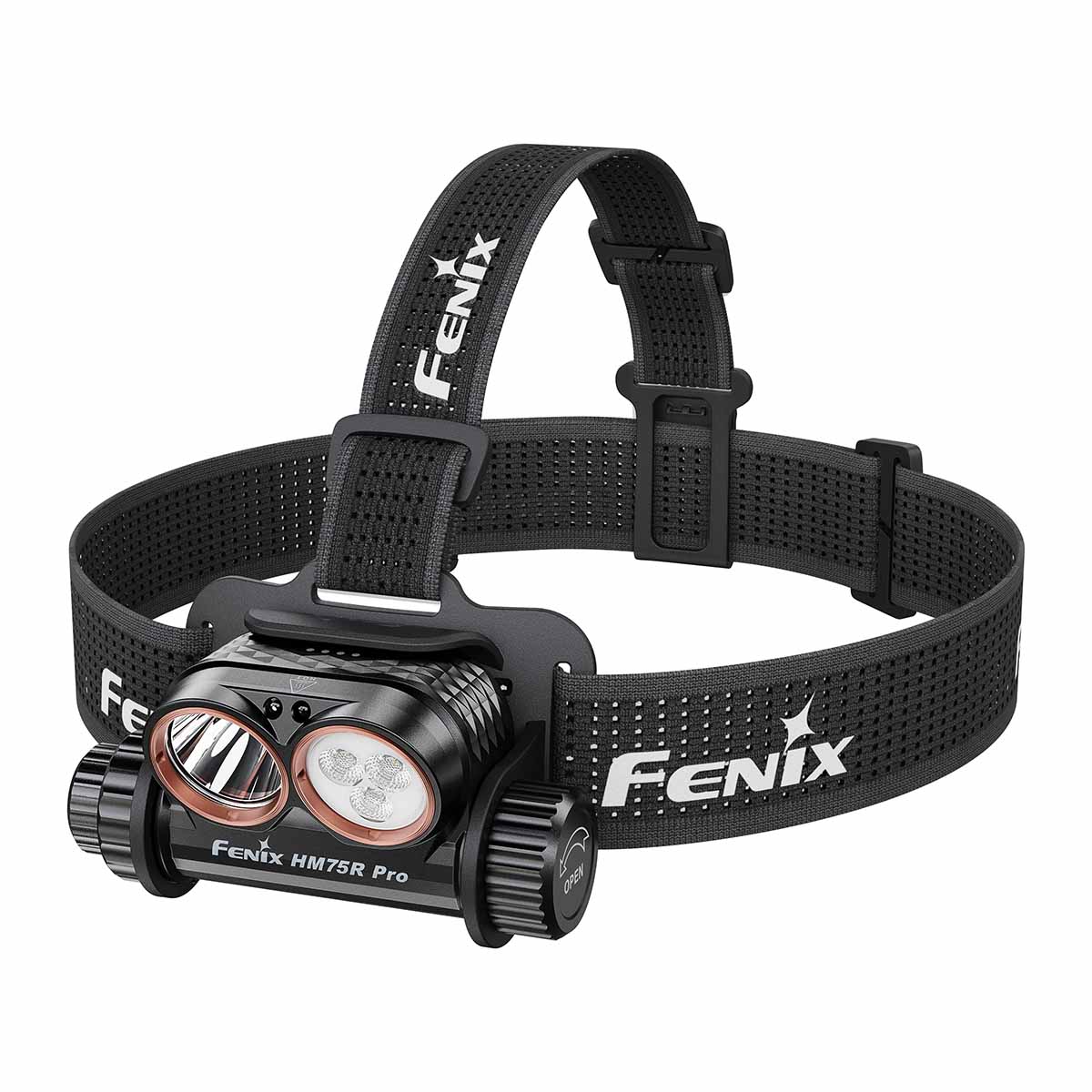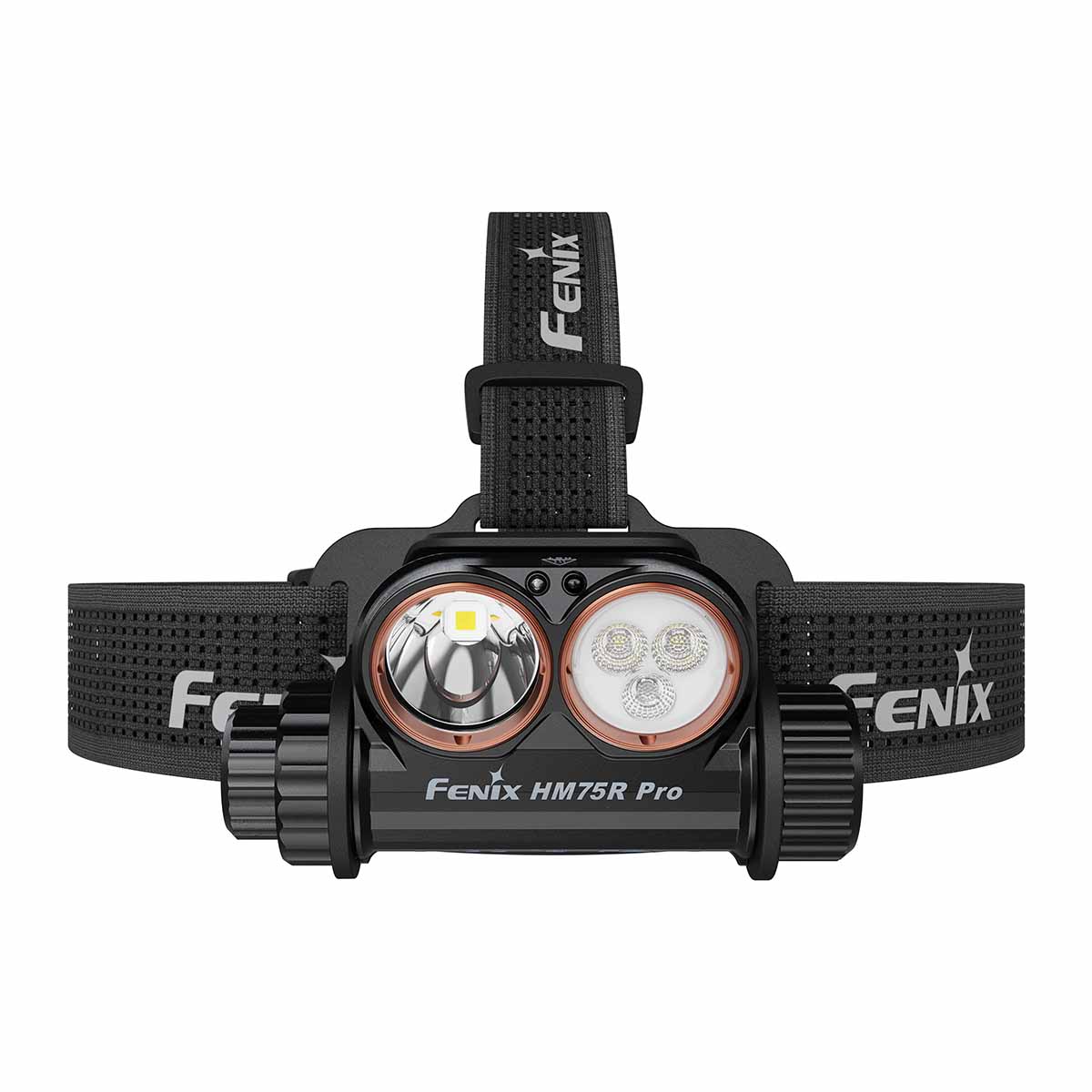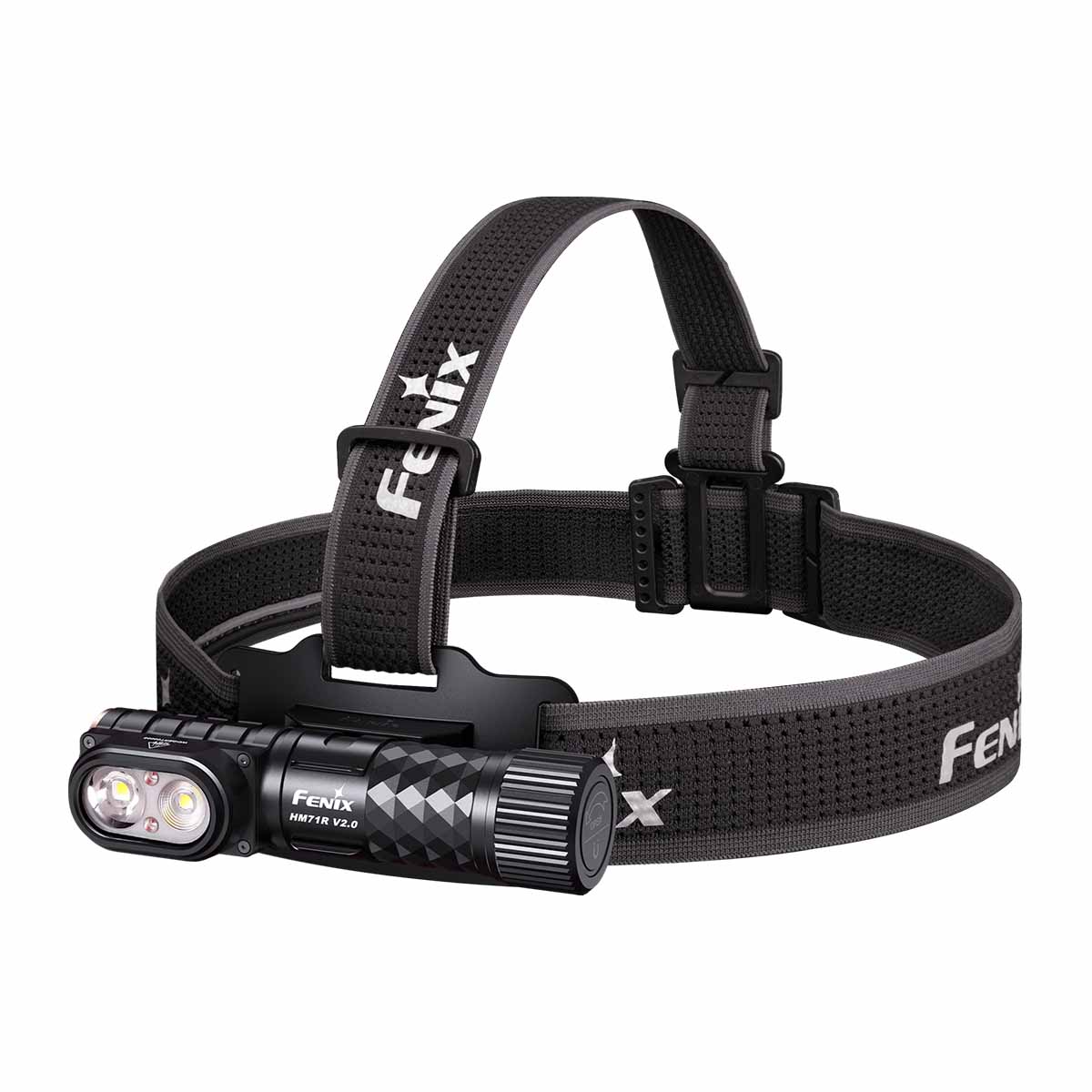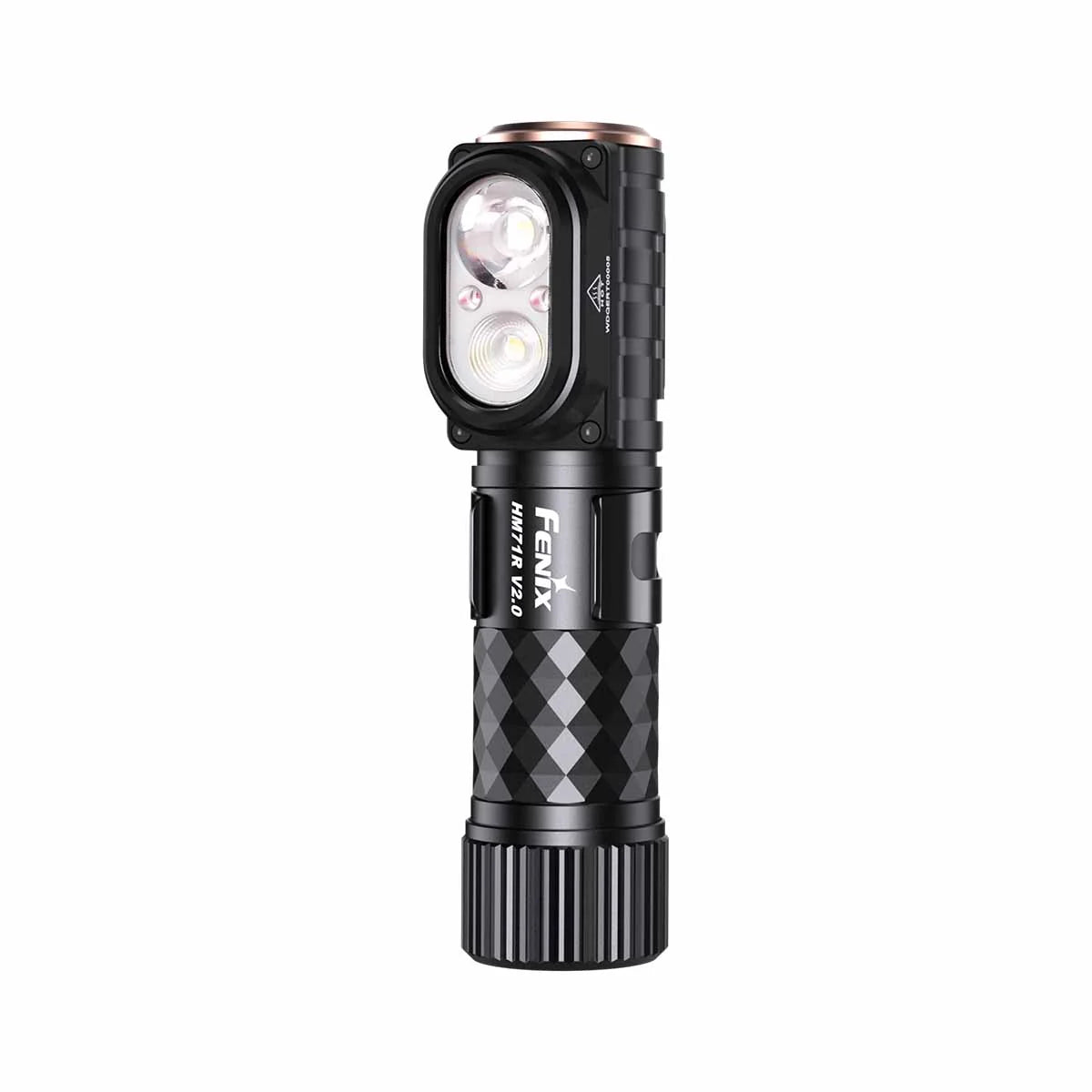


Overview & First Impressions
Battery format shapes a flashlight more than almost any other decision. It sets the ceiling on output, the floor on size, and whether you can buy a replacement at a gas station when the original dies. The three formats you will meet in serious EDC lights are 14500, 18650 and 21700, and each occupies a distinct point on the size and capability curve.
Materials & Construction
A 14500 cell is the size of a standard AA, which makes it the smallest option that still delivers real output. An 18650 is the long-standing workhorse of the industry, holding roughly three times the energy of a 14500 at about twice the diameter, which is why so many lights are built around it. A 21700 is longer and wider again, and offers the highest capacity, but it commits you to a physically larger light and often to a proprietary charging arrangement.

Design & Details
The practical distinction is between lights that accept multiple formats and lights that accept one. A dual-fuel design that runs on either a lithium cell or a common alkaline battery is enormously valuable in an emergency, because alkalines are sold everywhere. A dedicated 21700 light will outperform anything else in its class on sustained output, but it will not work at all on a borrowed AA.
Real-World Use
Match the format to the role. A pocket light should be 14500 or smaller so that you actually carry it. A general-purpose light that lives in a bag is well served by 18650, which balances size and runtime. A high-output search or work light justifies 21700, because the extra capacity is what allows for sustained output rather than a brief peak followed by a step-down. Match the physical size to where the light will live.

Ownership Notes
Treat lithium cells with respect. Use quality cells from known manufacturers, never carry a loose cell where metal can bridge the terminals, and store partially charged rather than empty for long periods. Recharge every few months even for lights that sit idle, and retire any cell that shows swelling, dents or a change in how long it holds a charge. The format also determines what spare cells you keep on hand, and mixing Jetbeam flashlights, Klarus flashlights and other brands in one drawer is how people end up with a light they cannot power. Choose a single EDC flashlight format and standardize on it, then buy quality cells in pairs so one is always charged.

Who Is This For?
This is for buyers deciding between two similar lights that differ mainly in cell format, and for anyone who has ended up with a collection of incompatible cells and chargers. It also matters for anyone building an emergency kit, where dual-fuel capability is worth more than peak output.
Final Verdict
Pick the format that matches where the light will live: 14500 for a pocket, 18650 for a bag, 21700 for sustained high output. A high-capacity search light like the Jetbeam M64 earns the larger format, while the compact end of the Jetbeam tactical flashlights and Nitecore flashlights ranges at EdcMall shows how much performance fits in a small cell.