
Overview & First Impressions
Two knives can share a design, a steel and a price and still feel completely different in the hand, because the handle finish does more for the experience than any other cosmetic choice. Bead blasting and heat anodizing are the two finishes that shape titanium handles most often, and they behave in opposite ways. One makes the surface matte and grippy, the other makes it coloured and smooth. Understanding the trade-off matters if you are buying a knife you intend to use rather than display.
Materials & Construction
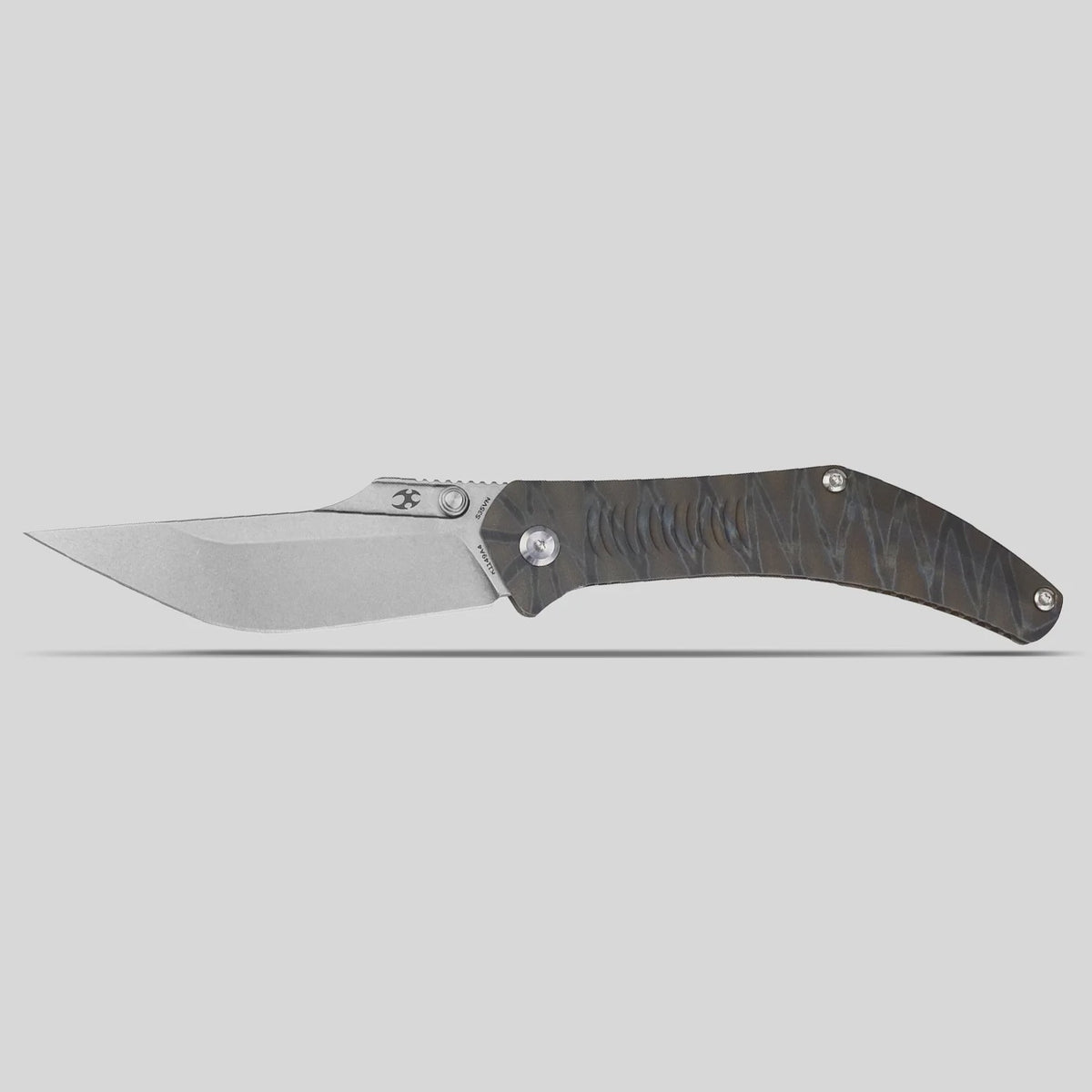
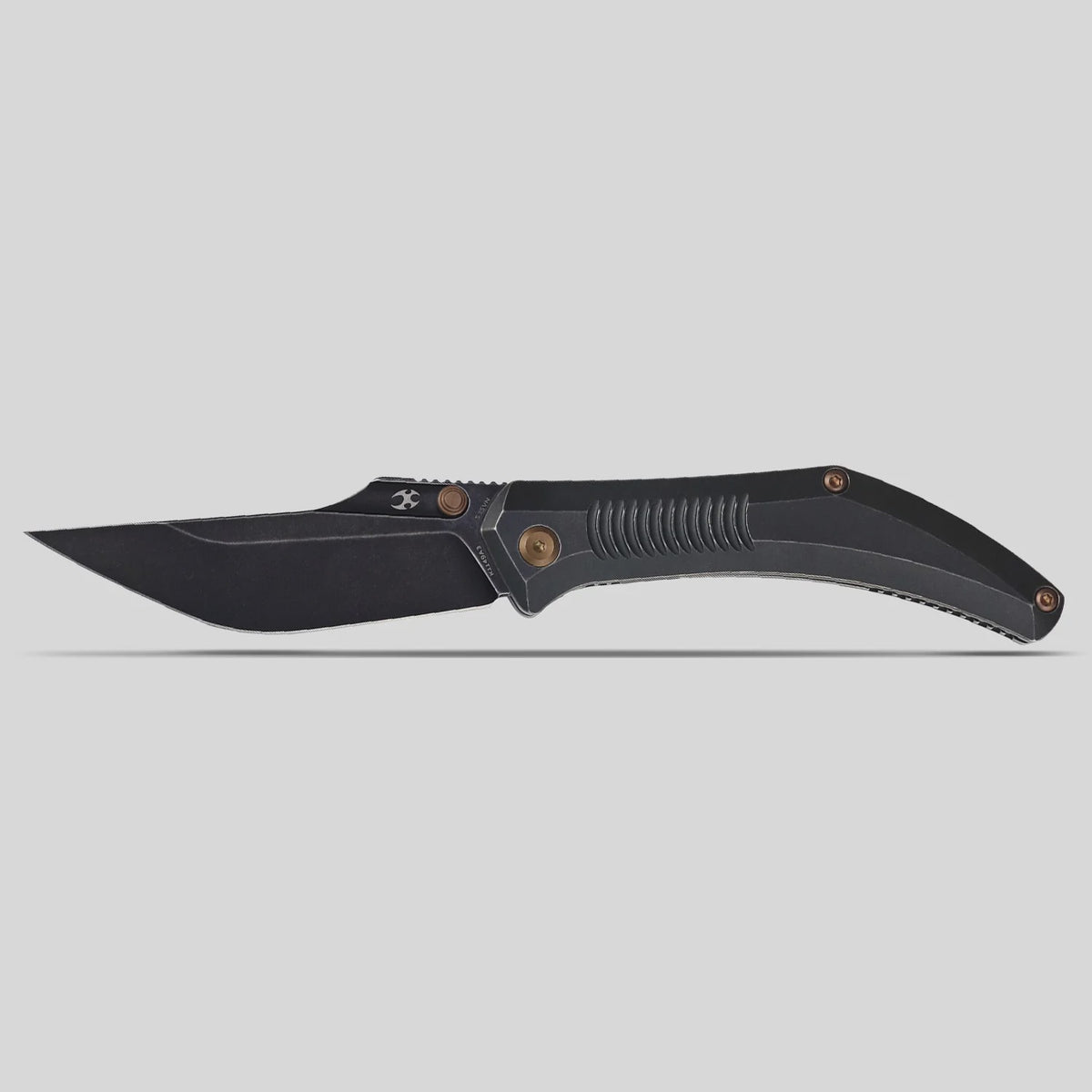
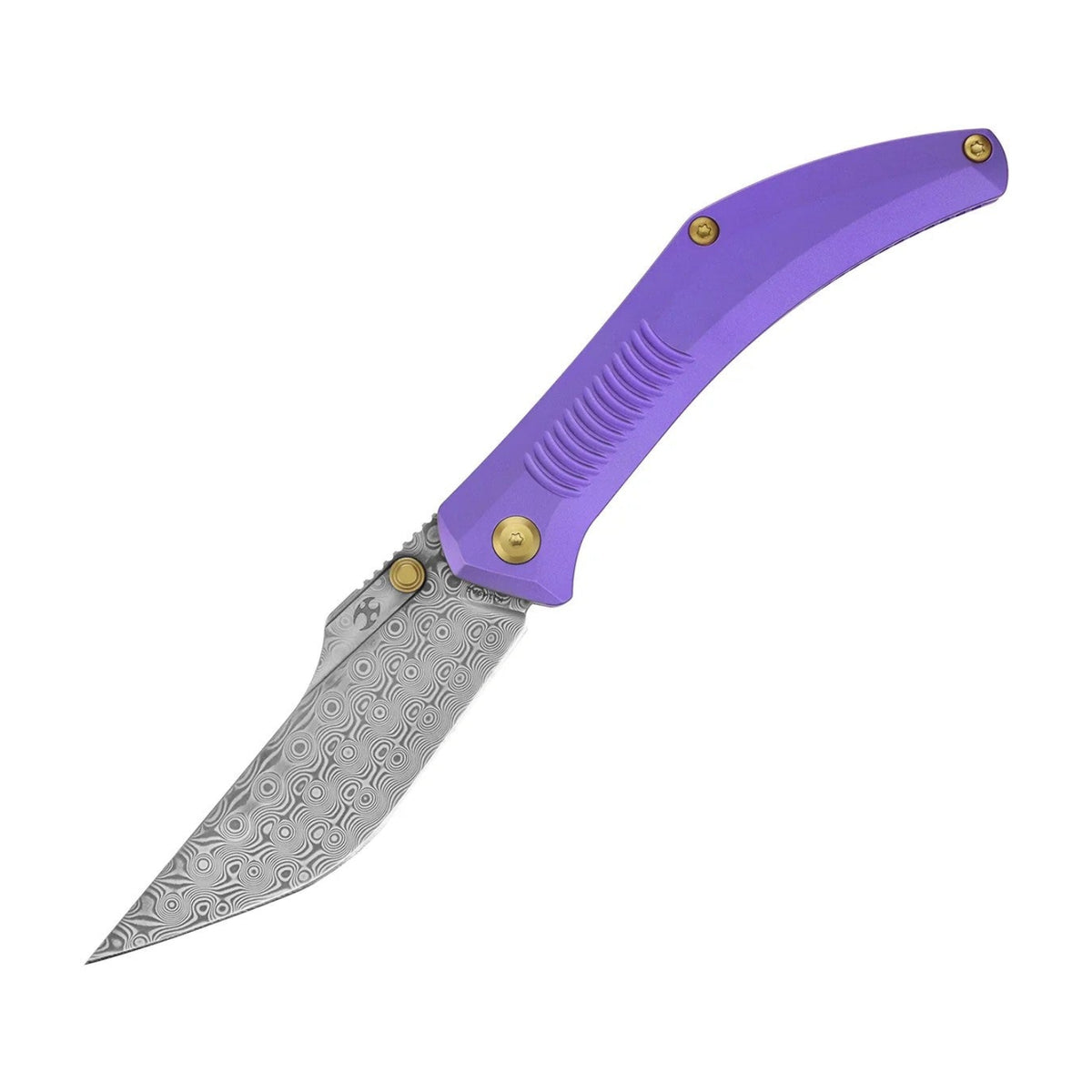
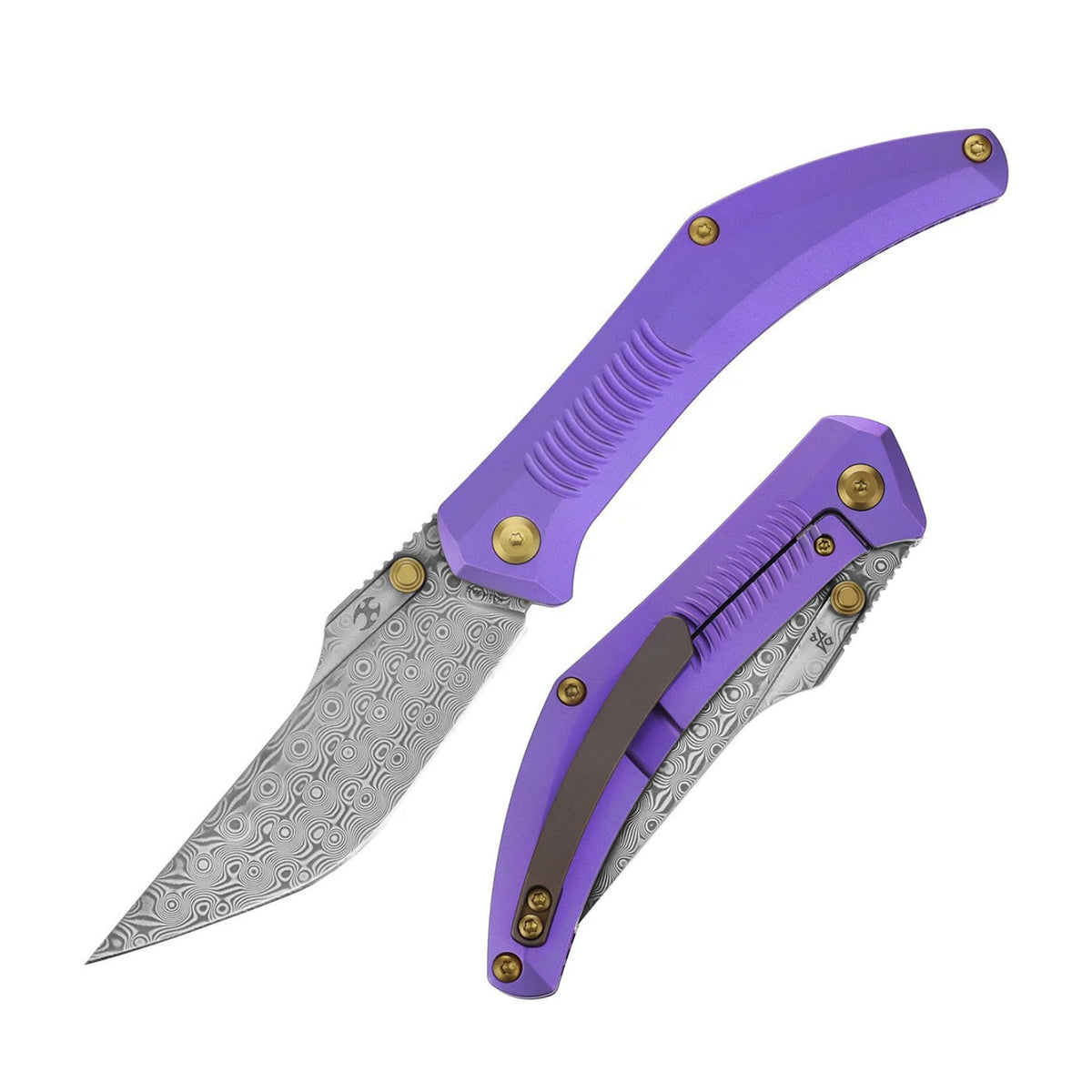
Bead blasting fires fine glass or ceramic beads at the titanium under pressure, producing a uniform matte gray surface with a fine, non-reflective texture. It hides small handling marks well, provides genuine grip even when wet and feels substantial in the hand. Heat anodizing is entirely different: titanium develops an oxide layer of controlled thickness when it is heated, and because that oxide interferes with light it produces colour without any dye. A knife such as the Bestechman Cicada's Wing-TL BMK24A combines an easy-sharpening 10Cr15CoMoV blade with a titanium handle, and the finish on that handle does more to define its character than the blade steel.

Design & Details
Each finish has predictable limitations. Bead blasting shows oils from fingers as temporary darkening, which wipes away, but it can be refinished unevenly if a single spot is polished. It also holds contaminants in a way that a polished surface does not, so a heavily blasted knife needs more attention in a wet environment. Heat anodizing produces a colour that lives at the surface, so scratches reveal the underlying gray metal and deep scuffs cannot be spot repaired. Blue and purple tones are produced at lower temperatures than gold or green, and the process is repeatable by a careful owner with a torch and a way to control temperature.
Real-World Use
In daily use a bead blasted handle is the more practical choice for outdoor work, because the texture holds grip when hands are wet or gloved, and marks from use blend into a surface that was never shiny to begin with. A heat anodized handle is more rewarding for a collection or a light-use carry knife, where the colour is part of the appeal and the handle is unlikely to be struck against anything hard. Many owners eventually do both: buy an anodized knife for carry and a blasted one for the field.

Ownership Notes
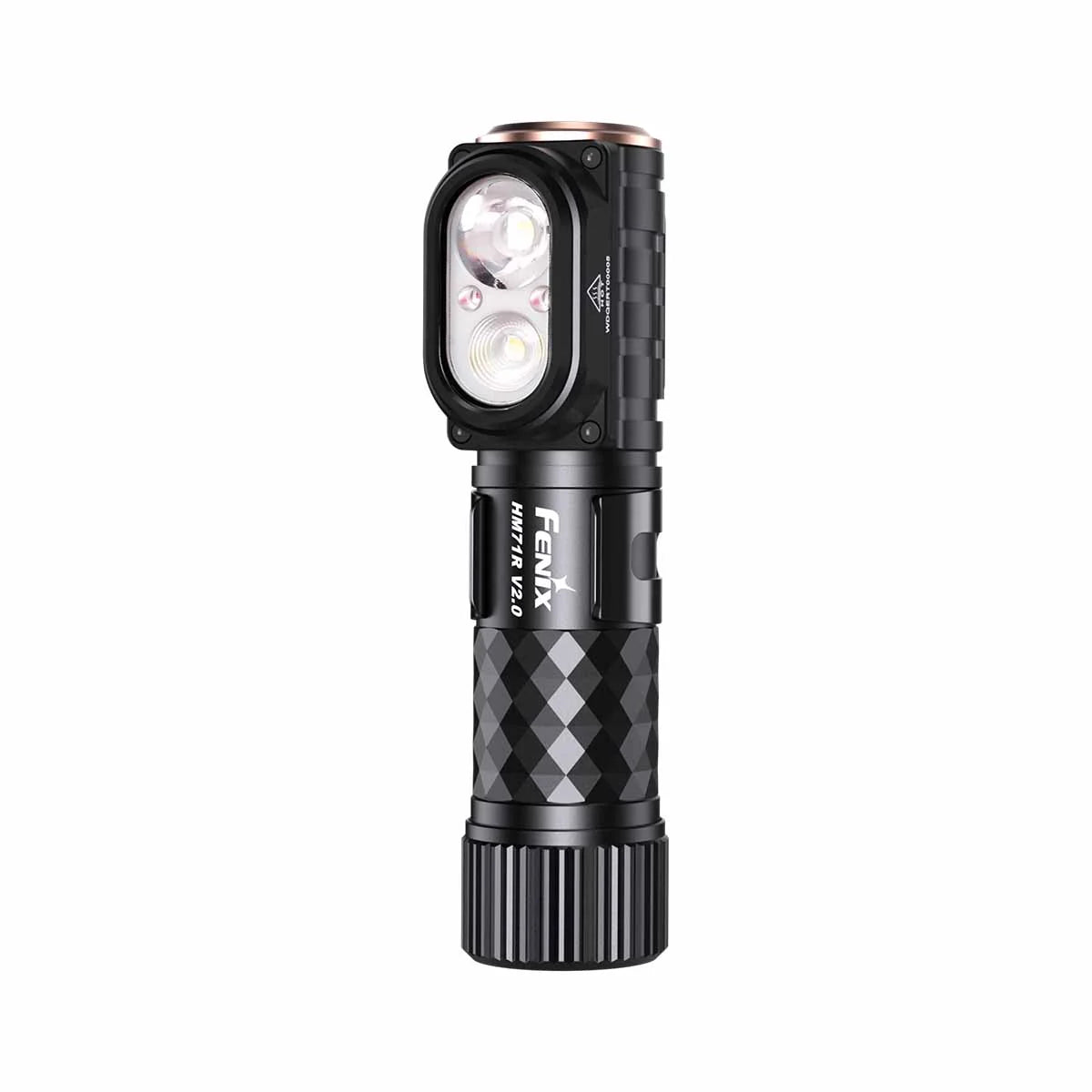
Caring for either finish is simple. Wipe a bead blasted handle with a slightly damp cloth, avoid abrasive cleaners that polish the texture smooth, and re-oil after contact with salt water. On an anodized handle, avoid acetone and strong solvents that damage the oxide layer, and do not scrub a scratch hoping to hide it. A bright EdcMall light makes the difference between the two finishes obvious when you inspect a knife before buying. Finish also decides how a knife ages in a collection. A blade in 10Cr15MoV takes a lovely patina of use on a blasted handle, while an anodized surface simply records every contact. Bestechman knives let you compare both finishes on the same pattern for very little money, and buying one of each is the fastest way to learn which of the two EDC knives in your drawer you actually enjoy carrying. Listen to how folding knives sound when they lock, because the difference between a stiff, confident engagement and a soft one tells you more about build quality than any specification sheet.
Who Is This For?
This is for buyers deciding between two versions of the same knife, collectors who want to understand what they are paying for and anyone considering trying heat anodizing at home. Someone who only wants the cheapest option can ignore both finishes.
Final Verdict
Bead blasting is grip and durability, heat anodizing is colour and character. A blasted handle hides use, an anodized handle records it. Buy the one whose failure mode you can live with, because both will eventually show their age.