
Overview & First Impressions
Bookbinding is measured in fractions: a millimetre of board thickness, a square corner, a spine that sits flat when the case is closed. Paper tears if you cut it bluntly, cloth frays if the edge drags, and board crushes if you press too hard. Tenable knives makes a folder with a sturdy blade that handles the awkward jobs on a binder's bench, from opening a crate of stock to trimming a spine lining square.
Materials & Construction
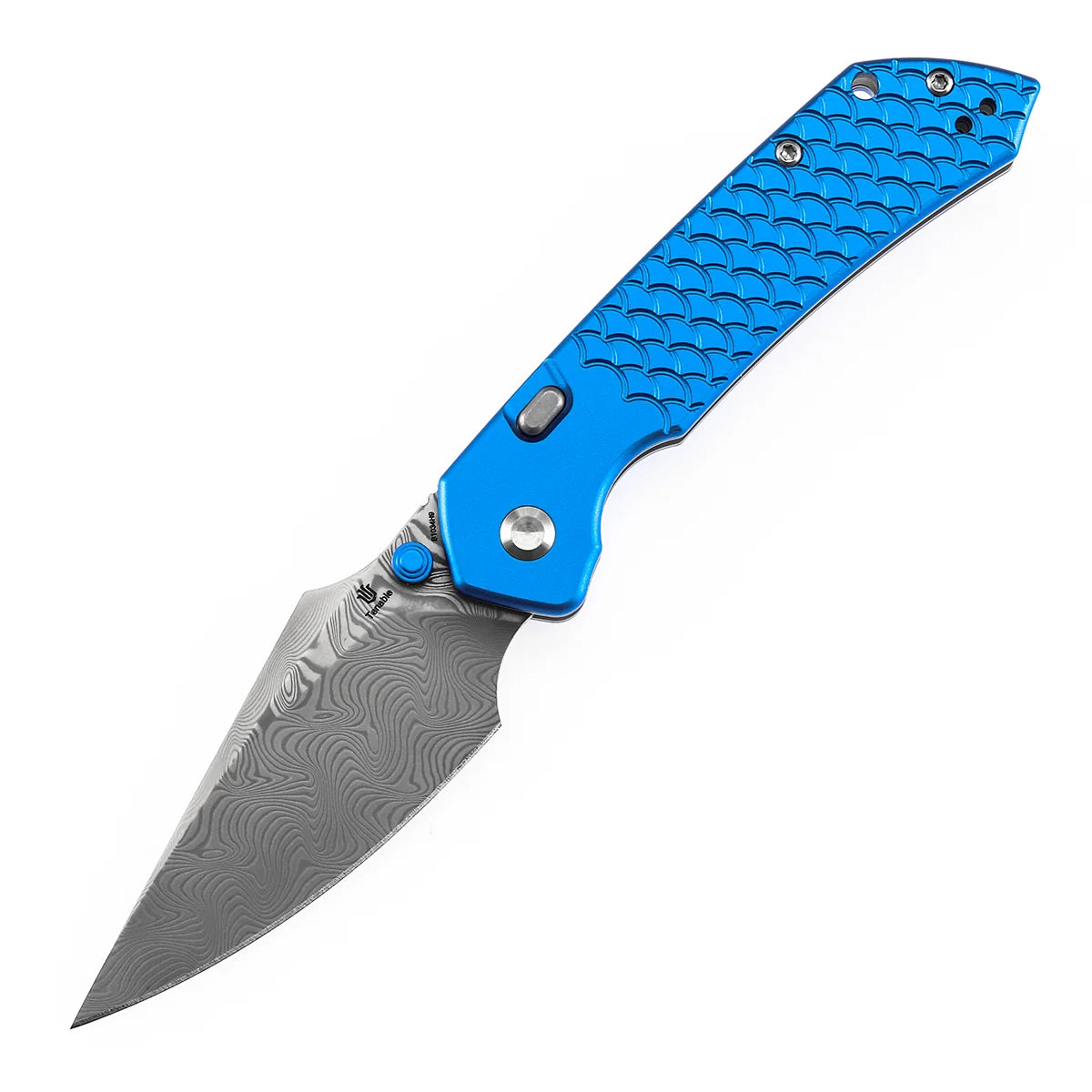
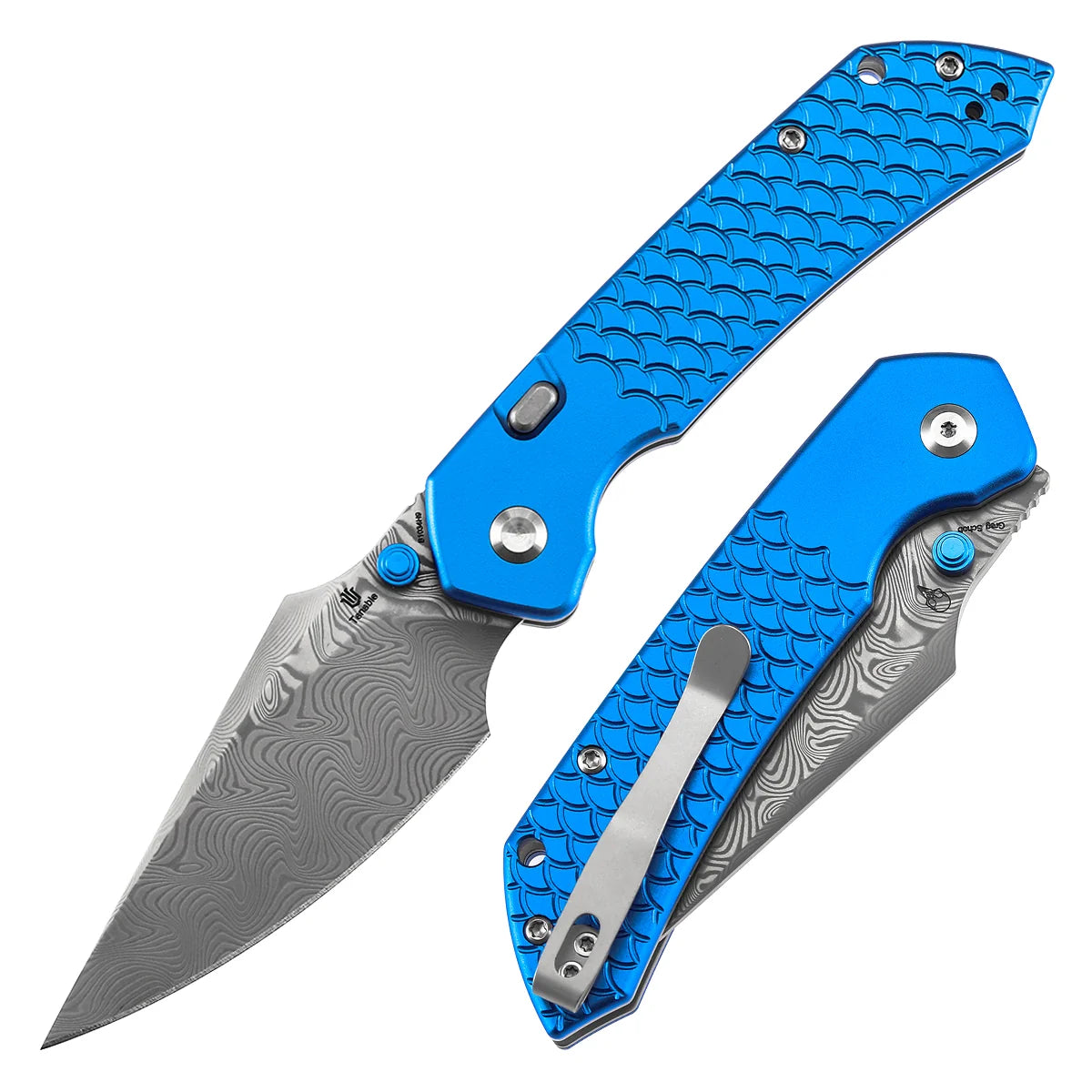
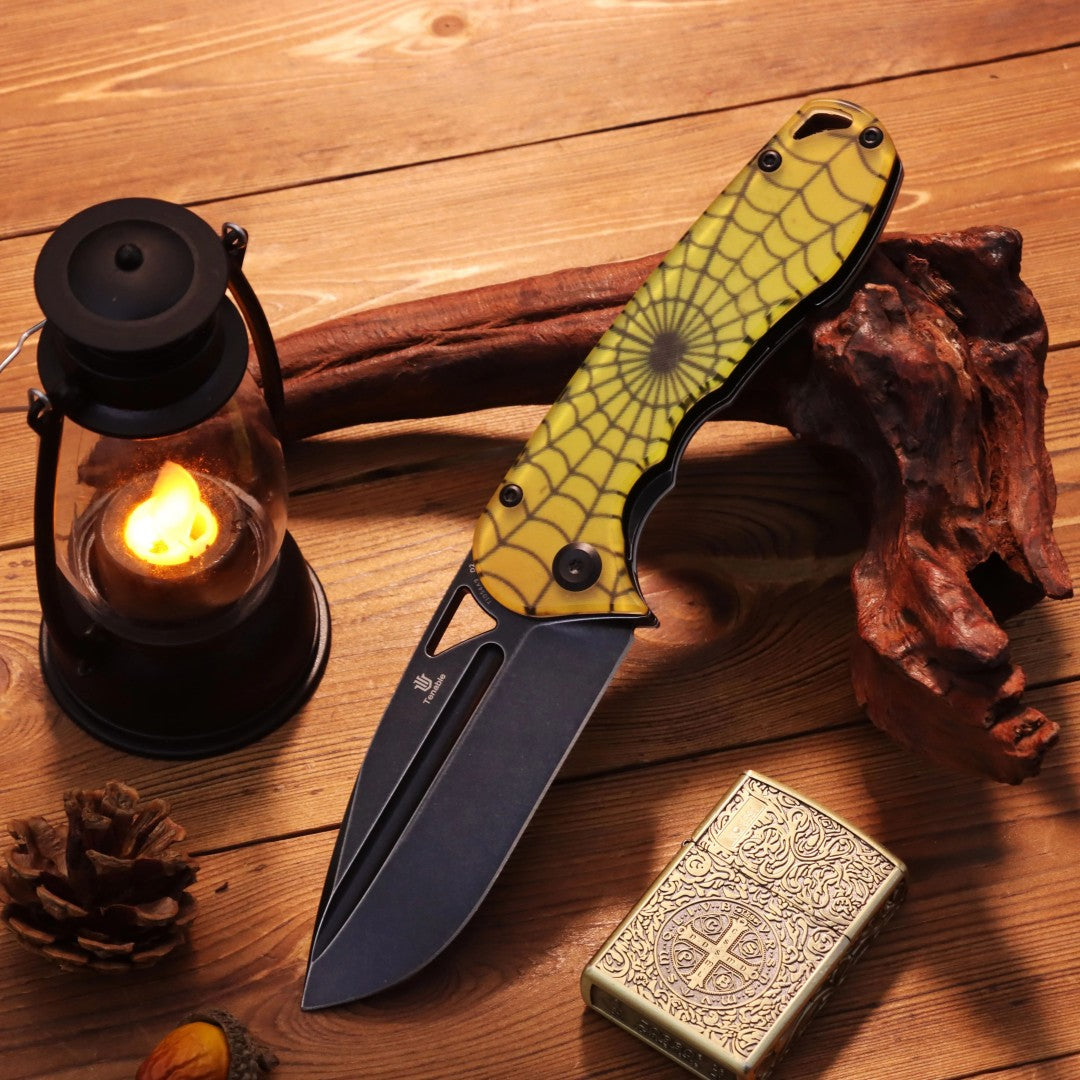
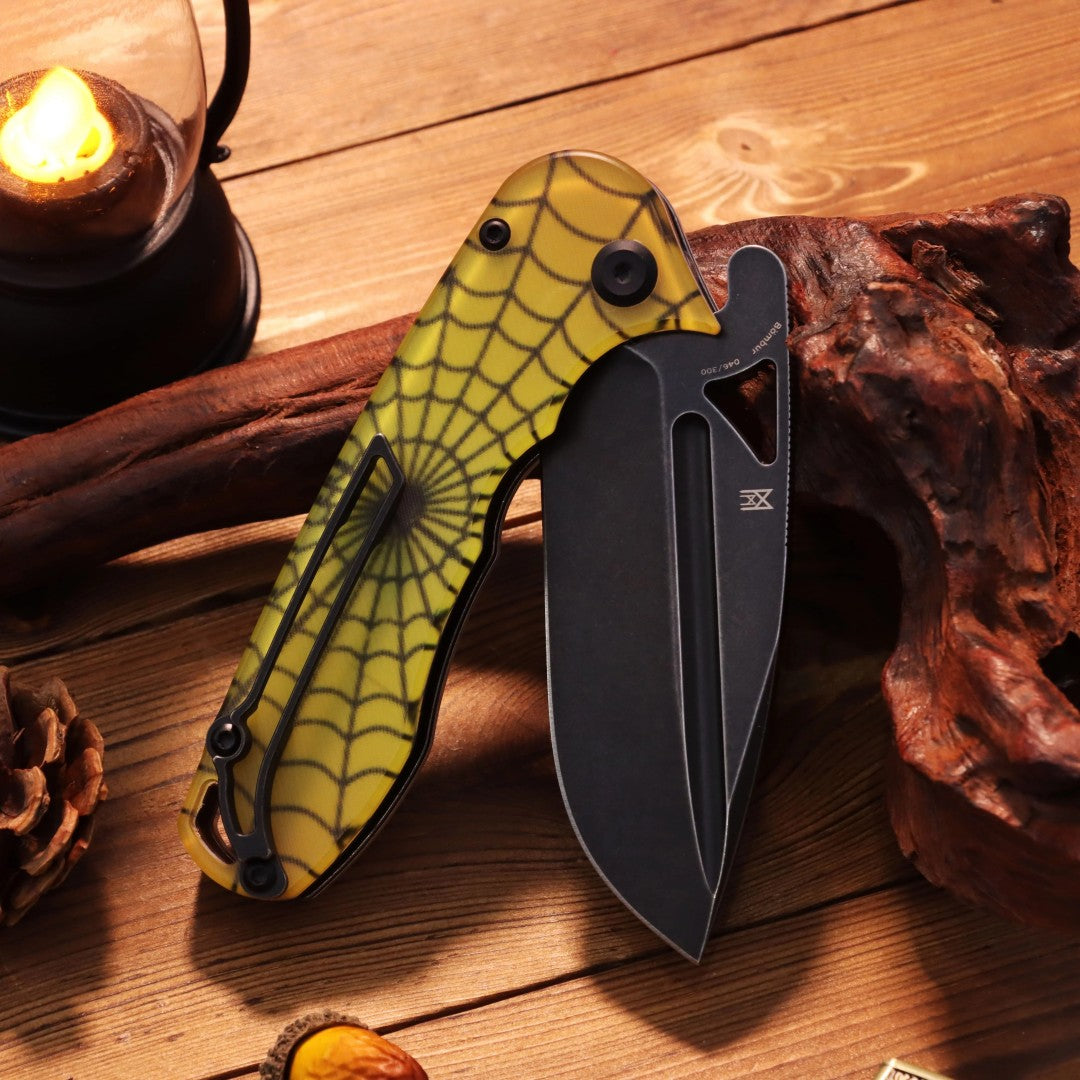
The Bömbür T1054A9 uses a blackwash D2 steel blade, a tool steel with excellent wear resistance and a working finish that hides the marks of daily use. D2 holds an edge through repeated cuts of board, cloth and paper-backed linen, which is exactly the workload that dulls a thin kitchen-style blade in a week. The handle is a composite with a moulded pattern that gives grip without absorbing paste or glue, and folding knives used on a bench like this need a handle that can be wiped clean rather than scrubbed.

Design & Details
Bookbinding needs control more than power. The blade is ground thin behind the edge so it slices paper and cloth cleanly instead of crushing fibres, and the tip is fine enough for lifting a corner of material without tearing it. A liner lock keeps the mechanism simple and predictable, which matters when the knife is opened and closed dozens of times a session. Nothing about the design encourages using it as a lever, and that is deliberate: on a binder's bench a bent tip is a ruined tool.
Real-World Use
Across a day the knife trims a spine lining, opens a box of board, cuts book cloth to size, scores a fold for a dust jacket and shaves a sliver off a board edge to make a case sit square. It also handles the ordinary workshop jobs of opening adhesive packaging and cutting packing tape. The edge is dressed on a fine stone every few days, and the pivot is kept clean of paste, because a stiff action on a bench knife is worse than a slightly dull edge.

Ownership Notes
Adhesives and paper dust are the two hazards here. Never let paste dry on a blade, because the film pulls the edge out of alignment when it is cleaned off. Wipe the blade with a damp cloth immediately after use, dry it, and add a very light oil film to keep the D2 from spotting in a damp workshop. Keep the knife closed when not in use, and never set a folder down open on a cutting mat where a rolling bone folder can knock it off the bench. Binders who work with EDC knives learn to keep one blade for clean paper and another for board and cloth, because a dull edge tears, and a torn sheet of handmade paper cannot be repaired at any price.
Who Is This For?
This suits bookbinders, letterpress printers, conservators, box makers and paper crafters. It also suits framers and archivists who work with board and cloth all day. Skip it if your cutting is all straight lines on a guillotine, where a machine does the job better. Buy the Bömbür when the work calls for a controlled hand cut in varied material.
Final Verdict
The Bömbür T1054A9 suits a bench where the material changes every ten minutes: paper, board, cloth, tape and packaging. D2 keeps the edge alive through that variety, the grind slices rather than crushes, and the liner lock stays predictable through hundreds of open-and-close cycles. It is a quiet tool that makes careful work easier, which is exactly what a binder needs.