
Overview & First Impressions
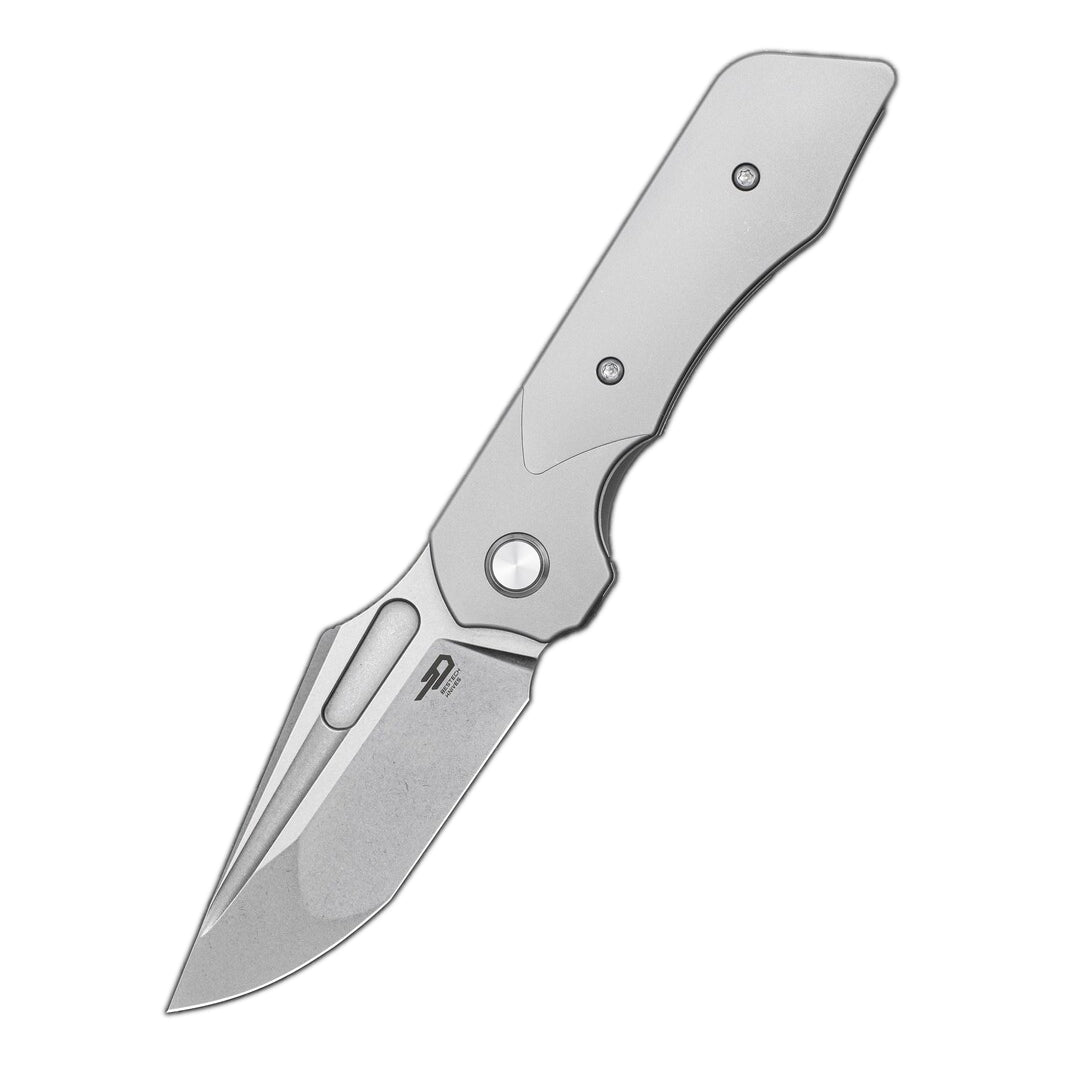
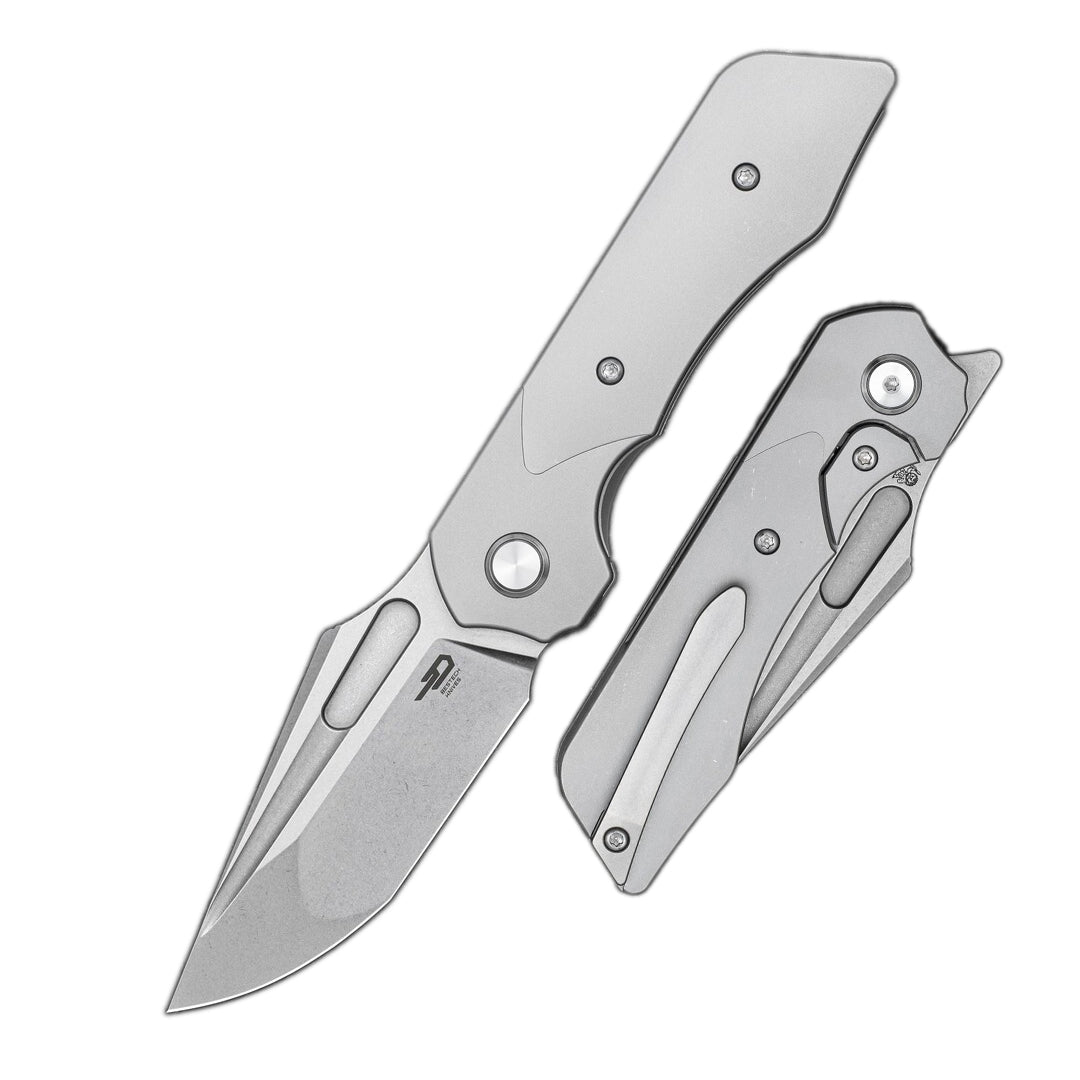
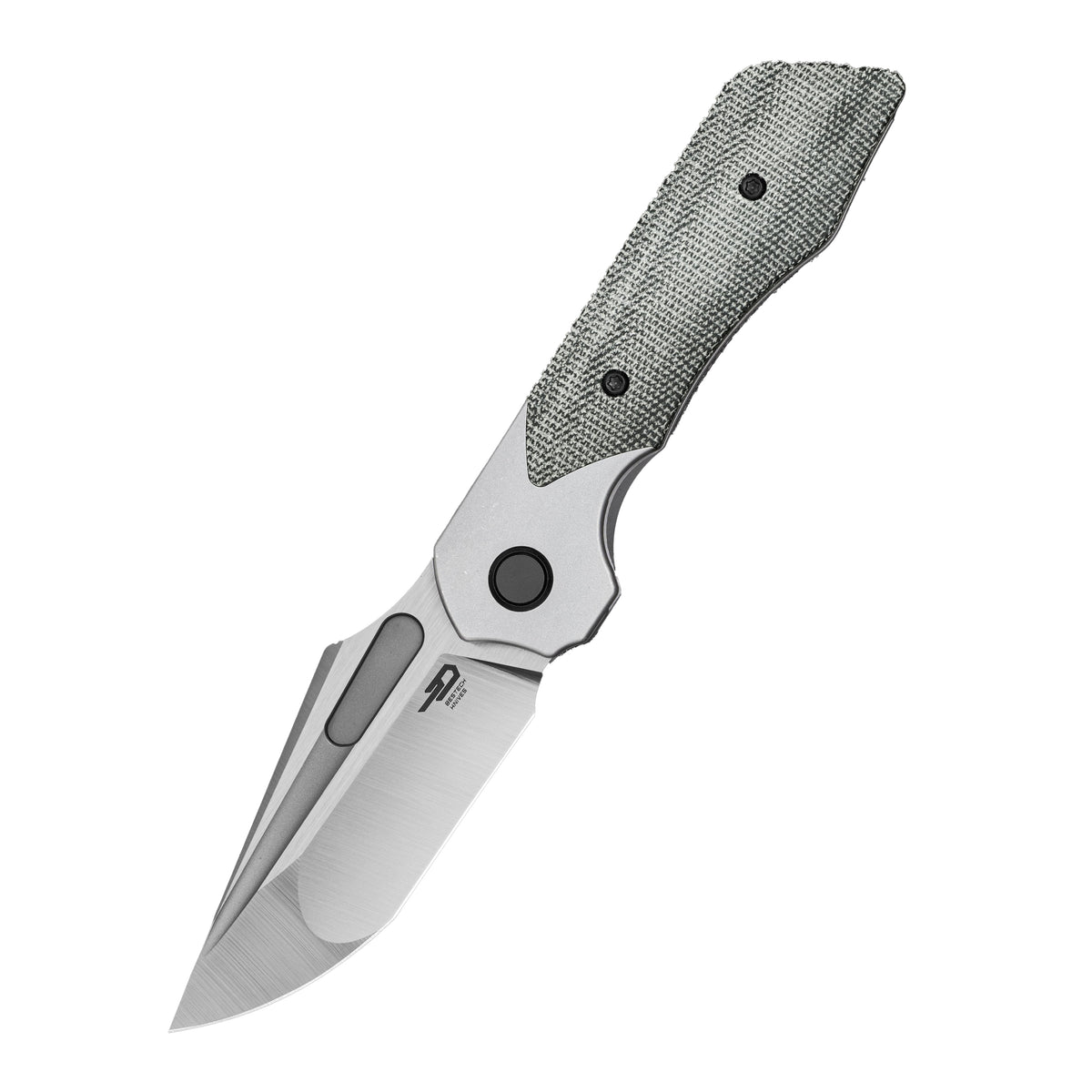
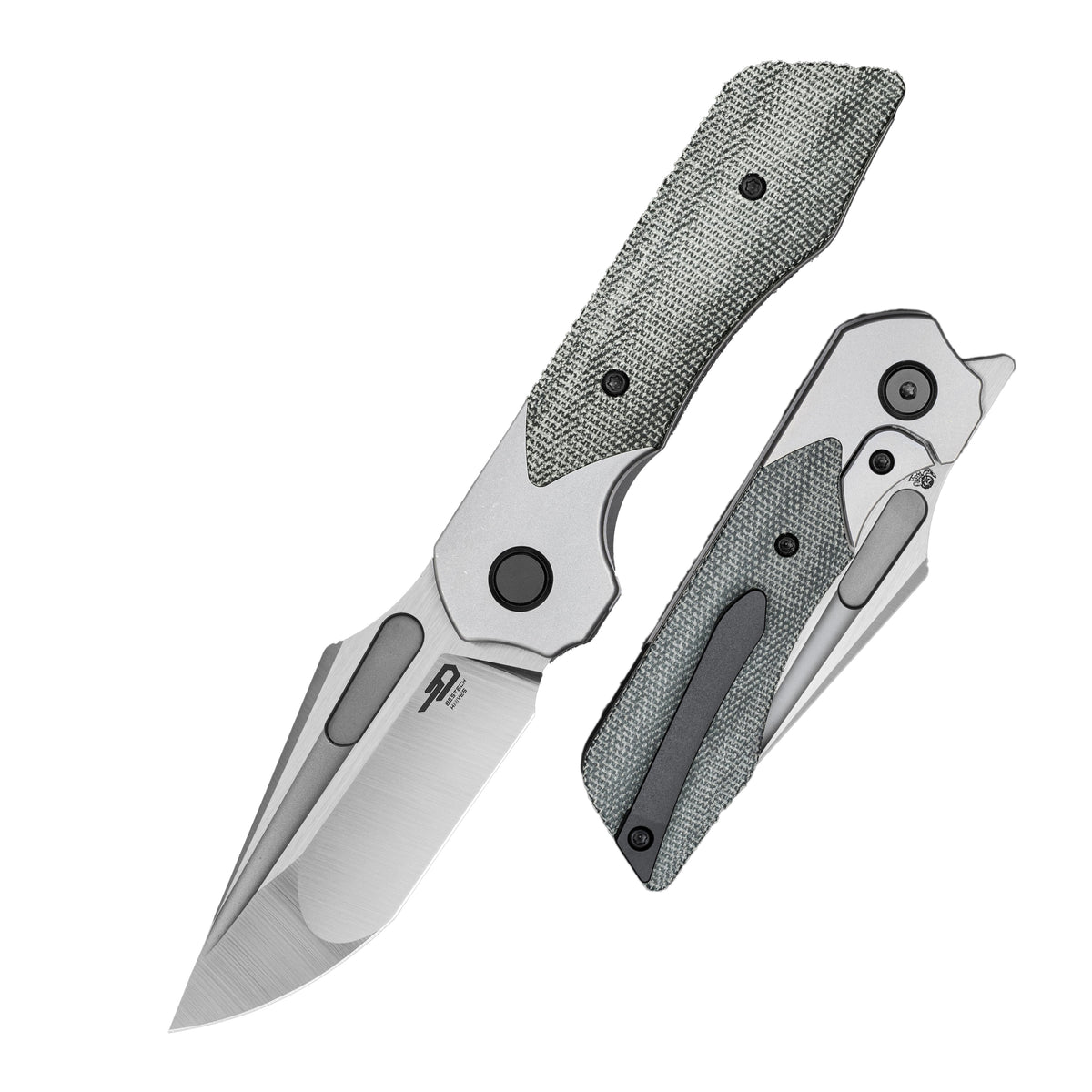
Bowl carvers, whether hollowing a kuksa or a dough bowl, judge a knife by one standard above all: edge control, the ability to take precise shavings without tearing green wood. It is a demanding test that has nothing to do with hardness numbers and everything to do with how a steel is made and finished. The Bestech Senu BT2601E, a Damascus blade folder with Timascus accents, passed a season of spoon and bowl work with lessons worth sharing before anyone commits to a pattern-welded blade.
Materials & Construction
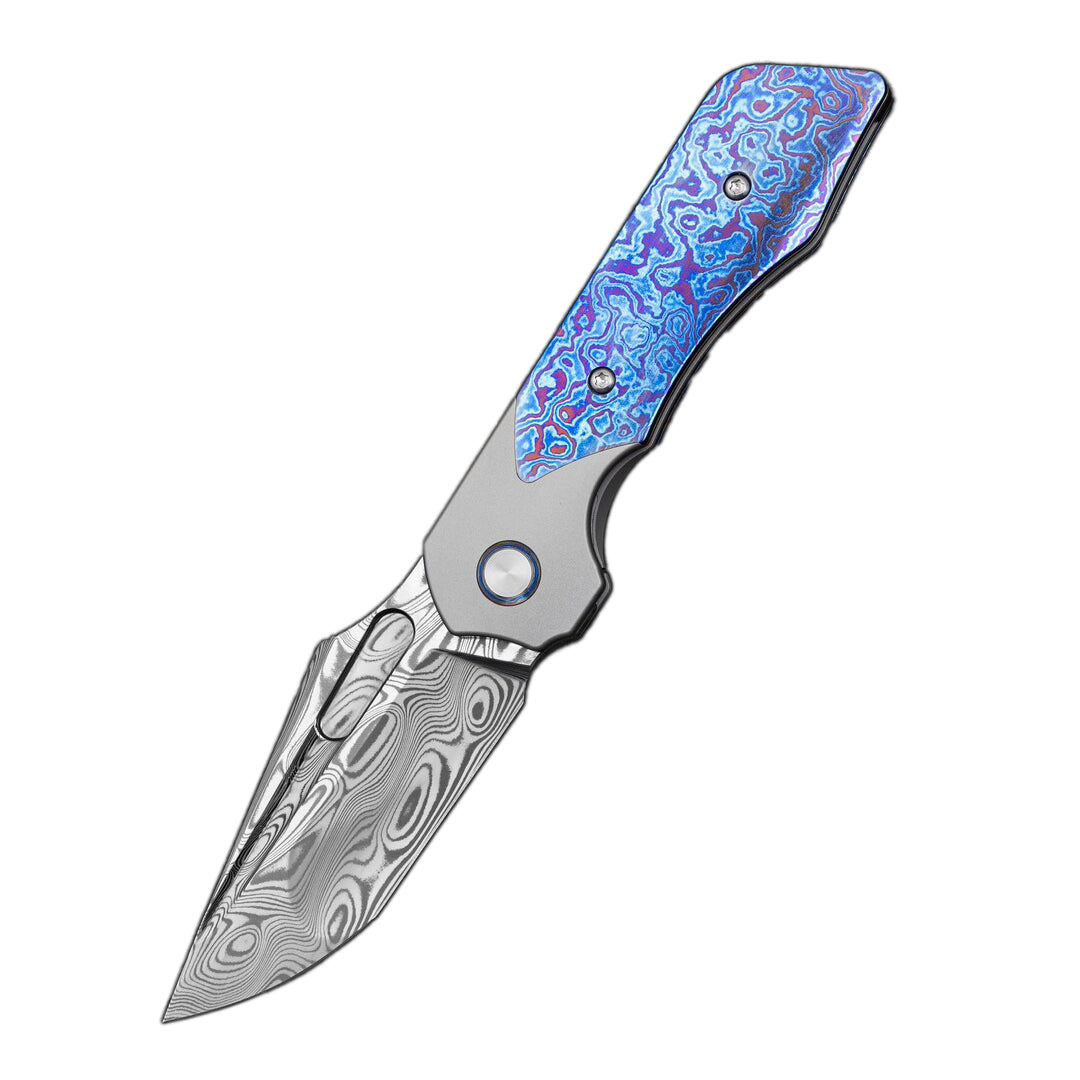
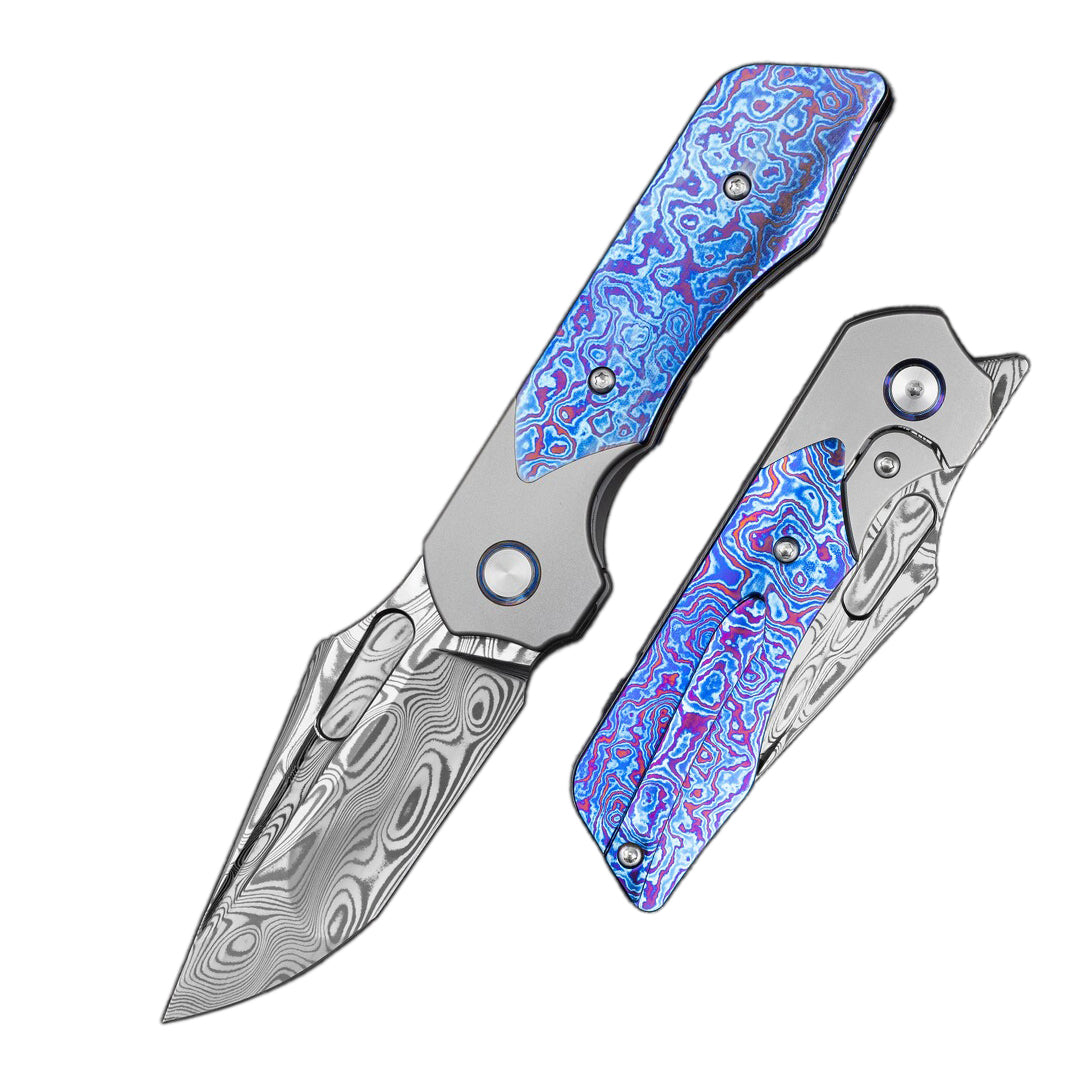
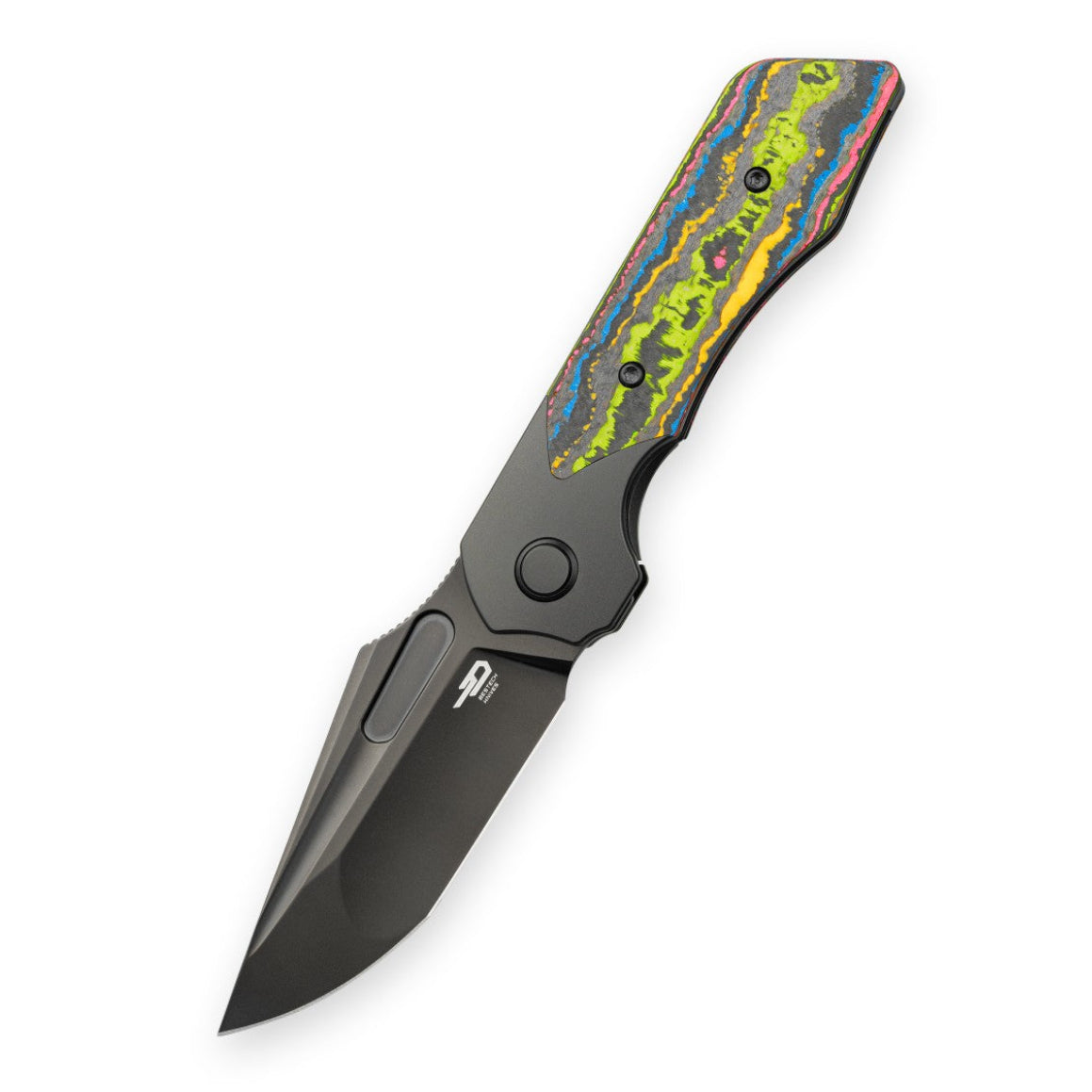
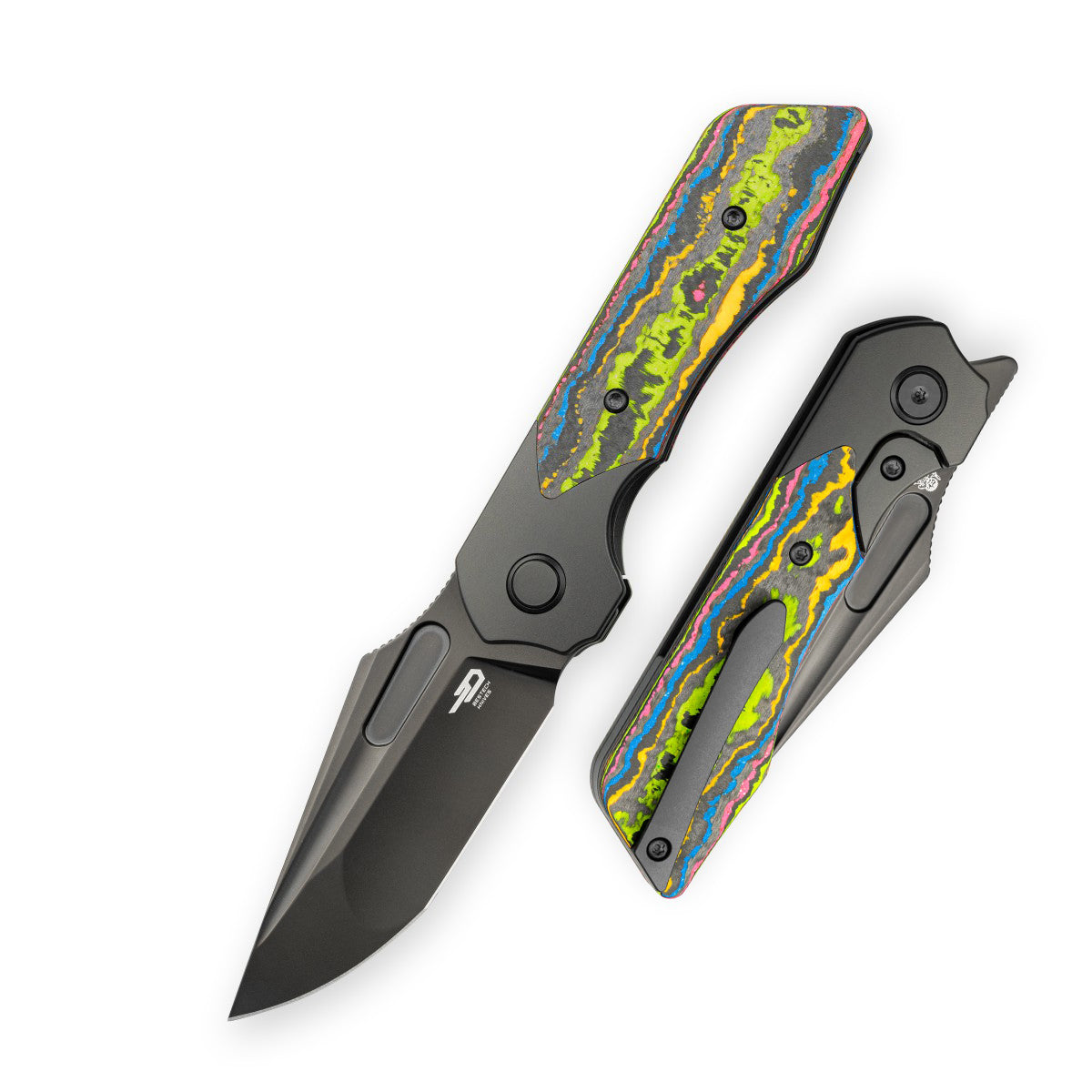
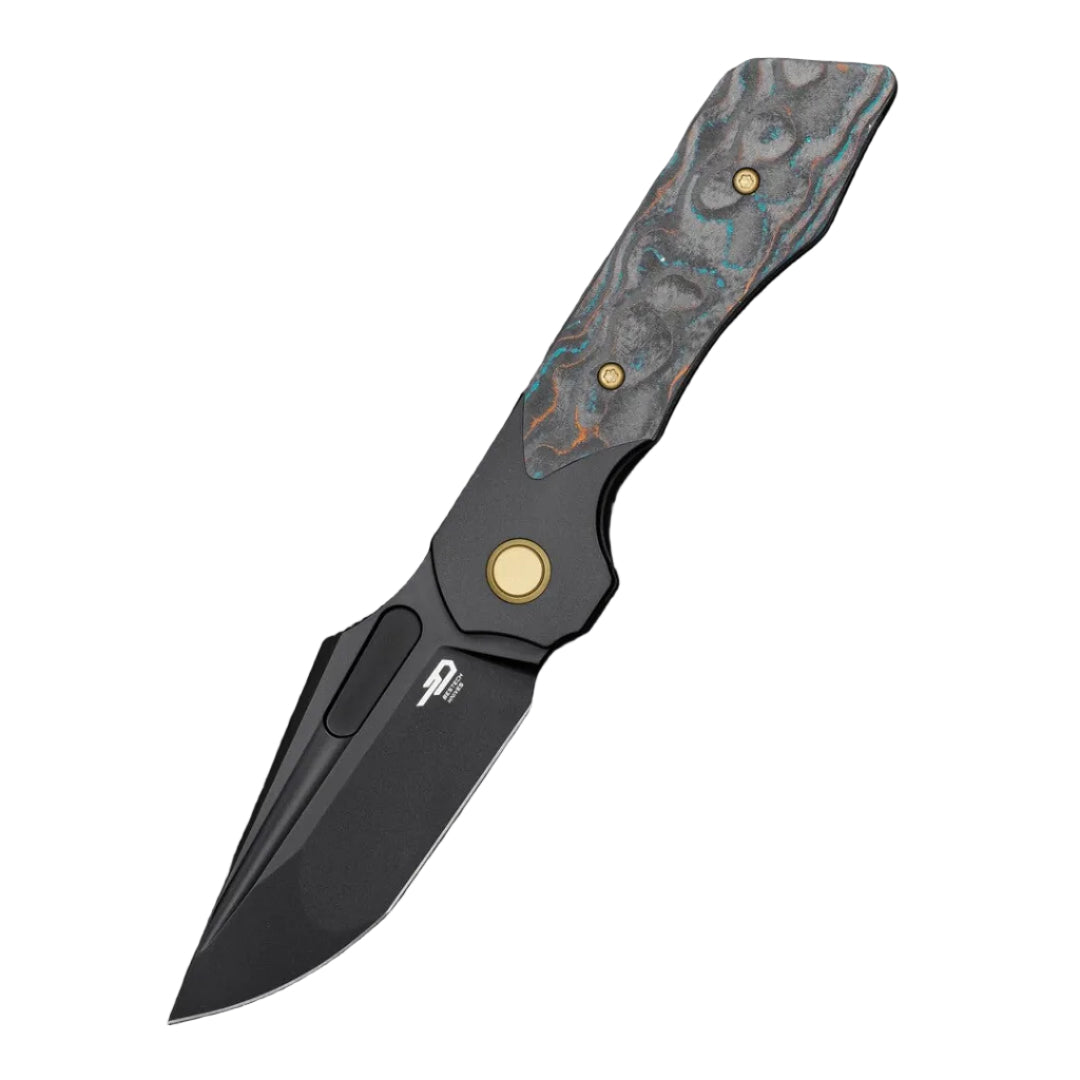
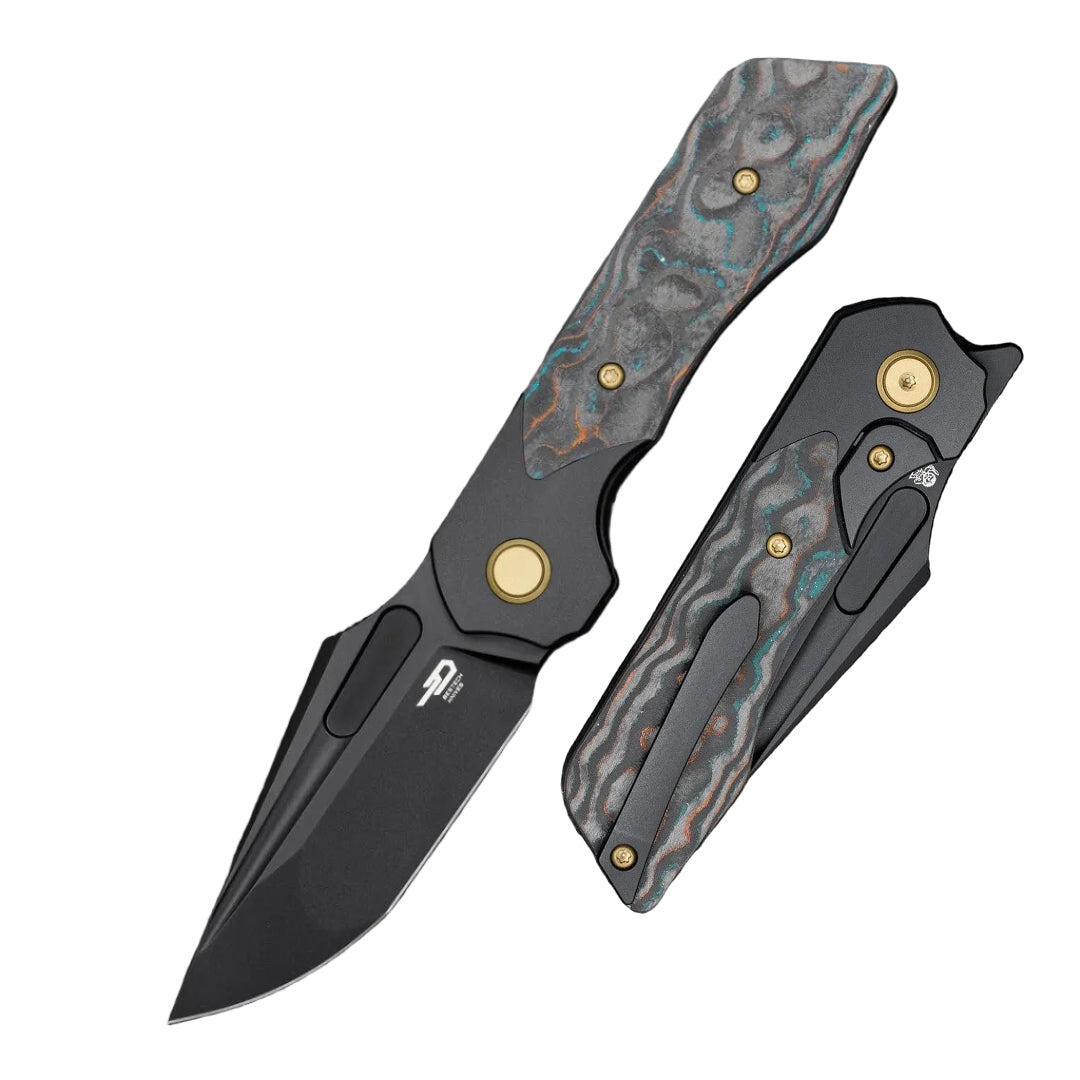
Pattern-welded blades carry a myth problem: collectors assume beauty means fragility. Modern Damascus steel from reputable producers is usually a high-carbon core or a powder matrix with pattern through the billet, and it sharpens to a keen, toothy edge that green wood respects. Bestech knives grinds the Senu's blade thin behind the edge, which matters more for carving than any catalog phrase: thin geometry shears fibers, thick wedges split them uninvited.

Design & Details
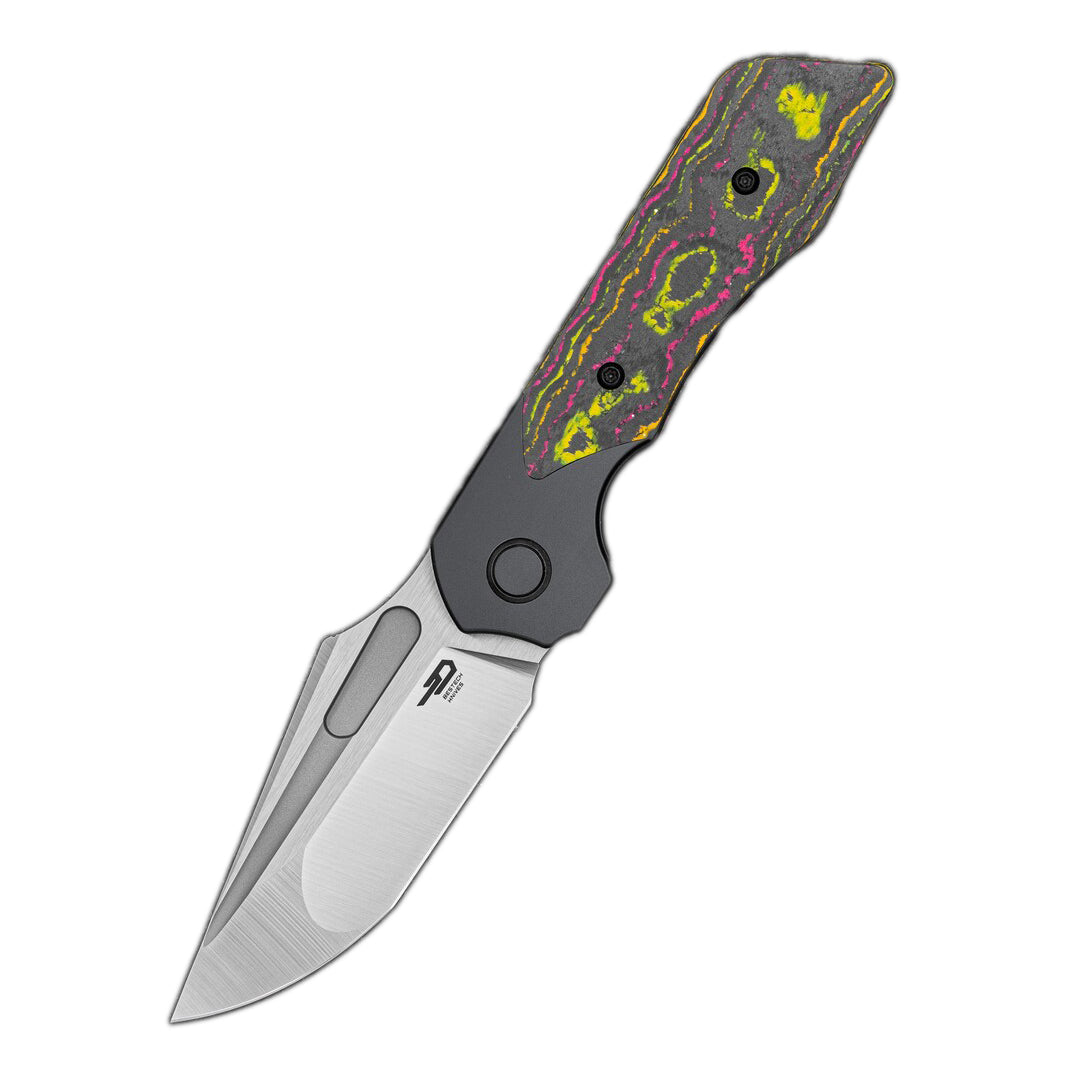
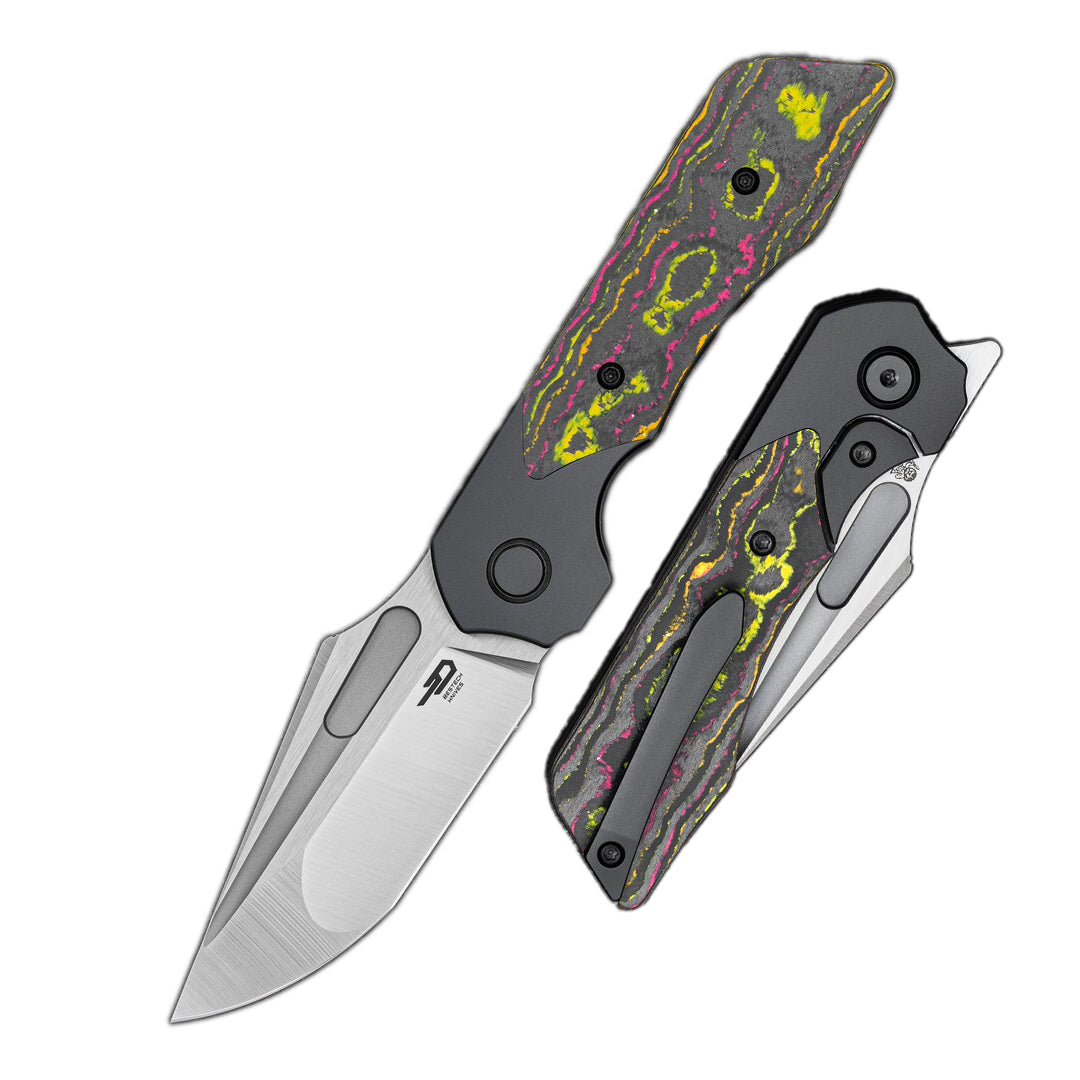
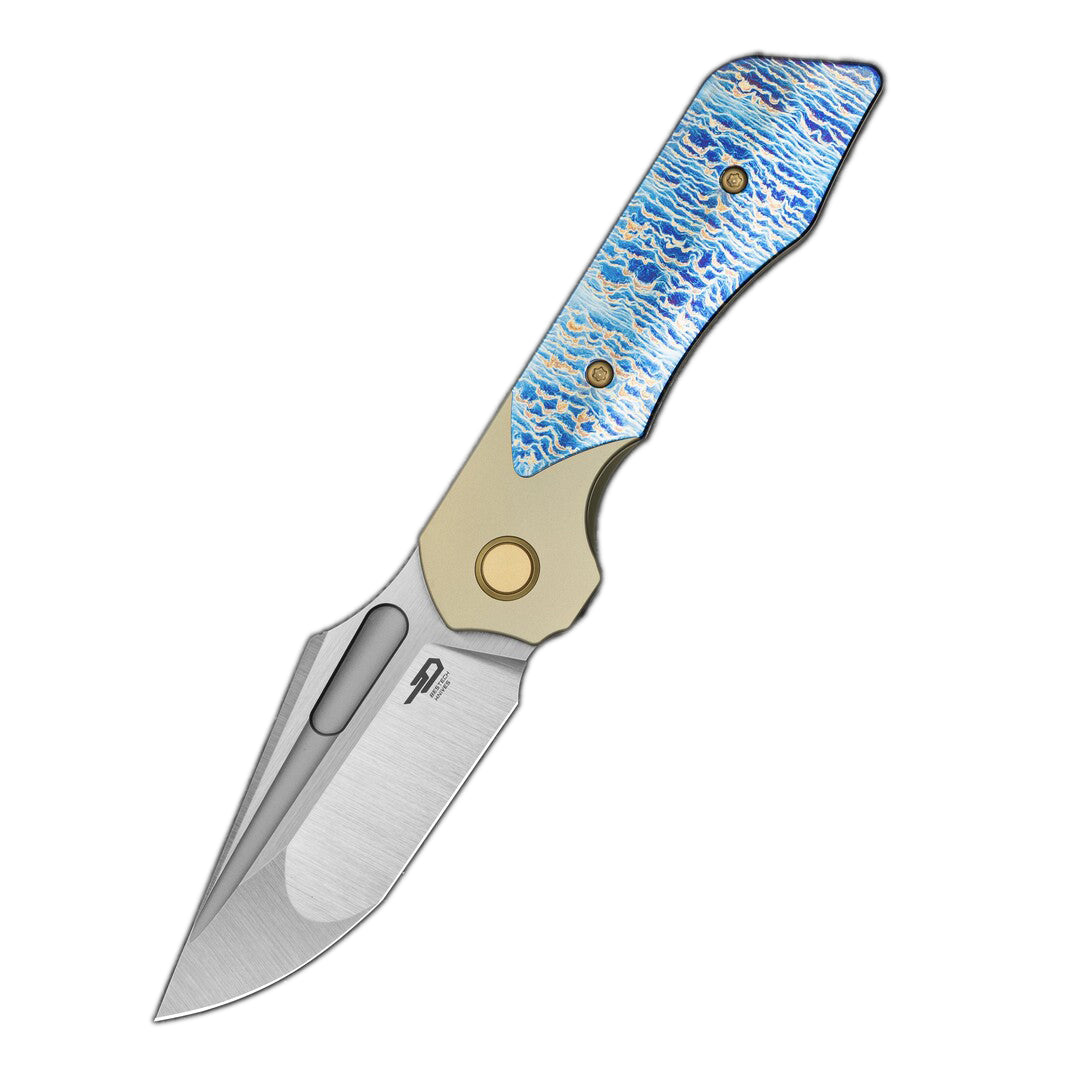
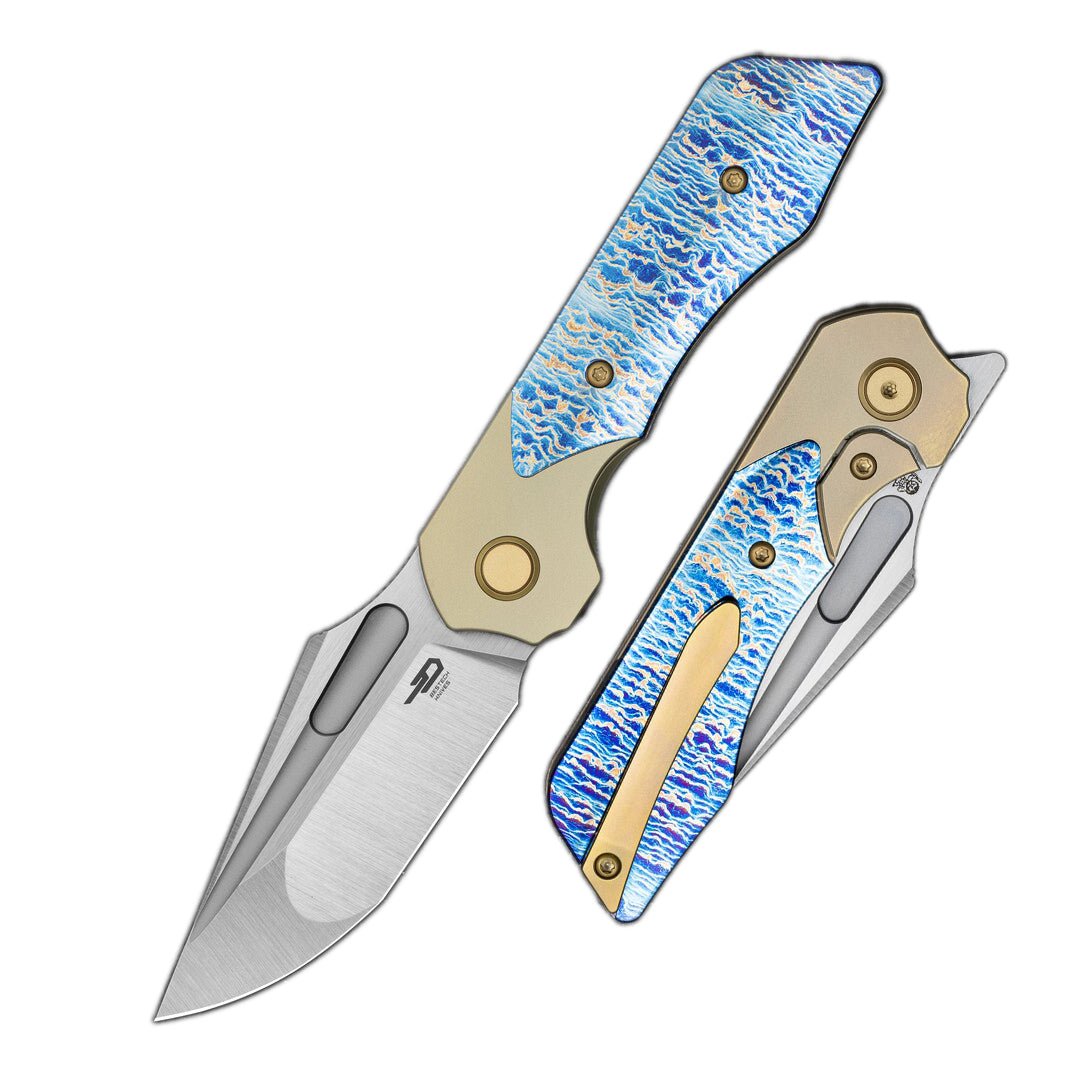
For carving you want a knife that disappears into grip changes. The Senu's handle swells at the palm and narrows at the finger rake, allowing the choked-up position carvers use for concave work. The Timascus clip and collar survive adhesive tape and resin without finish damage, and the flipper tab sits low enough to stay out of a forefinger's travel during long pull strokes across a bowl's interior.
Real-World Use
Green birch and dry cherry were the test woods across three weeks. The Damascus edge took clean shavings straight from the box and needed only a loaded strop after each session to return to razor state. Patina began immediately on the high-carbon ridges of the pattern, darkening the blade into the kind of working finish collectors pretend to dislike and secretly chase. Lockup stayed tight through thousands of cuts.

Ownership Notes
The honest caveat is maintenance rhythm: pattern steel of this type wants wiping after acidic fruit and drying before storage, a ritual woodworkers already keep for their chisels. In exchange you get a blade whose surface records the work, each week of carving visible in the depth of the figure. EdcMall lists the Senu alongside other Damascus folding knives, and among them it remains the one sized for actual hand work. For anyone stepping up from budget steels, the difference shows within the first hour of work and never really fades. Green wood rewards that consistency with cleaner bevels and fewer torn fibers.
Who Is This For?
This suits spoon carvers, kuksa makers and bushcrafters who want a pocketable carving knife that does not apologize for beauty, and collectors who buy the story of a blade that earns its pattern. Skip it if you never sharpen by hand, because carving dulls edges fast and the reward scales with maintenance discipline.
Final Verdict
Bowl carving is the honest referee of edge quality, and the Senu BT2601E played the game well: thin geometry, keen Damascus steel and ergonomics that let the knife pivot through concave cuts. It is a folding knife that thinks like a sloyd blade, and that is a rarer thing than any pattern finish.