
Overview & First Impressions
Salt water is the single most destructive environment a pocket tool can live in. It attacks stainless, it attacks coatings, and it attacks the small springs and fasteners that make a folder open and close. Anyone working on the water, whether professionally or as a volunteer, learns within a season that the gear that survives is the gear designed for the environment rather than the gear with the best spec sheet. Rust does not read reviews.
Materials & Construction
Choose washable over sealed. A light that can be rinsed under a tap and dried is more useful on the coast than one with an exotic coating you are afraid to disturb. The Nitecore EDC15 is a flat, pocketable design that runs at up to twelve hundred lumens, uses USB-C charging and is built to tolerate being wet. Nitecore flashlights in general excel at flat or compact formats, which matters when you are wearing a wetsuit or a buoyancy aid and have no place to clip a bulky torch.

Design & Details
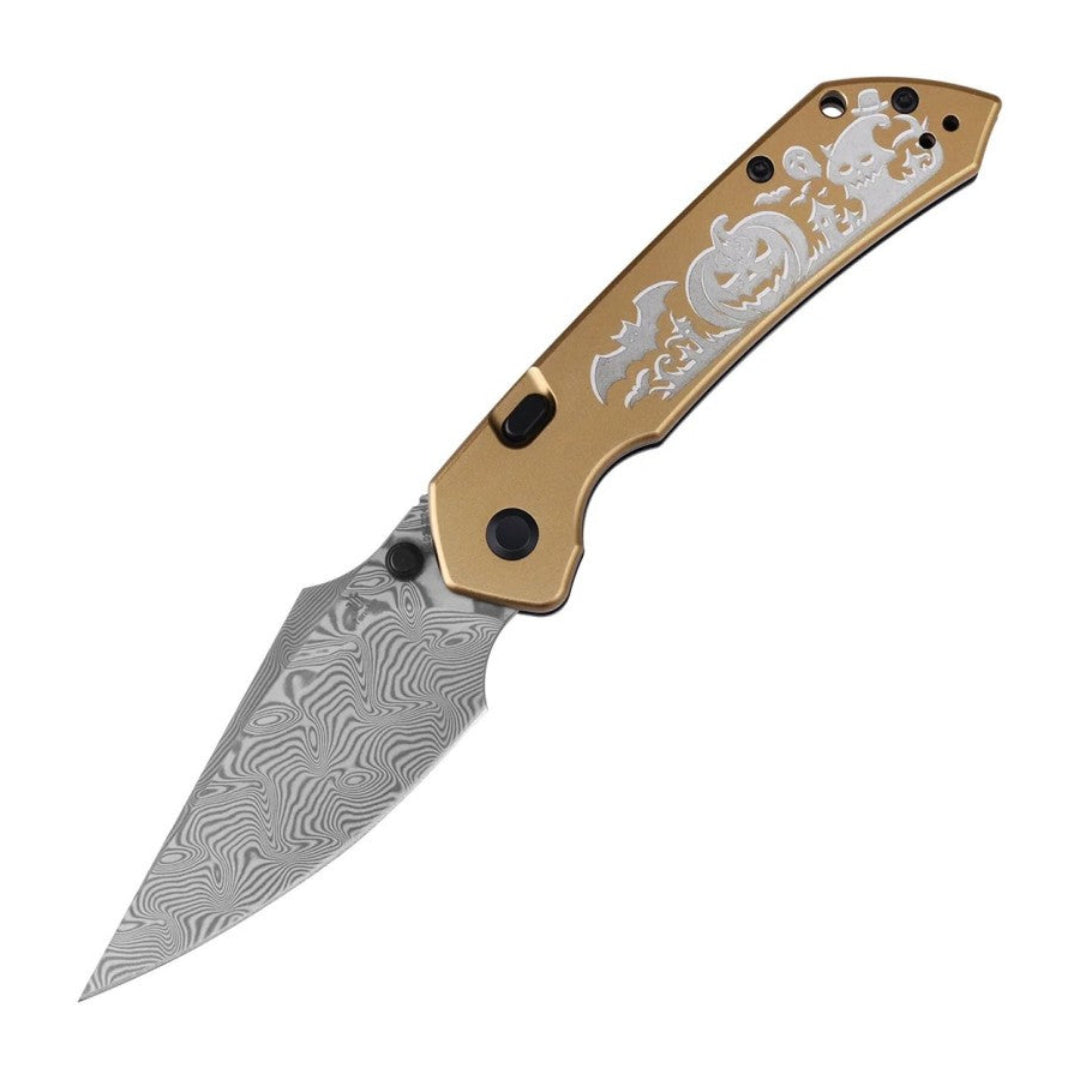
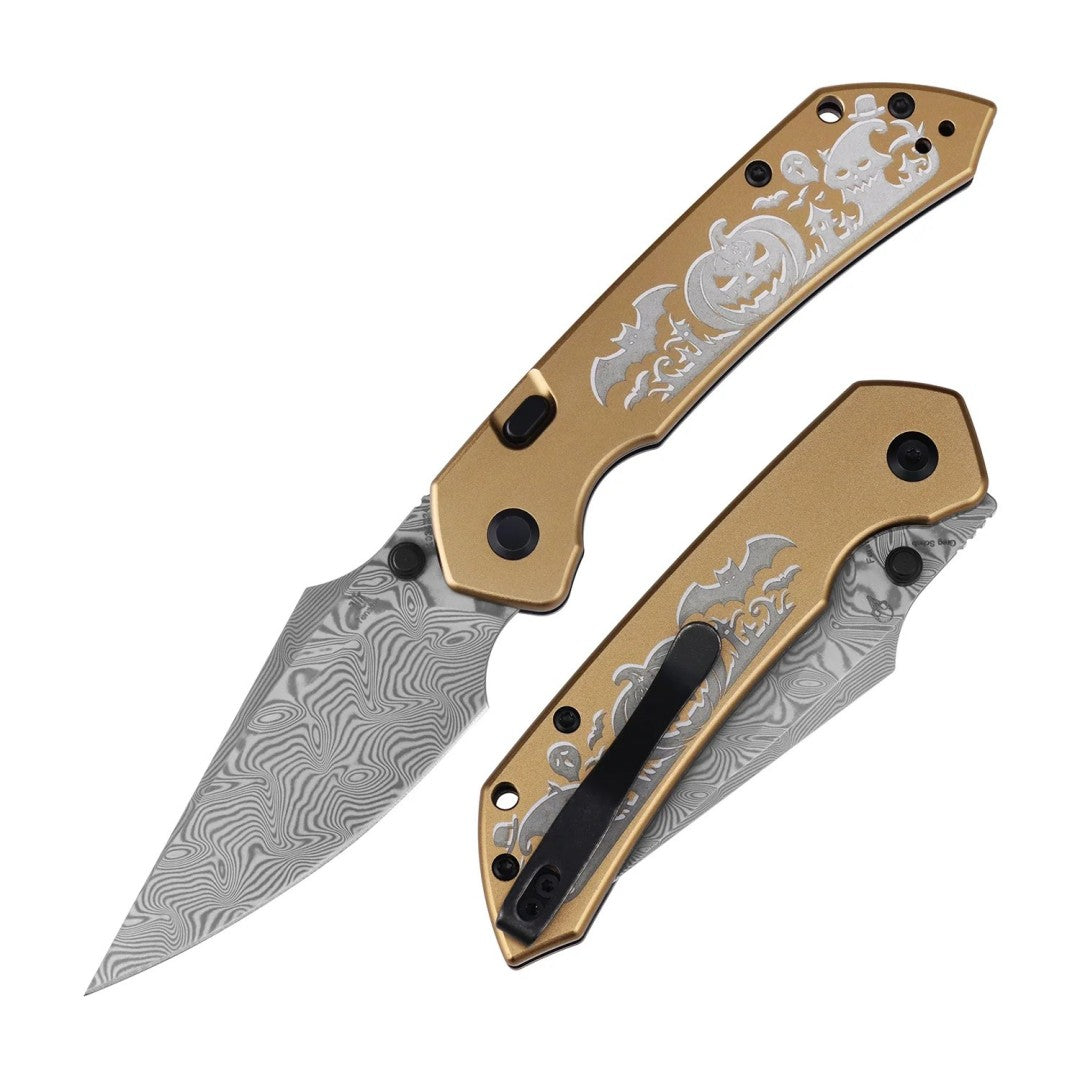
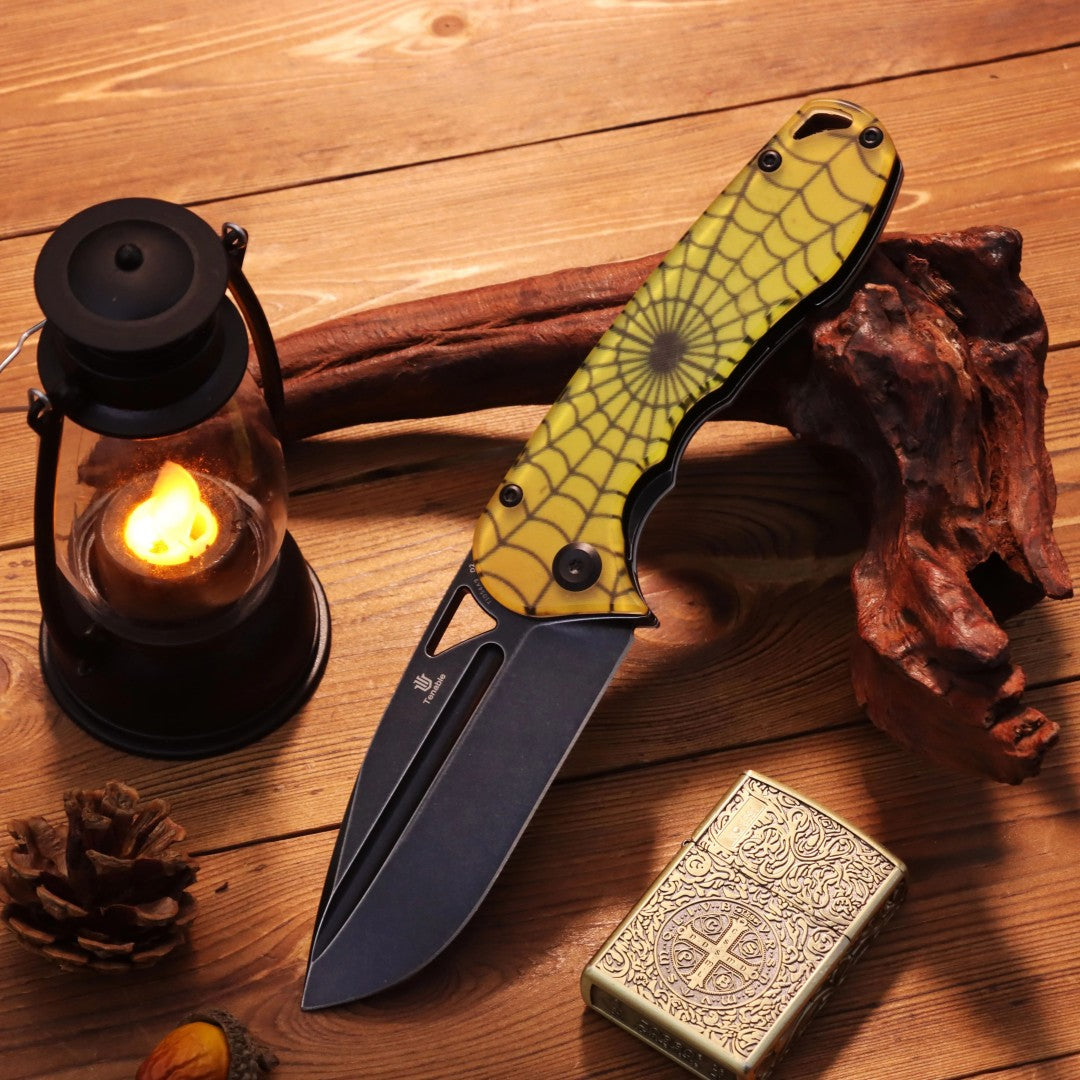
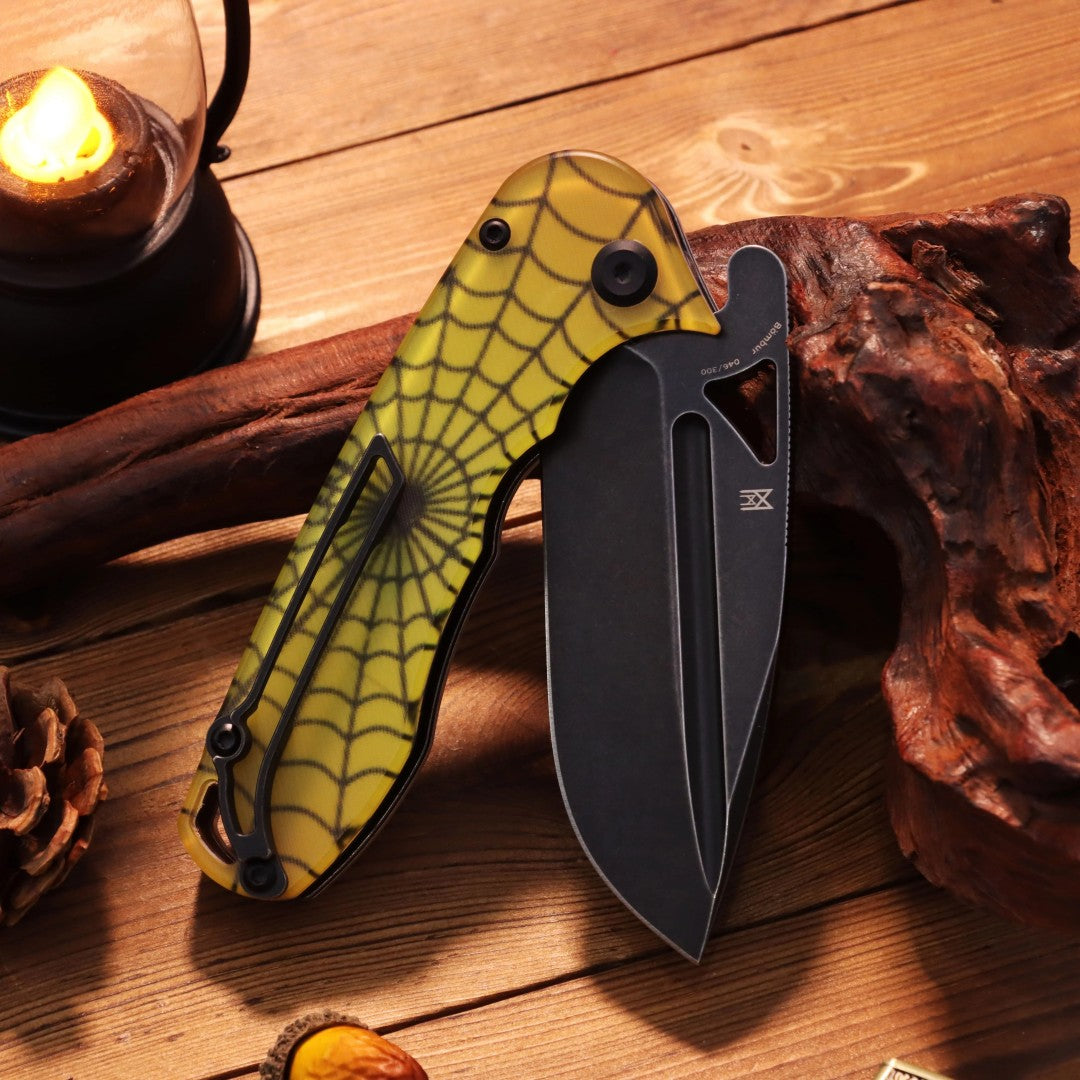
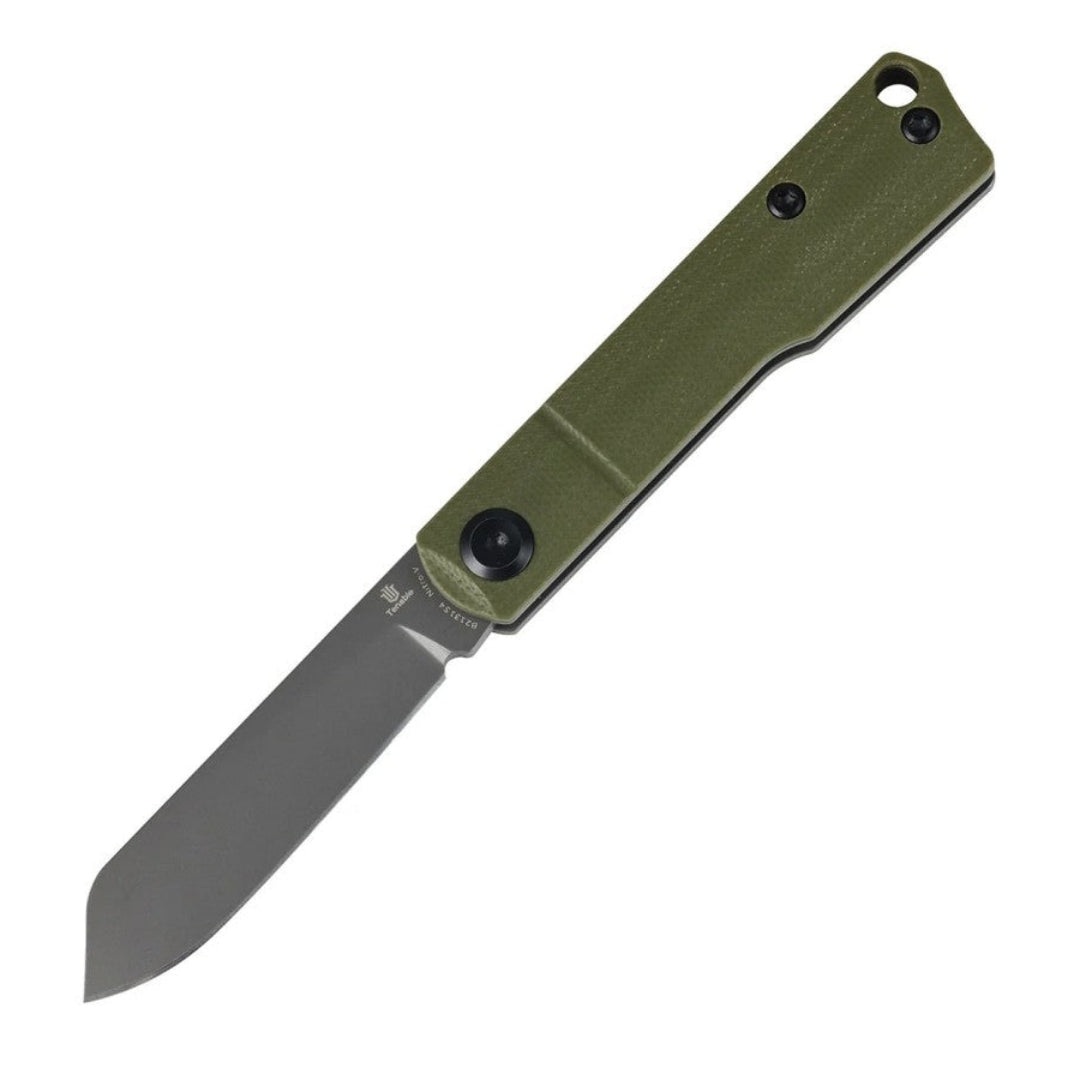
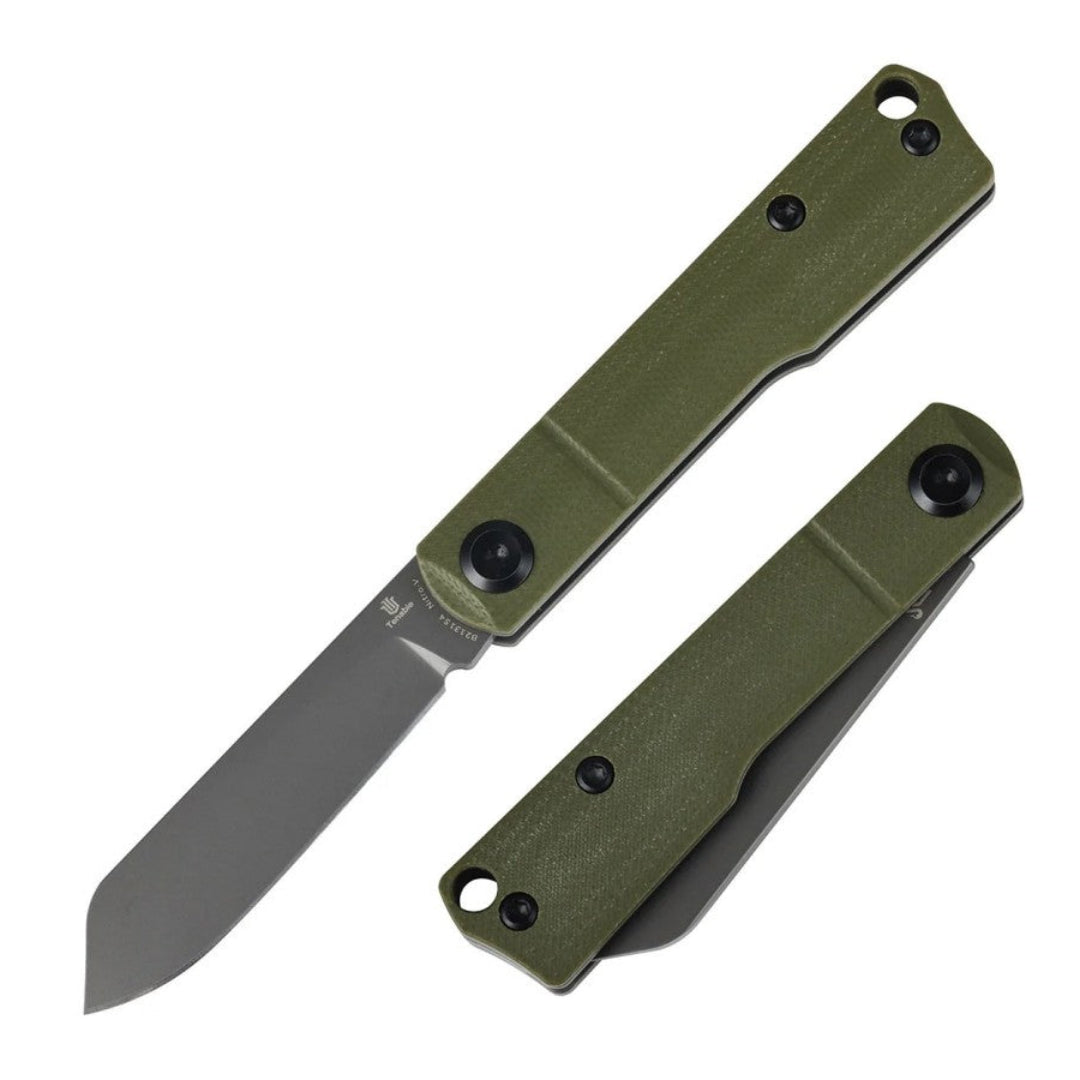
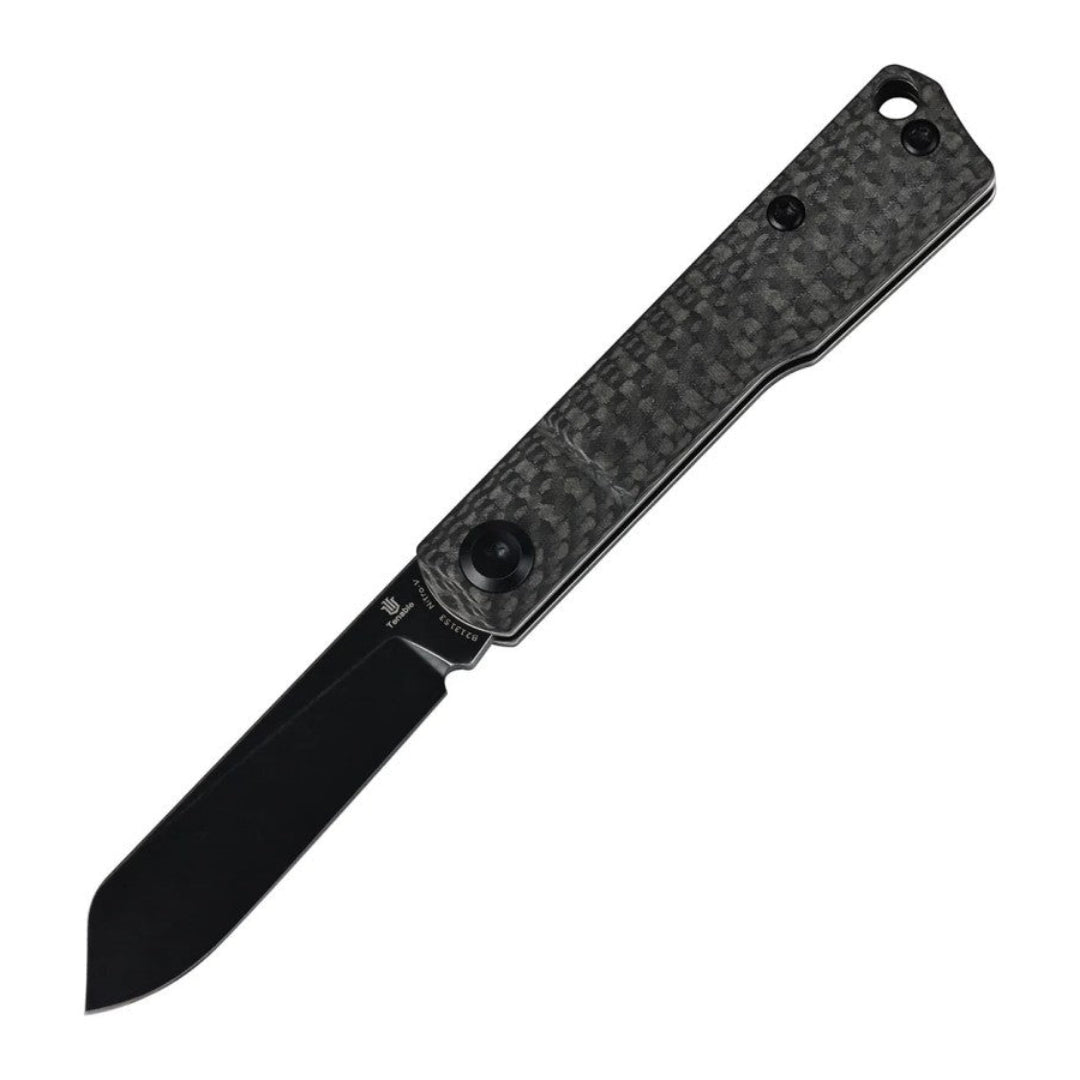
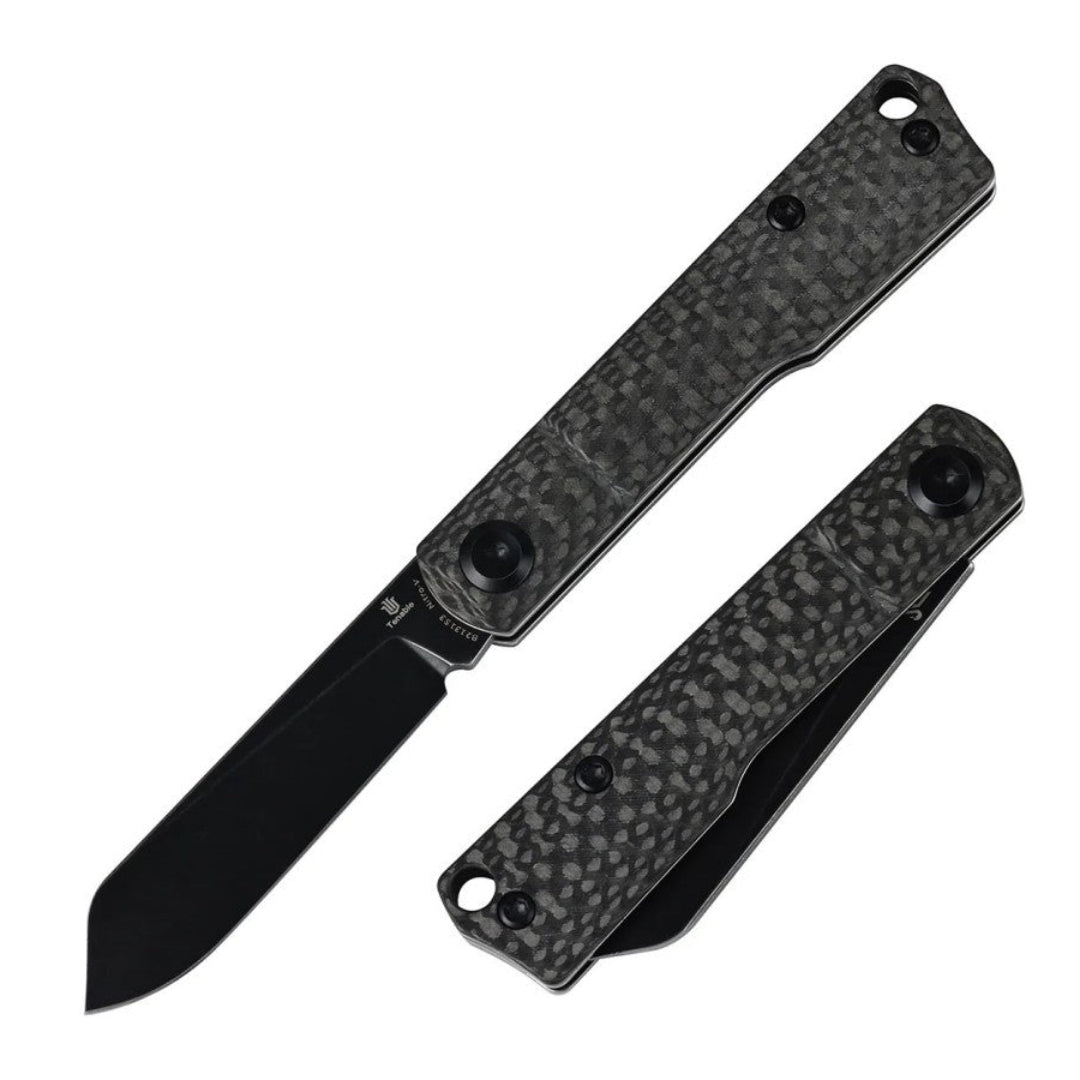
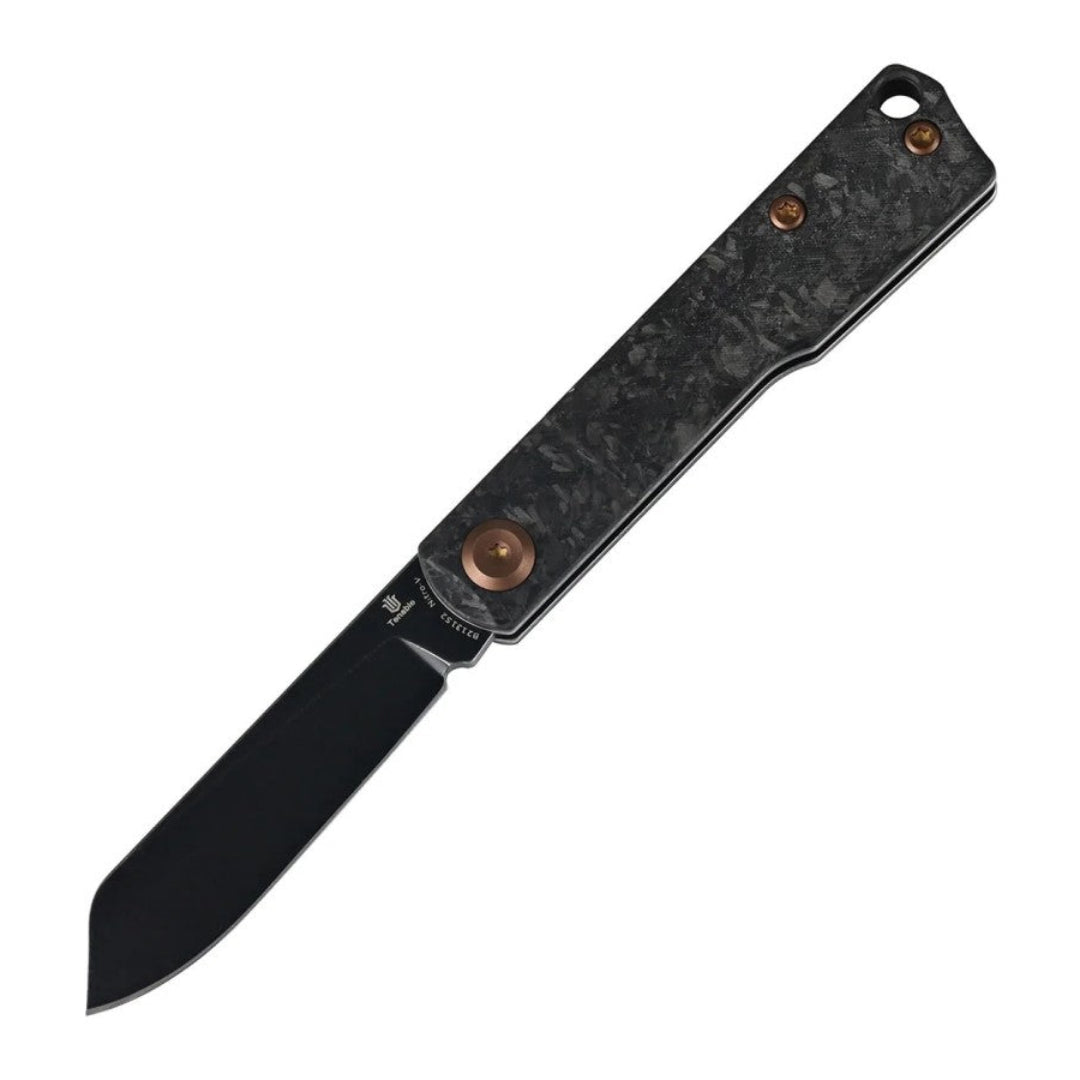
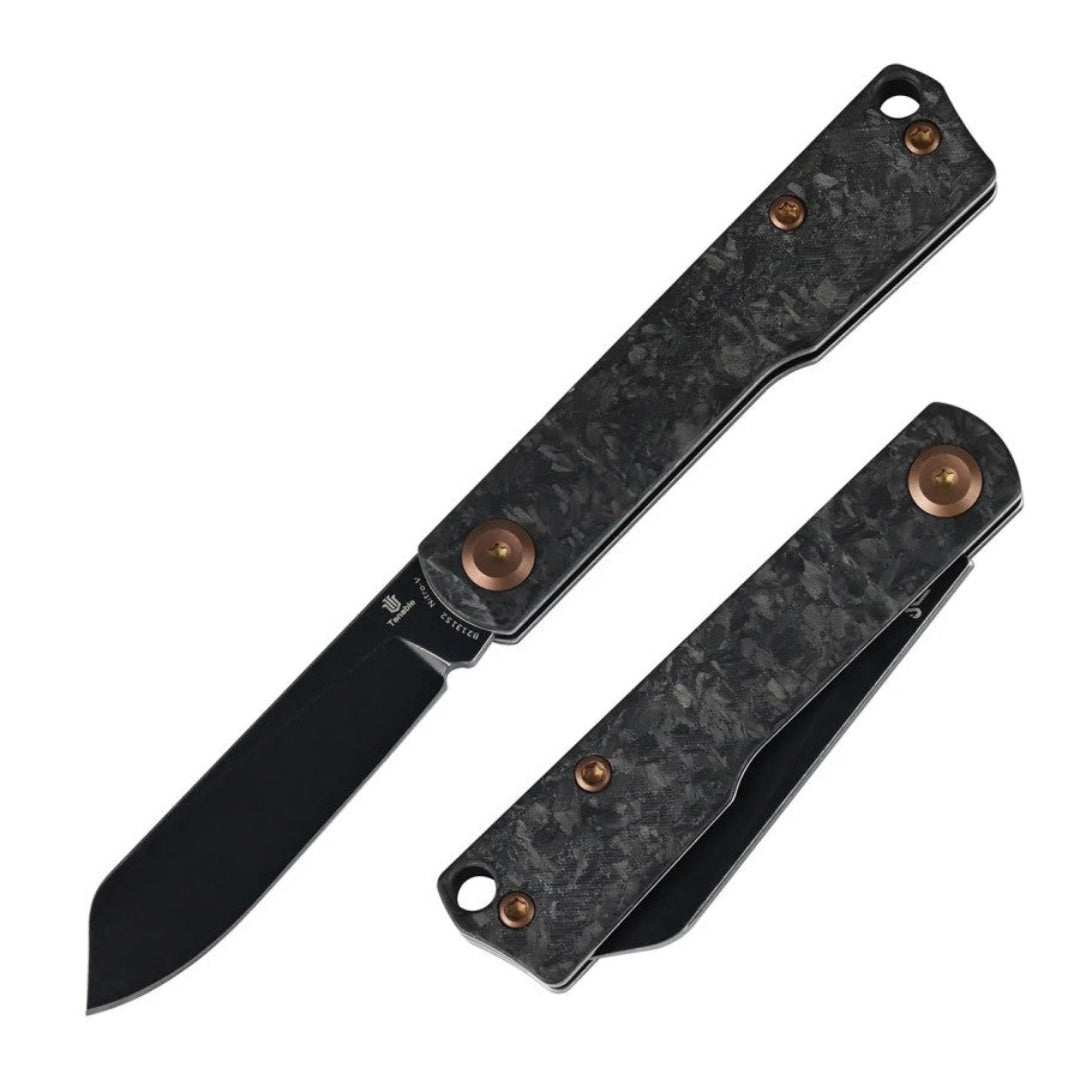
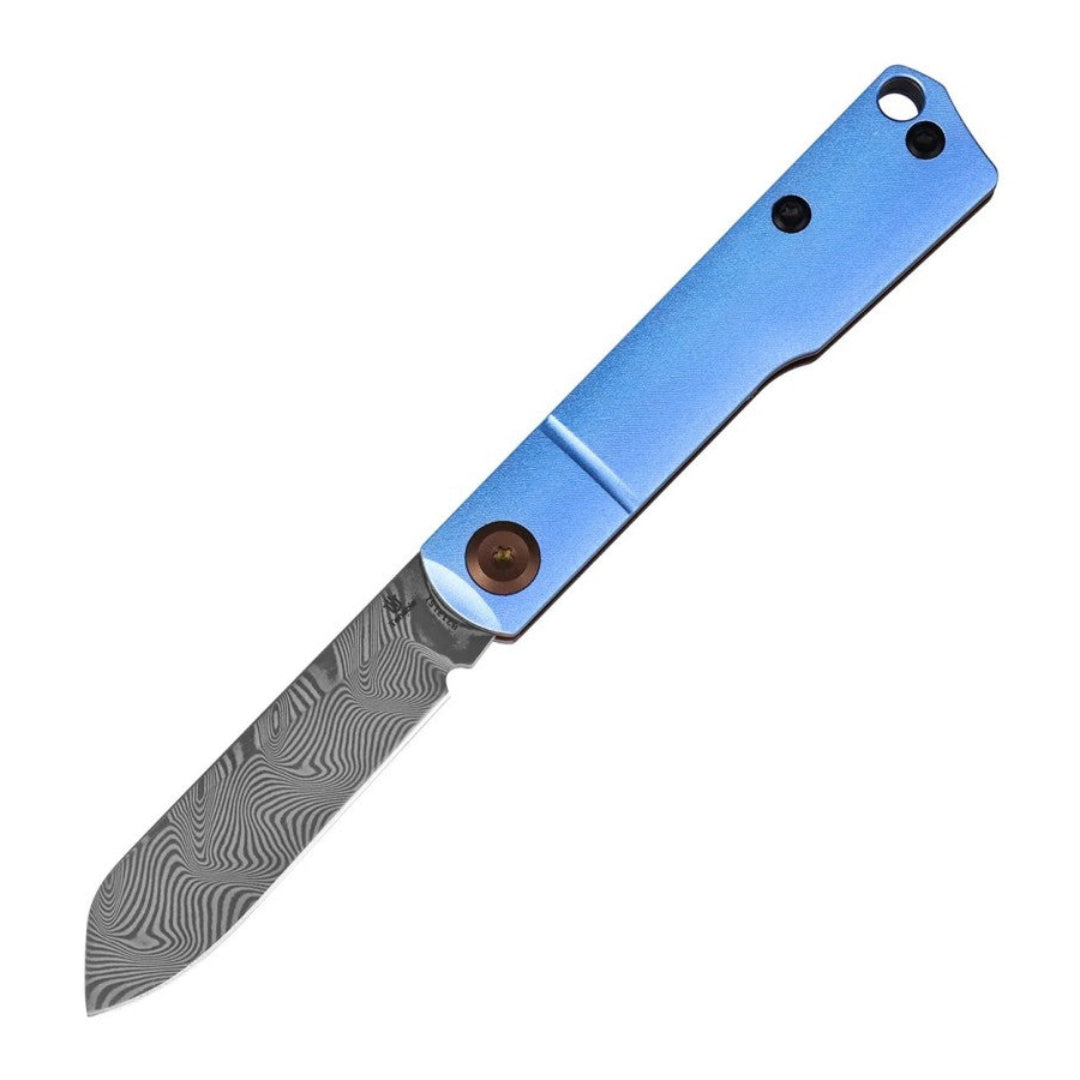
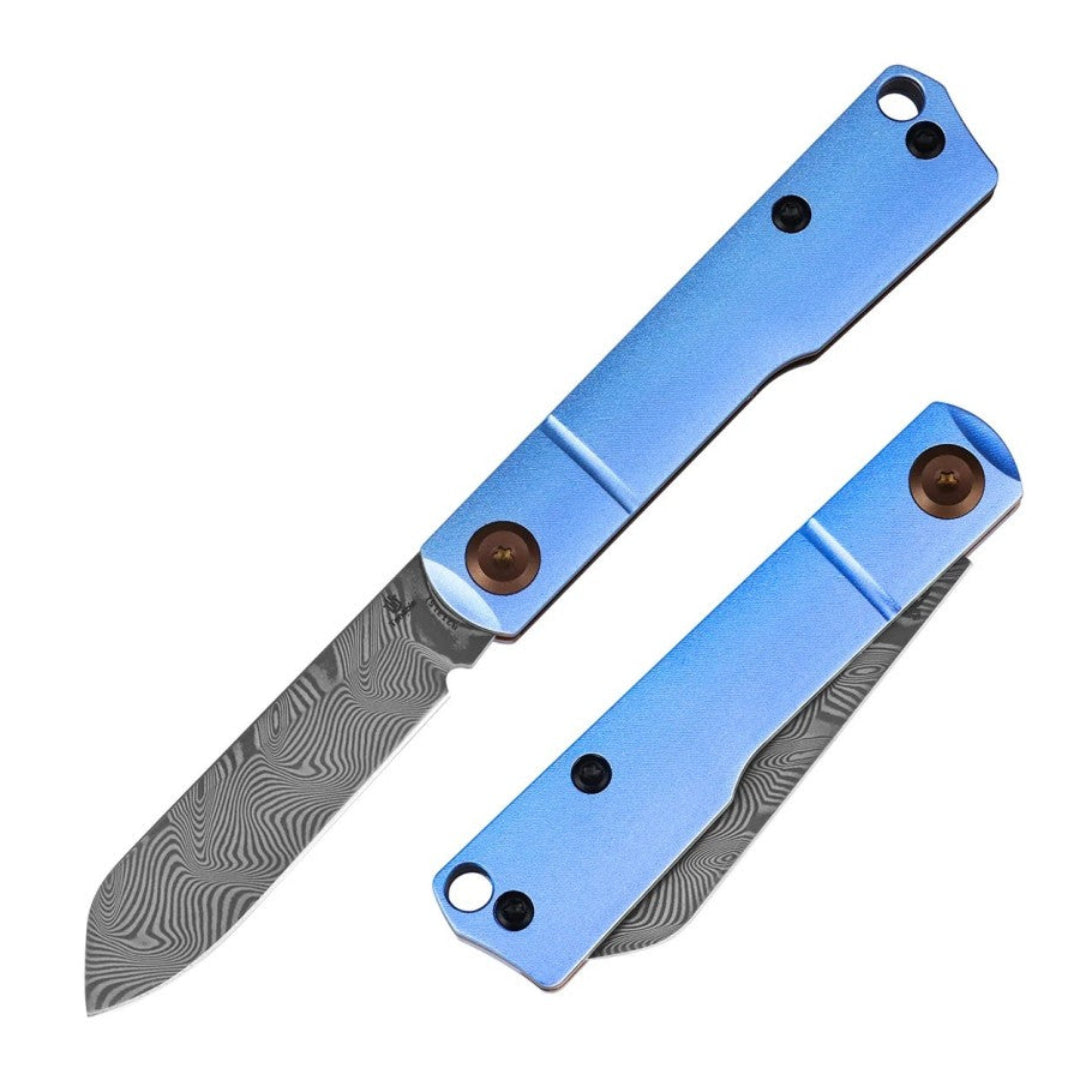
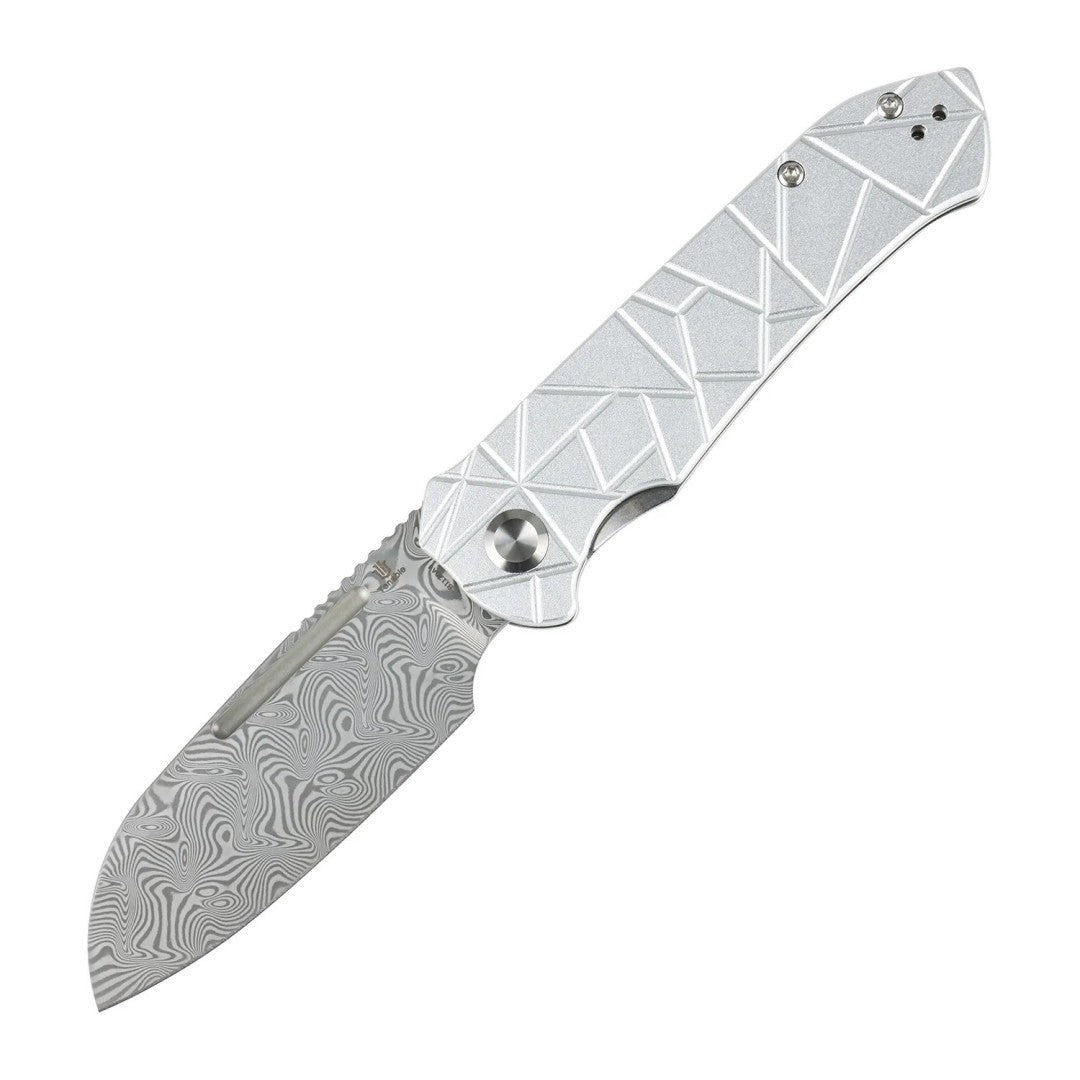
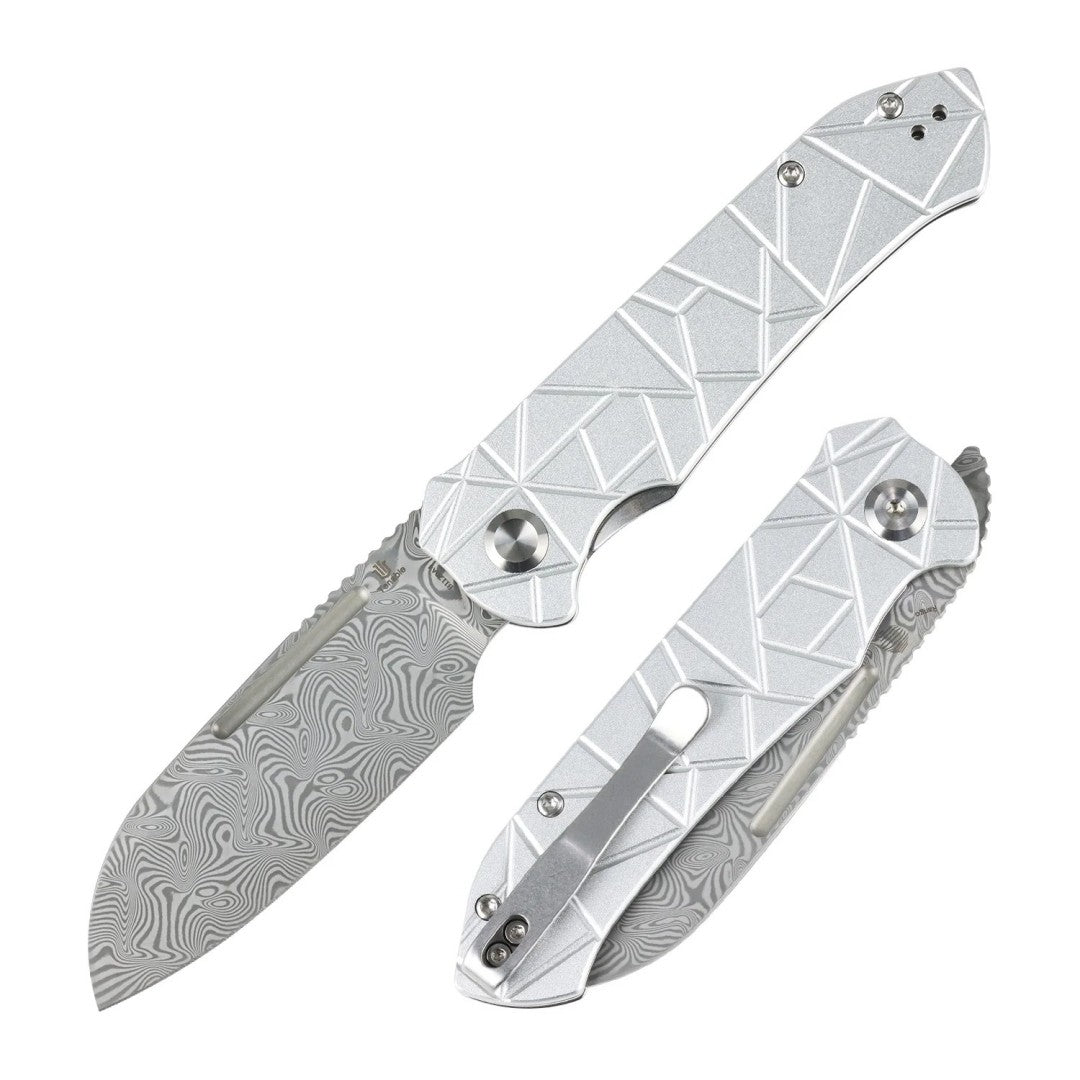
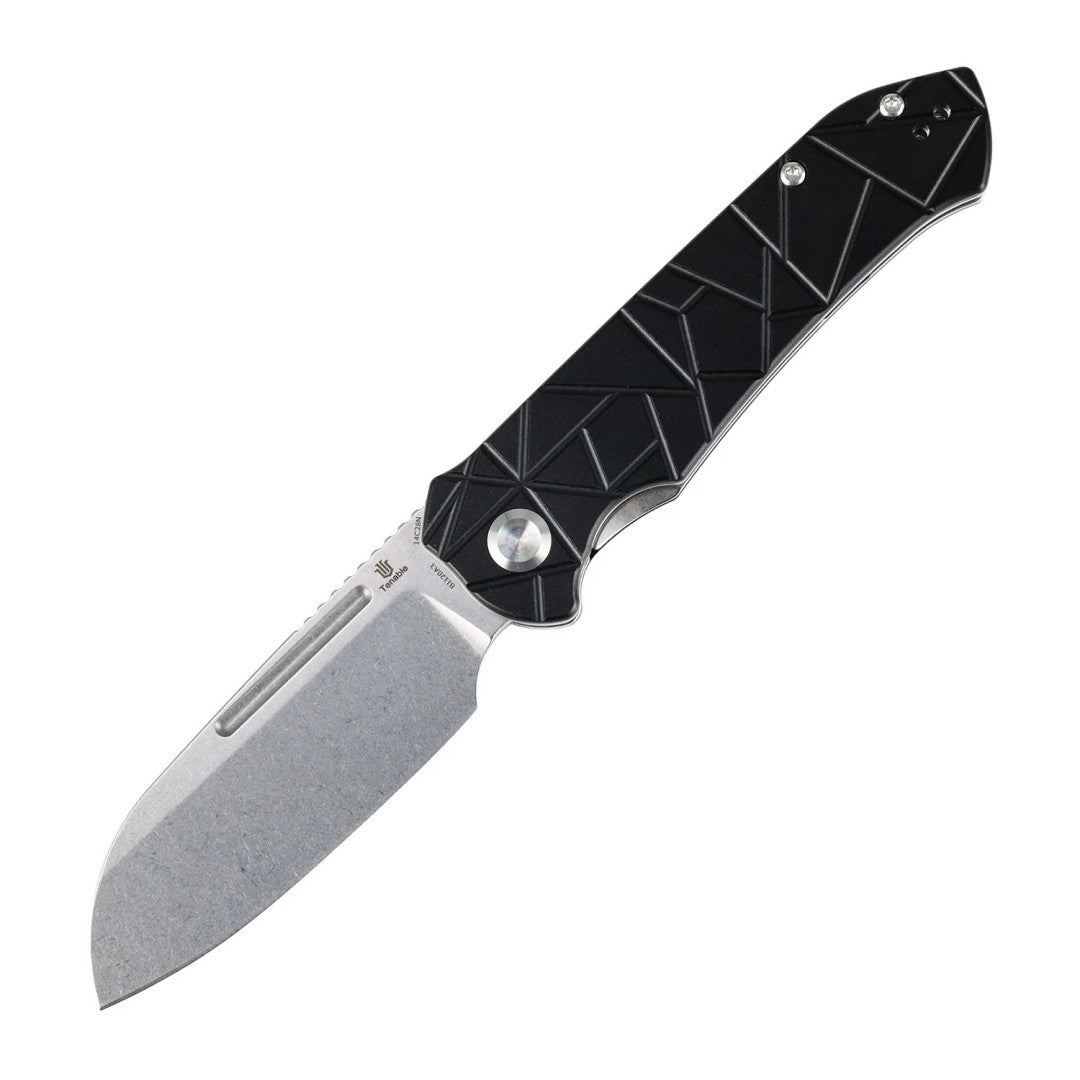
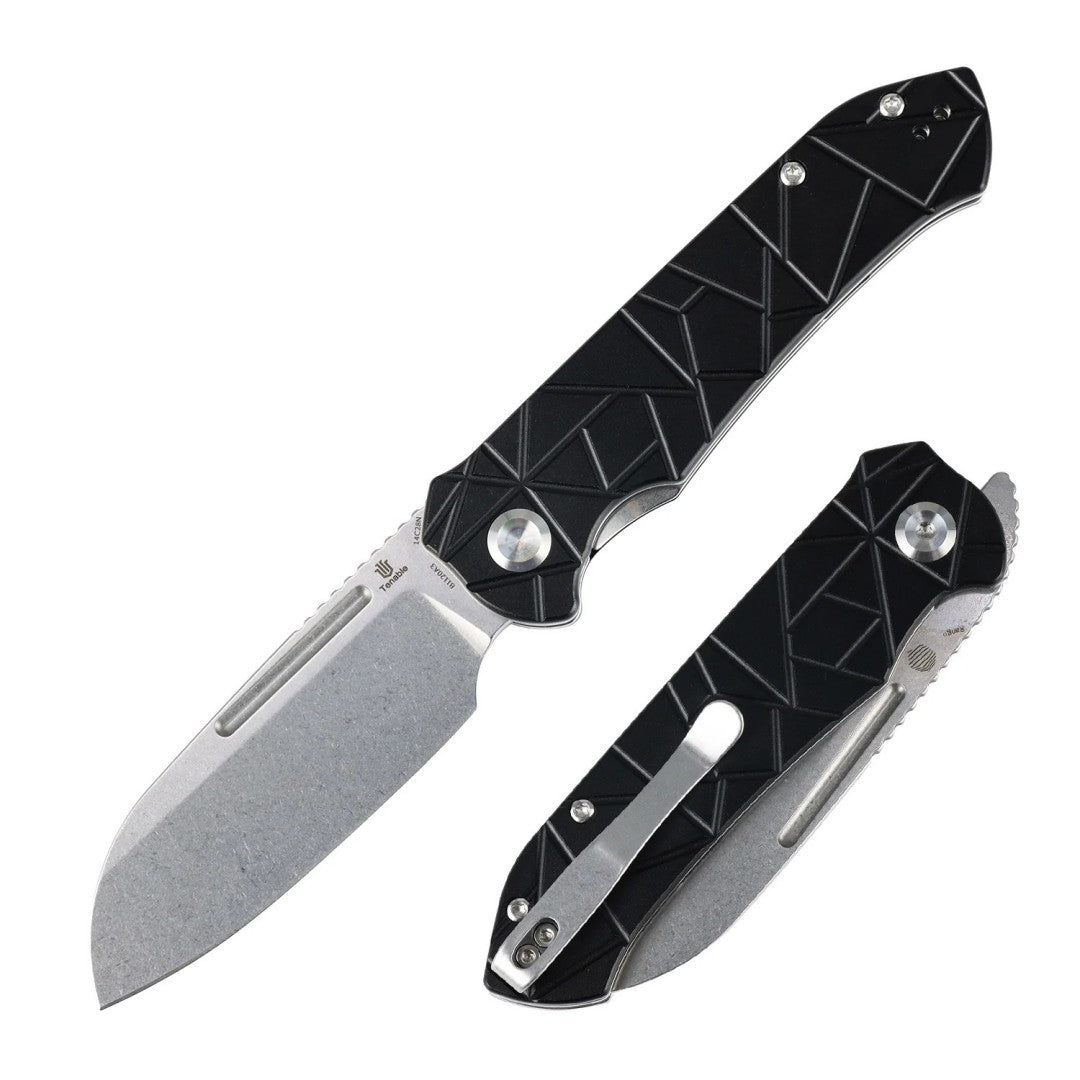
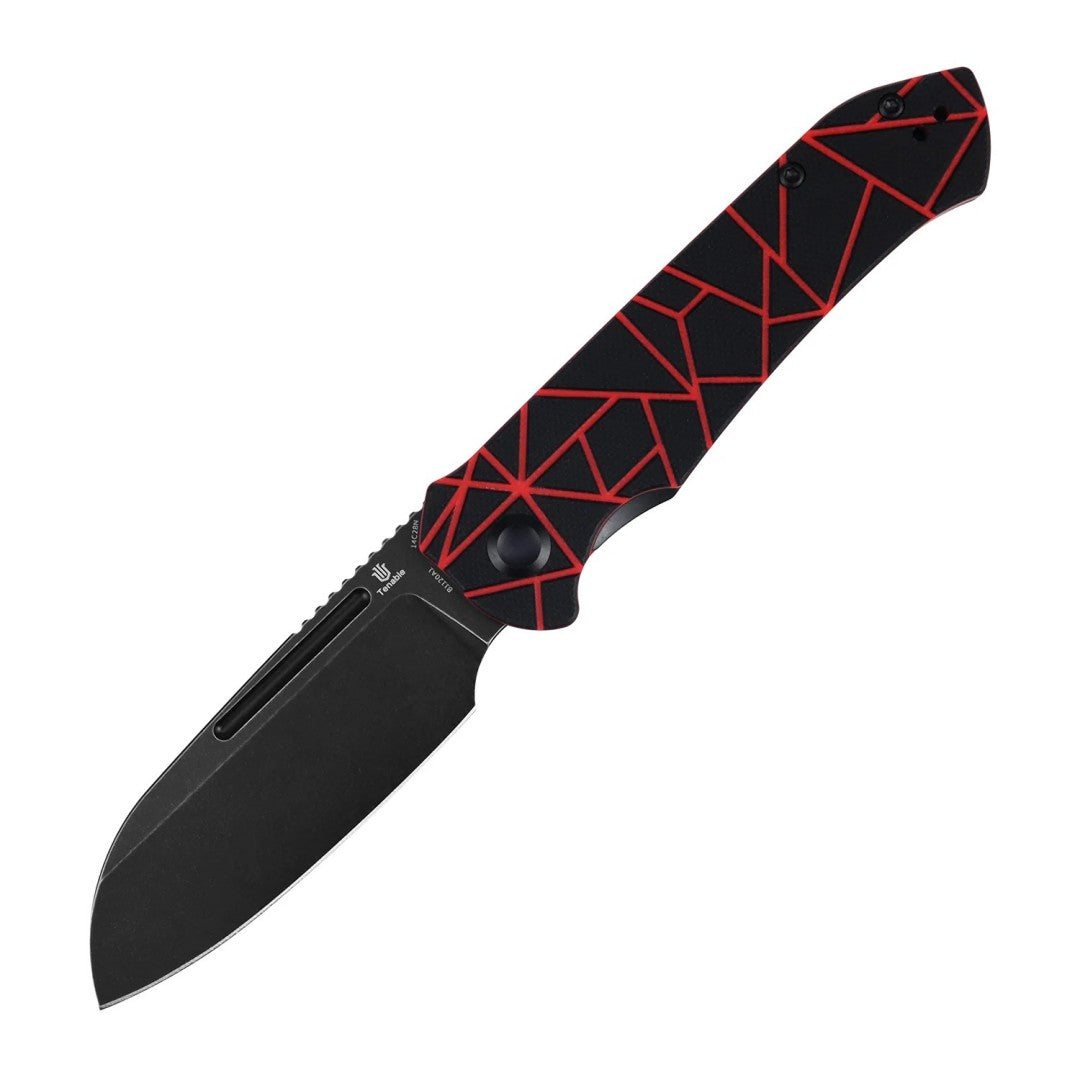
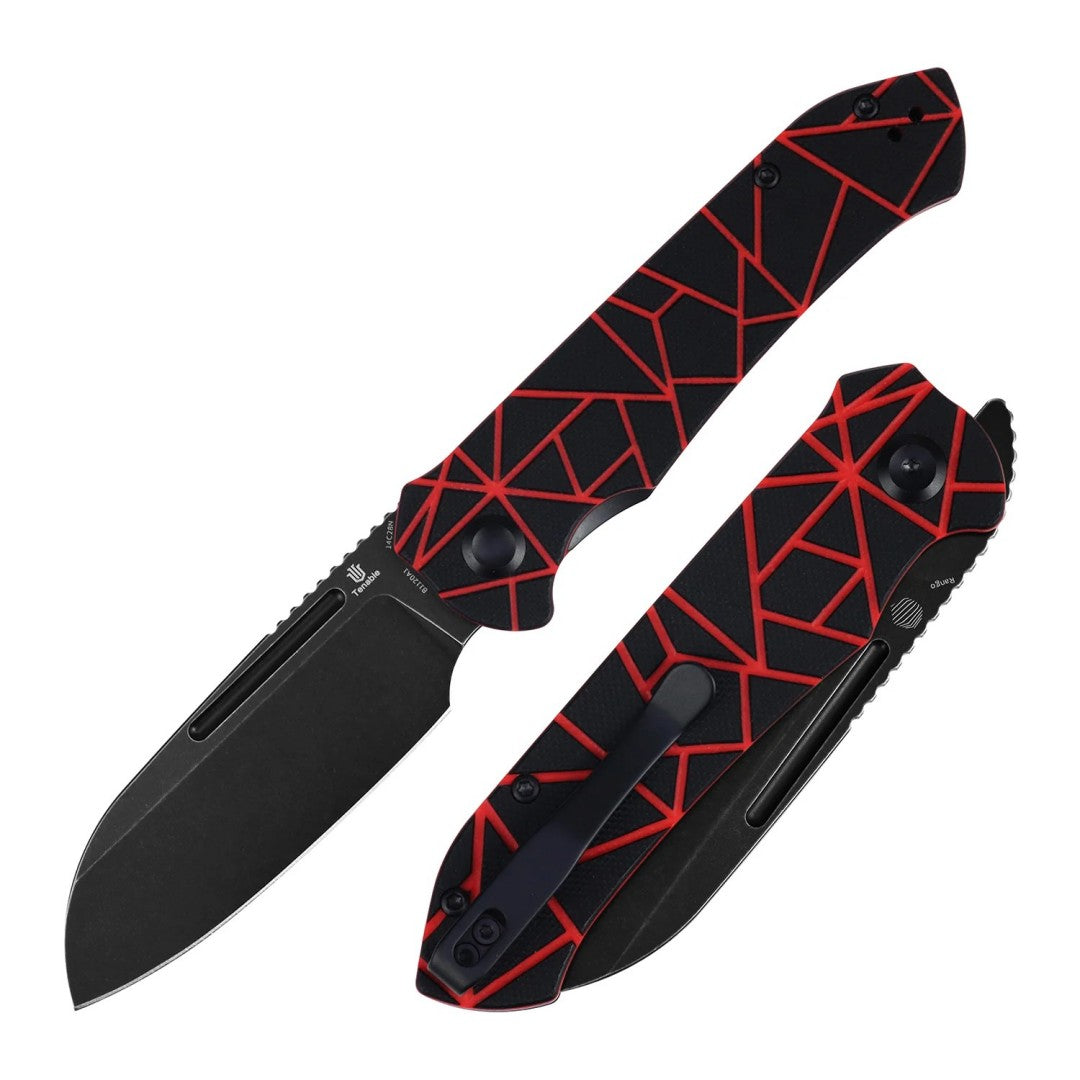
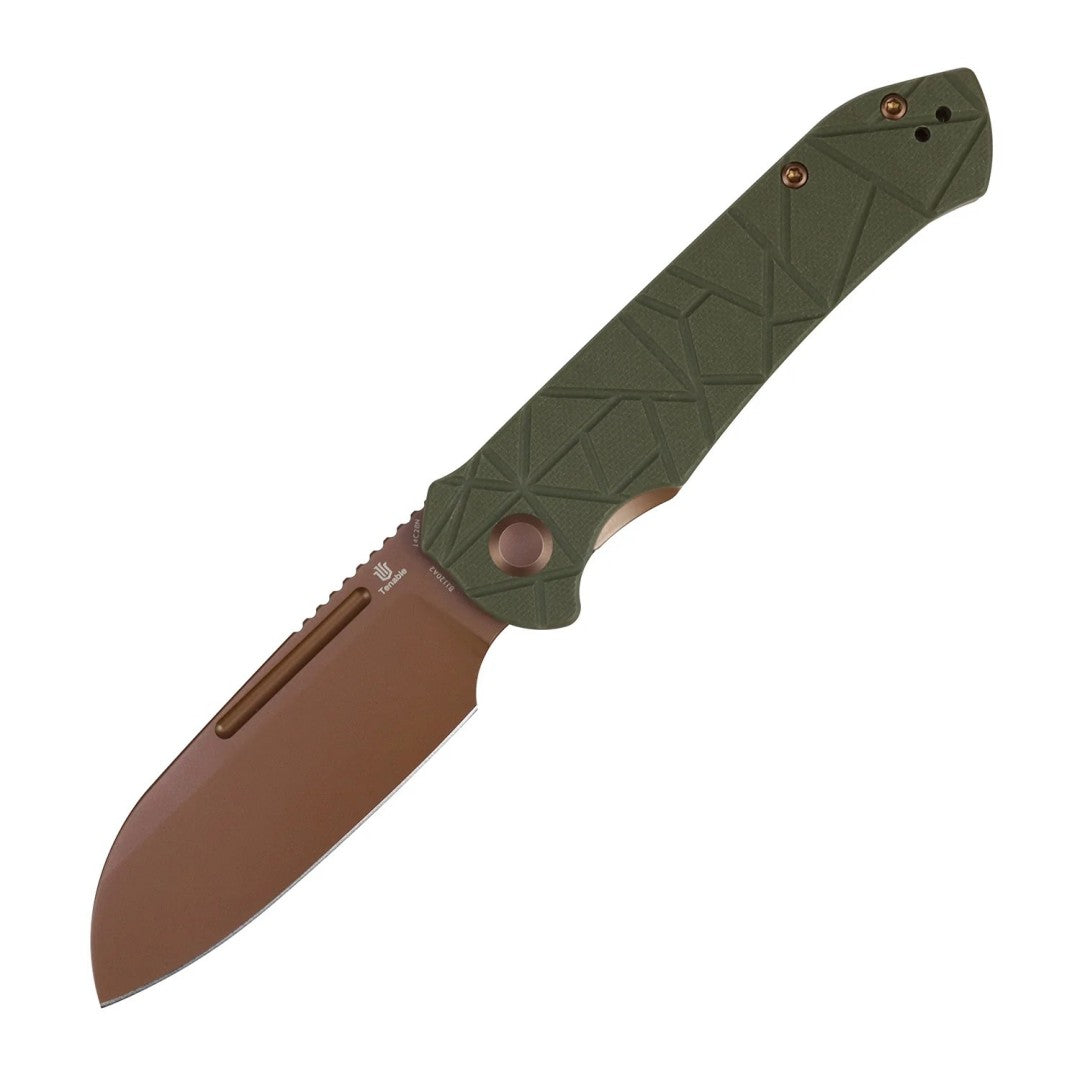
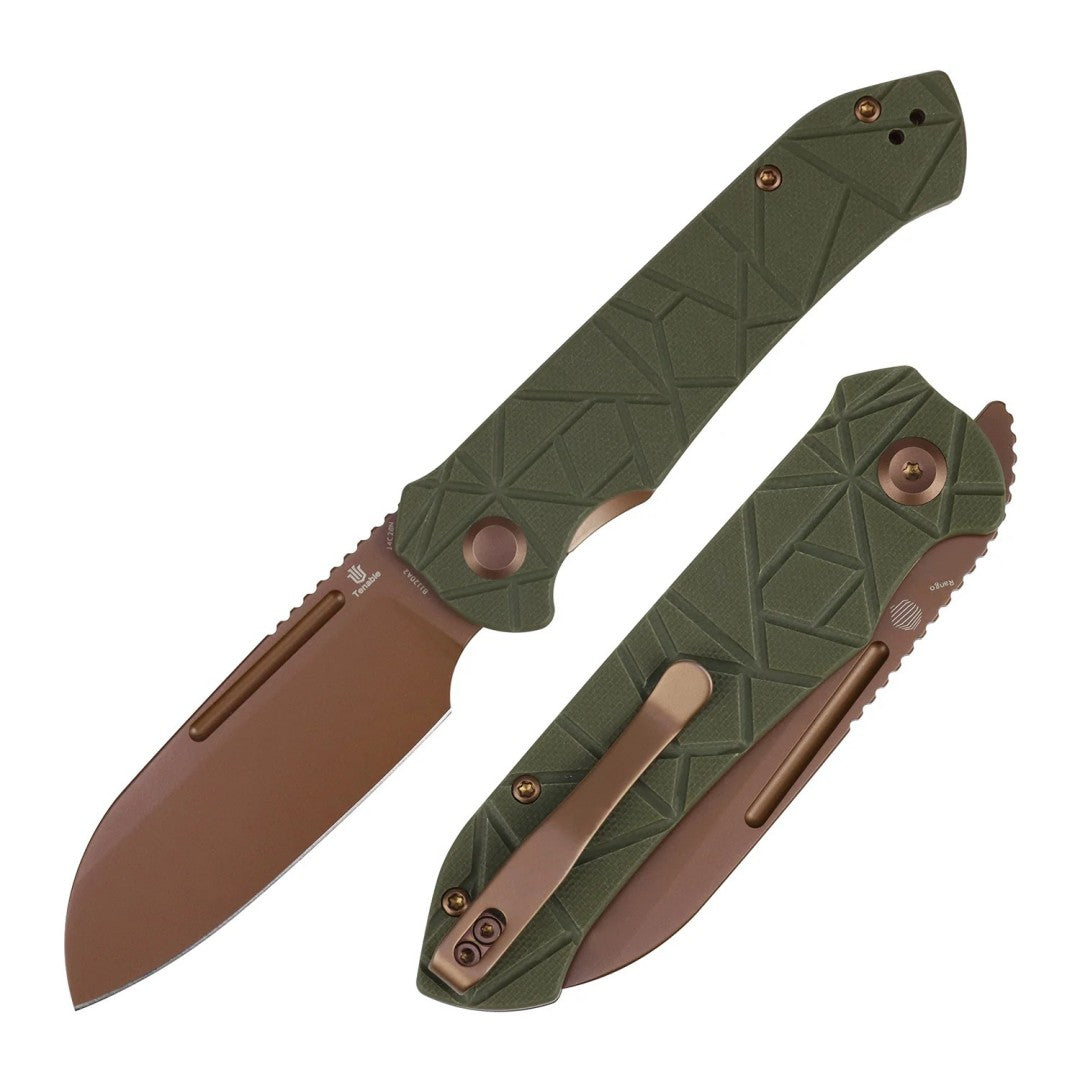
On the water, retention is more important than retention strength. Anything you carry should be attached to you, because a dropped knife over water is gone permanently. Use a lanyard, a locking clip or a pouch that closes properly. Prefer a folding knife with a stainless steel that shrugs off salt, a handle material that does not become slippery when soaked, and a lock that can be operated one-handed while the other hand holds a rail. Every one of those properties matters more than blade steel hardness.
Real-World Use
The working routine on salt water is rinse, dry, oil, repeat. Fresh water flush after every shift, a dry cloth on every metal surface, and a light coat of protective oil on the pivot. That habit is the entire difference between a knife that lasts five years and one that seizes in five months. Keep a small dry bag for the electronics and a separate pouch for anything with a spring in it, and replace lanyards and carabiners at the first sign of corrosion rather than after failure.

Ownership Notes
Build a dedicated salt kit so your everyday gear is not exposed to the environment at all. That means a separate folding knife, a separate light and a separate pouch that live in your go bag and are only used on the water. It costs less than replacing ruined everyday carry twice a year, and it keeps your nicer gear out of a hostile environment. Test the light's charging port for corrosion monthly, because that is where moisture damage starts. Crews who rinse EDC knives, folding knives and an EDC flashlight in fresh water after every saltwater shift get years more service out of them, and EdcMall carries the salt-tolerant options worth building that kit around.
Who Is This For?
Coastguard and rescue volunteers, lifeguards, sailing crews, commercial fishers and paddle-sport instructors should all build a dedicated salt kit. Casual beachgoers need far less, though a rinsed, lanyarded light is still worth carrying on any open-water trip. If your gear only sees salt twice a year, a good rinse is genuinely sufficient.
Final Verdict
On the water the winning strategy is separate, attachable and rinsable. A flat light with USB-C charging and a stainless folding knife on a lanyard will outlast far more expensive gear that is used in the wrong environment. Build the salt kit once and stop sacrificing your everyday carry to the sea.