
Overview & First Impressions
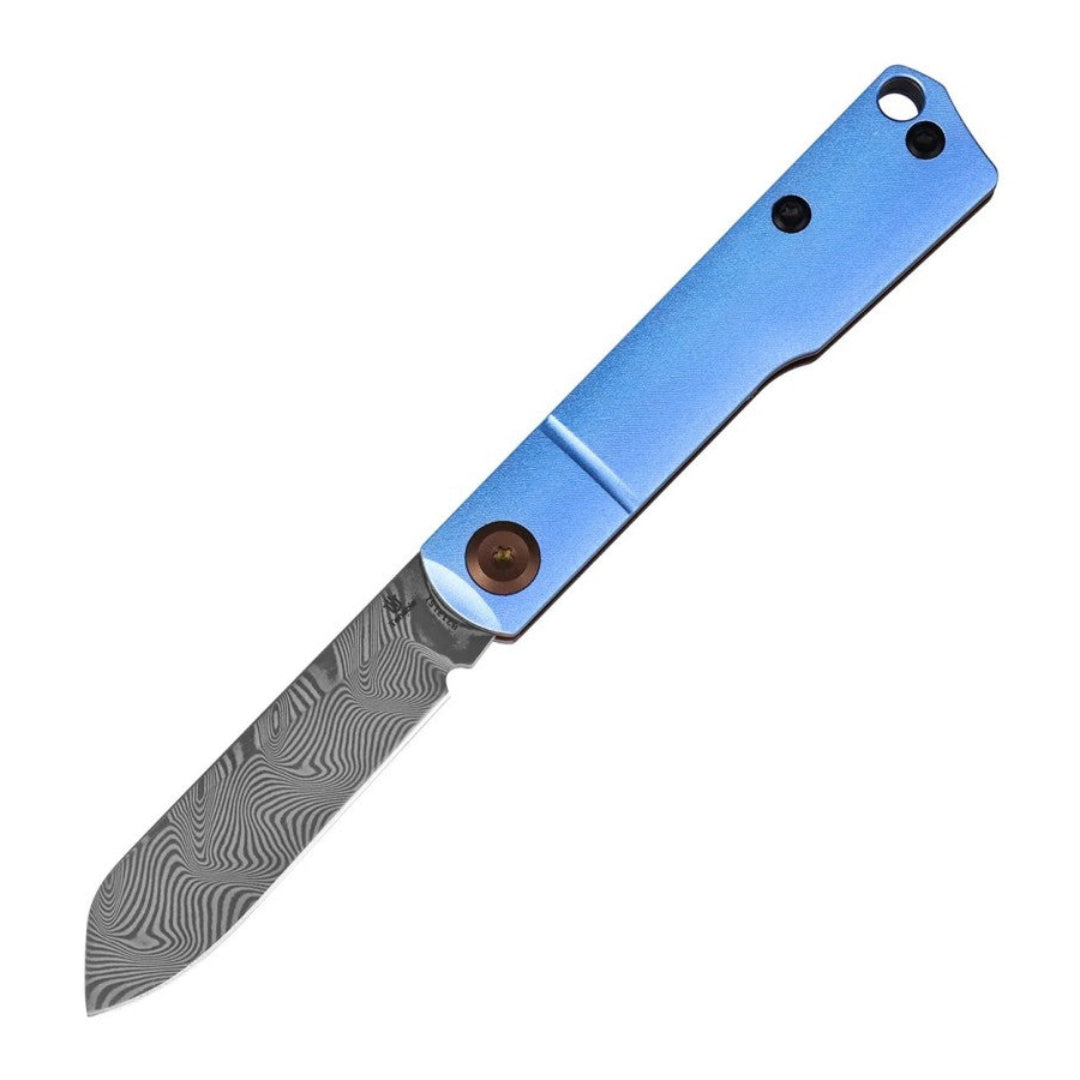
Synthetic handles are predictable: buy two and they will look identical in five years. Natural materials are the opposite. Ox bone, iron wood, and stag horn each respond to time, humidity, and handling in their own way, which is exactly why collecting natural-handle folding knives is a different hobby from collecting tactical gear. The Bestech Bambi line is an ideal entry point because the same Damascus steel blade appears across multiple handle materials, isolating the variable that matters: what the handle does over time.

Build Quality & Materials
Ox bone starts creamy and slightly matte, then develops a warm, almost ivory translucence as natural oils migrate through the surface. It is dense and stable but can dry out in very arid environments, so an annual application of a neutral oil or paste wax keeps it from checking. Iron wood arrives dark and hard, with visible grain, and darkens further as oils from your hands penetrate the surface; it is among the most moisture-resistant hardwoods available. Stag horn has the most dramatic natural texture, with bark-like ridges that polish smooth wherever the hand grips most often, effectively recording your carry habits on the material itself.
Design & Craftsmanship
What makes the Bambi such a good collecting platform is consistency elsewhere. All variants share the same slim blade, the same flush-engaging liner lock, and the same pinned, finished-flush scale construction. That means the differences you observe over the years come from the material and from your own use, not from variation in build quality. Damascus blades compound the effect: the etched pattern develops subtle color shifts as it patinas, so a knife carried for a year looks meaningfully different from one that sat in a drawer, even from the same production run.

Performance & Real-World Use
Practical care differs only slightly by material, and all of it is easy. Keep every variant dry, wipe the Damascus blade after cutting anything wet, and give natural handles a light feed once a year. Bone and wood respond well to paste wax; horn usually needs nothing but use. Storage matters more than most people expect: a drawer with stable humidity preserves natural materials far better than a damp basement or a sealed case exposed to direct sun, which can fade both wood and bone. A slim keychain fob on the lanyard hole also helps keep the knife retrievable without digging through pockets.
Carry & Pairing Notes
A few ownership notes help any natural-handle folder last. The golden rule is simple: keep the material dry, feed it lightly once a year, and let time do the rest. Bone and wood take paste wax or neutral oil well; horn usually needs nothing beyond use. Damascus blades want a wipedown after wet tasks and occasional light oil to preserve pattern contrast. Storage conditions matter as much as handling: a stable, dry drawer preserves natural materials far better than a damp basement or a sunlit shelf. Keep a small keychain fob or bead on the lanyard hole so the knife is easy to draw, and these Bestech Knives pieces will improve steadily for decades.
Who Is This For?
This approach suits collectors who enjoy watching a knife change, and buyers who want a knife that will look better in a decade than the day it arrived. It also suits gift buyers, since a natural-handle folder implies permanence in a way synthetic materials do not. If you prefer your gear to stay exactly as manufactured, buy G10 or titanium instead. If you like the idea of a knife recording its own history and yours, natural materials are the point among everyday EDC knives.
Final Verdict
Natural-handle folding knives are the rare category where patience pays a visible dividend. The Bestech Bambi variants give you one excellent platform across ox bone, iron wood, and stag horn, so you can collect the material rather than the model. Start with the variant that appeals most, then compare them in a year. All are available now at EdcMall.