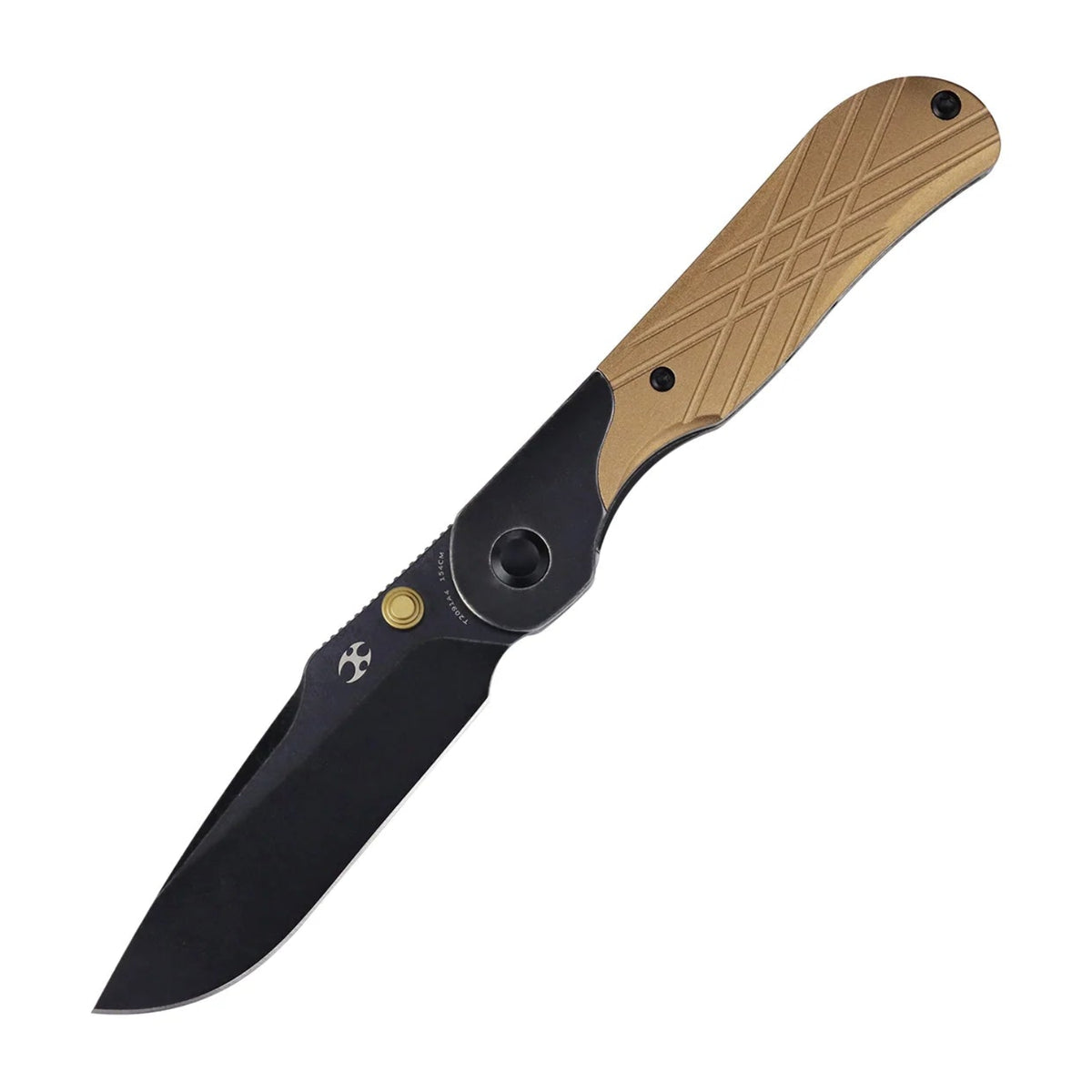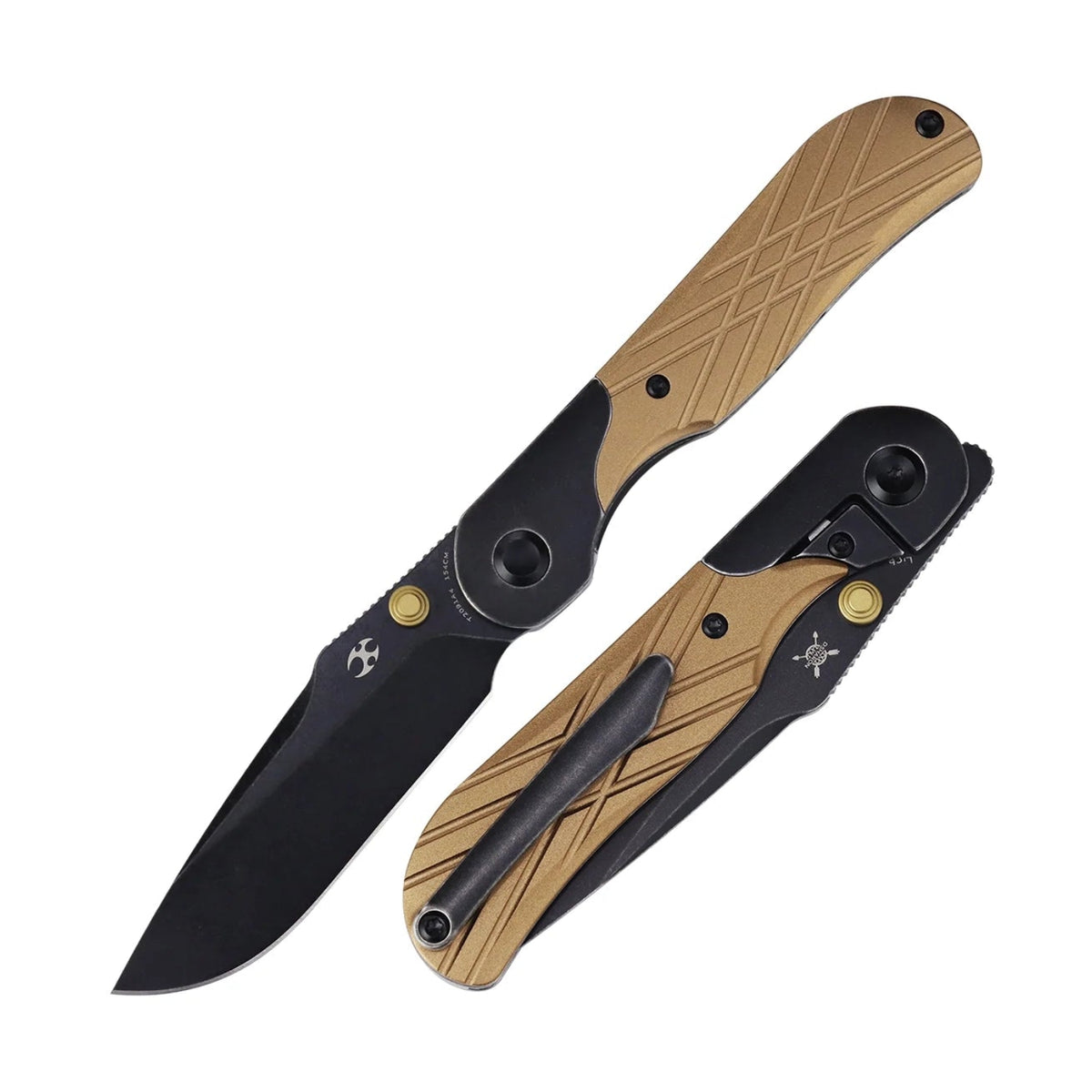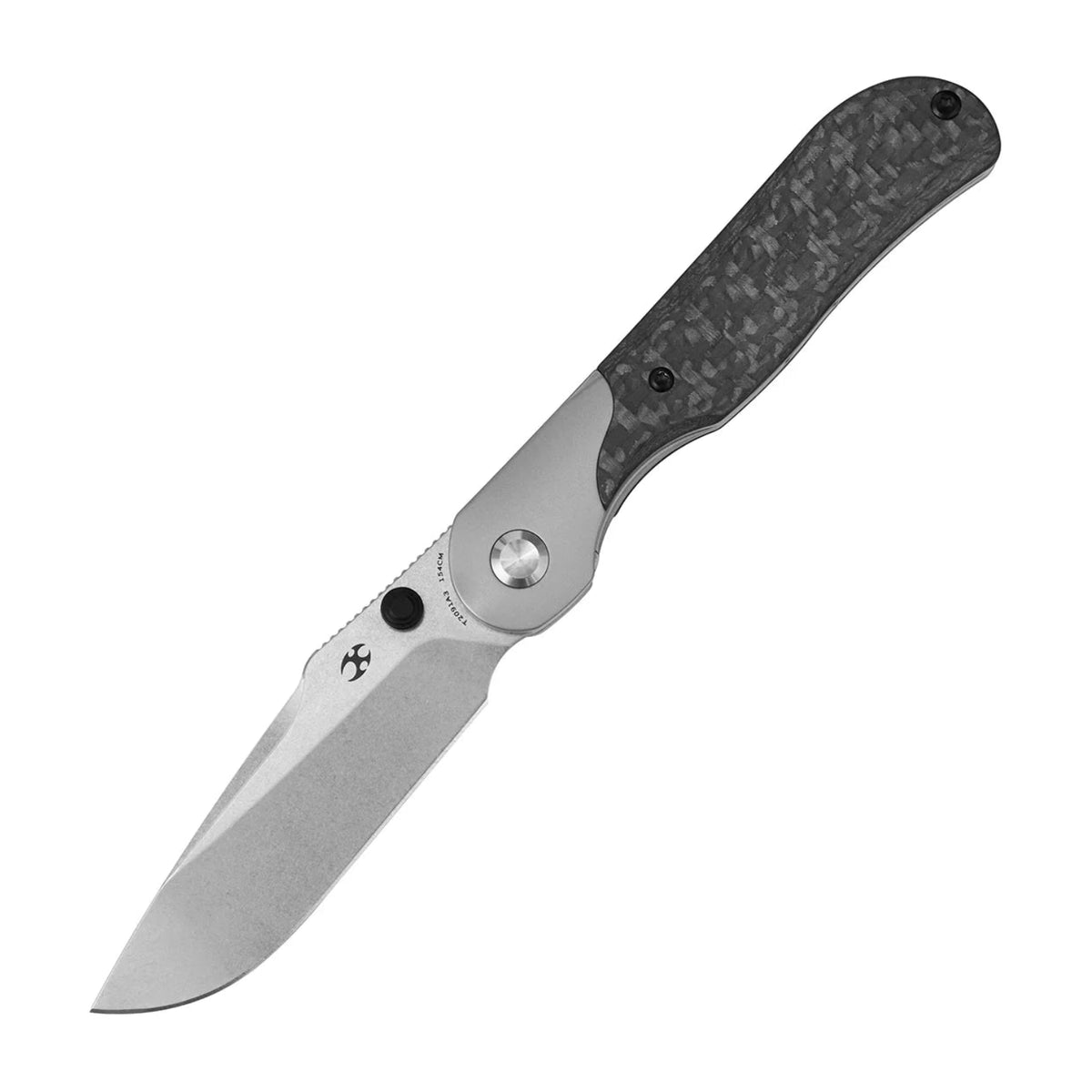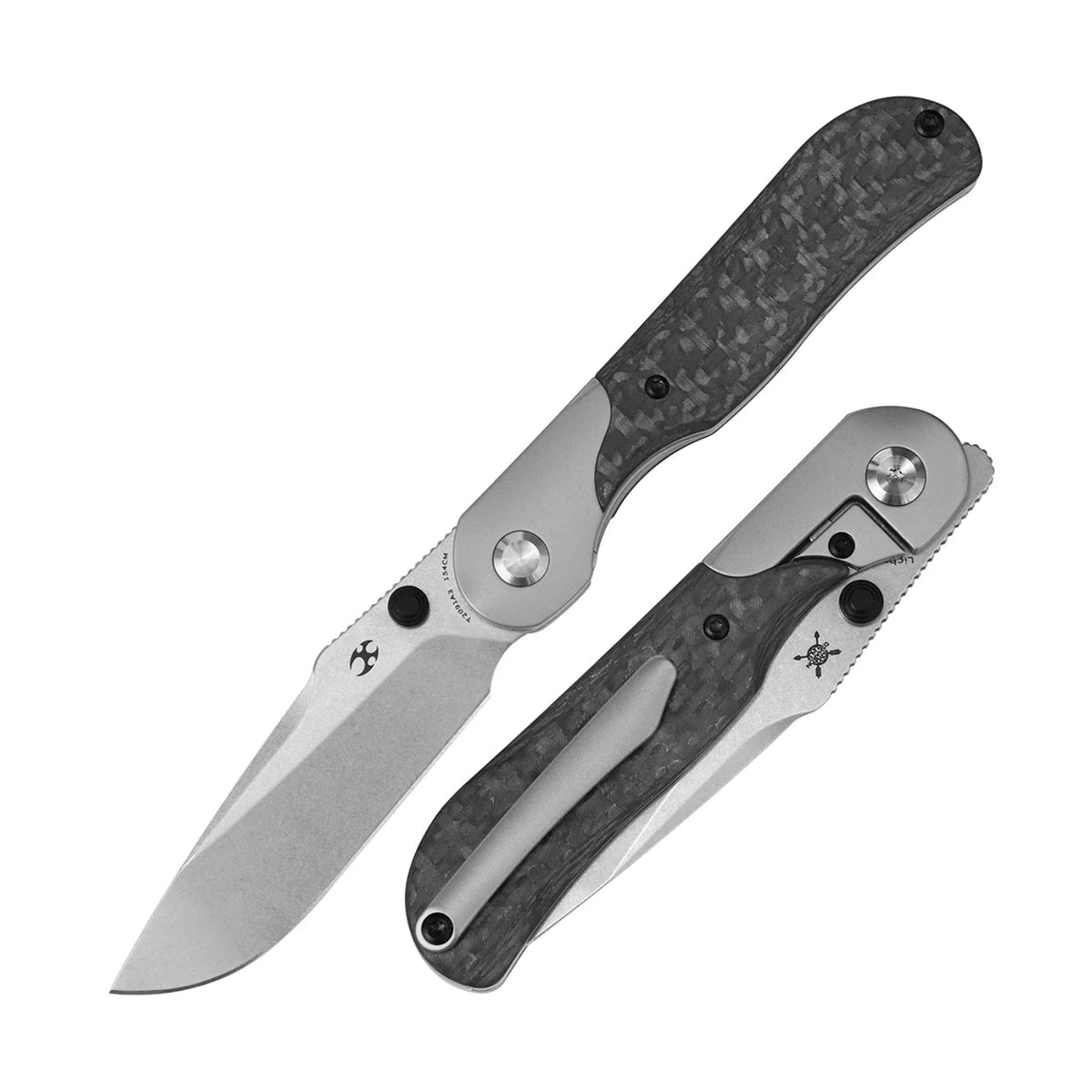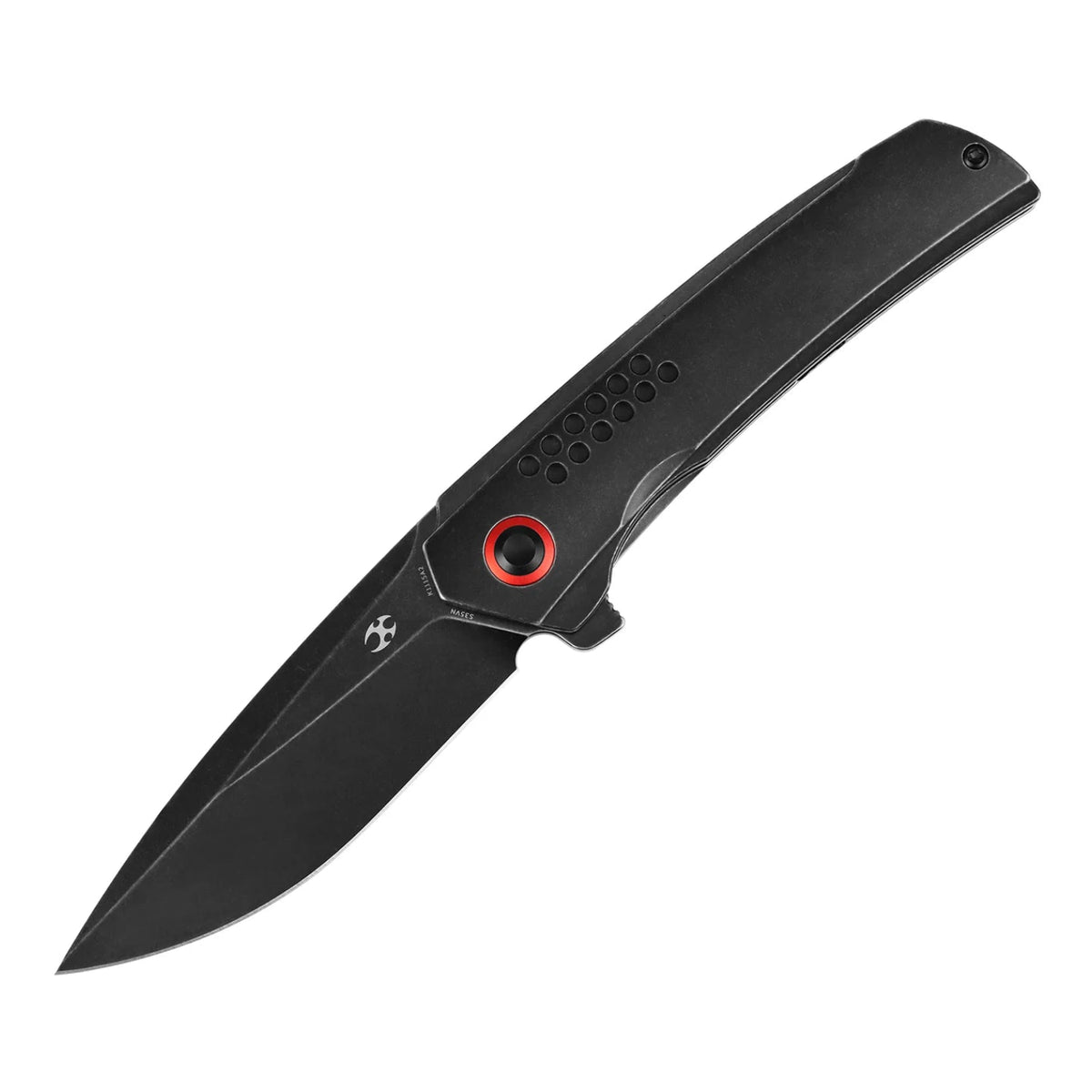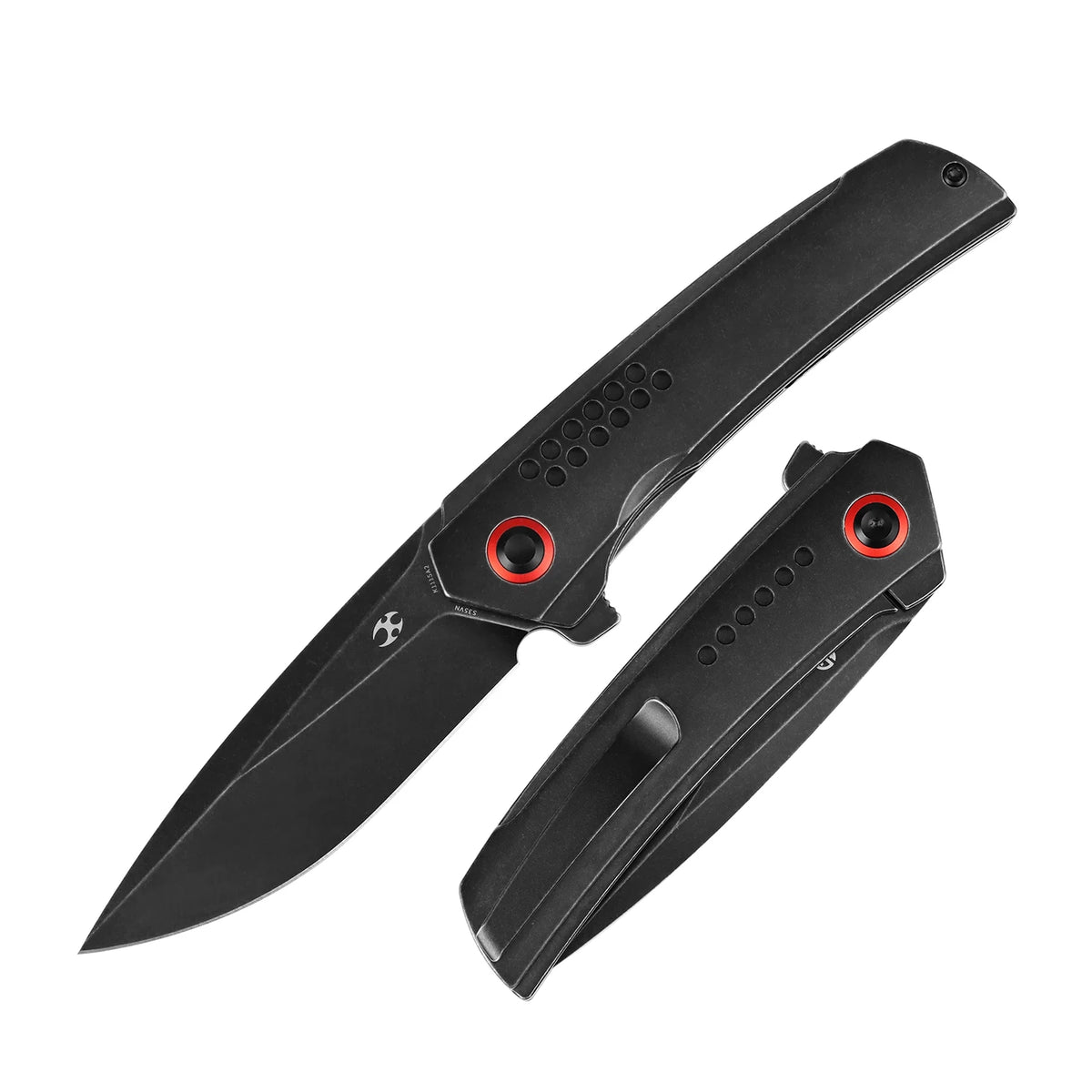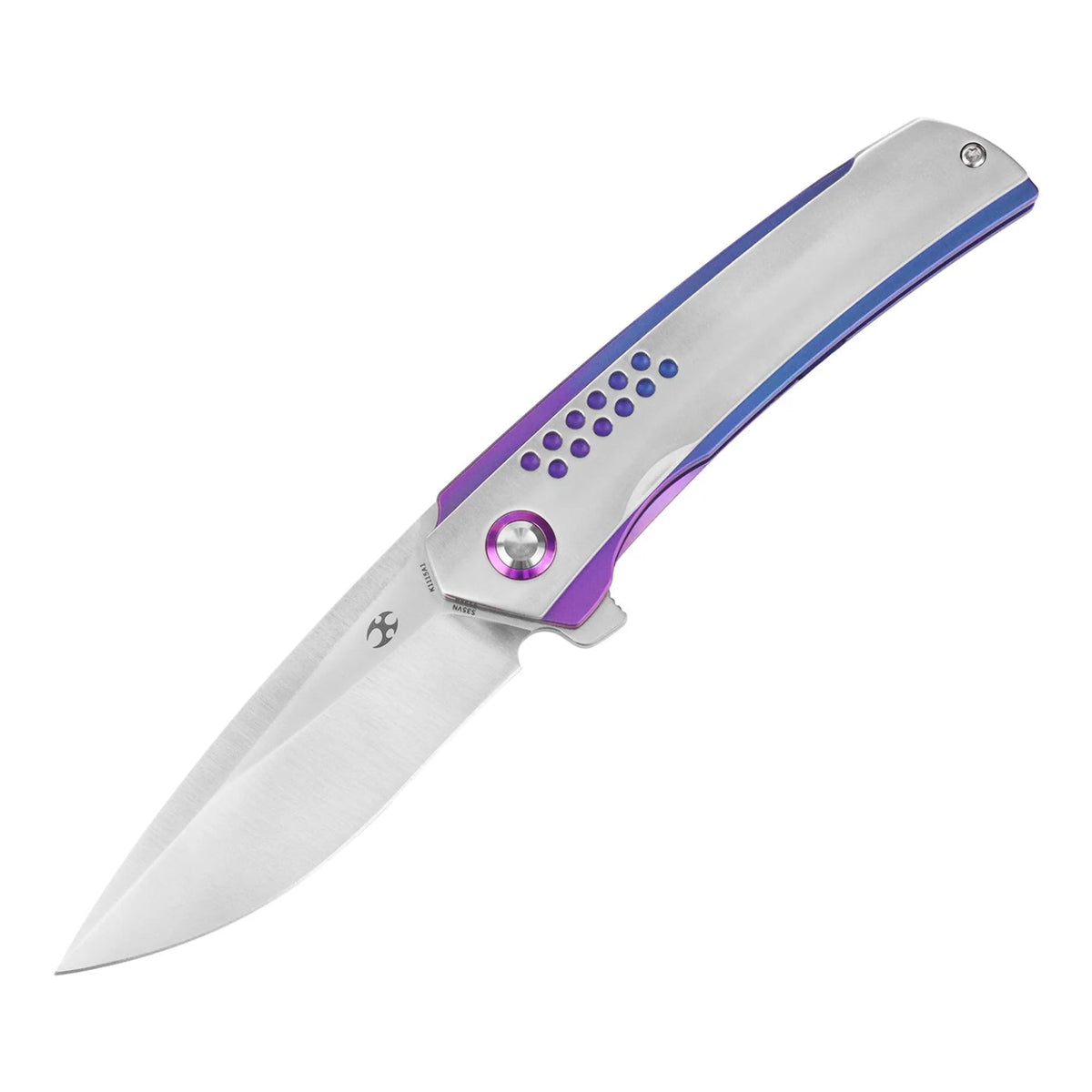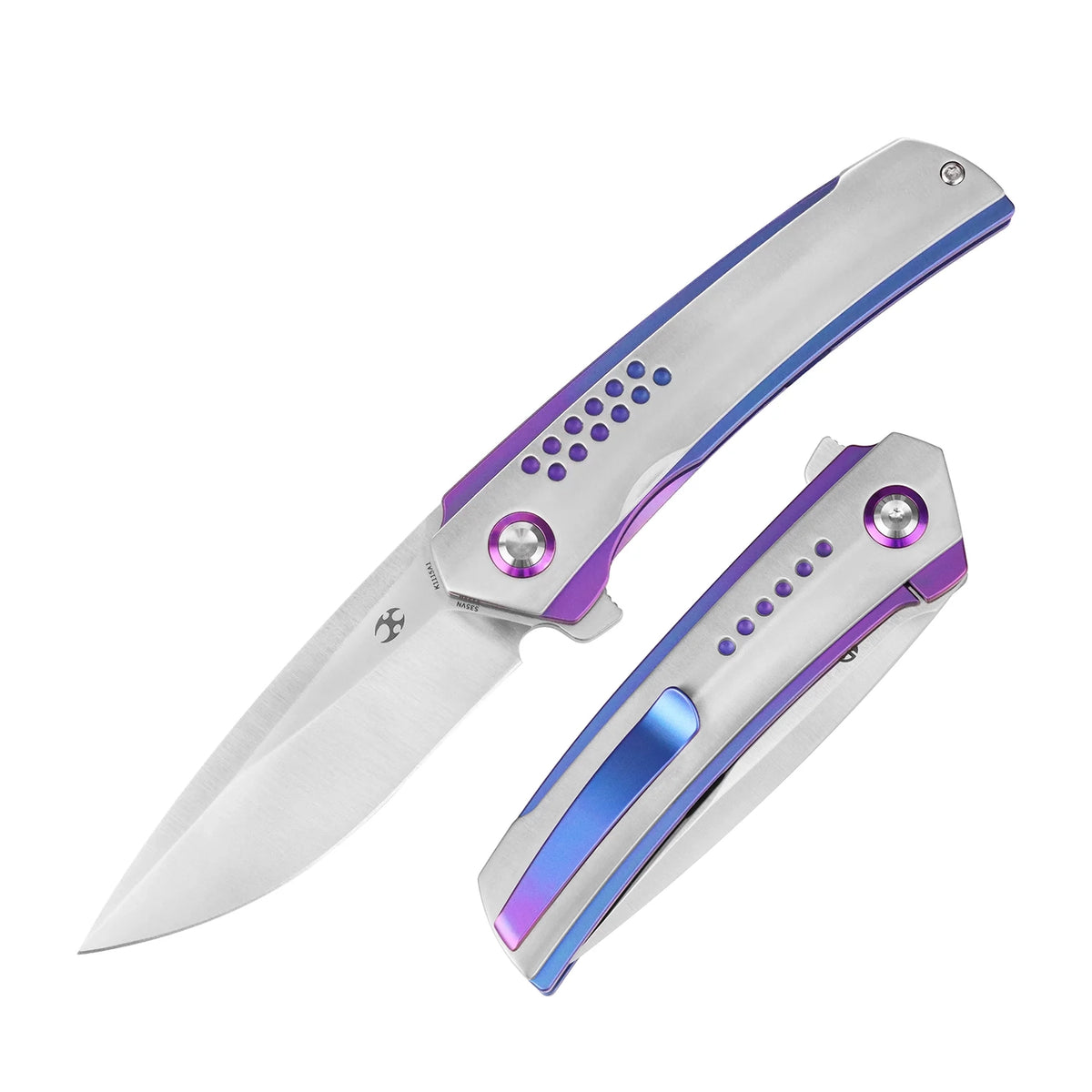

Overview & First Impressions
Die sinking is the trade of cutting a mirror-image cavity into a block of steel so that struck parts come out identical a million times. The die is annealed, engraved, hardened and then polished by hand, and every stage can destroy the previous one. It is the purest example of tooling that has to be better than the product, a standard the Tenable Riflestock B2131S1 chases in a much smaller package.
Materials & Construction
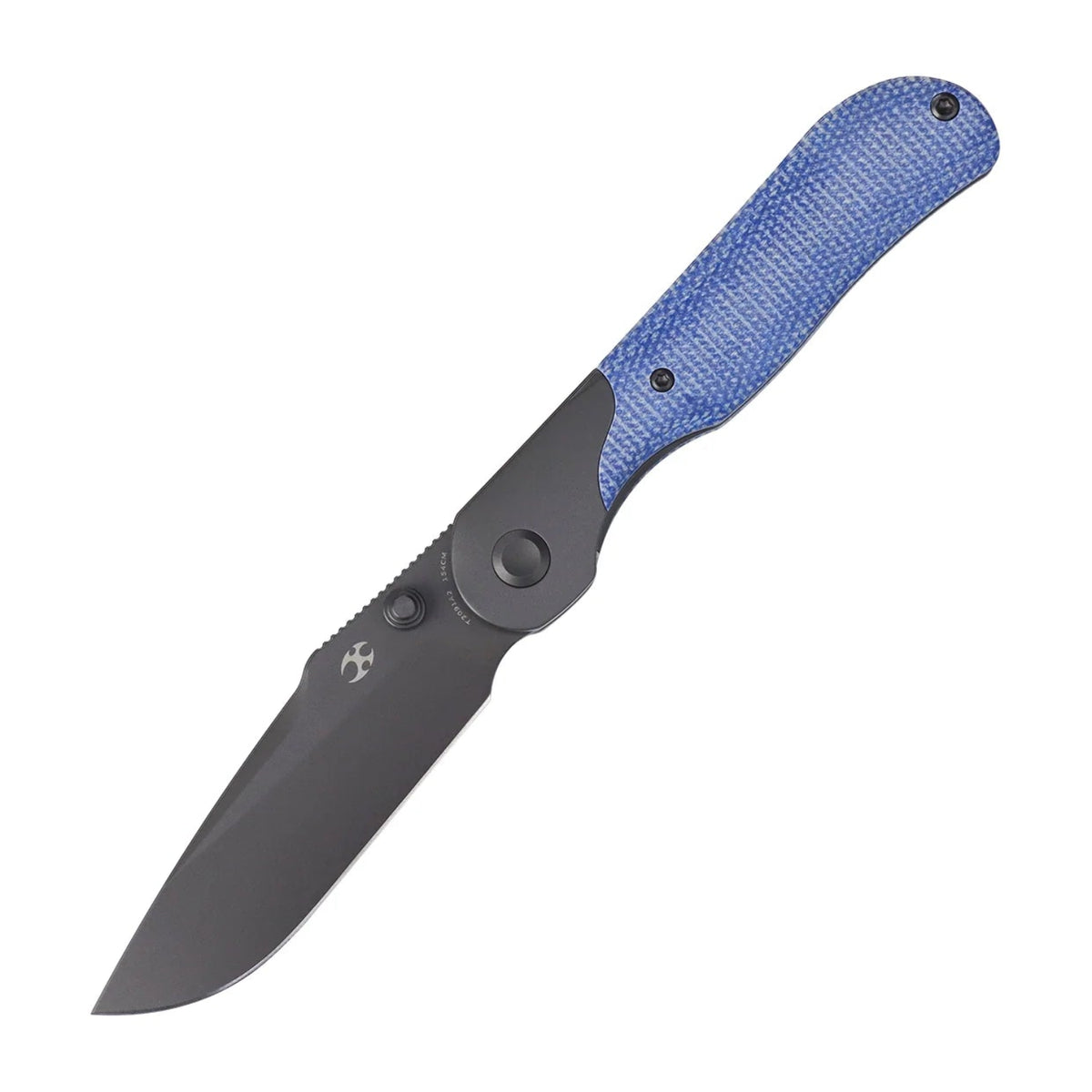
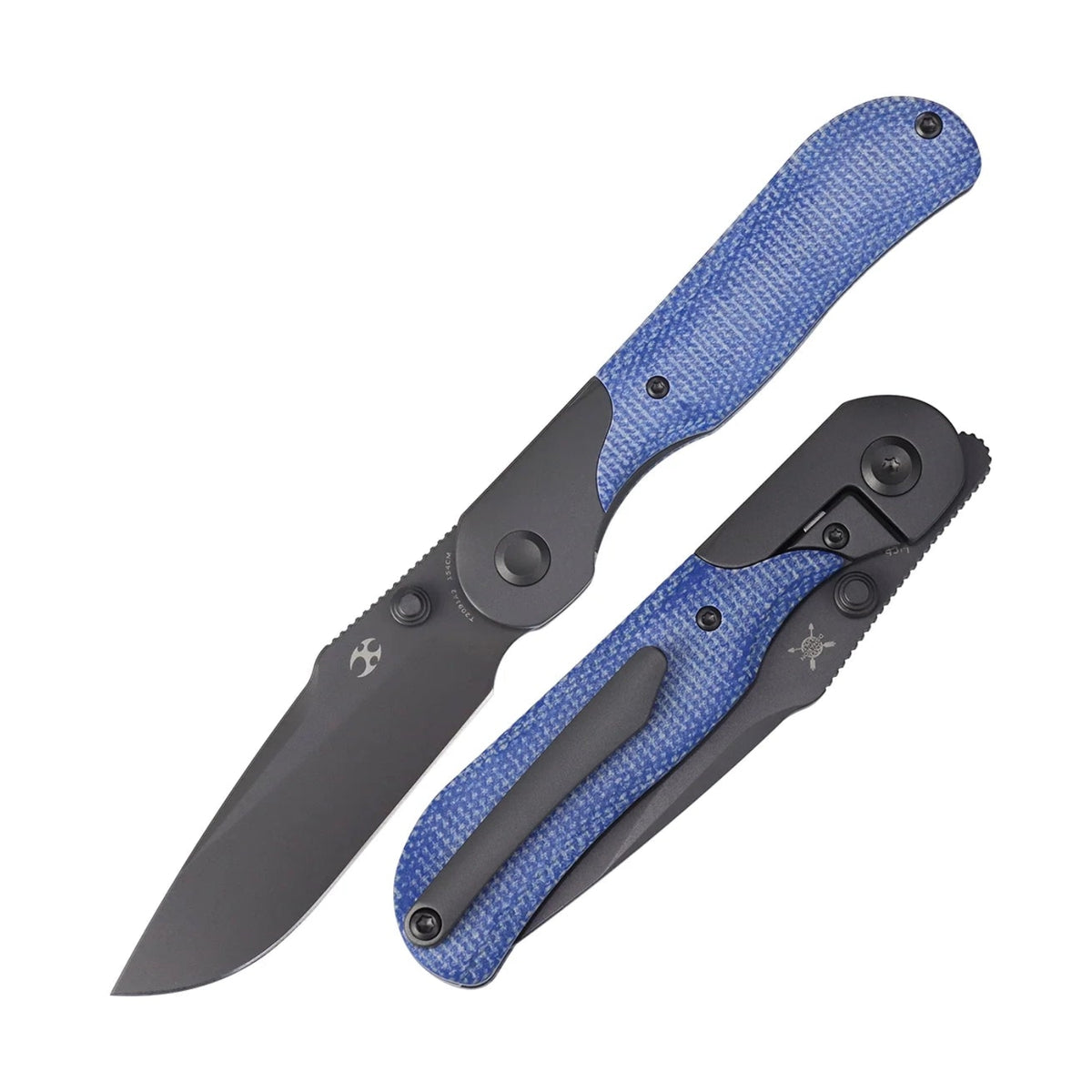
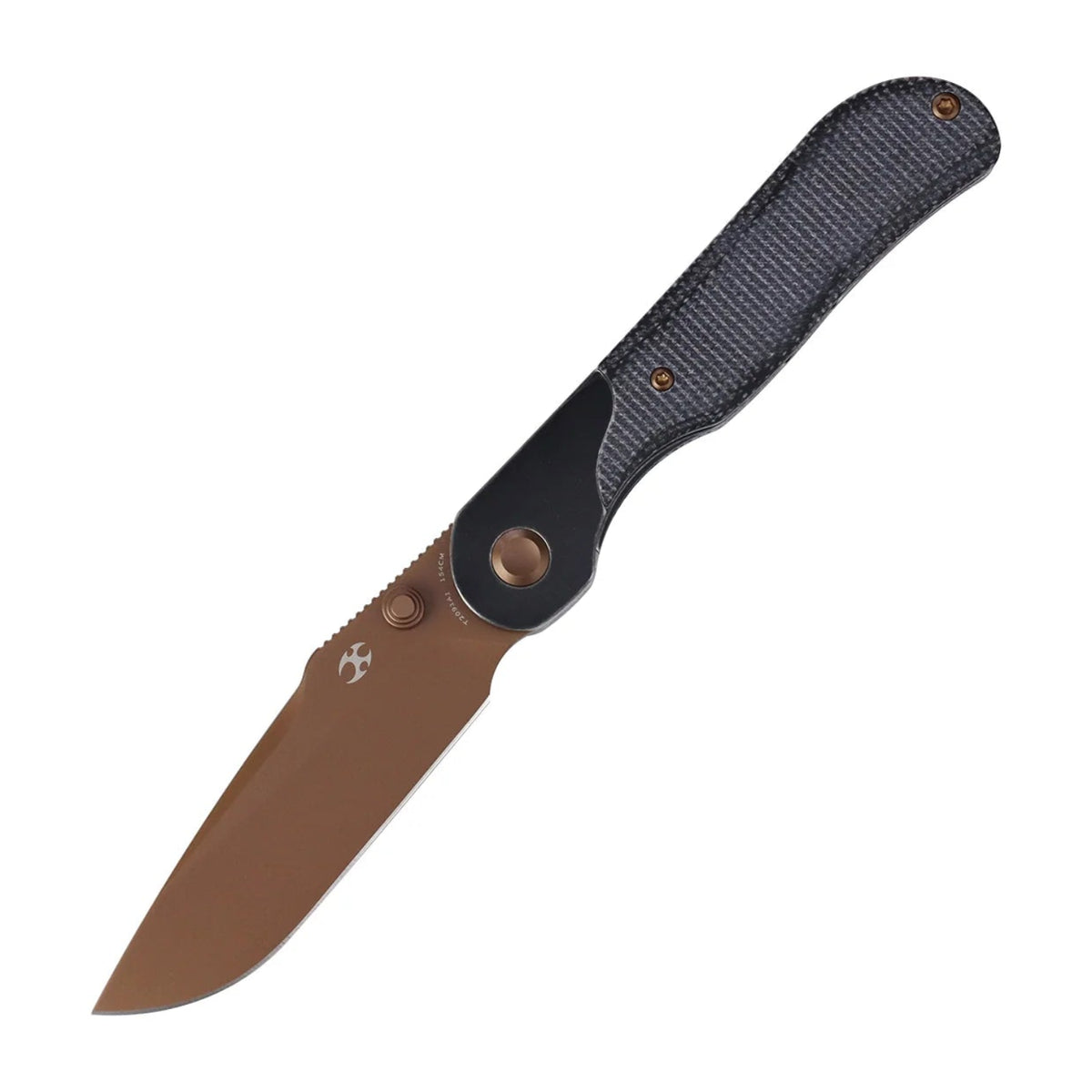
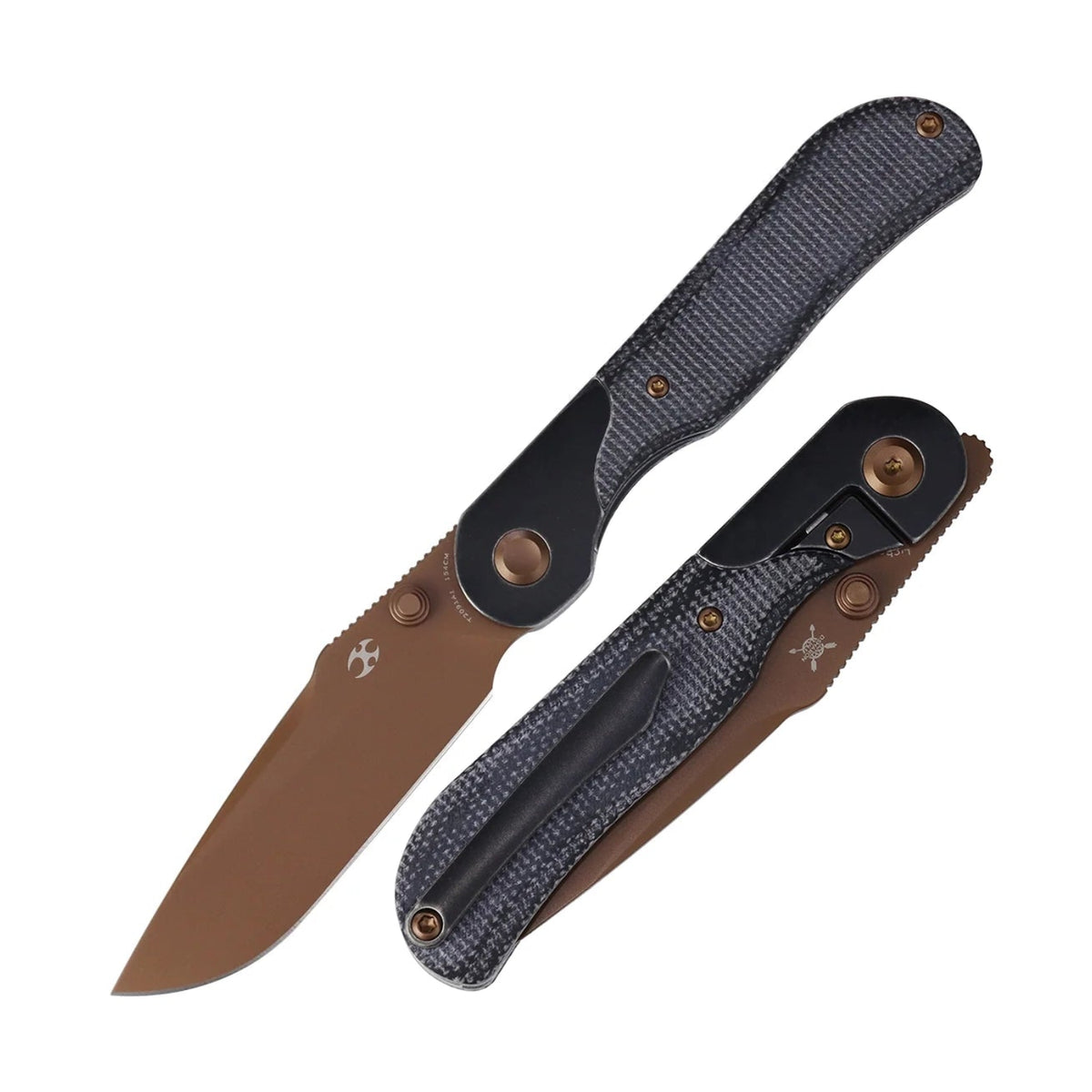
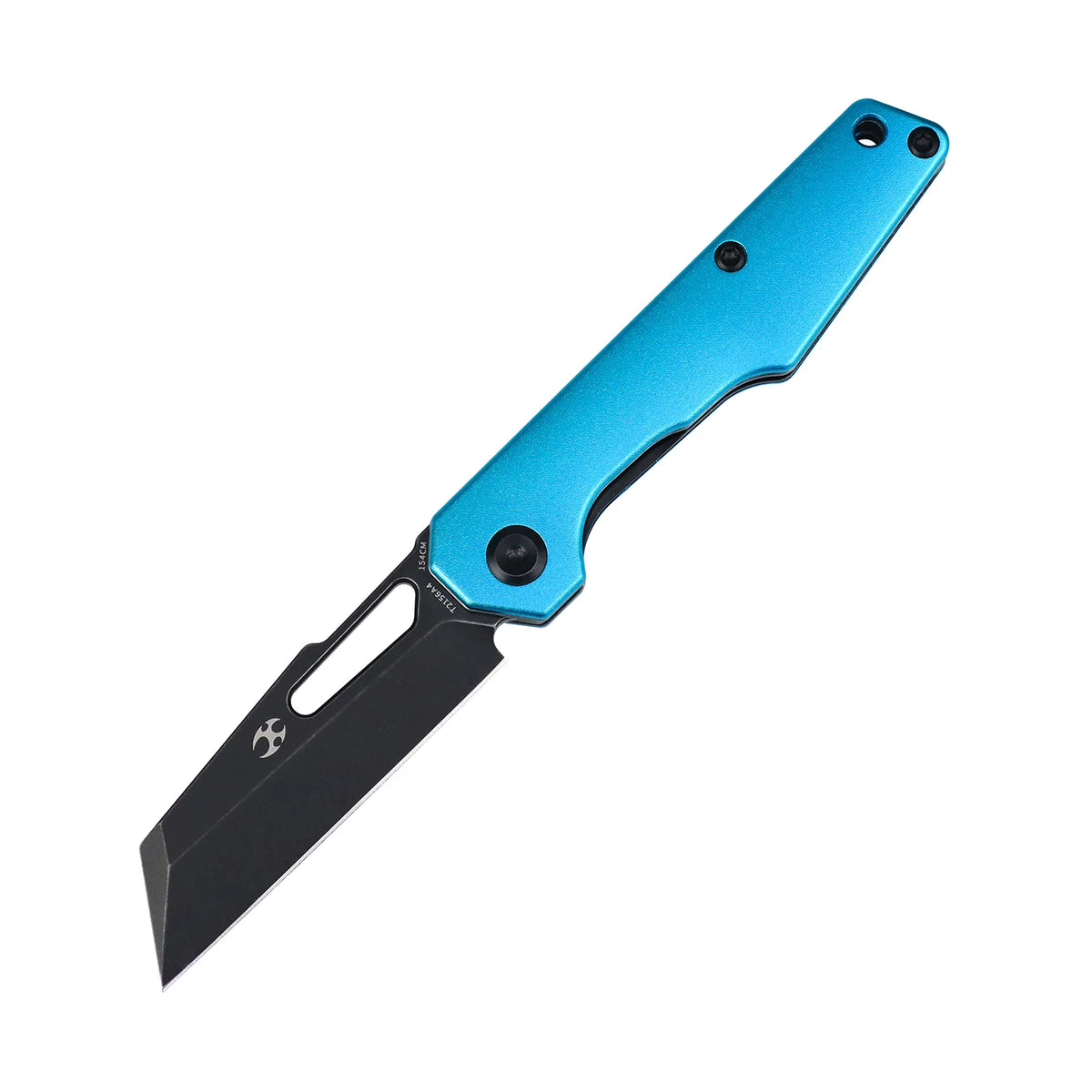
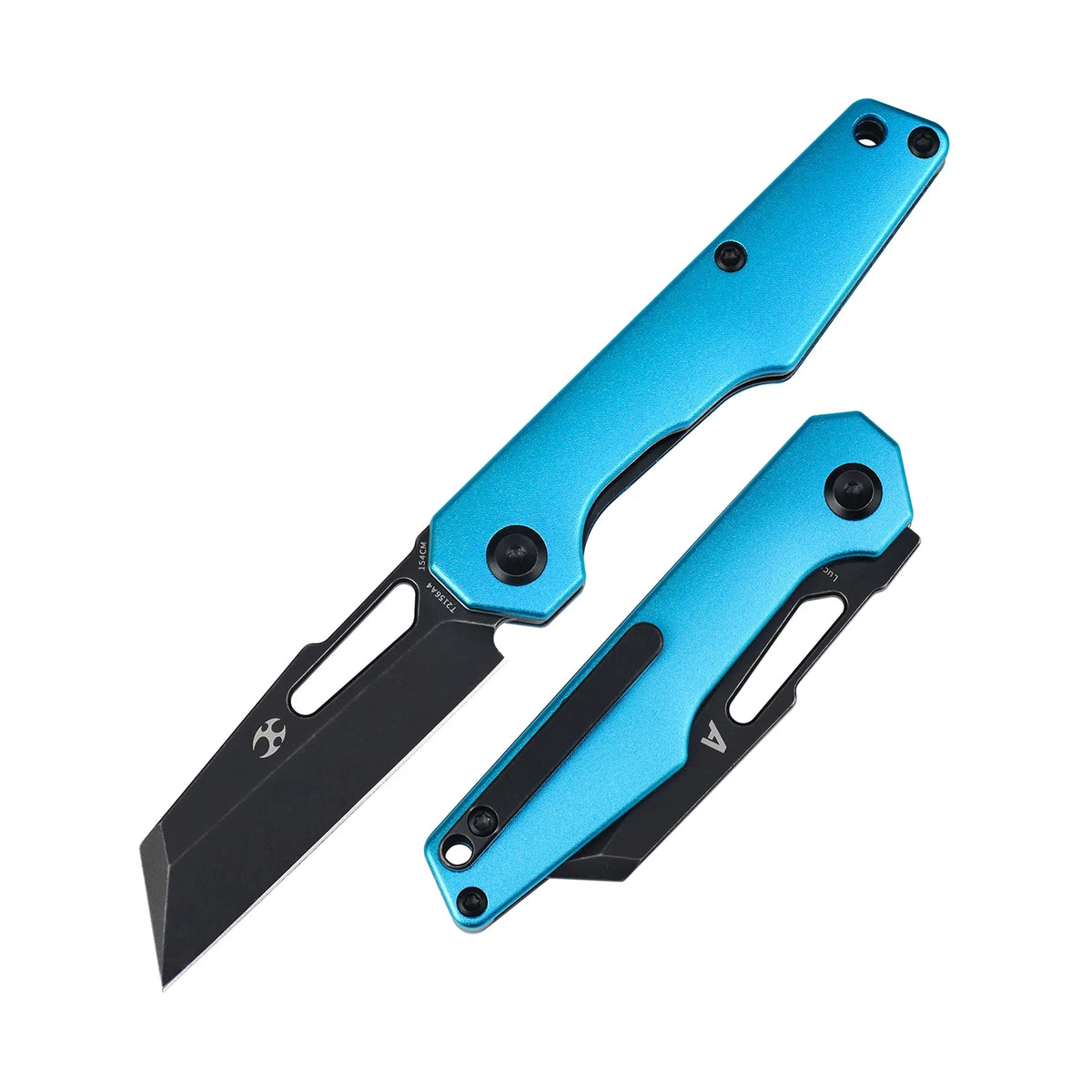
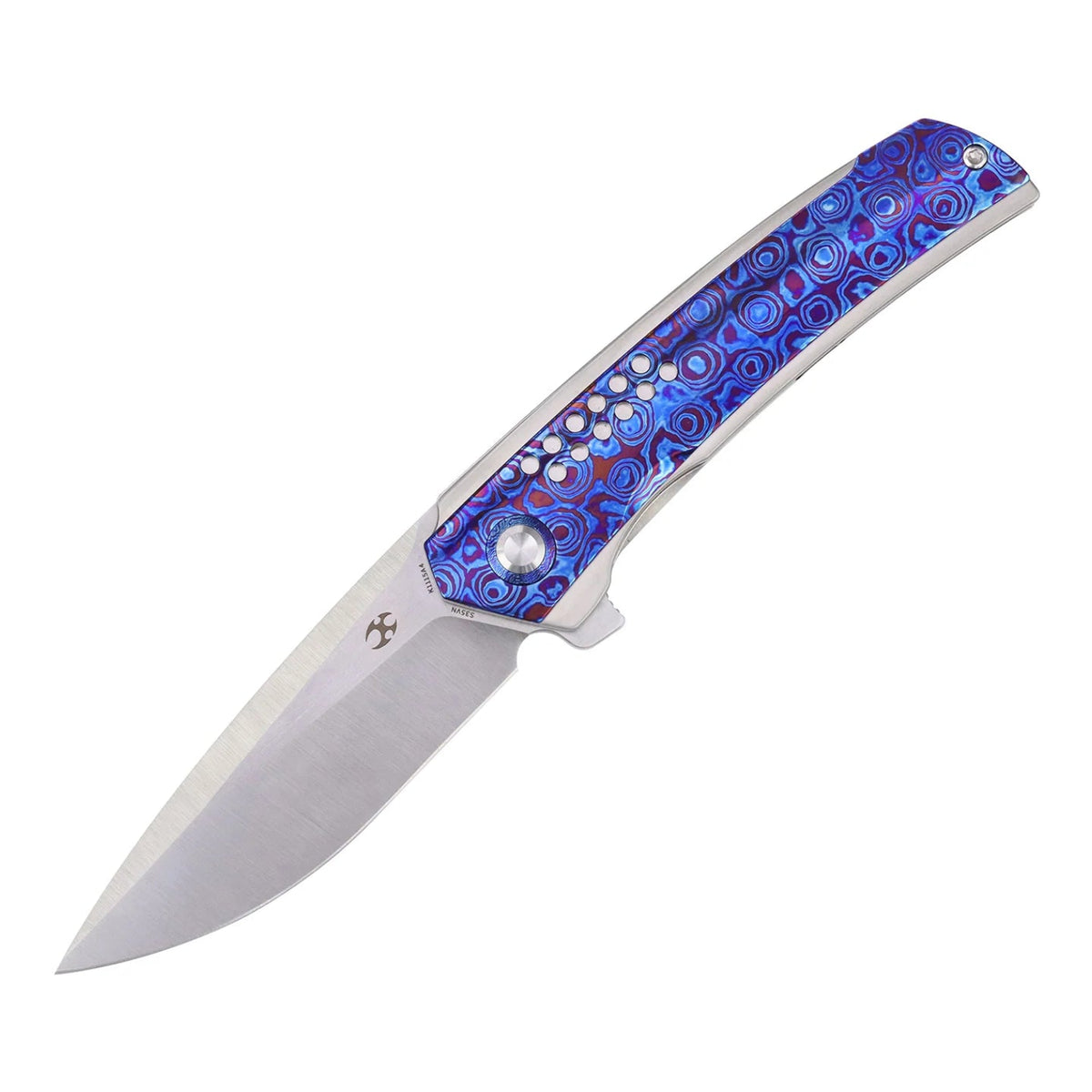
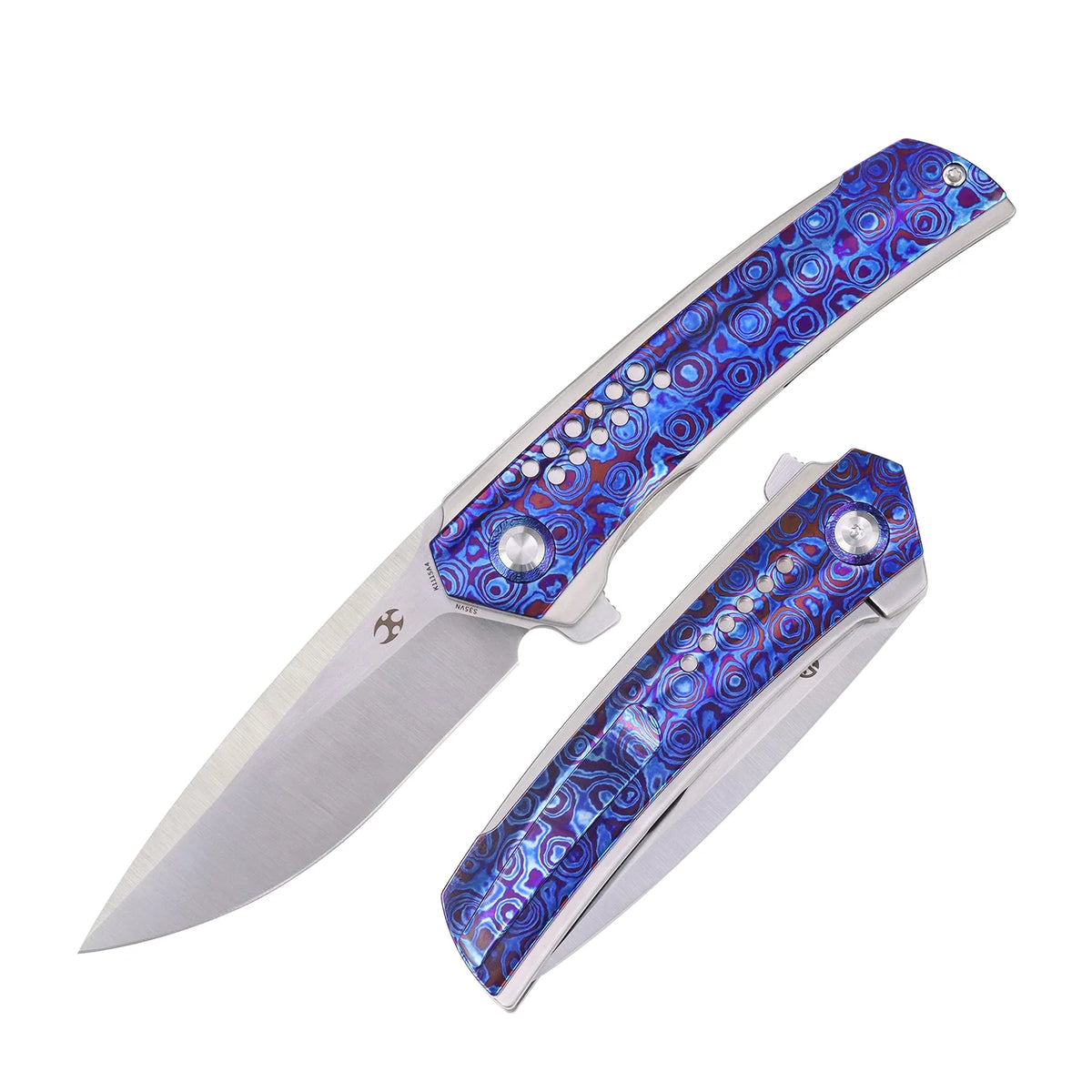
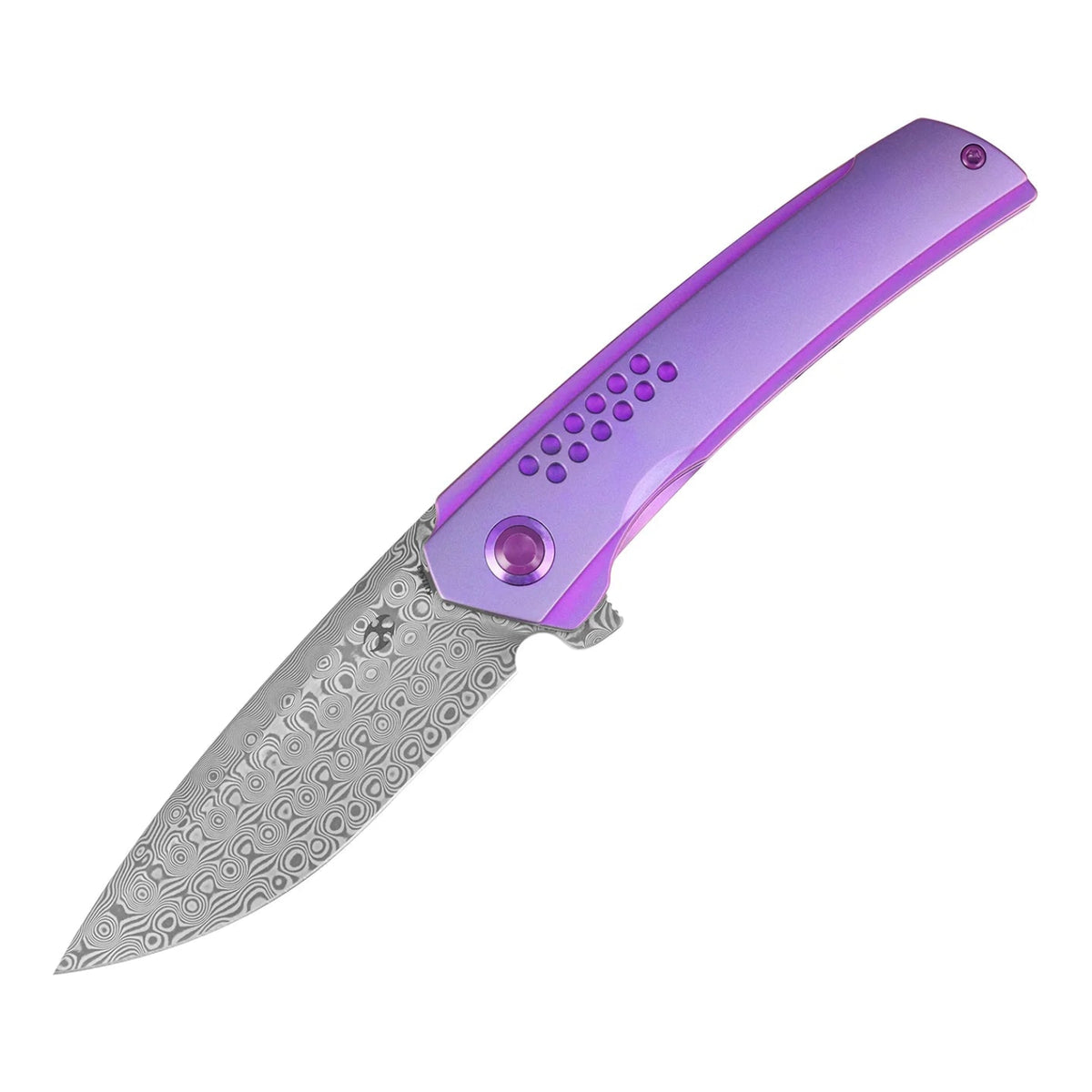
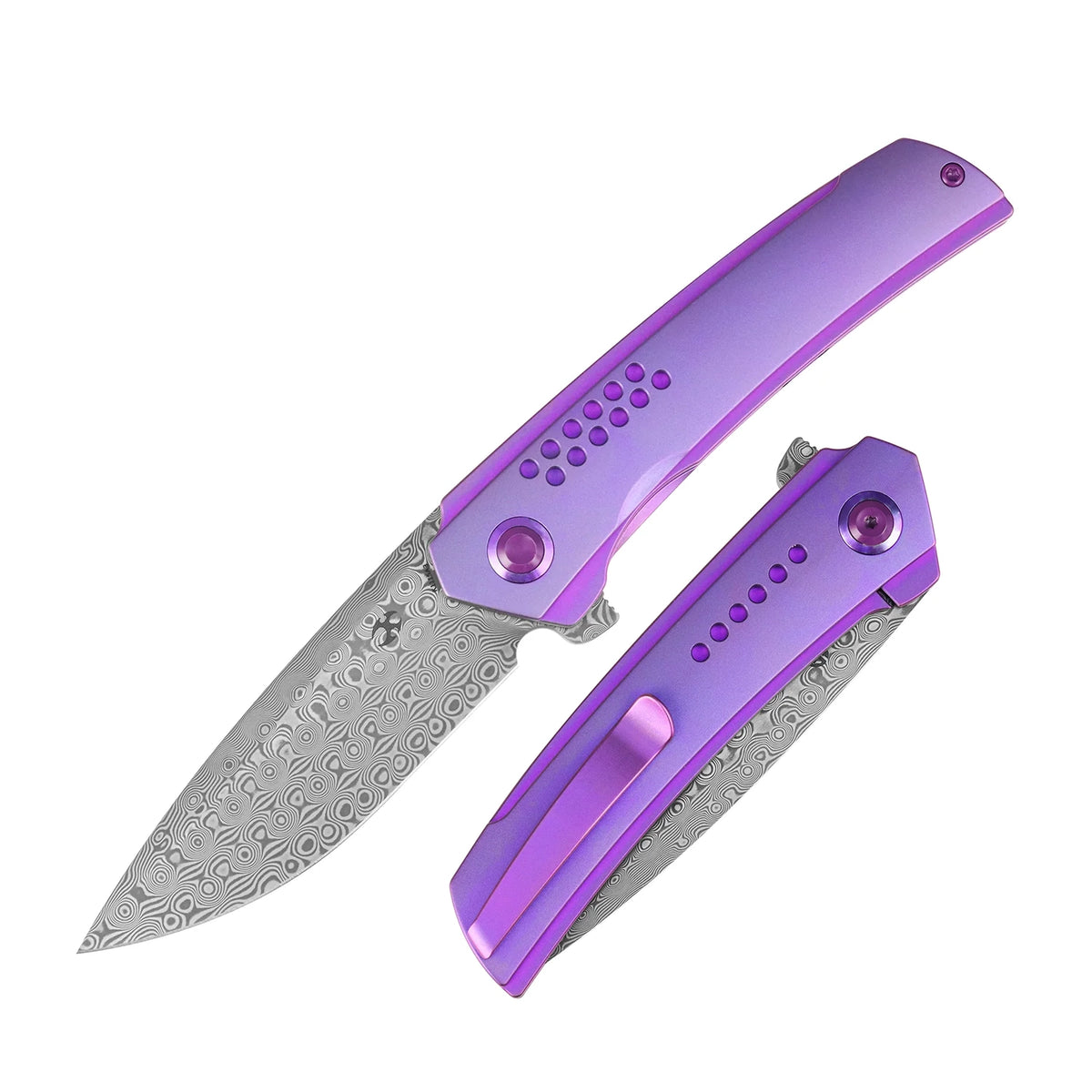
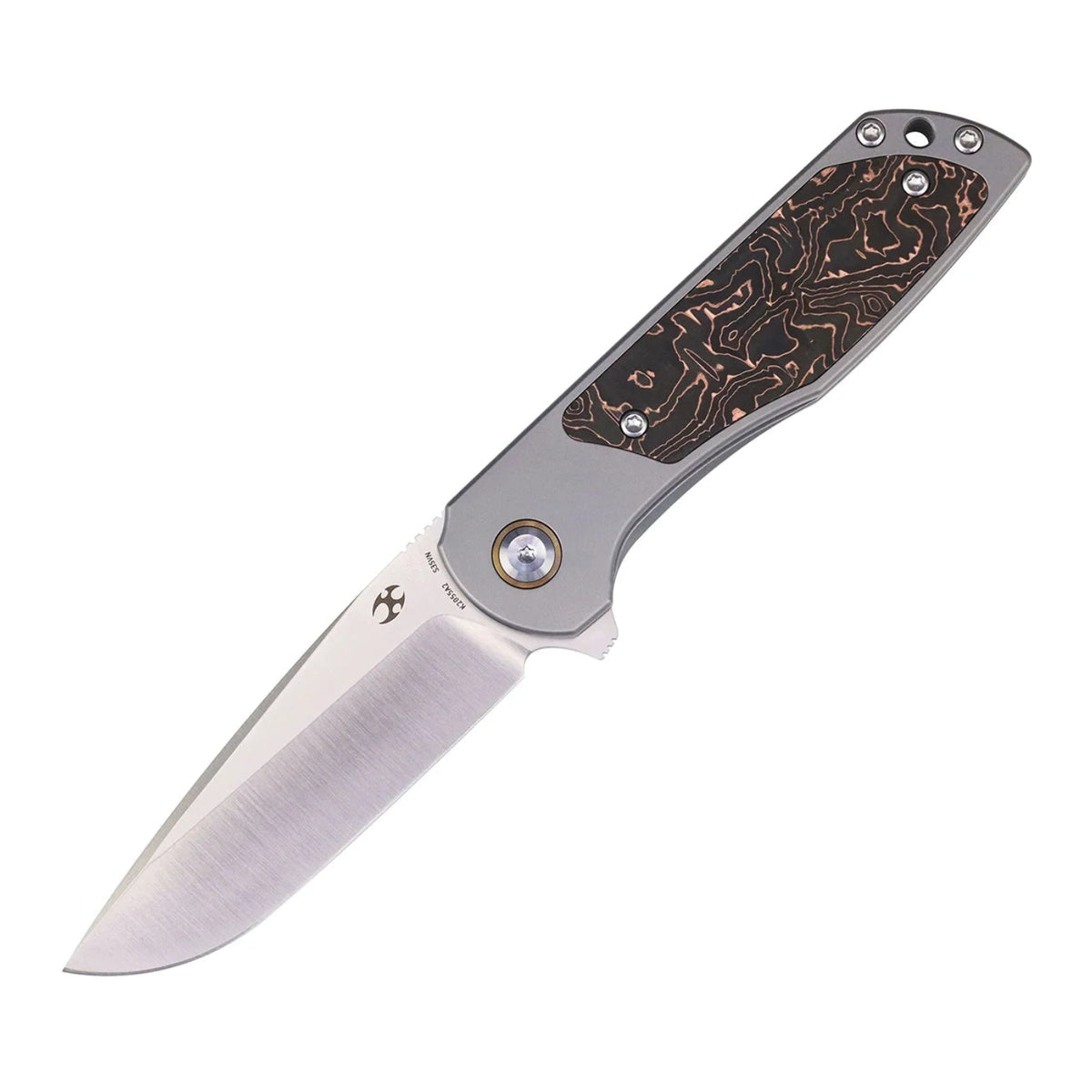
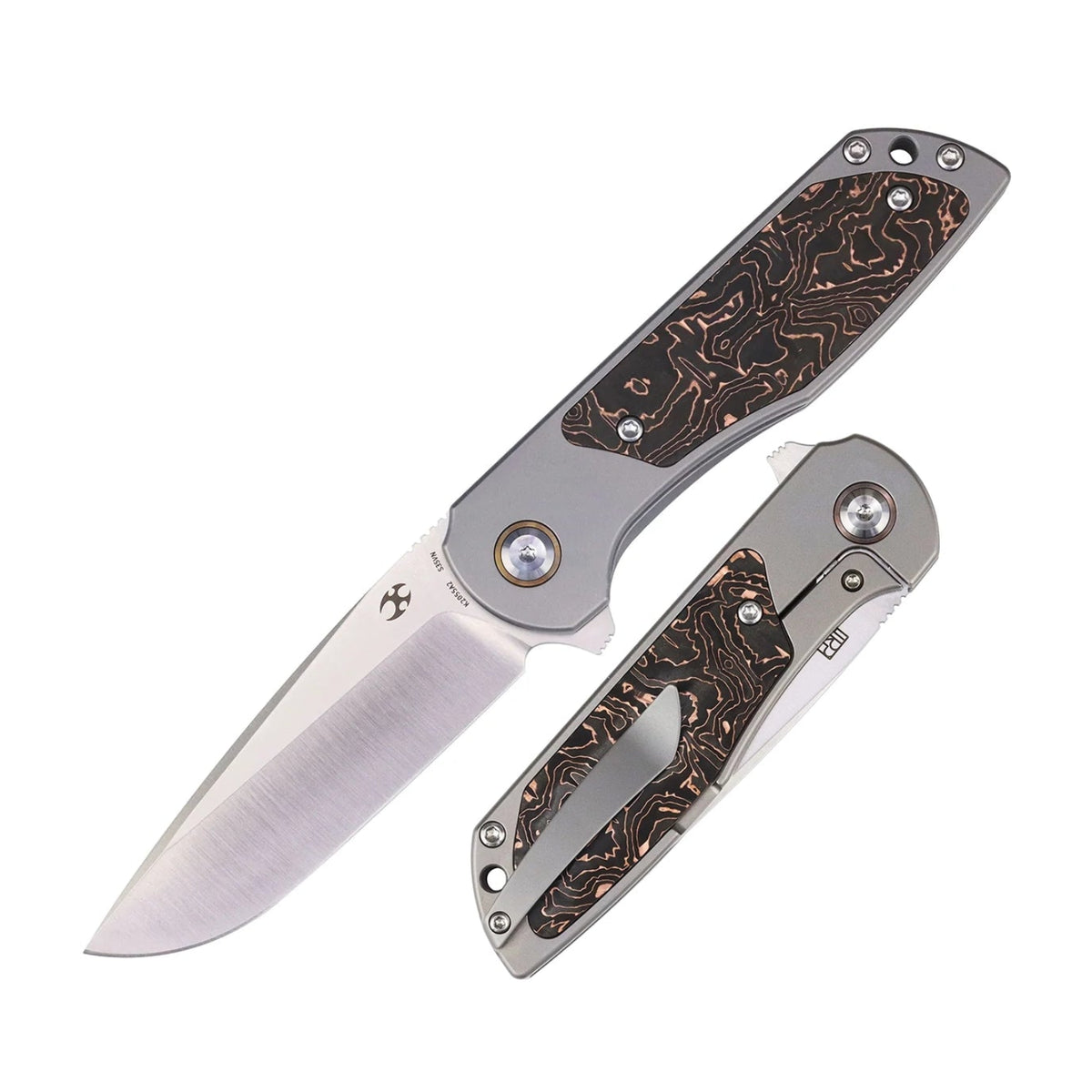
Die steels need deep hardening and minimal distortion, which is why they are often oil-hardening alloys with a low austenitising temperature. Damascus is the opposite approach: visible layers, controlled contrast and an edge that responds to a stone. The Riflestock pairs a water-ripple Damascus blade with a light blue anodised aluminium handle, and the lock-back mechanism keeps the blade locked without a finger in the path.

Design & Details
The gunstock pattern is a deliberate shape: a long straight run along the edge and a spine that drops toward the tip. That geometry comes from a working tradition where a knife had to slice while the hand stayed relaxed. Die sinking teaches the same discipline, since a die cut with a wandering contour produces parts that will not fit. Consistency is the entire craft in both cases.
Real-World Use
In the hand, a 5.48 inch lock back feels like a pocket knife from another era until you cut with it, at which point the length becomes an advantage for slicing. Boxes, rope, food and garden material all behave. The etched blade needs a wipe after use, and the aluminium handle stays cool and slim in a pocket. Folding knives of this length rarely carry so comfortably.

Ownership Notes
Nothing about a well-made die is decorative, and that is why it lasts. The same instinct shows in a lock back with a clean spring and a blade that locks without a wobble. Collectors of vintage patterns and modern EDC knives often end up in the same place: a long, thin, honest blade that does slicing work without drama. EdcMall lists the pattern variants together for comparison. Tenable knives build this pattern for people who slice more than they pry, and the Damascus steel blade rewards a light touch on the stone. Anyone comparing folding knives in this size range should handle a lock back before dismissing it, because the spring does something a flipper cannot.
Who Is This For?
Buy it if you like traditional shapes with modern materials, or if you slice more than you pry. It suits gardeners, anglers, woodworkers and anyone who prefers a lock back to a flipper. Skip it if you need one-handed tactical deployment, or if a patina-prone blade would annoy you.
Final Verdict
Die sinking is a reminder that the tool decides the quality of everything made with it. The Riflestock applies that idea at pocket scale: a slicer-shaped Damascus blade, a spring that behaves and a handle that does not fight the hand. Buy it to cut with, not to display, and it will look after itself.