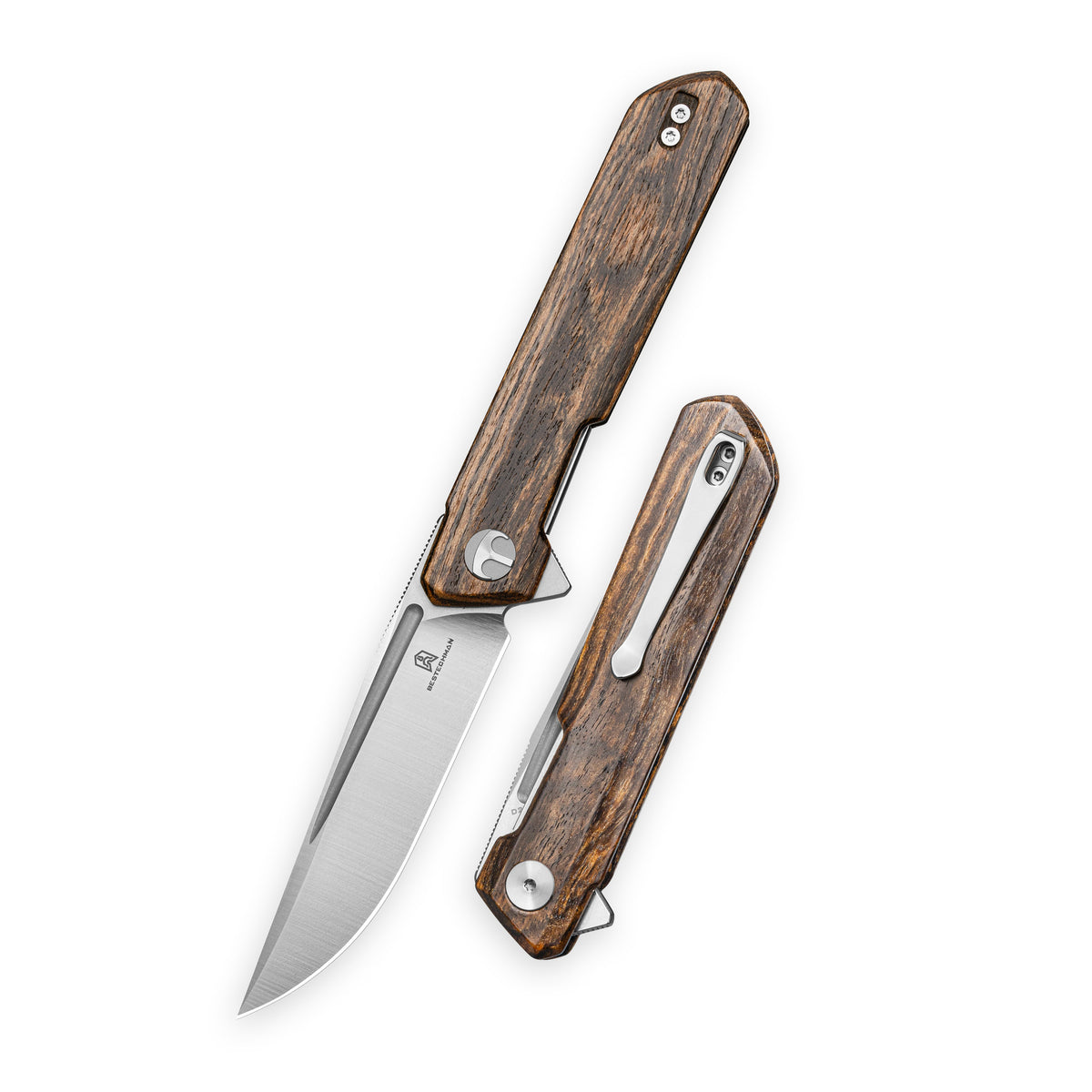


Overview & First Impressions
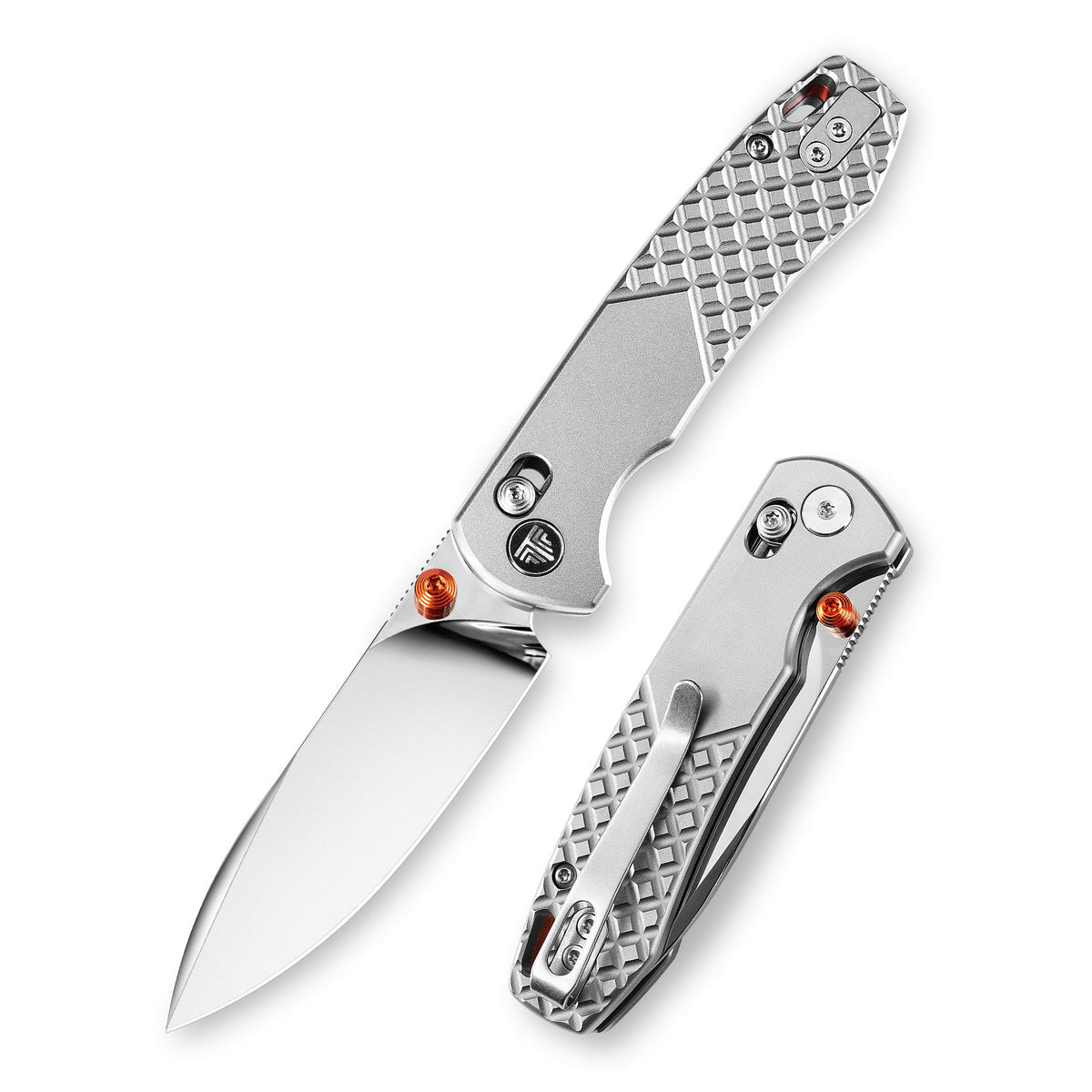
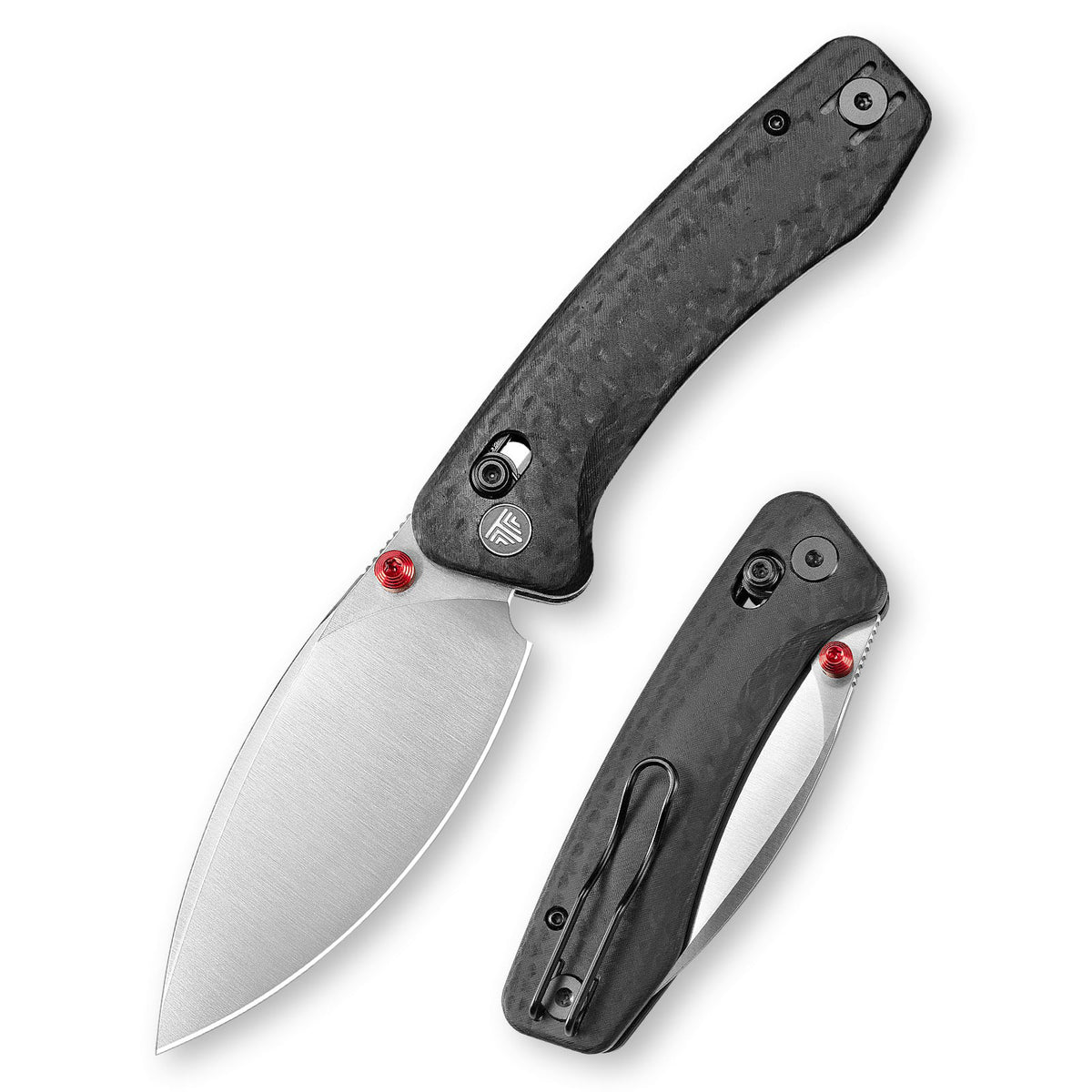
A dredge deck is a wet, gritty place. Cutter heads eat through sand and clay, spoil lines carry abrasive slurry, and the crew spends the shift cutting hose, wrapping wear patches and trimming gaskets on pipe joints. Salt mud dries into concrete, so anything with a pivot gets punished. Dredge crews run EDC knives with a corrosion-proof stainless blade for exactly this reason, and the QSP knives Emu QS164-C1 is a clean example.
Materials & Construction
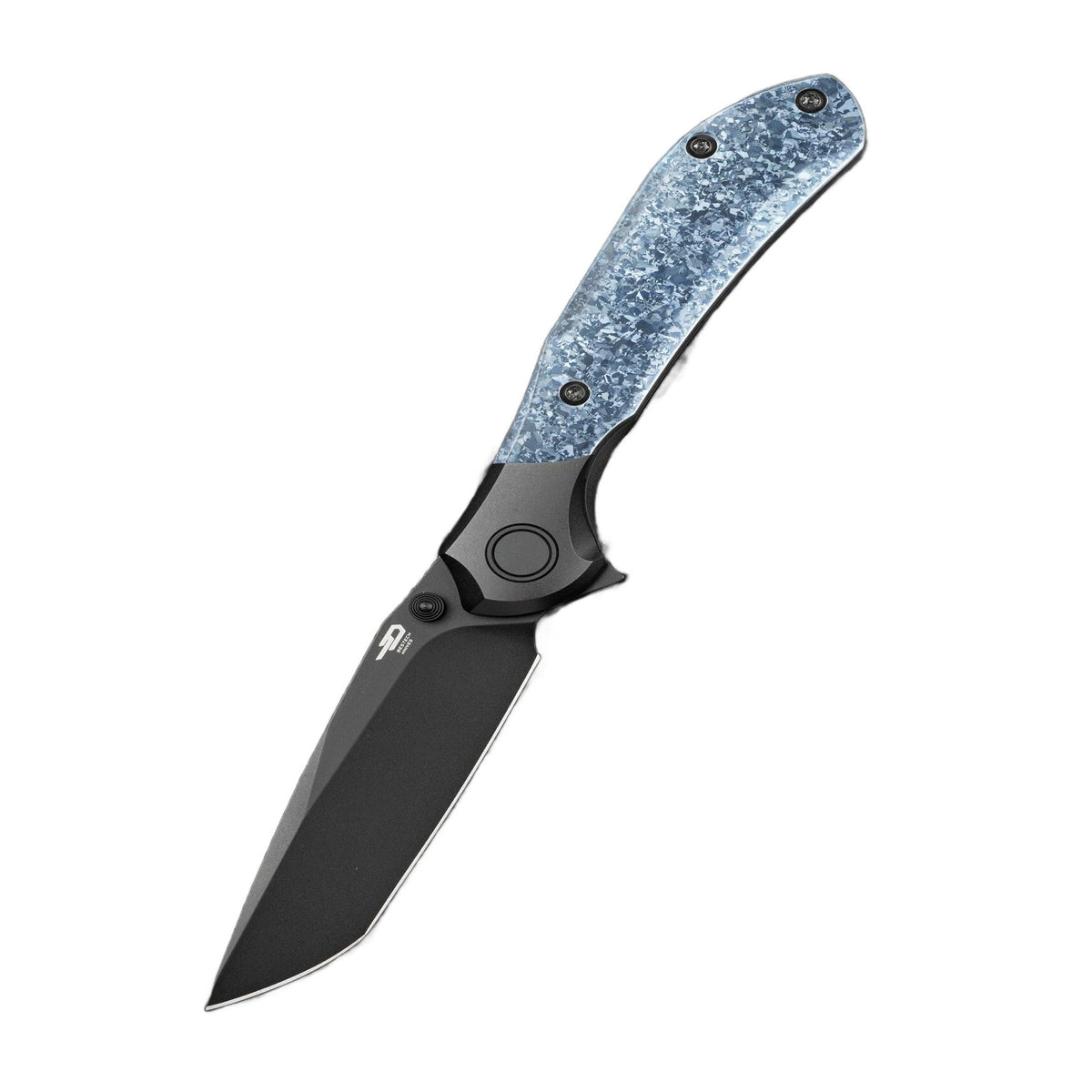
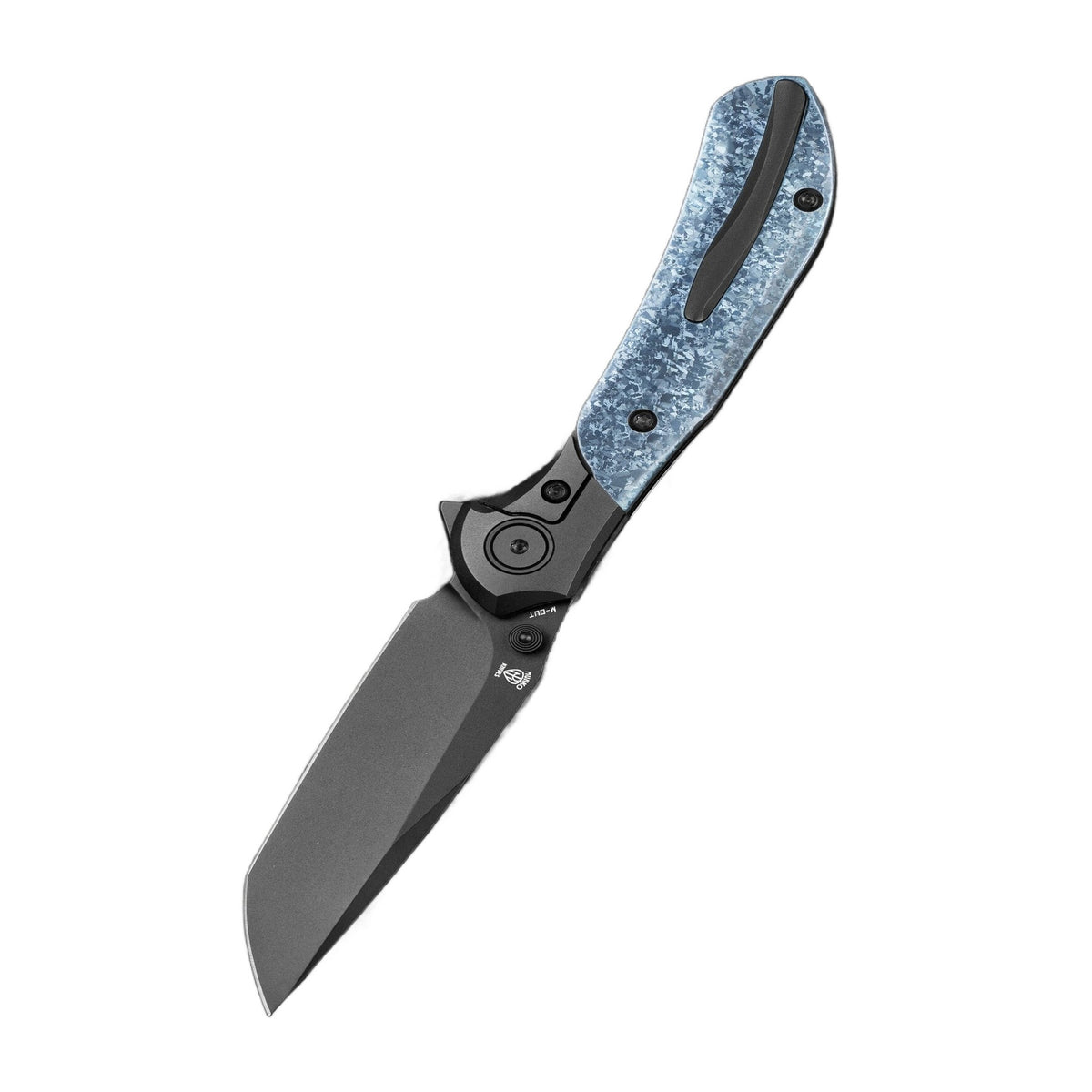
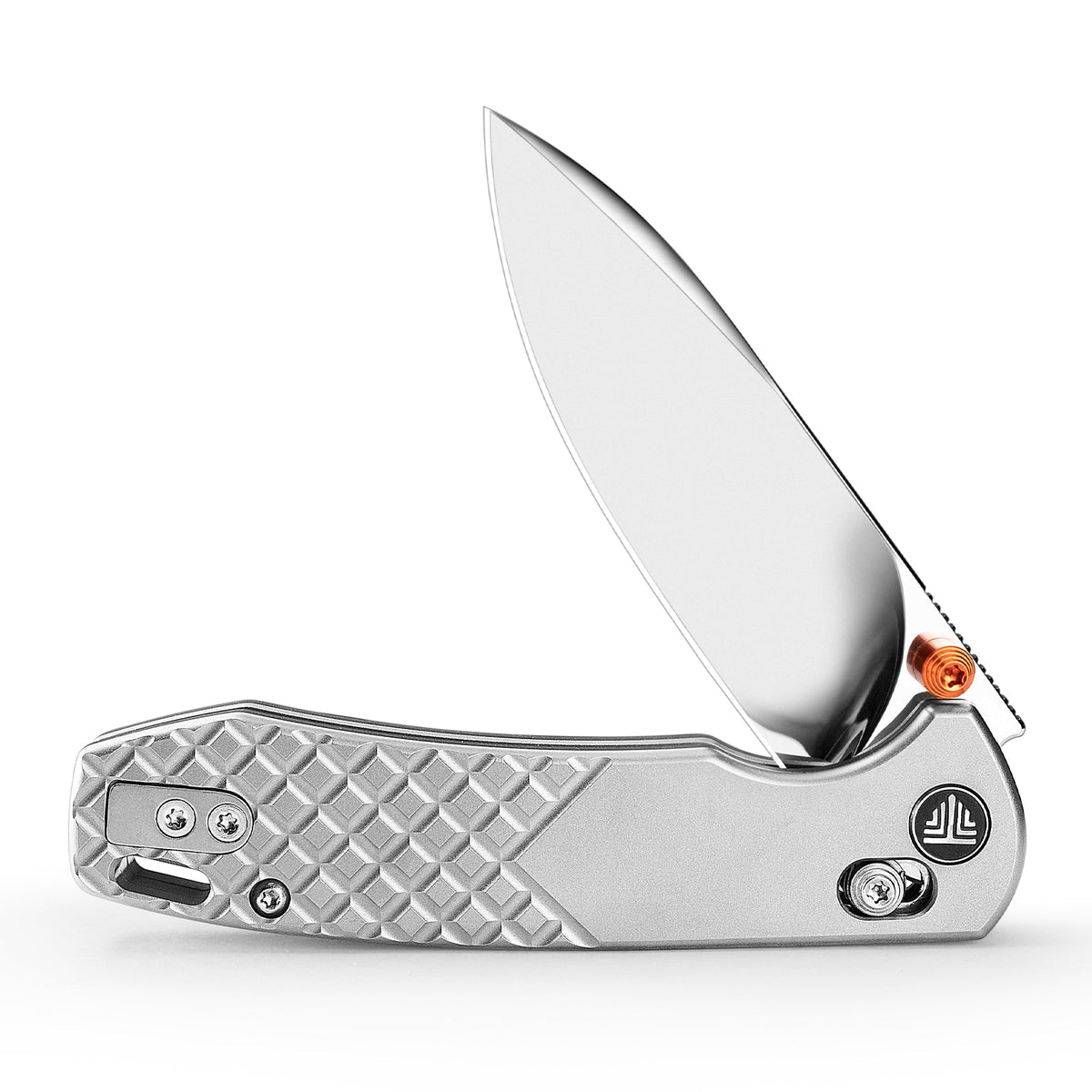
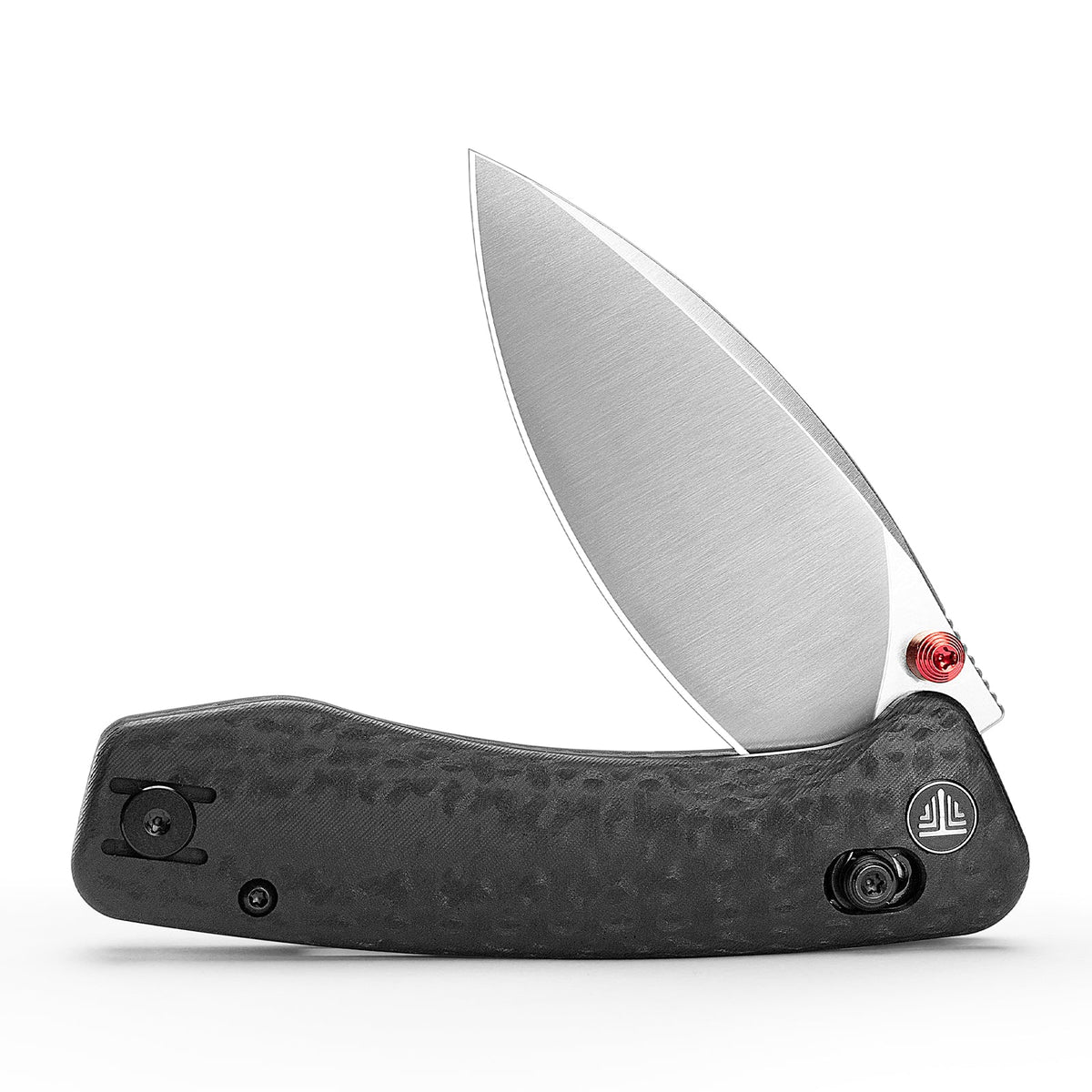
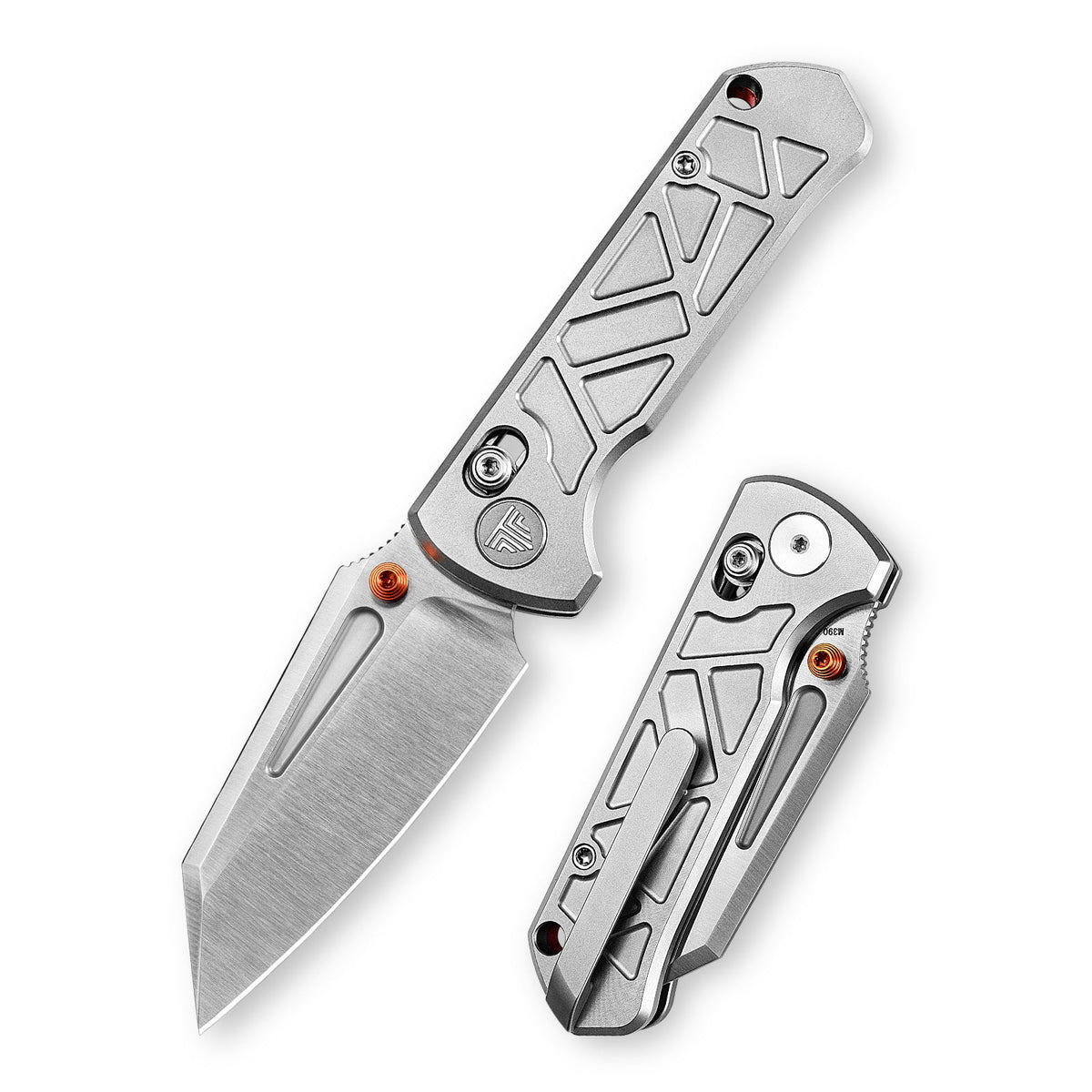
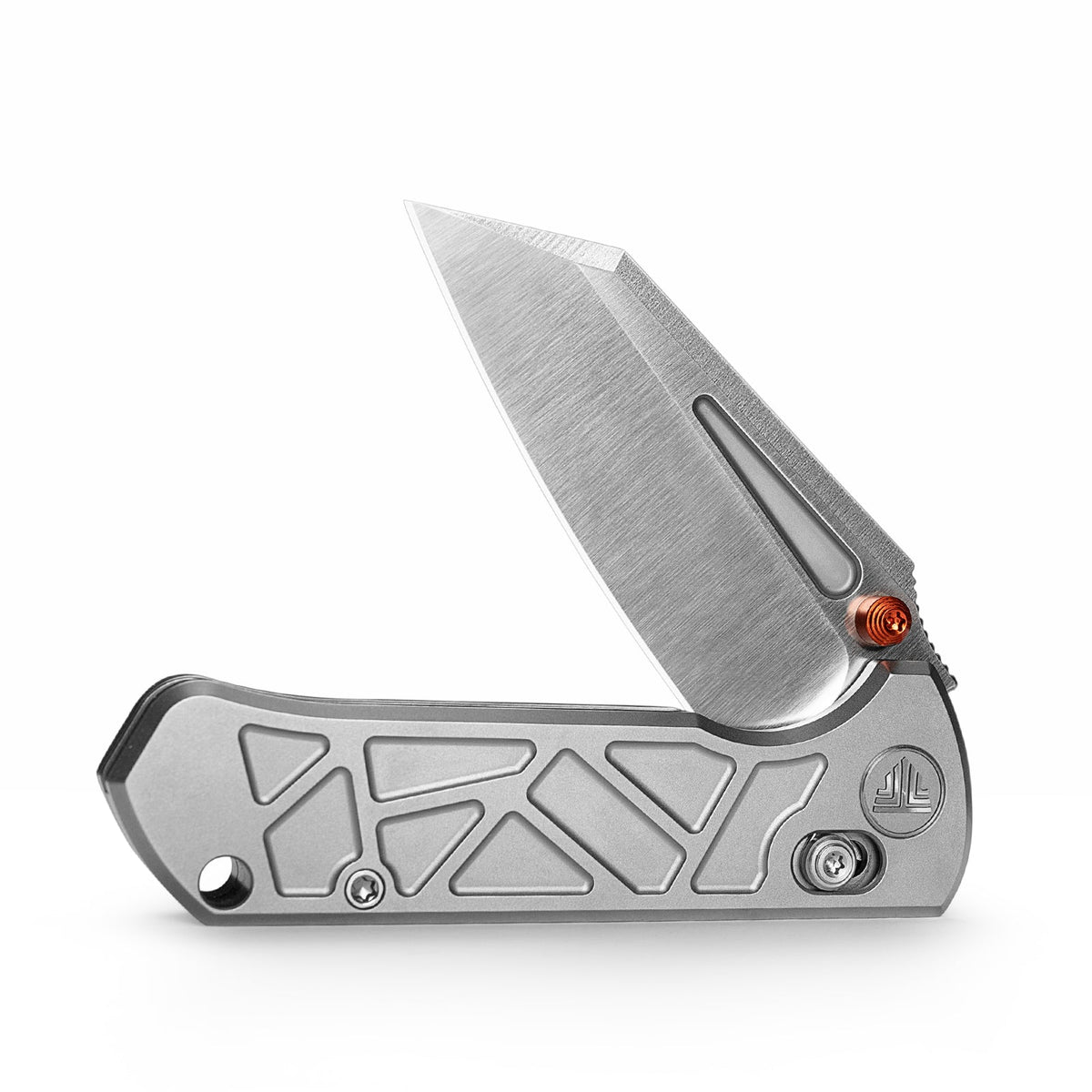
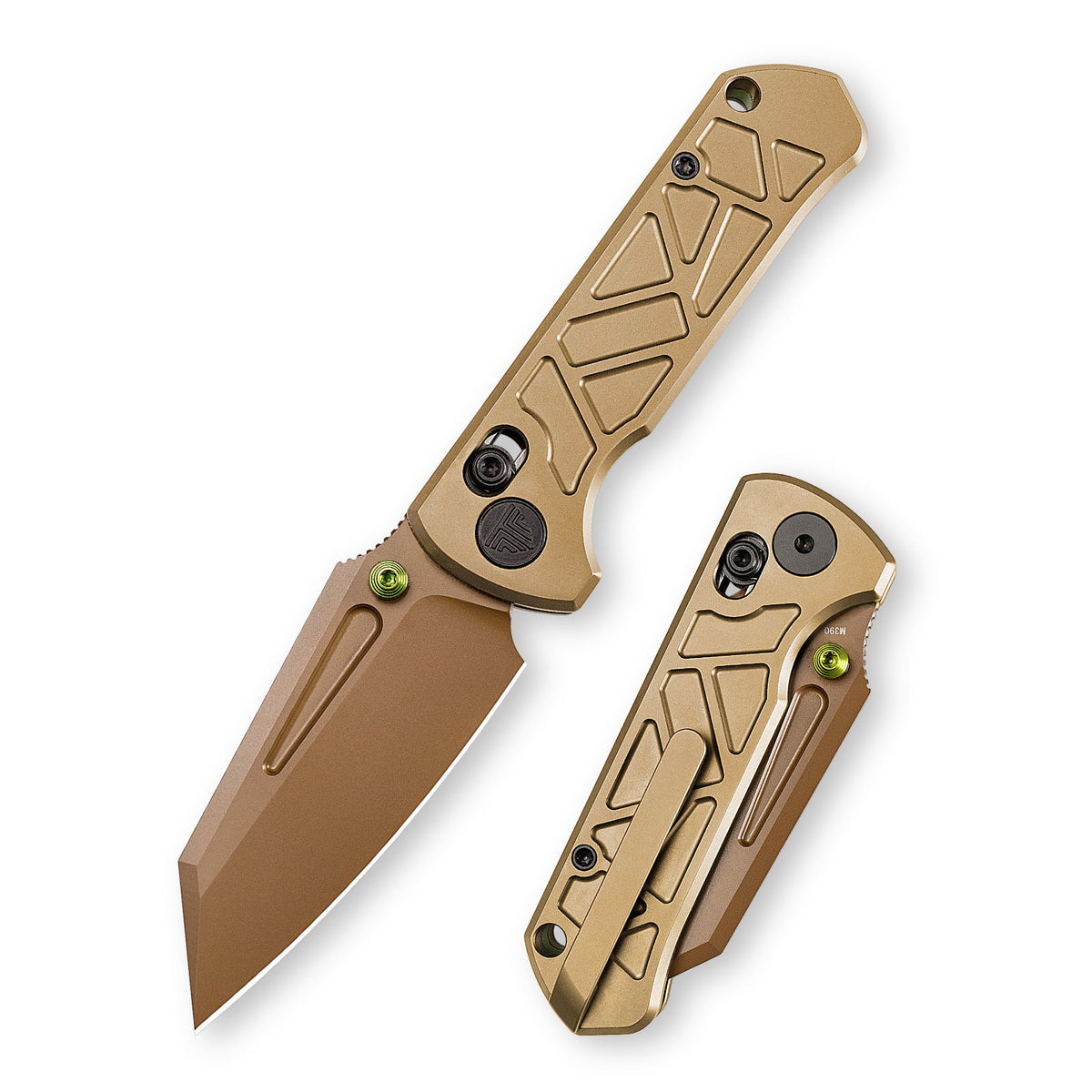
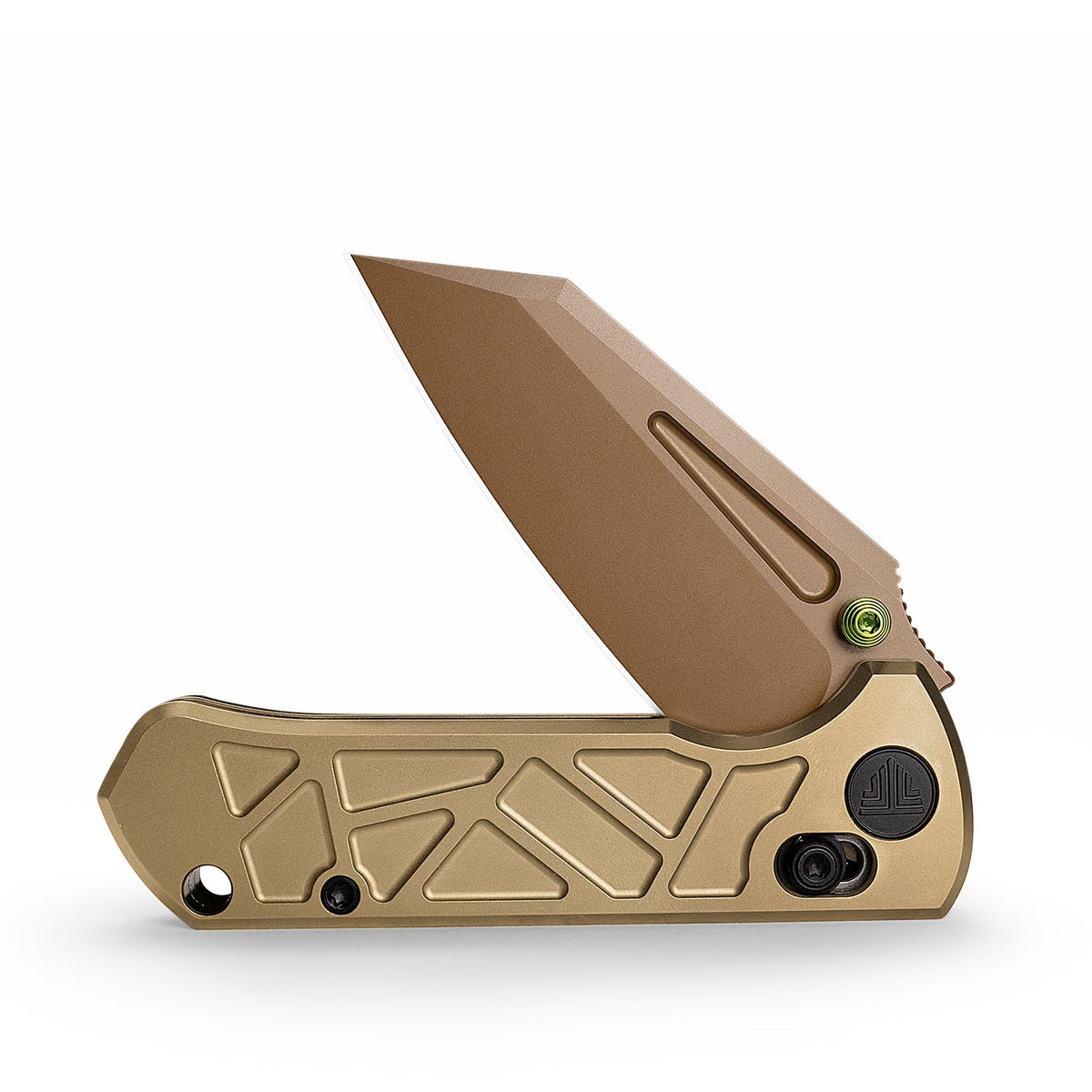
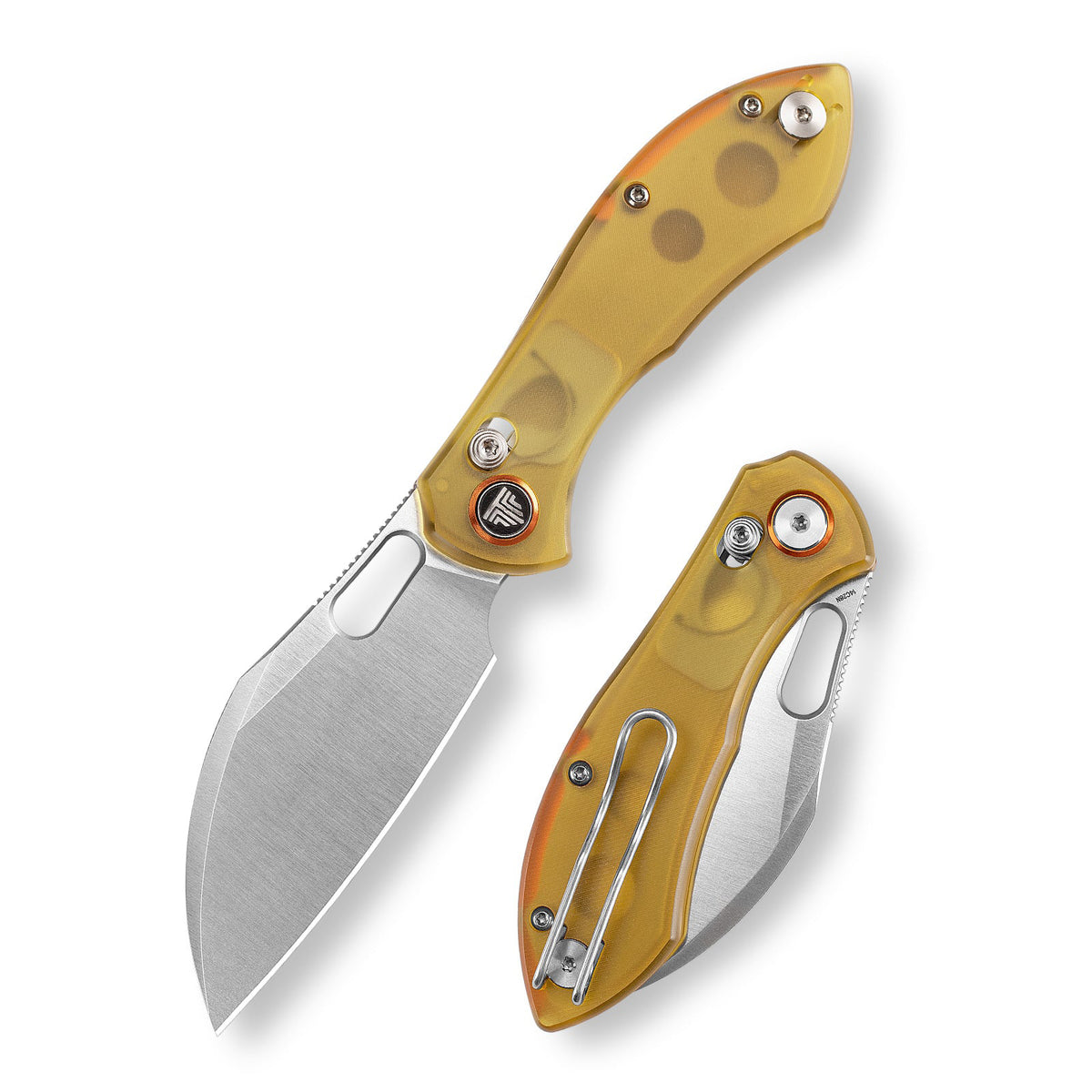
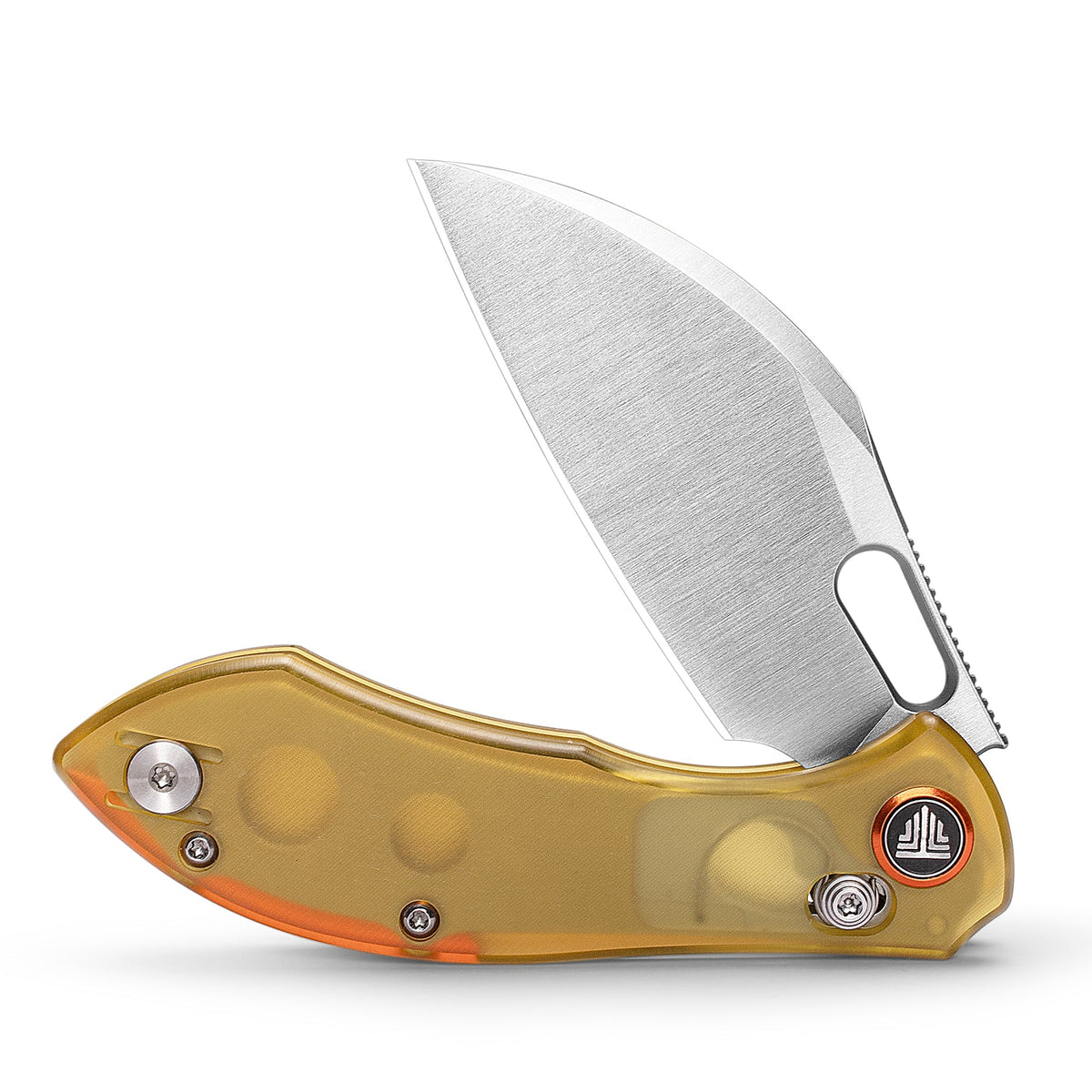
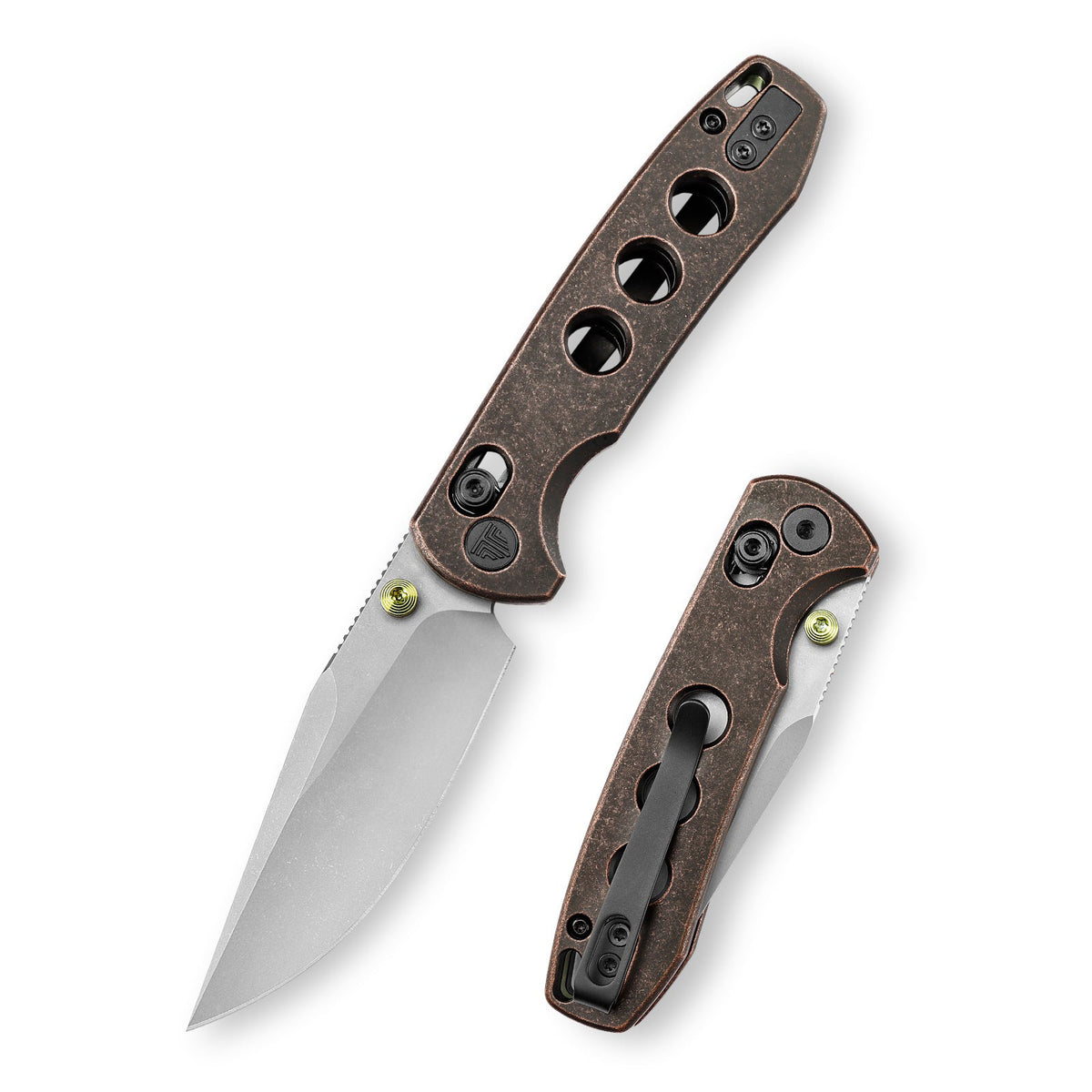
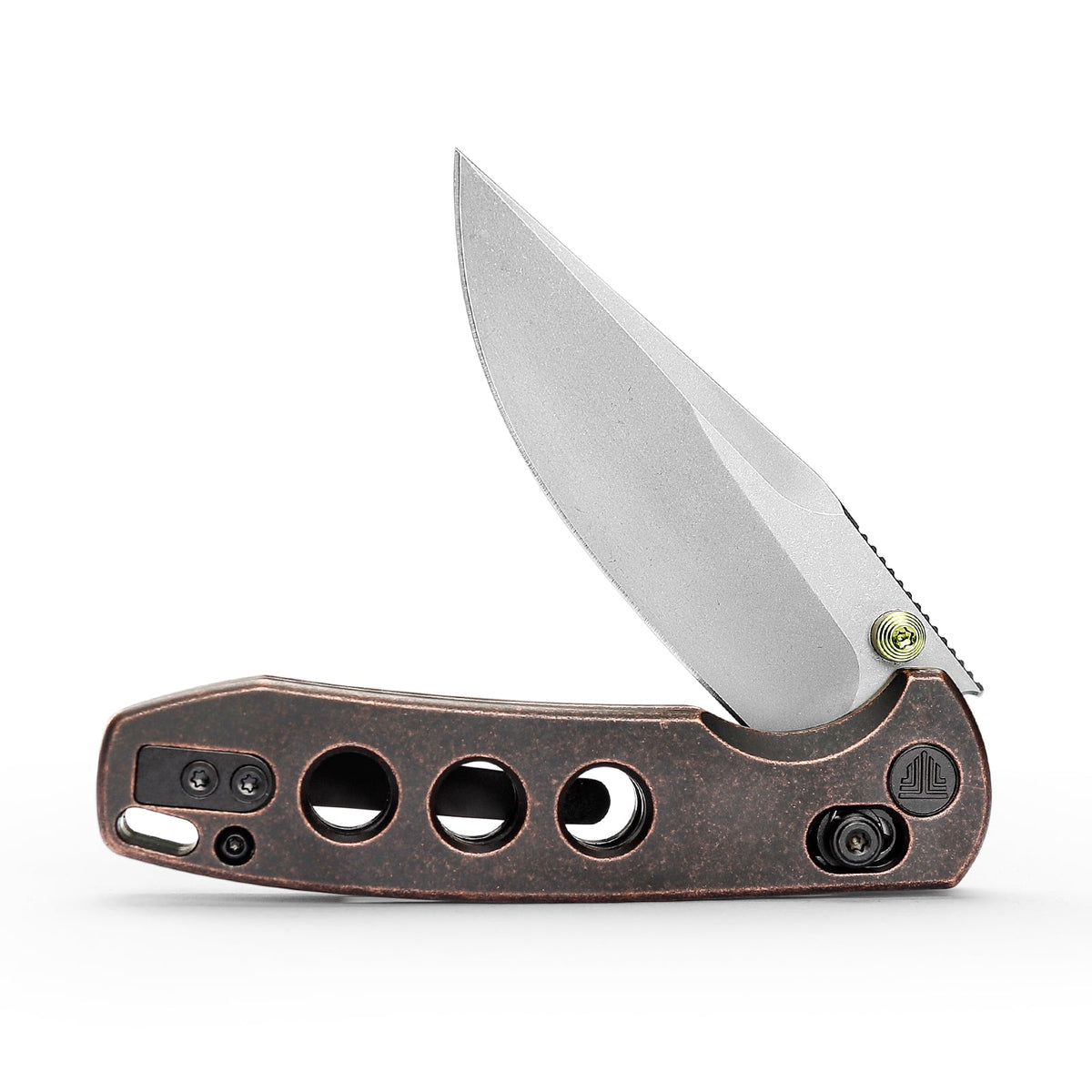
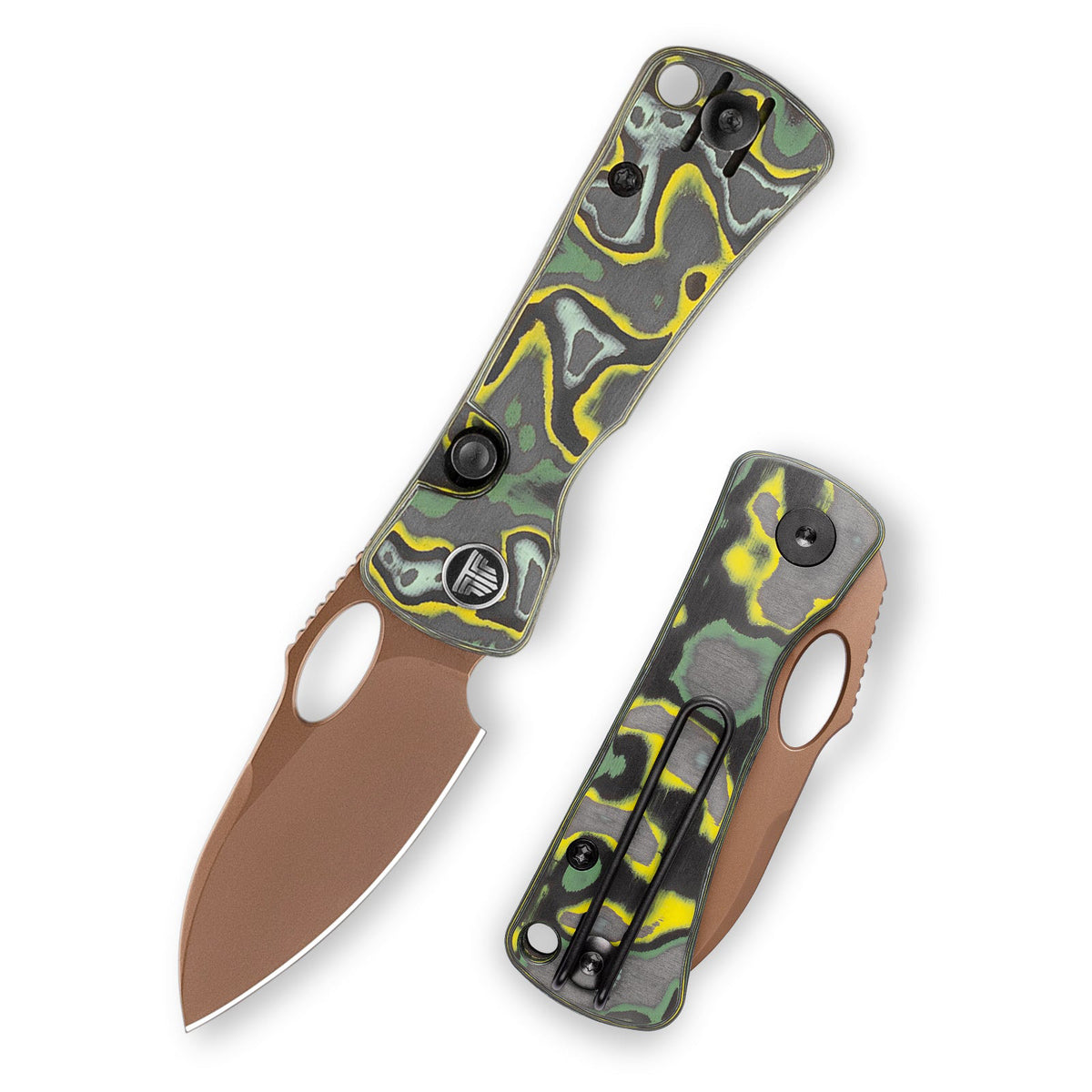
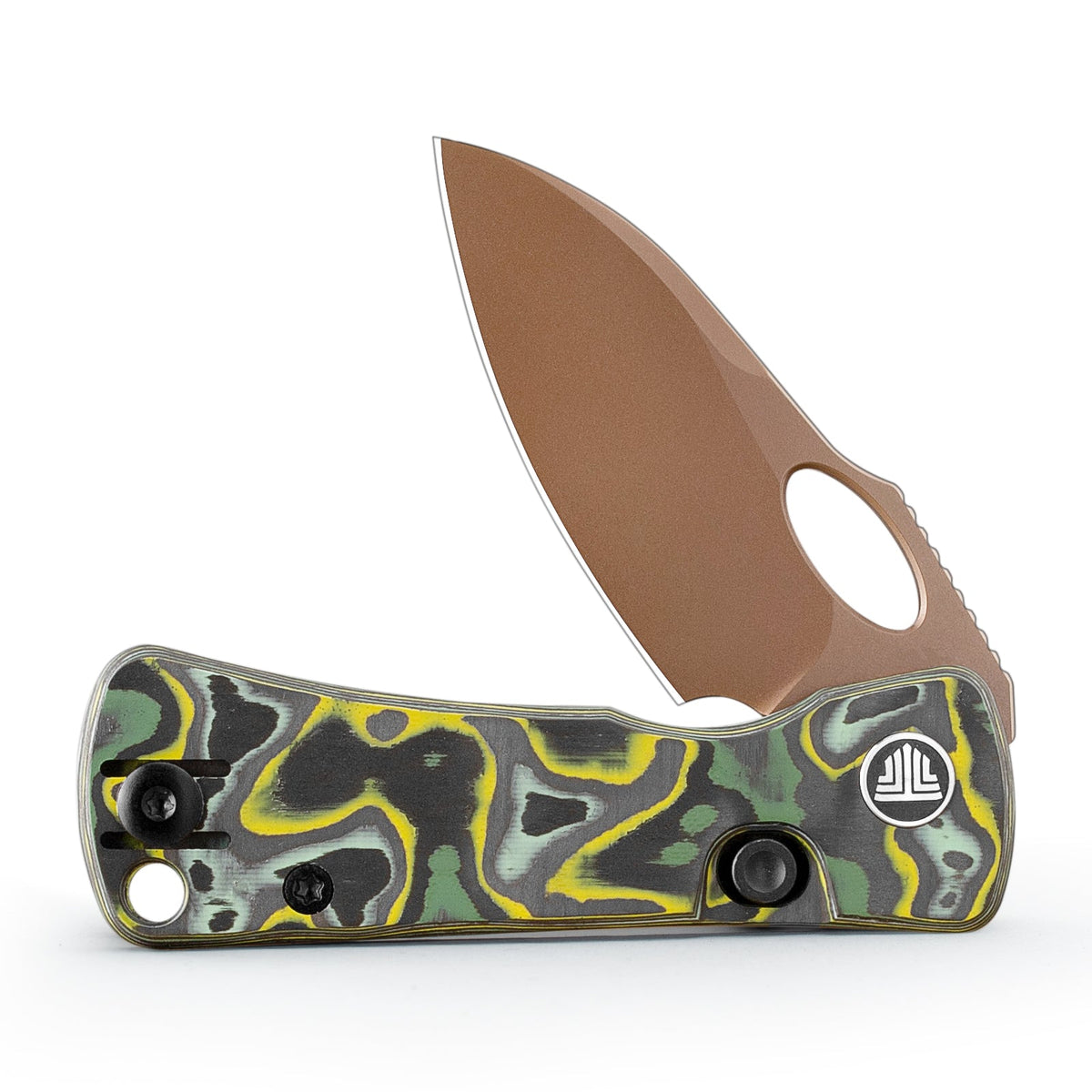
The QSP Emu QS164-C1 uses a stonewashed 14C28N blade in black coarse G10 scales with a Glyde lock. 14C28N is a nitrogen-alloyed stainless from Sandvik: it takes a keen edge, holds it reasonably well and, crucially, resists pitting in salt water better than most budget steels. A stonewashed finish scatters scratches, and G10 does not absorb the oily water that a wooden or resin handle would.

Design & Details
Deck cutting is a two-second job with wet gloves on. The Emu's flipper tab and thumb studs allow one-handed deployment, the handle is wide enough to fill a gloved palm, and the lock is a bar-style mechanism that stays clear of grit better than a liner under a scale. A folding knives clip and a lanyard hole matter here, because dropping a tool over the side means losing it.
Real-World Use
During a shift the blade cuts discharge hose to length, opens bags of bentonite, trims a rubber gasket, slices duct tape off a flange, cuts cable ties on a pump screen and scores a worn wear patch before it is peeled. It is wet and muddy from the first hour and rarely gets dried, so corrosion resistance is the whole argument for the steel choice.

Ownership Notes
Keep a freshwater bucket on deck and dunk the knife at every break, then dry it and oil the pivot. Check the clip screws monthly and re-tension them with a driver. A light greasing of the pivot keeps silt out and the action smooth. EdcMall stocks the stainless blades, lanyards and rigging hardware that a dredge crew chews through in a season. Two habits keep a deck blade alive. First, never store it folded and wet, because silt and salt consolidate in the liner channel; open it, rinse it and let it dry before it goes back in a pocket. Second, keep a small diamond stone in the tool crib so a rolled edge gets worked out the same day instead of being deferred until it becomes a chip.
Who Is This For?
This suits dredge operators, dredge tenders, marine construction crews and anyone working in brackish silt. A boat owner who rinses a knife after a weekend needs less steel. If your tools live in salt mud, choose nitrogen-alloyed stainless and keep a freshwater rinse within reach.
Final Verdict
In silt, corrosion resistance beats edge retention and ease of cleaning beats looks. The QSP Emu QS164-C1 pairs a 14C28N blade with G10 scales and a simple bar lock, which is exactly the mix that survives a dredge season.