
Overview & First Impressions
Two jobs with the same constraint: you are walking or flying into a situation and you cannot carry a workshop. A drone operator swapping batteries at dusk and a photojournalist filing from a car park both need a small, dependable kit that fits in one bag and works without a mains socket. Nextorch flashlights and a simple folding knife cover most of the field tasks that appear between shots.
Materials & Construction
The TA15 V2 runs on multiple battery types, which in practice means you can use whatever cells are available in the country you are working in rather than hunting for a proprietary pack. A compact 700-lumen beam is enough for a battery change, a landing zone check and a walk to the car, and the body is machined aluminium with a proper carry clip. An EDC pen lives in the same pouch for field notes, model releases and memory card labels.

Design & Details
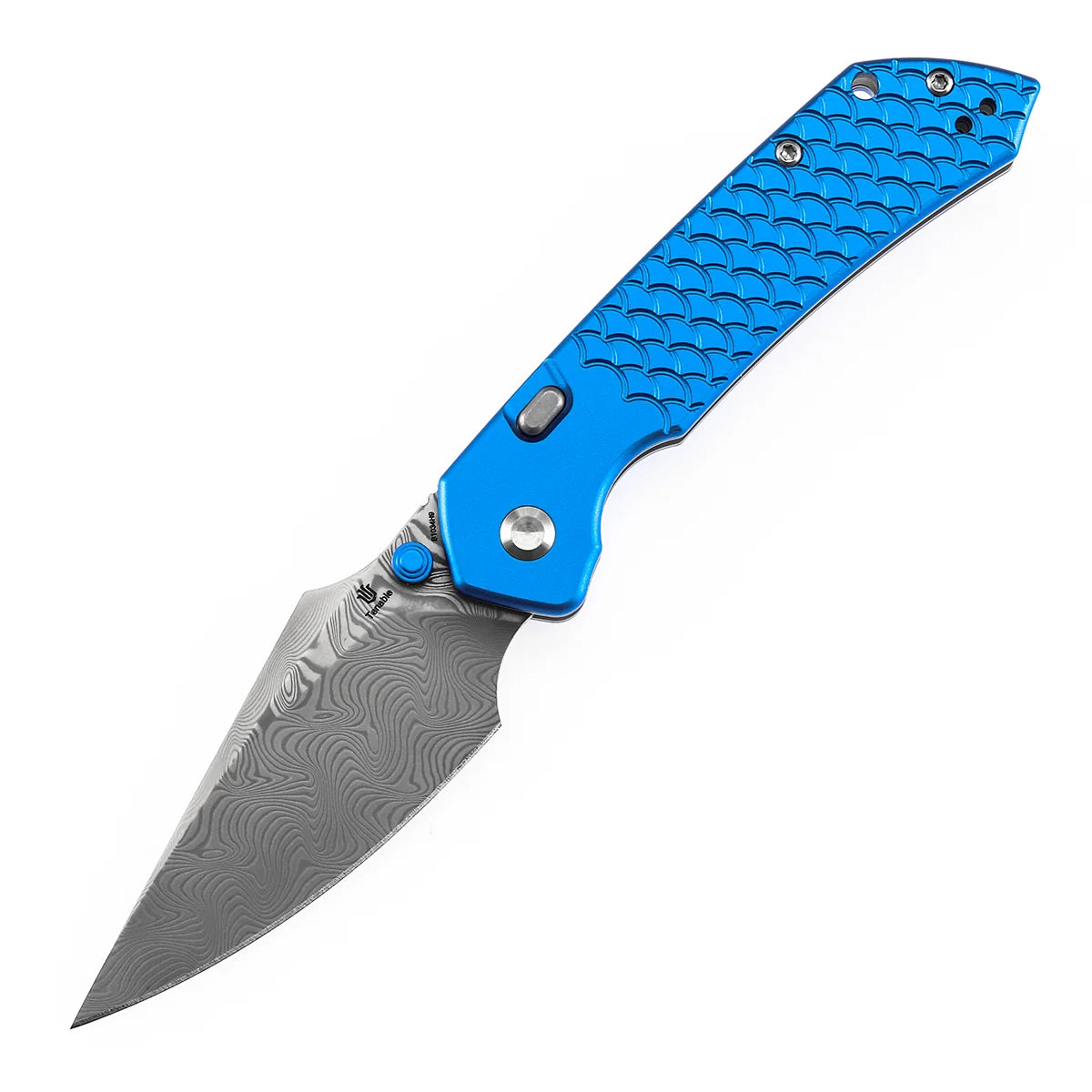
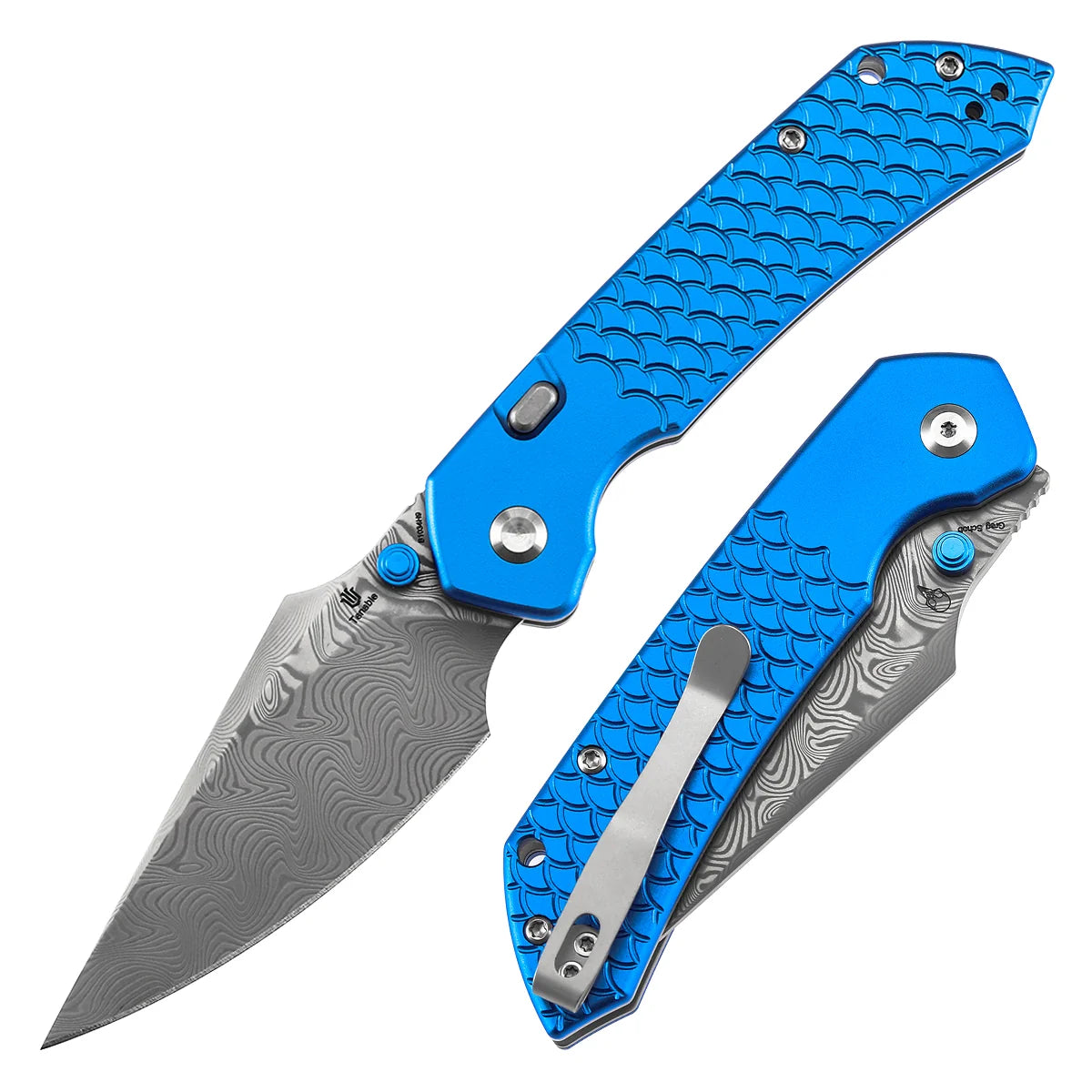
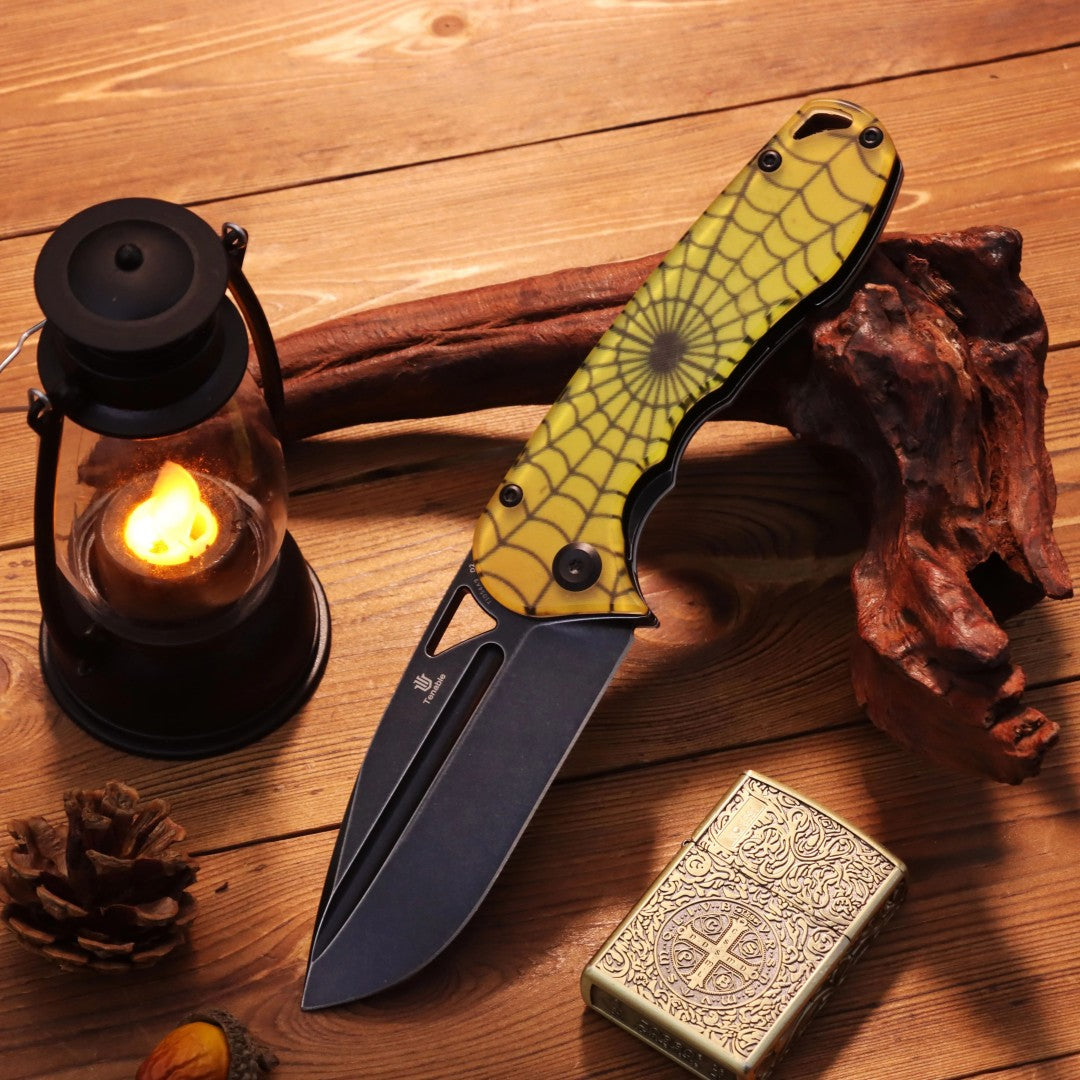
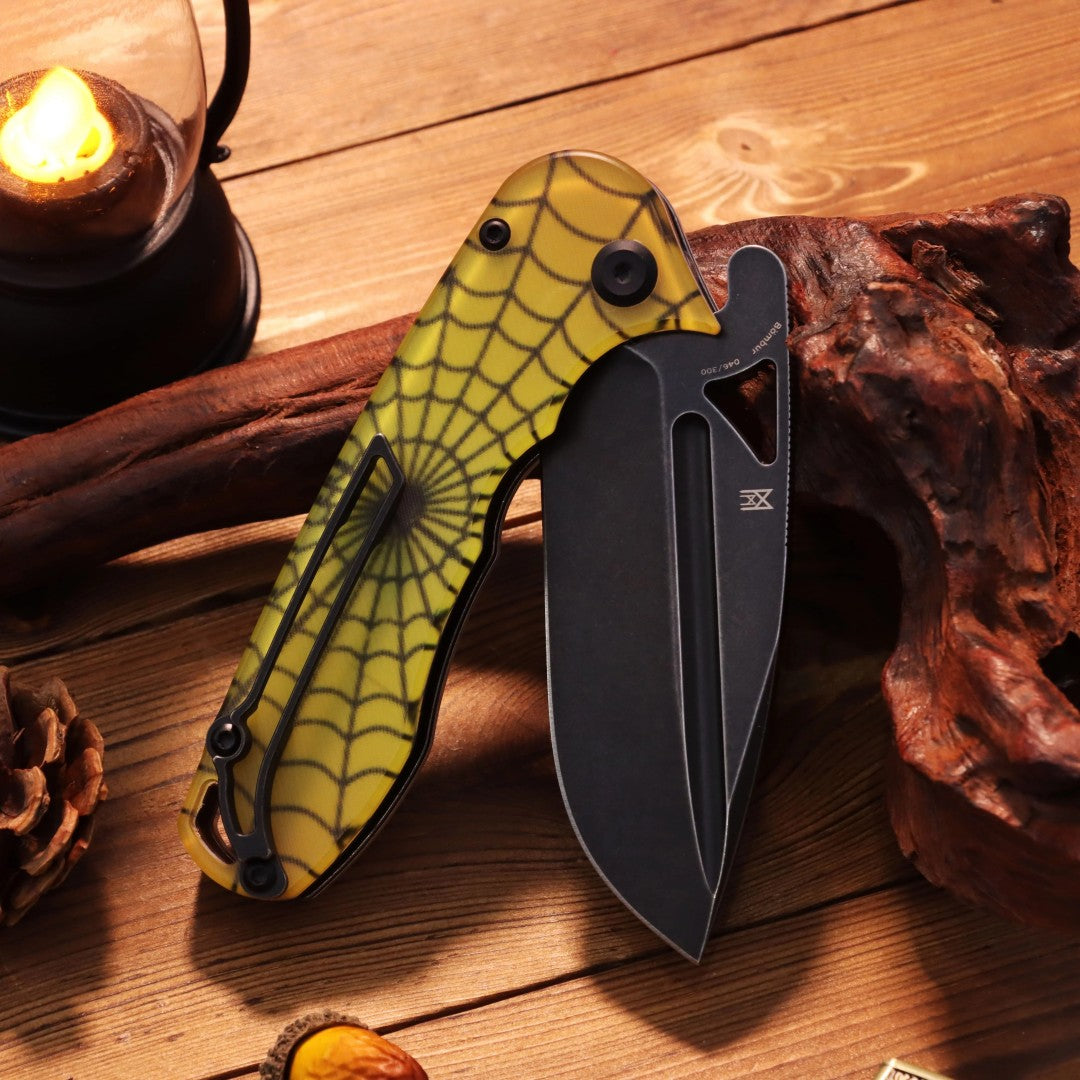
Field gear has to survive flat-drop, rain and being dropped in a bag of cables. The TA15 V2 has a sealed body, a switch that does not require a fingernail, and a clip that keeps it accessible without unpacking the bag. A knife with a folding handle sits beside it for trimming cable ties, cutting gaffer tape for a lens hood and opening a case of memory cards. Between them, the two tools handle most of the small emergencies that decide whether a shoot finishes with usable material.
Real-World Use
A shooting day starts in the dark and often ends in the dark. The light checks a landing zone, illuminates a battery bay, helps read a small card label and makes the walk back to the vehicle safer. Between flights, the knife trims a propeller guard tie, cuts tape for a cracked lens hood and opens packaging for a replacement cable. Everything is wiped with the same cloth and stored in the same pouch, so nothing drifts to the bottom of the bag.

Ownership Notes
Wireless gear is fragile and expensive, so tool discipline matters more than usual. Never cut a zip tie in a way that sends a metal fragment near a gimbal, and cover the camera when opening anything sealed. Keep spare cells for the flashlight in a protected case rather than loose with a battery charger, and use a pen rather than a knife for labelling cards. Charge everything the night before, and log battery cycle counts so a tired cell does not cost you a flight. A compact EDC flashlight lives in the pouch next to the batteries, while folding knives cover the tape, ties and packaging that appear between flights. EDC knives earn their place in a field kit for exactly that reason: small jobs, no workbench, and no time to unpack.
Who Is This For?
This suits drone pilots, photojournalists, documentary crews and solo operators who carry everything themselves. It also suits survey teams and inspectors who fly a camera over infrastructure. If you shoot in a studio, a bigger light and a bench knife are better choices. Buy this combination when the bag is small, the schedule is tight and reliability matters more than peak output.
Final Verdict
A field kit is judged by what it does on the worst day of a trip. A light that runs on whatever cells you can find, a pen that signs a release in the rain and a knife that opens a case without drama are worth more than any single premium item. The TA15 V2 and its pouch companions cover that ground simply, and they will keep doing it take after take.