
Overview & First Impressions
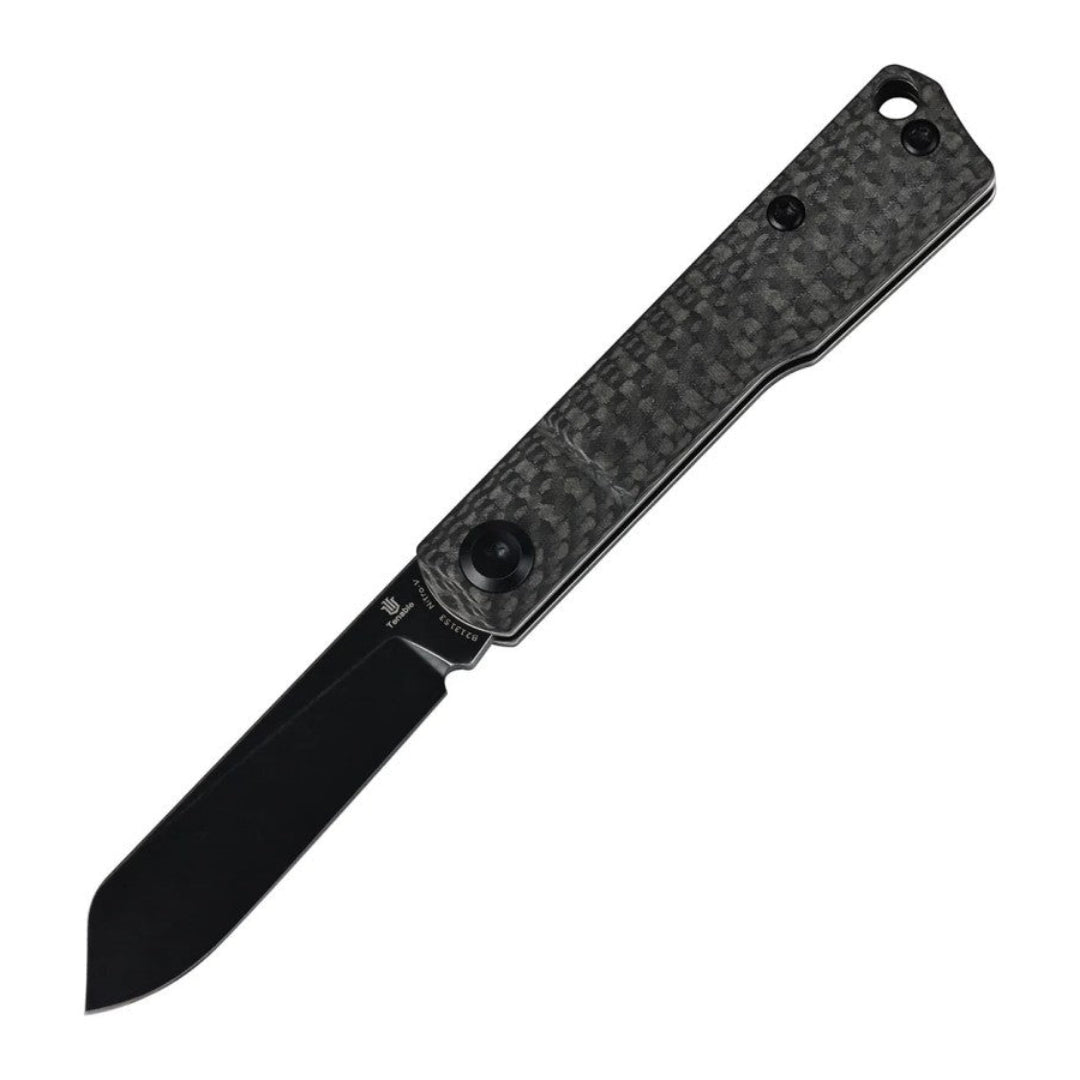
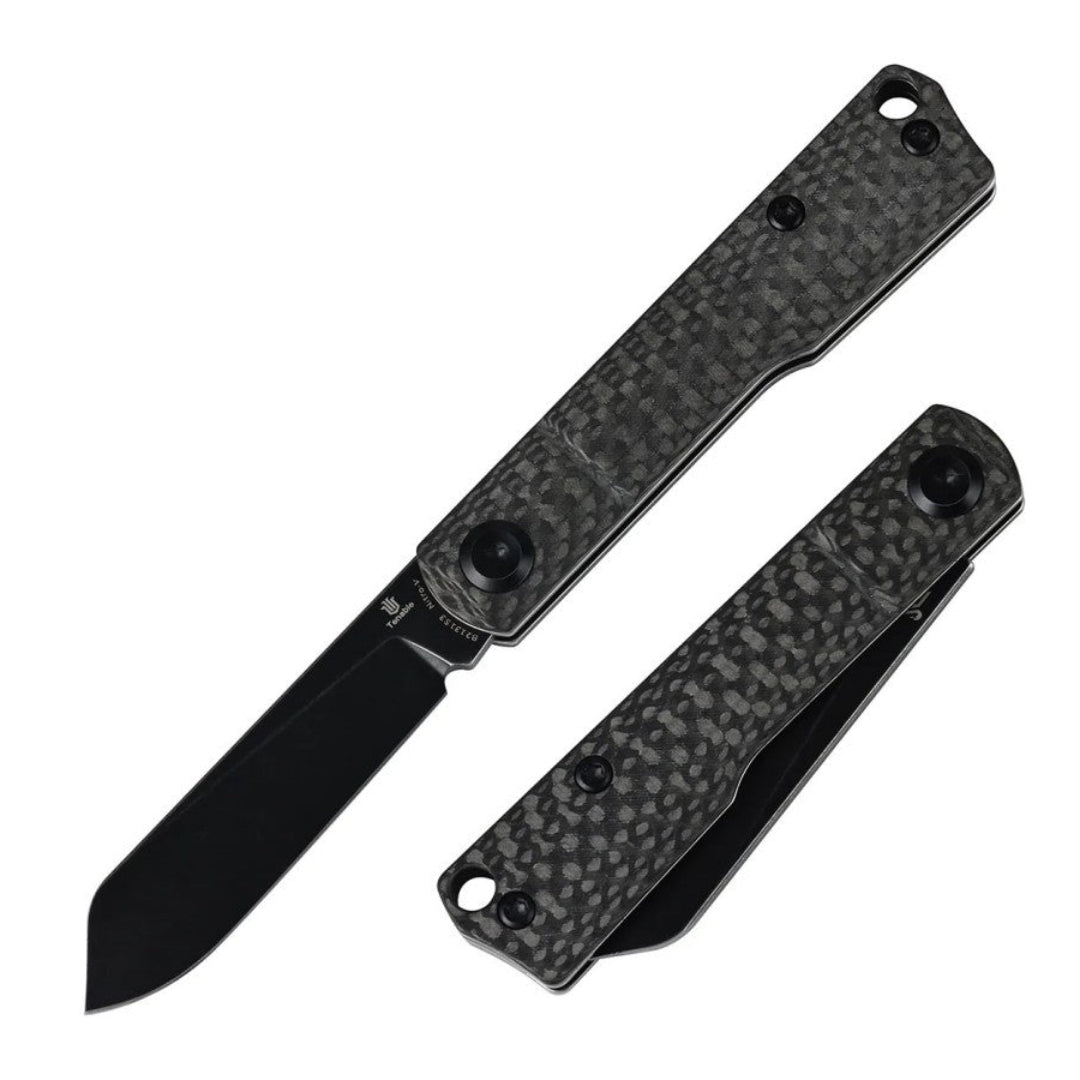
Every quality knife carries information: a maker mark, a steel designation, a serial number, sometimes a finish label. Two processes do almost all of that work. Electro-etching uses a stencil, a conductive pad and a low-voltage current to bite a mark into steel without cutting it. Laser marking burns or vaporizes a shallow layer, which is faster but leaves a different surface. Knowing which was used tells you something about the maker's priorities.
Materials & Construction
Electro-etched marks sit in the metal rather than on it, so they survive polishing and blade wear for decades. That matters on a hard stainless such as M390, where the mark becomes part of the blade's documentation. Laser marking is quicker and works well on titanium and coatings, but a rough mark can be a stress riser if it is applied to a thin, highly stressed section of blade.

Design & Details
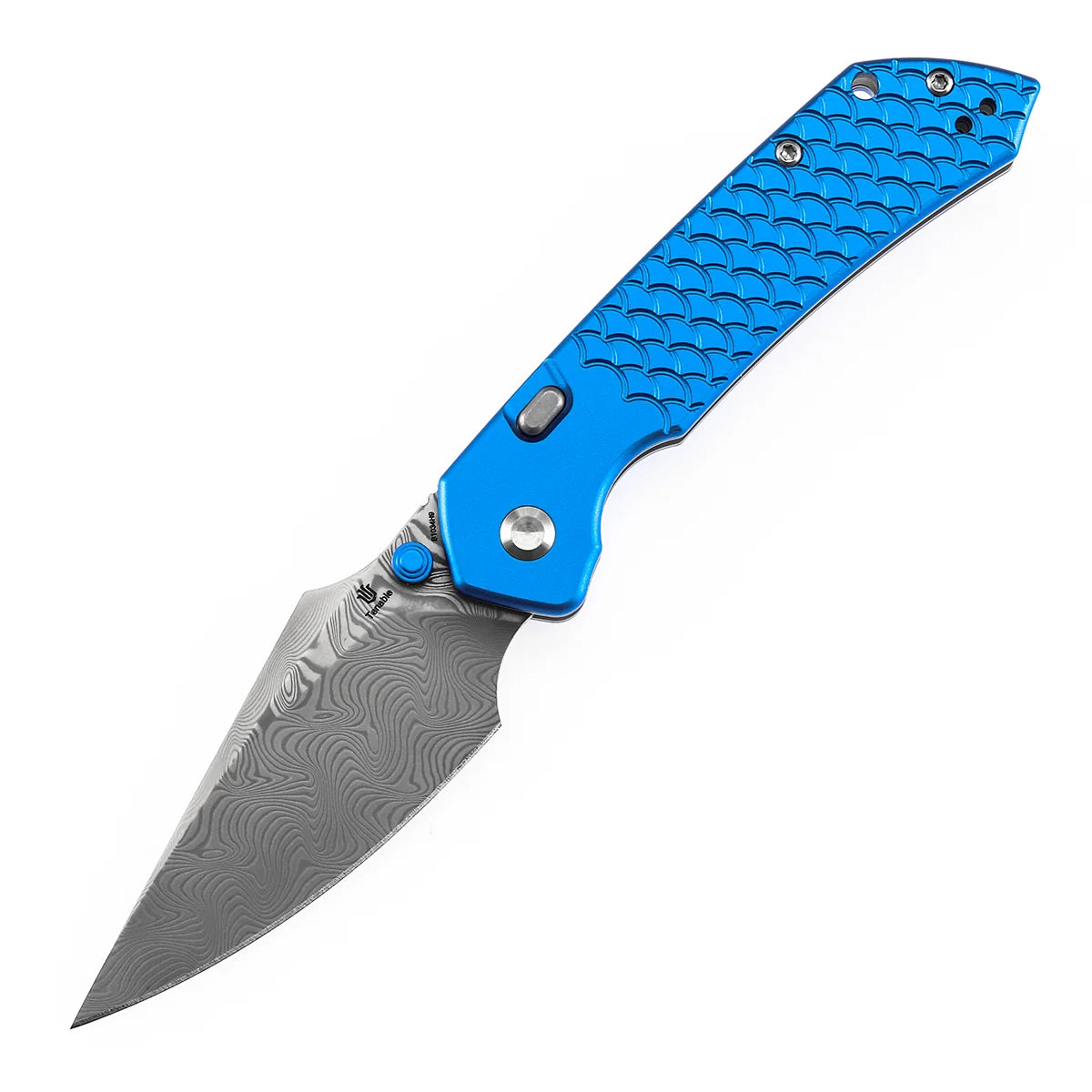
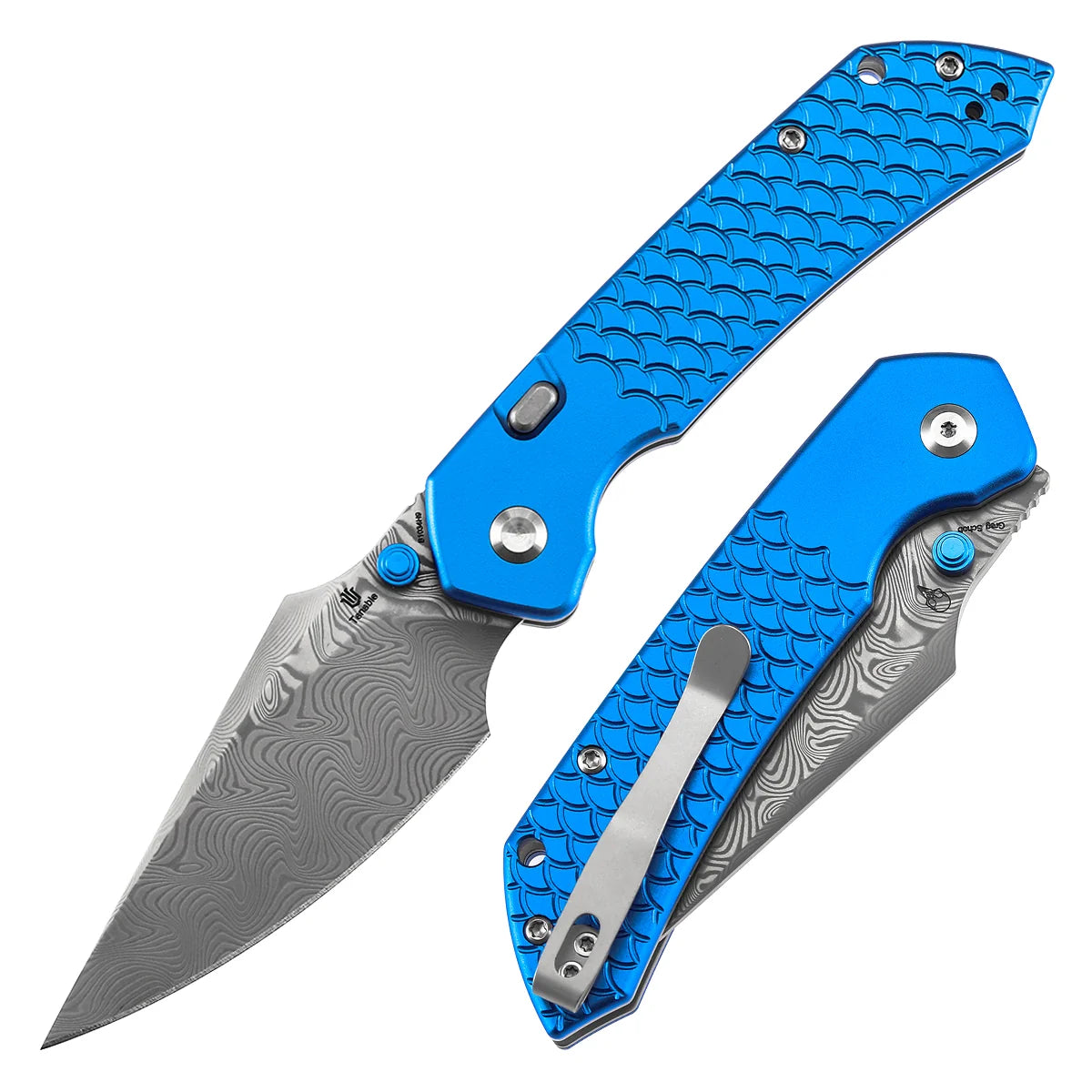
The GEO Knife Ethereal Cutter GEO2402D shows the modern combination: an M390 blade, a titanium handle and a crossbar lock, with maker marks applied cleanly enough that they read as part of the design. GEO Knife keep the branding small and position it where it does not interrupt the grind line, which is a sign of a brand thinking about the whole object.
Real-World Use
From a user's point of view markings are practical. A steel designation lets you choose the right sharpening angle, a serial number supports a warranty claim, and a cleanly etched maker mark makes a knife identifiable if it is recovered after a loss. On EDC knives carried daily, an etch that survives pocket wear is also a reasonable durability test in miniature.

Ownership Notes
Treat markings as a surface to protect. Do not scrub an etched area with an abrasive pad, because you will flatten the borders that make the mark legible. Keep the blade oiled so the etch does not pit, and if you refinish a blade, know that you may remove a laser mark long before an electro-etch. EdcMall carries folders with clean factory marking and the finishing supplies to keep them looking factory. Marks also affect resale value. A collector comparing two otherwise identical folding knives will pay more for the one whose steel designation and maker mark are crisp, correctly spelled and consistently placed, because that consistency is a fair proxy for how carefully the rest of the knife was made and inspected before it left the shop, and experienced buyers notice.
Who Is This For?
This matters to collectors verifying authenticity, to users who value traceability, and to anyone comparing two bundles of the same knife. A casual buyer may never notice. If you collect or resell, the process behind a mark is a real data point.
Final Verdict
A mark is not decoration when it identifies steel and origin. Electro-etching lasts, laser marking is fast, and a maker that applies either cleanly is telling you how the rest of the knife was built.