
Overview & First Impressions
Farming and ranching put a knife through work that most pocket knives never see. Fencing wire, feed sacks, hay twine, hose, harness and hooves all demand an edge you can reach with one hand while the other hand is holding something alive. That single constraint, one handed access while wearing a dirty glove, decides more about a working fixed blade than any specification sheet. It is also why so many farm owners eventually move away from the folder in their pocket and towards a belt sheath.
Materials & Construction
D2 steel is the usual answer here, and for good reason. It is a semi stainless tool steel with enough chromium to shrug off a damp morning and enough vanadium carbides to keep cutting after a season of twine and silage bags. It will not win a corrosion contest against a modern stainless, so a wipe down at the end of the day is not optional, but it holds an edge through abrasive work that leaves softer alloys blunt by lunchtime. For most EDC knives on a farm, a mid range tool steel is the right compromise.

Design & Details
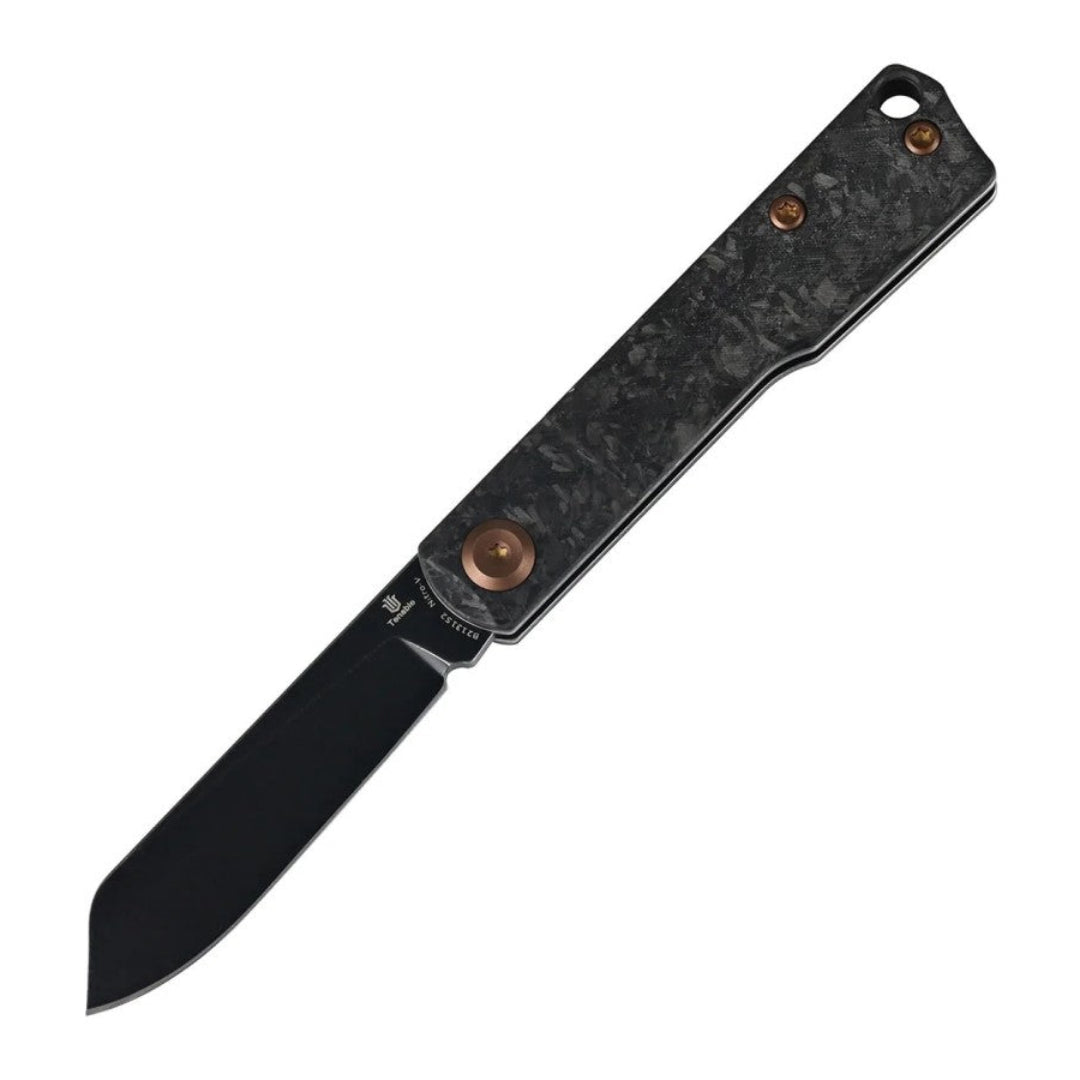
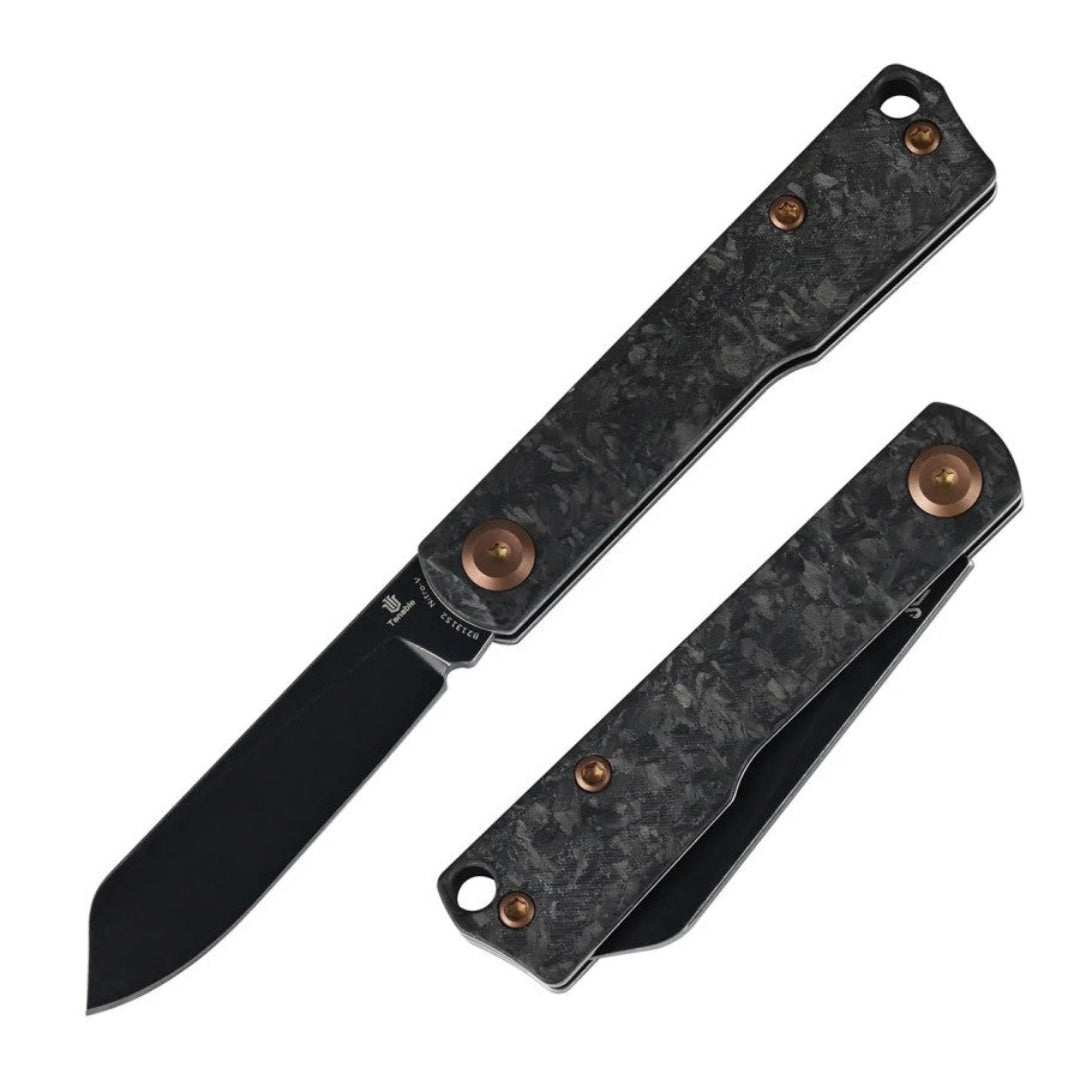
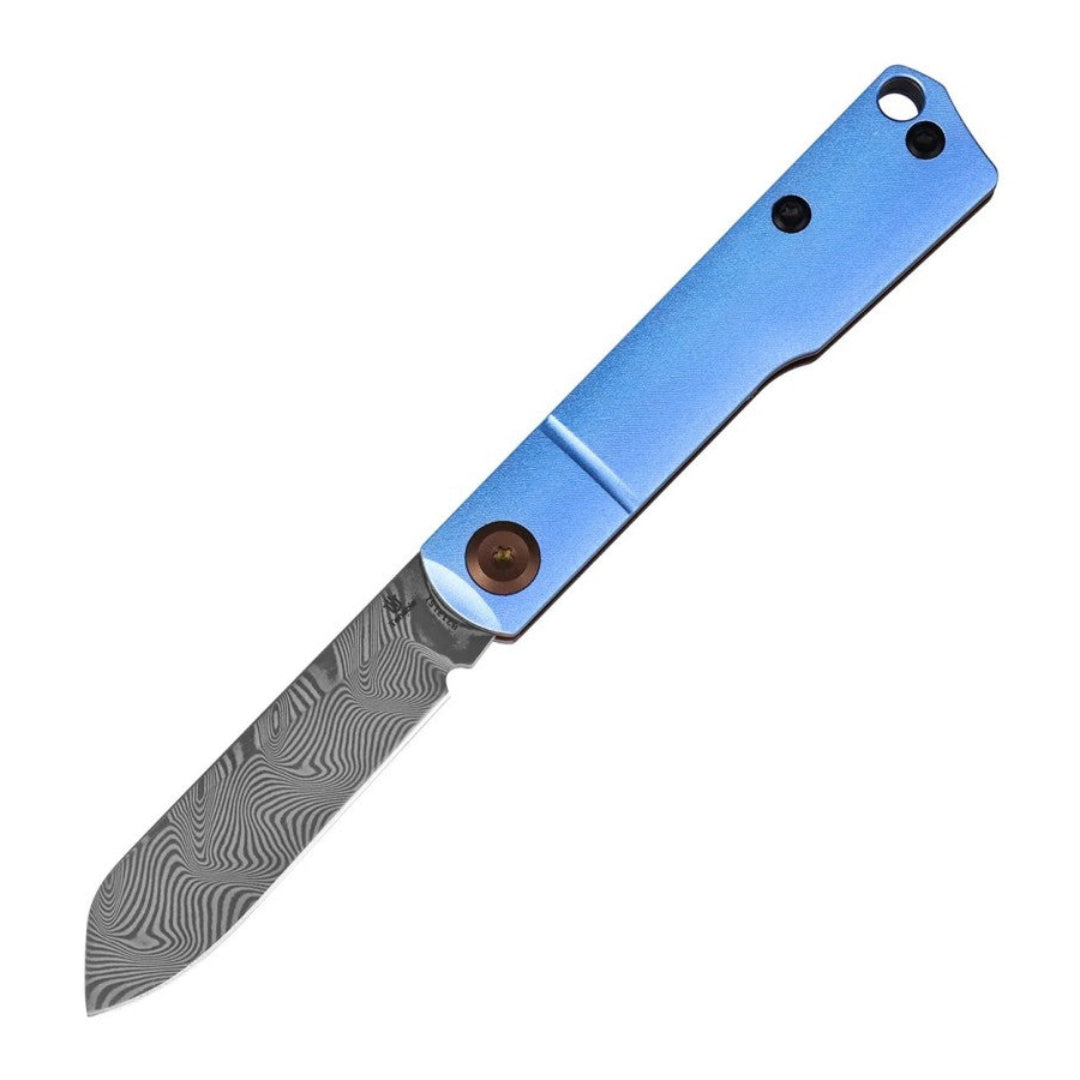
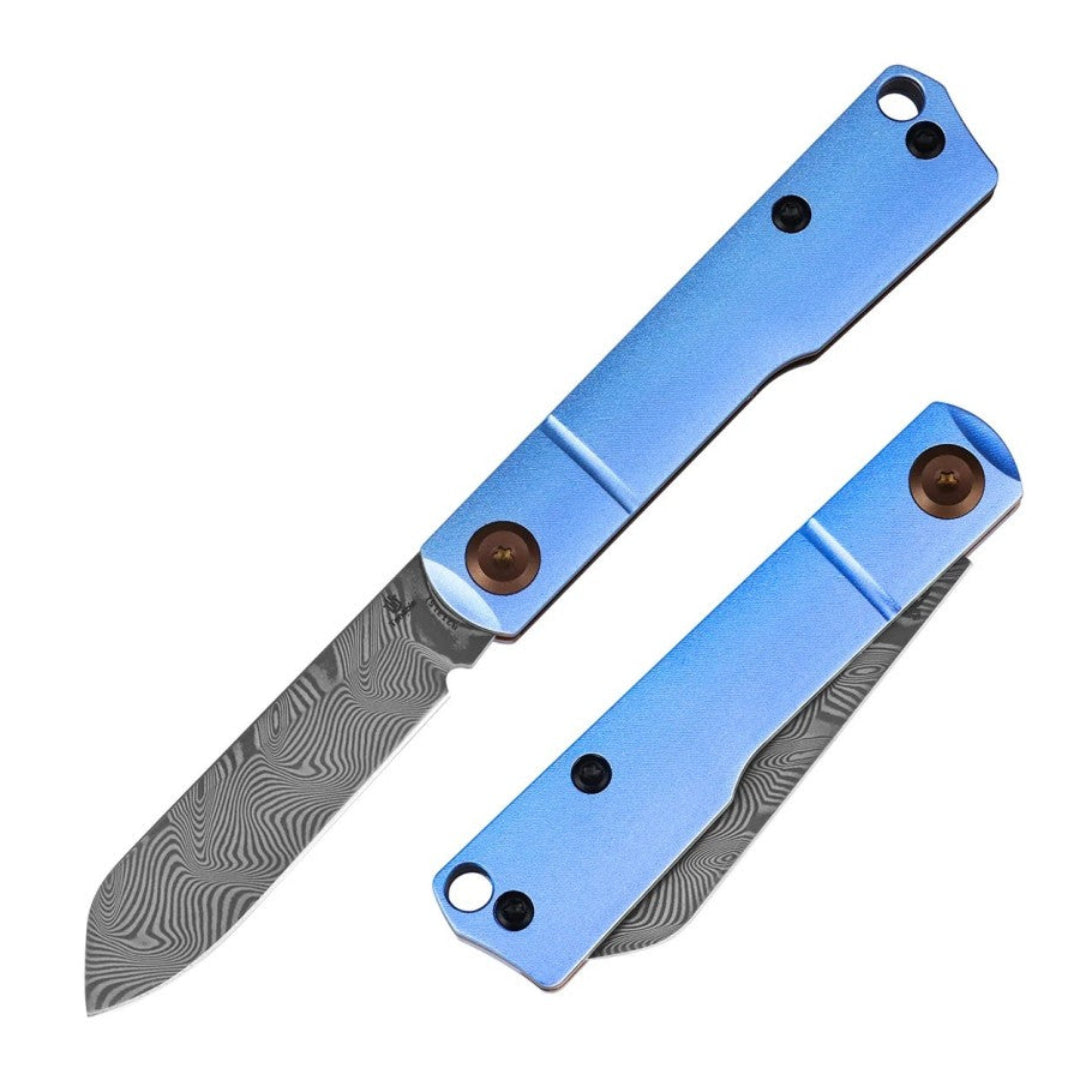
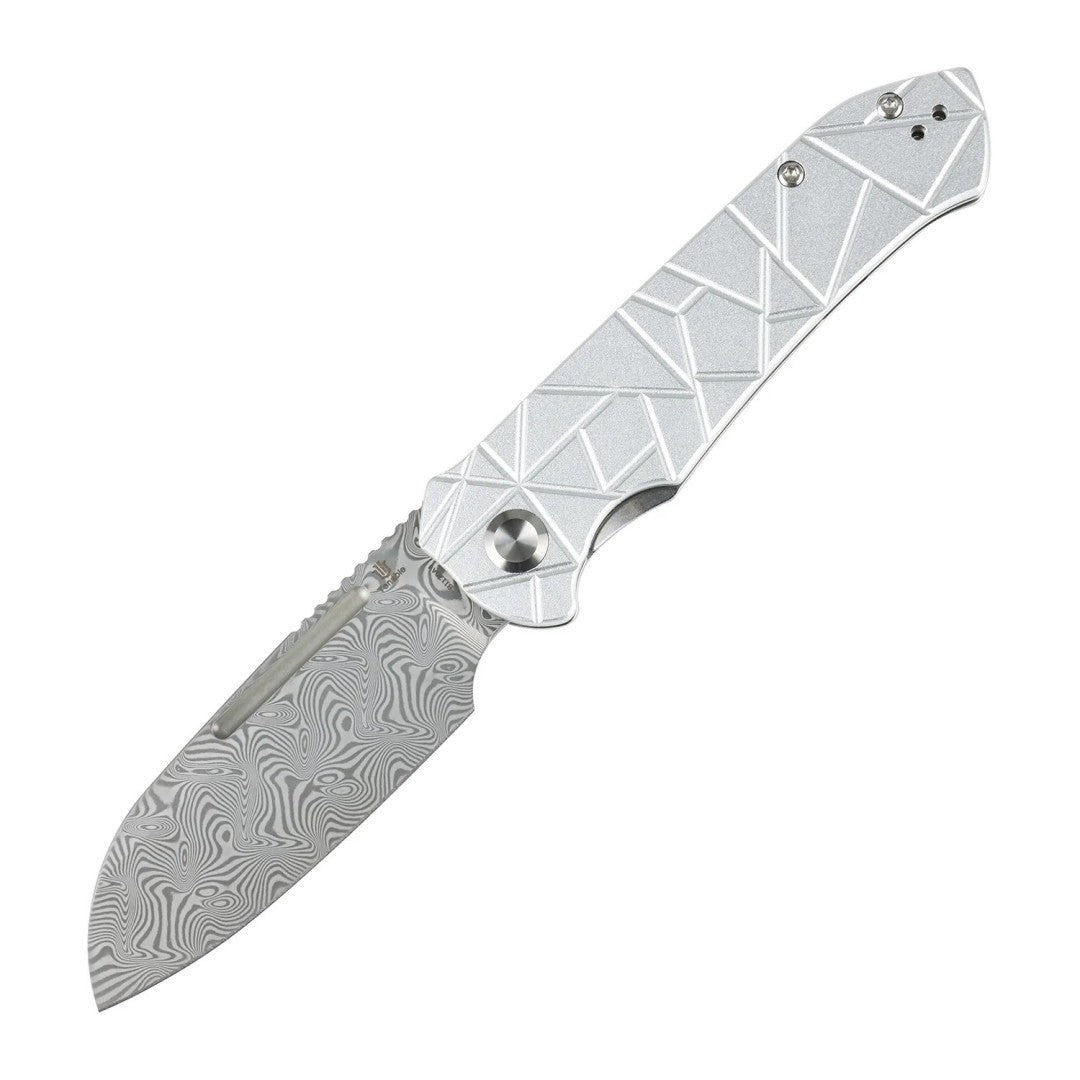
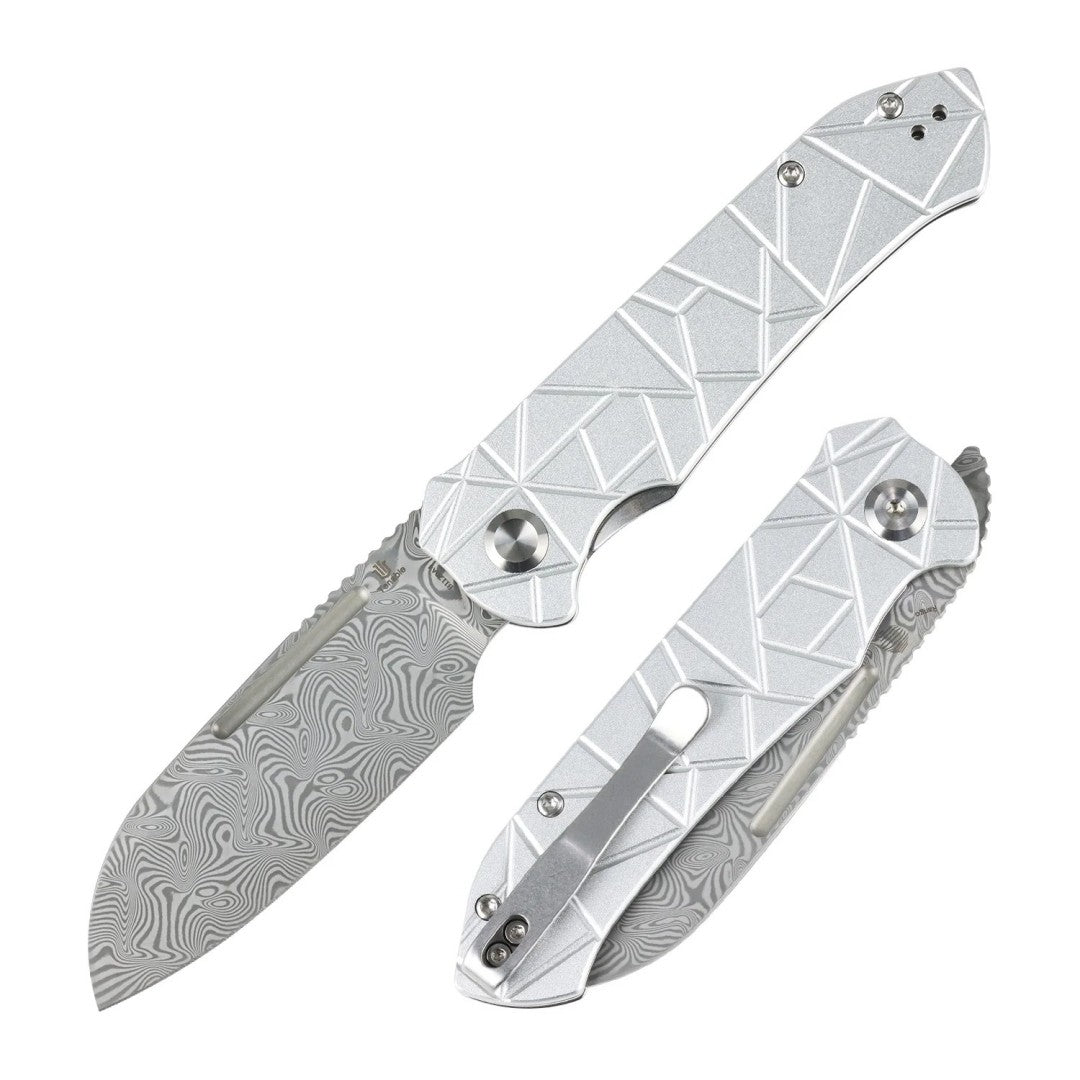
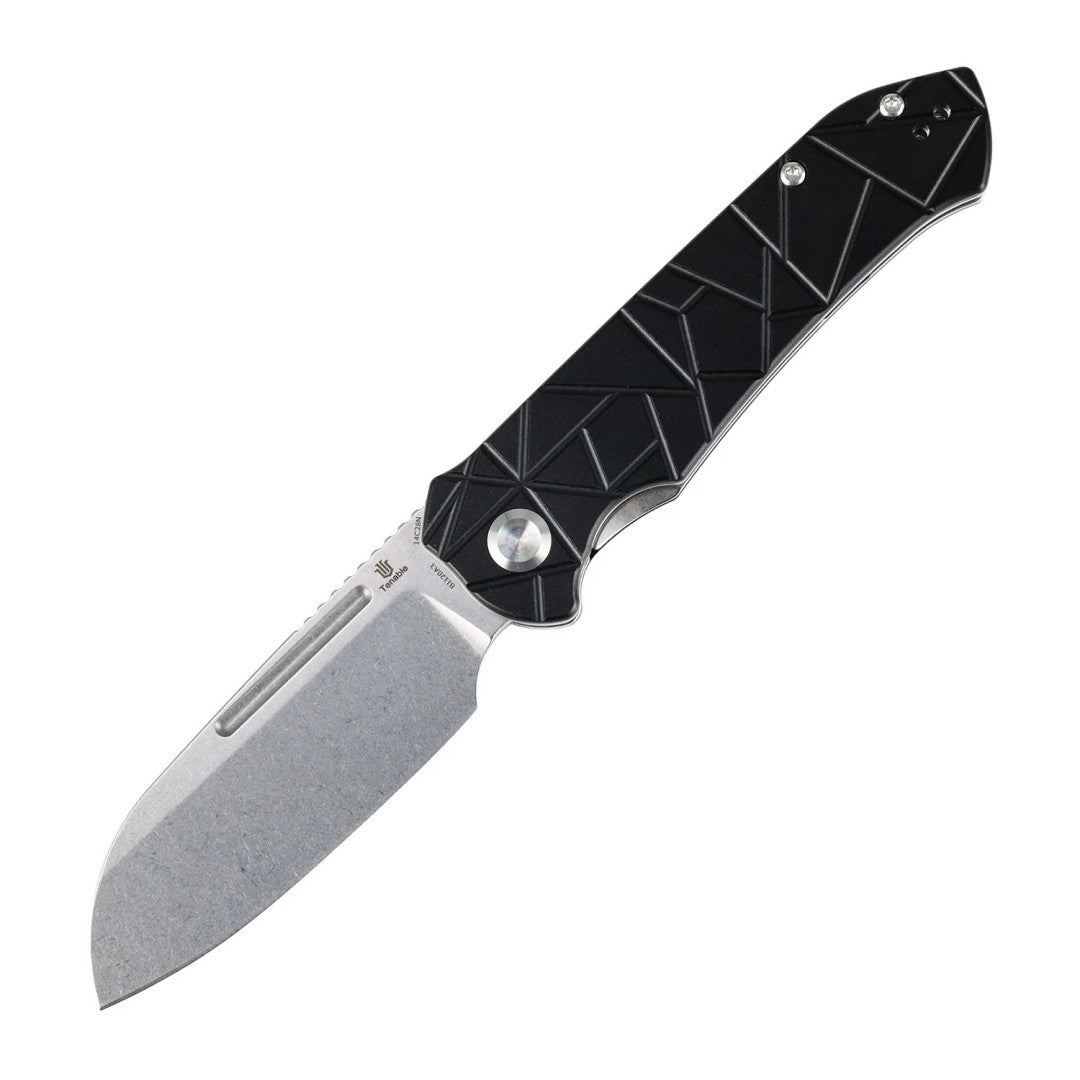
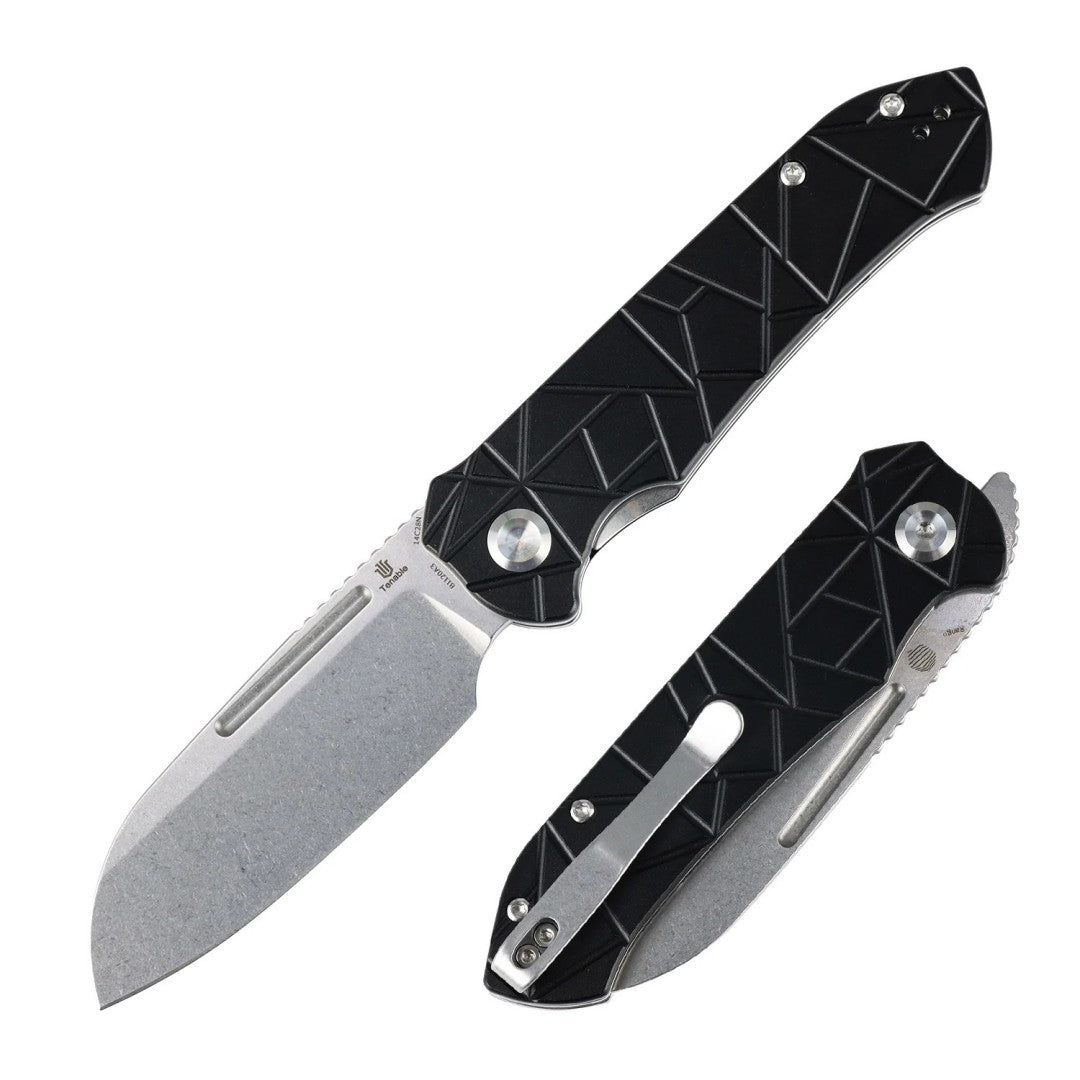
Blade shape matters more than blade length. A drop point or a sheepsfoot with a full flat grind cuts twine effortlessly, opens a feed sack without tearing it, and still keeps a point for detail work. A deeply curved skinner is far less useful for general farm tasks. Kansept knives build the Flank G006A7 with a sensible working profile, a full tang and an aluminium handle that will not split when it is dropped on concrete, which is exactly the environment it will live in.
Real-World Use
A typical day mixes tasks. Cutting bale twine, trimming a hose, slicing rubber tubing, opening a mineral bucket, cutting a lead rope, occasionally cleaning a hoof. None of those need a large blade; nearly all of them need an edge that is immediately available. That is the argument for a four inch fixed blade on the belt rather than a large folder in a pocket. Keep a second, cheaper knife in the truck for the jobs you would rather not do with a good blade.

Ownership Notes
Maintenance on a working farm is minimal but never optional. Rinse the blade, dry it, run a ceramic rod over the edge at the end of the week, and keep a light film of oil on the steel. Never store the knife in a leather sheath for months, because leather holds moisture against steel and that is how a good tool quietly ruins itself. Owners who keep a touch up stone in the truck cab sharpen less often and cut more, because a two minute touch up costs less than a twenty minute repair.
Who Is This For?
This suits smallholders, livestock farmers, equestrians and anyone who works outdoors with animals. It is overkill if your knife opens parcels and nothing else. Anyone who keeps a rotation of EDC knives for town should consider a separate, dedicated work blade rather than risking a favourite. If you only buy one, buy the fixed blade; if you buy two, add a compact folder for the jobs that happen away from the belt.
Final Verdict
Match the tool to the work: a full tang fixed blade in a tool steel, a sheath you can reach with either hand, and a maintenance routine you will actually follow. Buy the tool, not the story. Browse the fixed blade selection at EdcMall to compare working profiles side by side before you spend.