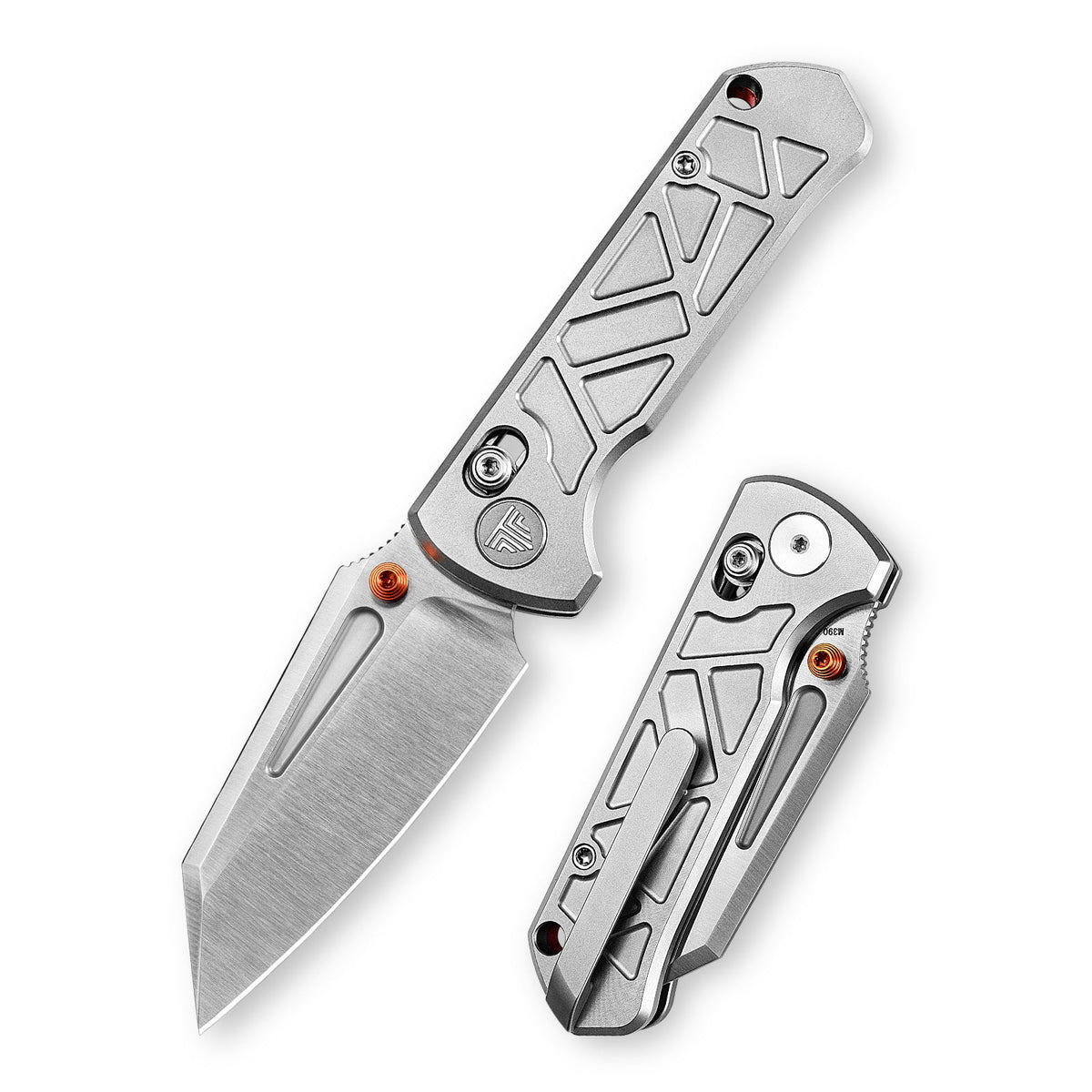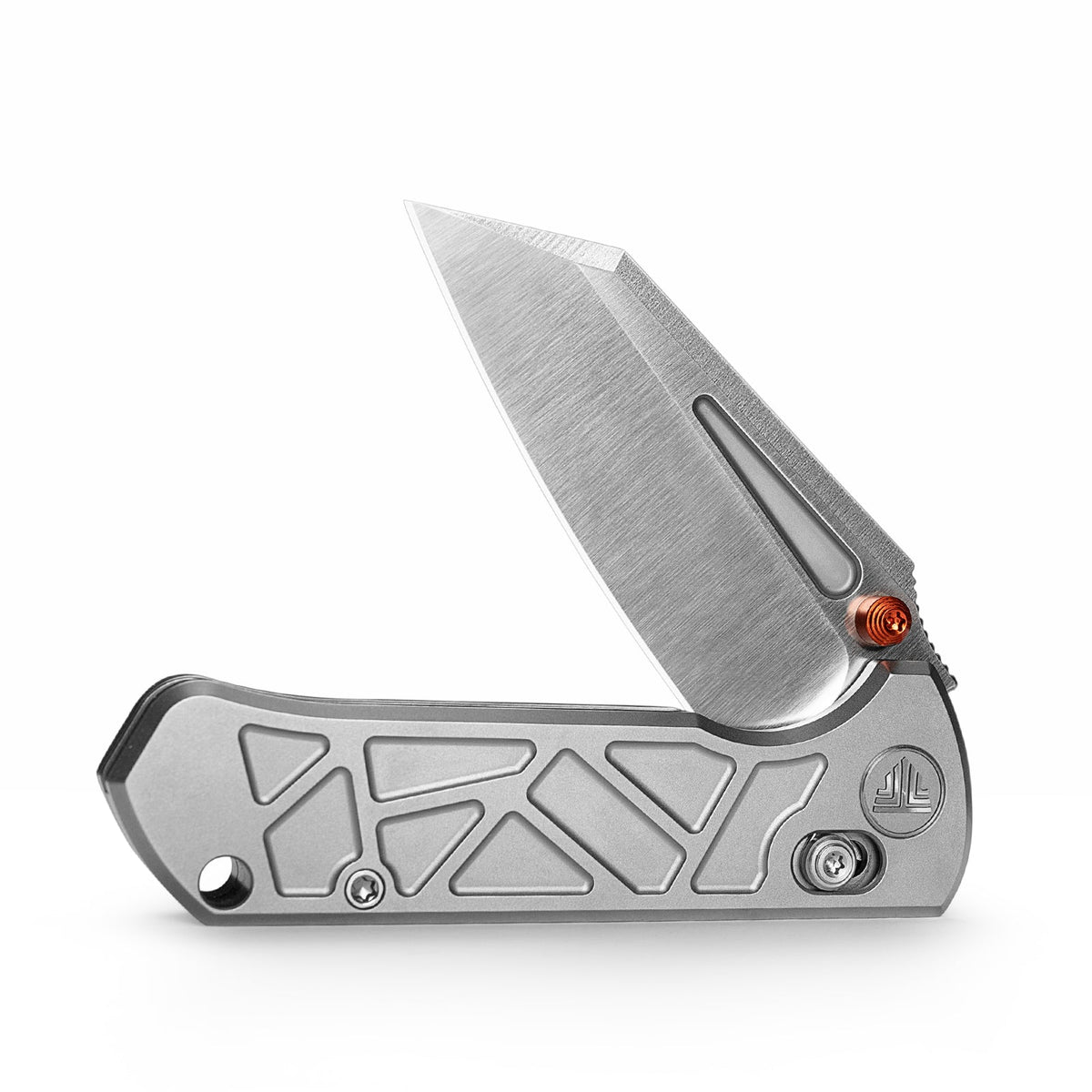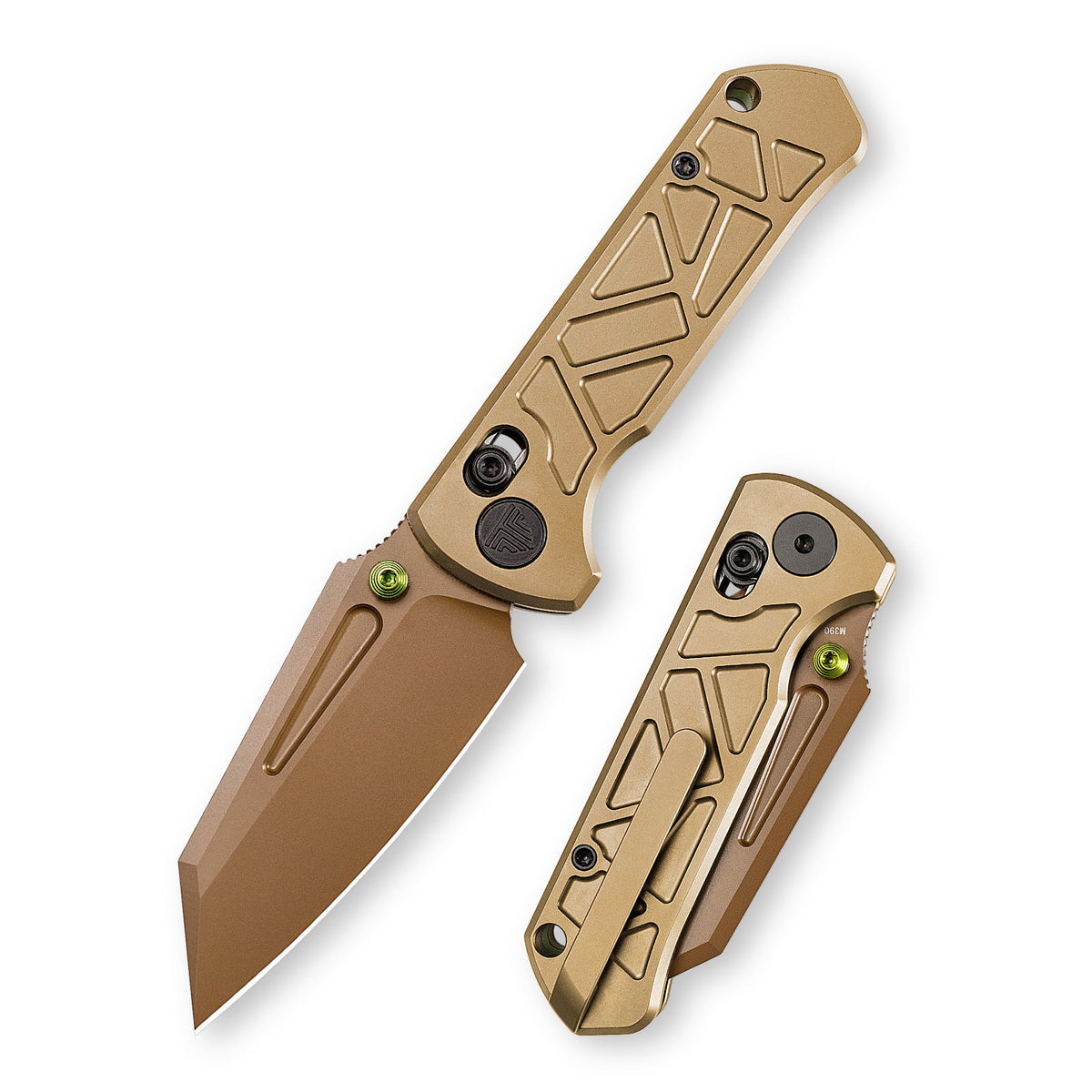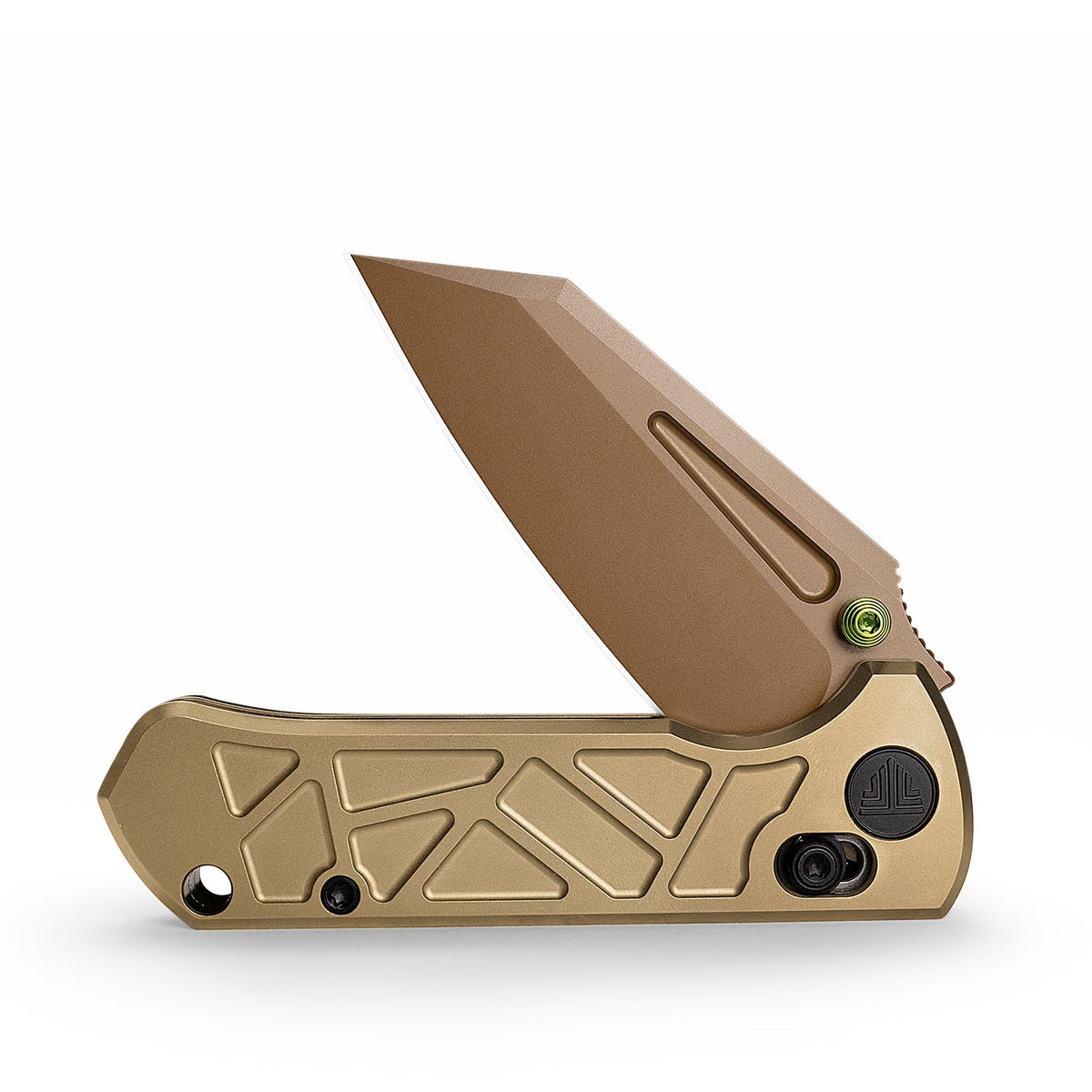

Overview & First Impressions
Twenty one thousand lumens and 294,267 candela is not a number you need. It is a number you want once, in the dark, when something is 800 metres away and you would like to know what it is. The LR60R throws a beam 1,085 metres, and it does it from a body you can carry in one hand with a rotary switch you can operate in gloves. This is Fenix flashlights aiming at the top of the searchlight category and landing there without turning the light into a piece of laboratory equipment.
Materials & Construction
A machined aluminium body with a proper heat path, because 21,000 lumens generates heat faster than any passive design can shed it and the driver will step the output down when the thermals demand it. The OLED display is the detail that makes the light professional rather than theatrical: it tells you output, remaining runtime and battery percentage, so you stop guessing. The rotary switch is mechanical rather than electronic, which means it works at minus twenty and does not care about wet gloves.

Design & Details
Two mode groups, general and searching, selected by the rotary dial, with brightness on a separate control. That separation is what makes the light usable: you do not cycle through seven levels to get from a map-reading flood to a long throw. The head is large enough to hold the reflector the beam needs and the body is long enough for a full grip, with a tailcap that allows the light to stand and be used as an area light. It is heavy in the way a tool is heavy, not in the way a brick is.
Real-World Use
Searching a field edge, lighting a path for a vehicle recovery, checking a roof, signalling across water, working a scene where you need to see everything at once and then see one thing a long way off. The turbo setting is a party trick that lasts a couple of minutes before the driver pulls it back, and the honest work happens at the middle levels where the runtime is measured in hours. For 95 percent of owners the light will live in a vehicle or a kit bag.

Ownership Notes
Battery care dominates ownership. Charge it after every serious use, store it between 40 and 80 percent if it is going to sit for months, and never leave it on the charger indefinitely in a hot car. Clean the threads and the O-rings with a dry cloth and a trace of silicone grease so the head still turns in a year. If the OLED starts reporting a shorter runtime than it used to, the cell is aging, not the driver. A searchlight this size is not an EDC flashlight and should not be judged as one, but it will out-reach anything you can put in a trouser pocket by a factor of ten.
Who Is This For?
Buy it if your work or your hobbies put you in the dark at a distance: search and rescue, farming, forestry, security, coastal work, night shooting. It also suits the person who wants one absurdly capable light in the boot of a car and nothing else. Skip it if you want an everyday pocket light, because this is not one, and skip it if you will never use more than 500 lumens. Klarus flashlights and Nitecore flashlights both make mid-size throwers that fit a jacket pocket.
Final Verdict
The LR60R is a specialist tool that happens to be spectacular. The OLED display and the mechanical rotary switch are the two features that separate it from a novelty lumen cannon, and both of them come from thinking about how the light is used rather than how it advertises. EdcMall stocks it for people whose job genuinely needs the reach.