

Overview & First Impressions
Outside plant telecom work happens in the least glamorous places: buried vaults, aerial strand, cramped building entries and manholes with standing water. A splicer's day is a sequence of small precise tasks in bad light, and the kit that survives that routine is compact, waterproof and above all immediately reachable. Field technicians who have been at it for twenty years tend to carry almost nothing, but they carry it perfectly.
Materials & Construction
The Klarus XT1C V2 is built for exactly this profile. It is a pocket-sized tactical light running a CREE XP-L HD V6 emitter for up to 1000 lumens with a throw of about 178 meters, and its dual tail switch gives instant access to momentary and constant output with one hand. That matters when the other hand is holding a fusion splicer or a fiber stripper. Klarus flashlights are popular with technicians because the interface rewards muscle memory rather than menu navigation.

Design & Details
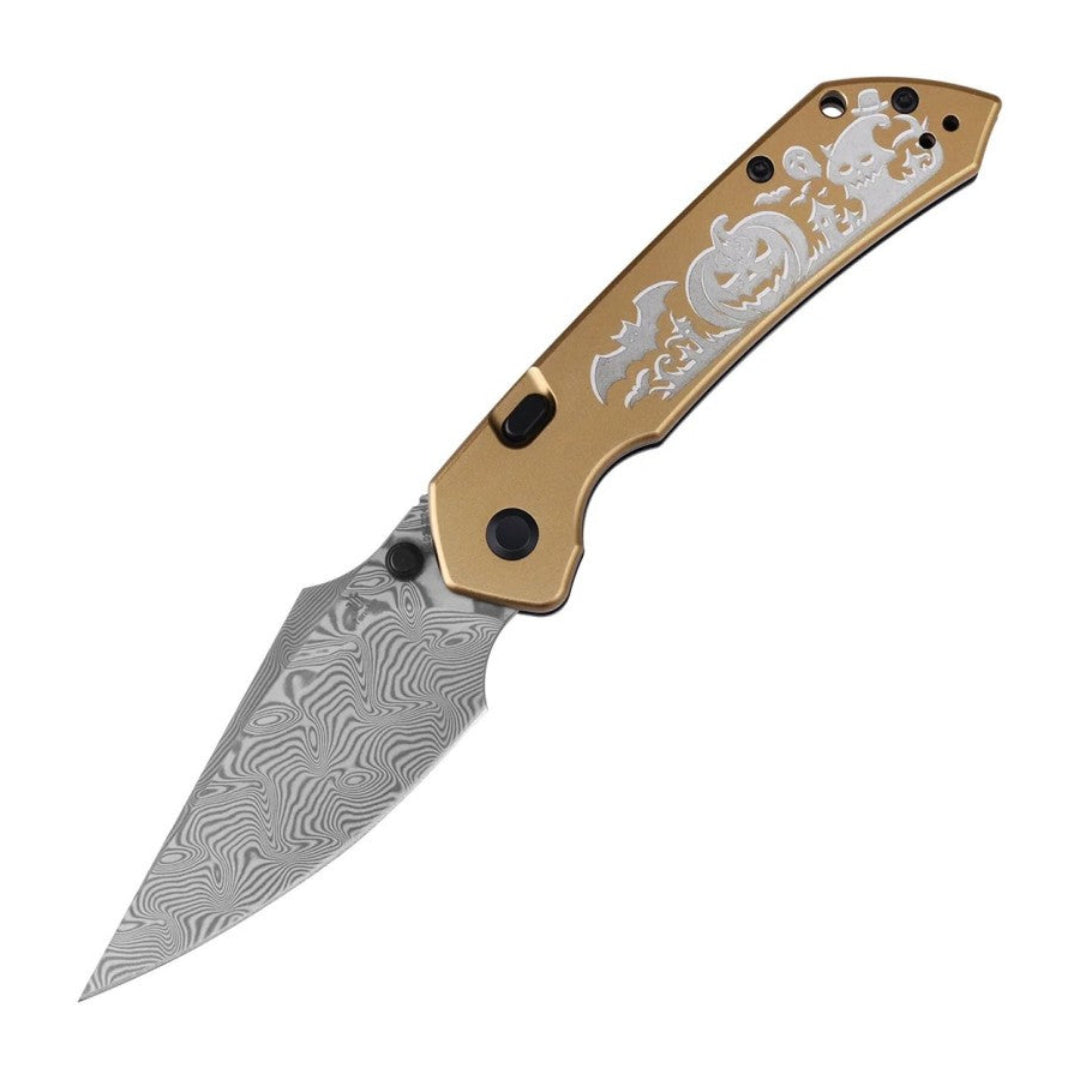
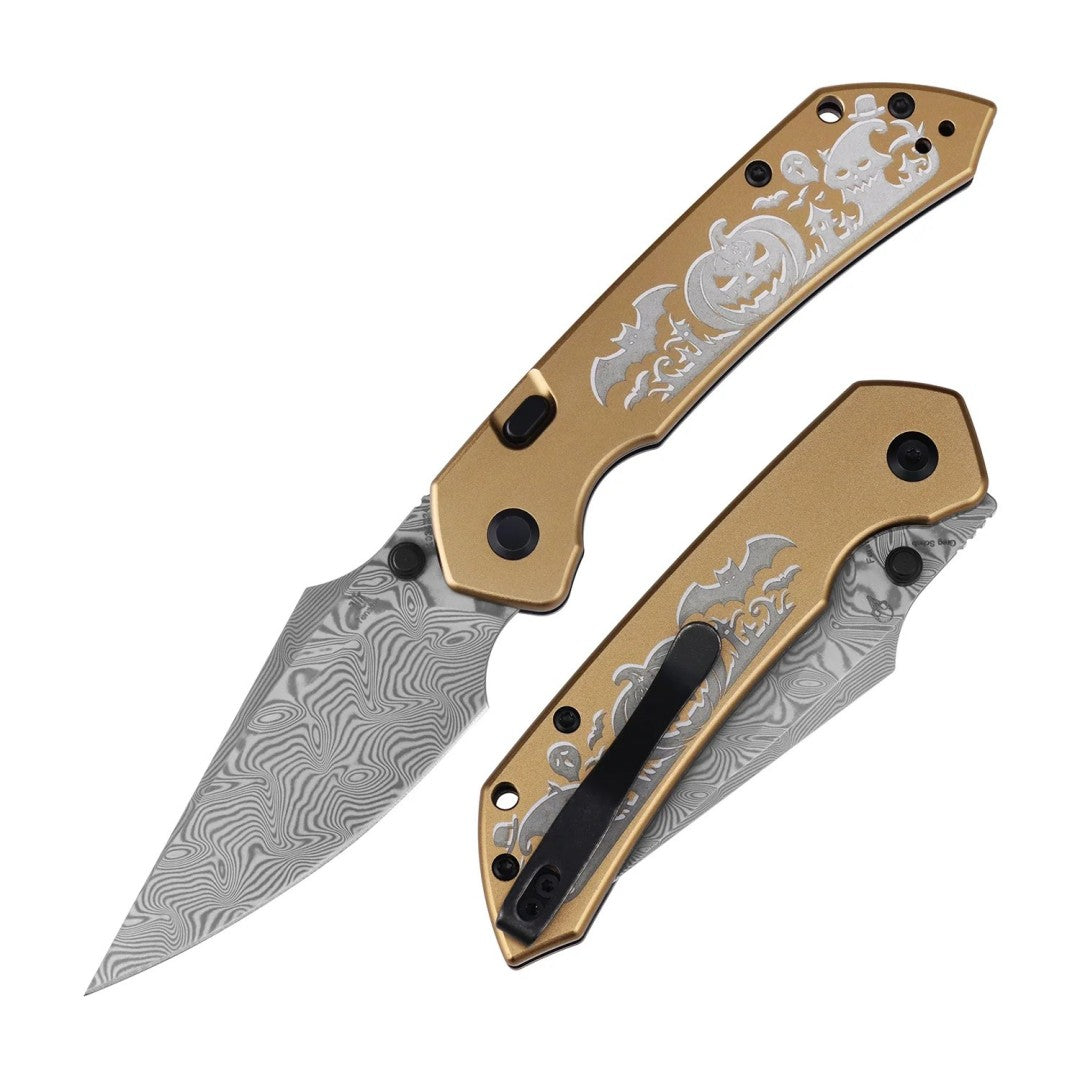
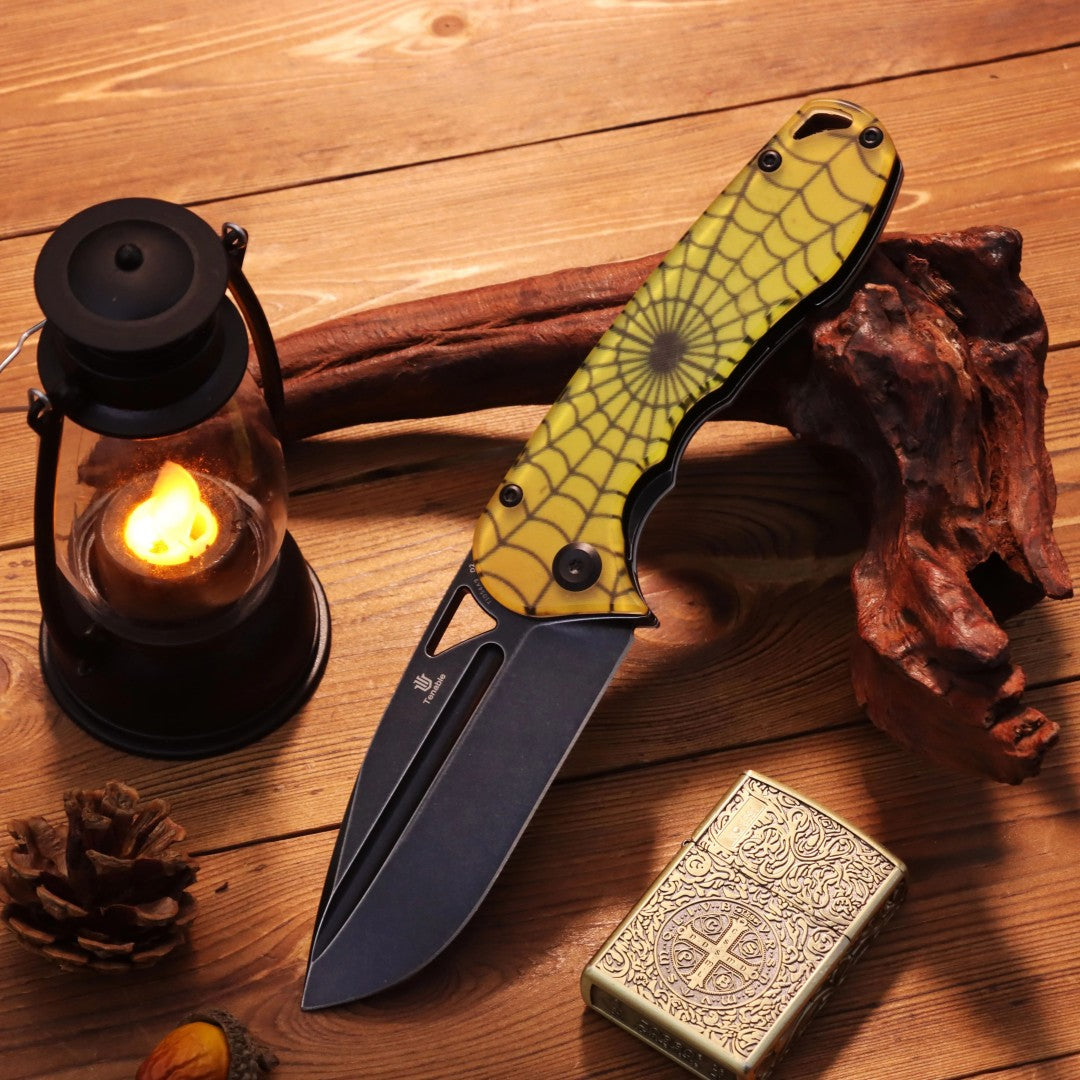
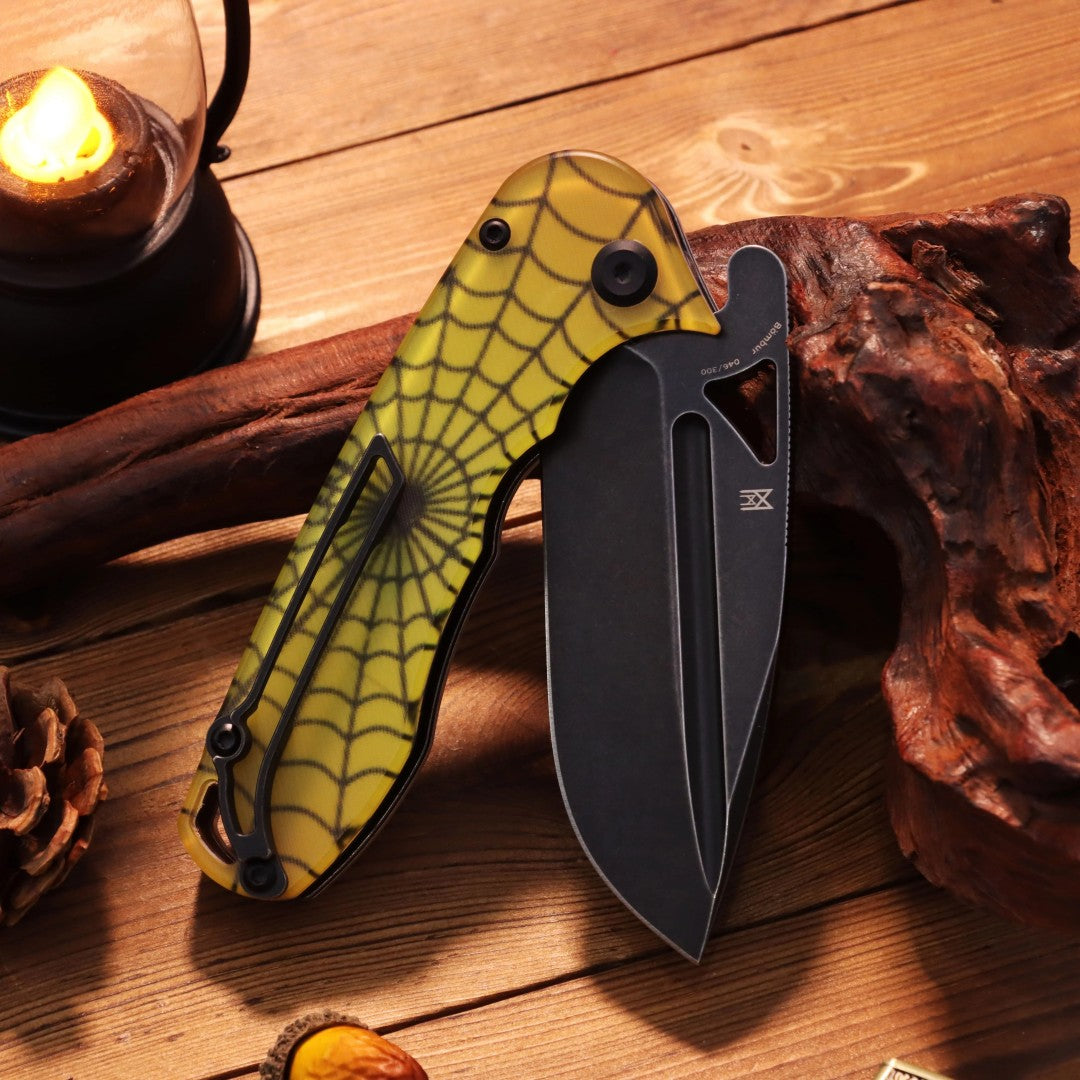
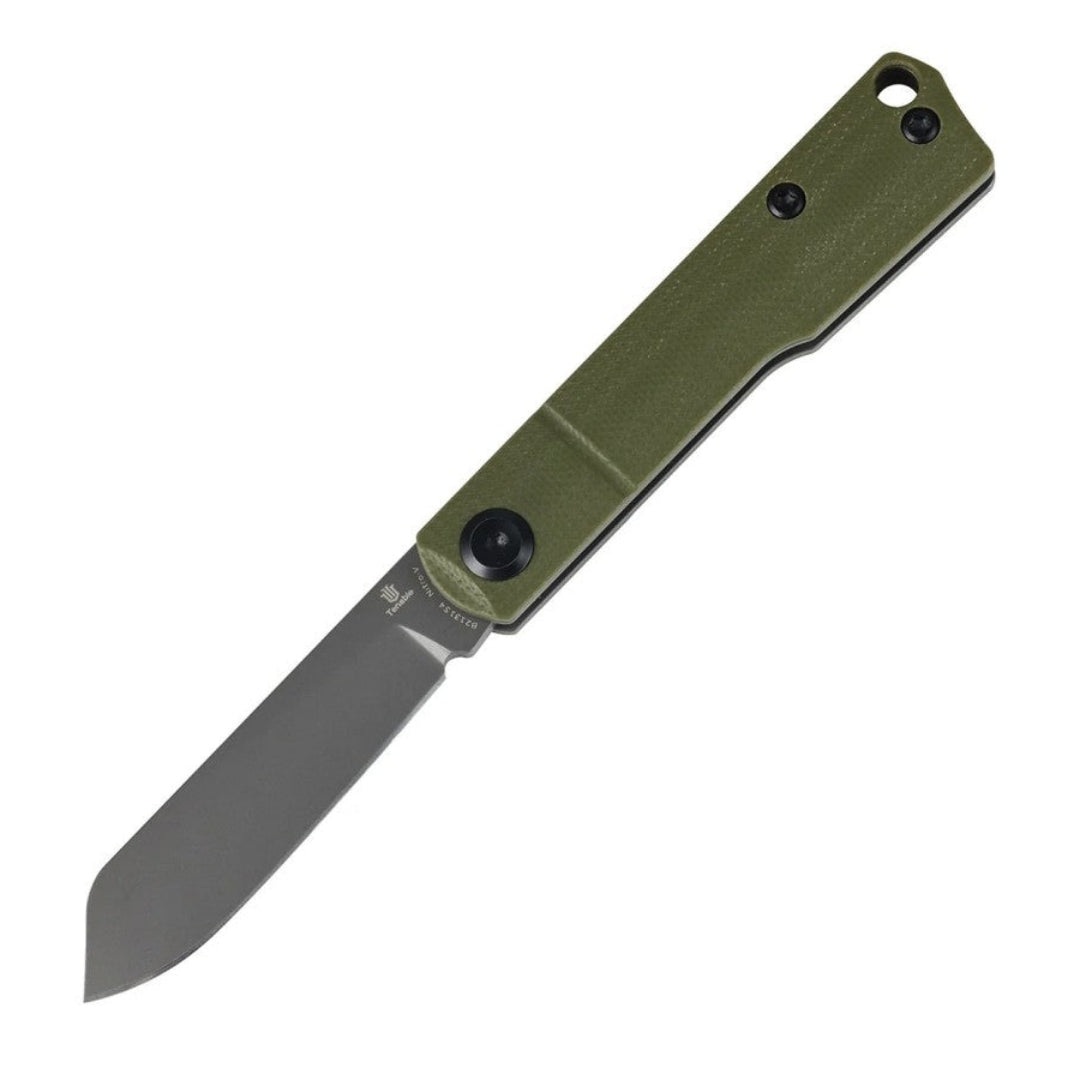
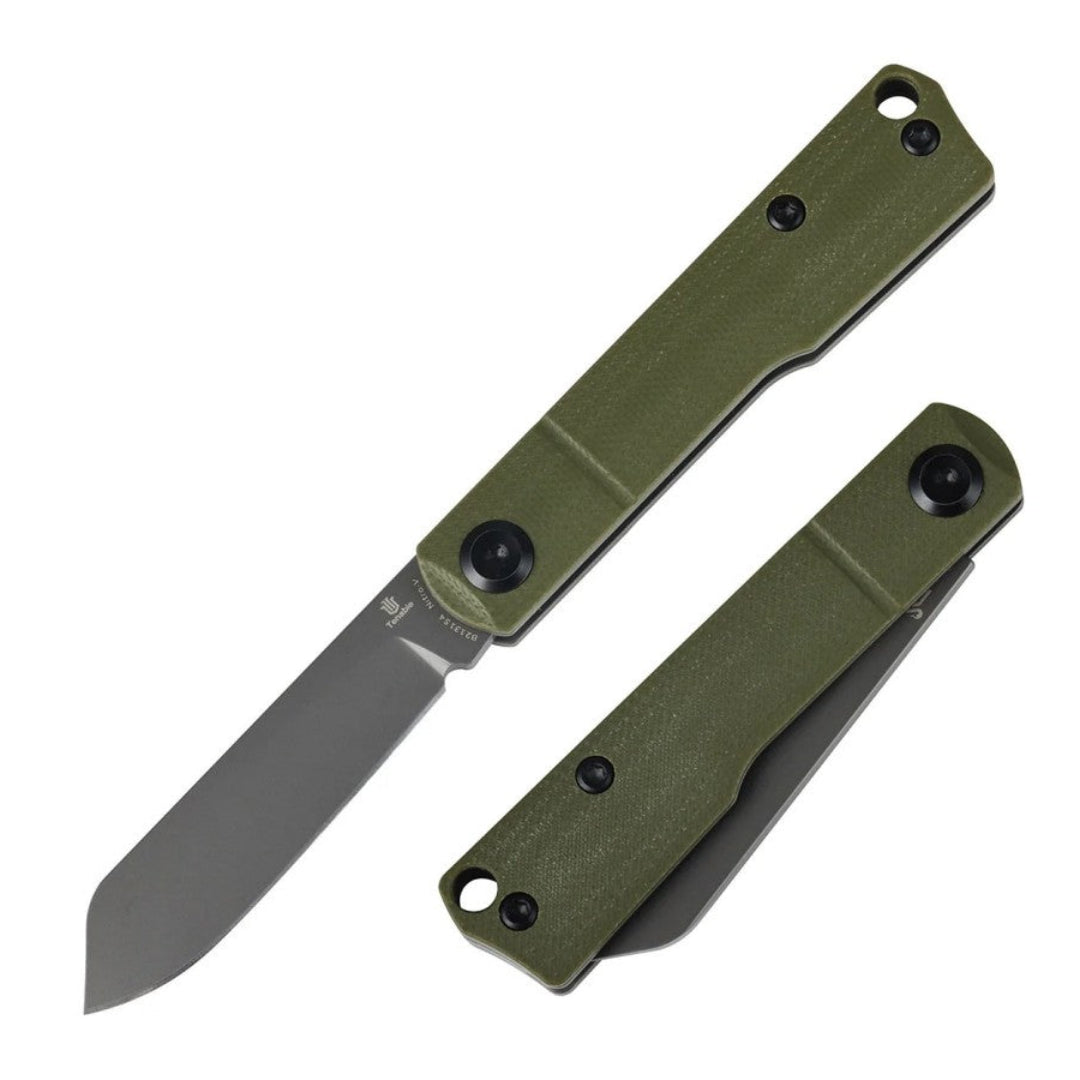
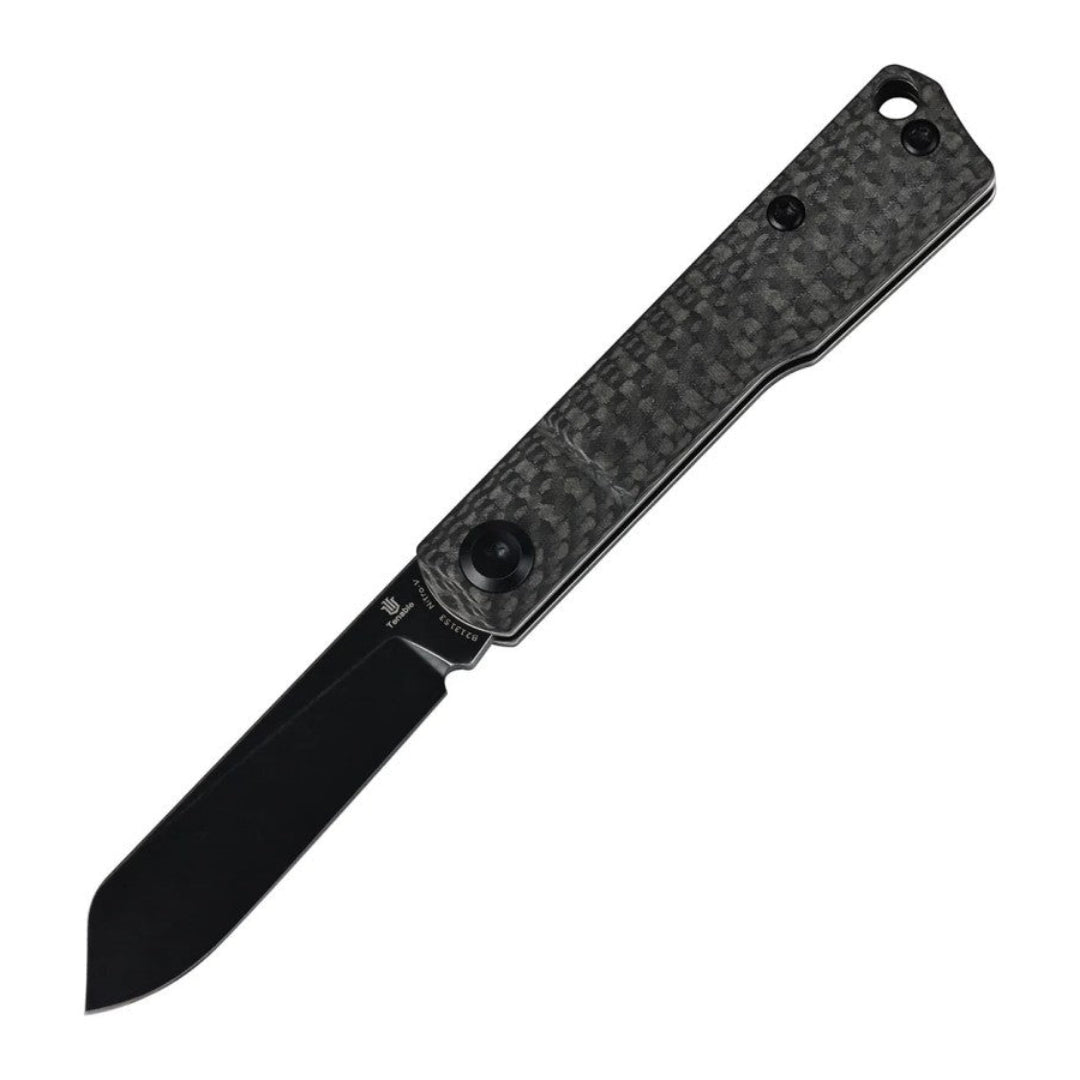
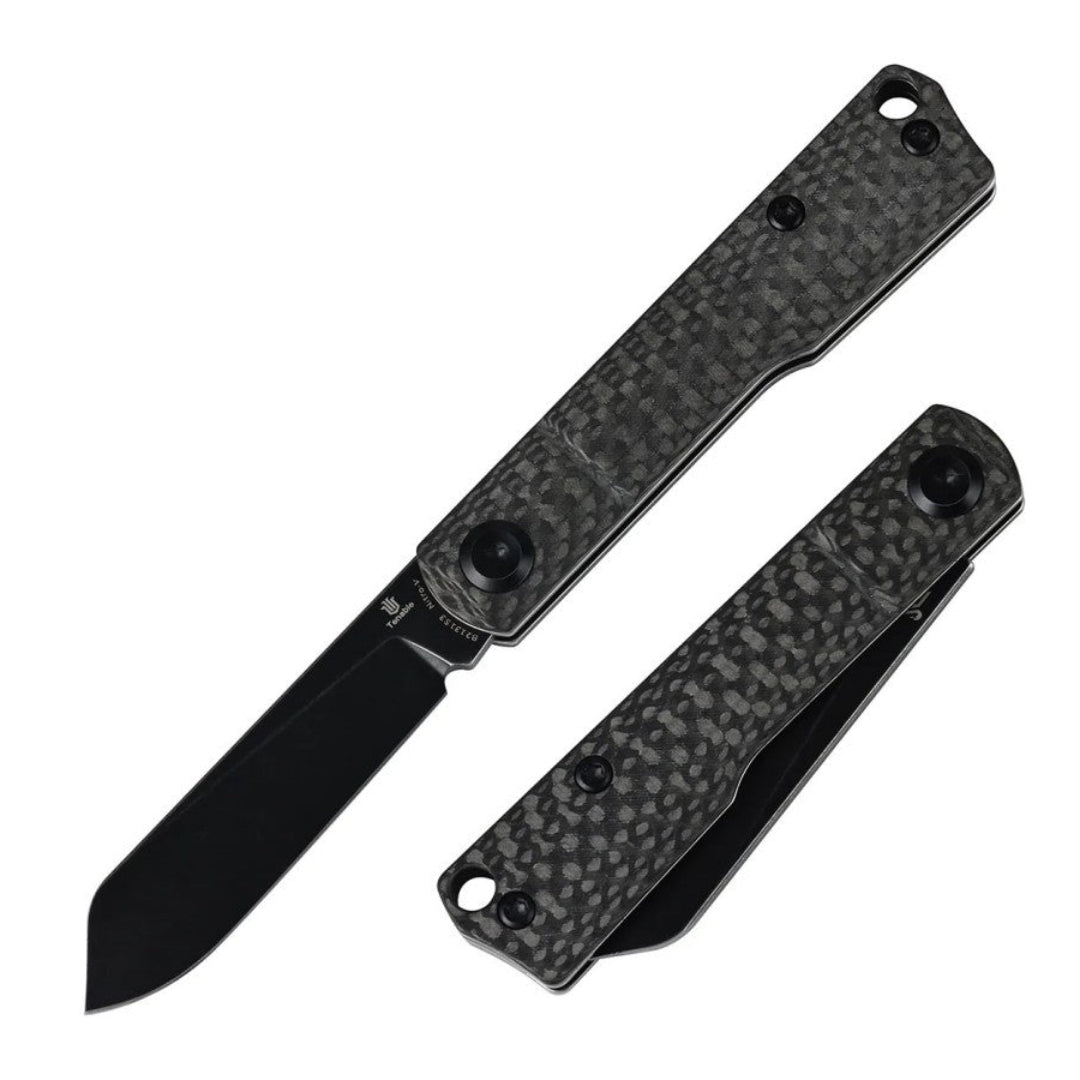
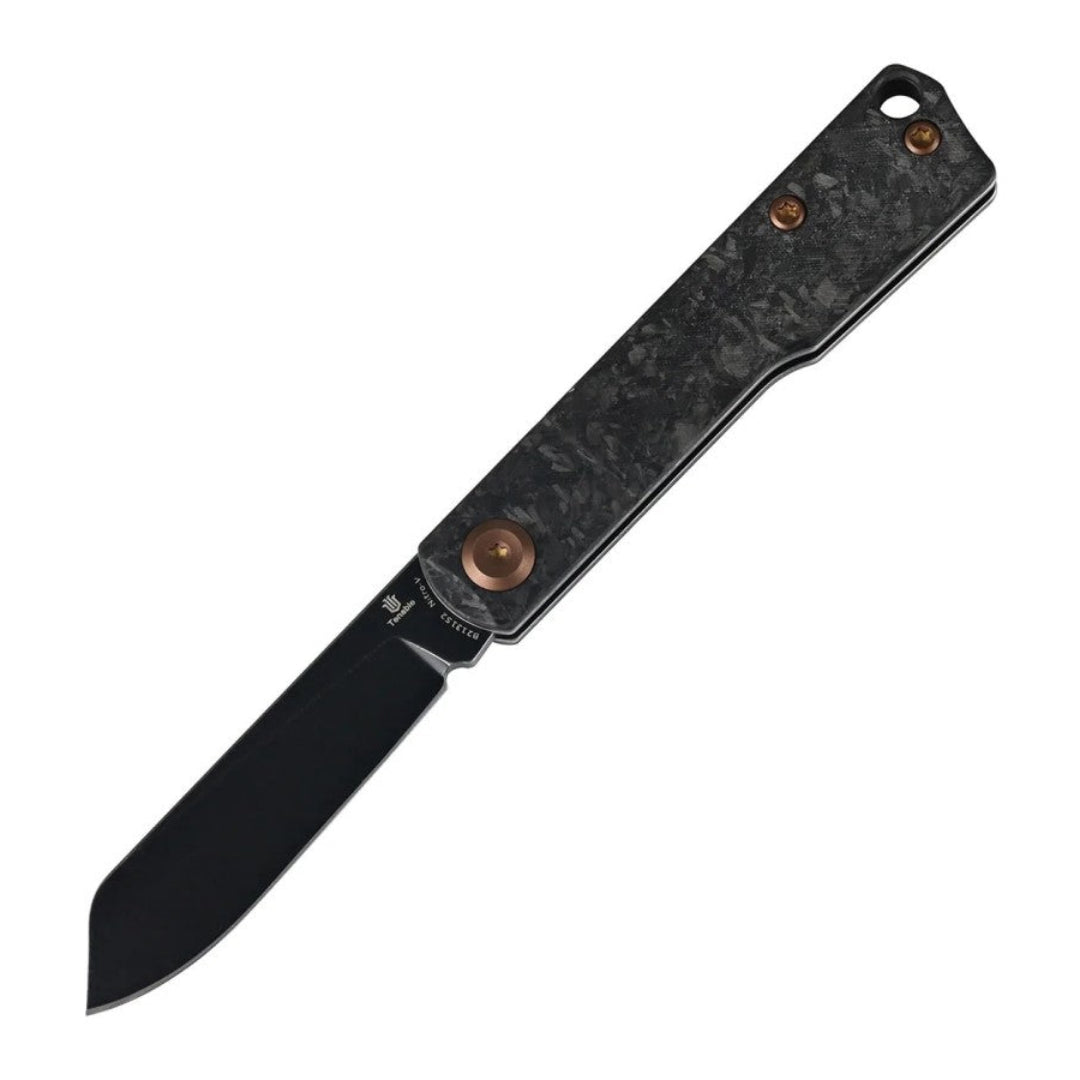
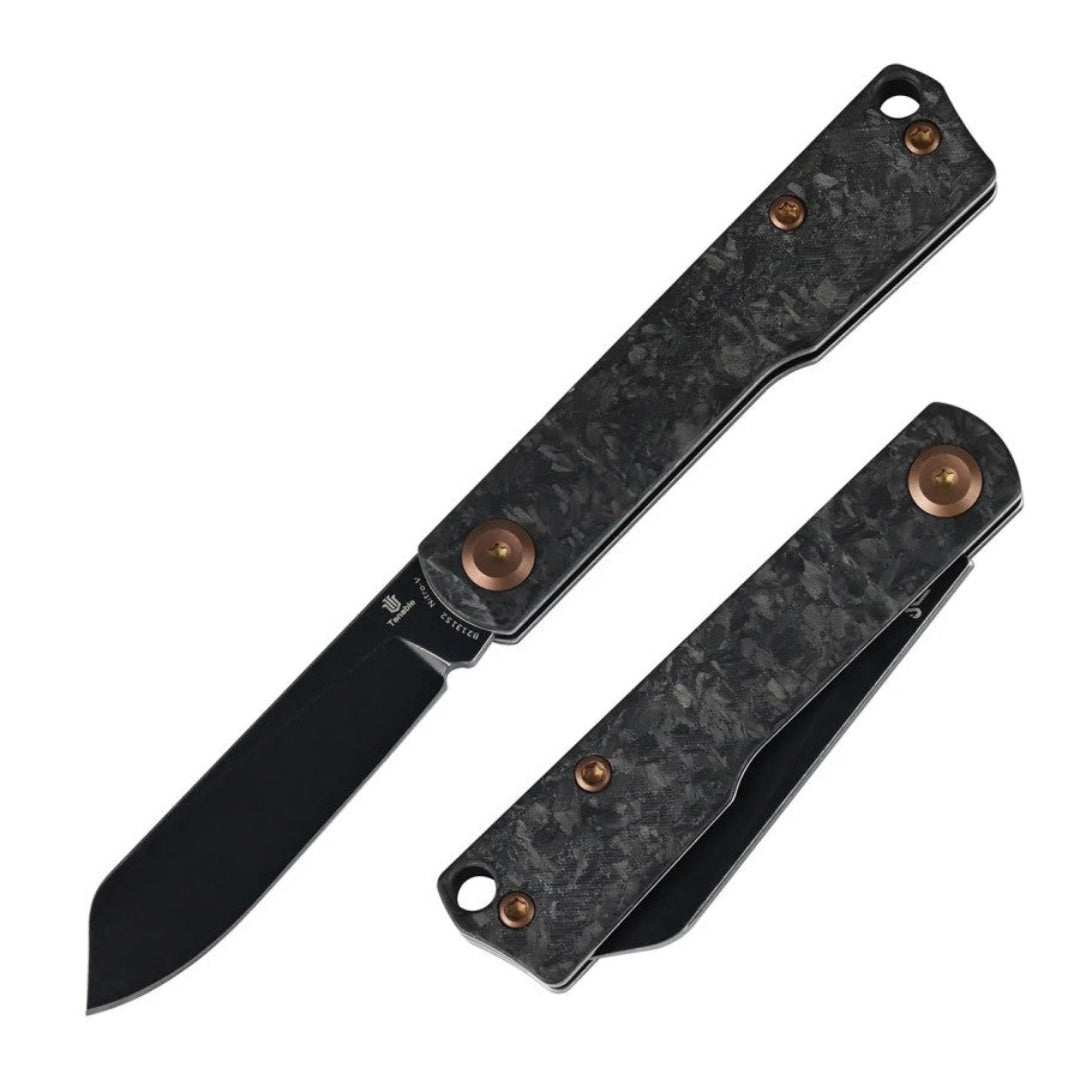
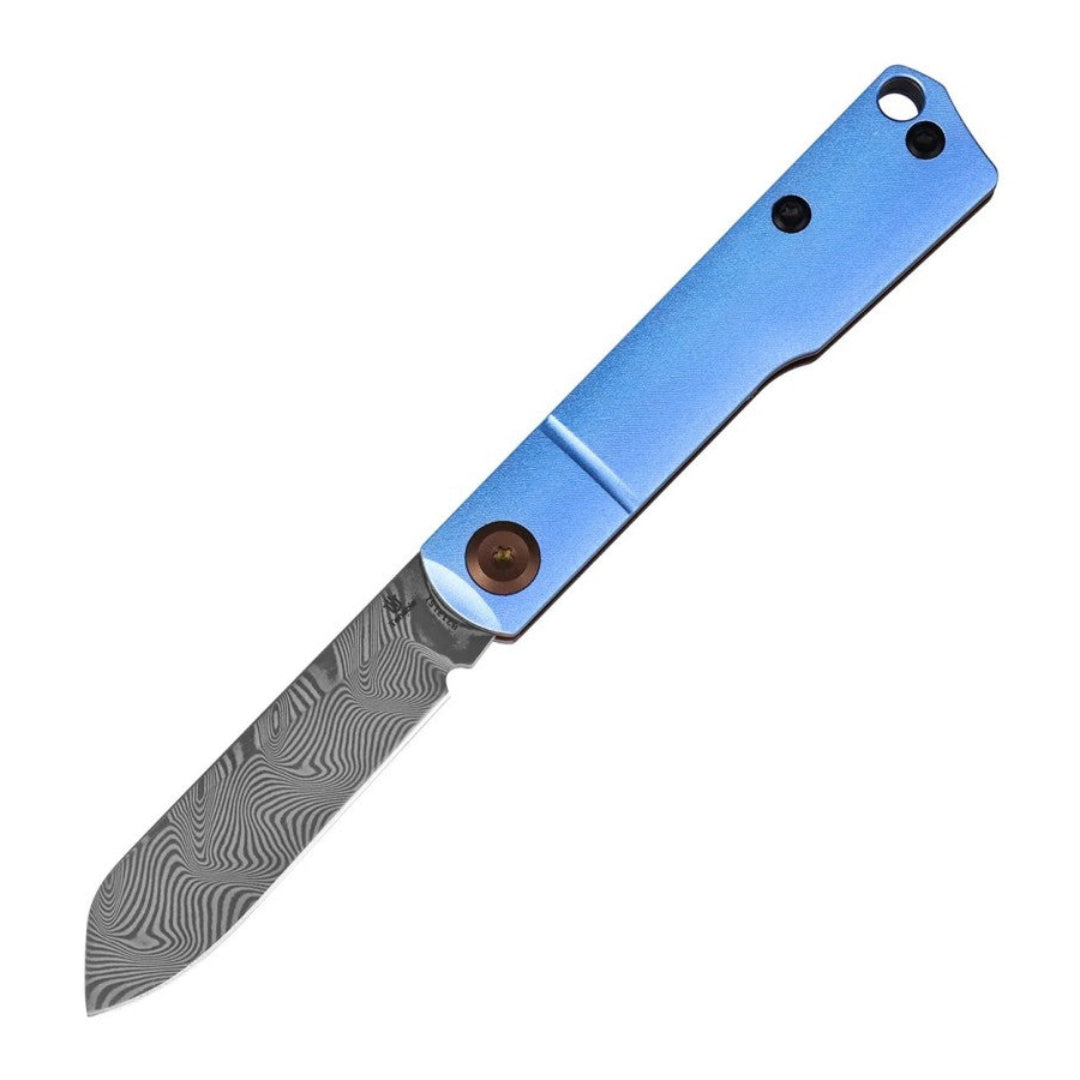
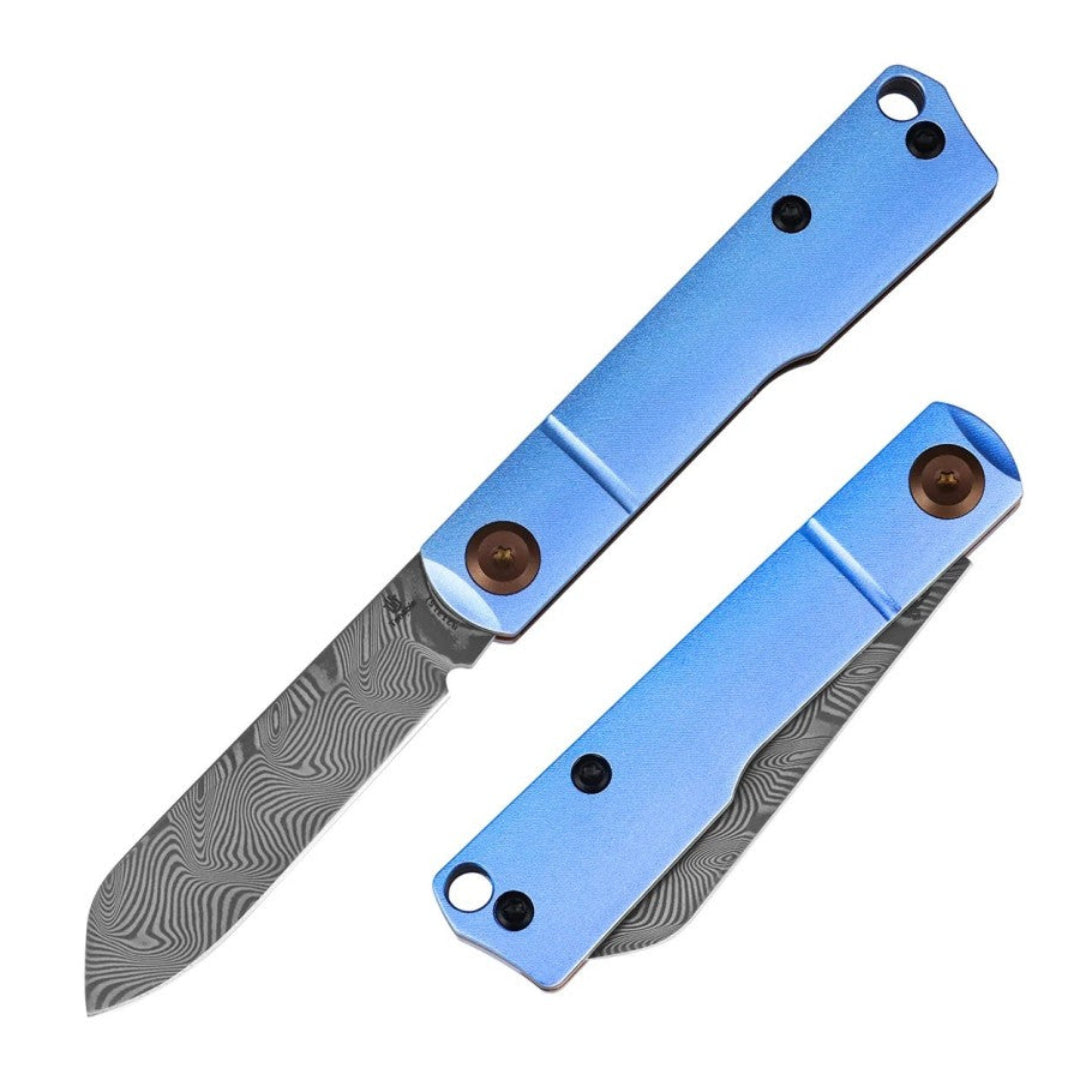
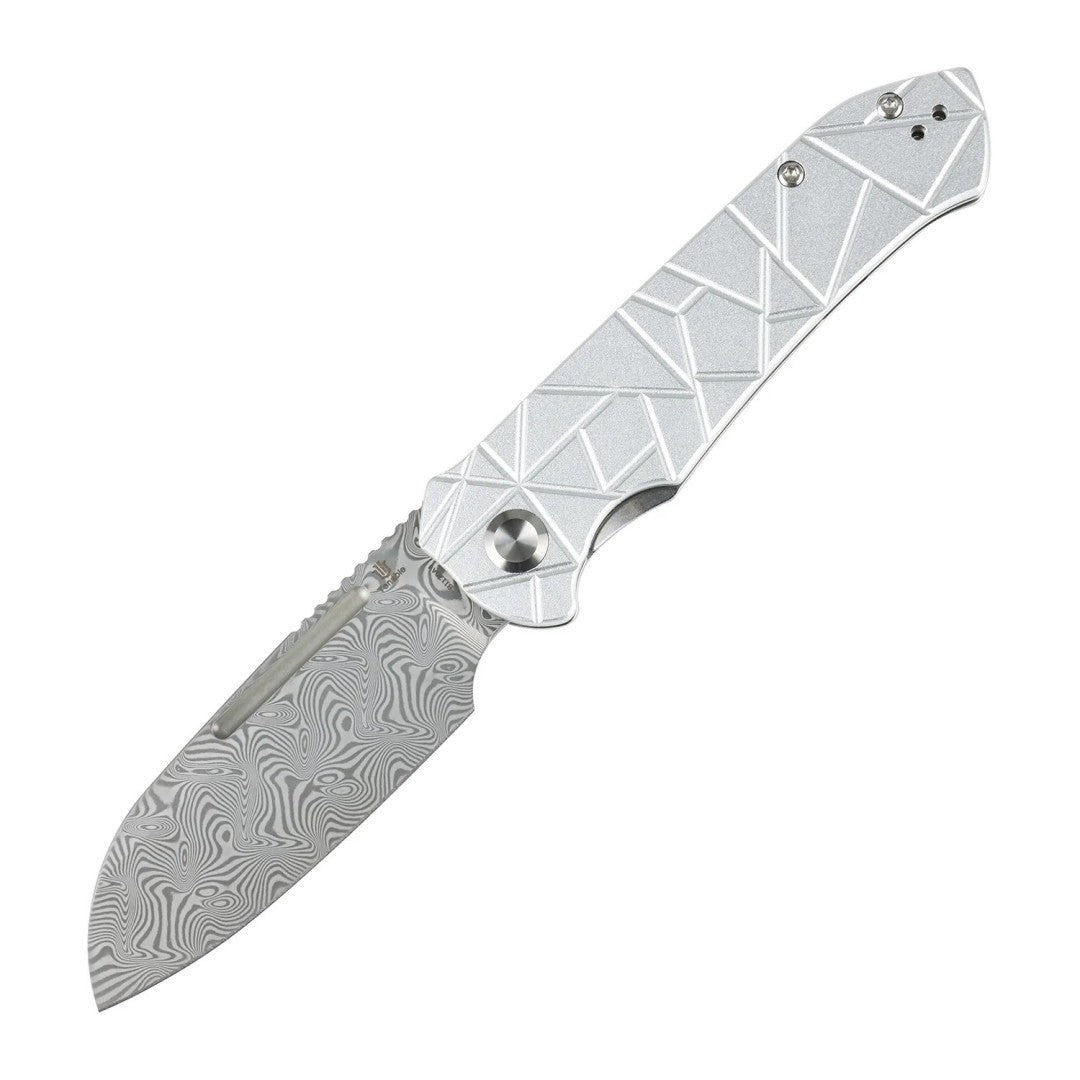
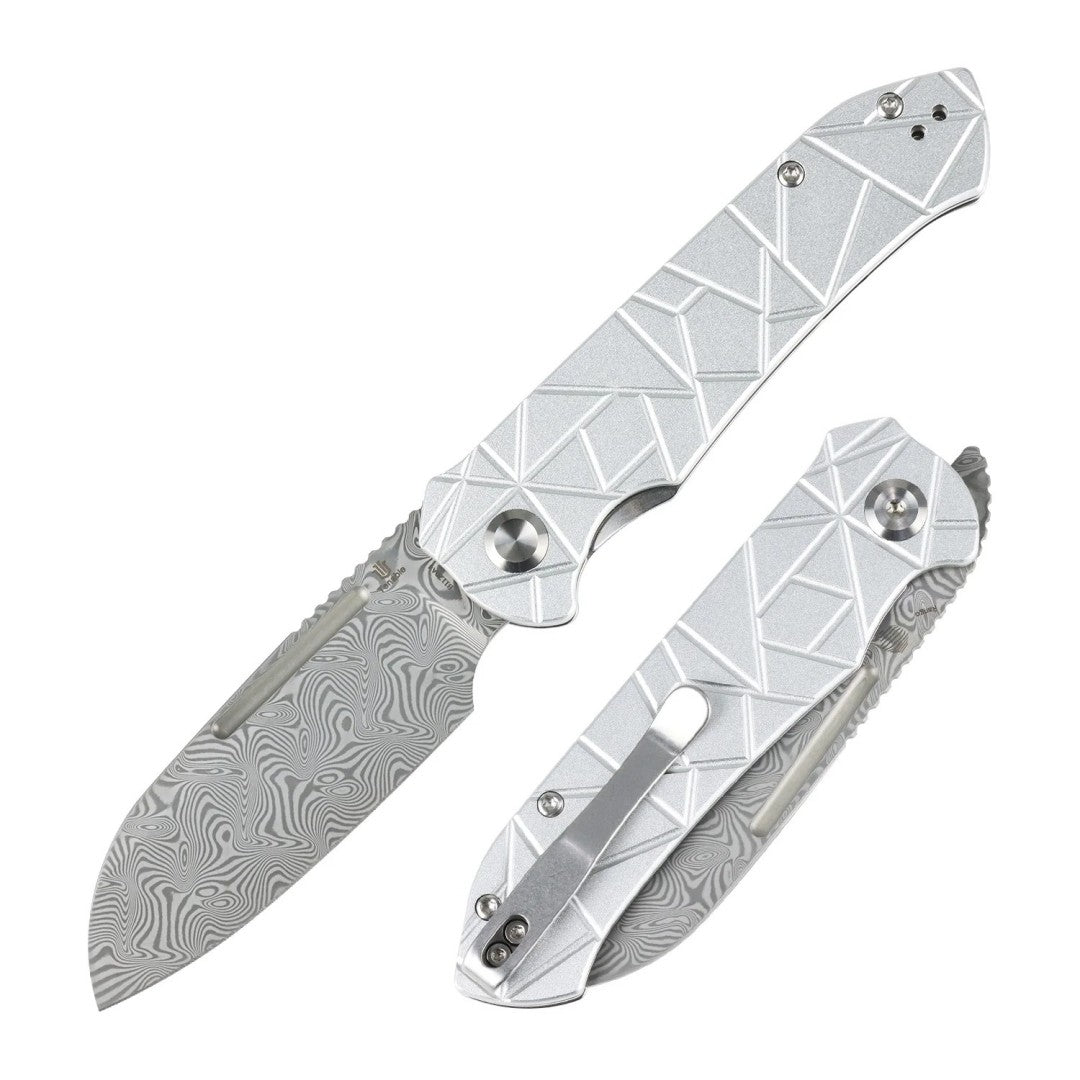
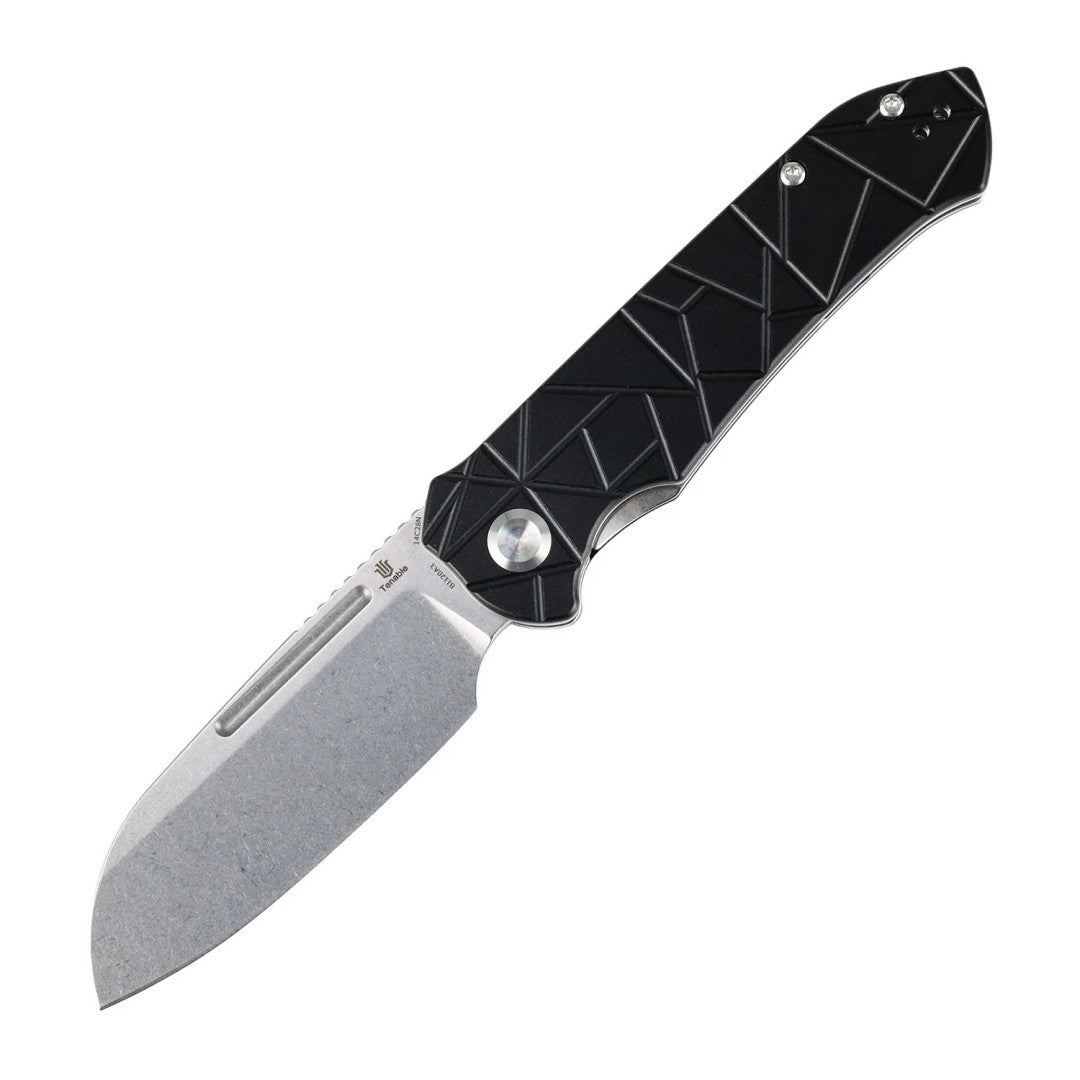
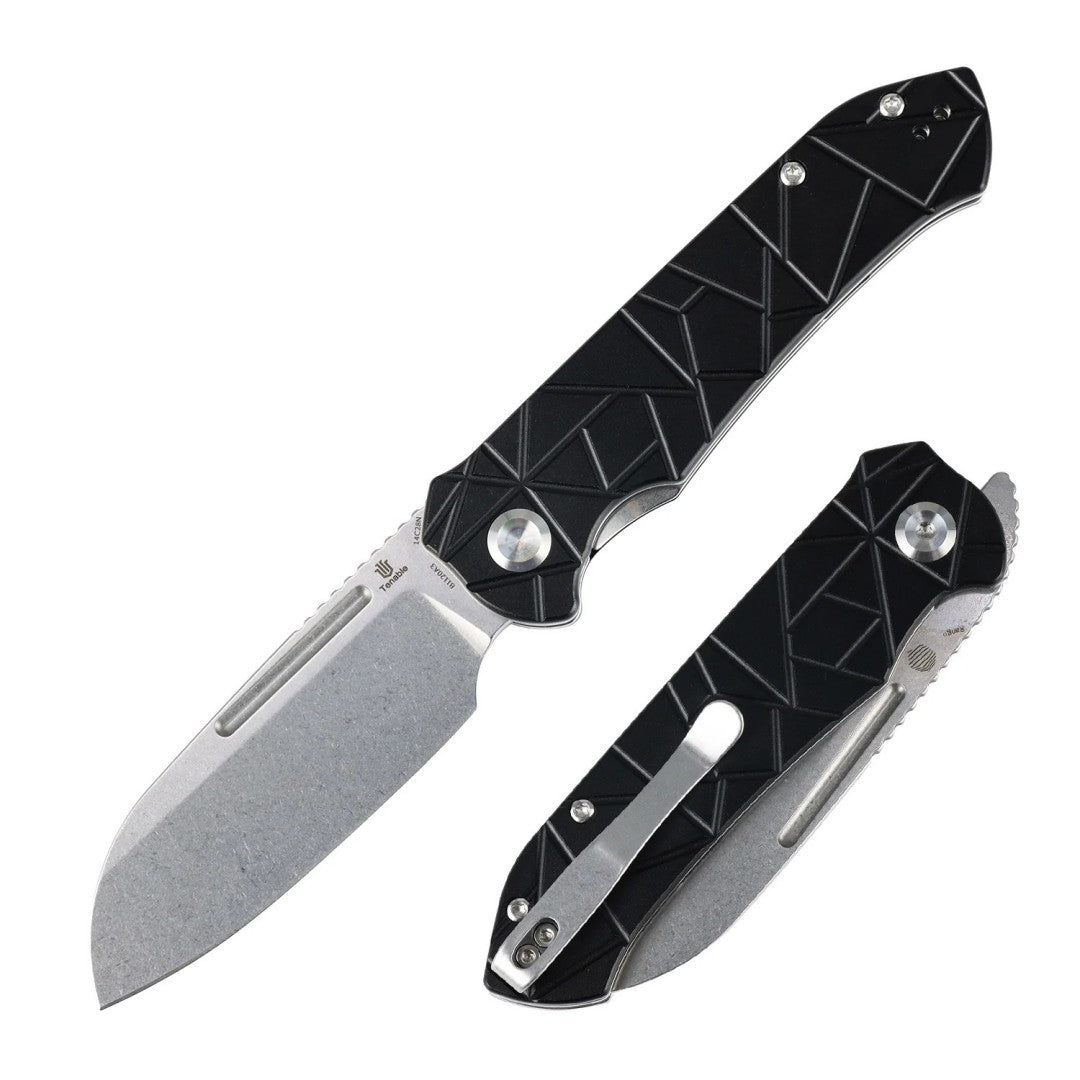
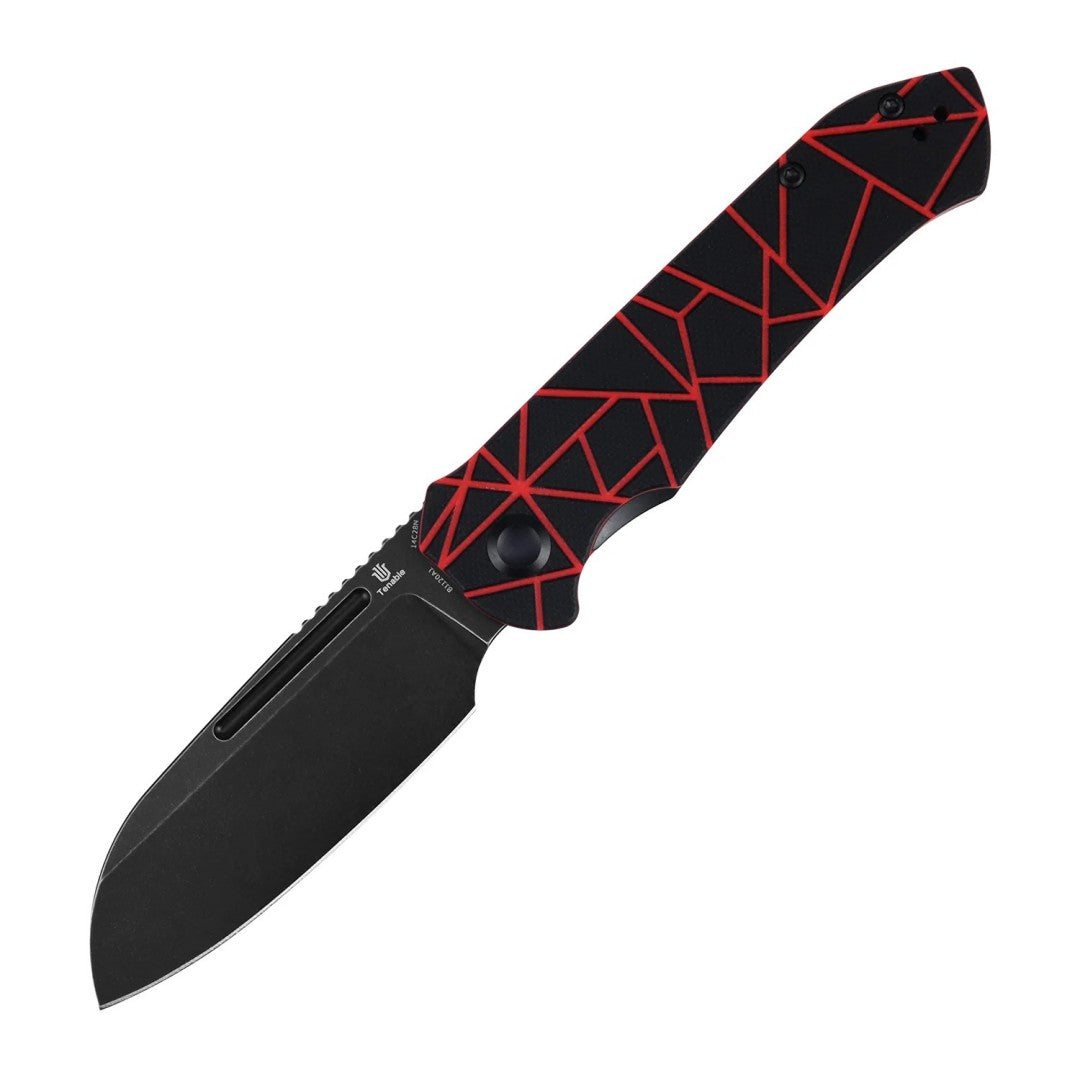
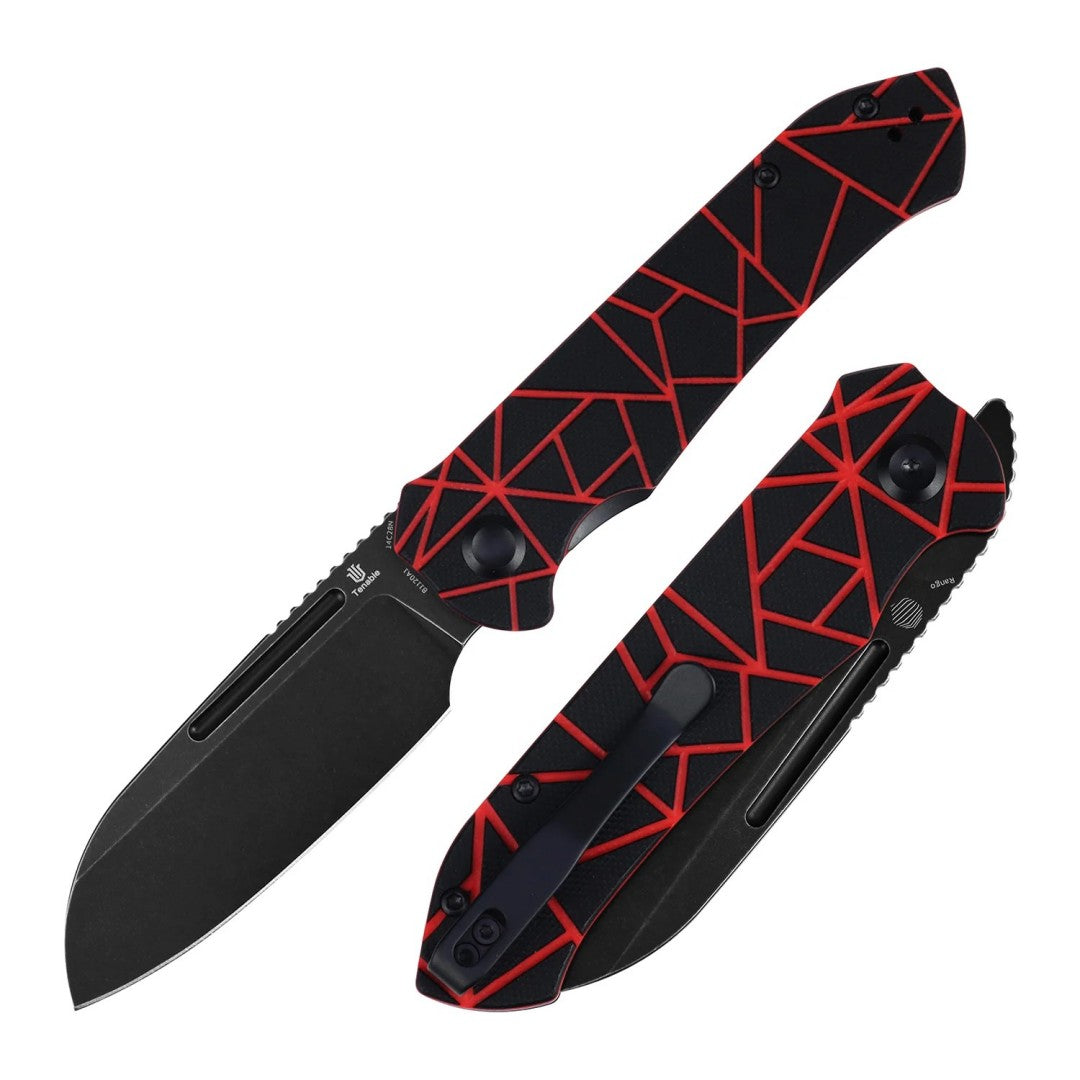
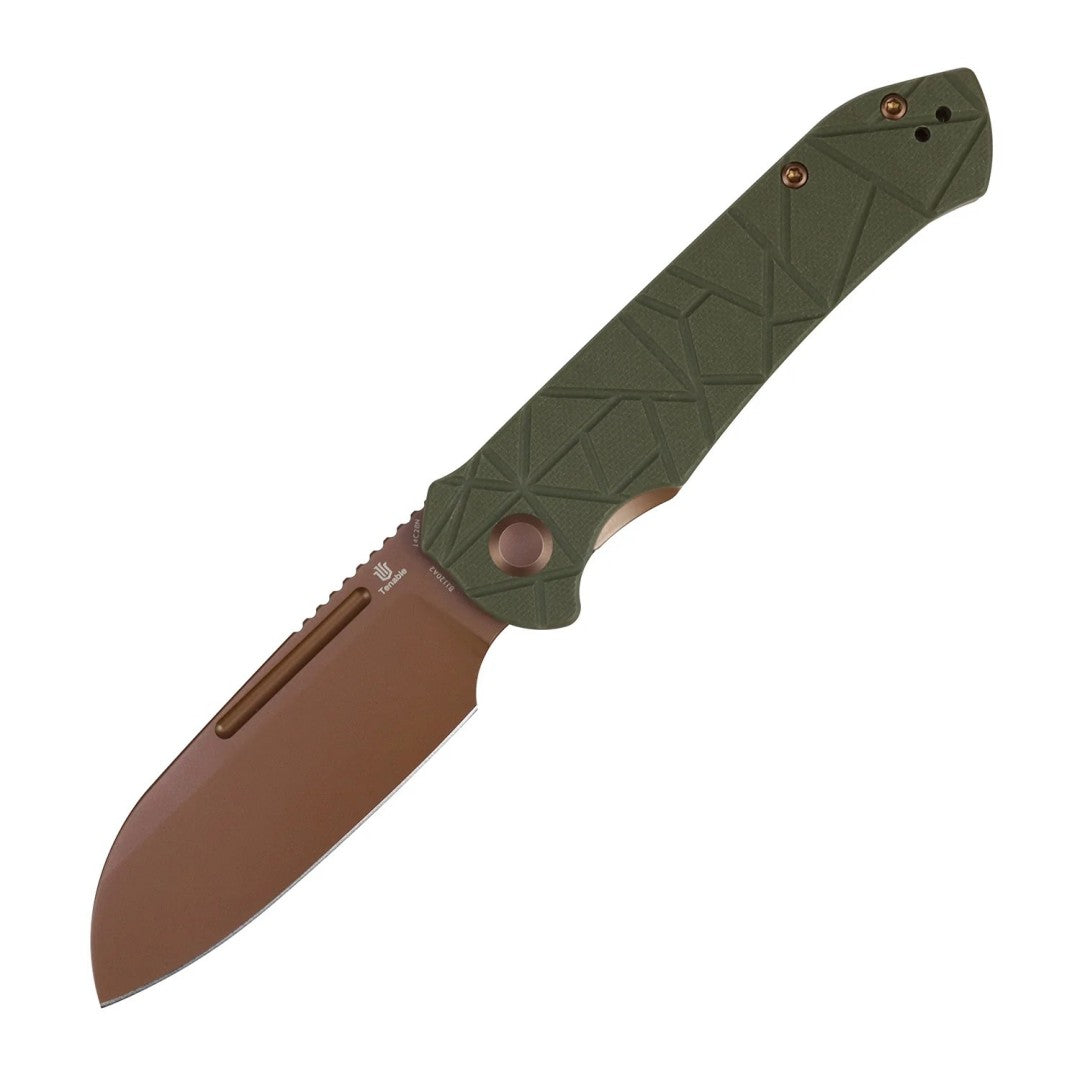
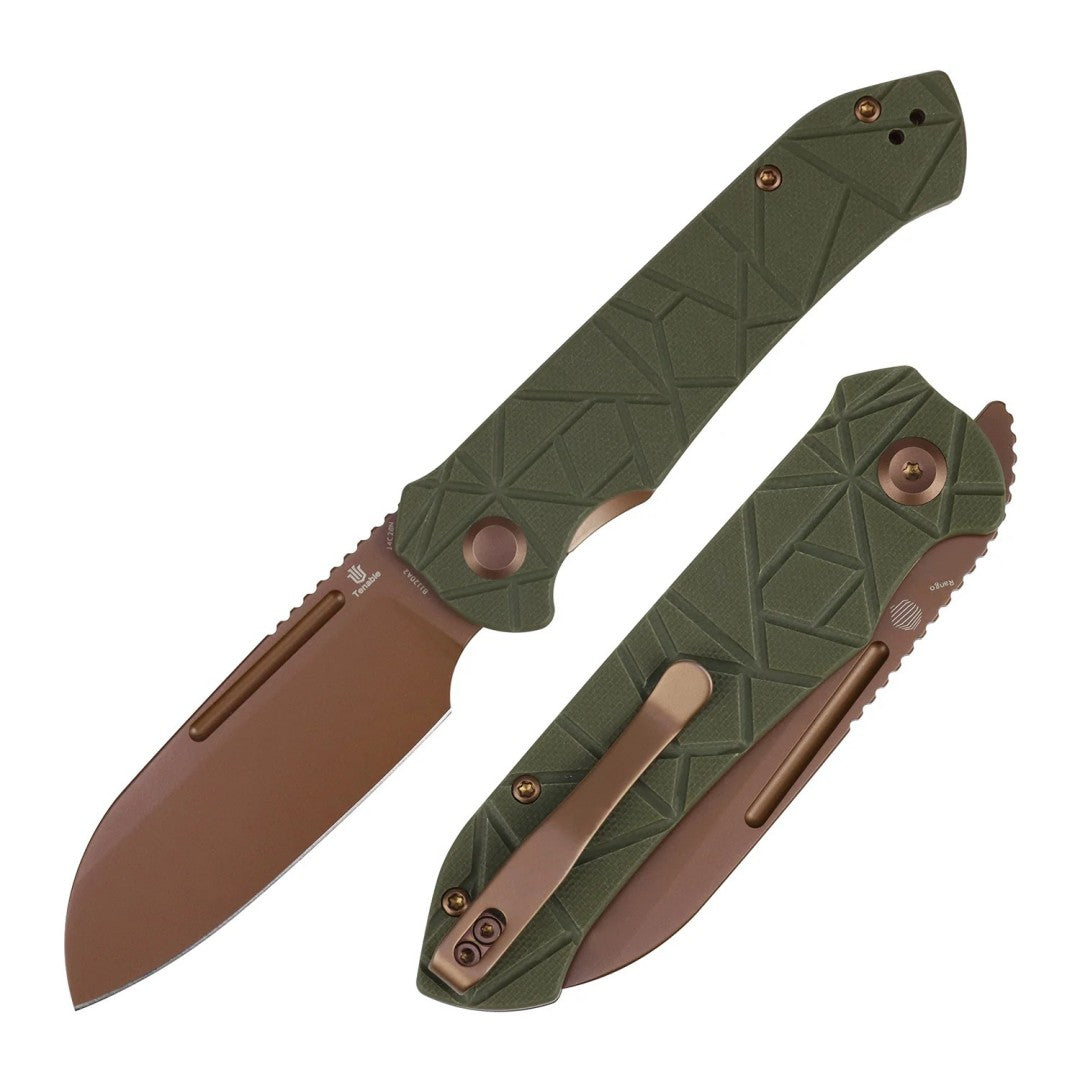
Cutting tools in OSP work are used constantly but lightly: stripping buffer tube, opening packaging, cutting lashing wire, trimming Velcro, scoring drop cable jacket. Folding knives with a fine, corrosion-resistant blade and a slim handle work far better here than a heavy tactical folder, because most of the day the tool lives in a shirt pocket or a tool pouch. A pocket clip that survives being dragged across a ladder rung is worth more than an exotic handle material.
Real-World Use
A typical vault job goes: light on, lid off, find the splice tray, strip a finger-width of jacket, clean, cleave, splice, test, reseal. The knife does five small jobs; the light does all of them. An EDC flashlight selection for OSP work should favour a tight beam for reading tiny fiber markings, a low mode that does not blind you in a dark enclosure and a body that will not roll away into a drain. EDC knives in this trade should be light enough to forget and sharp enough to make one clean pass.

Ownership Notes
Vaults are damp, dusty and occasionally full of insects, so clean both tools weekly. Blow out the light lens with compressed air rather than wiping it on your trousers and check that the port cover still seals. On the knife, a drop of oil on the pivot after every rainy week and a wipe-down of the blade with a dry cloth is enough. Keep a spare 18650-class cell and a small ceramic rod in the truck, and never trust a light you have not cycled since the last charge. Technicians who move from residential work to outside plant almost always upgrade their cutting tool at the same time, because general purpose folding knives do not enjoy being wet and gritty every day. A slim folder with a corrosion resistant blade survives a season of vault work where a heavier tactical pattern would already be stiff on the pivot. EdcMall stocks compact folders and lights that suit this kind of daily professional carry.
Who Is This For?
This kit suits fiber splicers, copper technicians, tower and small cell installers, network cable contractors and any field engineer who works in enclosures. It also fits electricians, alarm installers and low-voltage contractors doing the same kind of work. Office network administrators will find it all unnecessary.
Final Verdict
The winning OSP carry is a light you can operate without thinking and a knife you can reach without looking. Compact form, waterproof construction, one-hand switching and a fine blade cover the entire job. Everything else can stay in the truck.