Overview & First Impressions
A grid-down scenario is not a wilderness problem, it is an infrastructure problem, and it plays out in a city. The taps stop, the pumps stop, the lifts stop, the card readers stop and the streetlights go out. Your kit does not need to feed you for a month; it needs to make the first three days survivable without turning you into a casualty of other people's panic. That is a much narrower, much more achievable brief.
Materials & Construction
Balance matters more than capacity. A flat, slim light like the Klarus X1 K-V3 disappears into a trouser pocket and puts out thousands of lumens from a body that is barely wider than a pen. Klarus flashlights are designed around that flat-form idea, which makes them unusually easy to carry every single day rather than only in an emergency. A light you carry daily is a light you have with you when the lights go out, and that is the only property that matters at the moment it happens.

Design & Details
Build the kit in layers. On your person: light, folding knife, whistle, cash and a photocopy of key documents. In a bag: water, water treatment, a few days of shelf-stable food, a power bank, a radio and a first-aid kit. In the car: more water, a blanket and a spare charger. The mistake most people make is building only the bag and carrying nothing, which fails the entire first hour when you are away from home and the network drops.
Real-World Use
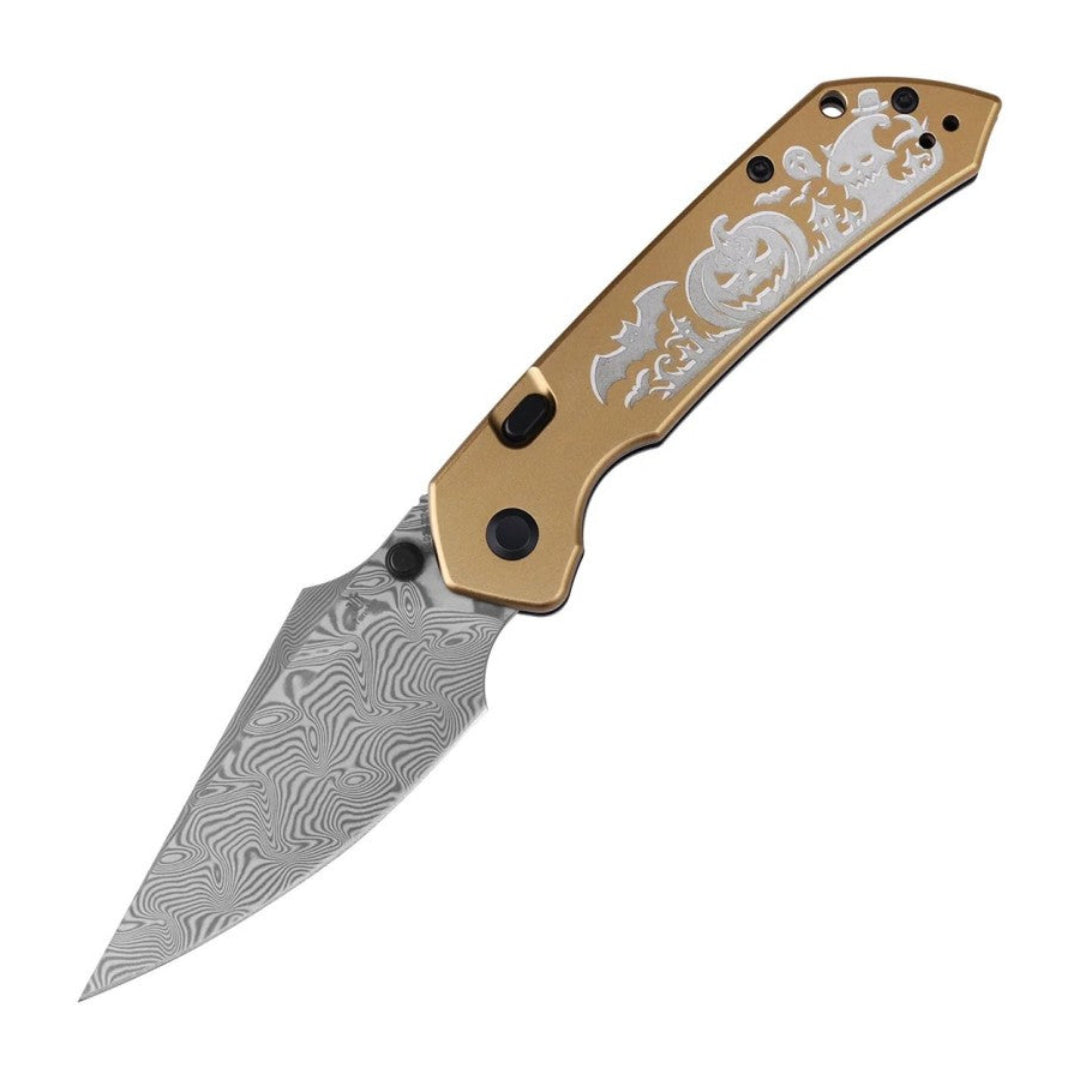
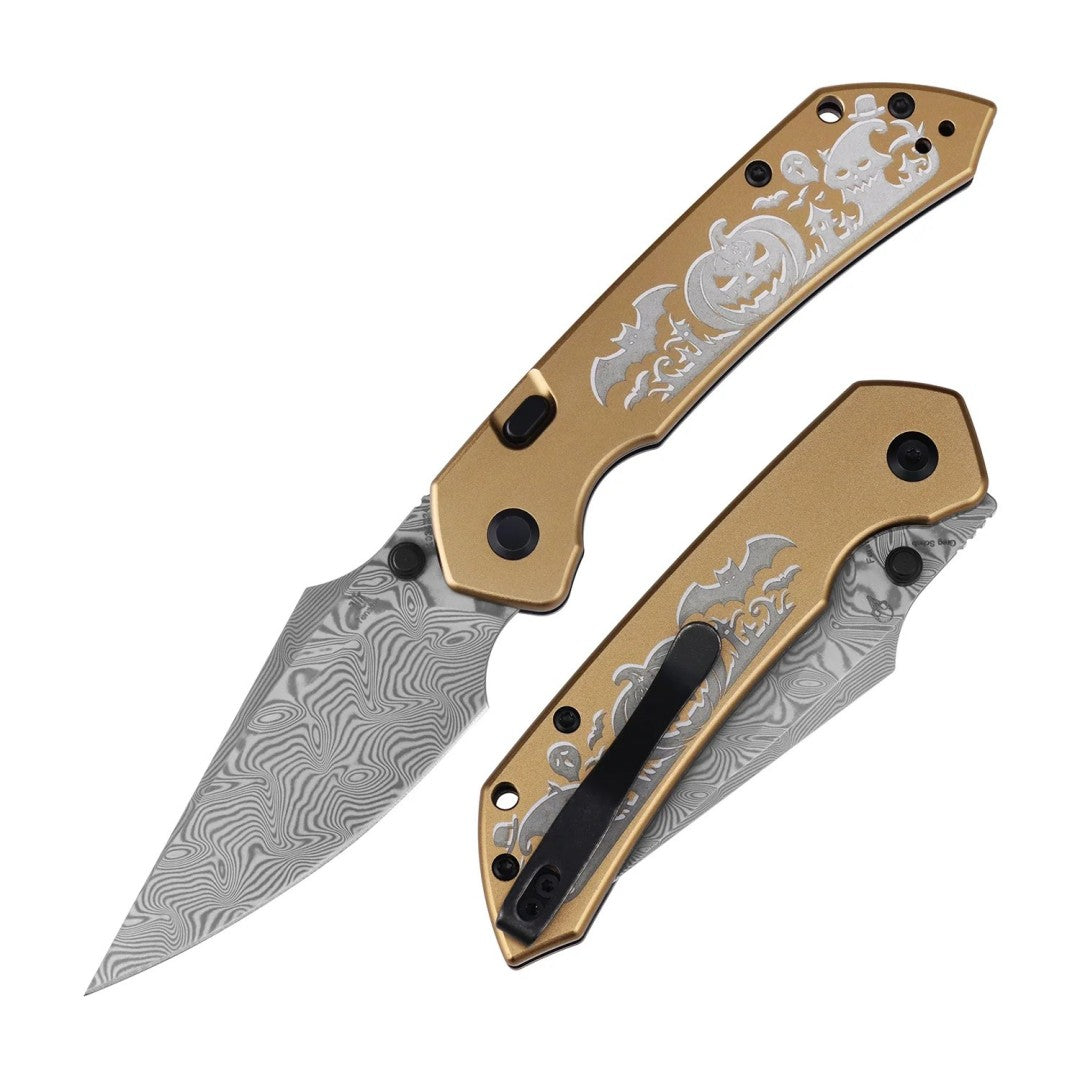
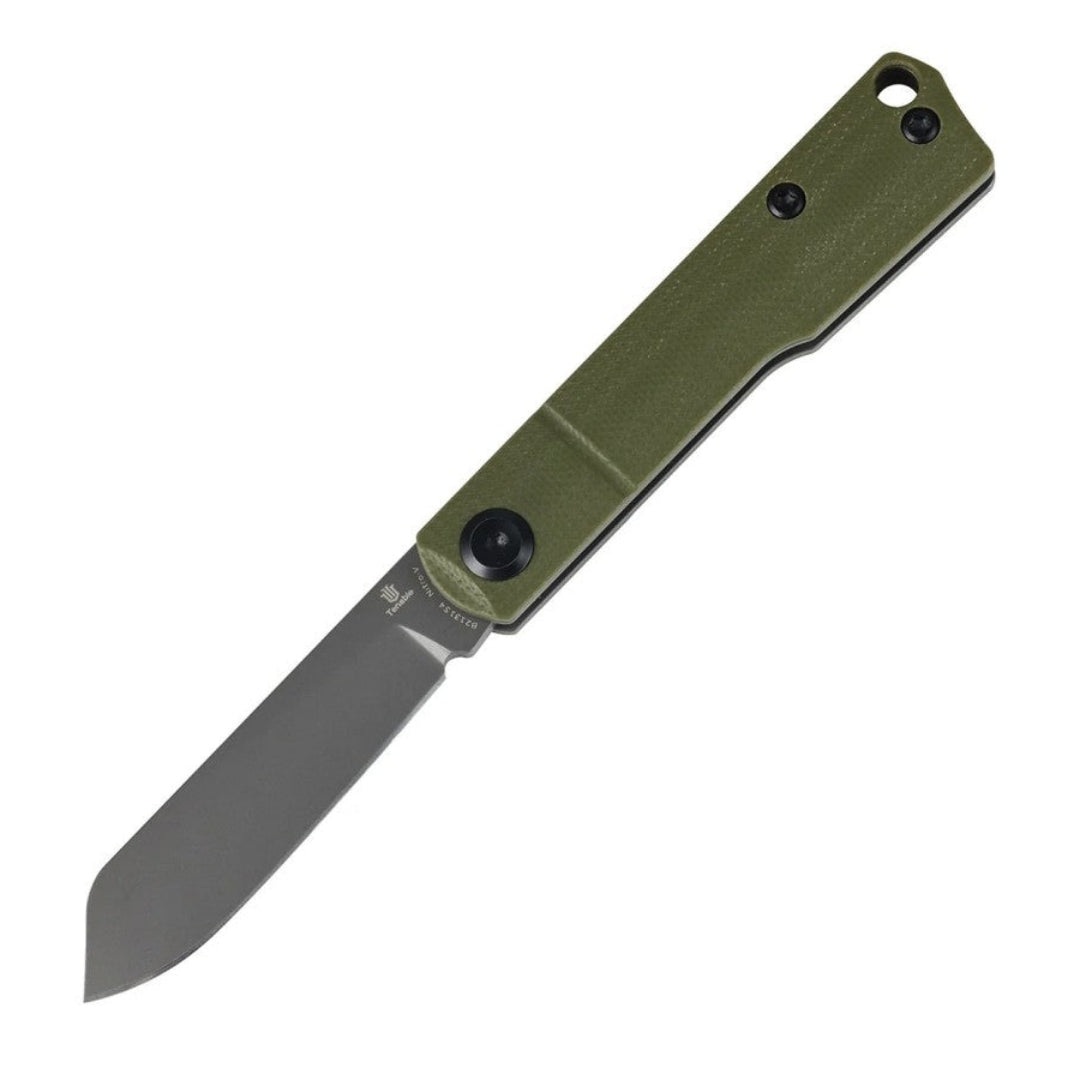
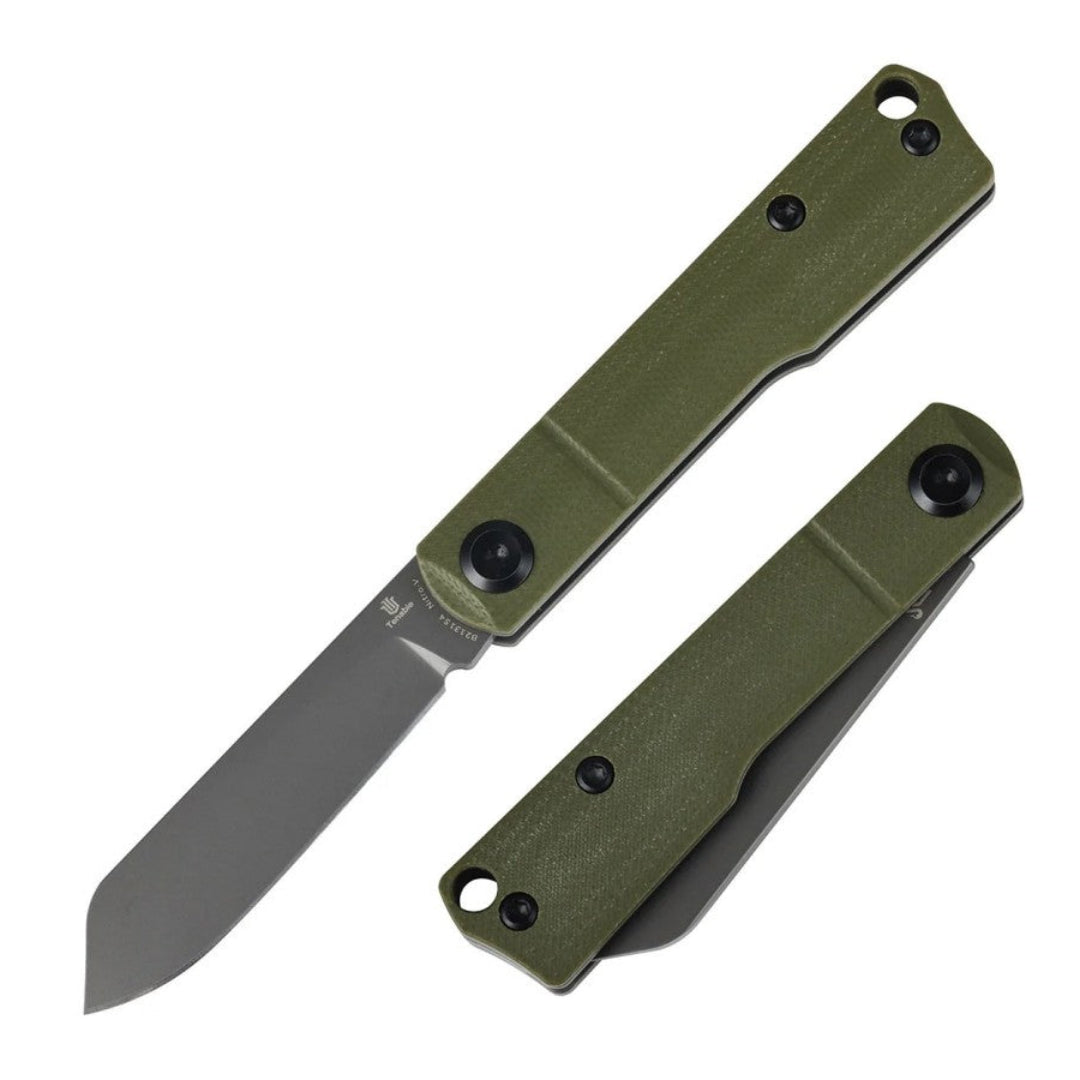
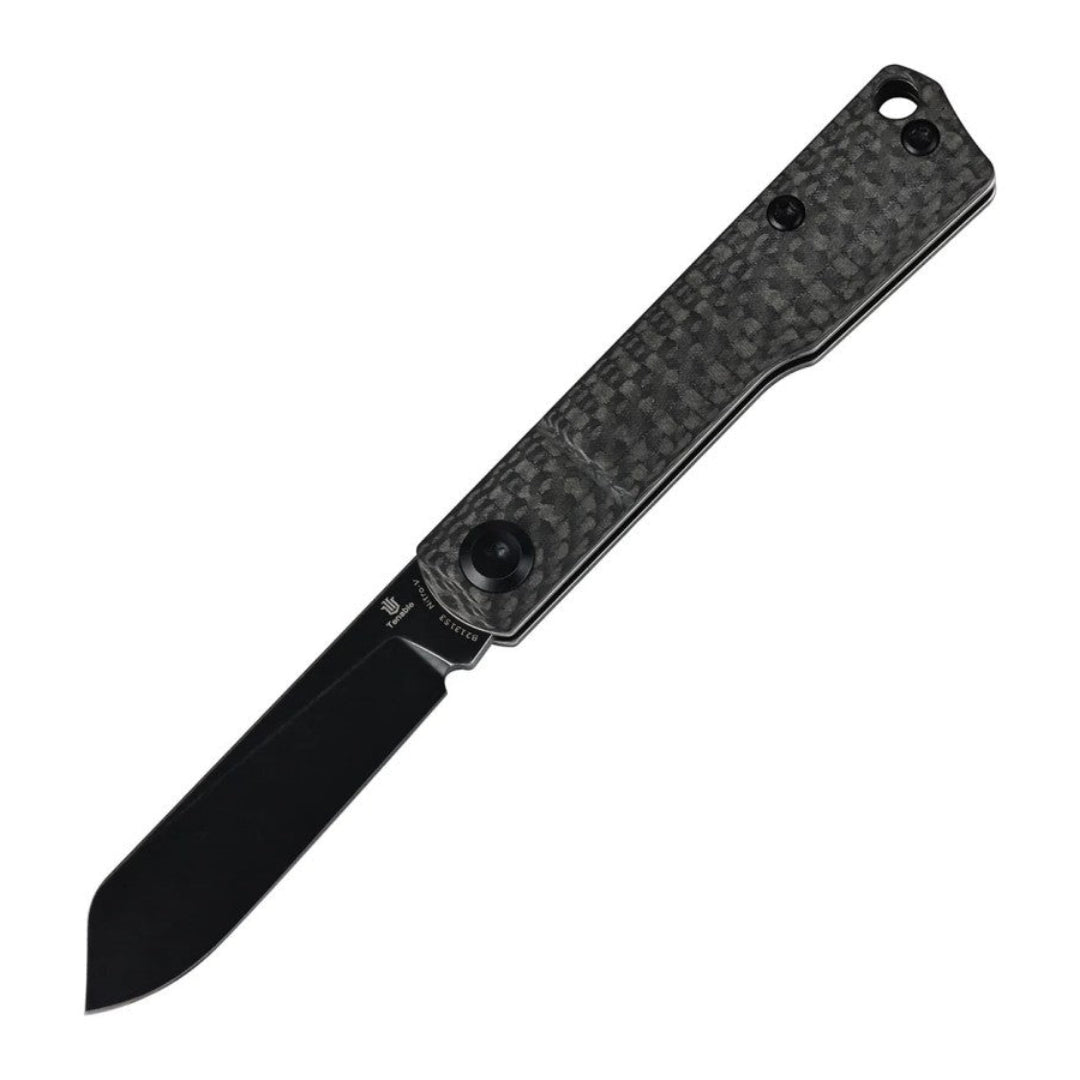
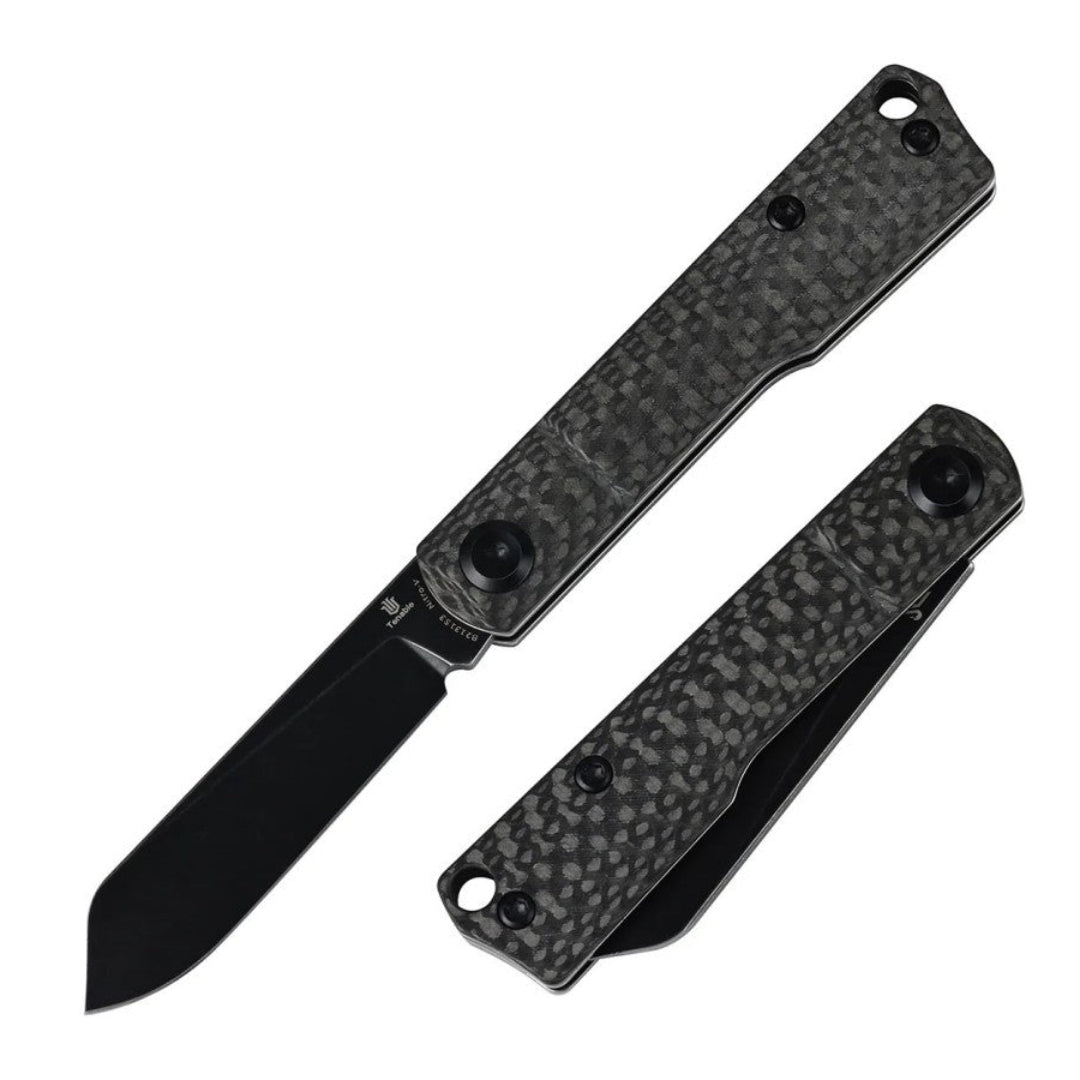
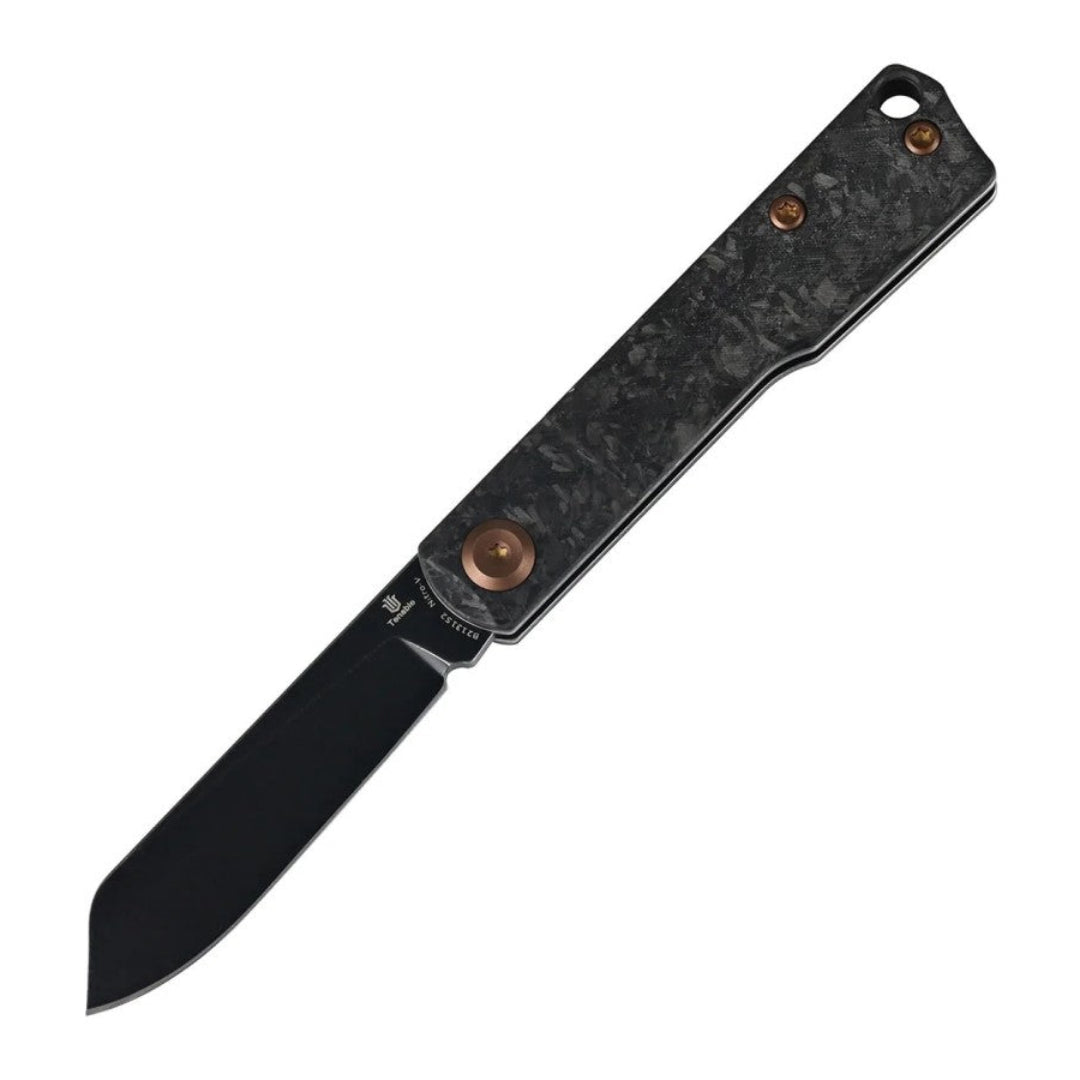
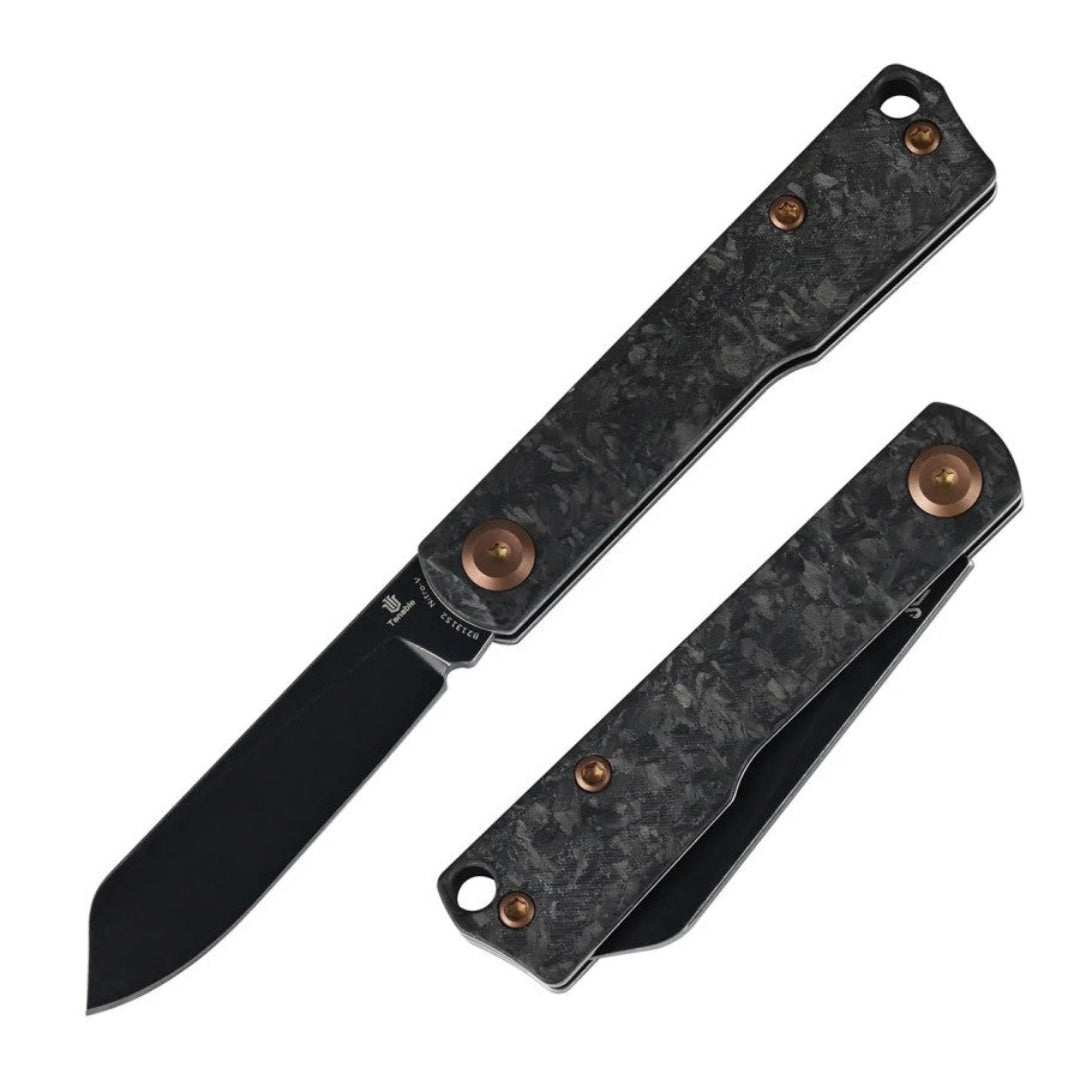
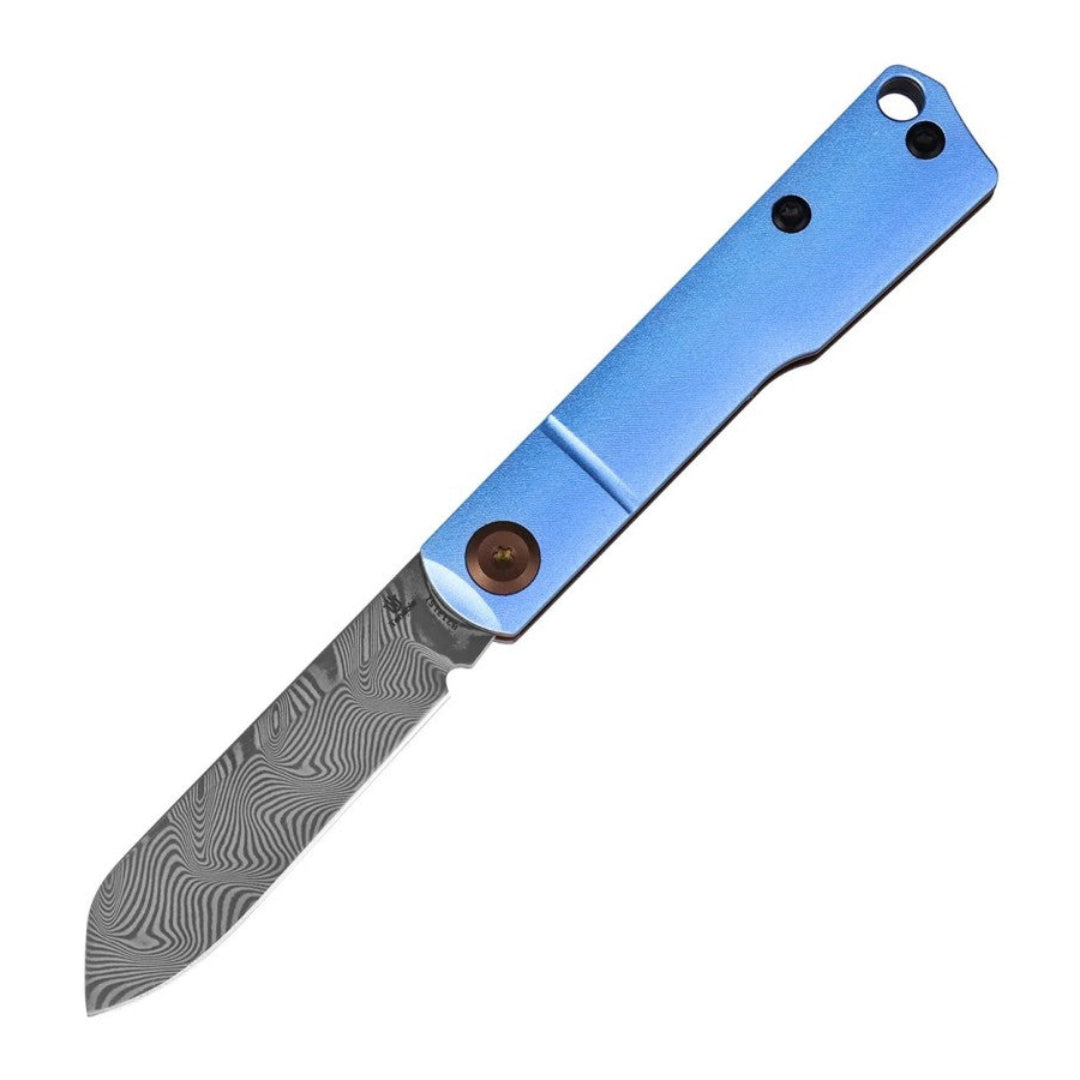
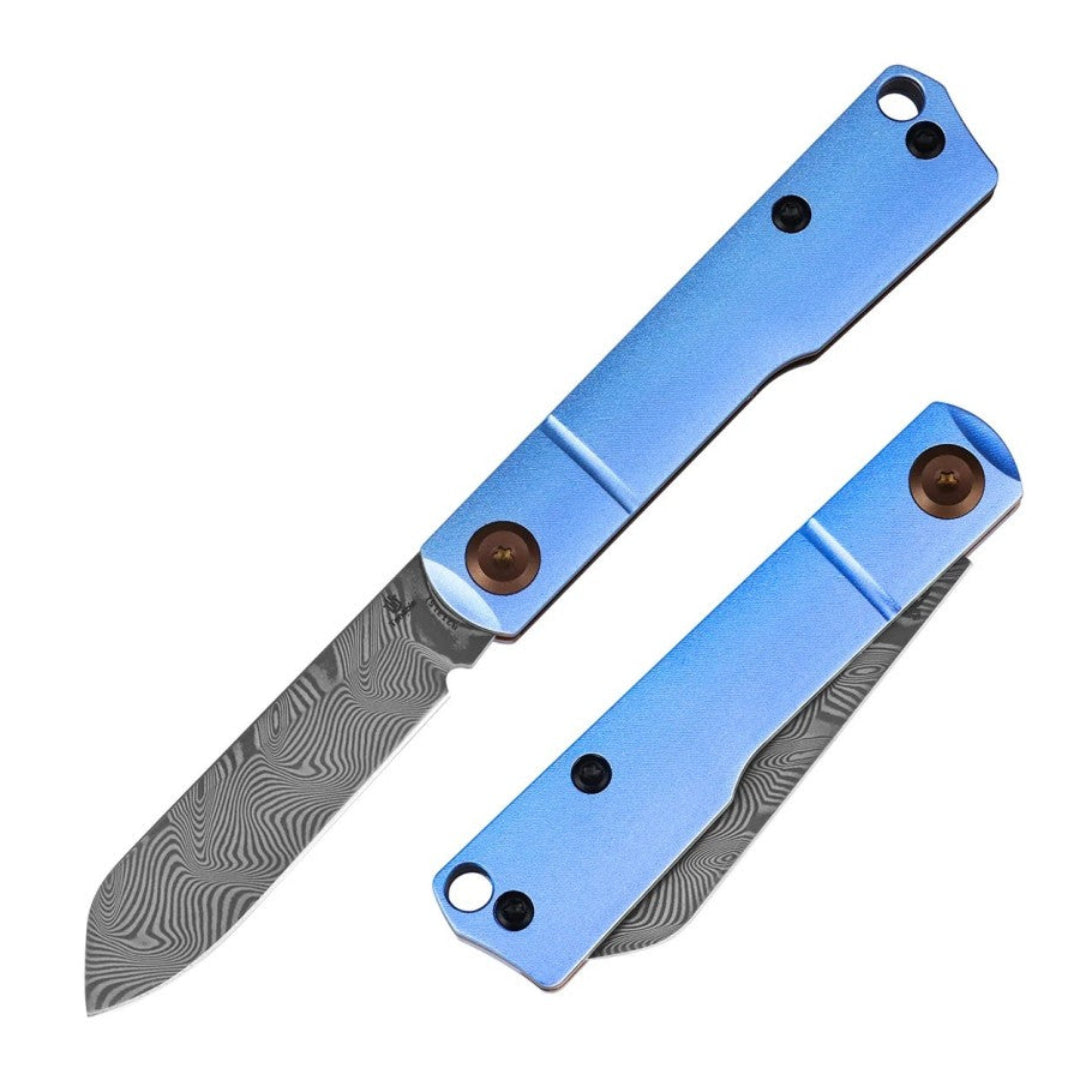
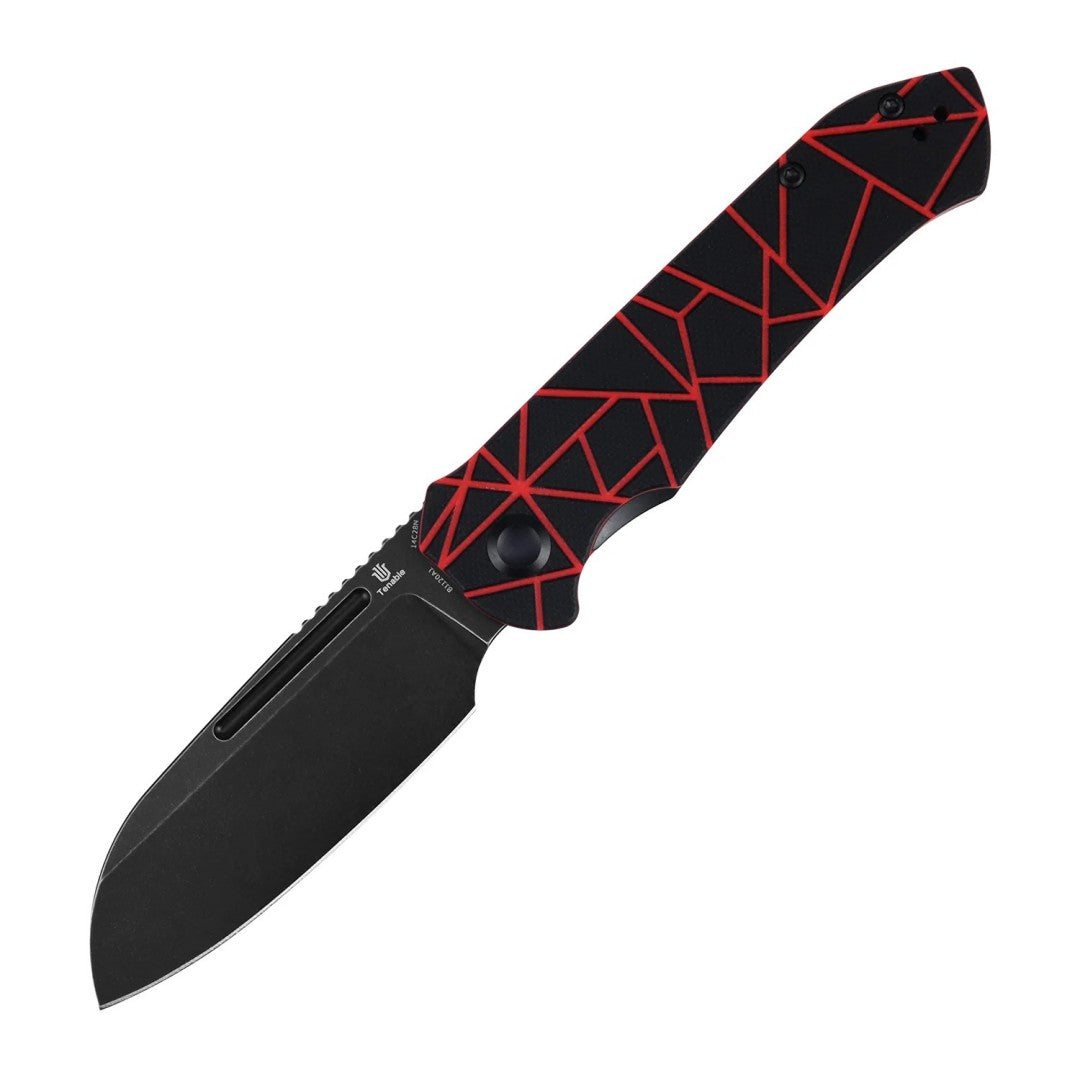
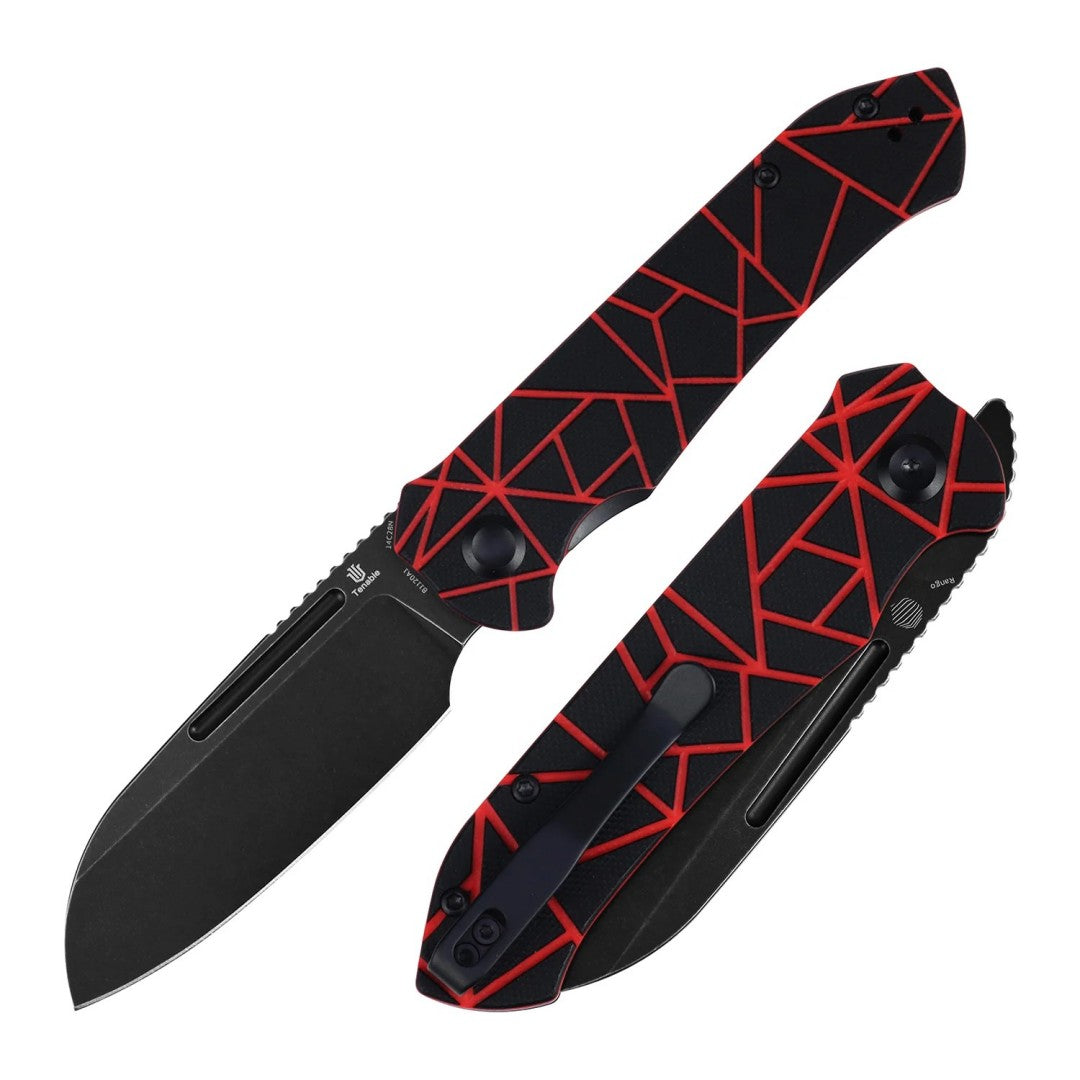
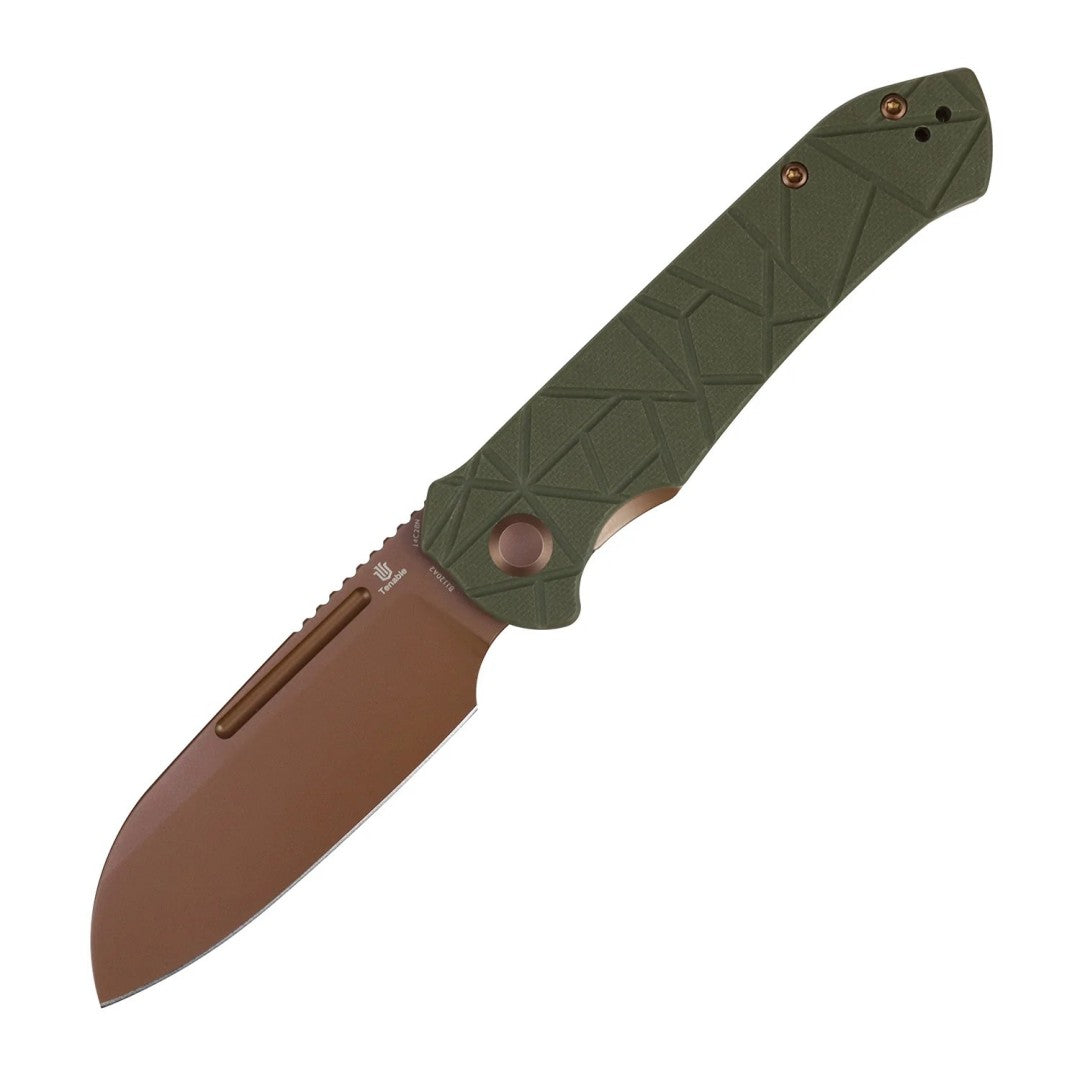
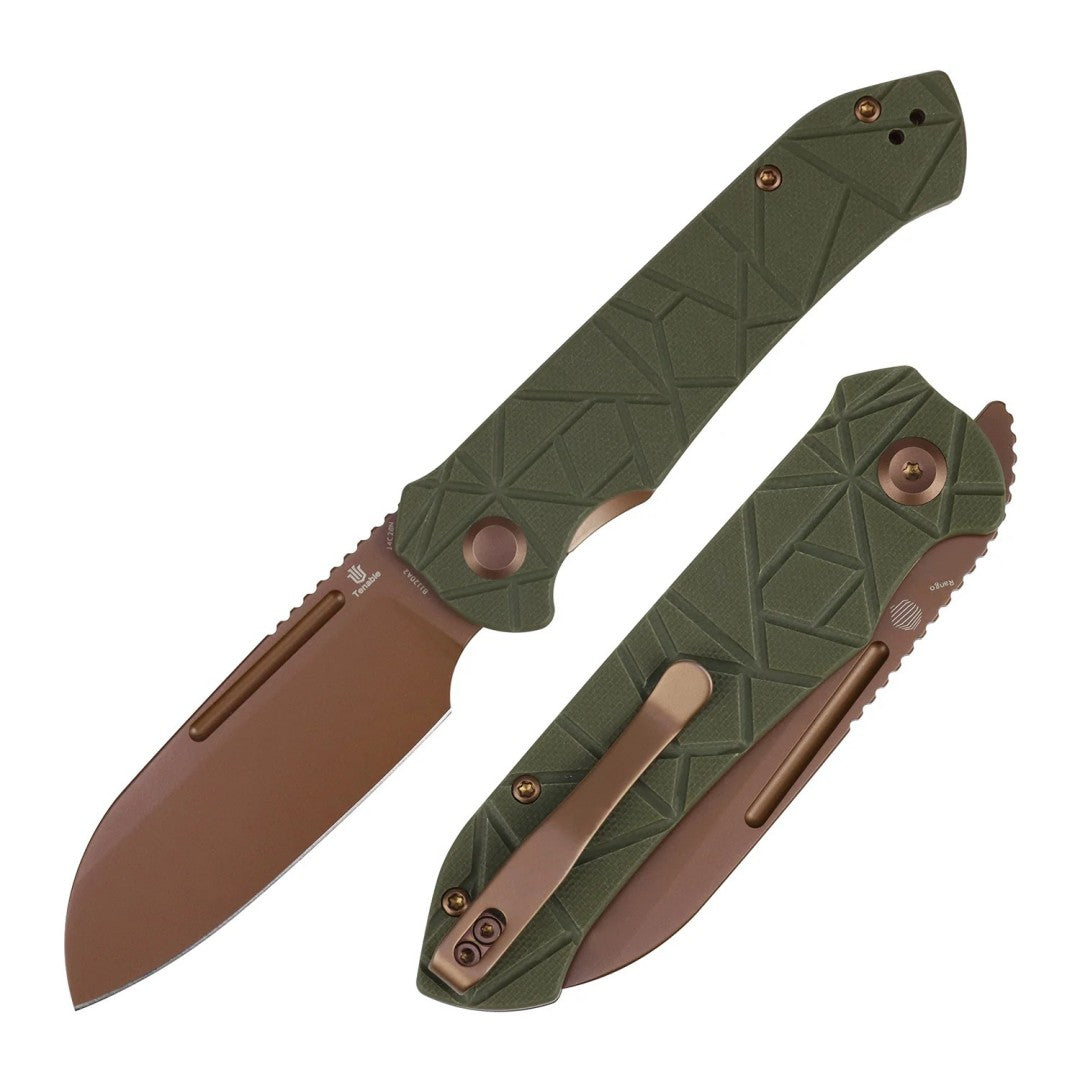
In the first hours the tasks are small and urgent. Find your way in the dark, check on a neighbour, secure a door, get cash out before the cash machines lose power, fill the bathtub while pressure remains. A folding knife opens packaging on stored supplies and handles the unexpected prying and trimming. Later, as days pass, the kit becomes about rationing charge, boiling water and staying informed on a radio rather than scrolling a dead phone. The gear does not change; the job does.

Ownership Notes
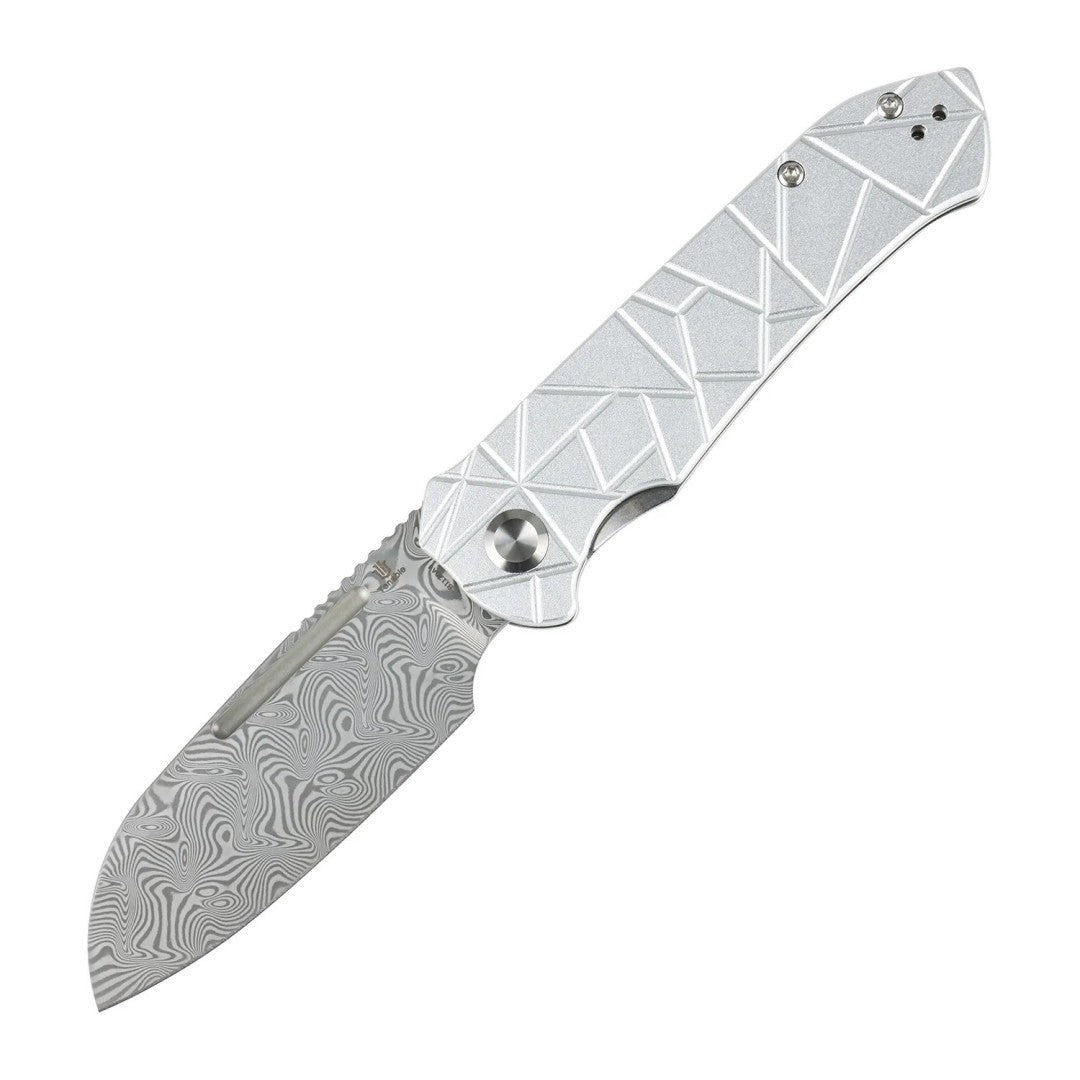
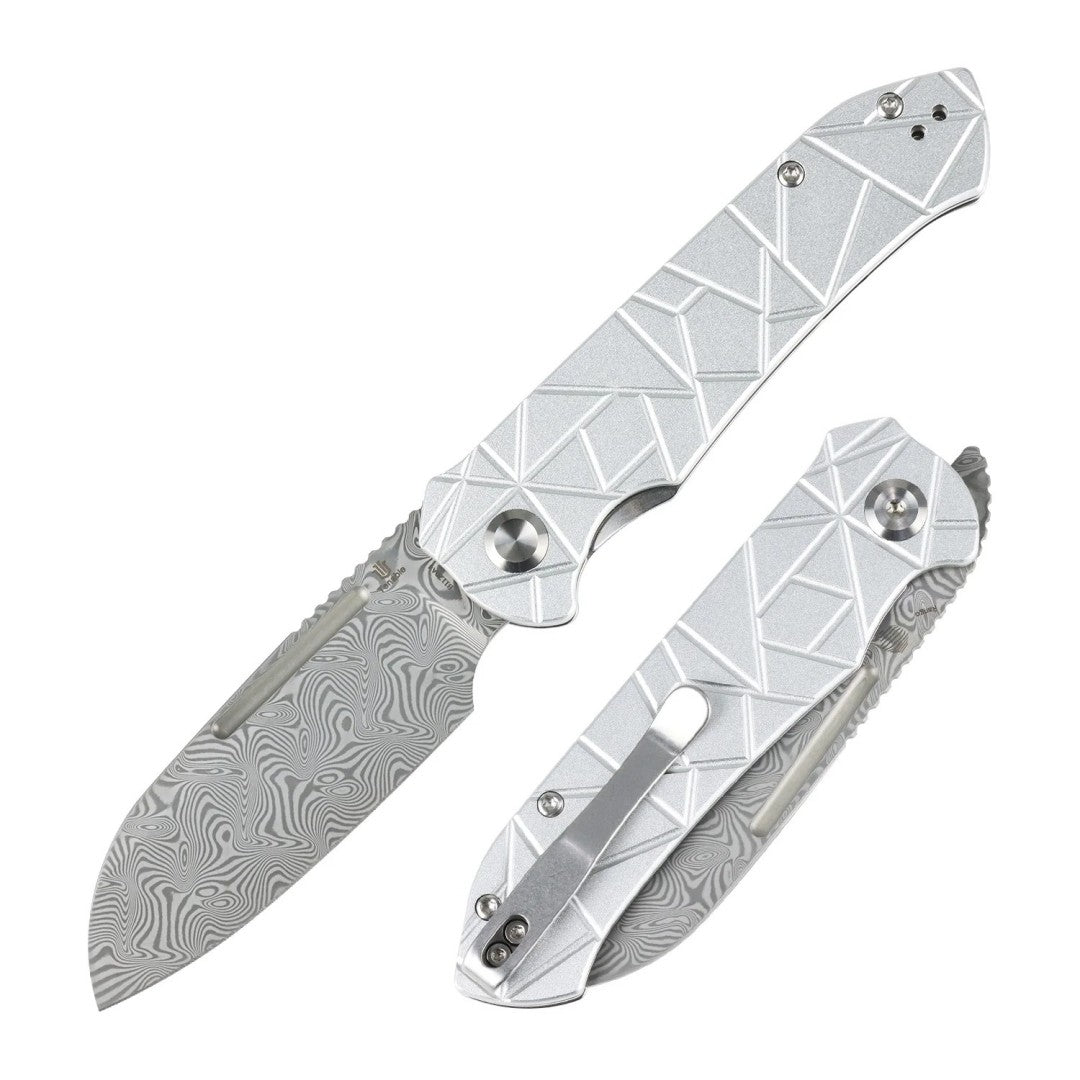
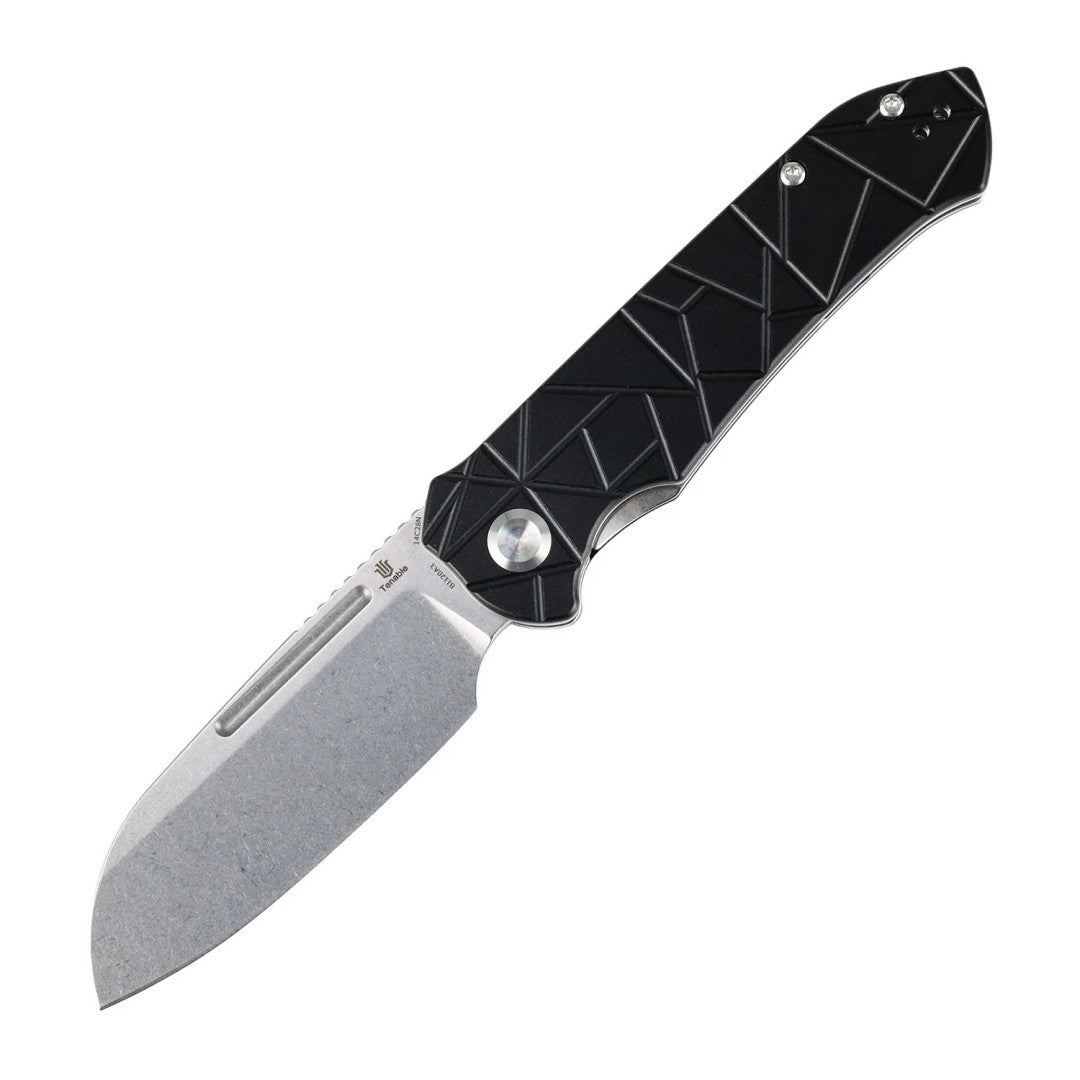
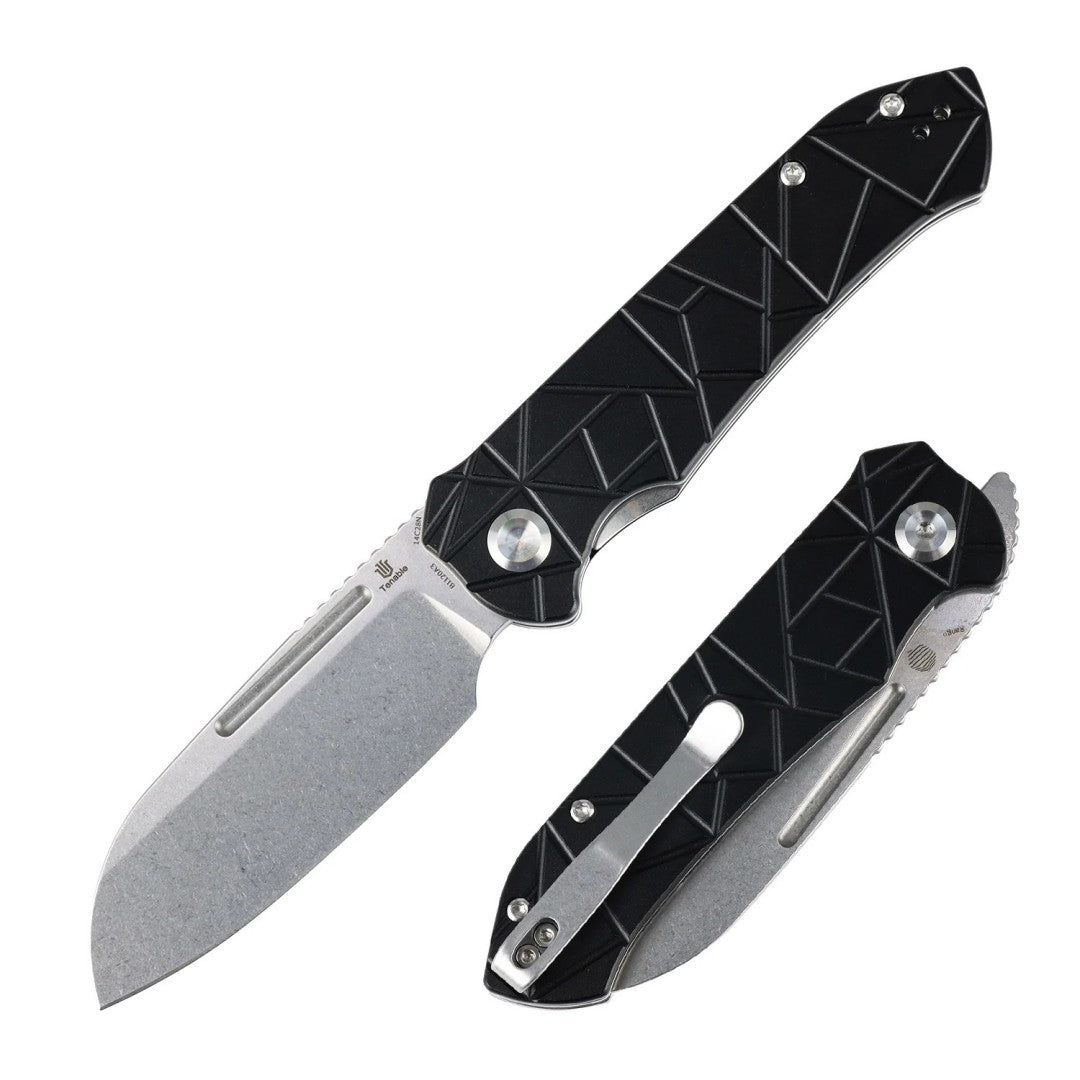
Charge discipline is the skill nobody practises. Keep every power bank topped up, buy a small solar panel and test it before you need it, and keep a set of disposable batteries for the radio even if you prefer rechargeables day to day. Write down a simple household plan: where to meet, who collects the children, which neighbour has a generator. Gear without a plan becomes clutter, and a plan without gear becomes improvising under stress. Households building a grid-down kit usually start with EDC knives, folding knives and a single EDC flashlight that lives in a pocket, and EdcMall stocks all three categories so the first layer of the kit can be assembled quickly.
Who Is This For?
Urban and suburban households in areas prone to ice storms, heat waves or grid strain should build this kit. Rural households generally already have parts of it. If you live somewhere with a stable grid and mild weather, a light, a knife and a power bank cover the realistic version of the problem and cost very little.
Final Verdict
Grid-down readiness is mostly about what you carry on your body and whether you have thought through the first day. A slim always-carried light and a reliable folding knife solve more of it than a cupboard full of gear you have never opened. Keep it small, keep it charged, keep it with you.