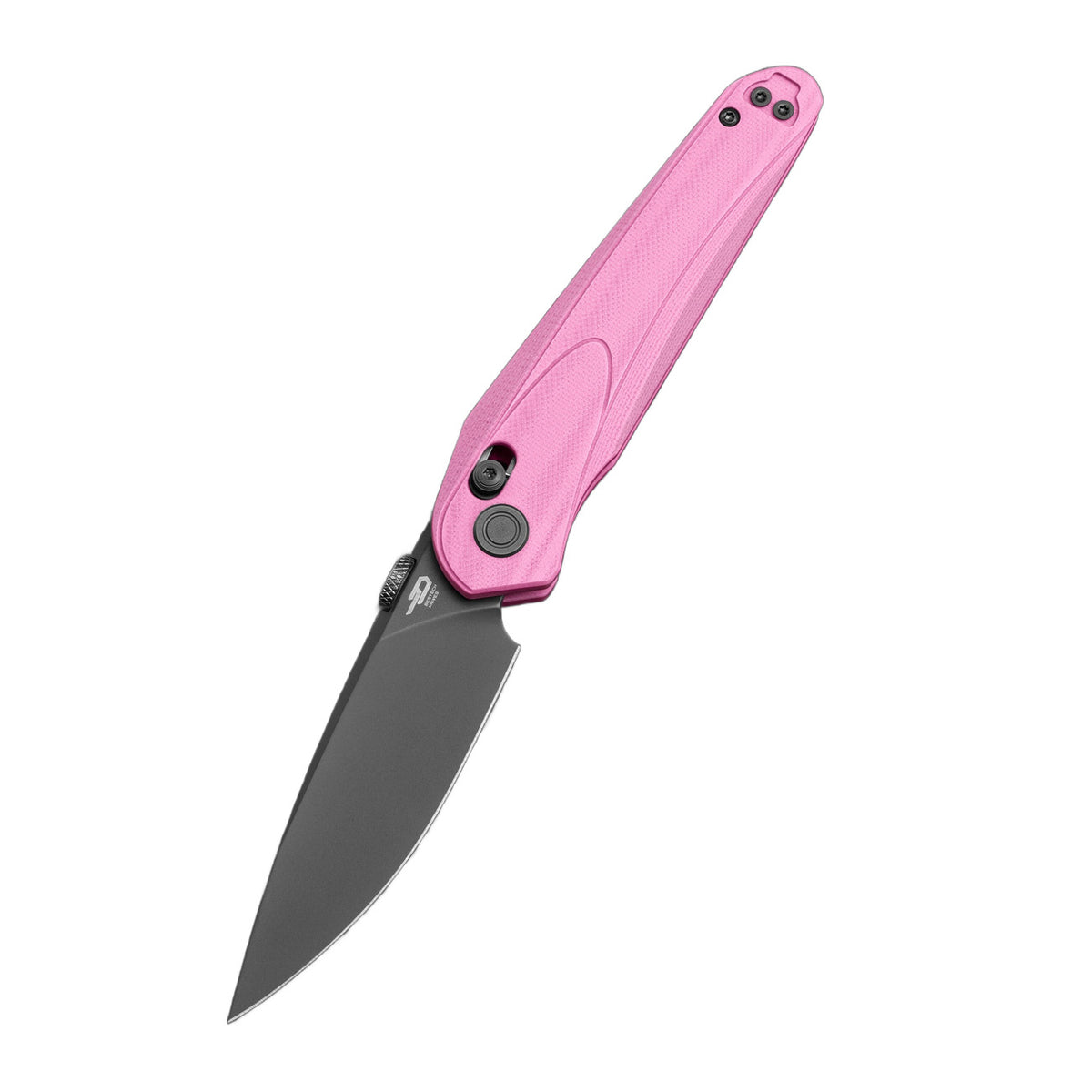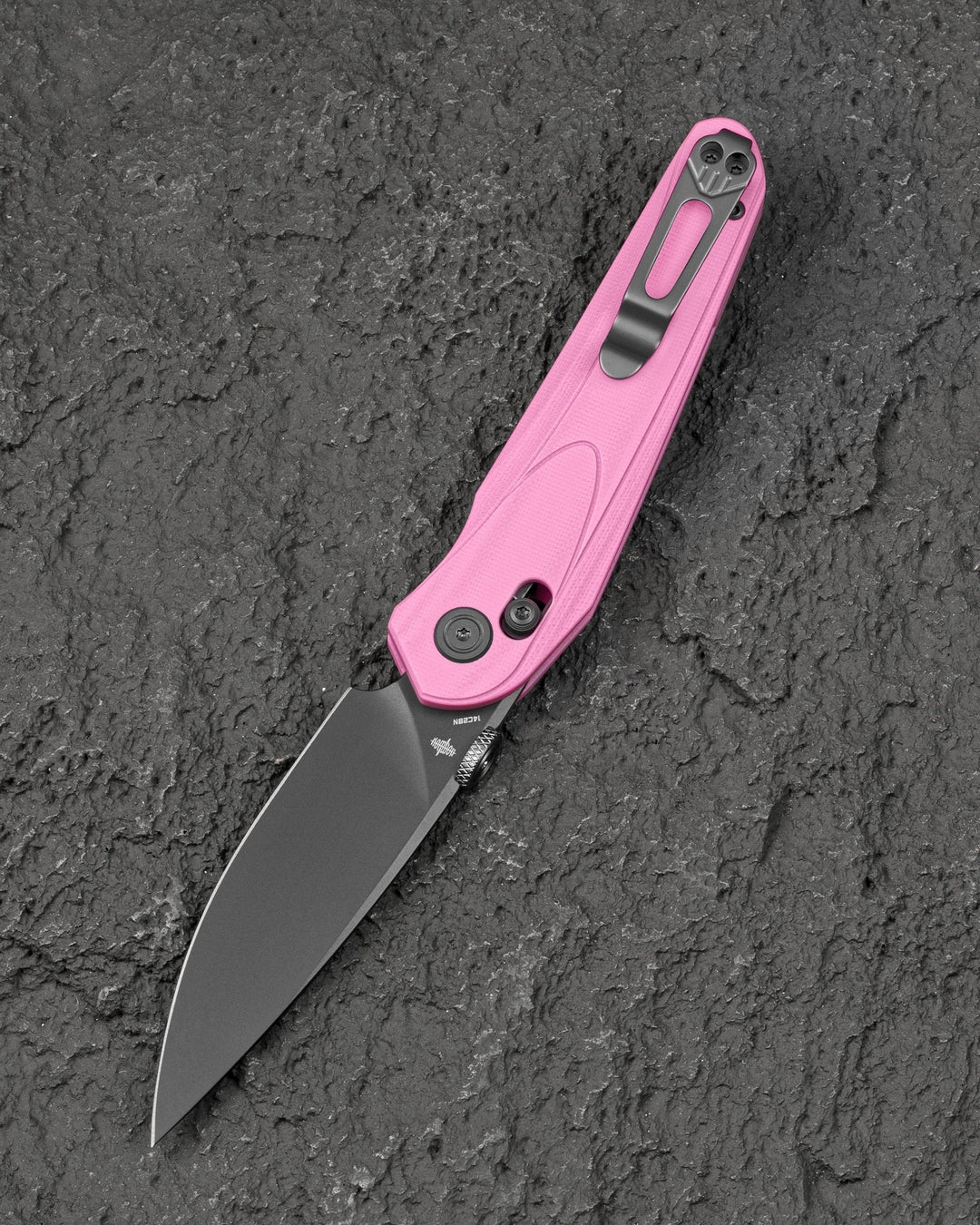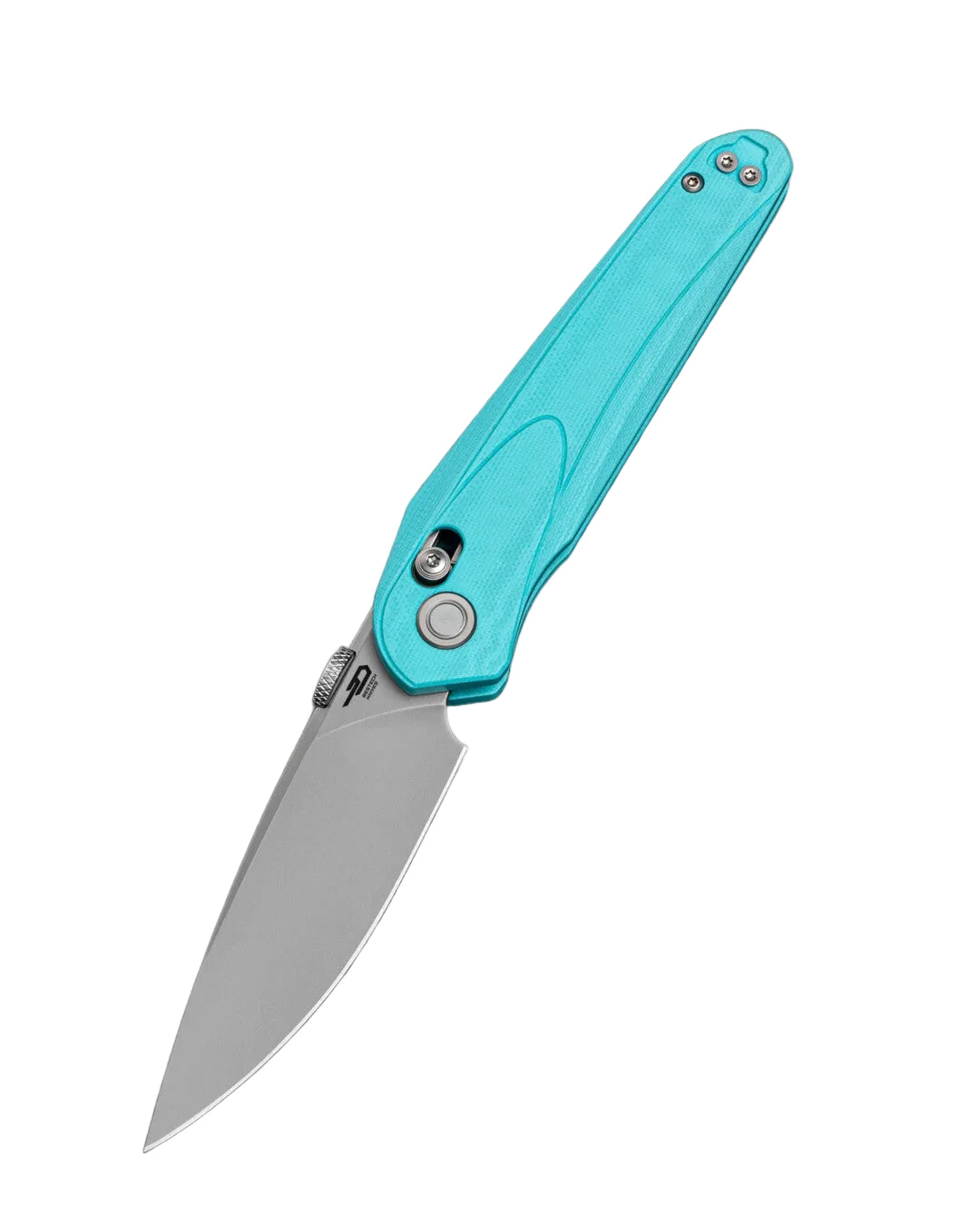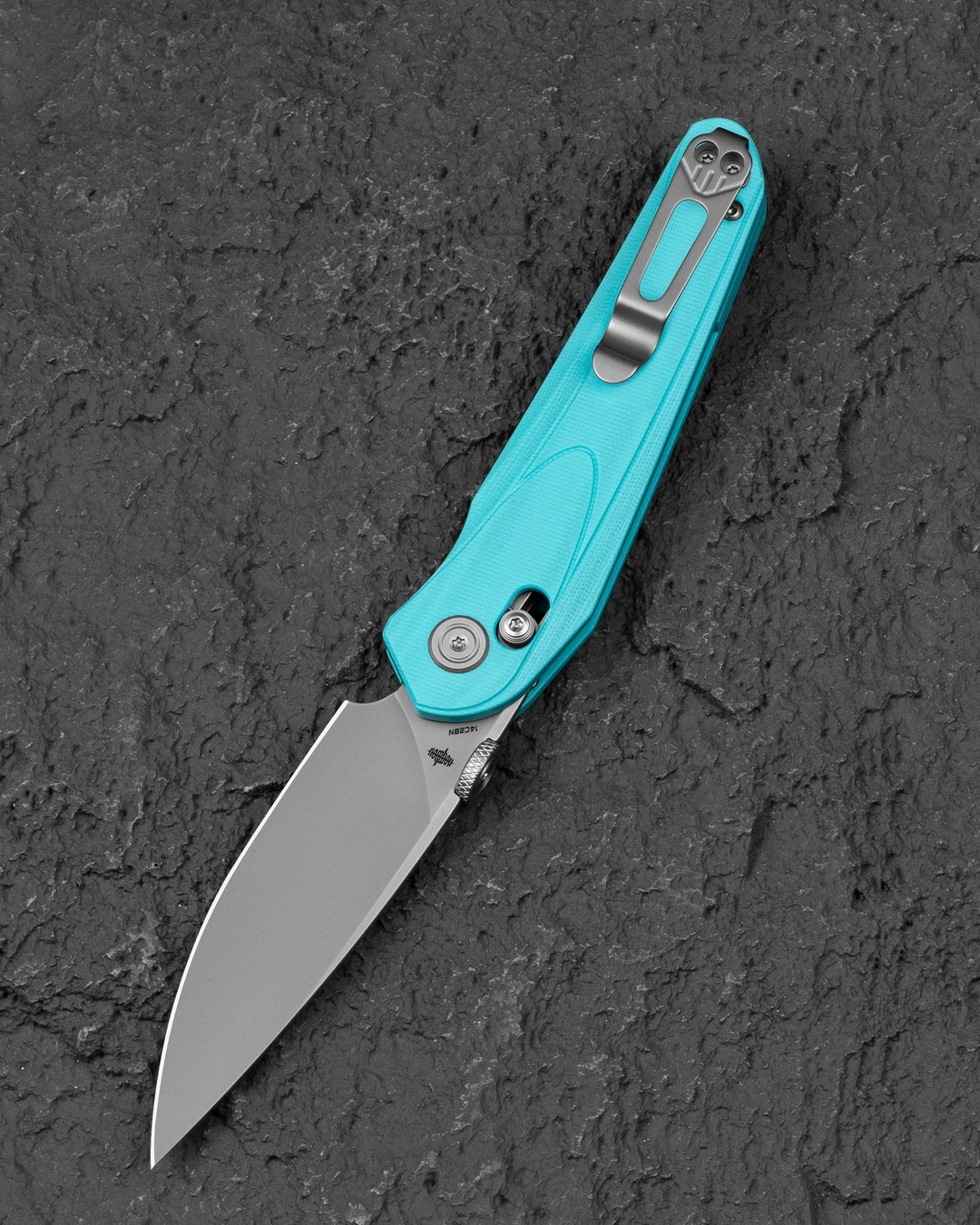
Overview / Key Features
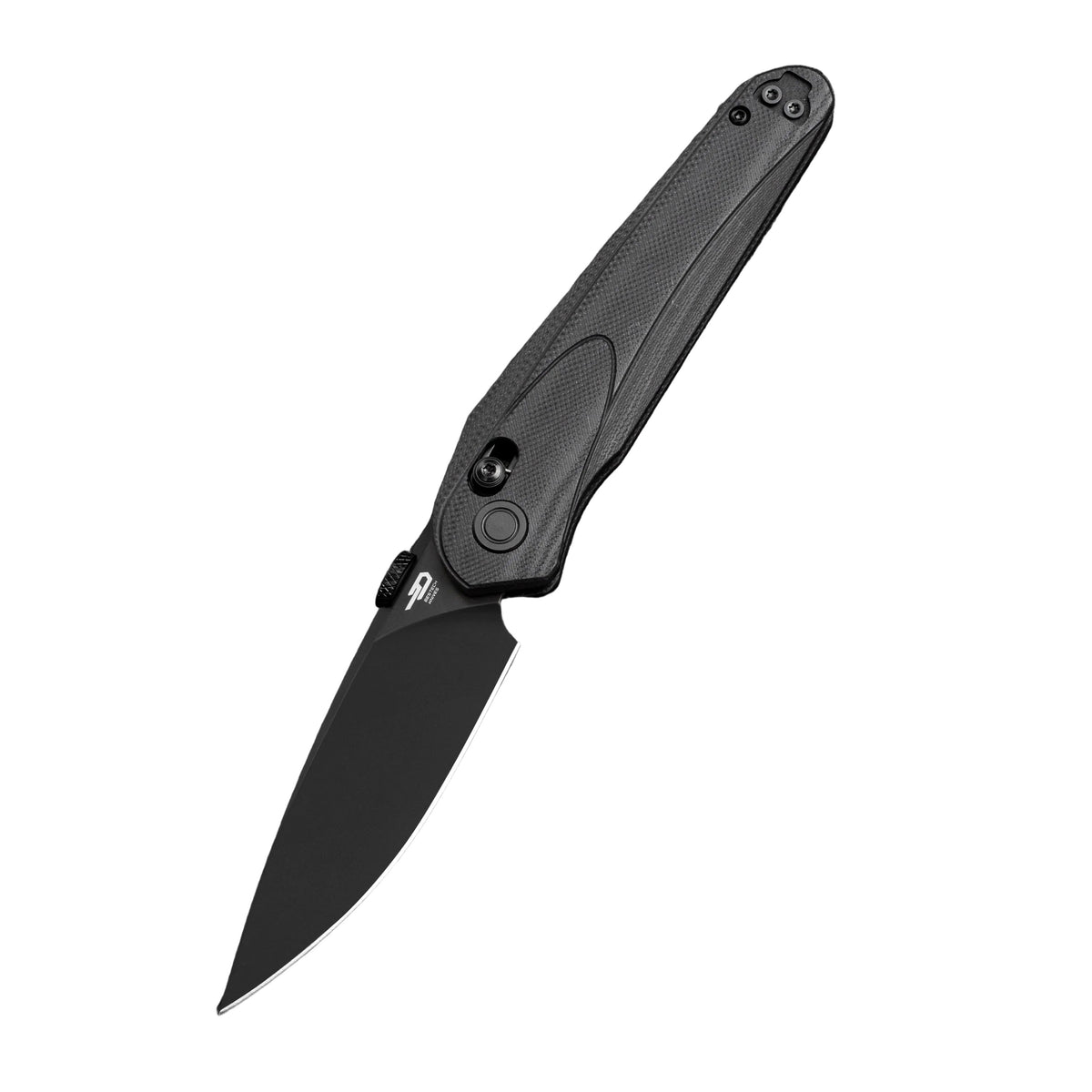
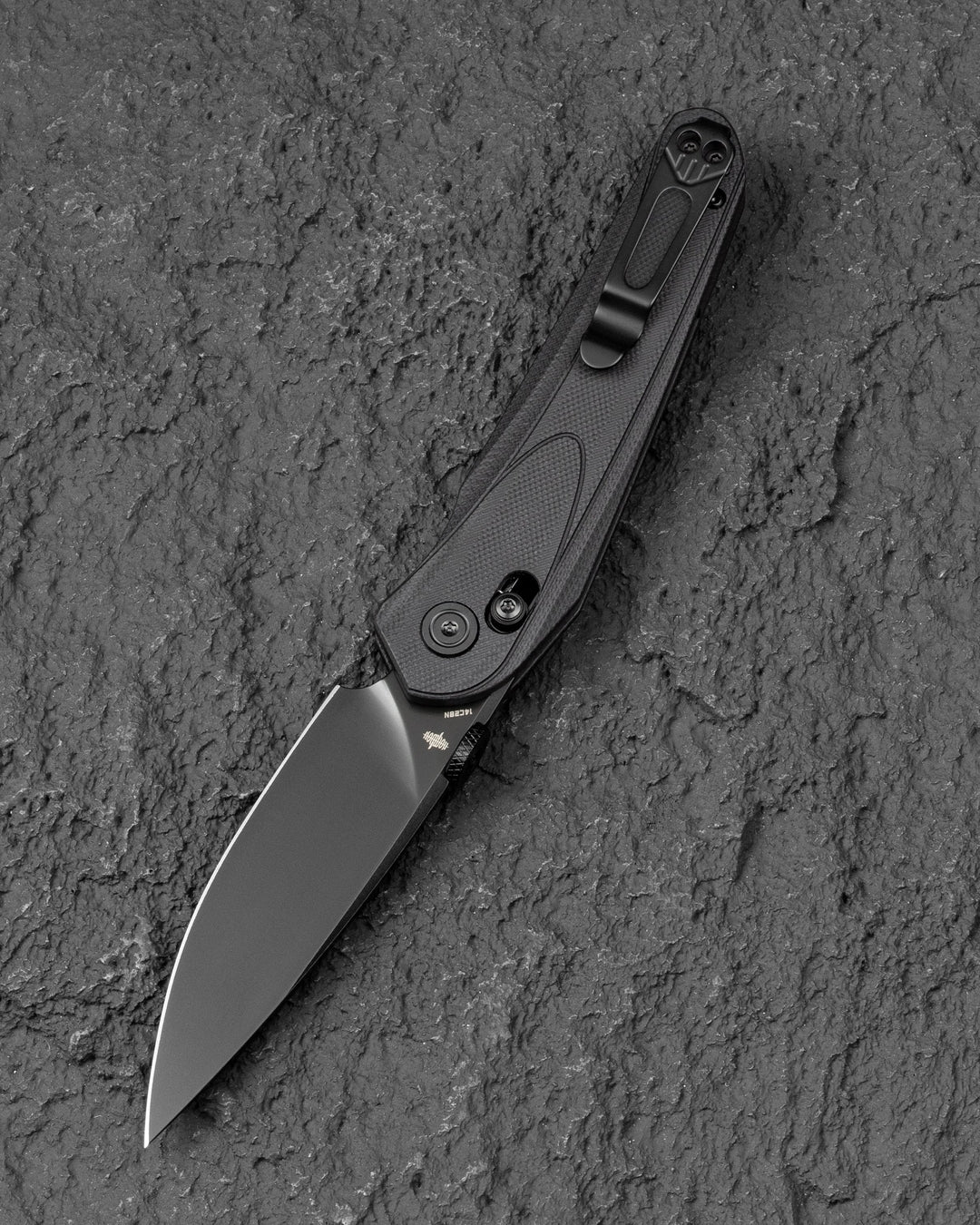
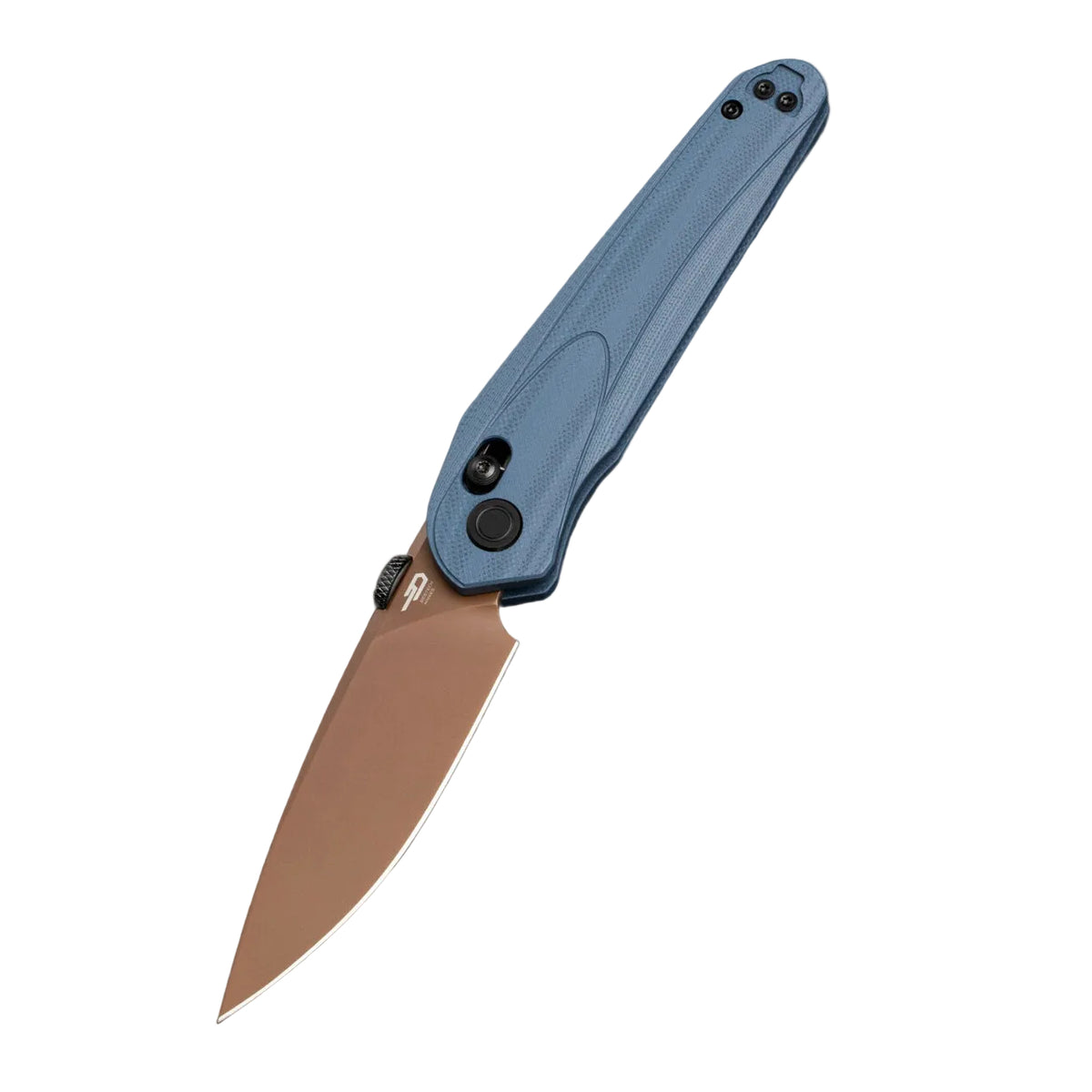
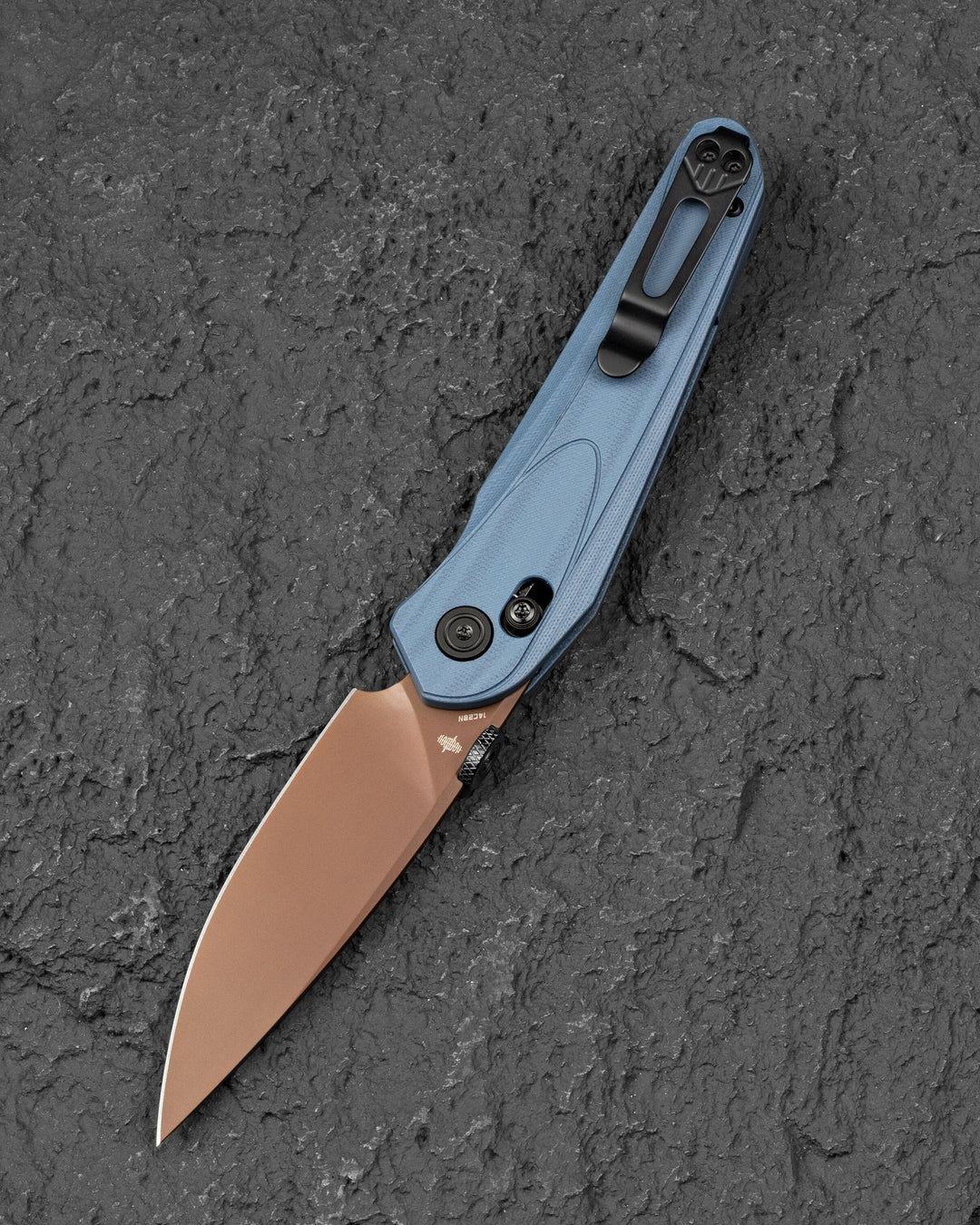
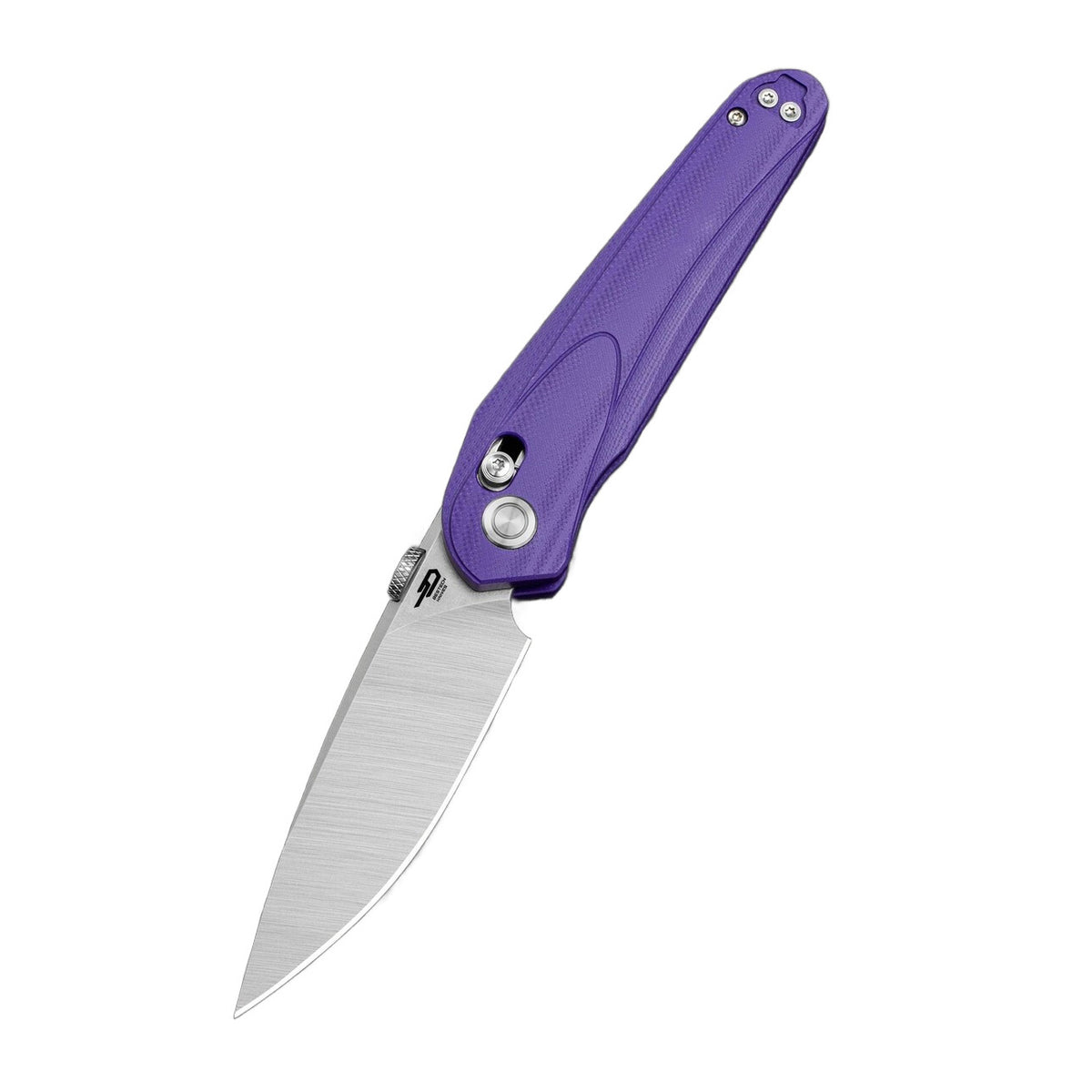
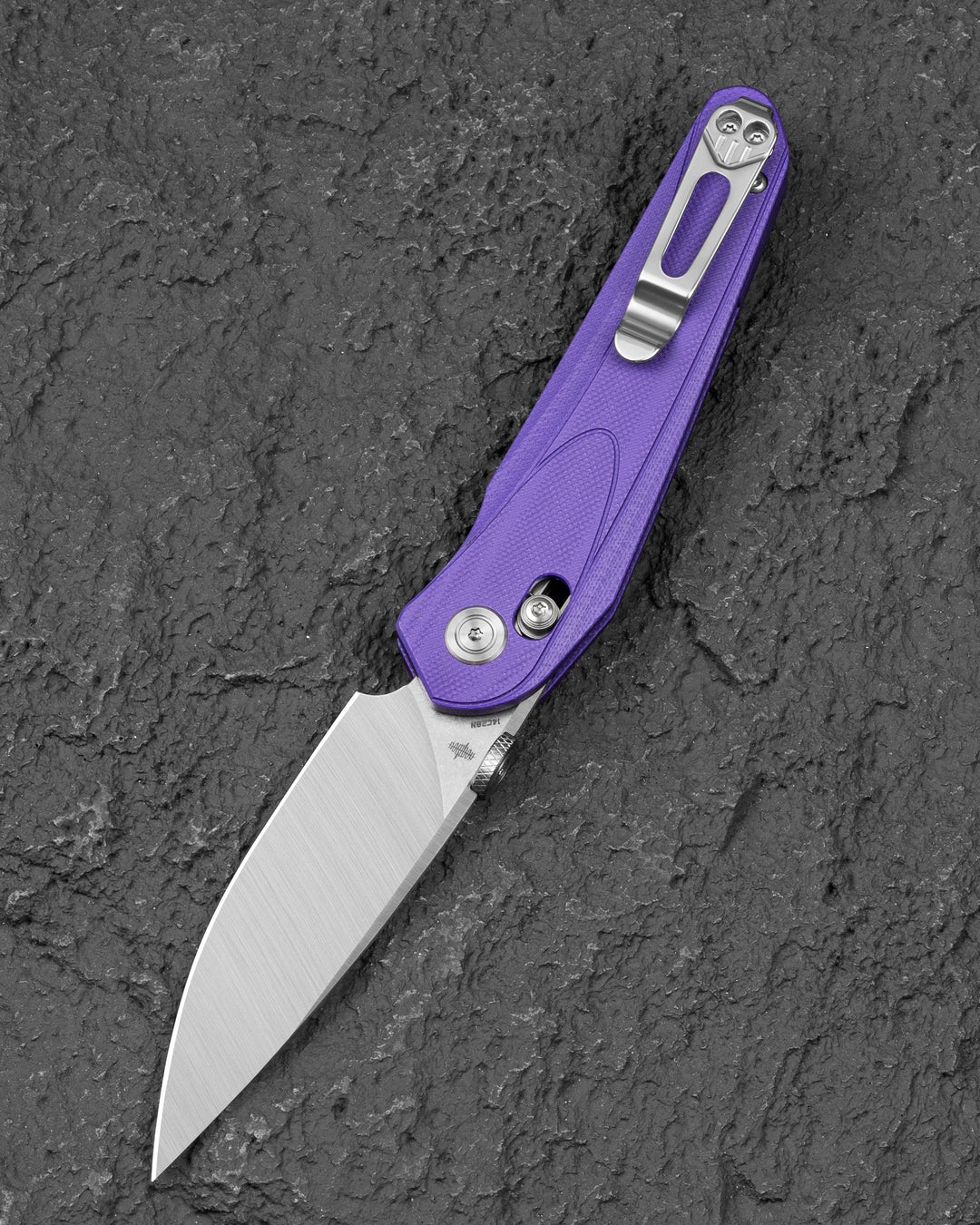
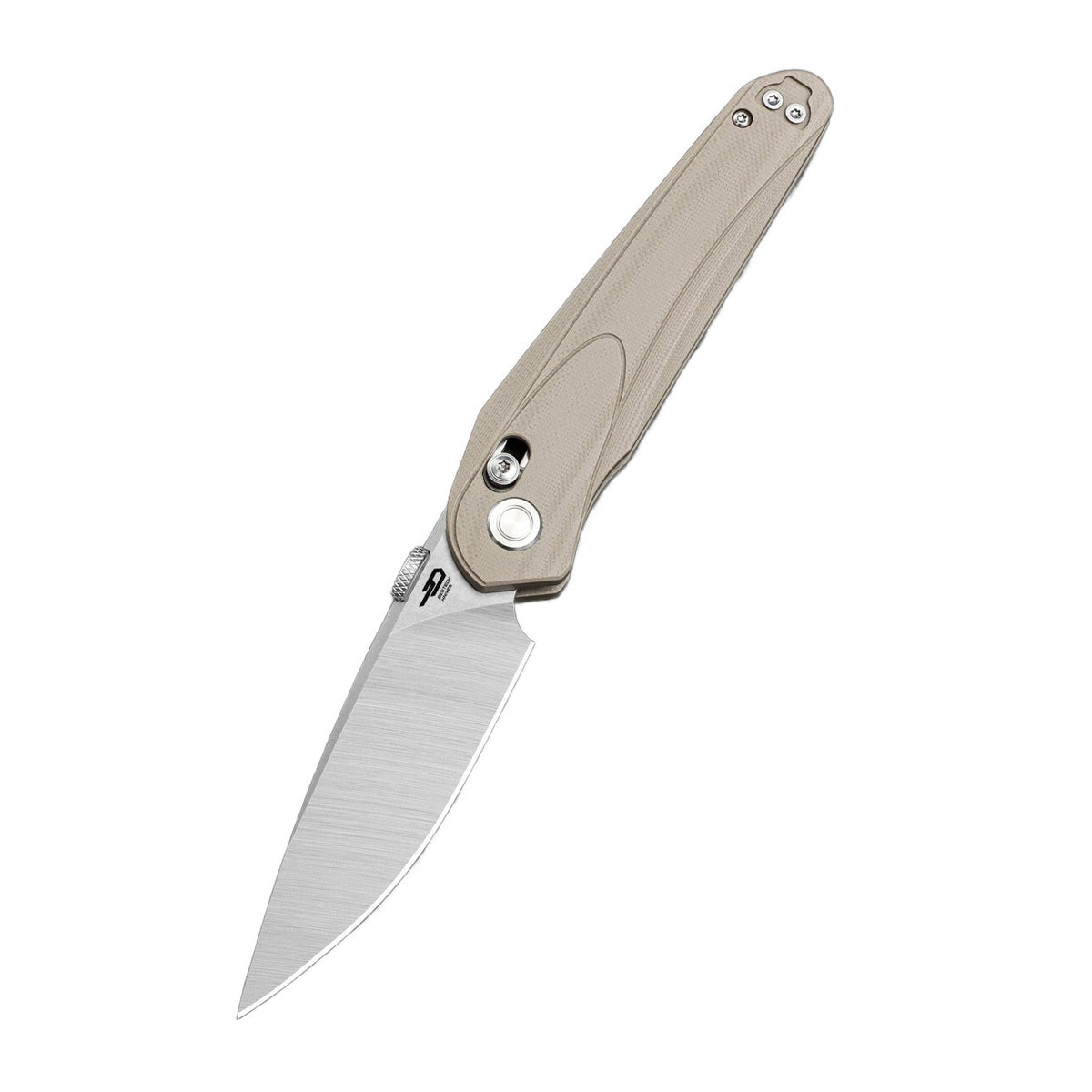
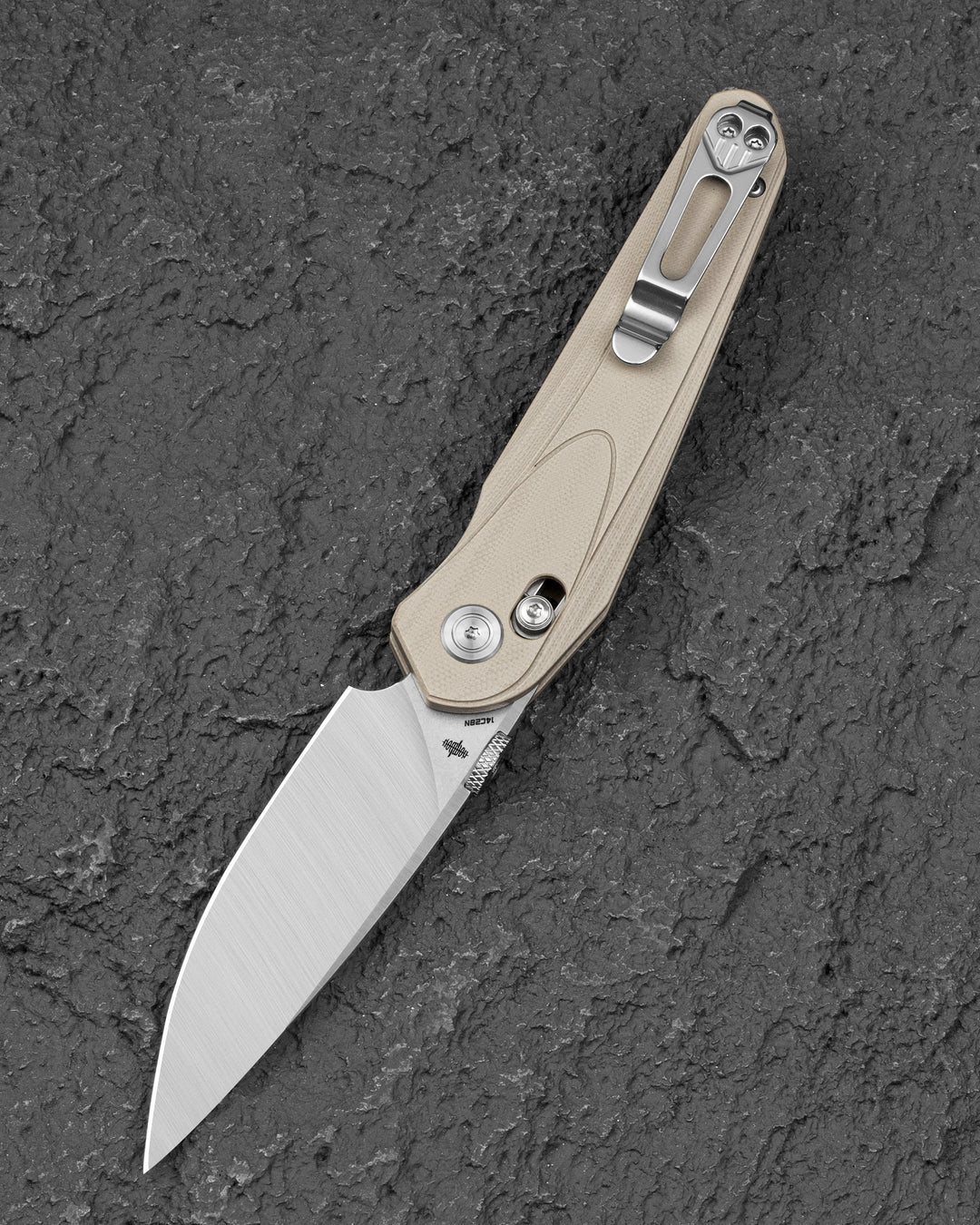
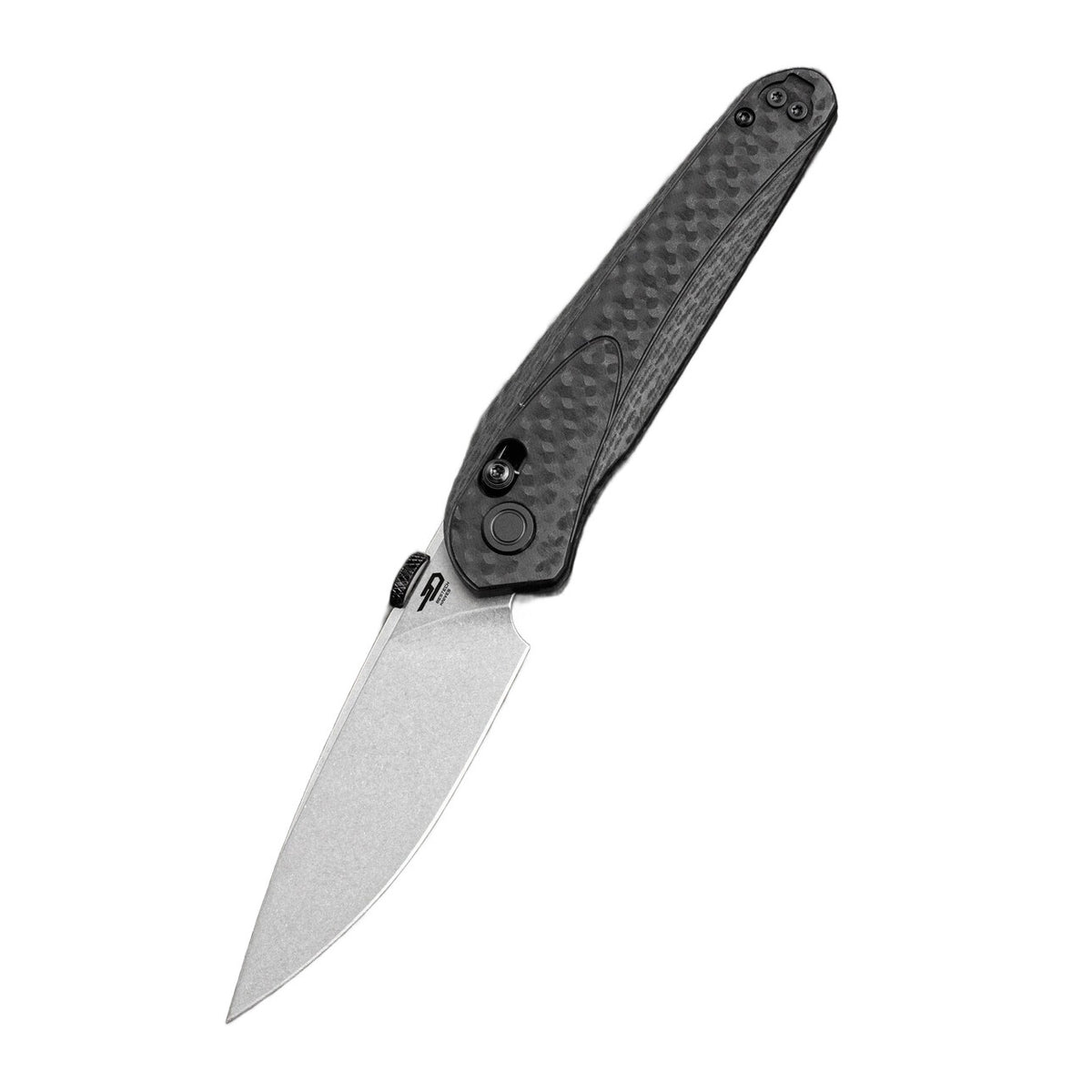
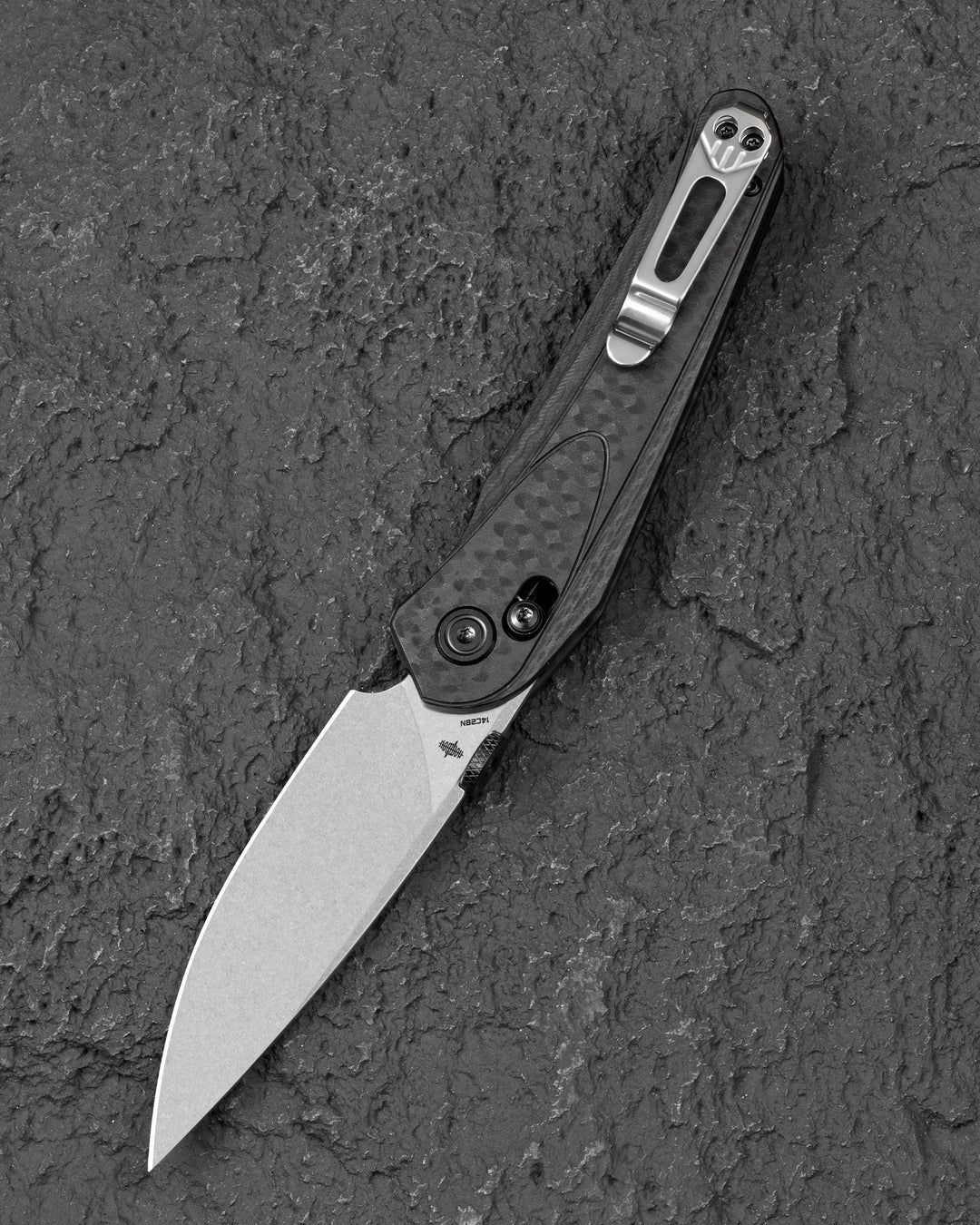
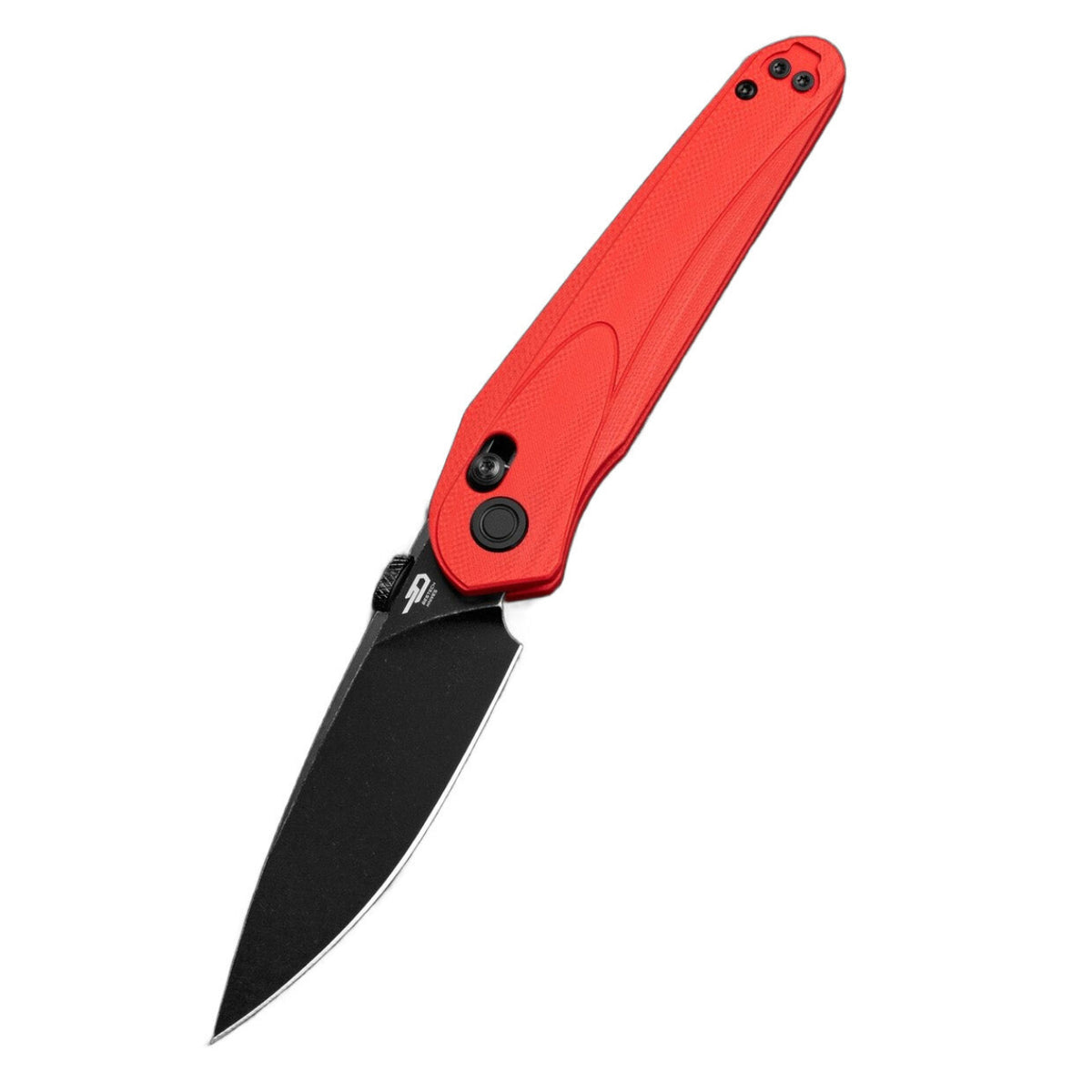
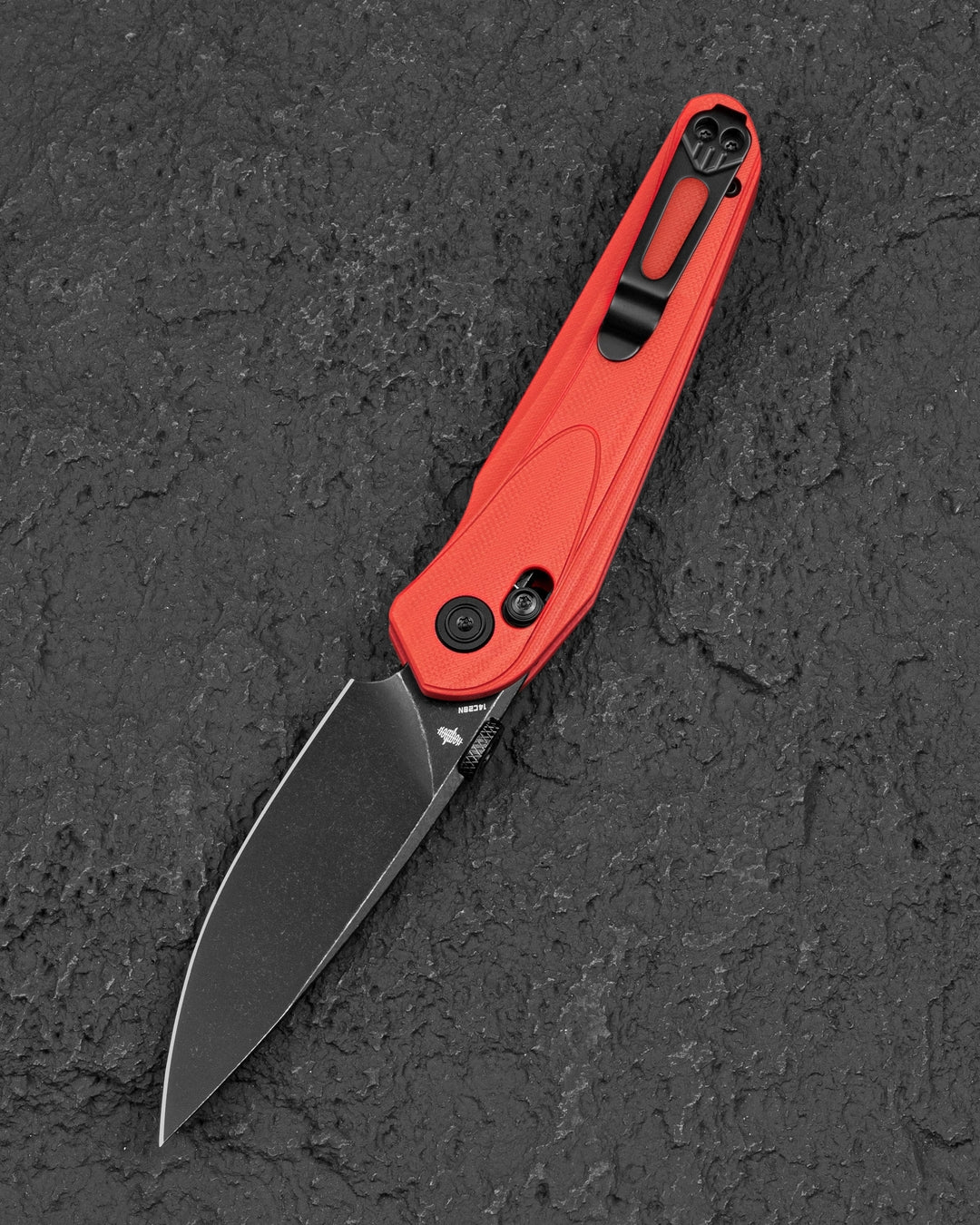
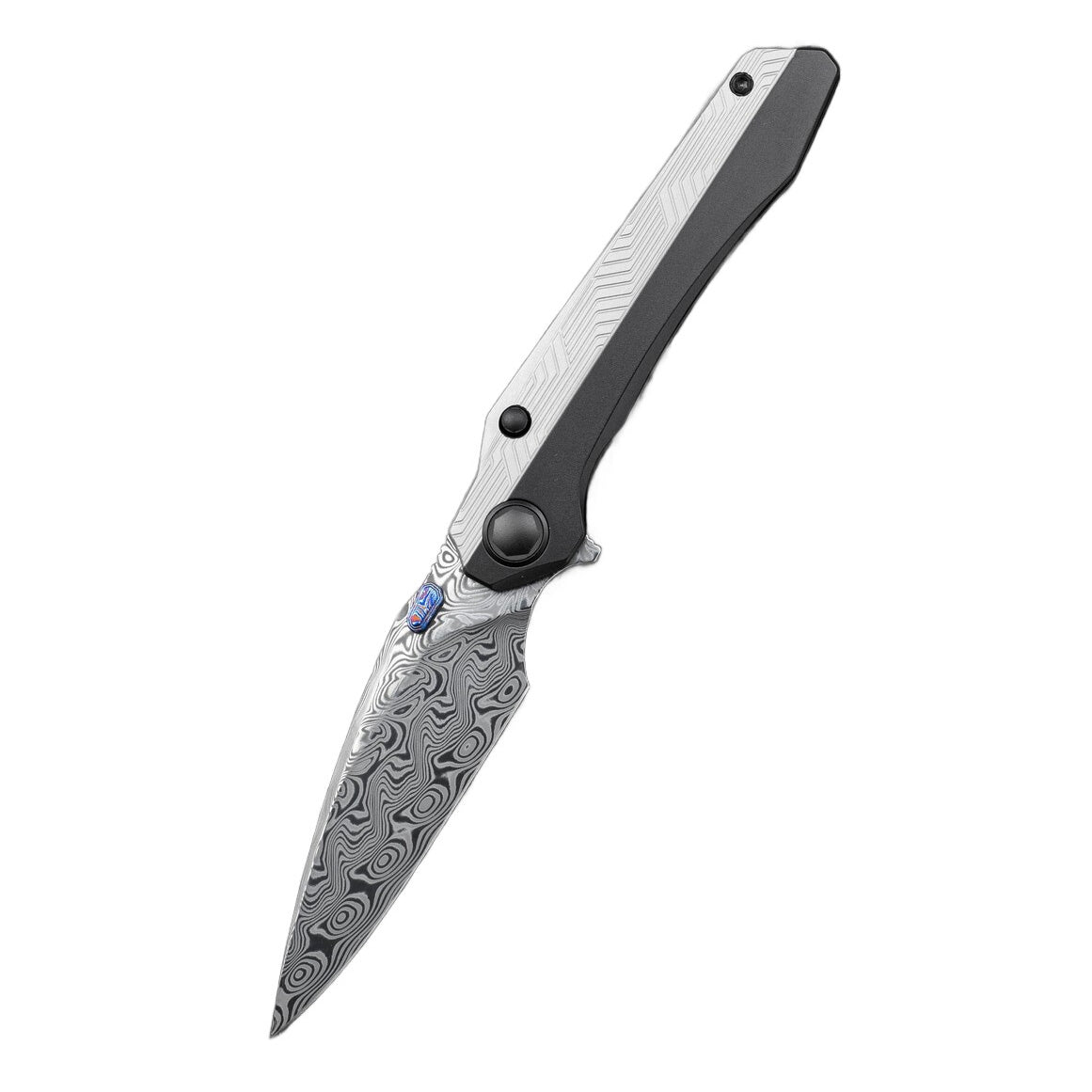
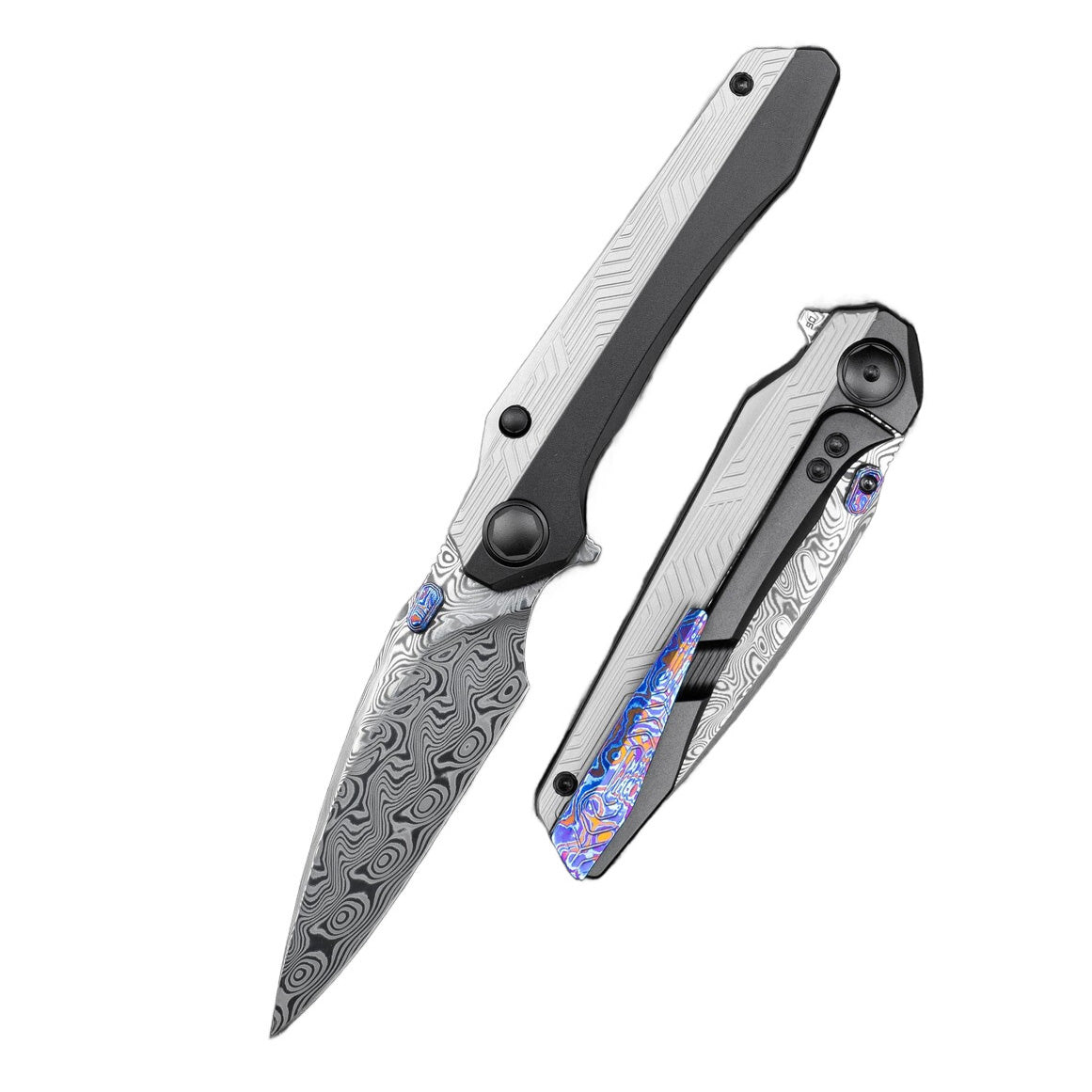
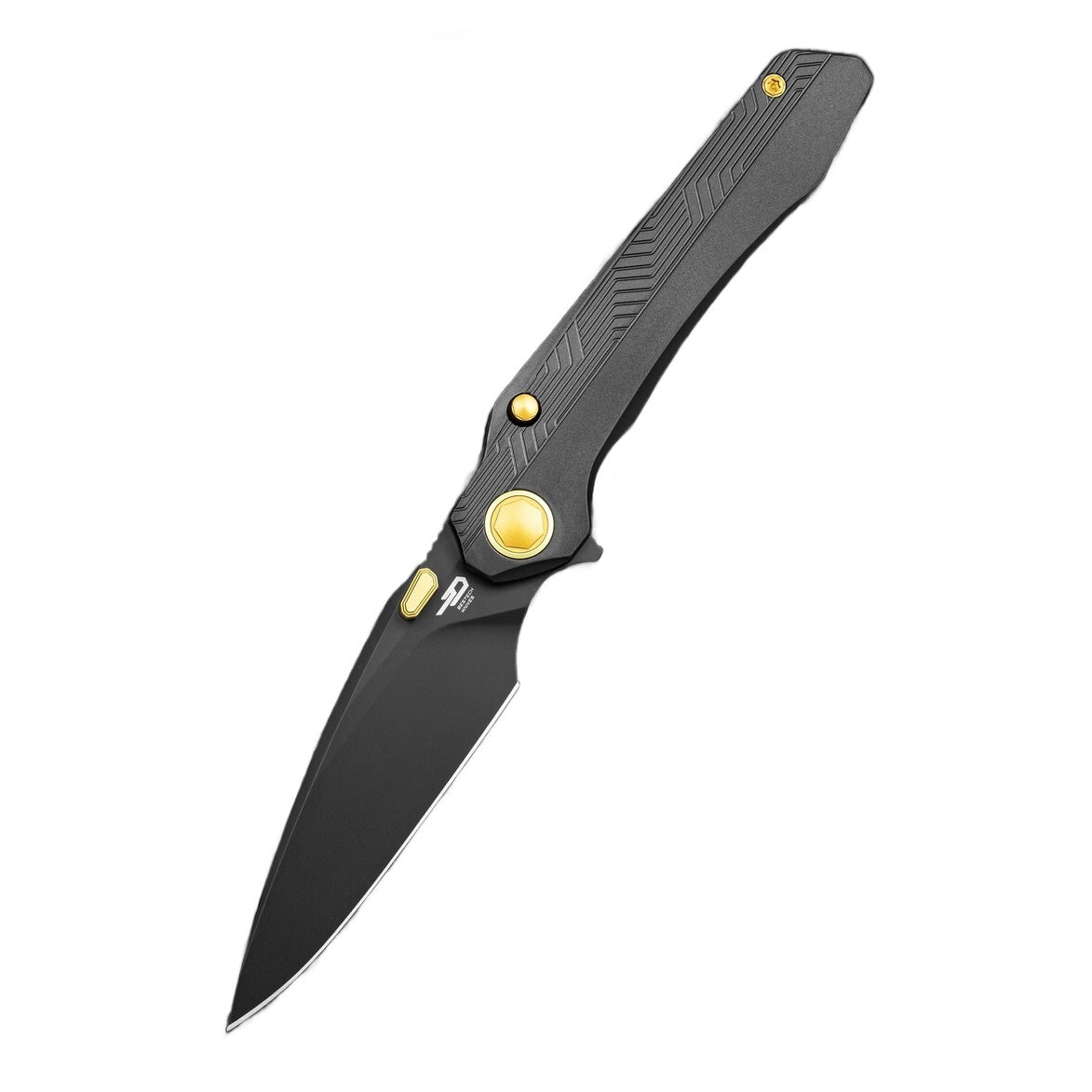
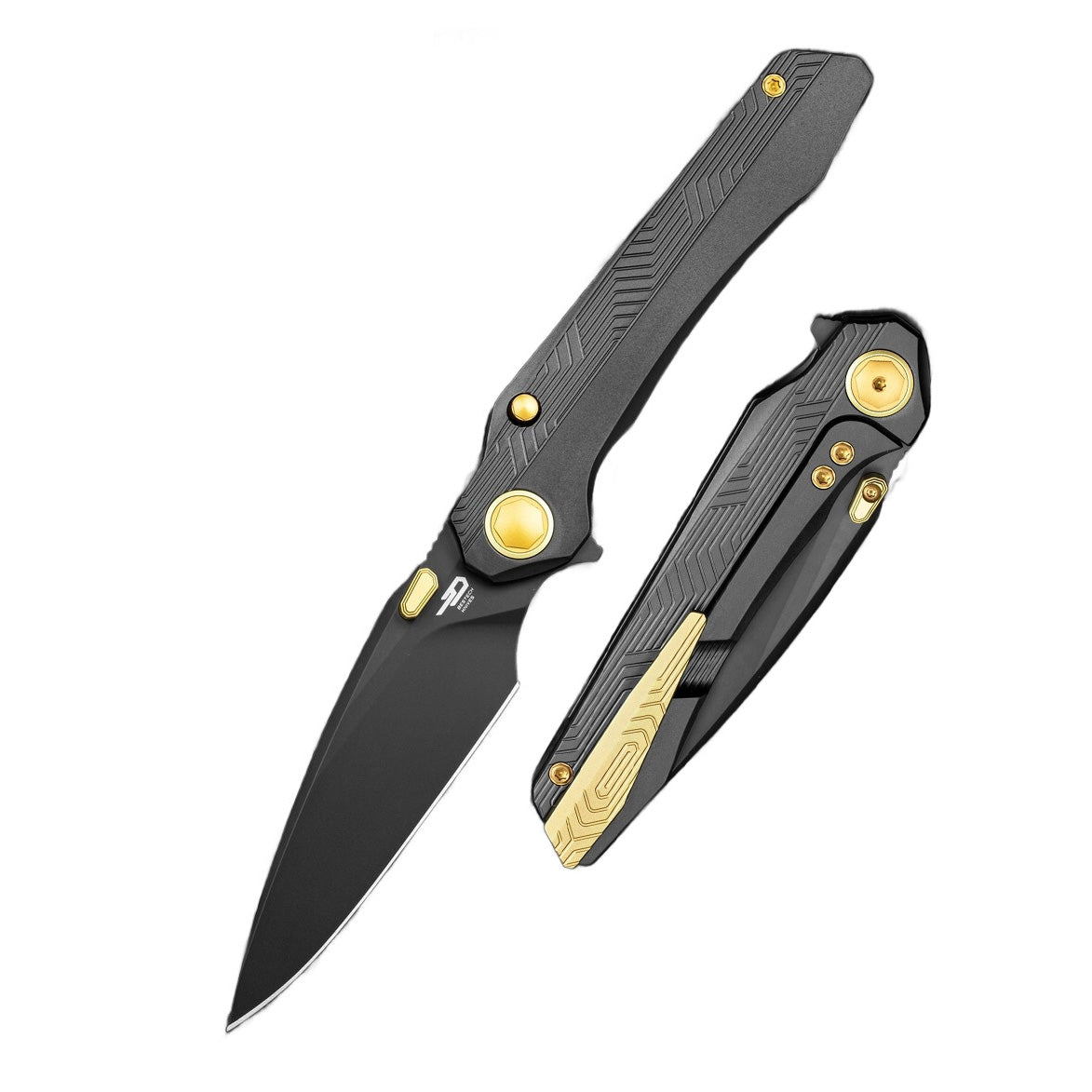
Knife buyers talk about steel and locks constantly and designers rarely, which is backwards when a single designer shapes two knives at opposite ends of one brand's catalog. Grzegorz Grabarski penned both the Bestech Mothus, a 68-dollar G10 workhorse, and the Wet Nellie line, a titanium flagship wearing MagnaCut or Damasteel. Comparing them side by side tells you what a design signature actually is, because the materials changed completely and the bones did not.

The Shared Skeleton
Look at both knives and the common decisions surface. Both use full, rounded handle volumes rather than slab-sided frames, so pressure distributes across the palm instead of concentrating on finger ridges. Both run moderate blade lengths, 3.47 inches on the Mothus and 3.53 on the Wet Nellie, long enough for utility, short enough for legal carry in most places. Both keep the pivot area visually clean, a Grabarski tell, and both use a leaf-shaped drop-point profile with a smooth transition into the spine rather than a hard step. The Mothus expresses these ideas in G10 at 3.5 mm blade stock; the Wet Nellie refines them in titanium with chamfered edges and milled relief.

Where Budget and Premium Diverge
The interesting part is what the price gap buys beyond materials. On the Mothus, the crossbar lock and ceramic bearings deliver the performance with simpler machining, which is how the knife hits 68 dollars. The Wet Nellie moves to a button frame lock, flipper plus thumb studs, and finish work like bead-blasted stonewash with black PVD accents, Timascus hardware on the Damascus version, and tolerances you feel in the button click. Neither approach is wrong; they are the same design philosophy priced for different rooms. Browsing the Bestech Knives catalog, you can trace this progression across the whole range.
Performance Notes From Carrying Both
Carried back to back for two weeks, the pair revealed the practical meaning of shared DNA. Grip familiarity transfers: after a week with the Mothus, the Wet Nellie needed zero adjustment, because the palm swell sits in the same place. Deployment rhythm differs, crossbar pinch versus button flick, but the blade-to-handle balance feels identical, which is why neither knife ever feels tip-heavy or handle-heavy in use. The Mothus cut like a tool and shrugged at abuse; the Wet Nellie cut the same tasks with a keener, longer-lasting MagnaCut edge and made you want to slow down and admire it.

Which One Belongs in Your Pocket?
If you buy one designer knife a year, the Wet Nellie is the statement piece, and the Bestech Wet Nellie collection is where it lives, including the Damasteel Gysinge dress version. If you buy four knives a year and use them hard, the Mothus is the smarter spend, starting with the Bestech Mothus BG67A. Either way, both slots sit among the shop's best folding knives, and the everyday EDC gear aisle has the rest of the rotation covered.
The lesson for buyers is simple: when a designer's name appears on both a budget and a premium build, the budget knife inherits real design work rather than a downscaled sketch. That is rare in this industry, and it is why the Mothus punches above its price bracket the way it does.