
Overview & First Impressions
Hoist rescue puts a crewman on a cable over water, rock or a ship's deck, with a rescue swimmer or a stretcher at the end of the line. Inside the cabin, gear has to be cut free, packed, taped and re-rigged between taskings, and everything aboard is coated in salt, grit and fuel mist. That environment eats cutting tools, which is why SAR crews choose stainless blades and simple, robust locks over fashionable designs.
Materials & Construction
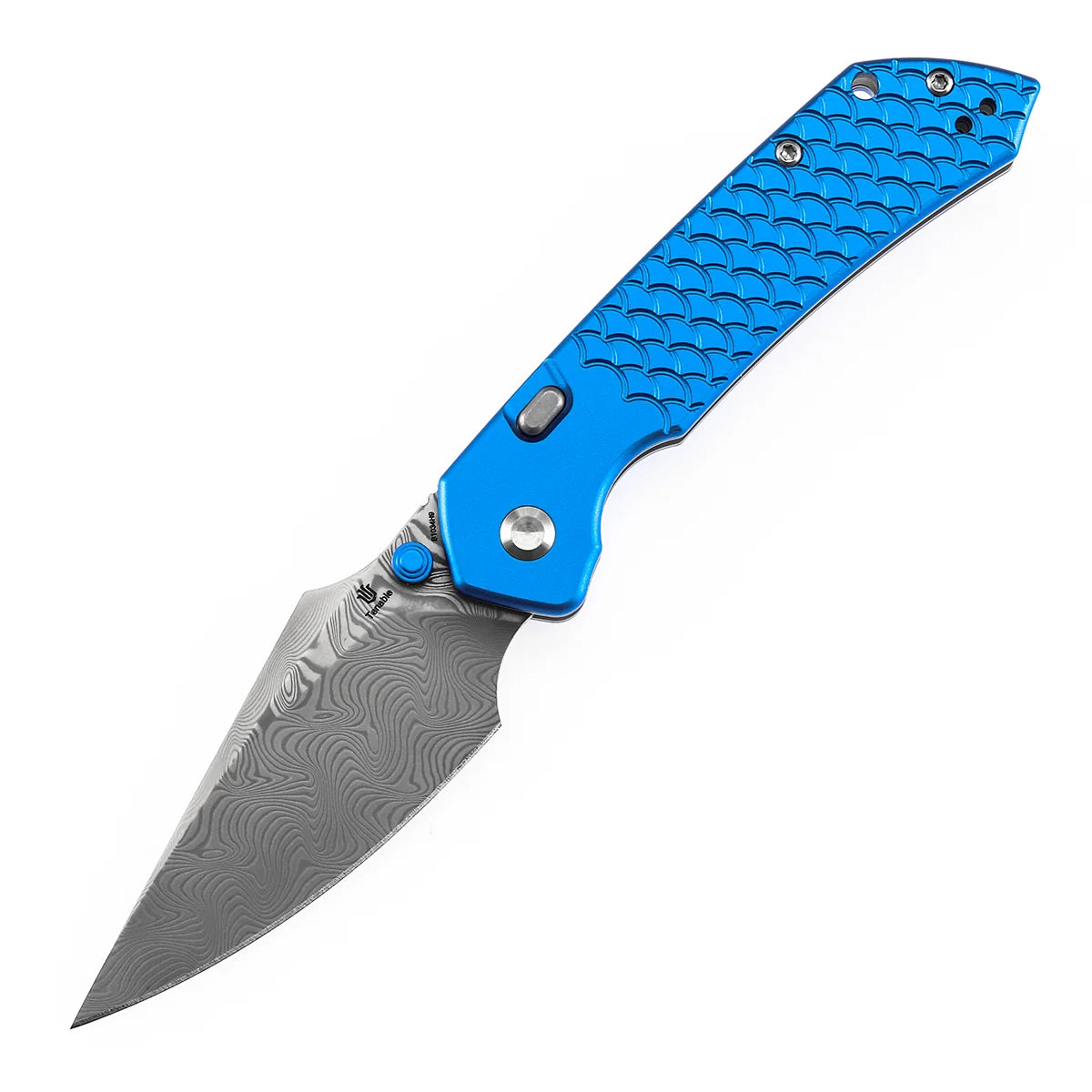
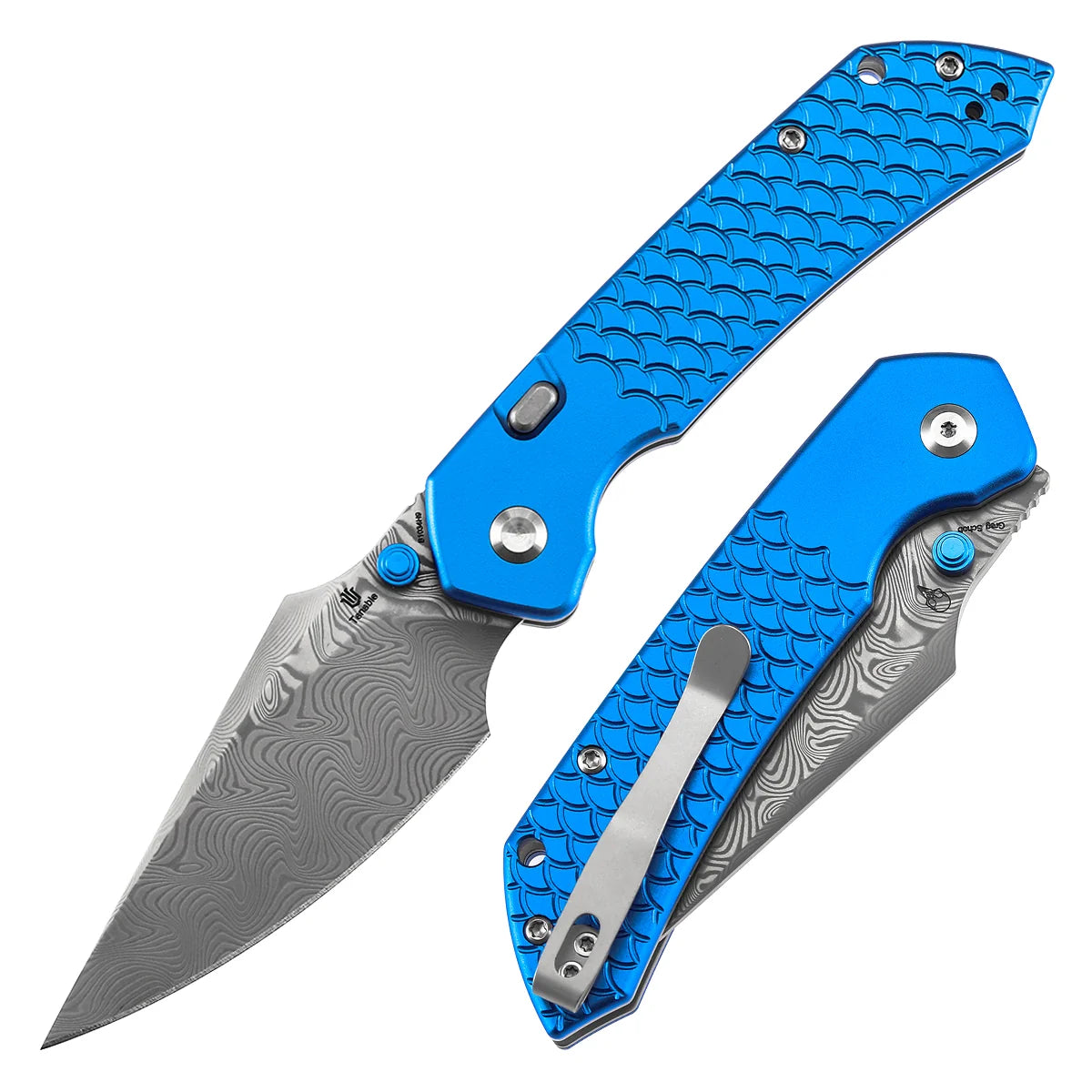
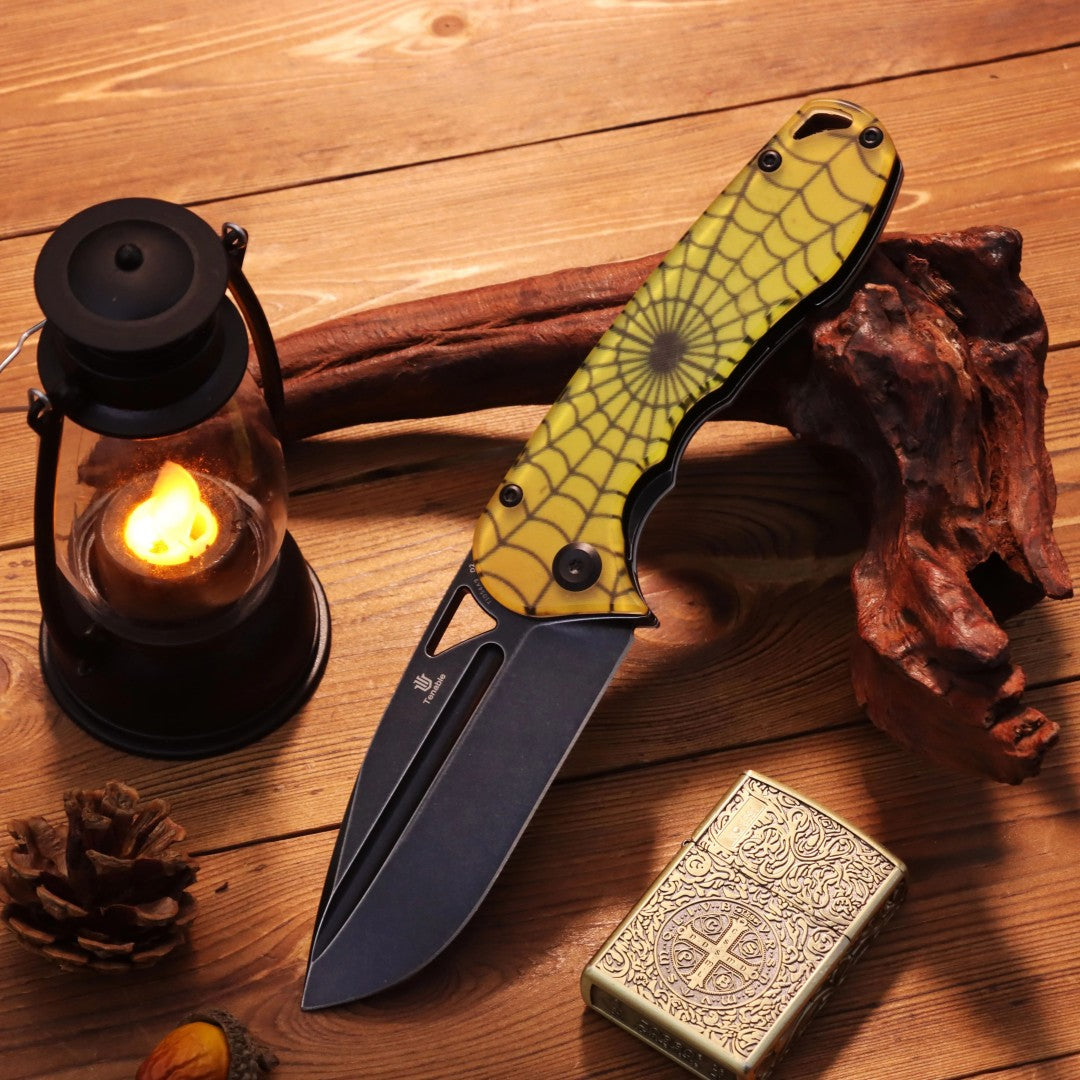
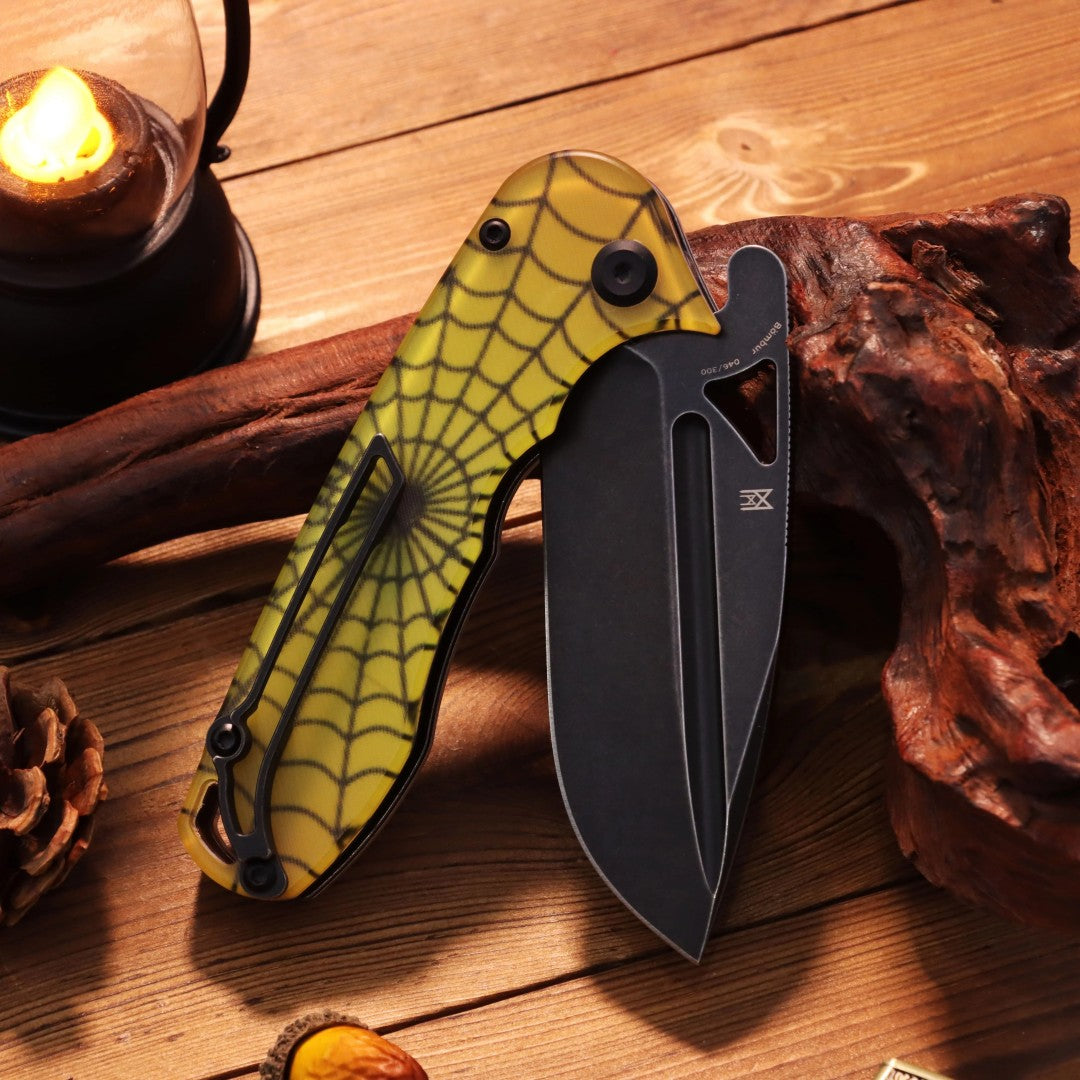
The Tenable Osprey B2087A3 runs a stonewashed Nitro-V blade between twill carbon fibre and red G10 scales, with a liner lock holding it open. Nitro-V's nitrogen and chromium content gives it strong stain resistance for a steel that still takes a keen, aggressive edge, and the stonewash hides the scratches that an airframe cabin inflicts. Tenable knives uses G10 on this model because it stays grippy under gloved, wet hands.

Design & Details
Liner locks get criticised for being thin, but on a rescue knife they are an asset: the mechanism is light, the detent is easy to tune, and one-handed closing works with a wet glove. The Osprey's slim profile sits flat in a flight suit thigh pocket instead of catching on a harness, and the stonewashed finish means the blade never looks like it failed inspection when it picks up a scuff.
Real-World Use
Through a training cycle the knife cuts cargo webbing, trims taped stretcher restraints, opens ration packaging, slices protective foam for a medical kit, cuts cable ties on a loose panel and frees a snagged line on the cabin floor. folding knives on a helicopter get rinsed with fresh water after every salt tasking, and the Osprey's finish survives that routine without pitting.

Ownership Notes
Salt is relentless, so rinse the knife in fresh water after every coastal tasking, dry it with compressed air, and put a drop of corrosion-inhibiting oil in the pivot. Inspect the detent ball and the liner face for grit, because a sandy liner lock can fail to engage fully. Store the knife blade open and dry in the equipment room rather than closed and damp in a pocket overnight. Aircrew who carry EDC knives learn to treat them as working tools rather than heirlooms, so a stainless blade, a simple action and a habit of rinsing after every salt tasking matter far more than any cosmetic finish on the frame.
Who Is This For?
This suits hoist operators, rescue swimmers, flight medics and aircrew who work over salt water and loose terrain. A weekend hiker does not need a knife built for airframe abuse. Buy the Osprey if you want a corrosion-resistant stainless folder with a light, quick lock that stays controllable when your hands are wet and busy.
Final Verdict
A rescue knife is a consumable in a hostile environment, so the design goal is resistance rather than glamour. The Tenable Osprey B2087A3 delivers a Nitro-V blade that shrugs off salt and grit, G10 scales that hold through a wet glove, and a liner lock that closes one-handed. Rinse it, oil it, and it will answer every time the line goes out.