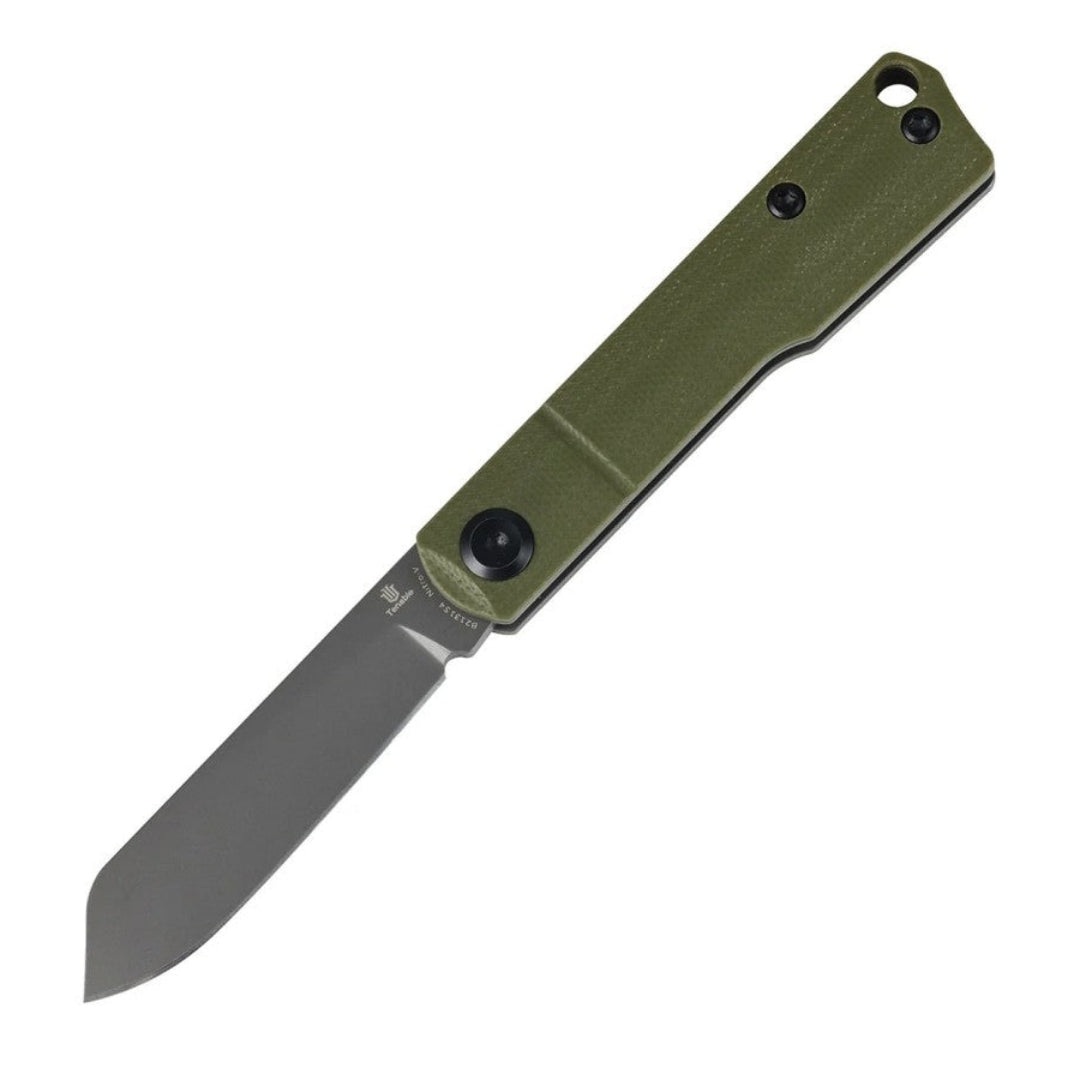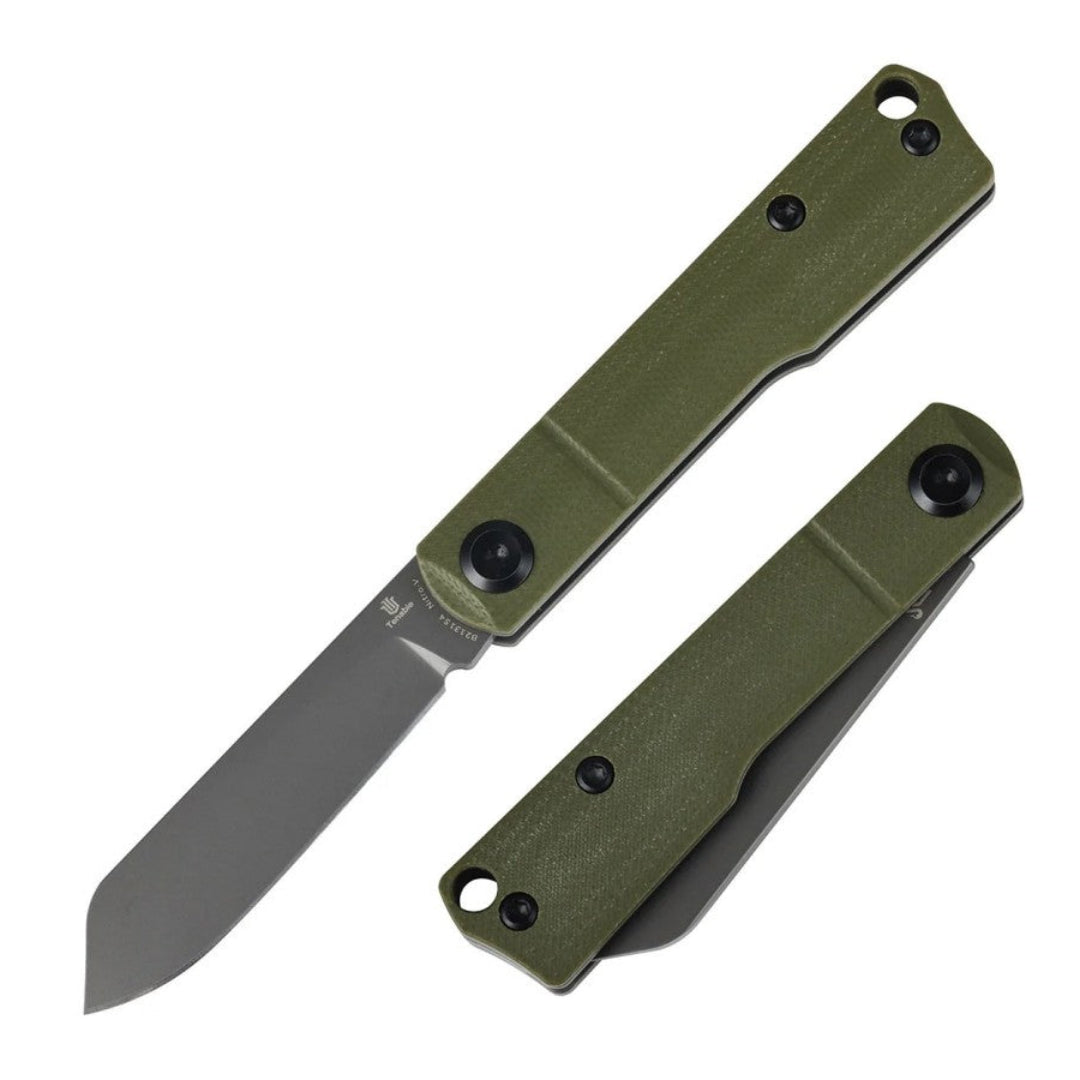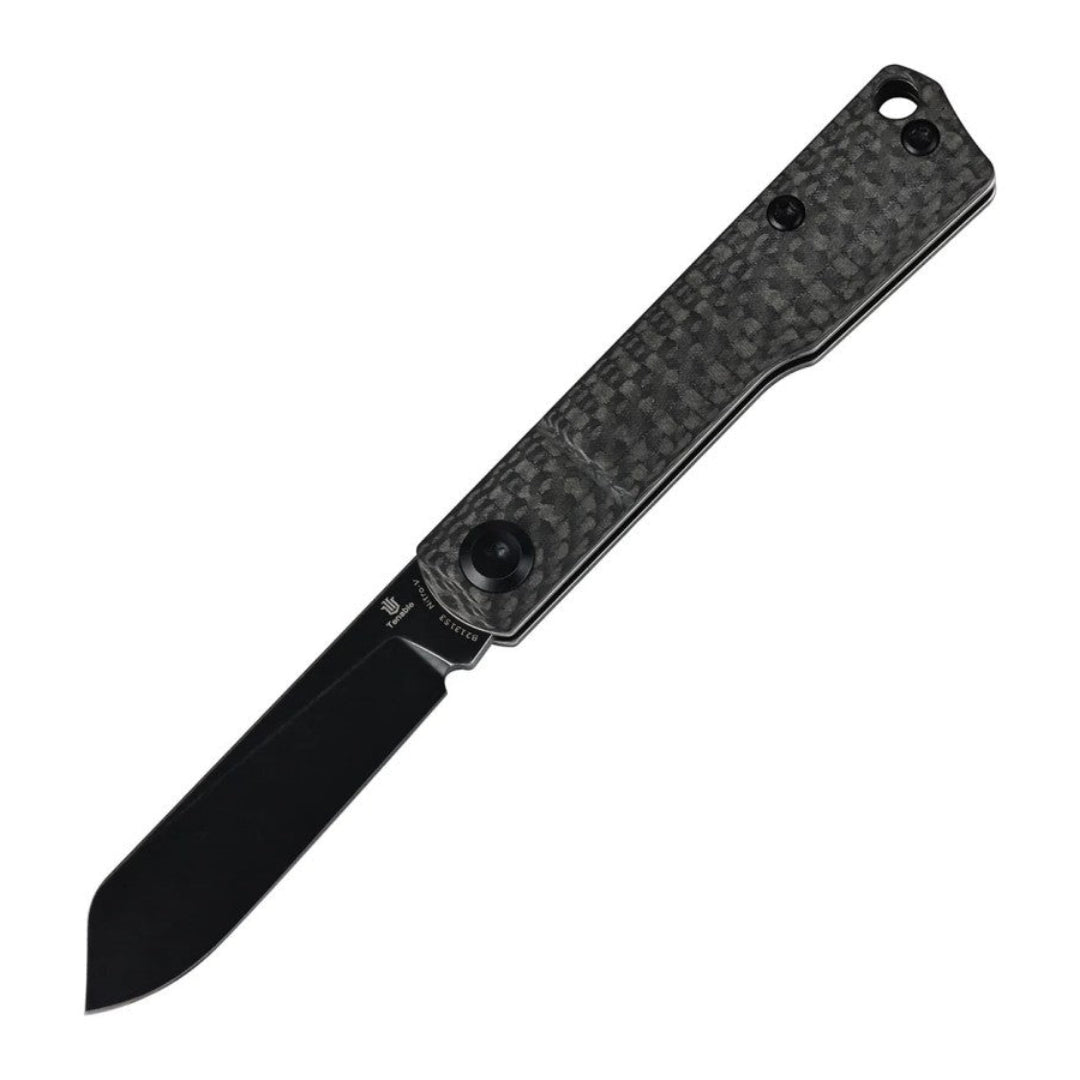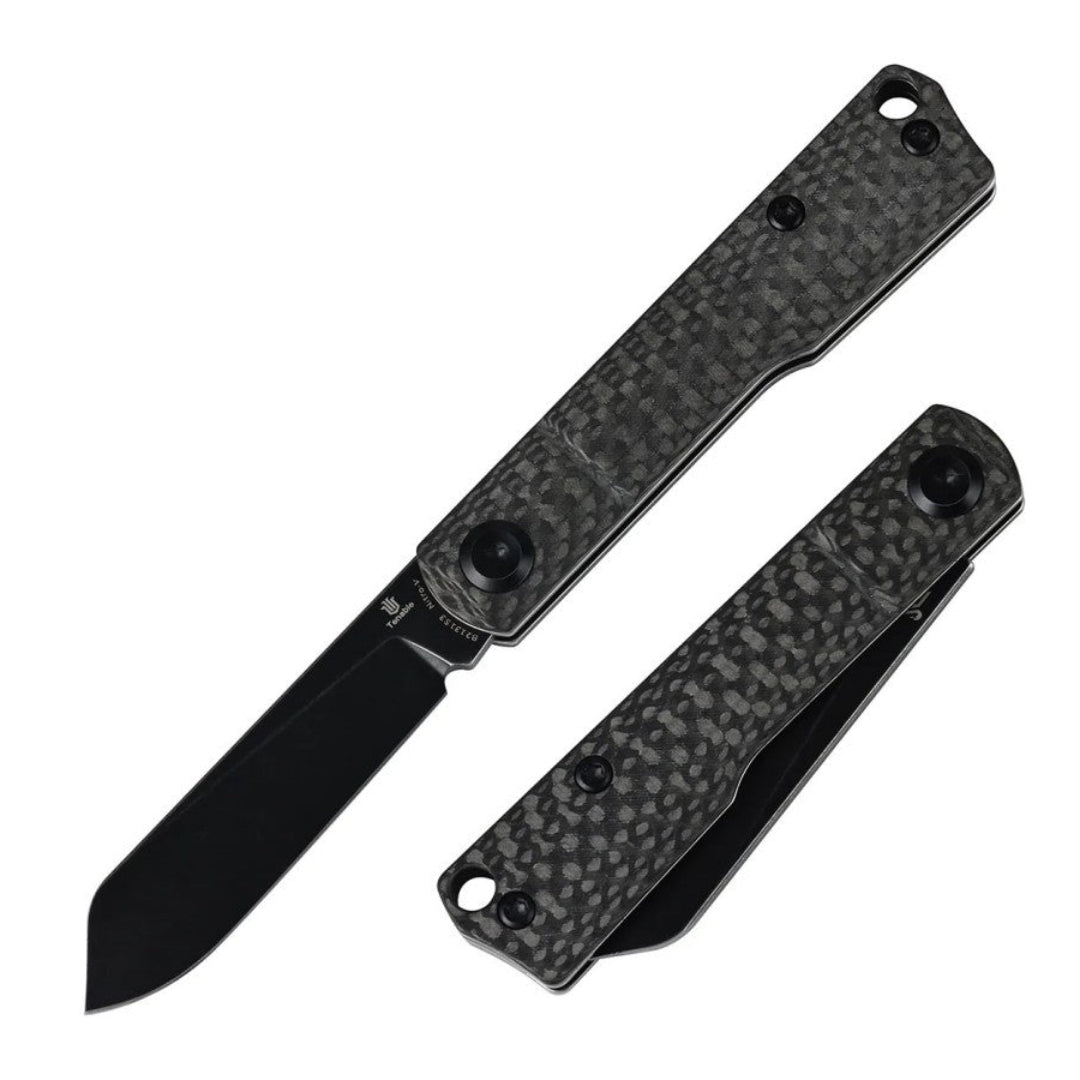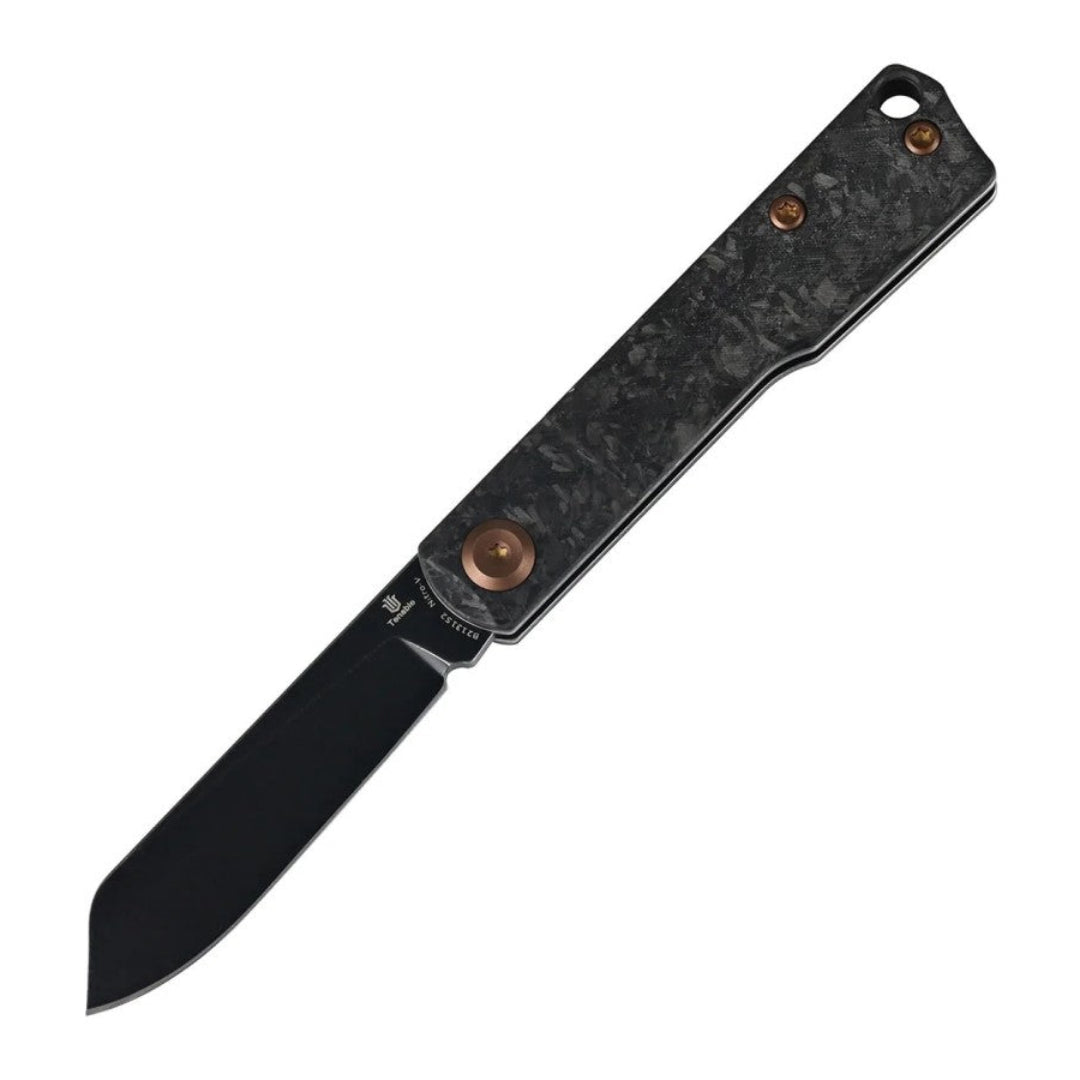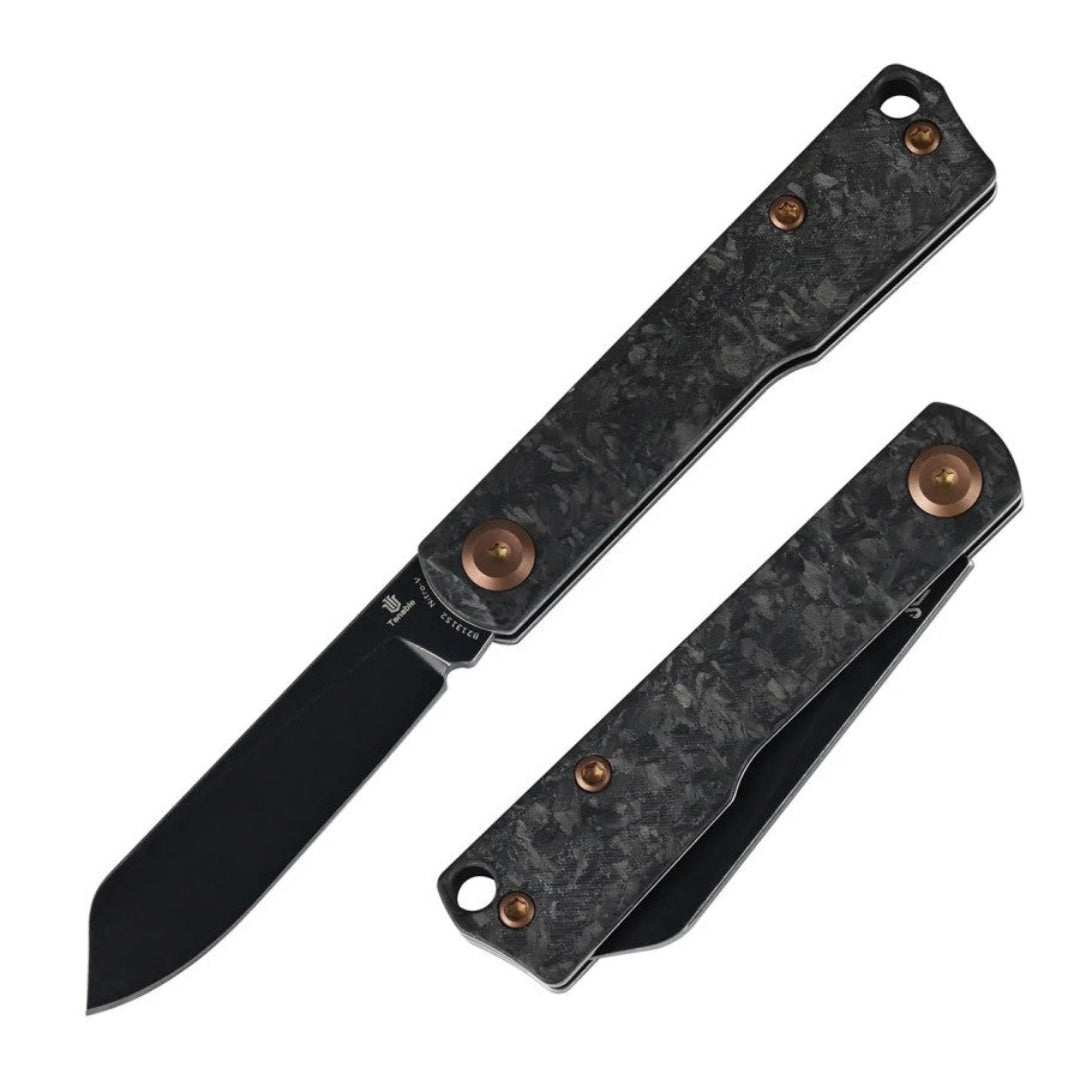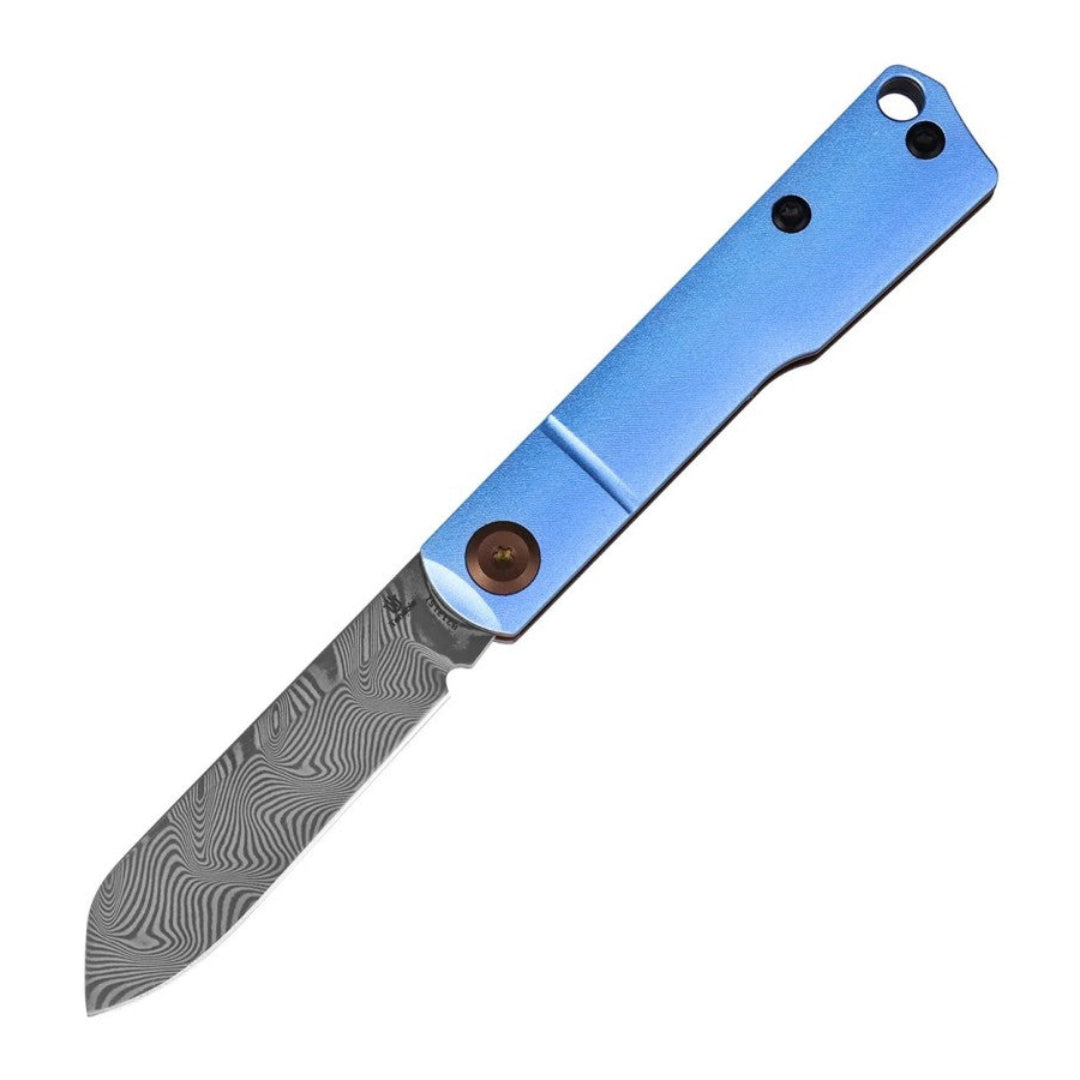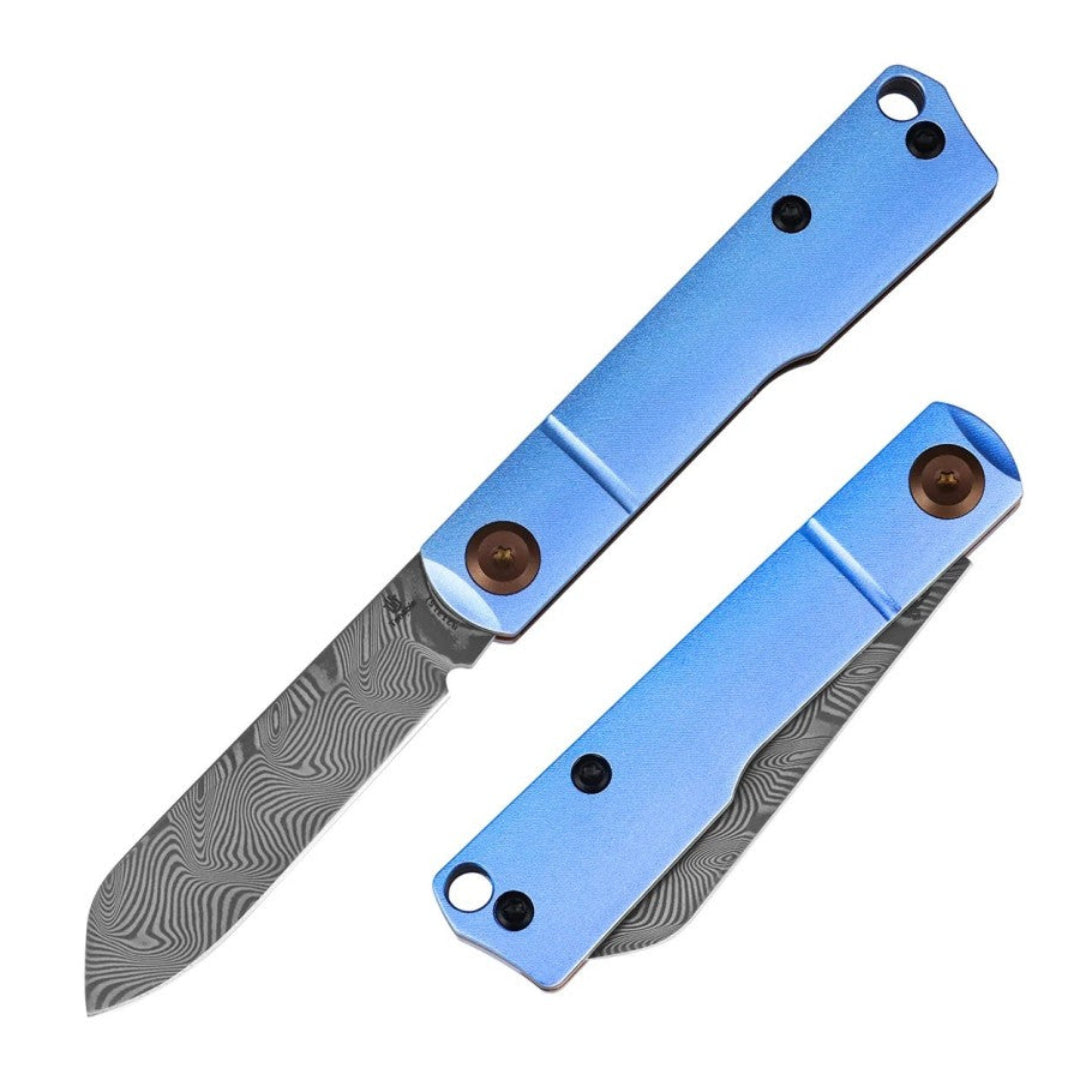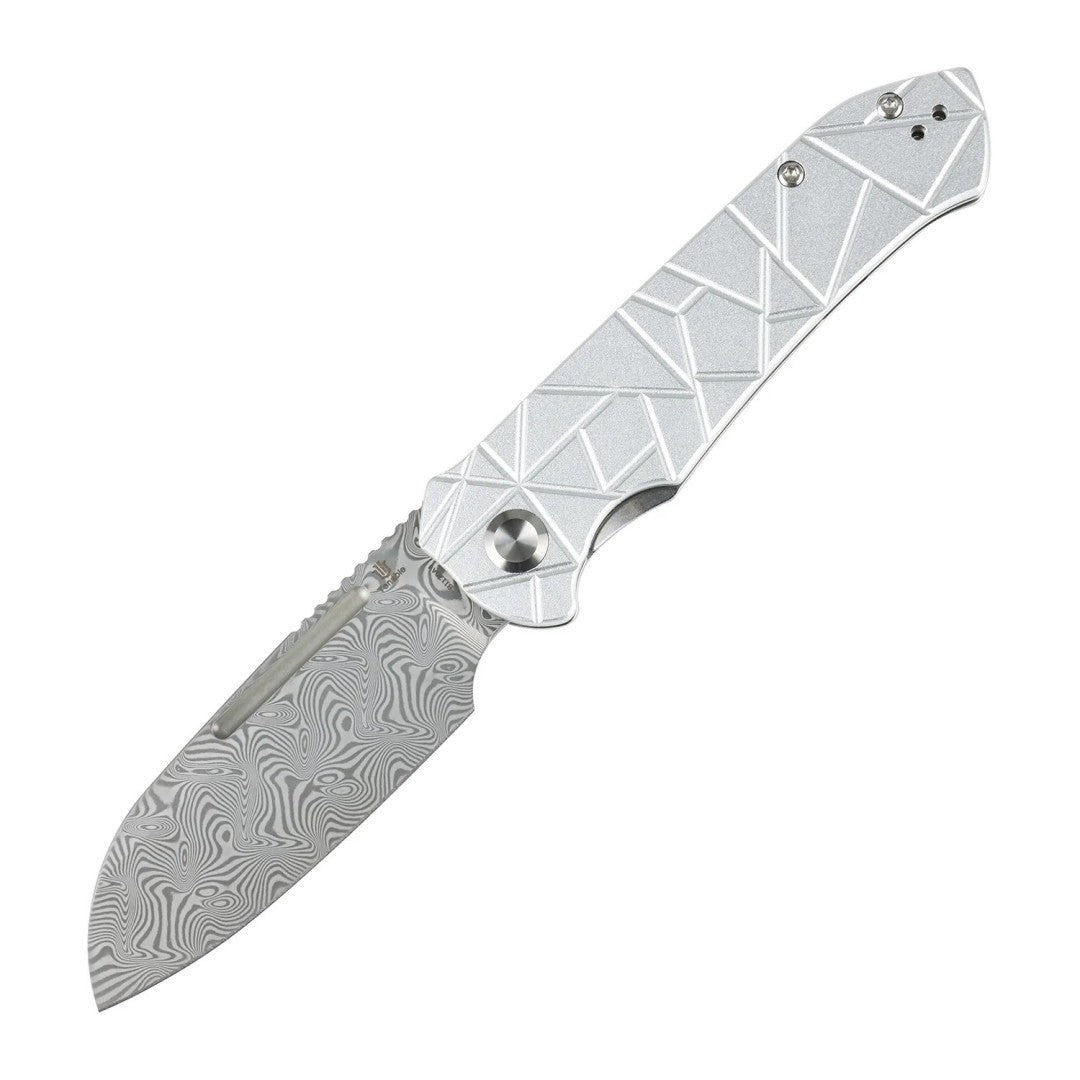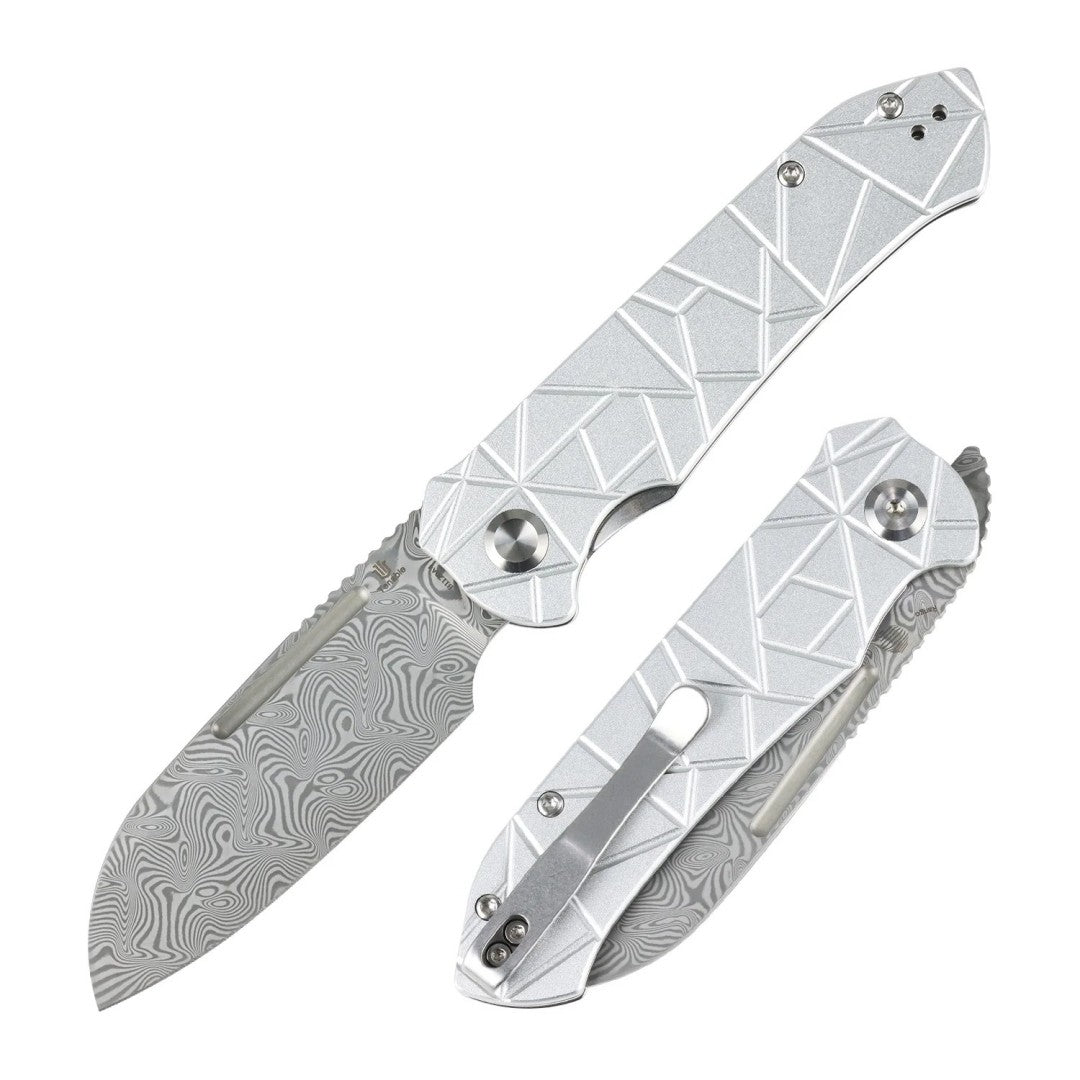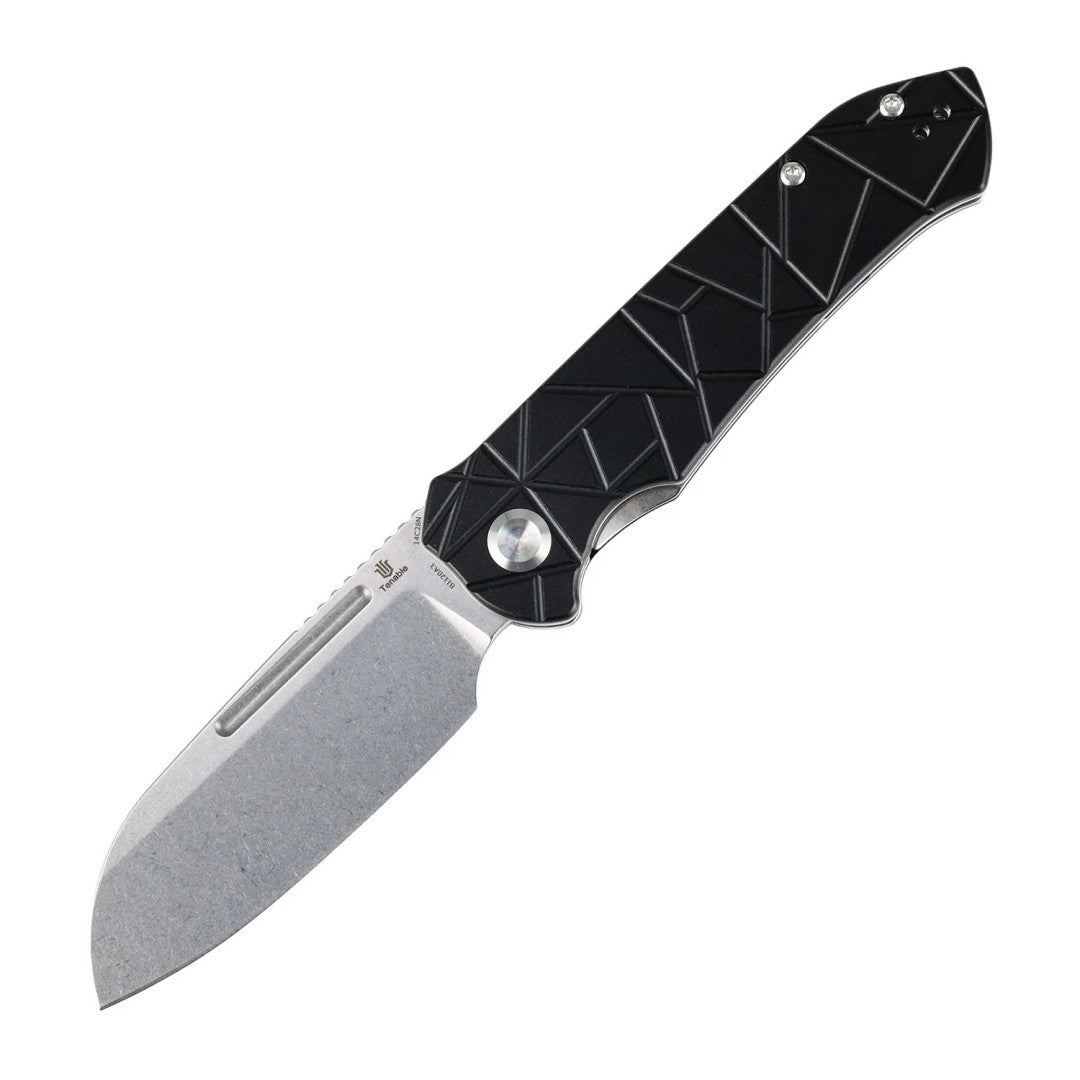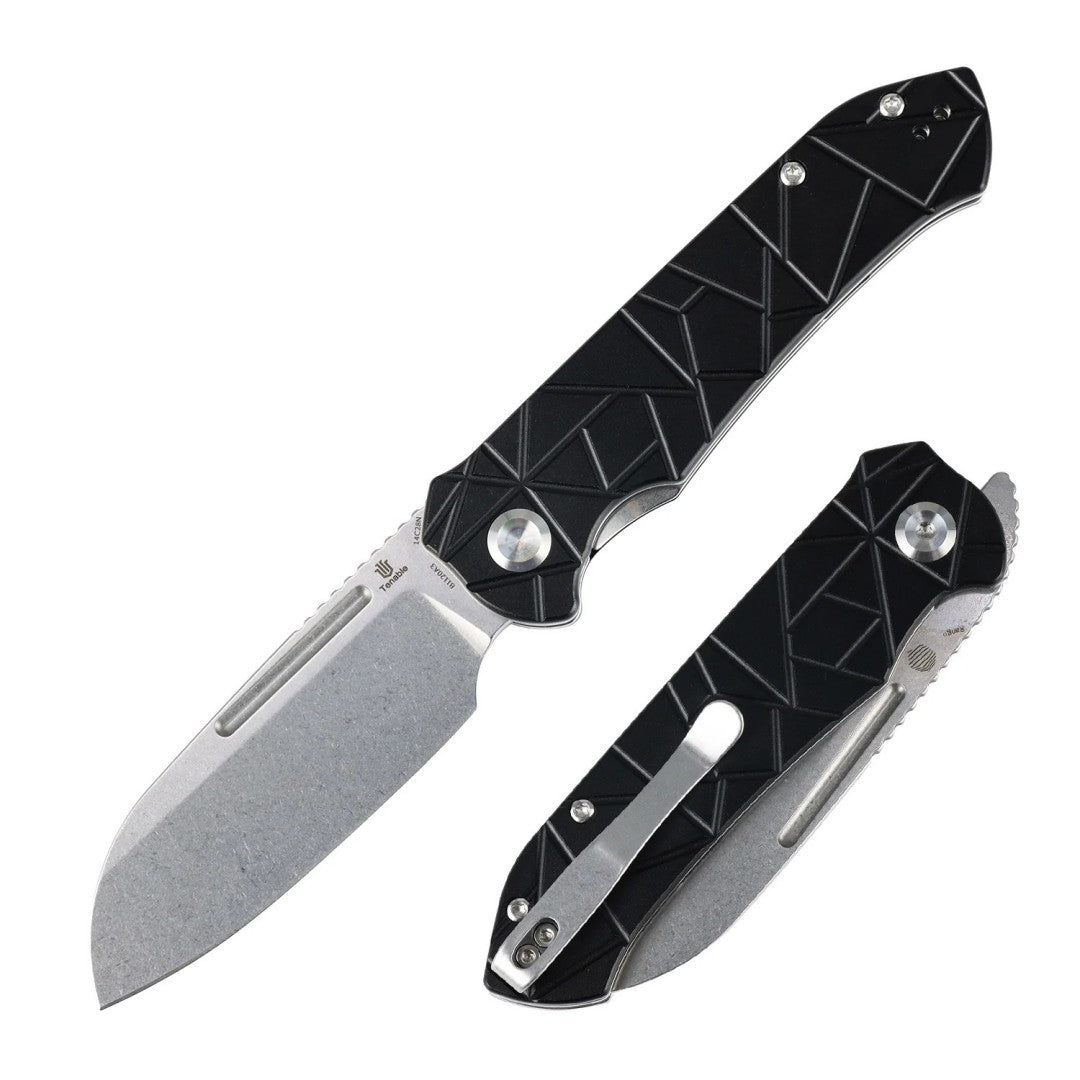
Selecting the right blade steel for a daily carry folder comes down to matching alloy properties with your routine cutting demands, preferred sharpening tools, and local environment. The Kansept Mini Lanza provides two distinct metallurgical configurations: high-wear powder metallurgy CPM-20CV stainless steel and pattern-welded Damascus steel.
Conceived by custom knife artisan Brandon Corbin and built by Kansept, this compact folder houses both steel options inside a sleek titanium handle frame featuring an internal Nested Liner Lock. Examining how each steel handles real-world daily cutting tasks helps clarify which option best fits your pocket rotation.
Metallurgy and Real-World Performance Matrix
| Performance Category | CPM-20CV Stainless Steel | Pattern-Welded Damascus Steel |
| Edge Working Life | Exceptional (High Vanadium Carbide Volume) | Moderate to High |
| Corrosion Protection | Class-Leading (~20% Chromium Content) | Moderate (Requires Routine Wipedowns) |
| Sharpening Requirements | Requires Diamond or Ceramic Abrasives | Standard Bench Stones |
| Cutting Dynamic | Smooth Slicing Apex | Micro-Serrations from Etched Layers |
| Primary Advantage | Maximum Wear Resistance & Zero Worry Care | Custom Visual Character & Tactile Slicing Bite |
CPM-20CV: High-Wear Utility for Heavy Slicing
CPM-20CV is an American-made super steel produced via powder metallurgy. This process distributes carbides evenly throughout the steel matrix, eliminating coarse grain boundaries that cause edge chipping under stress.
-
Cardboard Breakdown & Packaging Work: The high volume of hard vanadium carbides allows the 3.19-inch blade to retain a sharp working edge through continuous slicing of dense corrugated cardboard, heavy strapping, and zip ties without frequent touch-ups.
-
Humid & Outdoor Environments: With nearly 20% chromium content, this alloy provides exceptional immunity to rust caused by sweat, rain, or food acids, making it an ideal low-maintenance option for all-weather carry.
-
Sharpening Consideration: Because of its dense carbide structure, restoring an edge requires diamond or high-grade ceramic hones rather than traditional aluminum oxide stones.
 Damascus Steel: Functional Artistry for Daily Tasks
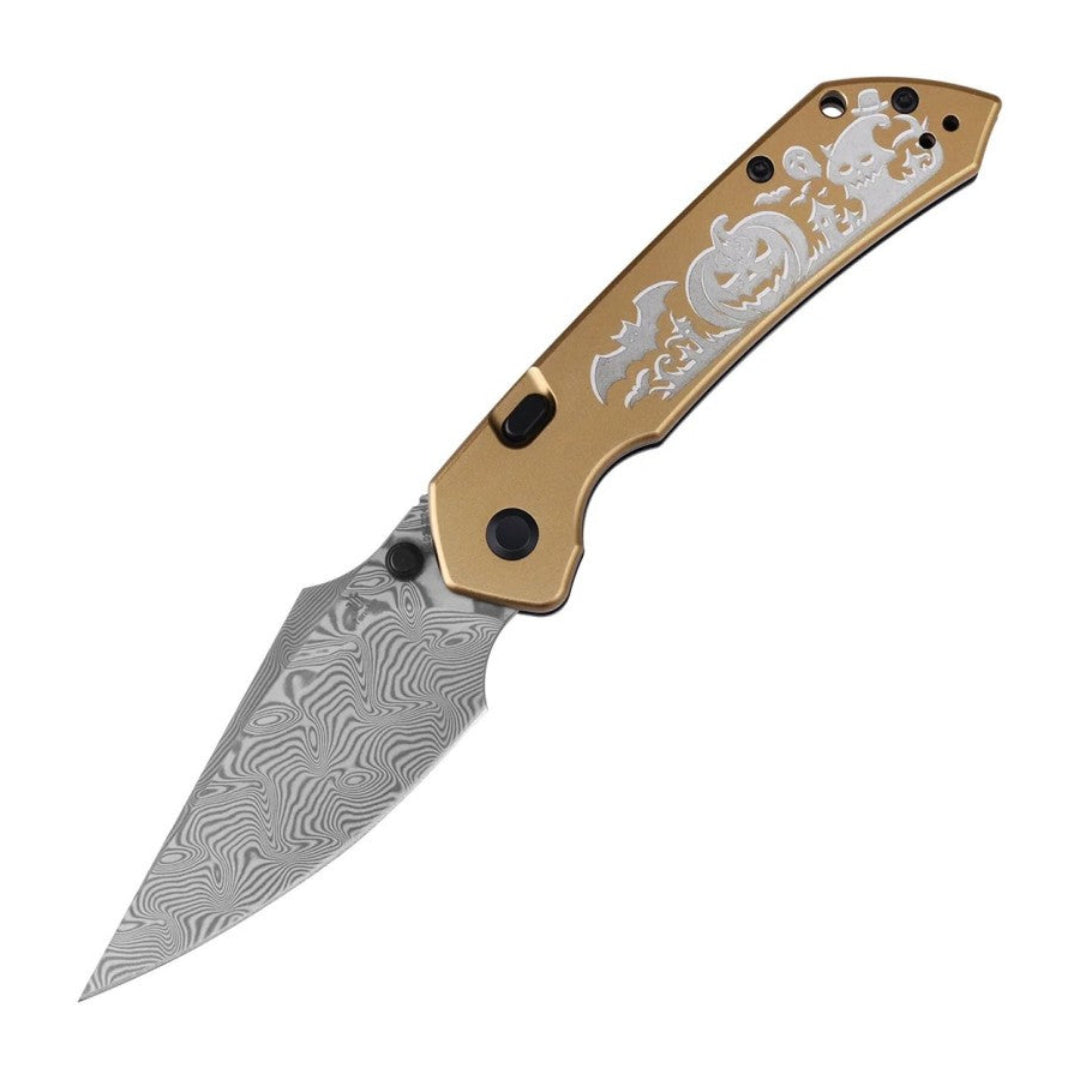
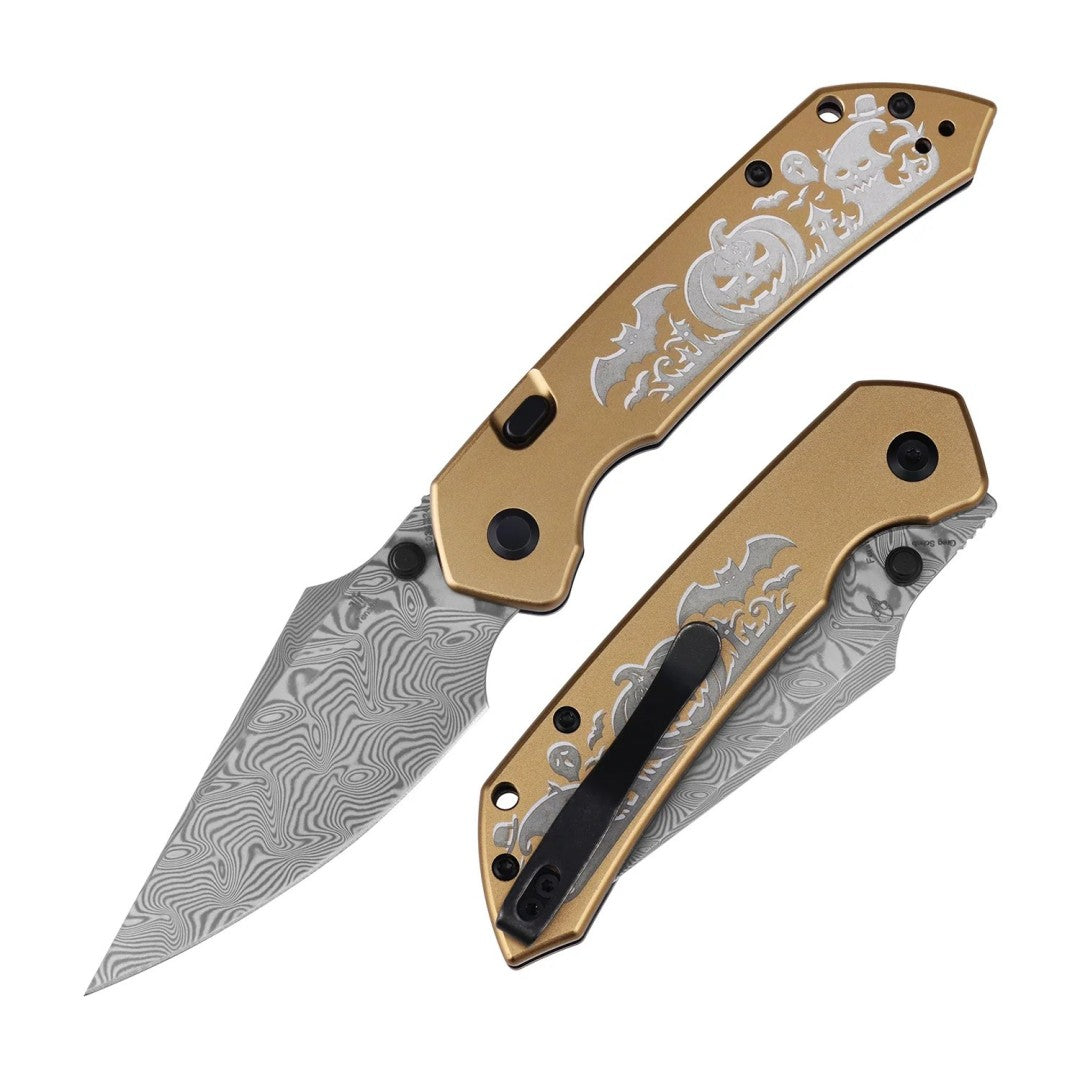
Pattern-welded Damascus steel is forged by layering alternating high-carbon and stainless steel alloys, followed by an acid bath that etches contrast lines across the blade flats and primary bevel.
-
Fibrous Material Slicing: The acid-etching process creates subtle micro-textures along the layer boundaries at the cutting apex. These microscopic serrations bite aggressively into slippery nylon webbing, hemp rope, and heavy fabrics during draw cuts.
-
Distinct Visual Character: Every forged billet produces a unique swirling pattern, ensuring that no two blades carry the exact same visual signature in your pocket setup.
-
Maintenance Requirement: Because certain high-carbon layers in the weld have lower chromium levels, keeping the blade clean and applying a thin coat of mineral oil prevents surface oxidation over time.
Choose CPM-20CV if your daily routine demands maximum edge longevity, zero rust worries, and heavy slicing utility. Select Damascus if you appreciate heirloom-level craftsmanship, organic slicing bite on fibrous materials, and do not mind basic routine steel maintenance.
 Matching the Blade Option to Your EDC Routine
Both steel variants share the same flat-ground drop point geometry, offering excellent tip control and slicing efficiency. By weighing your preference for edge retention against custom visual appeal, you can choose the ideal blade setup for your daily needs.