
Overview & First Impressions
A kimono is cut from a single bolt of tanmono about thirty-eight centimetres wide, and almost every panel is a rectangle. That sounds simple until you learn that the fabric is cut along the warp so the garment hangs correctly, and a panel cut a degree off grain will twist after the first wash. Makers mark with a hera and cut with a knife held against the selvedge, not with scissors, because a blade that separates threads leaves a cleaner edge than shears that crush them.
Materials & Construction
Silk and cotton both punish a coarse edge. 14C28N is a nitrogen-alloyed stainless that takes a very fine, stable apex, holds it well at moderate hardness and resists the humidity that comes with steamed pressing. QSP knives ship it in thin stock with a full flat grind, and that combination slices fabric cleanly instead of pushing threads apart and leaving a frayed line that has to be trimmed twice. It also sharpens quickly on a ceramic rod, which matters in a working atelier.

Design & Details
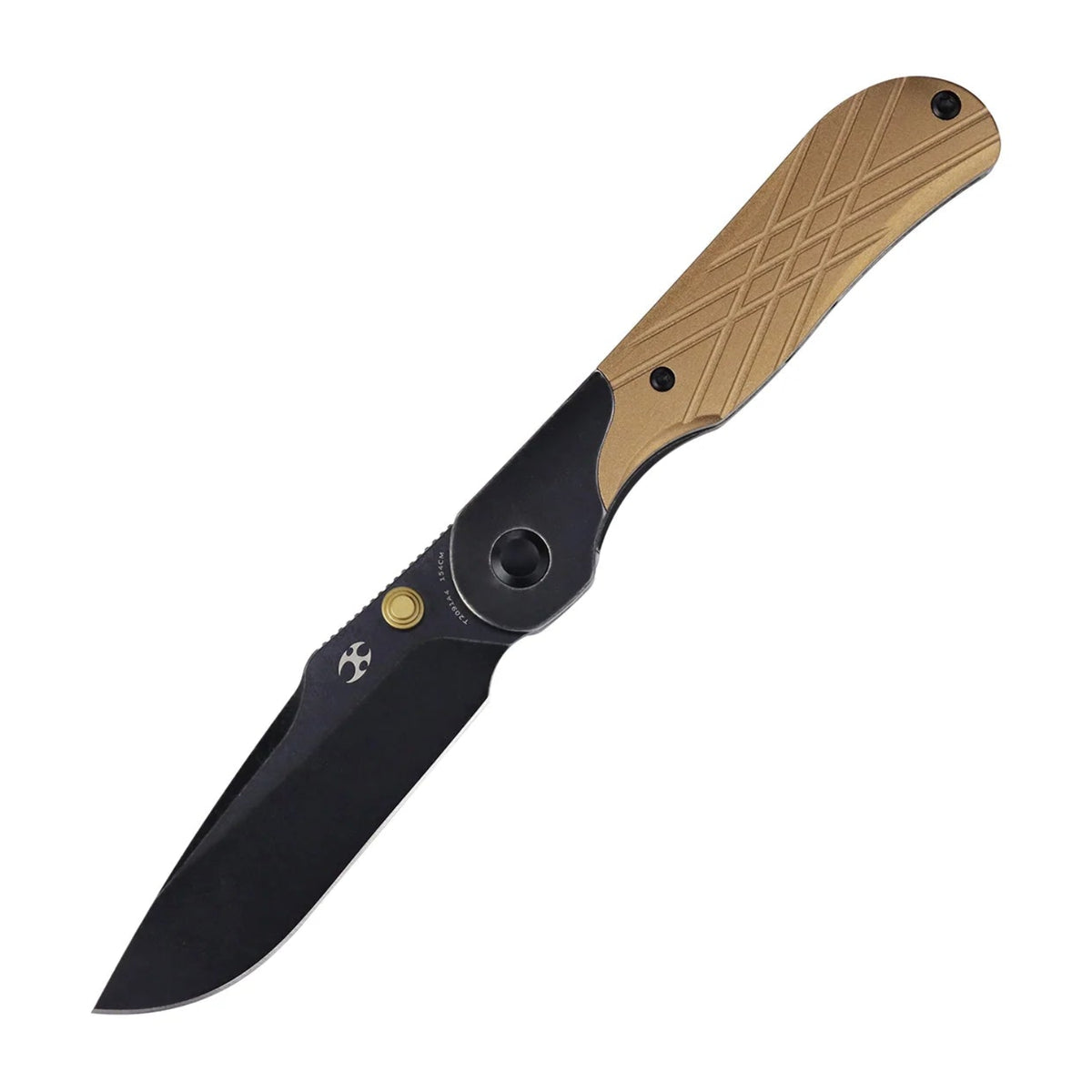
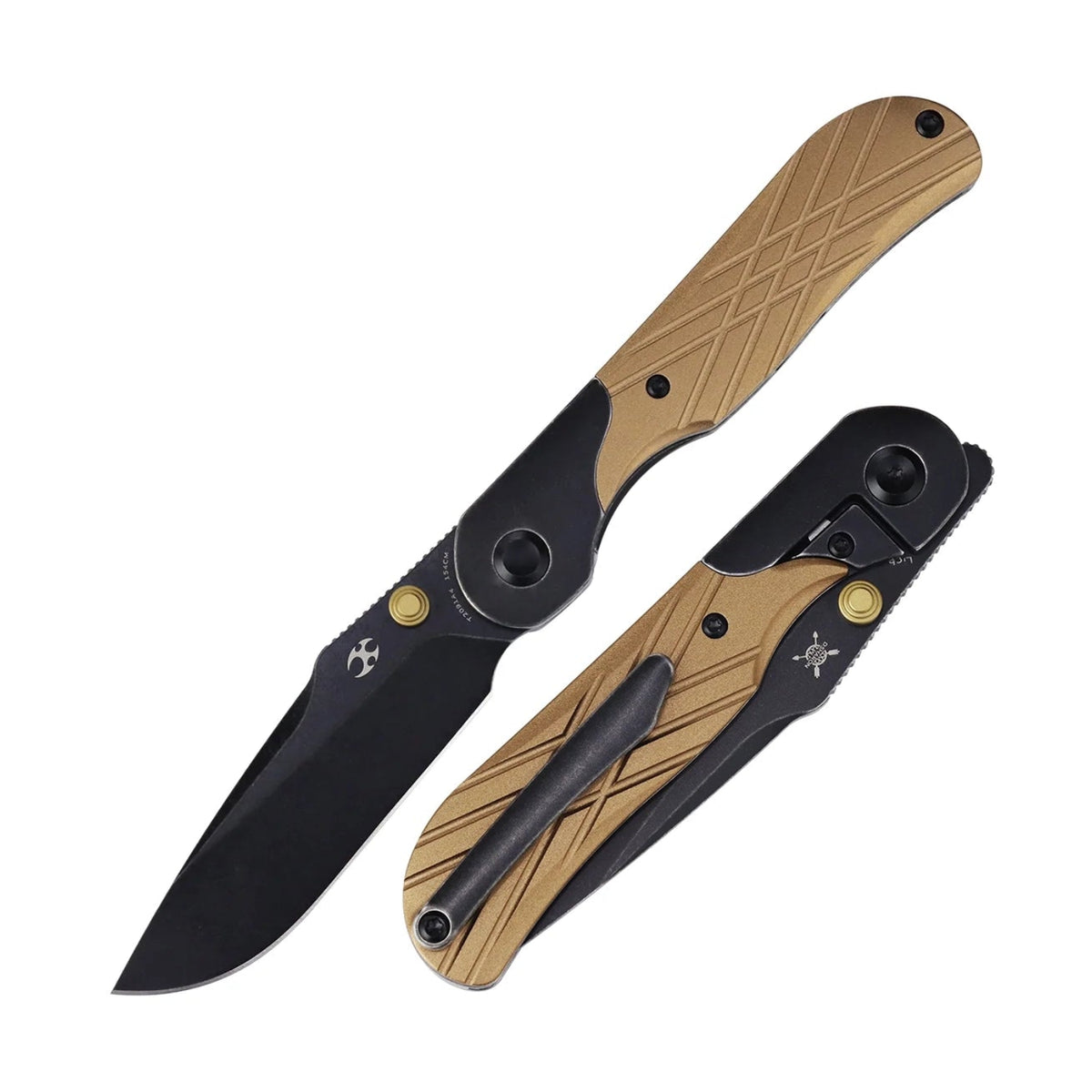
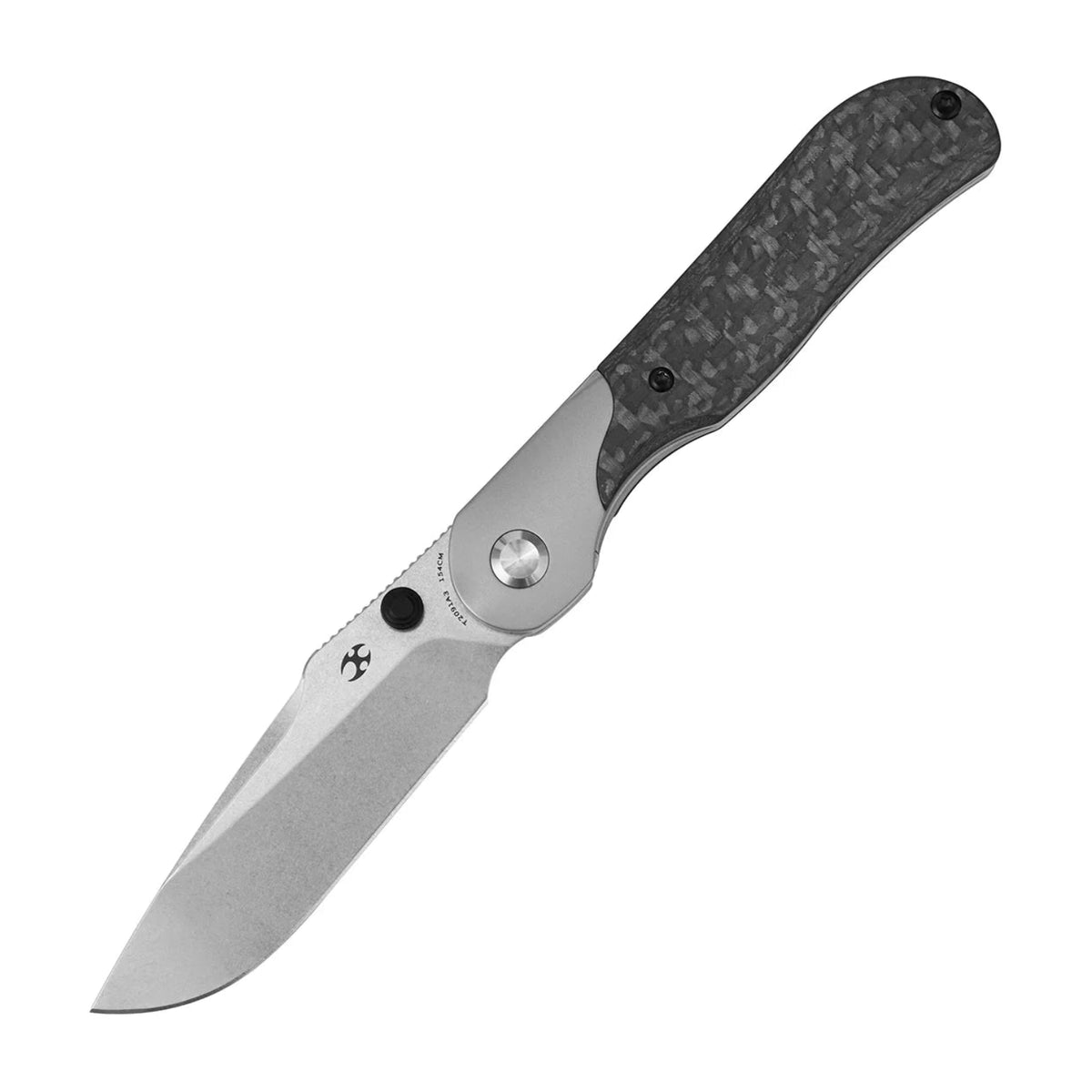
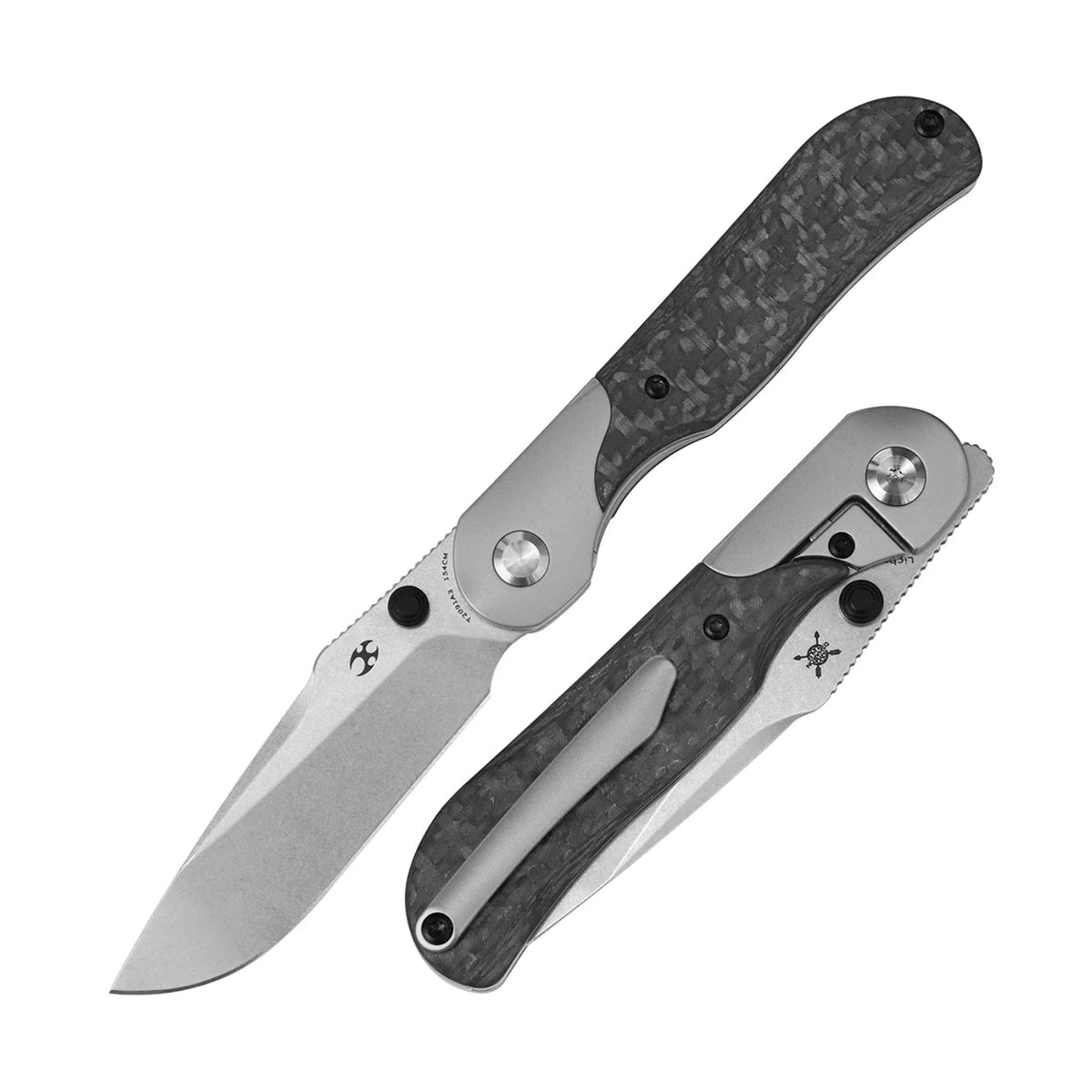
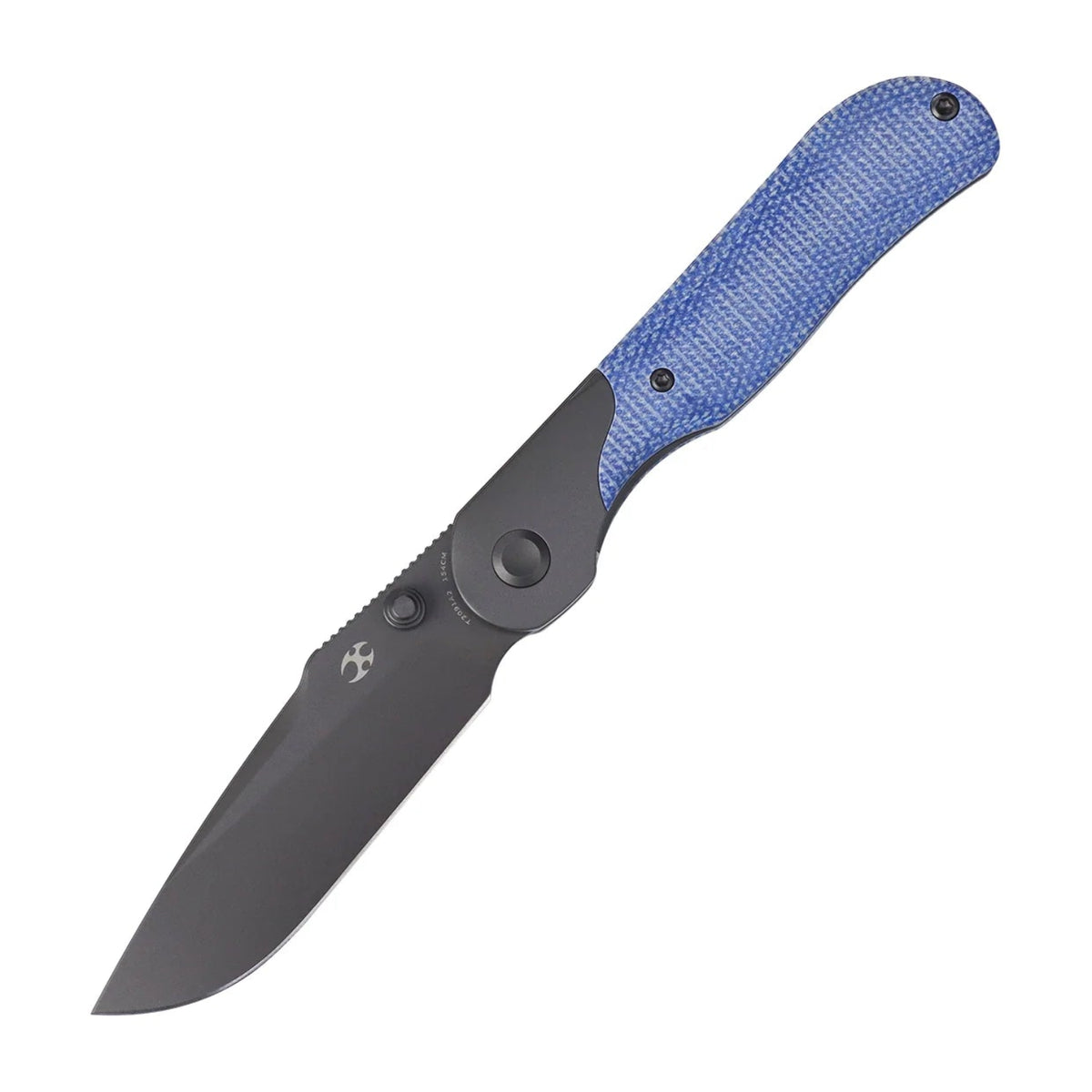
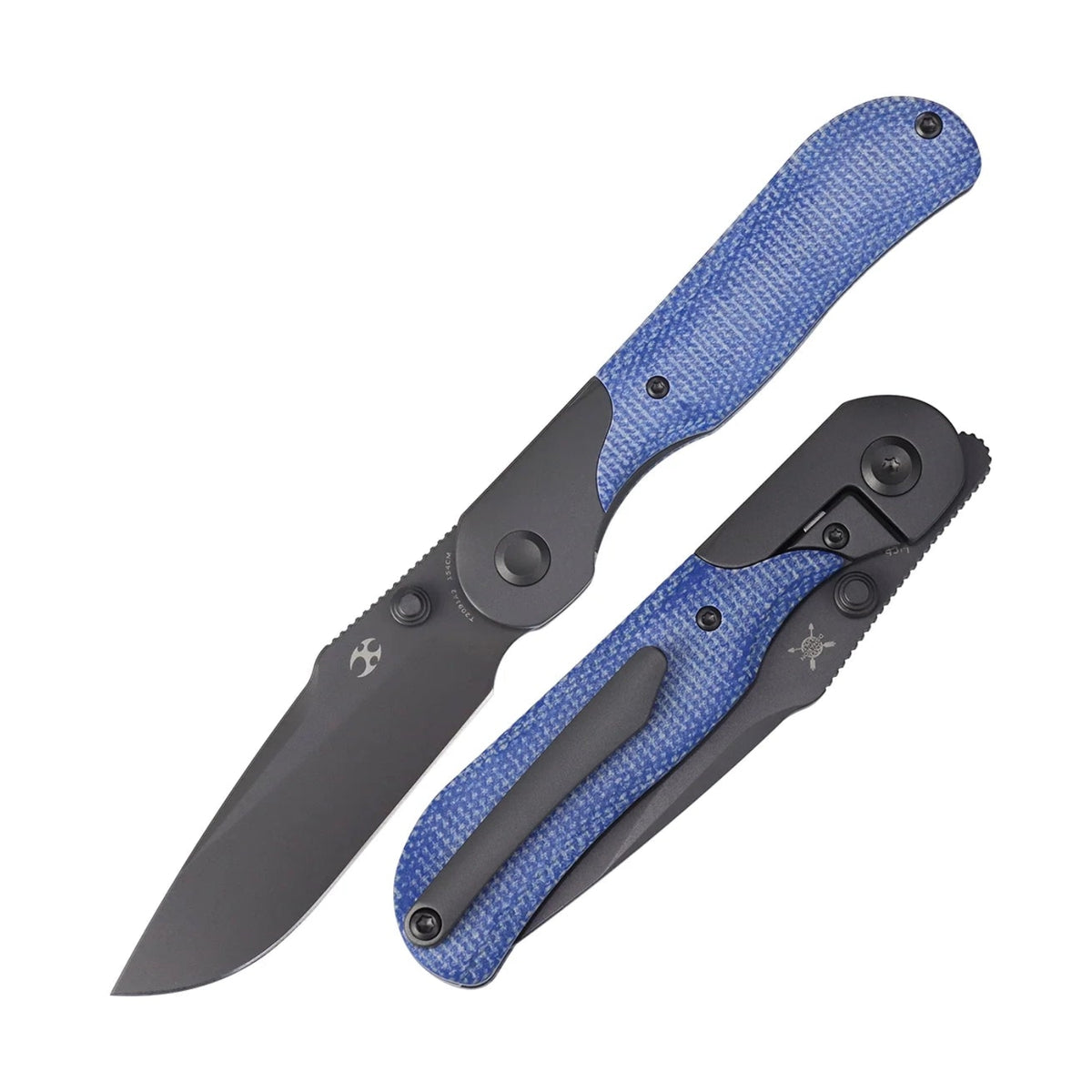
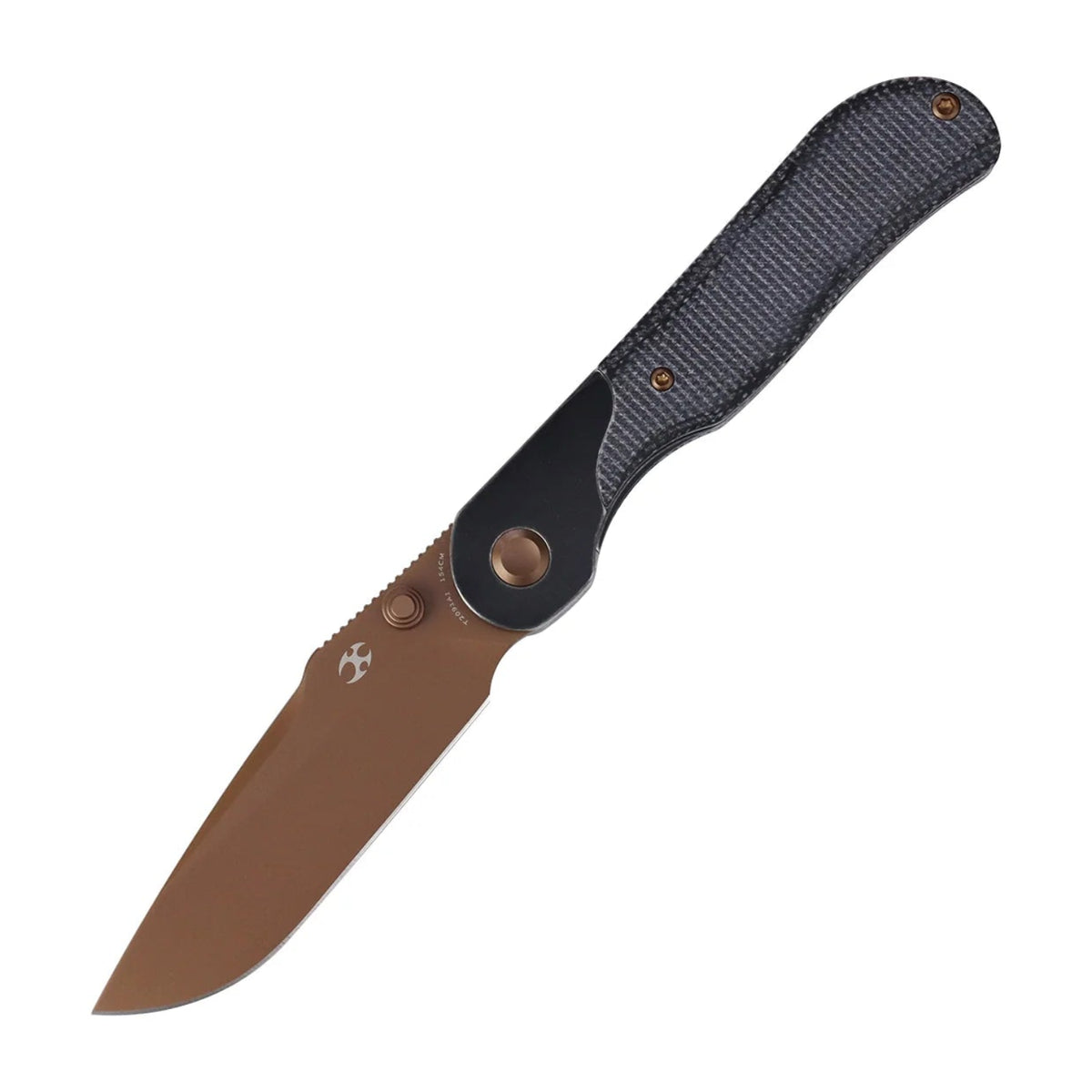
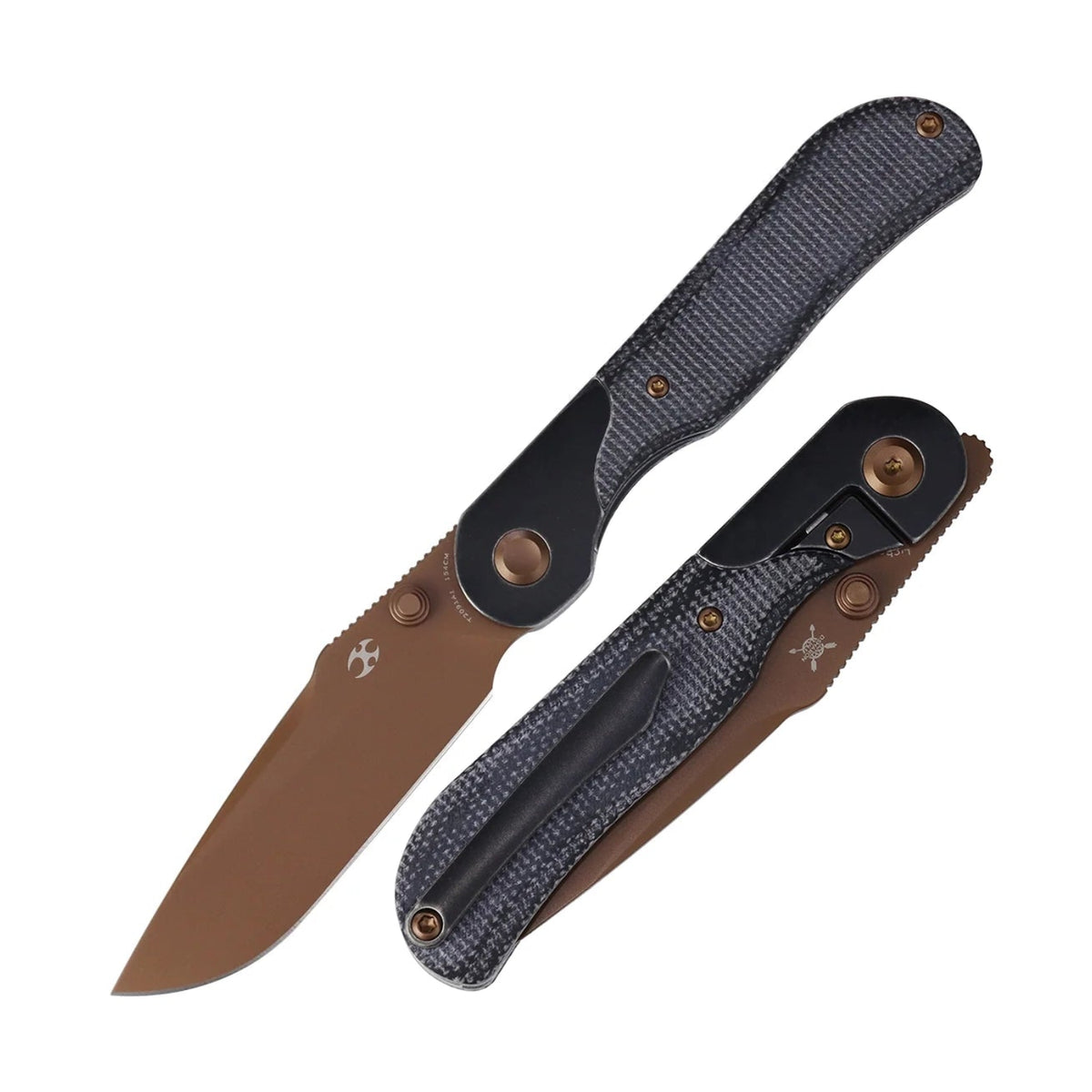
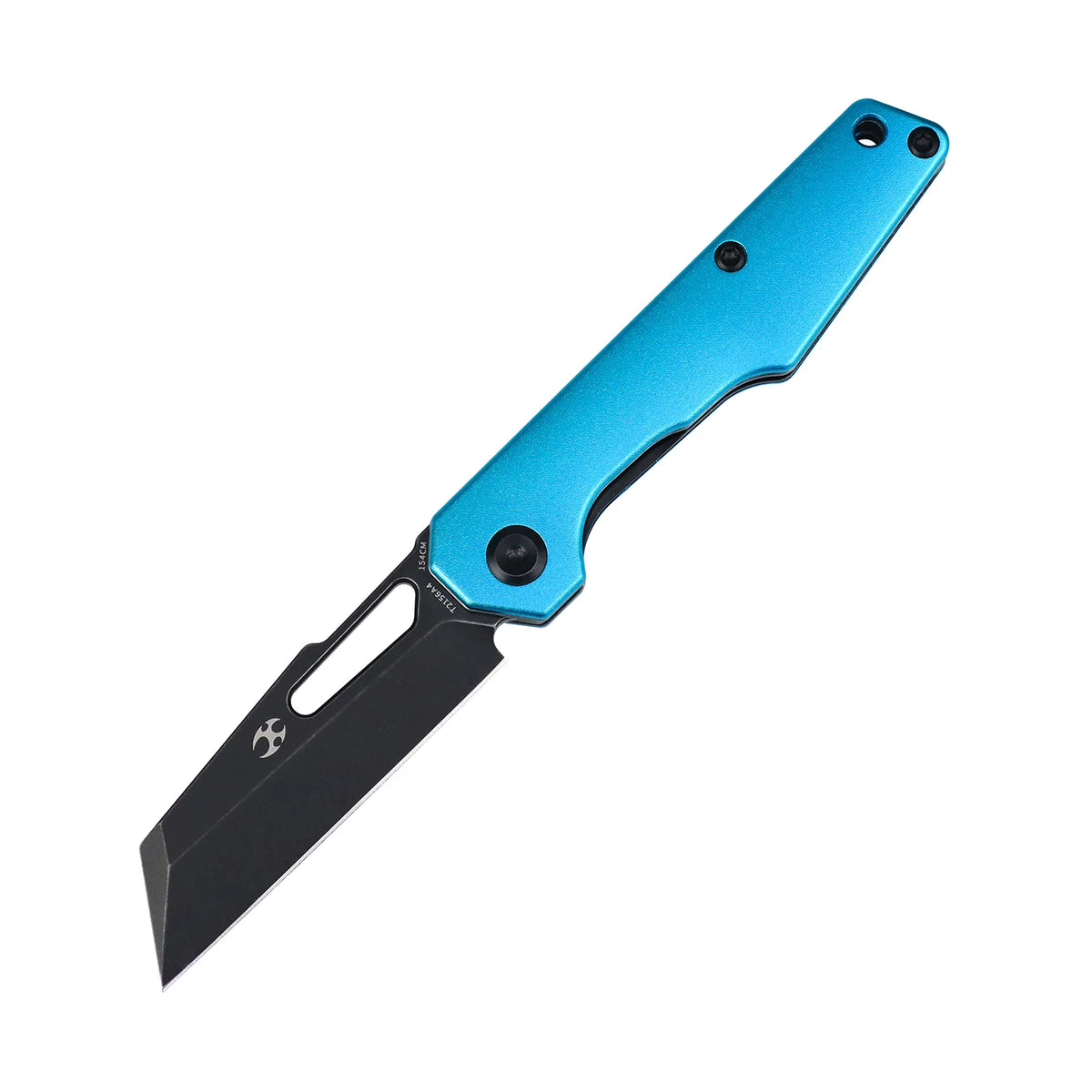
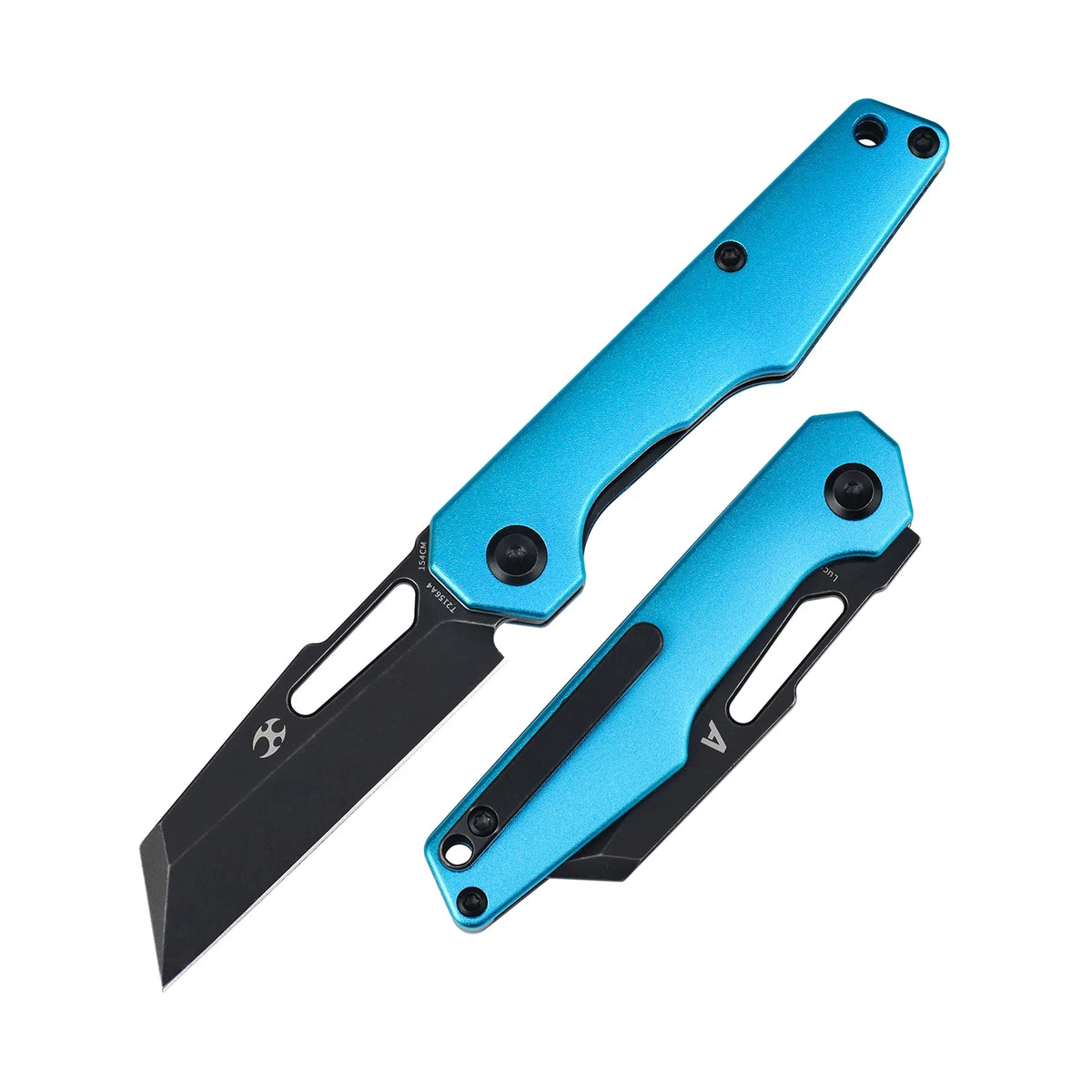
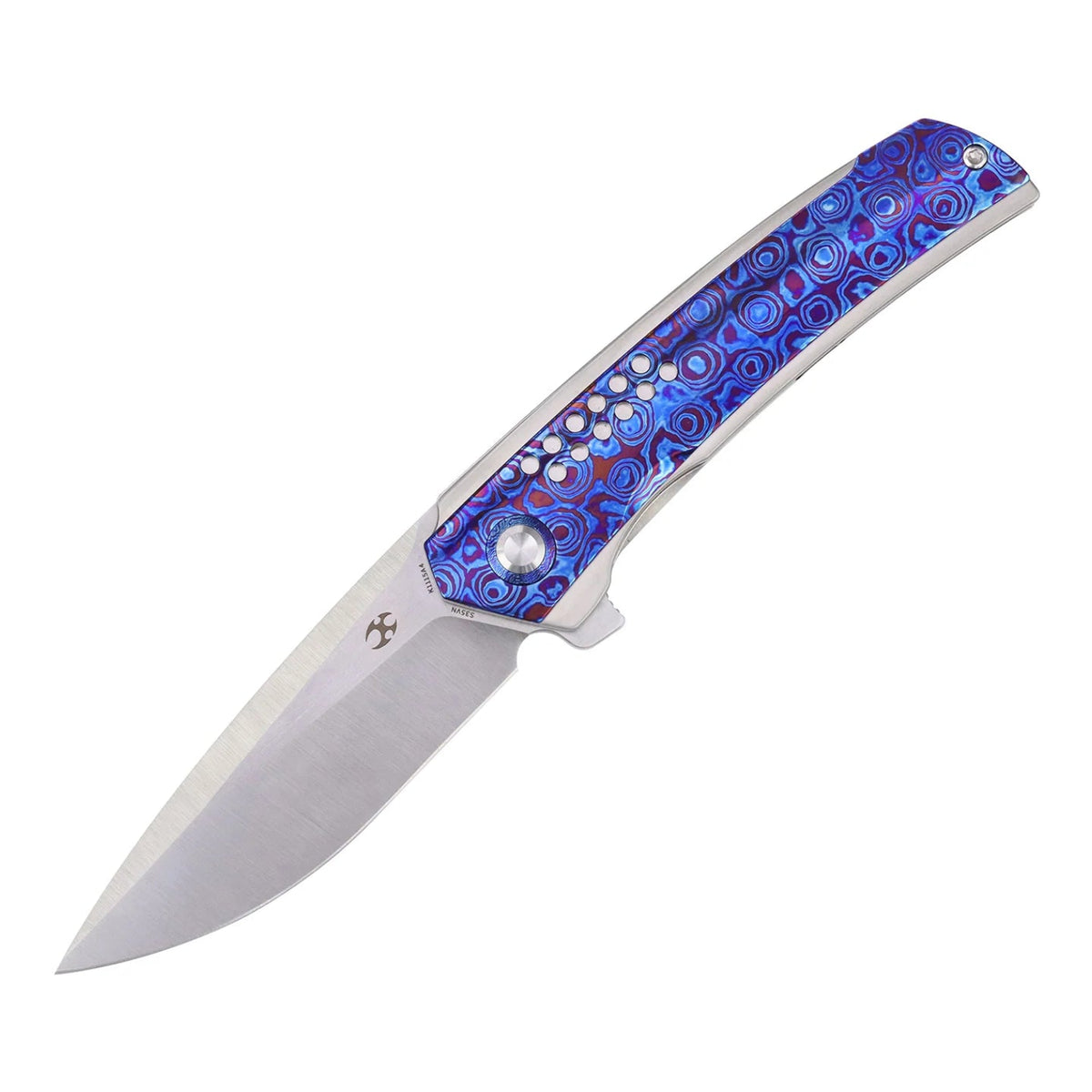
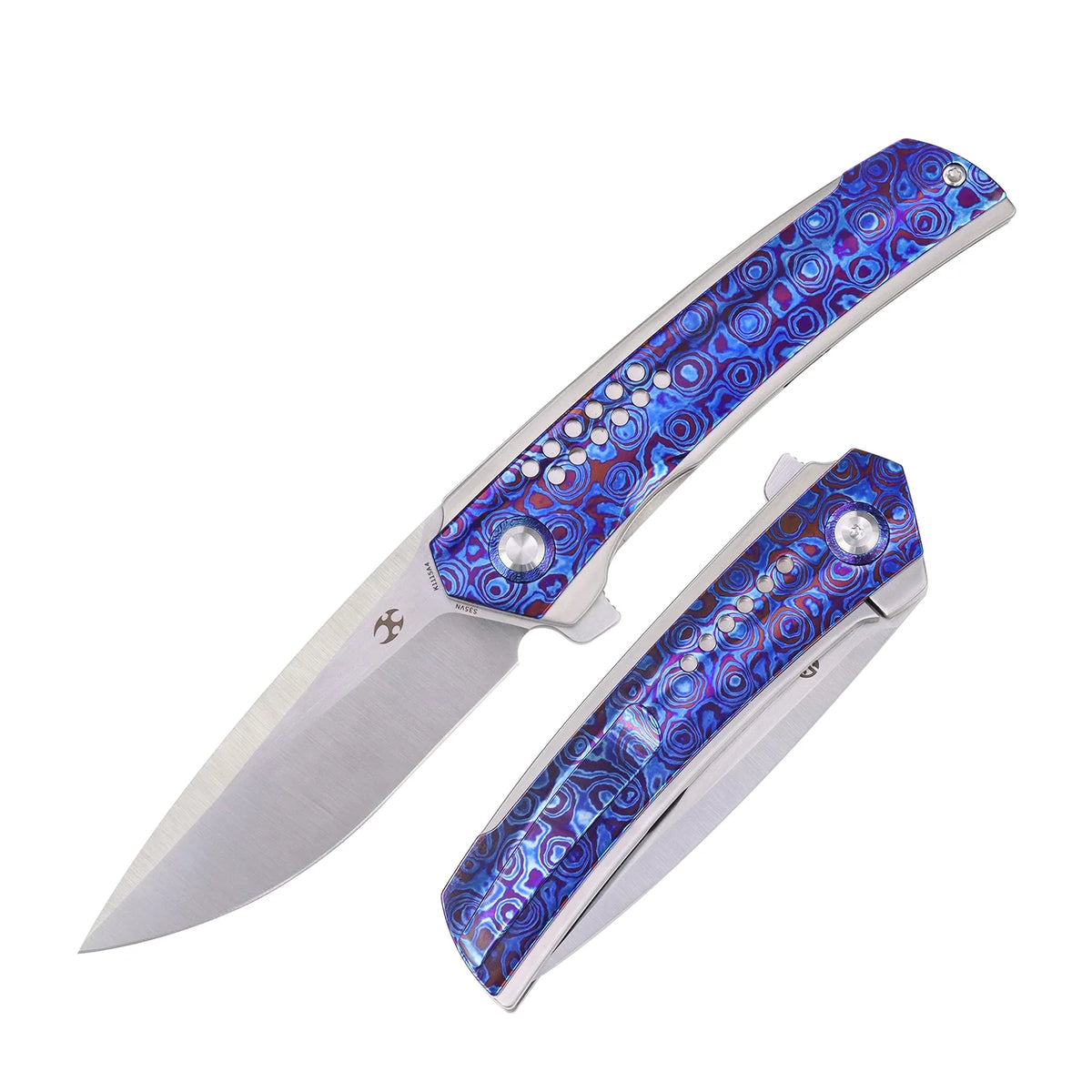
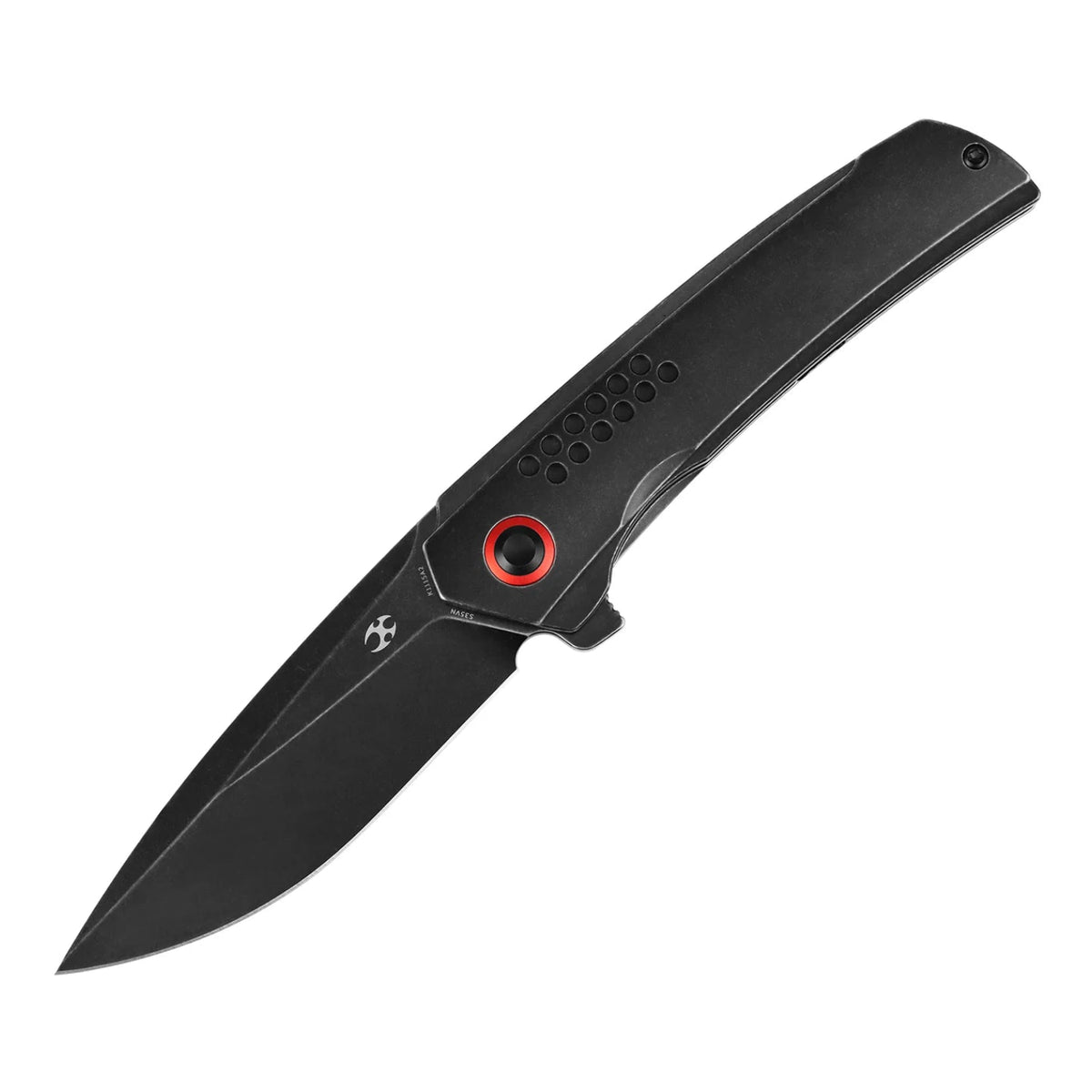
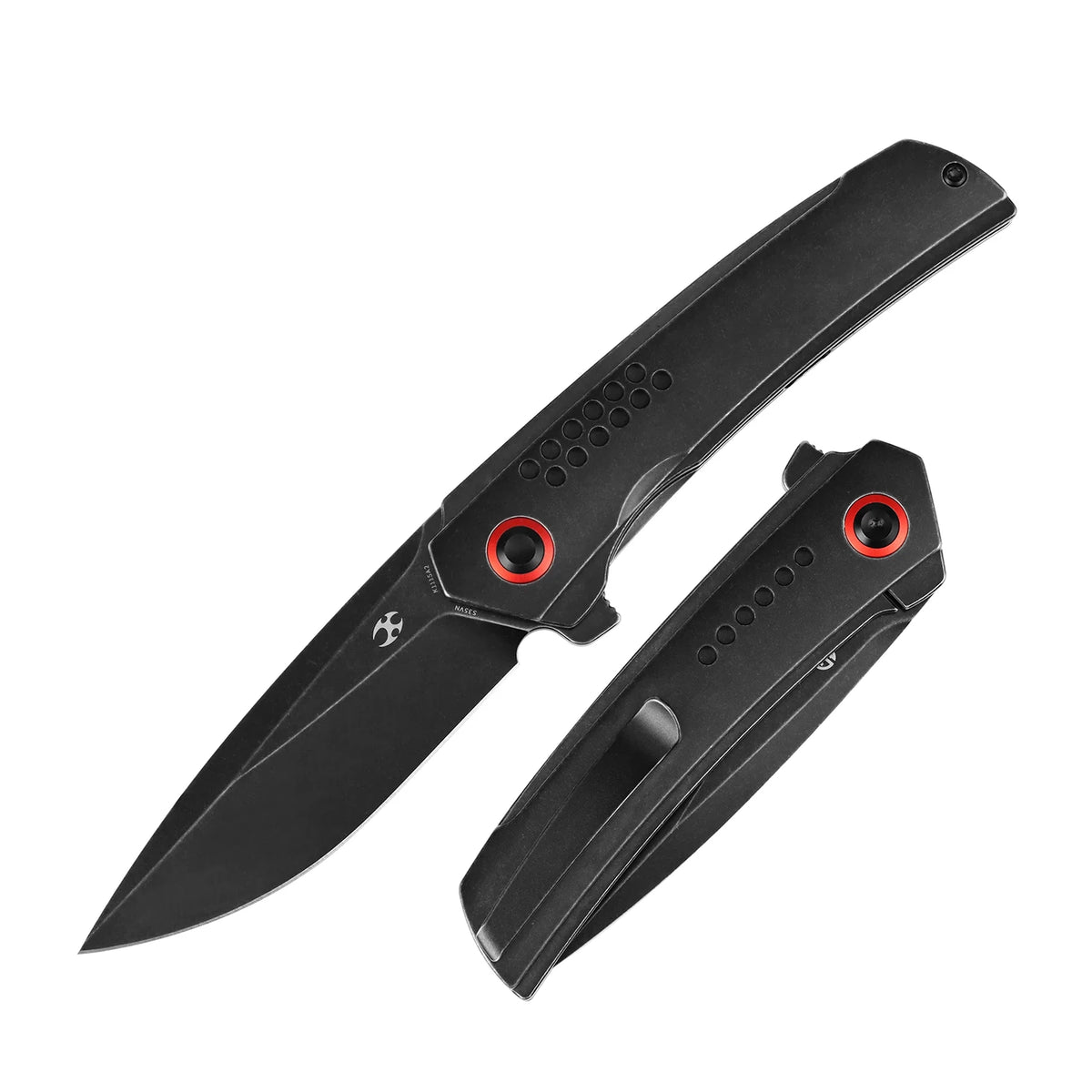
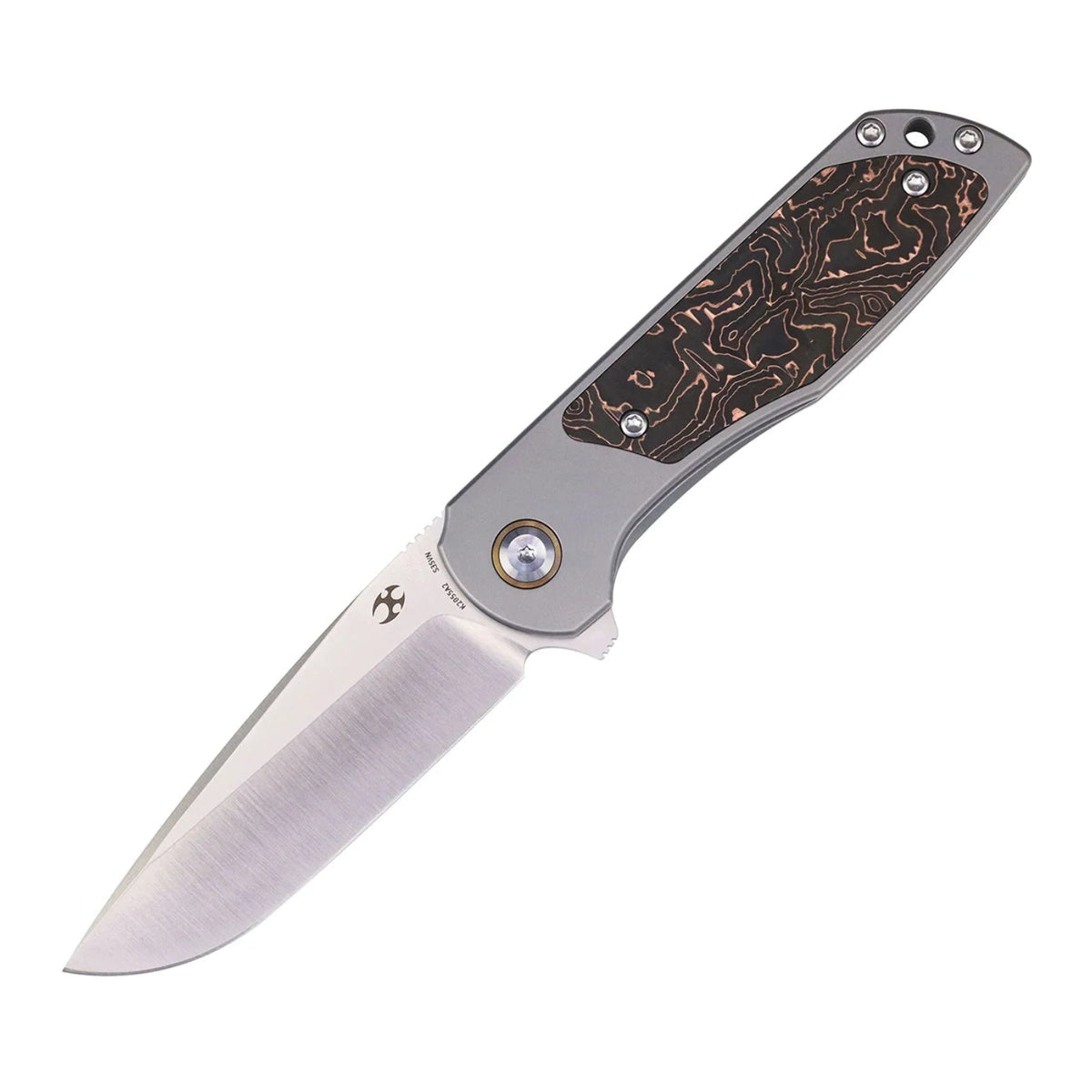
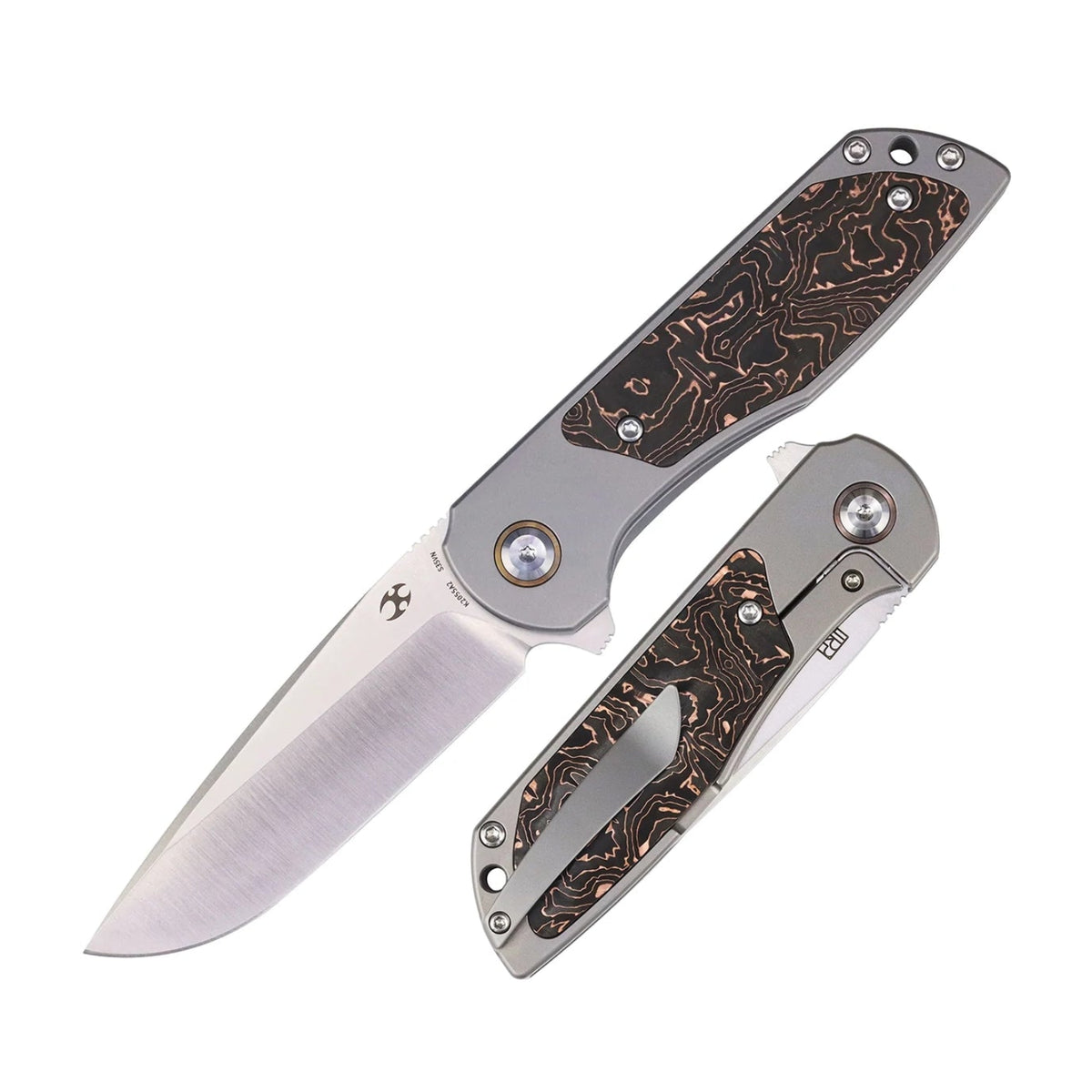
The Emu is a compact folder with a micarta handle and a blade that is ground for slicing rather than prying. Micarta grips a sweaty hand and does not slick up when chalk dust is on everything, and the compact footprint means the knife can sit beside the cutting mat without being knocked onto the floor. A closed back keeps lint out of the pivot, which is the difference between a smooth action and a gritty one after a month of silk work.
Real-World Use
The cutting room cycle is repetitive: mark the panel with chalk, check the grain line, cut along a straightedge with one long pull, then trim the seam allowance. A knife with a fine tip is also used to unpick a misplaced seam, and here a thin blade slides under a stitch where a thick one cannot. Between cuts the blade is wiped, because silk dust on a polished bevel turns into a lapping compound that dulls the edge quietly.

Ownership Notes
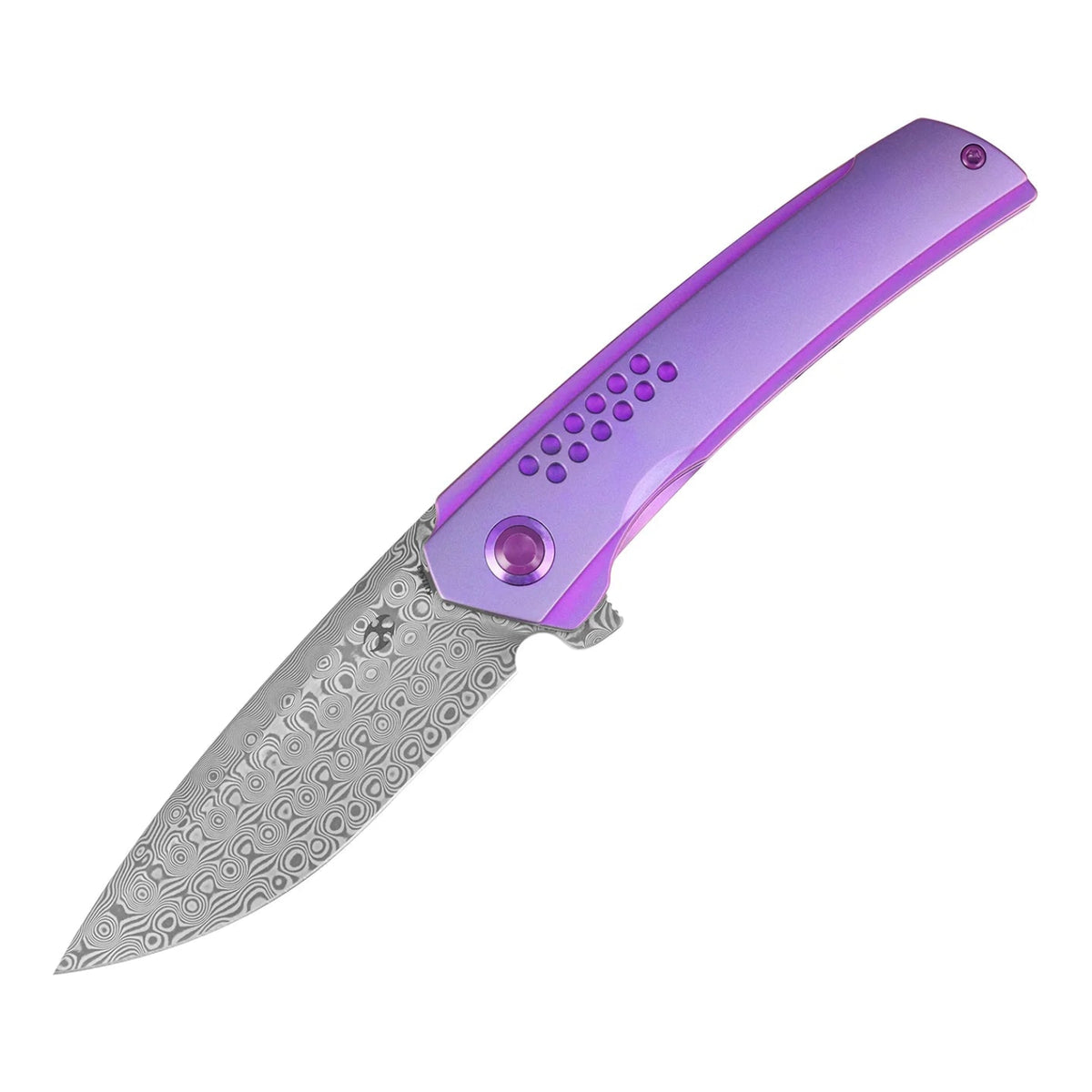
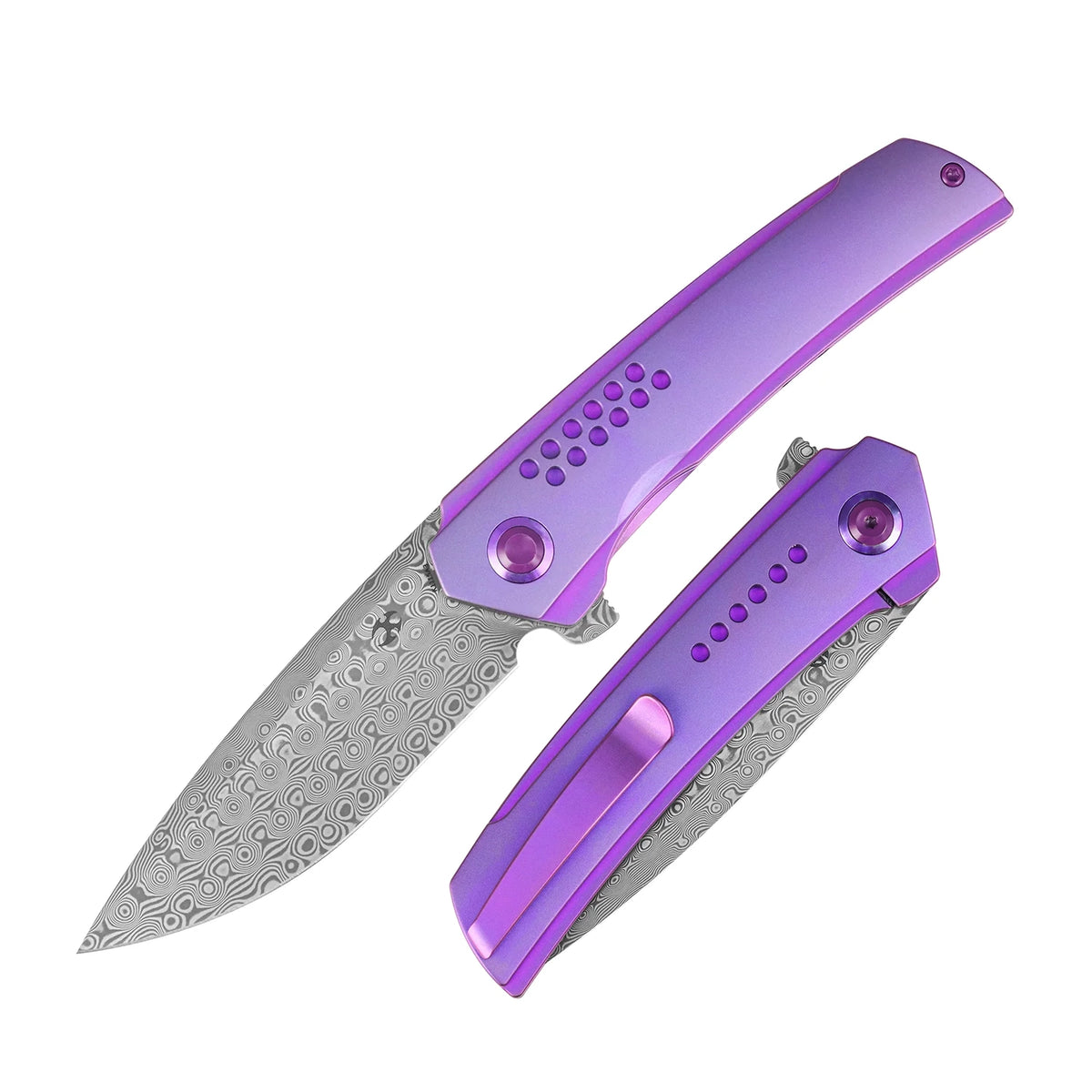
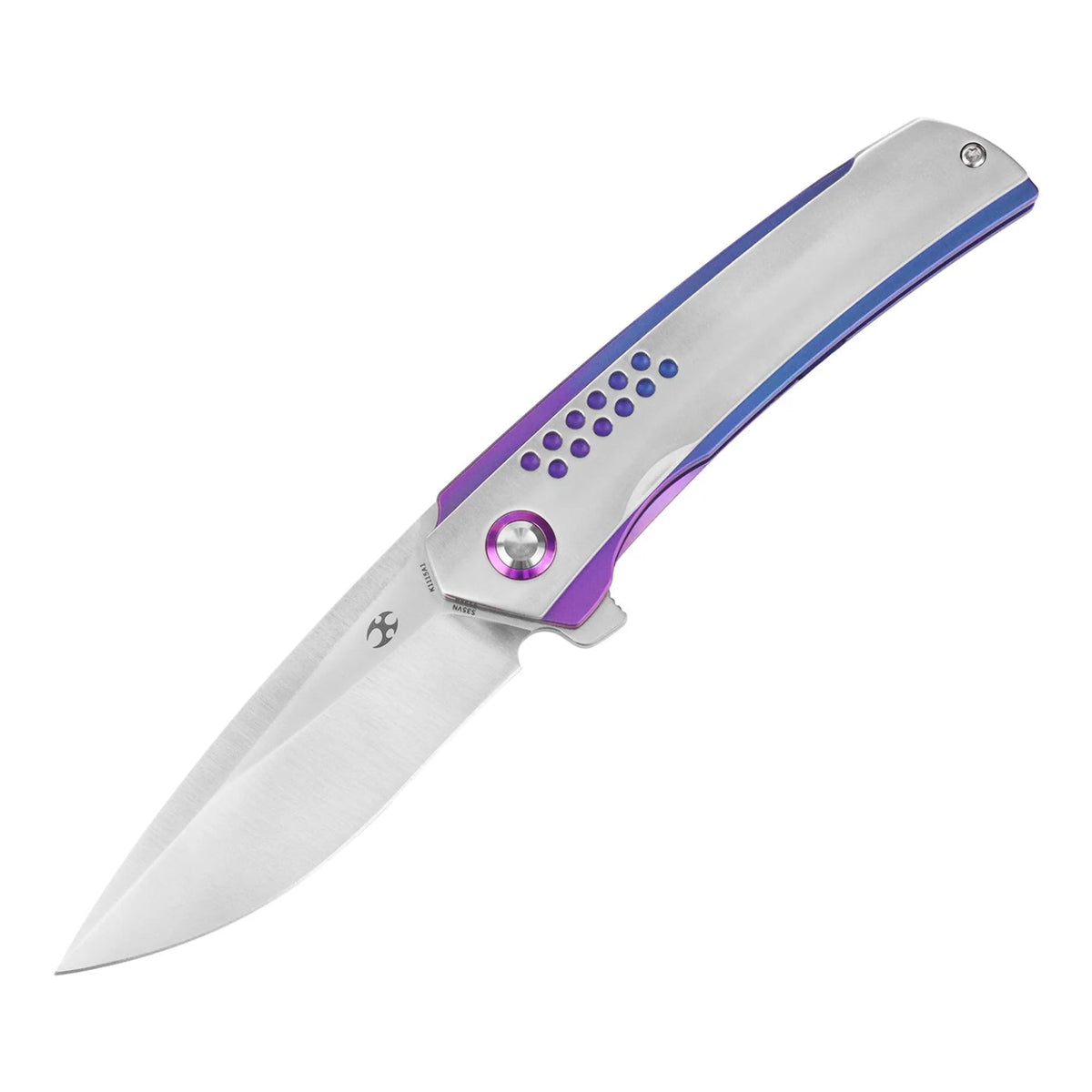
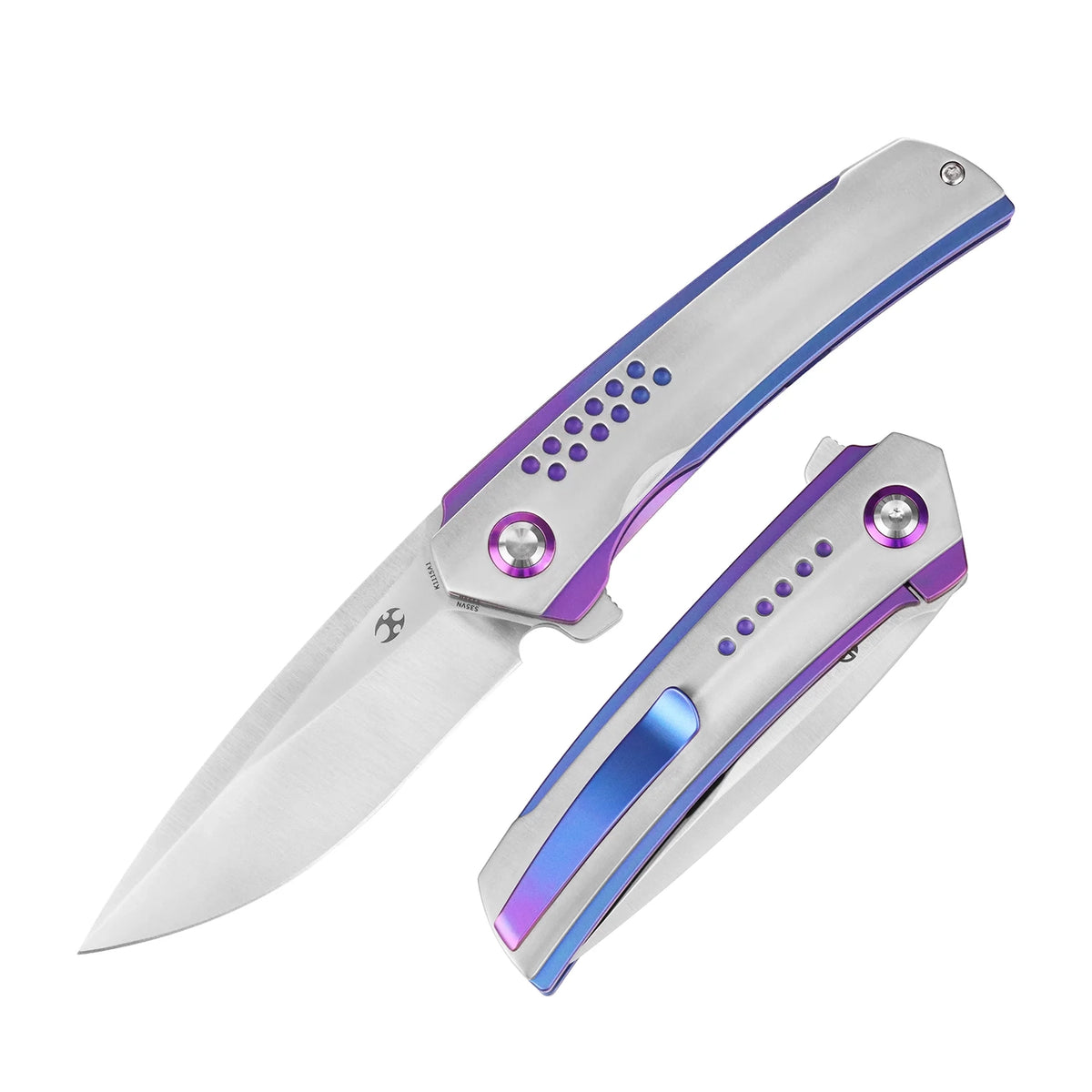
Tailors who work by hand keep two edges: one for cloth and one for paper patterns, and they never swap. Folding knives are the practical choice in a small atelier, where a fixed blade on the table is a hazard around expensive fabric. EdcMall stocks the Emu in several handle colours, so a workshop can colour-code a knife to a bench and stop it wandering between jobs. Buy the sharpening rod at the same time as the knife. Cutting rooms run on repetition, and folding knives with a fine edge are what most tailors actually reach for; the EDC knives in a drawer are usually the ones bought as gifts rather than as tools.
Who Is This For?
Buy it if you cut cloth, leather or felt and you care whether the edge frays. It suits kimono makers, dressmakers, quilters who cut by hand and anyone working with silk. Skip it if you need to cut heavy canvas, webbing or rope; 14C28N is tough but a thin slicer is not a rope knife, and you will want serrations or a thicker grind for that work.
Final Verdict
The Emu is a quiet, well-mannered cutting tool that suits textile work better than most knives marketed to makers. 14C28N holds the fine edge that clean fabric cutting demands, the micarta handle stays grippy in a humid room, and the compact size keeps it where you left it. For a kimono bench, or any cutting table, it is an easy recommendation.