
Overview & First Impressions
Knife terminology sounds like jargon until you realise every term describes a decision that affects how a blade works. The ricasso, the jimping, the swedge and the fuller are not decoration, they are geometry with jobs. Understanding four words turns a specification sheet into something you can actually evaluate, and makes the difference between a fixed blade that suits you and one that does not.
Materials & Construction
The ricasso is the unsharpened flat section between the handle and the edge, and it exists so you can choke up on the blade with a finger over the guard for fine work. Jimping is the row of notches cut into the spine, usually near the tang, which increases friction under the thumb. Both features are cut into the steel itself, so on a Damascus steel blade they must be placed where they do not disrupt the pattern.

Design & Details
The swedge is a false edge, a bevel ground into the spine near the tip that reduces weight and improves penetration without creating a second cutting edge. The fuller is the groove running along the blade, historically used to lighten a long blade while keeping stiffness. On a Kansept knives design these features are usually subdued, but their presence tells you what the maker expects the knife to do.
Real-World Use
Read a specification sheet as a statement of intent. A blade with a strong ricasso and prominent jimping is designed for controlled, precise cutting. A pronounced swedge suggests a knife intended to pierce. A deep fuller implies a long blade that needed weight removed. None of these are quality markers on their own, they are simply evidence of purpose, and purpose is what determines whether a knife suits your hand.

Ownership Notes
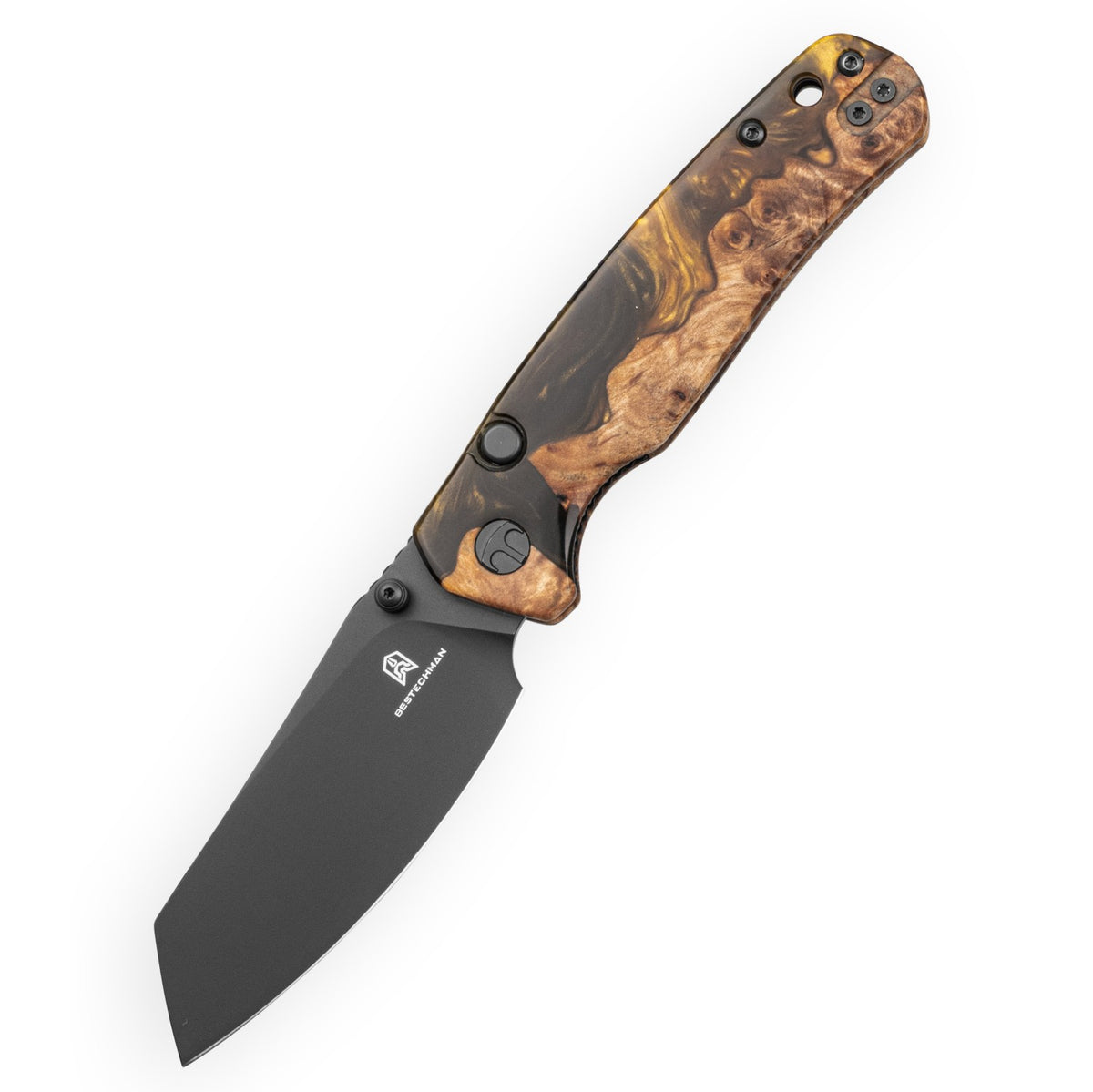
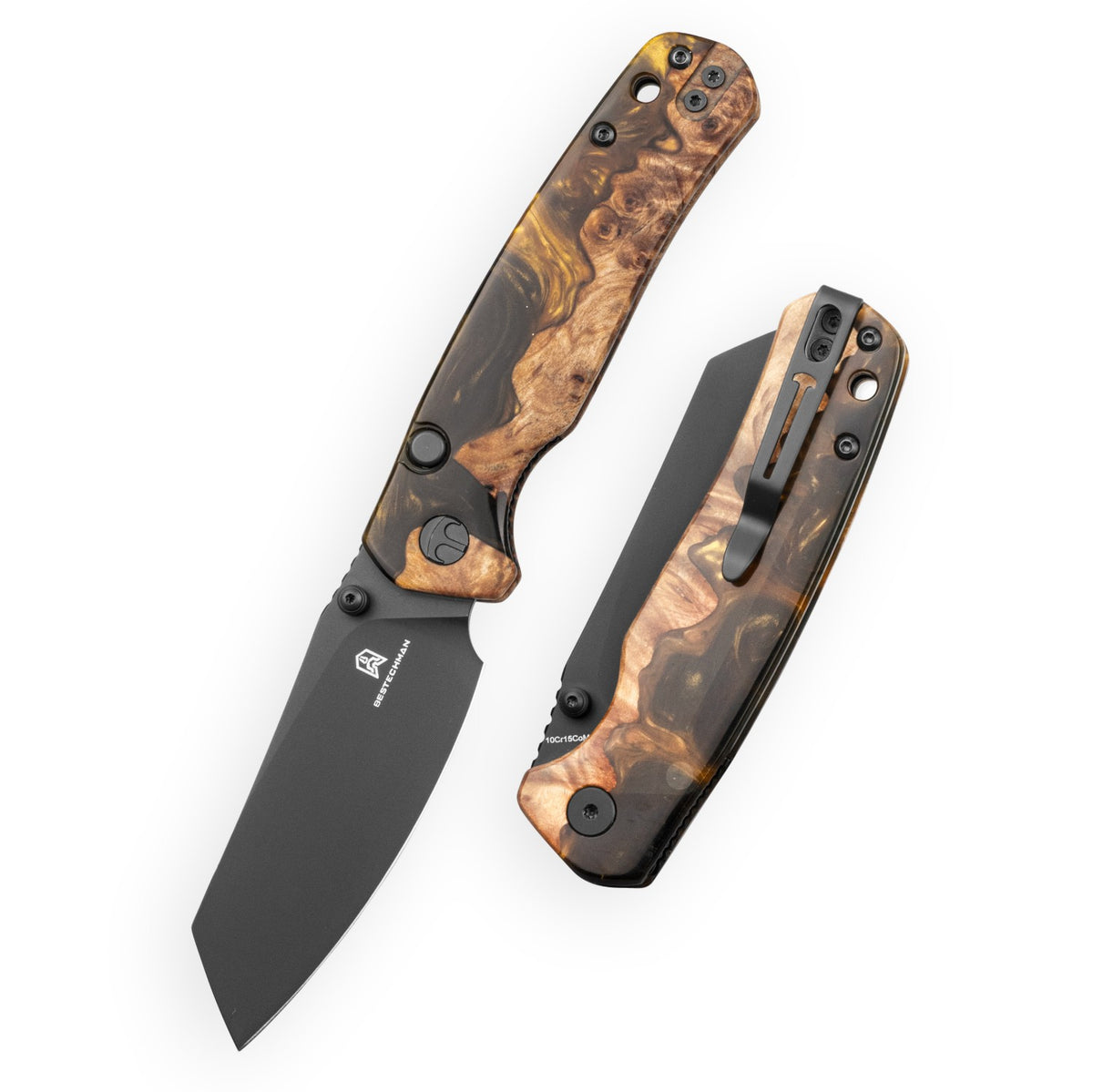
Care changes once these features exist. Jimping collects lint and dried organic matter, so a soft brush belongs in your cleaning kit. A sharp swedge can catch on a sheath, so a fixed blade with one needs a properly moulded liner. On a folding knives design, a fuller occasionally serves as an opening slot, which makes it a functional feature rather than a cosmetic one. A frame lock is simply a lock formed by part of the handle itself, and knowing that term gives you a way to compare any folding design against the fixed blade in this article. Add the four anatomy terms above and you have enough vocabulary to read any EDC knives listing with real confidence.
Who Is This For?
This is written for buyers who want to understand what they are looking at, and for owners who have noticed a feature on their knife and never known its name. It also helps anyone comparing a fixed blade against a folding knives alternative, because the two families express these four features very differently.
Final Verdict
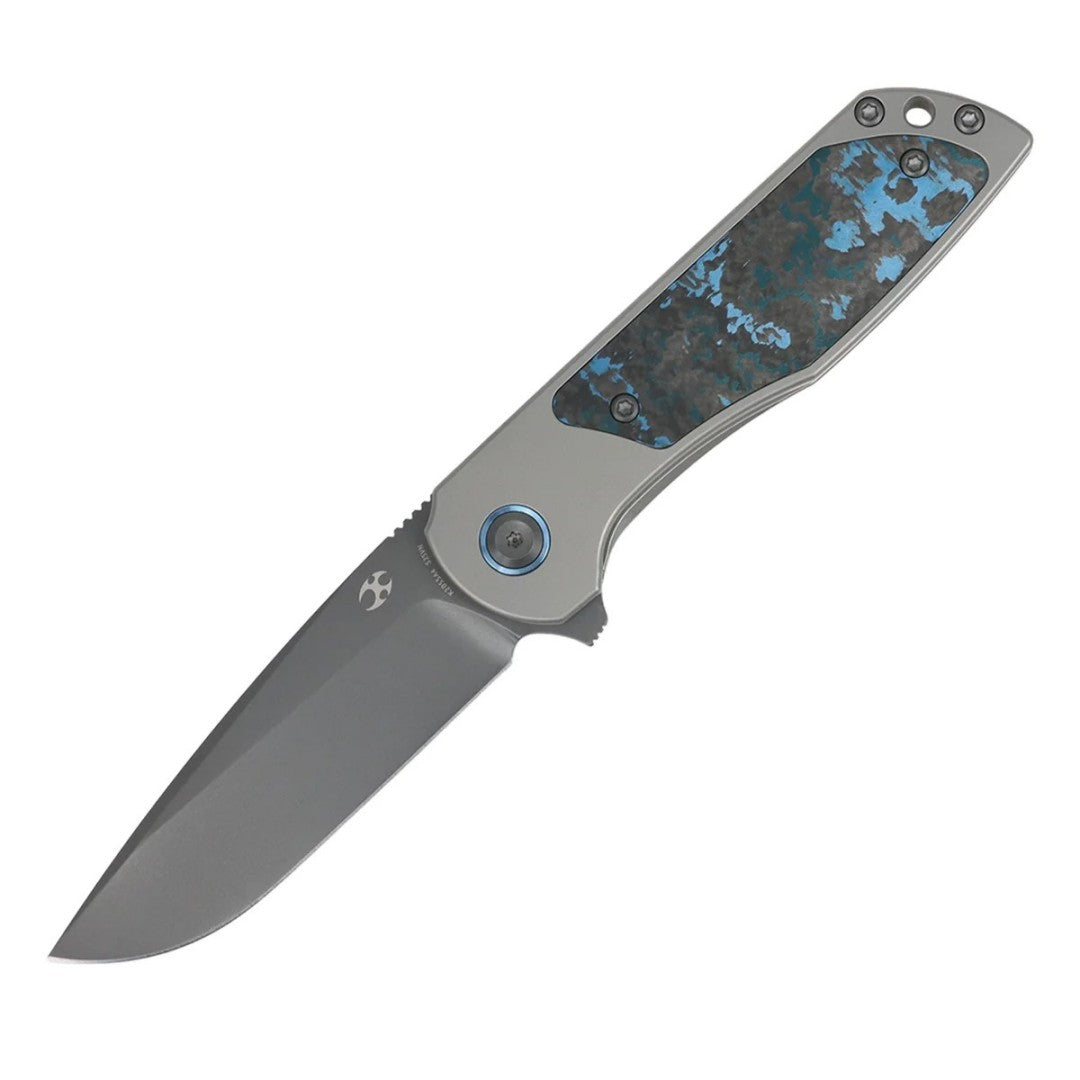
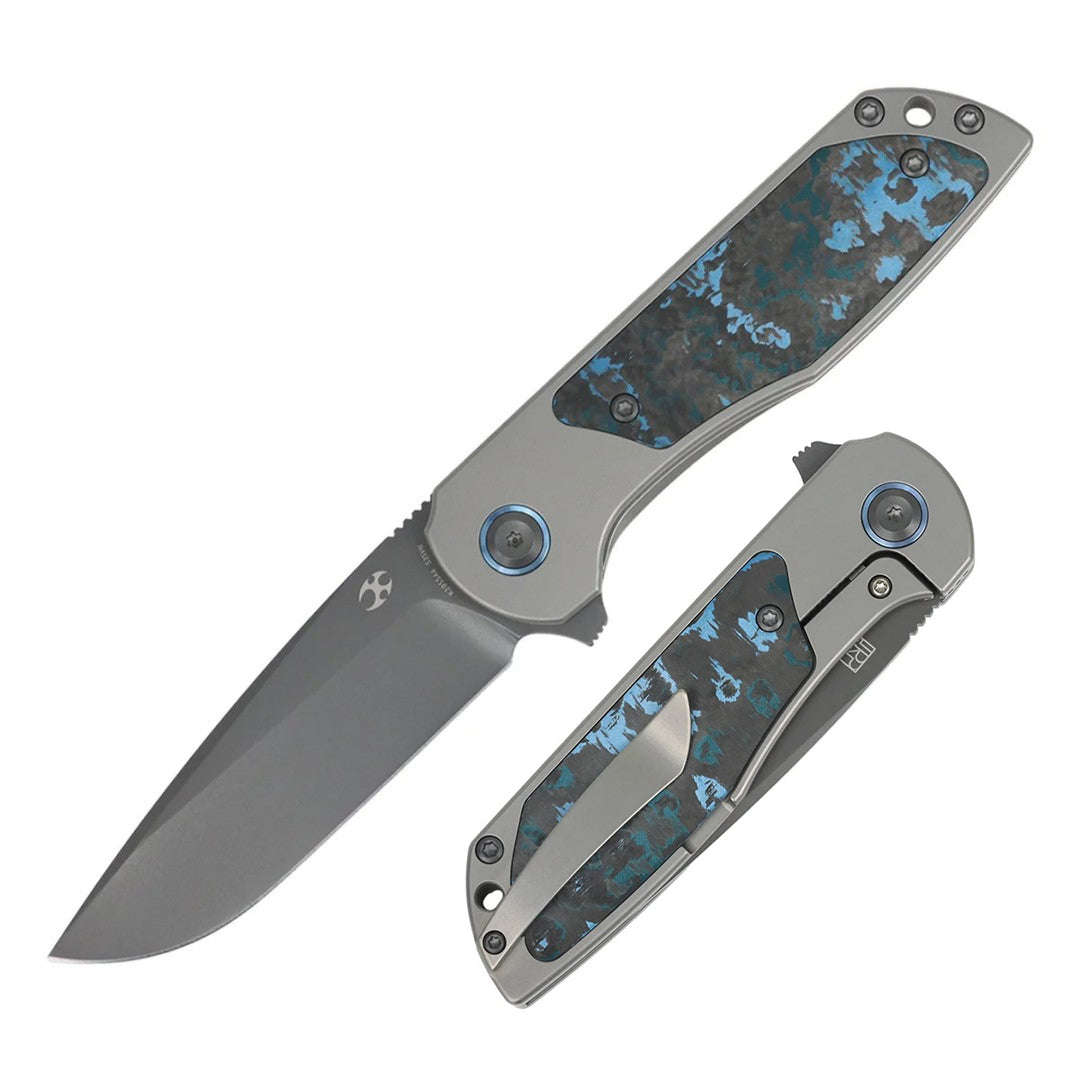
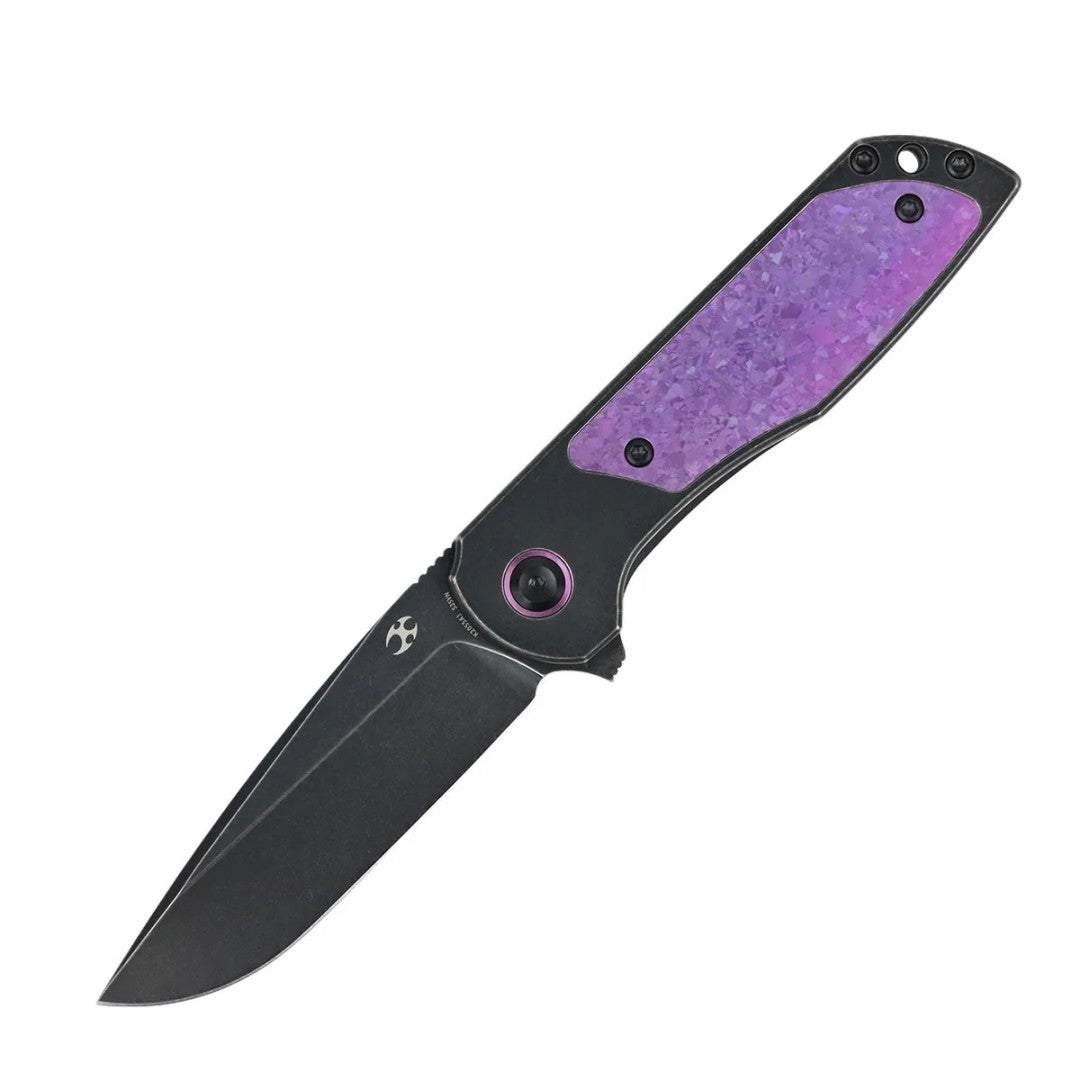
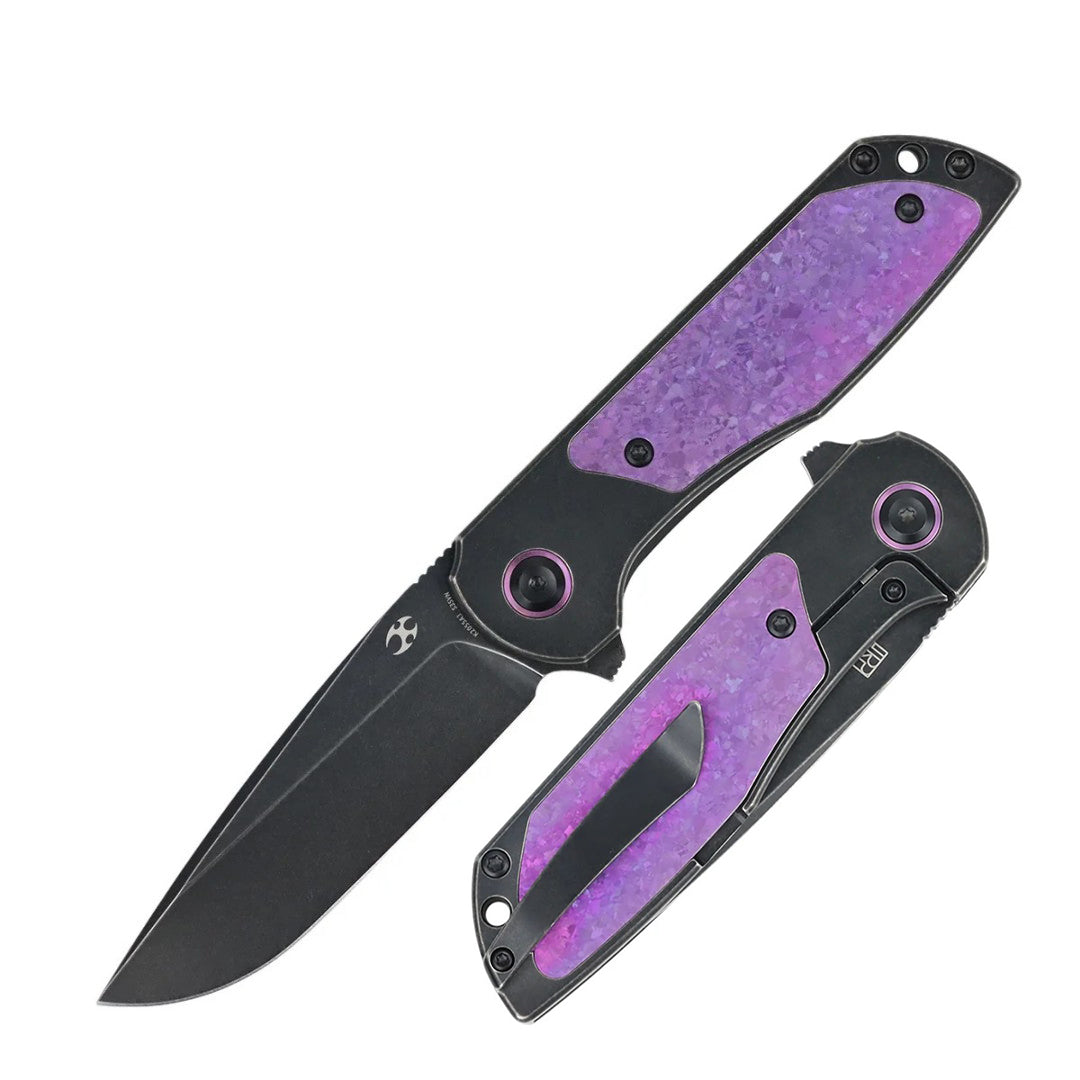
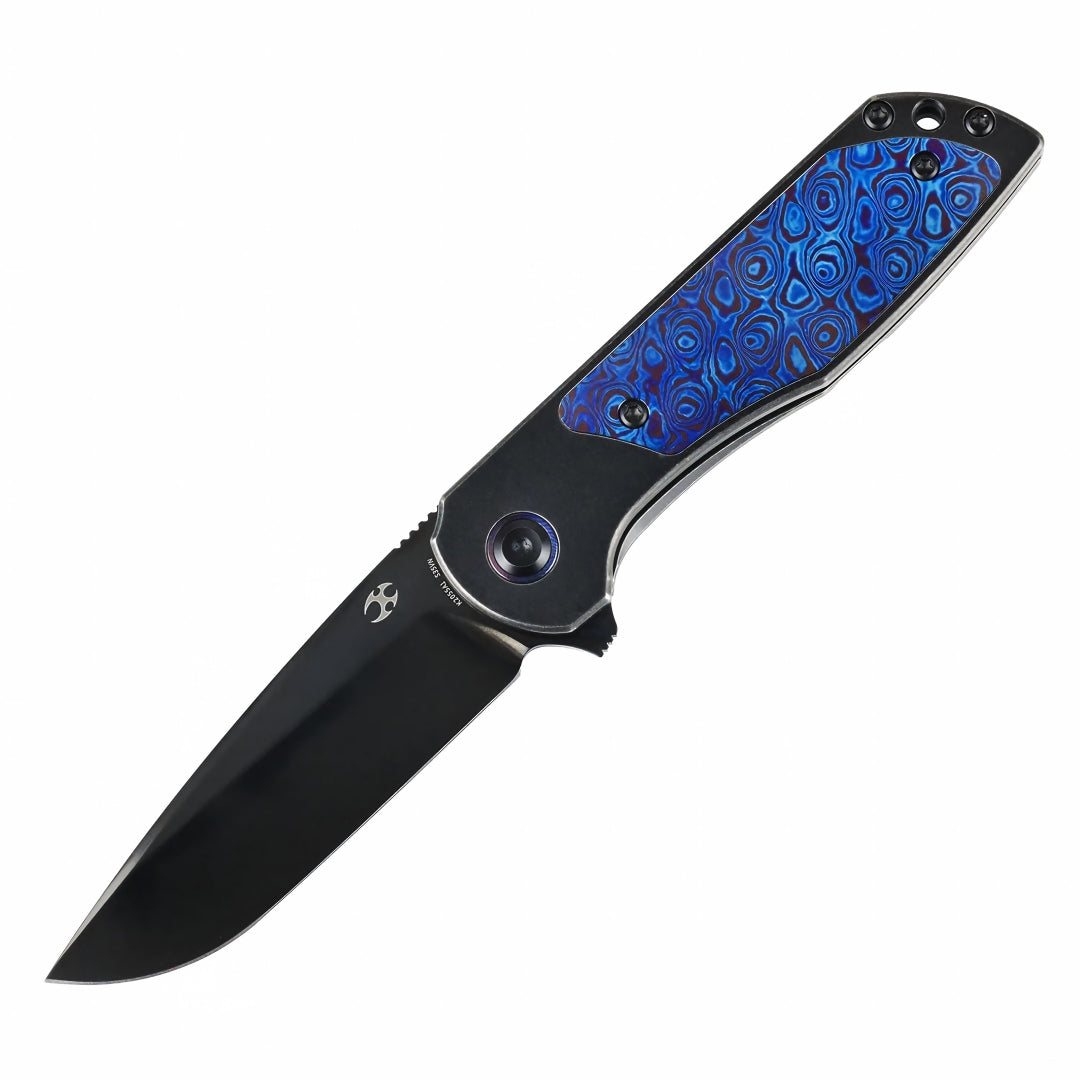
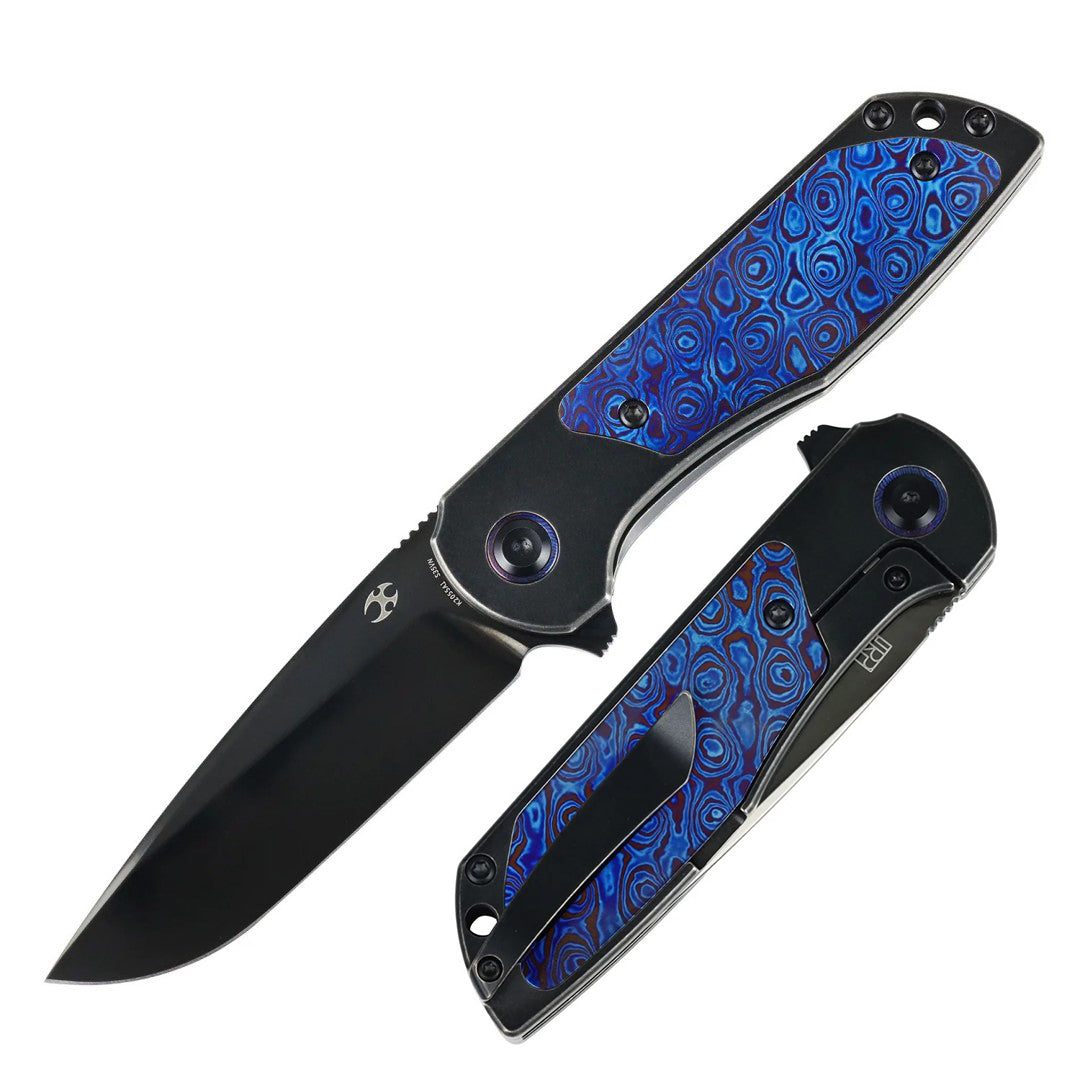
Learn four words and the whole category becomes readable. Ricasso for control, jimping for grip, swedge for penetration and fuller for weight. Together they tell you what a designer intended before you ever hold the knife. See how they come together on a hand finished piece such as the Kansept Parr, available at EdcMall.
Shop the Kansept Parr G011A4 Damascus Fixed Blade at EdcMall