
Overview & First Impressions
A scratched blade is the most common cosmetic complaint owners raise, and most of those scratches never needed to happen. Two very different kinds of damage get lumped together: shallow scuffs that live entirely in the surface finish, and deep gouges that have moved metal. The first category can be removed at home in about twenty minutes. The second cannot be fixed without removing real stock, which changes the blade rather than restoring it.
Materials & Construction
Refinishing needs very little equipment. Silicon carbide paper in grits from about 220 up to 2000, a couple of abrasive pads, some light oil or water as a lubricant, and a flat backing block will handle a satin finish. A fine polishing paste on a felt block produces a brighter, near-mirror surface. Diamond films cut faster on high vanadium alloys, which matters because a wear-resistant steel such as M390 resists hand abrasion almost as stubbornly as it resists dulling.

Design & Details
Consistency matters far more than pressure. A satin finish is simply a uniform pattern of fine scratches running the same direction, so the goal is to replace a chaotic pattern with an orderly one. Work through the grits in order without skipping, and change the direction of travel by about ninety degrees whenever you move to a finer grit. When the previous pattern disappears completely, the current grit has done its job. Rushing this step is the only way to make the result look worse than when you started.
Real-World Use
Tape the edge and the pivot area before you begin, because abrasive paper near an apex will blunt it and grit near a pivot will find its way into the mechanism. Work away from the plunge line rather than across it, since the transition between ricasso and bevel is the hardest part to keep crisp. Finish by wiping the blade clean, oiling lightly, and sharpening only if the tape slipped. If the scratch is deeper than the finish, stop and accept it rather than chasing it.

Ownership Notes
Know the limits before you start. A coated blade cannot be sanded without destroying the coating, and neither can one with a laser-etched logo near the area you plan to work. Tumbled and stonewashed surfaces cannot be reproduced by hand, because the finish comes from a machine process rather than a direction of travel. On those blades, the honest answer is to live with the wear or send the knife to the maker. The finish matters as much as the geometry, which is why two blades in M390 can look equally worn and only one of them can be brought back by hand. Owners who maintain folding knives themselves develop a feel for when a surface needs work and when it needs leaving alone, and that instinct carries over to every EDC knives model they touch.

Who Is This For?
This is for owners of working knives whose blades look tired after a few seasons, and for buyers of used knives who want to improve appearance without paying for a full regrind. It is not for anyone holding a coated or tumbled collectible who wants it to look untouched.
Final Verdict
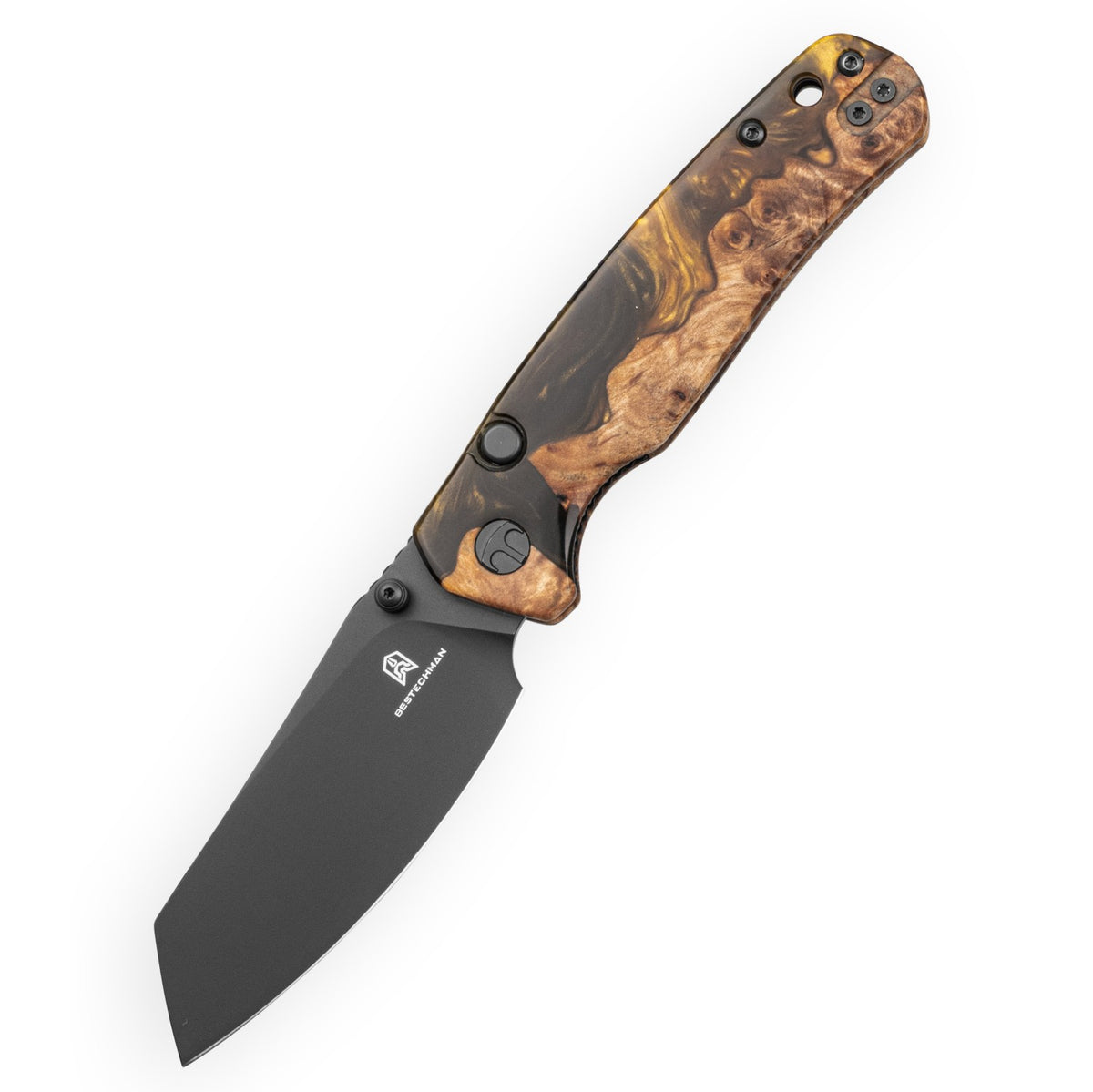
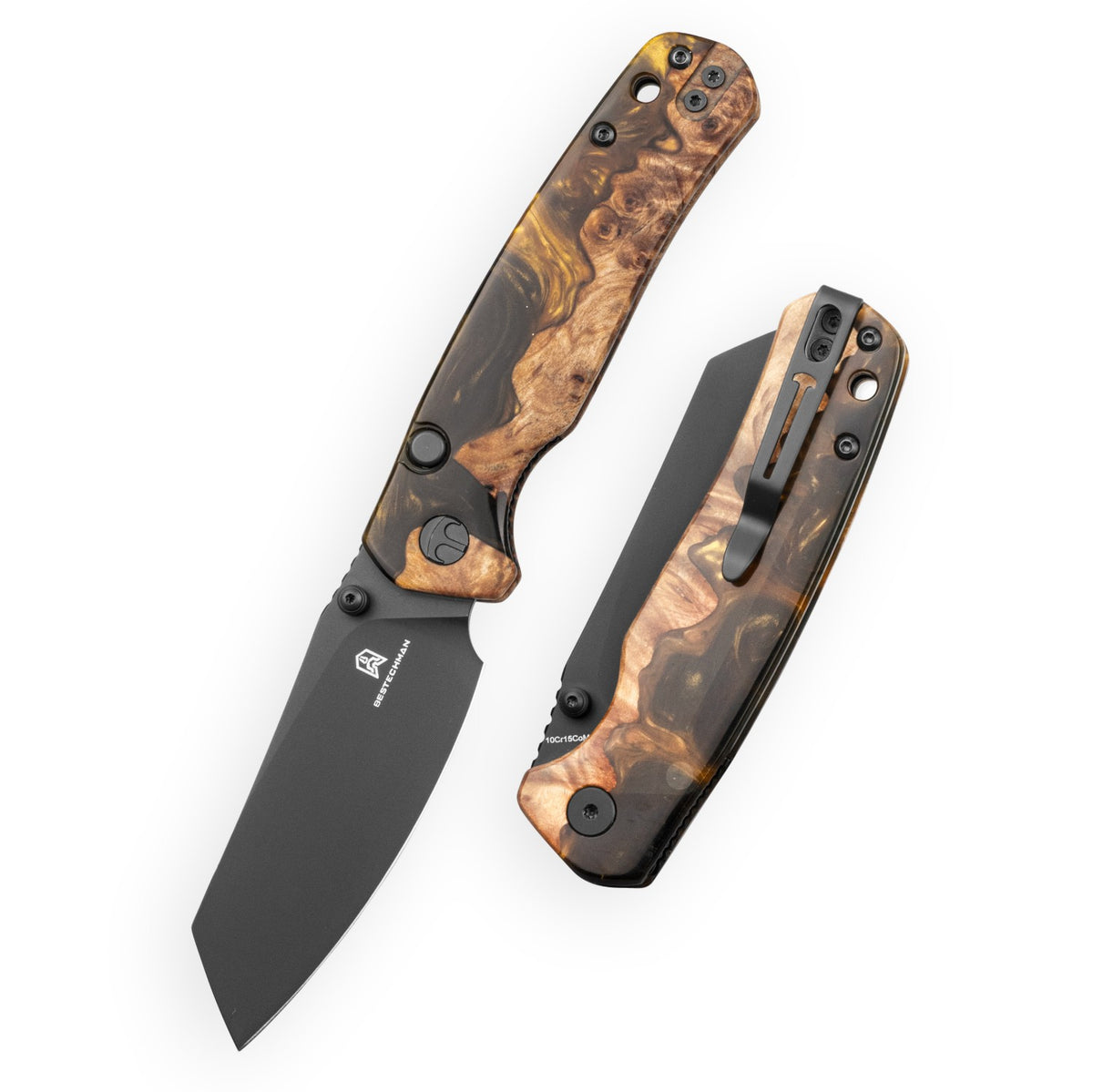
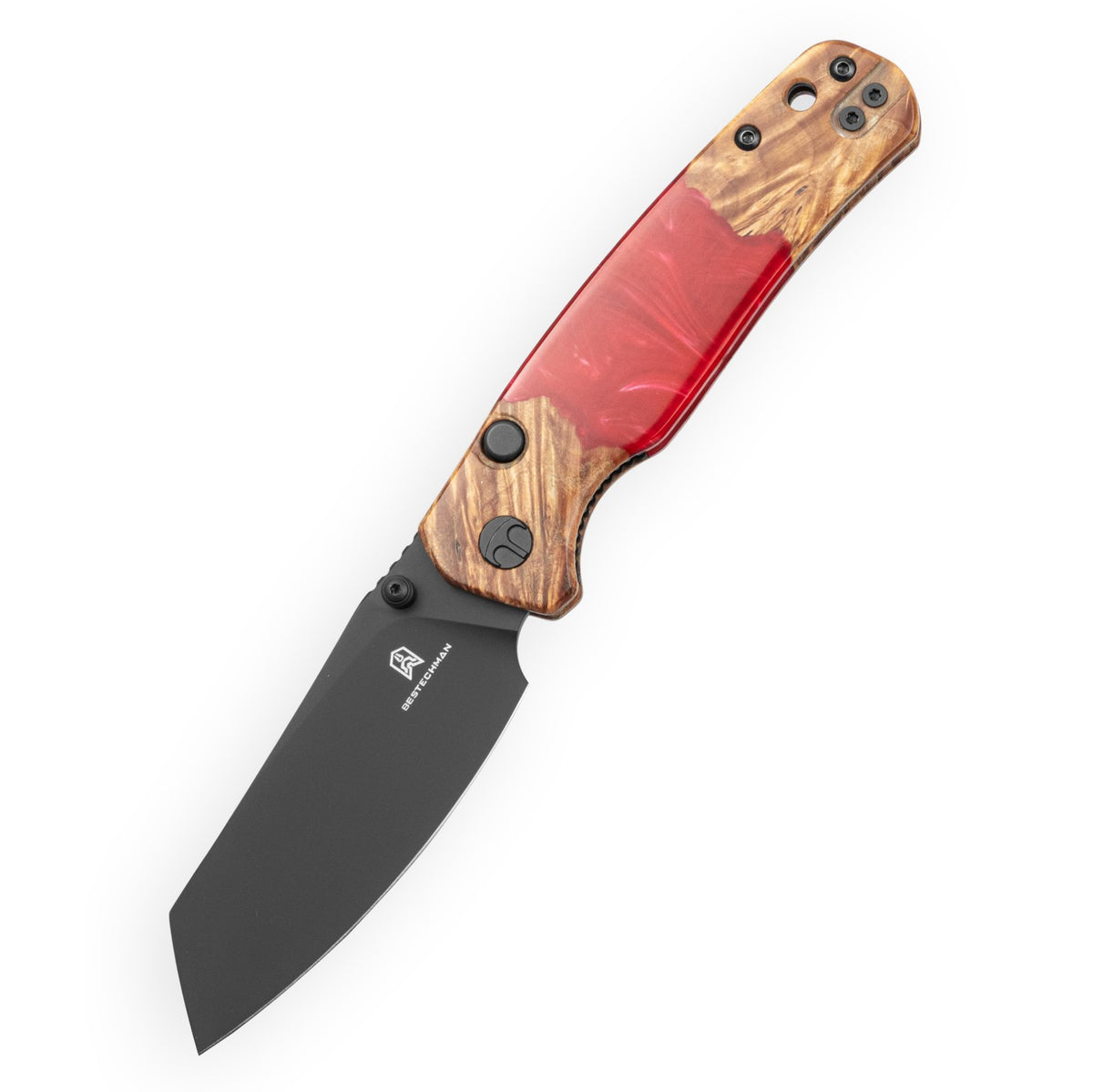
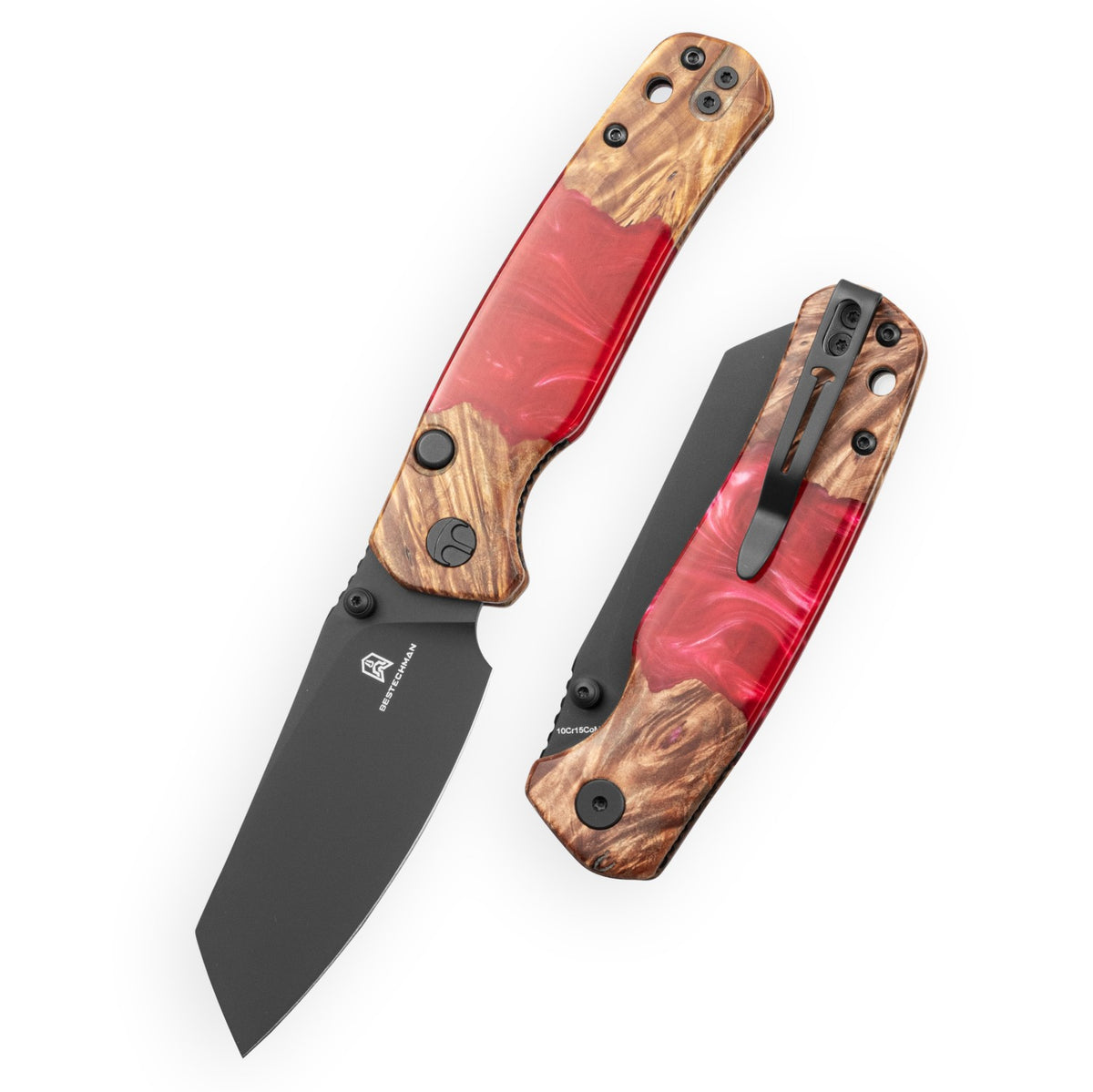
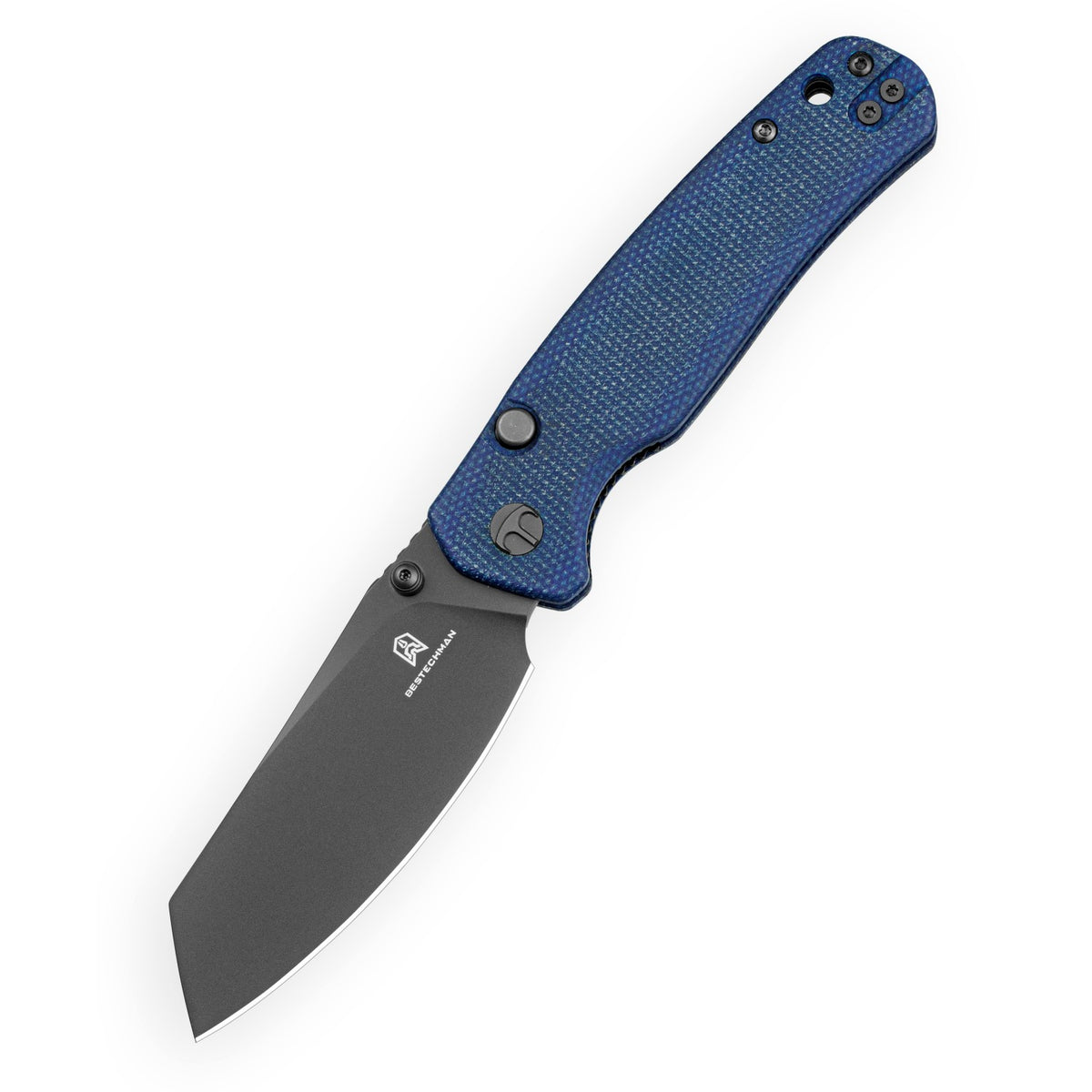
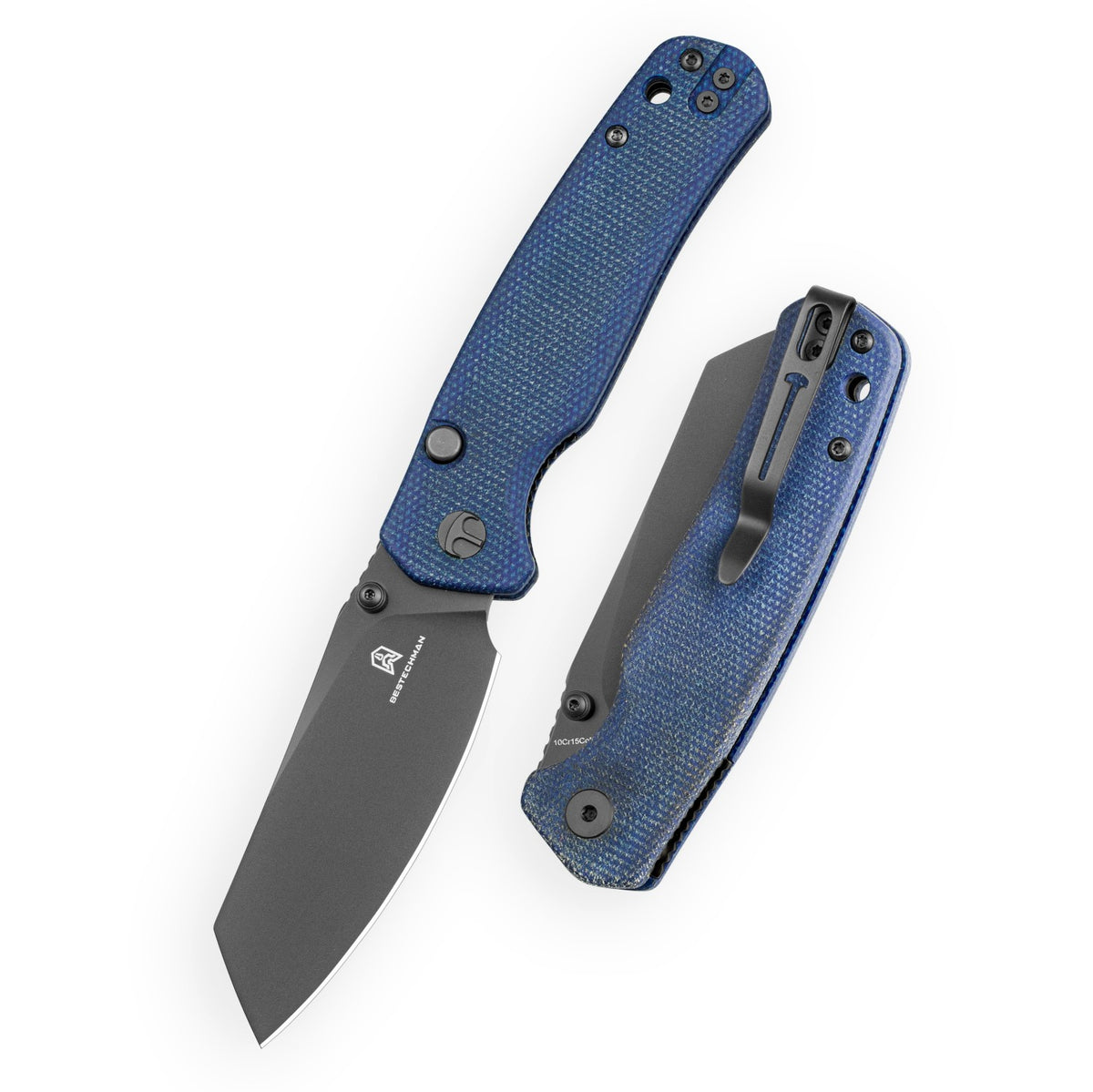
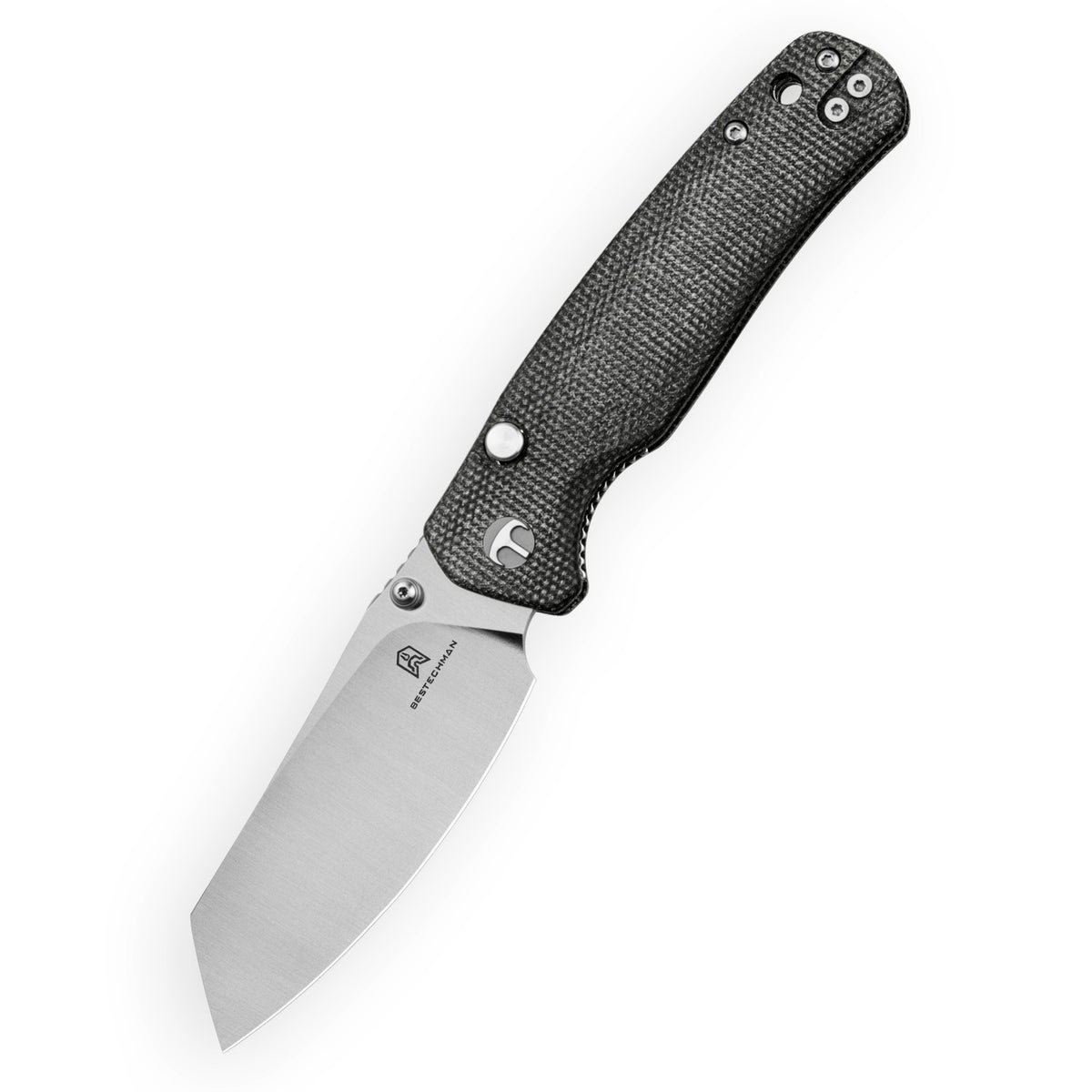
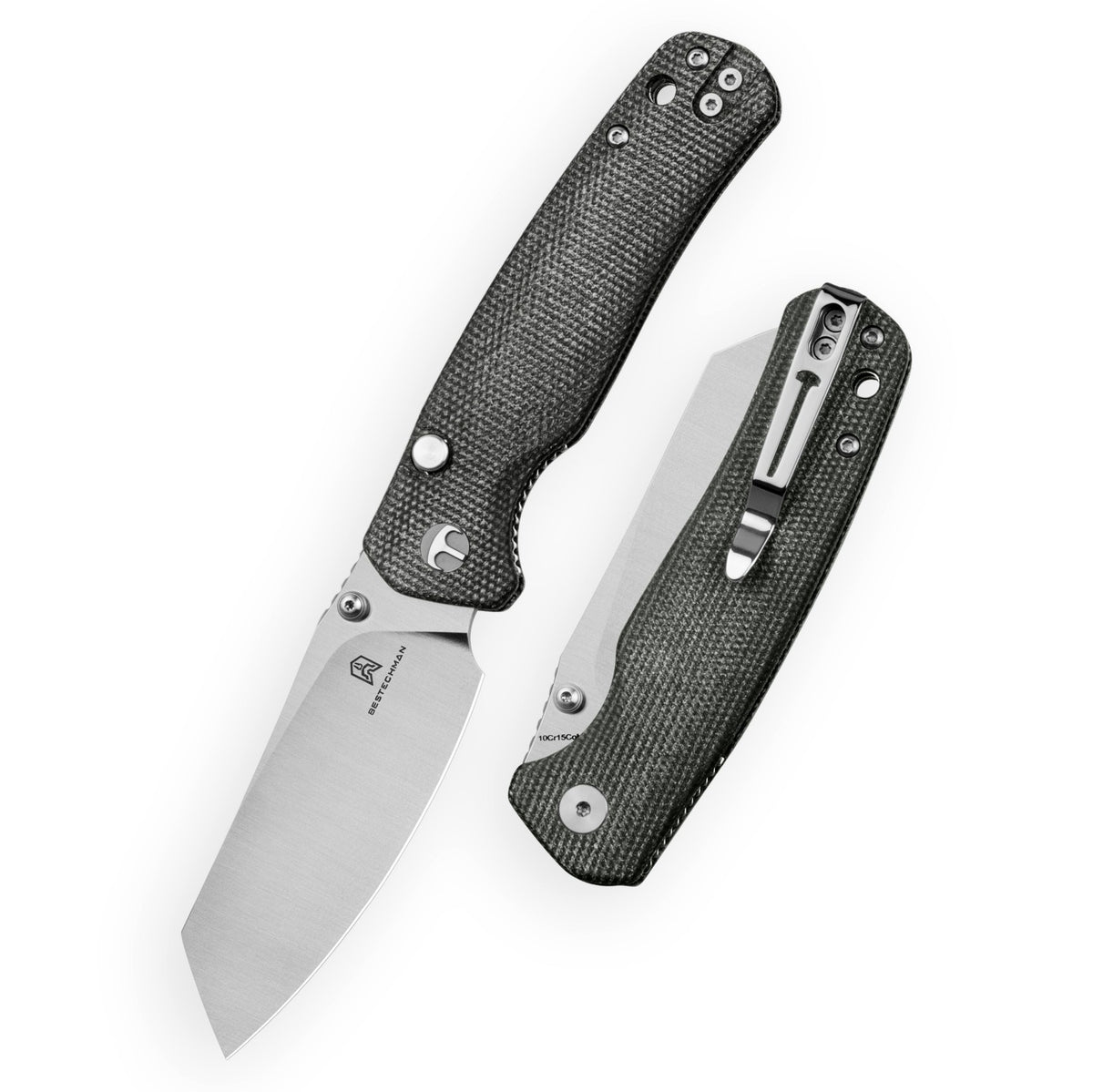
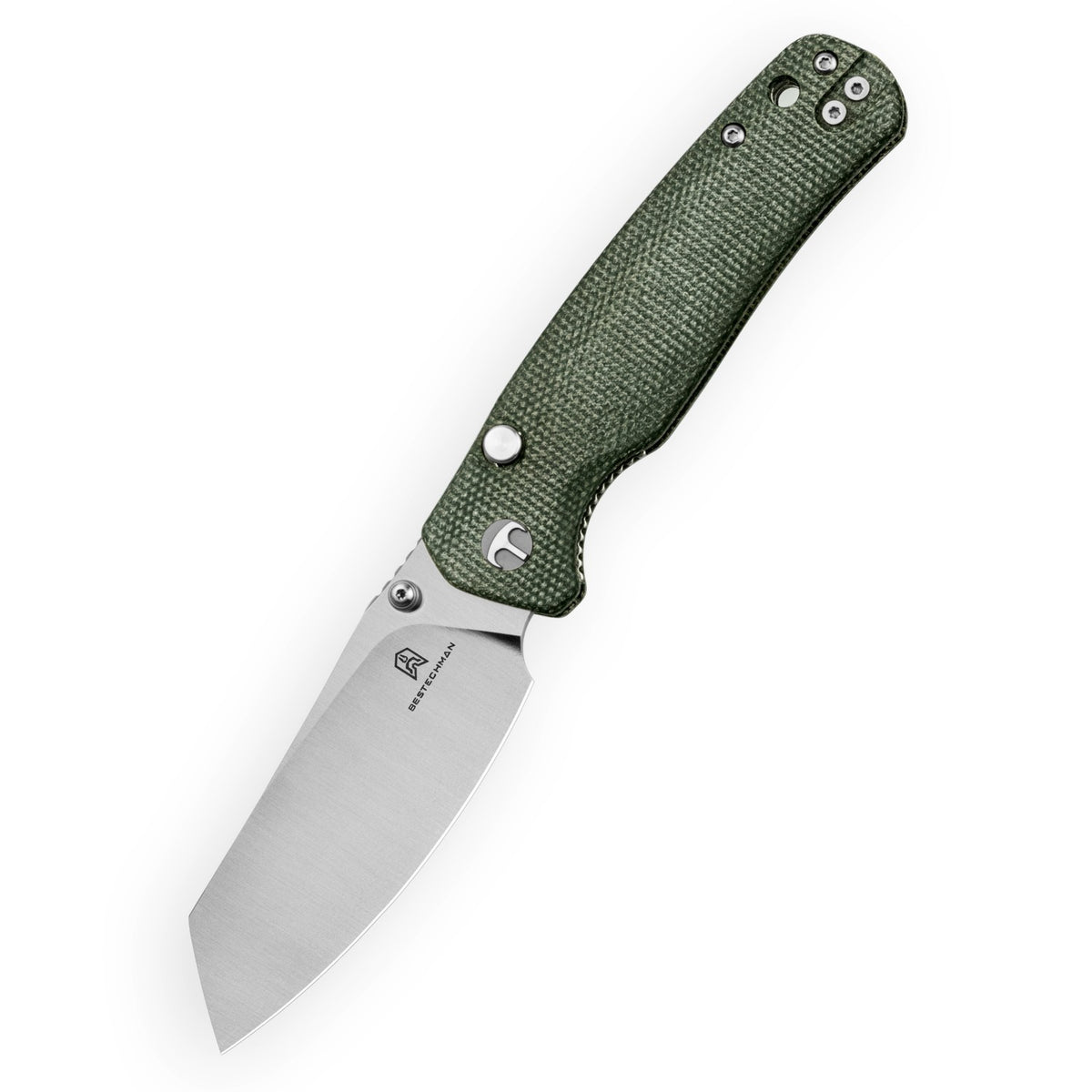
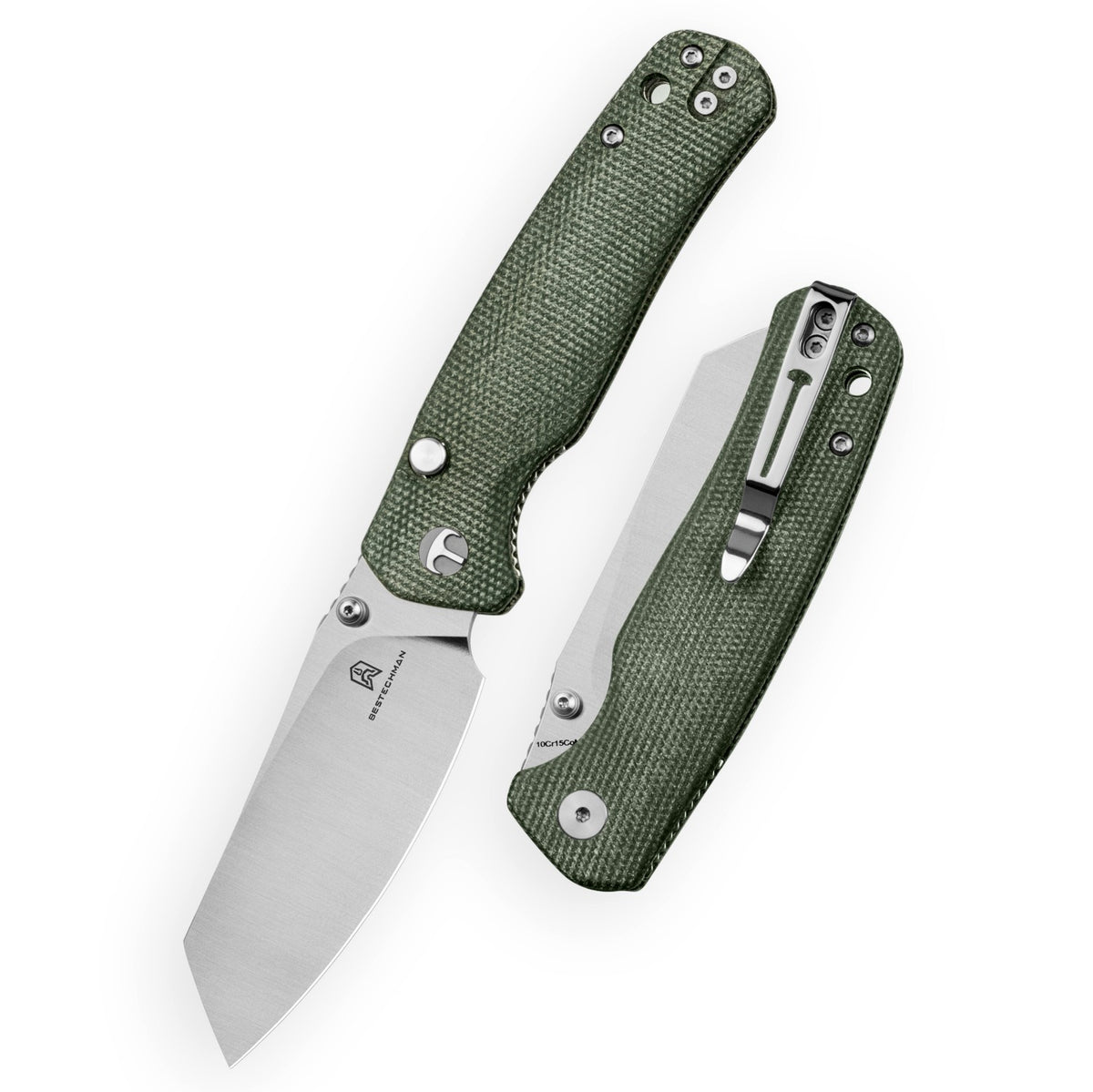
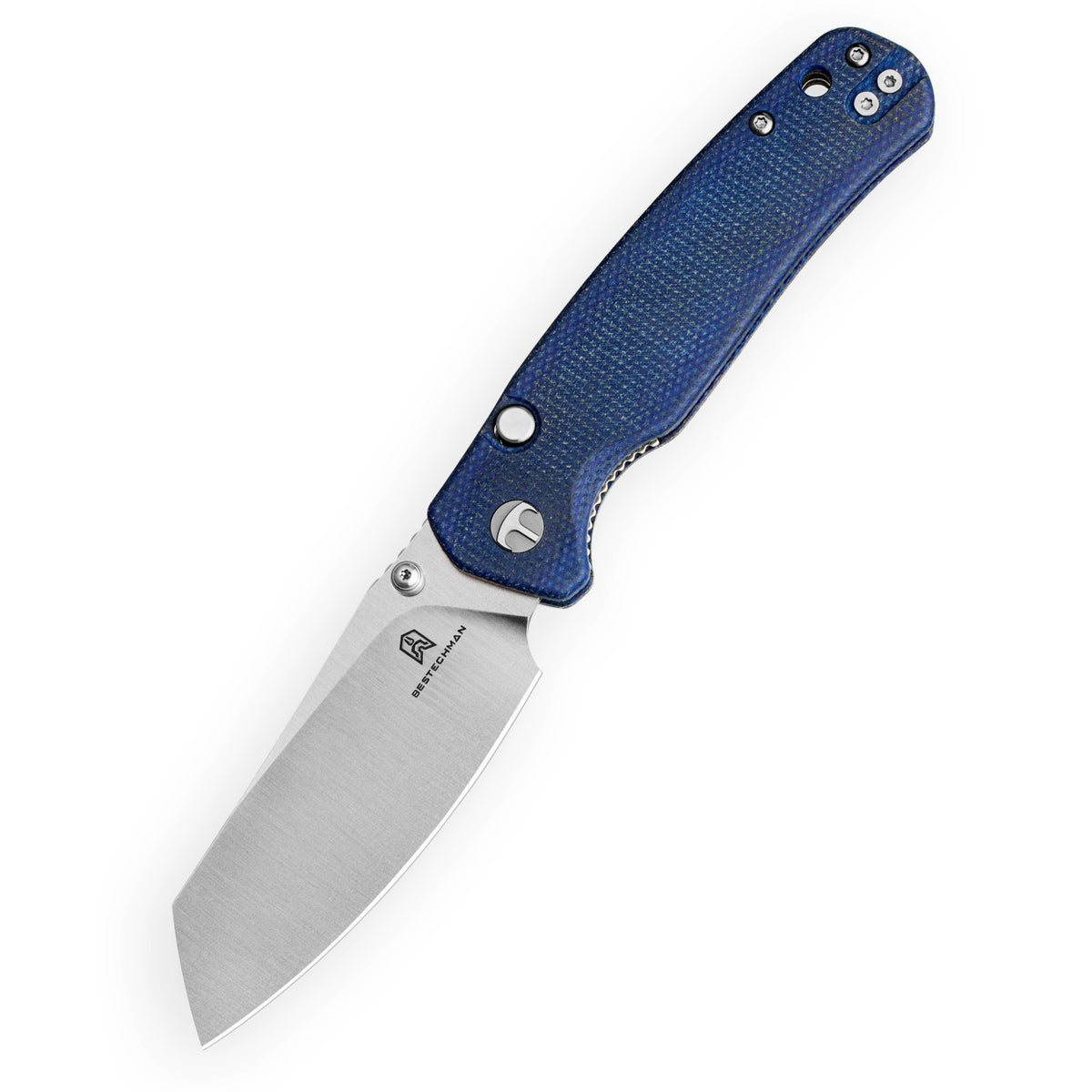
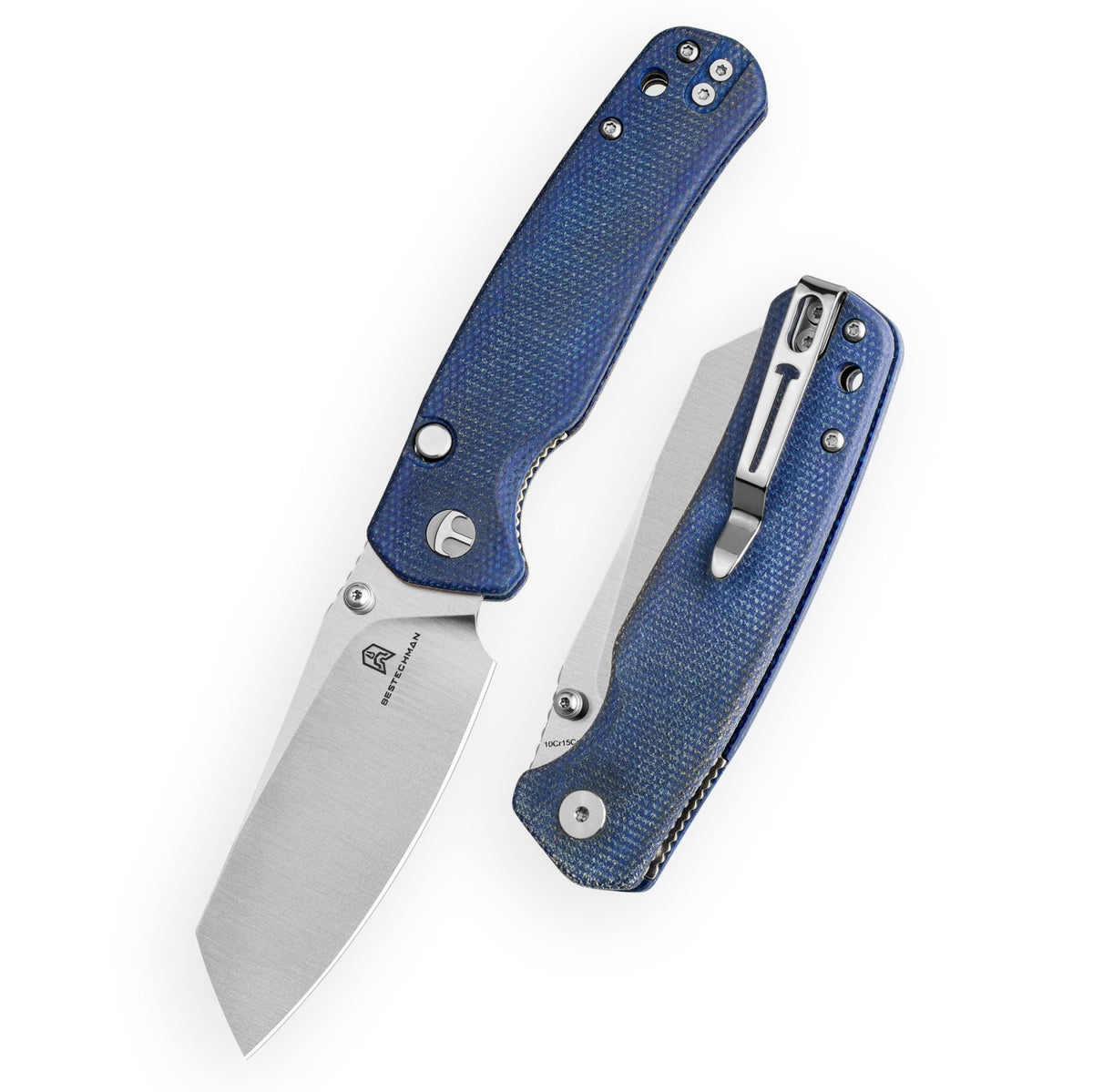
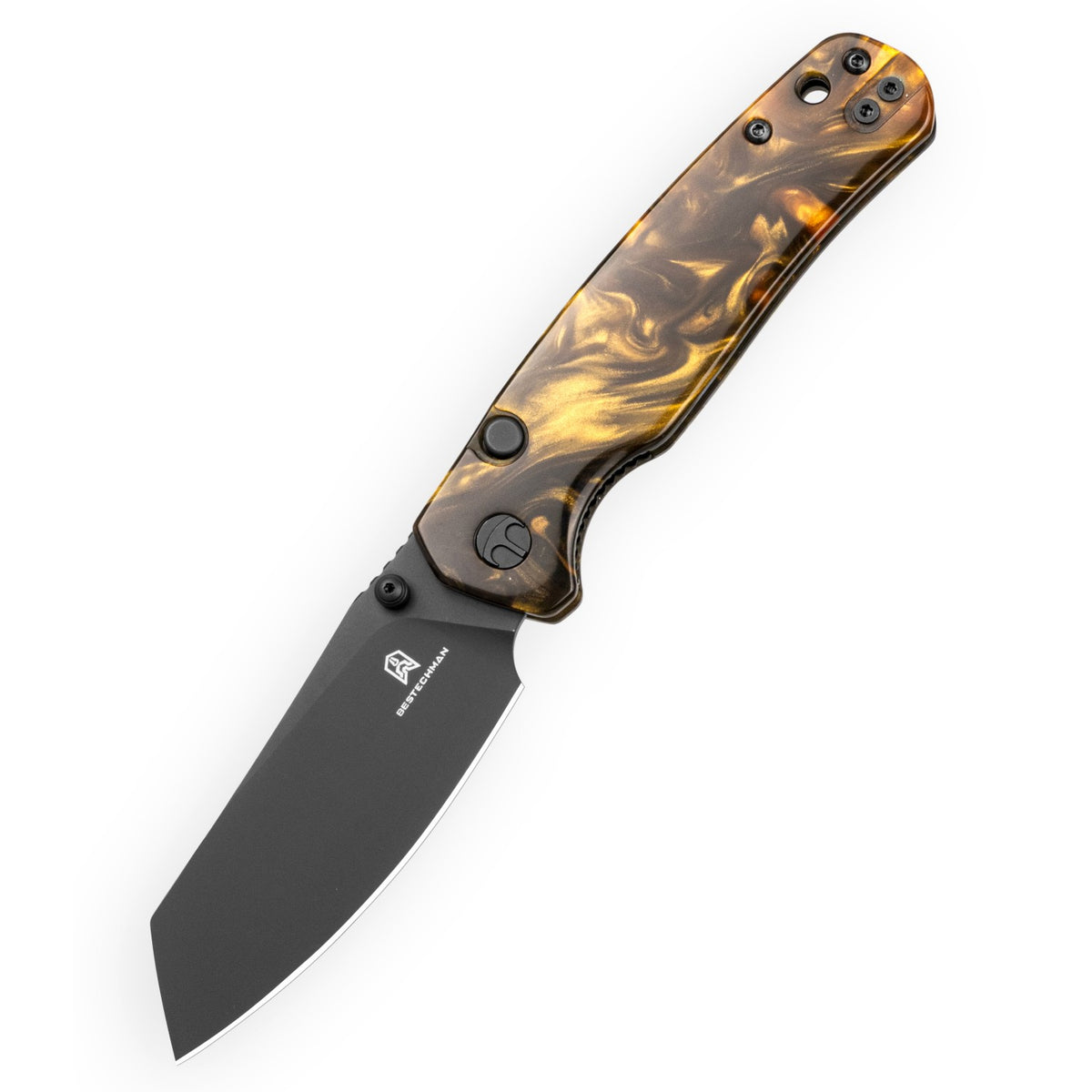
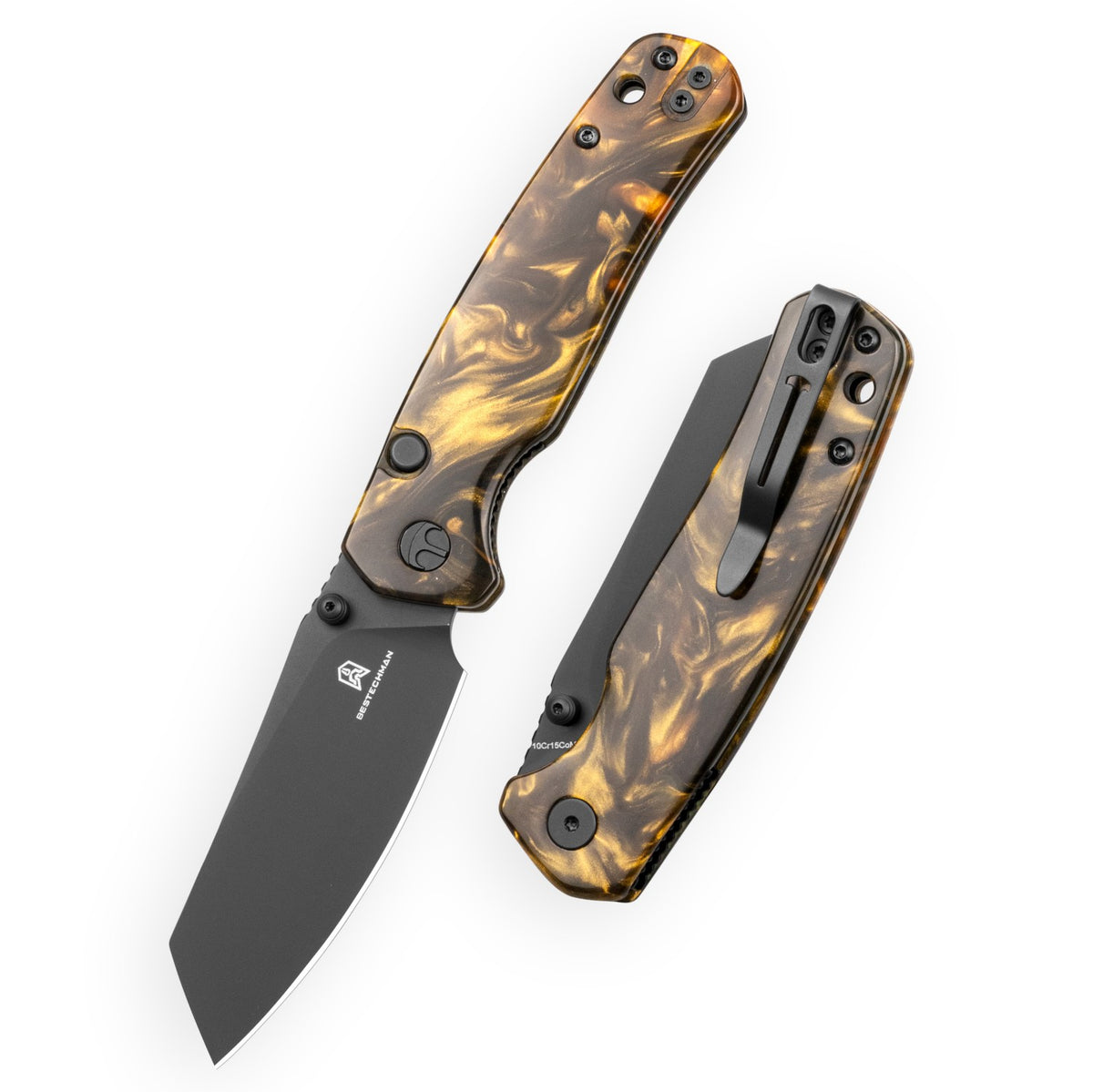
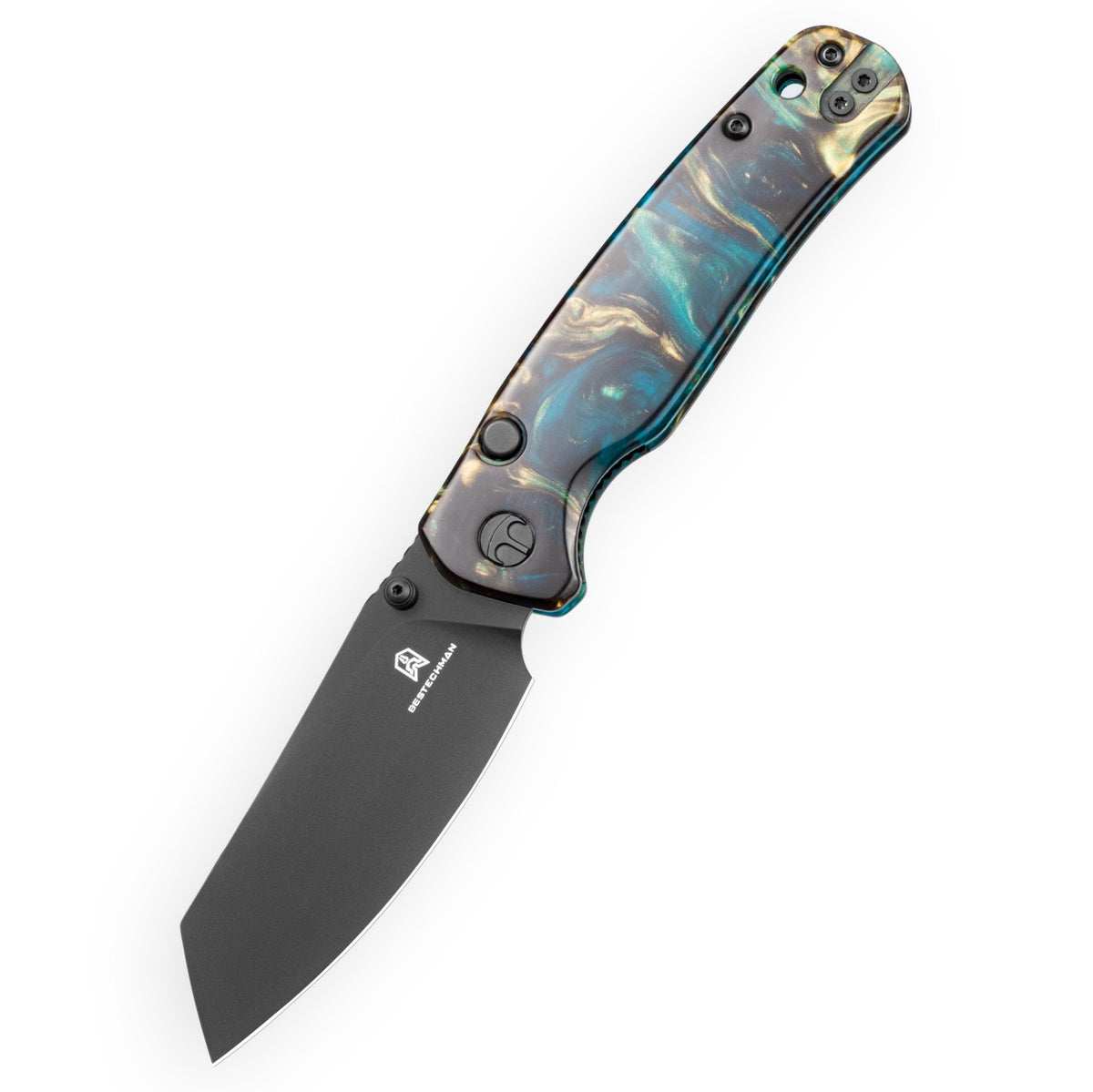
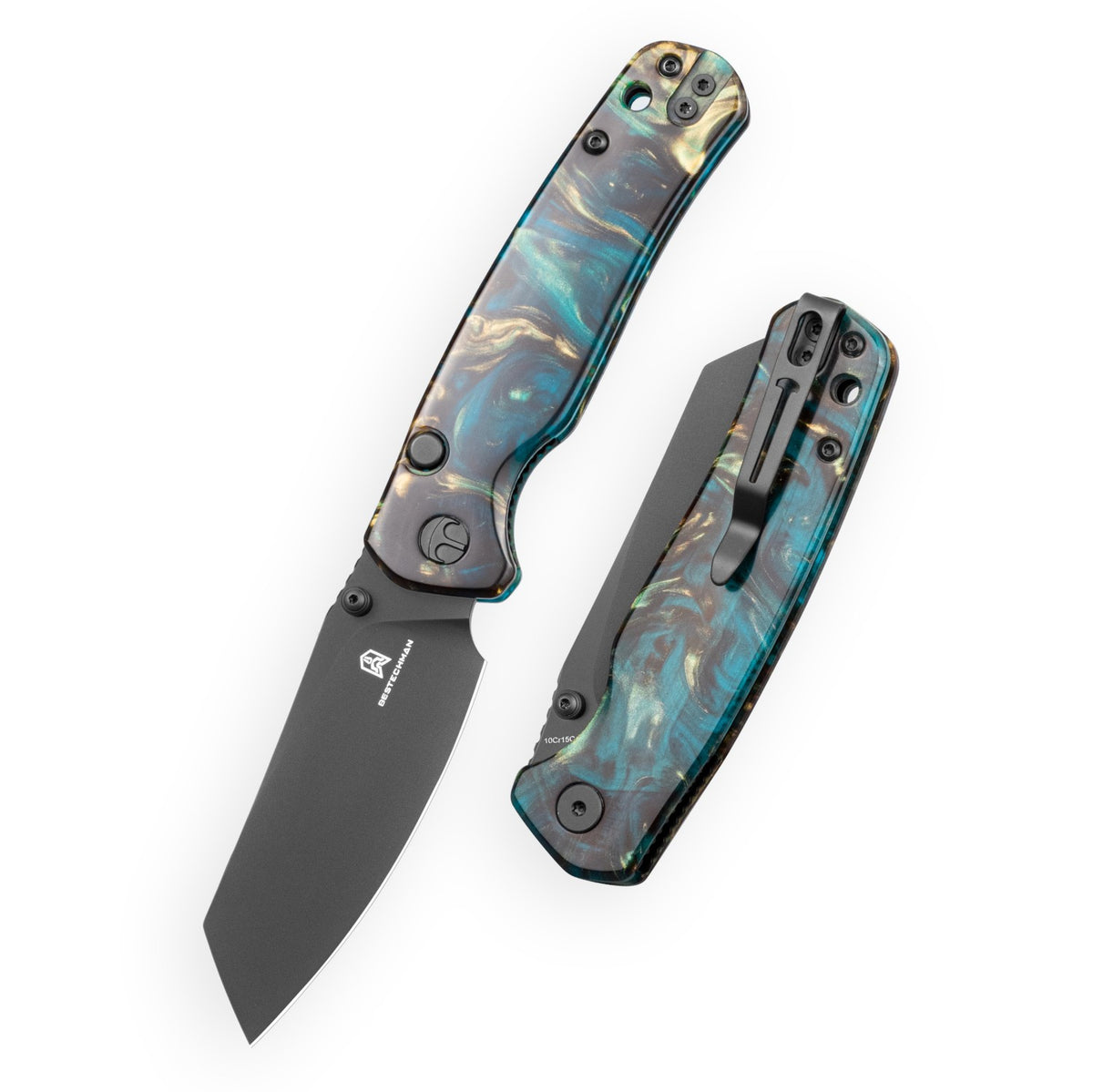
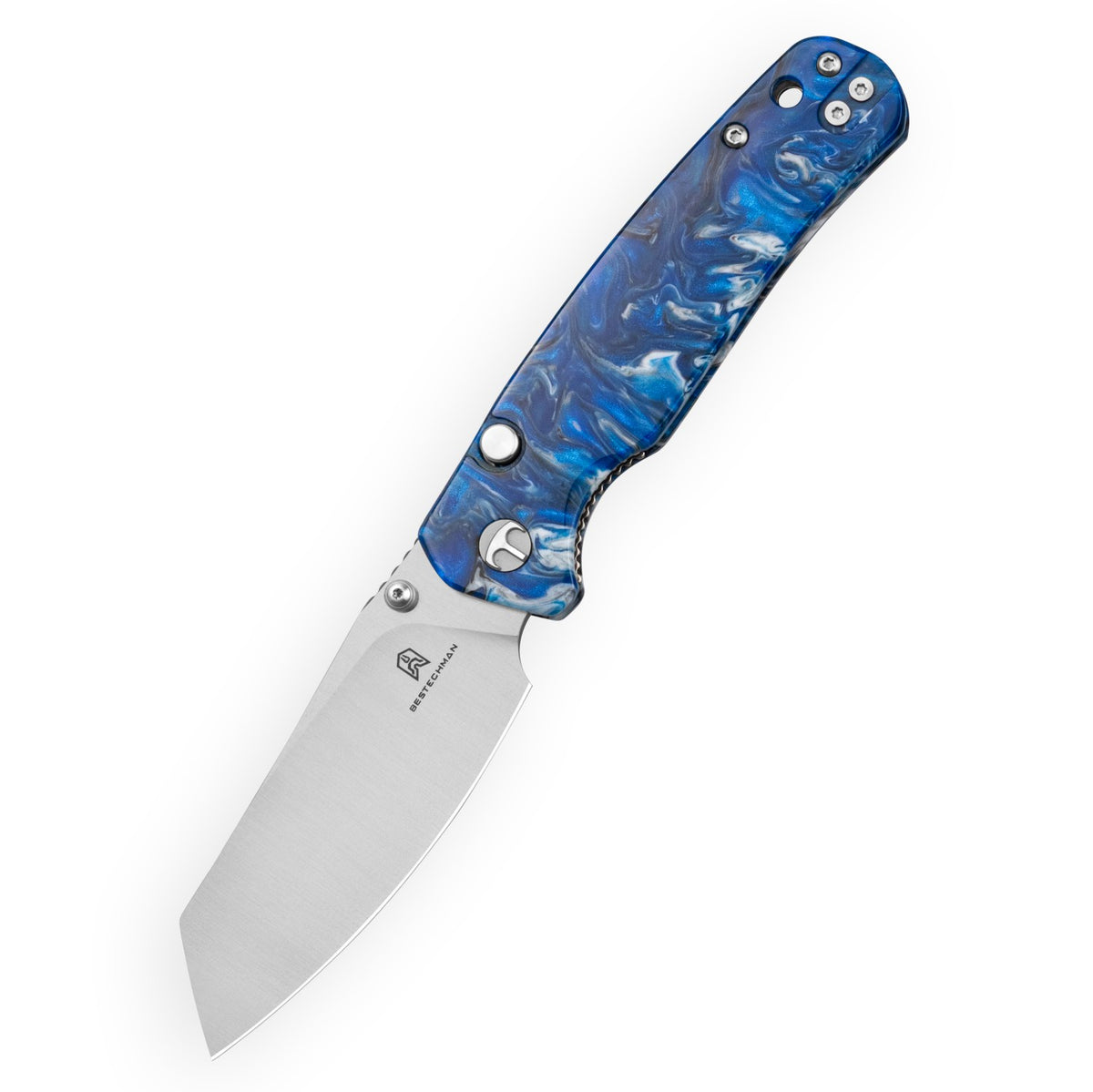
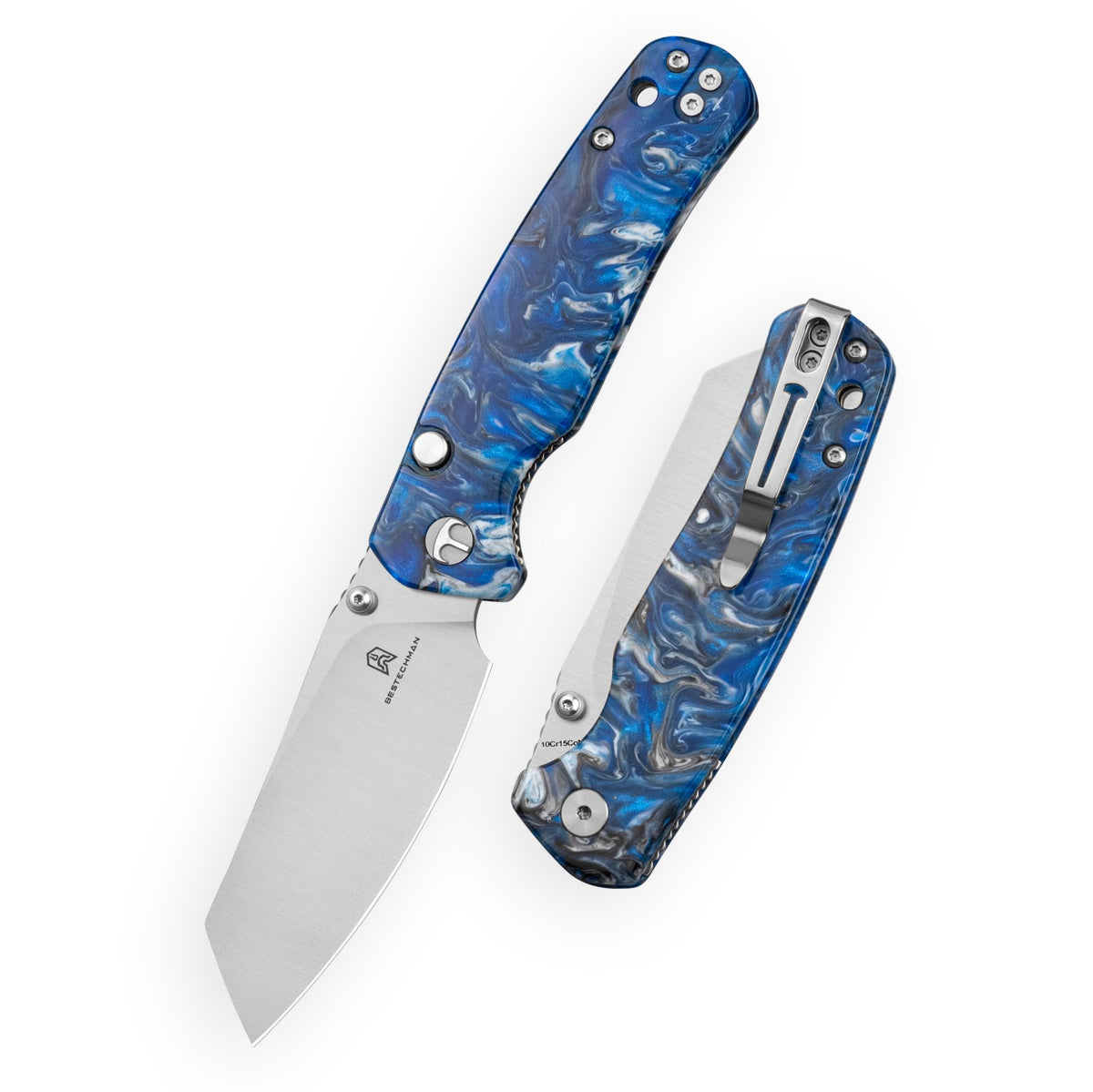
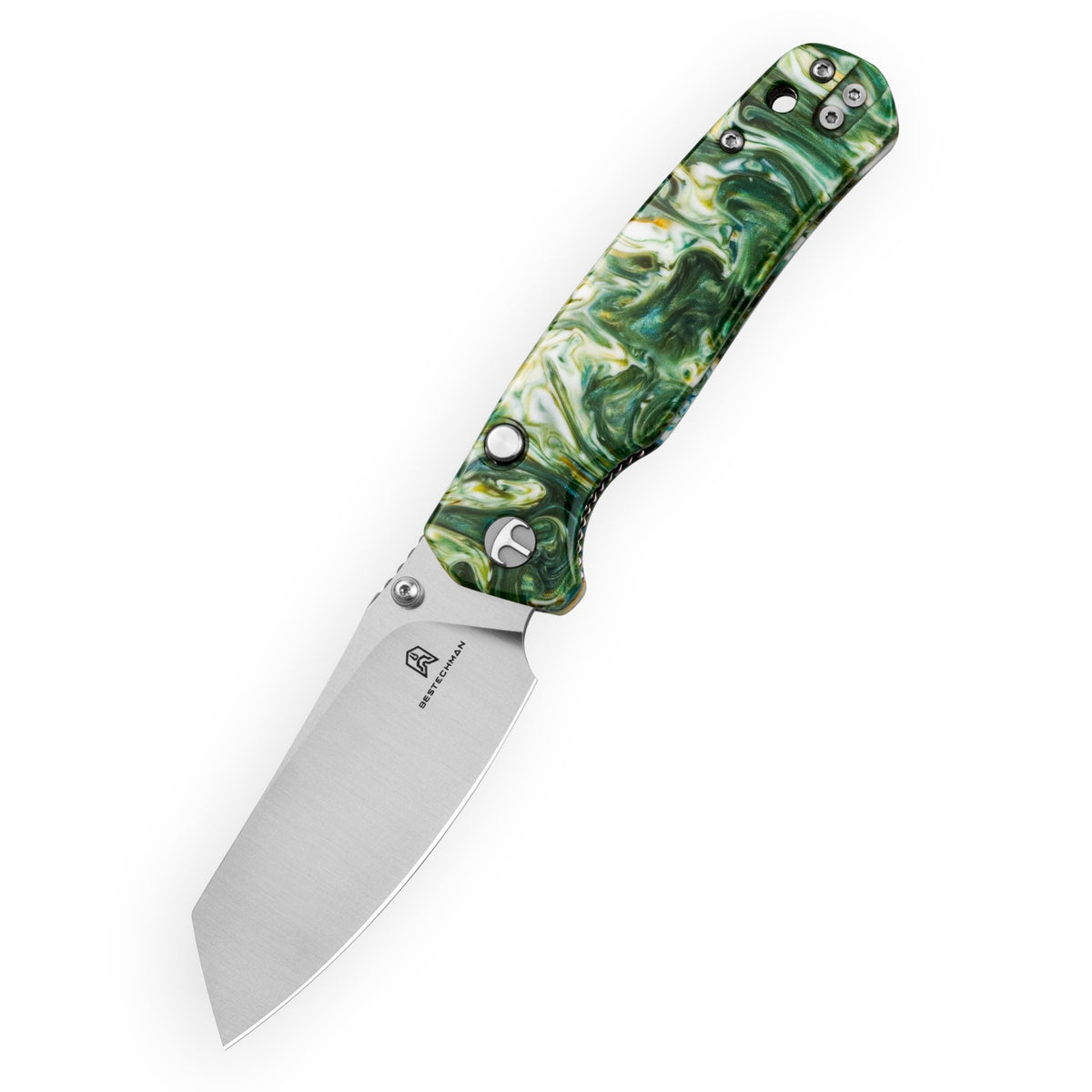
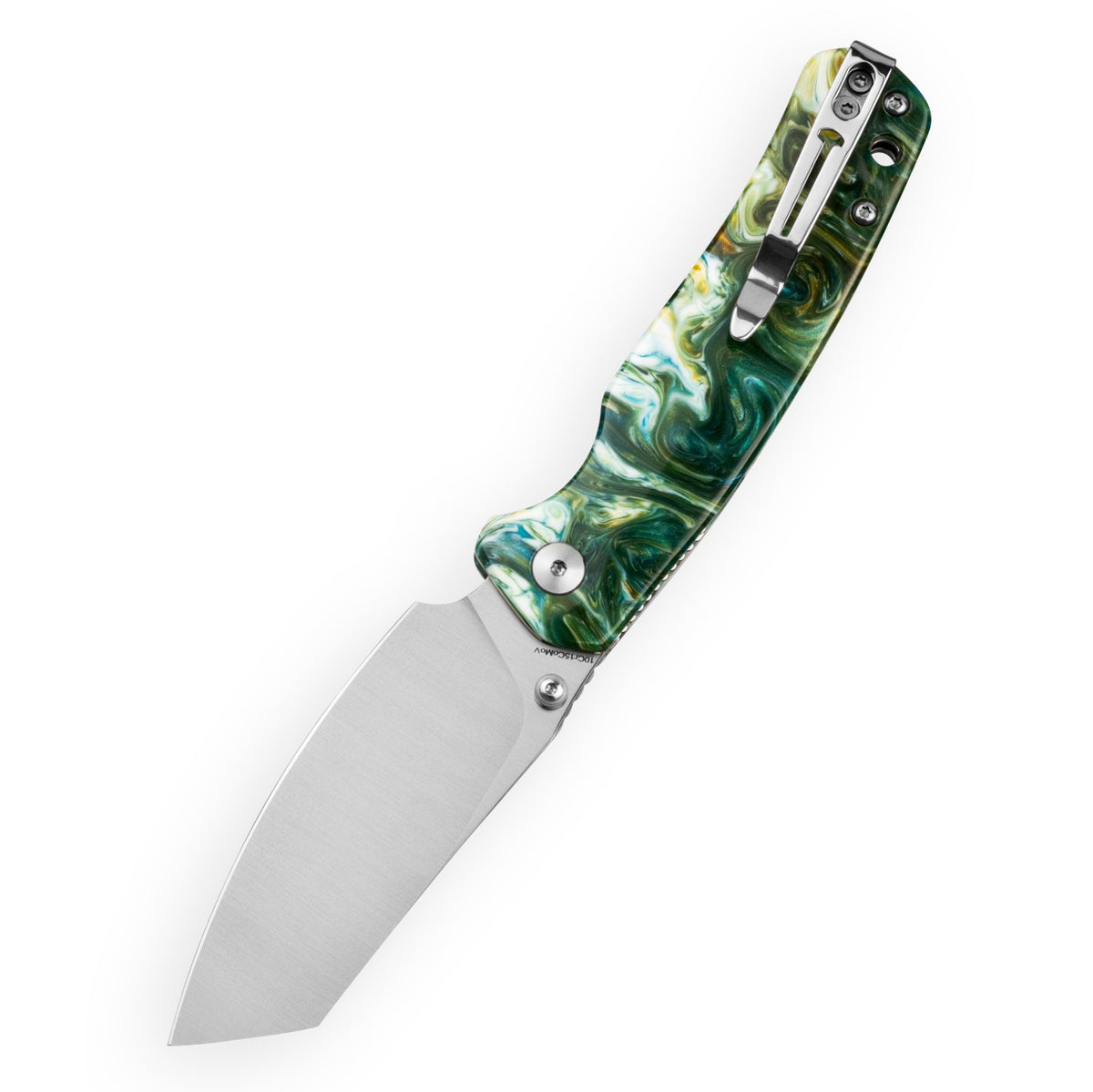
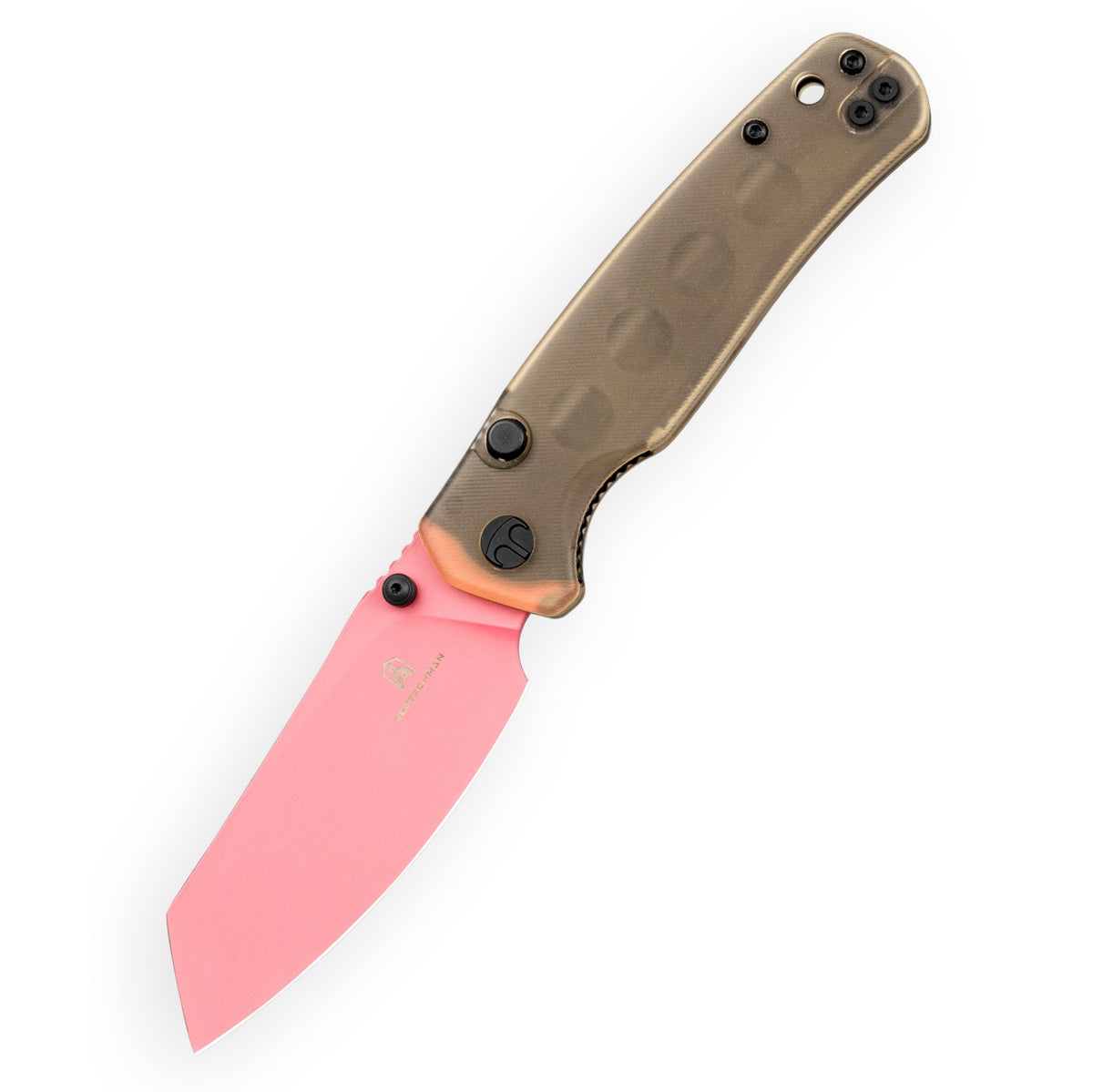
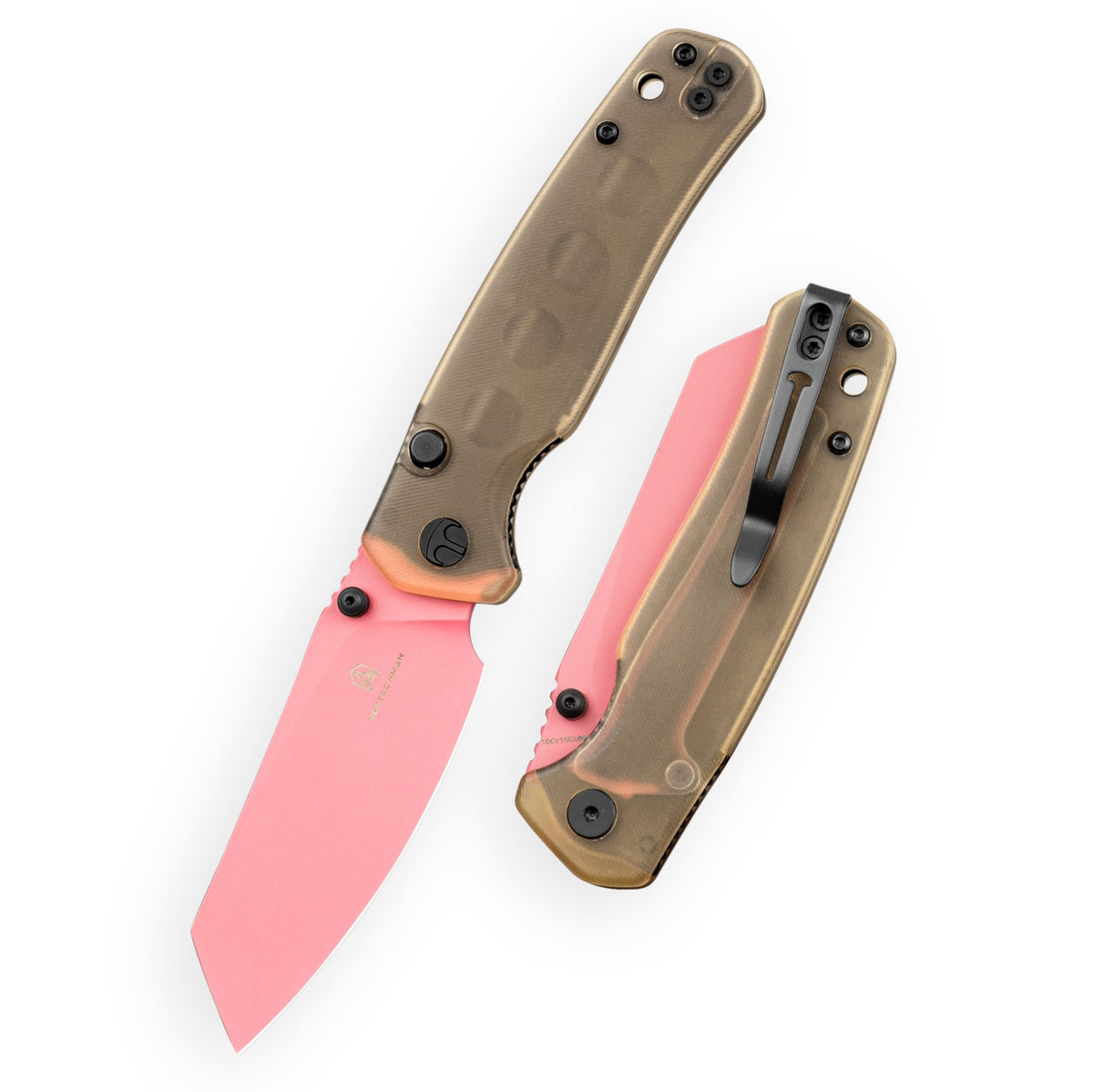
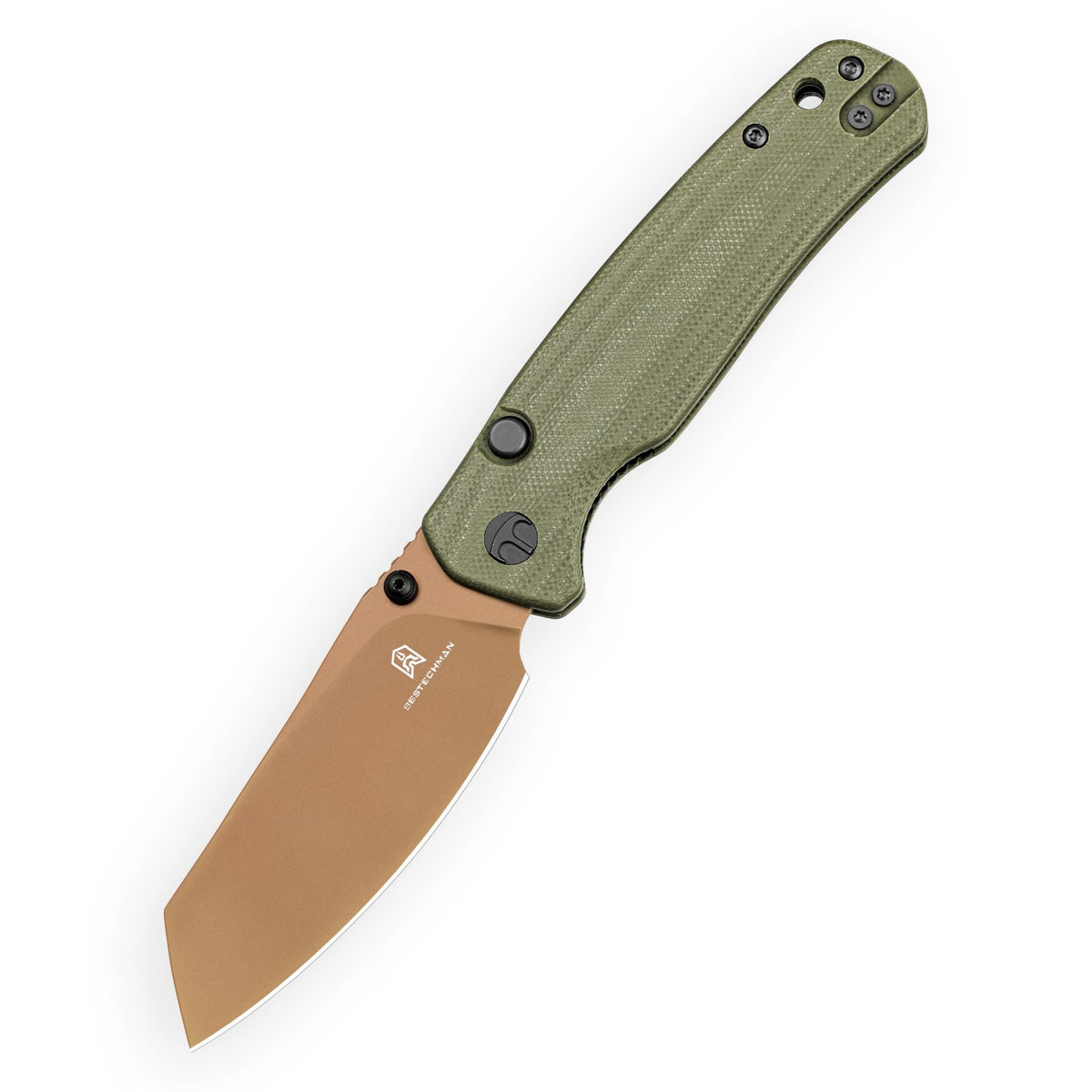
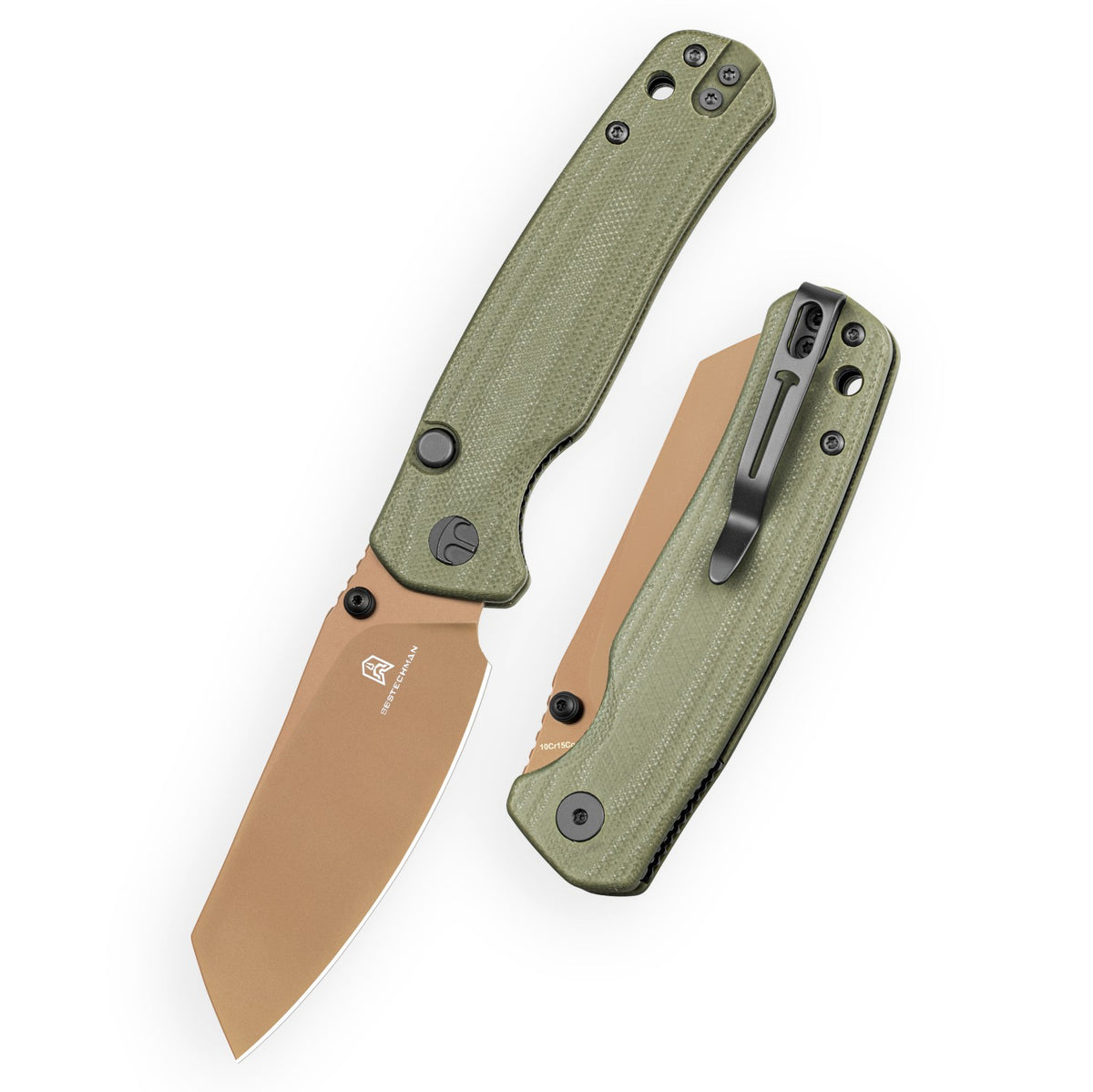
Refinishing is an exercise in patience rather than force: light pressure, ordered grits, and one consistent direction. Done properly, it returns a working blade to looking deliberate instead of neglected. A titanium frame lock with a premium alloy is worth the effort, and the Bestech Kriya is a good example of one. Compare the finish options across the Bestech knives range at EdcMall.
Shop the Bestech Kriya BT2606D M398 Titanium Frame Lock at EdcMall