
Overview & First Impressions
Most knife collections grow slowly and are never catalogued, which is fine until a break-in, a house fire or an insurance claim. At that point the difference between being paid and being refused is documentation. The EDC knives on a shelf represent real money, and the same discipline a watch or camera collector applies is exactly what a knife owner needs.
Materials & Construction
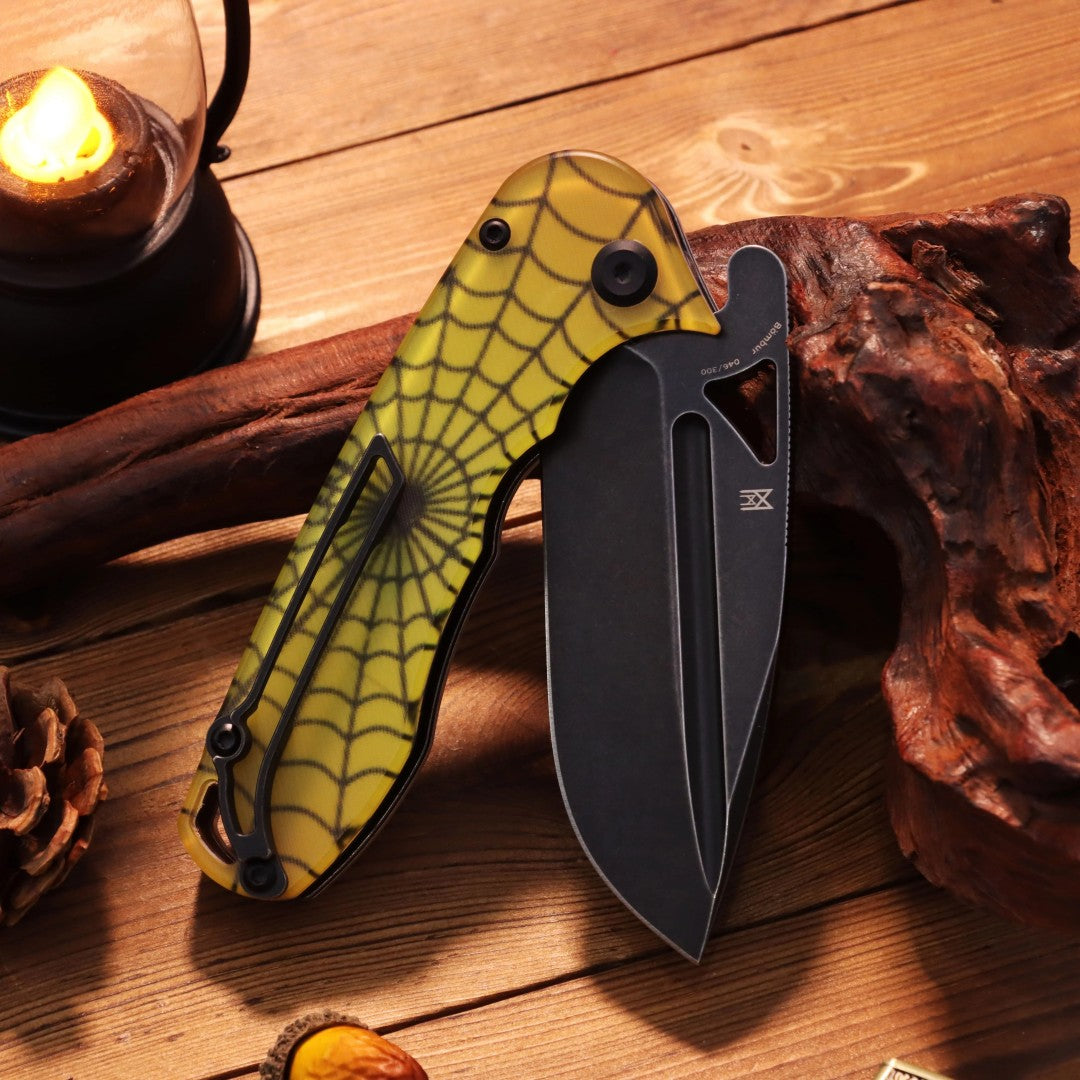
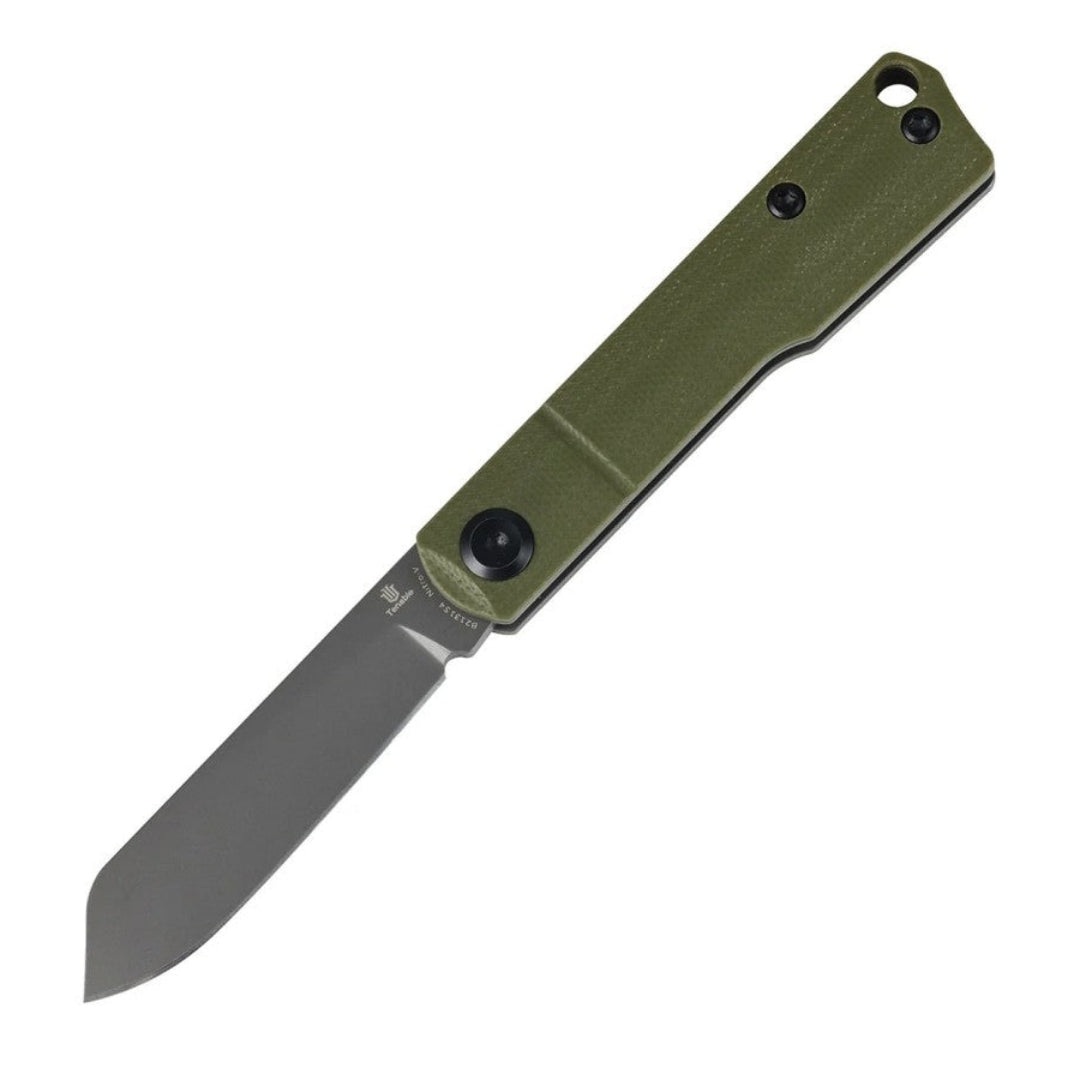
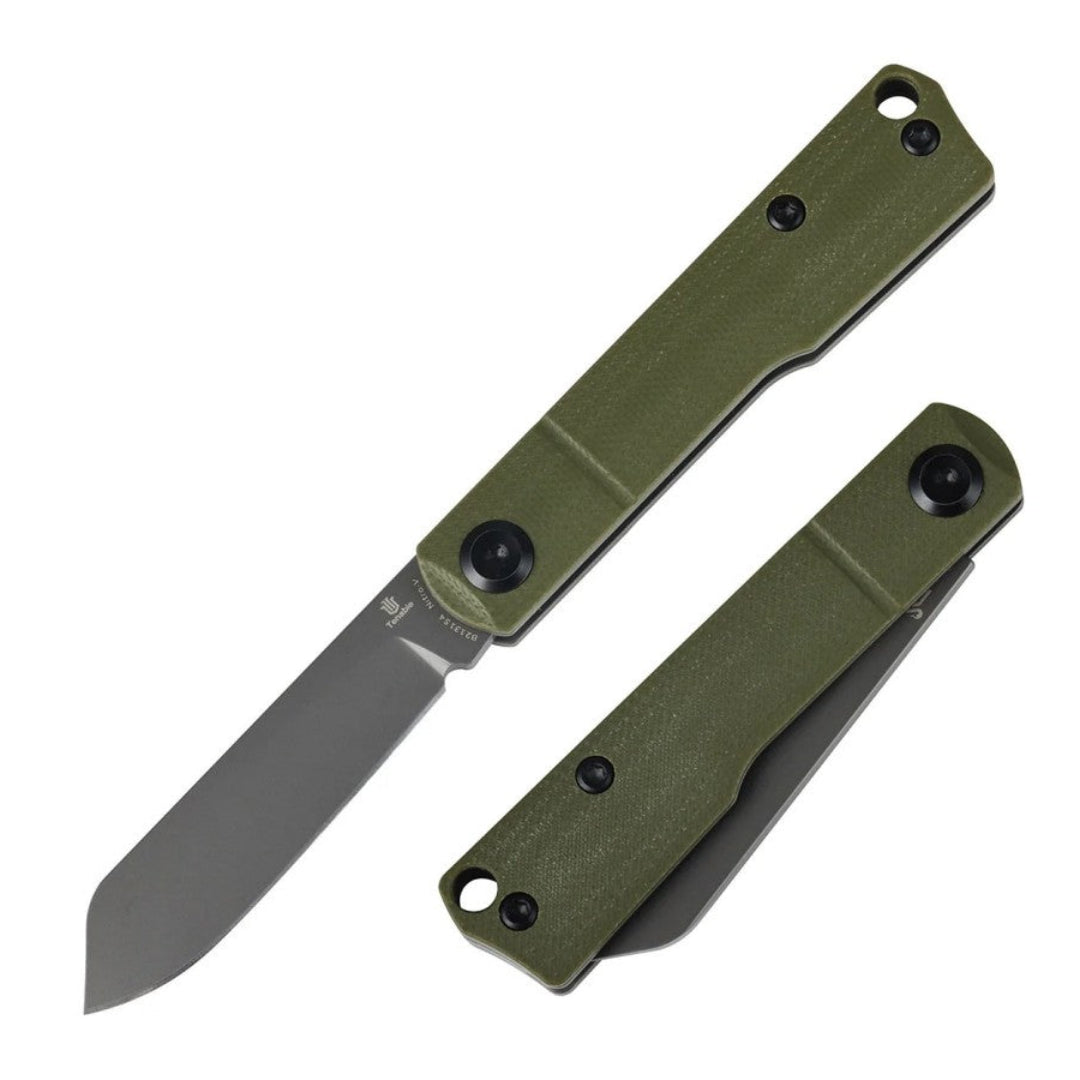
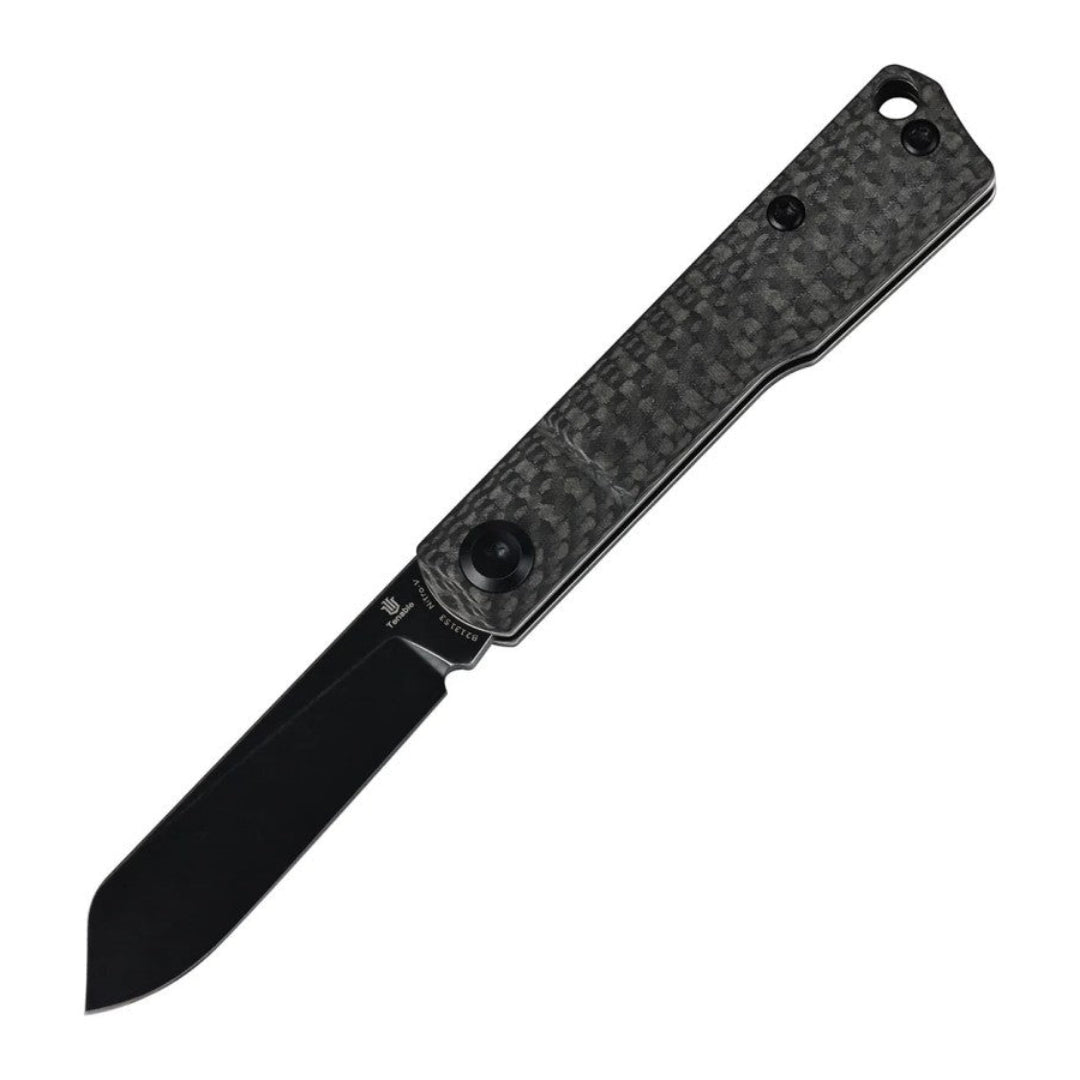
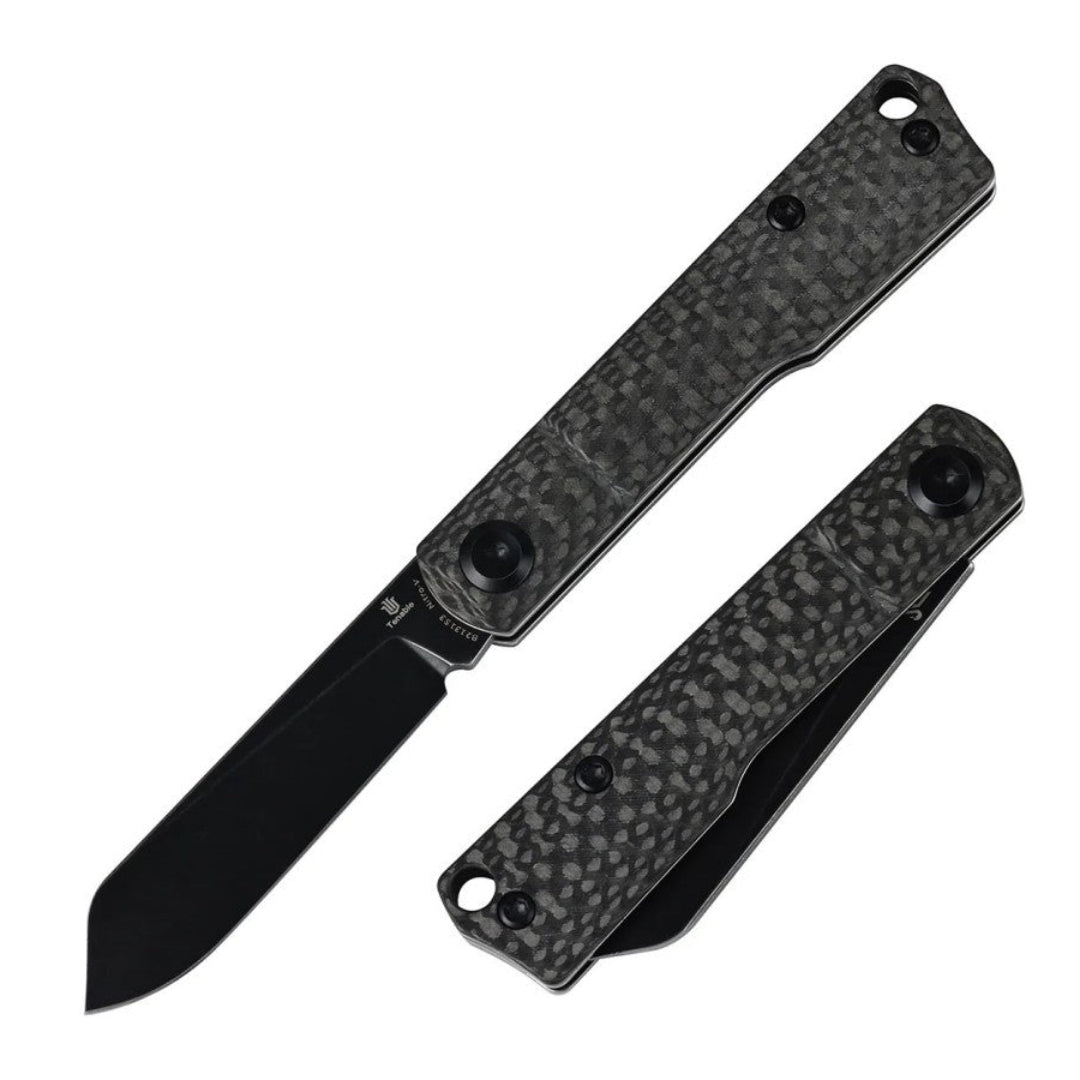
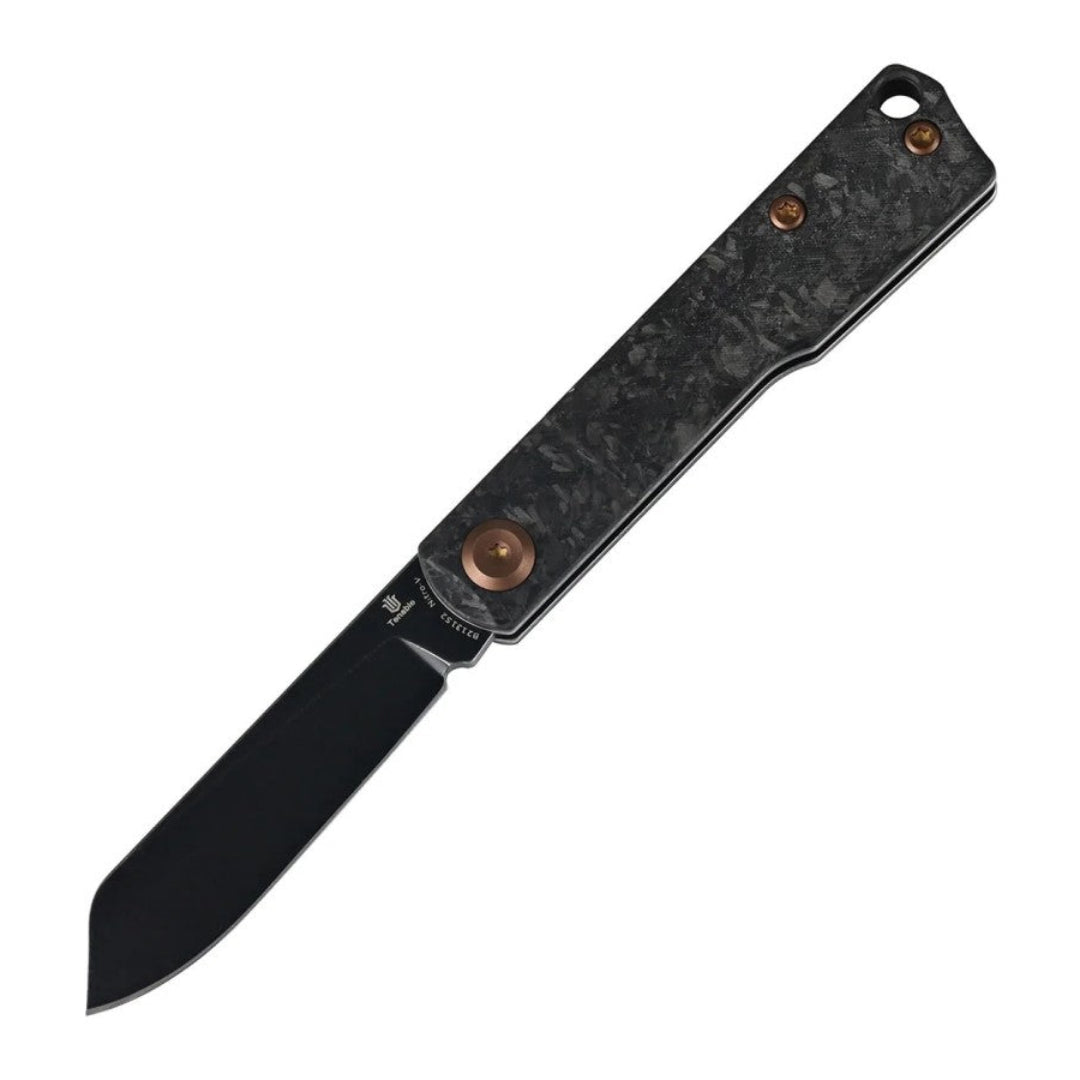
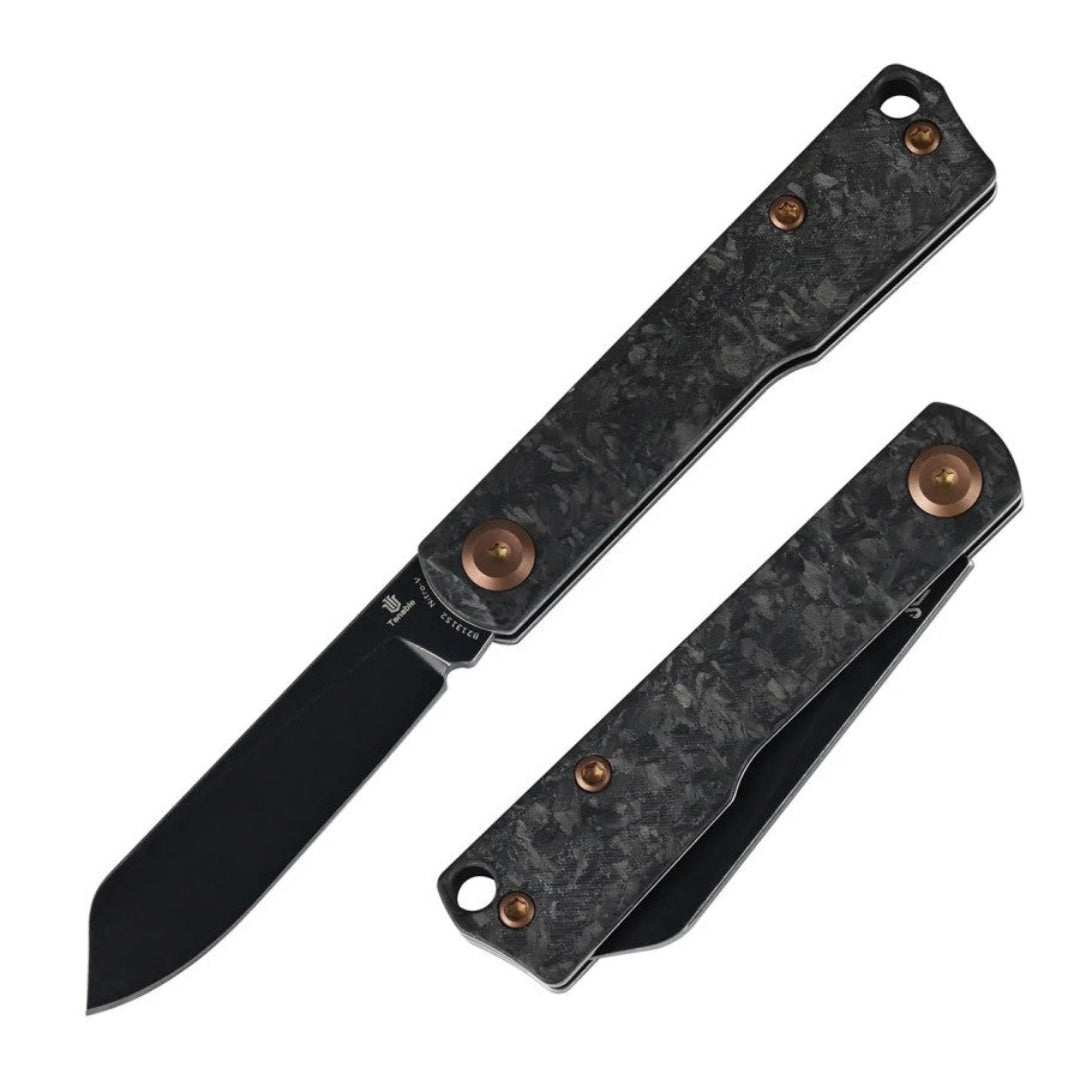
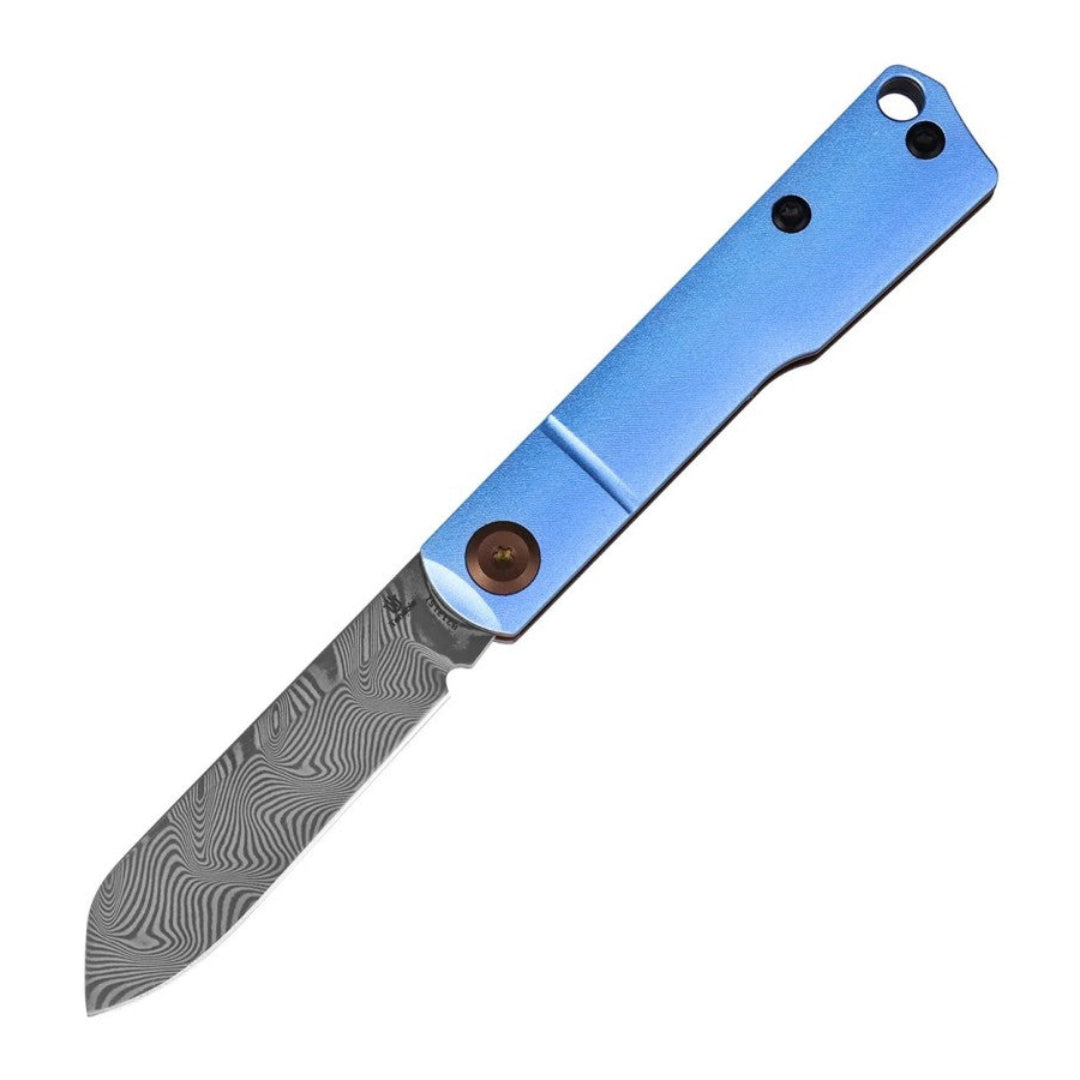
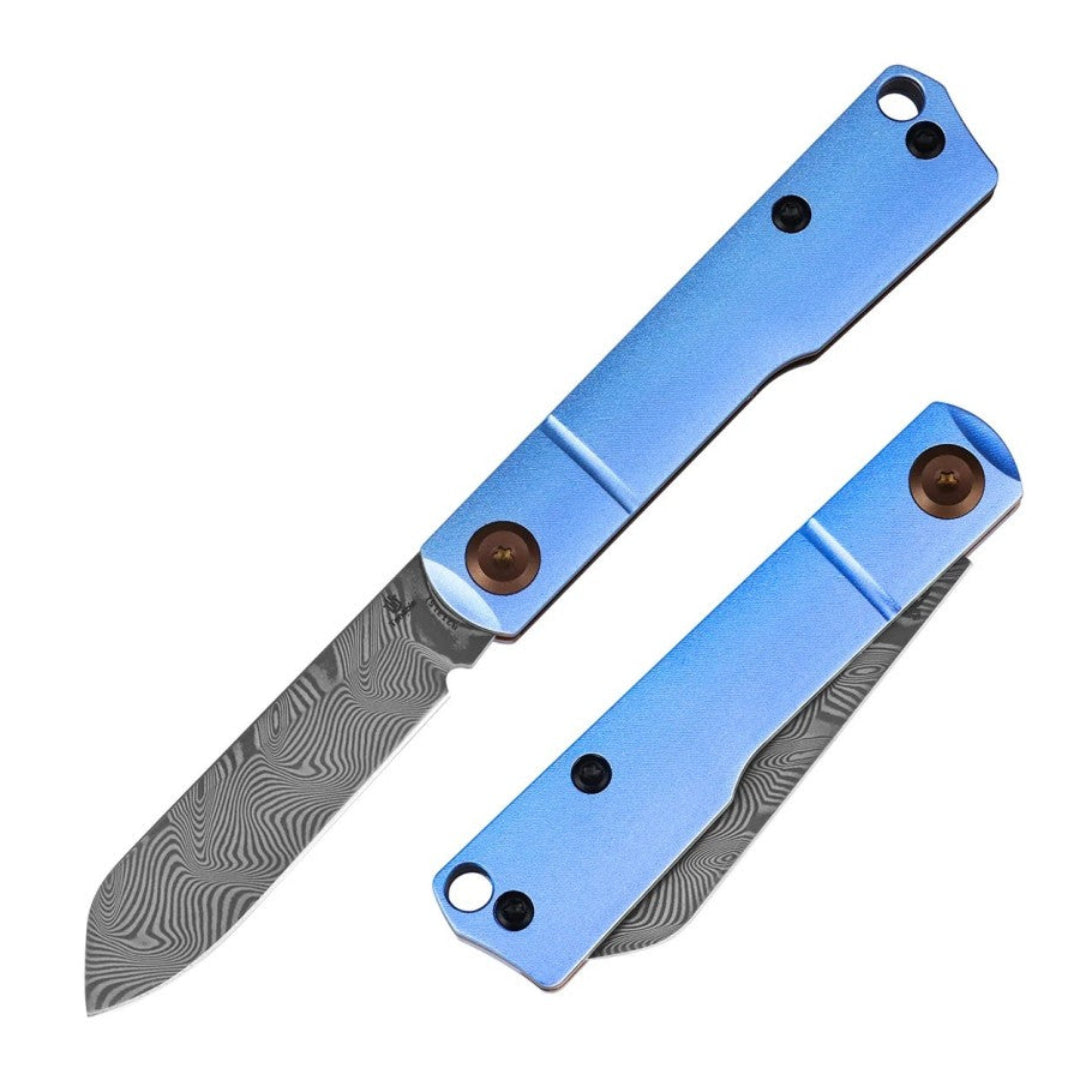
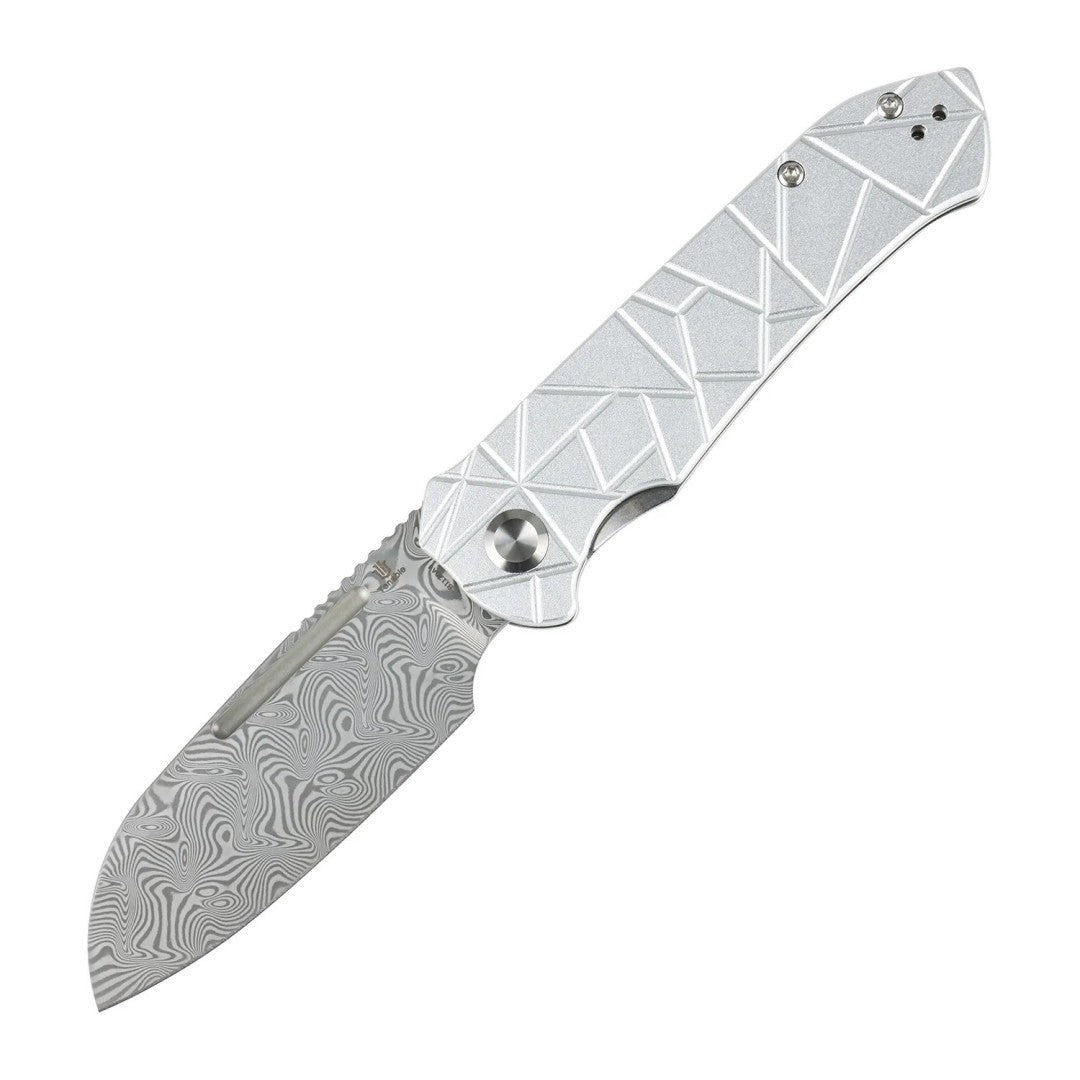
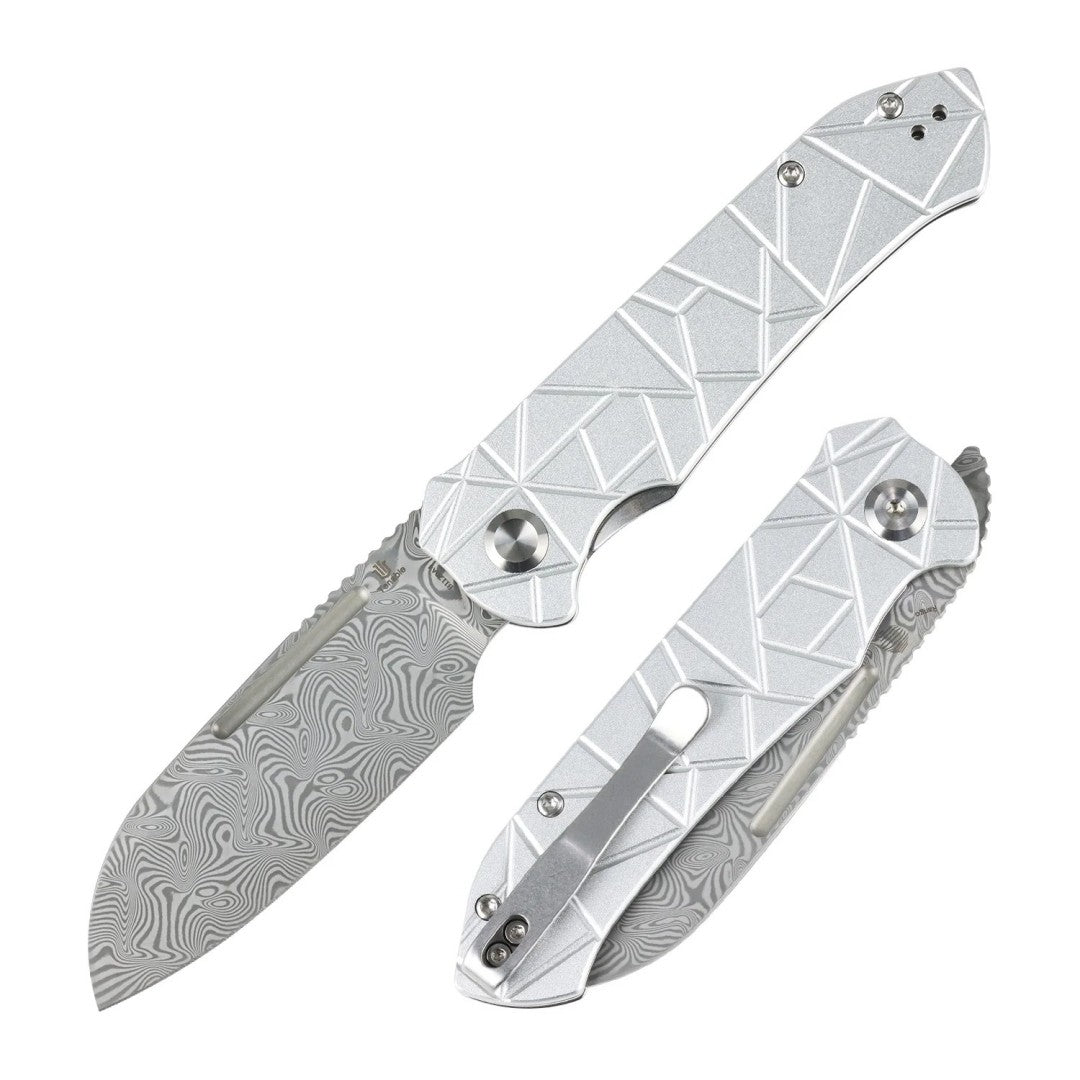
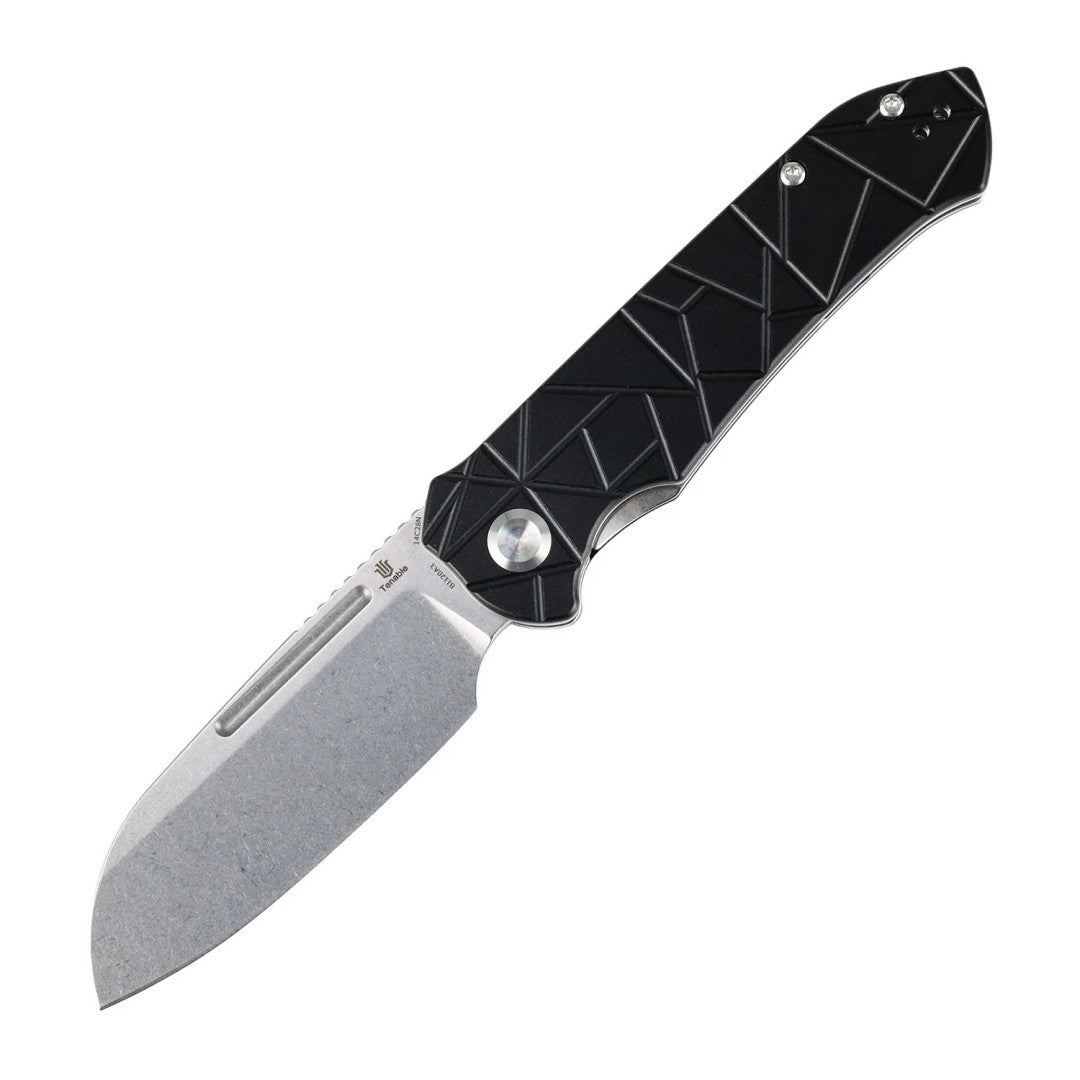
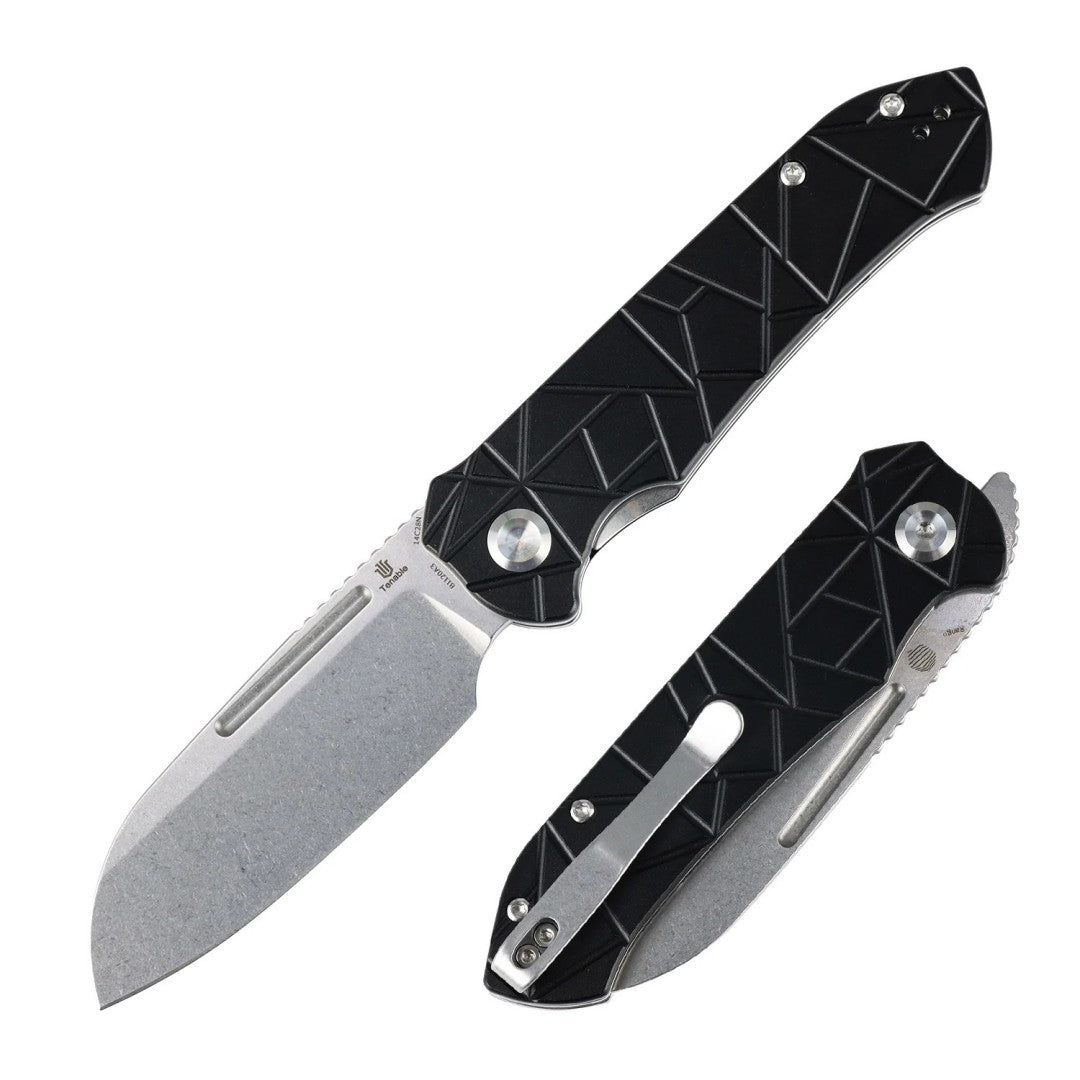
A working inventory records the maker, model, blade steel, handle material, serial number where one exists, purchase date and purchase price. Condition matters too, so high resolution photographs are essential. Premium steels such as M390 are a meaningful part of the value, which is why a record that names the steel is far more useful to an assessor than one that simply says knife, and established makers such as Bestech knives publish the model and steel data that makes verification straightforward.

Design & Details
Appraisal is easier when the collection is stored deliberately. A display case, a drawer insert or a hard case with individual slots keeps folding knives from knocking against each other and makes a photograph of the whole collection possible. Keep the boxes and paperwork where you can find them, because original packaging measurably affects resale value for higher-end pieces.
Real-World Use
When something goes missing, a claim works best with three things: a list, photographs and receipts or bank records. Keep a copy of the inventory in the cloud as well as on paper, update it when you add a piece, and note any modification such as a scale swap or a new clip, since even a small change can affect value. Review the total declared value once a year.

Ownership Notes
Insurance for a collection is usually an add-on to home contents, or a separate valued policy for expensive items, and most insurers want a schedule of individual pieces above a threshold. Ask what documentation they require before an incident, not after. EdcMall stocks a range of collector pieces whose value is easy to establish because the maker and the steel are clearly stated. Collectors also find that documentation improves the collection itself. Writing down why a piece was bought, what it cost and how it has been used forces a sharper eye at the next purchase and makes thinning the shelf far easier. Keep a running total so the insurance figure is never a surprise, update the photographs when a knife changes hands and store the paperwork with the knife it describes. The habit costs nothing and pays back the first time something goes missing.
Who Is This For?
This is for collectors with more than a handful of knives, anyone insuring a collection as a specific item and buyers who intend to hold pieces long term. A single daily carry knife can be covered generically. If your shelf is worth more than your television, it deserves its own inventory.
Final Verdict
Documentation is the least romantic and most valuable part of collecting. Photograph every piece, record the maker, model and steel, keep the receipts and review the total annually. A two hour inventory can be the difference between a fair settlement and a long argument.