
Overview & First Impressions
Size is the specification most often misunderstood, because a single number never describes a knife. Blade length, cutting edge length, closed length, handle length, thickness and weight all interact, and two knives with the same stated blade length can feel completely different in the pocket and in the hand. Understanding which measurements actually predict how a knife carries is the difference between a purchase that gets used every day and one that sits in a drawer.
Materials & Construction
Steel choice interacts with size more than most buyers expect. A thin blade in a tough, fine grained alloy such as 14C28N tolerates hard use far better than the same geometry in a brittle high hardness steel, because toughness matters more as cross section shrinks. That is why compact folding knives with thin stock are usually built from balanced alloys rather than extreme ones, and why a larger blade can justify a more wear resistant steel that would be risky at two millimetres thick.

Design & Details
Read three numbers together: blade length, cutting edge length and closed length. A knife with a four inch blade and a three inch cutting edge spends the difference on a long ricasso or a pronounced choil, which some users value for control and others regard as wasted handle space. A top liner lock adds a little height to the handle without adding length, which is why it appears so often on compact designs that need to keep a full grip.
Real-World Use
Weigh the knife in the configuration you will actually carry it in. A hundred grams is unnoticeable on a belt and very noticeable in a shirt pocket, and titanium handles change the calculation completely compared with steel liners. Handle length matters most for the hand you write with, so measure from the base of your palm to the crease of your middle finger and compare that against the usable length of the grip rather than the overall handle.

Ownership Notes
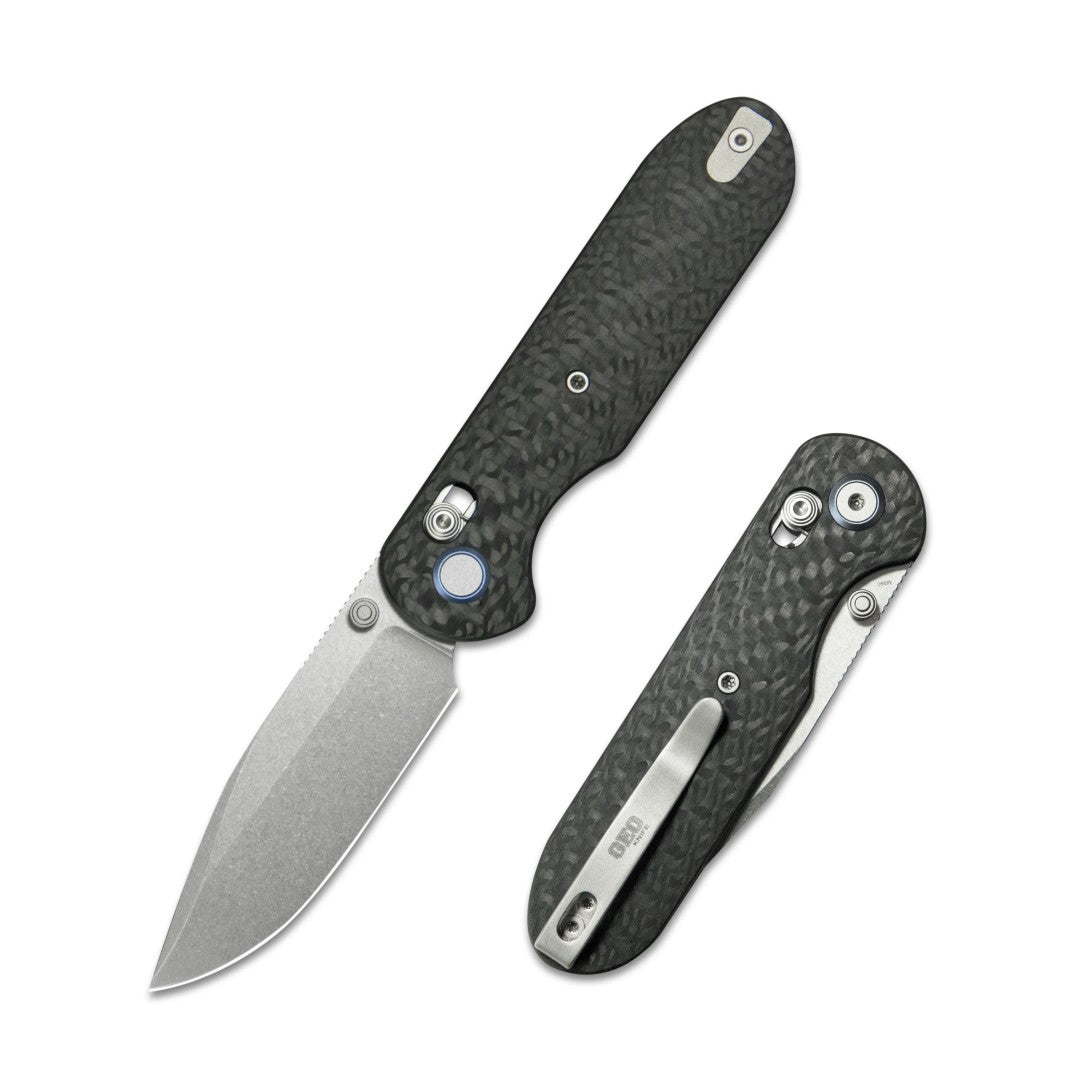
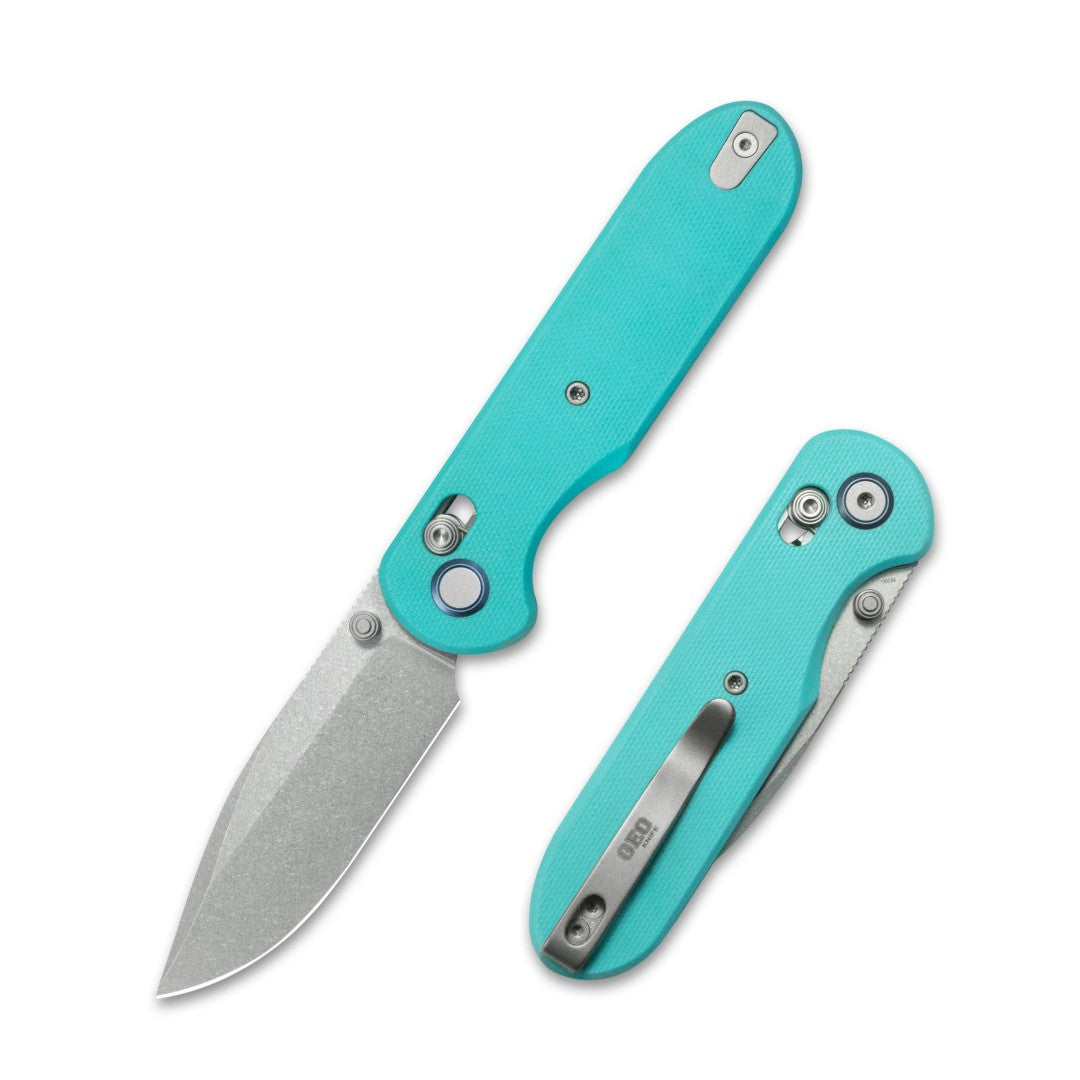
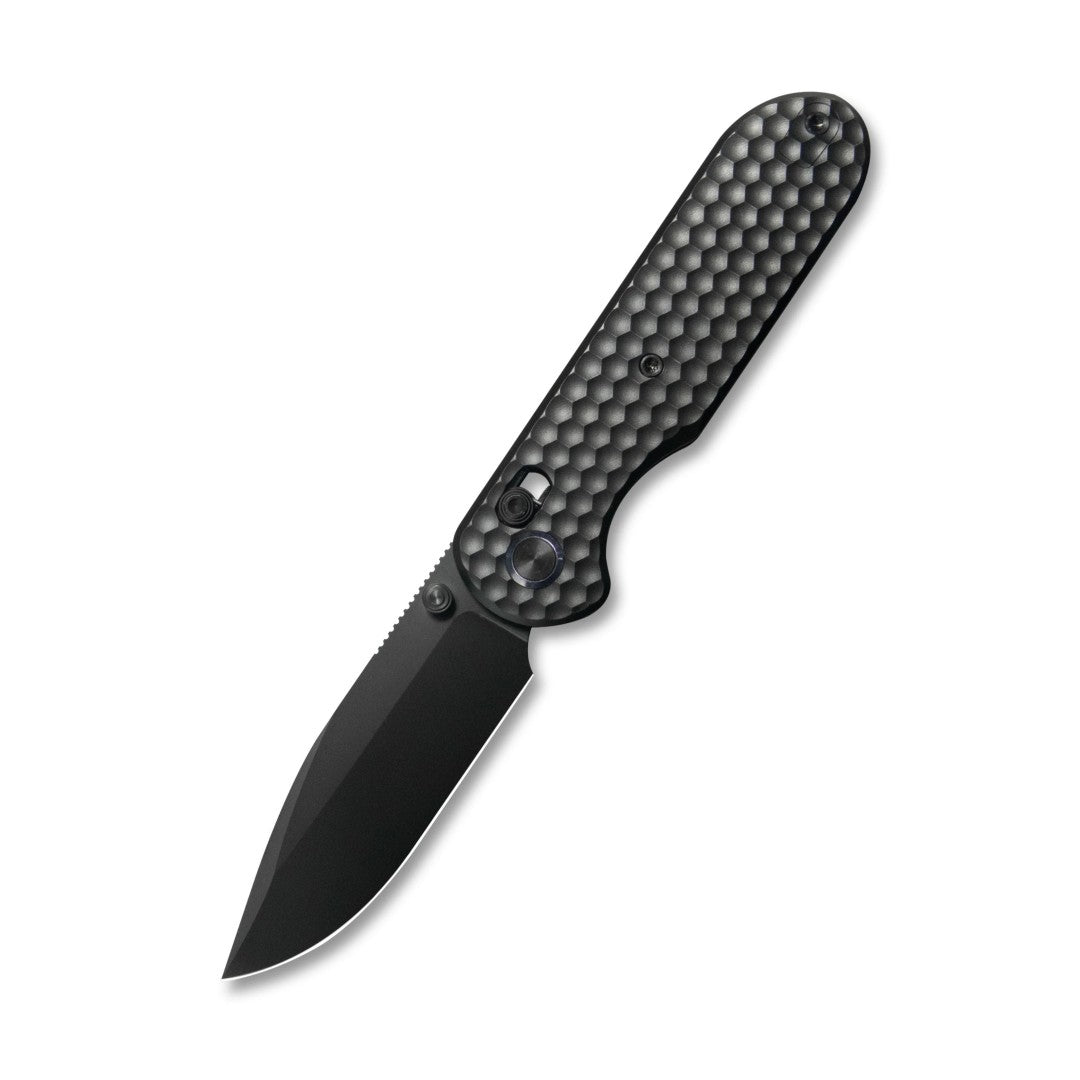
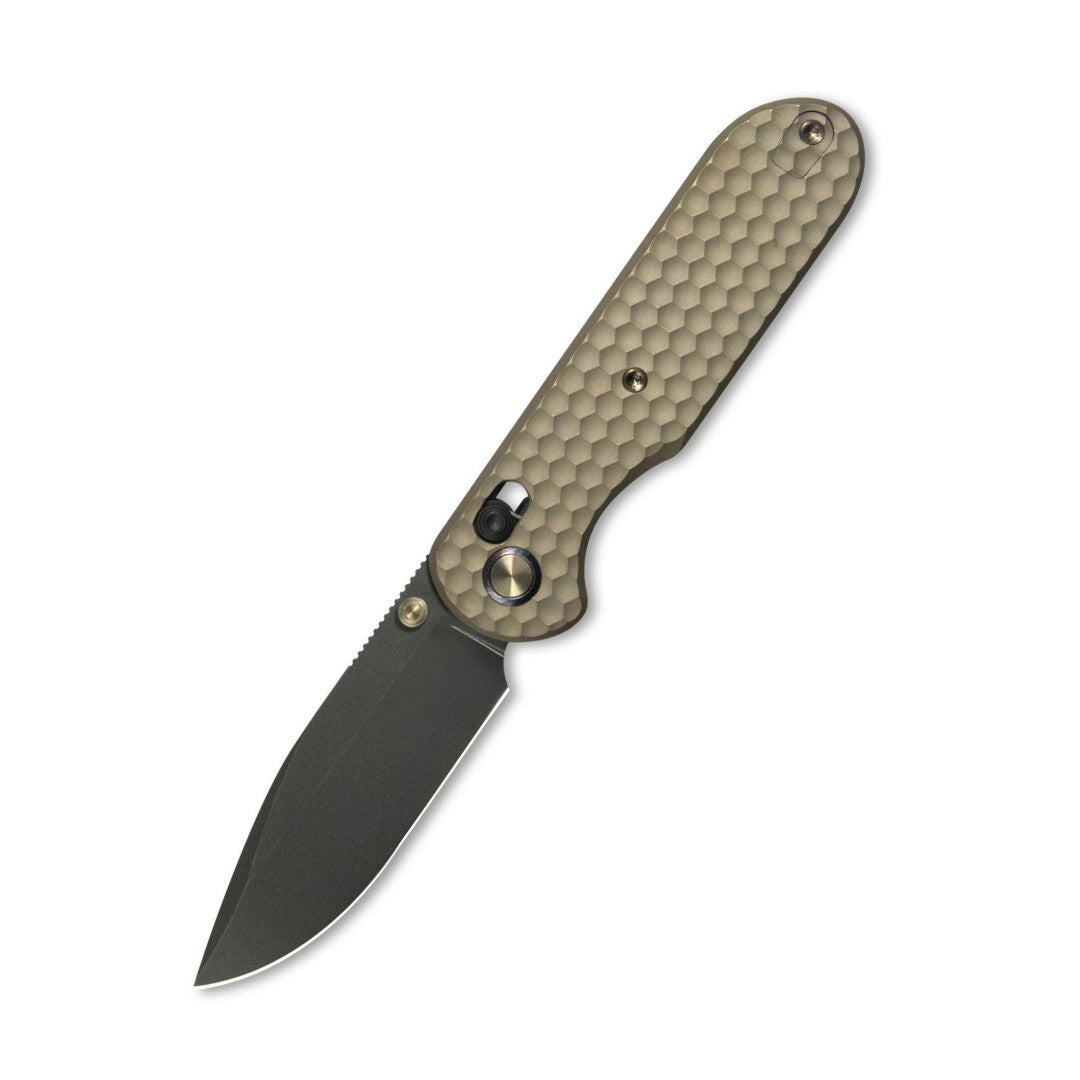
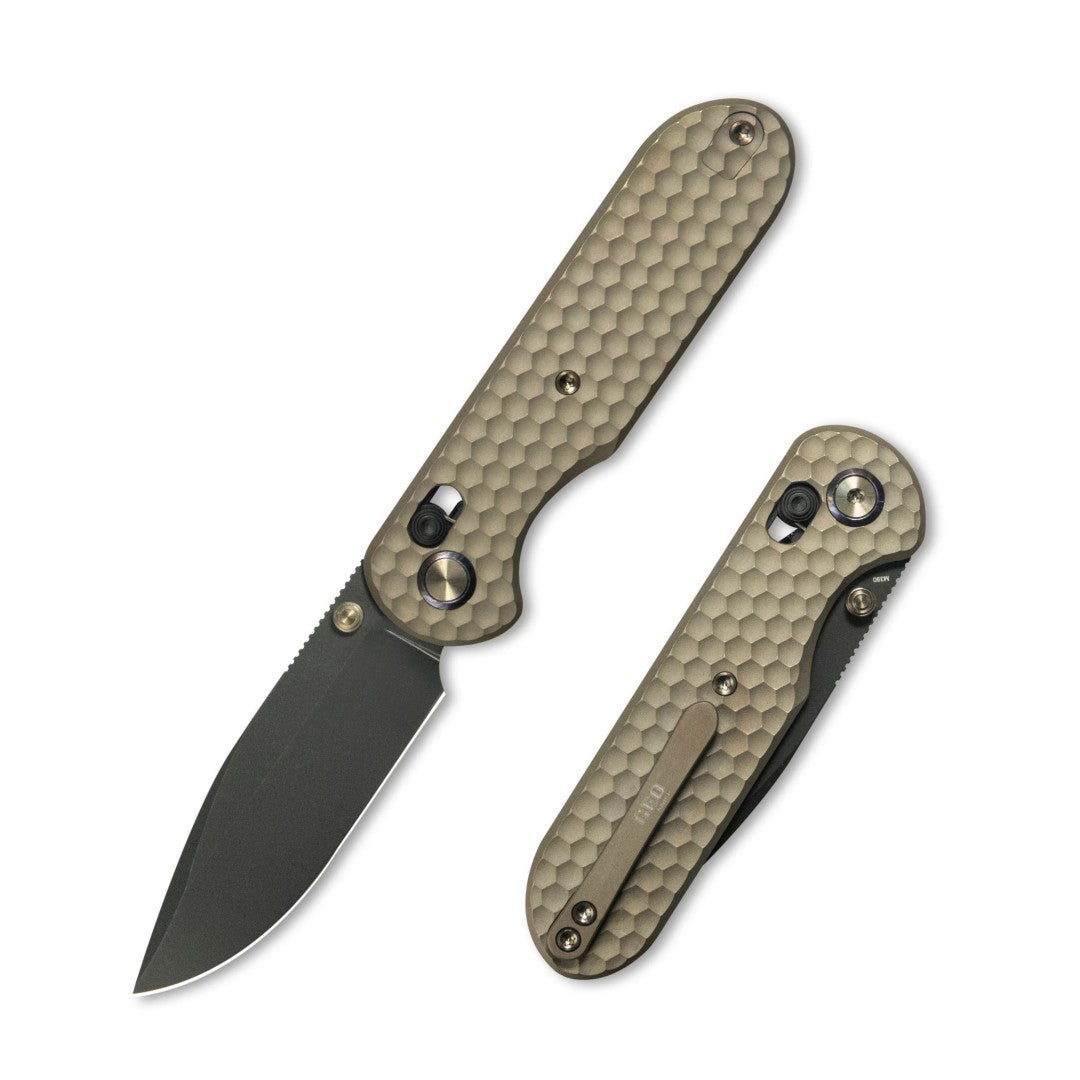
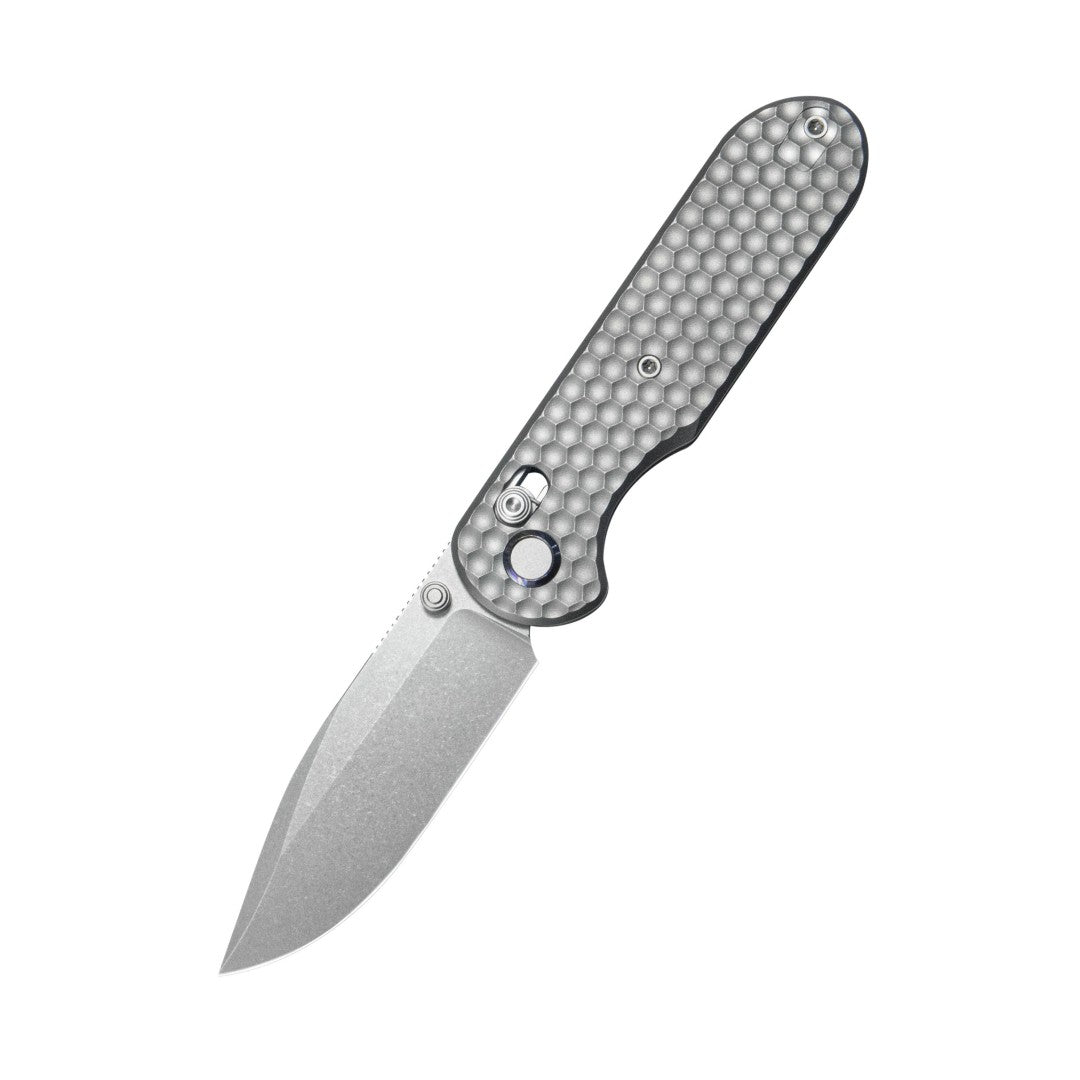
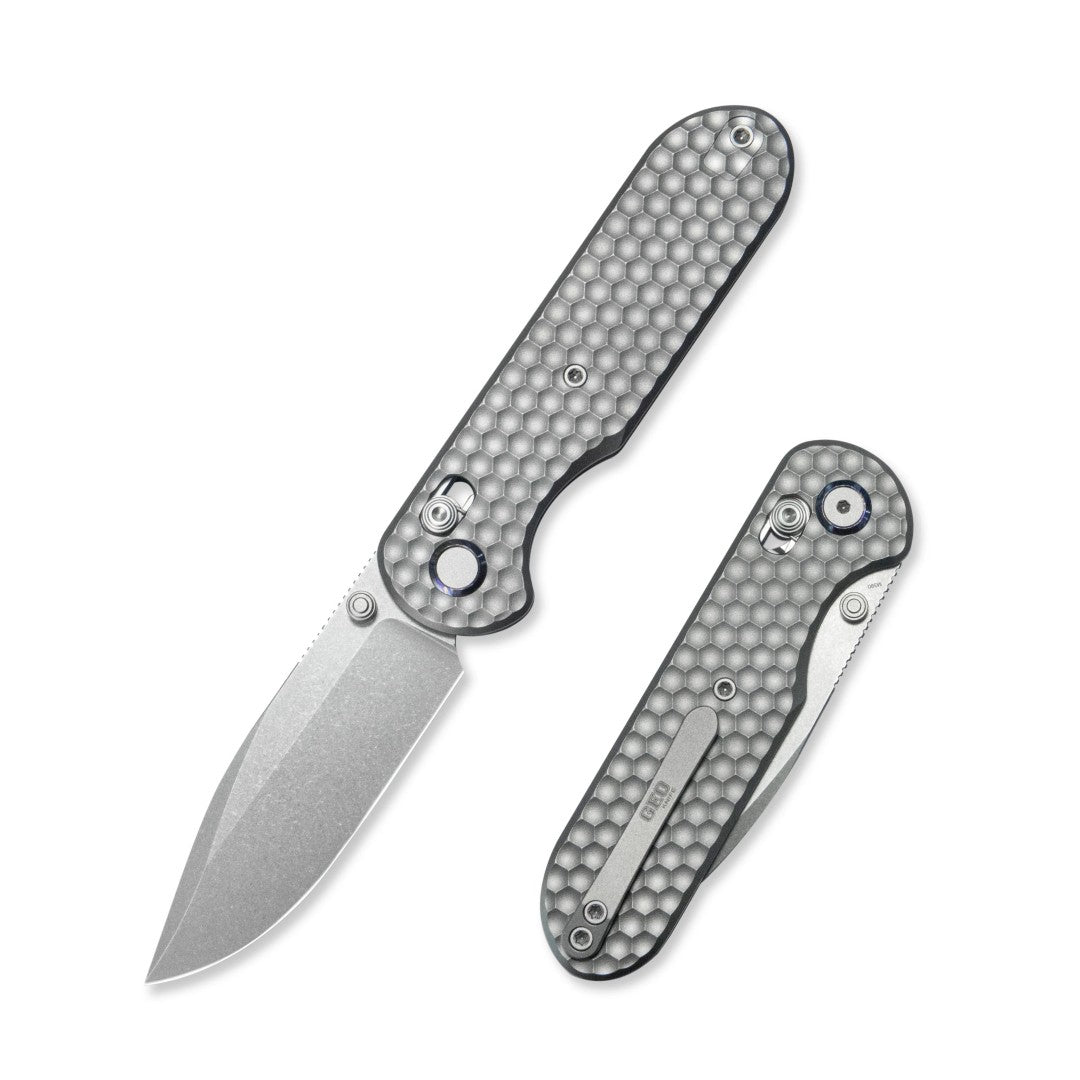
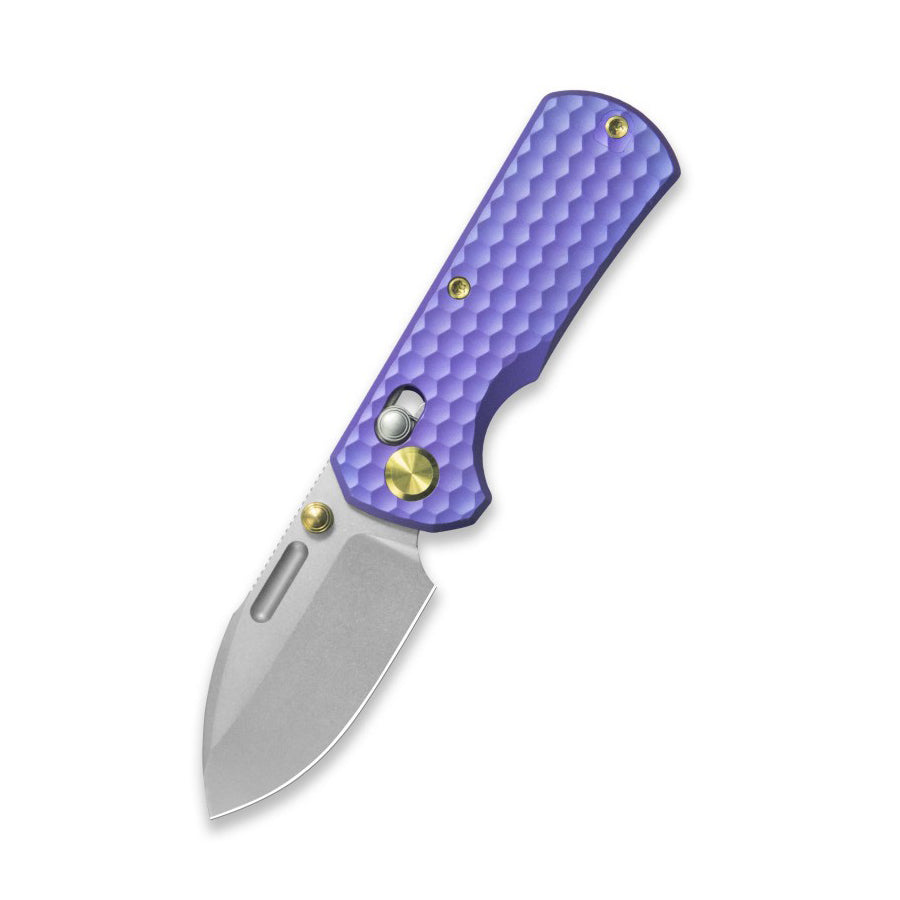
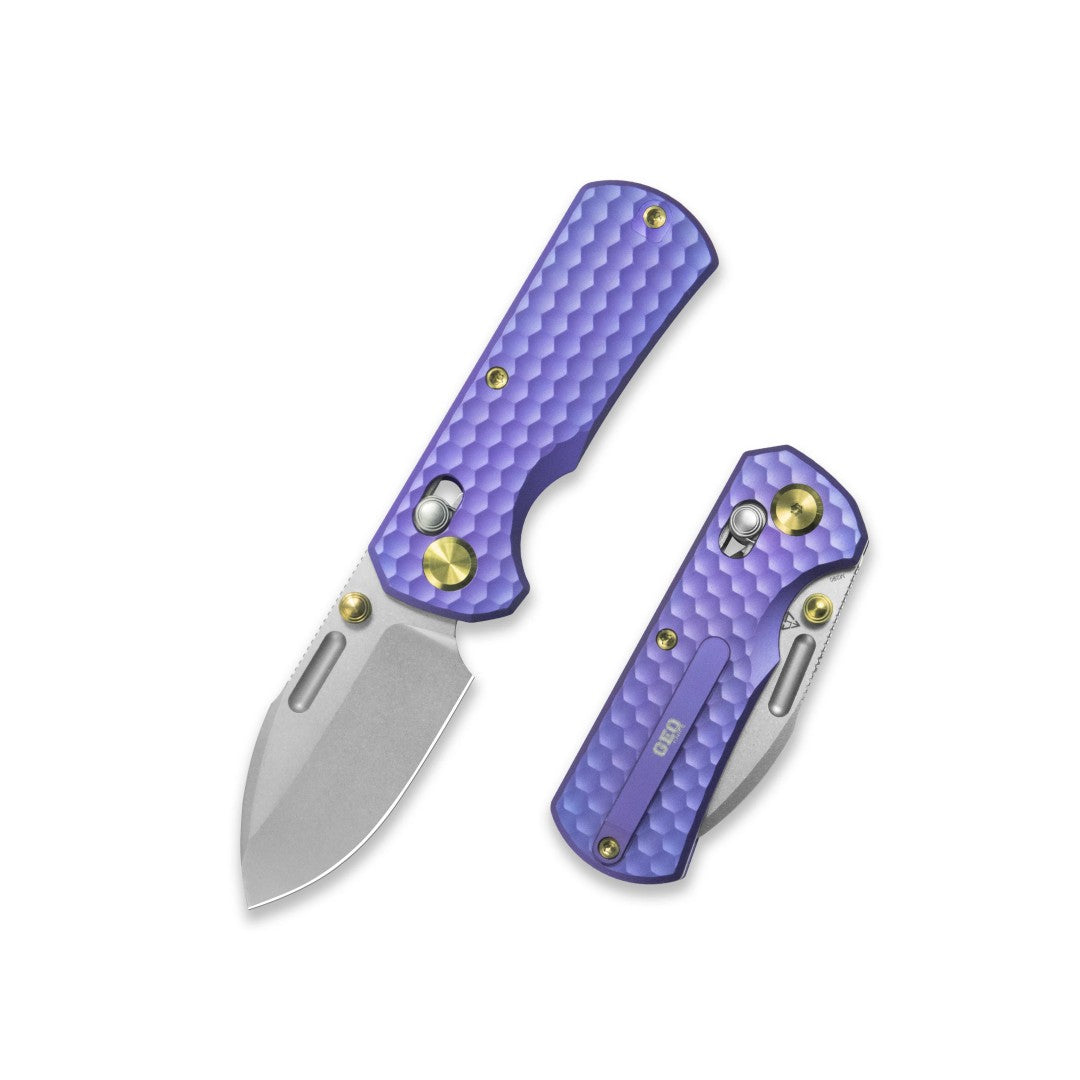
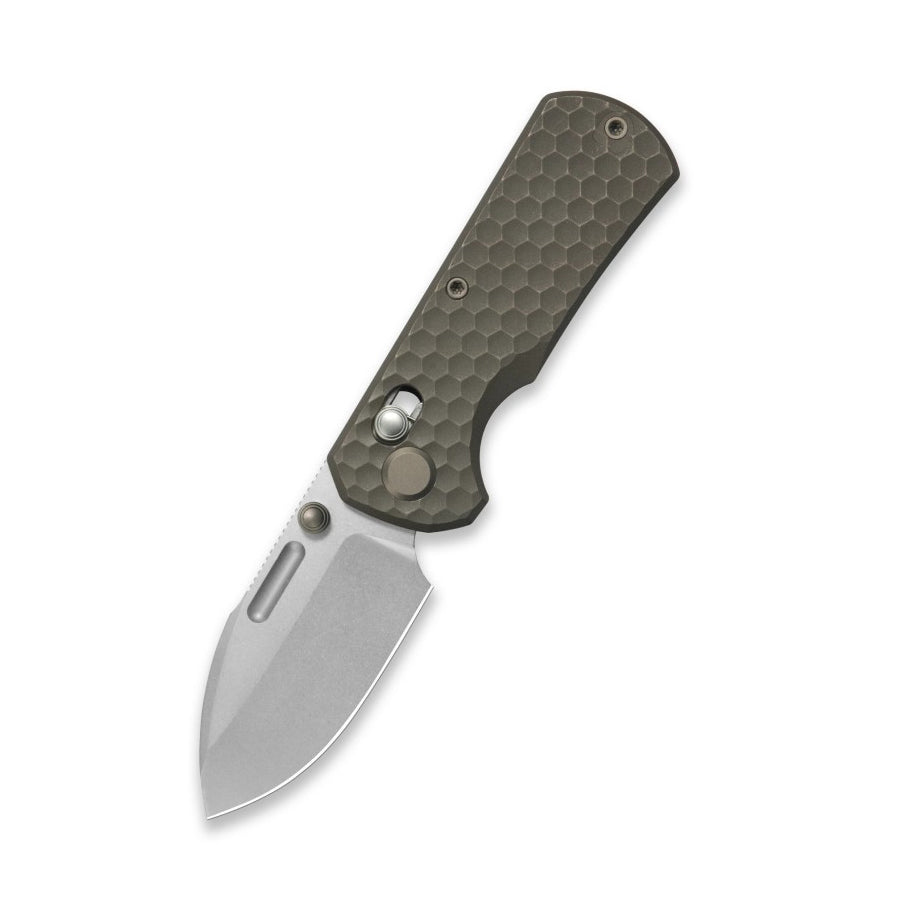
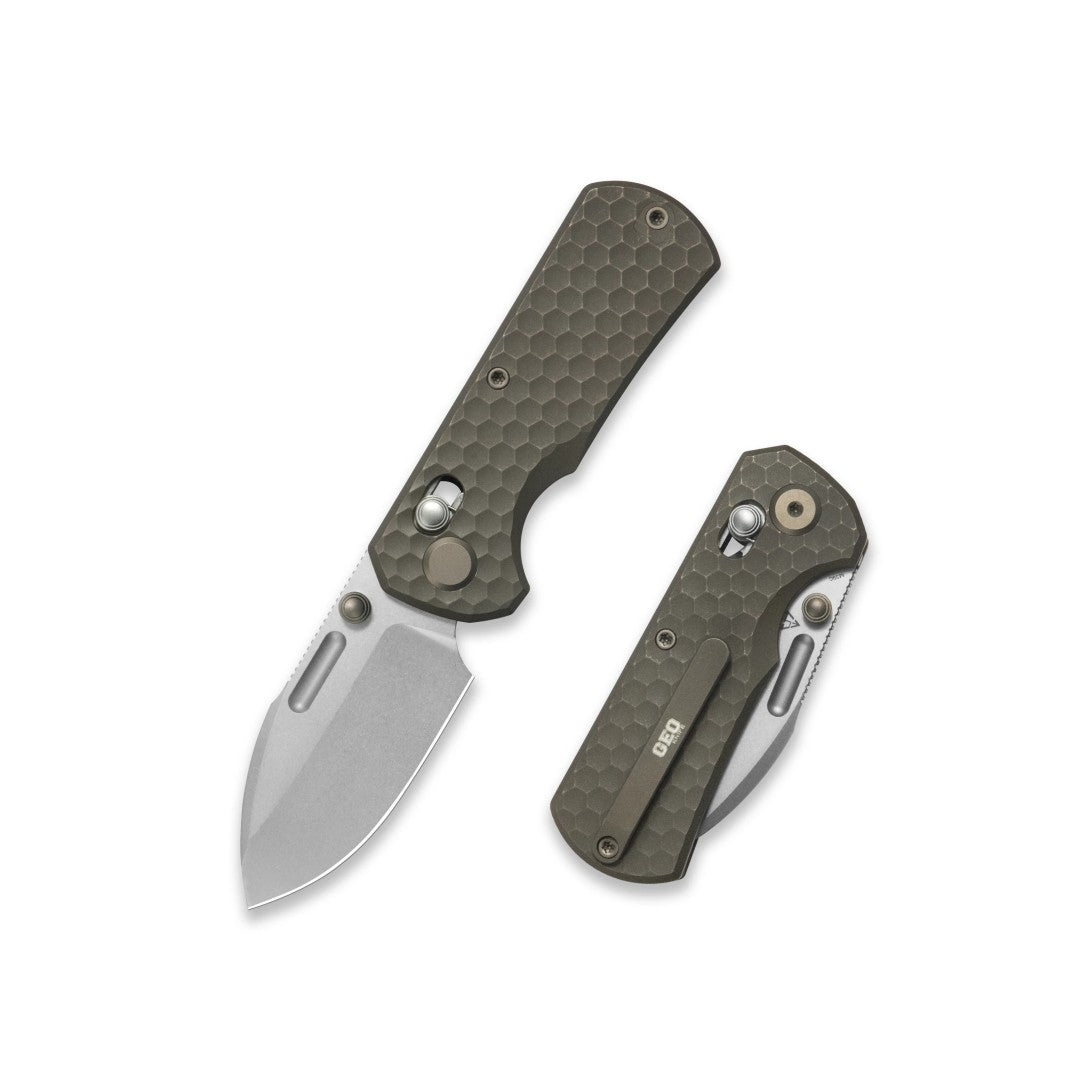
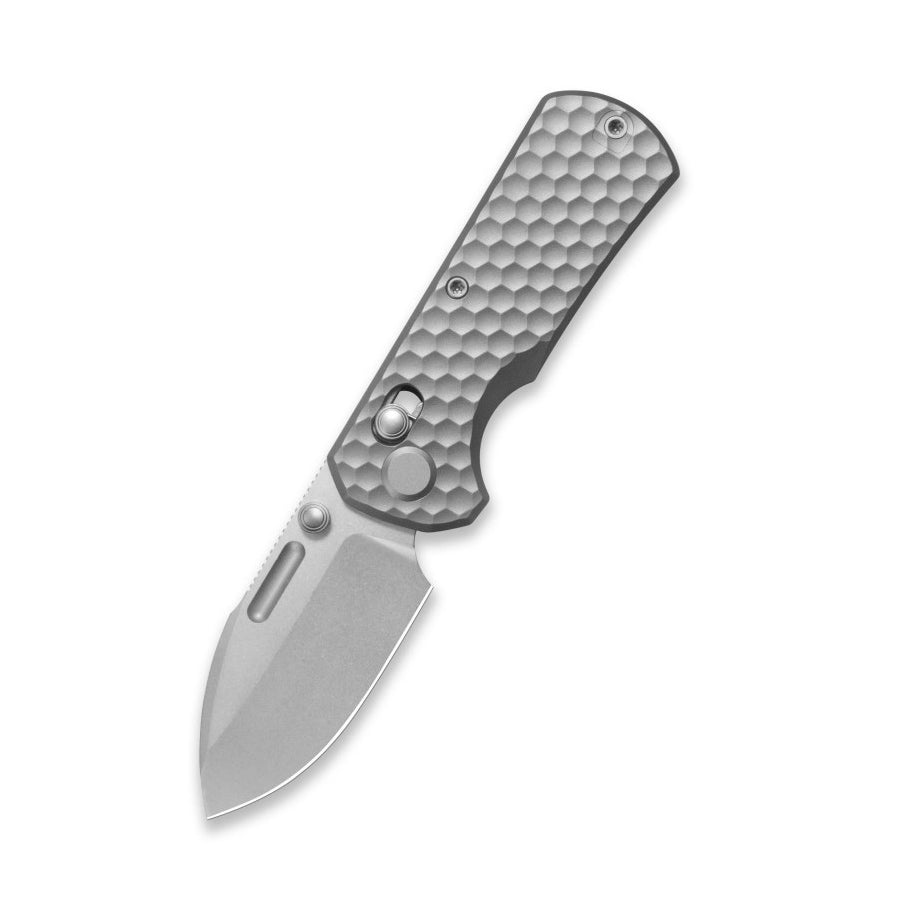
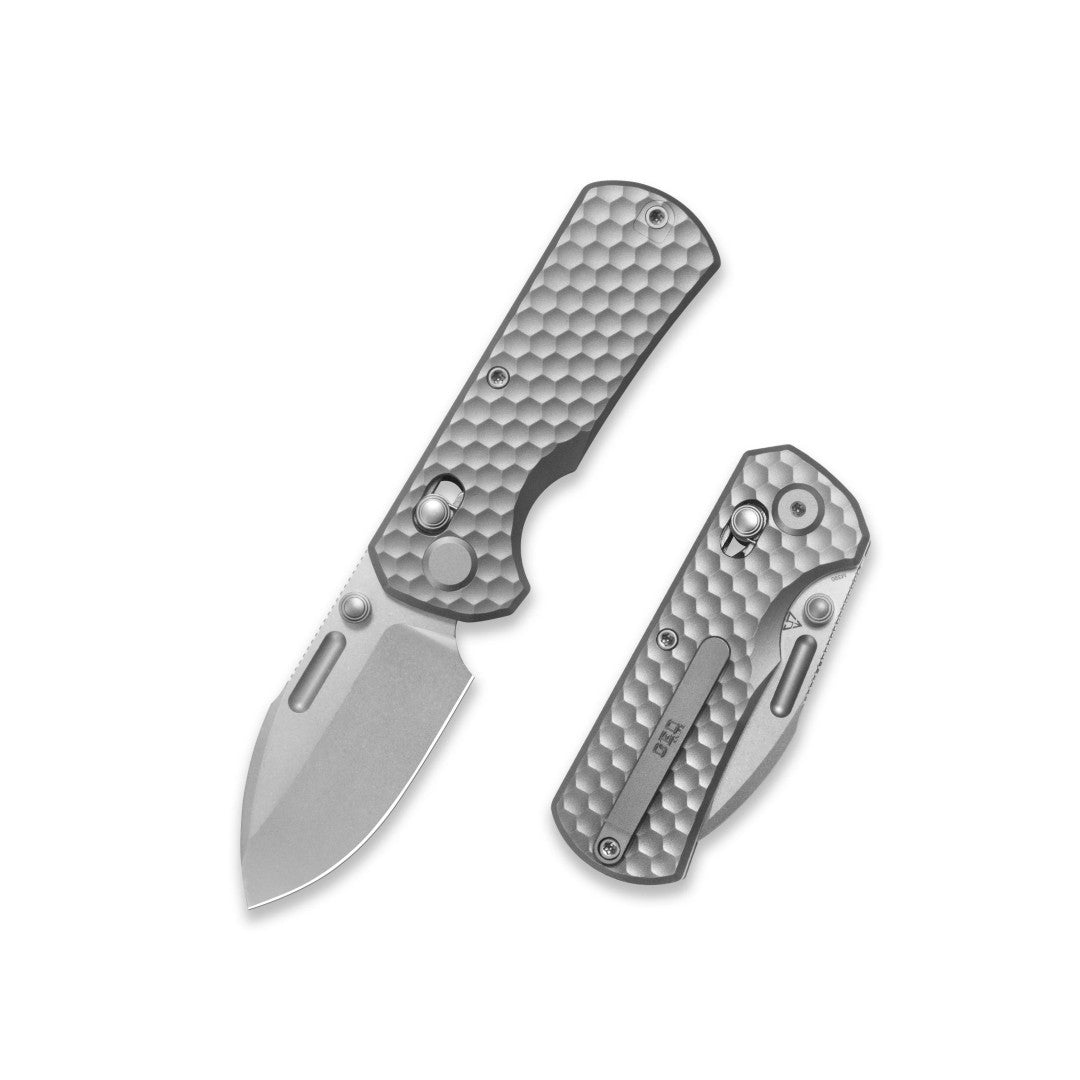
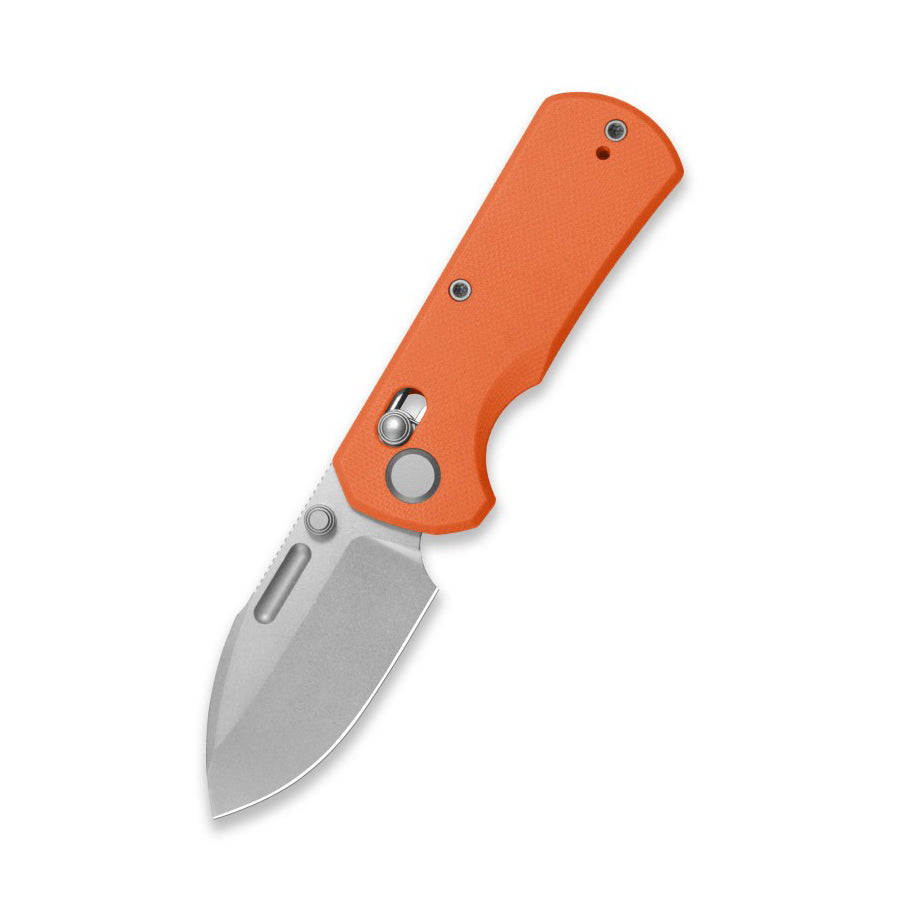
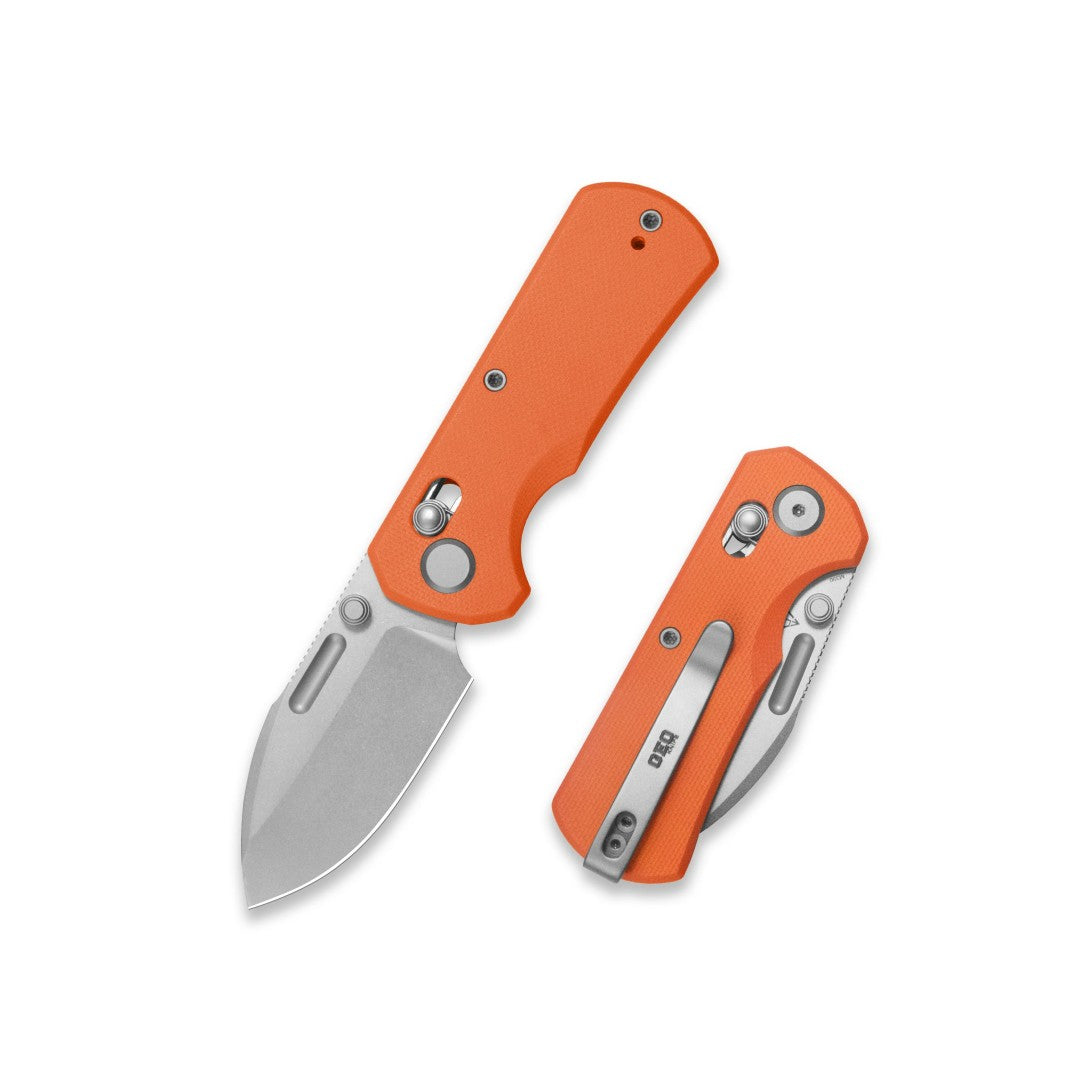
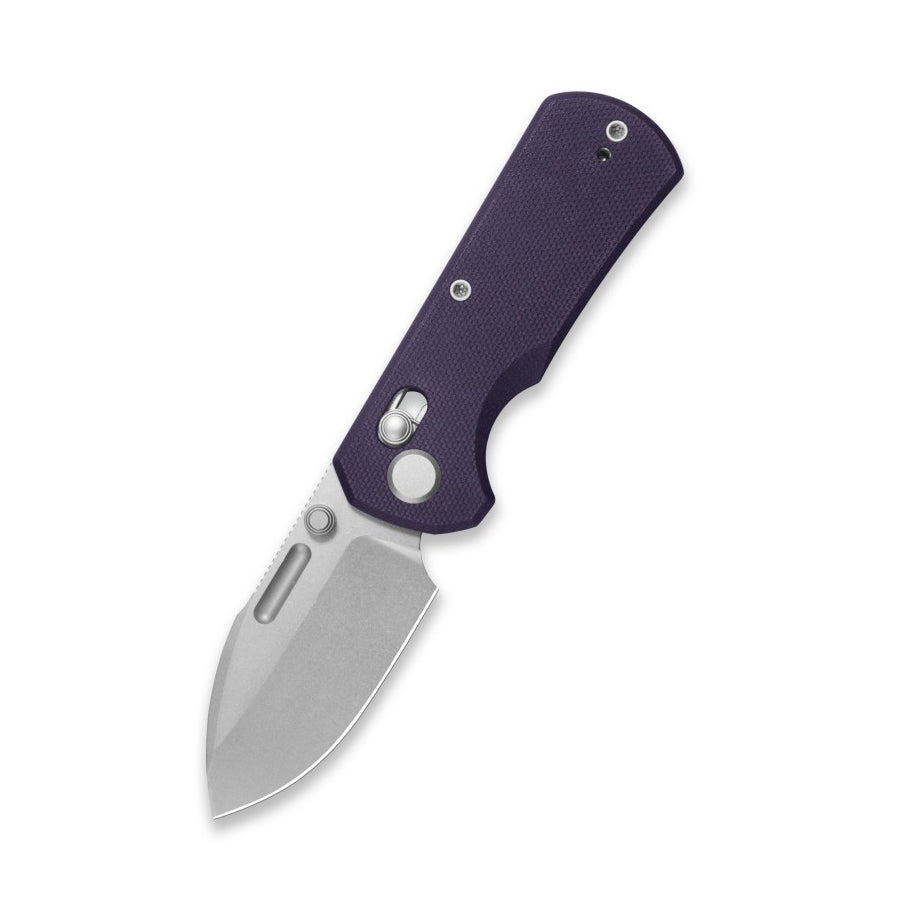
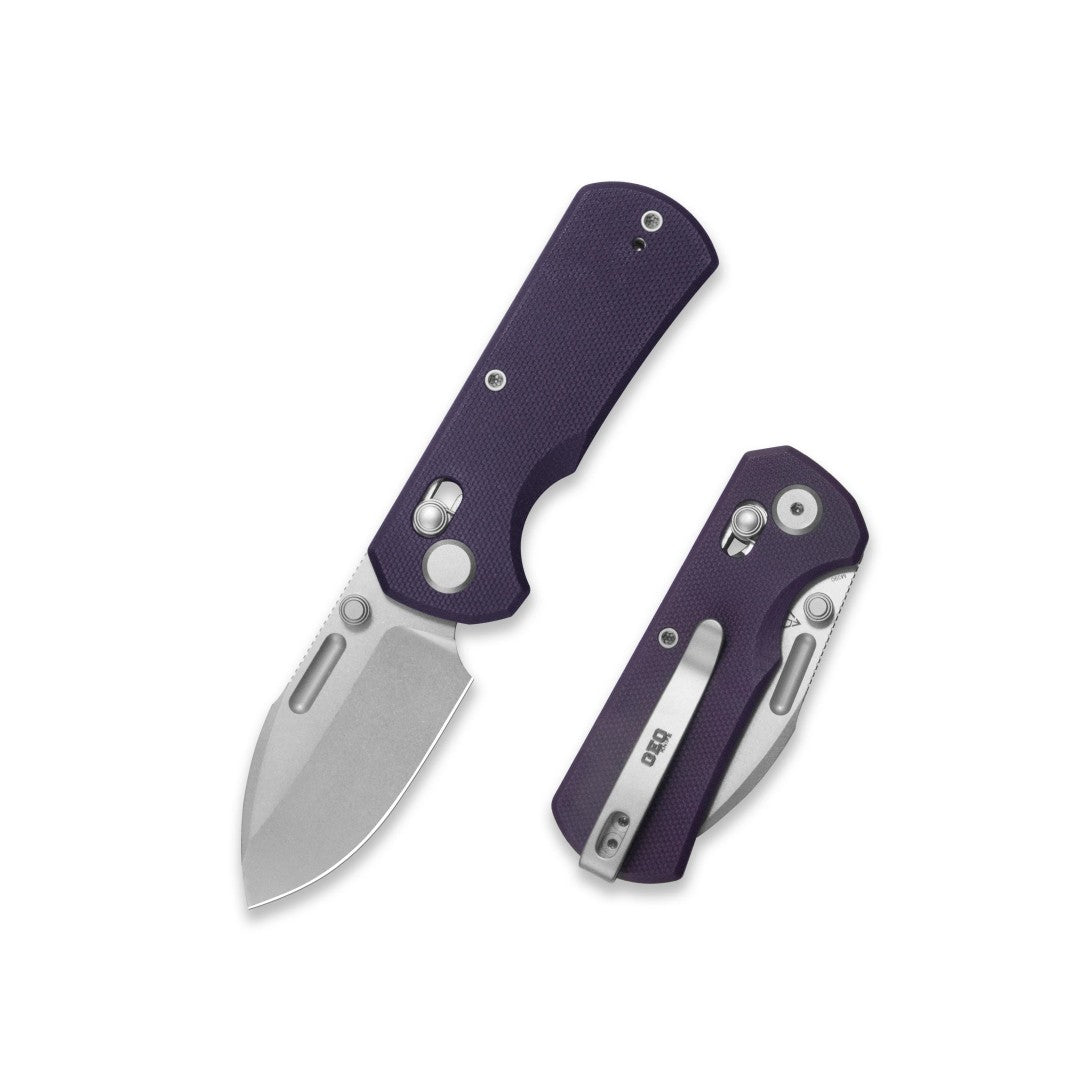
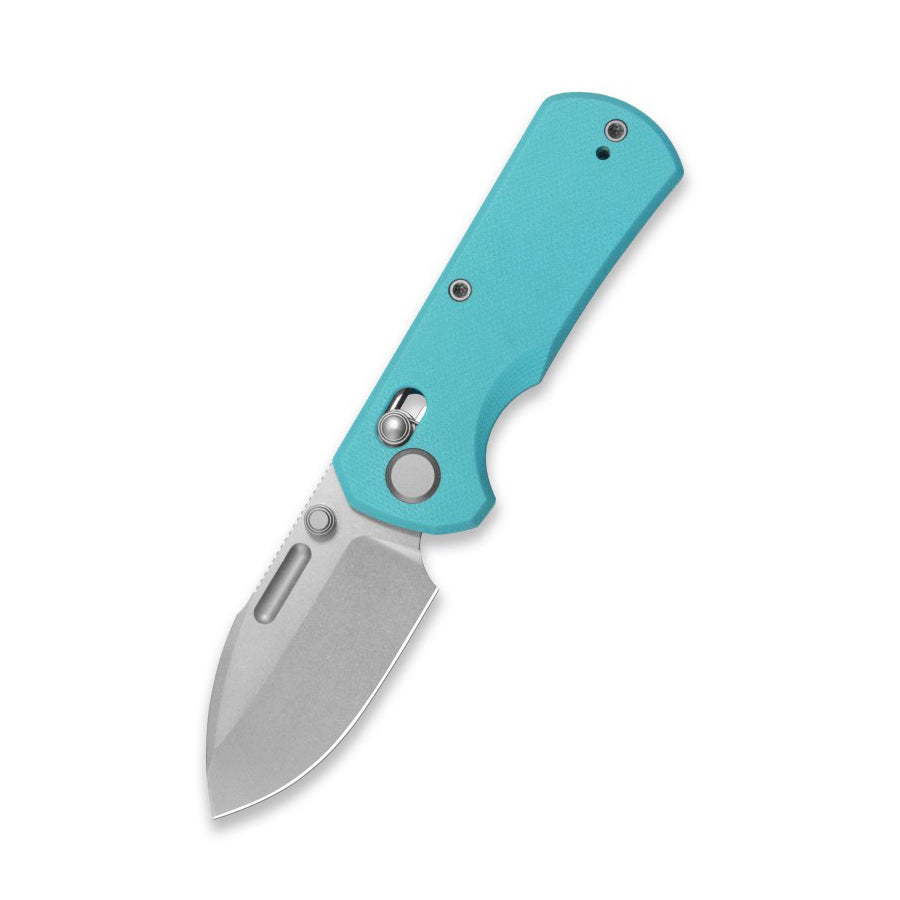
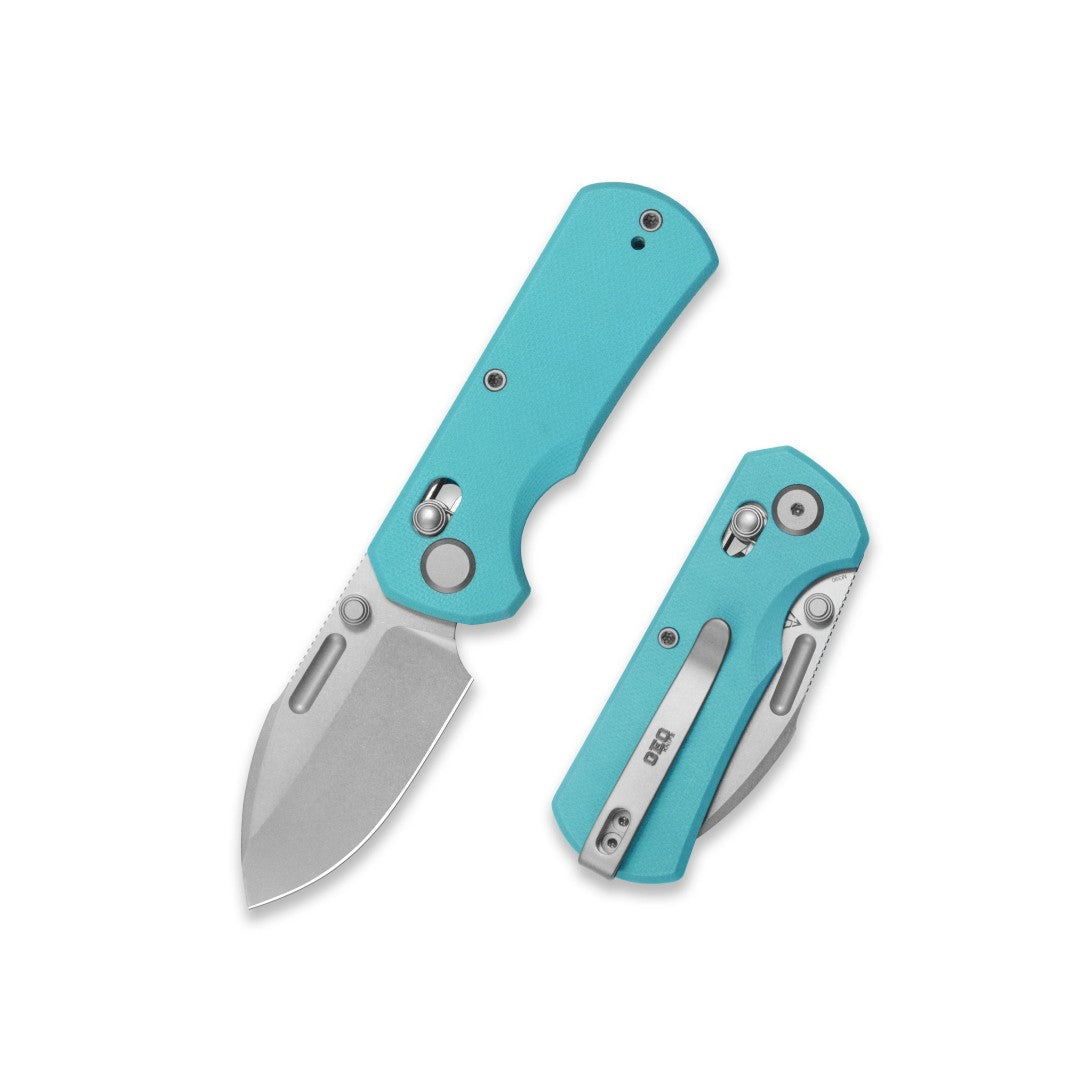
Build your own chart for the knives you already own. Measure blade, cutting edge, closed length, thickness behind the edge and weight, and write the numbers down. After five entries you will know exactly which combination you reach for and which one disappoints, and that list is far more useful than any specification published by a manufacturer. Buyers who rotate EDC knives through a collection usually find one or two sizes do ninety percent of the work. Tenable knives keep their geometry consistent across a series, which makes them unusually useful for this kind of comparison, since the only variable left is the trim rather than the shape. Measure two of them and the numbers start to predict how each one will carry.
Who Is This For?
Anyone buying a knife they intend to carry daily will benefit from this. It matters most for people with smaller or larger than average hands, for anyone who wears tailored clothing, and for buyers in places with a legal blade length limit. Collectors who already own many folding knives can use the same method to identify which size class is genuinely missing from their rotation.
Final Verdict
Ignore the headline blade length until you have compared cutting edge, closed length and weight. Measure your own knives, build a personal chart, and buy the size class that keeps winning. That discipline outperforms any recommendation. Browse the Tenable Entity lineup at EdcMall to compare geometry across a consistent design family.