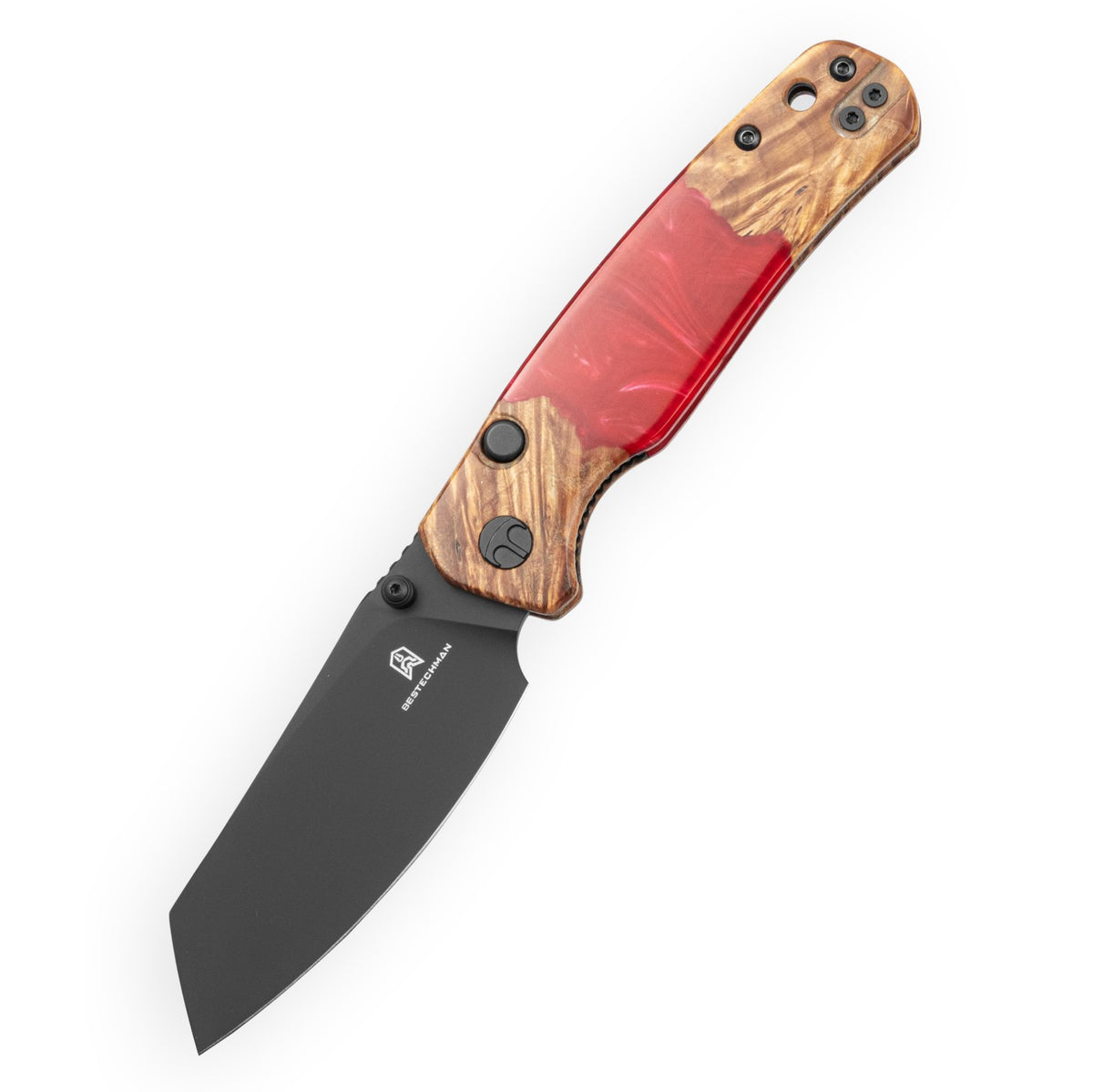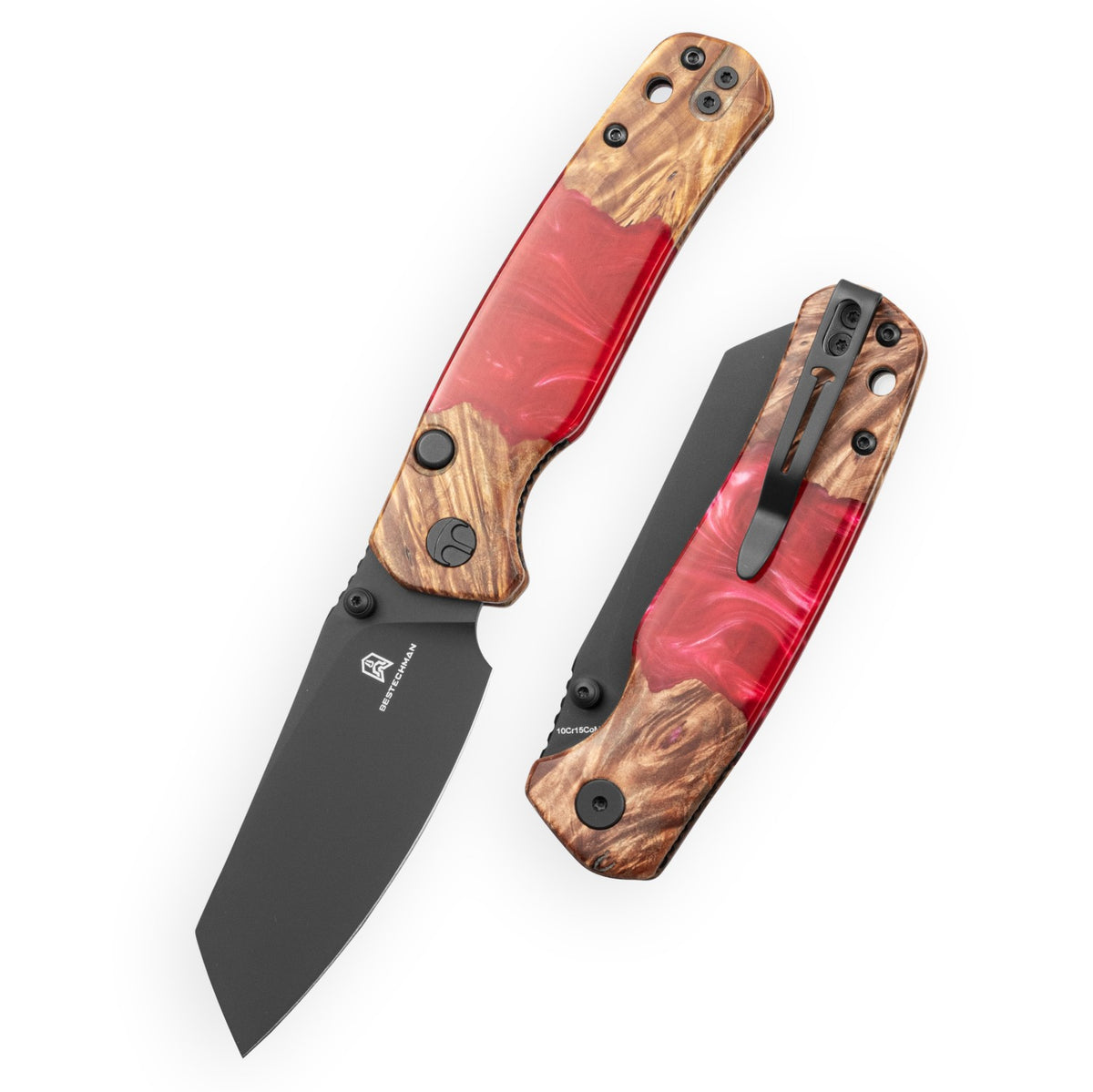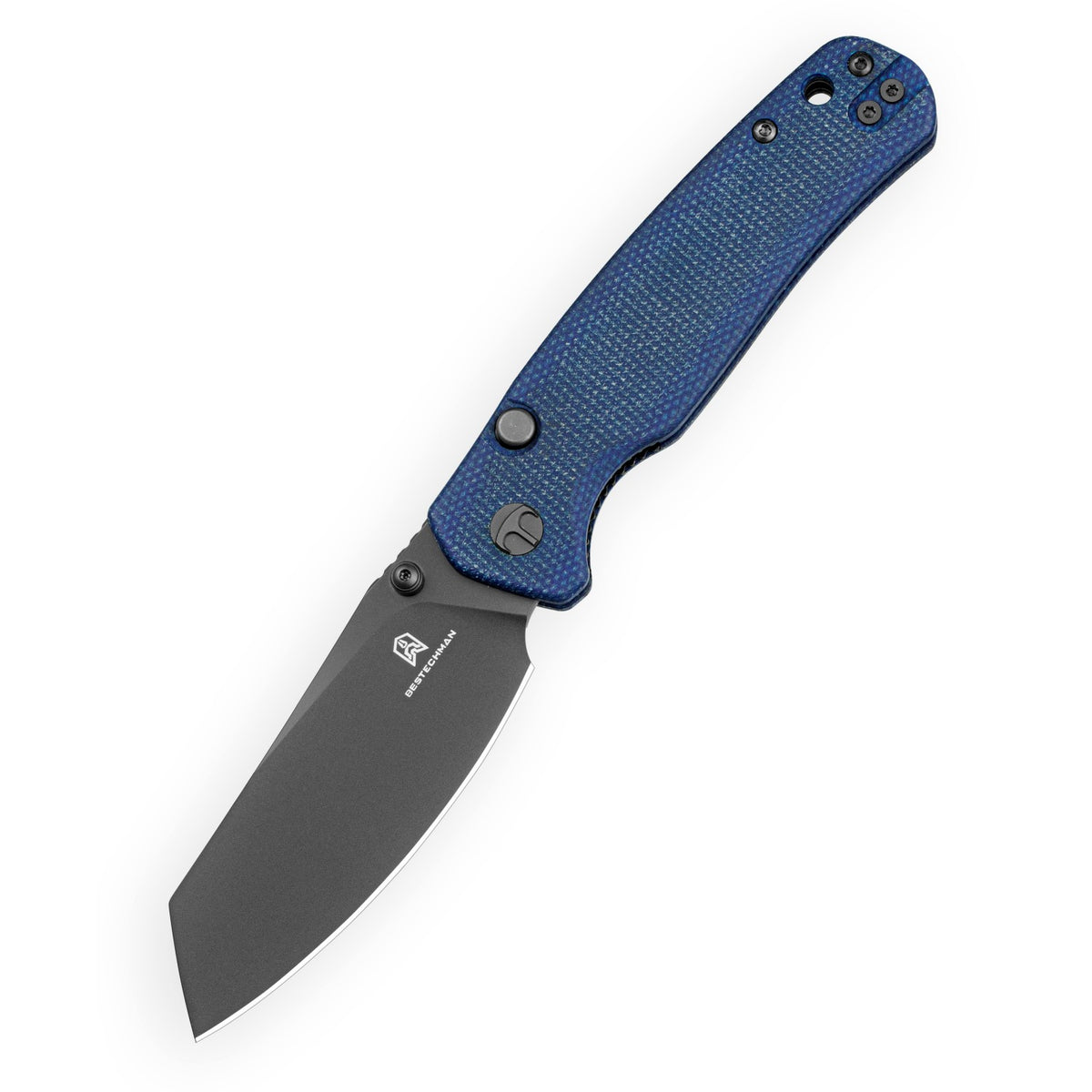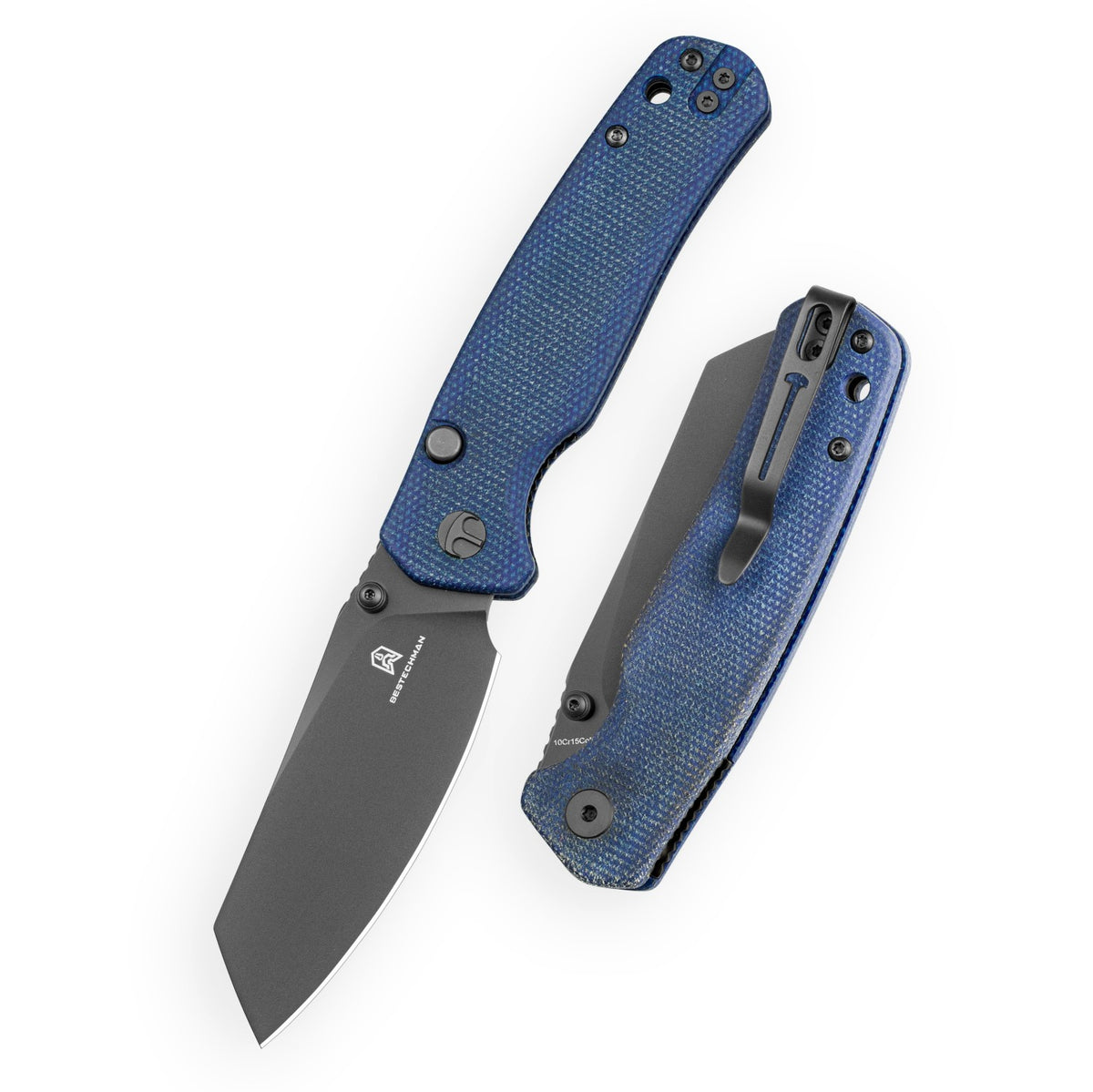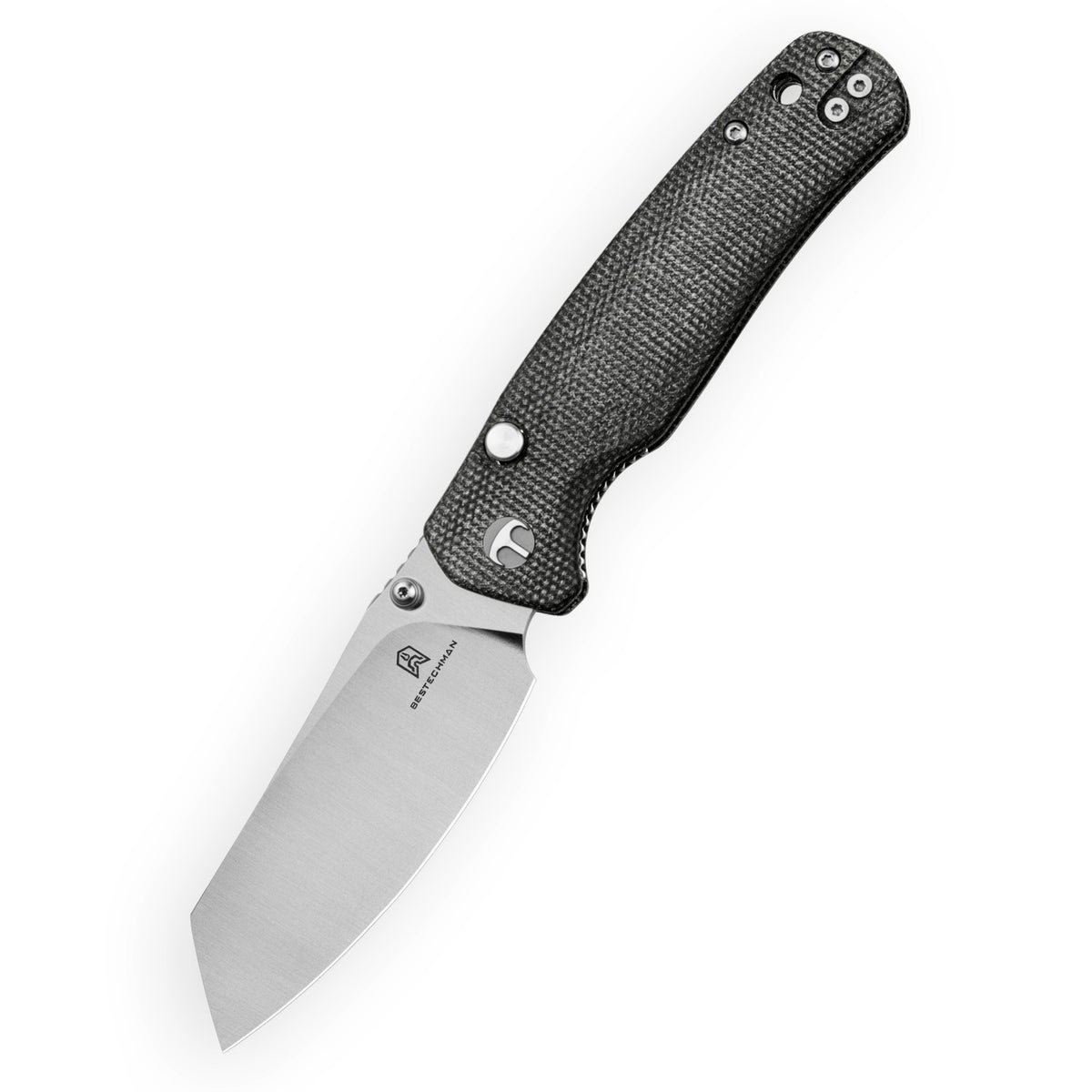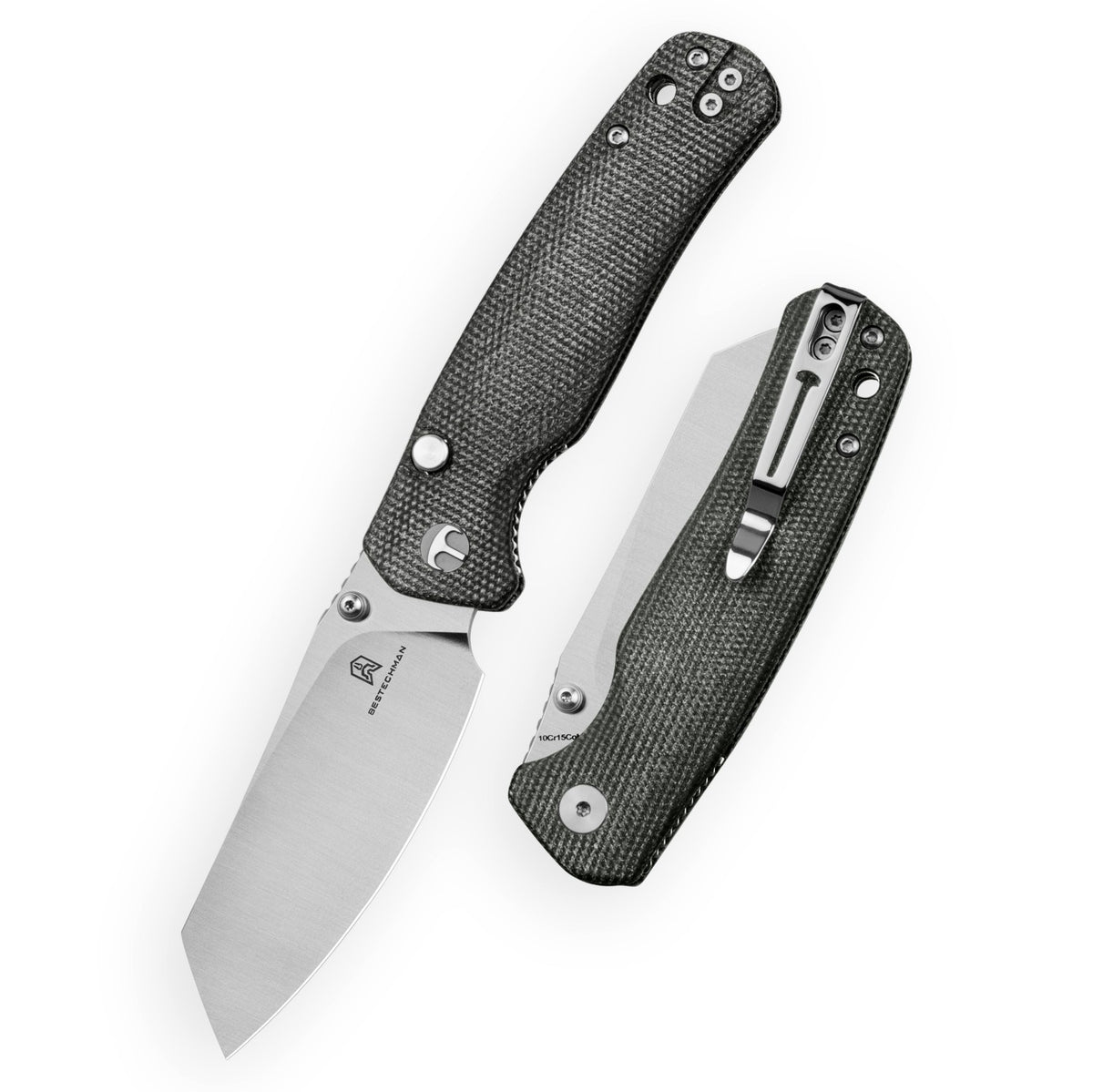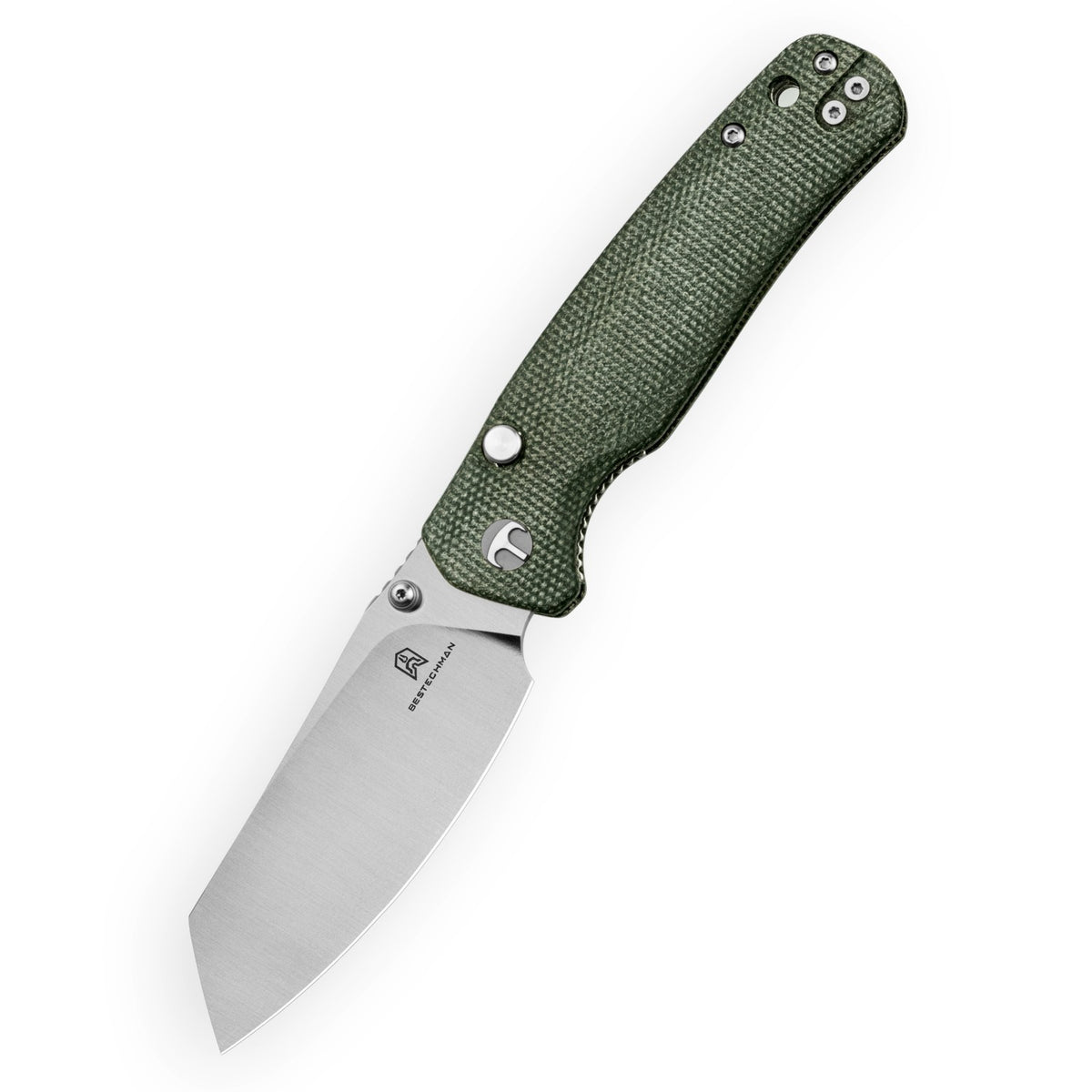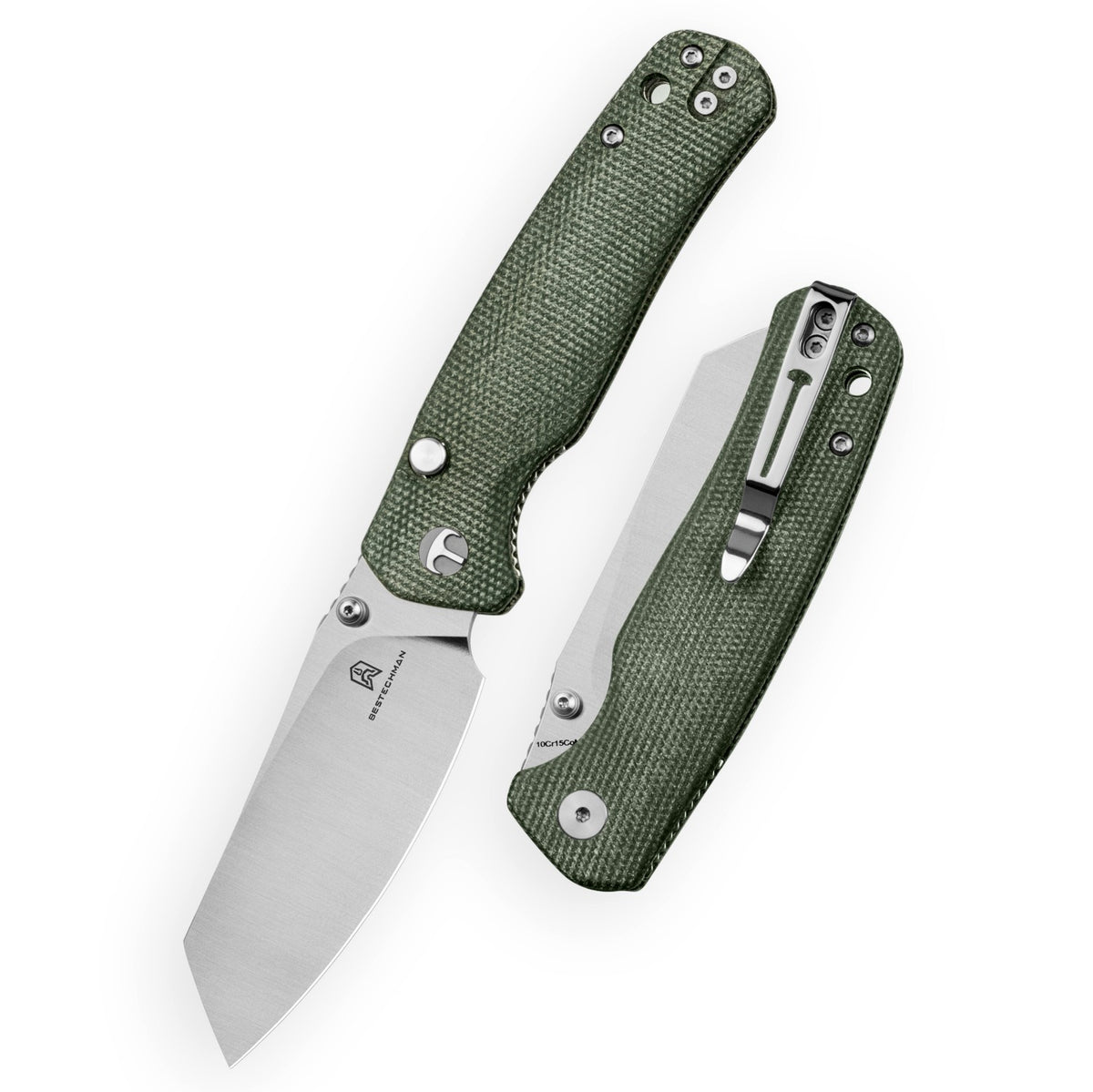


Overview & First Impressions
Anglers and bowhunters need knives that solve two very different problems. A fisherman is cutting line, bait, netting and occasionally a fish, in an environment that destroys steel. A bowhunter is dressing game in the field, where a razor edge and precise control matter more than size. Buying one knife for both is possible, but buying for one task is far more satisfying.
Materials & Construction
Corrosion resistance dominates the fishing side, which is why a stainless alloy with high chromium content is essential and why carbon steel is a poor choice for a saltwater kit. On the hunting side, edge stability and fine geometry matter most, and alloys such as 154CM and its powder metallurgy relatives hold a keen edge through hide without constant attention. Both tasks reward a thin, well ground blade over a thick, heavy one.

Design & Details
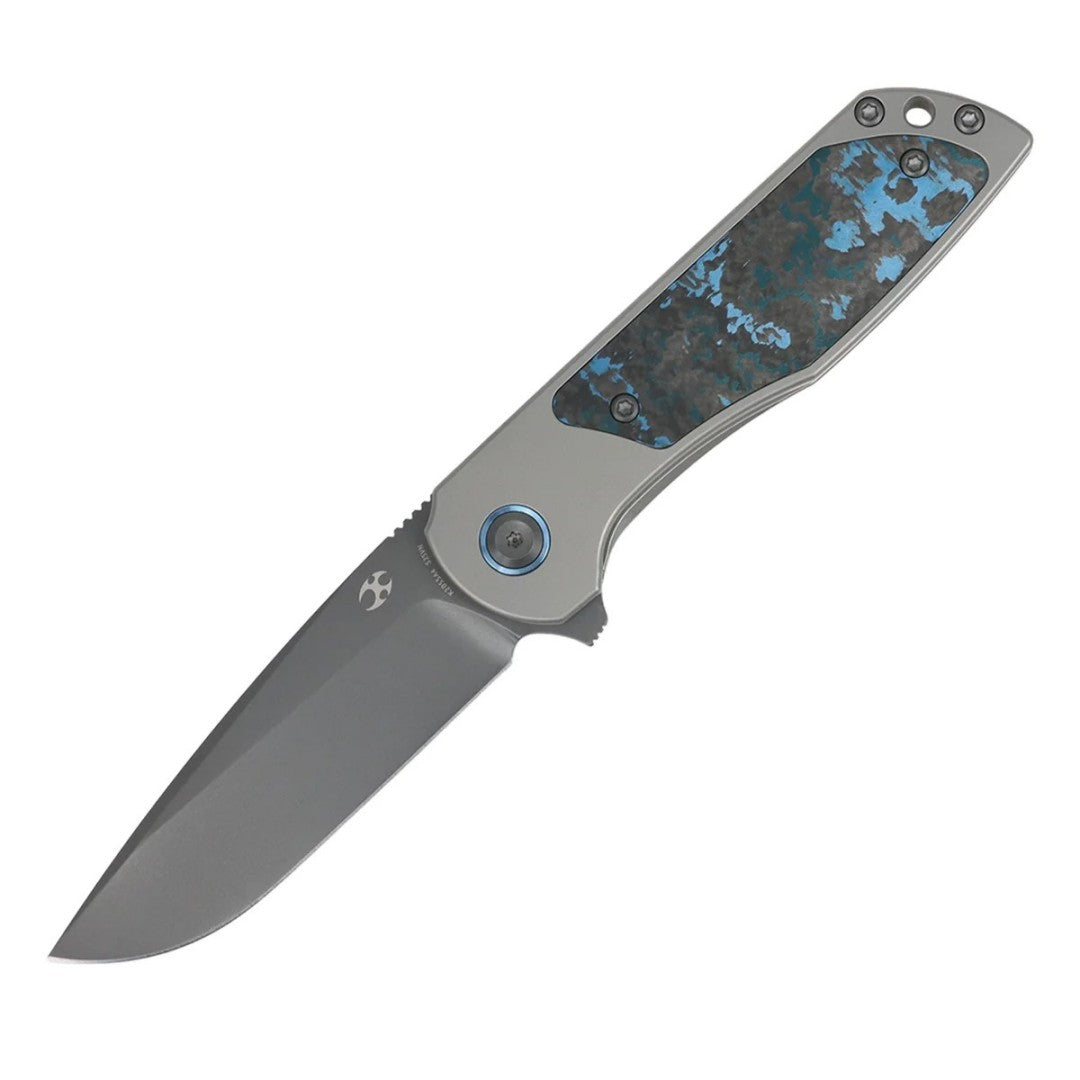
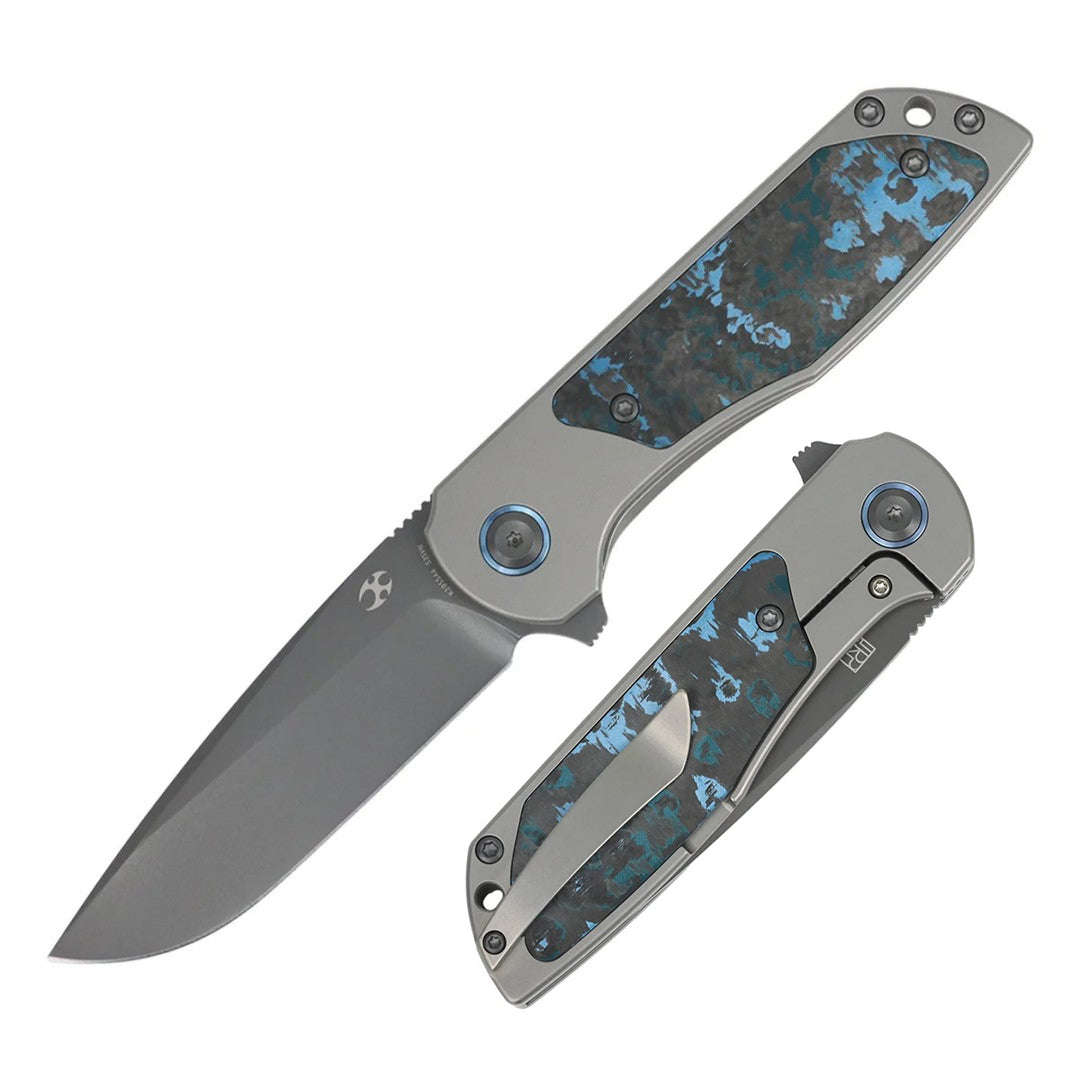
Traditional patterns still work because generations of users refined them. A slipjoint such as the Sao Knife pocket knife brings a thin blade, a comfortable handle and a compact profile that suits gutting and filleting on a small scale far better than a modern tactical folder. Sao knives build this one with a deer antler stalk handle, a material that stays grippy when wet and improves in appearance with age.
Real-World Use
Technique beats equipment. To fillet well you need a blade that flexes slightly and stays sharp, plus a smooth draw stroke. To field dress cleanly you need controlled depth rather than force, which is why a shorter blade with a fine tip outperforms a large one. Japanese friction folders such as Nagao Higonokami models show how a simple blade with excellent geometry handles fine work with very little weight.

Ownership Notes
Clean and dry everything, every time. Fish slime and blood are both mildly corrosive, and salt is the fastest way to ruin a good edge. Carry a small cloth in your kit, rinse the blade in fresh water when you can, and oil it before it goes back in the sheath. A folding knives design that can be taken apart makes this far easier, though a traditional pattern just needs a rinse and a wipe. Anglers in particular should think about how a blade behaves with wet hands, because a smooth handle becomes a genuine hazard on a moving deck. Texture and a positive guard matter more than steel on a boat, and both are inexpensive to get right. Buy for the water you actually fish rather than the water on the brochure.
Who Is This For?
This guide serves anglers who want one dependable blade rather than a tackle box of compromises, and bowhunters who dress their own animal. It is not for collectors and not for general purpose EDC knives use, though both will find a thin stainless blade useful. Buy for the task you actually perform most often, then add the second knife later.
Final Verdict
Choose geometry first, steel second and size last. A thin stainless blade with a fine tip will out-cut a heavy one at every job in this article, and both fishing and hunting reward precision far more than power. Keep it clean, keep it sharp and keep it dry. Browse Sao knives at EdcMall to see traditional patterns done properly.