

Overview & First Impressions
Sailors judged a knot by whether it held after a winter of salt water, and that test is the only one that matters when you tie a lanyard onto a pocket knife. The Apeshkov Kubanka bead makes the question concrete, because a heavy bead on a badly tied knot will find the weakest point in the assembly within a week. Knotwork is not decoration. It is the mechanical interface between a tool and your hand, and it deserves the same attention as the blade.
Materials & Construction
The Kubanka is turned by hand and finished with a deep bore that accepts a standard cord without forcing it. Apeshkov Beads builds these in small batches, and the surface carries the fine irregularity that only hand work produces. Because the metal has mass, the bead acts as a small anchor at the end of the line, which changes how the lanyard falls out of a pocket and makes the knife easier to find by feel in the dark.

Design & Details
The shape is a squat cylinder with a chamfer at each end, and that chamfer is what stops the cord from wearing against a sharp edge under load. Tie a simple overhand knot, pull it tight inside the counterbore, and the tail disappears into the channel. A single quality lanyard bead bought once will outlive a dozen cheap ones, mostly because the bore and the chamfer were cut properly rather than punched.
Real-World Use
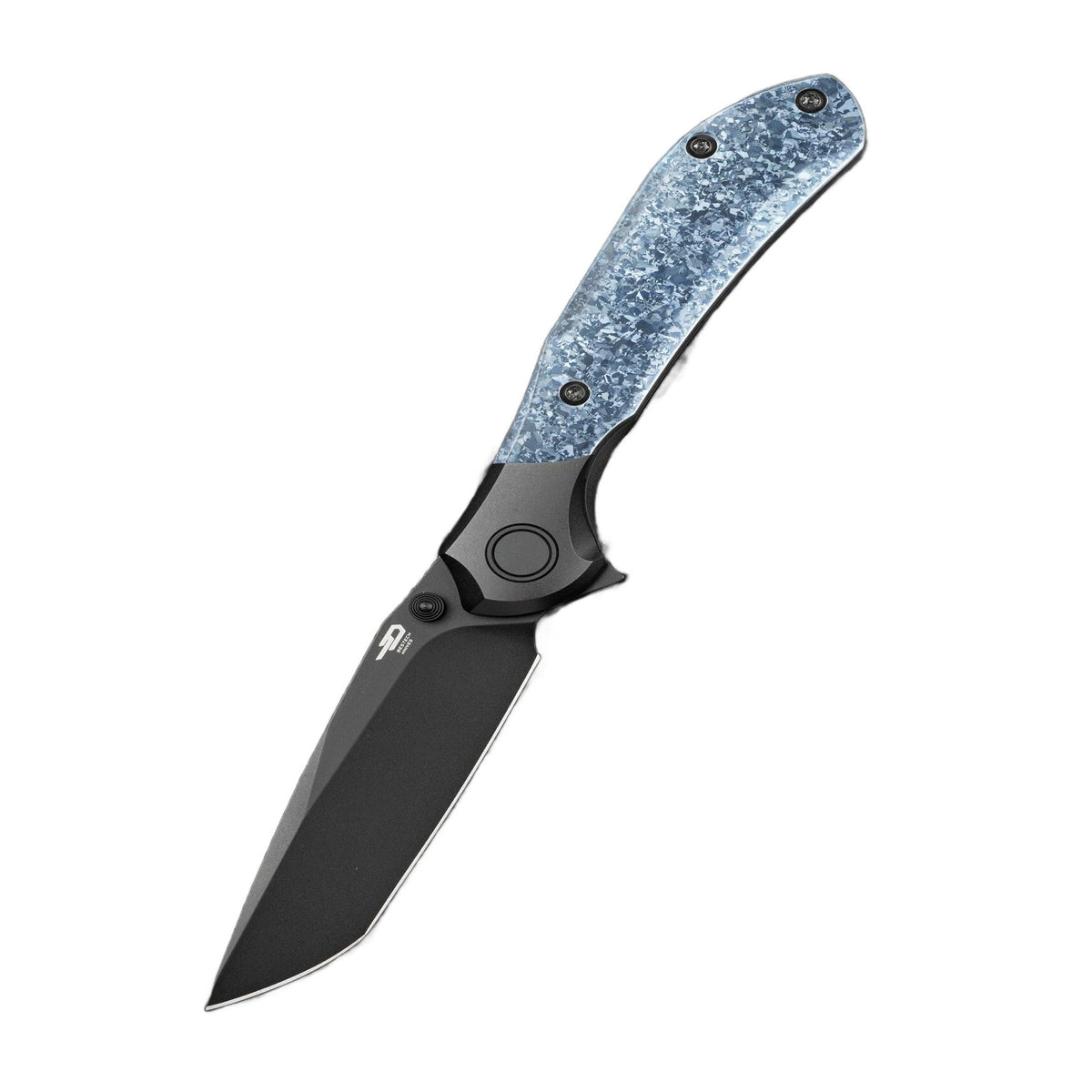
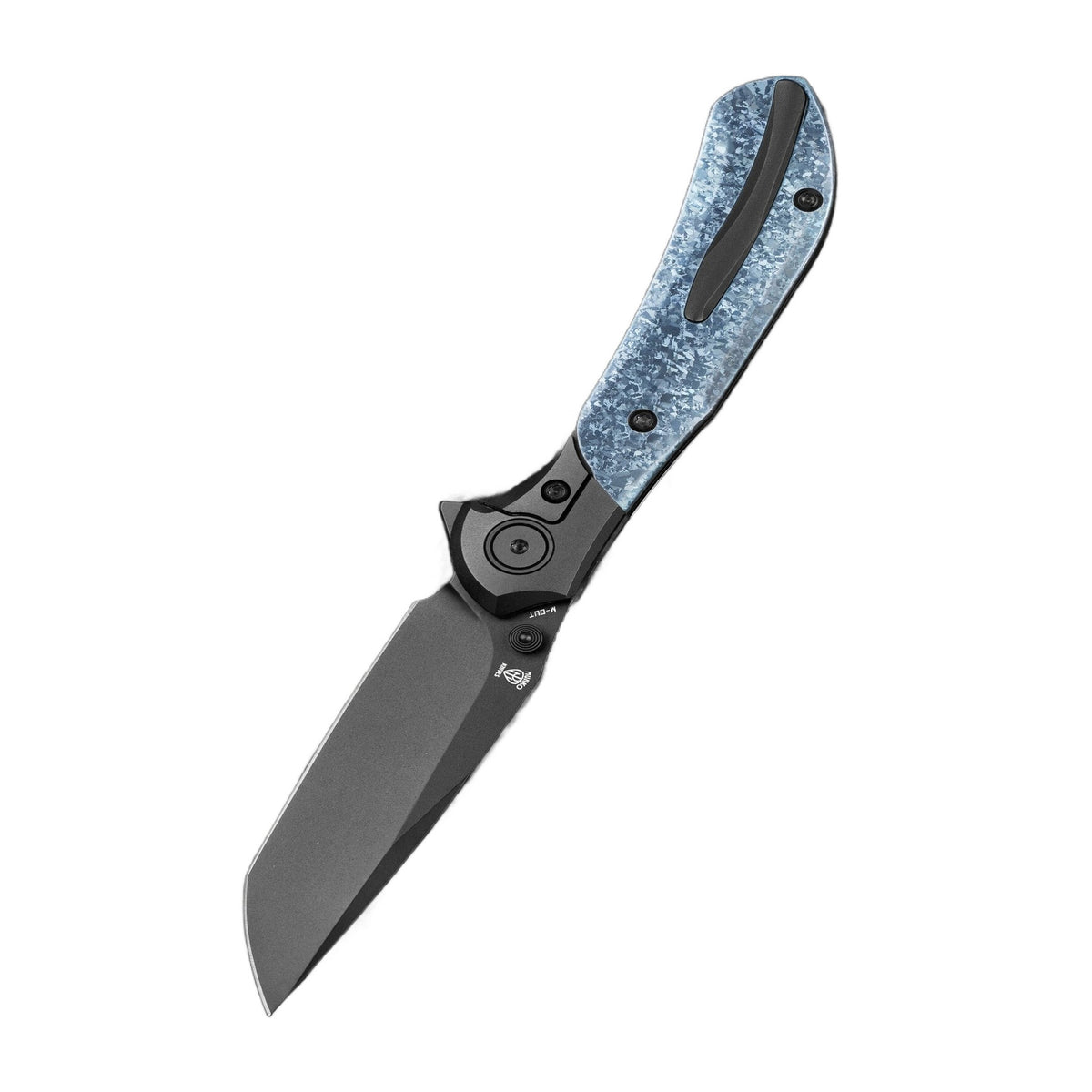
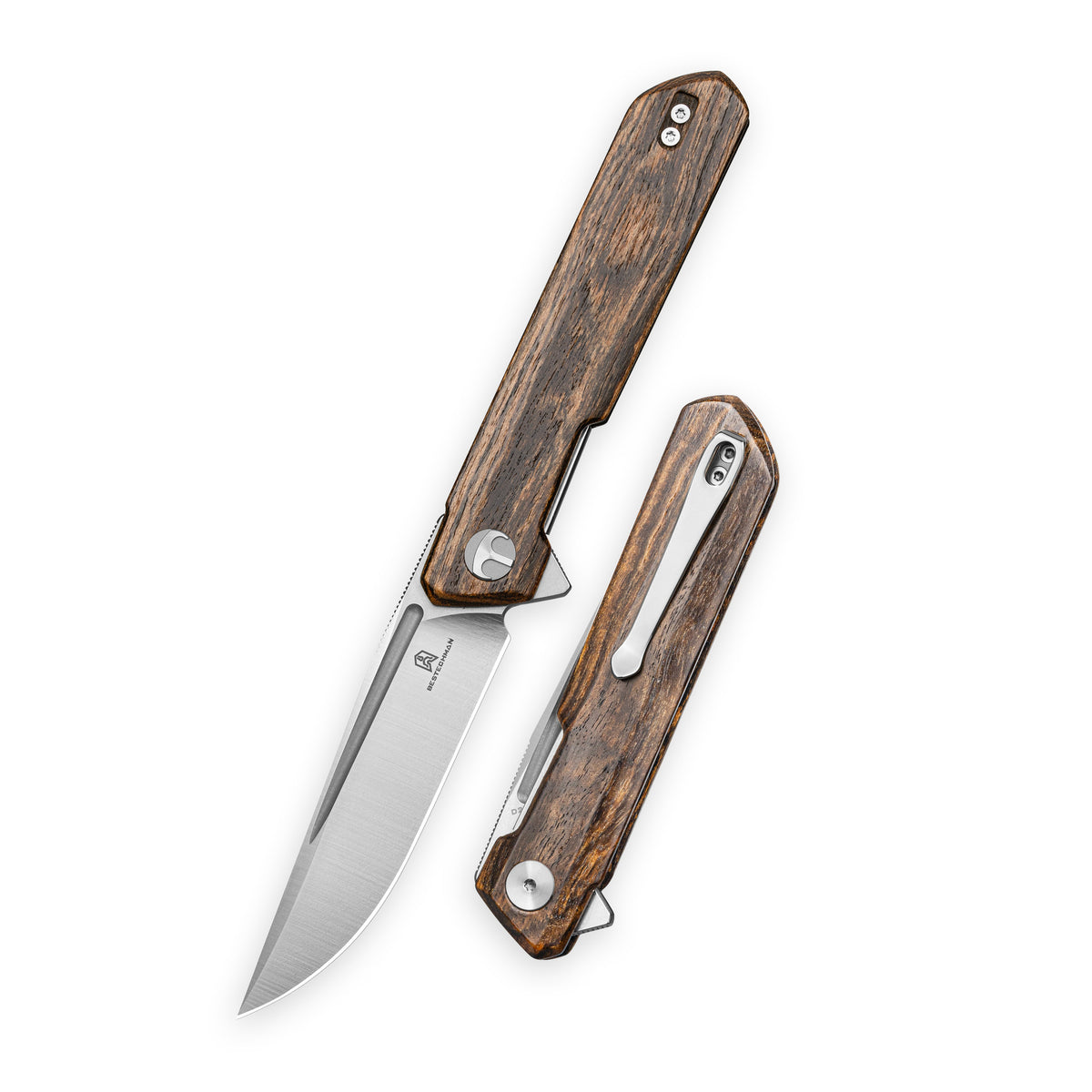
On a folding knife the assembly gives a positive pull without adding length that catches on a pocket seam. The knot has to be dressed, meaning each turn is seated before the final pull, or the cord will creep over weeks. Melt the cut ends and press them flat rather than leaving a bulb. After two months of daily carry the cord showed no fraying at the bead, which is the real test of a chamfered bore.

Ownership Notes
Buy cord by diameter, not by colour. EdcMall lists beads with their bore sizes so you can match a line before ordering, and that detail saves a return. Keep a spare length of cord in a drawer, replace the lanyard once a year whether it looks worn or not, and clean the bead with warm water and a soft brush. Metal polishes should be avoided because they leave residue in the bore. Serious lanyard beads are sold by bore size for a reason, because a bead that will not accept your cord is a bead you cannot use. Anyone who carries folding knives daily will end up retying a lanyard eventually, so learn one knot properly rather than three badly.
Who Is This For?
This suits the carrier who wants a tactile index point on a knife and enjoys the small craft of tying a good knot. It is right for collectors who value handmade pieces over machined uniformity. It is wrong for anyone who wants a completely smooth pocket profile, and it will be lost by a user who ties a sloppy knot and never checks it again.
Final Verdict
The Kubanka bead is a well-made component in a system most people assemble carelessly. Buy it, tie the knot properly, and the reward is a knife that comes out of a pocket the same way every time. That predictability is worth more than the bead costs.