

Overview & First Impressions
A malthouse smells like warm bread and works like a factory. Barley is steeped, germinated on a floor or in a drum, kilned and then sampled for moisture, modification and colour. Operators move between vessels with a scoop, a sieve and a sample bag, checking germ counts and taking cuts of grain to the lab. The EDC knives in a malting plant open sample sacks, cut string and trim a scoop edge, and they are used with clean hands in a humid room.
Materials & Construction
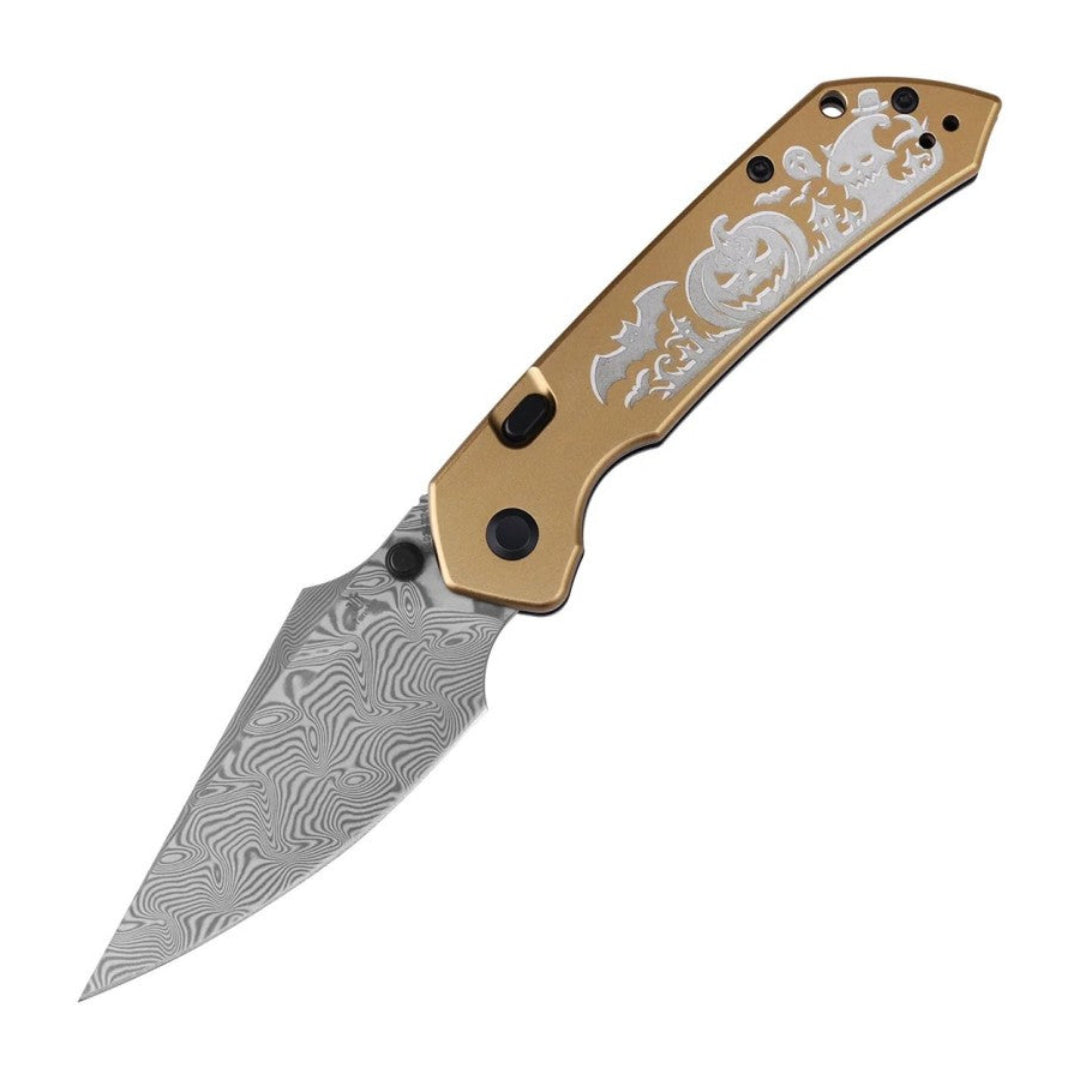
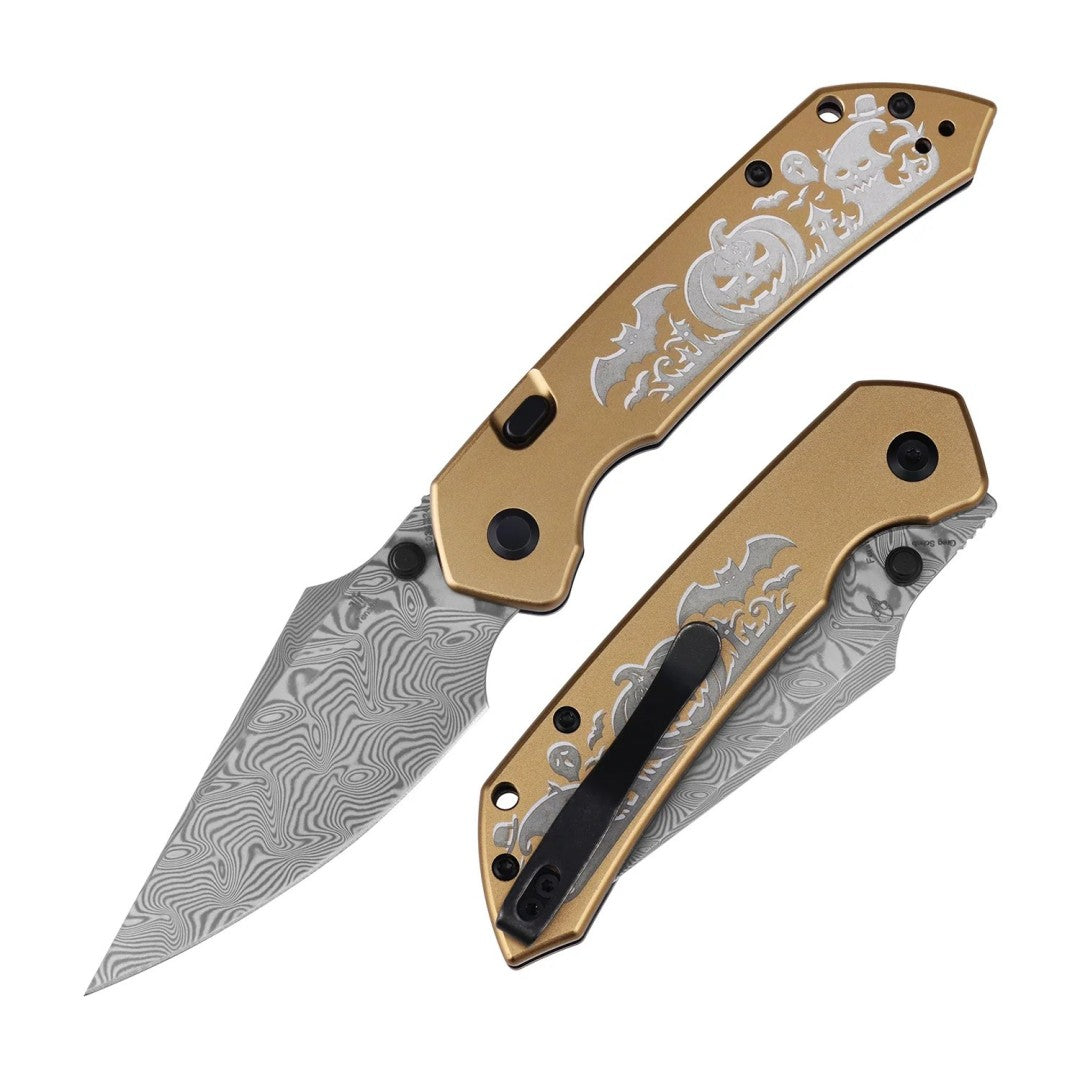
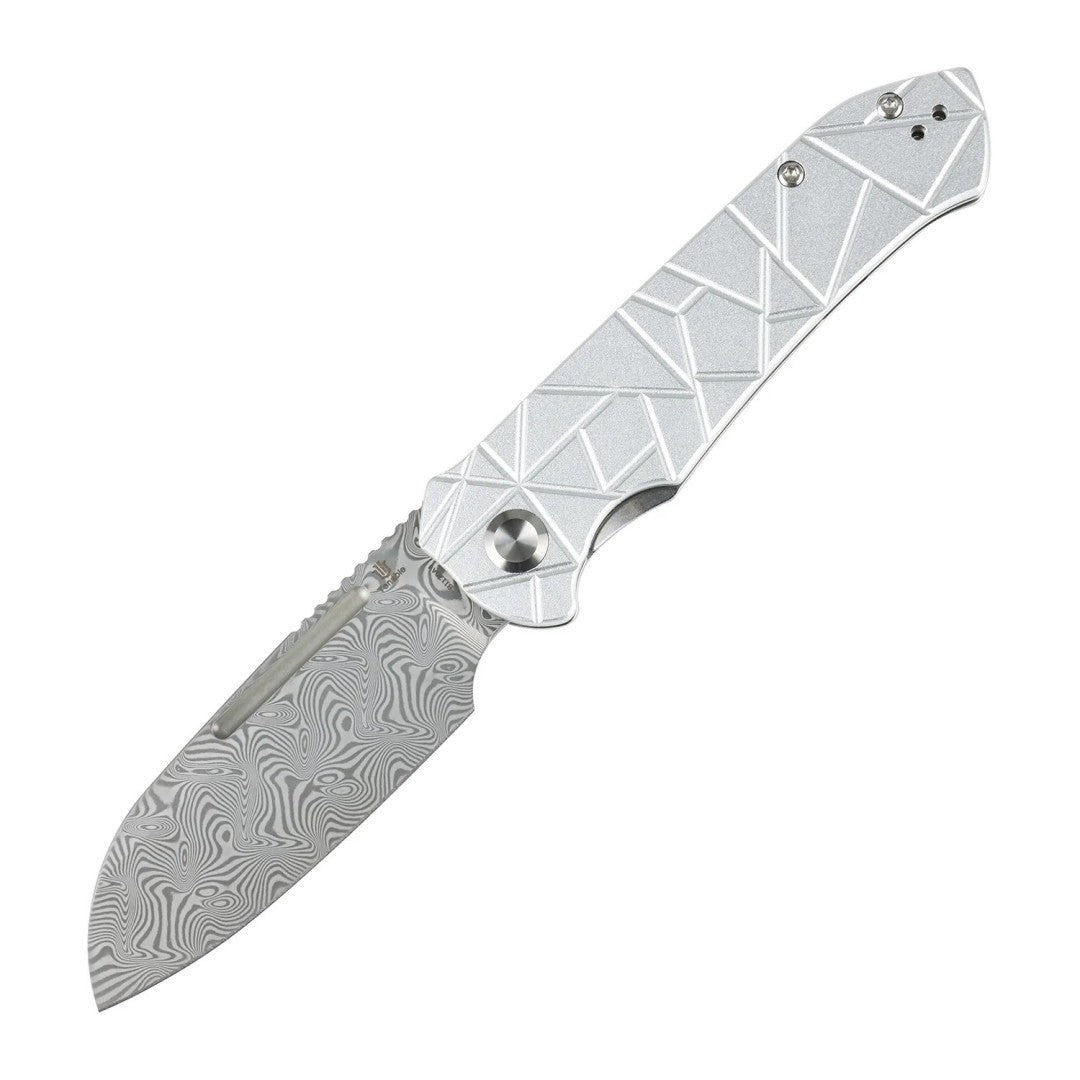
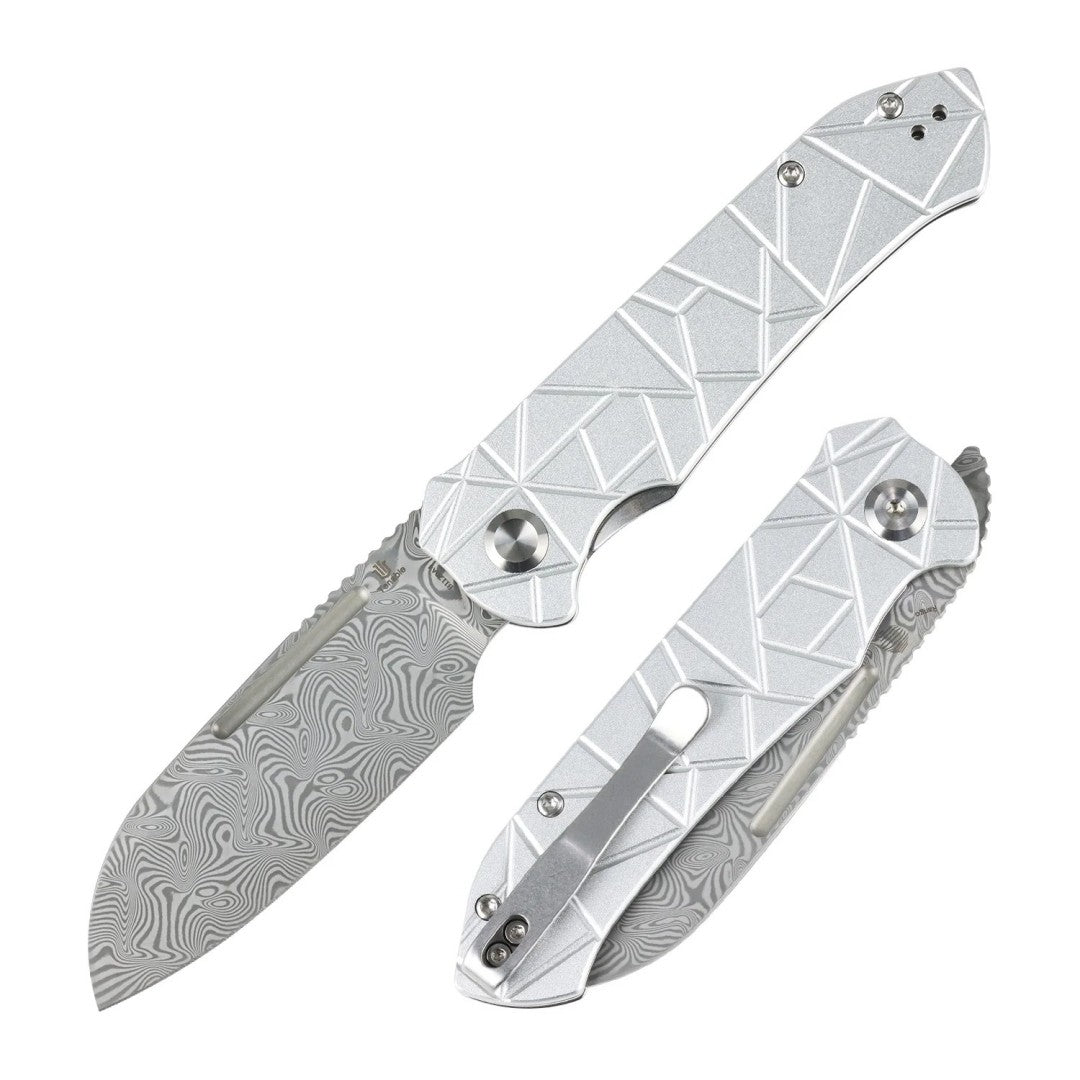
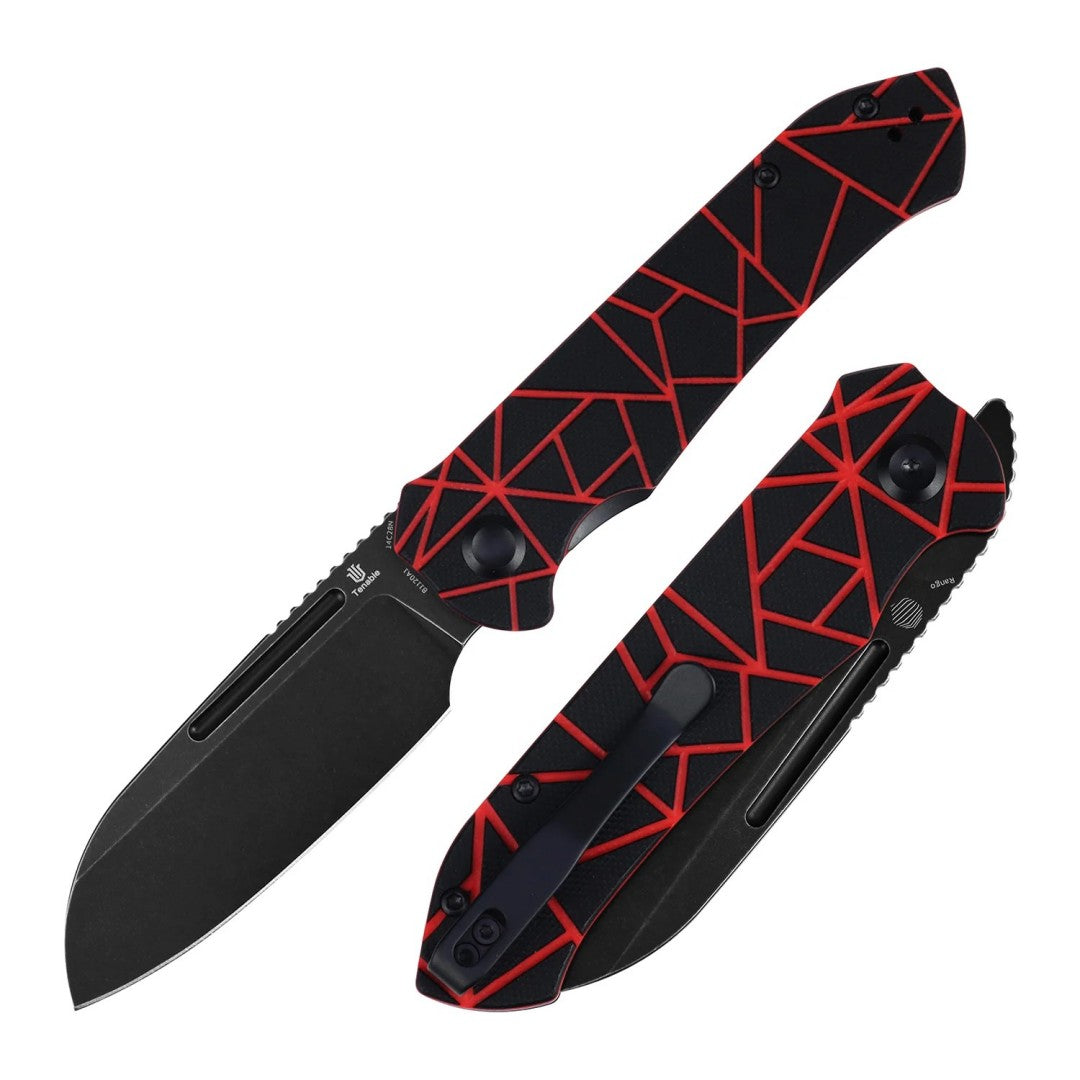
Damascus steel has a practical role in this kind of work because the layered construction holds a fine edge while remaining easy to bring back on a stone, and the surface finish signals a clean, unhurried tool. The Bestech Bambi BL08F pairs that blade with an iron wood handle and a liner lock, so the knife feels solid in a damp hand. Bestech knives give this pattern the sort of finish a plant manager is happy to hand to a new operator.

Design & Details
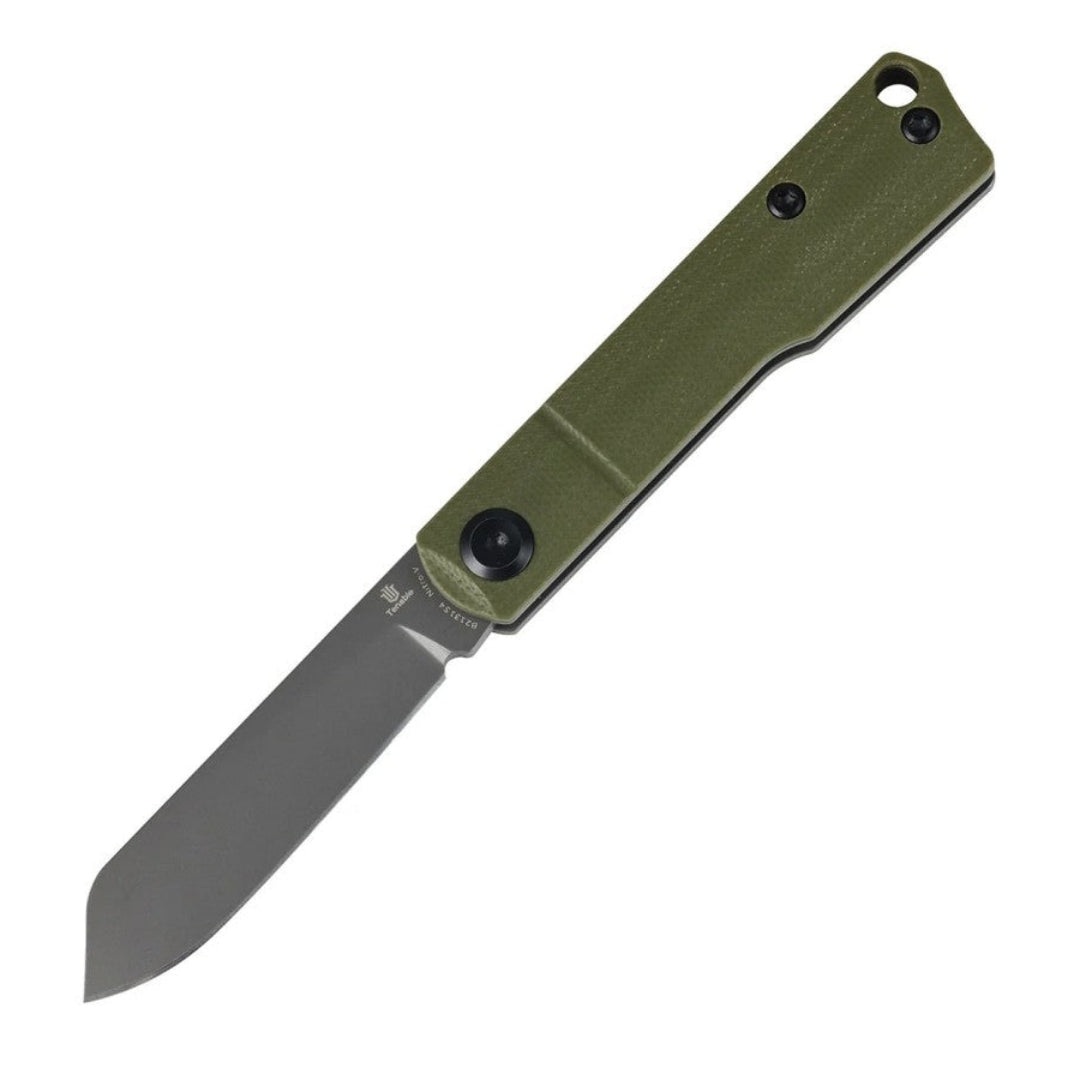
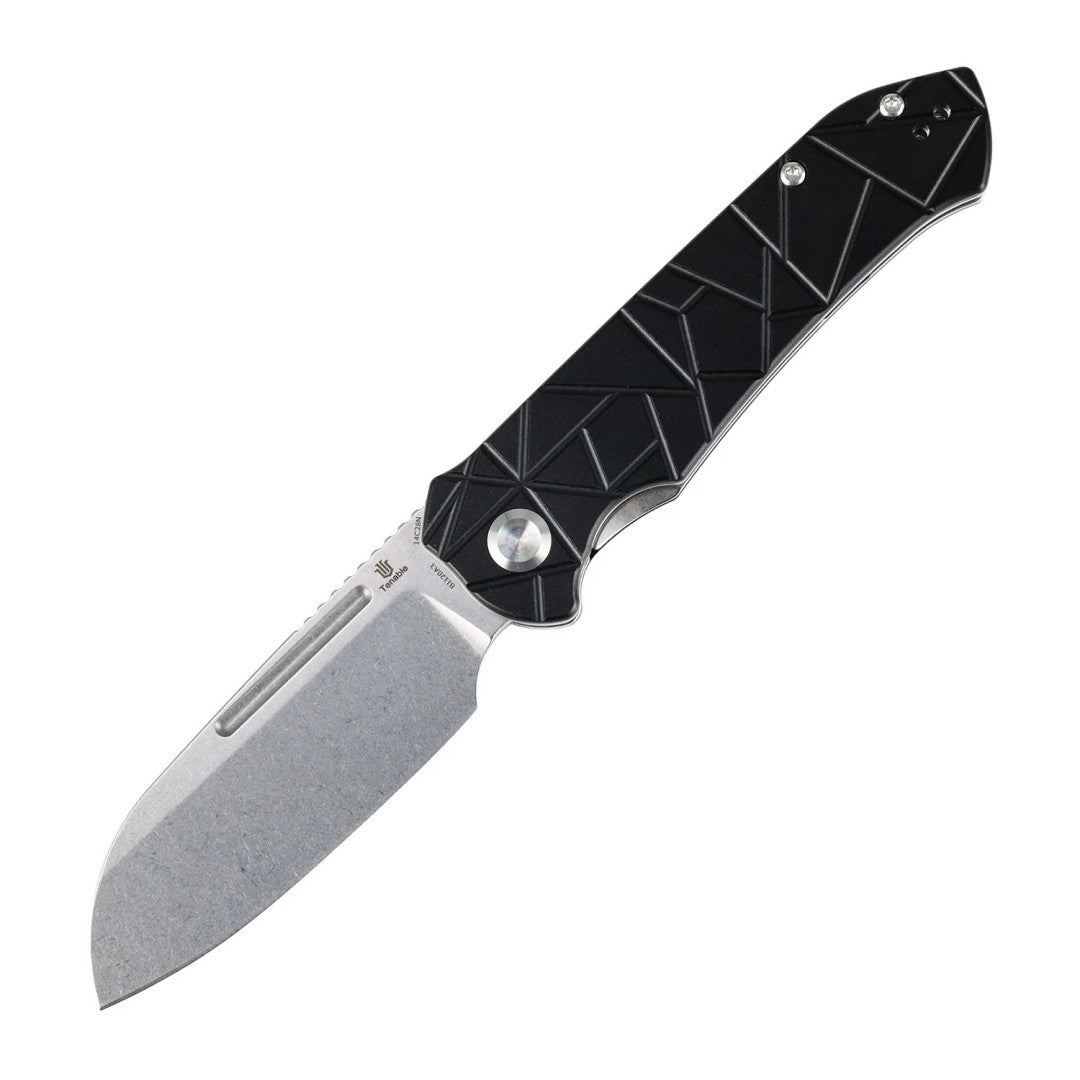
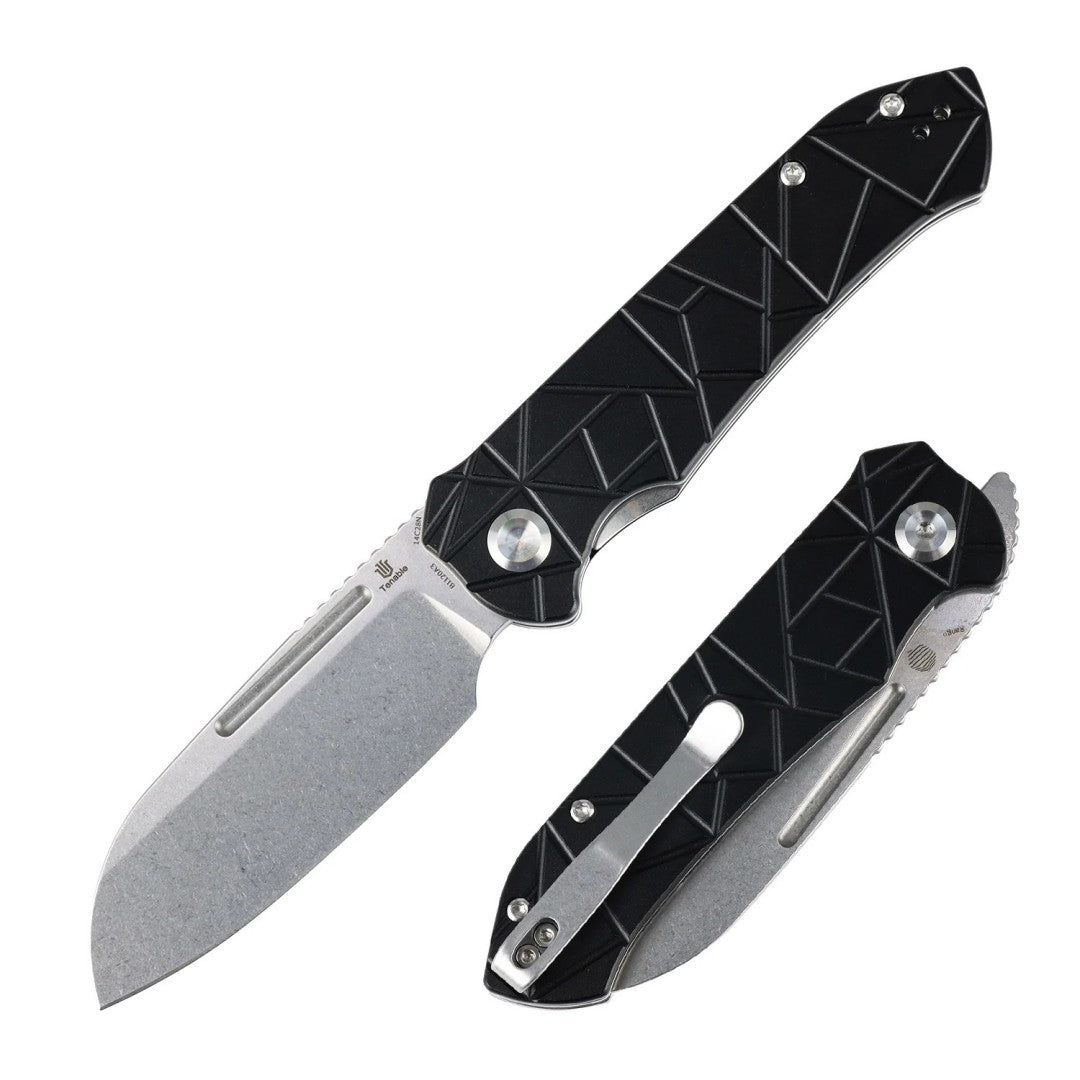
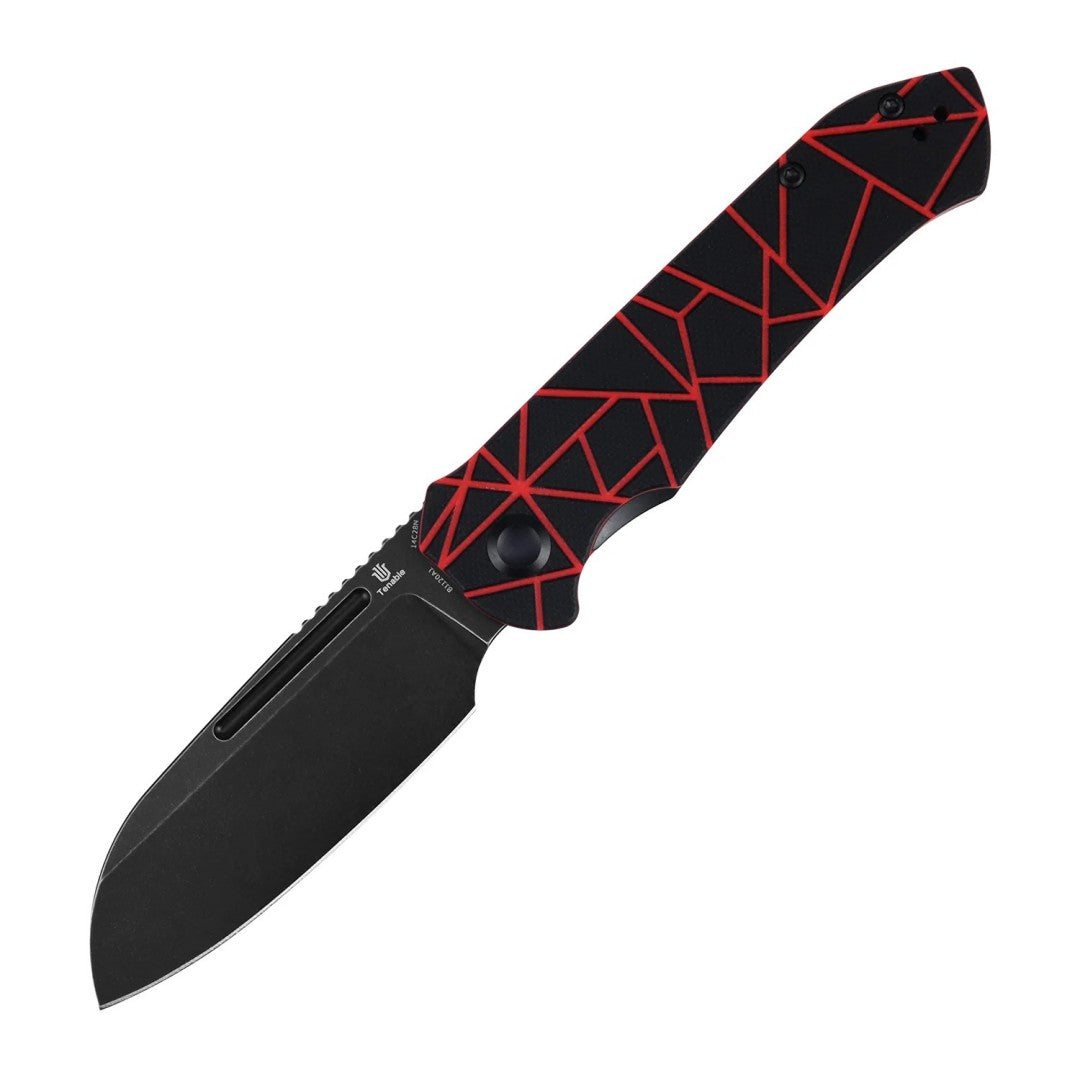
Malting floor knives should be easy to clean and easy to find. A blade around three inches handles sack string, sample bags and packaging, a smooth handle wipes down after handling grain, and a liner lock is simple enough to maintain in a plant where dust gets everywhere. A modest lanyard helps when the knife is used over an open vessel full of grain.
Real-World Use
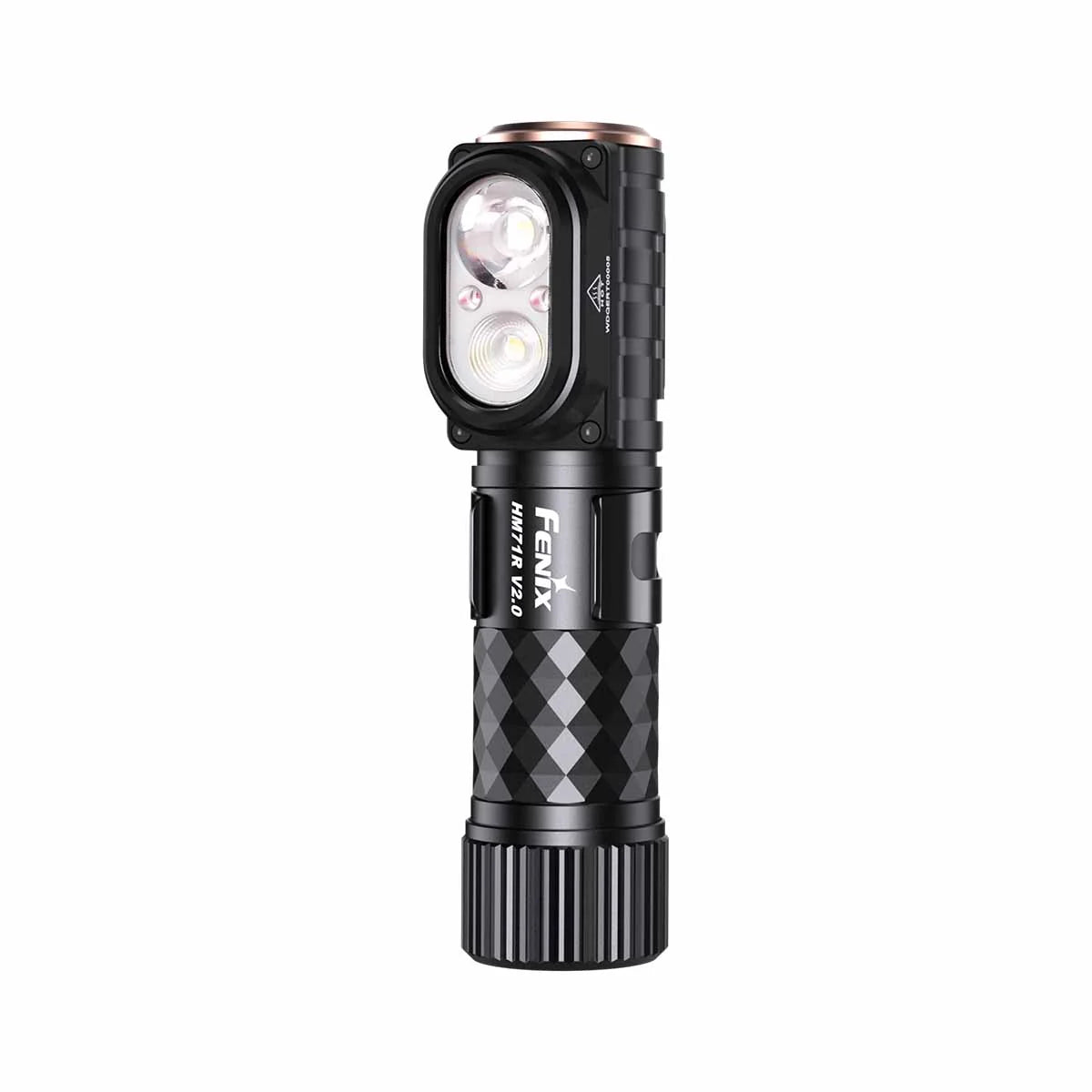
On shift the knife cuts the string on a sample sack, opens a box of moisture meters, trims a tag on a malt bin, slices the seal on a bag of reference grain and cuts a length of tape for a label. A small light is used to read a gauge in a dim corner and to check grain colour against a standard sample.

Ownership Notes
Food-adjacent work sets the standard for cleaning. Wipe the knife after every use, keep it out of the malting bed, store it in a lockable drawer rather than a pocket, and never use the same knife for anything a food-safety audit would question. Replace handles that have cracked. EdcMall carries the cleanable folders and lights that suit this kind of plant. Batch records also protect the product. Note the steep time, the germination temperature, the kiln schedule and the moisture reading for every lot, because a maltster's reputation is built on repeatability rather than on a single good batch. Keep the knife and the light with the sampling kit, clean them after every use and store them in the same drawer, so a reading is never delayed by a missing tool.
Who Is This For?
This is for maltsters, brewing students, grain lab technicians and the operators who run a steeping and kilning schedule. A home brewer will use a kitchen knife. If your samples go to a laboratory, keep the tools as clean as the samples themselves.
Final Verdict
A malthouse knife is judged by hygiene and edge quality. A layered steel blade, a handle that wipes clean, a simple lock and a light for reading gauges will serve a plant far longer than any gadget.