

Overview & First Impressions
Foraging is a gentle craft with a sharp edge requirement. You are not fighting brush or hacking through vines; you are severing a stem just above the soil so the mycelium stays intact and the cap arrives home unbruised. A blunt blade crushes the stem and bruises the flesh, which is why experienced collectors carry something genuinely sharp and genuinely thin. D2 steel earns its reputation here for holding a fine edge through a long walk in wet leaf litter without constant touching up.
Materials & Construction
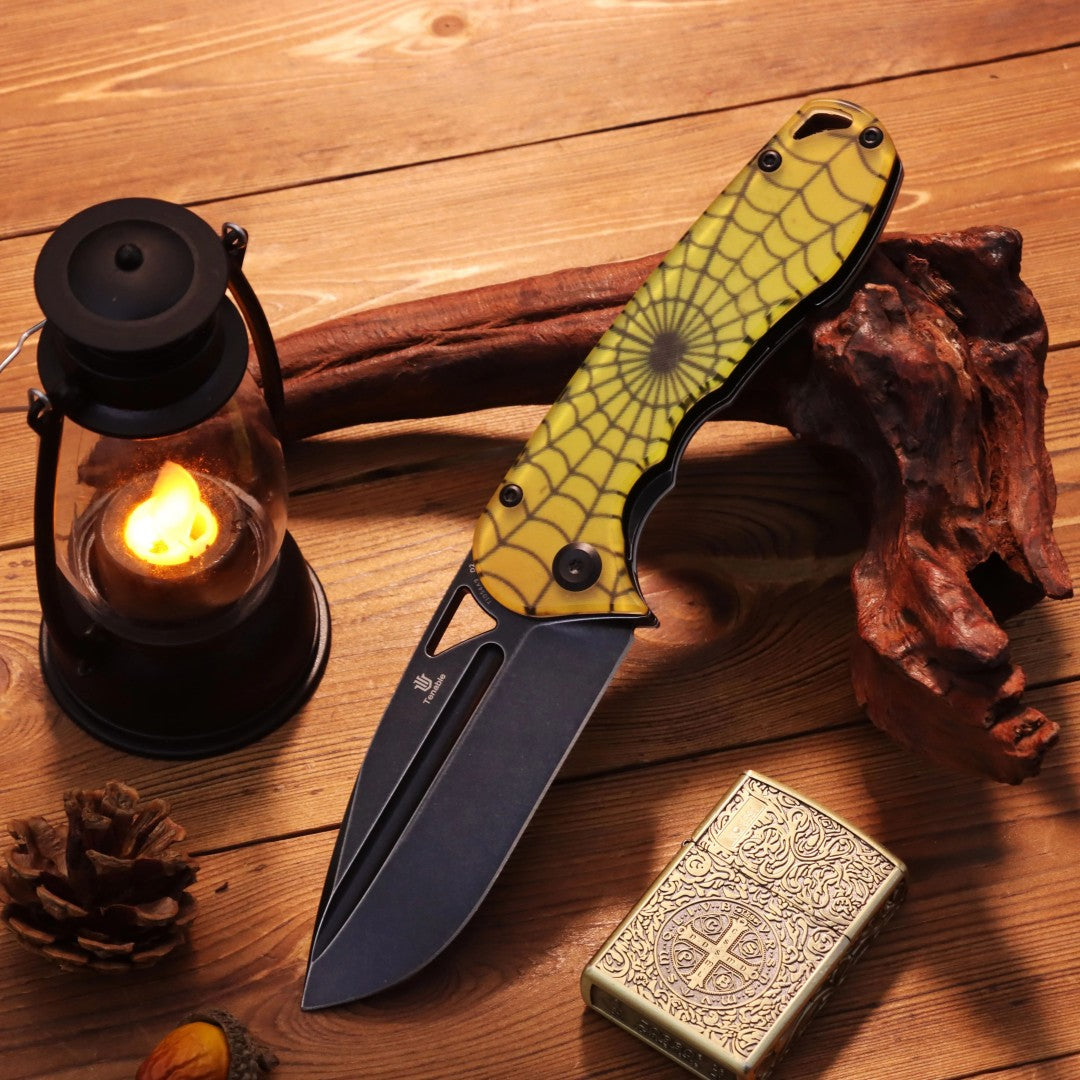
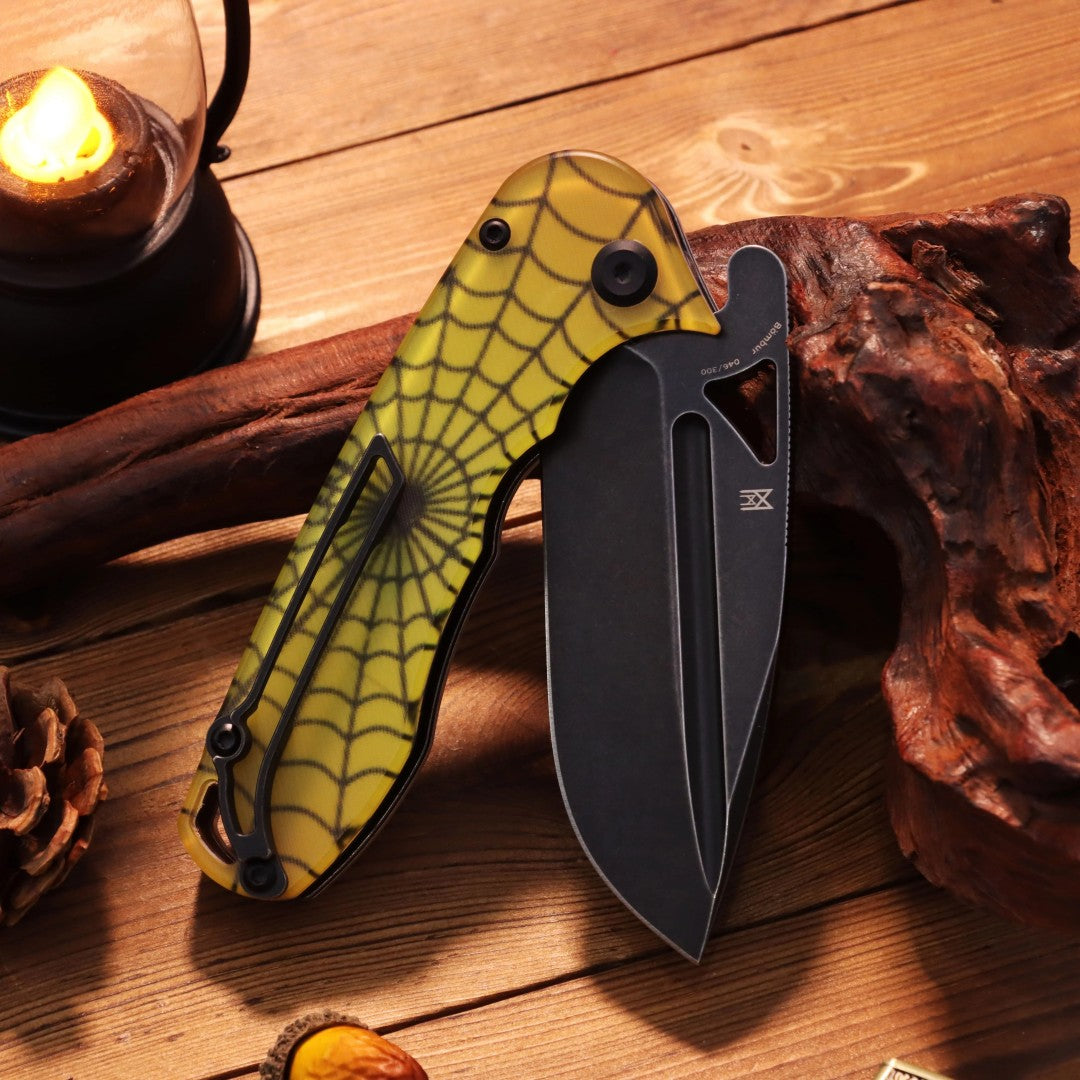
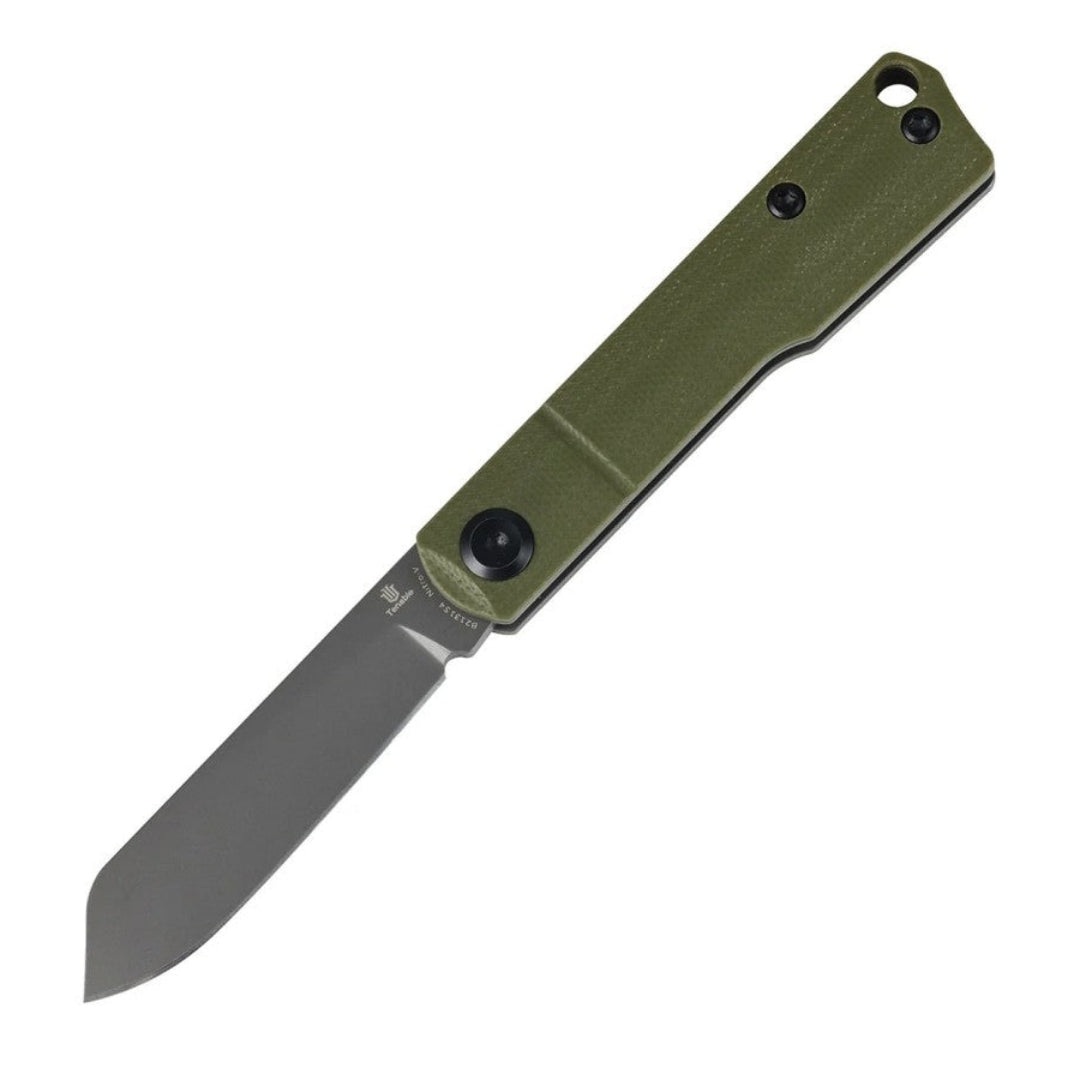
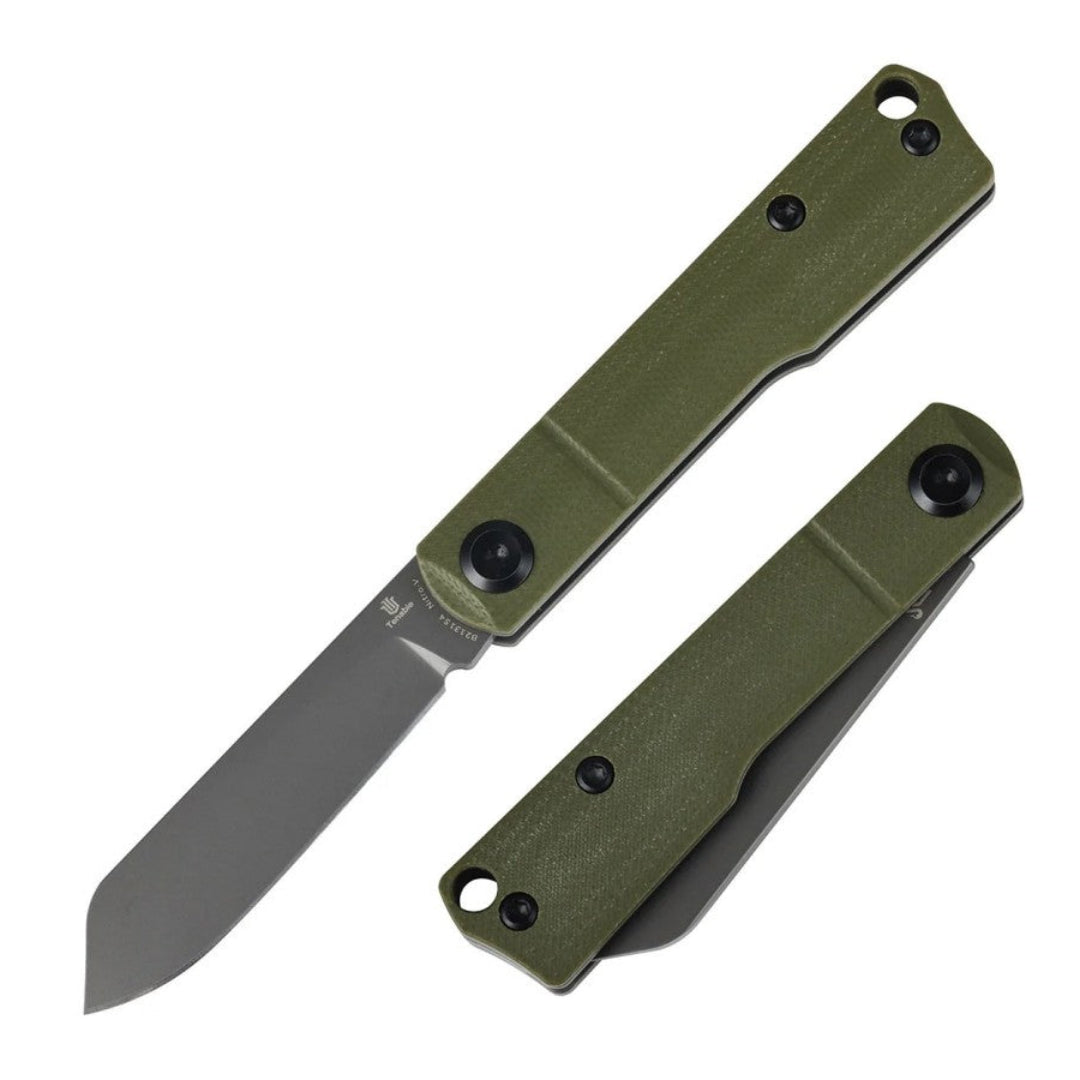
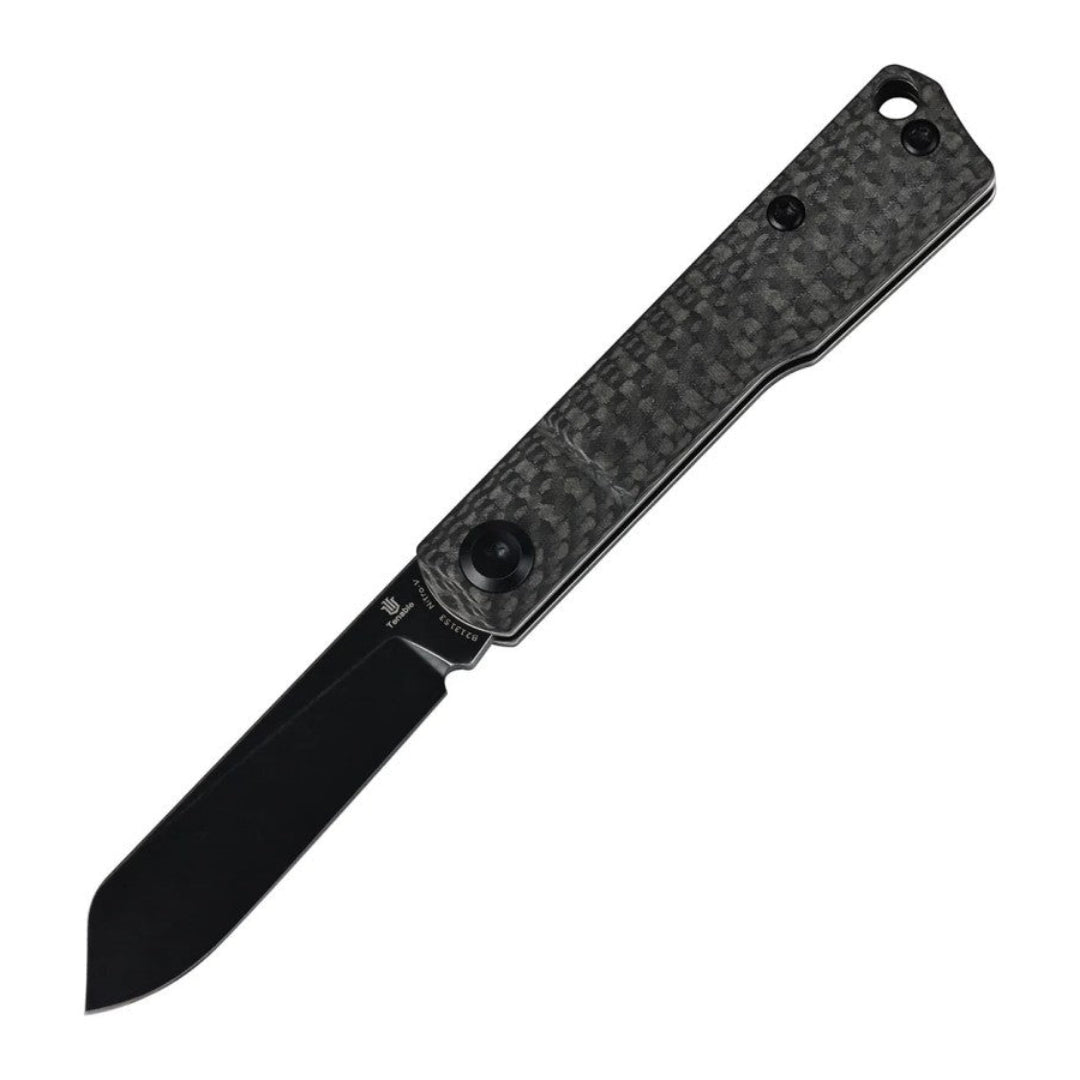
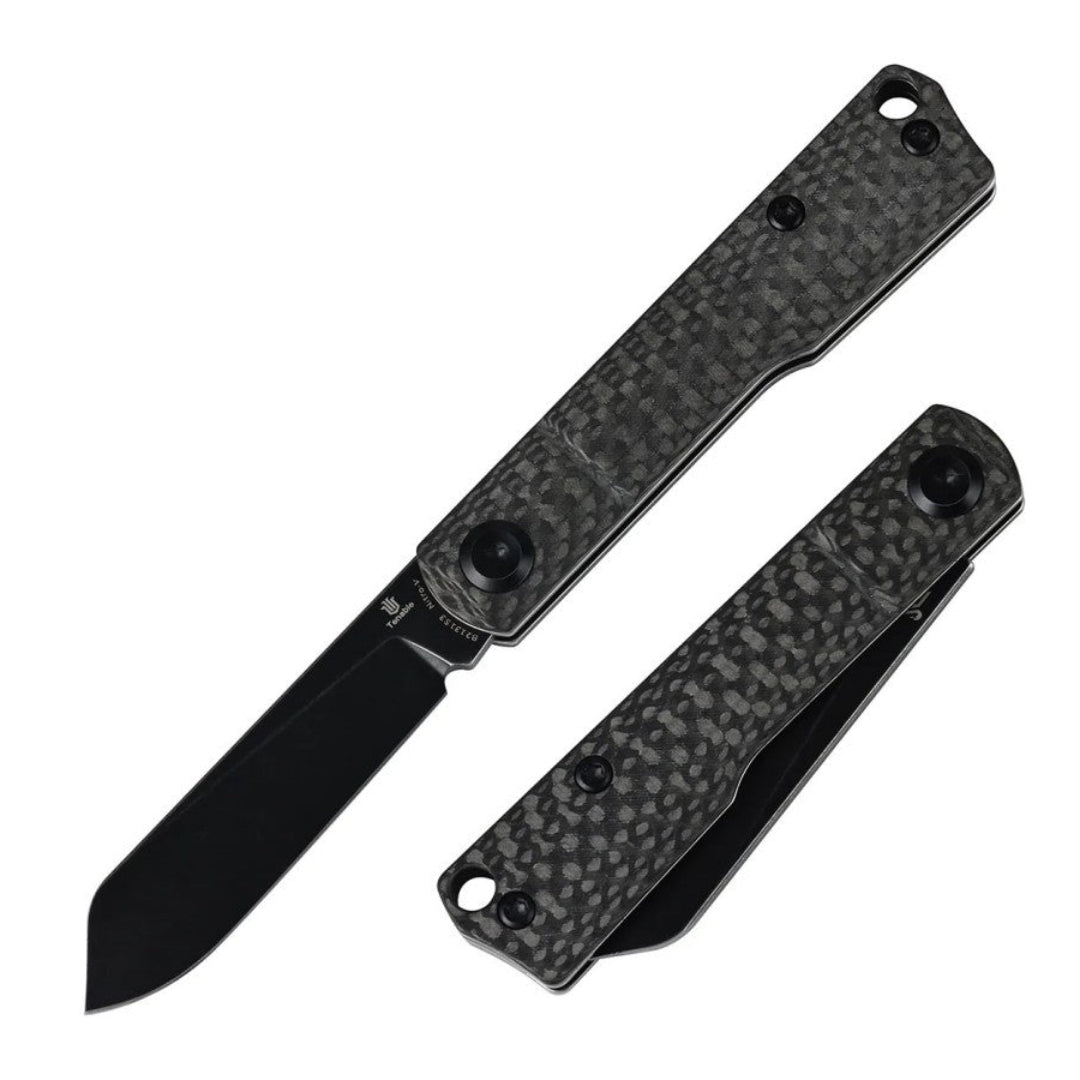
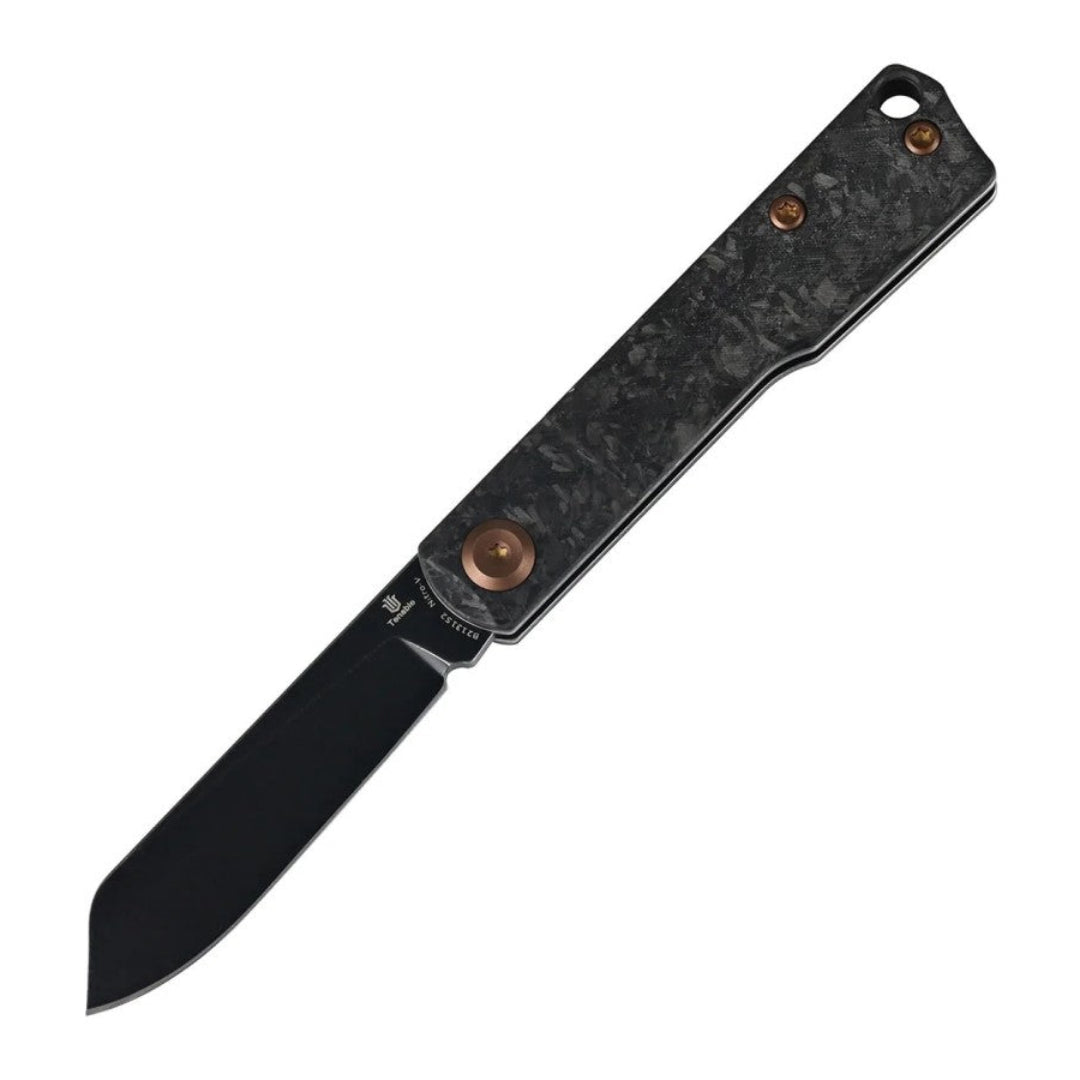
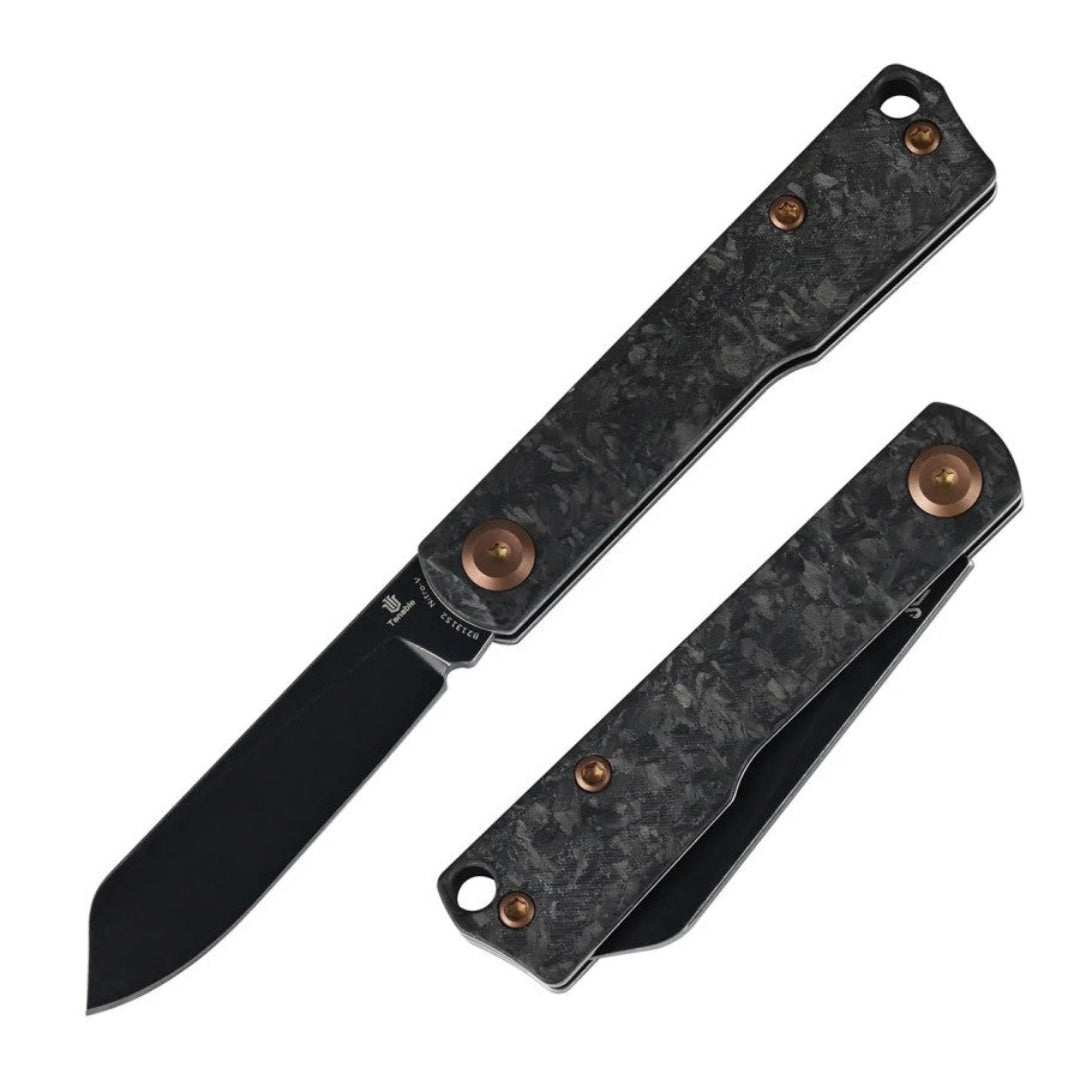
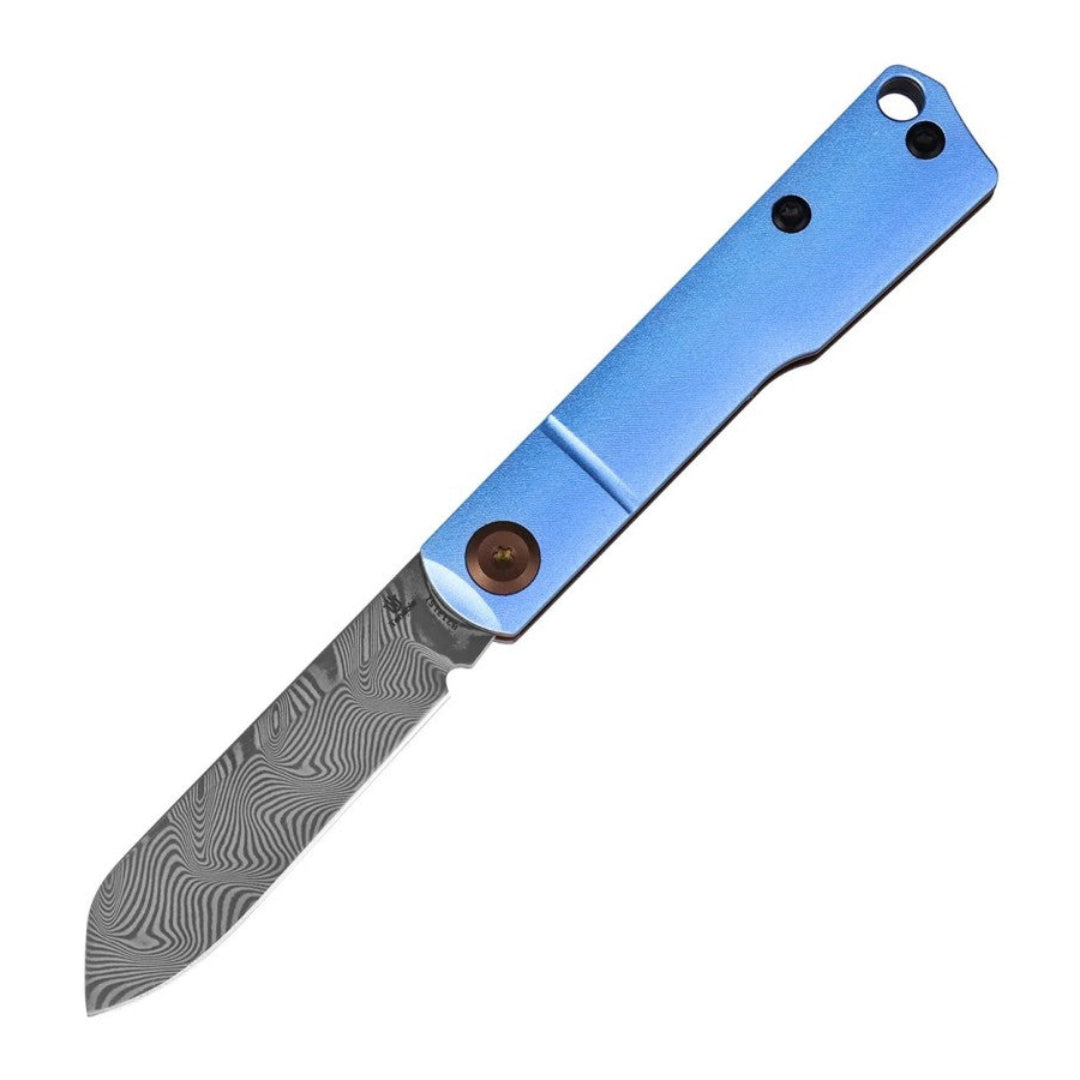
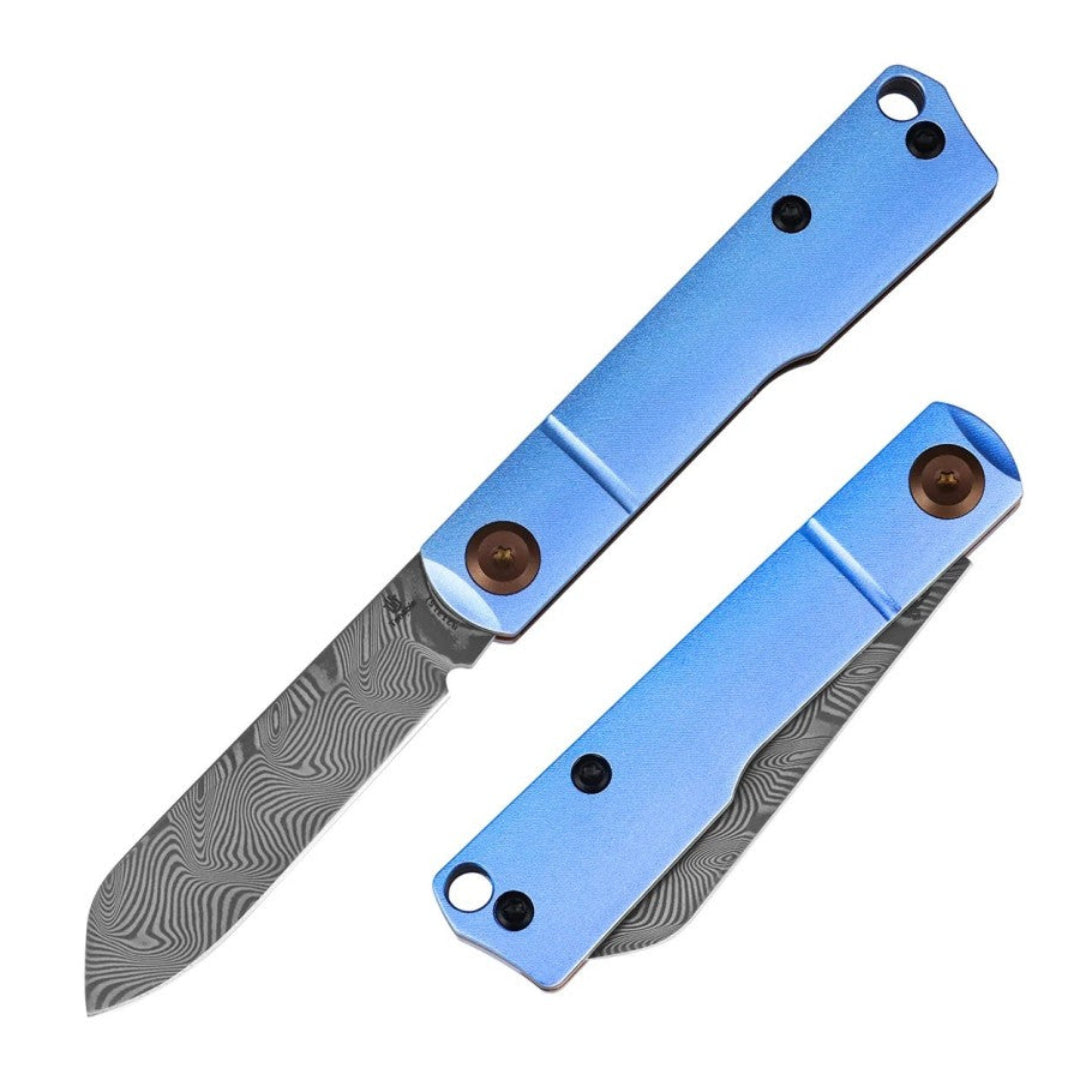
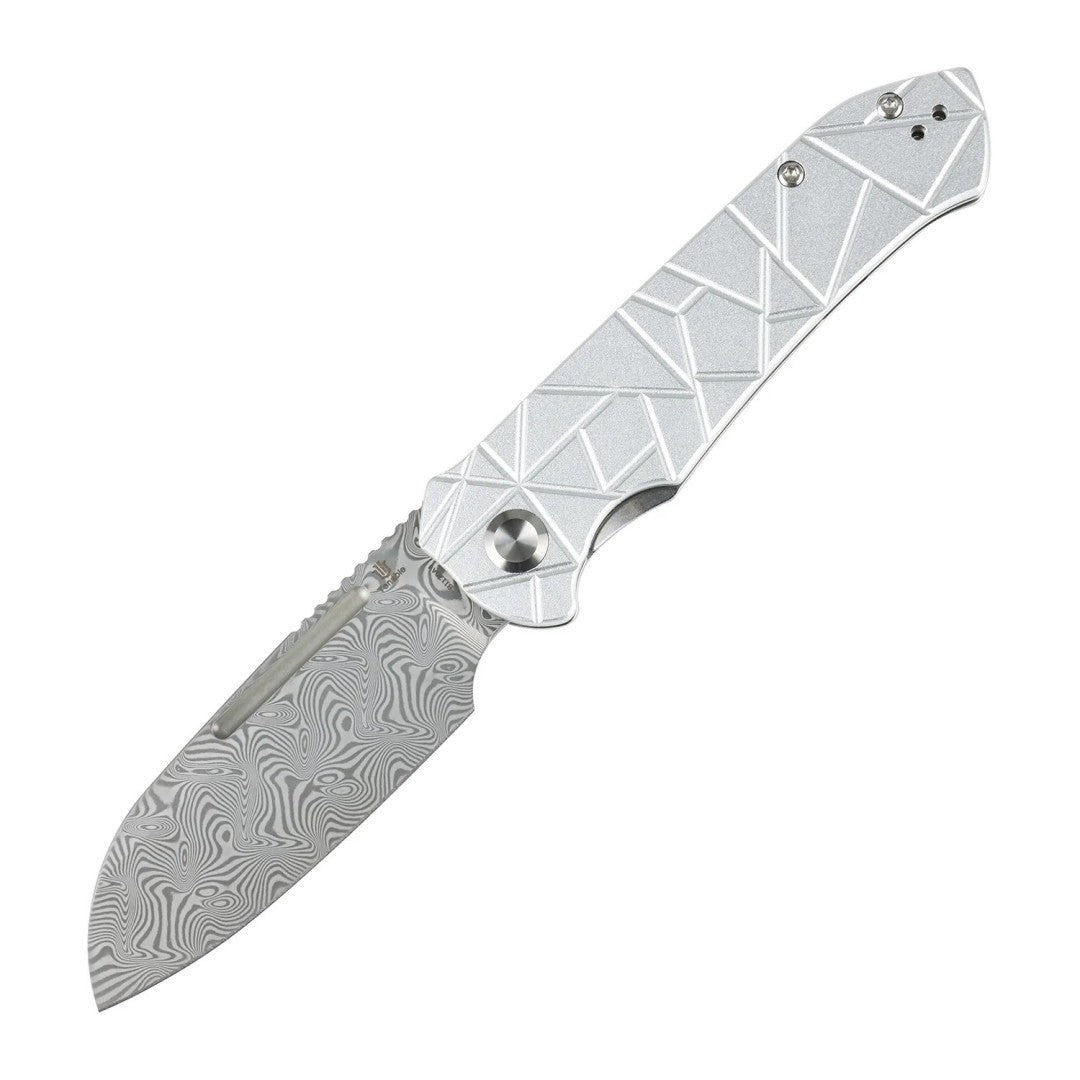
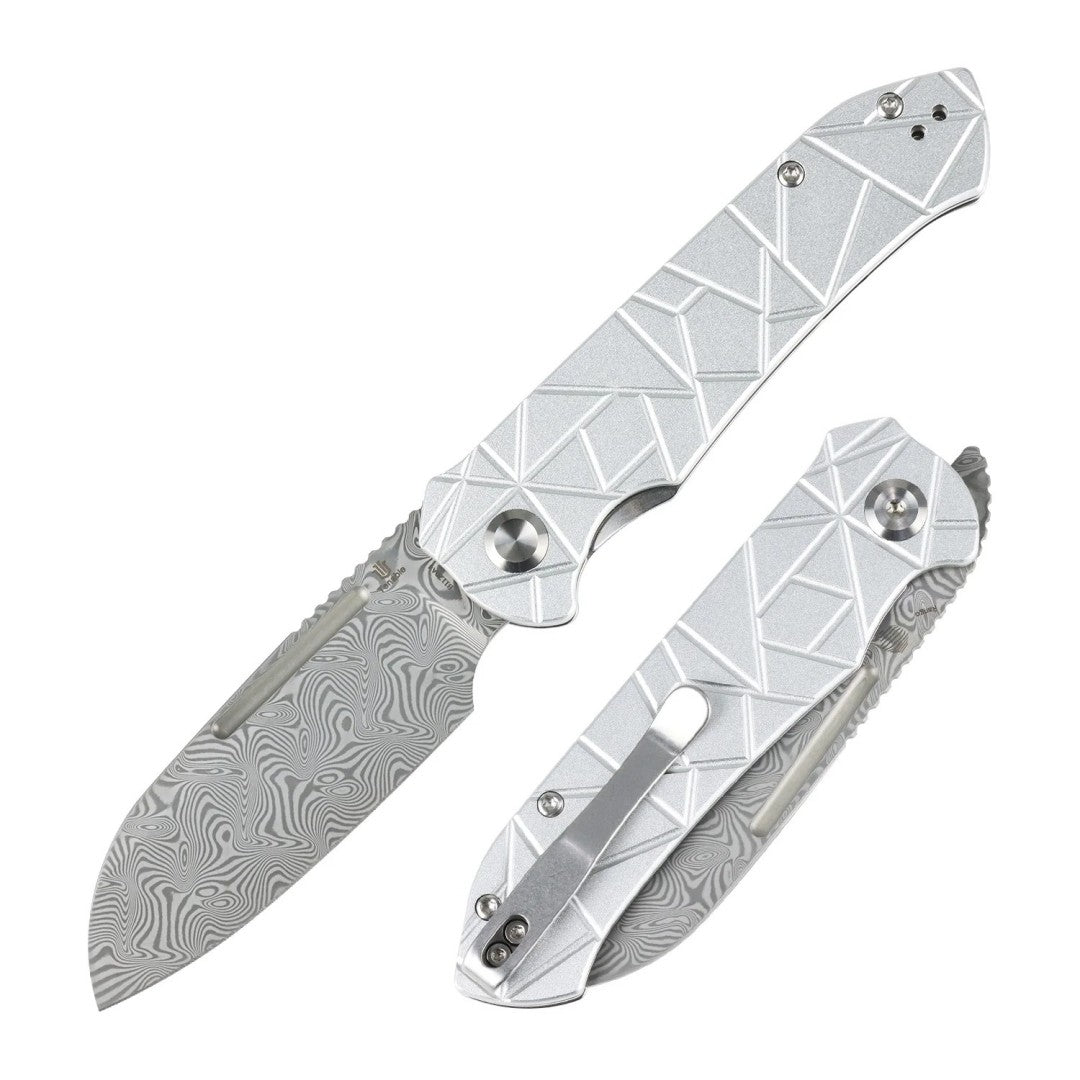
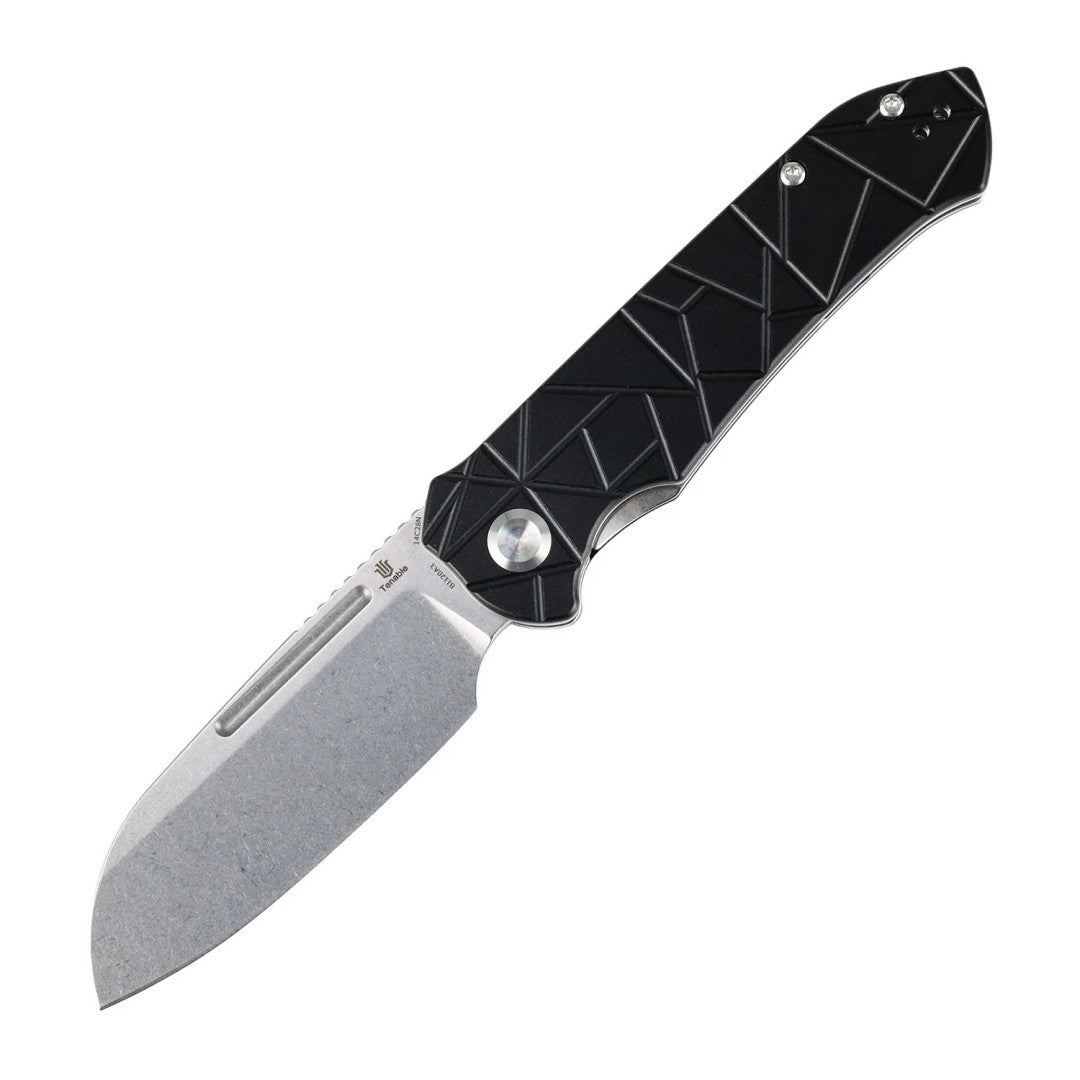
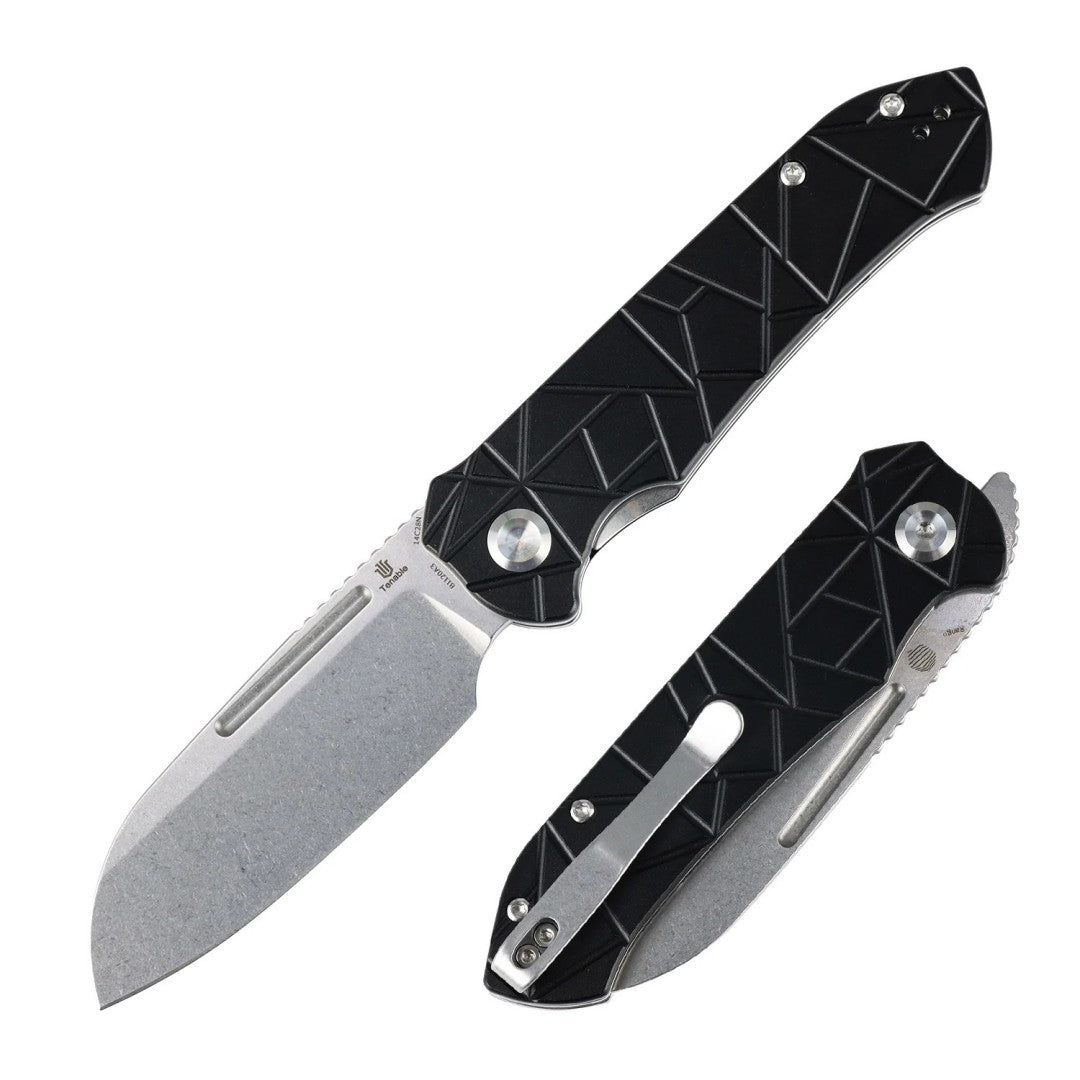
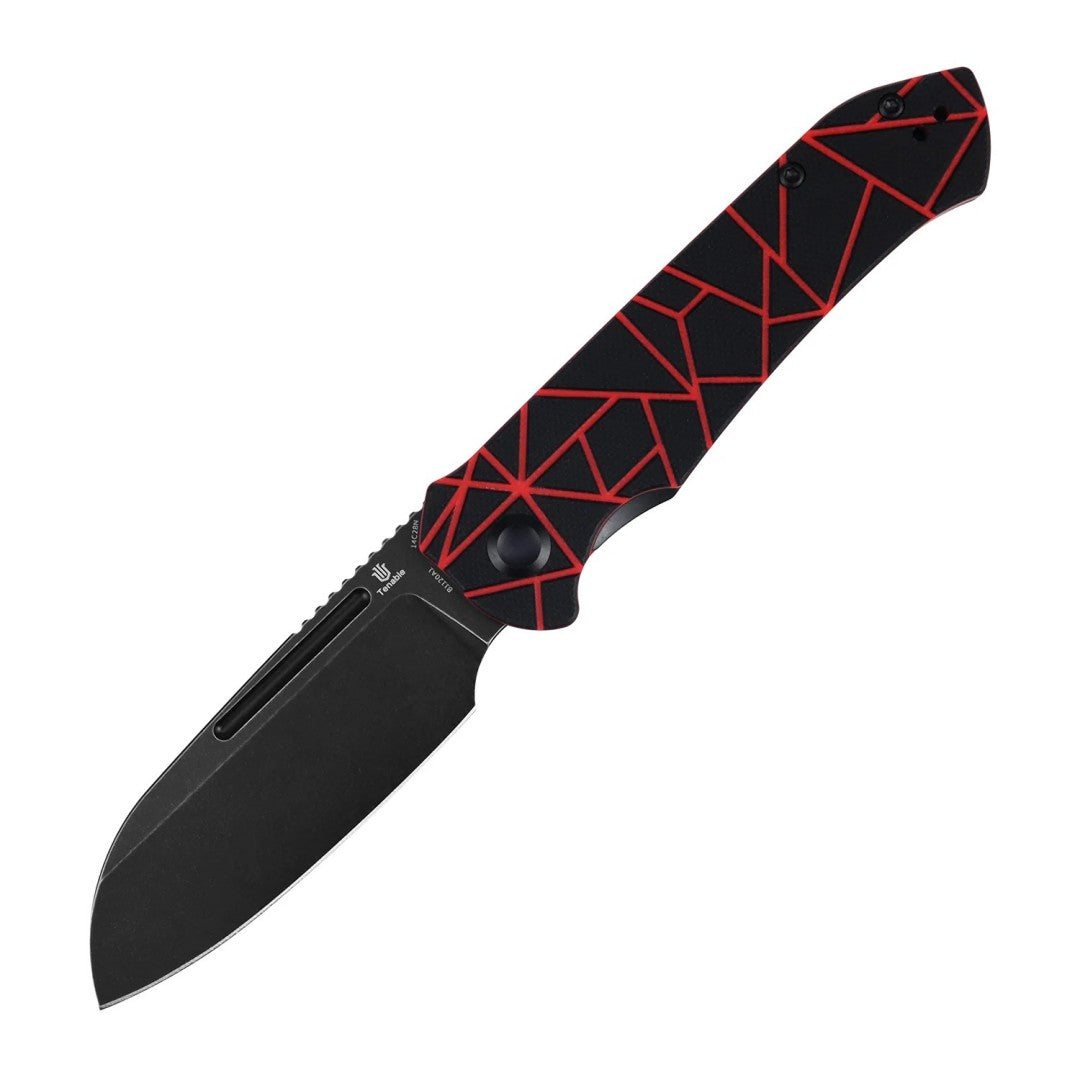
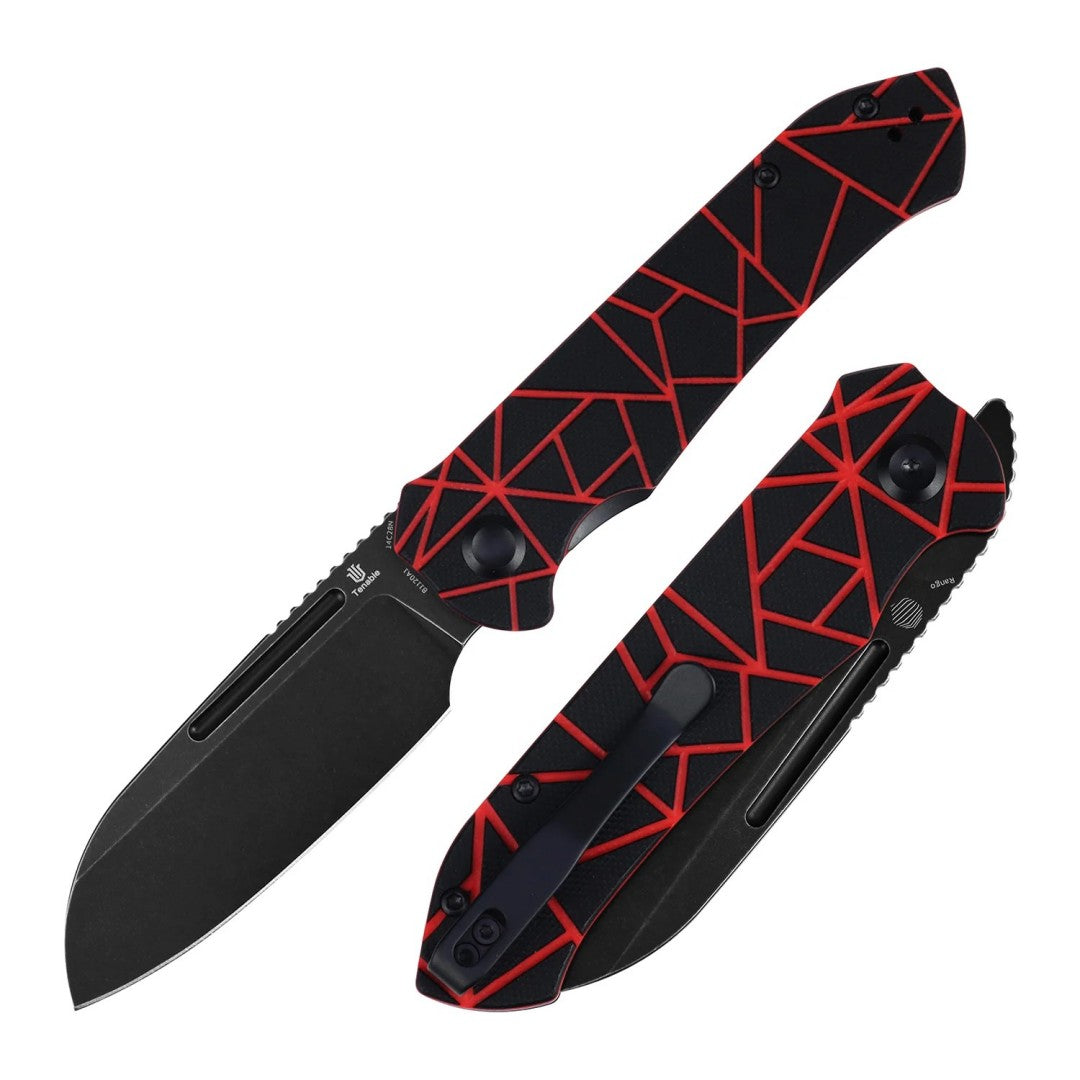
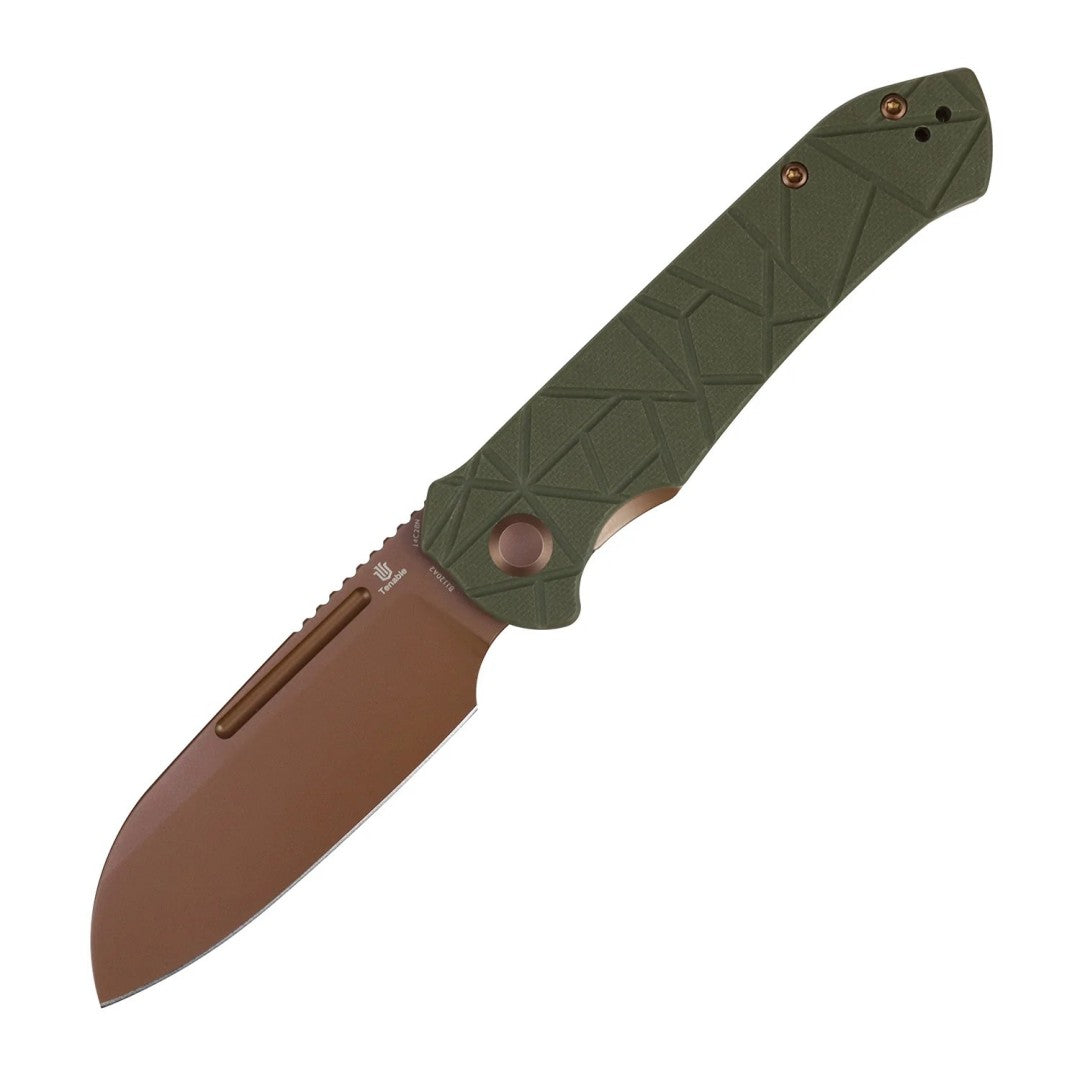
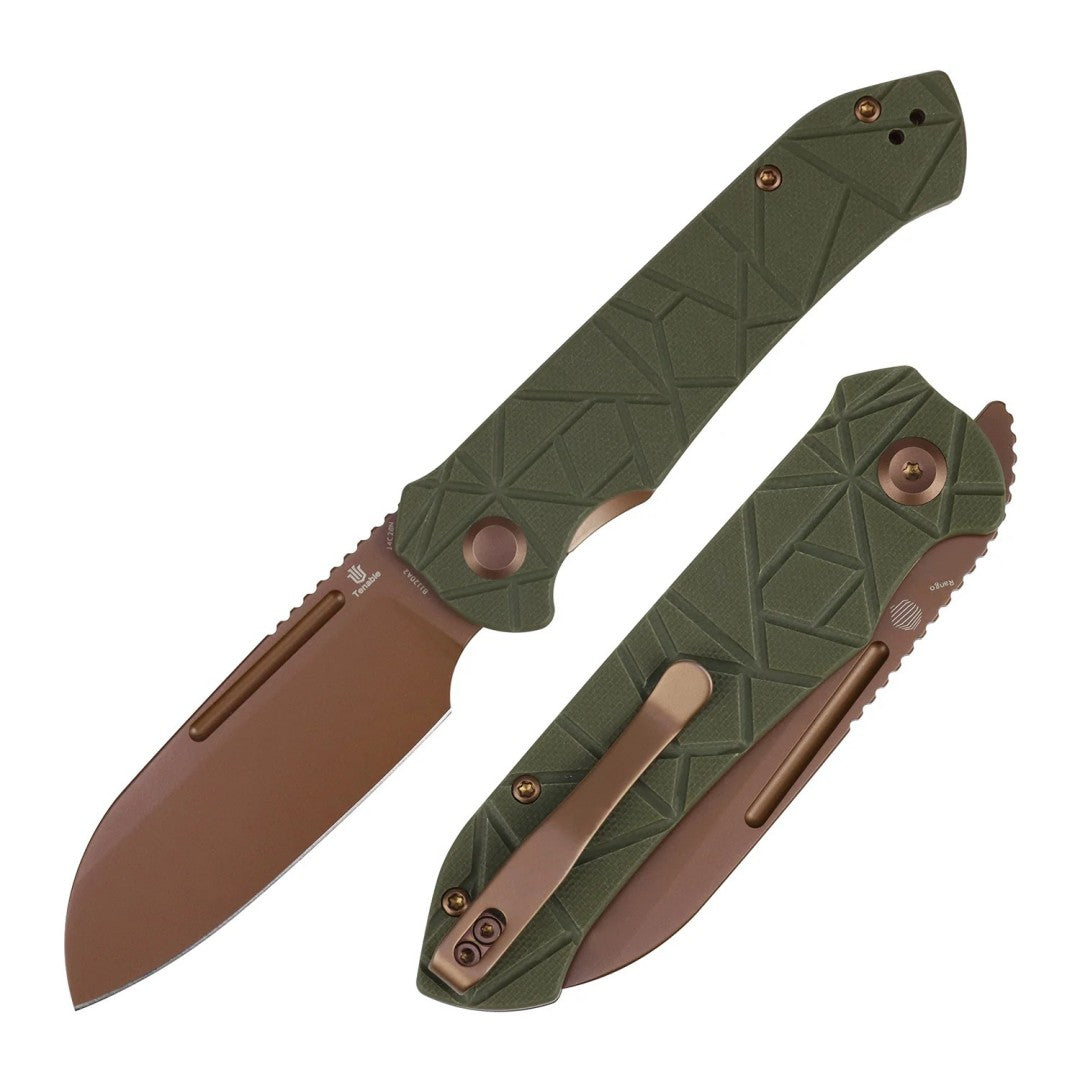
The Tenable Bömbur T1054A9 is a limited seasonal edition designed by German craftsman Midgards Messer, with a robust 3.53 inch blackwash D2 blade and a patterned PC handle. D2 is a semi-stainless tool steel that trades a little corrosion resistance for excellent wear resistance, so it keeps working through a long season of cutting stems against abrasive soil. A liner lock keeps the frame slim and closes with one thumb, which matters when your other hand is holding a basket or a guide book.

Design & Details
The optimum foraging geometry is a thin, flat-ground blade with a straight or gently curved edge and a fine point for reaching into leaf litter. Folding knives with an open channel are easy to rinse of soil and duff, and a lock that stays clean matters more than one that looks imposing. A bright or patterned handle is a practical choice rather than a cosmetic one: knives get set down on moss, and grey-on-grey disappears permanently.
Real-World Use
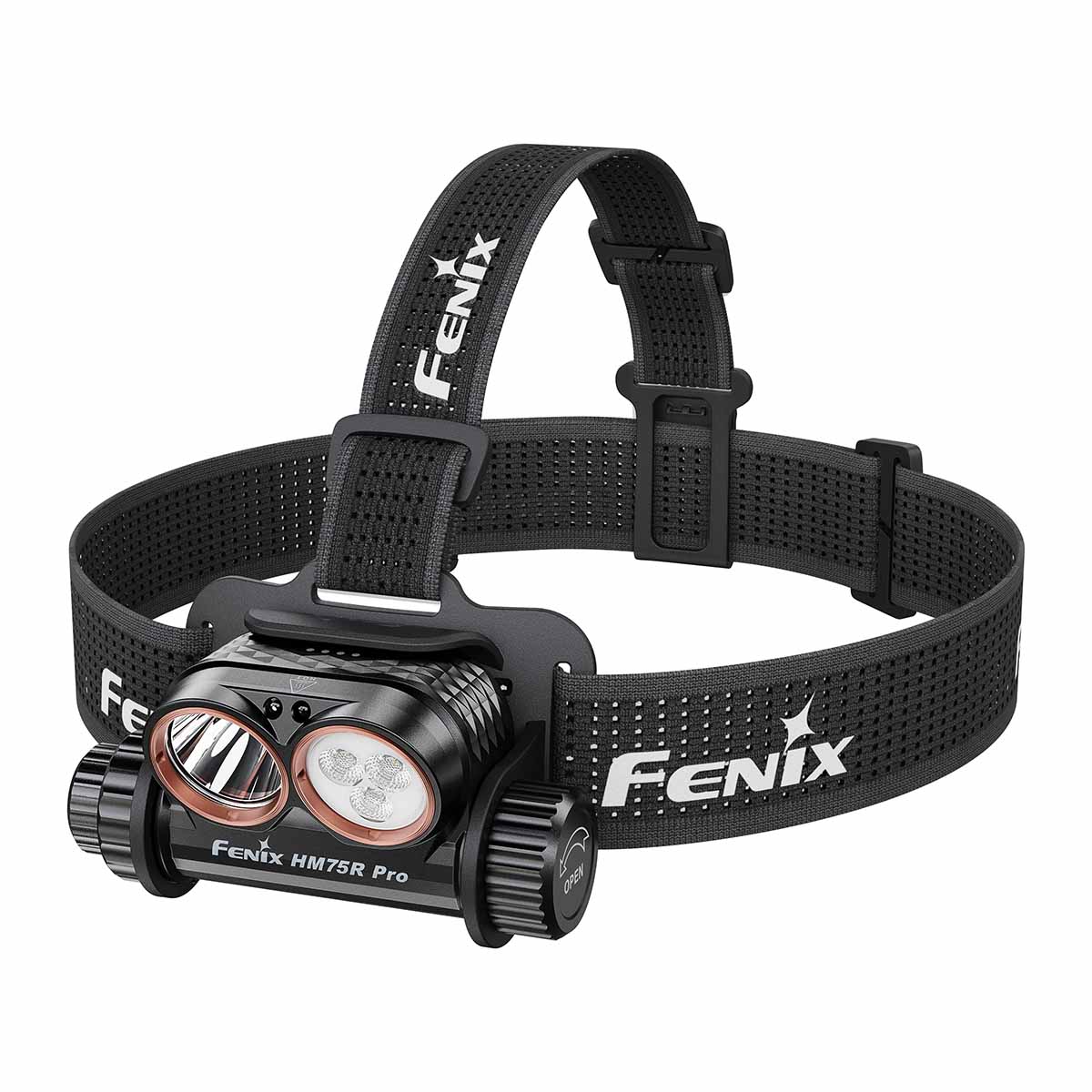
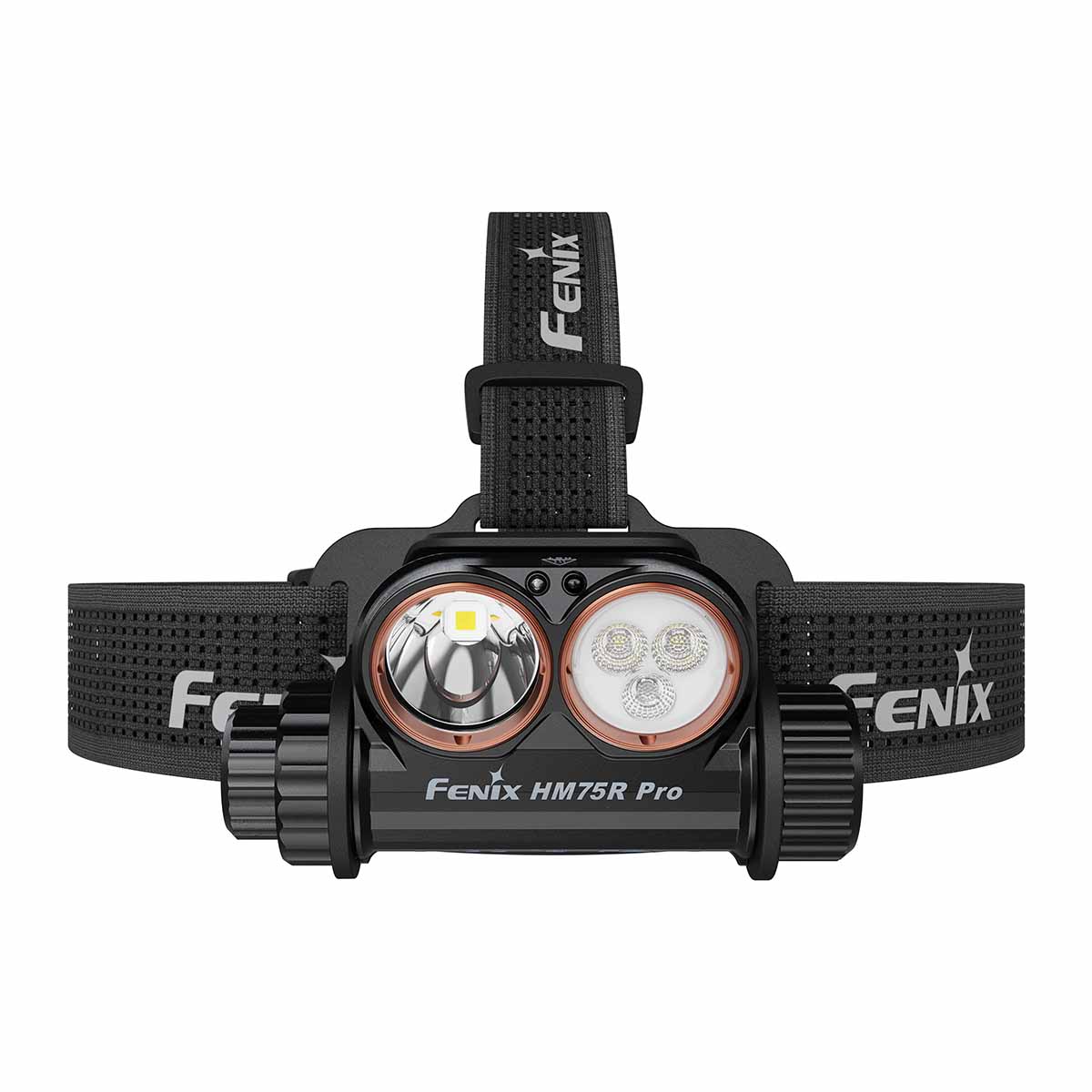
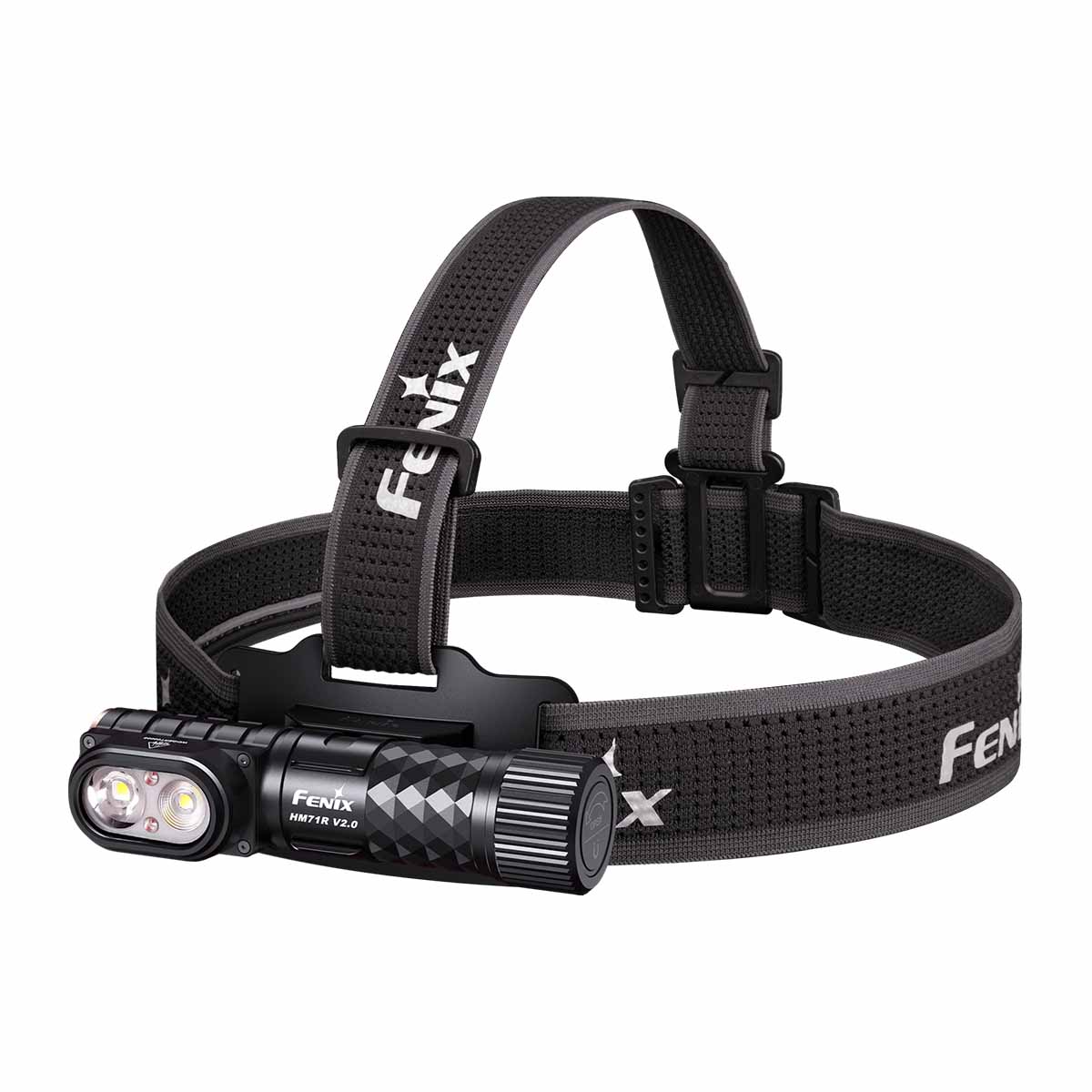
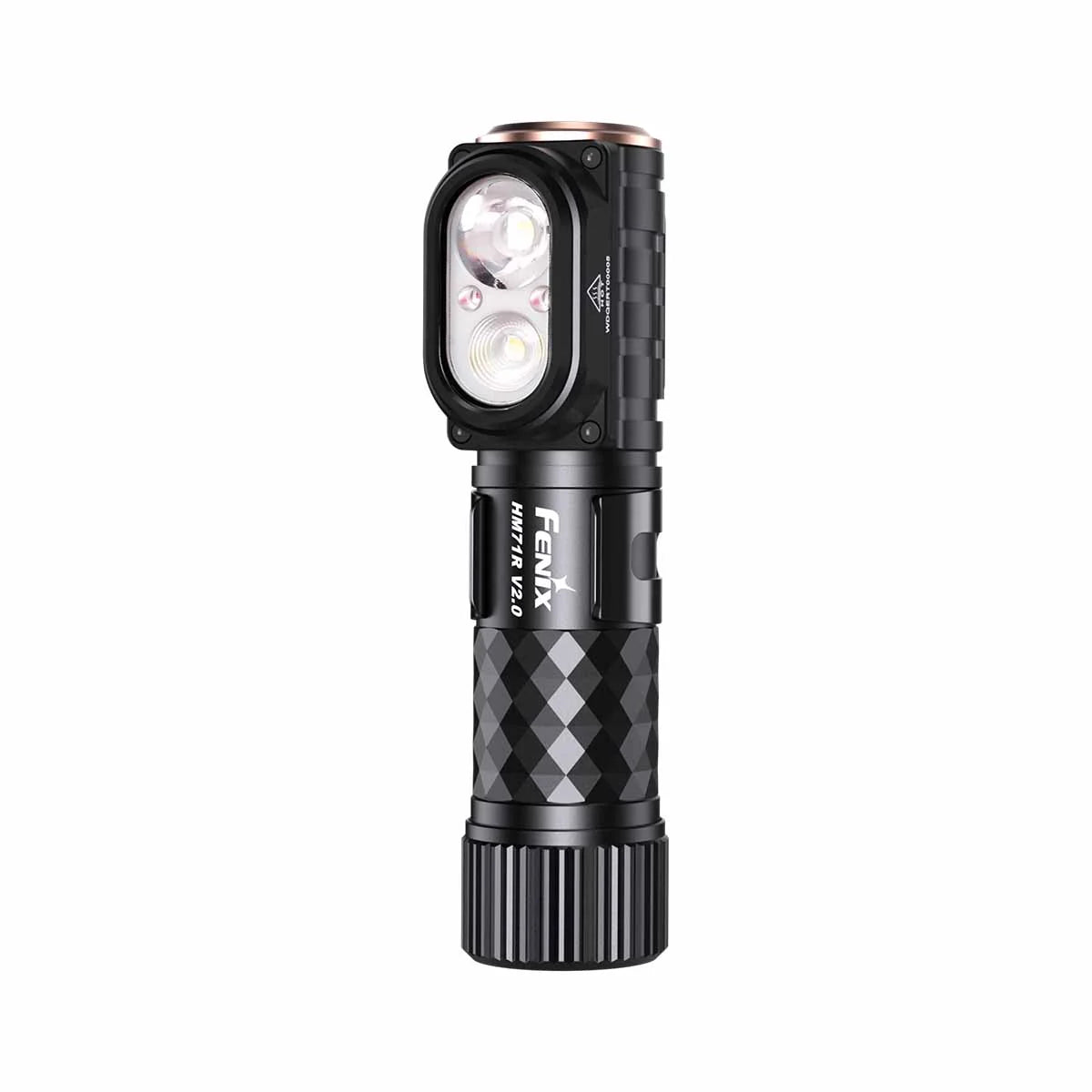
A typical walk alternates between cutting, inspecting and documenting. You cut a stem, brush soil off with a thumb, place the find in a basket or wax paper bag, and repeat. The blade never sees heavy work, so a modest length is an advantage. Pair it with an EDC flashlight for early starts and late returns; a light is also genuinely useful for checking gills and pores in shade, where identification details disappear from a phone screen.

Ownership Notes
Cleaning is where most foraging knives fail. Plant sap, damp soil and humidity will pit a semi-stainless steel if you leave residue on the blade overnight. Wipe it down, dry it fully and apply a thin film of oil before storage, especially if the knife lives in a pack. Never store it wet in a sheath. Sharpen with a fine stone and finish on a strop, since a polished edge slices stems cleanly while a coarse one tears them. Collectors who rotate folding knives through a season usually keep a dedicated foraging blade, and Tenable knives makes more than one trim worth comparing before you decide which pattern you want to carry into the woods.
Who Is This For?
This is for mushroom foragers, wild food enthusiasts and anyone who regularly harvests greens, herbs or soft fruit. It also works well for gardeners cutting stems and twine. If your collecting is limited to a supermarket, a basic paring knife does the job. If you also process game or cut heavy brush, carry a second, sturdier tool for that work.
Final Verdict
A thin, sharp, easy-to-clean blade is the correct foraging knife, and a semi-stainless tool steel will give you the best edge retention for the money. EDC knives for foraging should be light enough to forget and bright enough to find again. Folding knives win on portability, and the one you actually carry every trip is worth more than the one that lives in a drawer.