
Overview & First Impressions
Orienteering is the quiet skill that separates people who are comfortable outside from people who are merely equipped. A map and a compass do not need a signal, a subscription or a charge, and they never show you an advertisement for a restaurant you are not near. Learning to use them well takes a weekend of deliberate practice and then pays for itself for the rest of your life. If your map is on a phone, your navigation plan is a battery life plan, and that is not a plan at all.
Materials & Construction
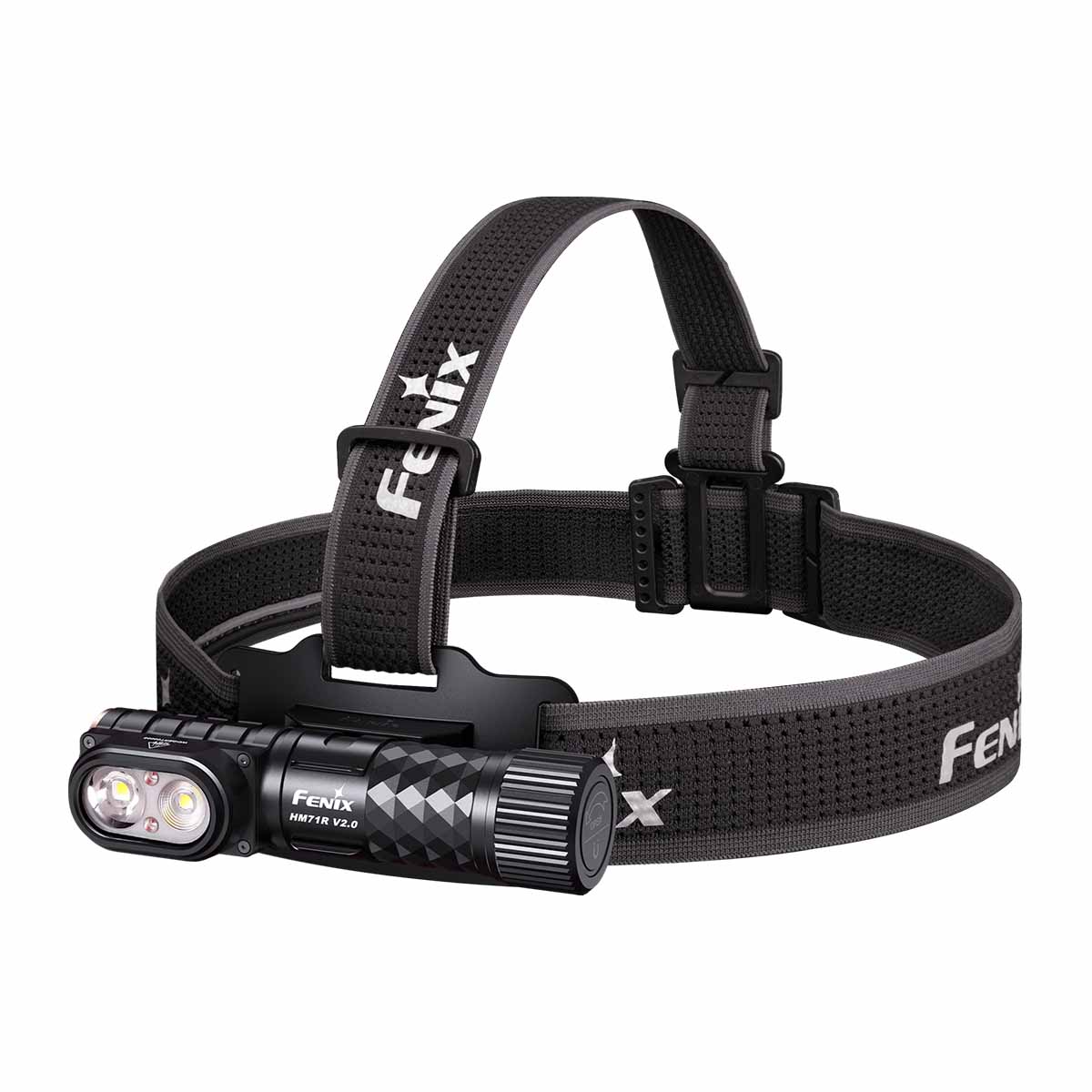
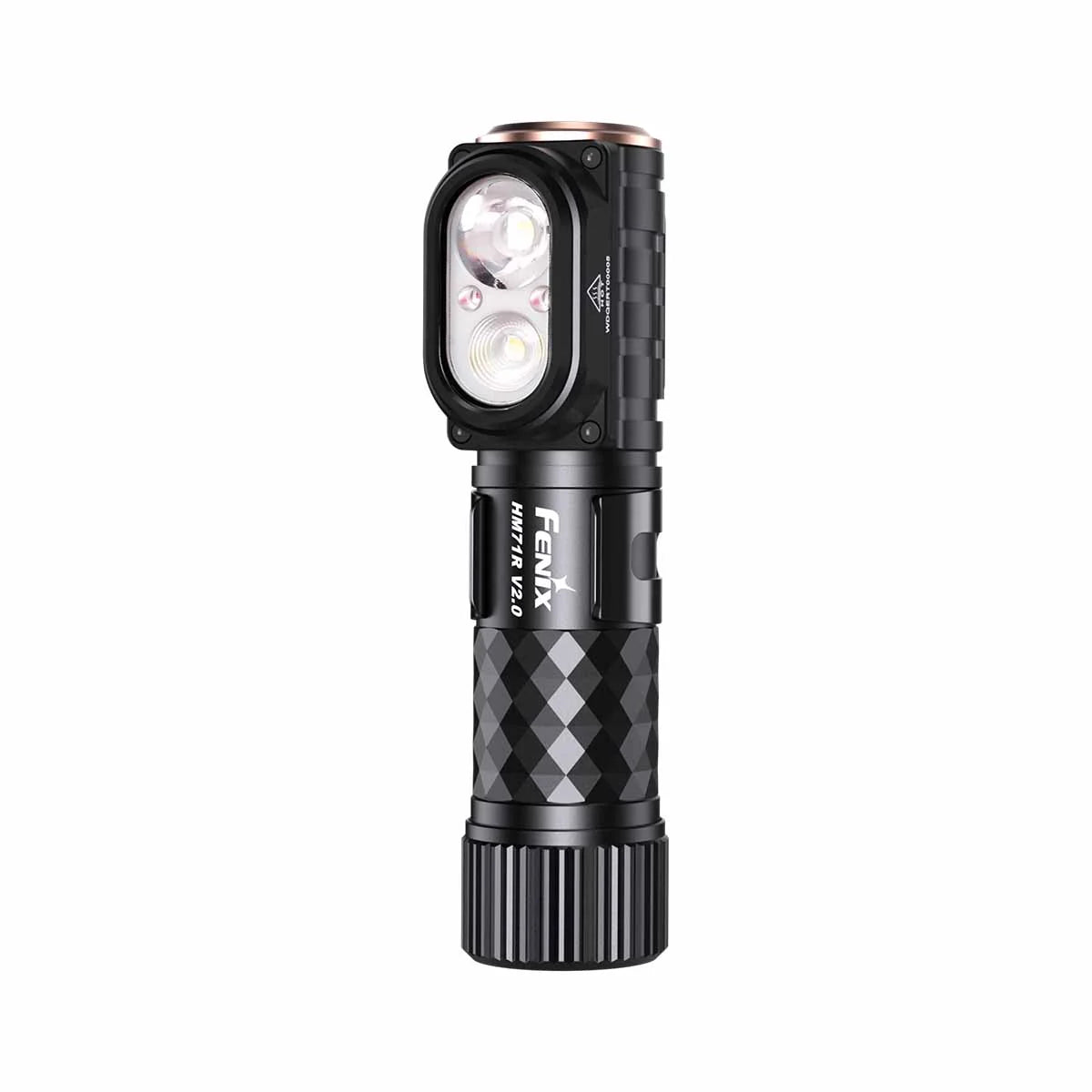
Start with a baseplate compass with a declination adjustment and a clear housing, then add a paper map sealed in a plastic sleeve. Mark your position, take a bearing, follow it, and compare where you arrive with where you expected to be. Repeat that loop until it is automatic. Add a folding knife and a headlamp because both convert a difficult evening into a manageable one, and because the flashlight and folding knife pair is what actually stays in the pack across seasons.

Design & Details
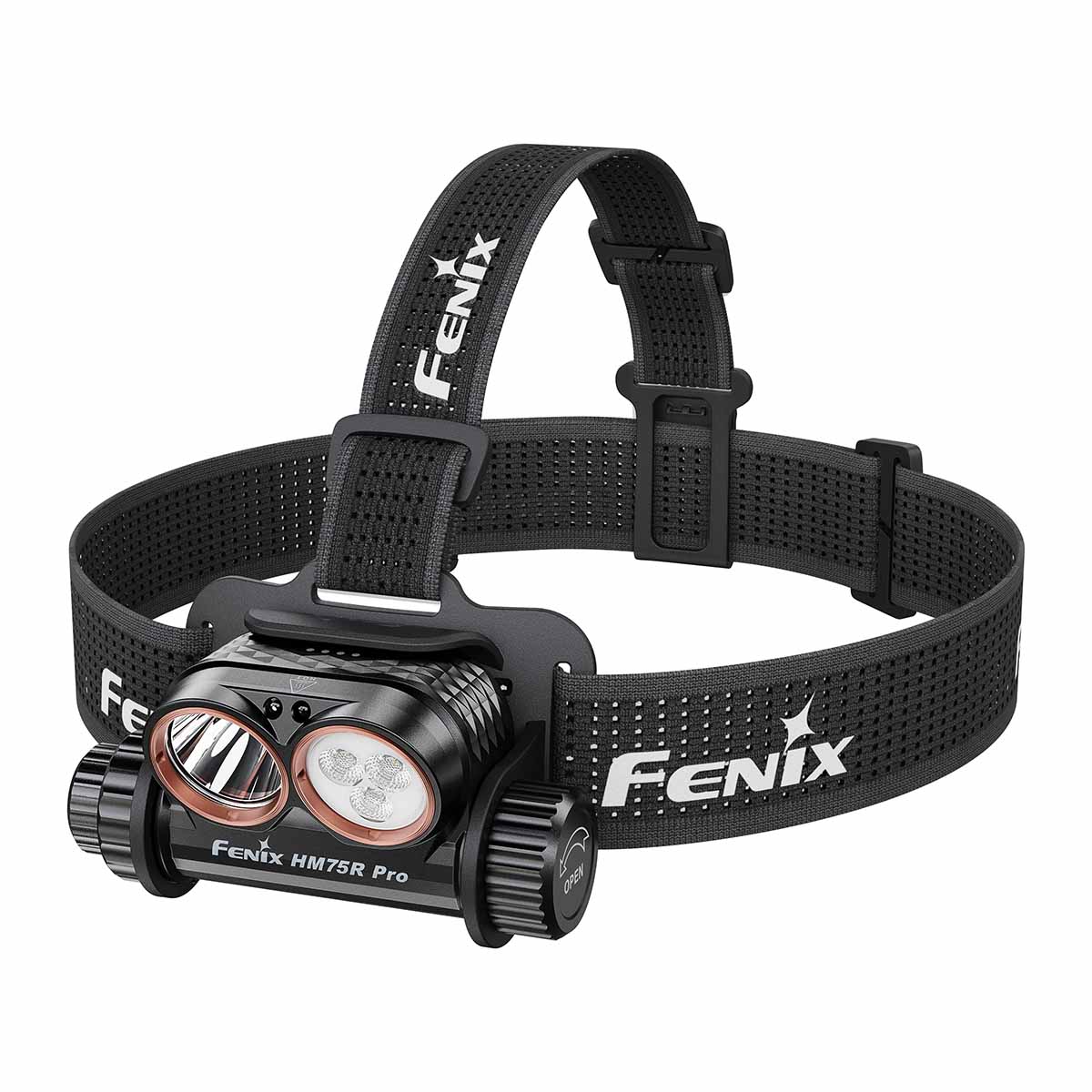
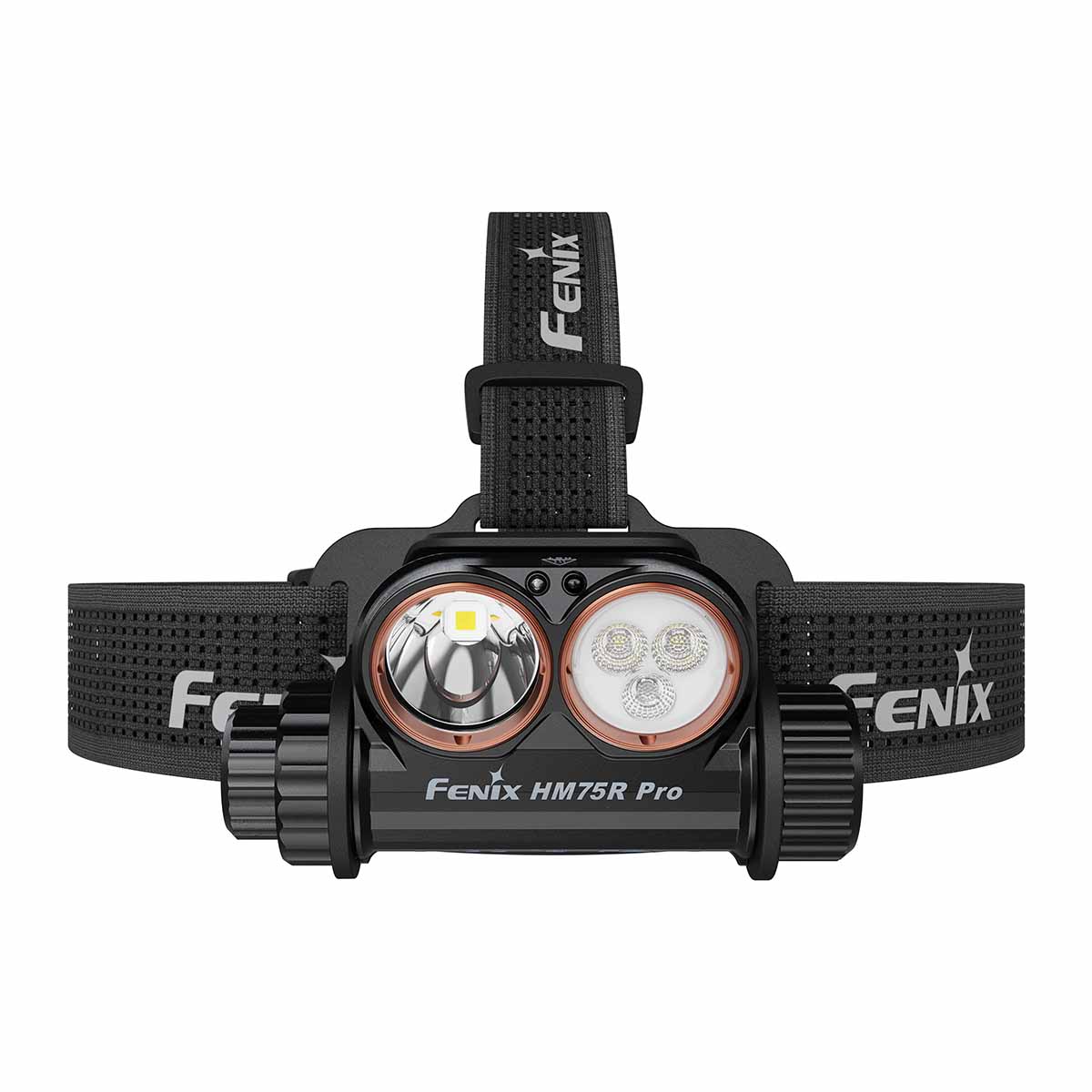
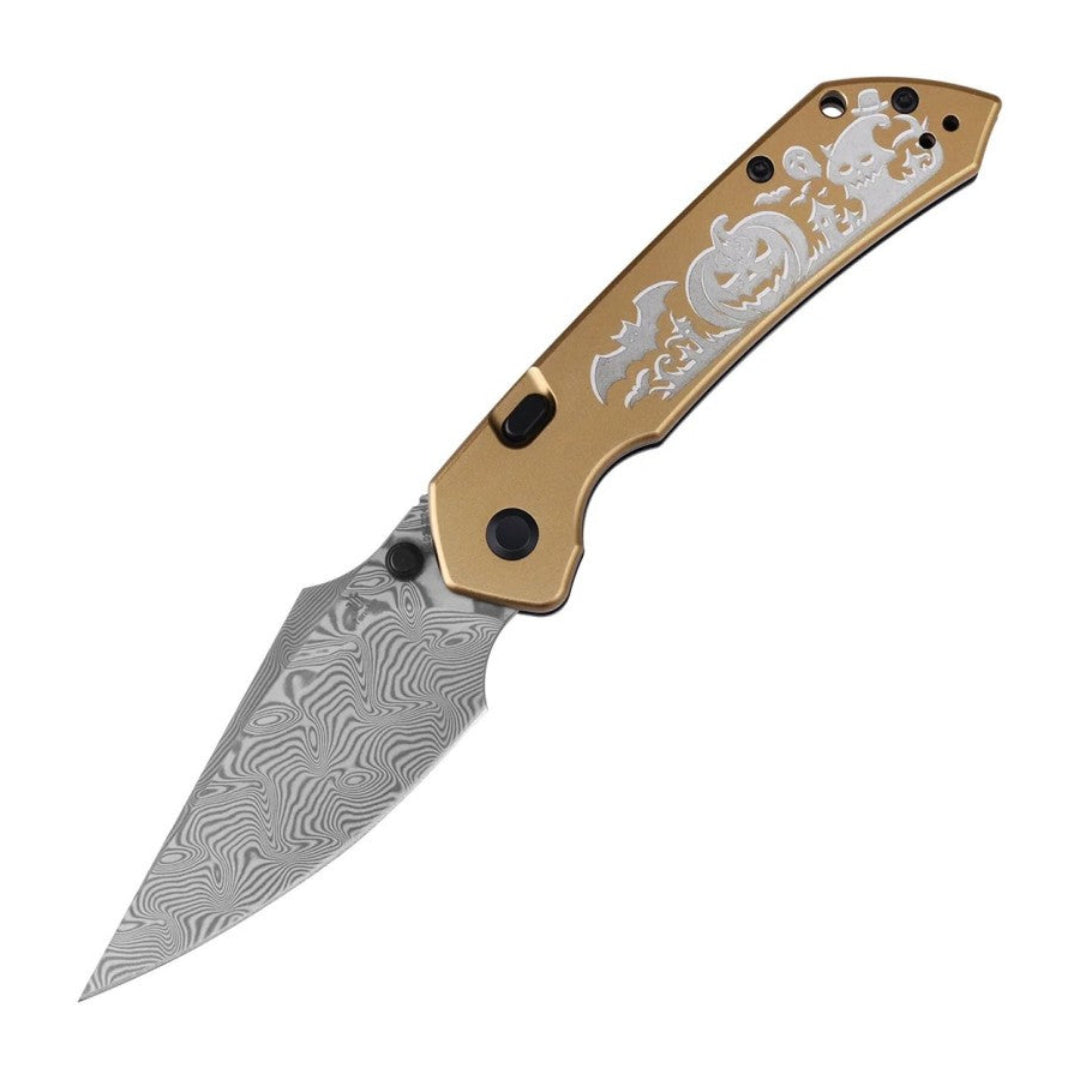
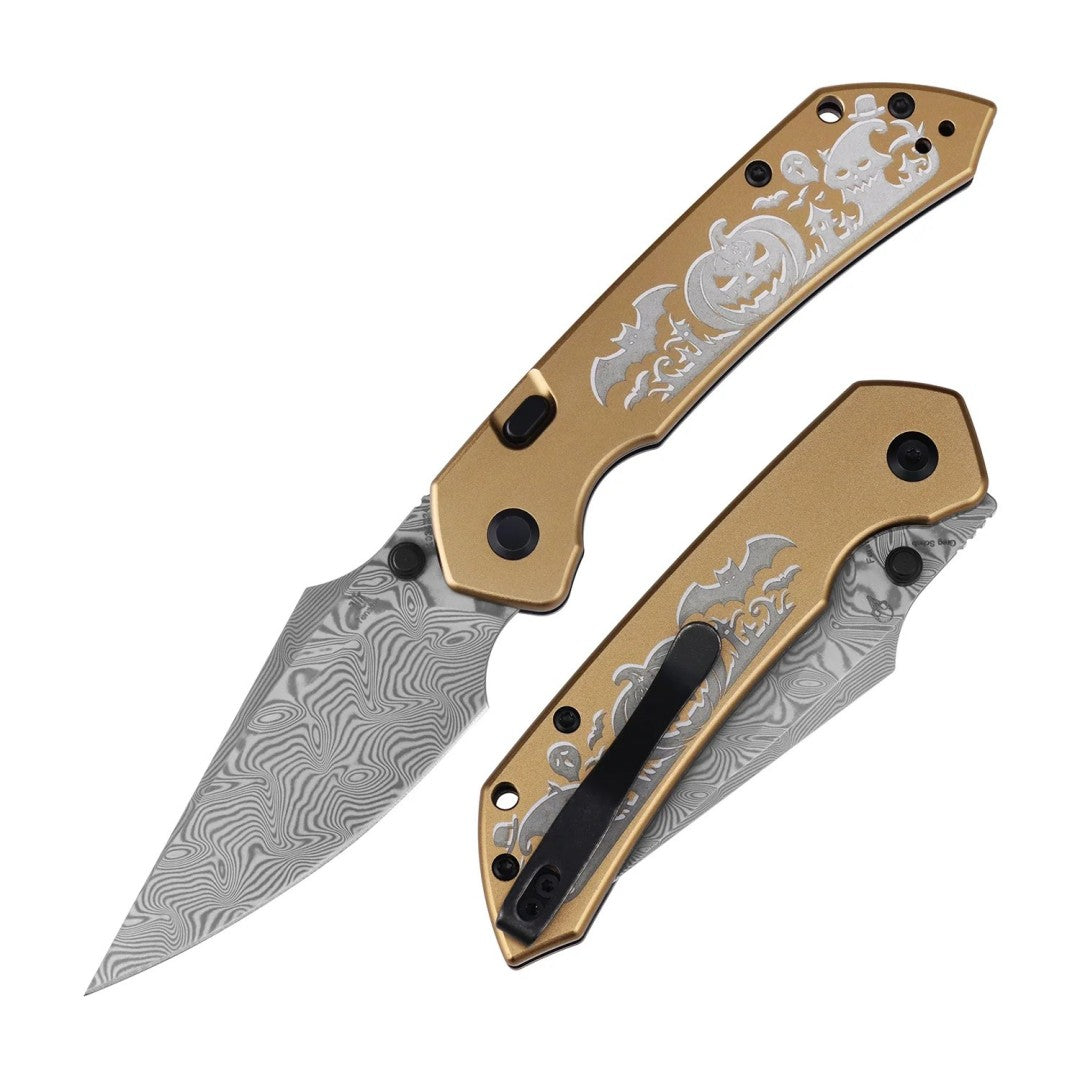
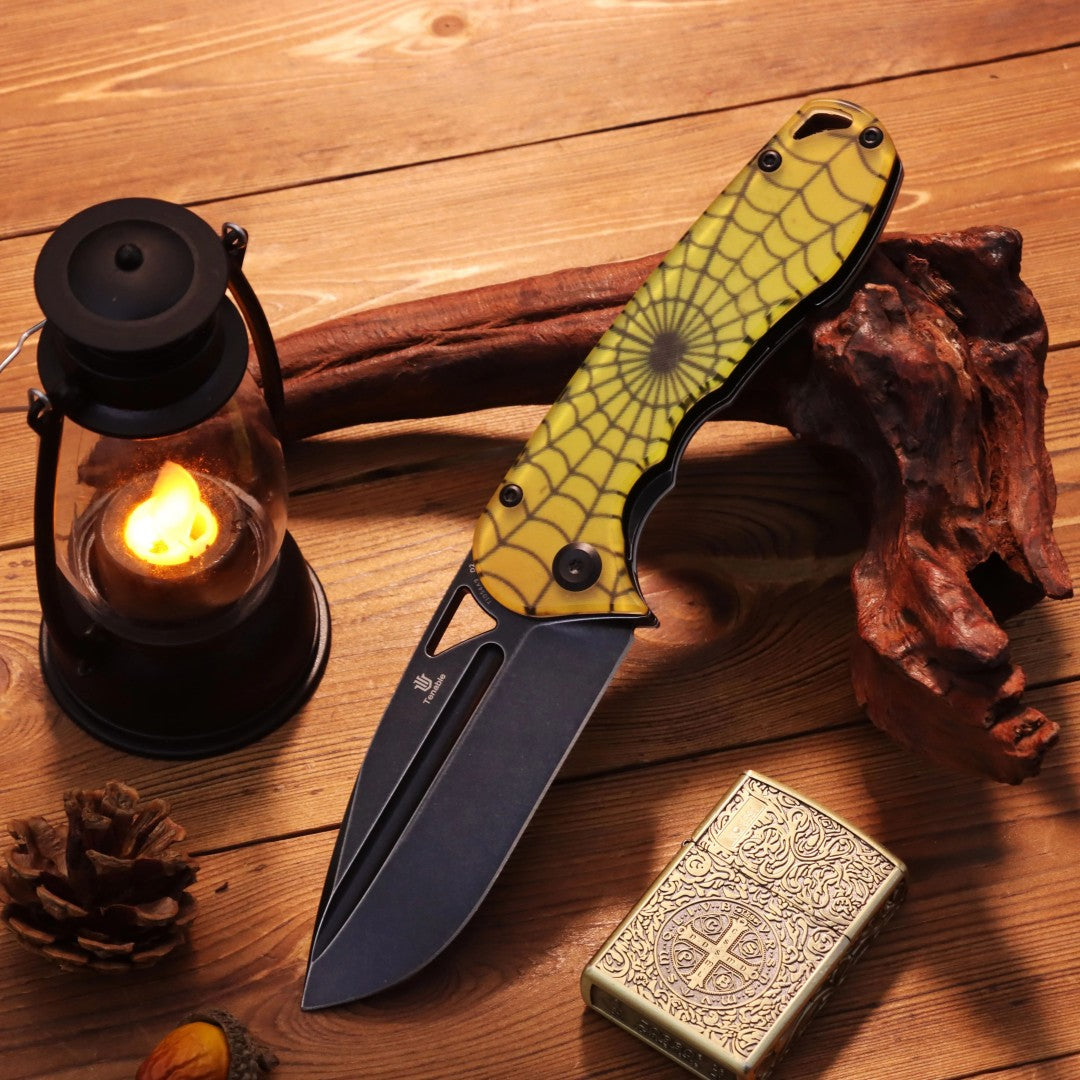
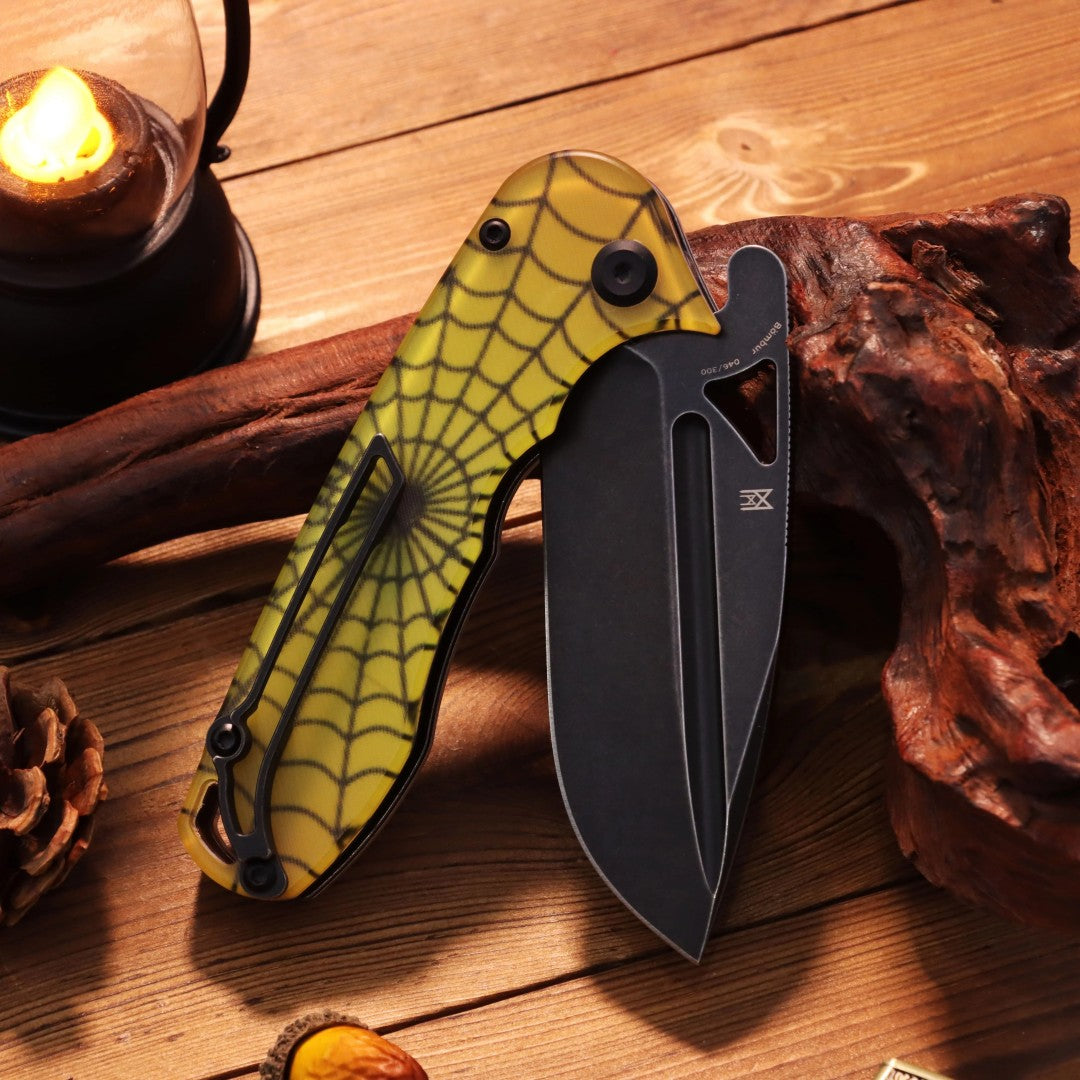
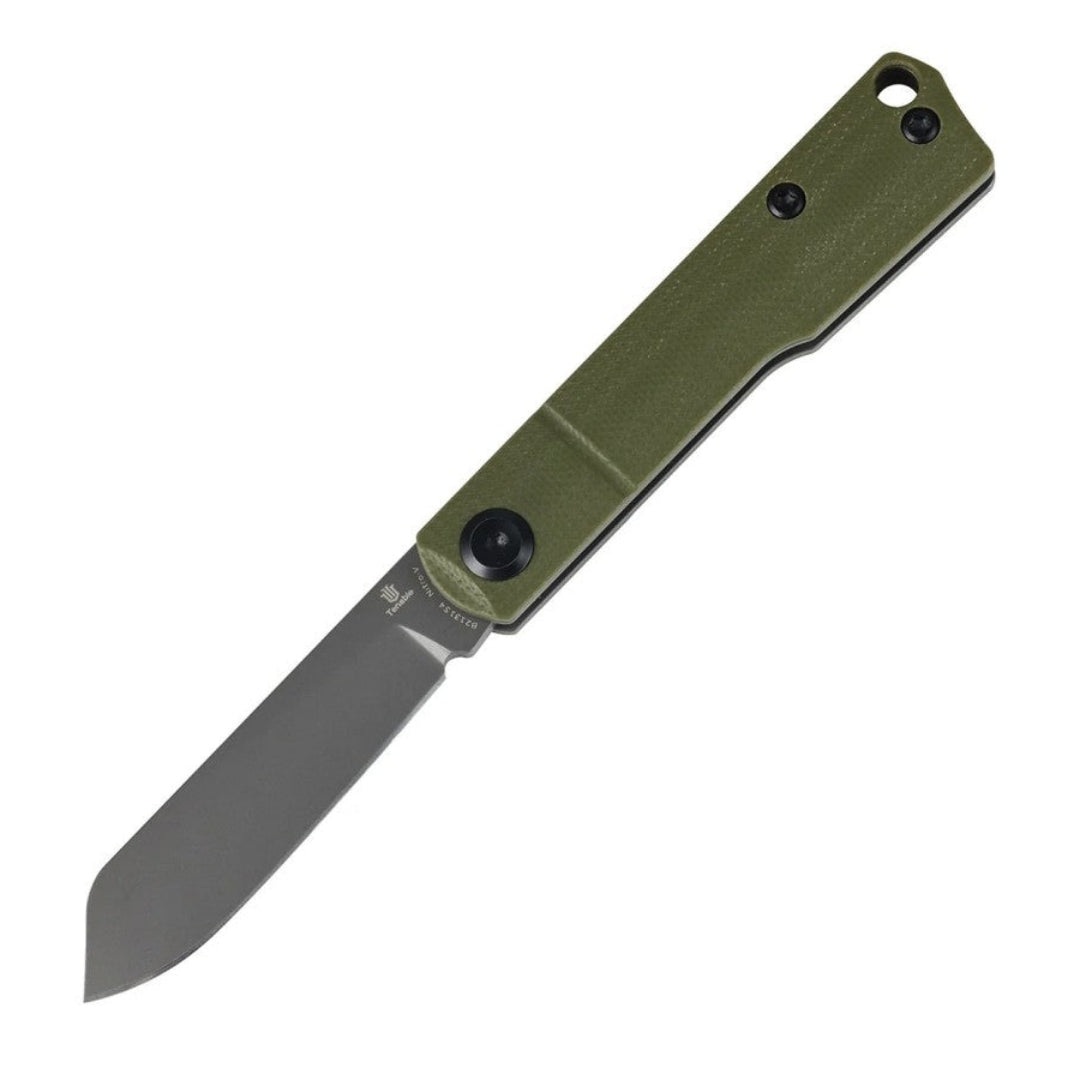
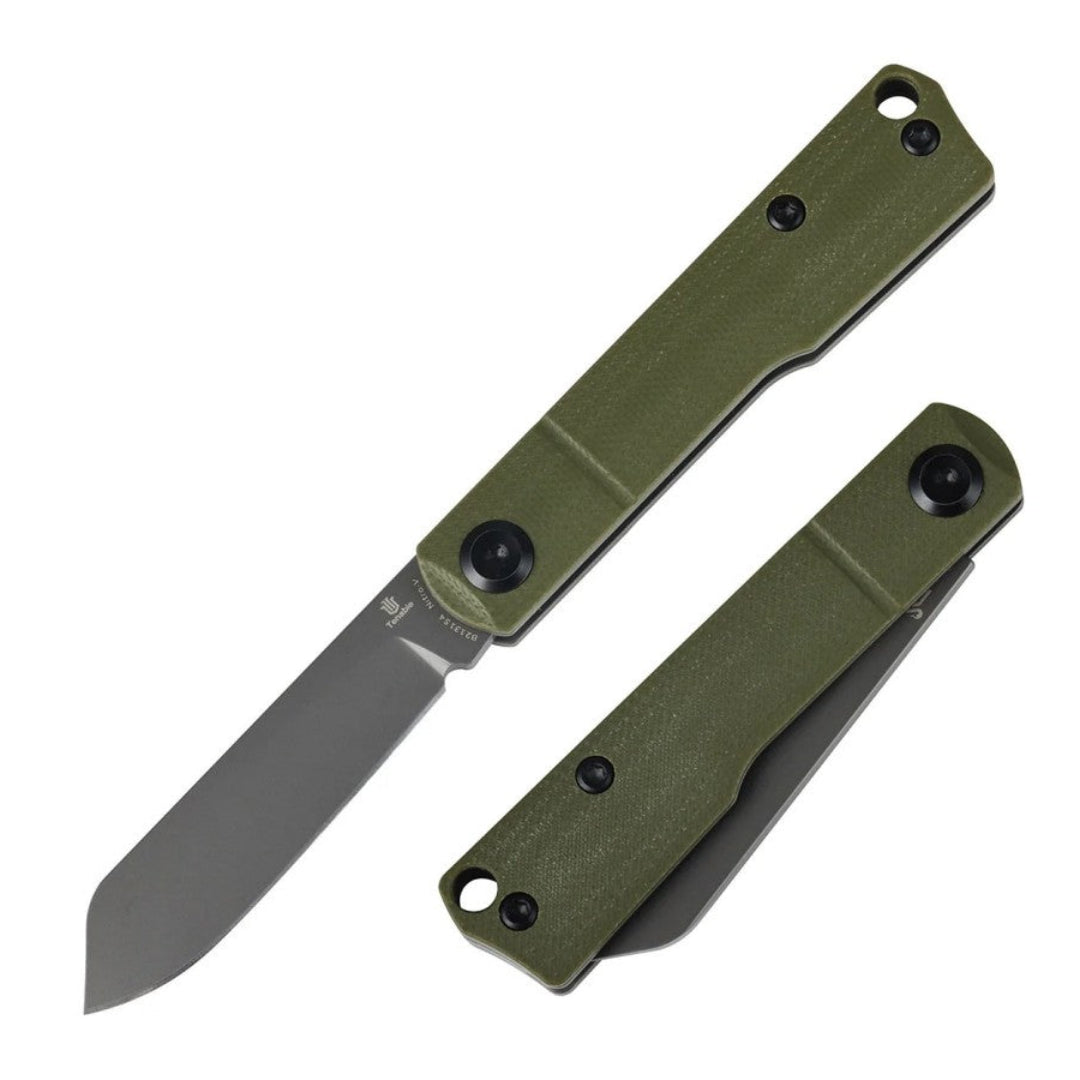
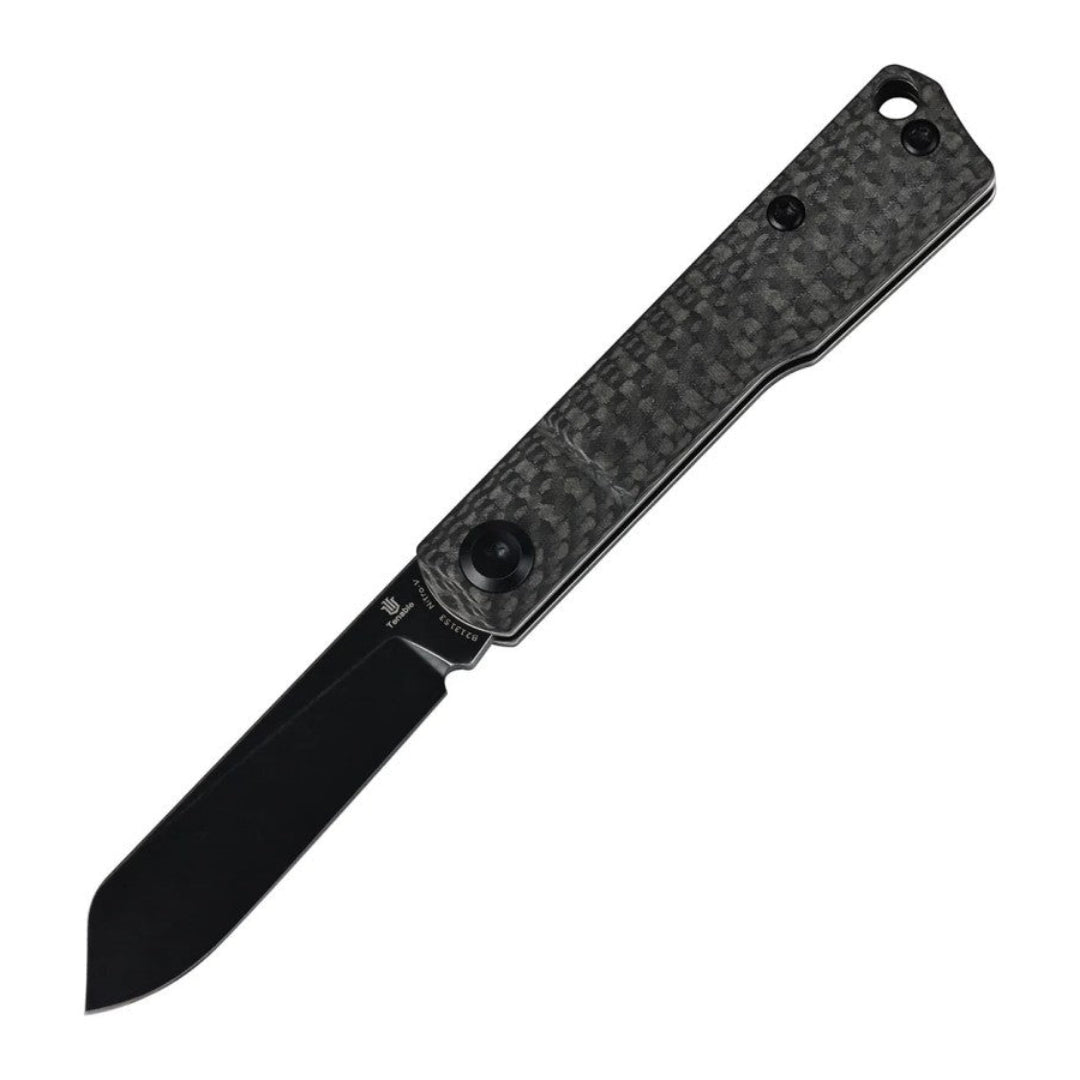
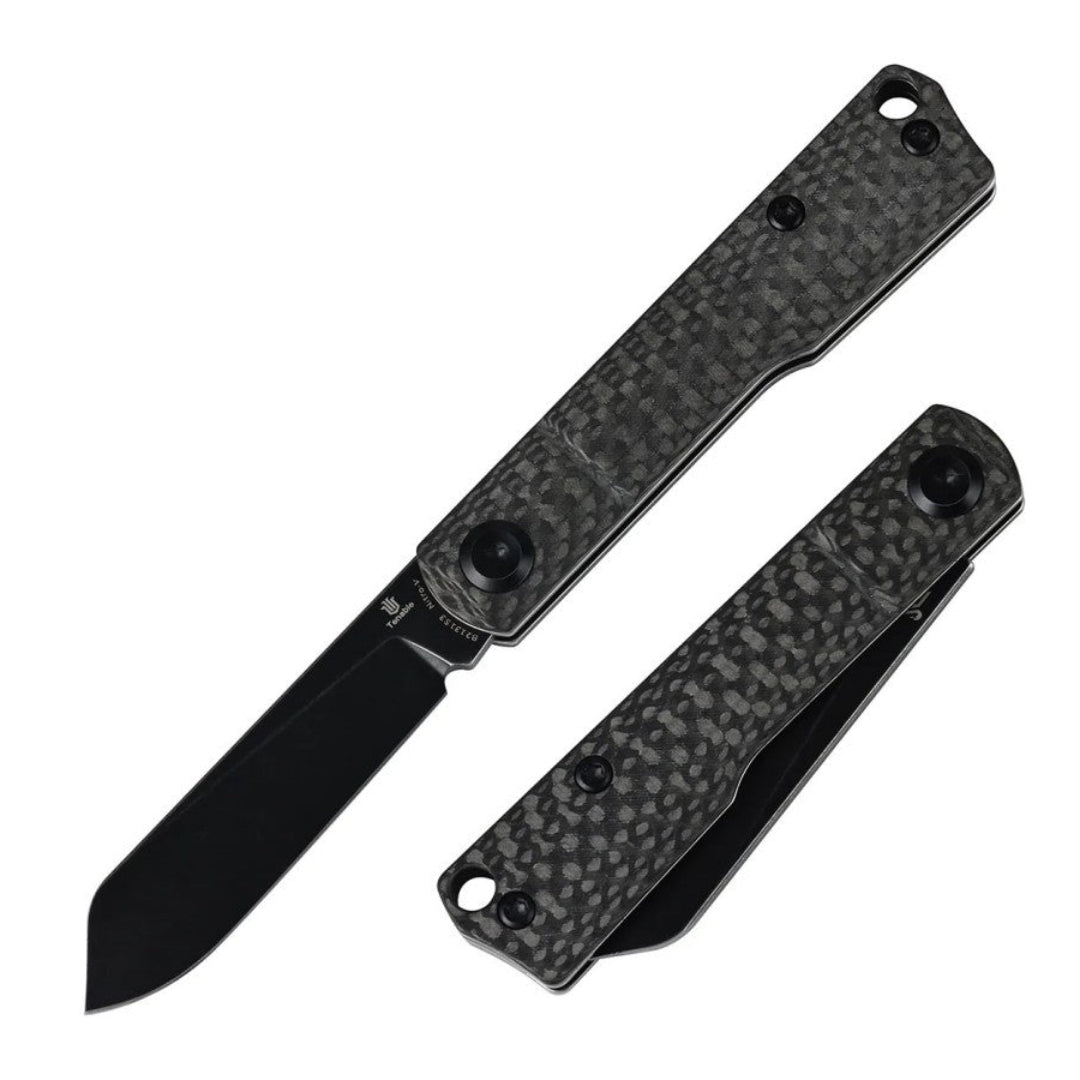
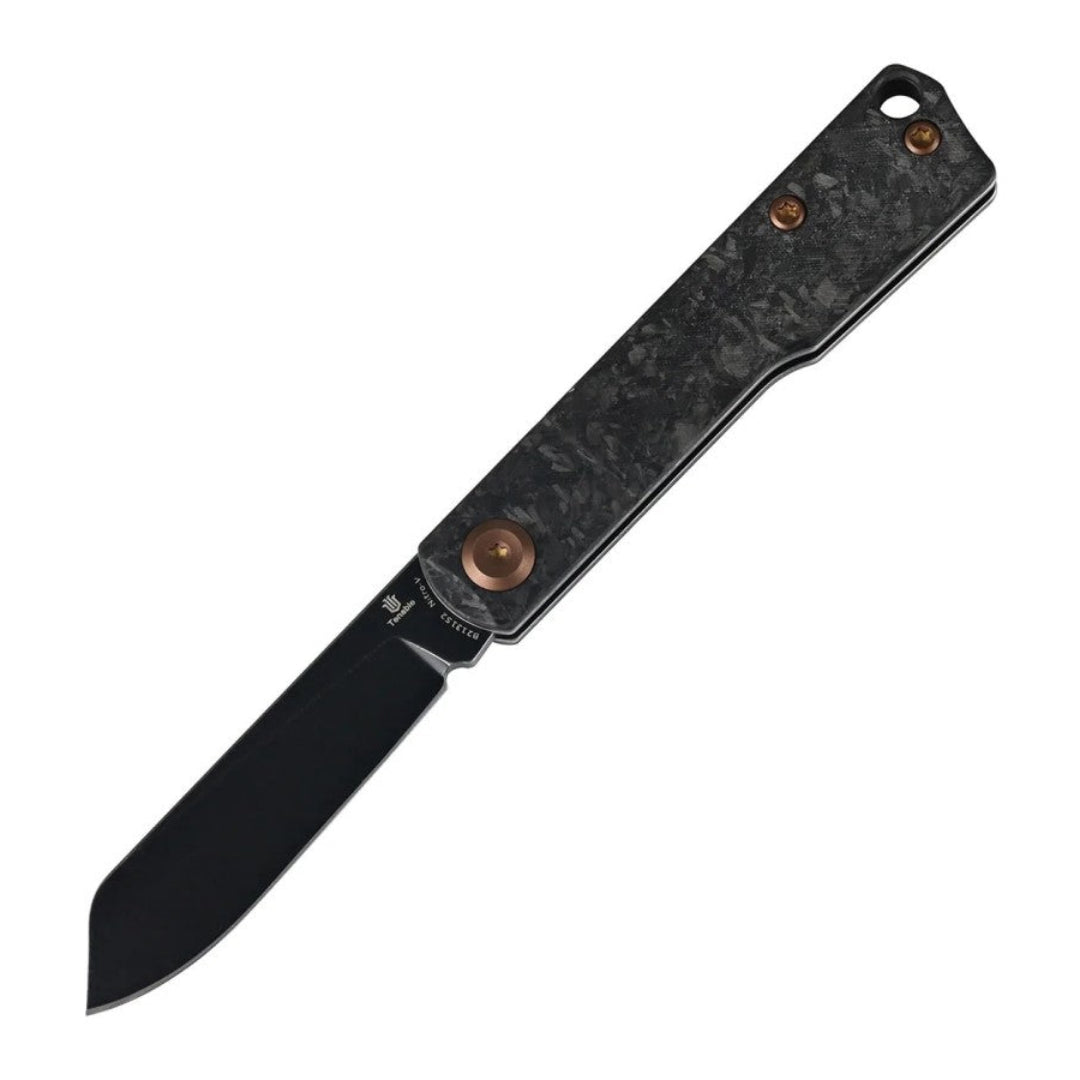
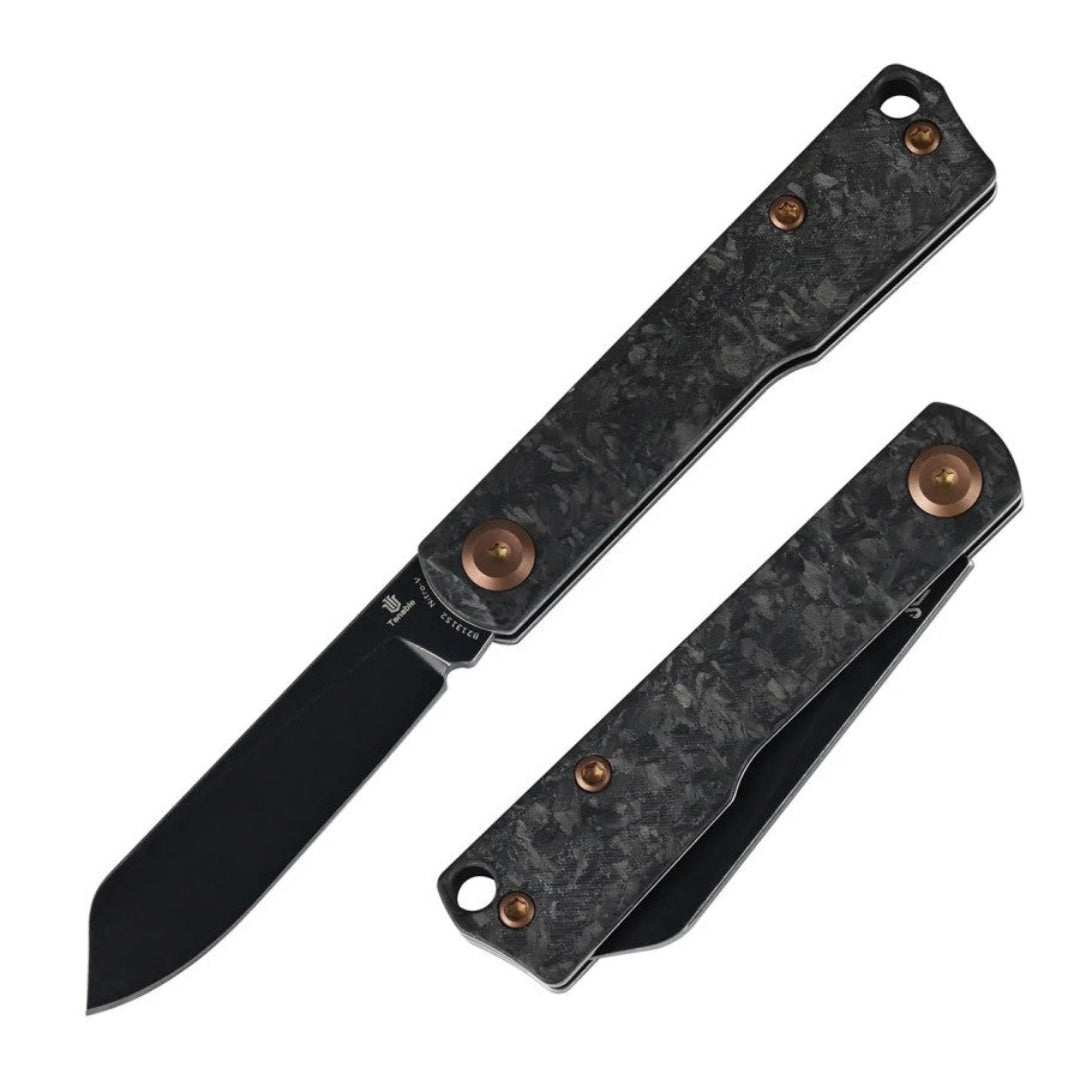
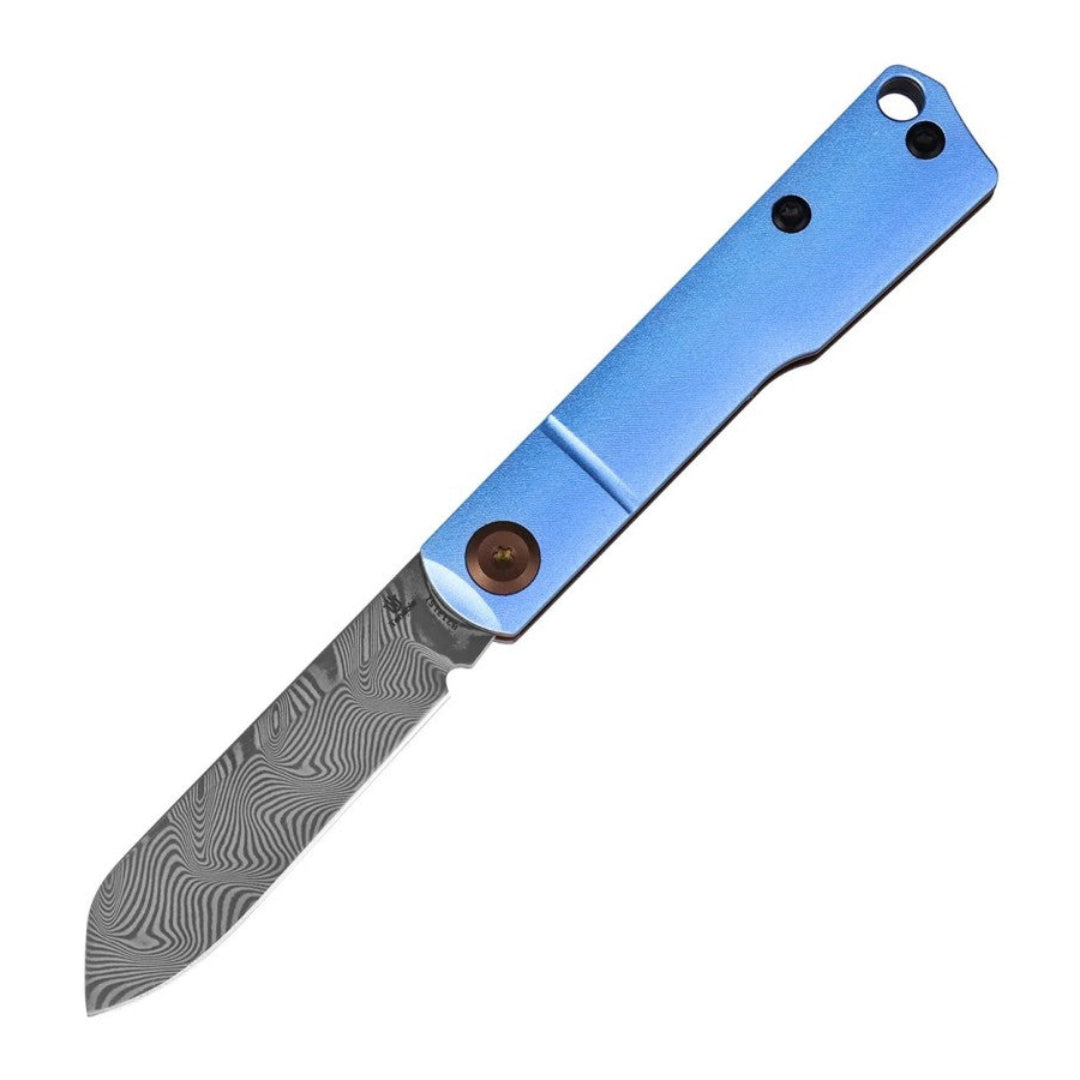
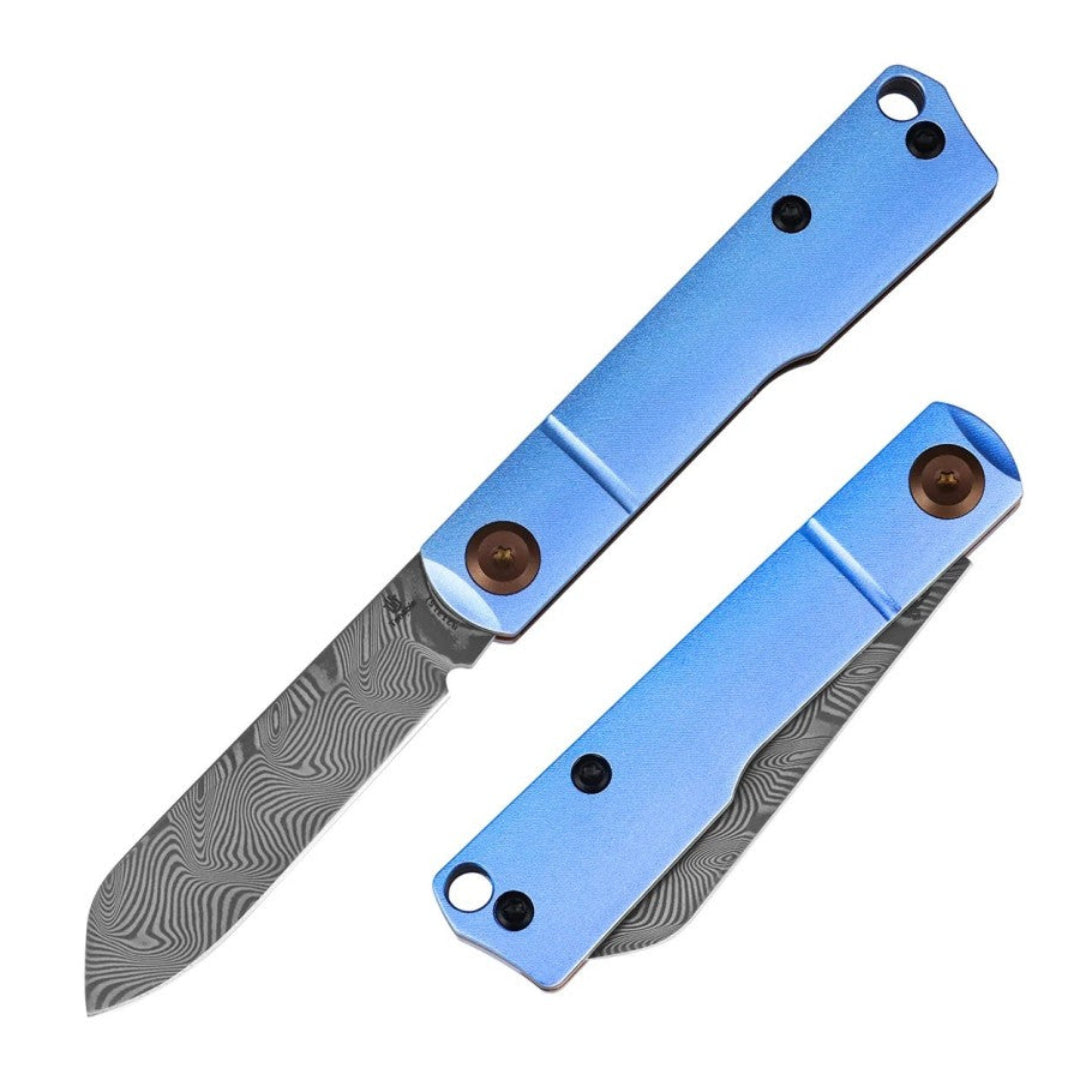
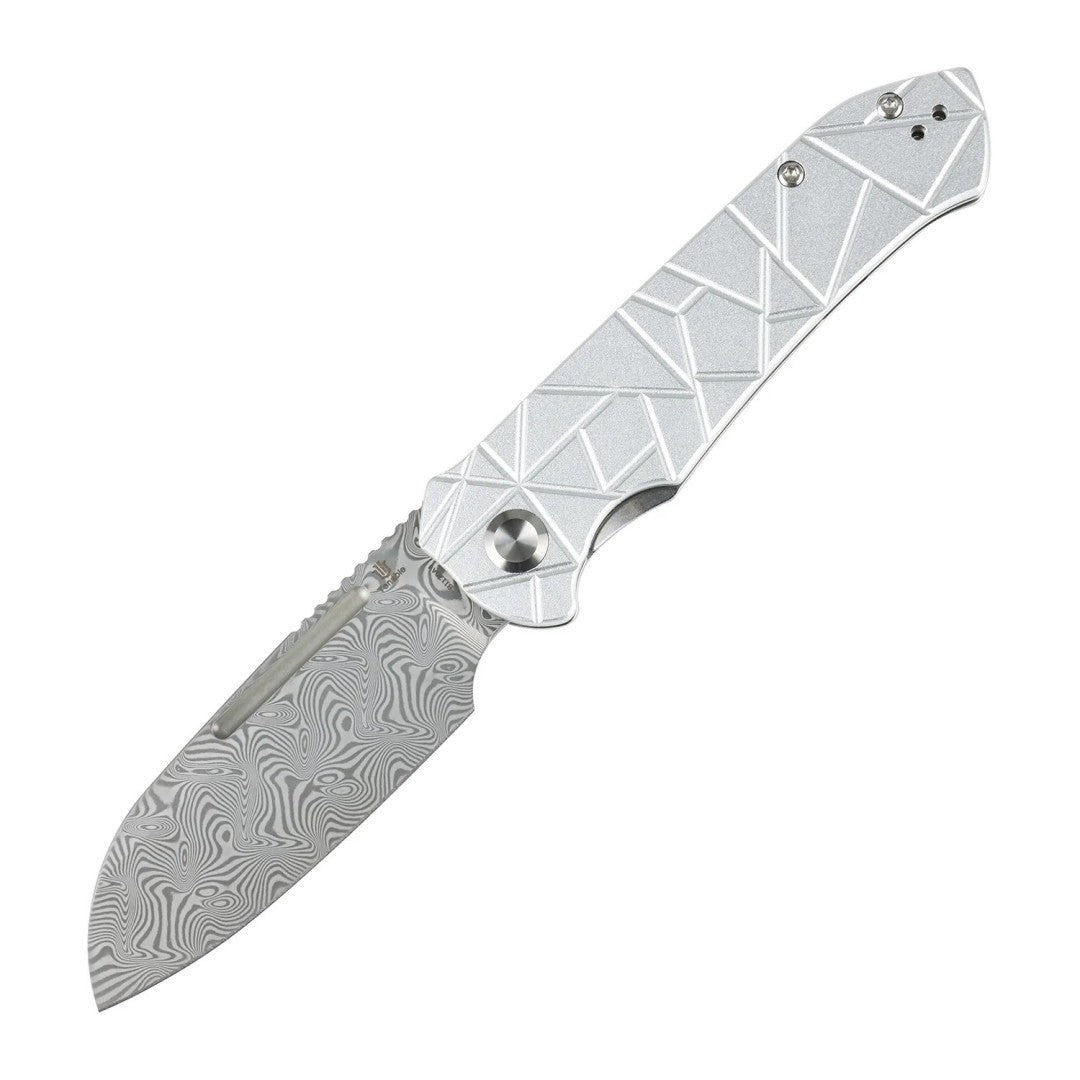
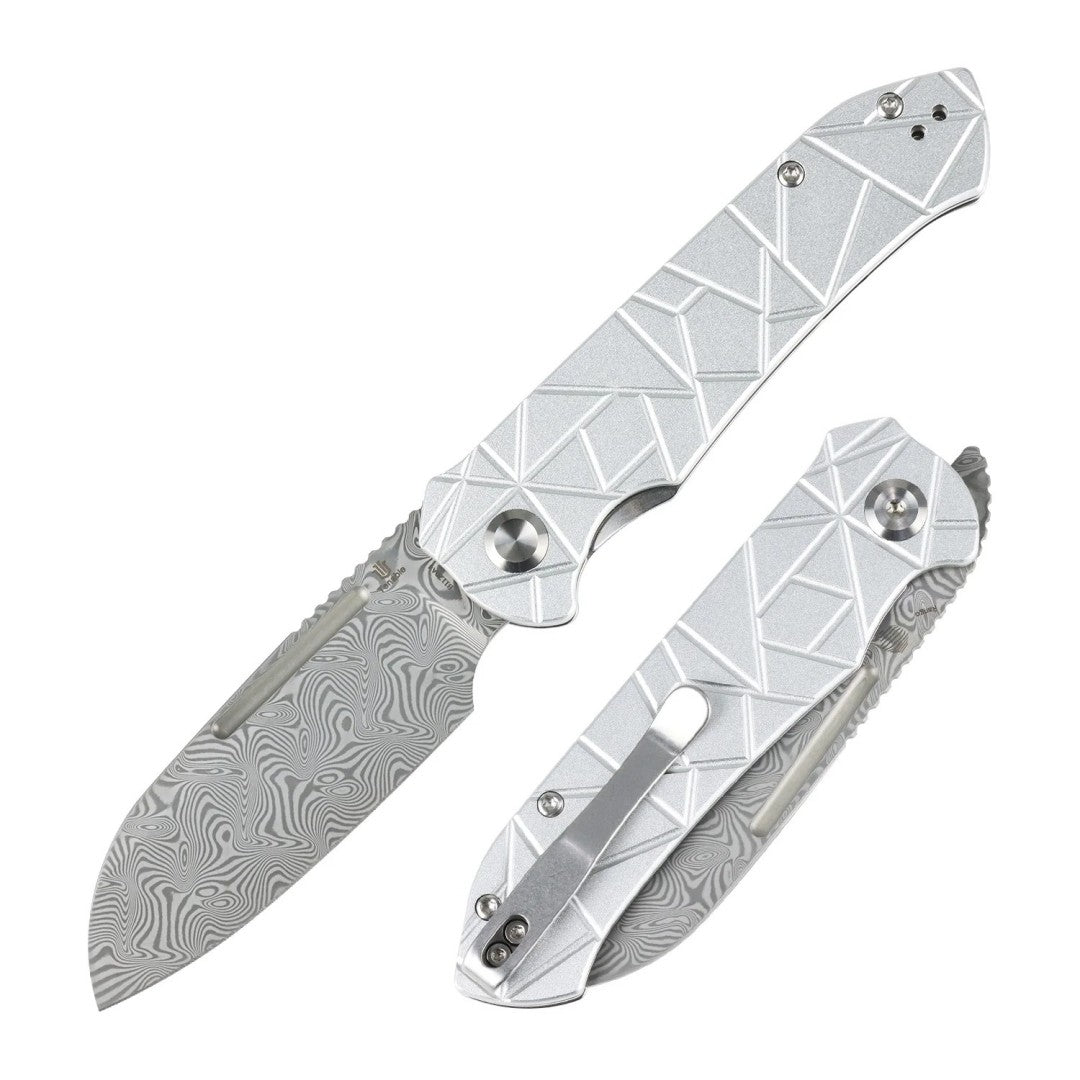
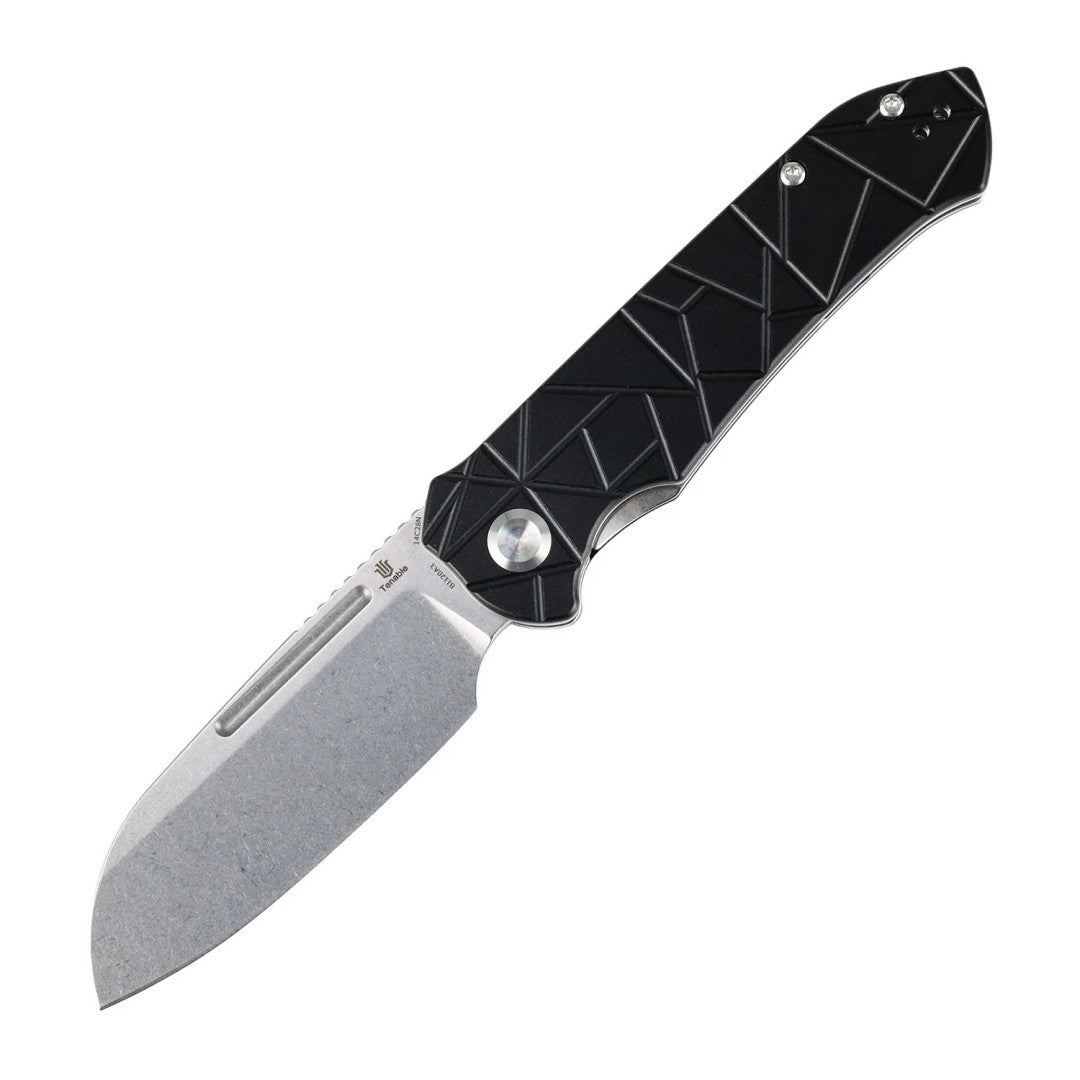
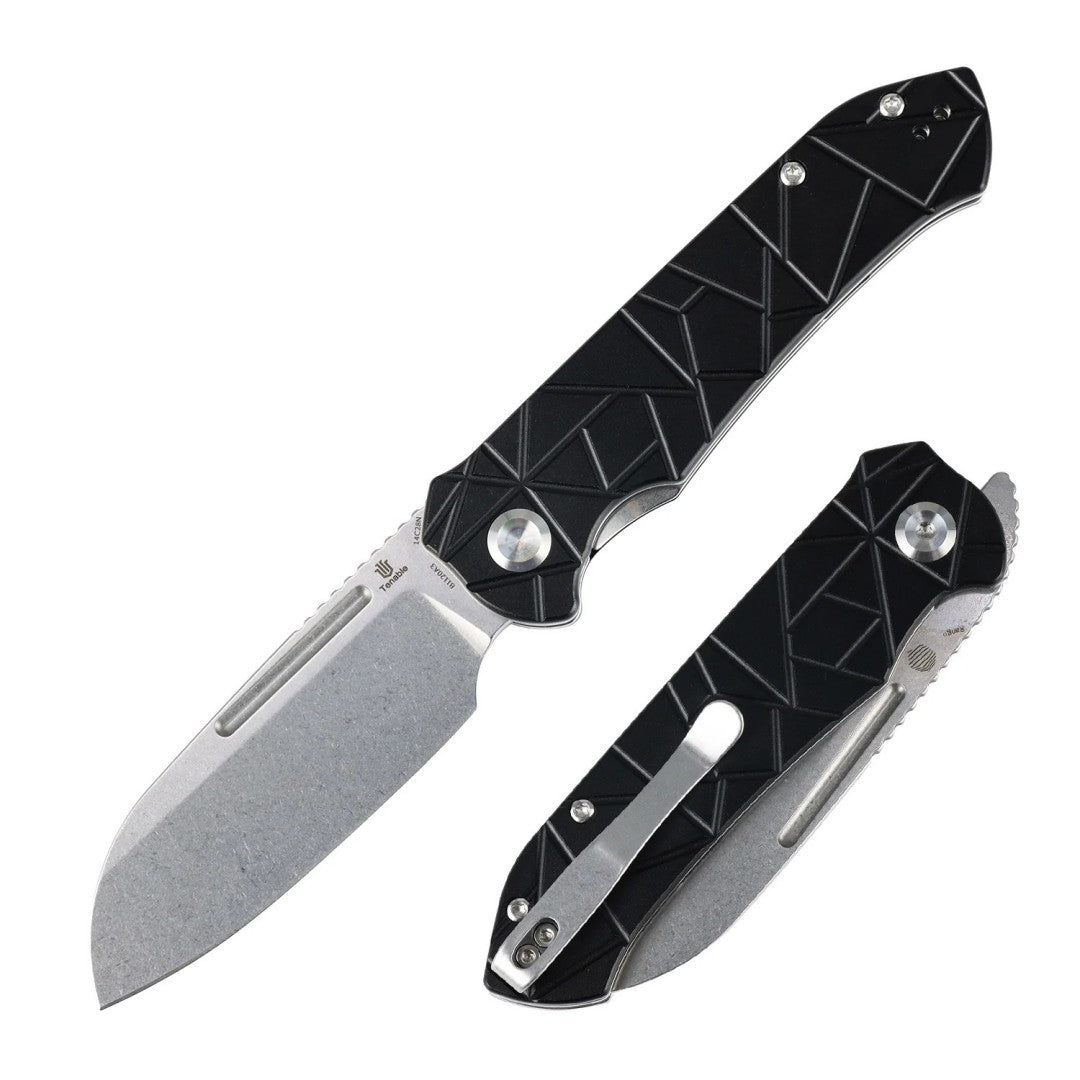
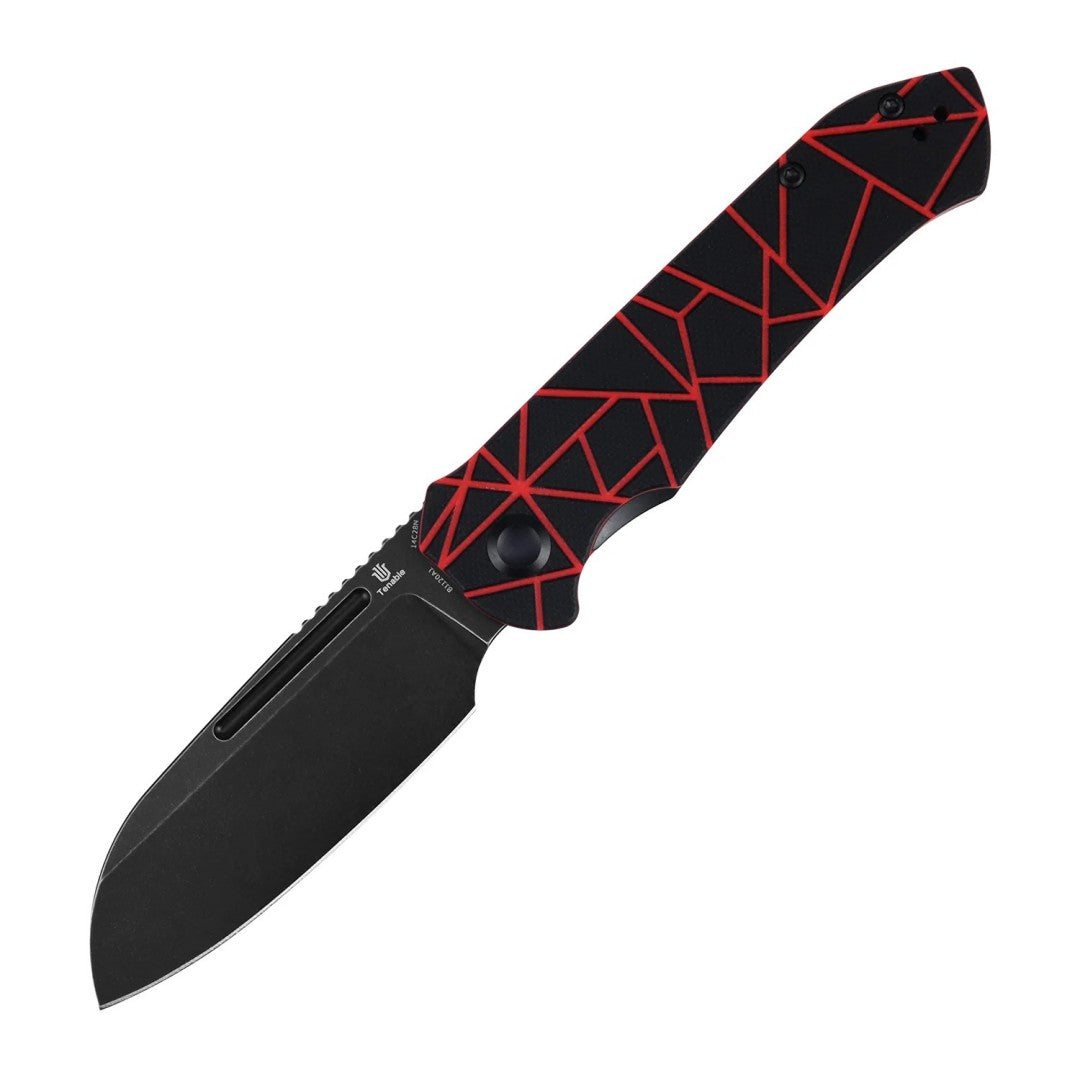
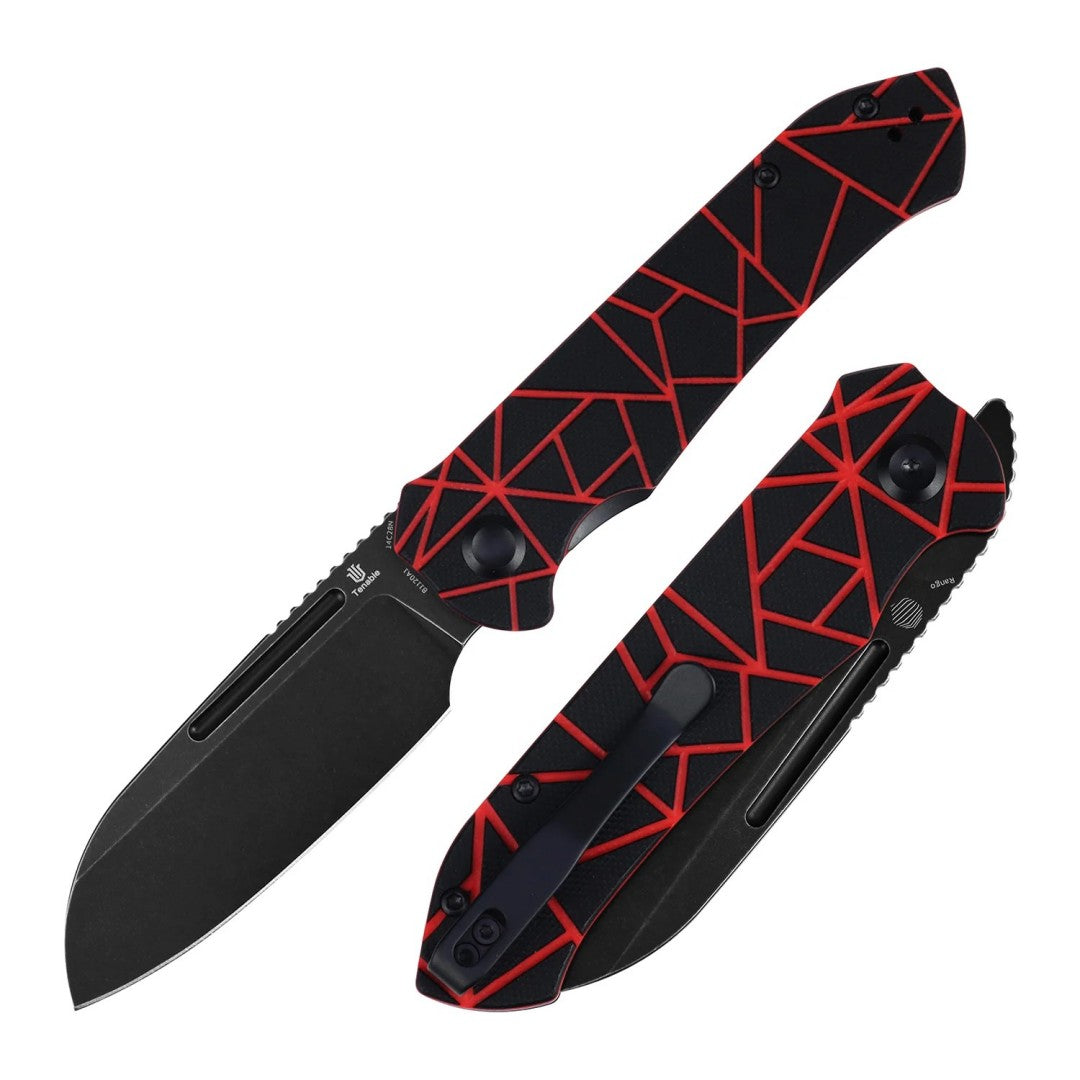
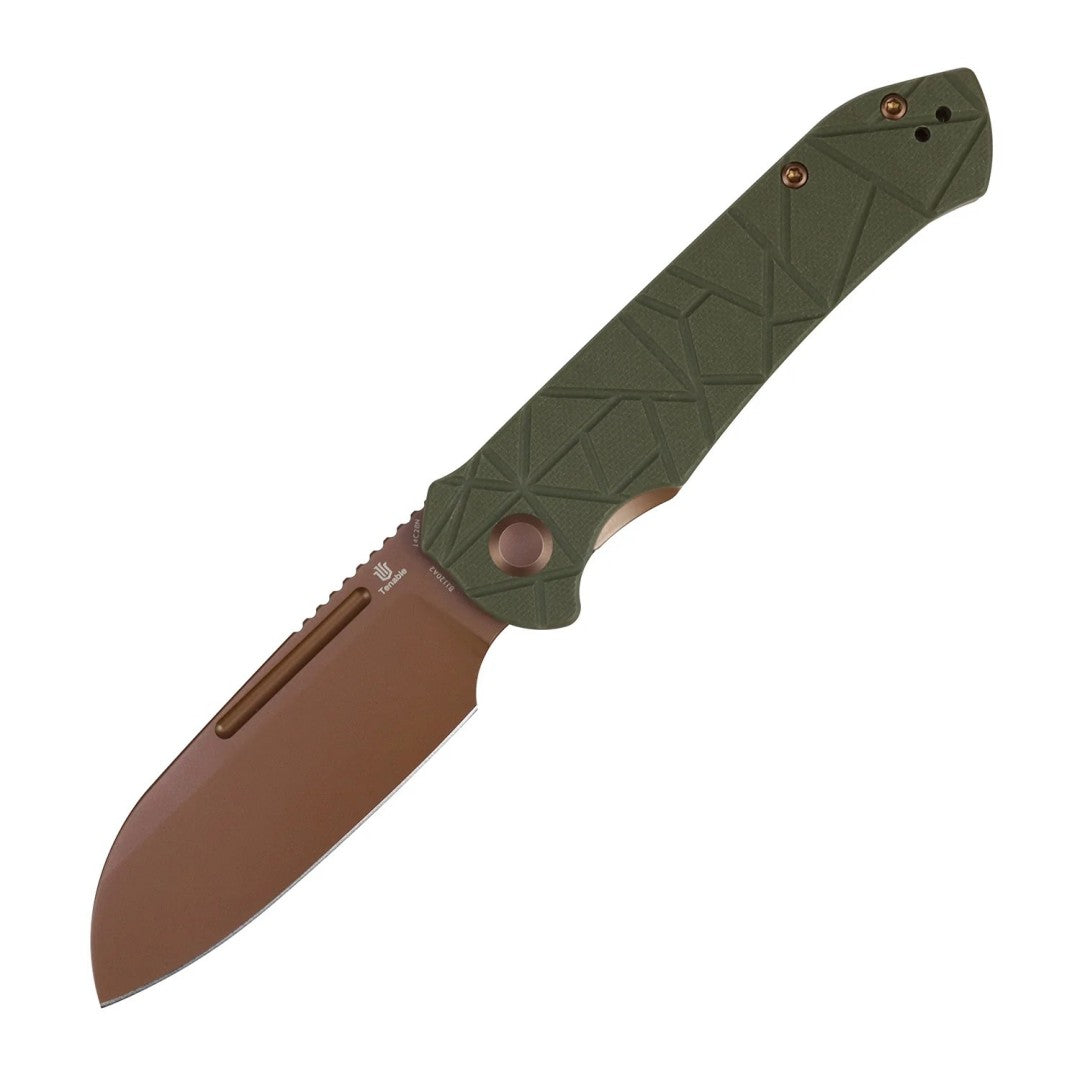
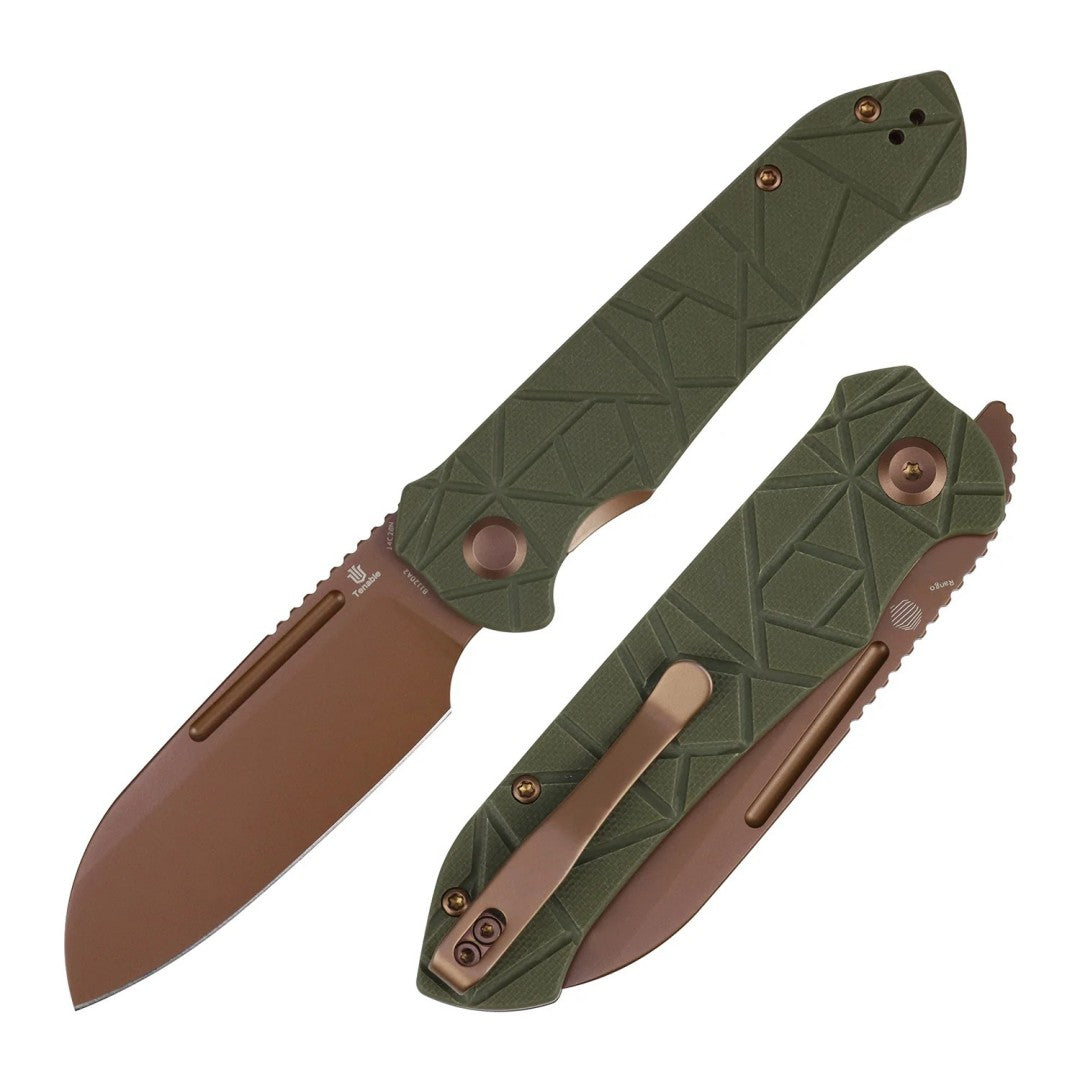
The Fenix HM75R PRO produces up to thirty-five hundred lumens from a dual power design, which means it can run hard when you need to find a trail marker and softly when you need to read a map without blinding yourself. Fenix flashlights are built to be operated with cold, wet hands, and the low modes are genuinely low enough for close map work. A folding knife with a liner lock and a thin blade handles the small tasks that come with fieldwork: trimming cord, opening food, sharpening a pencil for a field note.
Real-World Use
Practice orienteering in daylight first, then at dusk, then after dark. The dark version is where a headlamp stops being a convenience and starts being a safety device, because being able to see your compass bearing without releasing your hands is what keeps you on line. Carry a whistle, learn the terrain association trick of matching contour shapes to ground features, and always tell someone your route. Skills degrade, so run the loop once a season and keep the map folded to the right square.

Ownership Notes
One habit worth building is writing a simple route card before you leave: bearing, distance, expected time, and the two escape points you would use if the weather turned. It takes four minutes and it turns a wandering walk into a plan. Pair the route card with a folding knife and a compact light in a jacket pocket so the essentials are on your person rather than in the pack you might have to put down. Paper survives water better than phones survive cold. Anyone building a light-and-tool setup around EDC knives, folding knives and a reliable EDC flashlight will find that combination covers almost everything a night in unfamiliar terrain can throw at them.
Who Is This For?
This matters most for hikers, hunters, anglers, search volunteers and anyone who walks terrain without a reliable signal. If you only ever walk marked urban trails, the skills are optional and the headlamp alone is enough. If you go anywhere the trail markings thin out, orienteering is the cheapest safety upgrade you can buy.
Final Verdict
A compass costs less than a coffee and answers a question your phone cannot when the battery is gone. Learn orienteering once and the skill travels with you into every other outdoor pursuit. Add a headlamp that runs at both ends of its output range and a thin liner lock folder, and you have a complete navigation kit that will outlast a dozen phone upgrades.