
Overview & First Impressions
Product pages throw around anatomy terms as if everyone grew up in a blade shop, and most buying mistakes trace straight back to words the buyer did not know. Three of the least explained are the pommel, the plunge line and the compound grind. None of them is exotic; all three change how a knife cuts, carries and wears. Ten minutes spent here saves more returns than any amount of specification scrolling.
Materials & Construction
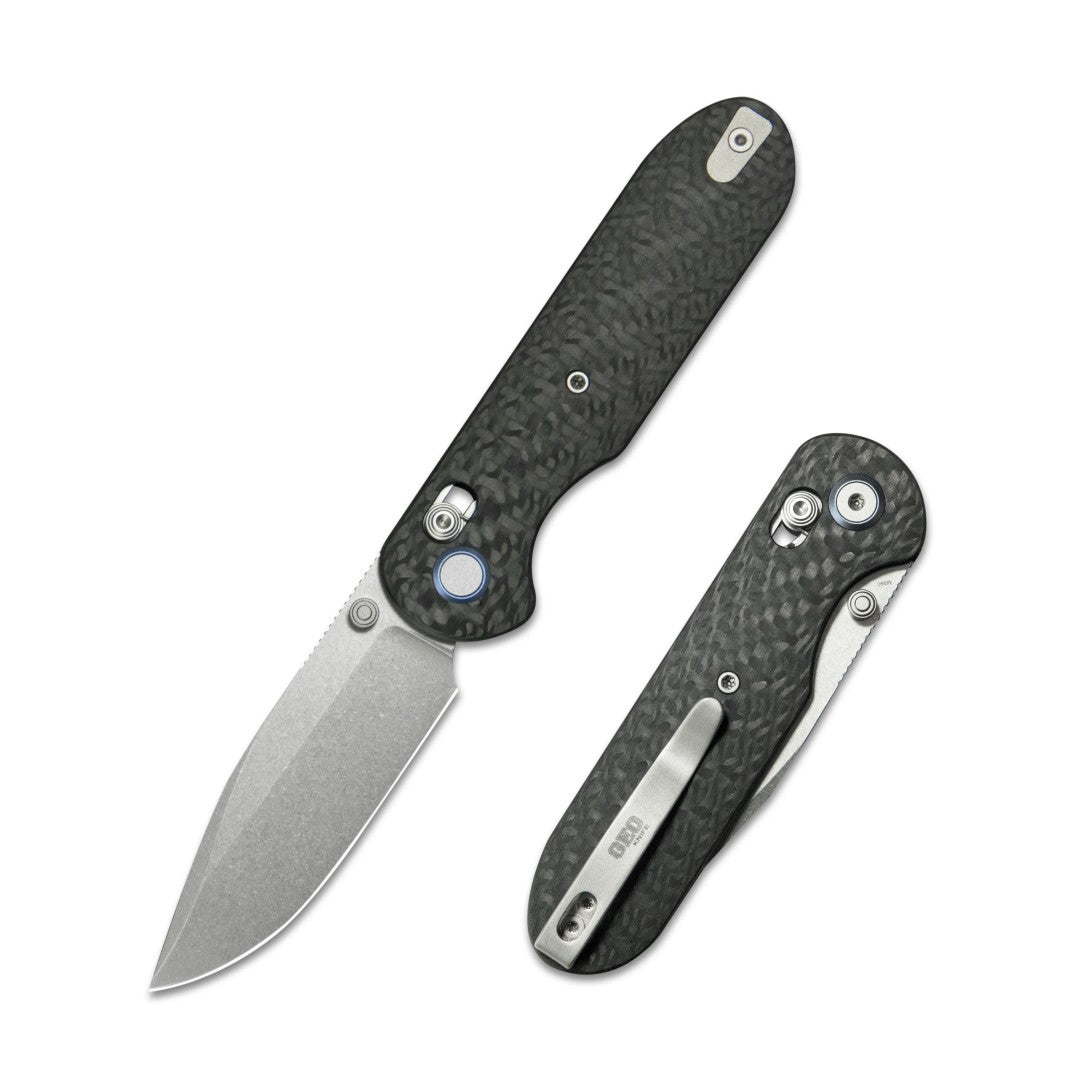
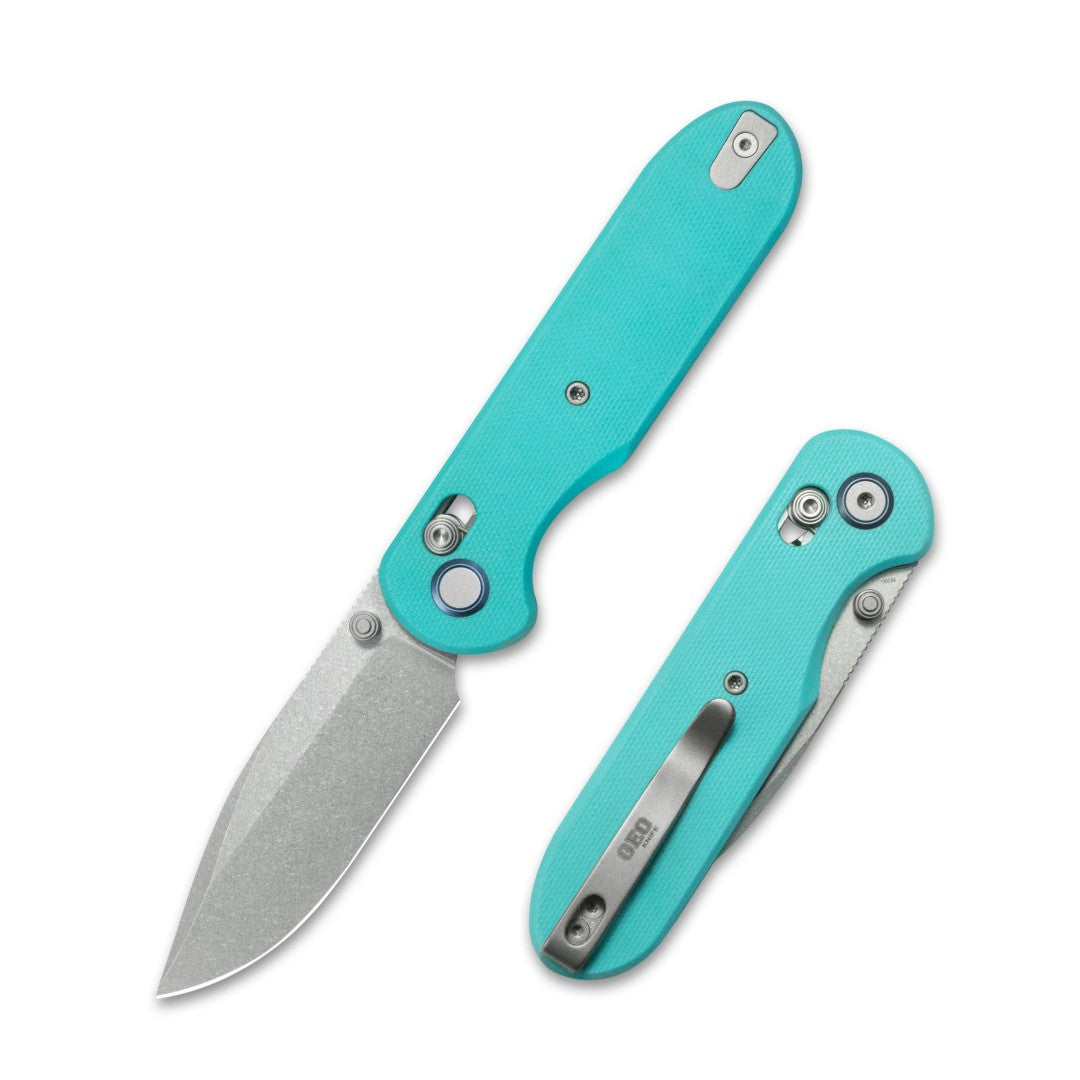
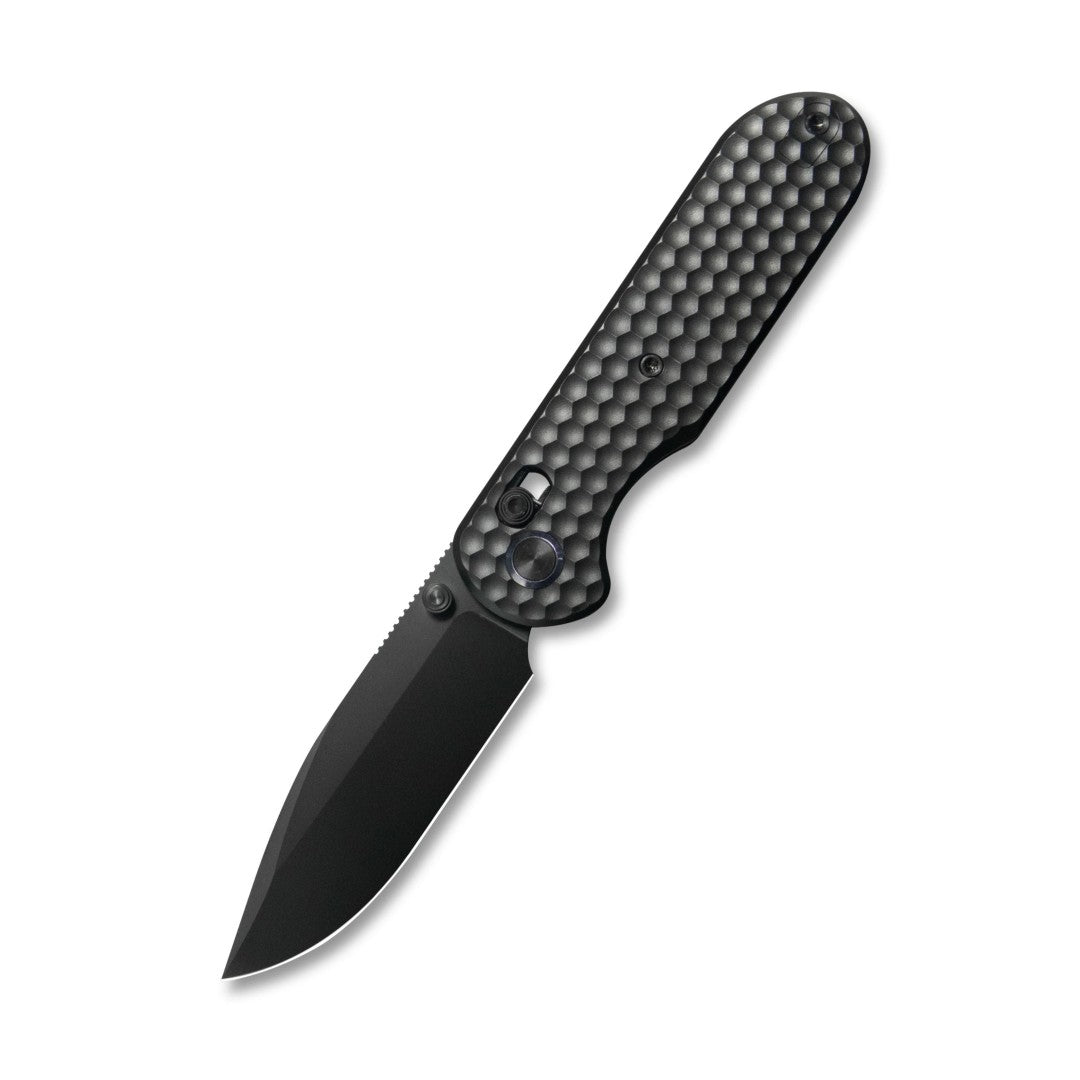
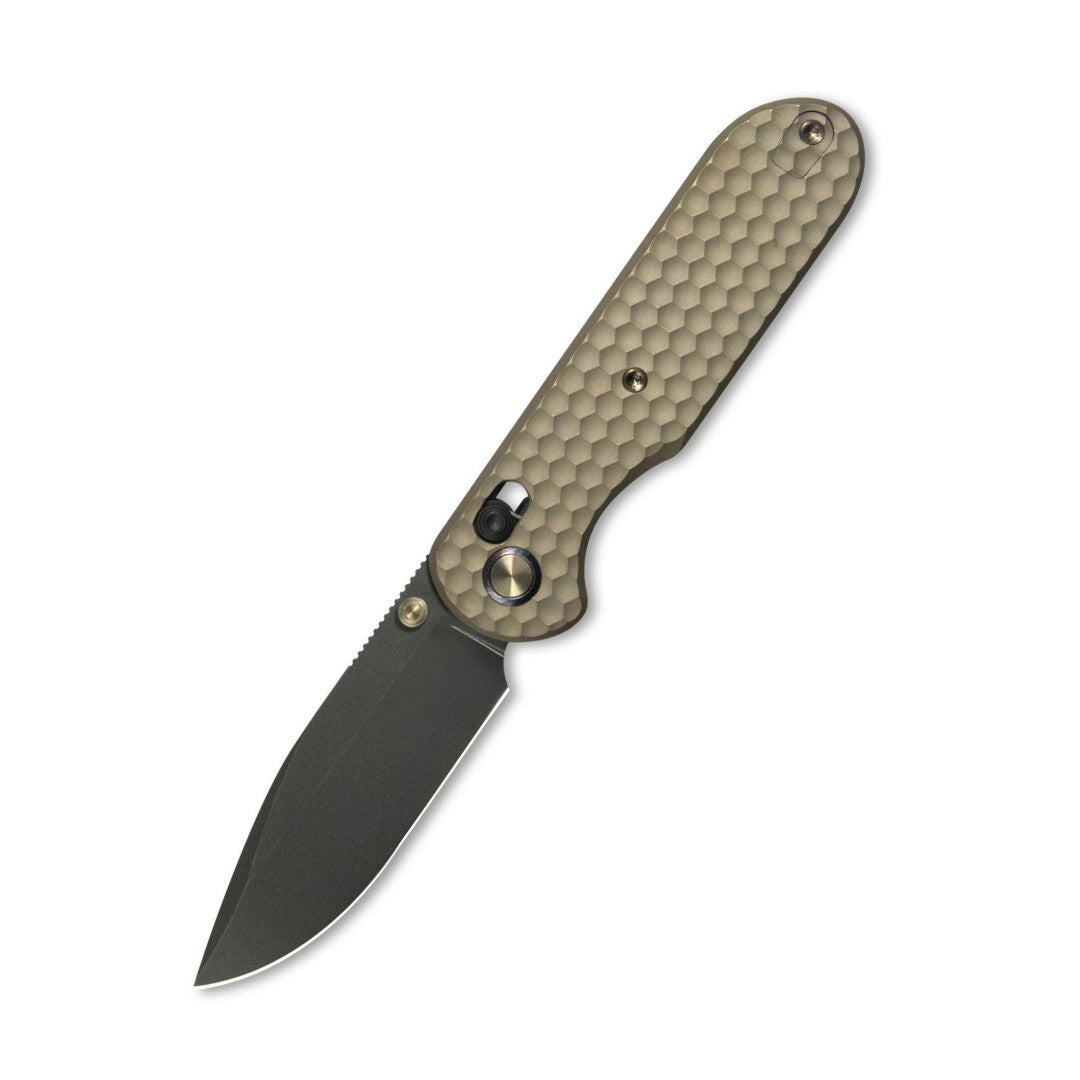
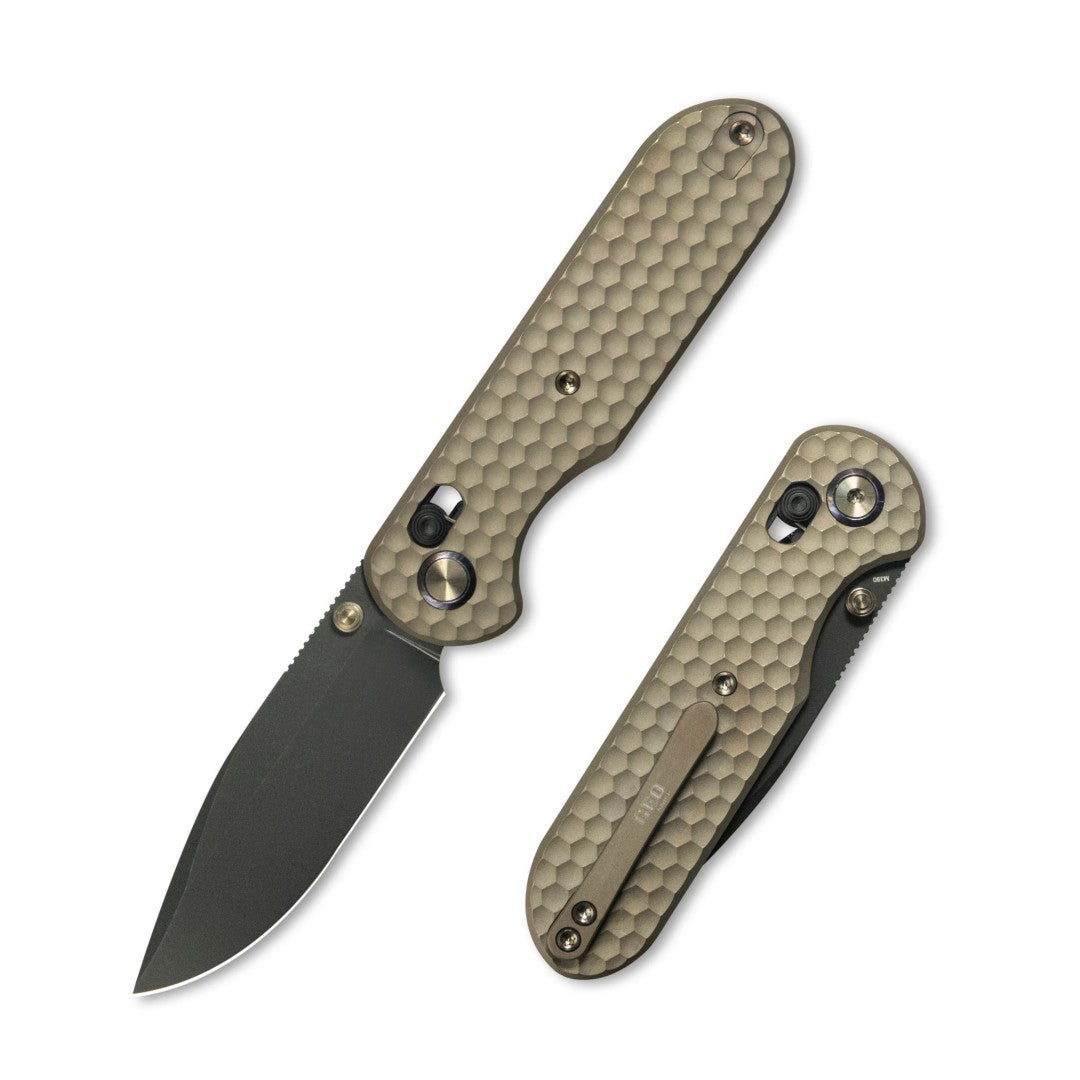
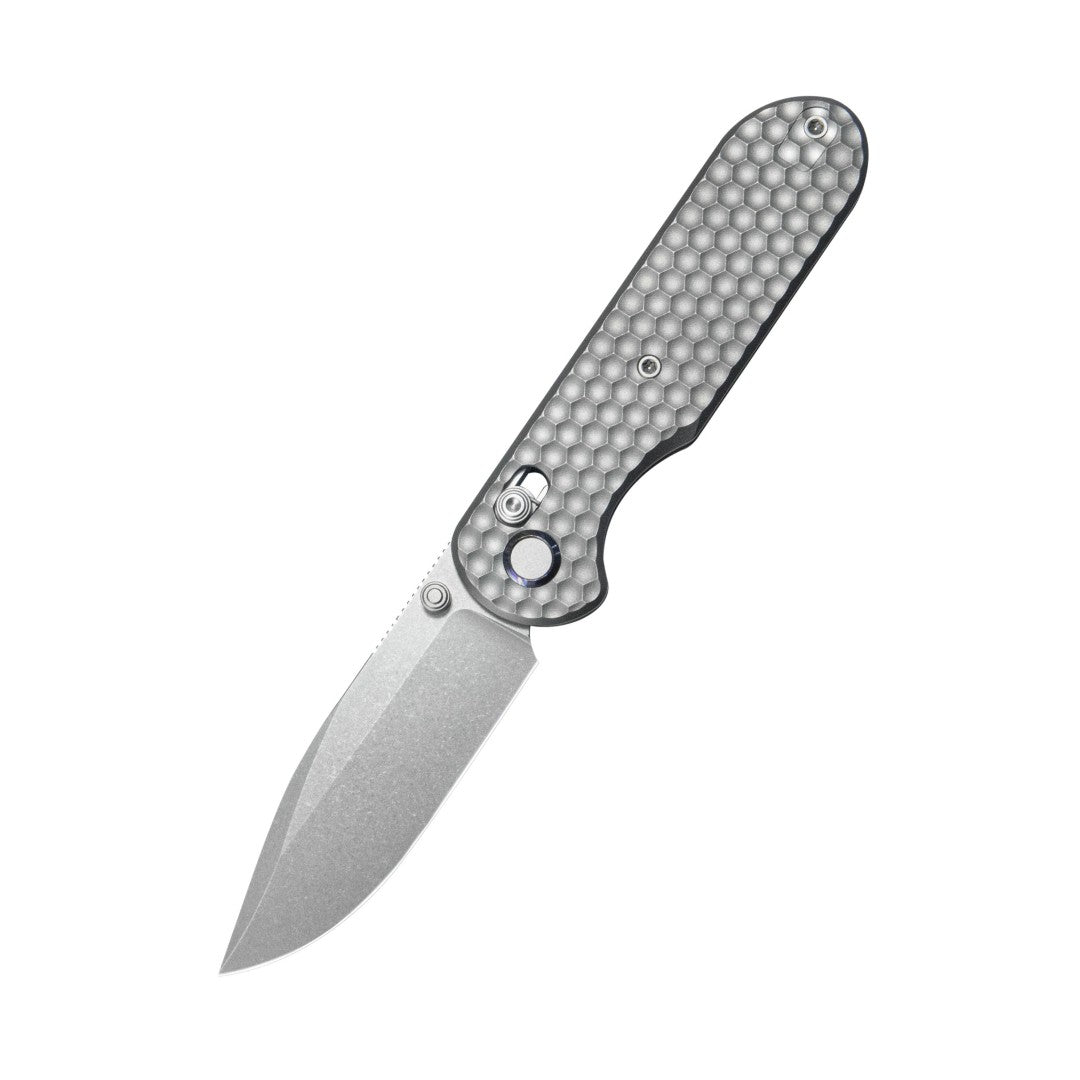
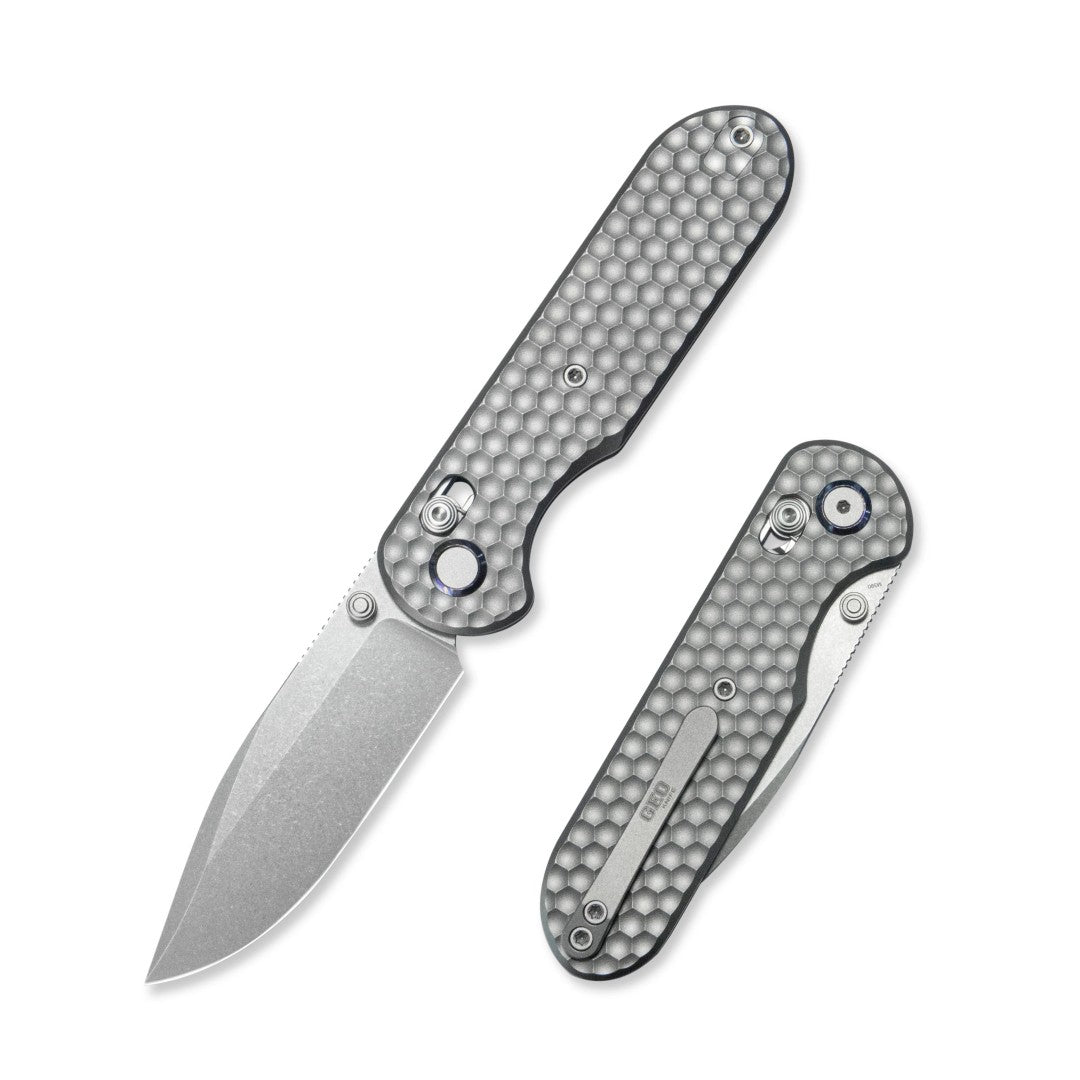
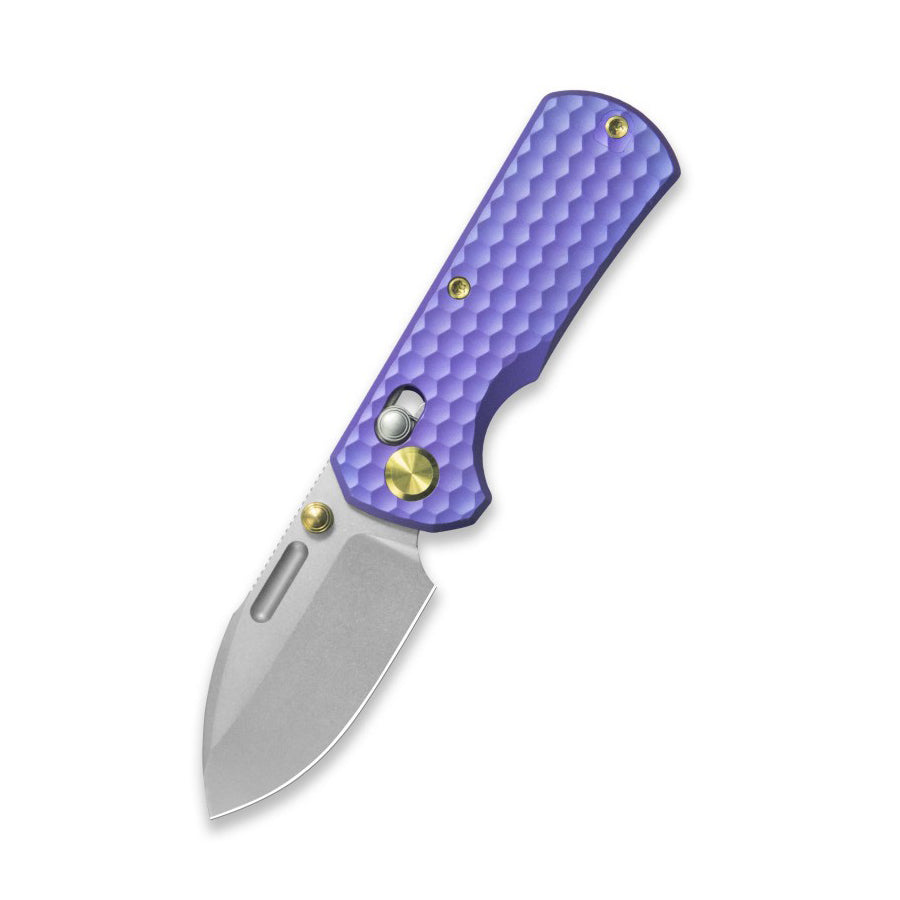
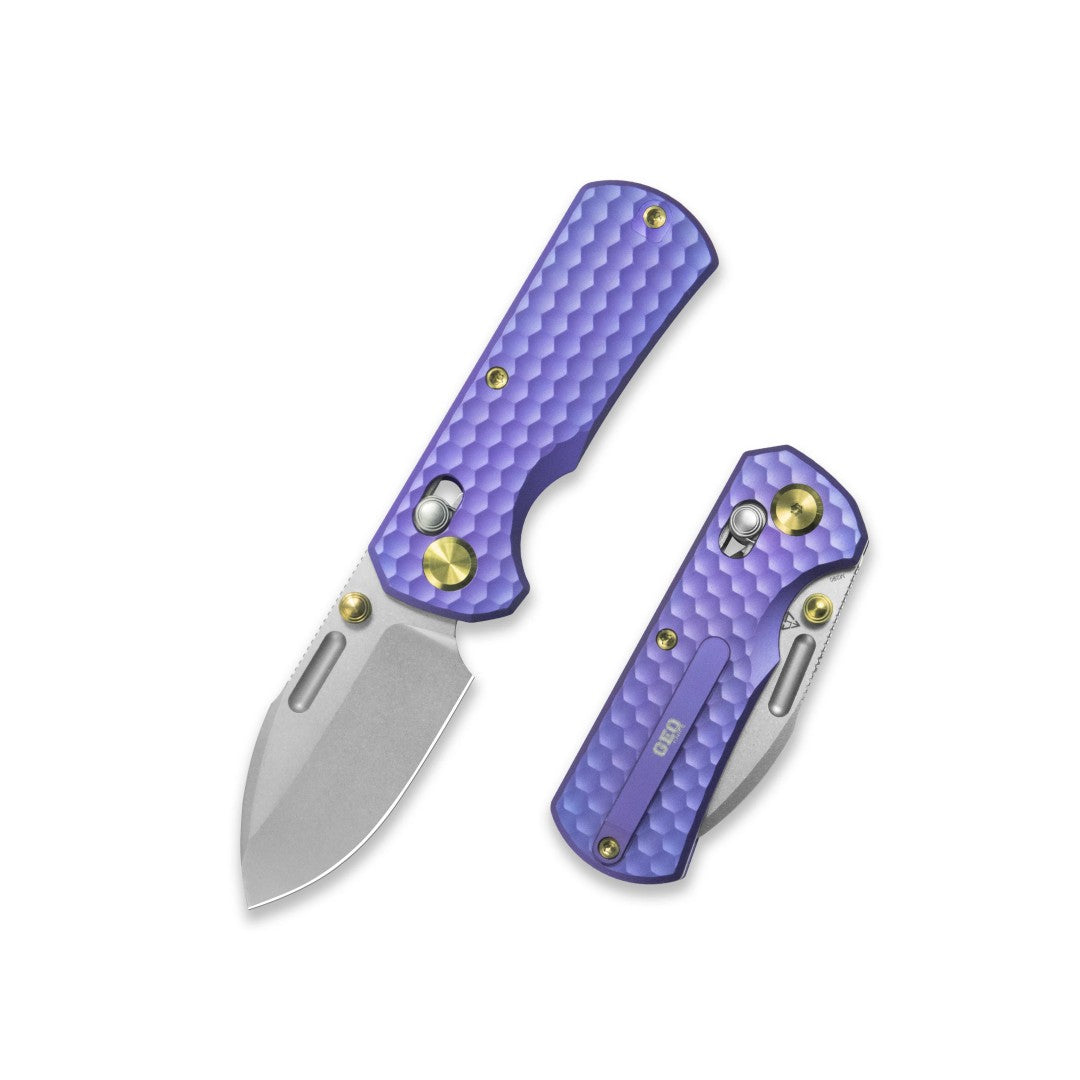
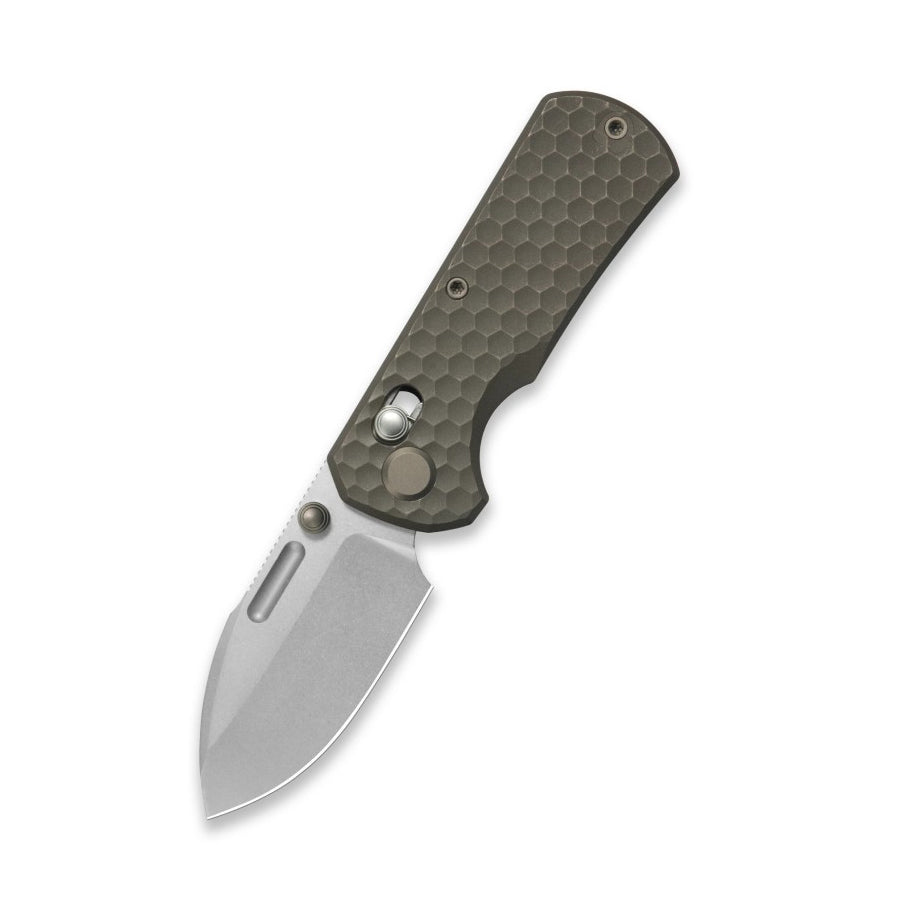
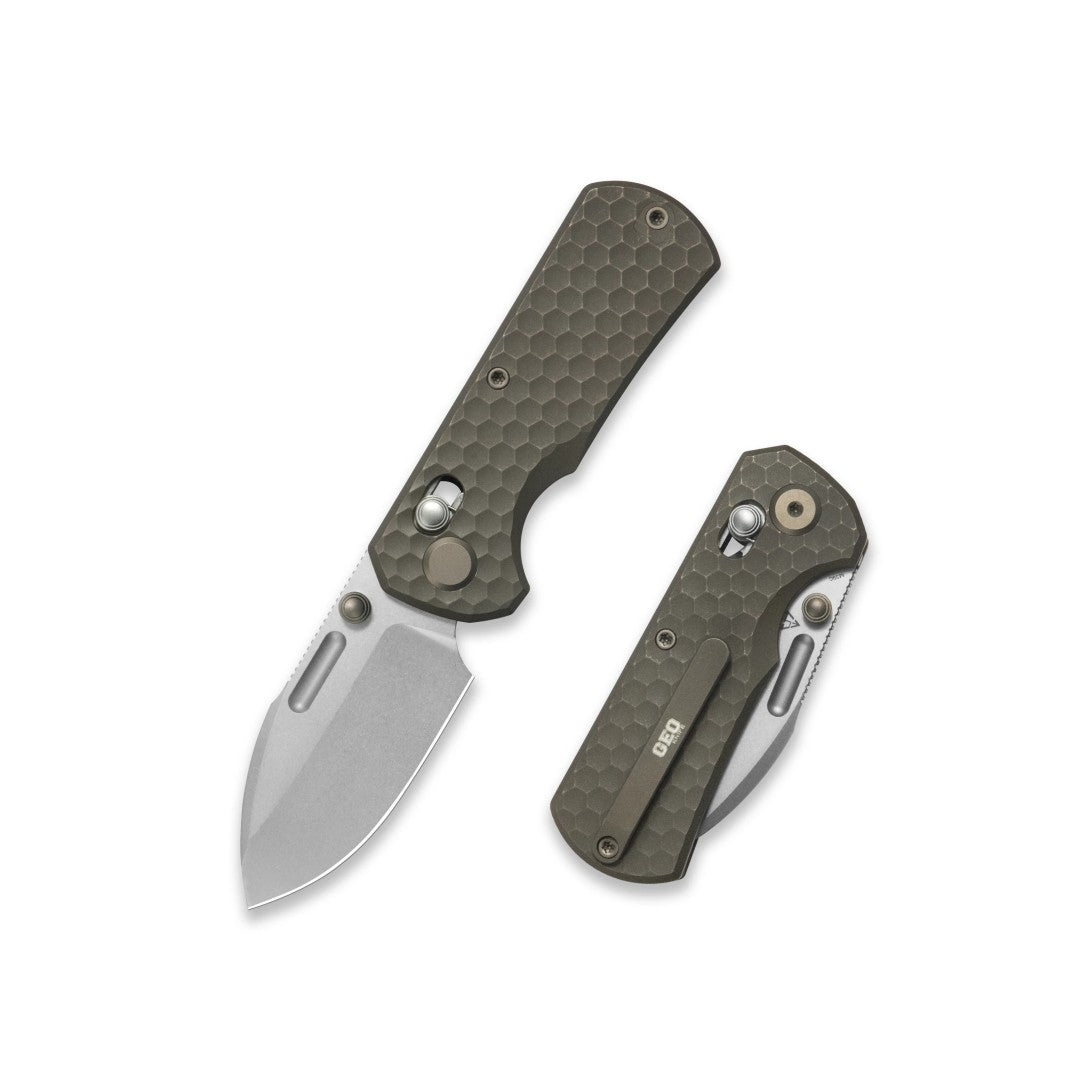
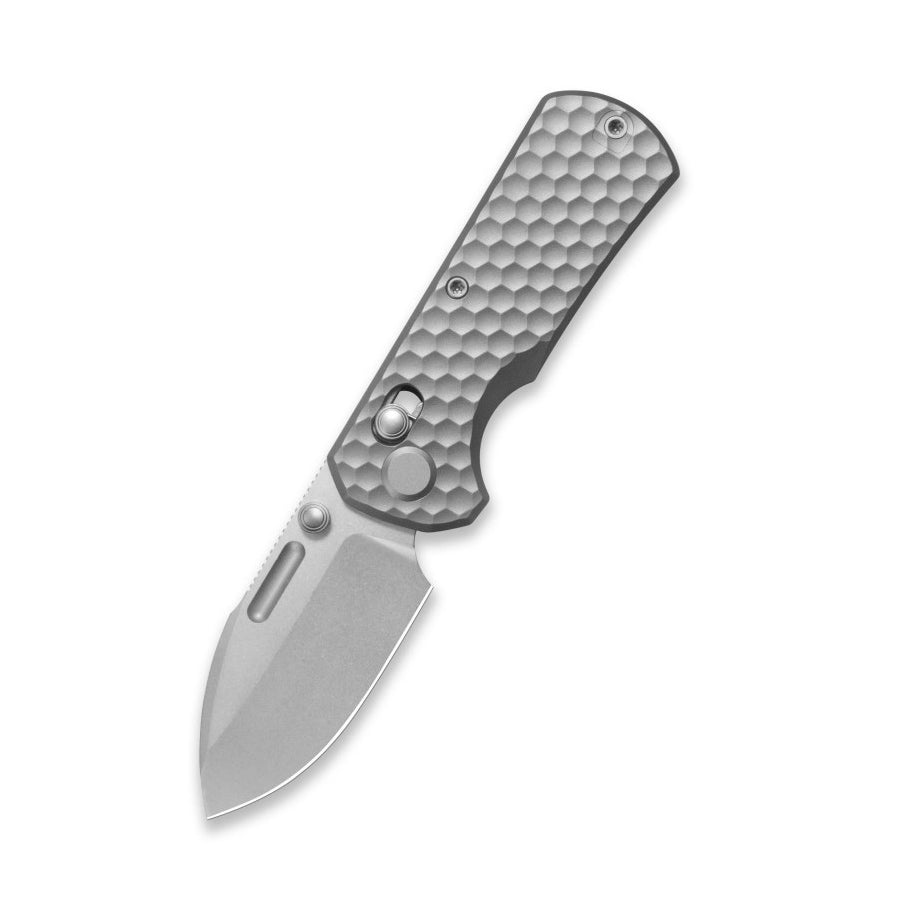
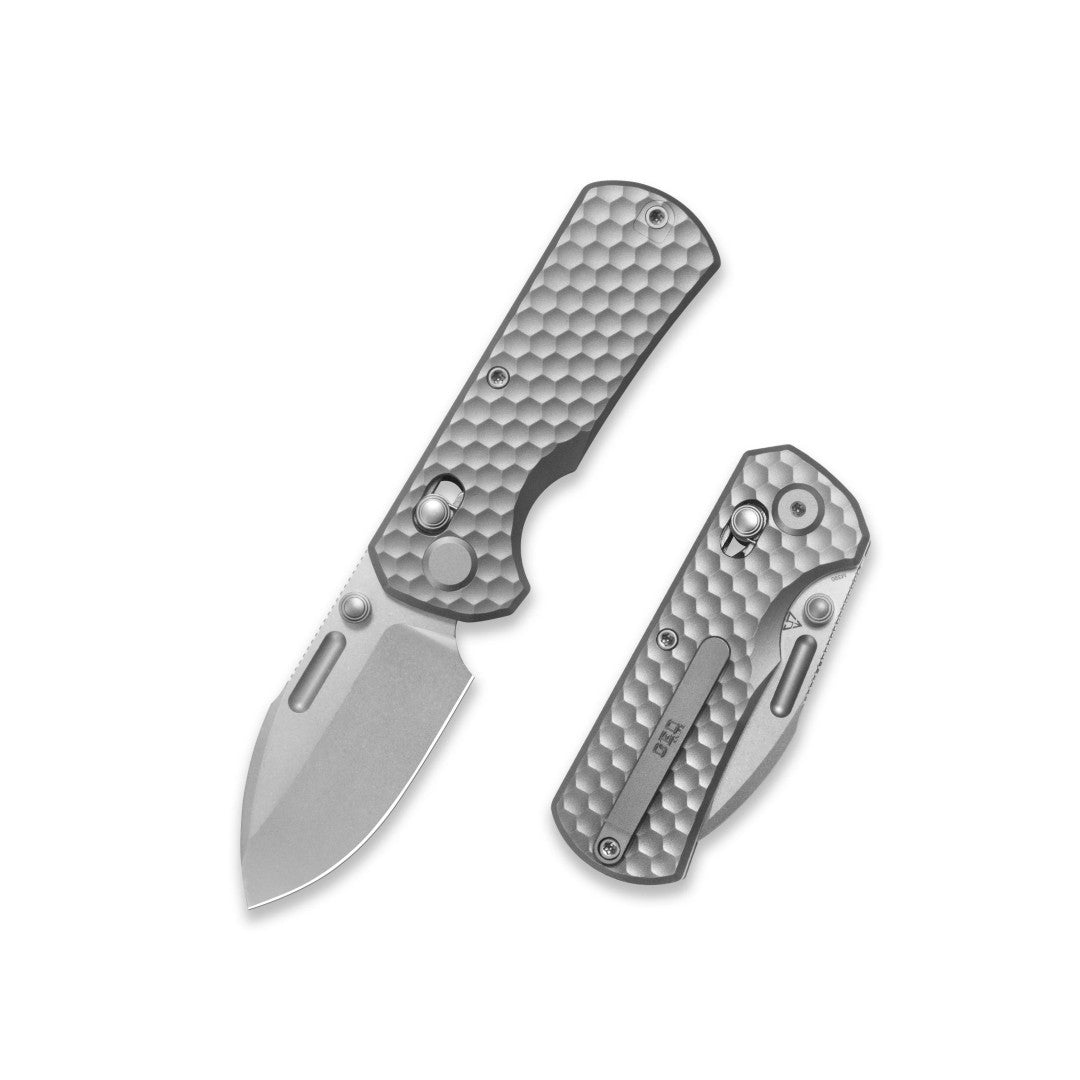
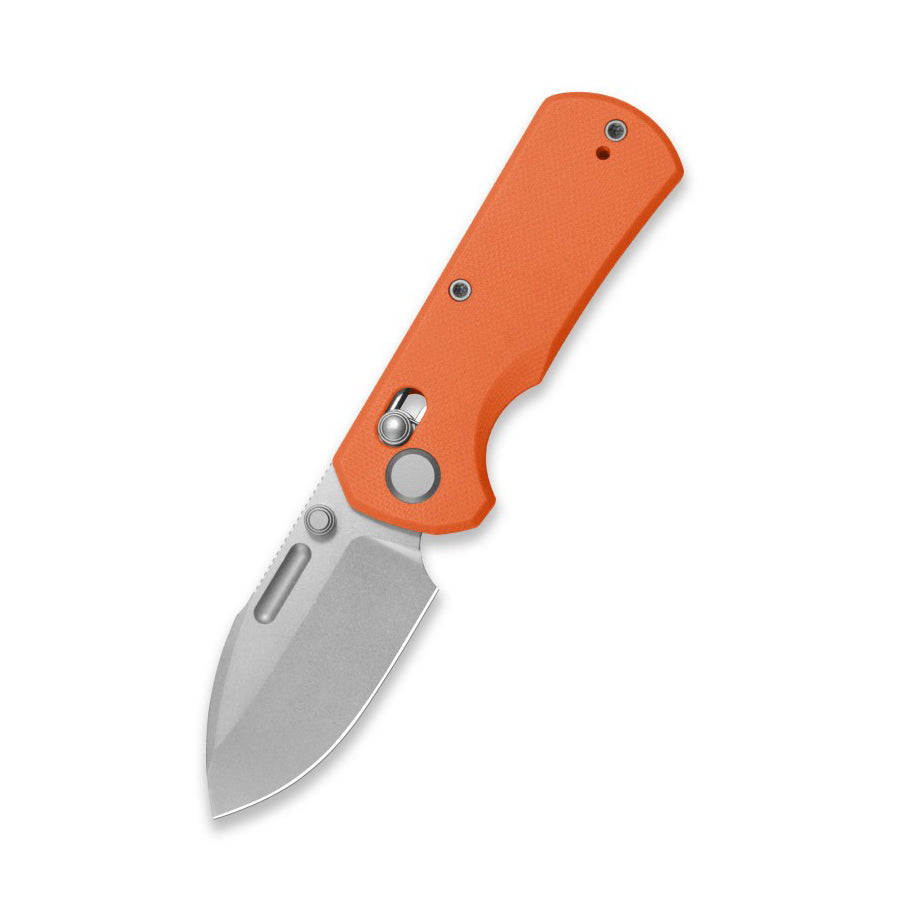
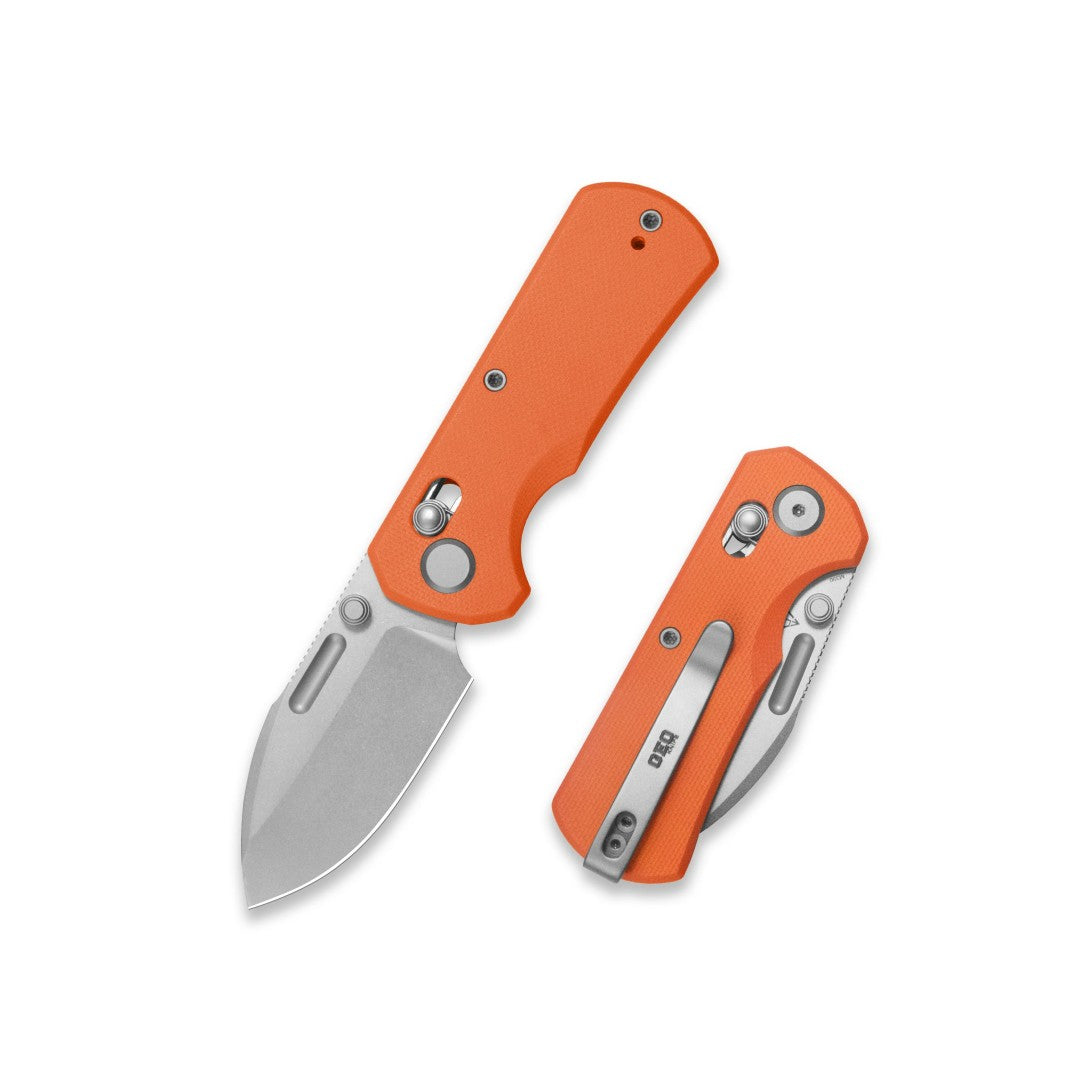
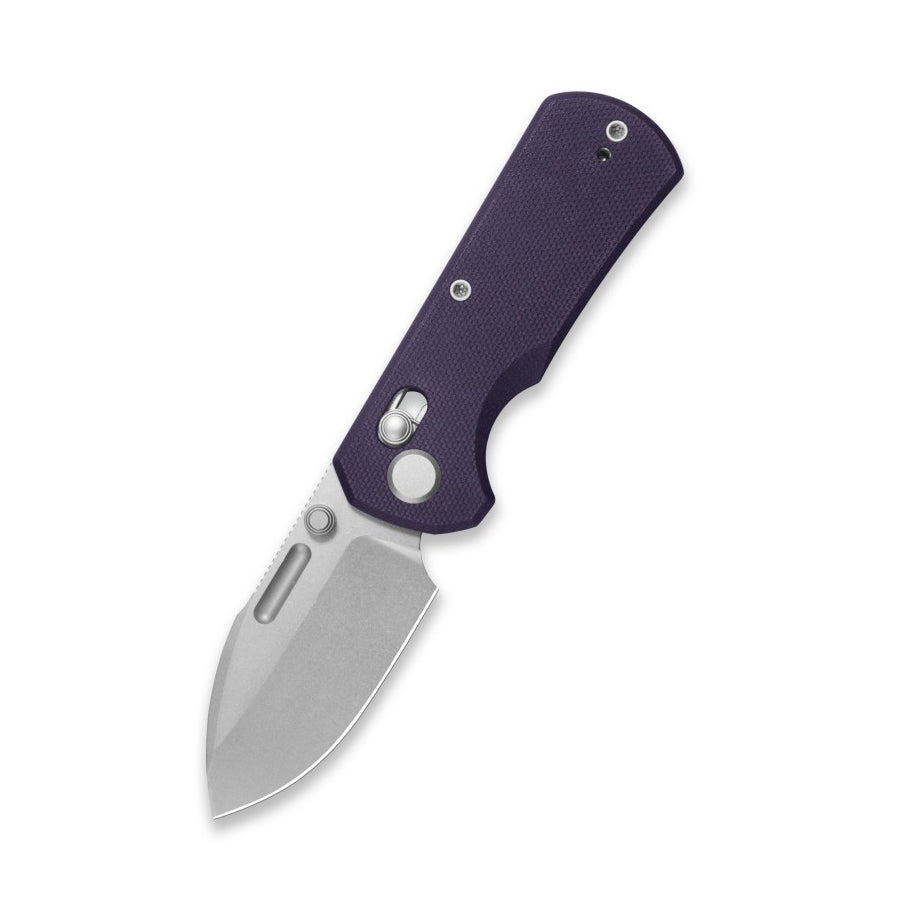
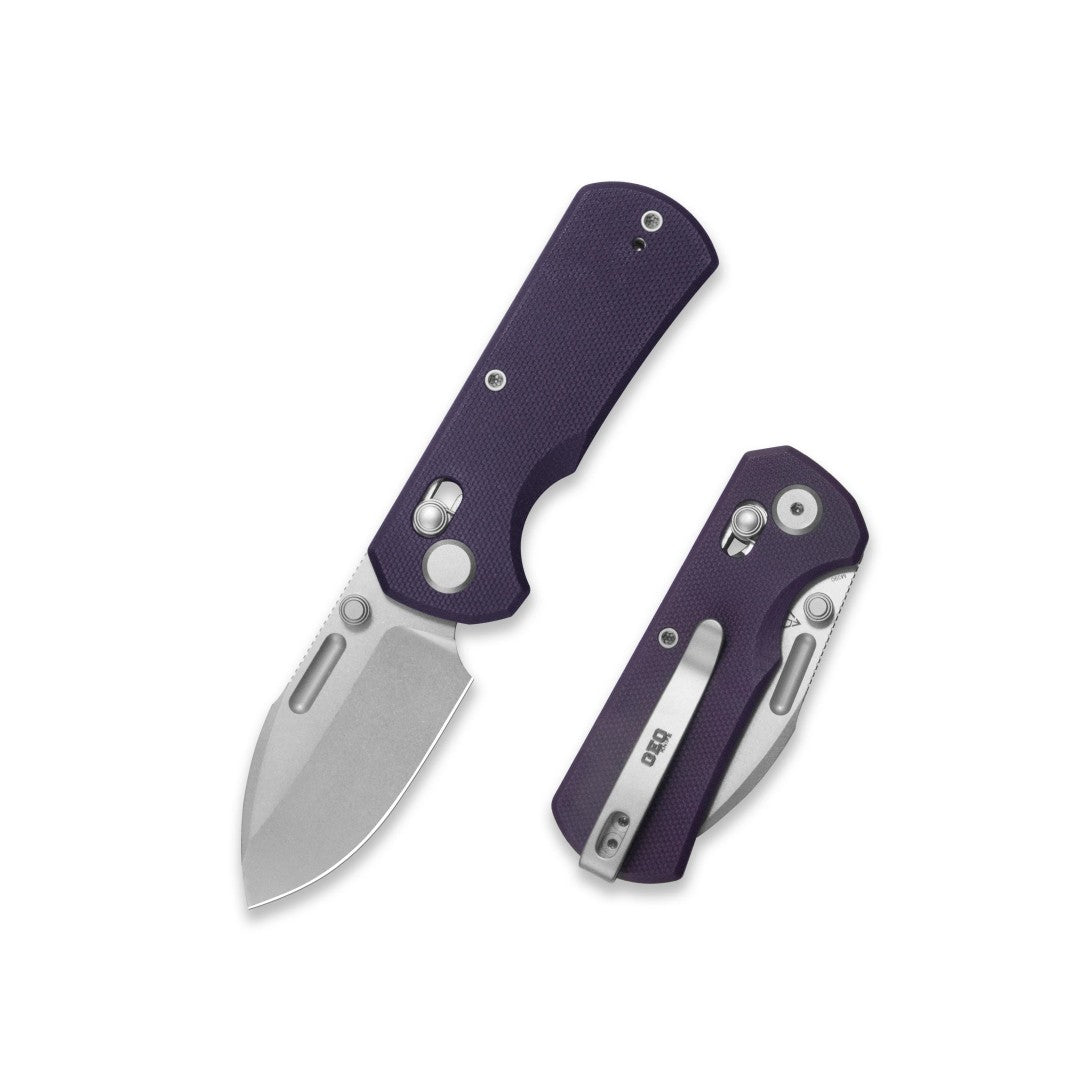
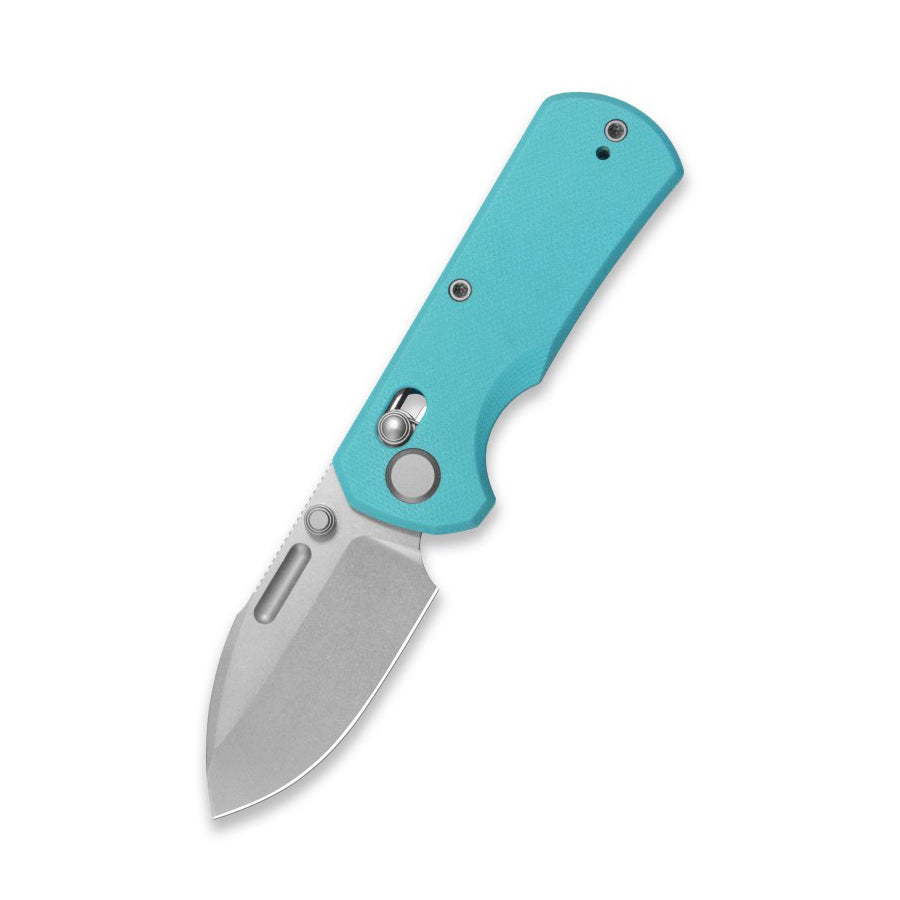
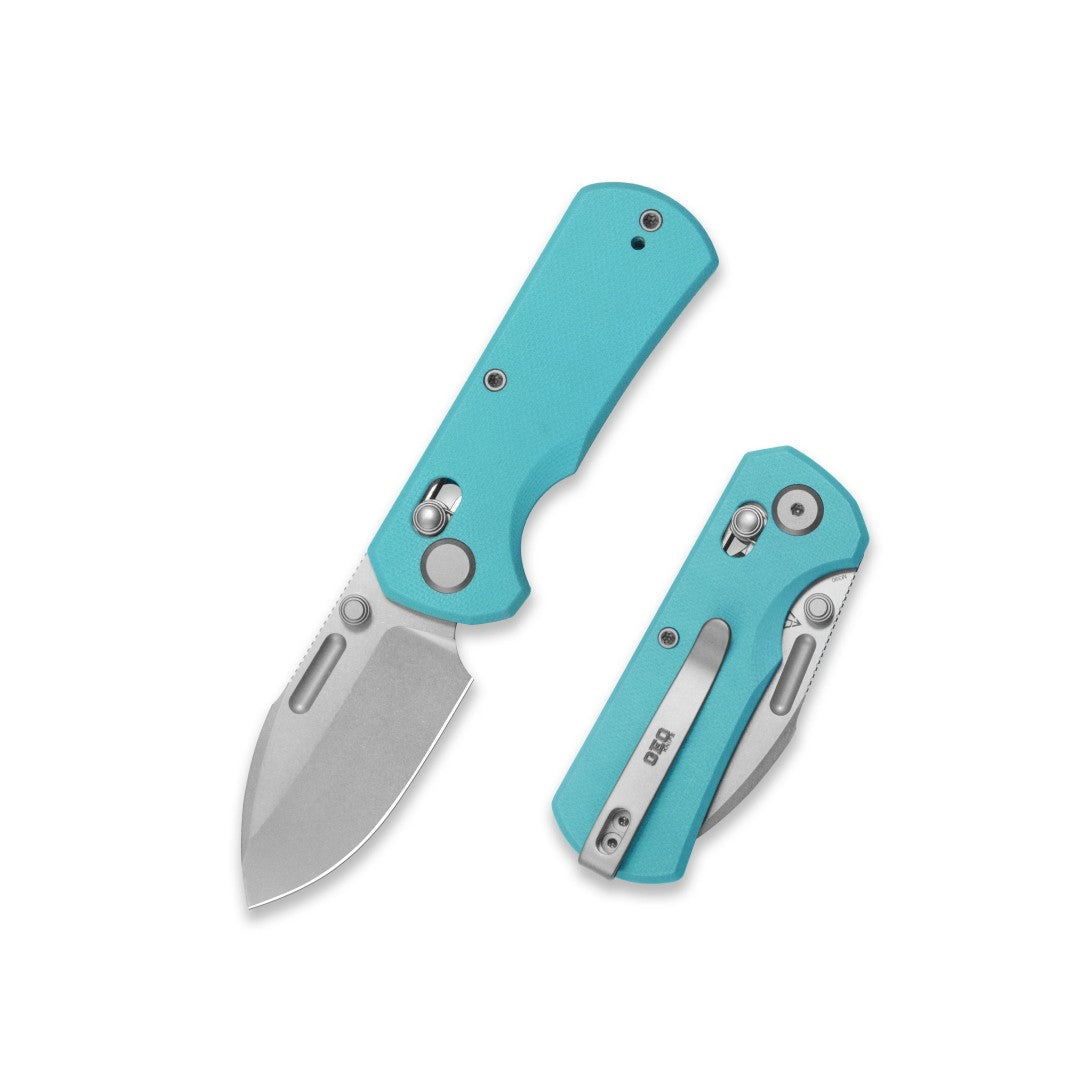
Start with the plunge line: the point where the edge grind stops and the unsharpened ricasso or blade flat begins. Move it forward and you gain slicing length but lose strength at the front of the edge; move it back and the tip region gets stouter but the blade cuts more like a wedge. The stonewashed blade on the QSP Emu shows its plunge clearly, and once you can spot one, you will never unsee how much it varies between makers. QSP knives are a good brand for studying these details on a budget.

Design & Details
The pommel is the butt end of the handle, and it is where designers hide their opinions. A flared pommel stops the hand from sliding forward during hard pushes and adds a place to lash a lanyard; a smooth rounded pommel disappears in the pocket and disappears in the hand. The compound grind, meanwhile, layers a finer secondary bevel along the main edge, trading a little slicing aggression for an edge that is dramatically easier to maintain. The Emu's handle shows how a modest pommel flare helps grip without adding bulk.
Real-World Use
Put the terms to work when comparing two knives. A long run to the plunge line predicts a better slicer for food and packaging; a shorter, blunter run predicts a blade that will survive prying mistakes. A pronounced pommel predicts a handle that locks in during pulls, useful for rope work. None of this requires cutting a thing: you can read it from three photographs once you know what to look for, which is the entire point of learning the vocabulary.

Ownership Notes
One more vocabulary trap is worth naming: grind descriptions describe the blade, not the edge. A flat grind knife with a thick edgebevel cuts worse than a hollow grind with a thin one, so always ask where the edge itself lands in thickness. Brands that publish the actual measurement deserve your attention, because thickness at the edge predicts cutting feel more than almost any other published number.
Who Is This For?
This piece suits first time buyers tired of guessing, collectors who want to articulate what they feel, and anyone comparing knives across brands. It also suits reviewers and store staff who answer the same anatomy questions weekly. If you already know the terms, the Emu is simply a well made object for watching them interact at a friendly price.
Final Verdict
Learn the plunge line, the pommel and the compound grind, and specification sheets stop being noise. Read the blade before you read the marketing, and buy the geometry that matches your actual cutting. Browse the QSP Emu range, the folding knives collection and the wider EDC knives at EdcMall to see these terms in the flesh.
Shop the QSP Emu QS164-C1 Stonewashed 14C28N Glyde Lock at EdcMall