

Overview & First Impressions
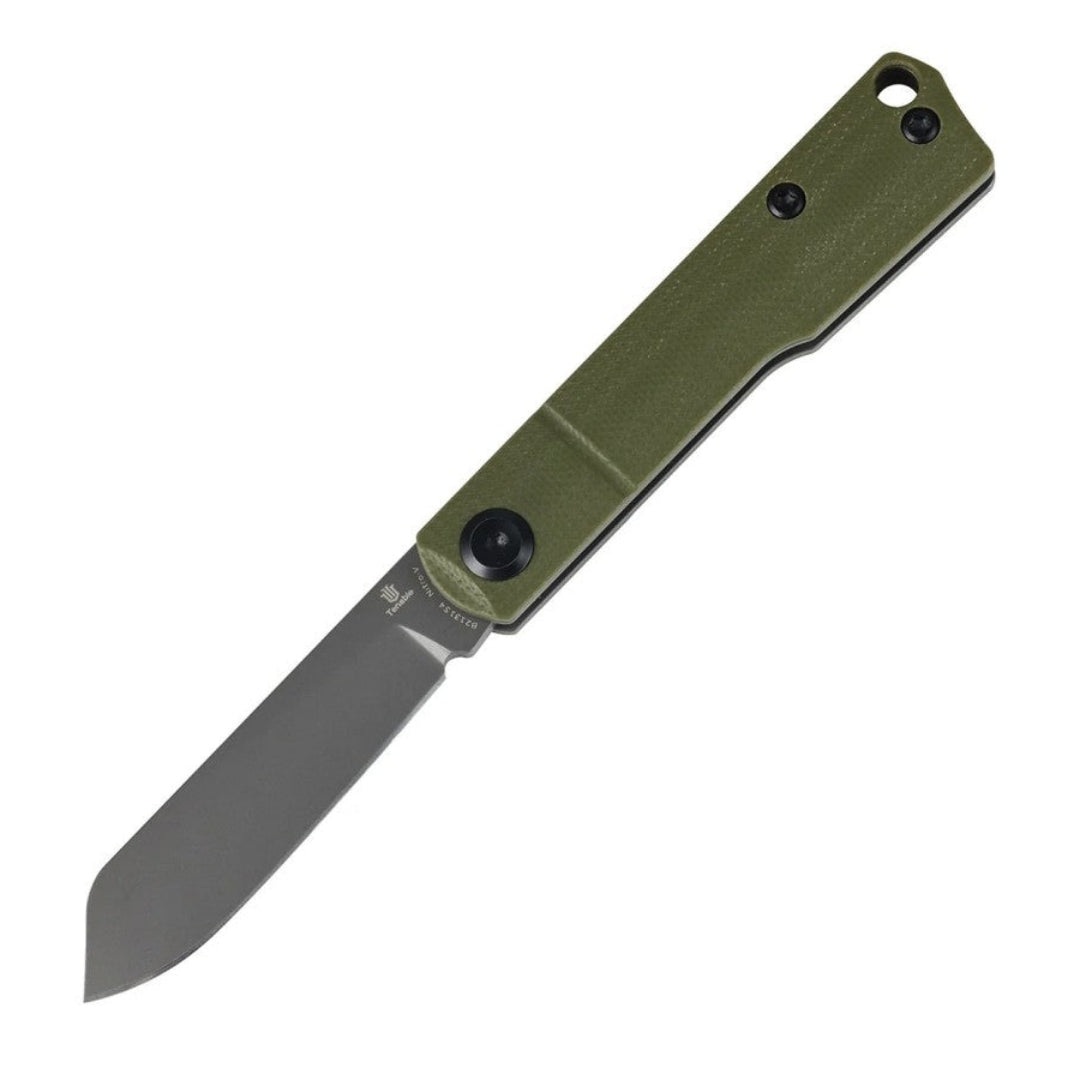
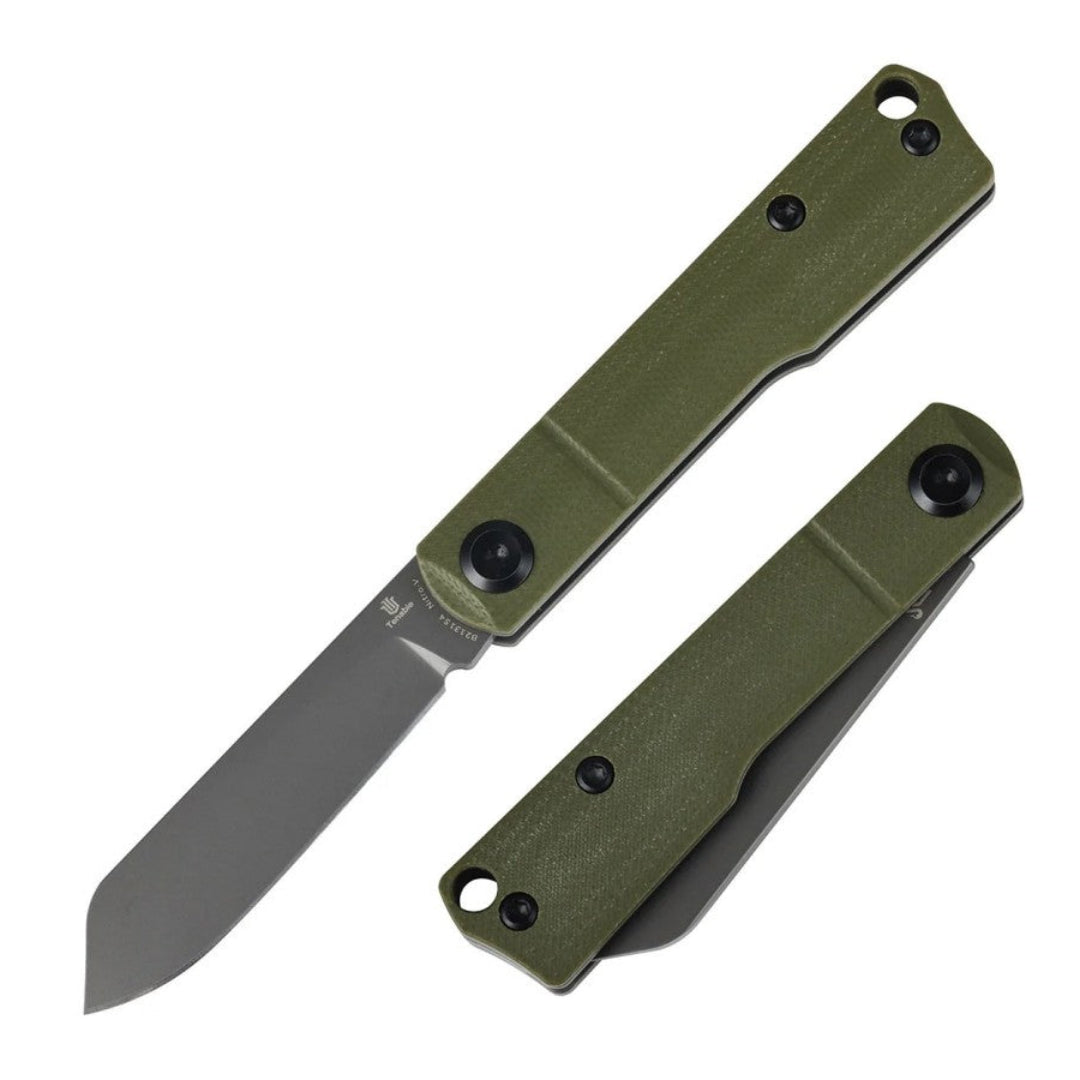
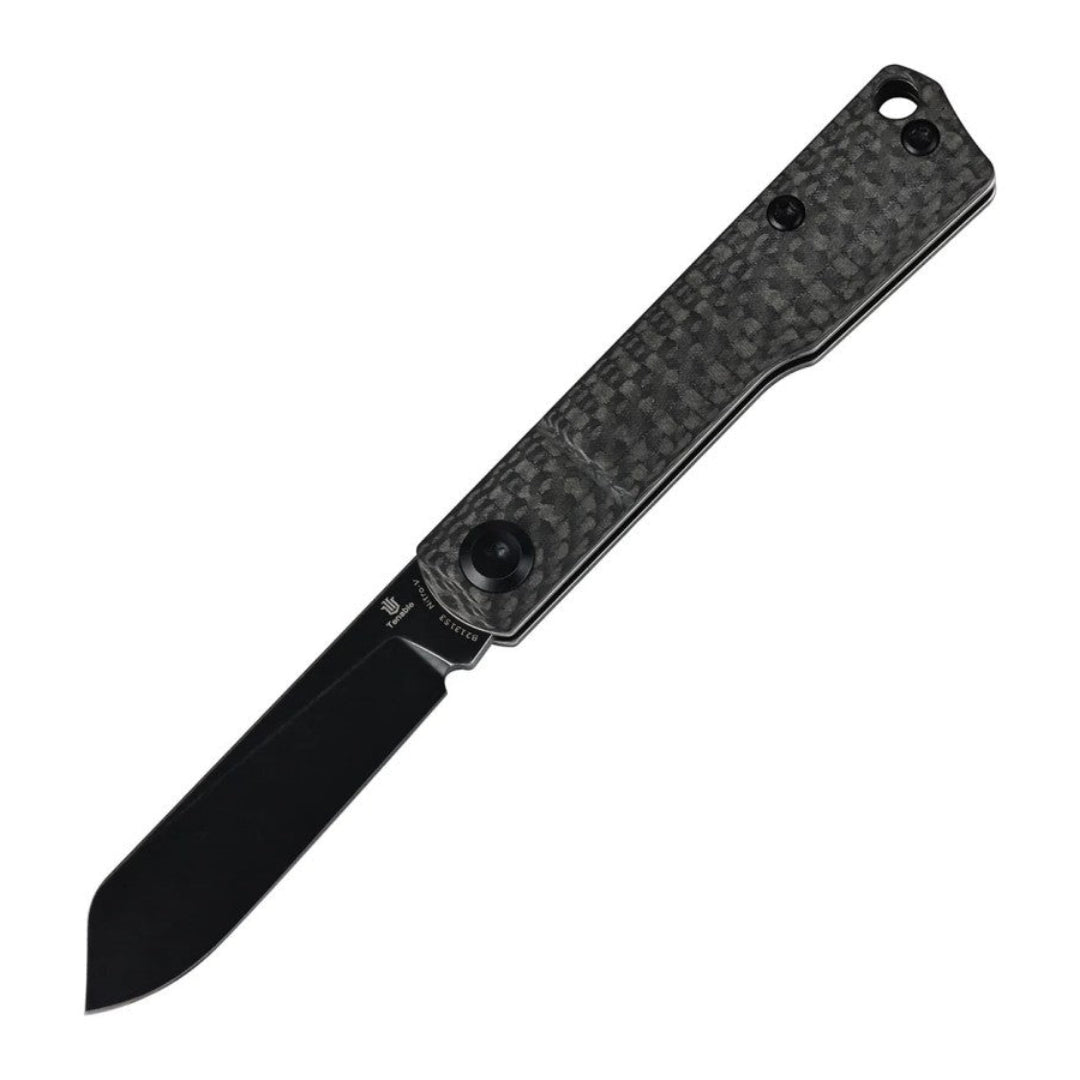
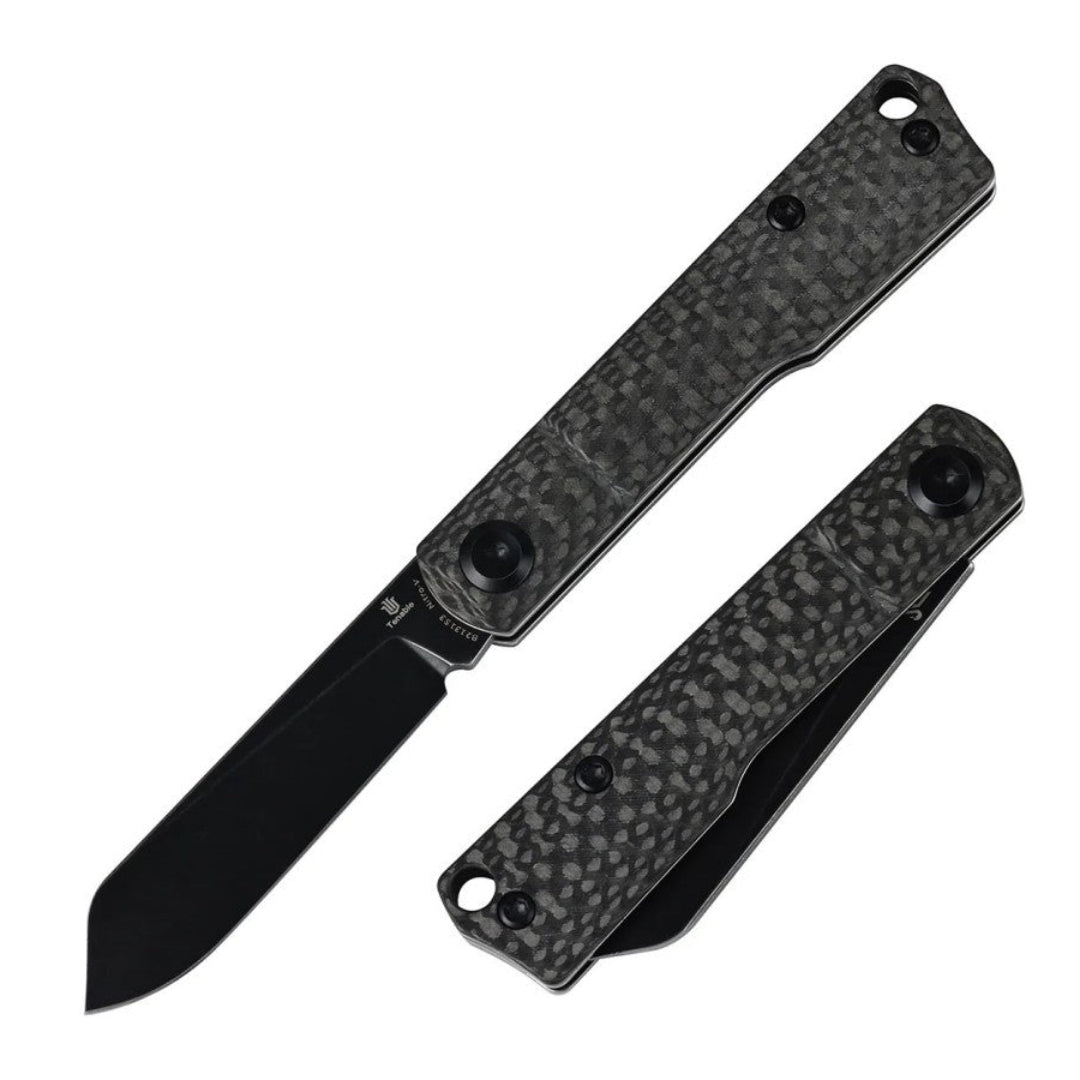
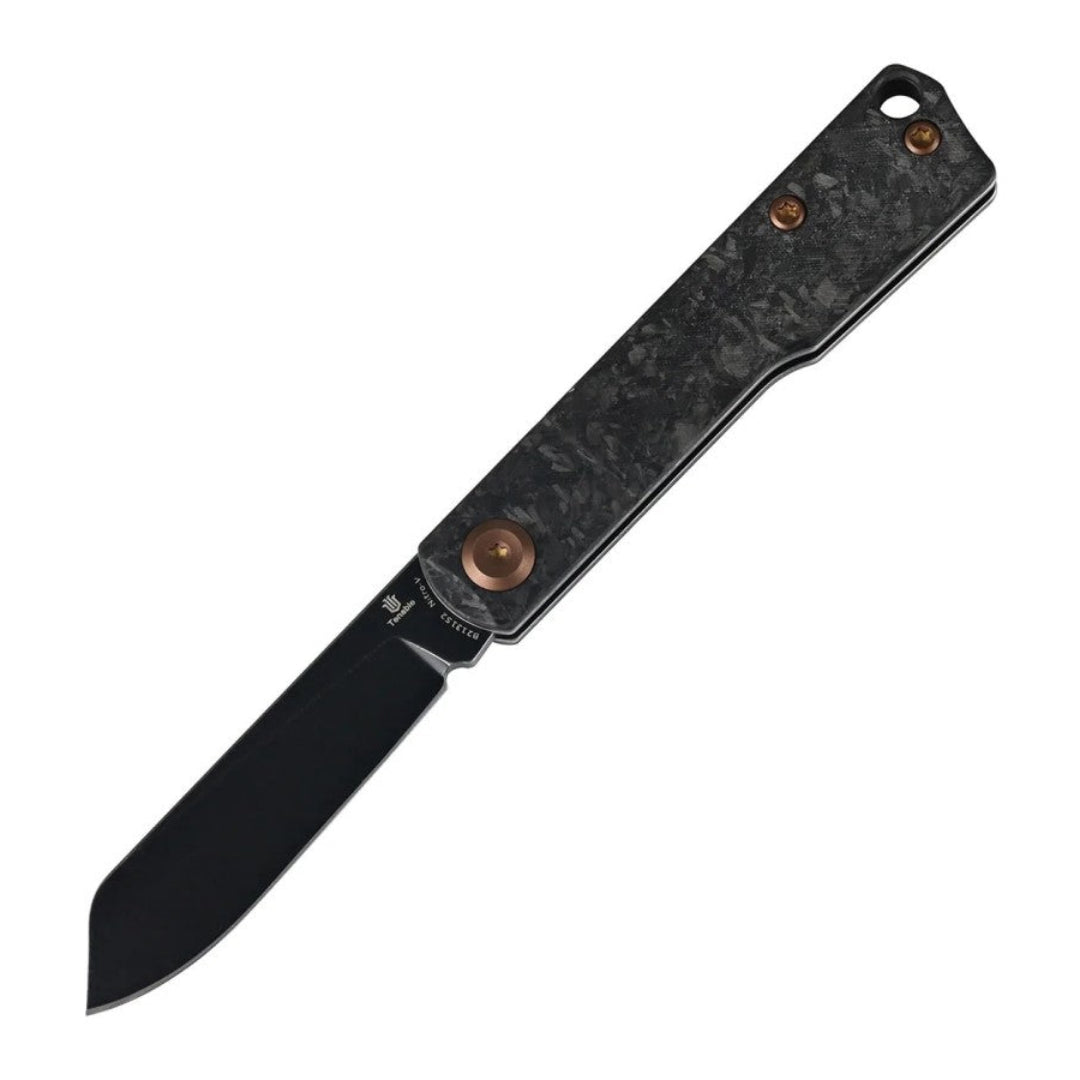
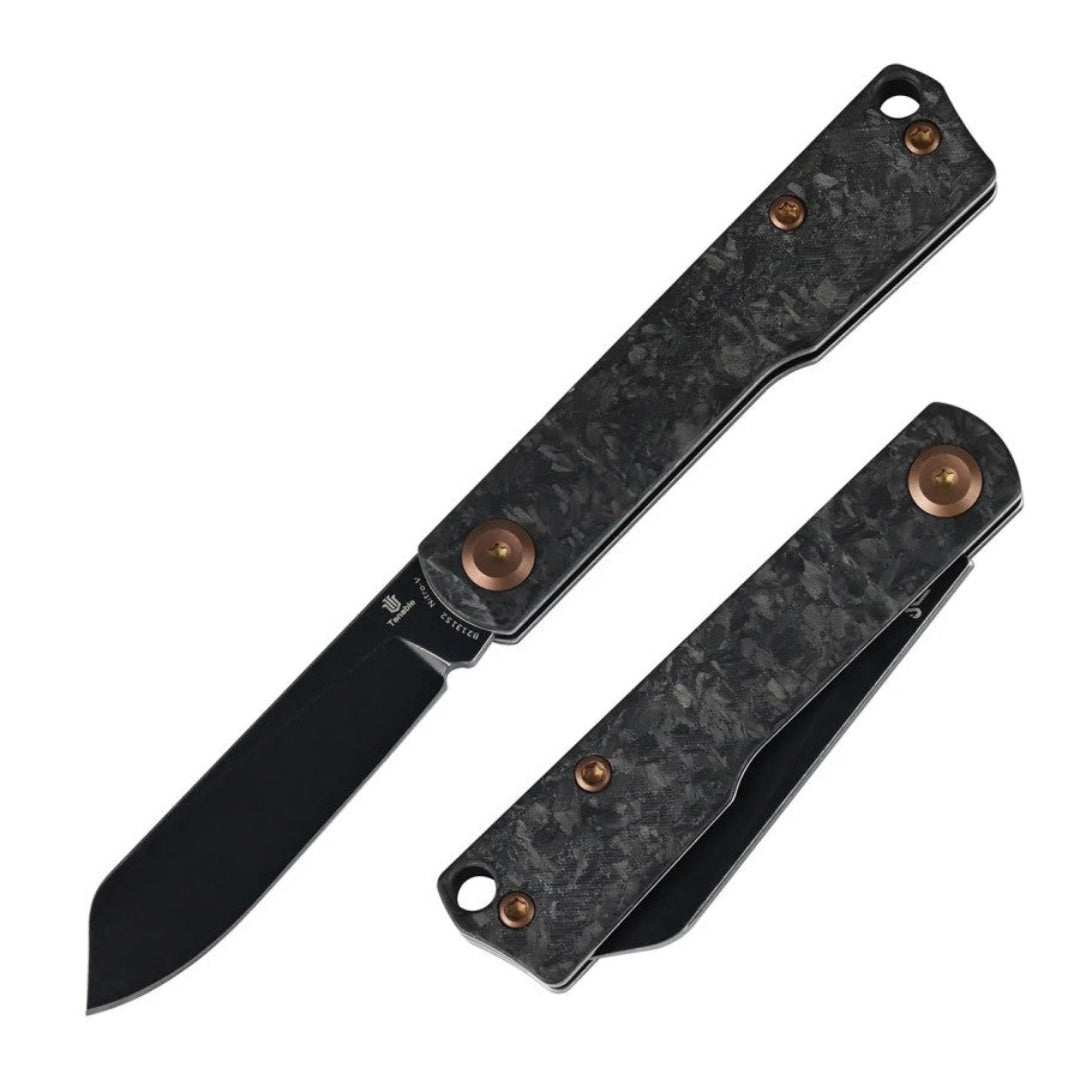
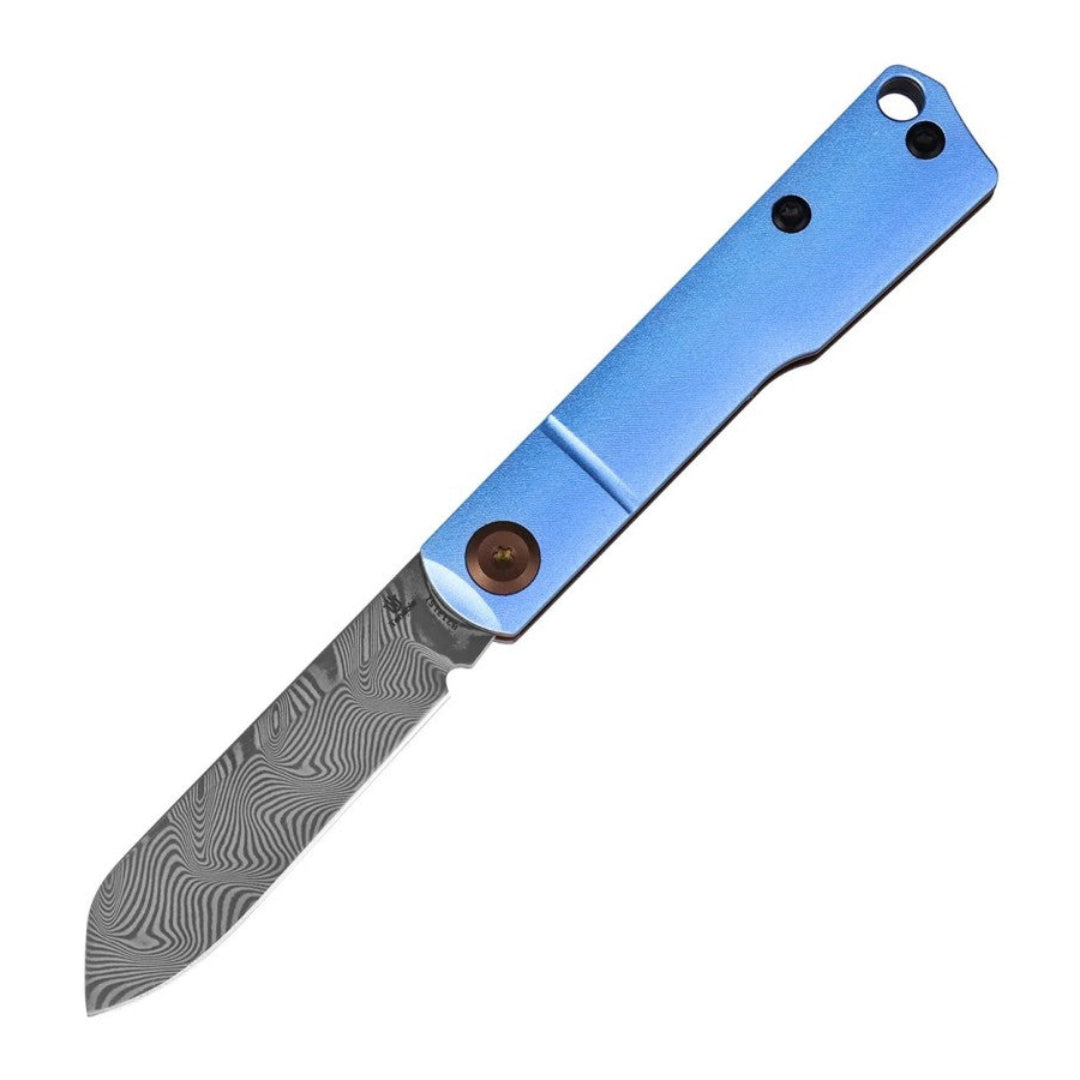
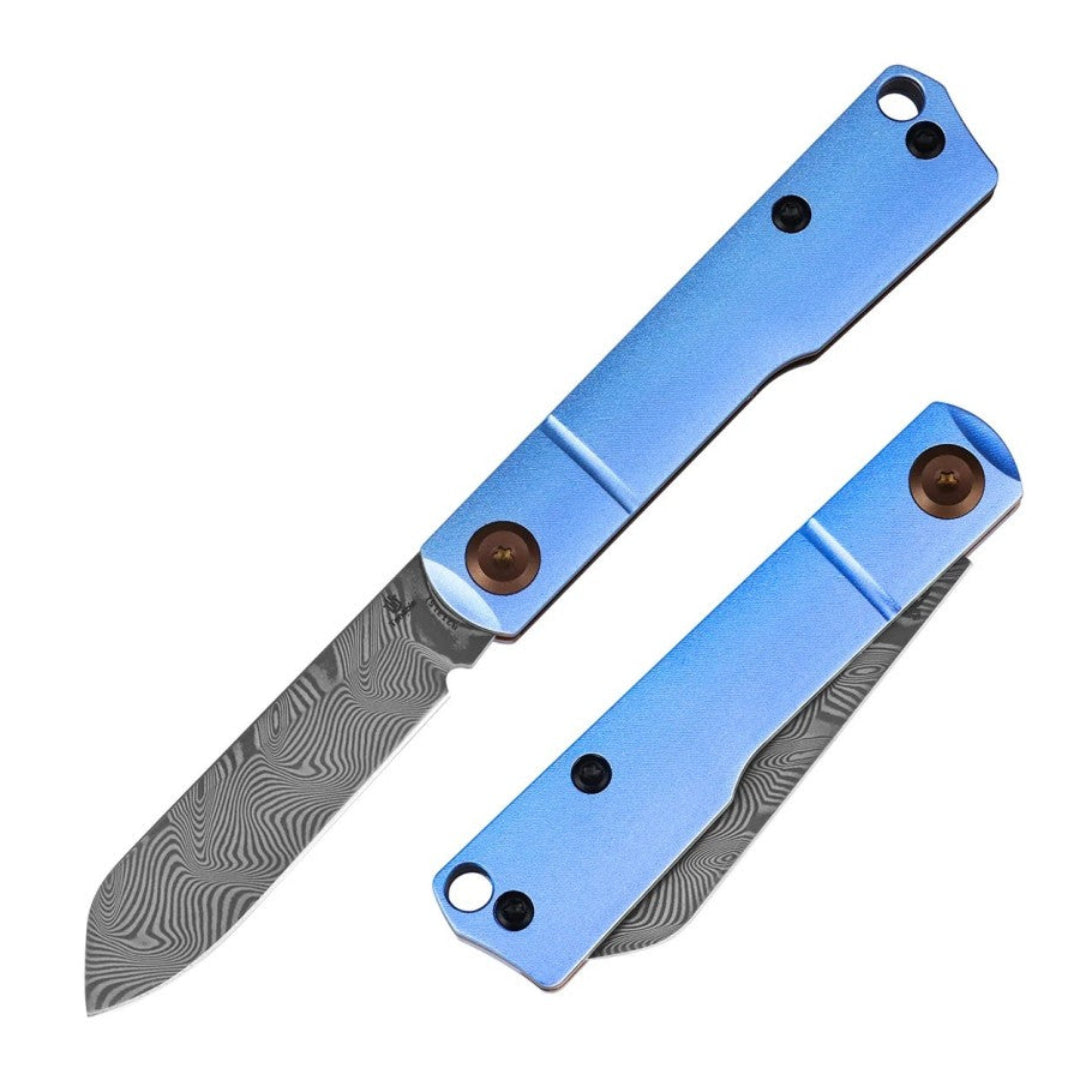
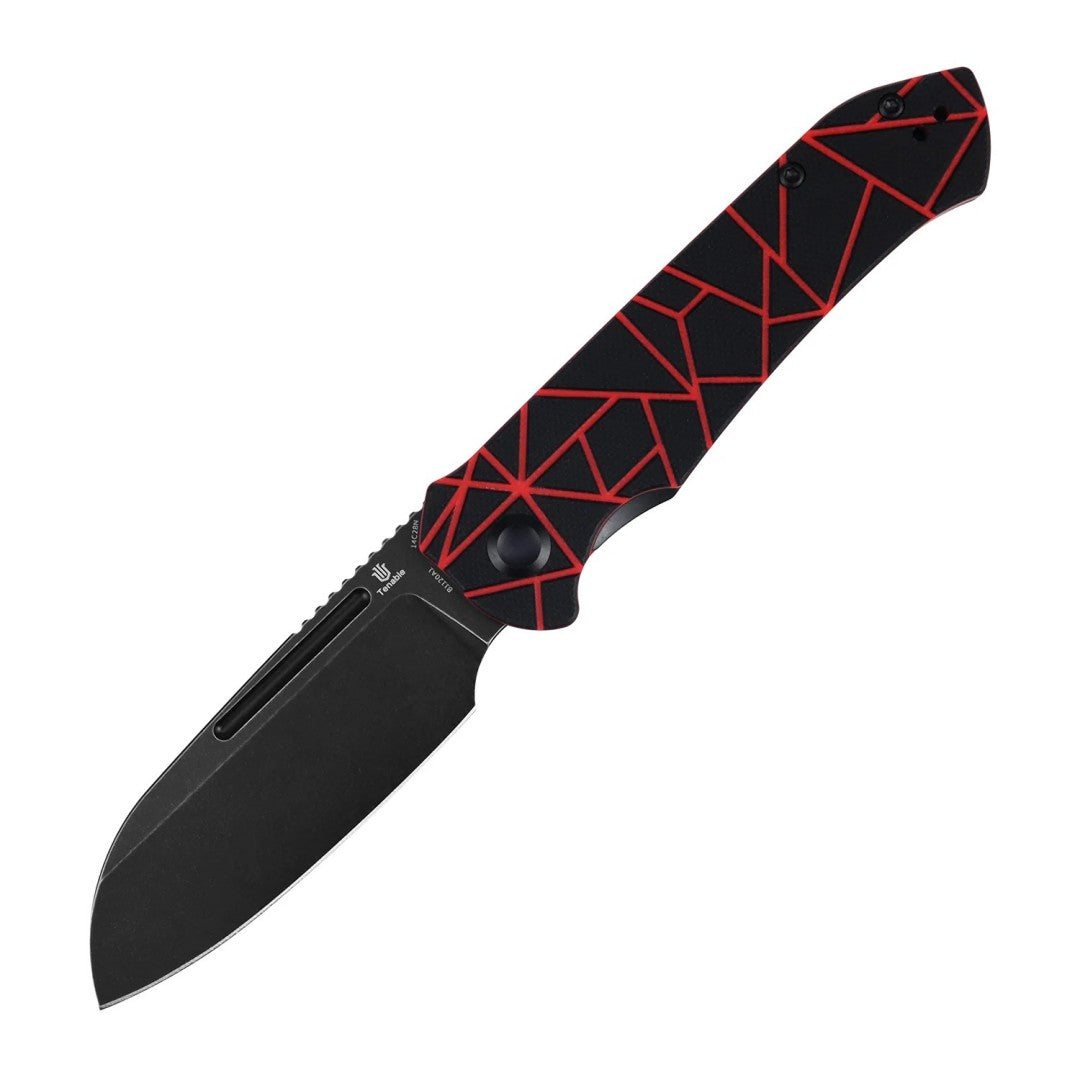
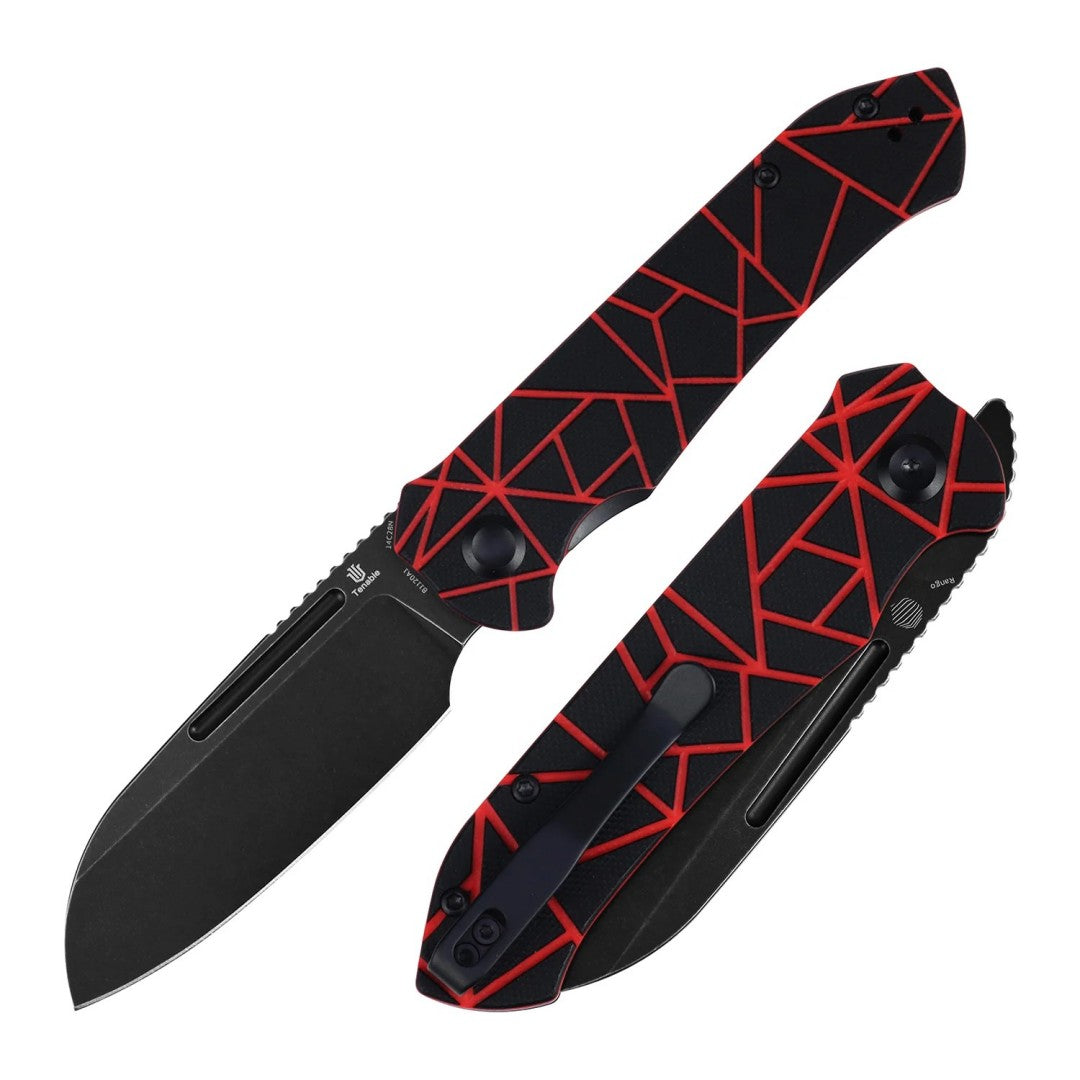
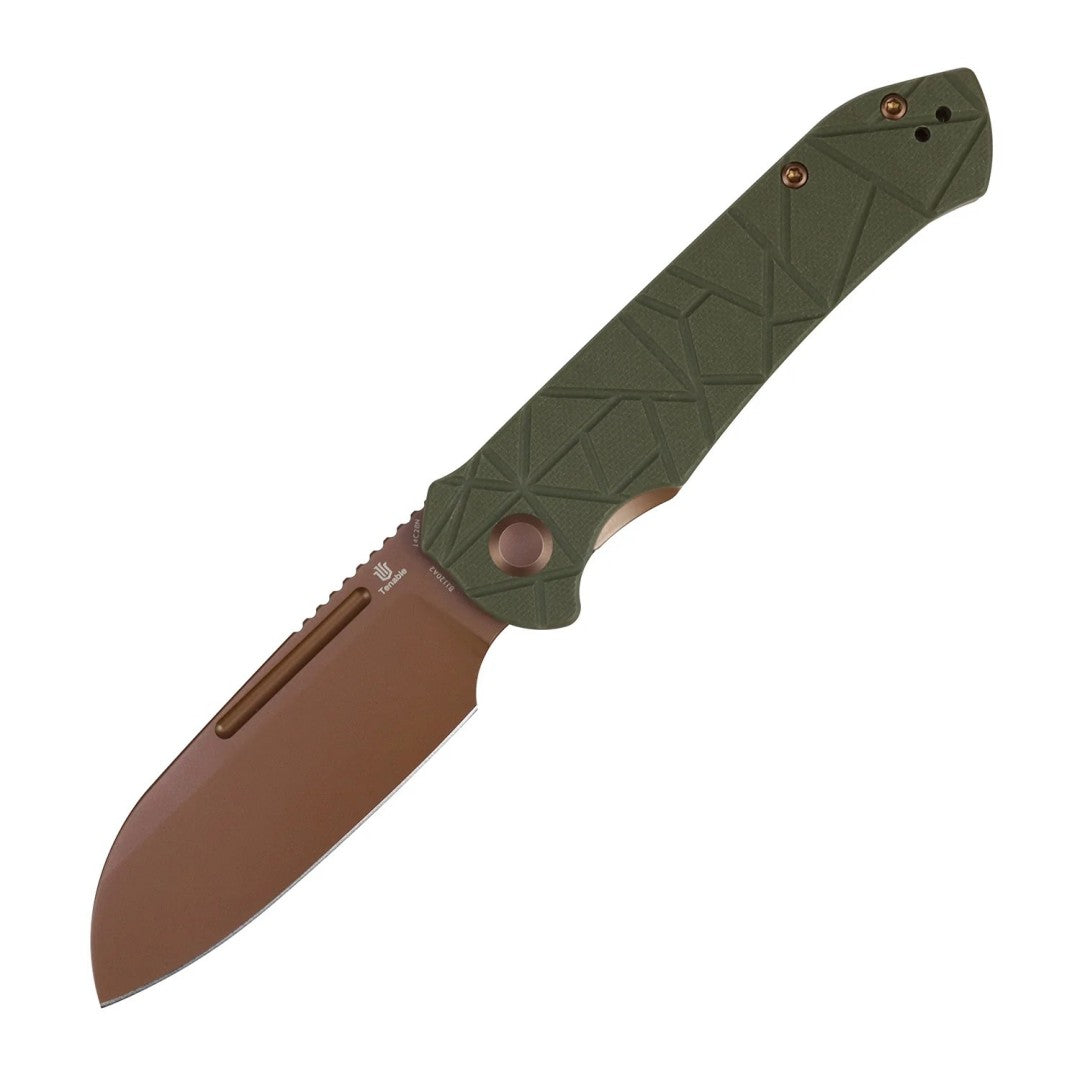
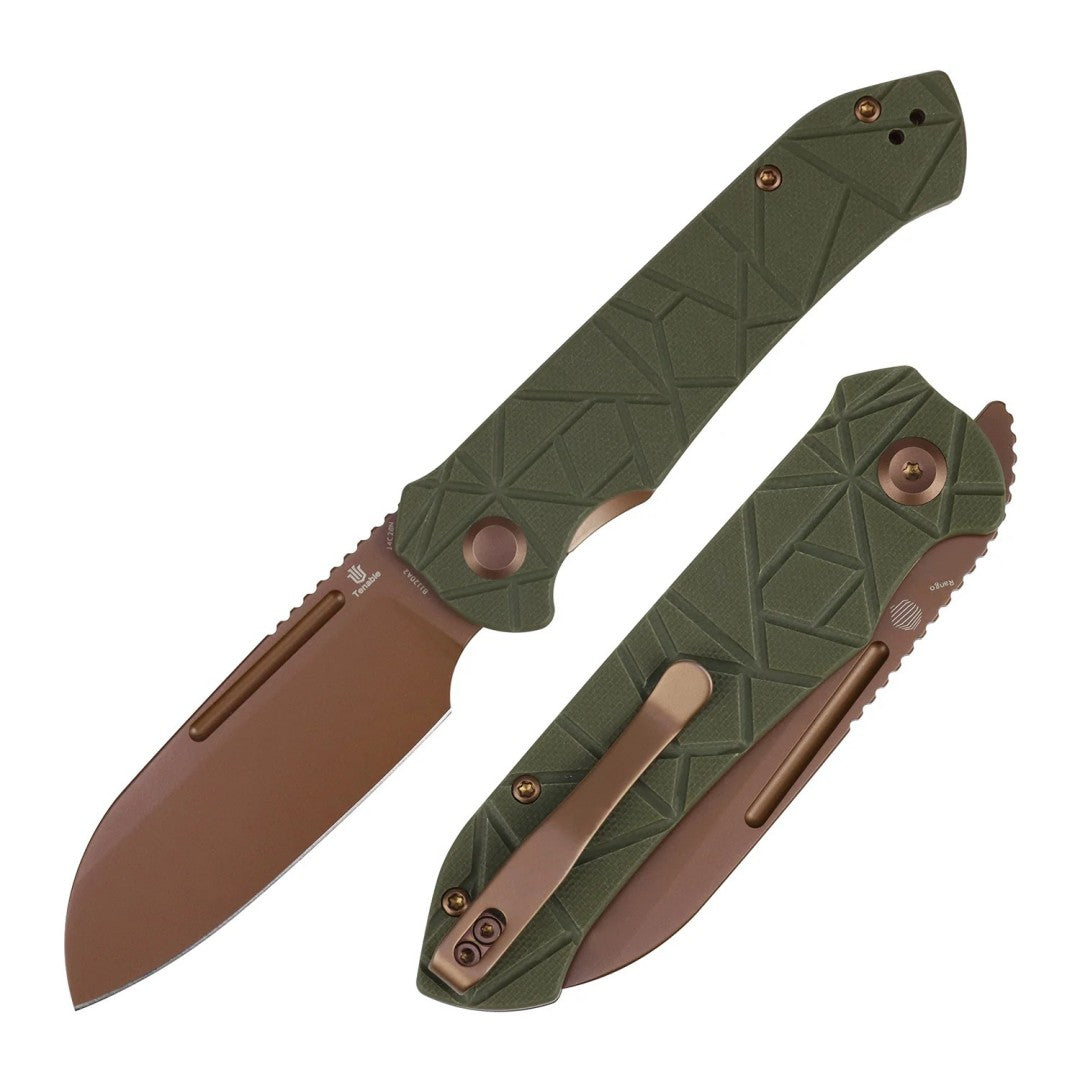
Every QSP Emu ships with a lock mechanism most buyers have never heard of: the Glyde lock. It looks like a liner lock at a glance, but the closing motion is smoother, safer, and strangely addictive, which is why QSP built its newest small platform around it. Understanding what happens inside the handle explains a lot about why the Emu feels more expensive than it is, and why lock design matters as much as blade steel when judging folding knives. Let's open up the mechanism, conceptually, using the Emu QS164 as the example.

Build Quality & Materials
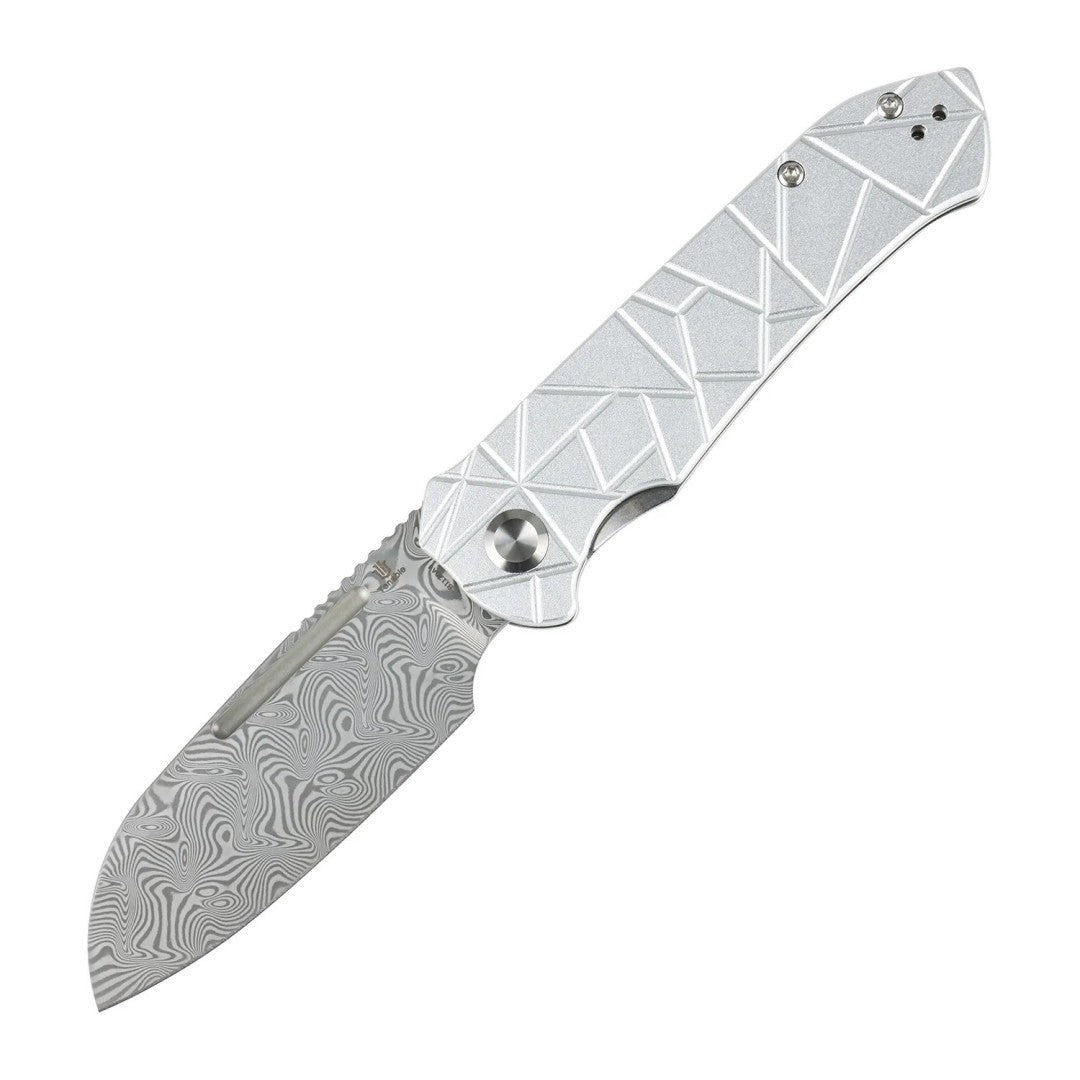
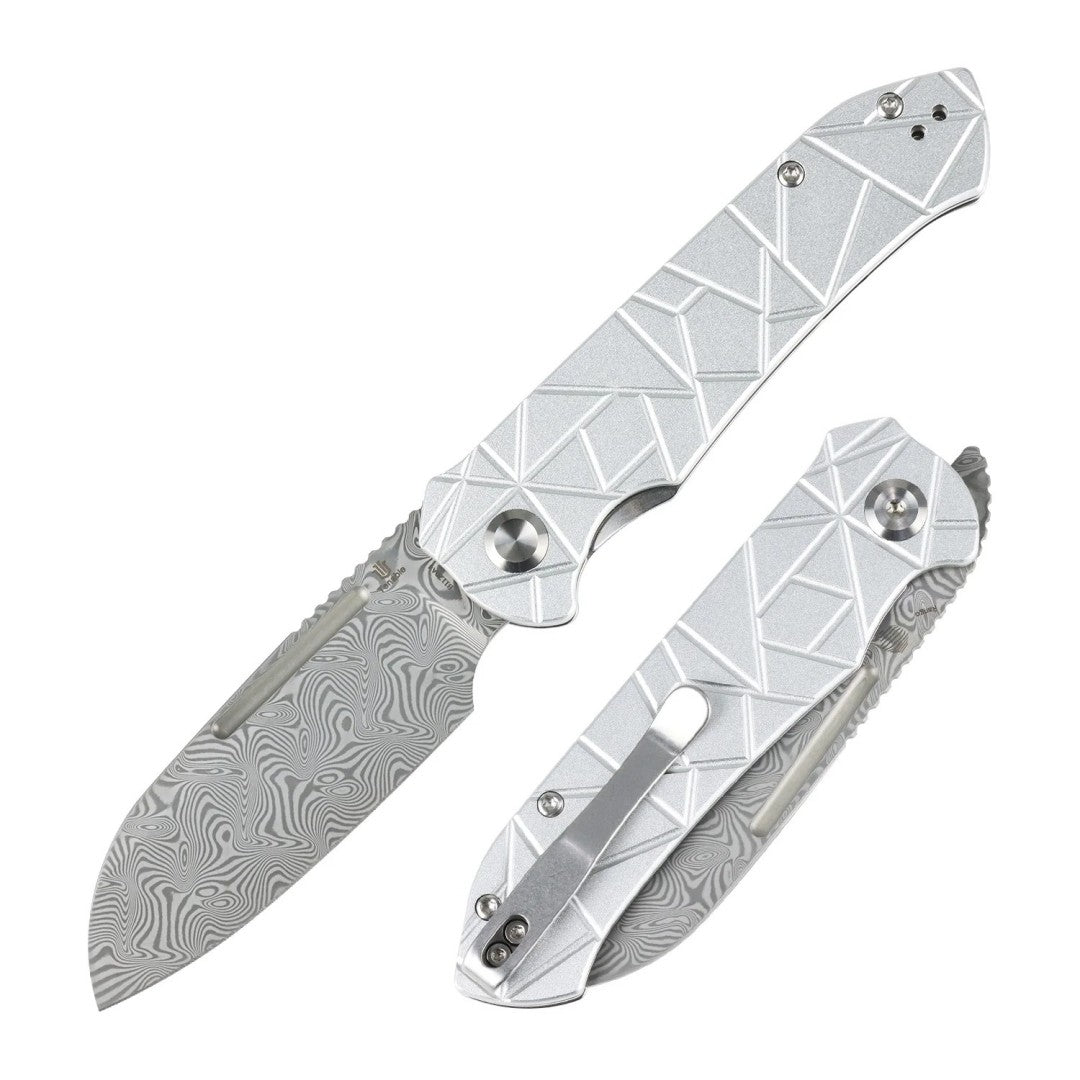
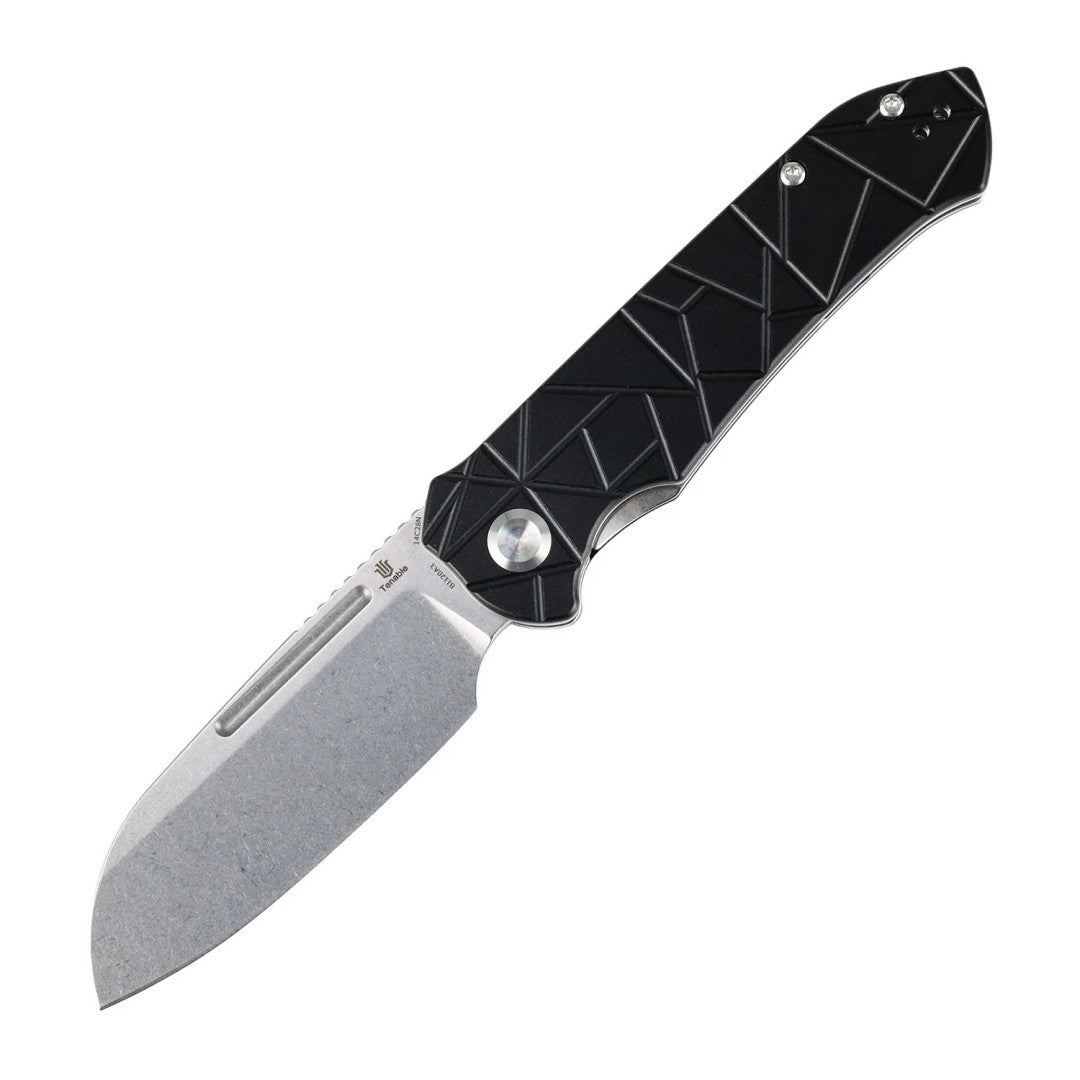
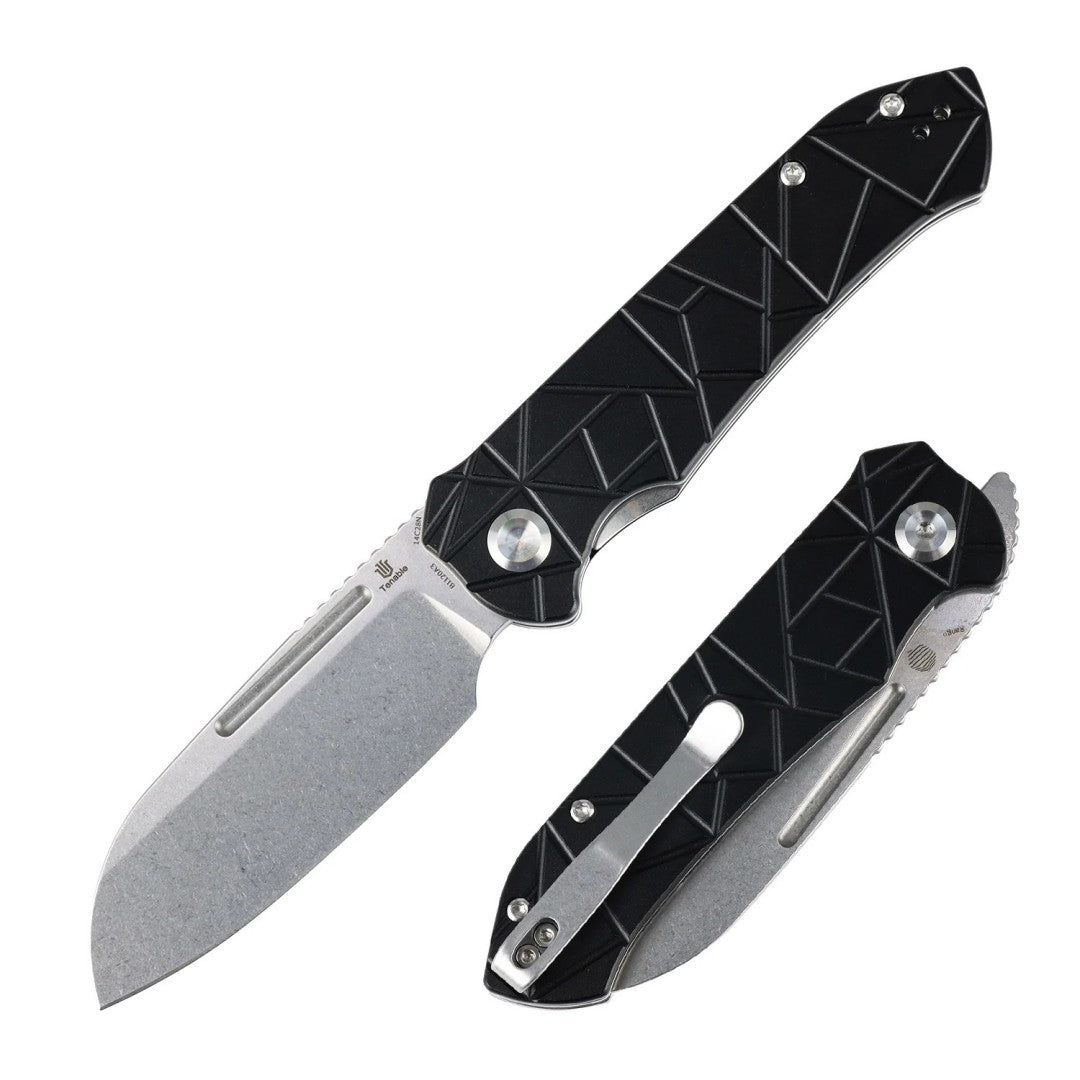
A Glyde lock uses a spring-loaded lock bar with a shaped ramp interface rather than a flat liner face. When the blade opens, the bar's ramp rides along a matching blade tang surface, compressing the spring and self-centering the lockup under blade torque. The result is consistent engagement without liner travel drift over years. QSP pairs this hardware with a 14C28N blade in the Emu, a Sandvik steel chosen for corrosion resistance and fast, easy sharpening at 59-61 HRC. Milled liners, ceramic bearing pivot, and micarta or G10 scales complete a build where mechanism quality matches material quality.
Design & Craftsmanship
The practical payoff shows up in three motions. Opening: the bearing pivot and light detent make the flipper effortless. Locked: the ramp interface keeps blade play at zero even under twisting cuts. Closing: instead of pushing a liner fully across with your thumb, your index finger presses a relieved section and the spring does the work, letting the blade swing shut without your fingers crossing the edge path. That last motion, refined across QSP knives' recent designs, is what owners describe as the reason they stopped carrying liner locks. It is genuinely safer for tired hands.

Performance & Real-World Use
In daily use the Glyde's advantages accumulate quietly. Repetitive box cutting, where you open and close dozens of times, becomes frictionless. Gloved or wet hands find the press-point easier to hit than a traditional liner. Long-term users report the lockup stays tight far longer than flat liners, since the ramp interface distributes wear. The Emu's compact geometry amplifies all of this because small knives get torqued more in small tasks. Pair the mechanism with the 14C28N edge's easy maintenance and the platform covers everything from kitchen prep to warehouse work without complaint.
Carry & Ownership Notes
Experience beats description: cycle a Glyde lock once and the difference is obvious. Browse the full Emu QS164 family and other Glyde-equipped EDC knives at EdcMall to feel the mechanism for yourself.
Who Is This For?
Anyone upgrading from an aging liner lock will feel the difference immediately, and users with hand strength or arthritis concerns should shortlist Glyde-equipped models specifically. Collectors of lock mechanisms will appreciate QSP's execution of the ramp concept at a price where most brands still ship plain liners. Choose the Emu trims to experience it in the smallest package, or compare the wider QSP knives range at EdcMall to see which platforms share the hardware. For buyers researching their first serious folder among EDC knives, mechanism education like this is worth an evening.
Final Verdict
The Glyde lock is QSP's quiet argument that innovation belongs in mechanisms, not just steels. By rethinking the interface between lock bar and blade, the Emu QS164 delivers safer closing, longer-lasting lockup, and a daily experience that outclasses its price bracket. Combined with 14C28N's practical virtues and the family's clean geometry, the platform is one of the smartest small-folder purchases available now. Rate it nine out of ten for mechanism-first buyers, and consider it proof that the best EDC knives are engineered where your fingers actually touch.