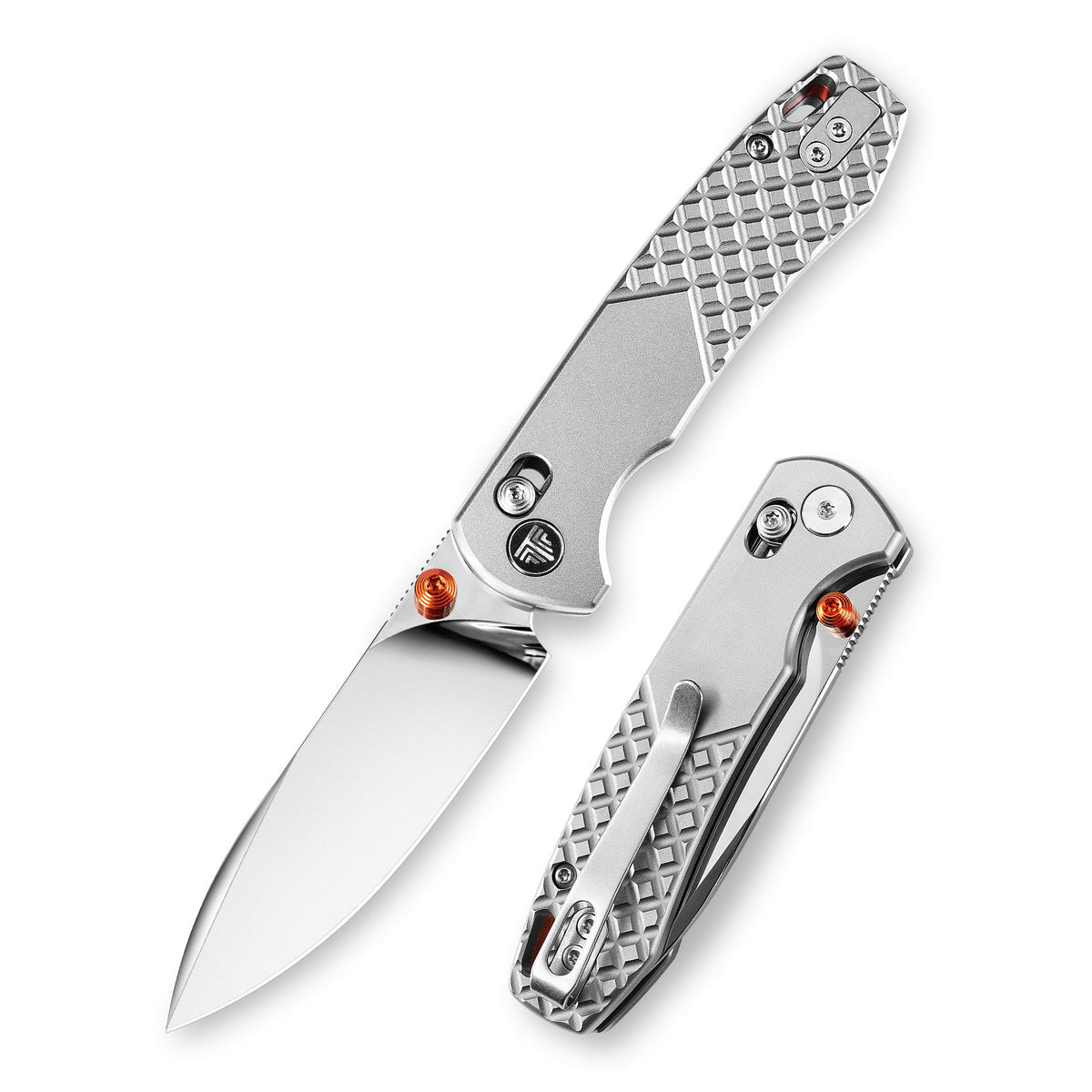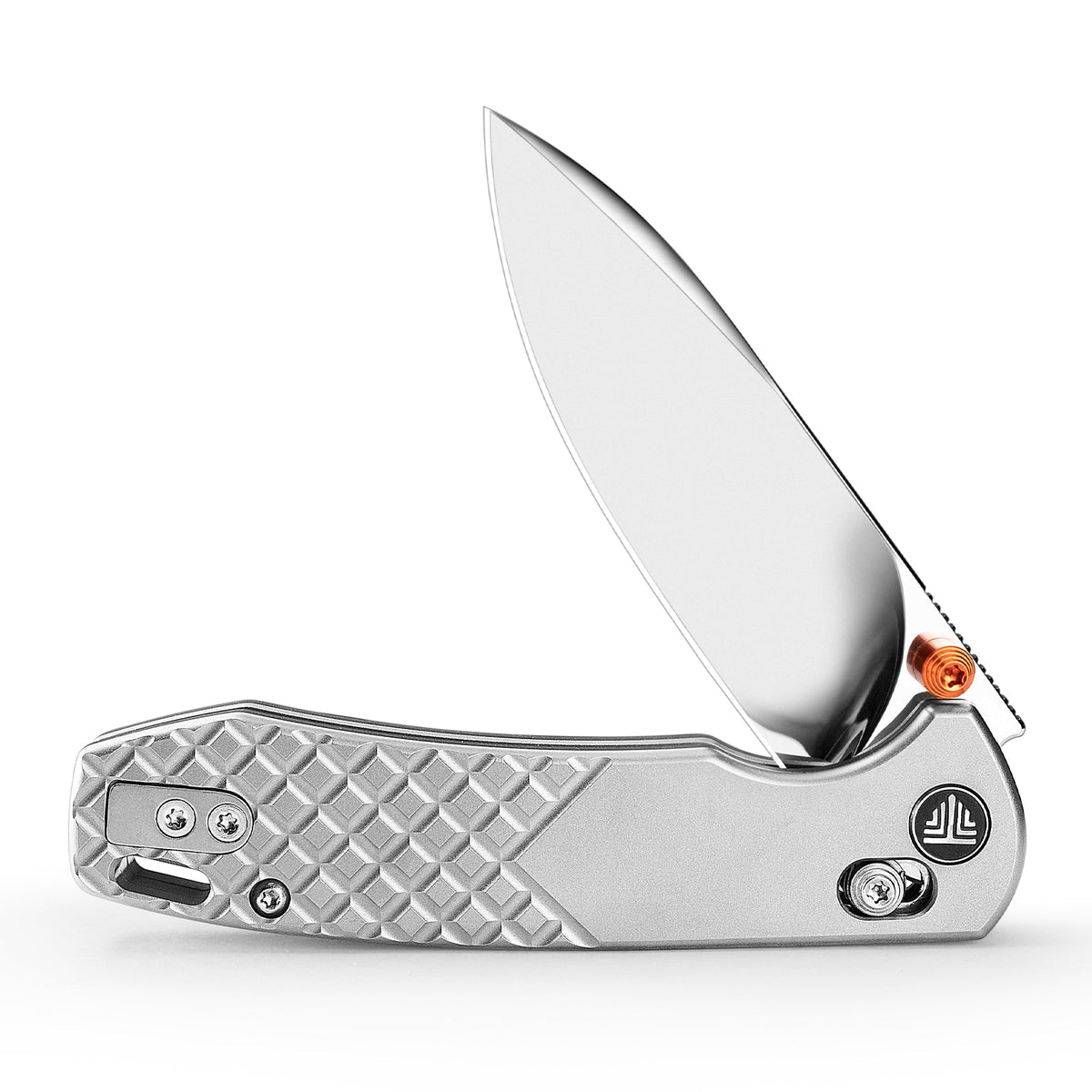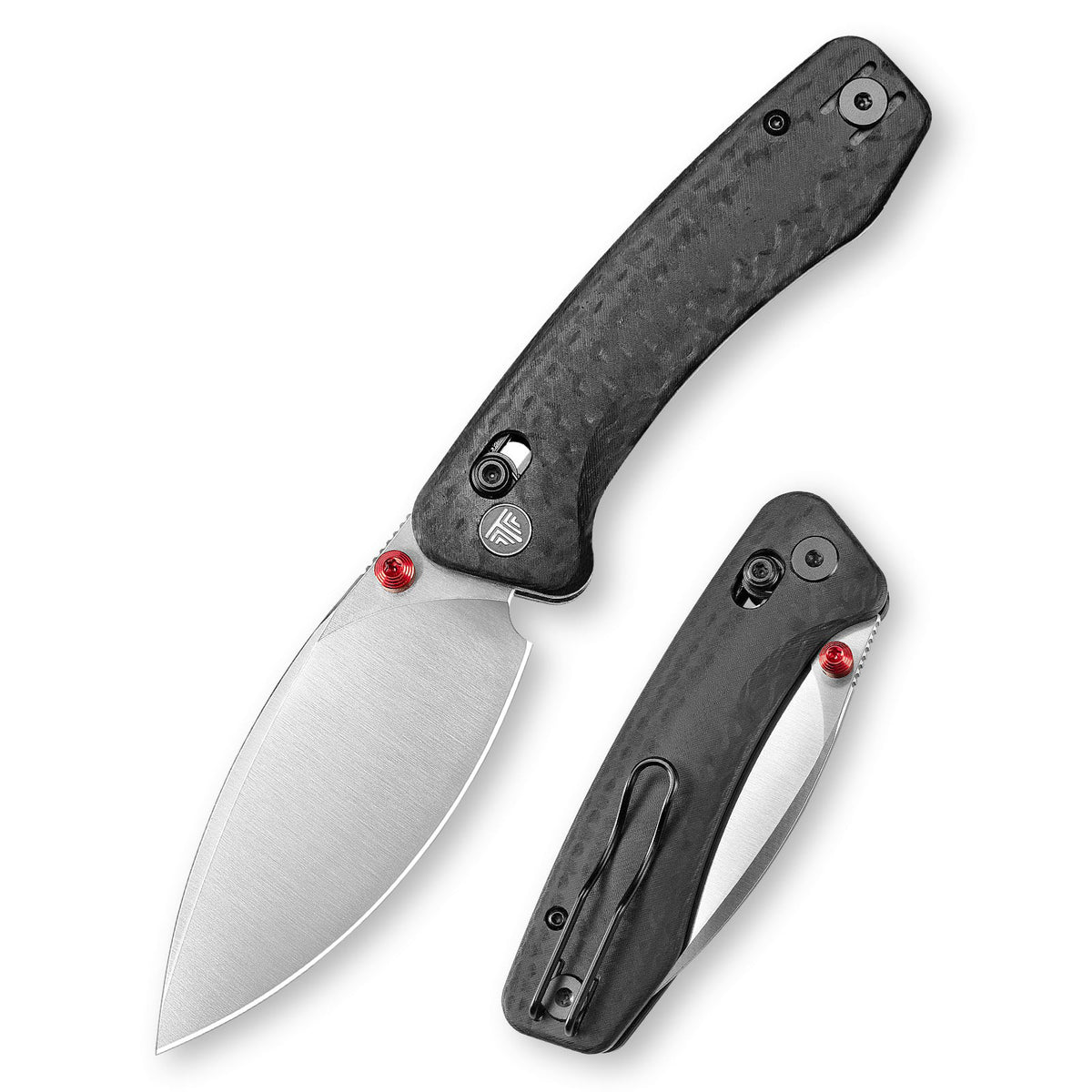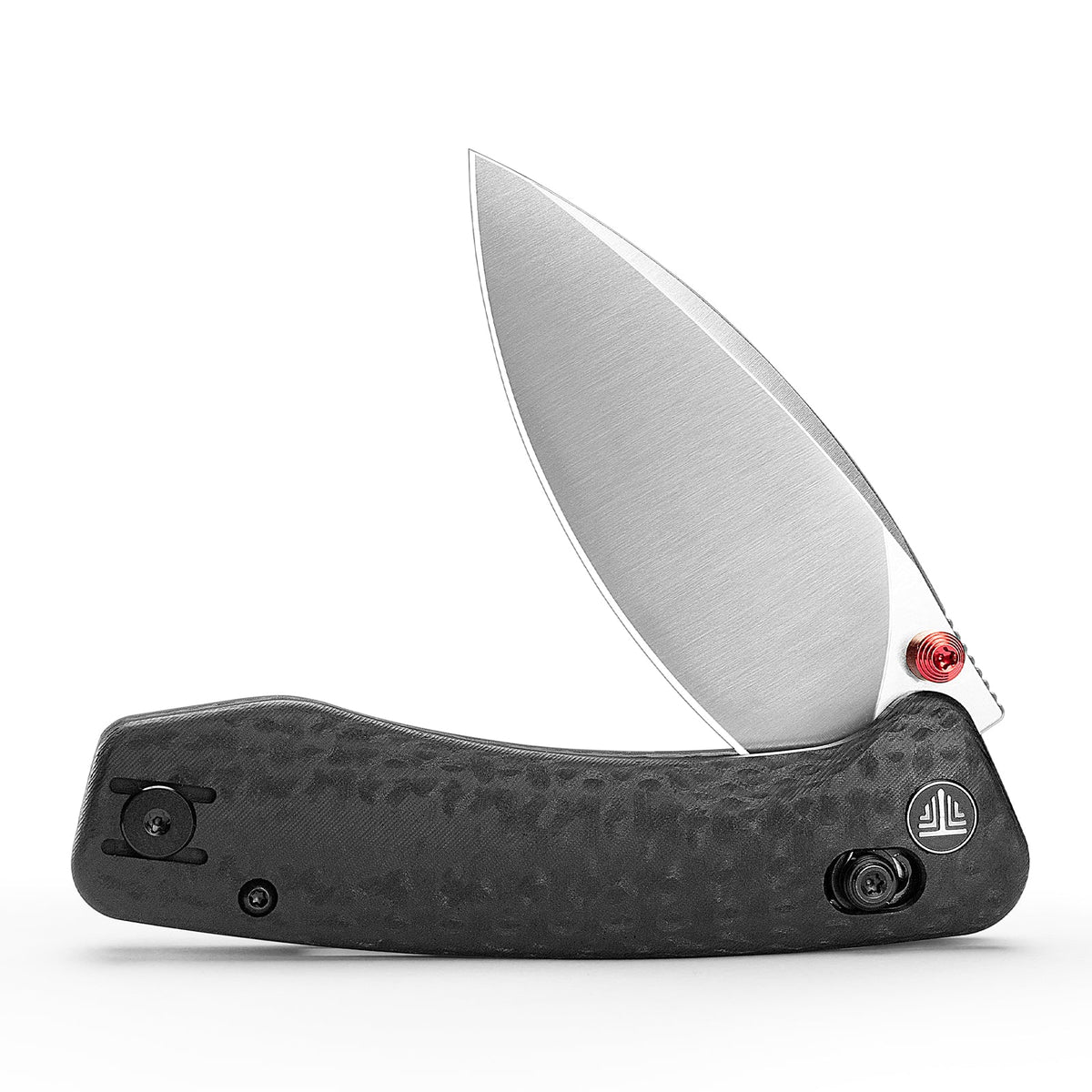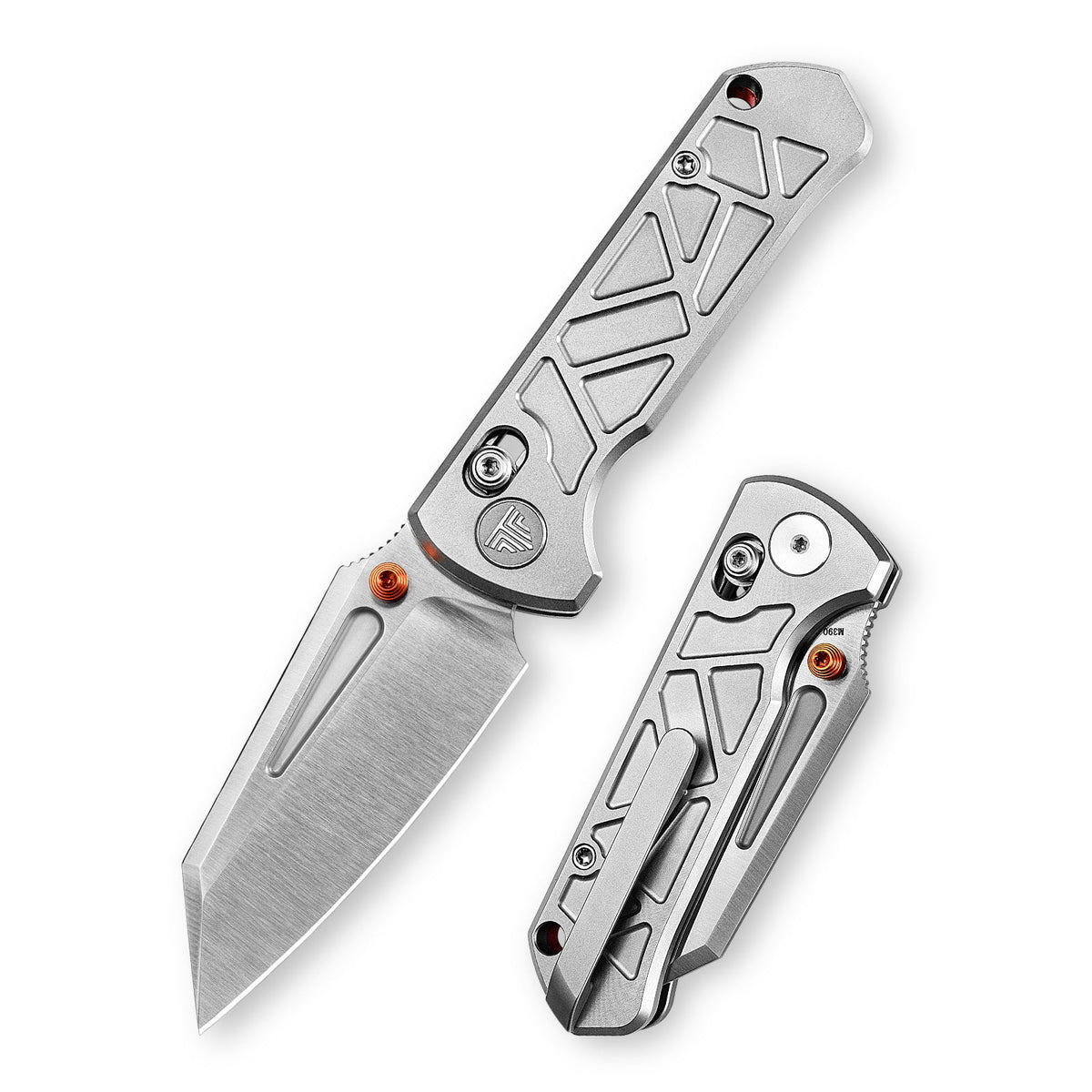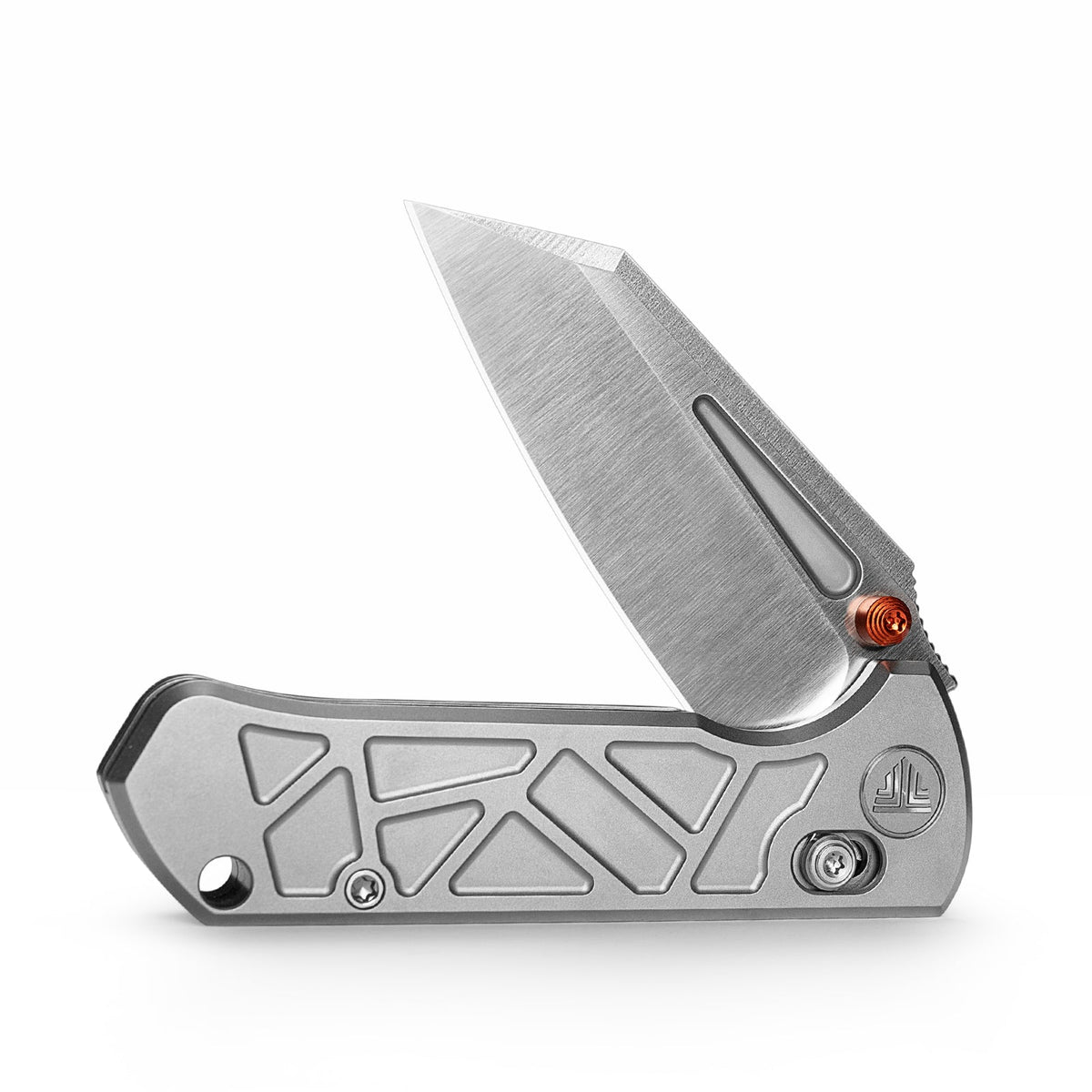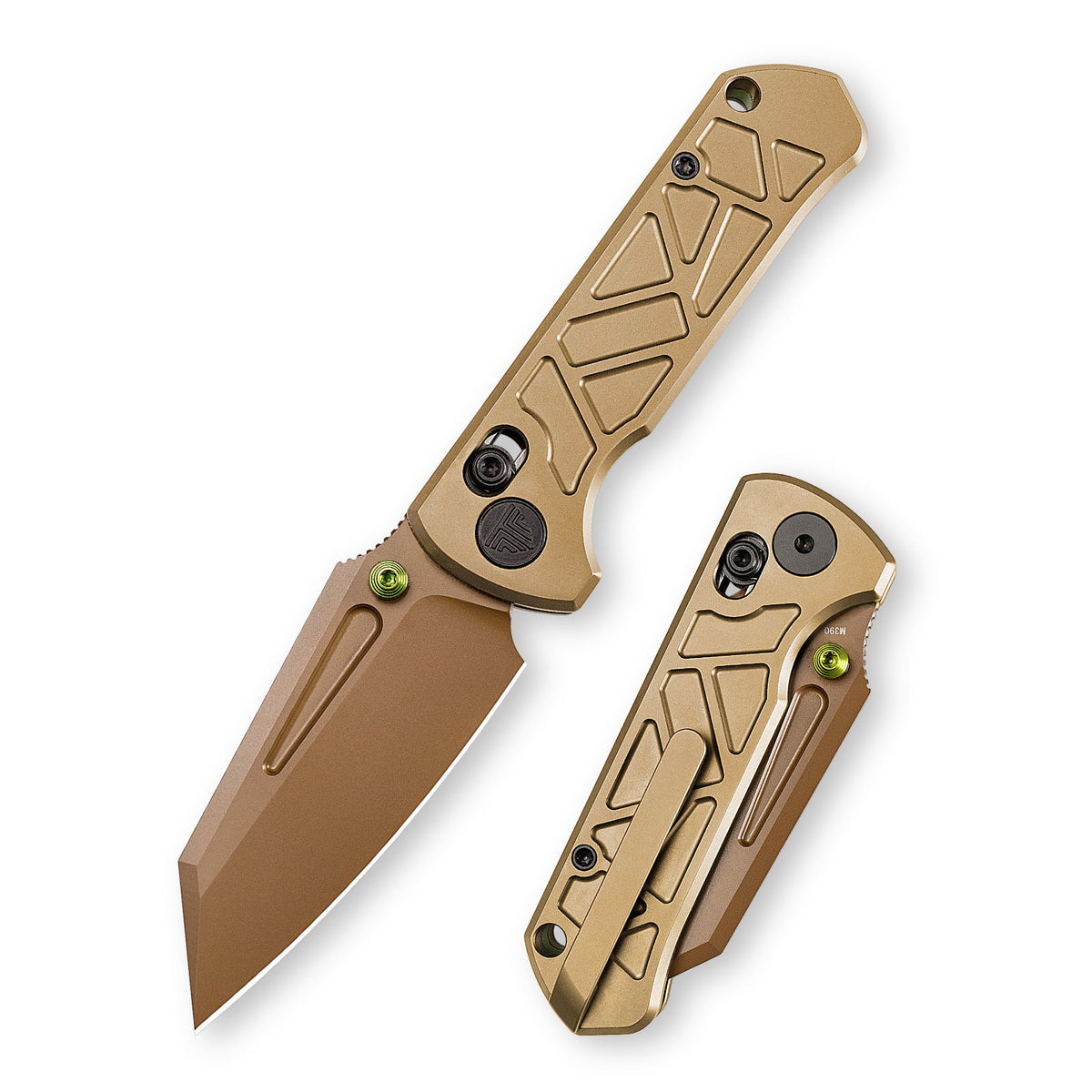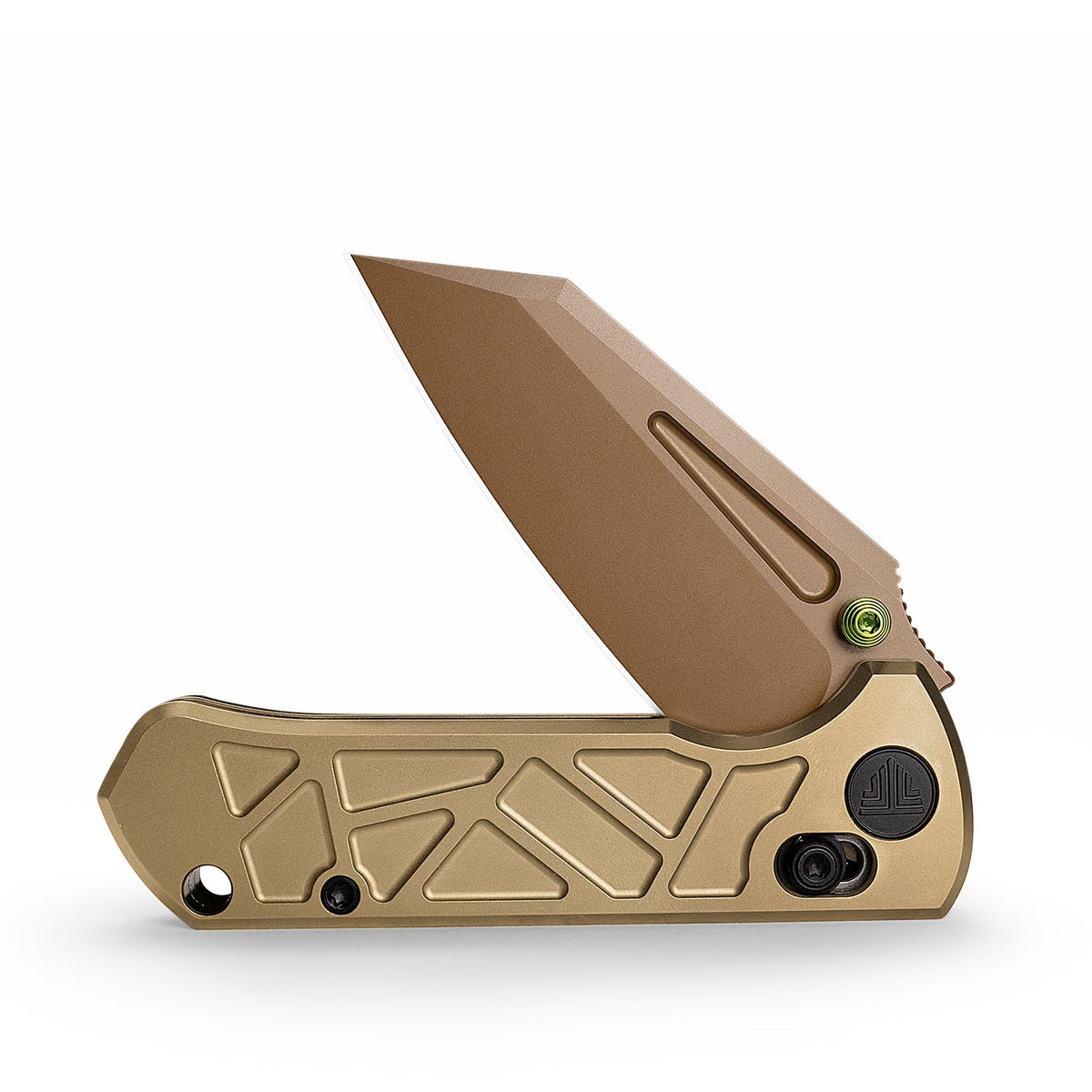


Overview & First Impressions
Rope walks were long sheds where fibres were twisted into yarn and yarn into rope, and the length of the building set the length of the lay. Twist direction, strand count and tension decided how a line behaved under load, and those three variables still decide whether a knife lanyard hangs well or kinks into a knot. The Apeshkov Kesha bead sits at the end of that chain, so the cord you choose matters as much as the bead itself.
Materials & Construction
This bead is turned and finished by hand from a solid blank, with a bore sized for paracord and a counterbore that hides the knot inside the channel instead of leaving a lump under the metal. Apeshkov Beads works in small runs, so each piece carries slight variation in the surface texture. Weight is deliberately modest, because ten grams at the end of a lanyard changes how a knife hangs far more than the same mass would anywhere else.

Design & Details
The shape reads as a compact barrel with softened shoulders, which keeps it from sawing through a cord under load. Because the bore has a real counterbore, a simple overhand knot disappears inside the bead and the lanyard stays visually clean. Pair it with a cord that matches its diameter, since an oversized line will not seat and an undersized one will slide. Most quality lanyard beads are judged on exactly this detail.
Real-World Use
In carry, the bead gives a folding knife a grab point that finds a pocket without looking, which is useful with gloves or in the dark. It also keeps the tail of the lanyard from fraying into a pocket seam. On a small fixed blade it adds just enough length to clear a sheath. The finish has held up against keys for months without dulling, and cleaning is a matter of warm water and a soft brush.

Ownership Notes
Cord choice deserves more thought than it usually gets. A tightly twisted nylon line holds a knot well but stiffens in cold, while a looser braid hangs straighter and frays faster. EdcMall photographs beads alongside cord so proportions are clear before ordering, and the limited runs sell through quickly. Melt the cut ends, seat the knot inside the bore, and the assembly will outlast the cord. Anyone who owns several EDC knives has probably watched a cord fray at the handle, which is why a finished bore is worth paying for. Replace the cord before it looks worn, since a lanyard that fails in a pocket usually takes the bead with it and leaves a scratch on the blade.
Who Is This For?
This is for the carrier who wants a tactile detail on a knife and a better grip when drawing it. It suits collectors who already own several pieces and want one that feels handmade rather than machined. It is not for someone who wants a completely slick, snag-free pocket setup, and it is easy to lose if the knot is tied carelessly.
Final Verdict
The Kesha bead is a small object that solves a small problem properly. Its bore, counterbore and weight are all deliberate, which is more than most novelty beads can claim. Buy it with cord of the right diameter and it will make a good knife feel finished.