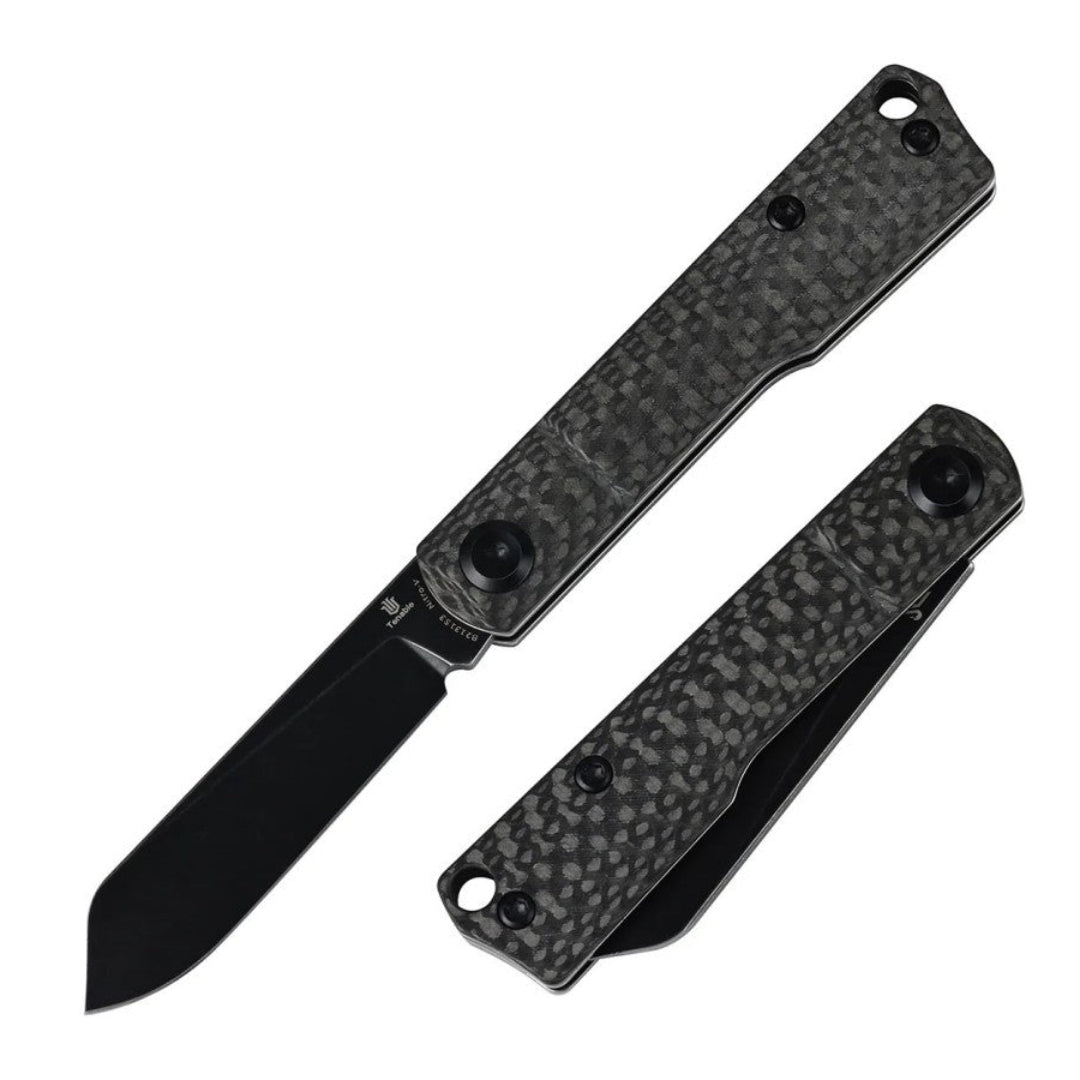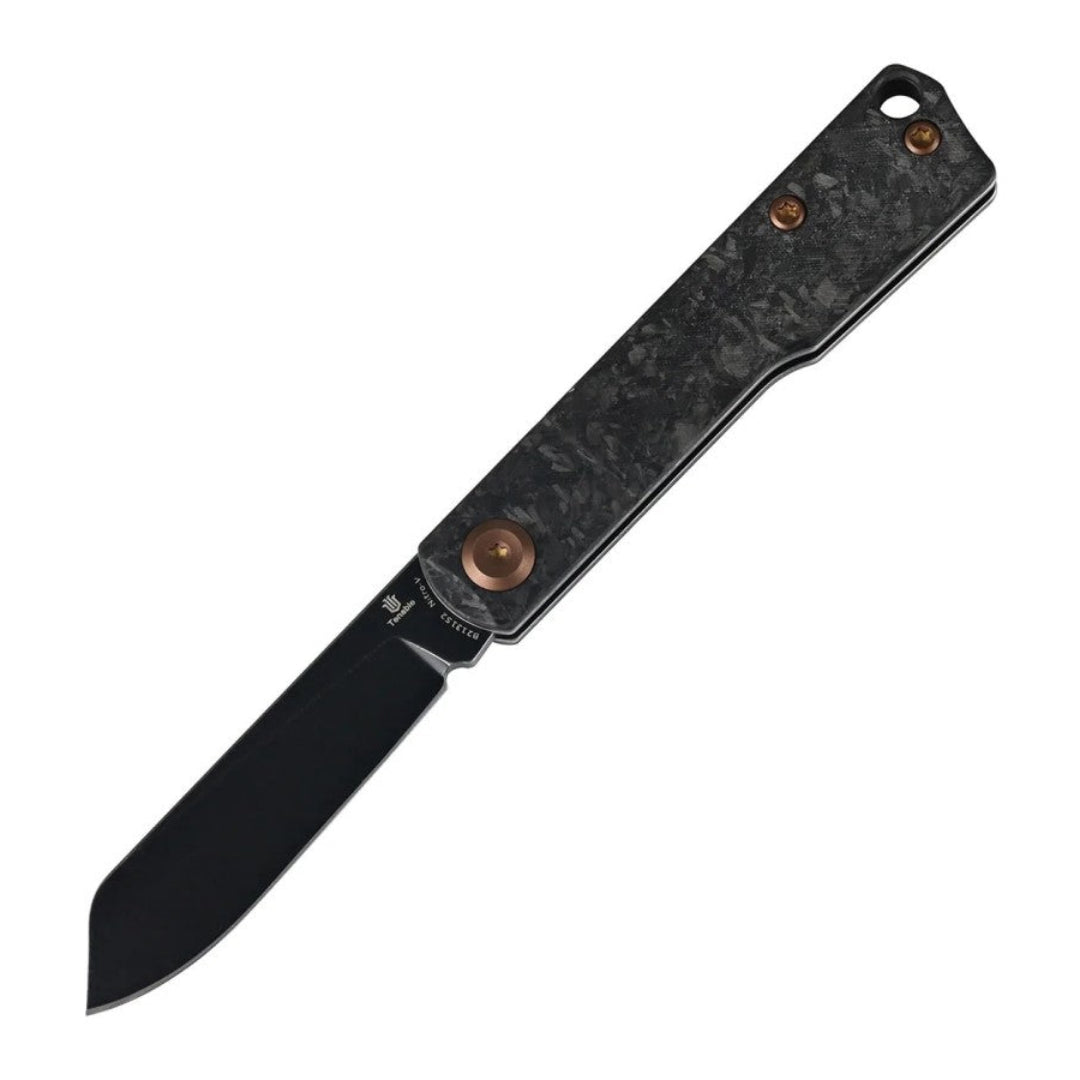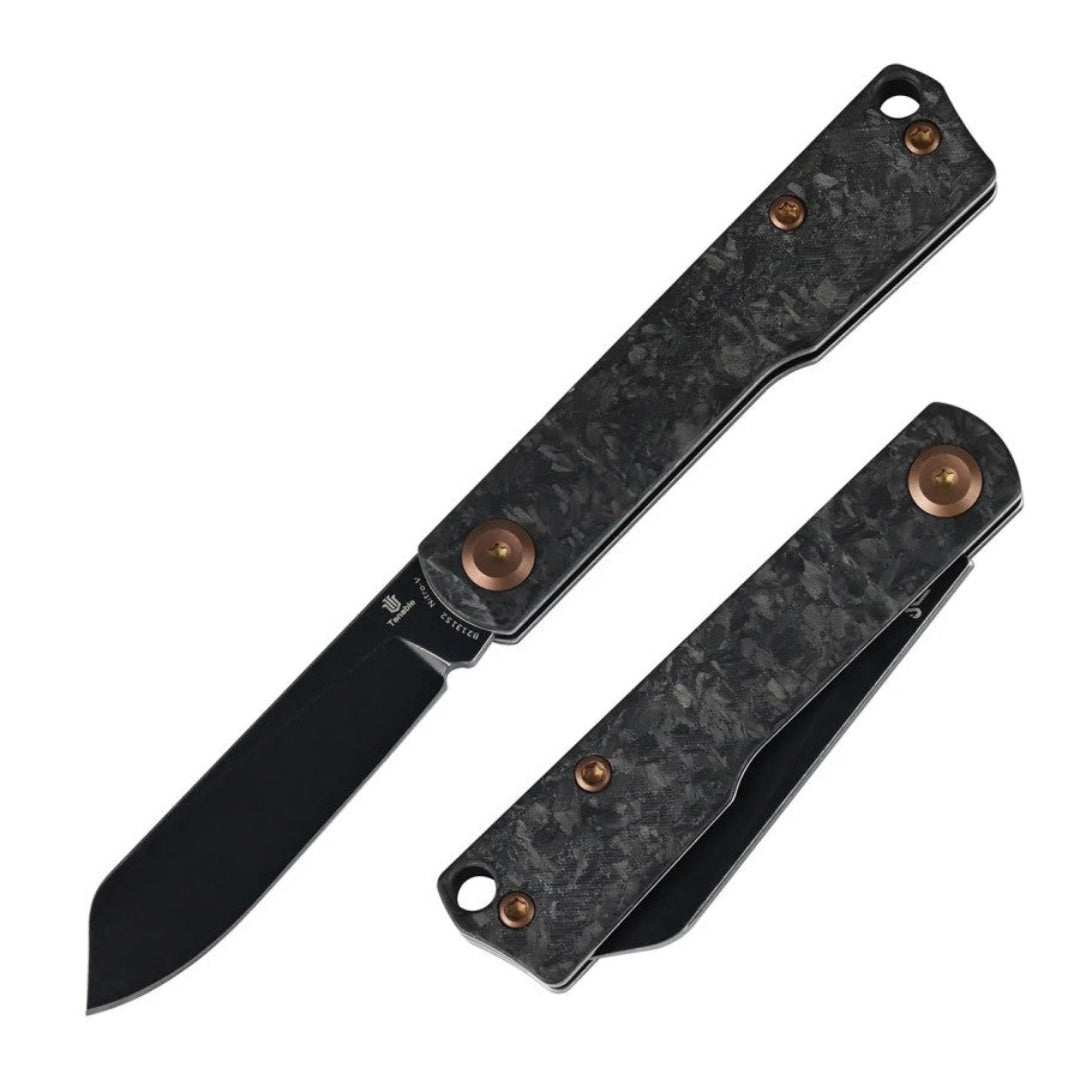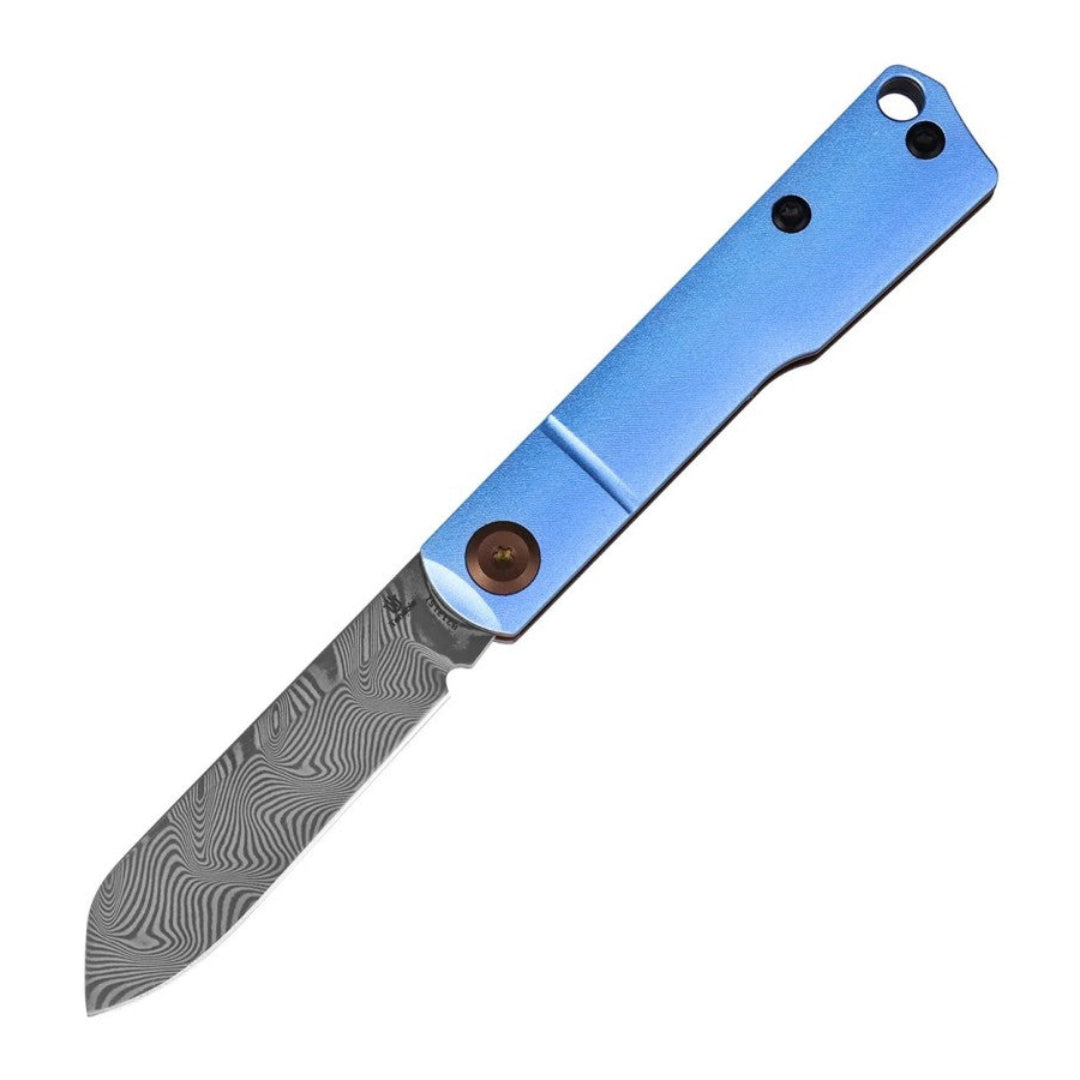

Overview & First Impressions
Soil sampling is a walking job with a bag on your shoulder. An agronomist follows a grid across a field, pulls cores at fixed depth, mixes them in a bucket, labels a sample and moves on. The work is dusty in summer and muddy in spring, and the knife in a field vest opens sample bags, cuts flagging tape and trims a stake marker. The EDC knives a crop consultant carries are light, sharp and easy to clean.
Materials & Construction
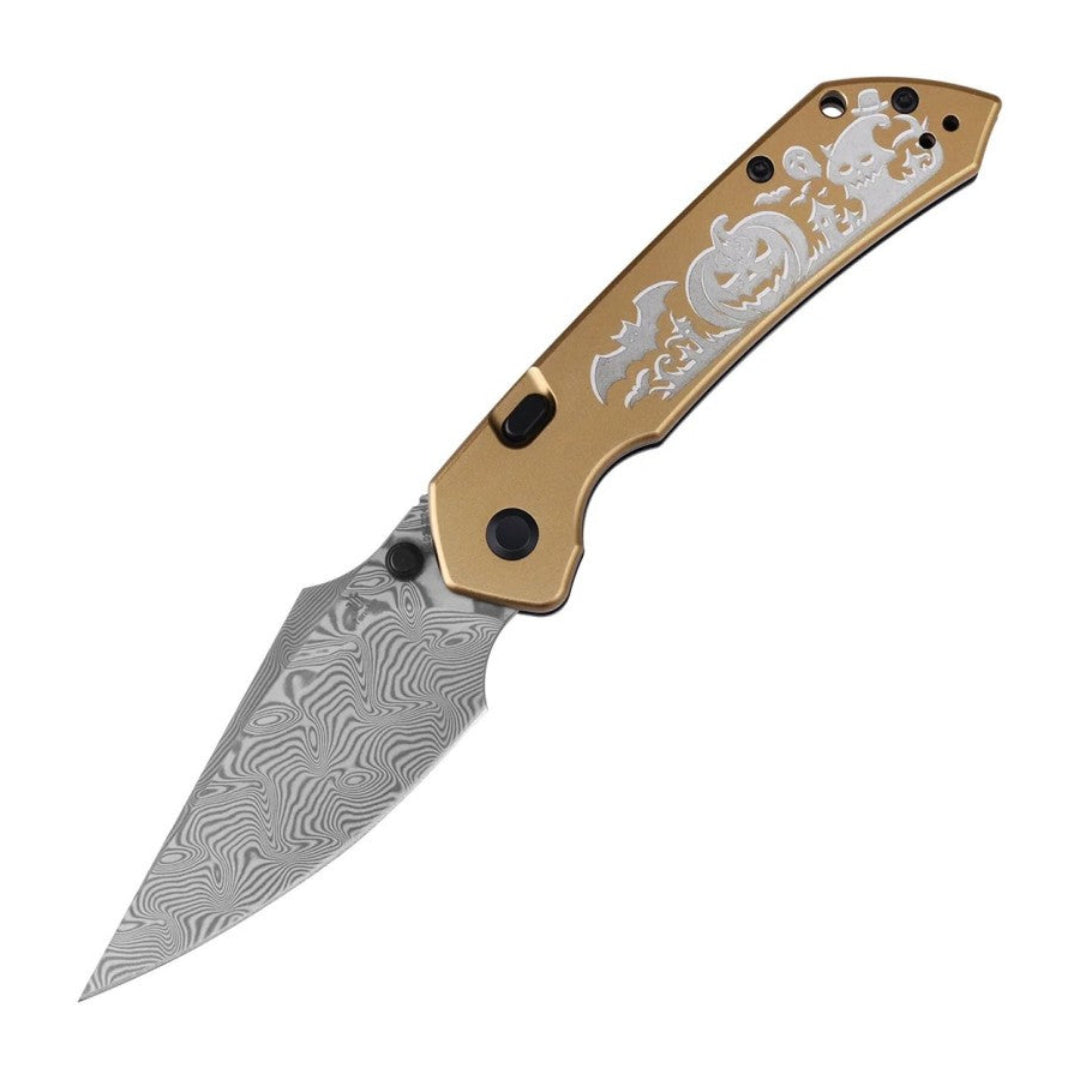
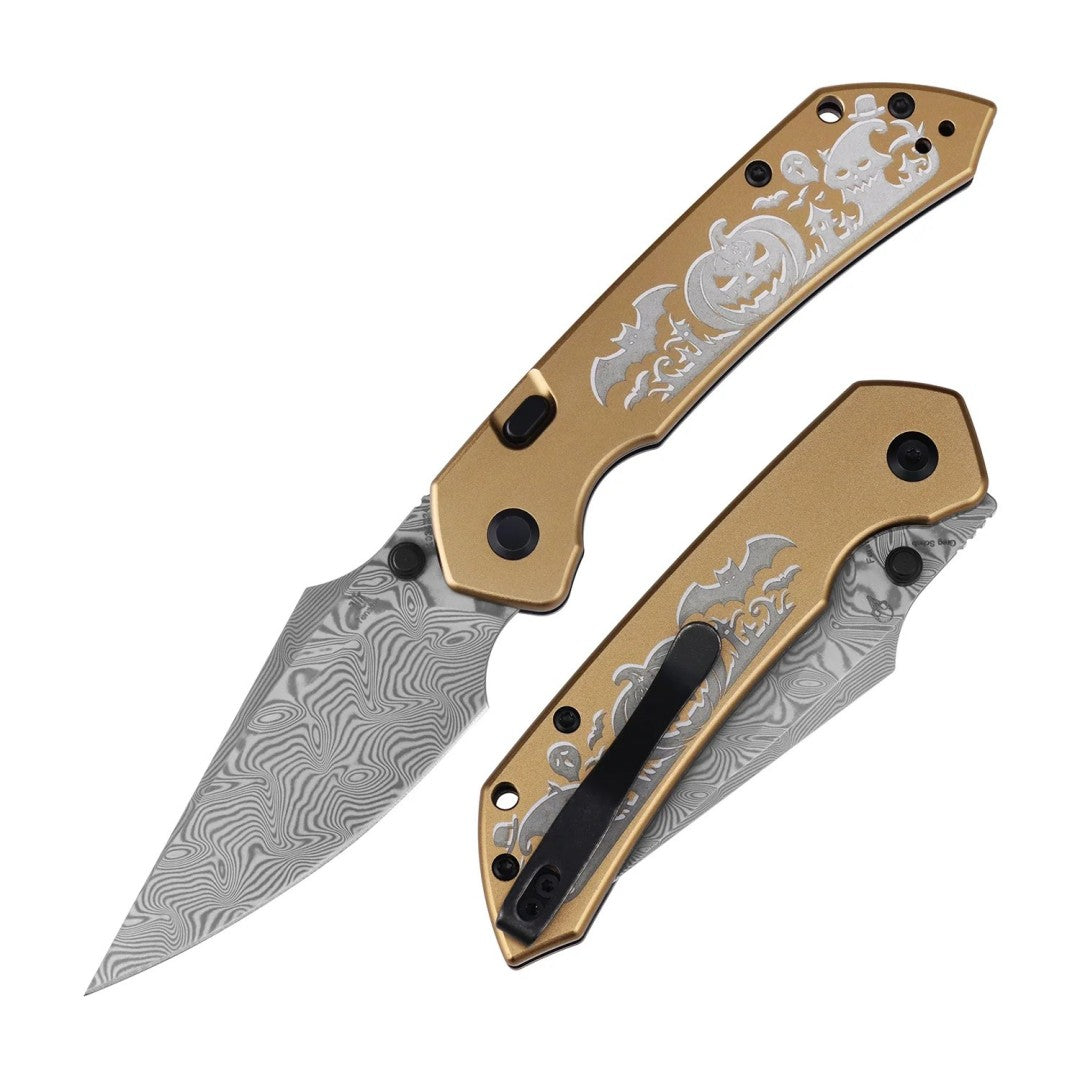
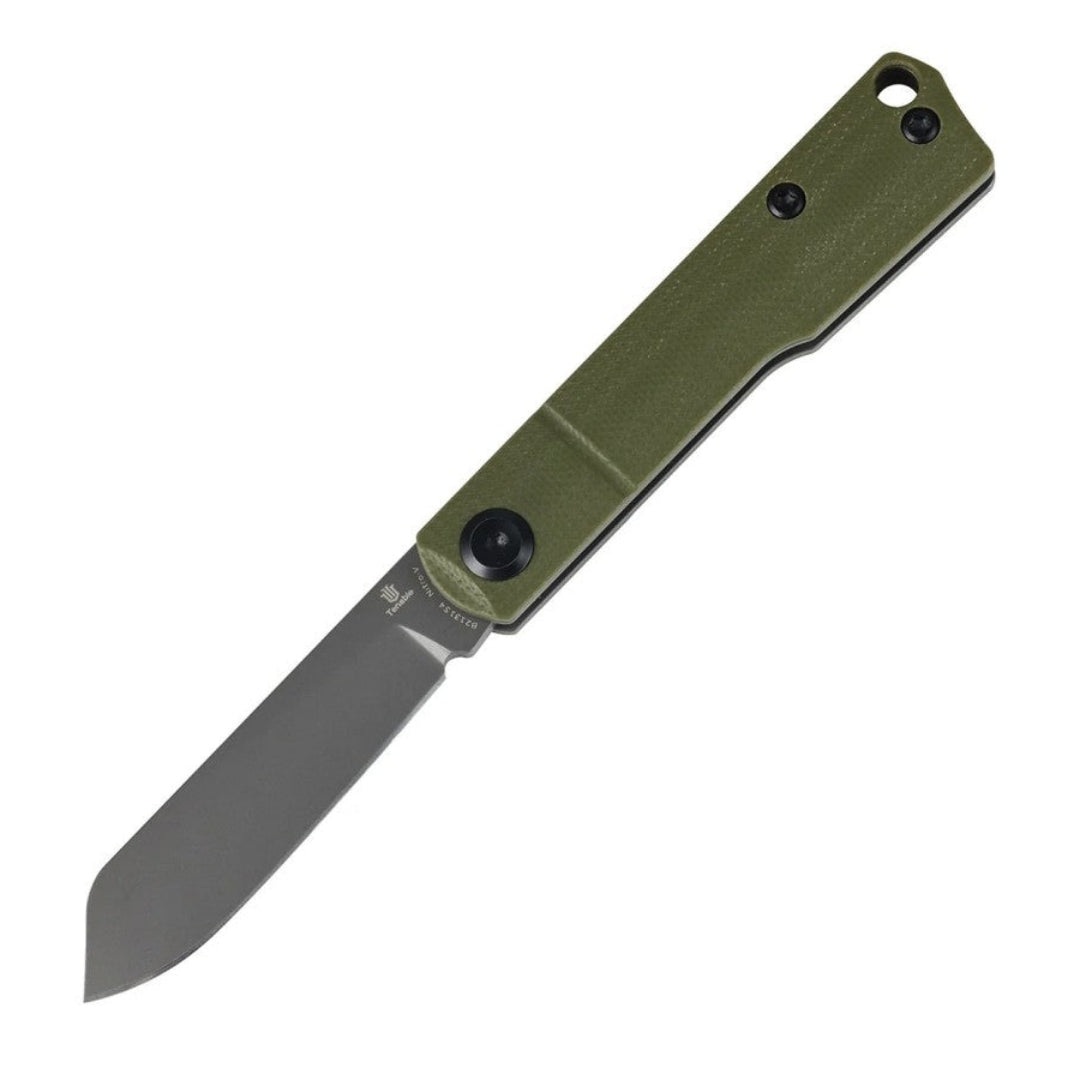
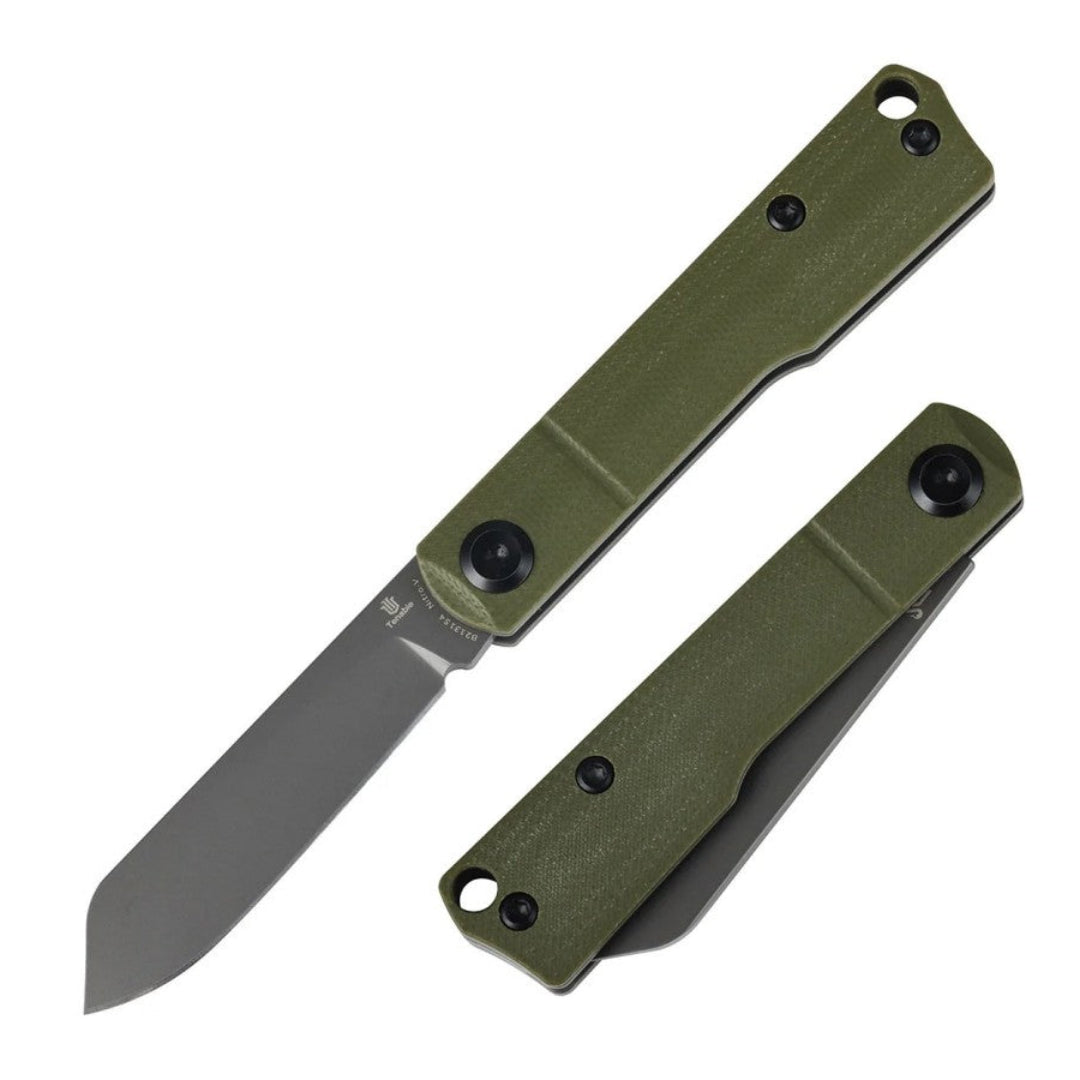
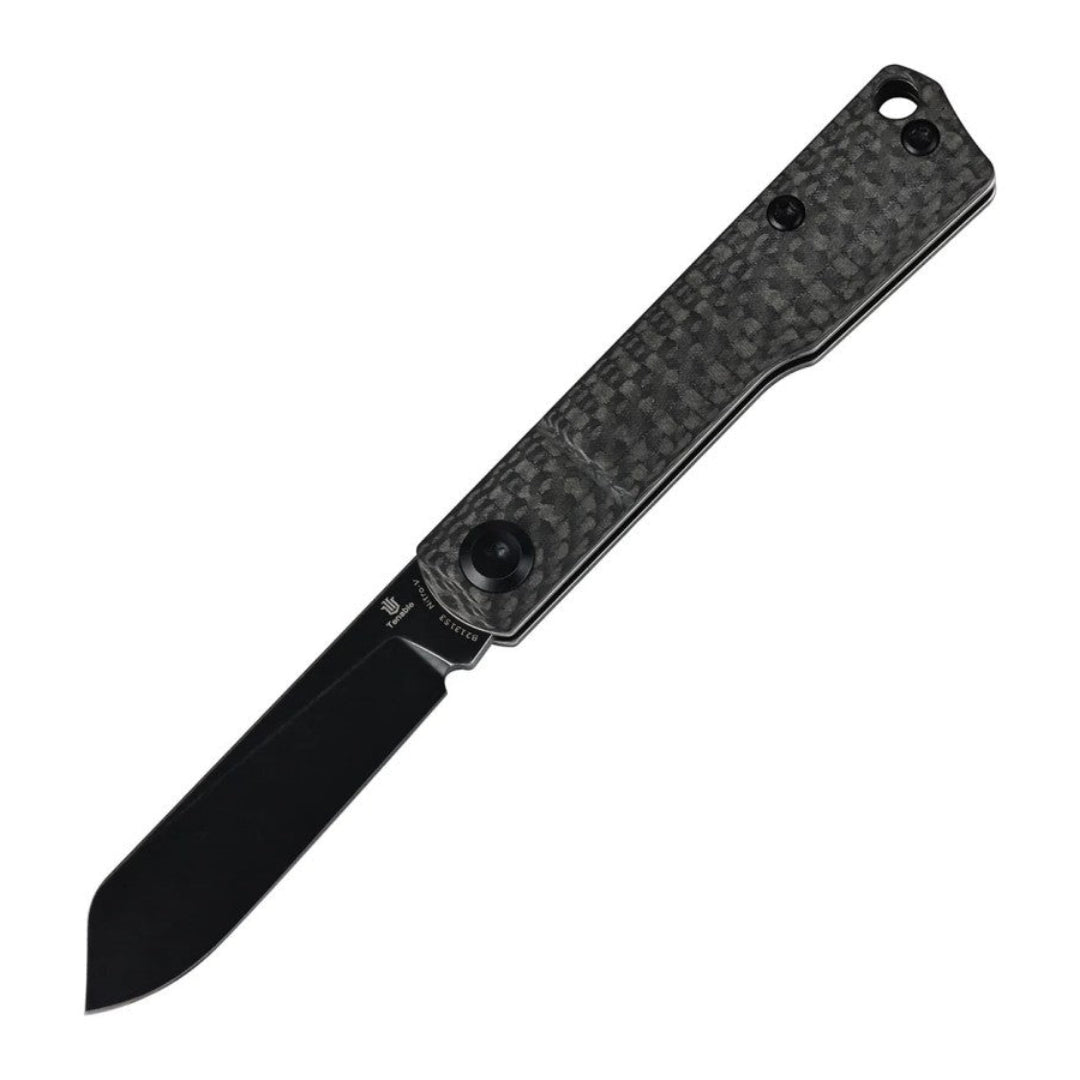
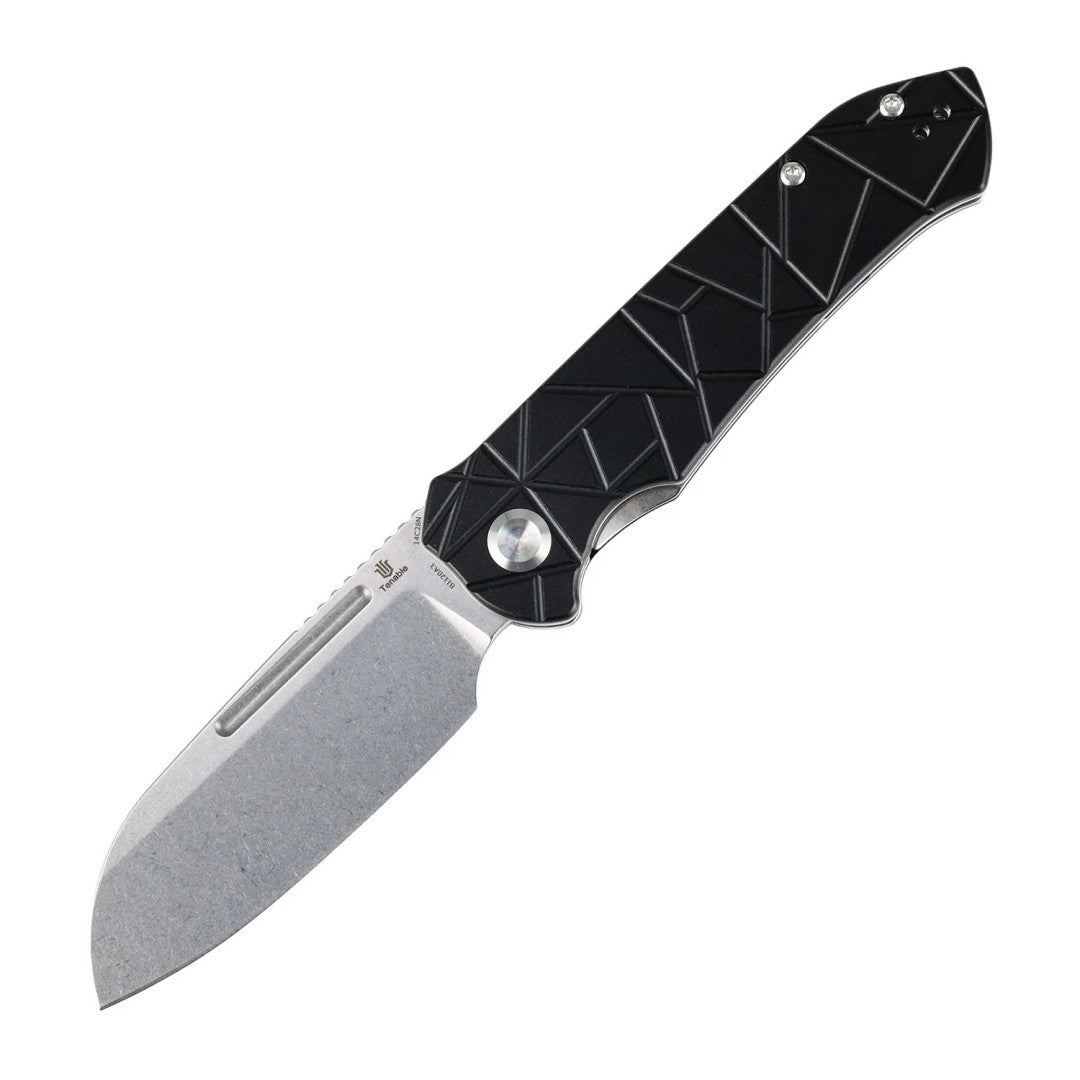
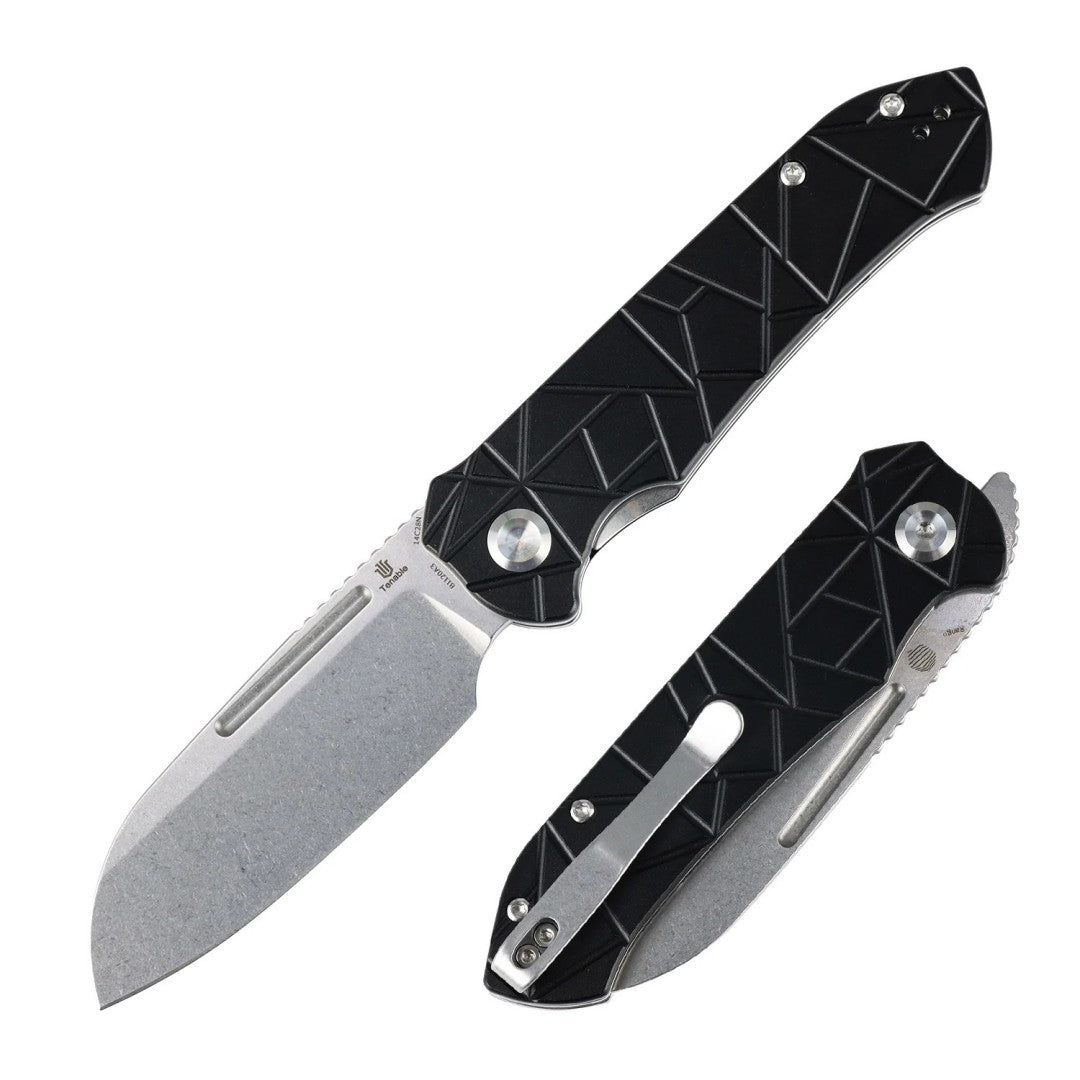
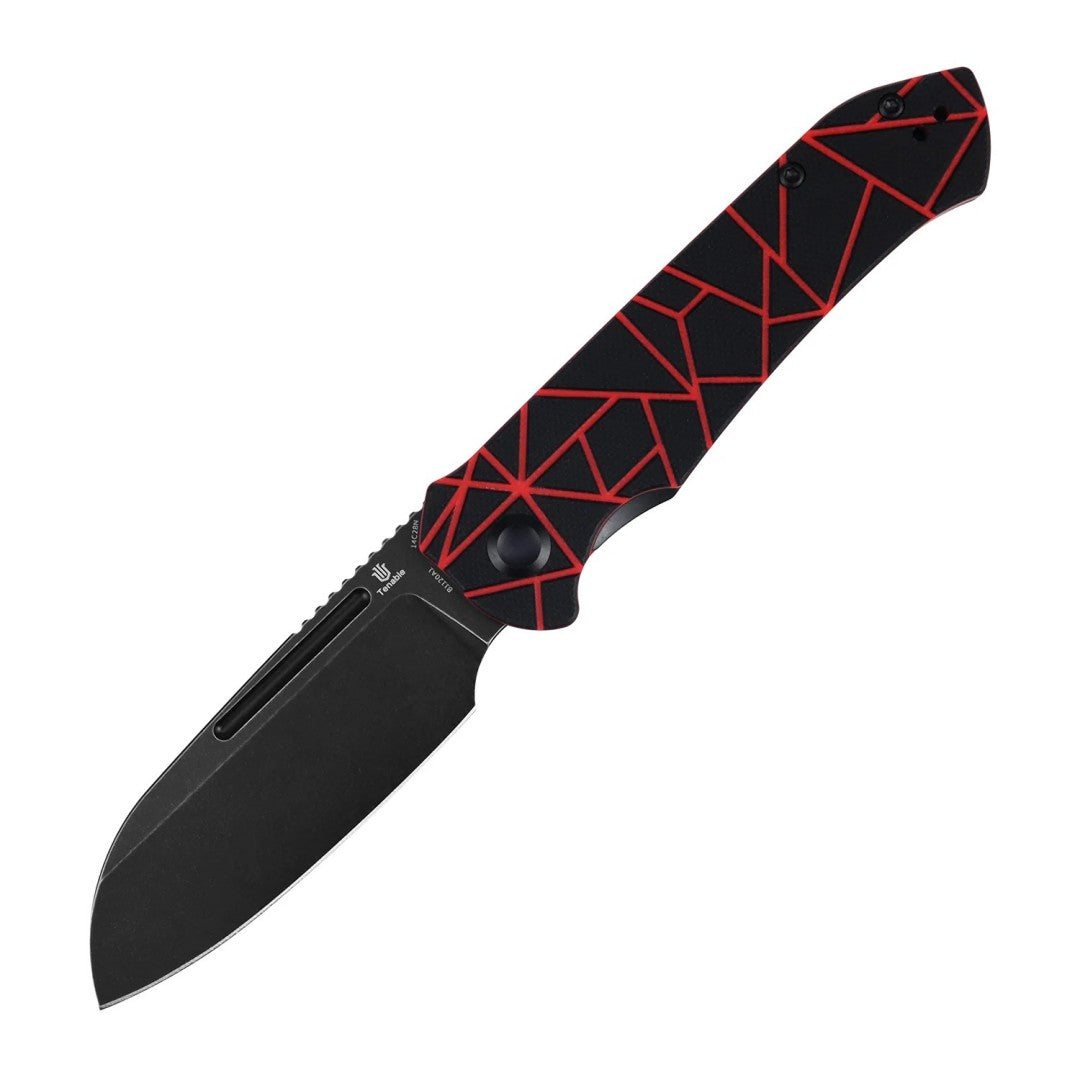
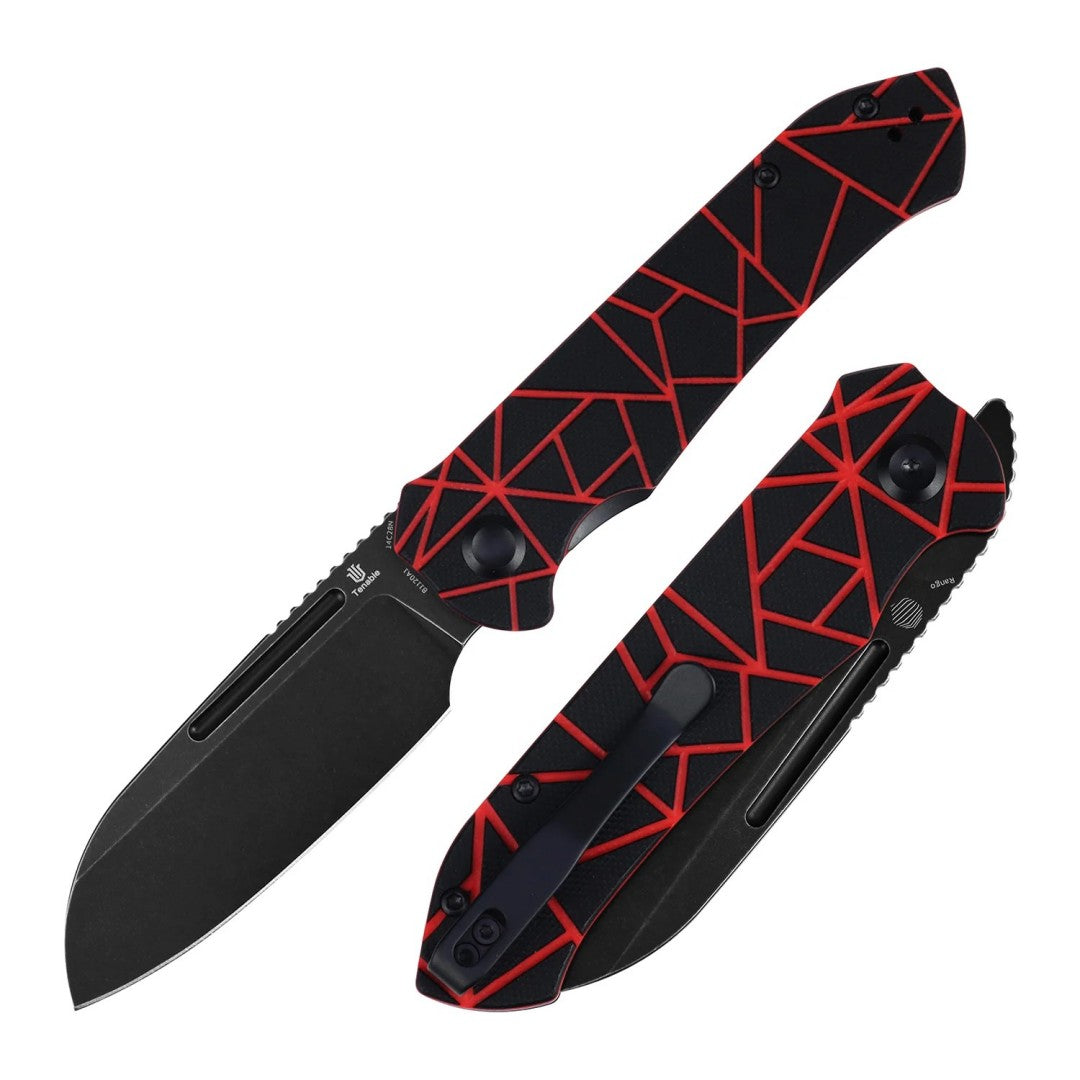
14C28N is a good field steel because it holds a fine edge and resists the rust that comes with damp soil, morning dew and a bag that stays wet until lunch. The QSP Emu QS164-A1 pairs that blade with a black micarta handle and a lock that opens smoothly with one hand. QSP knives build folding knives with a tidy fit and finish at a price that makes a second knife for the truck sensible.

Design & Details
Field knives should be small and forgettable. A blade around three inches opens bags and cuts tape, a handle with a little texture grips a sweaty hand, and a clip that sits deep in a vest pocket keeps the knife from hooking on a fence line. Anything heavier becomes a chore by the tenth transect of the day.
Real-World Use
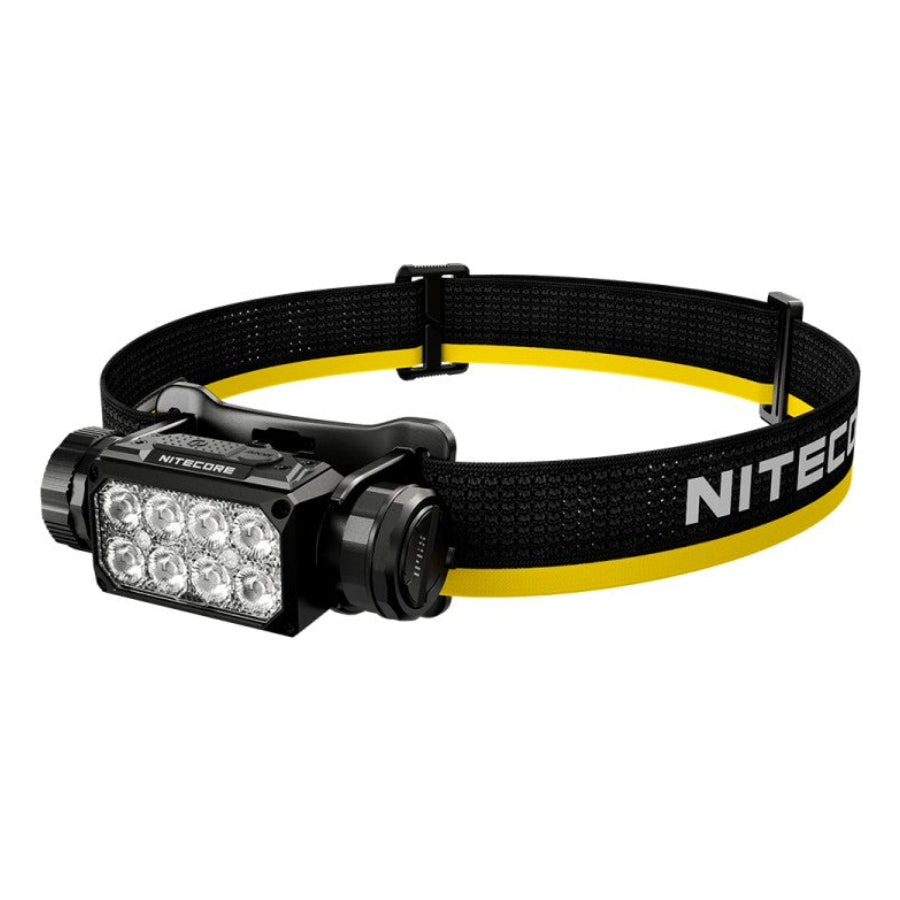
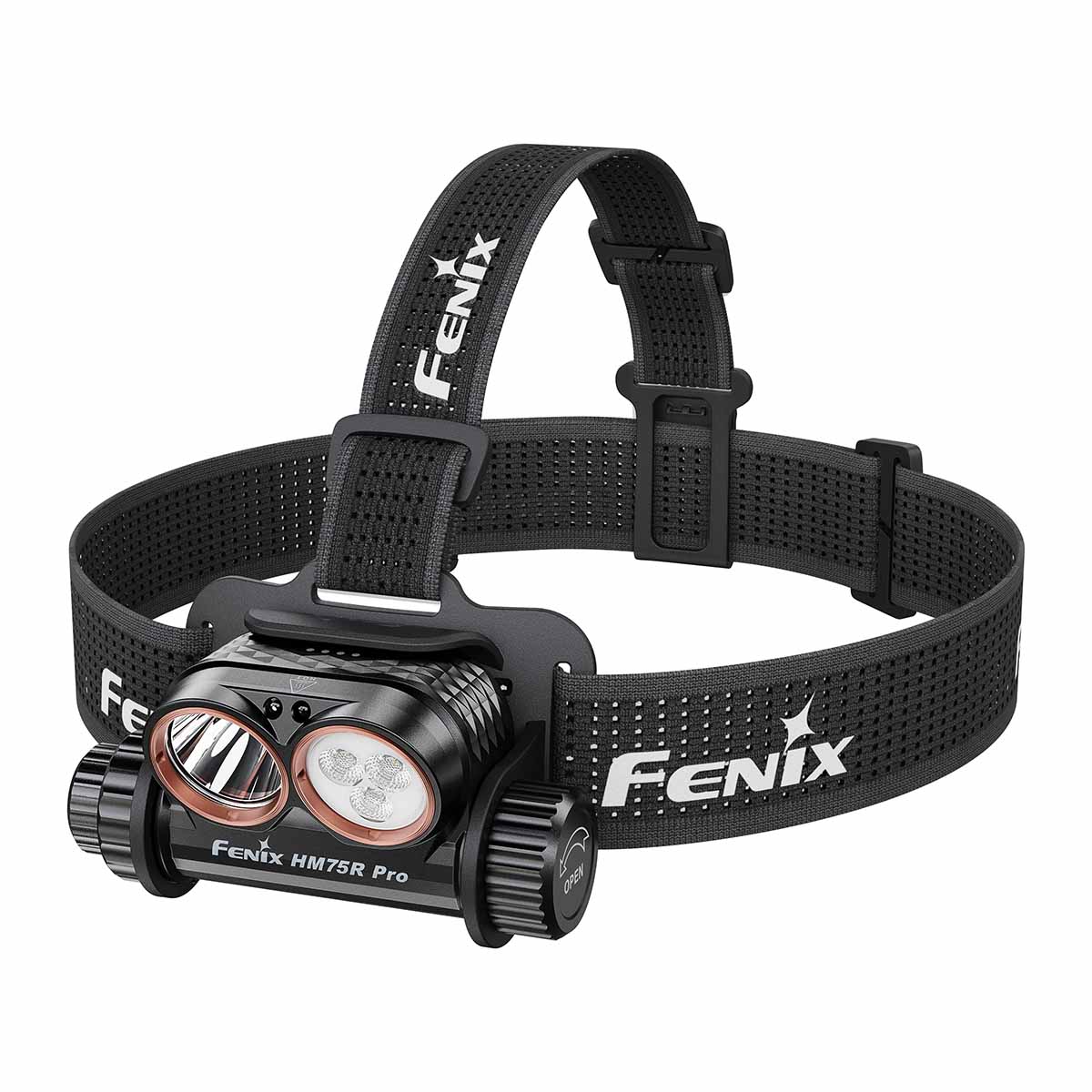
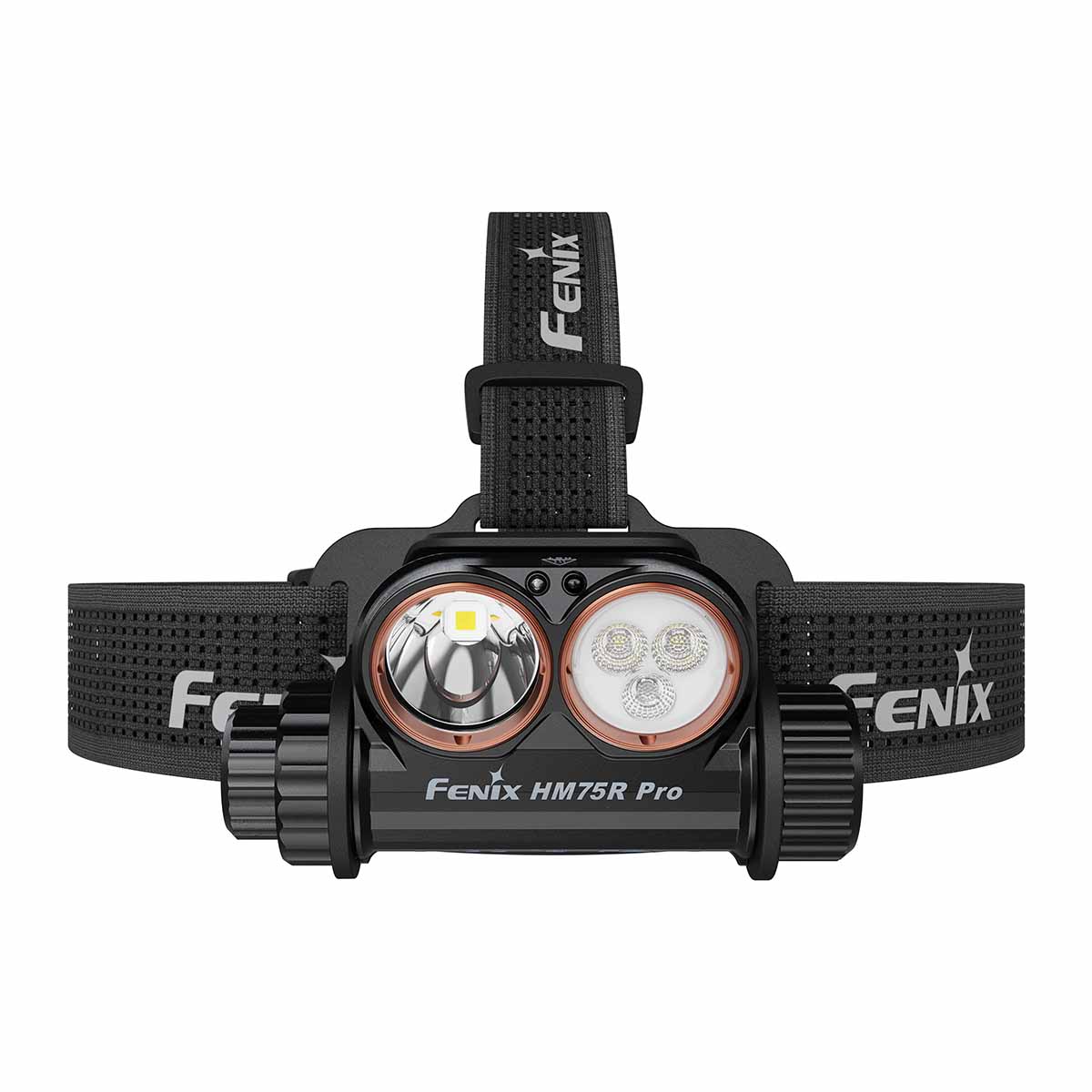
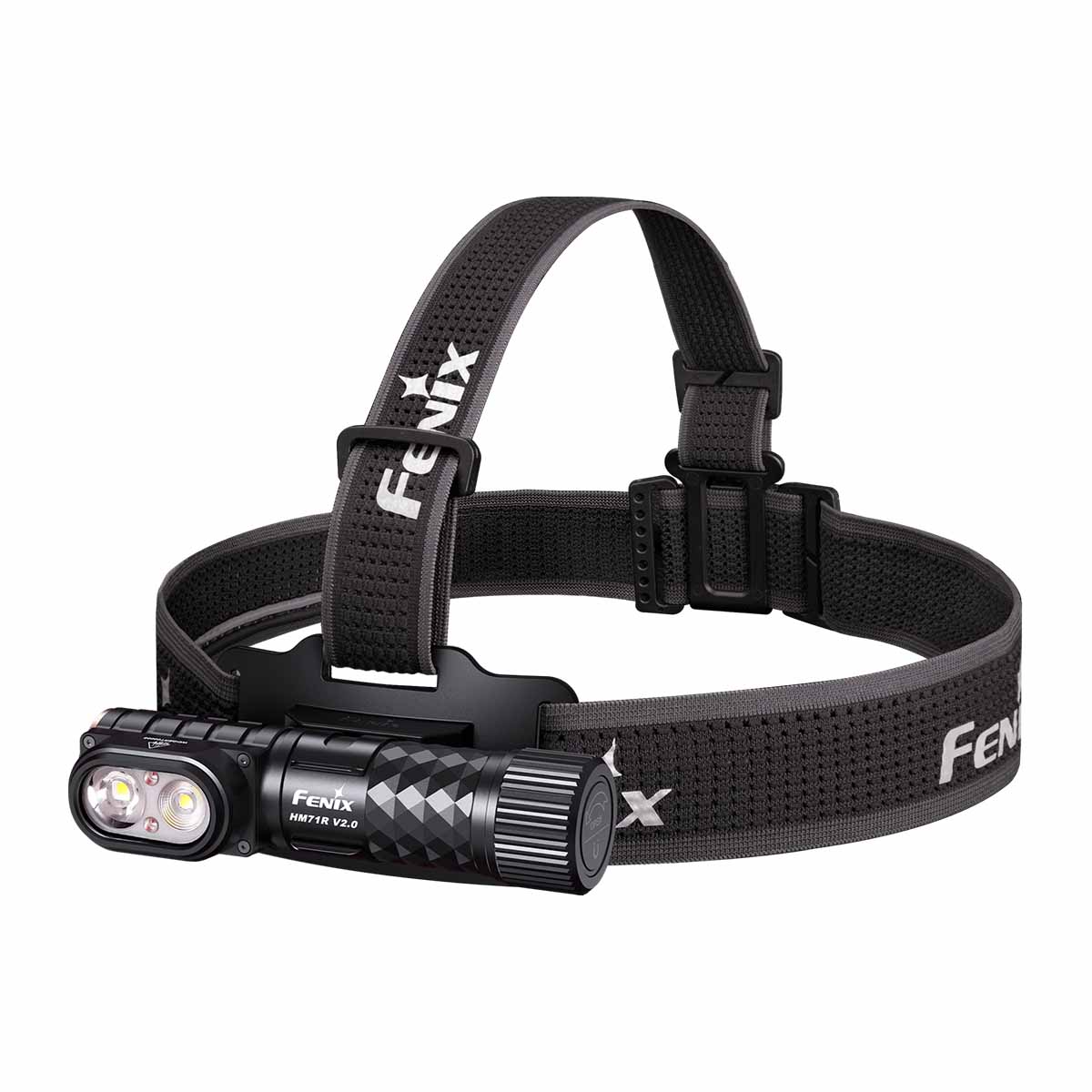
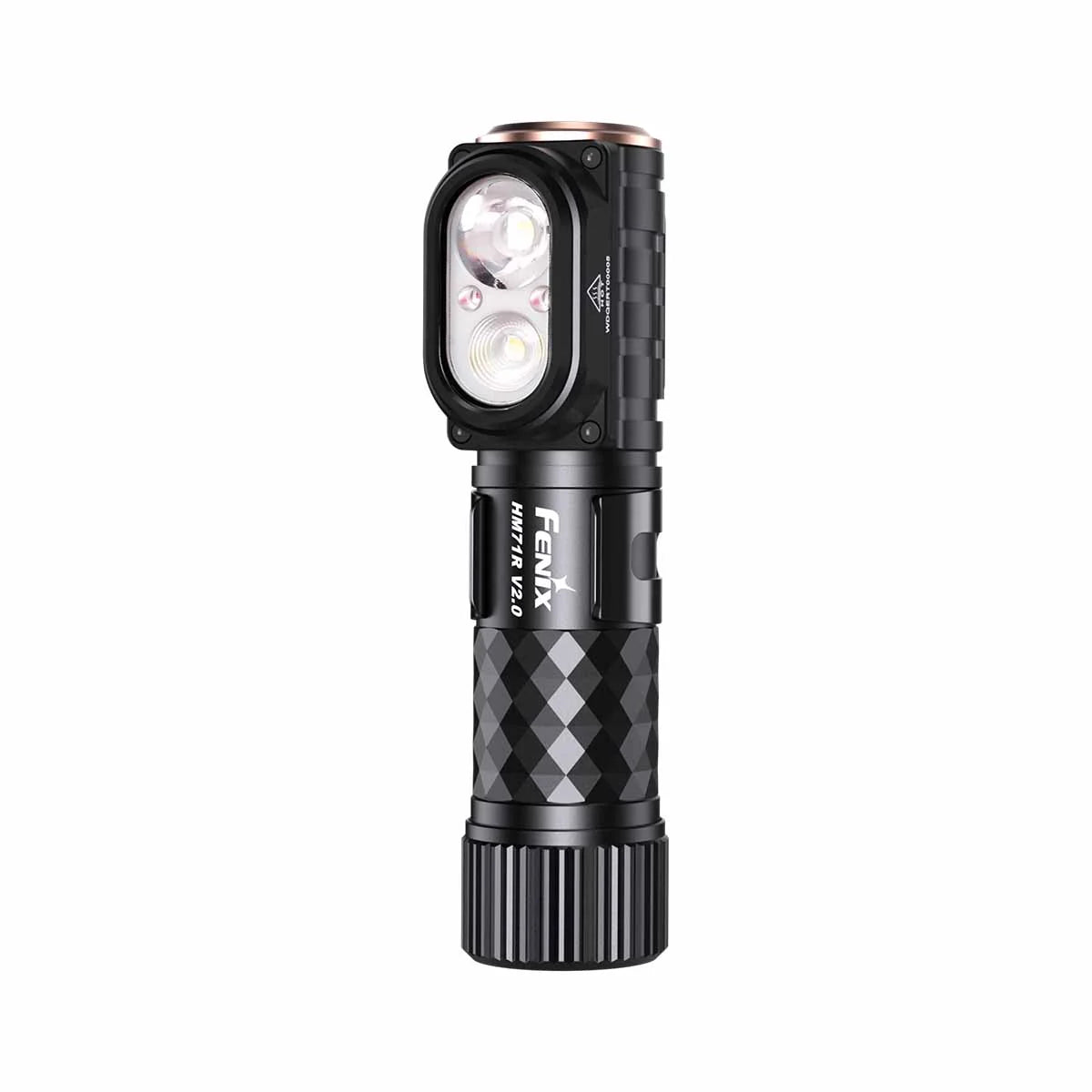
Across a sampling day the knife opens a roll of sample bags, cuts a length of flagging tape to mark a grid point, trims the end of a soil probe sleeve, opens a box of vials and cuts the tie on a stake. A compact light helps at the end of an autumn afternoon when the cores still have to be bagged and logged before dark.

Ownership Notes
Field work rewards a routine. Rinse and dry the knife at the end of every day, sharpen it once a week and keep a second one in the truck so a dull edge never costs a transect. Label the sample bags before you leave the gate, not in the cab on the way home. EdcMall carries the light, dependable folders that suit a season in the field. Sample handling also decides whether a laboratory result means anything. Label each bag at the grid point rather than in the truck, keep the cores out of direct sunlight and log the depth and the date on the sheet before the next station. Keep a spare marker and a spare bag roll in the vest, because a field day that ends with an unlabelled sample has wasted the walk.
Who Is This For?
This is for crop consultants, soil scientists, agronomy students and farm agronomists who sample on a schedule. A gardener testing one bed does not need it. If you pull cores for a living, buy light and buy sharp.
Final Verdict
A sampling knife is small gear with a big effect on rhythm. A fine-grained stainless blade, a grippy handle and a clip that stays out of the way will keep a field day moving from the first grid point to the last.