
Overview & First Impressions
Remote trips run on a communication triangle: power, messaging, and light. Solar charges the batteries, a satellite messenger sends the check-ins, and a capable area light makes the evening basecamp usable. The Klarus WL1 slots into the third corner better than any dedicated lantern we have tried, a 550-lumen foldable COB panel that packs flat, runs as a work light or a hanging lantern, and recharges over USB-C from the same solar chain as everything else.
Materials & Construction
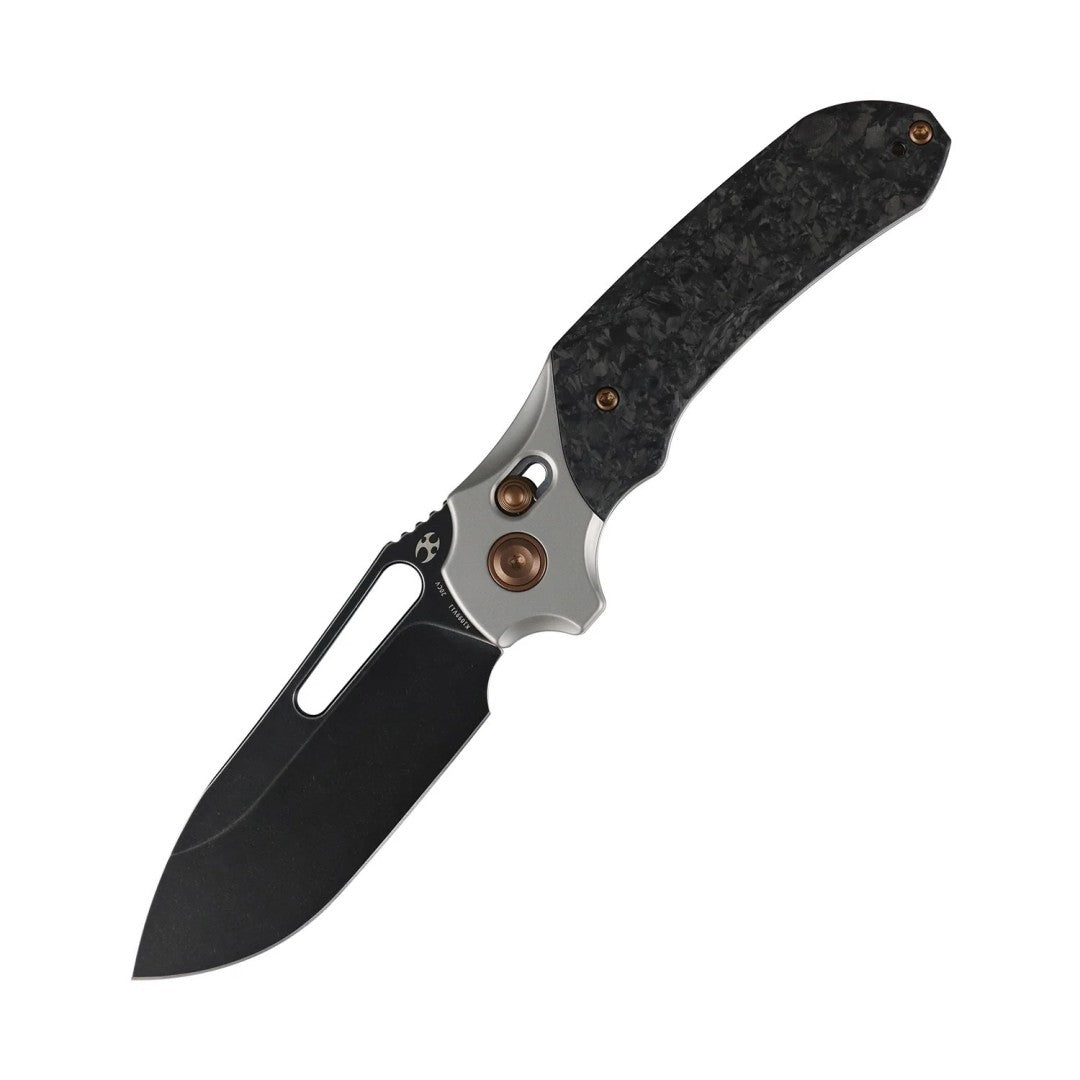
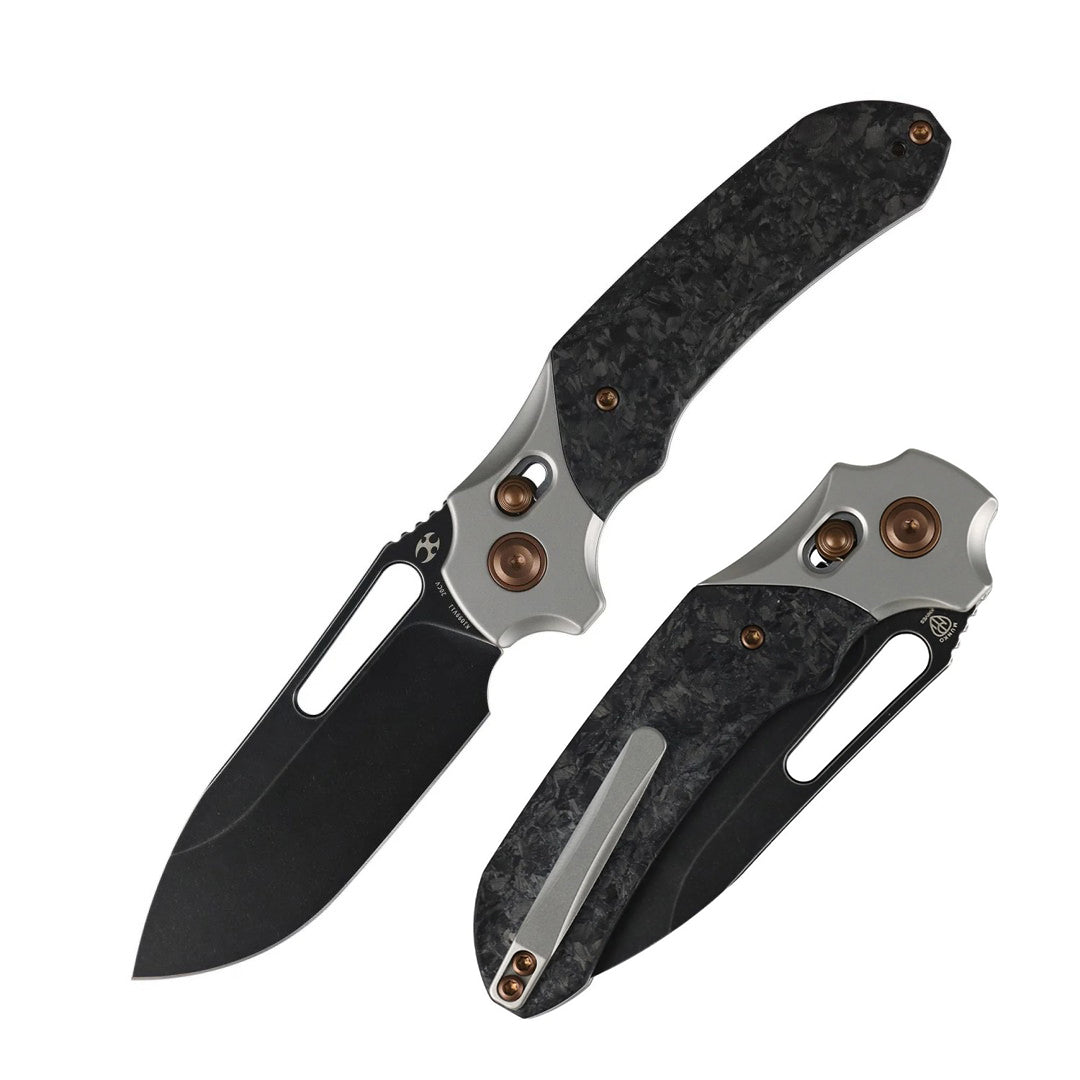
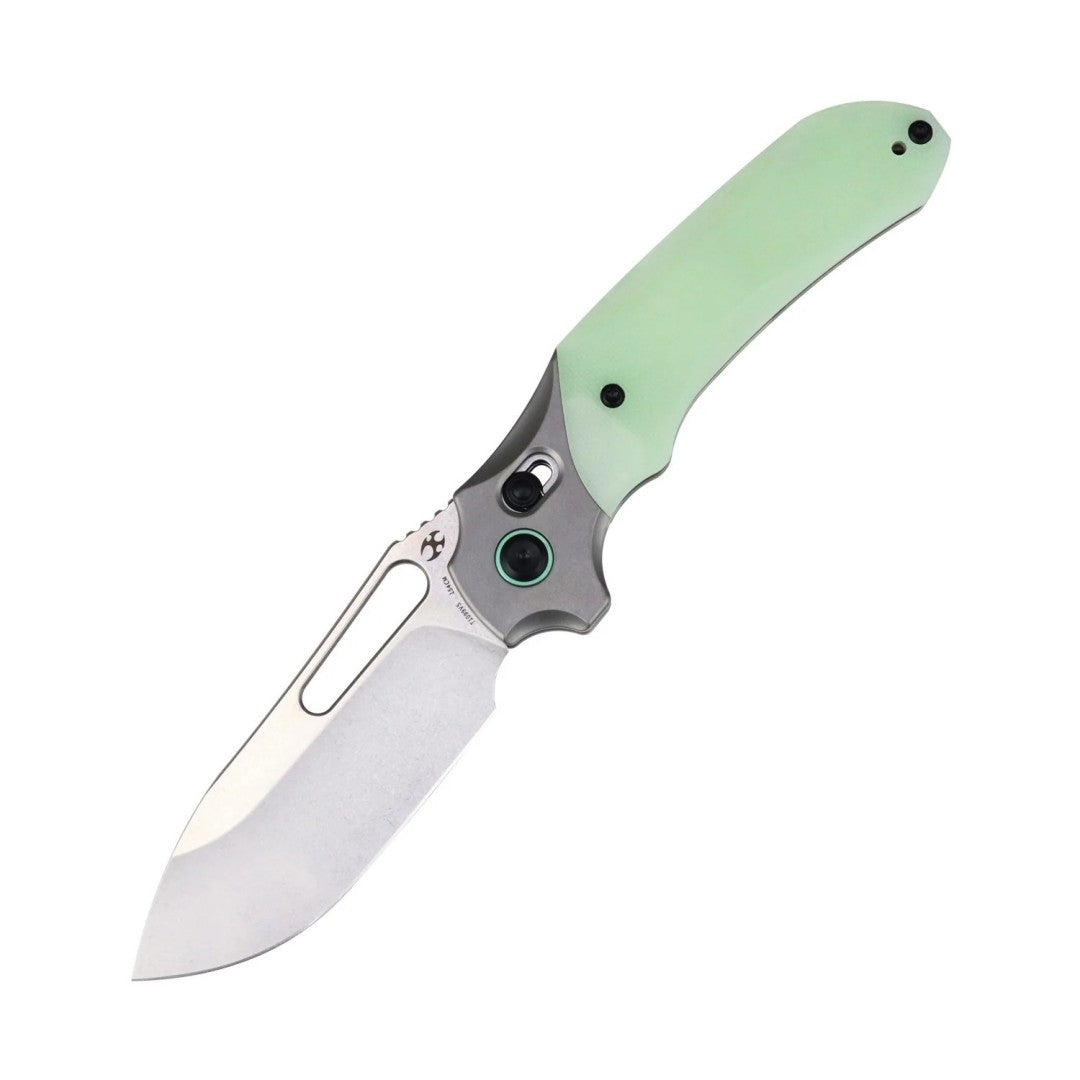
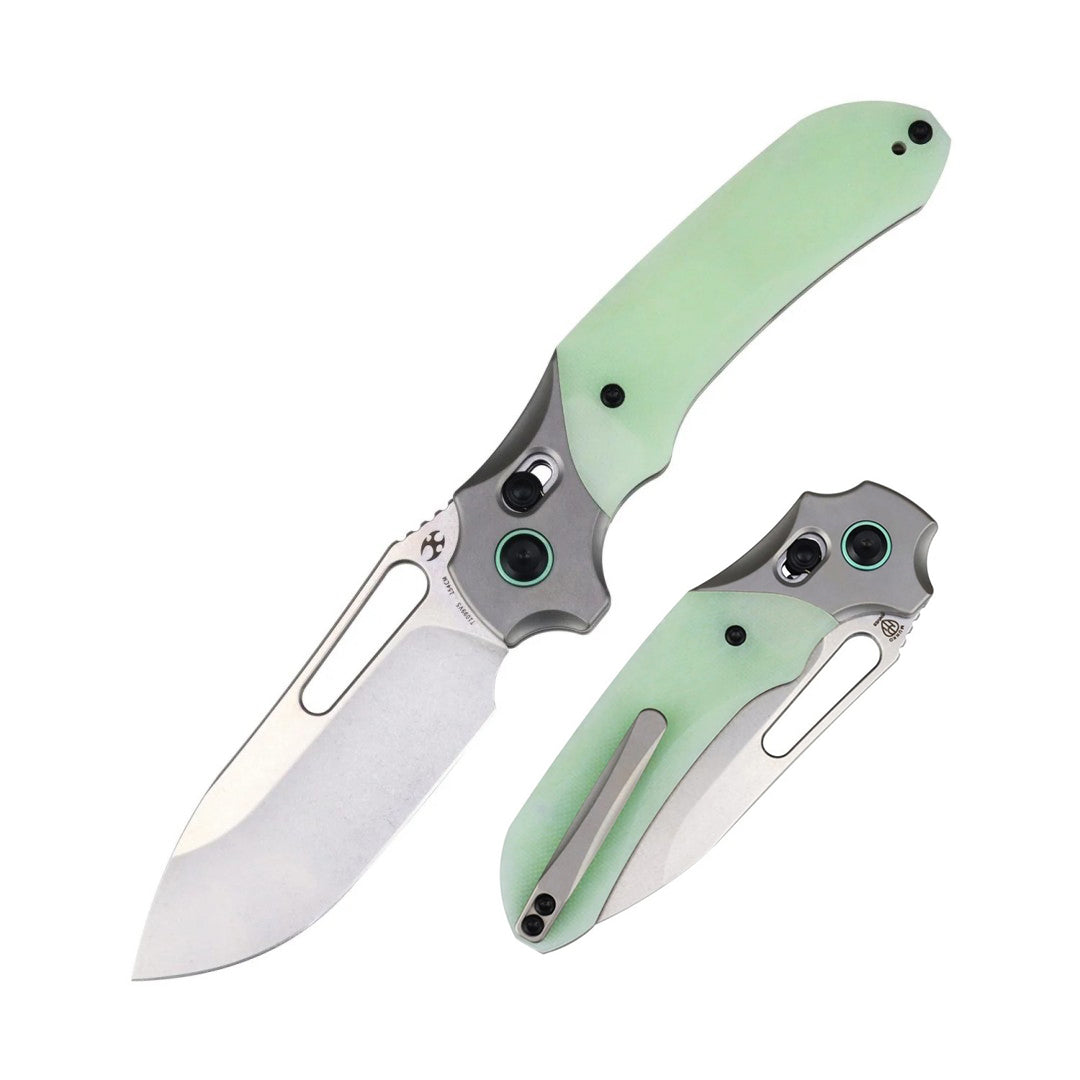
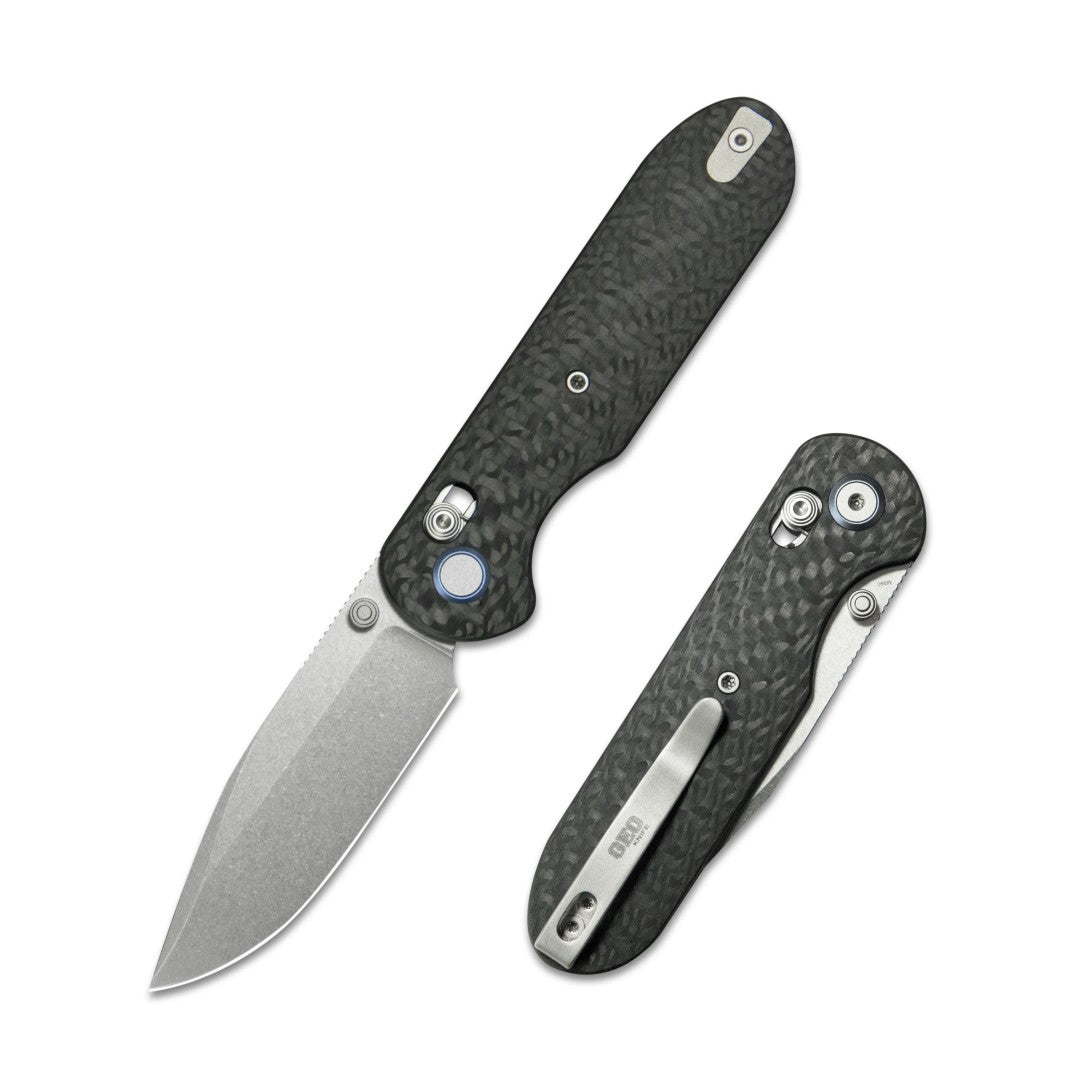
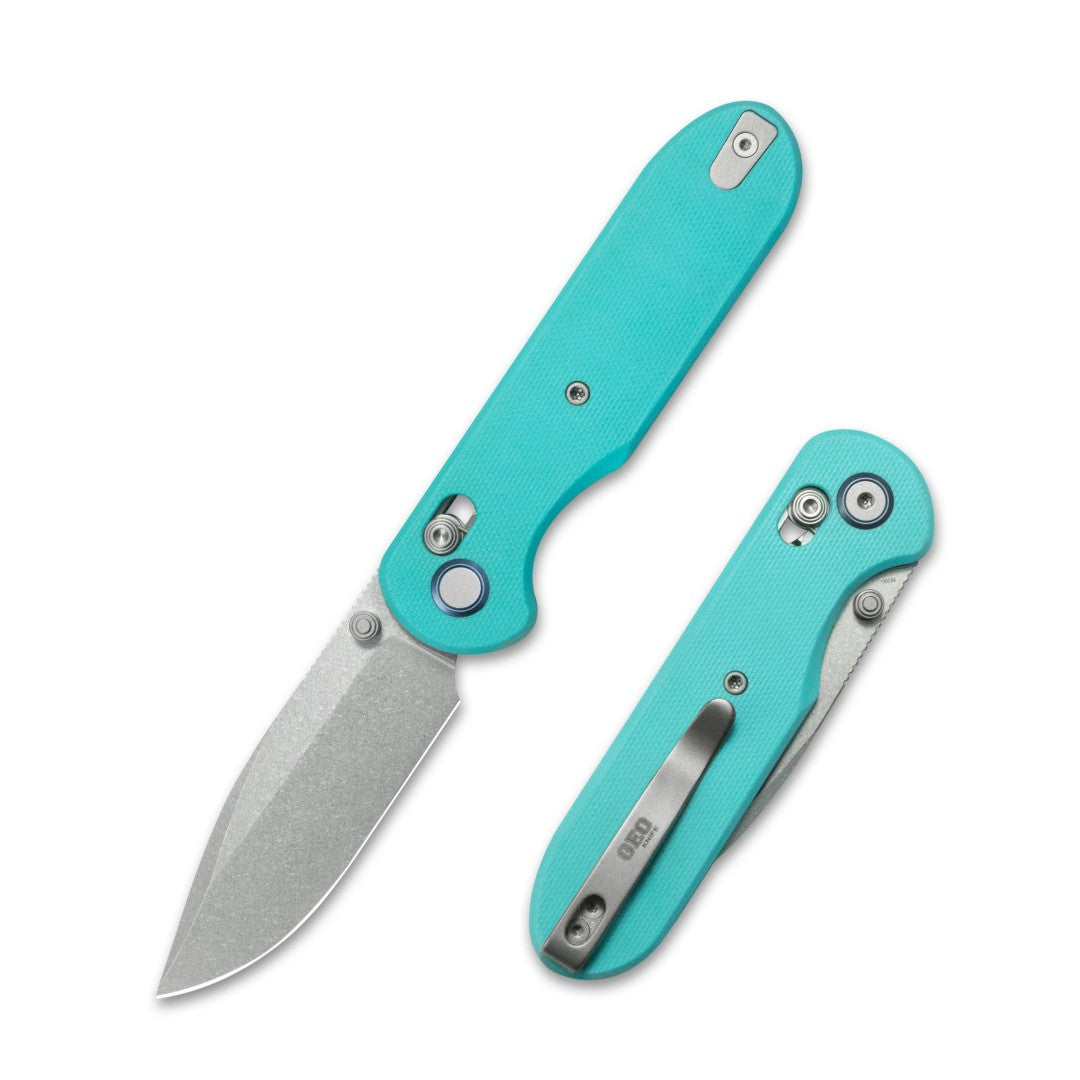
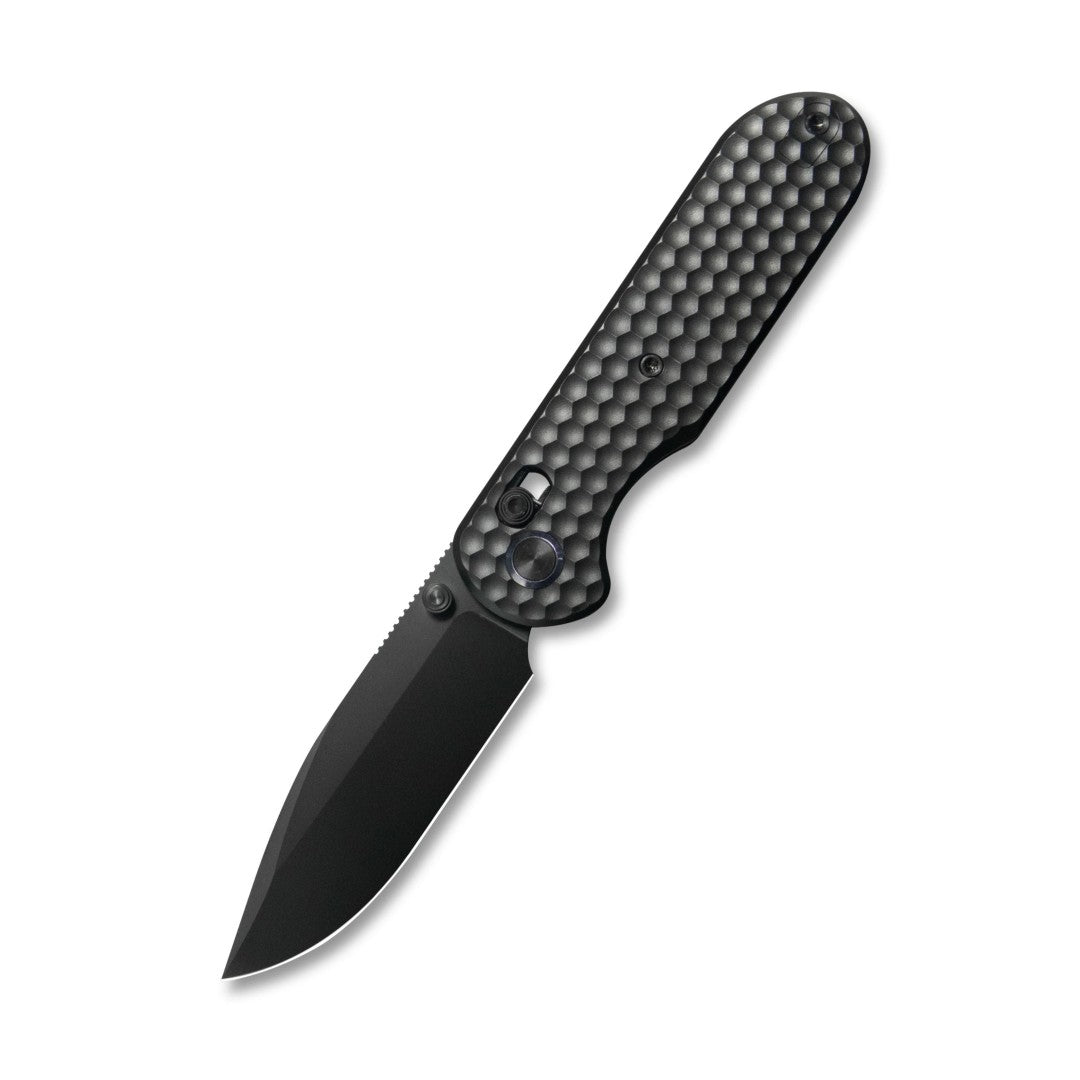
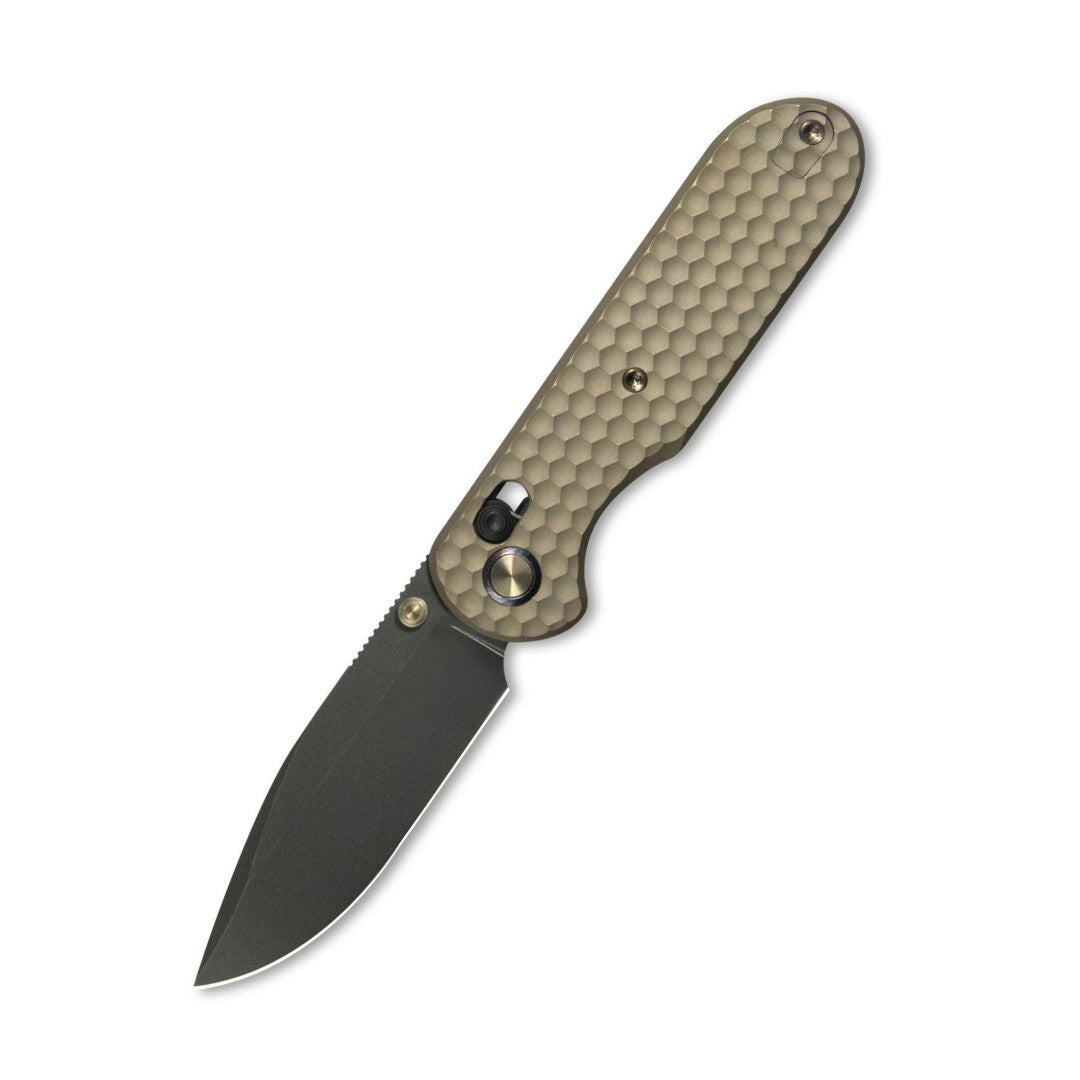
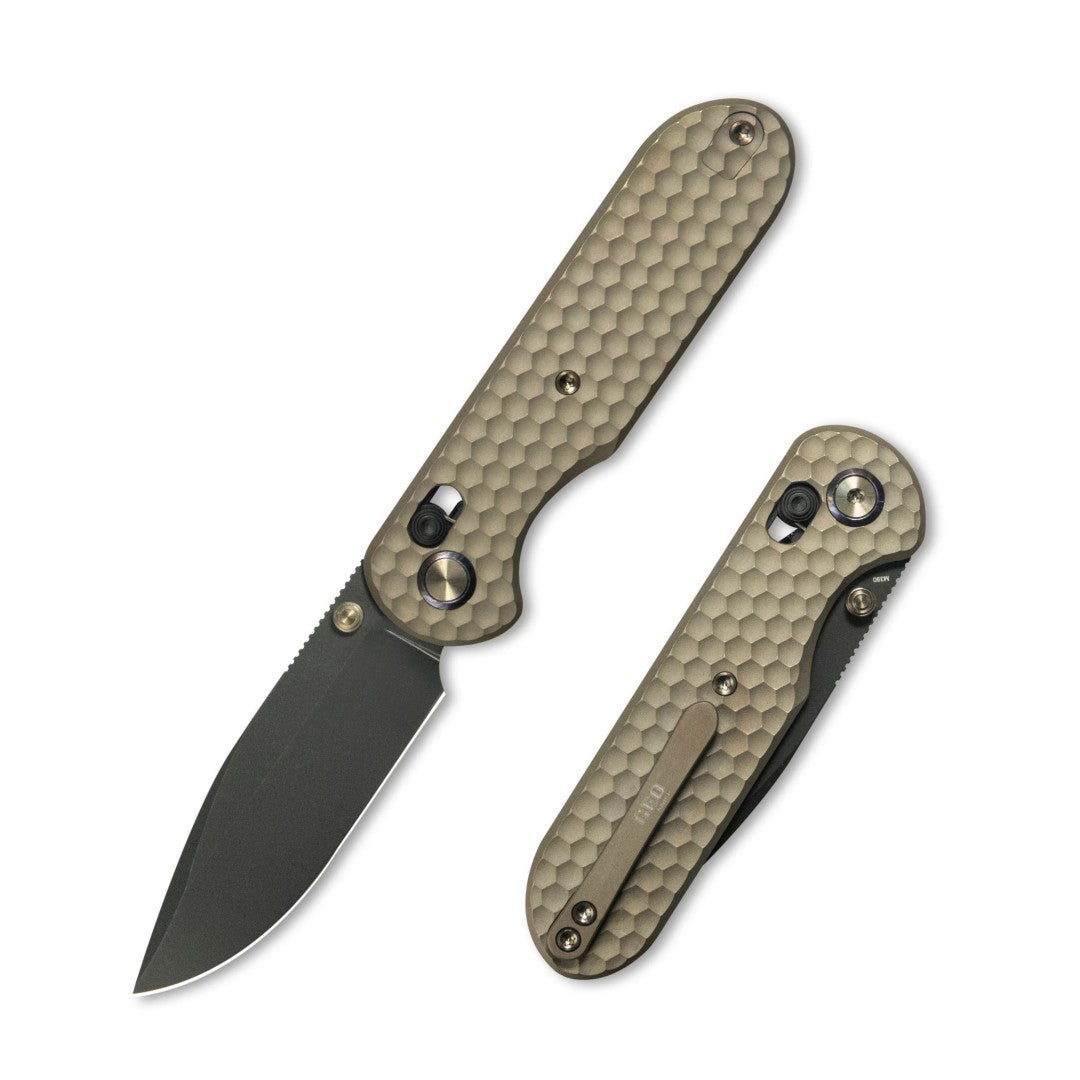
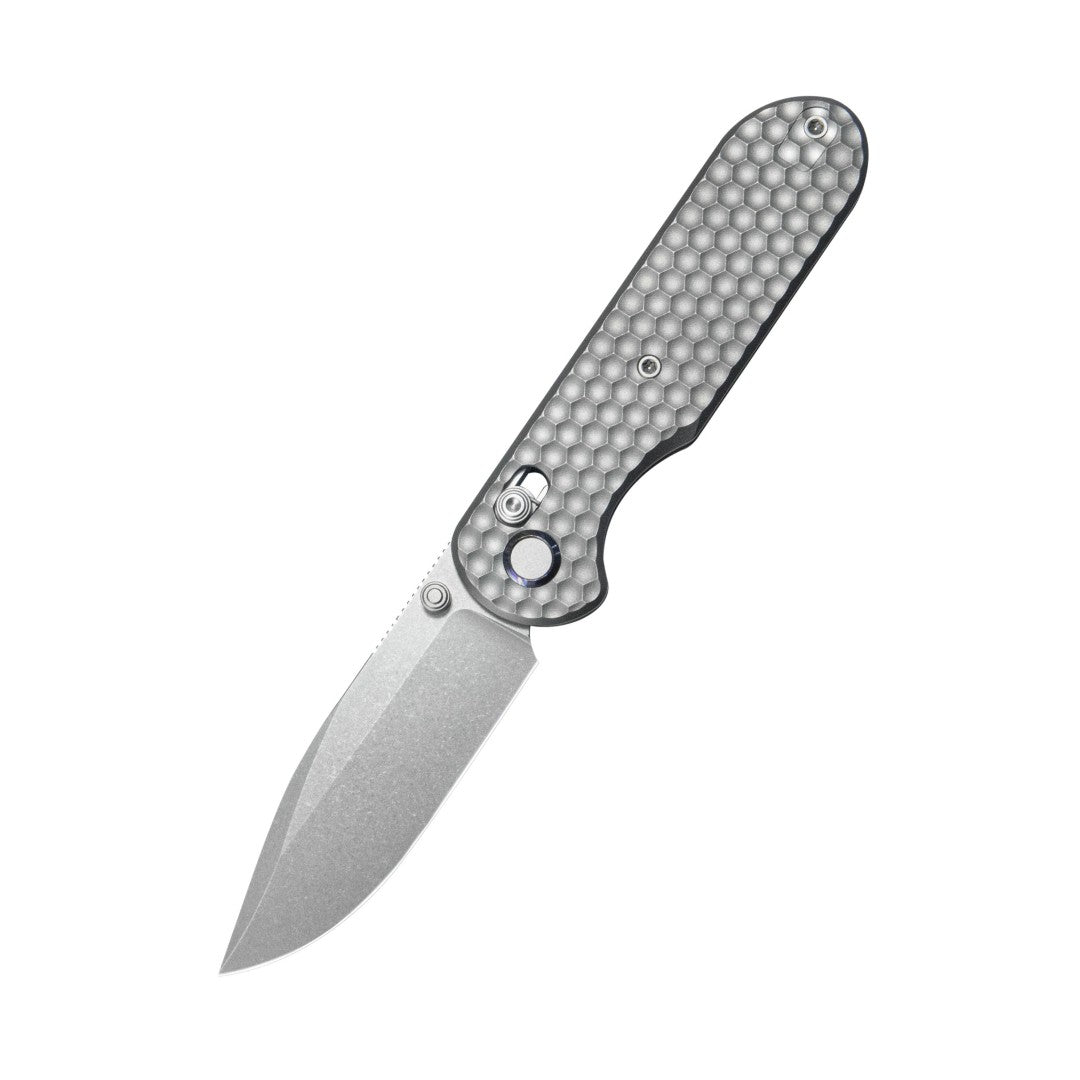
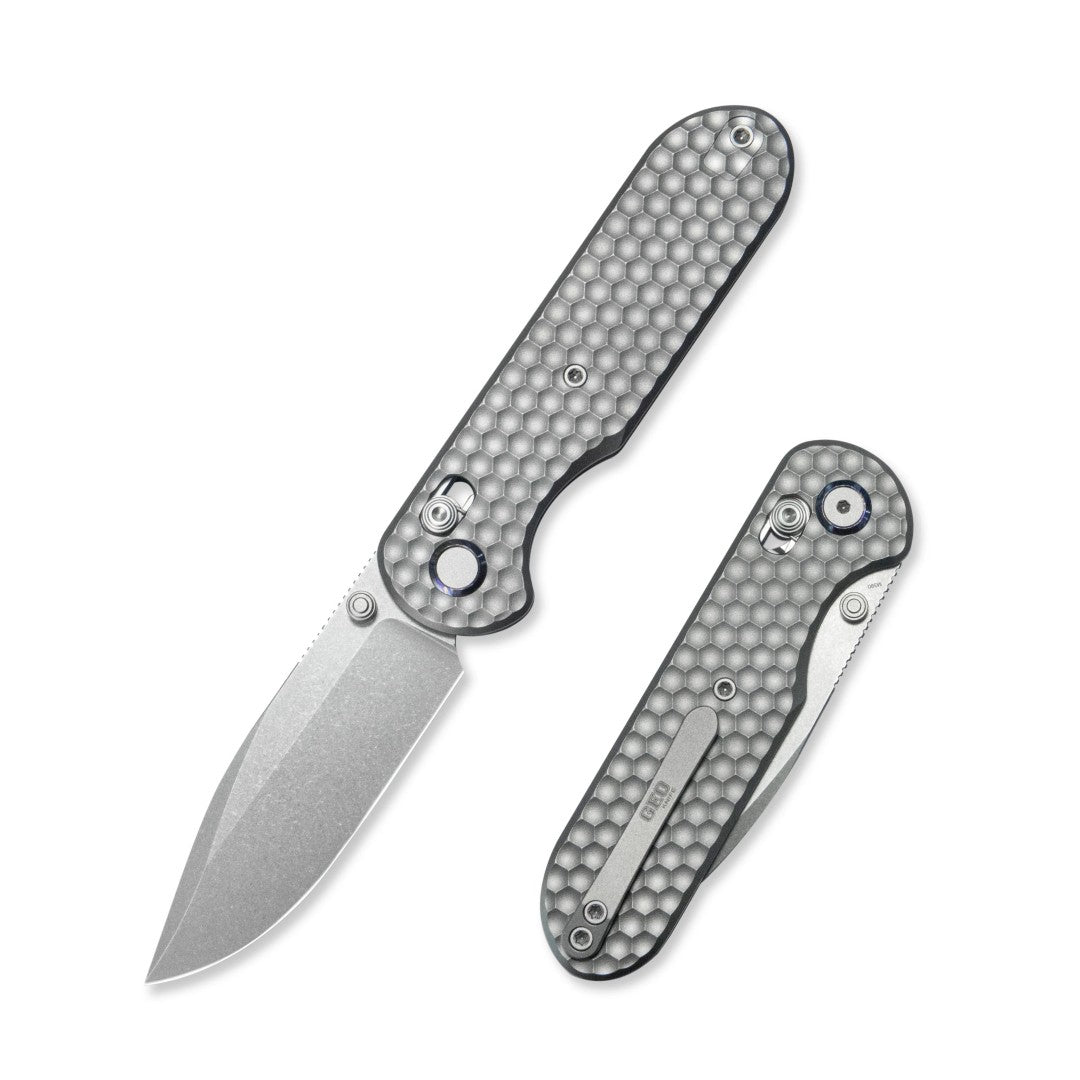
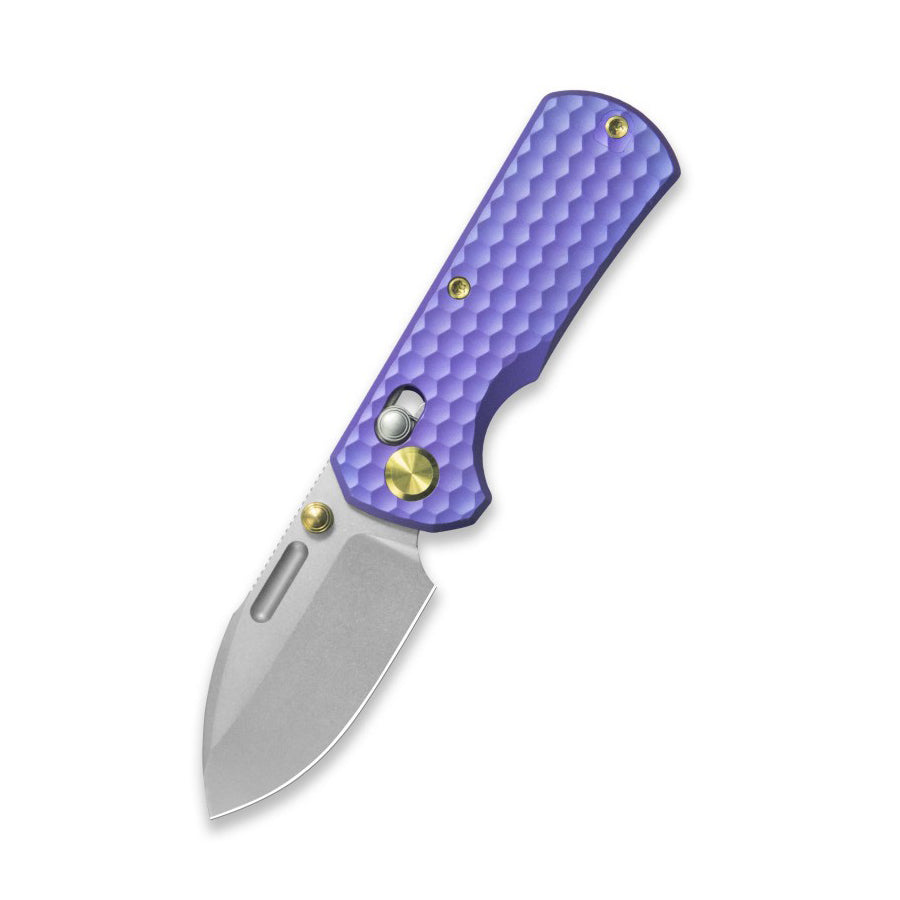
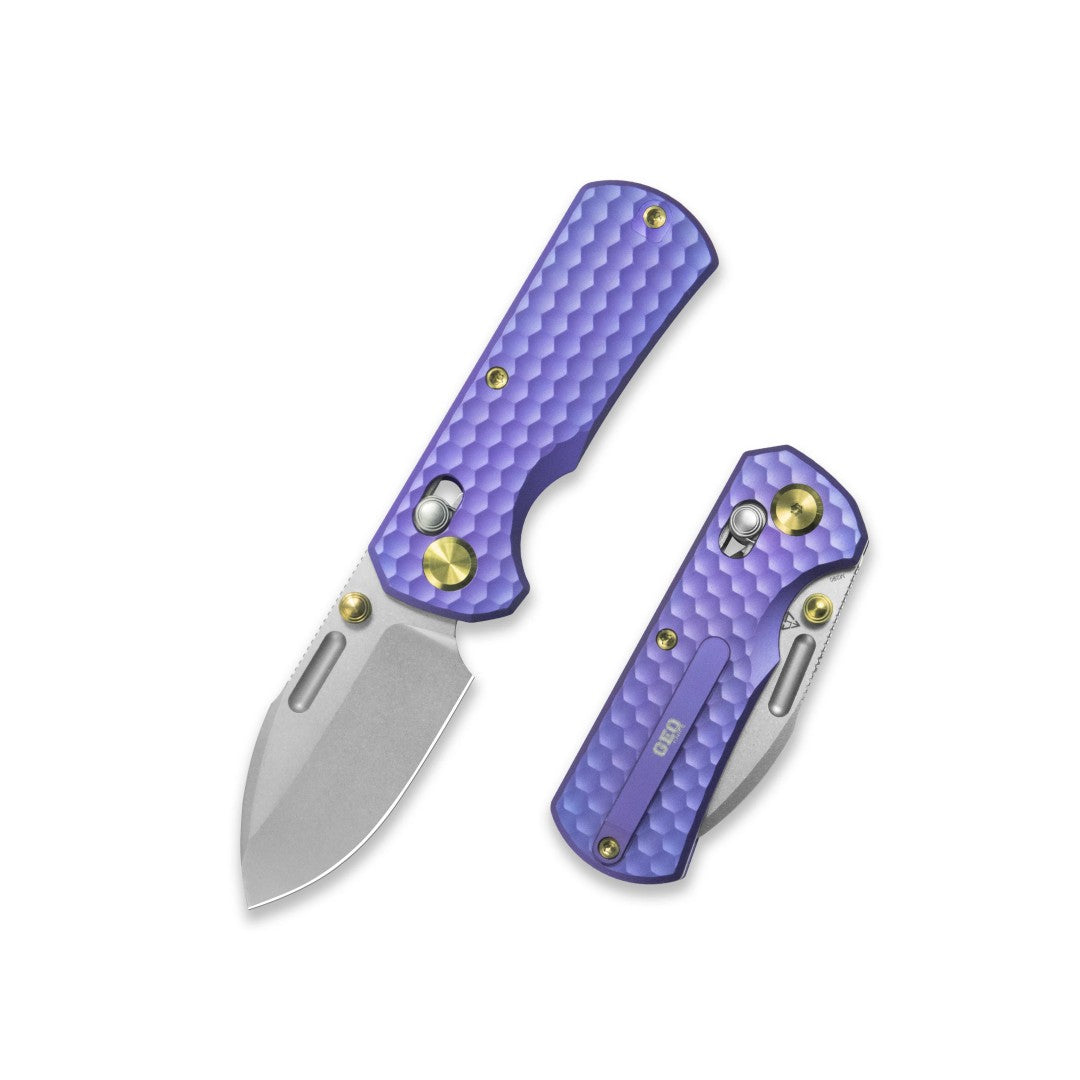
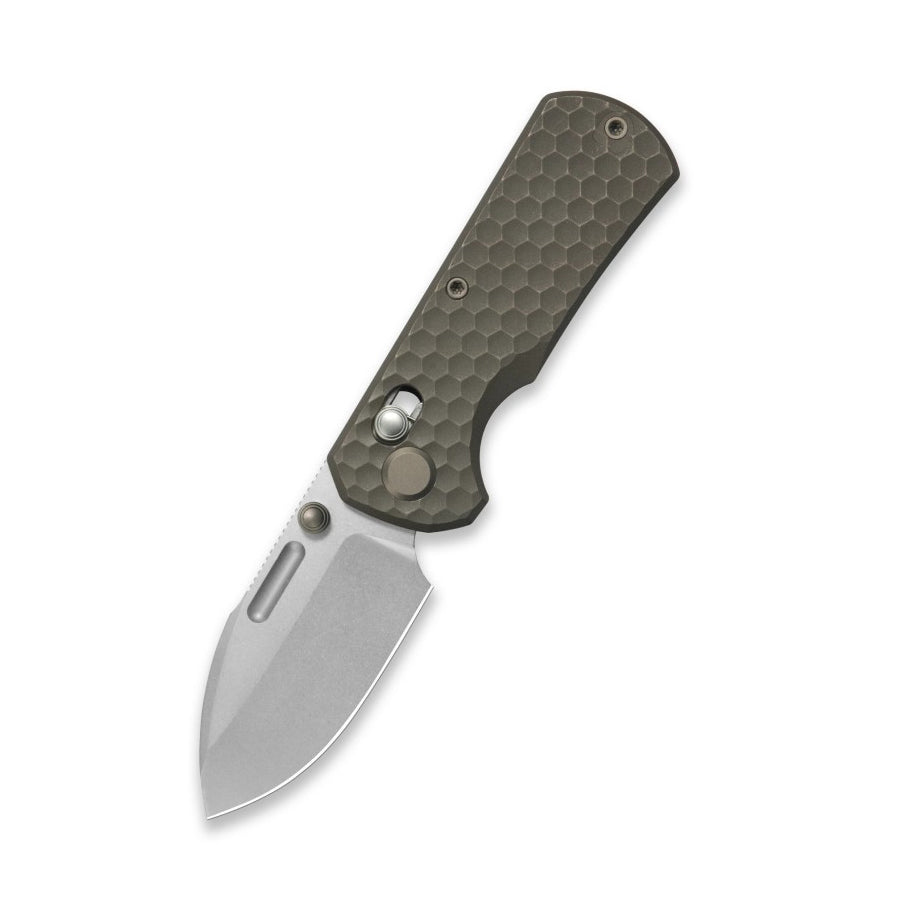
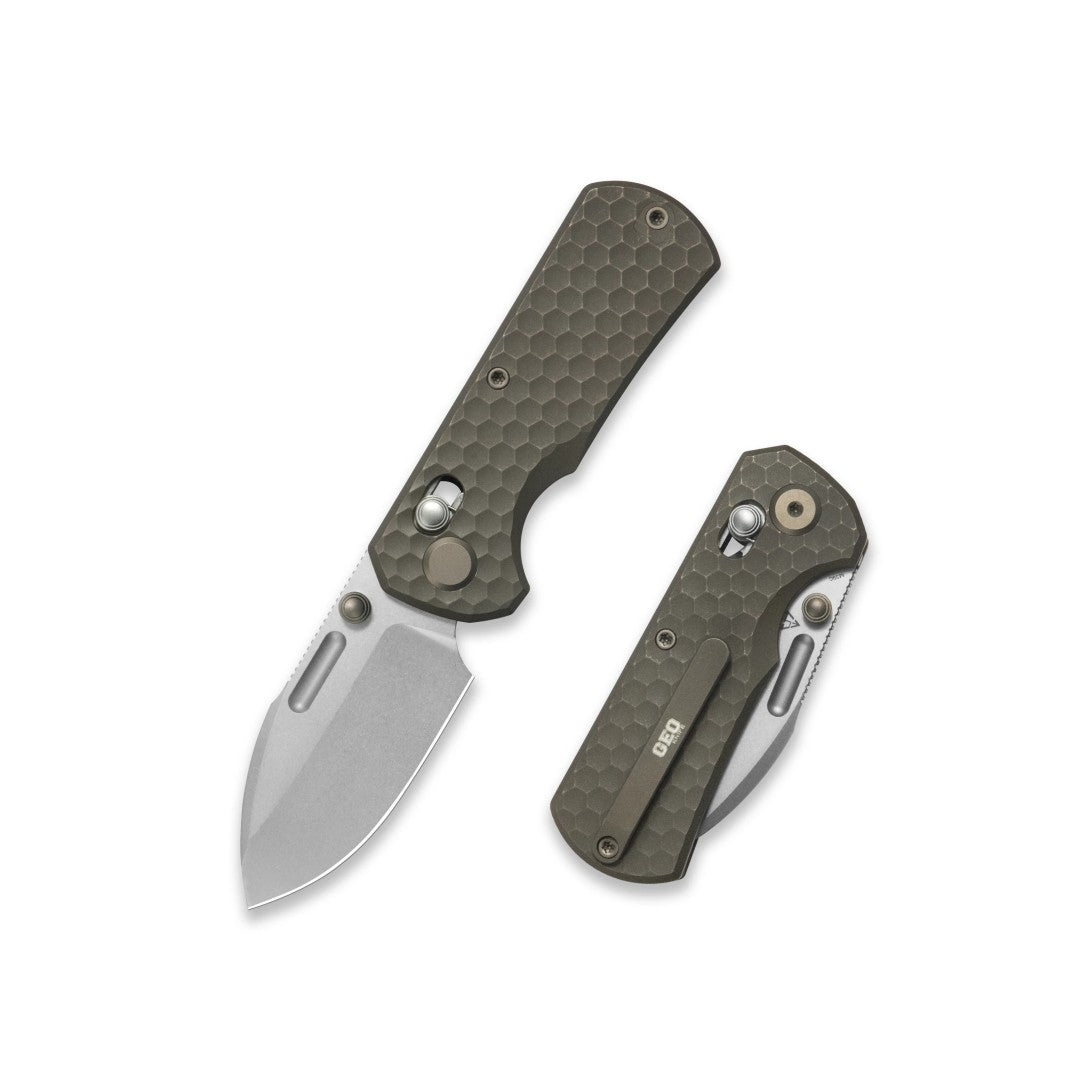
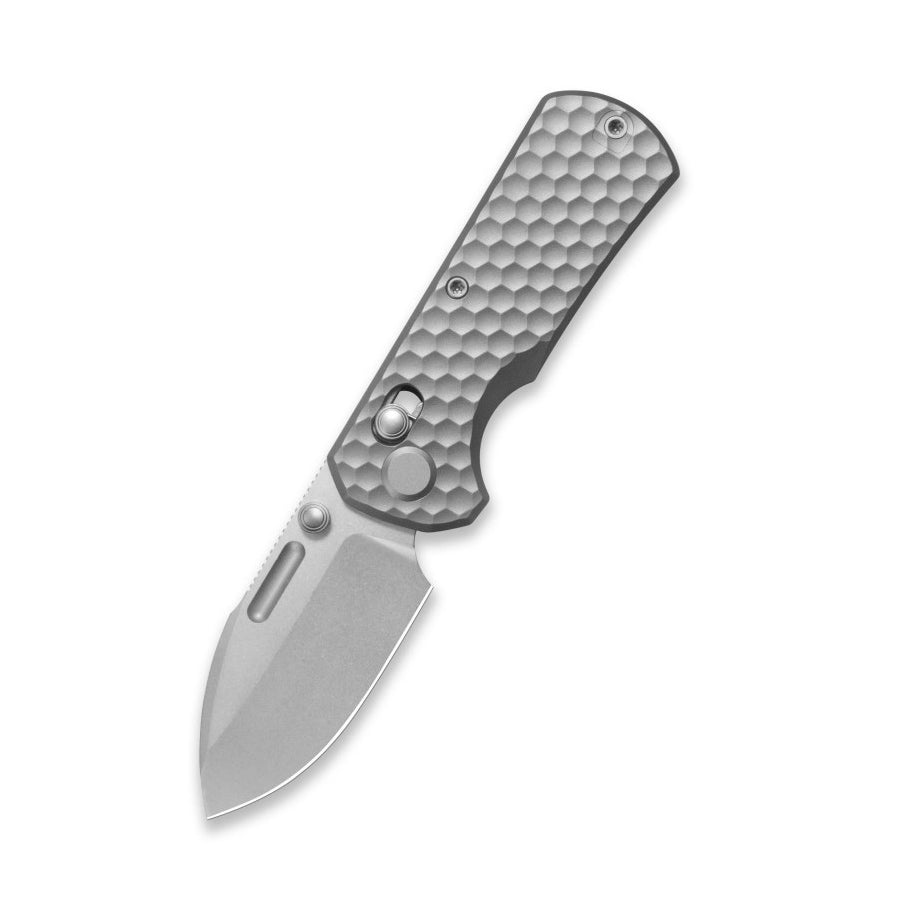
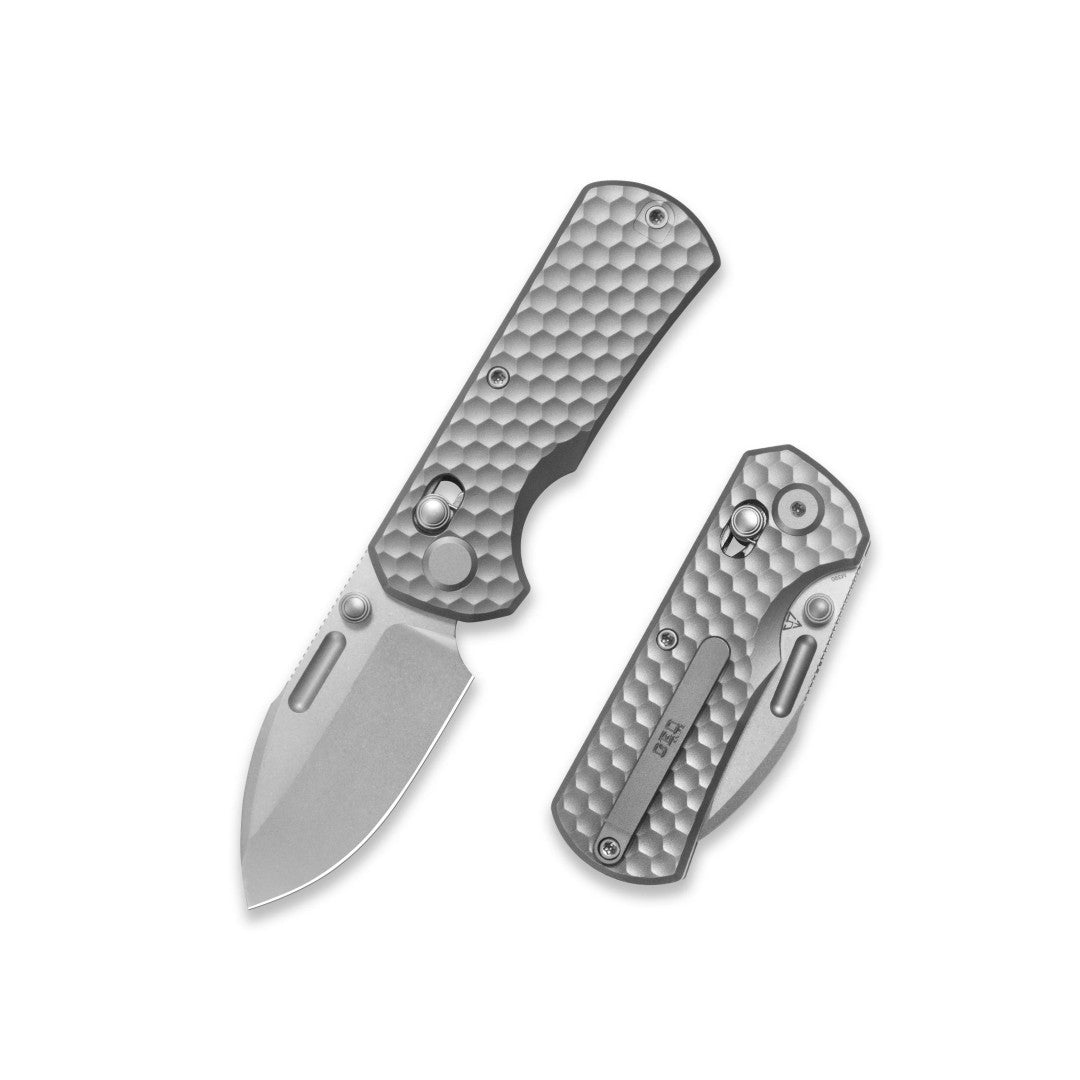
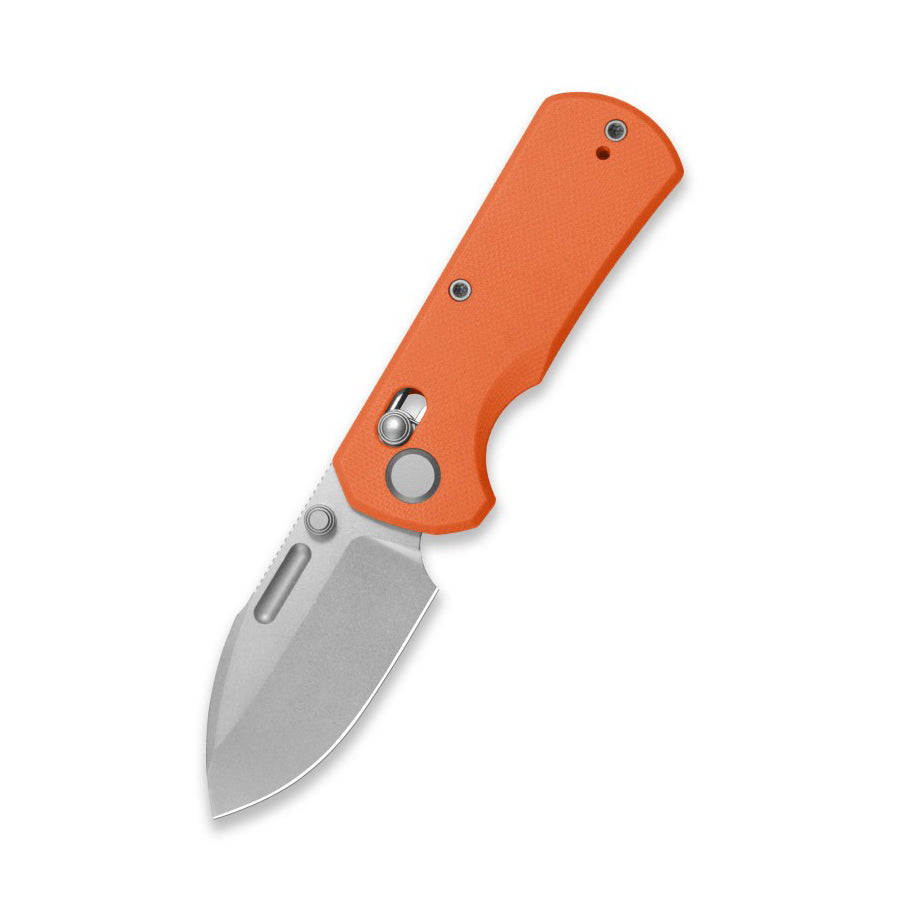
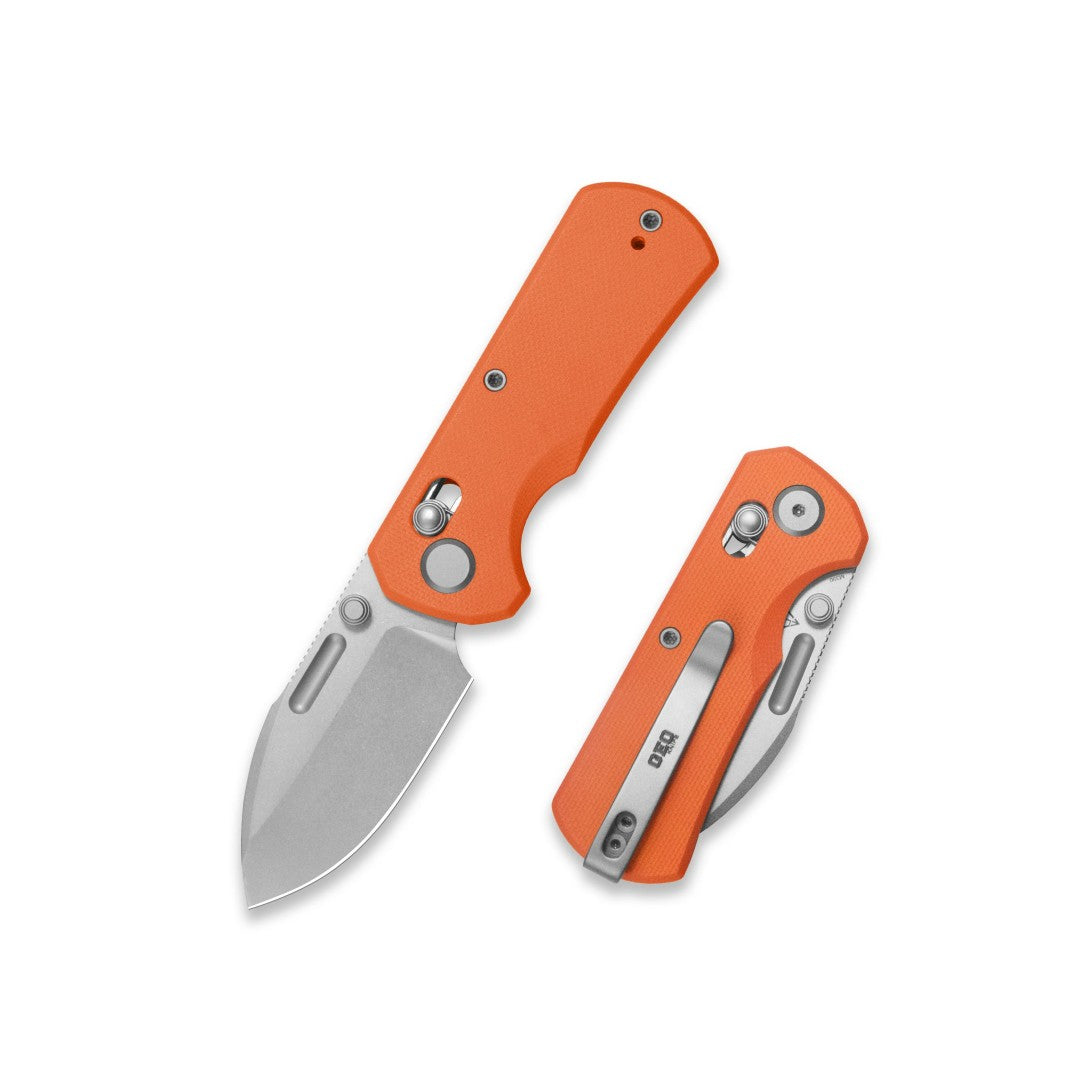
Klarus flashlights built the WL1 as a flat folding panel with a magnetic back and a hanging hook, which means it mounts to a vehicle window, a tent wall, or the solar box lid itself. The COB array throws soft, wide light that photographs better and reads maps better than a hotspot thrower. In a comms box, every device shares one charging standard, so the WL1's USB-C input keeps the cable count at two. Add a small folding knives option for the endless strapping and blister-pack work these kits generate.

Design & Details
Design the box as a chain: panel into charge controller, controller into battery bank, bank into phone, messenger, and light. The WL1's flat form factor is the design win, it lines the inside of the box lid where flat things live, and its magnets hold it to the vehicle while you work the map. Red-light capability on a comms lantern preserves night vision during radio checks. Label every cable with the same color tape as its device; at hour twelve in the dark, this is not optional.
Real-World Use
A ten-day trip uses the chain daily: solar tops the bank by mid-afternoon, the messenger sends the evening check-in, and the WL1 runs the map session and the cooking area off bank power. On overcast days the light's low mode stretches the bank across two evenings. The knife cuts the packaging on resupply boxes and trims the foam padding that keeps the kit silent on corrugated roads. Everything returns home and goes straight back into the box, charged.

Ownership Notes
EdcMall stocks the WL1 and the compact folders that round out a comms box, and the WL1's fold-flat format also lives in a car emergency pouch between trips. Add silica gel packs to the box and swap them each season. The full triangle, panel, bank, messenger, light, fits in a shoebox-sized case that rides under the seat. Store the EDC flashlight against the battery bank and wrap a short EDC knives fixed blade beside it, so the whole triangle lives within arm's reach when the check-in window opens.
Who Is This For?
This guide suits overlanders, expedition crews, research stations, and anyone whose weekends end beyond cell coverage. It also suits rural homesteads building a blackout box with the same components. If your group carries a ham radio, the WL1's red mode is the radio-shed light that does not kill your dark adaptation.
Final Verdict
Communication is a system, not a gadget, and light is the third leg most kits forget. The WL1 covers it with flat-packing lantern output that shares the whole solar chain. Build the box once, label everything, and the far edge of the map stops feeling far.