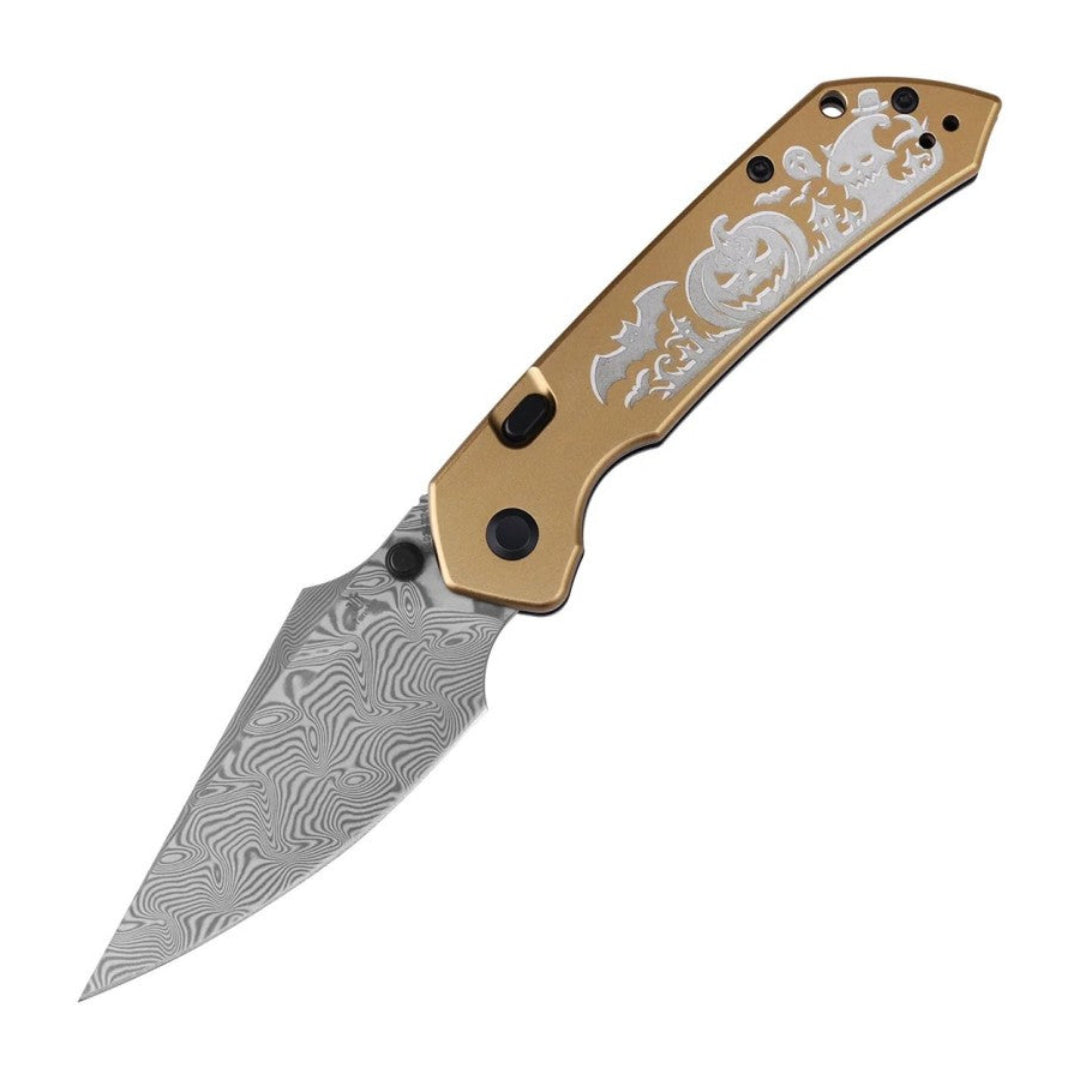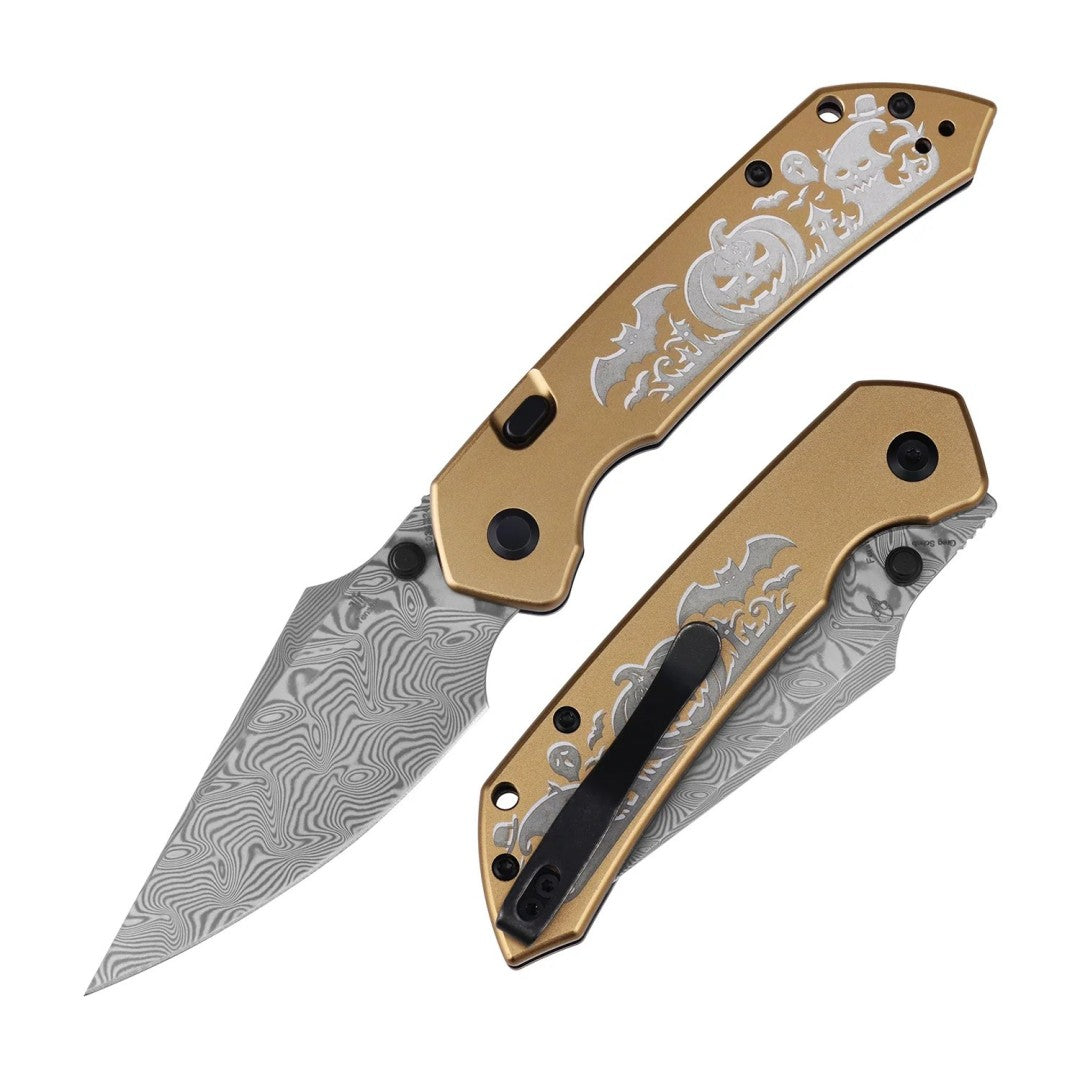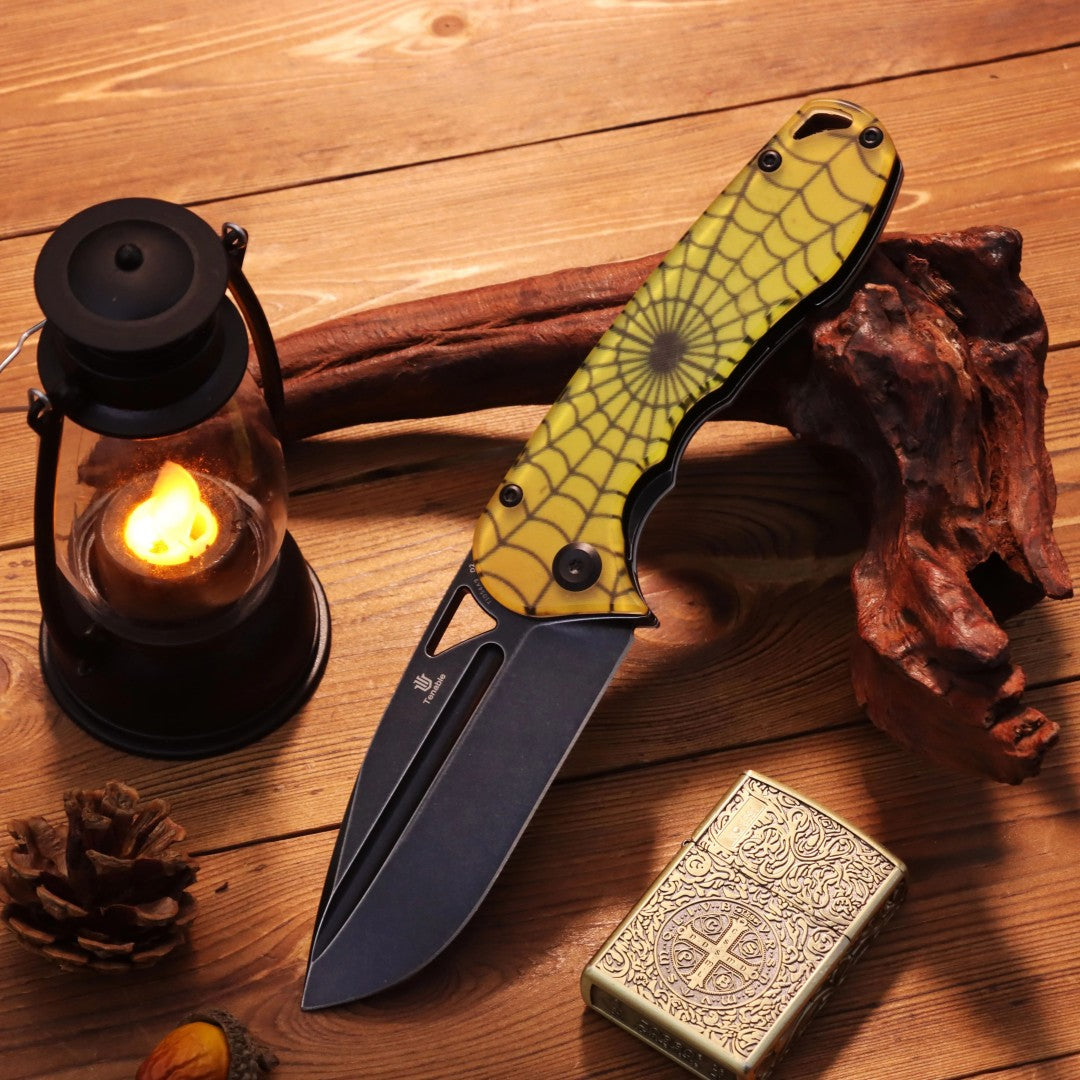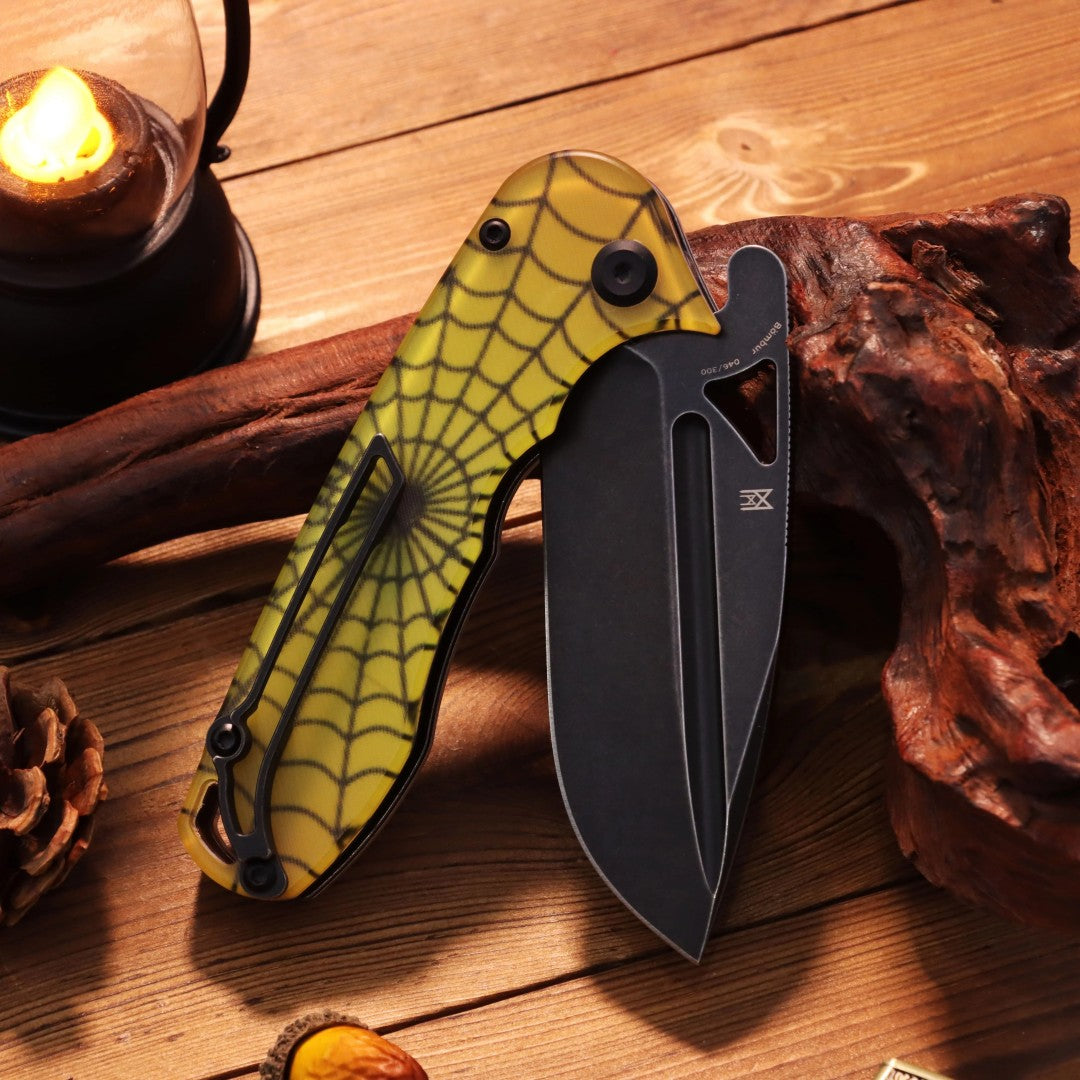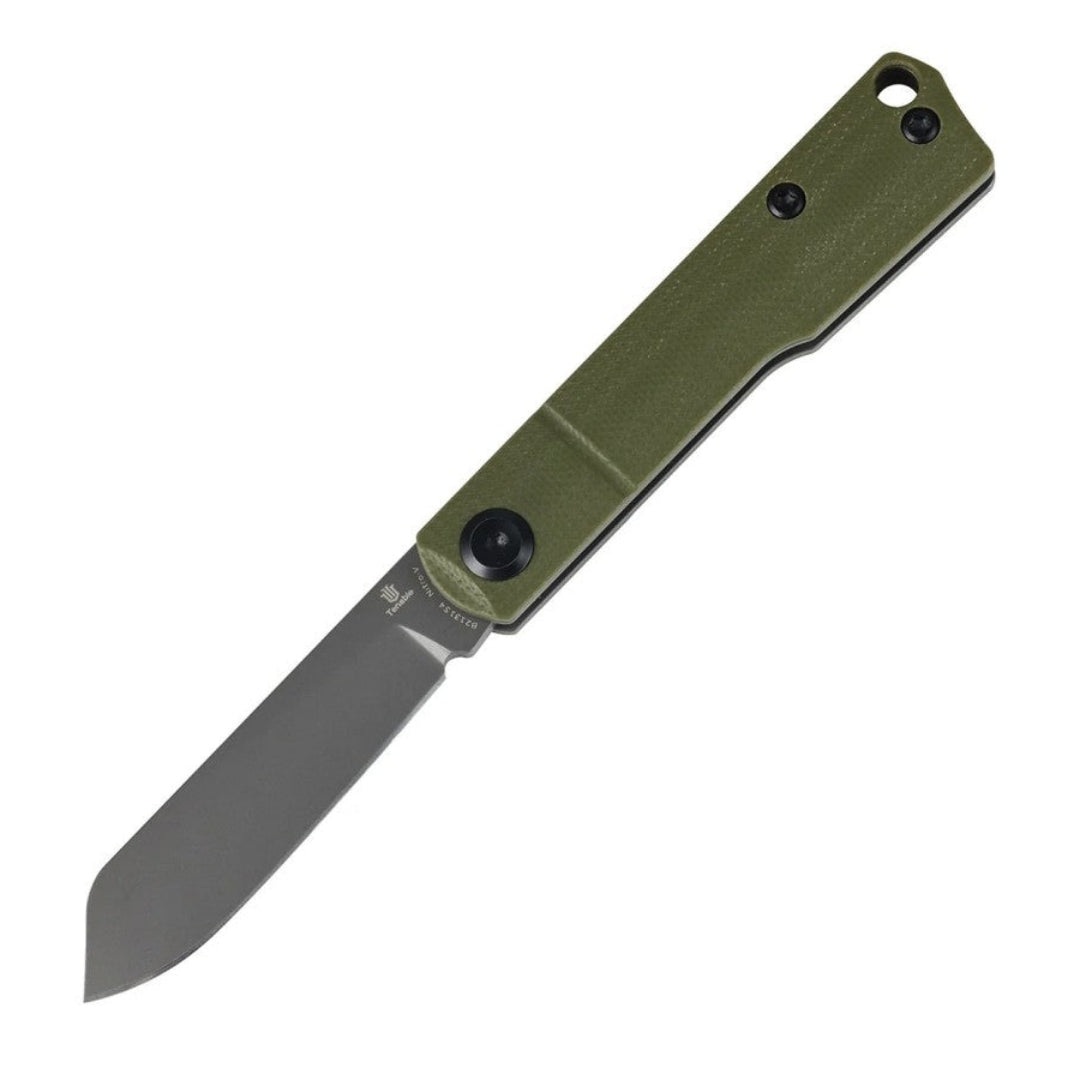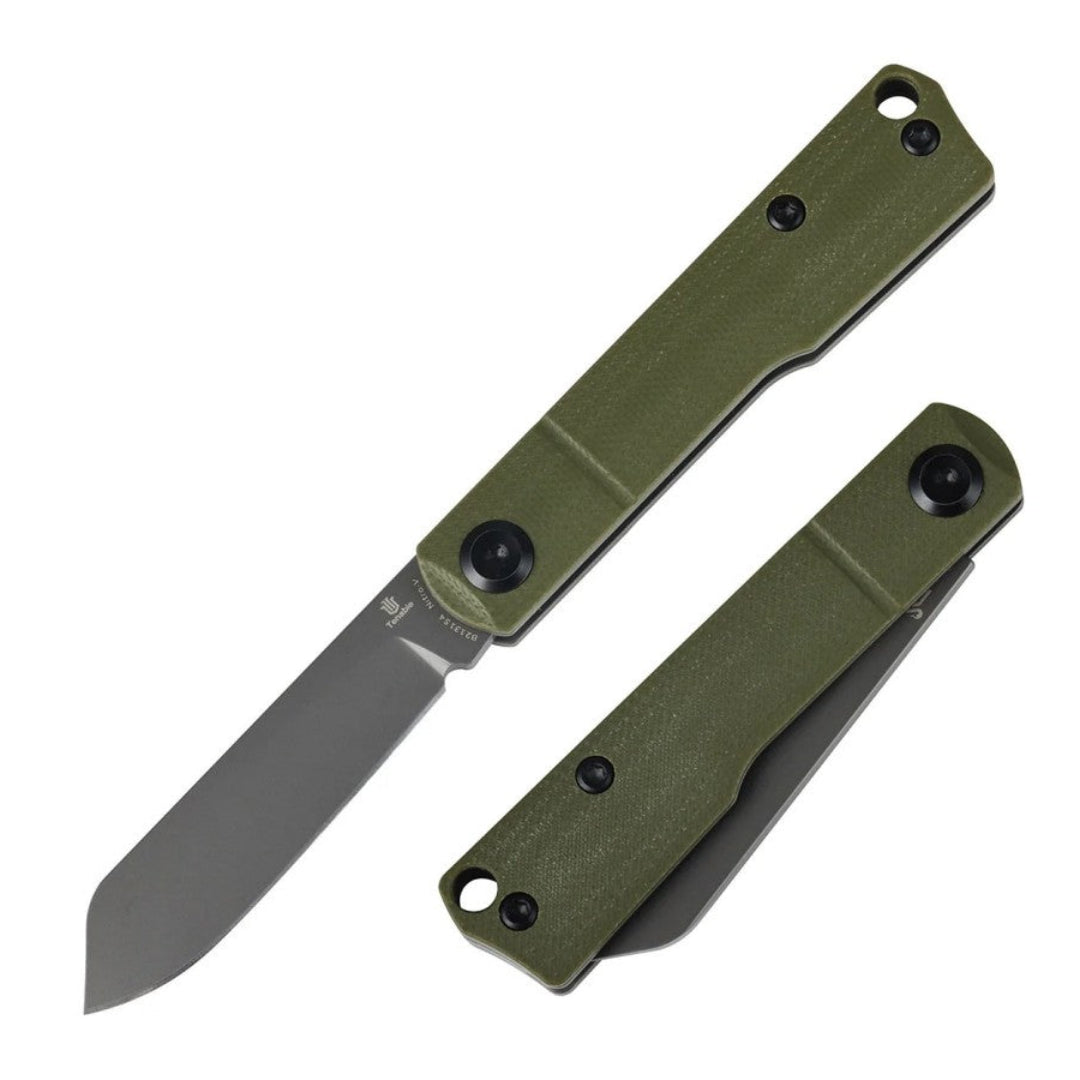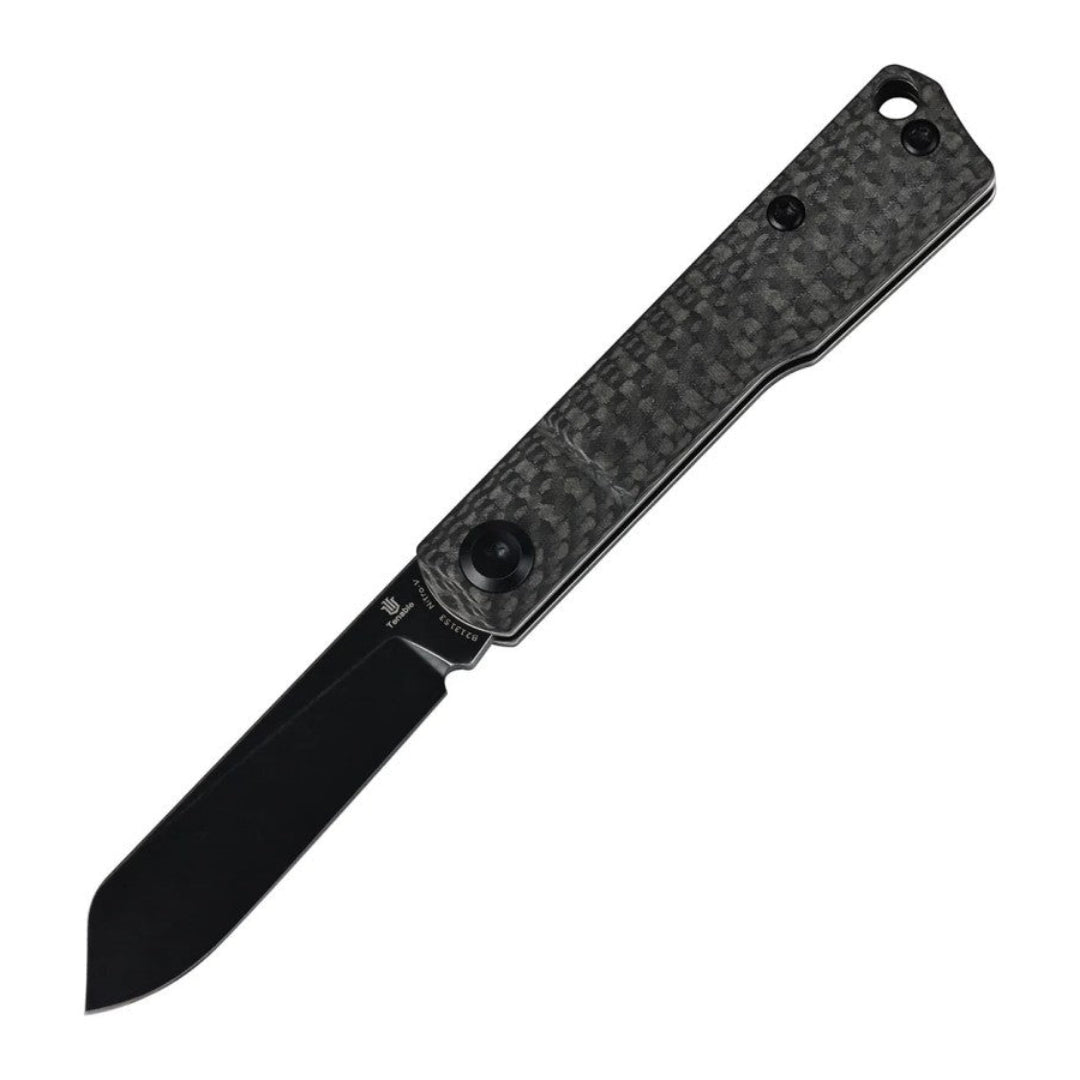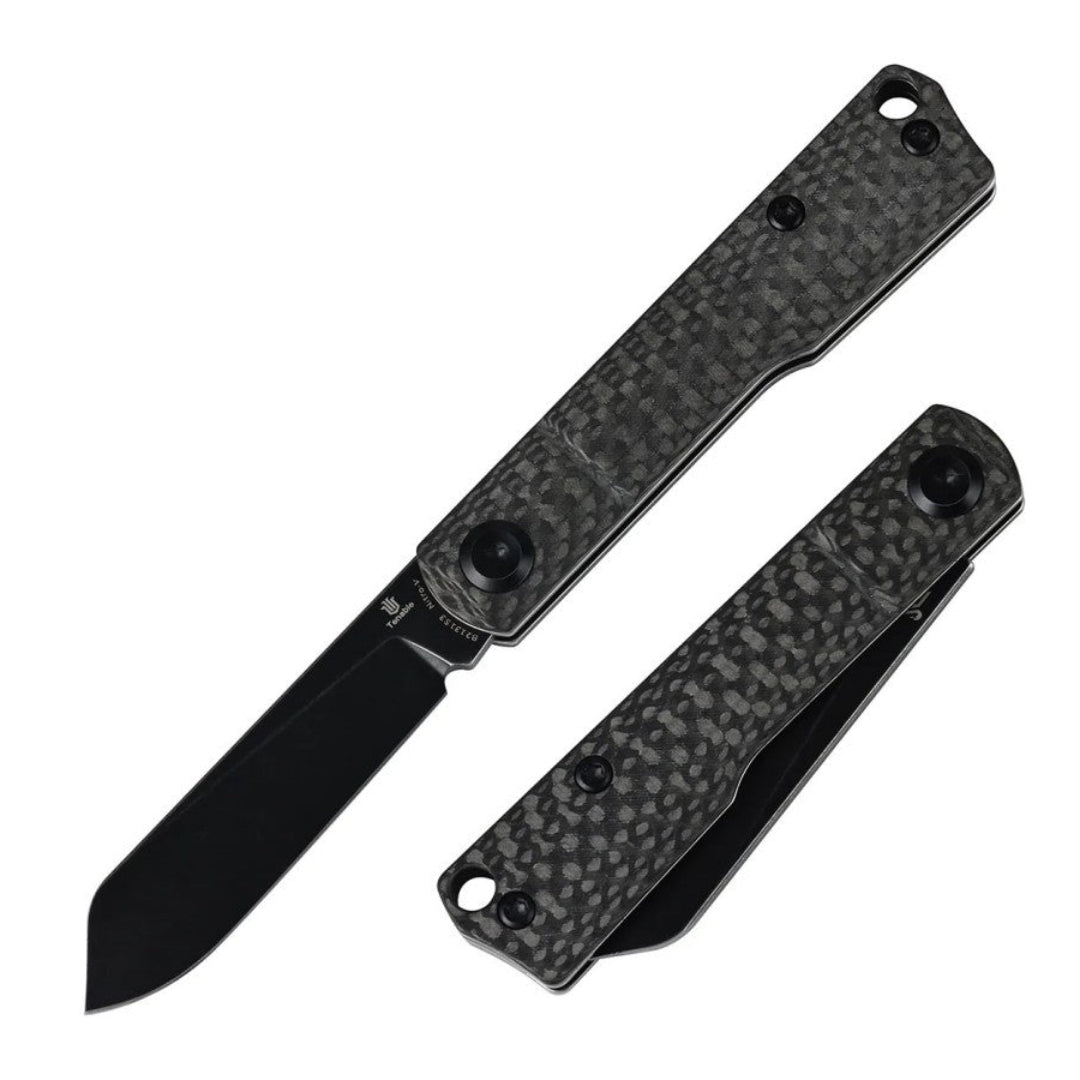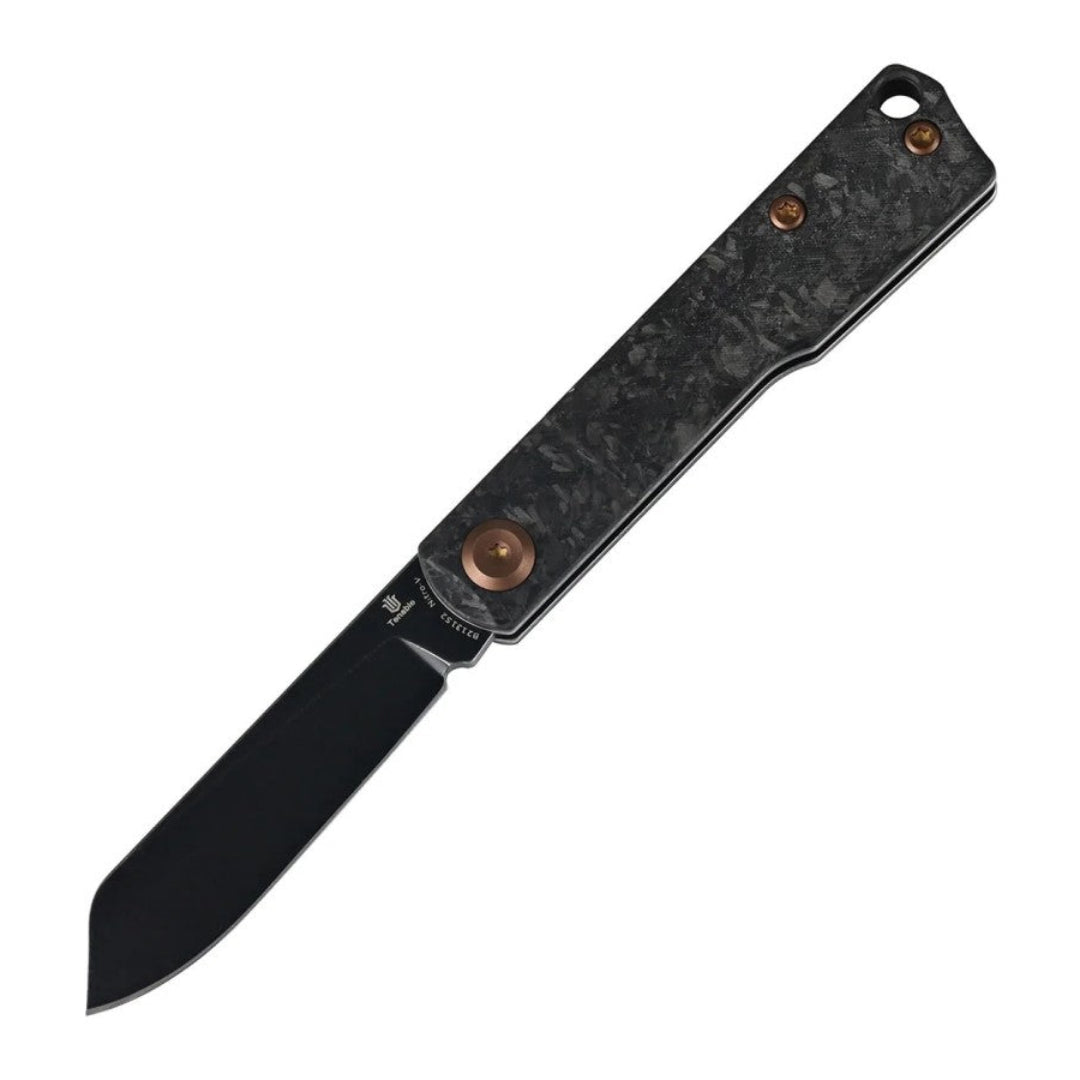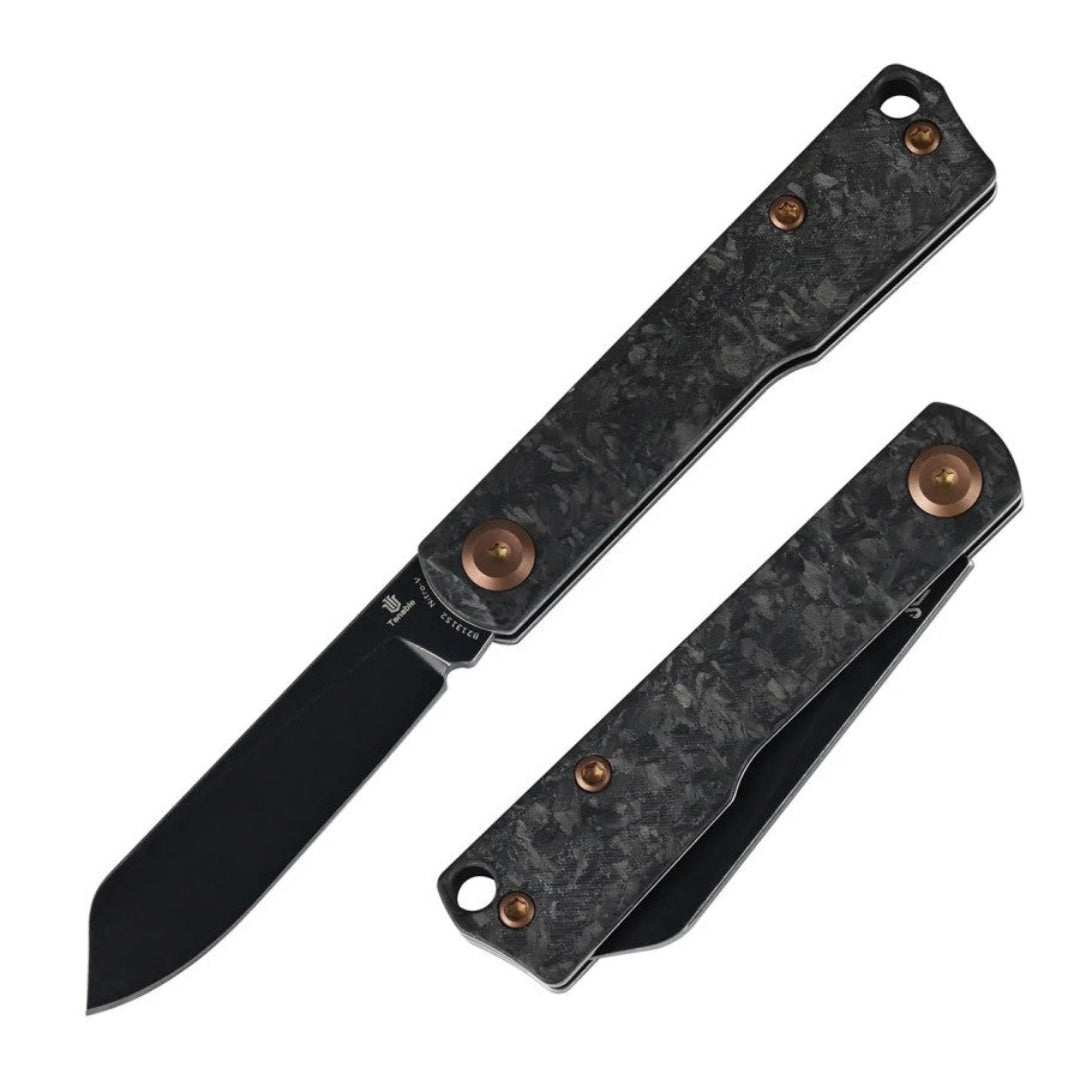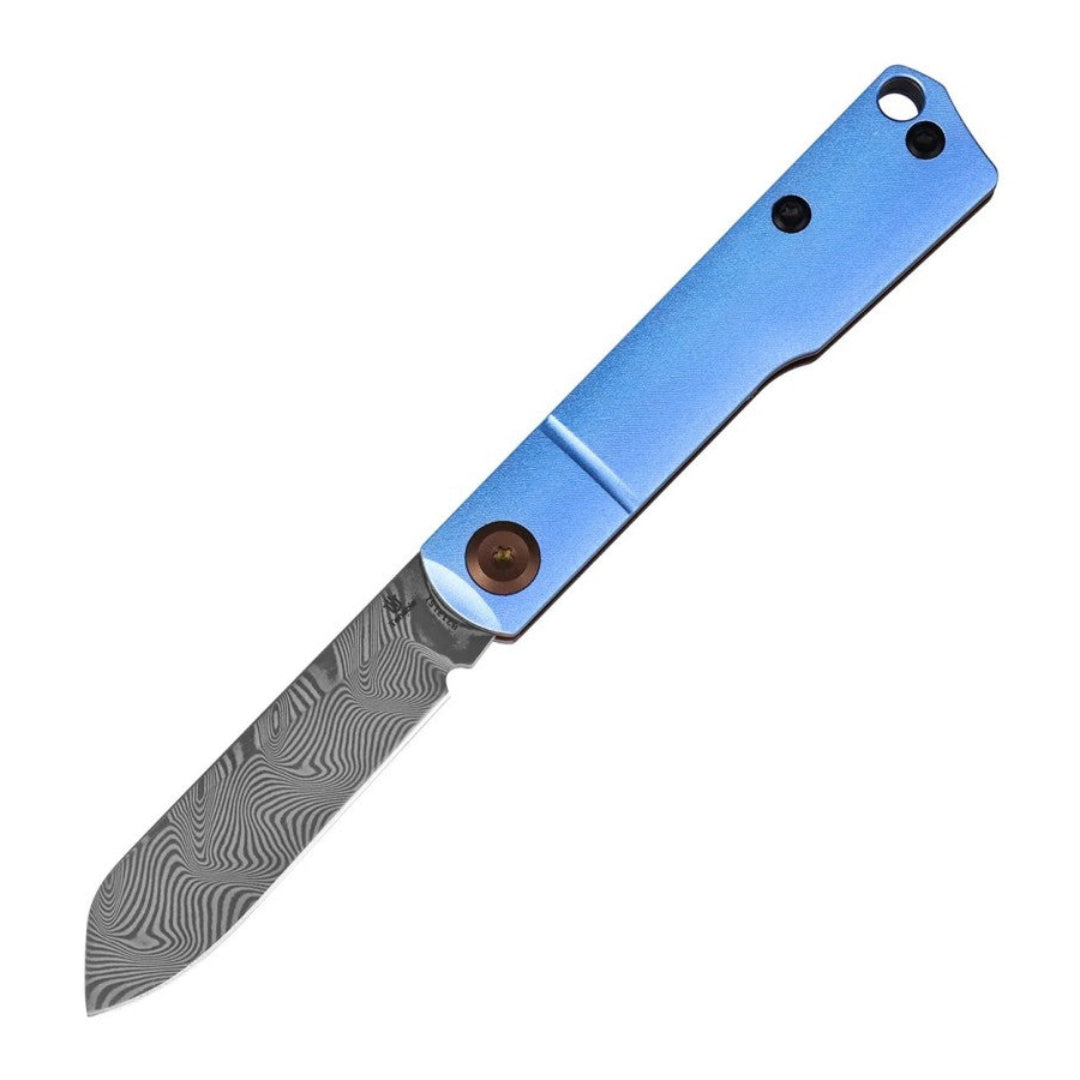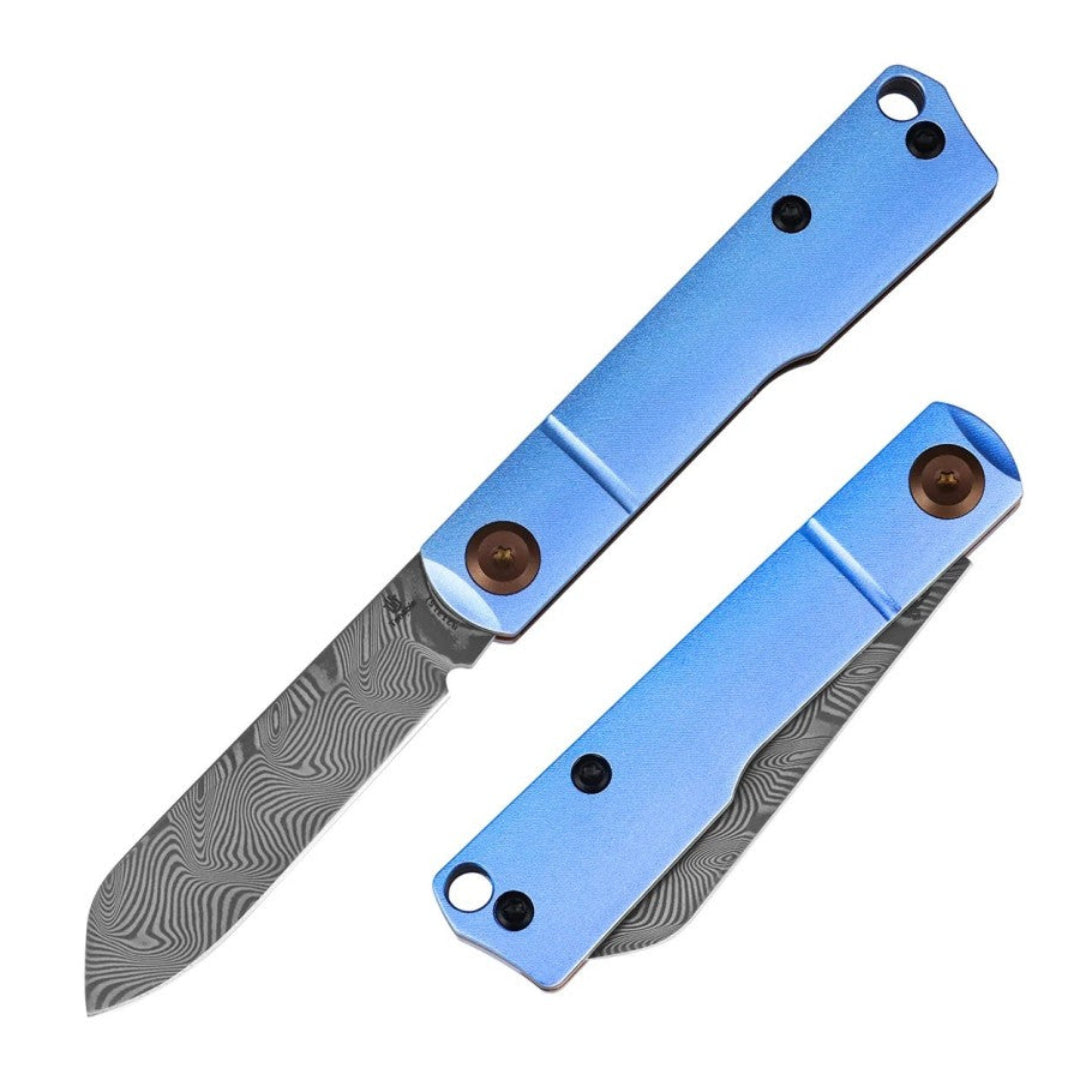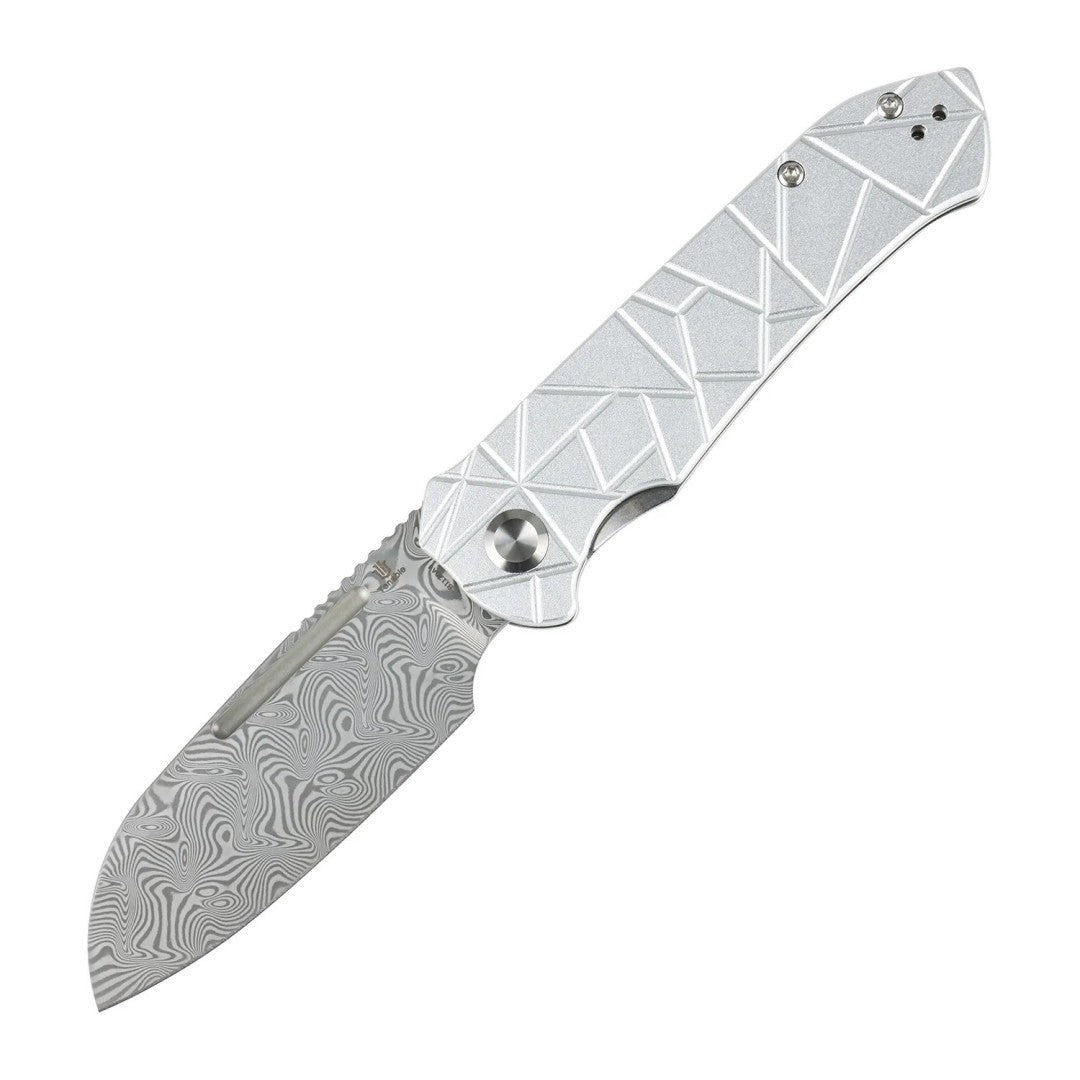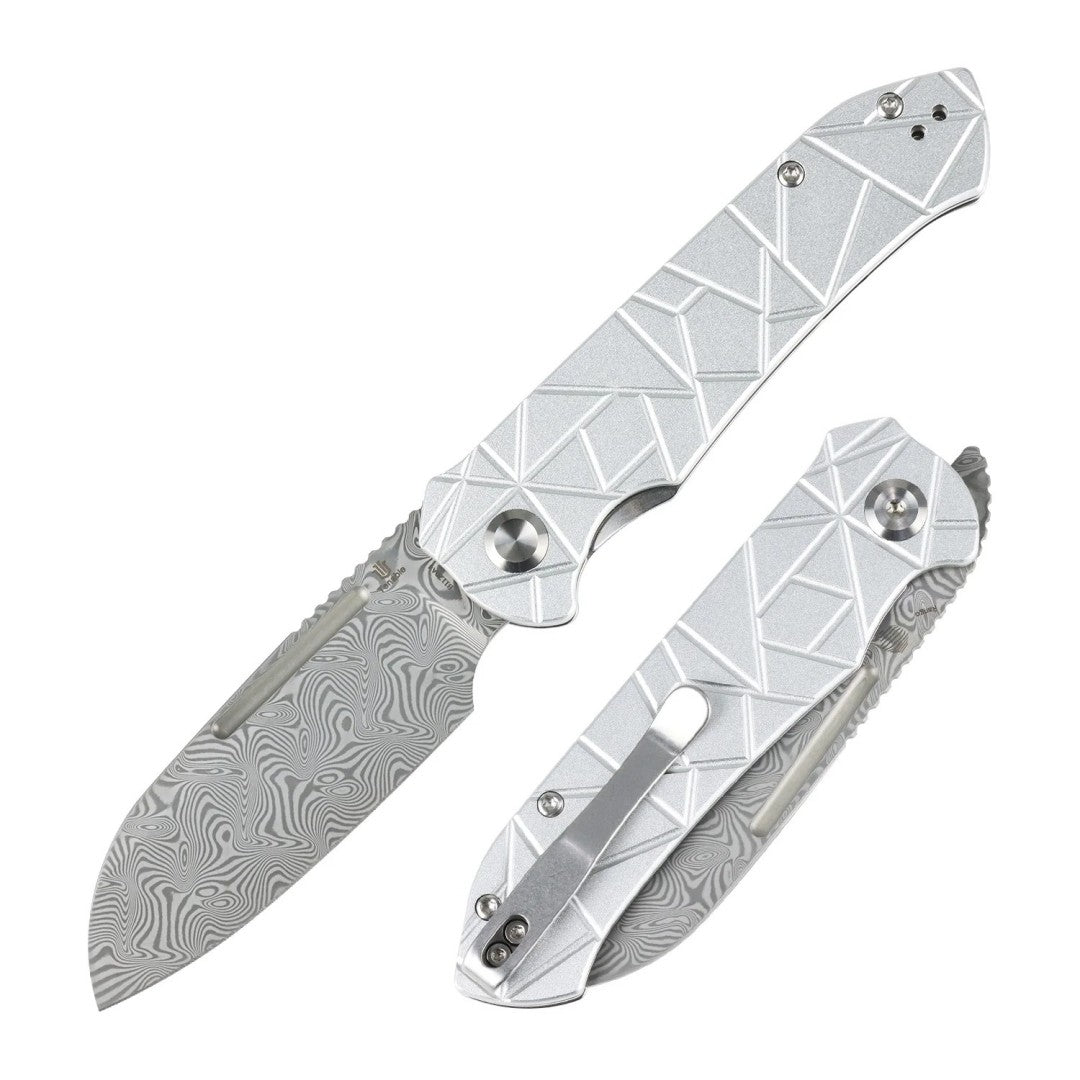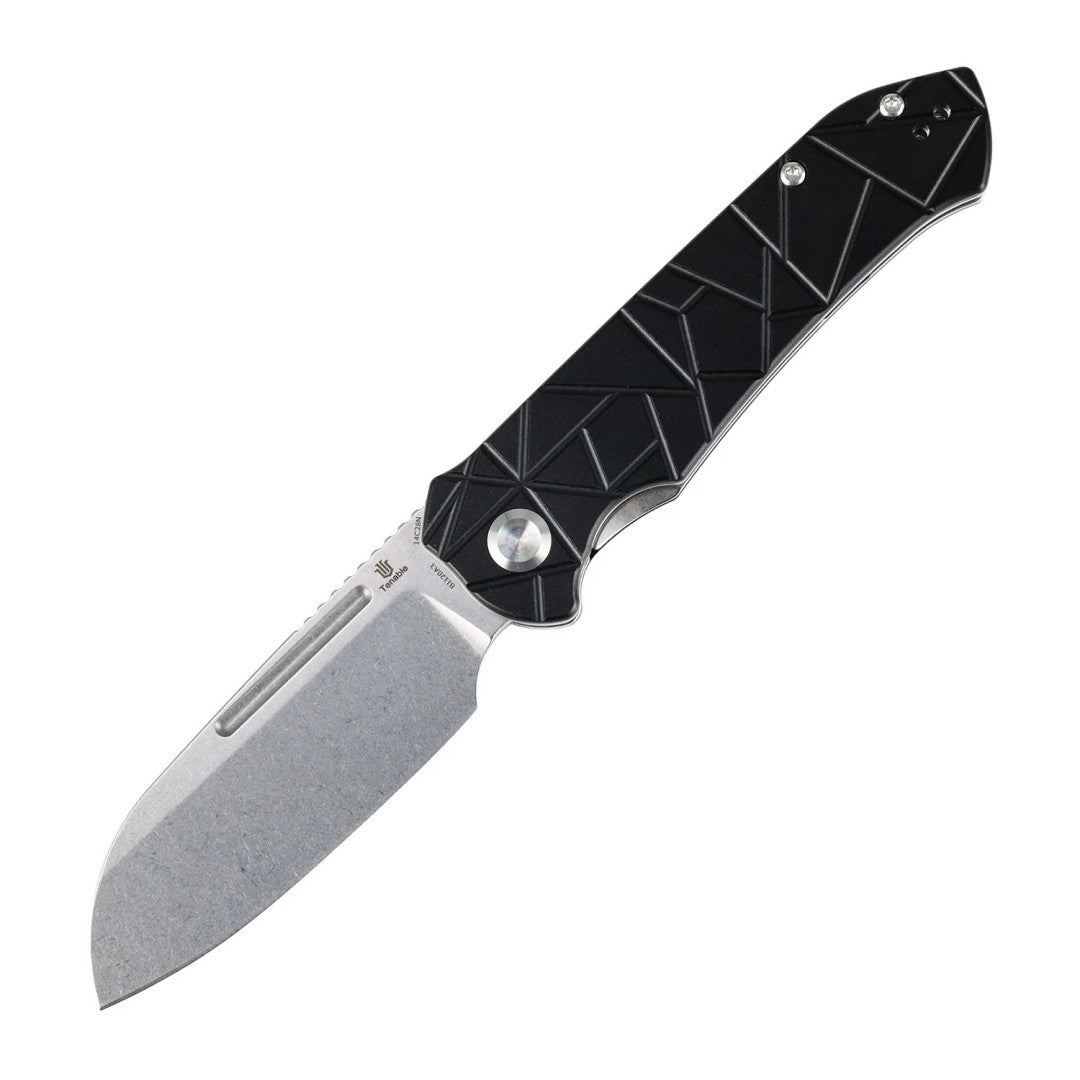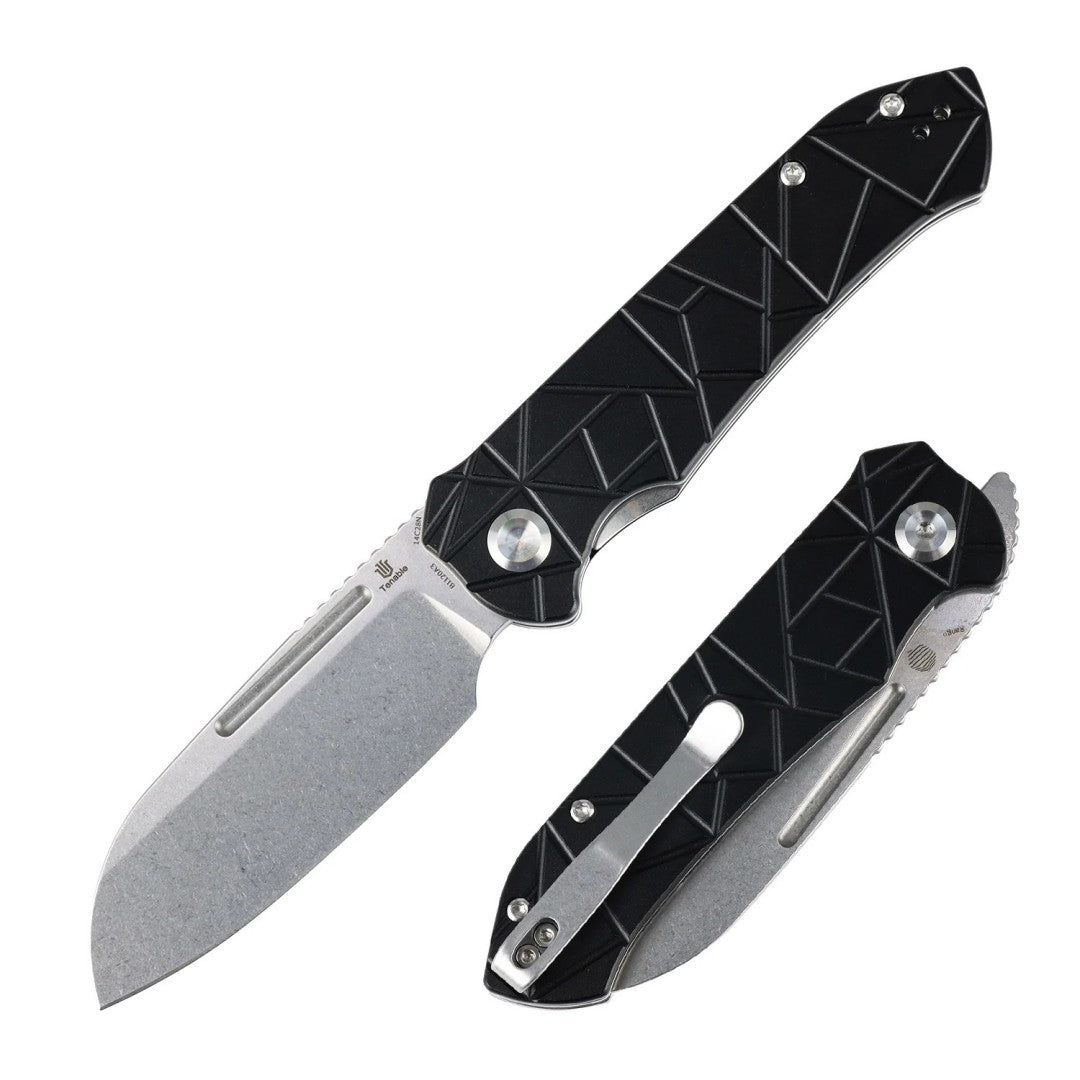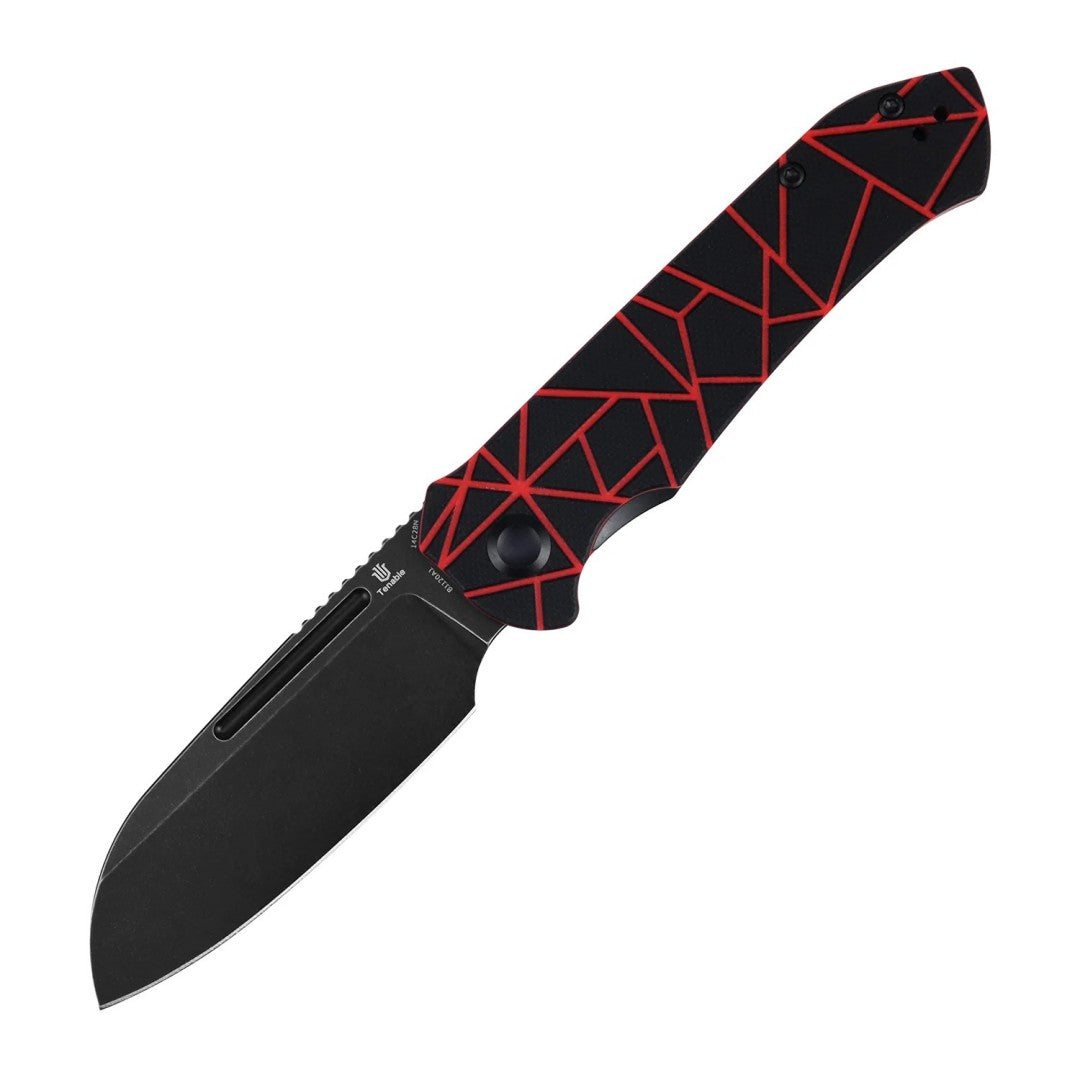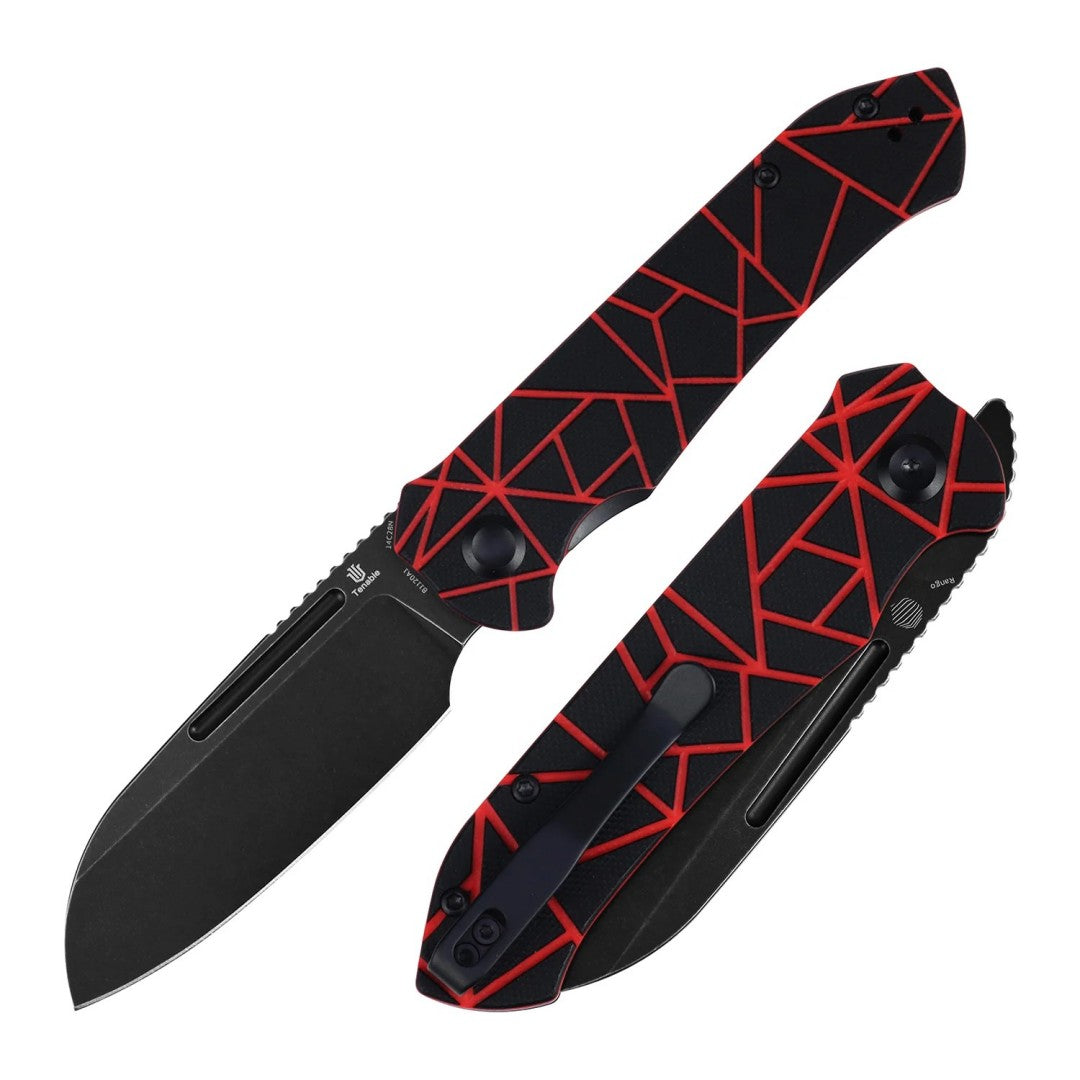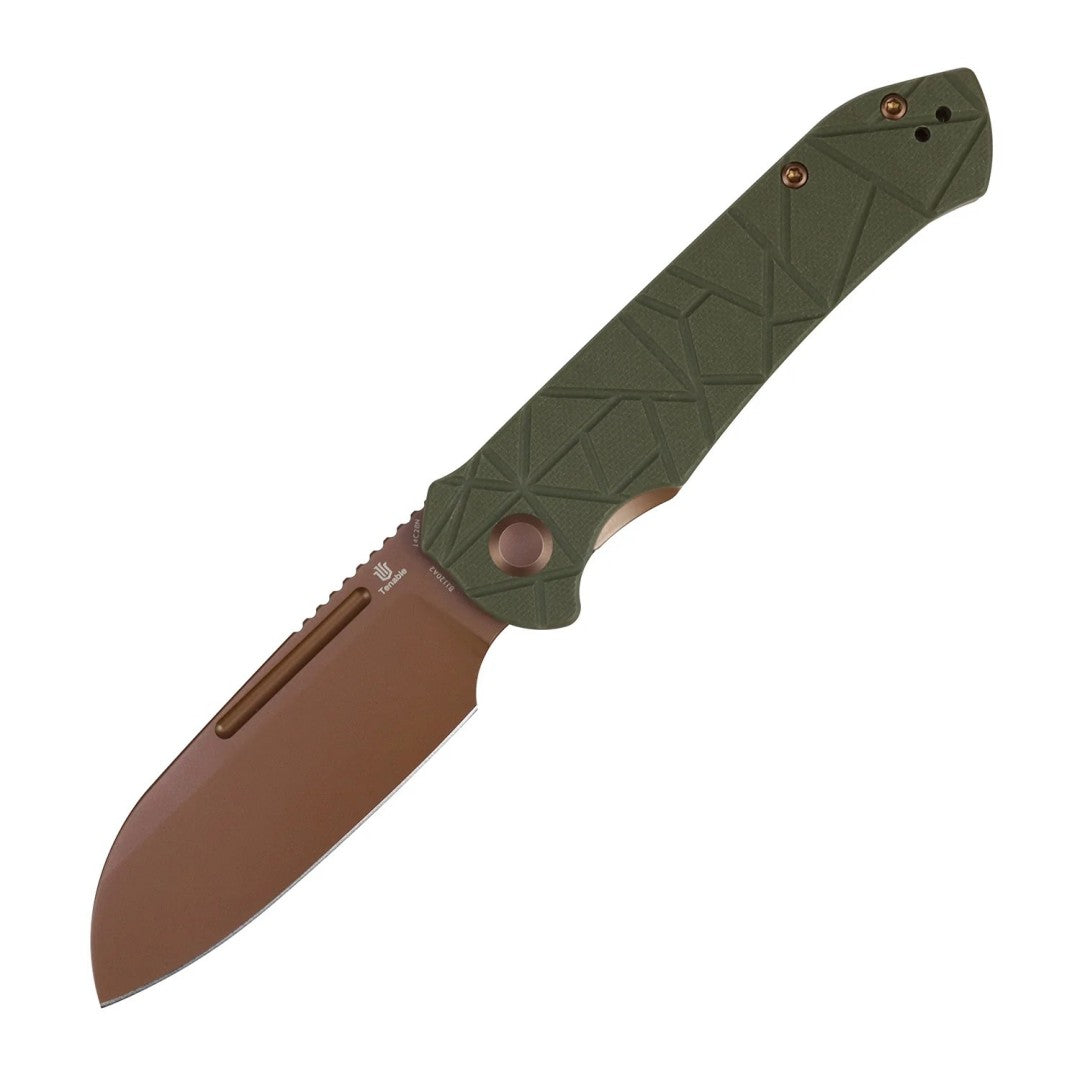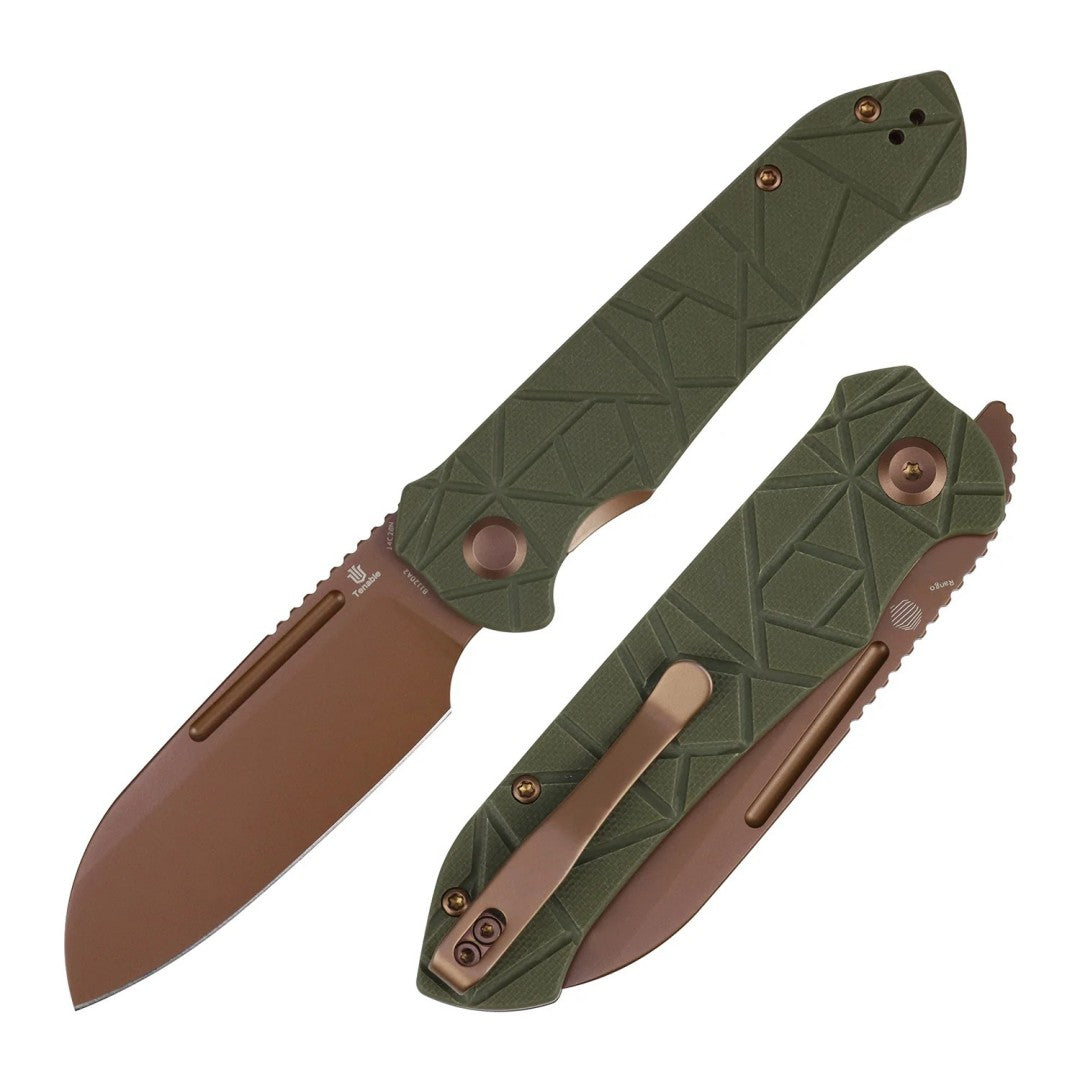

Carrying a premium folding knife like the Tenable Deadite featuring a beautiful Water Ripple Damascus Steel blade is an immediate statement of style and appreciation for custom knife design. Crafted with the geometric precision of legendary designer TuffKnives, the Deadite Damascus variants (V1 and V4) blend striking custom aesthetics with everyday utility.

However, unlike standard stainless steels that can tolerate a fair amount of neglect, a layered Damascus steel blade requires intentional upkeep. Because the acid-etched valleys that create those beautiful contrast lines can naturally hold on to moisture and pocket sweat, proper preventative maintenance is key.
In this comprehensive care guide, we share the essential maintenance tips to protect your Tenable Deadite Damascus blade from rust, tea staining, and corrosion, ensuring it remains the crown jewel of your everyday carry setup.
Why Damascus Steel Requires Extra Attention
To effectively combat rust, it helps to understand what is happening on the surface of your blade.
Modern high-performance Damascus steel is created by forge-welding multiple layers of different steel alloys together. Once the blade is shaped, it is dipped in an acid bath. The acid eats away at the softer steel layers while leaving the harder alloys relatively untouched. This creates the iconic, physical "water ripple" topography you can feel with your fingernail.
While beautiful, this microscopic texture creates thousands of tiny valleys where ambient humidity, saltwater, acids from cutting food, and sweat can settle. If left unchecked, oxygen will react with the metal, resulting in unsightly orange rust spots or oxidation that dulls the brilliant high-contrast finish.
 The Golden Rules of Damascus Blade Care
Preventing corrosion on your Tenable Deadite isn’t difficult, but it does require building a few good habits. Follow these four foundational rules:
1. Keep It Dry and Clean (The Golden Rule)
Never put your Deadite away dirty or wet. If you use your knife to slice an apple, open a package covered in moisture, or cut through damp rope, wipe the blade down immediately.
-
Pro Tip: Avoid storing your knife inside a damp pocket alongside sweaty workout gear or wet rags. If the knife gets thoroughly soaked, pull back the crossbar lock, open the blade, and dry the interior liners completely with a microfiber cloth.
2. Wipe Off Finger Oils
Human skin oils are naturally acidic and contain salt. Touching the face of your Damascus blade and leaving it sitting in a drawer for weeks can actually leave permanent "ghost print" rust marks. Get into the habit of wiping the blade flats down with a clean cloth before putting it away for the night.
3. Choose the Right Cleaning Solvent
When cleaning sticky tape residue or grime off your blade, use 91% or higher Isopropyl Alcohol. It dissolves oils and adhesives rapidly and evaporates almost instantly, leaving zero water residue behind to cause rust. Avoid harsh household abrasive chemical cleaners, which can permanently bleach or strip the dark acid-etched contrast of the Damascus pattern.
How to Properly Lubricate and Shield the Steel
Cleaning is only the first half of the battle; you must also provide a physical barrier between the steel and the air. Because the Deadite features an incredibly snappy crossbar lock mechanism, choosing the right lubricant keeps both the steel protected and the action buttery smooth.
The Best Protective Oils and Waxes
-
Food-Safe Mineral Oil: If you use your knife to occasionally slice food, light mineral oil is inexpensive, highly effective, and entirely non-toxic.
-
Specialized Knife Waxes (e.g., Renaissance Wax): Waxes are highly recommended for the face of a Damascus blade. Unlike wet oils, a premium microcrystalline wax dries hard, doesn't collect pocket lint, and provides a long-lasting, completely waterproof seal over the textured layers.
-
Premium Knife Oils (e.g., KPL - Knife Pivot Lube): Use a high-quality, lightweight synthetic oil specifically for the pivot and the crossbar locking track.
Step-by-Step Protective Application
-
Thoroughly clean and dry the blade using isopropyl alcohol.
-
Apply 2-3 drops of mineral oil or a small pea-sized amount of knife wax to a clean microfiber cloth.
-
Buff the oil or wax evenly across the entire surface of the Damascus steel, ensuring you coat the exposed cutting edge.
-
Use a dry section of the cloth to lightly wipe away any excess. The blade should look clean and vibrant, not greasy or dripping.
Long-Term Storage Best Practices
If you plan to rotate the Deadite out of your pocket and store it in a safe, drawer, or knife roll for an extended period, follow these storage tips:
-
Avoid Leather Sheaths: Never store a Damascus folding knife long-term inside a leather sheath or pouch. Leather naturally retains moisture and the chemicals used during the leather tanning process can severely corrode steel over time.
-
Use Silica Gel Packets: Keep a few moisture-absorbing silica gel packs inside your knife storage case to pull ambient humidity out of the air.
-
Open-Air Environments: A dry, well-ventilated drawer or a specialized hard-shell case with custom foam is the ideal resting place for your premium gear.
By spending just two minutes a week maintaining the stunning Water Ripple Damascus blade on your Tenable Deadite, you protect the custom design lineage of TuffKnives and guarantee that your favorite folder will pass down to the next generation in pristine, razor-sharp condition.
Frequently Asked Questions (FAQ)
What should I do if my Damascus Deadite develops a light rust spot?
Do not panic or use steel wool, as it will scratch the finish. Apply a generous amount of knife oil to the spot and gently scrub it using a soft-bristled toothbrush or a wooden toothpick. This will lift the surface rust without damaging the underlying acid-etched pattern.
Can I use WD-40 to protect my Damascus blade from corrosion?
While WD-40 is excellent at displacing water, it evaporates quickly and leaves behind a sticky, thin film that acts like a magnet for pocket lint and dirt. It is much better to use dedicated knife wax, synthetic knife oil, or standard light mineral oil.
Will cutting acidic items like lemons ruin the Damascus pattern?
Strong acids will act as an uncontrolled etching agent, which can alter or dull the contrast of the water ripple pattern. If you cut acidic items, immediately wash the blade with fresh water, dry it thoroughly, and reapply a protective layer of oil or wax.